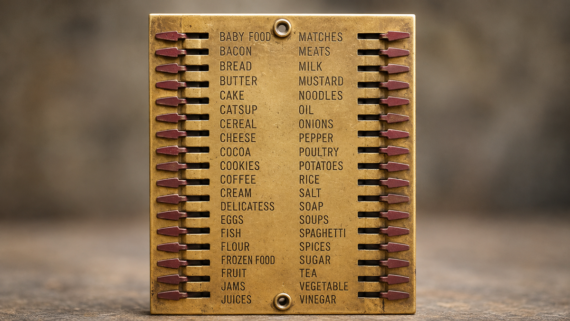
Grocery shopping in the 1950s looked familiar in some ways, but the details tell a very different story. The aisles were narrower, the signs were bolder, and shoppers moved through stores that were still adjusting to the rise of self-service supermarkets. These photos would show a world of paper bags, glass bottles, metal carts, butcher counters, and handwritten prices. Look closely, and the everyday errand starts to feel like a snapshot of postwar life.
The Front Windows Were Part Advertisement, Part Theater
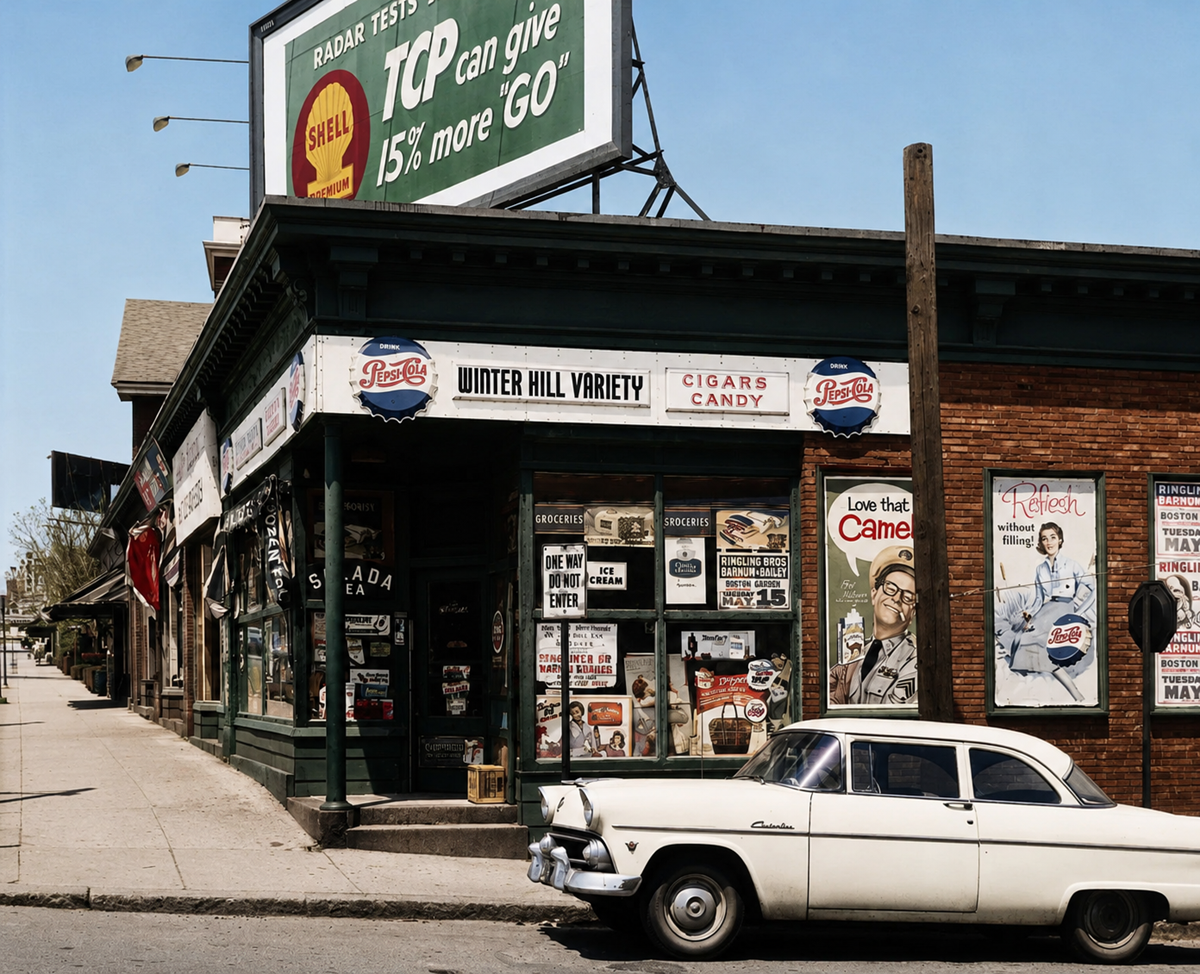
BOSTON / VIA REDDIT
Before grocery stores relied on digital screens or loyalty apps, the front window had to do a lot of the selling. A good display might stack canned peaches, coffee tins, soap boxes, and cereal packages into a little wall of abundance, with painted signs shouting out the week’s bargains. These windows were not subtle, but they were effective, especially at a time when a growing number of families were building their weekly routine around one big shopping trip.
The Aisles Looked Smaller Than Most People Expect
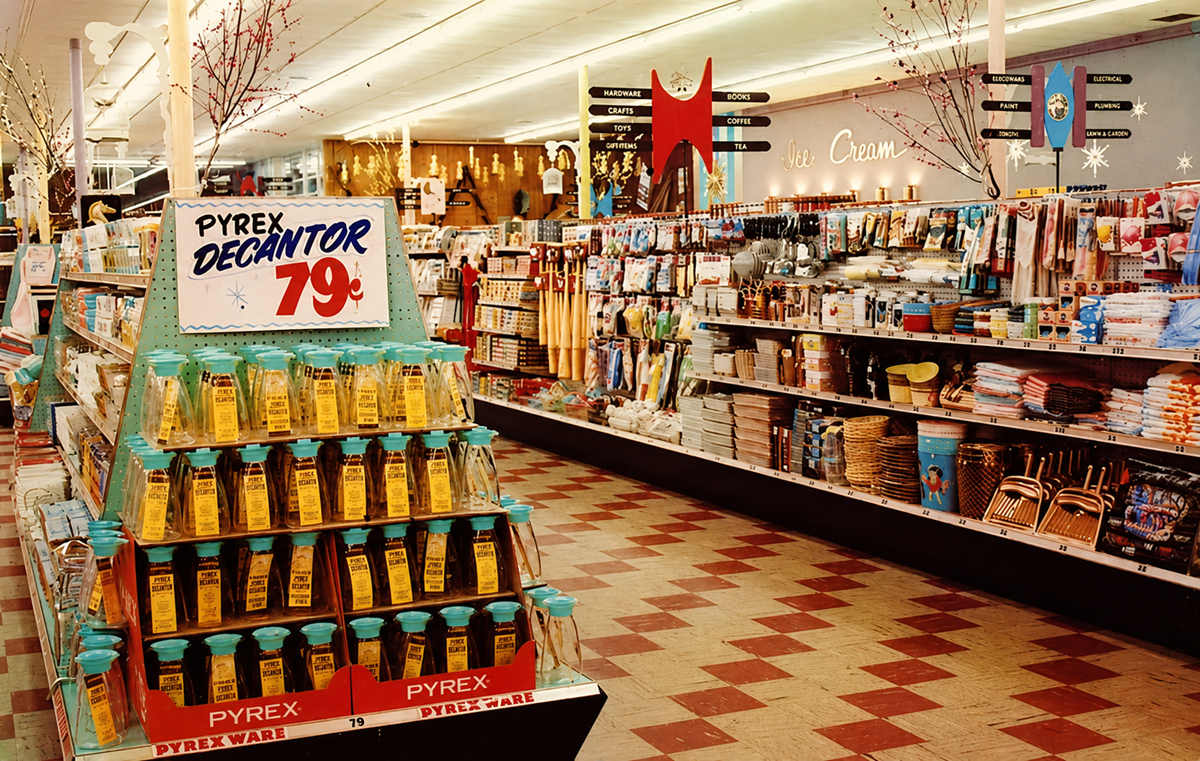
THEWAYWEWERE / VIA REDDIT.COM
Many grocery stores from the 50s had aisles that feel almost tight by modern standards. Shelves were packed, but the stores themselves often had a more compact footprint, especially neighborhood markets that had not yet been replaced by larger suburban supermarkets. It made shopping feel less like wandering a warehouse and more like moving through a busy, familiar local stop.
Canned Goods Were Everywhere
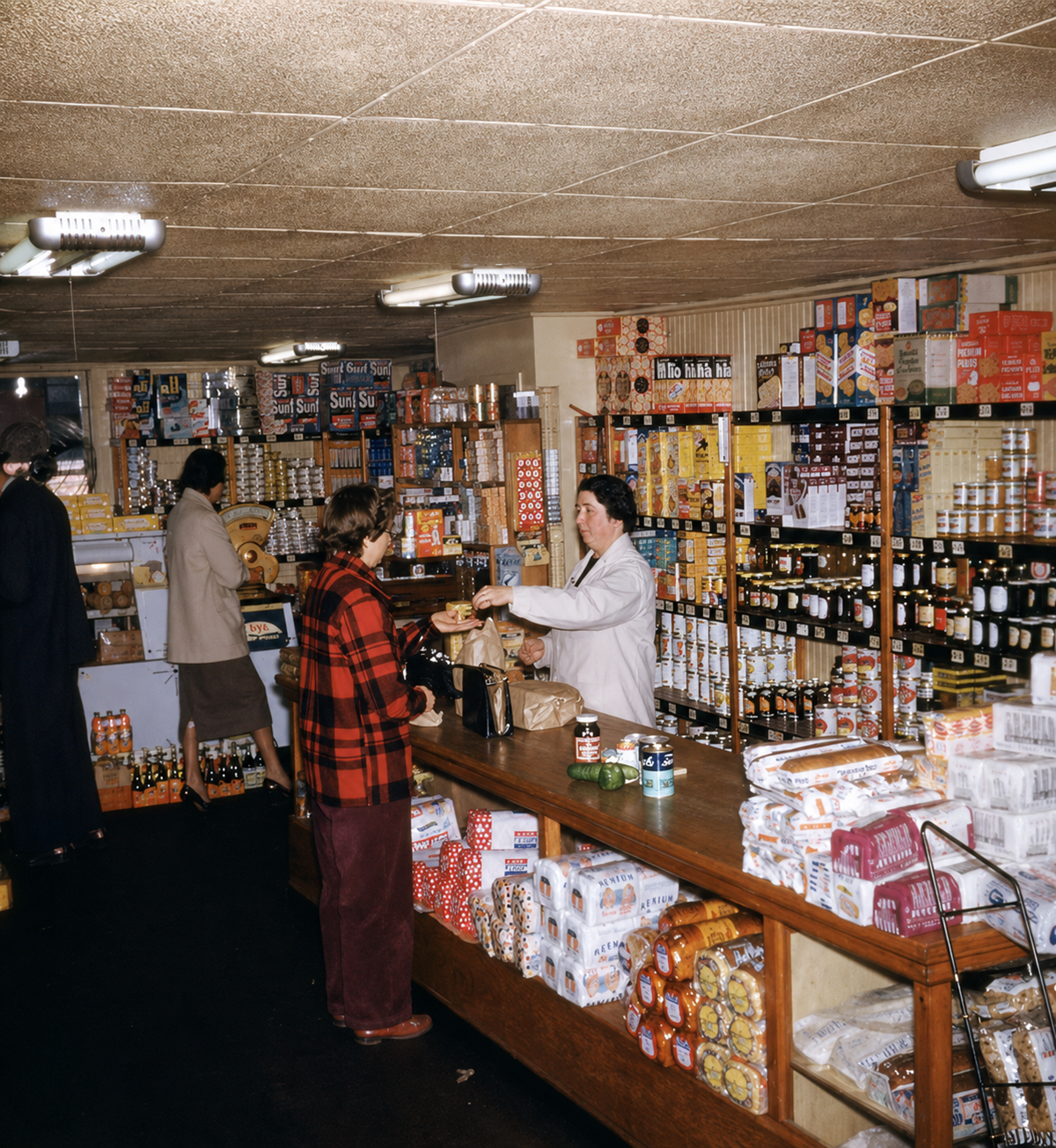
THEWAYWEWERE / VIA REDDIT.COM
If one thing jumps out in old grocery photos, it is the sheer number of cans. Canned vegetables, soups, fruits, meats, juices, and ready-made meals filled long stretches of shelving, reflecting the postwar love of convenience and shelf-stable food. For many families, a well-stocked pantry was not just practical, it was a small sign of comfort.
The Produce Section Had a More Hands-On Feel
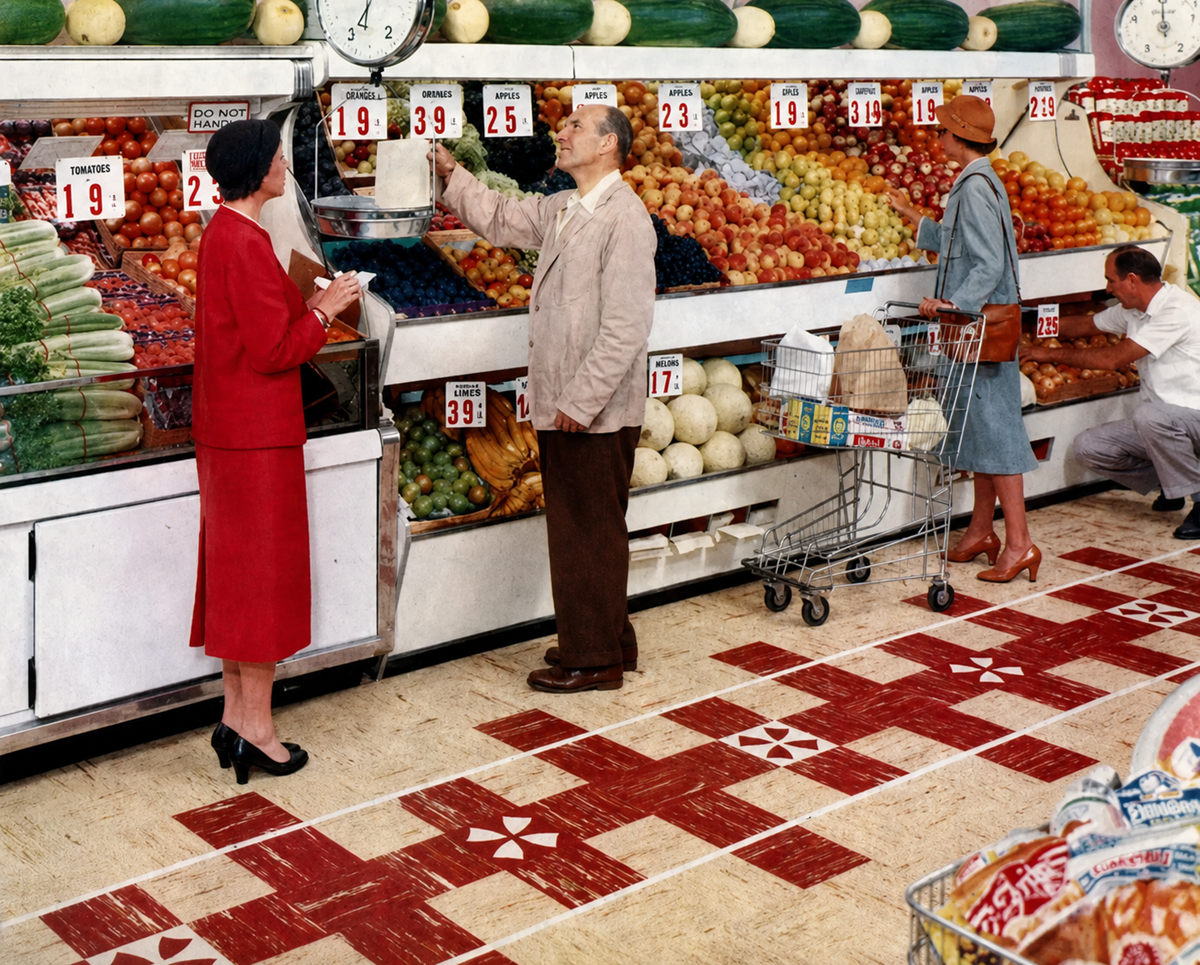
PICS / VIA REDDIT.COM
Produce displays were often simple wooden bins, tilted tables, or open crates arranged near the front of the store. Shoppers picked through apples, lettuce, potatoes, oranges, and onions without the polished supermarket staging that became more common later. The section could look a little rough around the edges, but it also felt closer to a market stall than today’s carefully misted displays.
Butcher Counters Were a Main Event
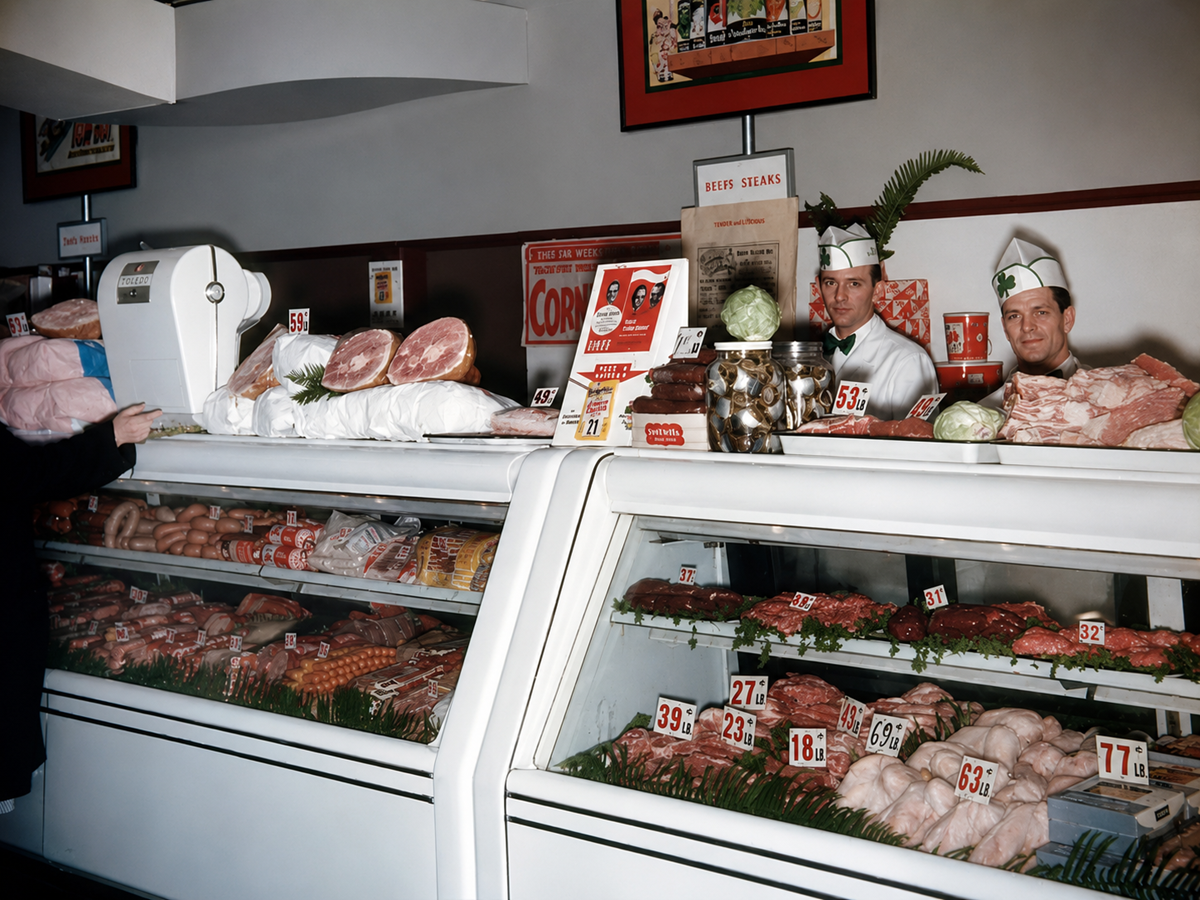
THEWAYWEWERE / VIA REDDIT.COM
The meat department was not just another refrigerated aisle. In many stores, shoppers ordered directly from a butcher behind a glass case, asking for specific cuts, weights, and trims. That counter was part service desk, part neighborhood conversation spot, and part reminder that grocery shopping still involved a lot of personal interaction.
Trending on The Scroller

Shopping Carts Were Still Becoming Part of the Routine
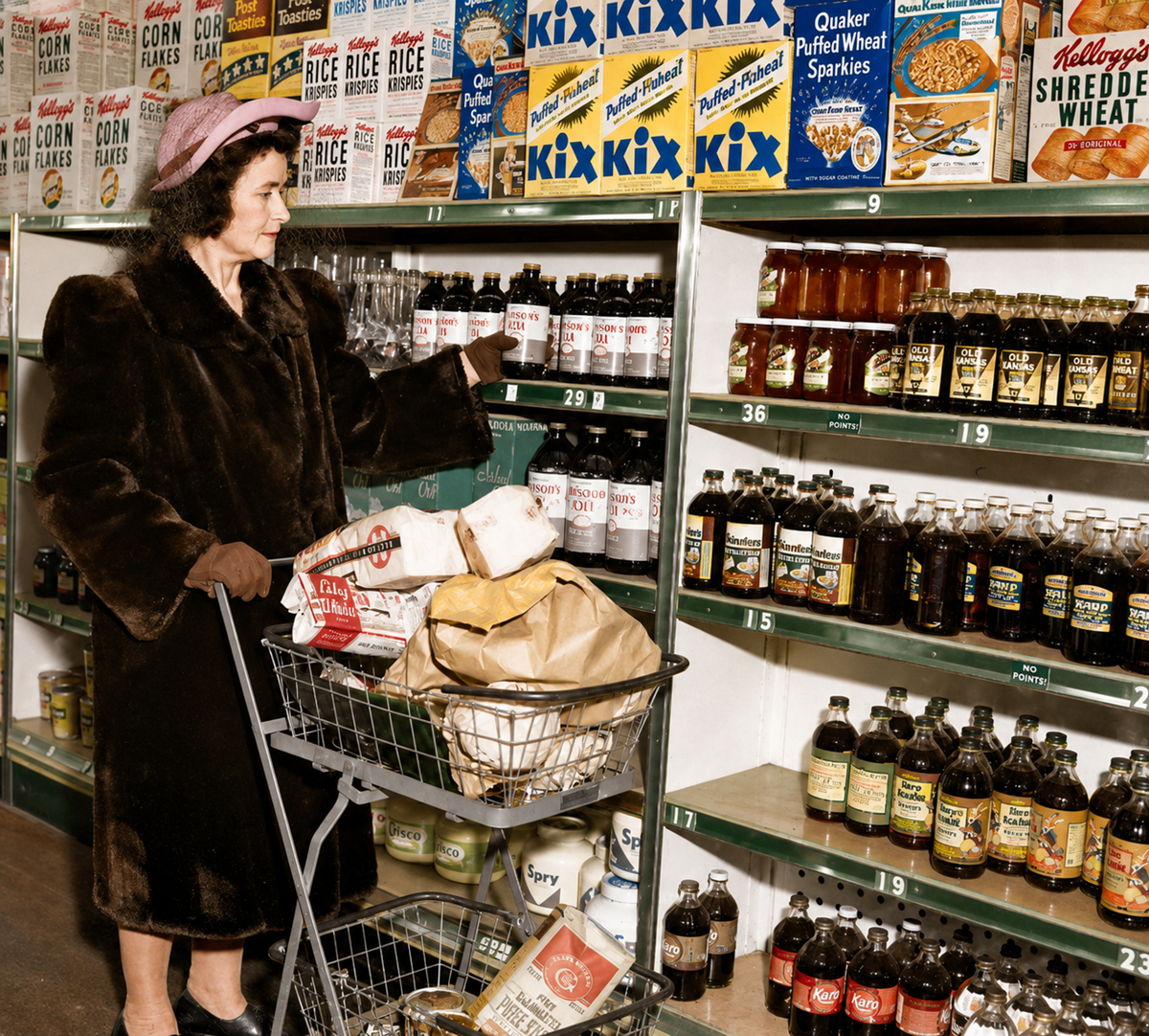
THEWAYWEWERE / VIA REDDIT.COM
By the 1950s, shopping carts were common in supermarkets, but they still had a newer feel compared with the hand baskets and counter-service habits of earlier decades. The carts were usually metal, plain, and smaller than the oversized versions used in many stores now. They also matched the era’s bigger shift, shoppers were buying more at once and carrying it home by car.
The Checkout Line Was a Mechanical Soundtrack
THEWAYWEWERE / VIA REDDIT.COM
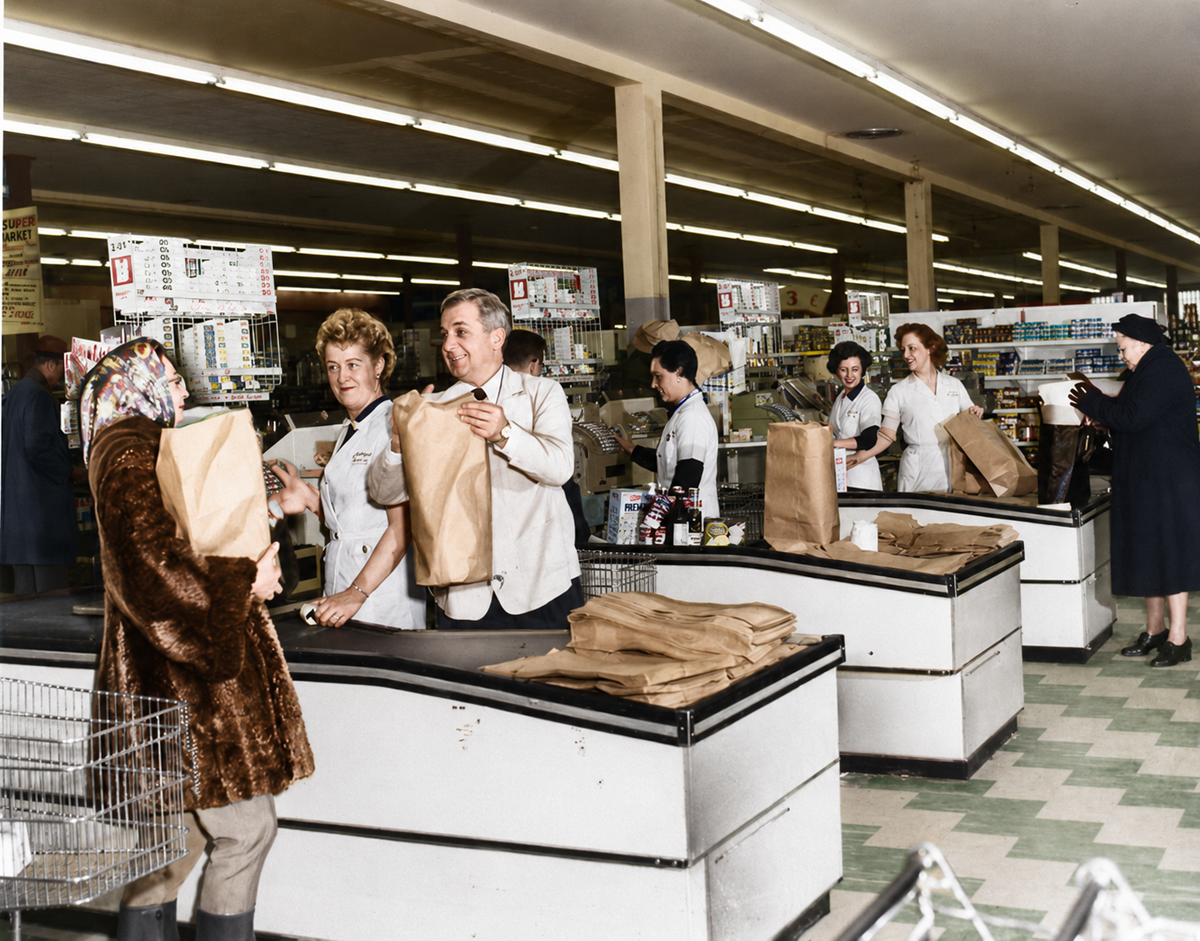
The checkout area would have sounded very different from the beep-and-scan rhythm people know now. Cash registers rang, clerks punched keys, and prices had to be read by eye instead of scanned from barcodes, which did not appear in supermarkets until decades later. A fast cashier in the 1950s had a skill that was easy to hear.
Paper Bags Did All the Heavy Lifting
THEWAYWEWERE / VIA REDDIT.COM
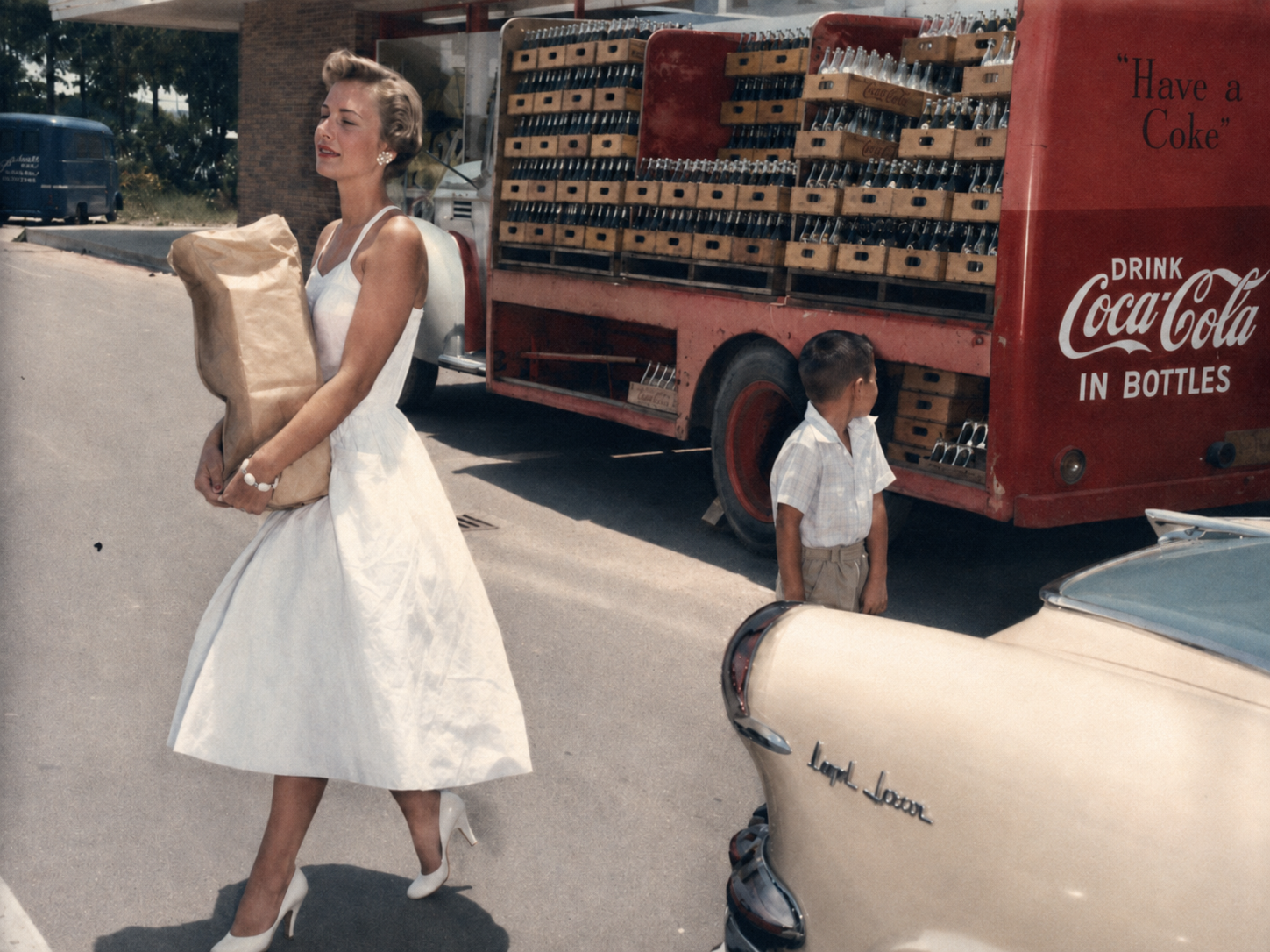
Plastic grocery bags were not part of the scene yet. Groceries went into brown paper bags, often packed by a clerk or bagger who knew how to balance cans, boxes, produce, and glass bottles without crushing anything. A full bag had a certain architecture to it, and getting it right mattered.
Sign up for our newsletter
Glass Bottles Made the Beverage Aisle Heavier
THEWAYWEWERE / VIA REDDIT.COM
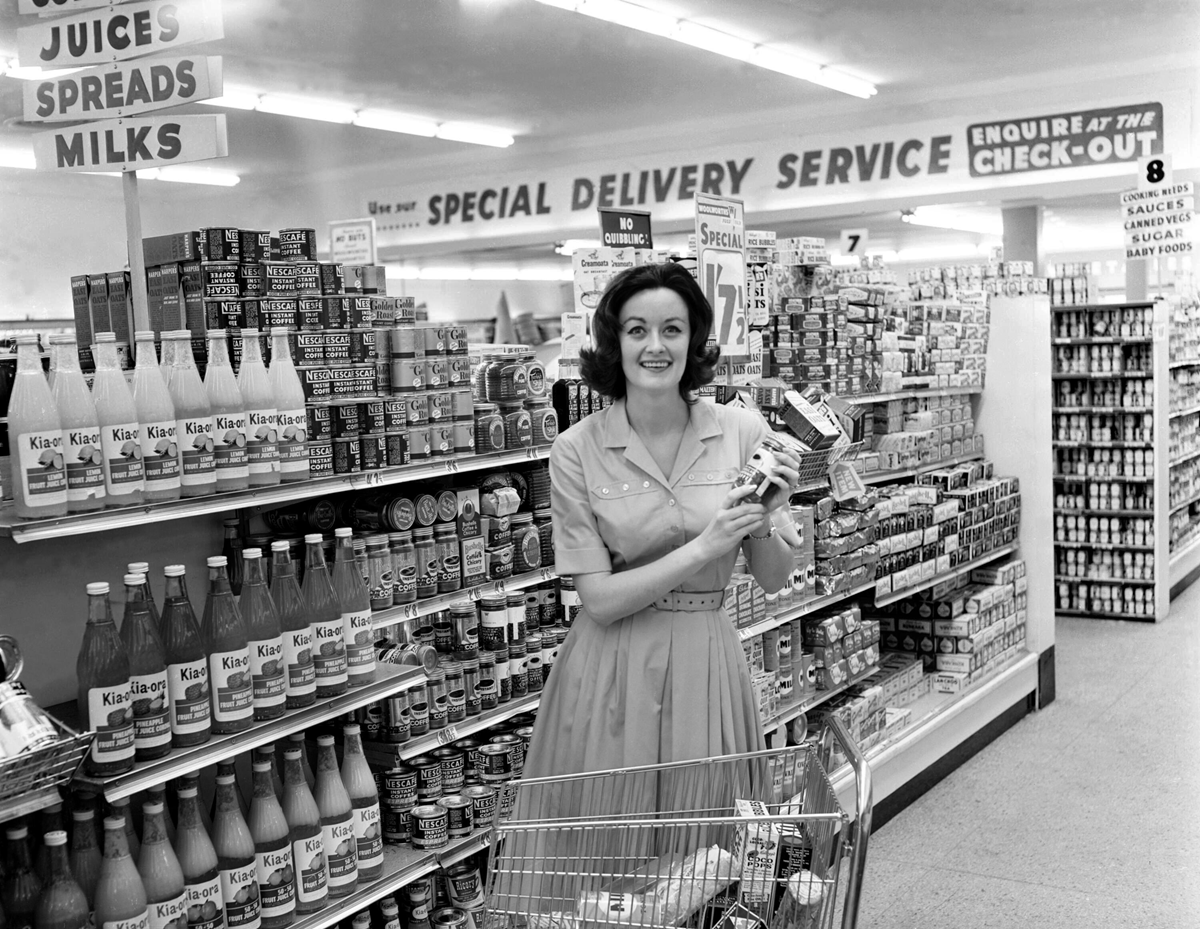
Milk, soda, juice, and many other drinks were commonly sold in glass bottles, which made beverage shopping heavier and more fragile than it is now. Some bottles were returnable, and deposits encouraged customers to bring empties back to the store. In photos, those neat rows of glass can look charming, but they also hint at a lot more clinking and carrying.
The Packaging Was Bright, Busy, and Very Direct
1950s / VIA REDDIT.COM
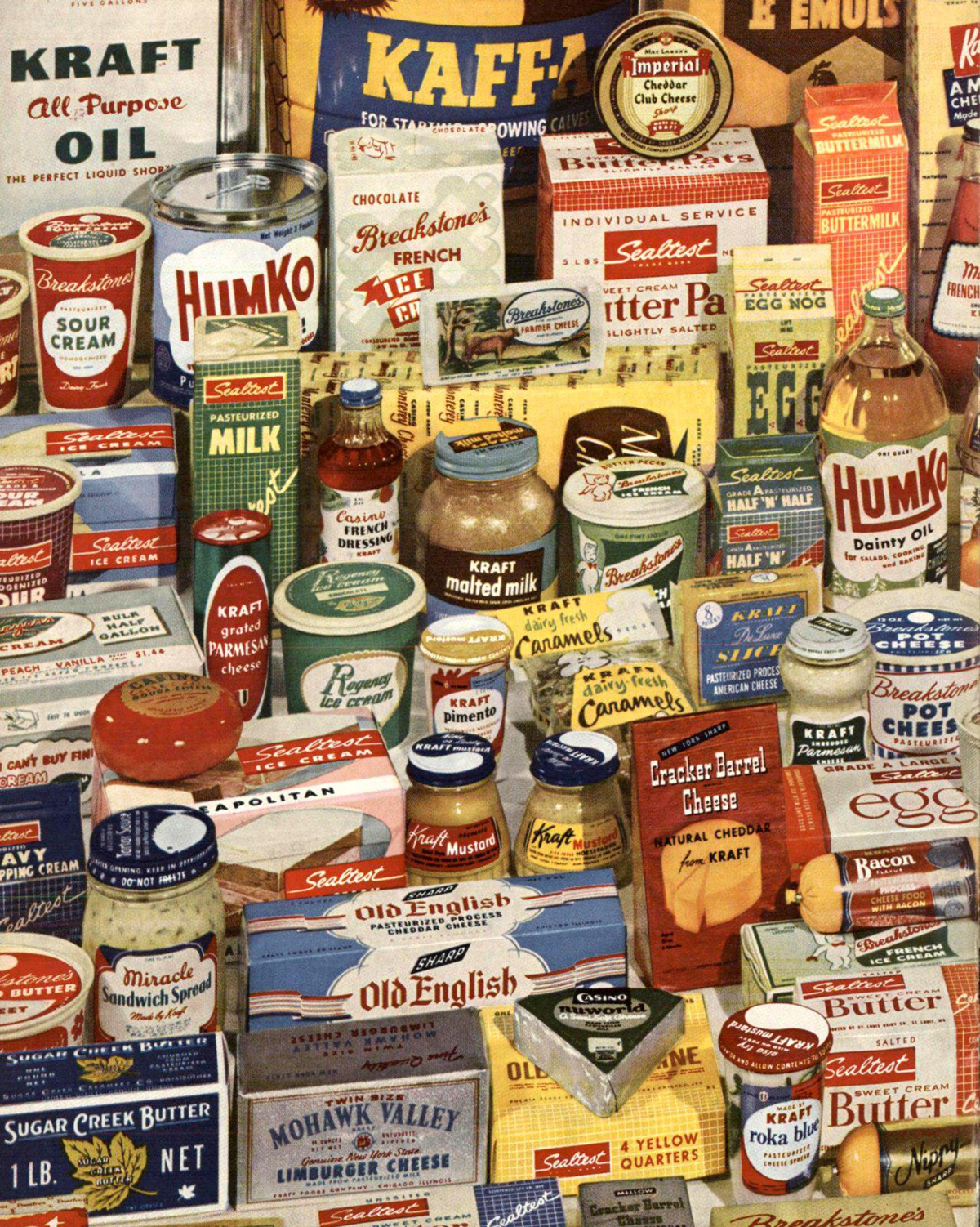
Food packaging in the 1950s had a different kind of confidence. Boxes and cans leaned hard on bold lettering, smiling characters, strong colors, and promises of speed, freshness, flavor, or family approval. A shelf full of these packages could look almost like a comic strip, with every label trying to grab attention at once.
Frozen Foods Were Starting to Take Over More Space
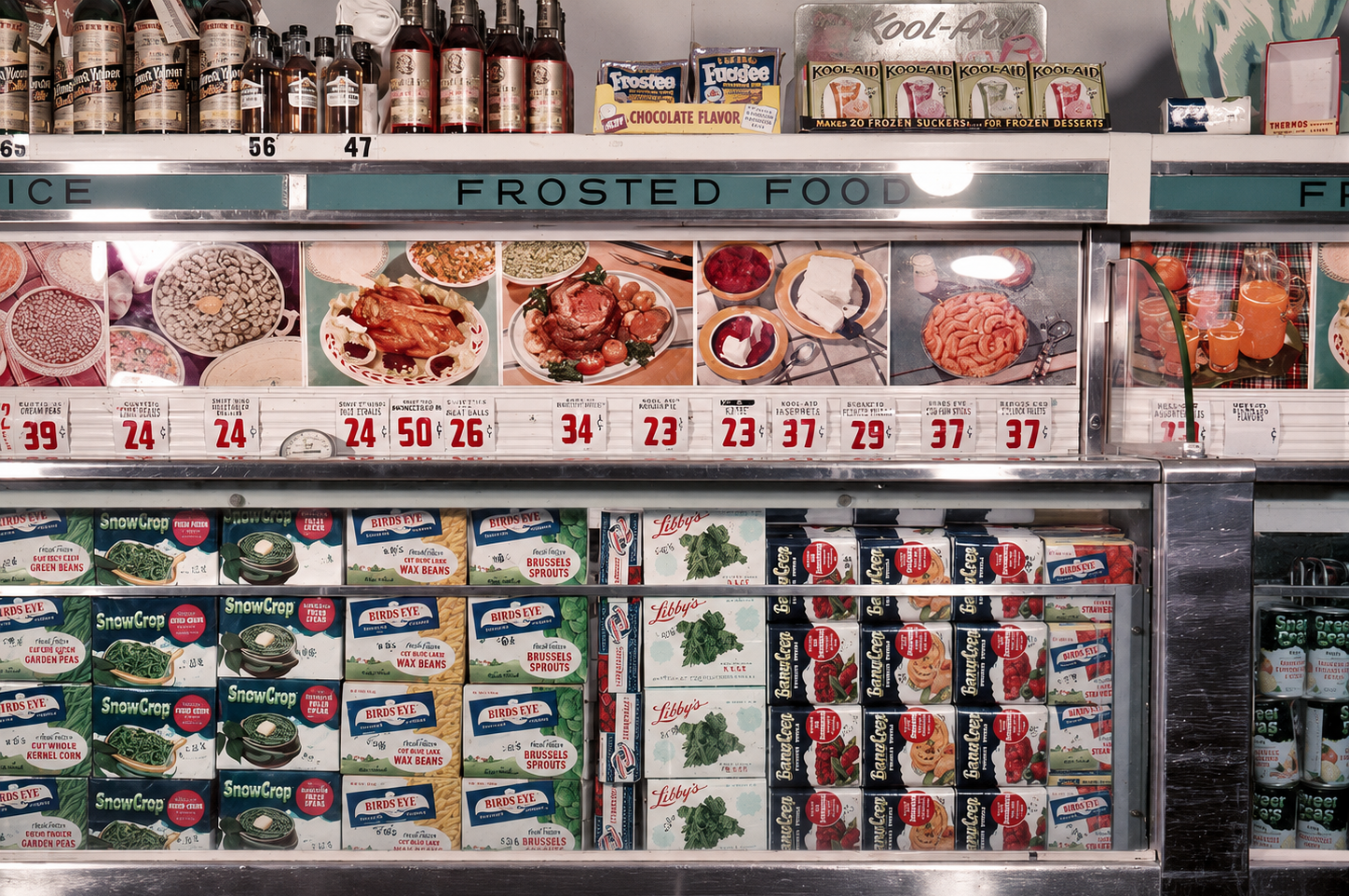
THEWAYWEWERE / VIA REDDIT.COM
Frozen food had been around before the 1950s, but this was the decade when it became a more visible part of everyday grocery shopping. Freezer cases held vegetables, juices, dinners, fish sticks, and desserts aimed at busy households looking for shortcuts. The frozen section still looked modest compared with today’s long freezer aisles, but it was clearly growing.
Trading Stamps Made Checkout Feel Like a Bonus Round
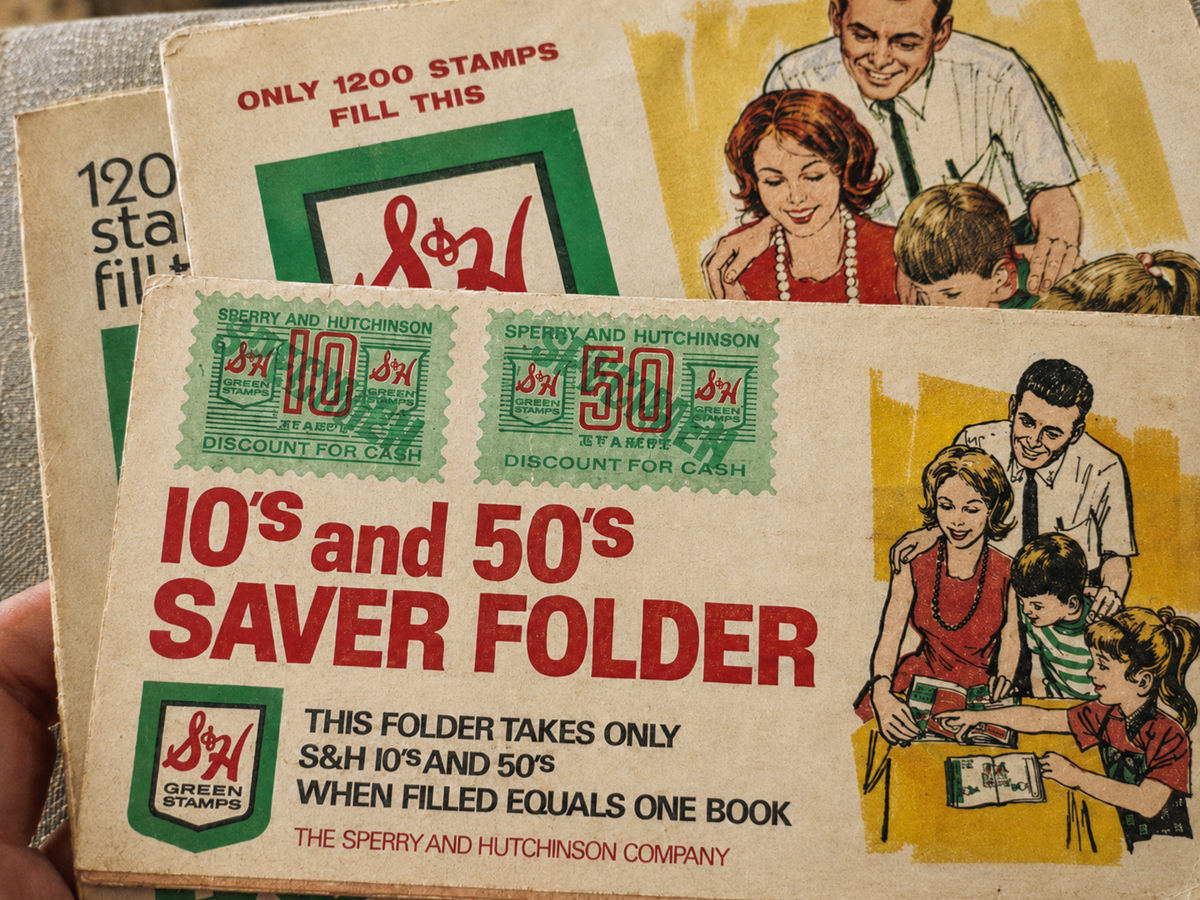
EPHEMERA / VIA REDDIT.COM
In many grocery stores, paying for food also meant collecting trading stamps. Customers saved them in booklets and later exchanged them for household goods, which made a routine shopping trip feel slightly game-like. It was a small ritual, but for plenty of families, those little stamps were part of the grocery experience.
Employees Were Easy to Spot
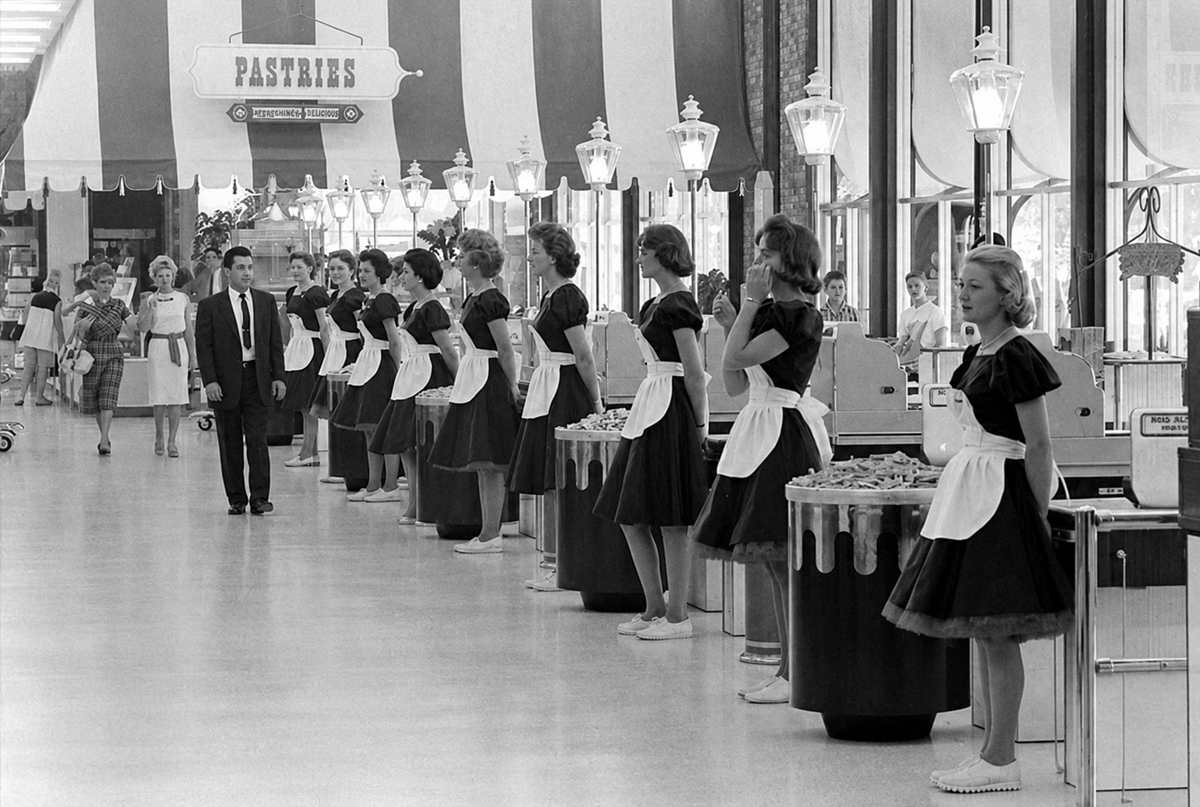
THEWAYWEWERE / VIA REDDIT.COM
Store workers often wore white coats, aprons, paper hats, ties, or crisp uniforms, depending on the department. The look made employees stand out in the aisle and gave the store a service-heavy atmosphere. In older photos, the staff can sometimes look almost formal compared with the casual uniforms seen in many stores today.
The Dairy Case Had Its Own Personality
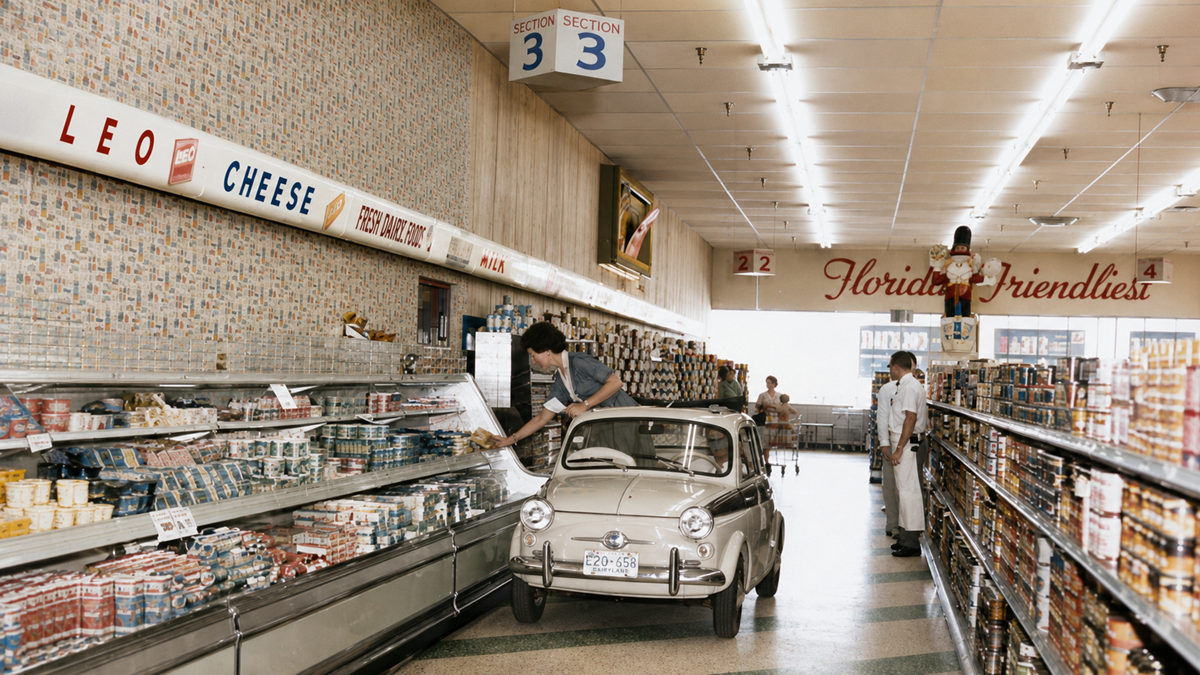
THEWAYWEWERE / VIA REDDIT.COM
The dairy section was usually built around milk, butter, eggs, cheese, and cream, with packaging that looked much plainer than many modern brands. Egg cartons, waxed cartons, and glass bottles gave the area a practical, almost kitchen-like feeling. It was not trying to be fancy, just dependable.
Want to see more 50s content?
Check out 25 Vintage Photos of People’s Cars and Bikes in the 1950s, or take a look at 20 Photos Of What Classrooms Looked Like In The 1950s. If you want to see more vintage photos, you can check out 35 Vintage Images from the 1910s or 17 Vintage Photos of Women in Careers Everyone Said They Couldn’t Have.