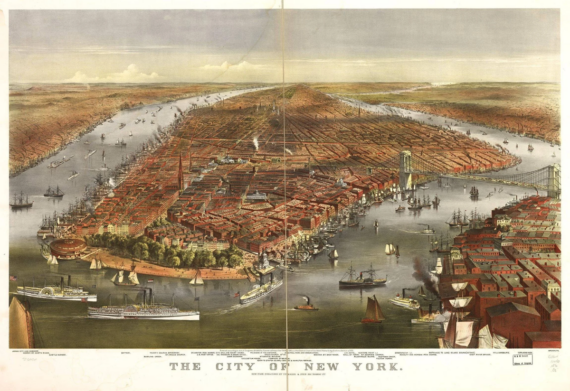
It is odd to imagine New York without its towers, because the skyline has become part of the city’s face. But older photos tell a different story, one filled with church spires, ferry slips, gas lamps, horse carts, shop signs, and streets that looked busy without being boxed in by steel and glass. Manhattan was already loud, crowded, and ambitious before it started climbing upward. These images catch the city in that in-between world, before height became its favorite language.
Lower Manhattan When Church Spires Stood Above Everything
VIA PICRYL
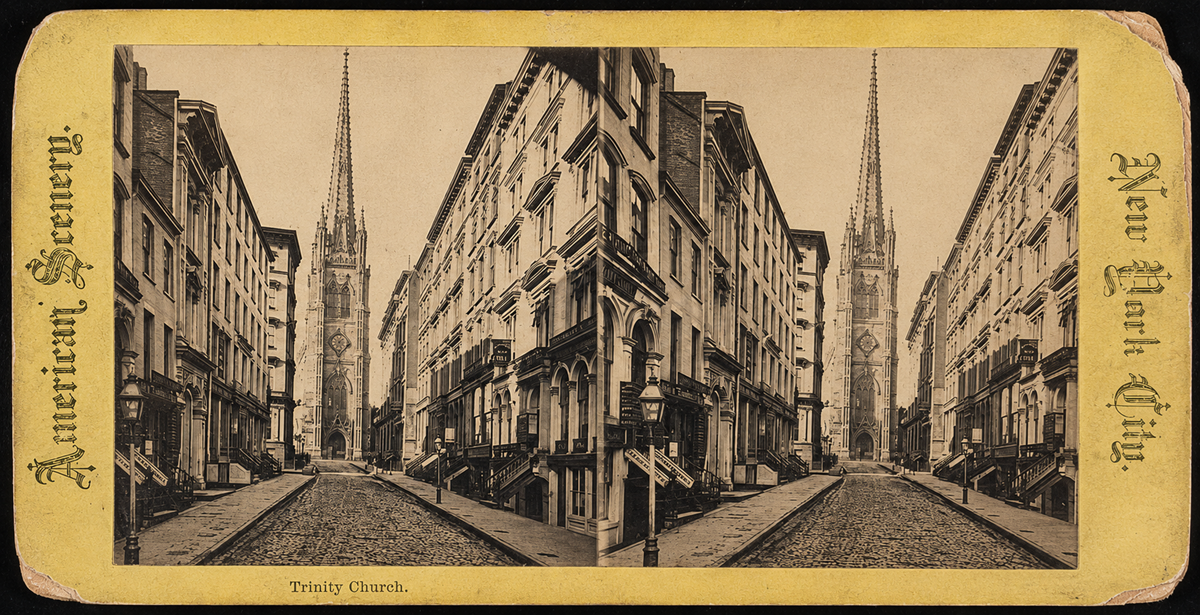
For a long stretch of the 19th century, Lower Manhattan’s skyline was not defined by office towers. Church spires, especially Trinity Church, rose above roofs that now seem surprisingly modest. The neighborhood was still busy, but the shape of the city was flatter and easier to read. Looking at those early views, downtown feels less like a financial canyon and more like a dense port city with a few tall markers pointing above the crowd.
Broadway Before It Became a Corridor of Tall Buildings
VIA PICRYL
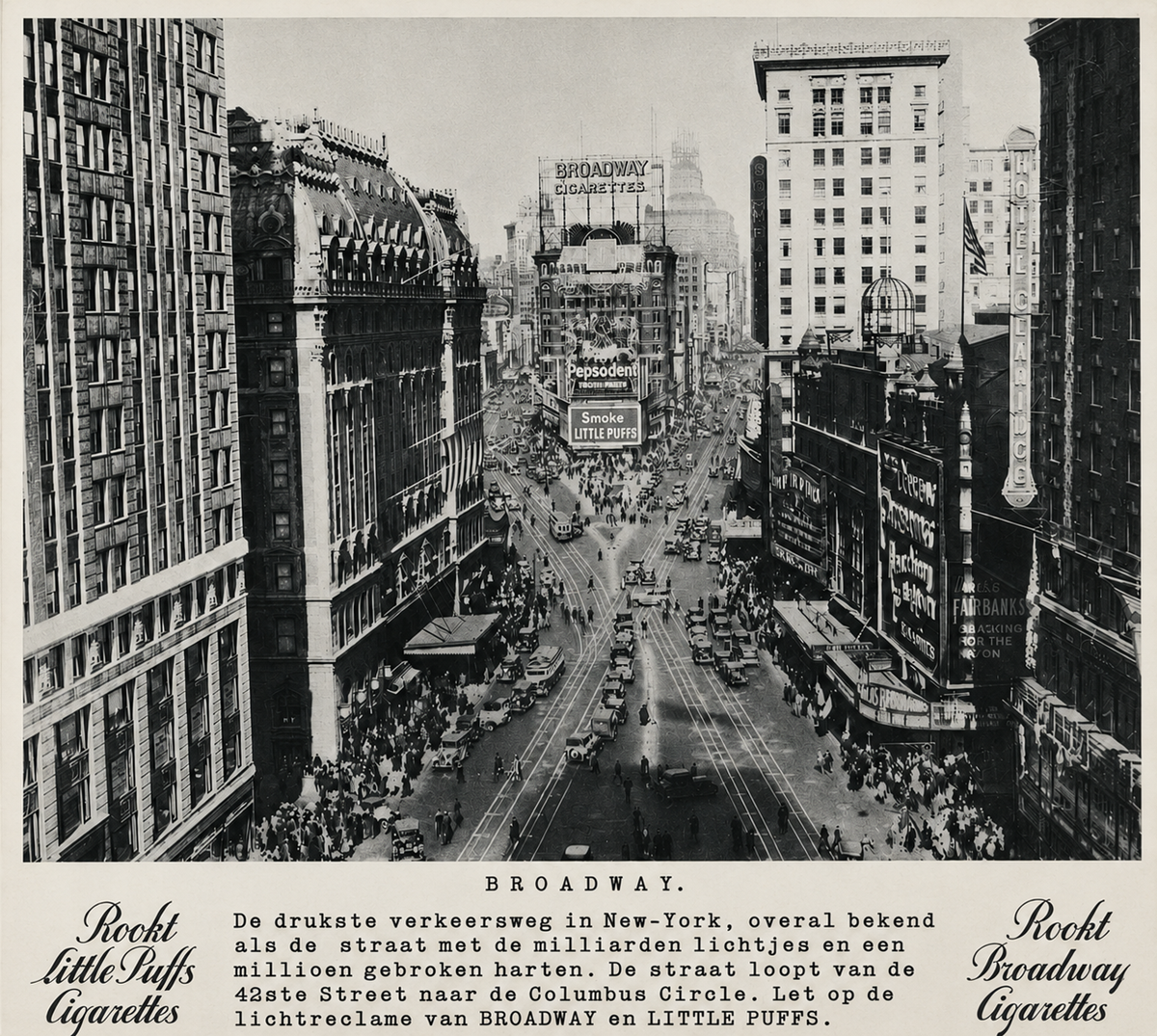
Broadway already knew how to pull people in. Old photos show storefronts, wagons, signs, streetcars, and crowds, but the buildings do not press down on the scene the way they do now. There is more sky visible, more room around the edges, and a slightly messier street-level energy. The city feels busy in the photo, just not yet vertical.
Wall Street Before the Towers Closed In
VIA PICRYL
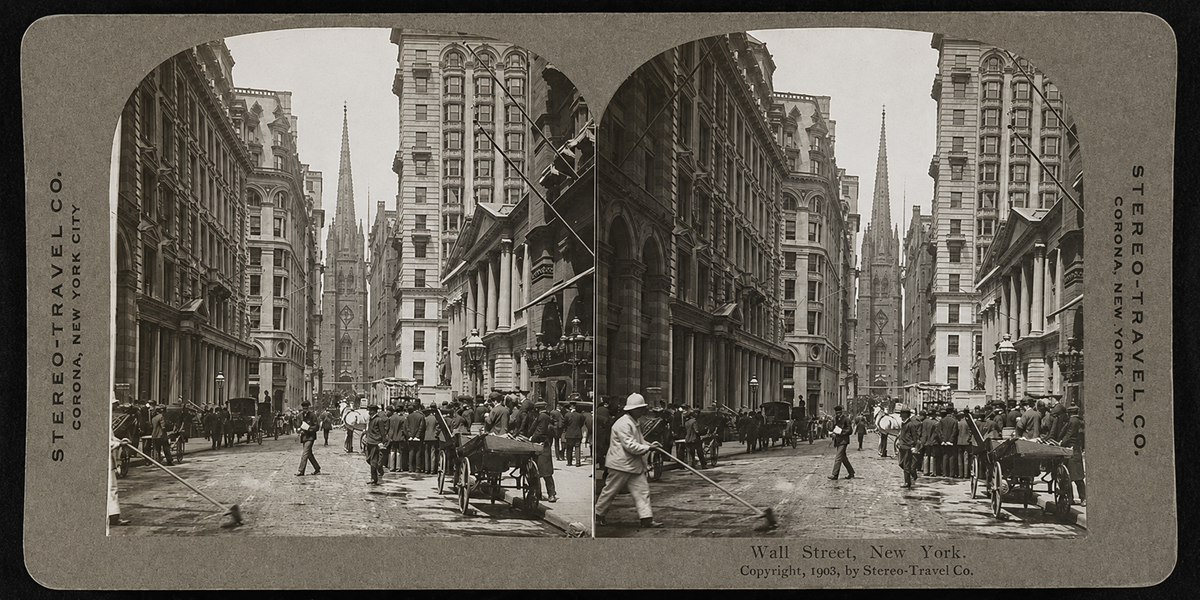
Wall Street looked serious long before it looked tall. The banks, exchanges, and counting houses gave the street weight, even when the buildings were far lower than the ones that surround it today. In older images, the street feels narrow but not swallowed, with men in dark coats moving between stone façades, carriages, and office doors. The financial power was already there, but the modern skyline had not arrived to advertise it.
Five Points Before the Neighborhood Was Cleared Away
VIA PICRYL
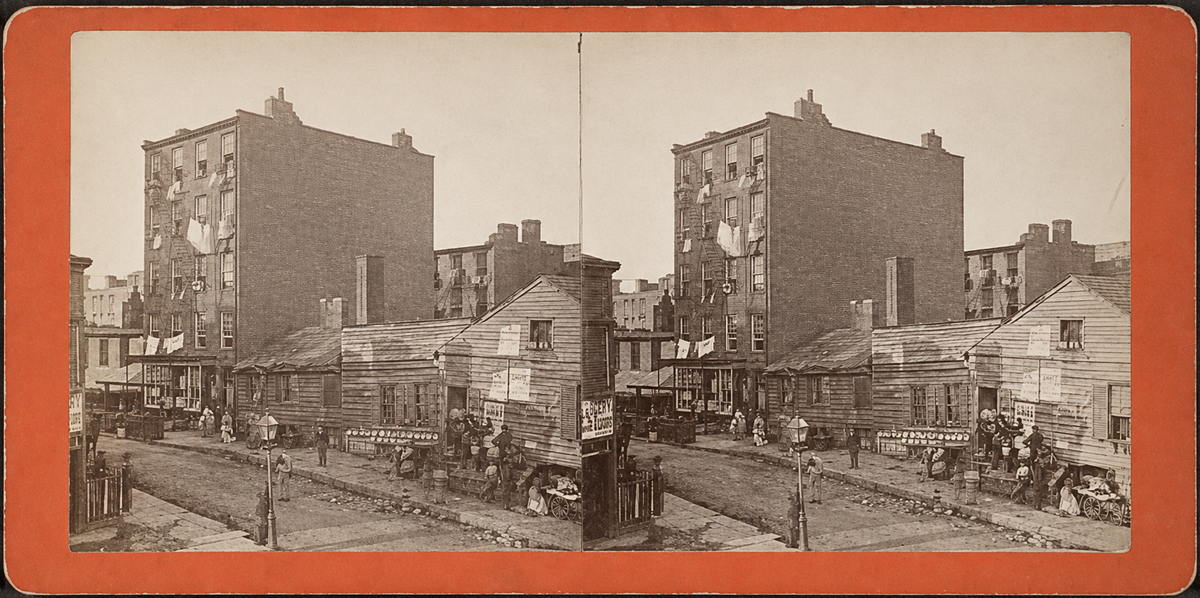
Five Points was one of those places outsiders loved to describe, often with more drama than accuracy. It was crowded, poor, immigrant, political, and full of street life, sitting in Lower Manhattan where several roads met in a rough tangle. Photos and old visual records of the area show buildings pressed close together, with storefronts, lodging houses, and people spilling into public space. It was not the version of New York that later postcards preferred, but it belonged to the city just as much.
City Hall Park When the View Still Opened Up
VIA PICRYL
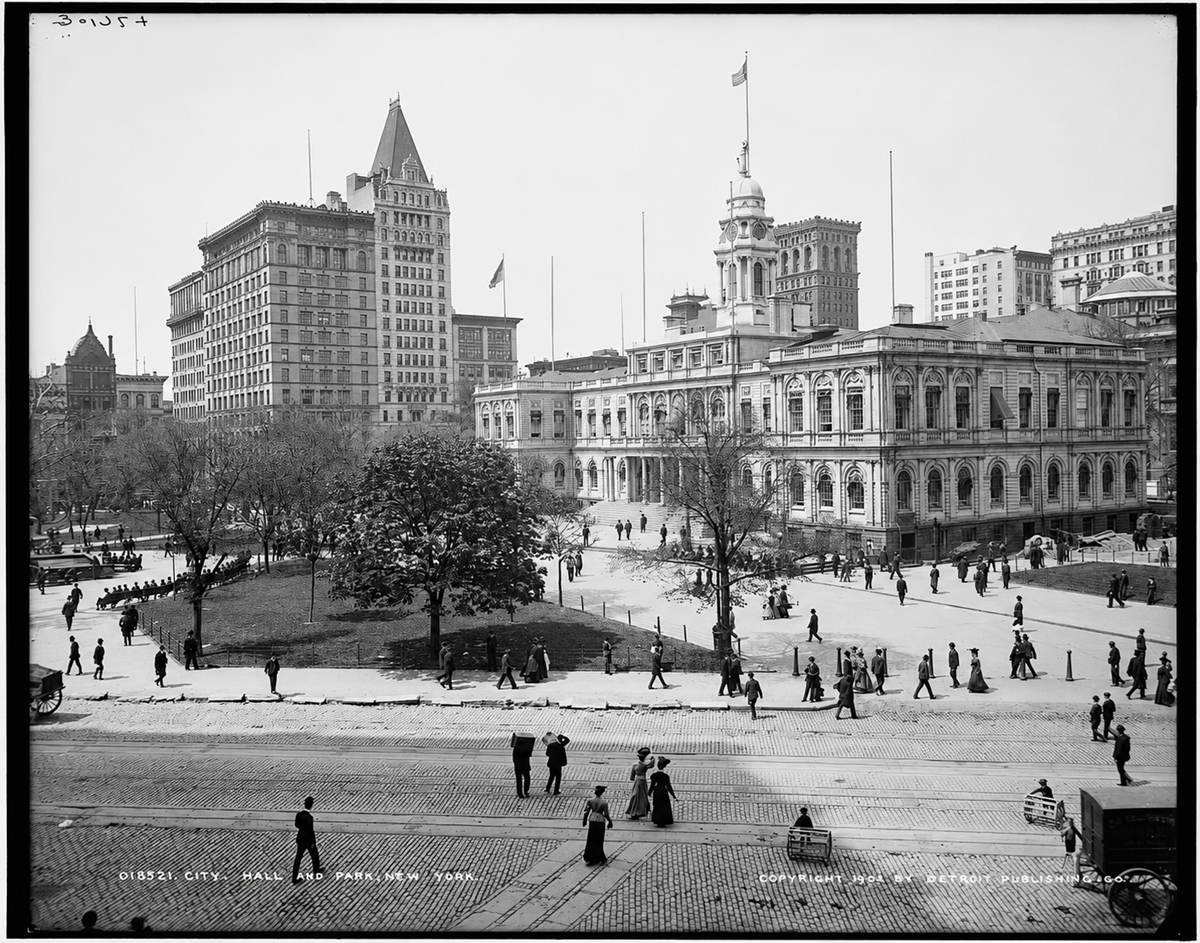
City Hall Park once had more breathing room around it. The buildings nearby were lower, so the park read more clearly as a civic square rather than a small green pocket surrounded by heavy architecture. In old photos, it feels like a place people might actually pause in, not just pass through. The government buildings, trees, fences, and open paths give the scene a slower rhythm than the streets around it.
Trending on The Scroller

The Bowery in Its Low-Rise, Noisy Years
VIA PICRYL
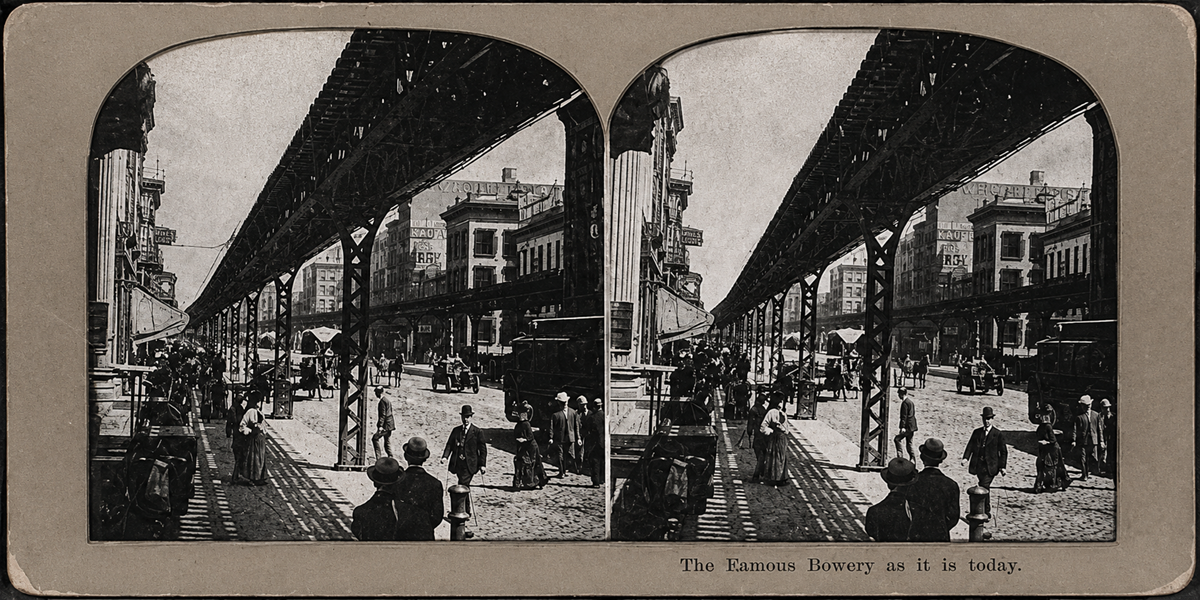
The Bowery did not need skyscrapers to feel crowded. The street had theaters, saloons, cheap hotels, shops, signs, and a reputation that changed depending on who was doing the describing. Older photos make it look busy at eye level, with every storefront trying to speak louder than the next. It was rough in places, lively in others, and usually both in the same afternoon.
The Waterfront When Ships Were the Tallest Things Around
VIA PICRYL
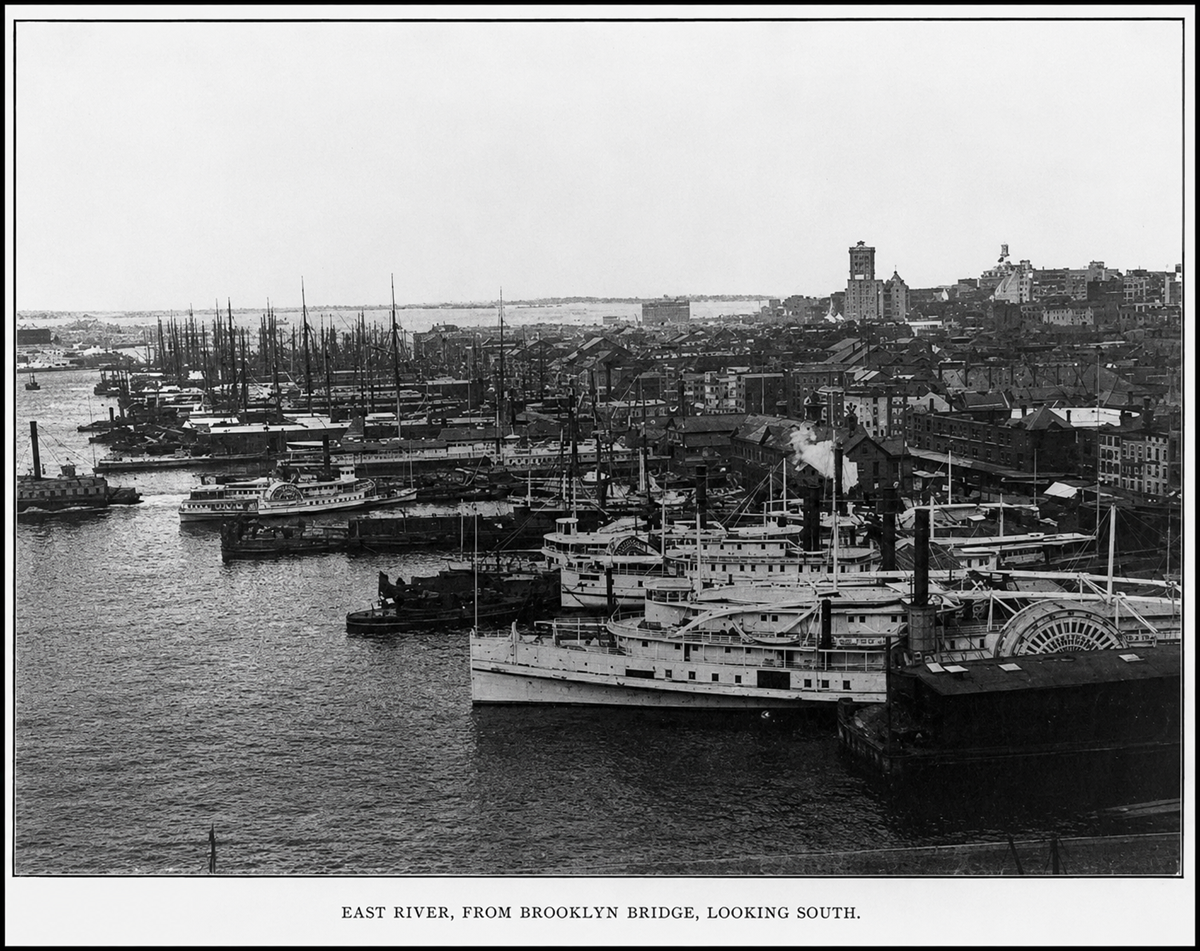
Before luxury buildings and landscaped promenades, much of the Manhattan waterfront was working space. Piers, warehouses, ferries, masts, barrels, carts, and laborers filled the edges of the island. In some views, the ships dominate the picture more than the city behind them. That makes sense, because New York’s rise started at the water long before it moved into the clouds.
South Street When the Seaport Was Still the Front Door
VIA PICRYL
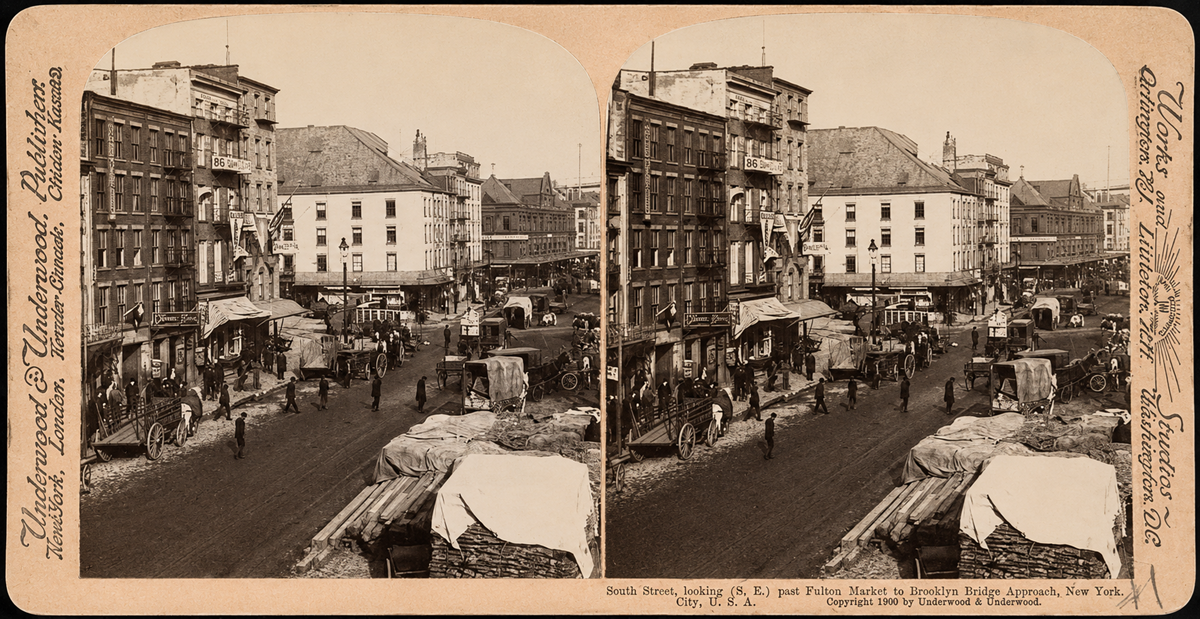
South Street looked like a city built around movement. Ships crowded the slips, goods moved through the streets, and the buildings had a practical, weathered look that matched the work being done there. The forest of masts could make the waterfront feel taller than the neighborhood itself. Before New York sold its skyline to the world, the harbor was the first big impression.
Sign up for our newsletter
Union Square Before the Commercial Rush Took Over
VIA PICRYL
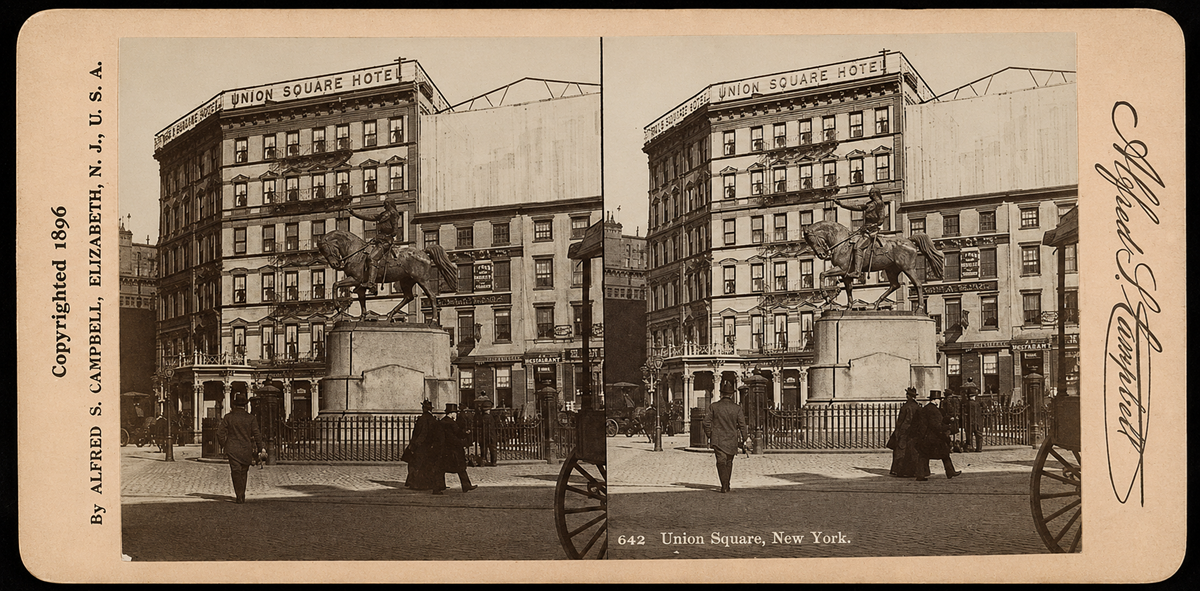
Union Square has always had a public life, but early photos show it with a softer edge. The buildings around it were lower, the square felt more open, and the traffic moved at the pace of horses, carriages, and pedestrians. It was already a place for gatherings, shopping, and social life. Still, the older version feels less compressed than the one New Yorkers know now.
Fifth Avenue Before the Flagship Stores
VIA PICRYL
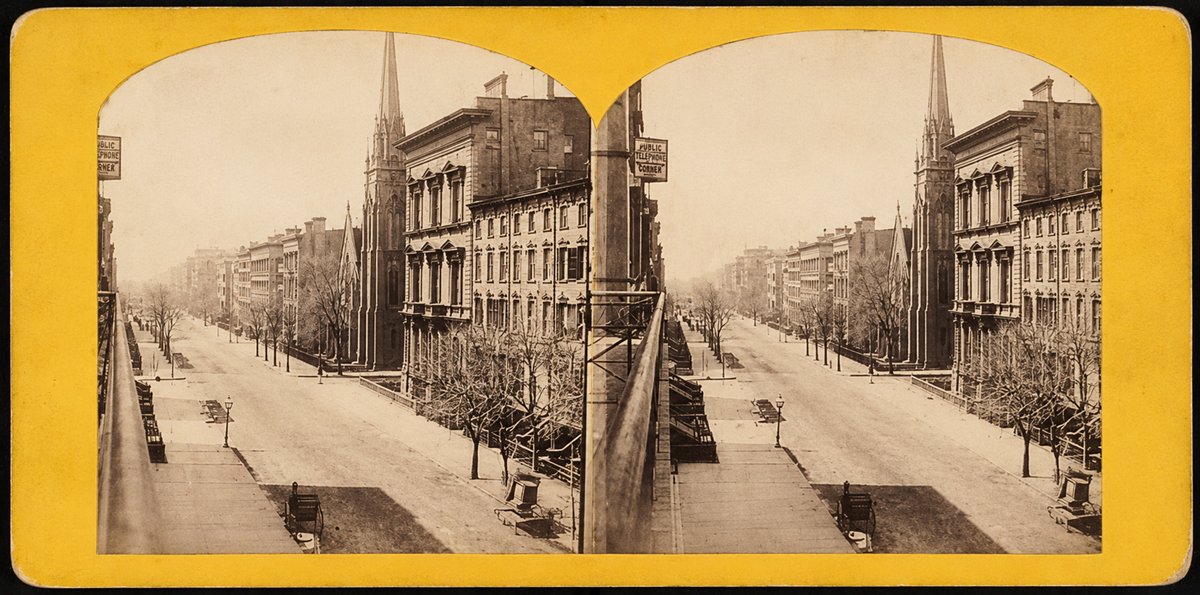
Fifth Avenue was once more mansion row than shopping corridor. In older views, parts of it are lined with residences, churches, clubs, stoops, and awnings instead of glass storefronts and constant traffic. The avenue still had status, but it wore that status differently. It looked quieter, more domestic, and much closer to the ground.
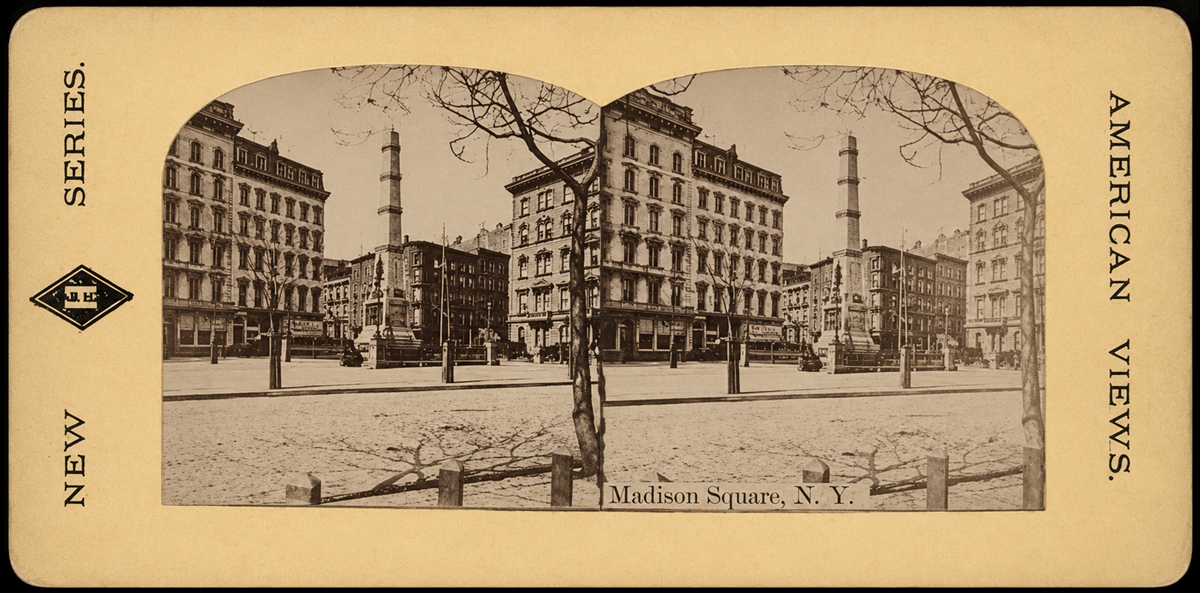
Madison Square Before the Flatiron Took the Spotlight
VIA PICRYL
Madison Square was already busy before the Flatiron Building gave it one of New York’s most recognizable corners. Hotels, theaters, clubs, restaurants, and street traffic made the area lively, but the skyline was still in a kind of waiting period. Old photos from around the square have that interesting feeling of a city about to change its mind about scale. The pieces of modern Manhattan were there, just not stacked so high yet.
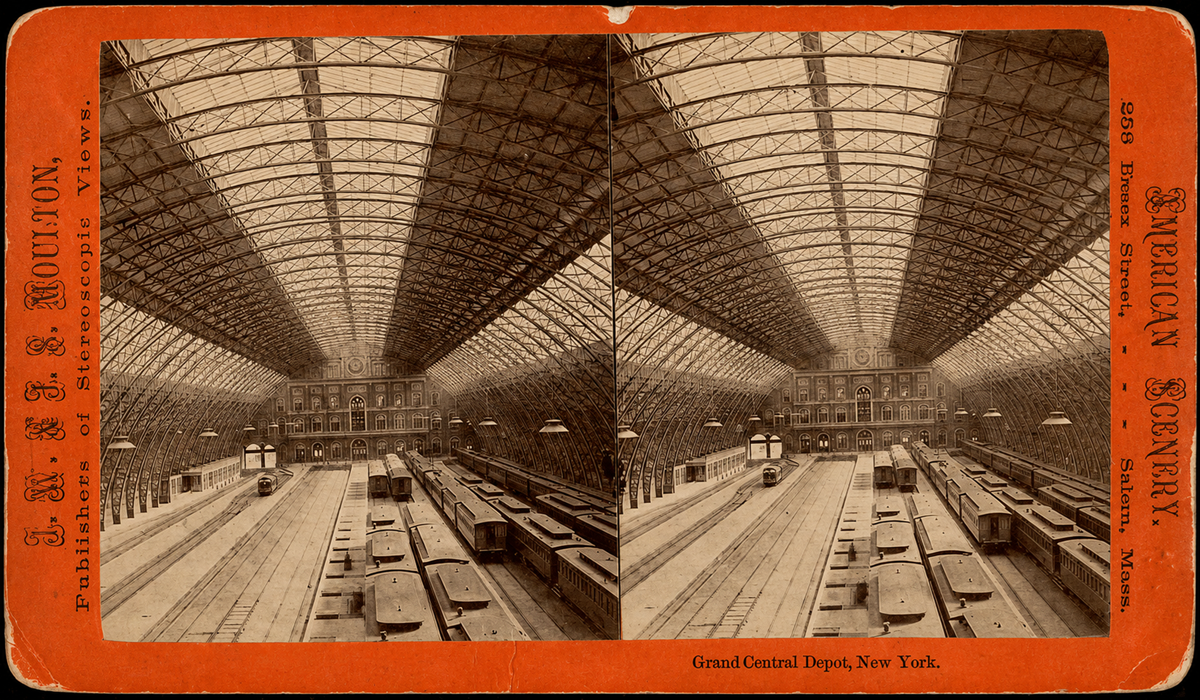
Grand Central Before the Terminal Everyone Knows
VIA PICRYL
Before Grand Central Terminal, there was Grand Central Depot. It opened in the 1870s and looked more industrial than glamorous, with rail sheds and a broad presence that suited the age of trains. The blocks around it were important, but they did not yet have the dense Midtown feeling that came later. In early images, the trains seem to shape the neighborhood more than the buildings do.
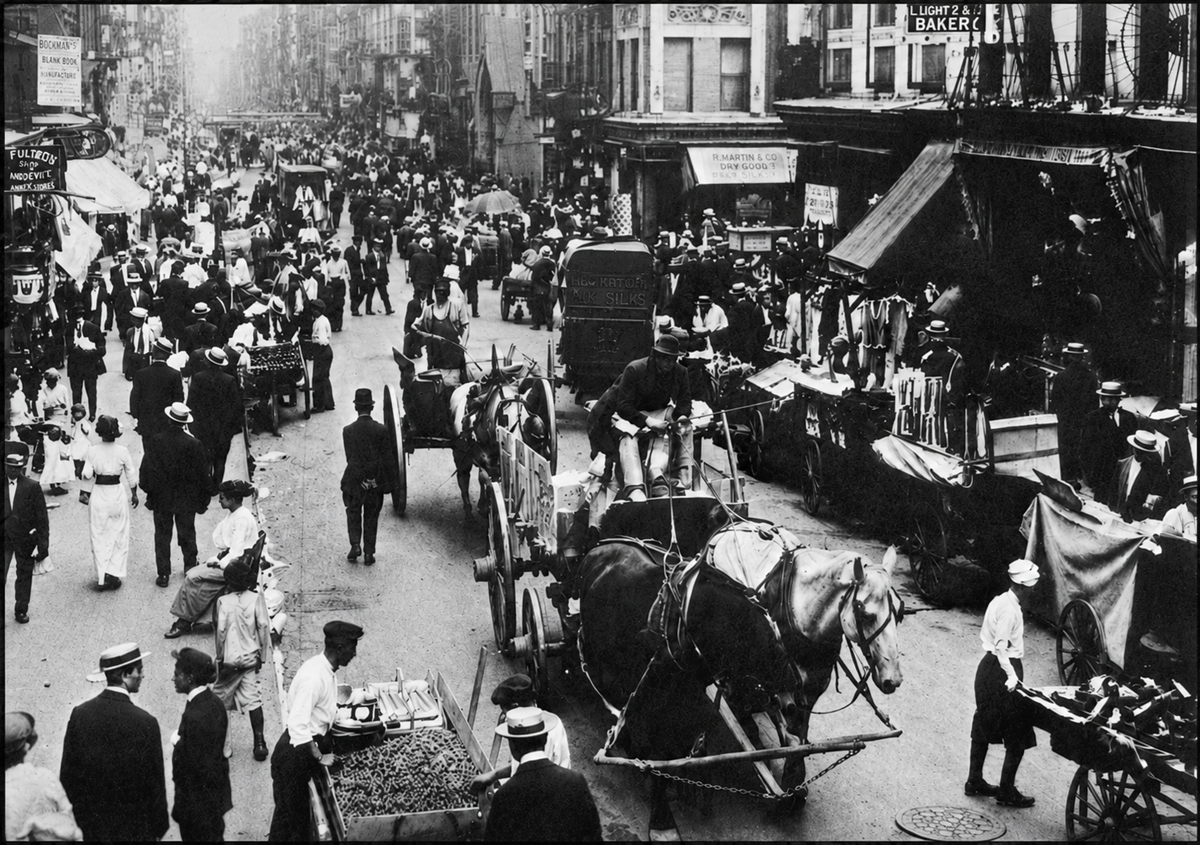
Streets Full of Horses, Carts, and Pedestrians
VIA PICRYL
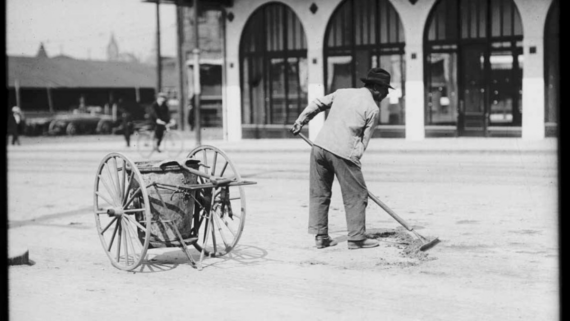
The old streets can look chaotic, but not in the same way modern traffic does. Horses, wagons, streetcars, delivery carts, pedestrians, and children all shared space with very little separation. The buildings were lower, yet the street itself was packed with motion. New York was already noisy before engines took over.
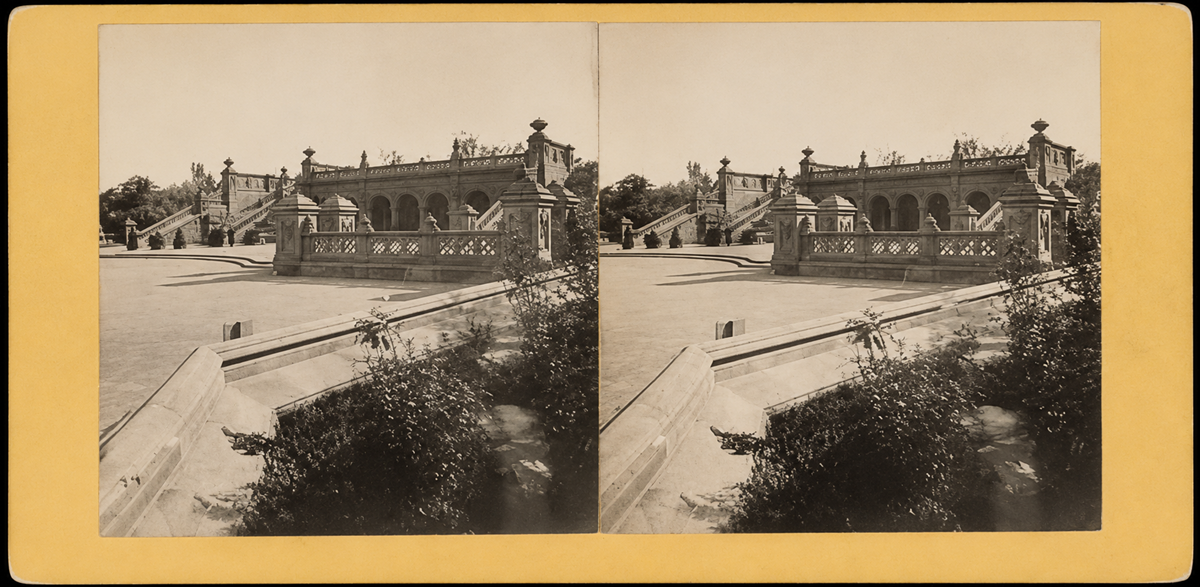
Central Park Before Towers Framed the Edges
VIA PICRYL
Central Park was built for a city that was still moving north. Early photos show familiar bridges, paths, rocks, lawns, and water, but the edges of the park feel more open than they do now. In some views, there are low buildings or stretches of land where later apartments would rise. The park looks finished, while the city around it still seems to be catching up.
The Brooklyn Bridge Over a Much Lower City
VIA PICRYL
When the Brooklyn Bridge opened in 1883, it must have looked enormous against the low buildings around it. Early photos make the stone towers and cables feel even larger because there is so little nearby competing with them. Today, the bridge sits inside a much taller city. Back then, it looked like a promise that New York was willing to build bigger than before.
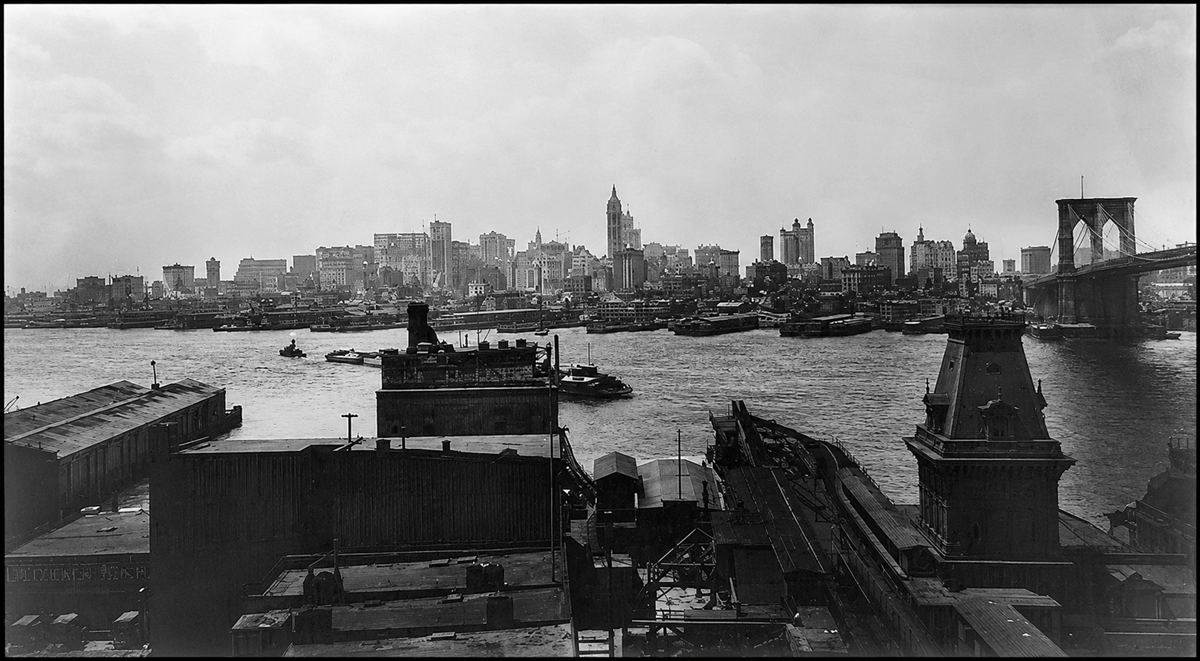
The Last Low Skyline Before the Skyscraper Age
VIA PICRYL
Old photos of Manhattan have a special tension to them. The city was still full of domes, steeples, warehouses, early office buildings, and modest rooftops, but the ingredients of the skyscraper age were already coming together. Elevators, steel-frame construction, rising land values, and business demand were all pushing Manhattan upward. These views show New York just before the familiar skyline began to take shape, when the city was still mostly low, crowded, and restless.
In the mood for more?
Check out 25 Old Photos That Show How New York City Looked in the 1970s, or take a look at 20 Photos of New York City from the 1920s. If you want to see more vintage photos, you can check out 25 Vintage Photos of People’s Cars and Bikes in the 1950s or 19 Vintage Photos of the Construction of Historical Monuments.