When we look back at the golden age of cinema, we naturally visualize a highly curated world of flawless glamour, studio-controlled personas, and traditional social structures. We tend to view the iconic leading ladies of the mid-twentieth century as beautifully compliant figures who were entirely content to operate within the strict boundaries established by powerful studio executives. Over the generations, nostalgic film retrospectives and glossy archival photographs have conditioned the general public to focus almost exclusively on the superficial aesthetics of classic stardom. This traditional view shapes our understanding of media history, leaving modern audiences to assume that these vintage icons held completely conventional viewpoints regarding independence, relationships, career control, and societal expectations.
However, pulling back the velvet curtain of studio publicity reveals an incredibly fierce, highly sophisticated collective of forward-thinking intellectuals operating way ahead of their time. The fascinating reality of cinematic history proves that many legendary actresses used their private letters, unscripted interviews, and memoirs to deliver sharp, revolutionary commentary that challenges modern social dilemmas with absolute precision. Instead of merely echoing corporate scripts, these independent spirits fought for equal pay, dismantled toxic relationship standards, and openly criticized the superficial nature of celebrity culture. Let’s head back to the historic soundstages of early studio history as we explore sixteen unexpected quotes from Old Hollywood actresses that sound like they were written yesterday.
1. “If you obey all the rules, you miss all the fun.”
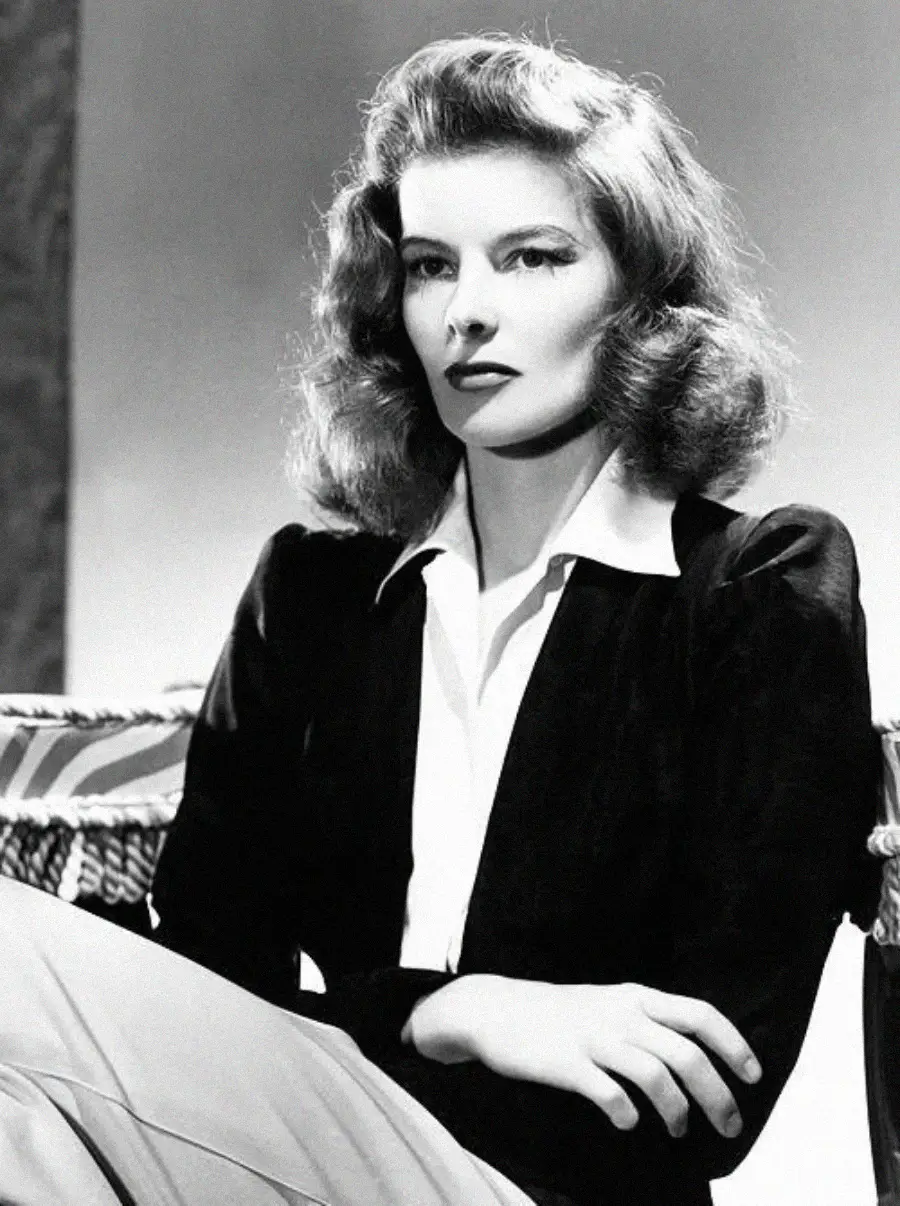
Katharine Hepburn spent her entire multi-decade career operating as an absolute rebel against the rigid corporate and social expectations of early studio history. She fiercely refused to fit the traditional mold of a passive, hyper-feminine starlet, choosing instead to wear trousers, completely avoid makeup in public, and speak her mind without corporate permission. This legendary statement serves as a powerful, liberating reminder that true personal fulfillment requires a willingness to break away from arbitrary societal scripts. A fascinating piece of archival history confirms that RKO studio executives once went so far as to hide her trousers from her dressing room to force her into a dress, prompting Hepburn to walk around the lot in her underwear until they returned her wardrobe.
2. “When I’m good, I’m very good, but when I’m bad, I’m better.”
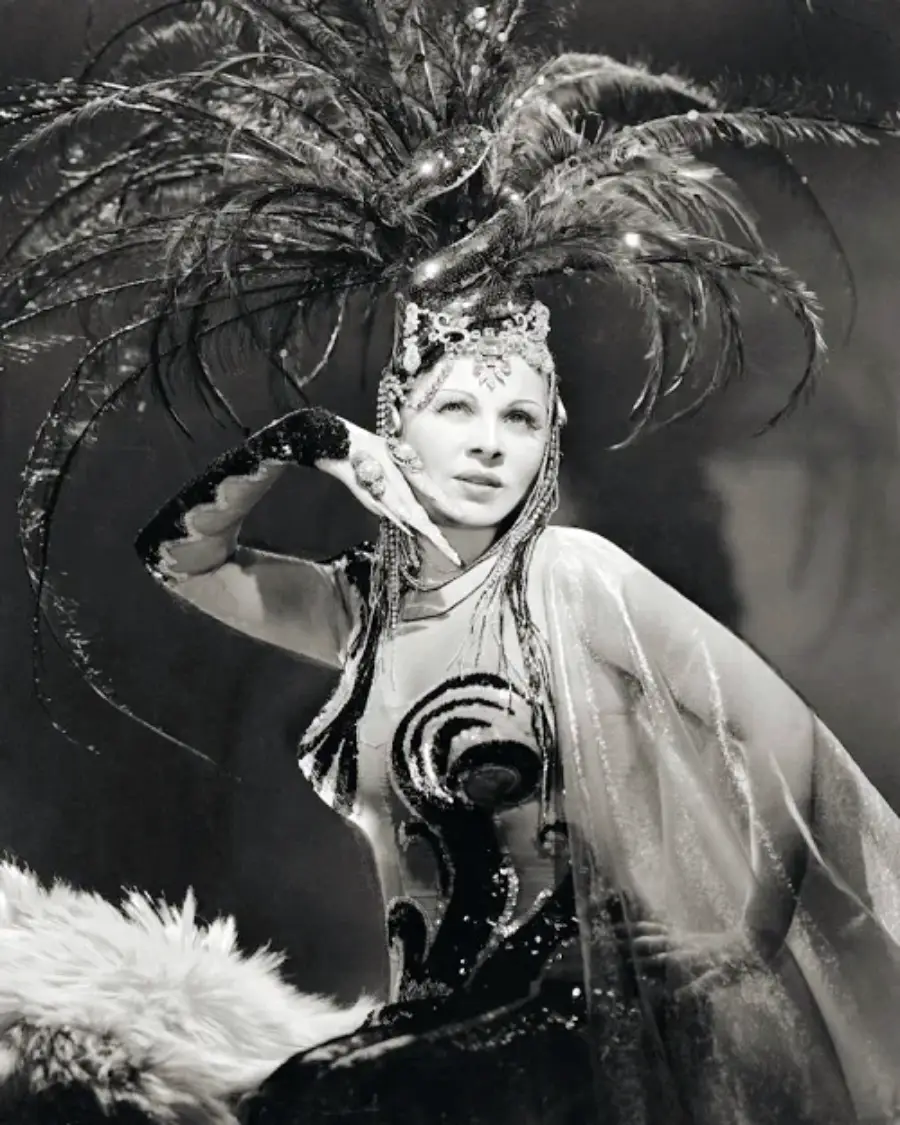
Mae West was a true structural force in early entertainment history who single-handedly saved Paramount Pictures from imminent bankruptcy during the Great Depression through her incredible box-office draw. She personally authored her own highly provocative theatrical scripts and cinematic dialogues, utilizing sharp double-entendres to completely bypass the restrictive censorship codes of her era. This witty observation perfectly captures her modern, unapologetic approach to female agency, self-expression, and personal autonomy. To ensure she maintained absolute control over her independent creative output, West historically secured a unique corporate clause that granted her a share of all theatrical ticket sales, a financial milestone that was virtually unprecedented for women in the 1930s.
3. “Imperfection is beauty, madness is genius, and it’s better to be absolutely ridiculous than absolutely boring.”
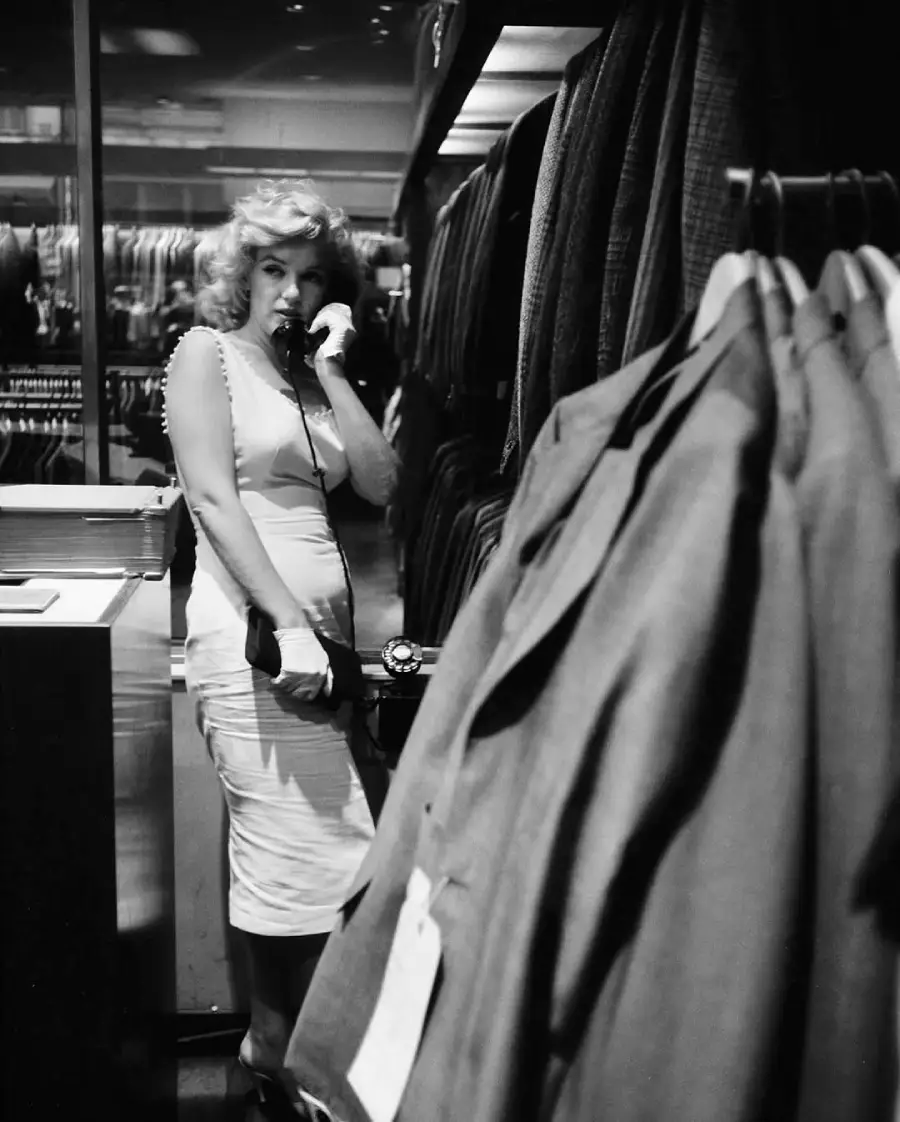
While studio executives and media outlets relentlessly attempted to reduce Marilyn Monroe to a one-dimensional caricature, her private journals reveal an incredibly sharp, deeply analytical mind that was constantly fighting for intellectual validation. She actively broke away from her restrictive contract with 20th Century Fox to co-found her own independent production corporate outfit, becoming only the second woman in American history to do so. This beautiful statement directly anticipates our modern cultural movements centered around body positivity, mental health awareness, and celebrating individual quirks over curated digital perfection. A little-known piece of biographical history confirms that Monroe was an avid, hyper-focused reader who amassed a private personal library containing over four hundred complex works of classical literature, philosophy, and political history.
4. “When a man gives his opinion, he’s a man. When a woman gives her opinion, she’s aggressive.”
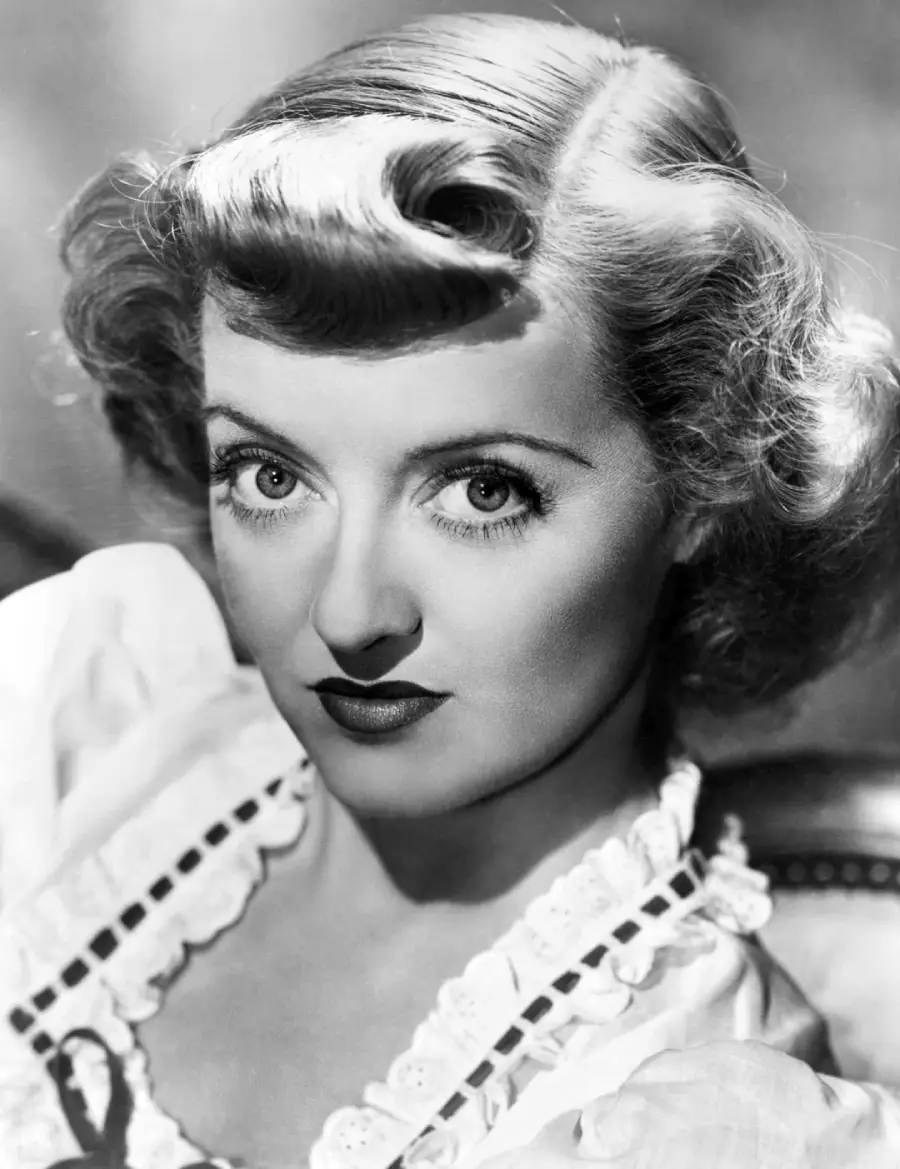
Bette Davis possessed an unparalleled level of professional stamina, famously becoming the very first female president of the Academy of Motion Picture Arts and Sciences. She spent her entire career fighting relentless legal battles against Warner Bros. executives, openly risking total industry exile to secure high-quality scripts and fair treatment for creative talent. This fierce observation remains one of the single most accurate, universally cited descriptions of the systemic gender double standards that continue to plague modern corporate environments globally. Her unyielding dedication to artistic excellence was so intense that she routinely insisted on appearing completely unglamorous and aged on screen if the dramatic narrative strictly required it, completely prioritizing pure craftsmanship over traditional starlet vanity.
5. “I dress for the image. Not for myself, not for the public, not for fashion, not for men.”
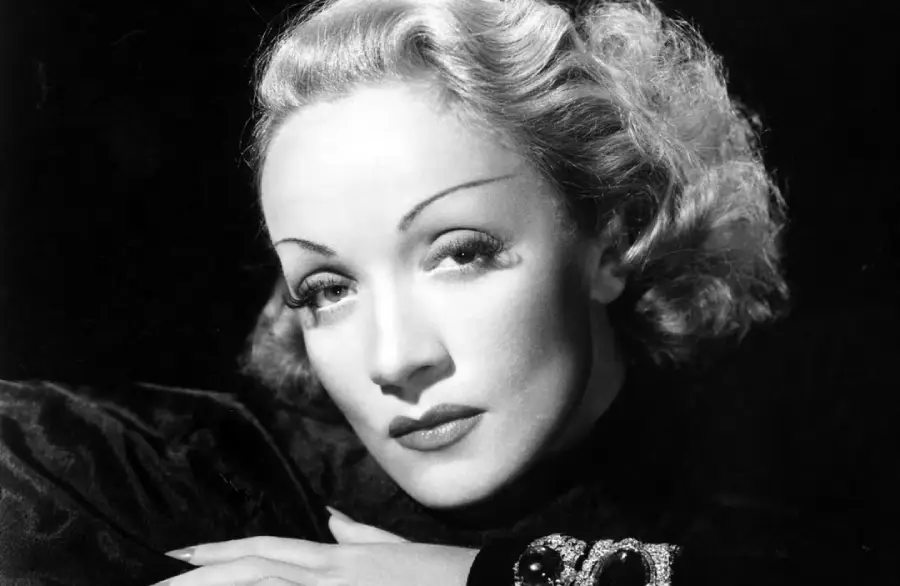
The enigmatic German-American actress Marlene Dietrich completely shattered the historical conventions of cinematic glamour by introducing gender-bending tuxedo styles and severe, structural lines to the silver screen. She viewed fashion not as a passive tool to earn societal applause or attract romantic suitors, but rather as an absolute, highly calculated mechanism of personal authority and artistic expression. This progressive approach directly mirrors our modern concepts regarding stylistic autonomy and utilizing clothing as a powerful form of non-verbal identity protection. During World War II, Dietrich courageously turned her back on her native country’s political elite, actively crossing dangerous frontline zones for years to deliver high-energy performances to Allied troops, risking their lives.
Trending on The Scroller

6. “I think your whole life shows in your face and you should be proud of that.”
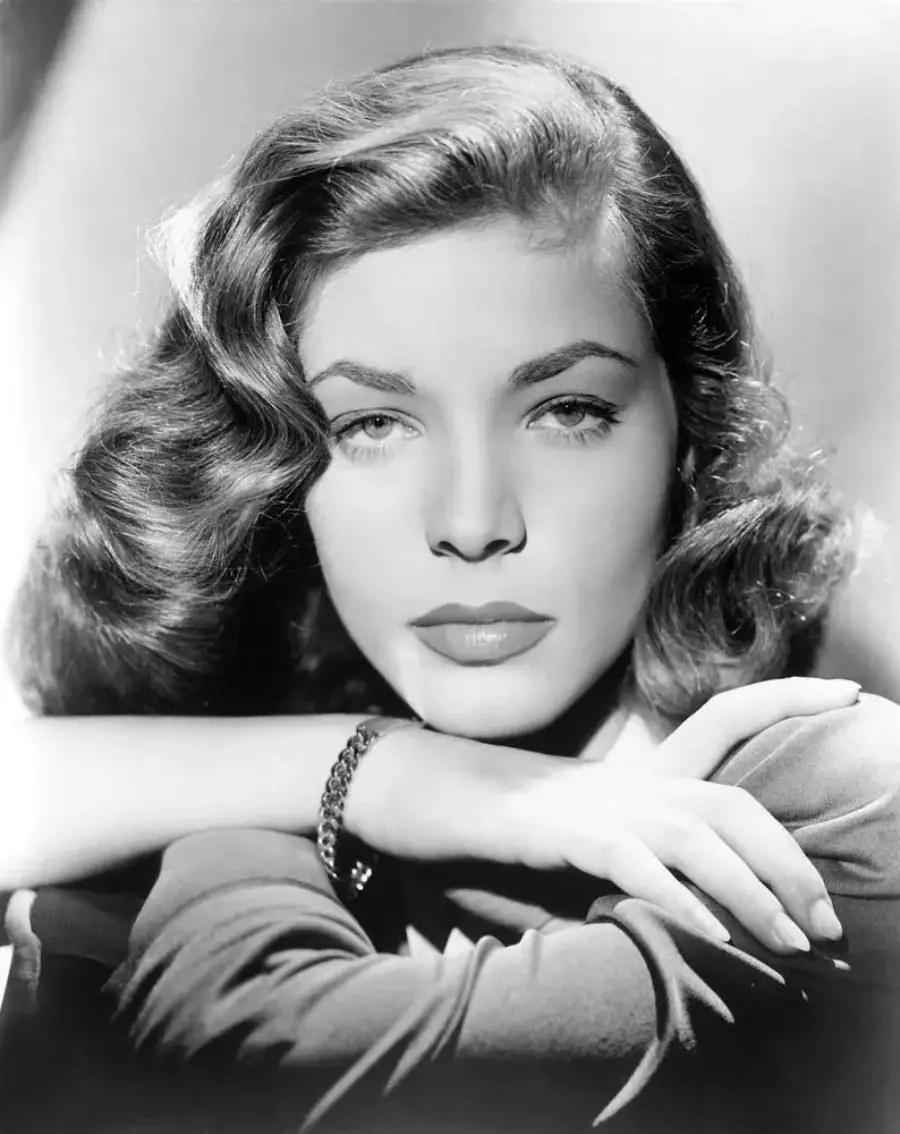
Lauren Bacall captivated audiences with her distinctively deep, smoky vocal delivery and an iconic, low-browed gaze that the media permanently branded as The Look. As she navigated the natural aging process, she fiercely rejected Hollywood’s intense fixation on superficial youth, choosing instead to embrace her natural lines as permanent badges of personal wisdom and professional survival. This grounding philosophy stands as a powerful, clear-eyed critique of today’s hyper-automated filter applications and invasive cosmetic procedures designed to erase all traces of human experience. Interestingly, Bacall’s famous low-angled gaze was originally developed completely by accident during her very first film shoot, as intense nervous shaking forced her to press her chin firmly against her chest to maintain physical stability.
7. “I believe in being strong when everything seems to be going wrong. I believe that tomorrow is another day and I believe in miracles.”
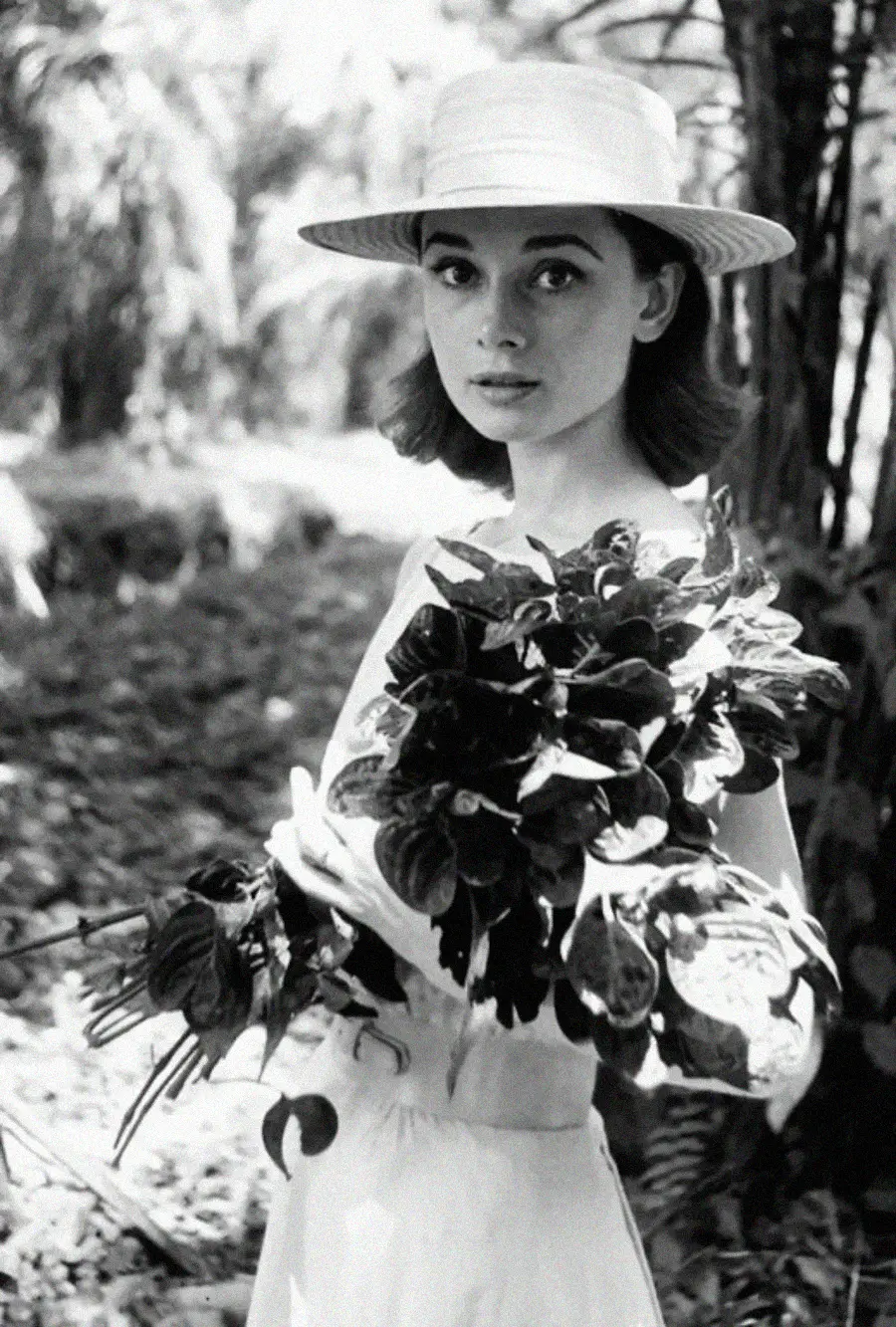
Audrey Hepburn is universally remembered as an enduring symbol of premium fashion elegance and cinematic charm, but her early life was shaped by intense physical trauma and deep political upheaval. She survived the devastating horrors of the German occupation in the Netherlands during her youth, suffering from severe clinical malnutrition and acute anemia while acting as a secret courier for the local anti-fascist resistance movement. This harrowing childhood experience instilled her with a profound, unshakeable emotional resilience that completely guided her later humanitarian missions across the globe with UNICEF. Her beautifully optimistic words were forged in real-world survival, proving that her trademark gentleness was an active, courageous choice rather than an ignorant bubble of privilege.
8. “Any girl can be glamorous. All you have to do is stand still and look stupid.”
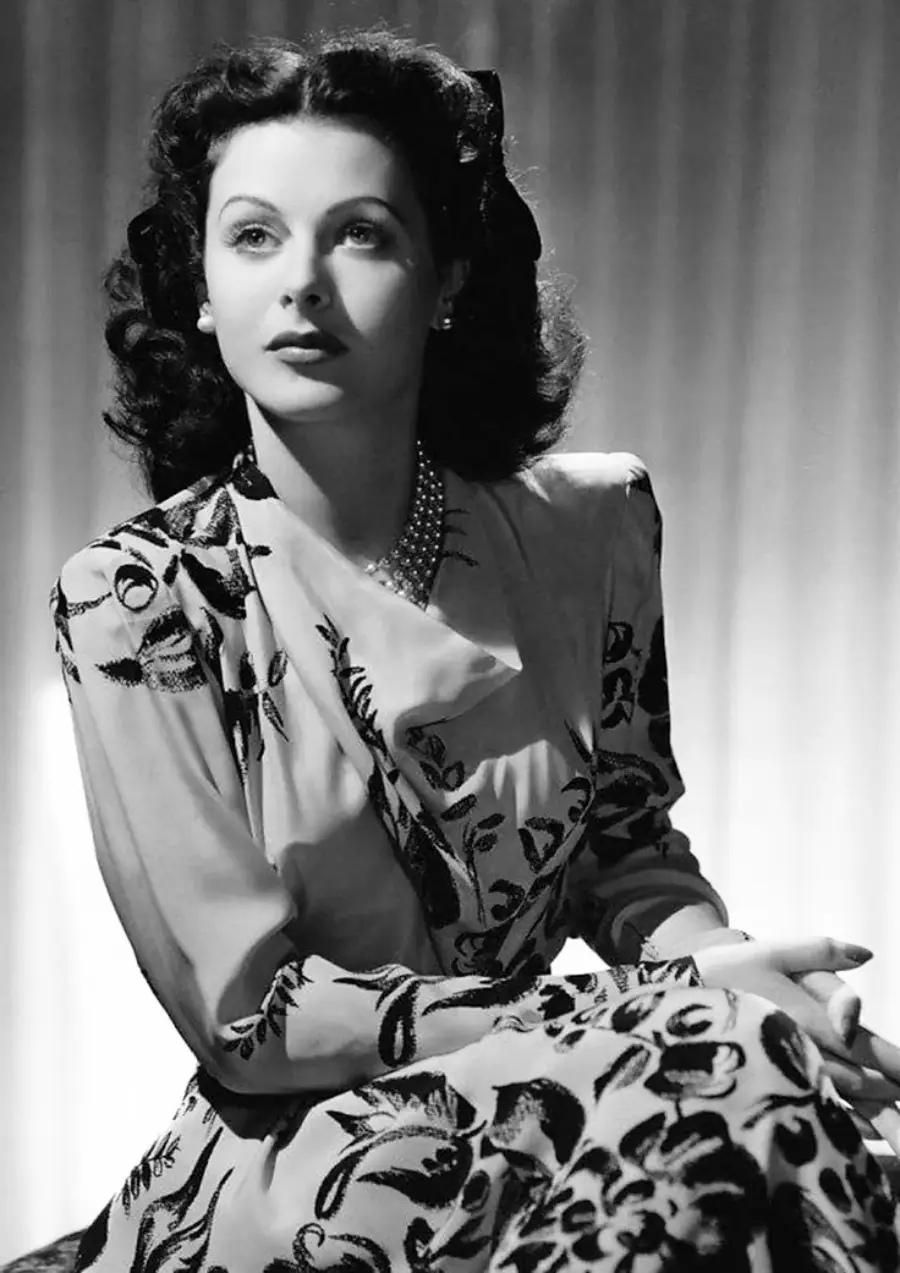
While the international press routinely celebrated Hedy Lamarr as the single most beautiful woman in the world, she detested the shallow constraints of her movie star persona. Behind closed doors, Lamarr was an exceptionally brilliant, self-taught technological inventor who spent her evenings modifying advanced engineering blueprints inside her private laboratory. During the height of World War II, she co-invented a revolutionary, frequency-hopping spread-spectrum communications technology designed to protect radio-controlled Allied torpedoes from enemy jamming attempts. This exact military-grade technological patent served as the absolute foundational architecture that enables our modern Wi-Fi, Bluetooth, and cellular communication networks to function efficiently today. Her sharp quote highlights a lifelong frustration with a society that consistently chose to ignore her massive intellect to focus exclusively on her physical symmetry.
Sign up for our newsletter
9. “Be yourself. The world worships the original.”
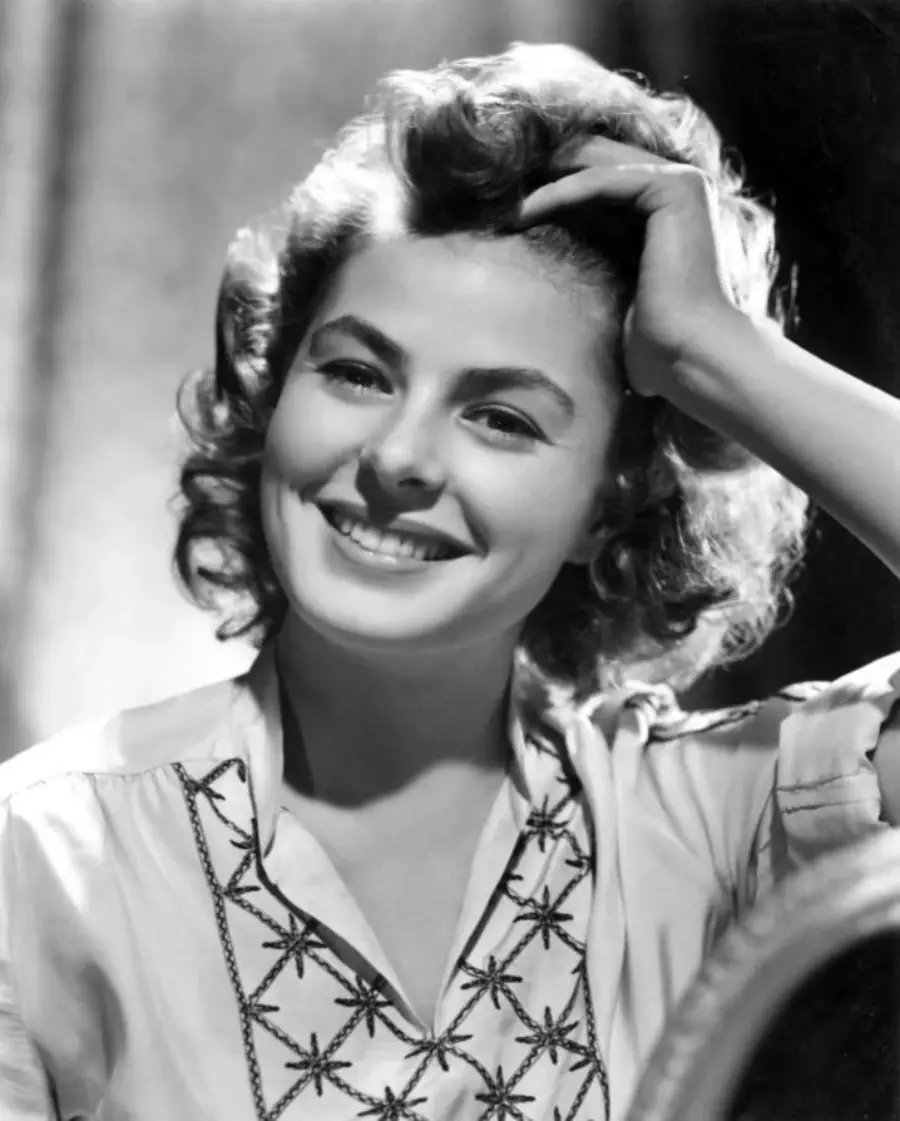
Ingrid Bergman possessed an incredibly rare, grounded authenticity that completely redefined the visual standards of Hollywood cinema during the 1940s. When she initially arrived from Sweden, powerful producer David O. Selznick desperately insisted on completely altering her name, capping her teeth, and reshaping her thick eyebrows to match current commercial trends. Bergman firmly threatened to abandon her American film contracts entirely and return to Europe unless she was permitted to perform completely natural and un-tweaked on screen. Her stubborn refusal to conform successfully forced the industry to adapt to her natural look, paving a direct path for complex, realistic female performances across the globe. Her timeless advice serves as an enduring reminder that authentic creative value resides exclusively in protecting your original identity.
10. “I think the most important thing a woman can have next to talent is her hairdresser.”
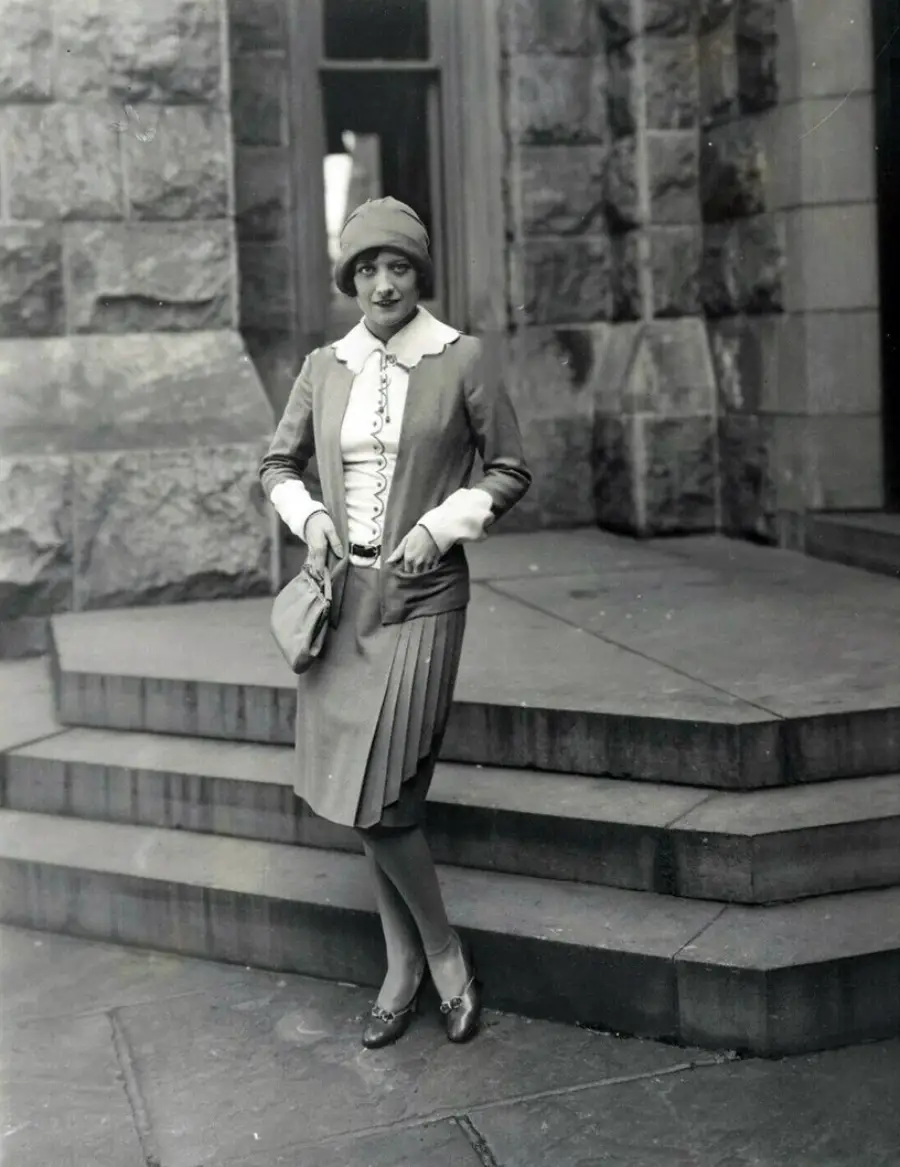
While this classic statement from Joan Crawford sounds like a lighthearted cosmetic ad-lib at a first casual reading, it actually reveals a highly sophisticated grasp of modern brand management. Crawford completely understood that a star’s physical presentation operated as an essential, high-value corporate trademark that demanded meticulous maintenance to survive within a volatile free market. She was famously one of the single most adaptable stars in cinematic history, systematically transforming her fashion styles, makeup configurations, and performance methods across five separate decades to stay intensely relevant to shifting demographics. This hyper-focus on maintaining structural brand control is identical to the meticulous visual strategies utilized by contemporary media companies and modern pop icons to preserve their cultural market share.
11. “Always be a first-rate version of yourself, instead of a second-rate version of somebody else.”
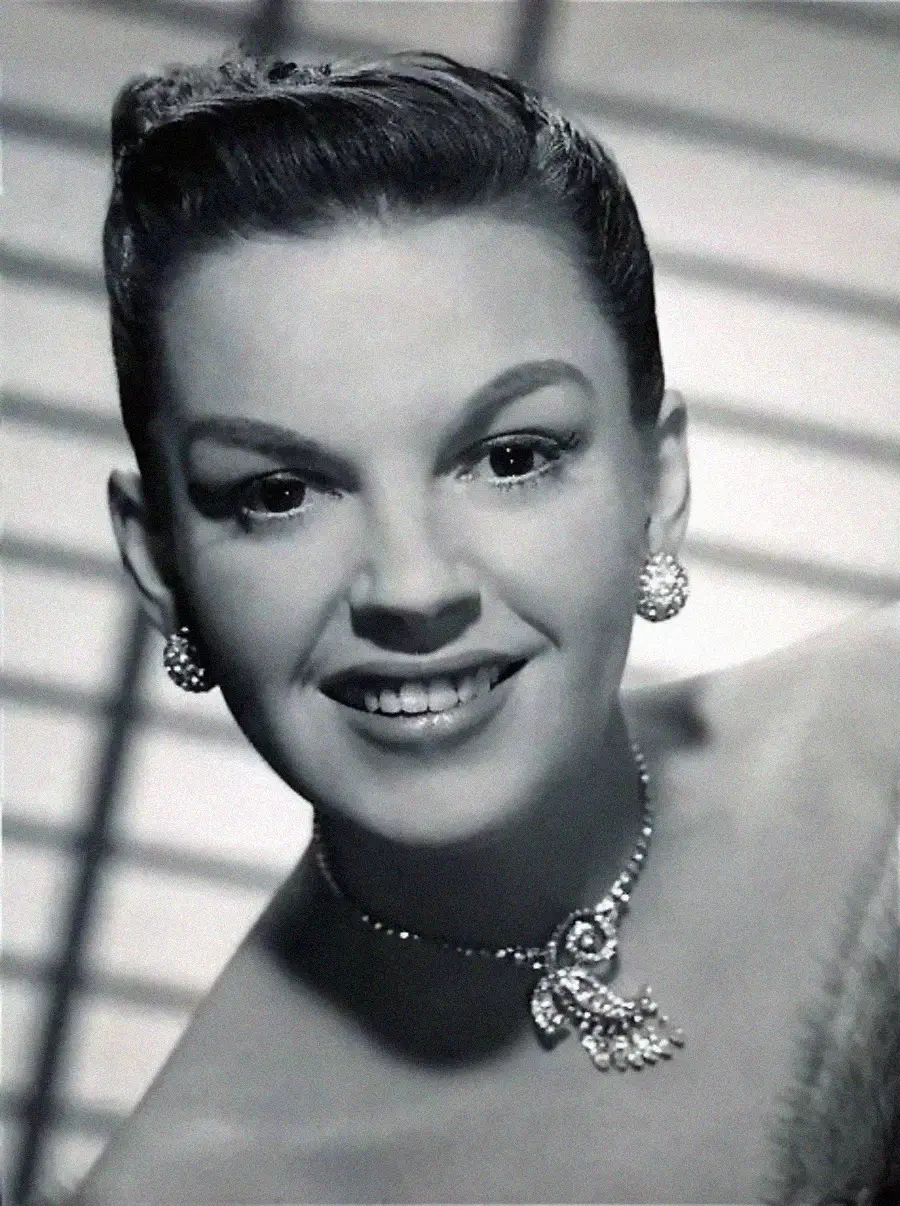
Judy Garland was subjected to intense, highly destructive psychological scrutiny from the exact moment she signed her initial contracts with major movie studios at age thirteen. Executive managers systematically locked her inside a toxic loop of comparison, forcing her onto dangerous forced diets and comparing her appearance to other glamorous starlets on the lot. This legendary piece of wisdom emerged from her long, painful battle to reclaim her private identity from the crushing gears of the studio machine. Her words serve as an incredibly relevant anthem for contemporary youth navigating the constant pressure and social anxieties generated by modern digital spaces. Her historic performance career proved to the world that her raw, unmatched emotional vulnerability was significantly more valuable than conventional, assembly-line perfection.
12. “The idea of my life as a fairy tale is itself a fairy tale.”
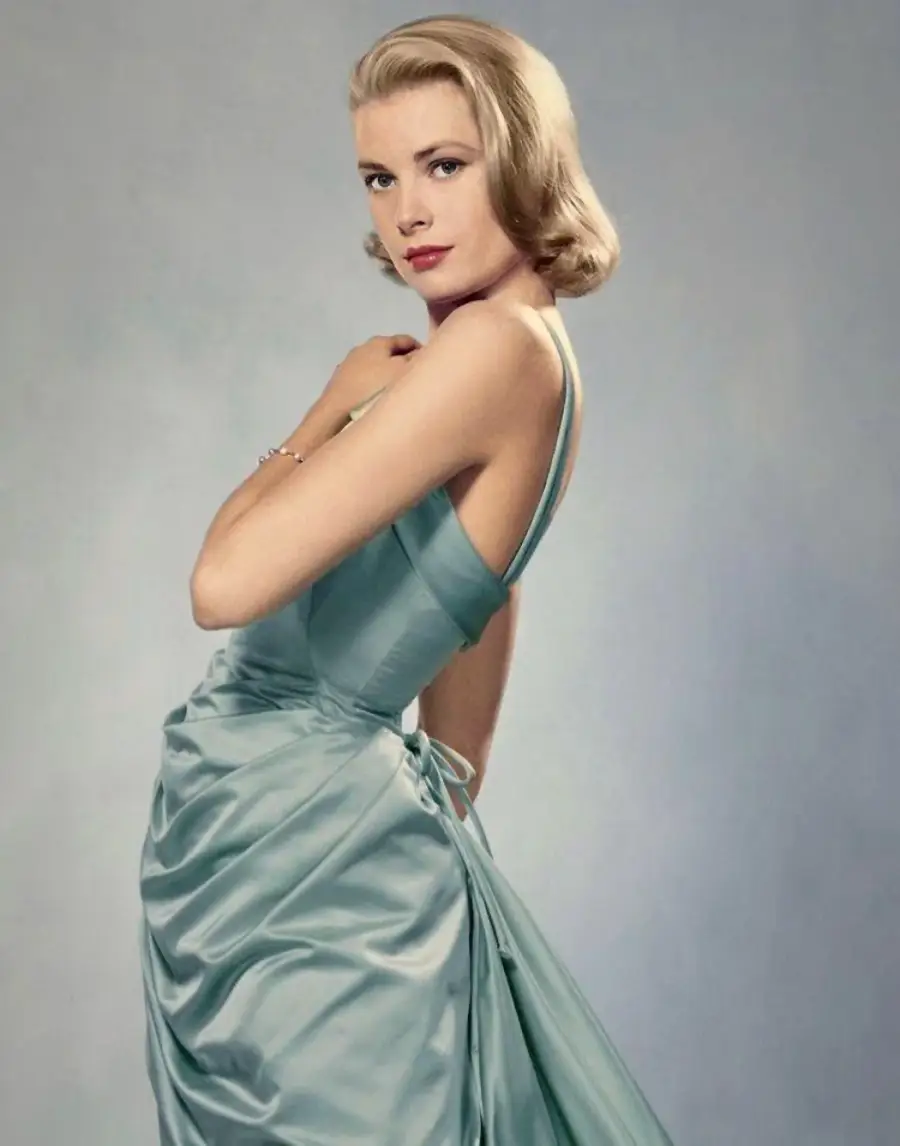
Grace Kelly single-handedly captivated the global public imagination by executing a flawless transition from an Academy Award-winning Hollywood actress to an authentic European princess. Despite the immense wealth and romanticized media coverage surrounding her royal marriage in Monaco, her private correspondence confirms that her life was governed by grueling administrative demands and intense isolation. She spent her days managing complex local philanthropic networks, balancing rigid historical protocols, and navigating a complete loss of personal mobility and creative expression. Her clear-eyed observation serves as a profound warning regarding the danger of projecting our private fantasies onto the lives of famous individuals. It reminds us that behind every high-gloss lifestyle narrative lies a real human being navigating structural limitations.
13. “I’ve down-and-out lived my life exactly as I wanted to. I don’t need anyone explaining my choices.”
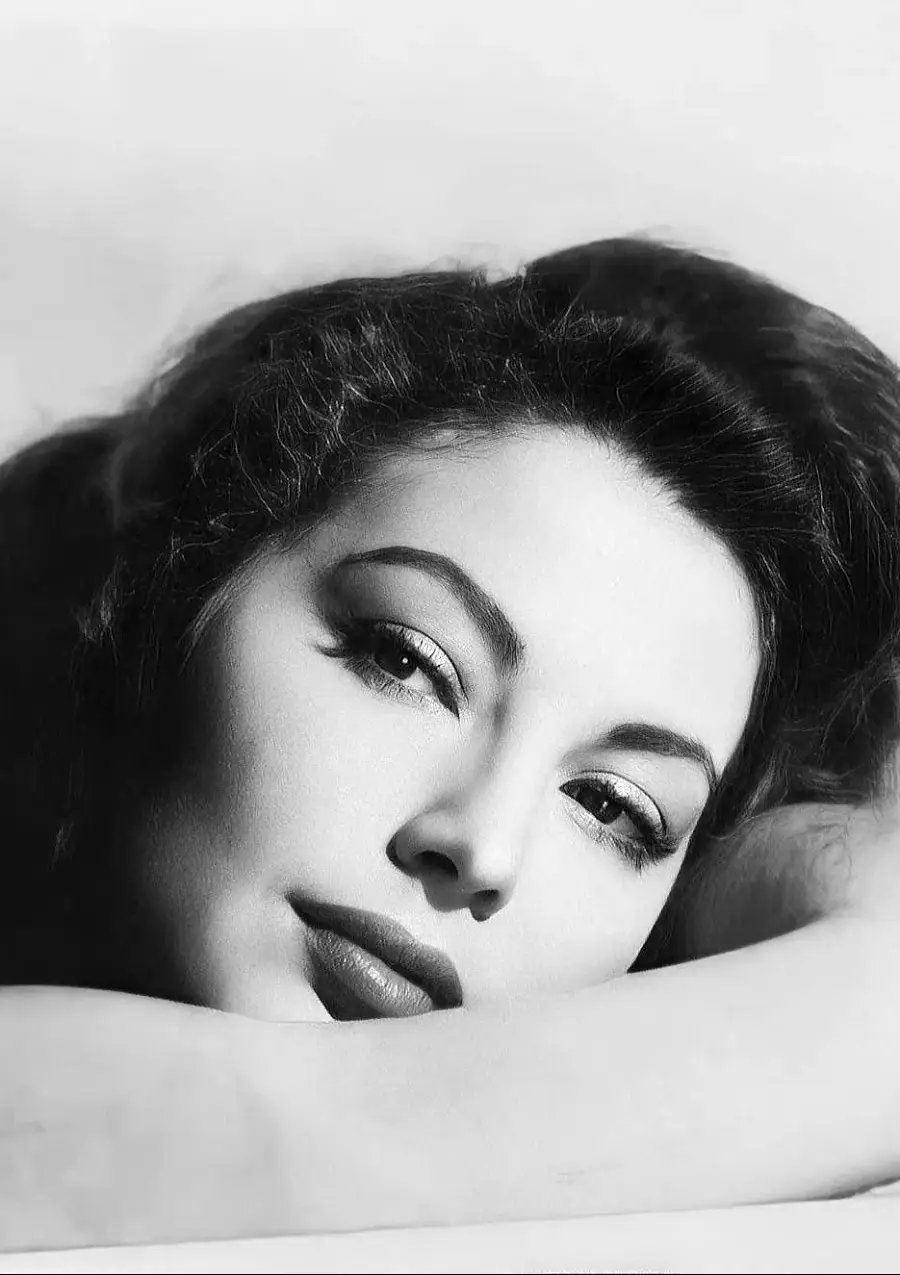
Ava Gardner was universally celebrated as one of the single most magnetic, fiercely independent forces of nature to ever navigate the Hollywood studio system. She completely refused to allow public opinion, executive warnings, or high-profile romantic partners like Frank Sinatra to dictate her private lifestyle choices or international travel plans. When she grew completely exhausted by the intrusive media circus of the American press, she boldly packed her bags to live an independent, unbothered civilian life across Spain and England. Her final memoir statements project an incredible level of personal accountability and a refusal to participate in the curated, apologetic damage-control statements that modern celebrities routinely issue to appease their corporate sponsors.
14. “Beauty is how you feel inside, and it reflects in your eyes. It is not something physical.”
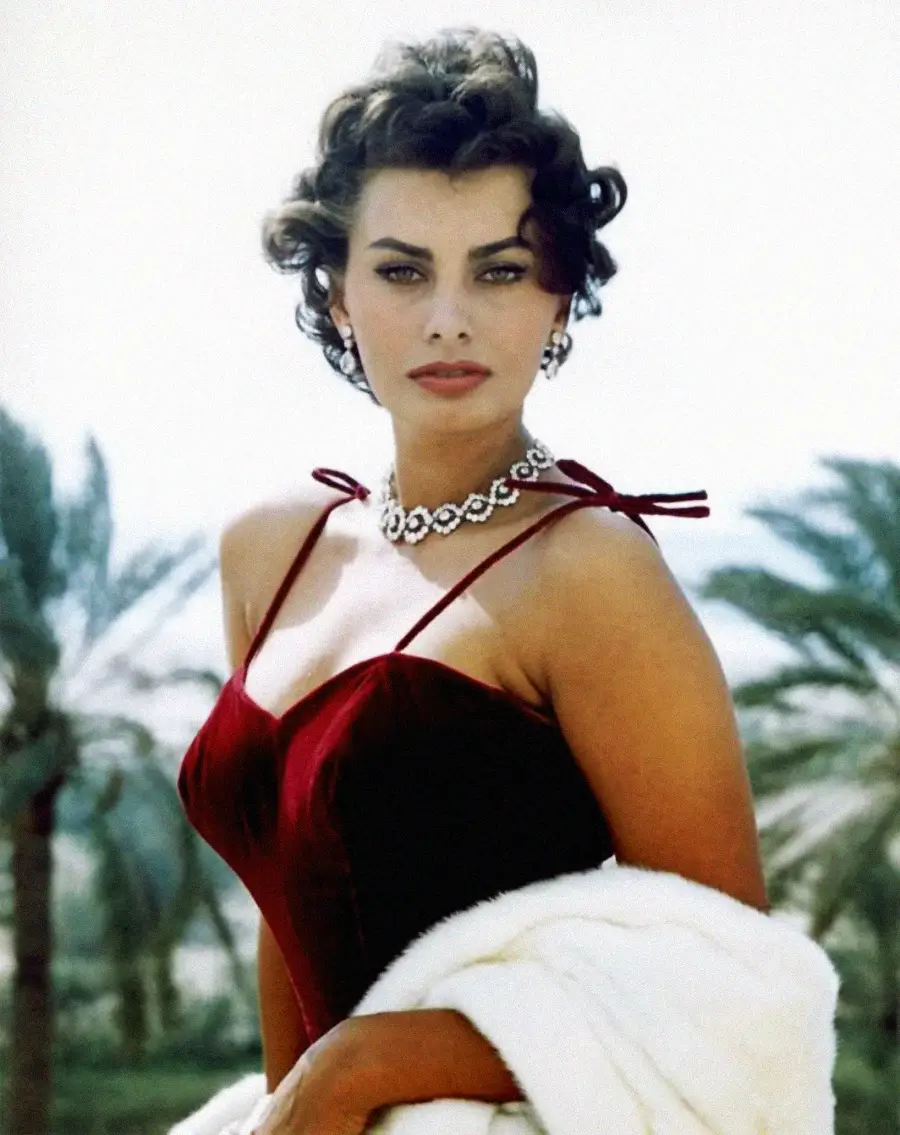
The legendary Italian icon Sophia Loren completely revolutionized the international film industry by capturing an historic Academy Award for a foreign-language performance in Two Women. Early in her career, conventional cameramen and short-sighted studio producers aggressively insisted that she undergo surgical adjustments to alter her distinct nose and round contours to conform to standard American screen aesthetics. Loren absolutely refused to permit a single structural modification to her face, arguing that her unique physical distinctions were the absolute anchor of her dramatic authenticity and emotional range. This unyielding stance successfully forced global directors to learn how to light and frame her unique features, permanently broadening the visual definition of international cinematic beauty.
15. “You just do it. You force yourself to get up. You force yourself to put one foot in front of the other, and you just refuse to let it get to you.”
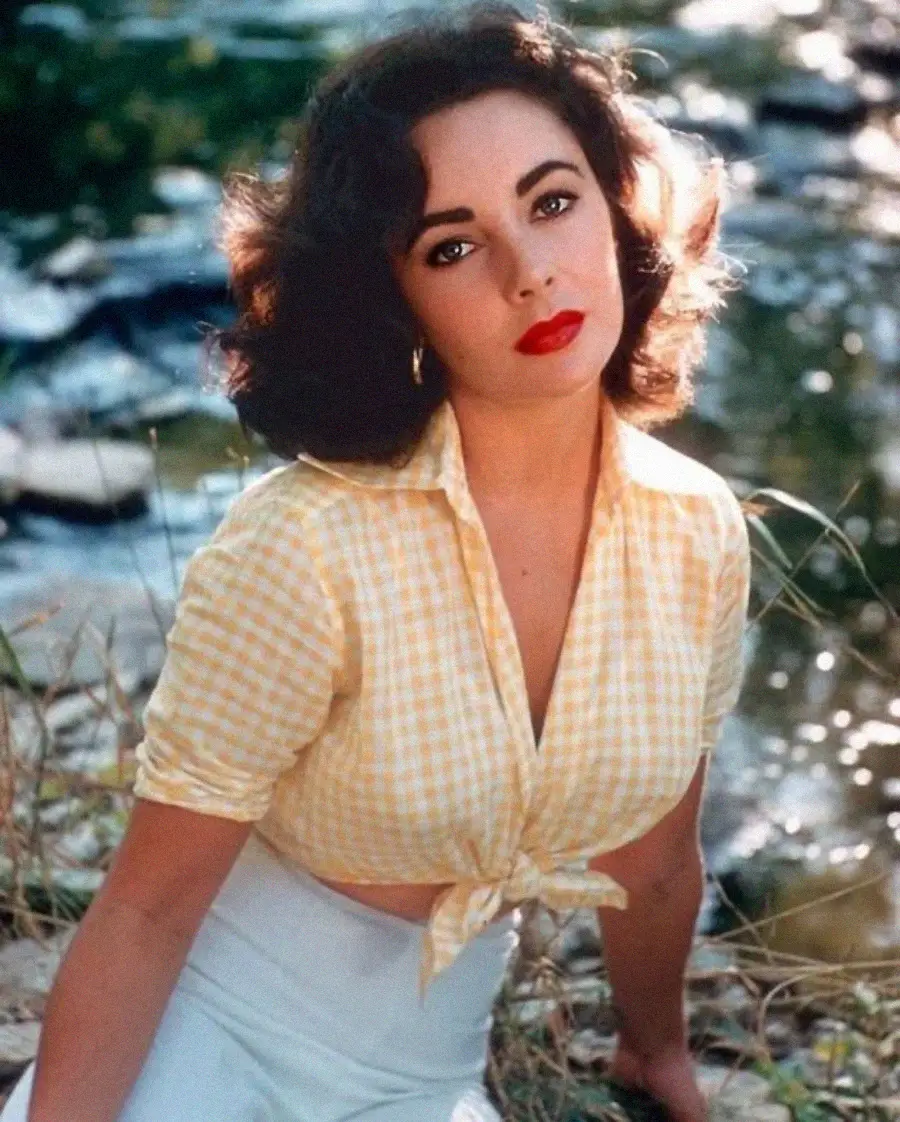
While Elizabeth Taylor spent her youth operating as a massive, world-record-breaking box office commodity, her single most permanent legacy was forged in the unglamorous trenches of public health activism. During the early 1980s, when the devastating HIV/AIDS epidemic was met with complete political silence, systemic corporate homophobia, and public hostility, Taylor courageously stepped forward to co-found the American Foundation for AIDS Research. She deliberately leveraged her immense international celebrity status to force corporate boardrooms and global politicians to fund critical medical treatments, completely disregarding intense warnings that her activism would permanently ruin her commercial brand value. Her grueling, hands-on administrative work across multiple decades systematically proved that true stardom is most valuable when deployed to protect the vulnerable.
16. “I did everything the man did, only backwards and in high heels.”
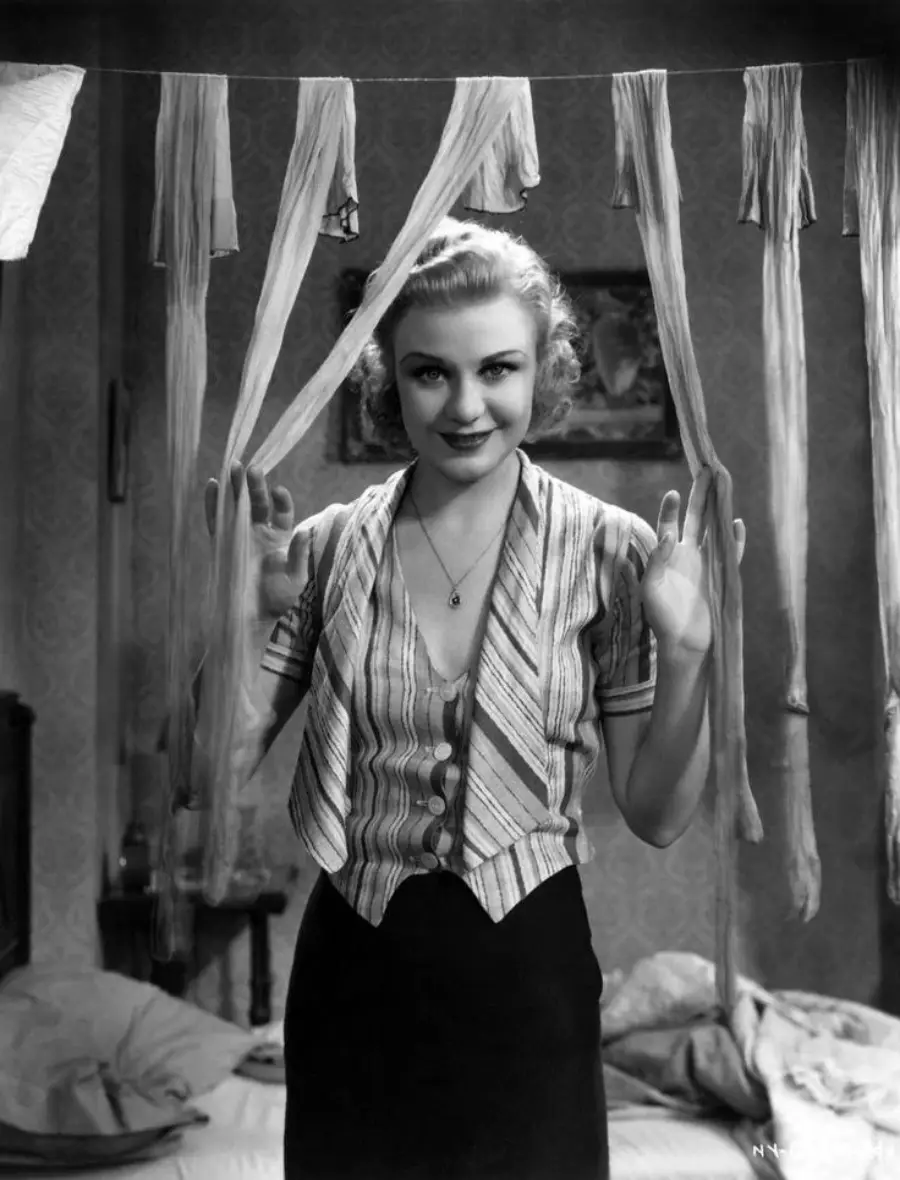
This brilliant observation from Ginger Rogers stands as one of the single most iconic, enduring summaries of institutional wage gaps and professional double standards ever uttered in modern labor history. As the definitive dance partner of Fred Astaire, Rogers executed identical, hyper-complex physical routines with absolute technical precision while operating under significantly harsher physical constraints and earning a fraction of the praise. She spent long hours rehearsing until her feet bled, all while managing heavy costume fabrics and balancing on narrow heels without ever breaking her breezy, effortless screen smile. Her words continue to serve as a powerful rallying cry for working-class women across the globe who consistently find themselves executing double the professional labor simply to earn baseline recognition within male-dominated industries.
In the mood for more interesting quotes?
Delving into the prophetic, deeply sophisticated philosophies of these premier cinematic visionaries serves as a powerful reminder that the true landmarks of cultural history are fundamentally built on personal integrity, individual resilience, and a willingness to challenge established dogmas. Watching these timeless concepts continue to confront the hyper-curated, automated standards of our contemporary digital landscape proves that the voices of these vintage icons remain a valuable roadmap for individual independence. When we choose to look past the high-gloss marketing of their old films to study their core personal principles, we gain a profound appreciation for the immense grit required to navigate early studio infrastructure. If you enjoyed this eye-opening, deeply analytical journey looking back at the hidden blueprints of entertainment history, make sure to explore these 17 Inspiring Julie Andrews Quotes Every Fan Should Remember, or 15 Quotes by Meryl Streep That Show Why She’s a Legend. You may also like these 15 Madonna Quotes That Show She Was Ahead of Her Time.