
The digital landscape of the early 2000s was a wild, experimental frontier where web design rules were actively being written on the fly. Stepping online during this era meant listening to the rhythmic screech of a dial-up modem before being greeted by a neon-tinted world of personal web pages and custom text formats. Users working within this golden age of internet exploration wielded incredible creative freedom, transforming standard profile pages into highly personalized, flashing expressions of their teenage identities. These early digital frameworks operated as the foundational baseline for modern social networking, anchoring a generation of tech-savvy youth into the rapidly shifting landscape of online culture.
The reality of these classic virtual habits highlights just how dramatically our collective standards of online communication shift over time. The truth is that the early internet was defined by decentralized networks, unpolished software interfaces, and a shared enthusiasm for maximum custom aesthetics. Before massive algorithms streamlined our social feeds into clean, uniform templates, web users relied on custom scripts, shared media players, and peer-to-peer file structures to connect with friends. Let’s take a look at fourteen legendary digital trends that completely defined the online experience of the decade, reminding us exactly why our daily browsing habits have evolved.
1. The blazing autoplay profile skins
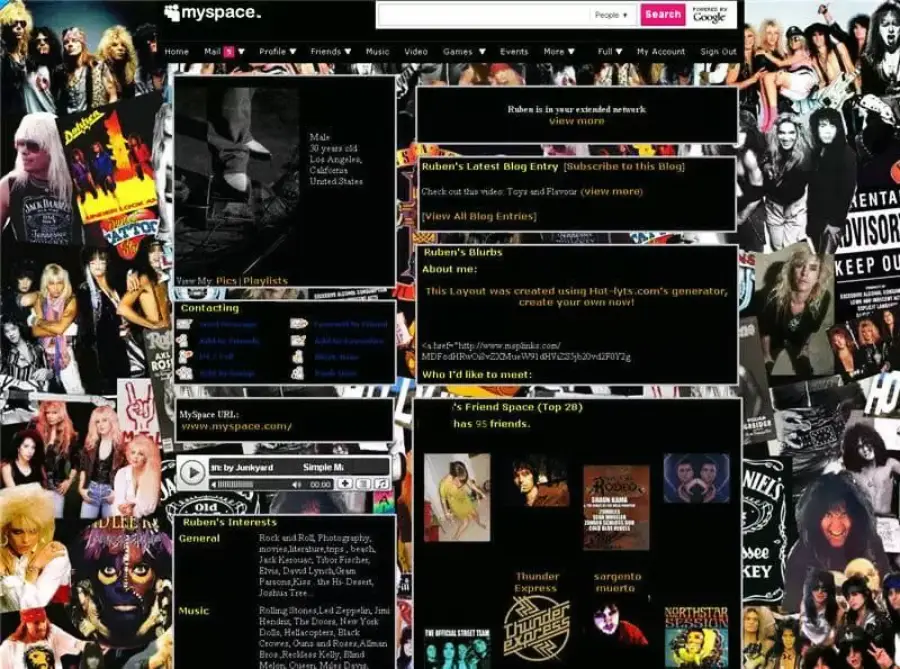
Customizing your personal profile page with bright background patterns, mismatched fonts, and custom music tracks that automatically blared out upon loading was the ultimate social status symbol. At its absolute peak, MySpace drove a massive wave of casual computer literacy, prompting millions of teenagers to manually learn basic HTML and CSS coding skills simply to alter their page layouts.
2. The custom symbol status names
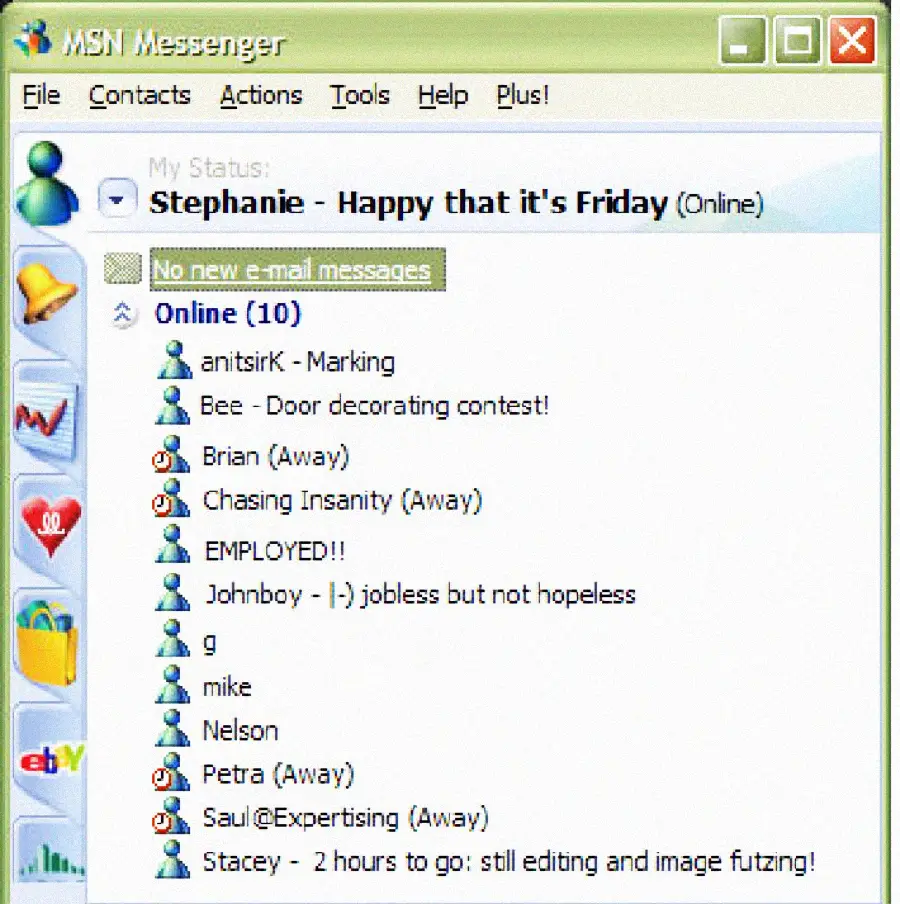
Daily communication during the desktop era relied heavily on frantic messaging clients filled with sudden screen shakes, yellow emoticons, and usernames packed with complex typographical symbols. The legendary MSN Messenger nudge feature was notoriously used to forcefully shake a contact’s chat box, an automated action that actually carried a mandatory cooldown timer to prevent users from completely freezing each other’s older computers.
3. The one-photo-per-day preference polls

Sharing your deepest personal secrets, daily updates, and trivial preference polls on community photo-sharing platforms like Fotolog or early logging sites like Blogger was an essential after-school ritual. These visual journals relied on an incredibly rigid system that only allowed users to publish one single photograph per day, triggering intense competition among friends to secure a spot in the limited daily comment box section below the image.
4. The high-risk file-sharing lottery
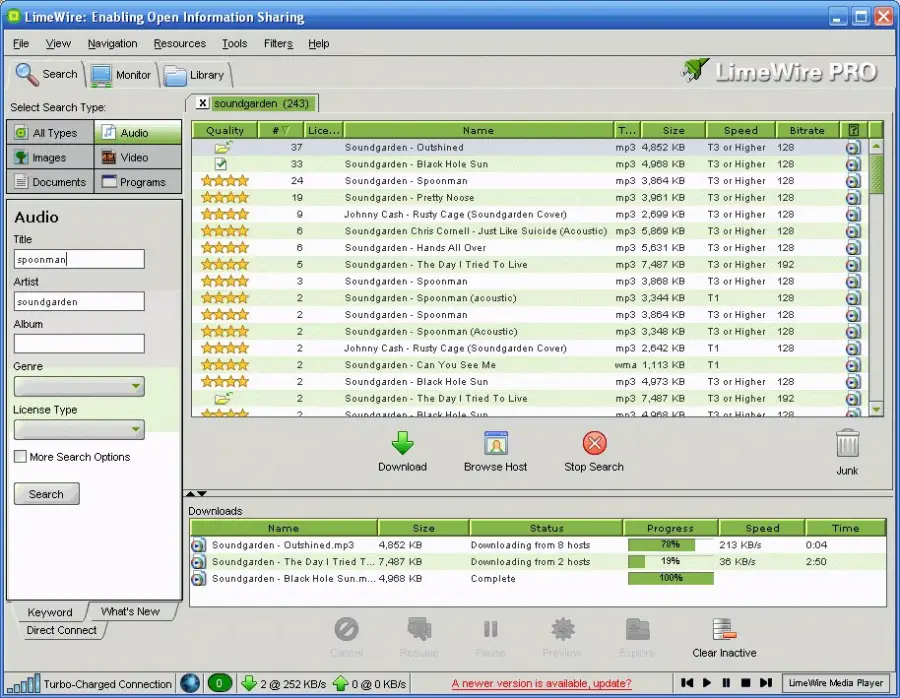
Building a music library during the early desktop boom required searching open networks for individual audio tracks and waiting hours for a single file transfer to conclude. This risky downloading habit on peer-to-peer platforms like Limewire or Kazaa turned file sharing into an absolute digital lottery, as users frequently discovered that a file labeled as a hit pop song was actually an aggressive computer virus or a completely unrelated comedy audio skit.
5. The inbox bad luck chain letters
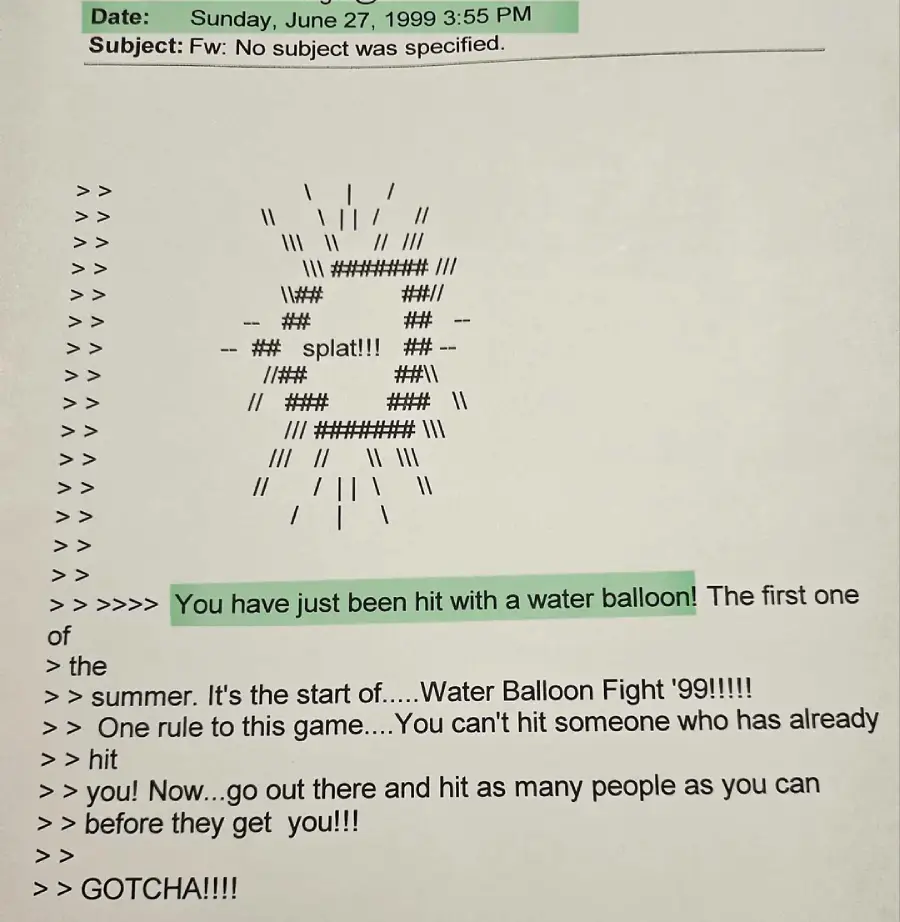
Opening your Hotmail or Yahoo inbox to find a massive, forwarded block of text warning that an ancient curse or terrible bad luck would strike your family unless you immediately forwarded the message to ten close contacts was a standard digital hazard. These viral text structures operated as the organic precursor to modern viral algorithms, masterfully exploiting teenage superstition to spread across early webmail networks at an astonishing velocity.
Trending on The Scroller
6. The automated identity badge widgets
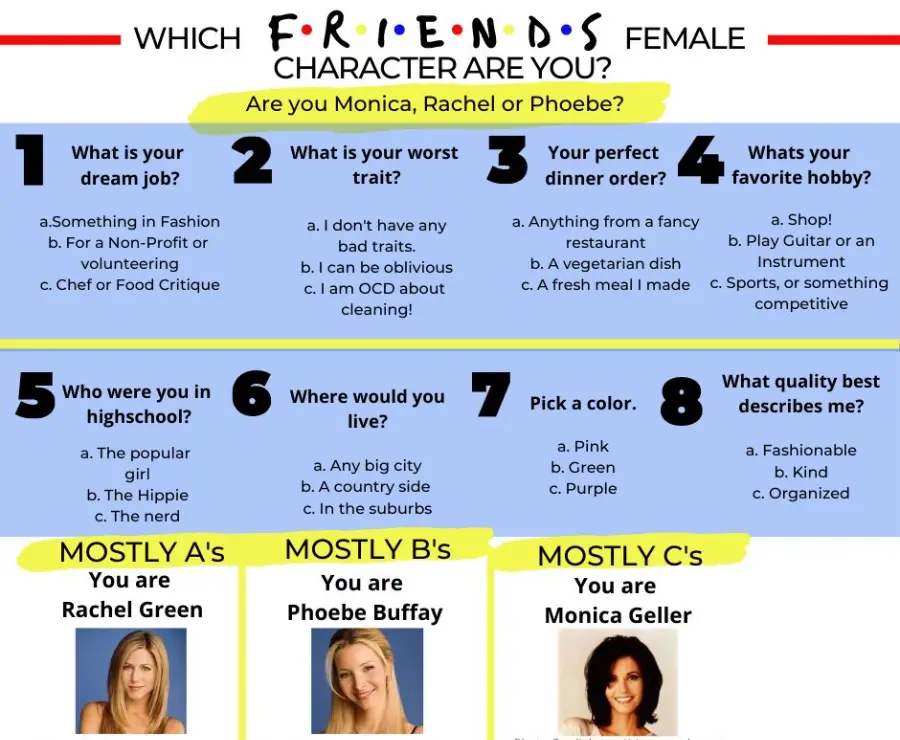
Spending hours answering trivial multiple-choice queries on sites like Blogthings to automatically generate a custom graphic banner declaring which fictional character or personality archetype you represented was a premier blogging activity. These automated widgets provided users with a pre-formatted block of code, allowing them to proudly embed their digital badge directly into their personal blog sidebar.
7. The direct flash high-angle portraits

Perfecting the art of capturing an extreme, high-angle portrait by holding a bulky digital camera or an early flip phone far above your head with an overexposed direct flash was the definitive profile picture template. This highly specific framing strategy was calculated to completely alter facial lighting, launching a distinct visual subculture known as the MySpace angle that entirely dominated youth networking spaces for years.
8. The cryptic alternative song quotes
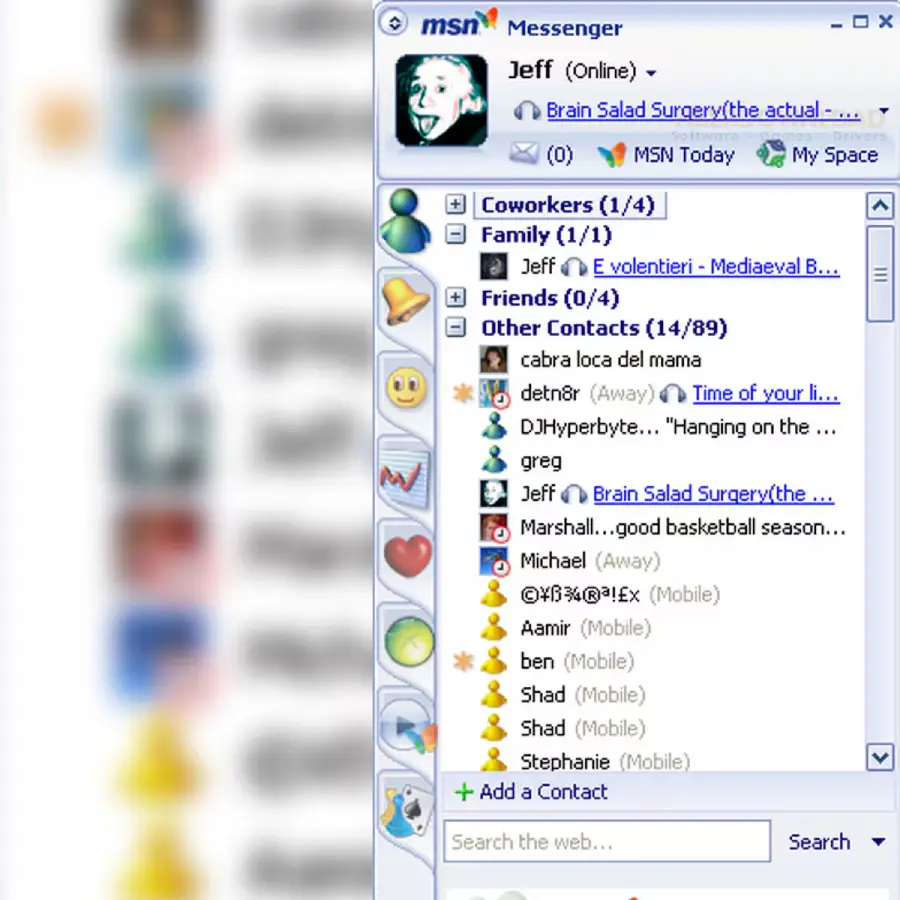
Using your messaging program’s public status line on AIM or Yahoo Messenger to display a deeply emotional, melancholy lyric from an alternative rock band or a vague, highly cryptic message was the definitive way to express teenage angst. These brief text lines operated like modern status updates, prompting friends to decipher the true emotional meaning behind your favorite song quote from bands like My Chemical Romance or Fall Out Boy.
Sign up for our newsletter
9. The under-construction cyber neighborhoods
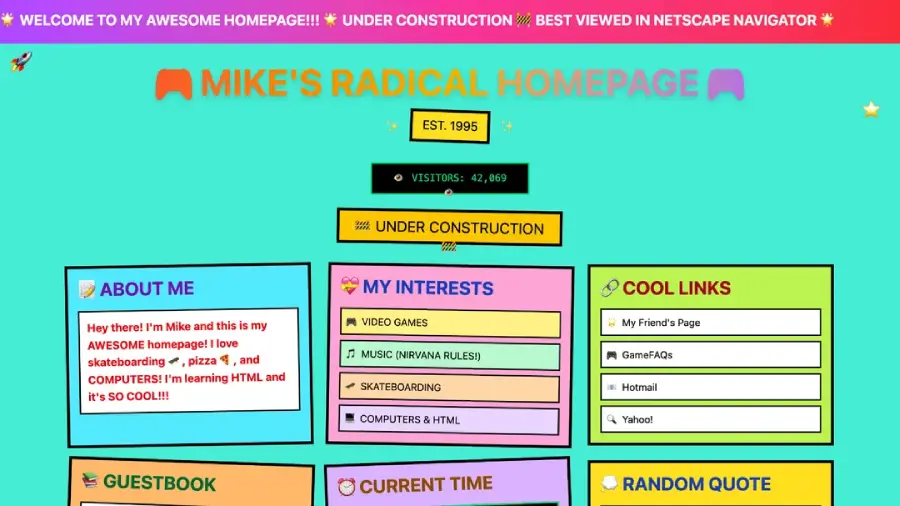
Building a personal fan page on community-hosted networks like Geocities or Angelfire meant populating a pitch-black background with neon text strings and a chaotic array of animated graphic assets. These handmade platforms almost always featured a flashing utility sign warning visitors that the domain was actively under construction, accompanied by an animated GIF stating the layout worked best in old web browsers.
10. The vector browser homework escapes
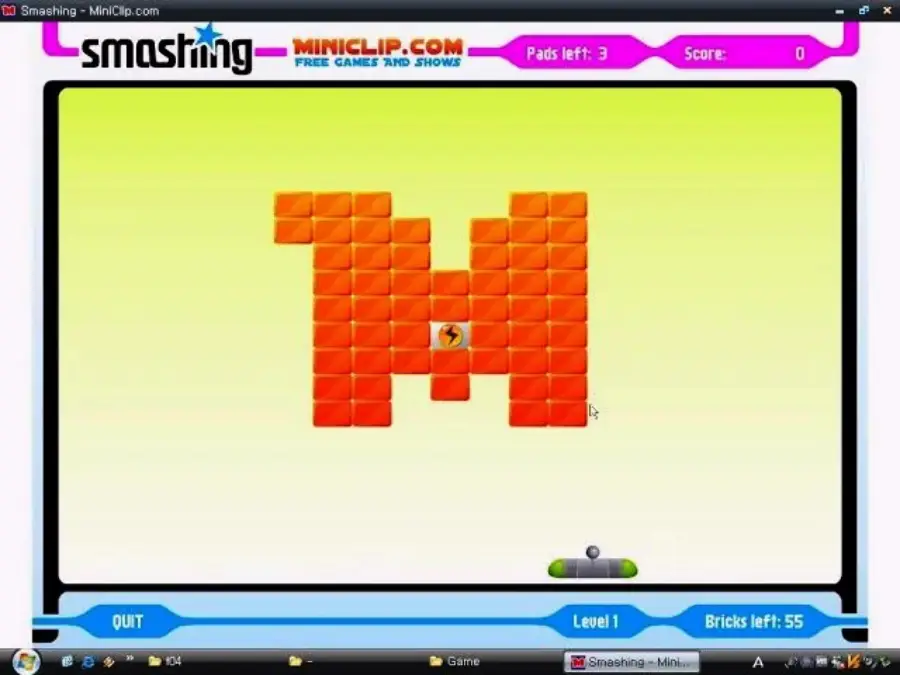
Escaping daily homework assignments meant spending hours playing simple, vector-based interactive browser games on dedicated community portals like Miniclip or Newgrounds. These independent networks relied on basic Flash animations that ran seamlessly inside web browsers, launching massive viral gaming sensations like Line Rider or Happy Wheels that required nothing more than a simple keyboard arrow setup to enjoy.
11. The processor-crashing trailing cursors

Enlisting custom JavaScript code to transform your standard arrow pointer into a trail of falling cartoon stars, sparkling glitter, or smiling faces was the height of personal customization on early web platforms like LiveJournal or Blogger. While these flashy modifications looked incredibly advanced to young web surfers, they frequently dragged computer processor performance to an absolute crawl, crashing older web browsers.
12. The overcrowded anime fan desktops
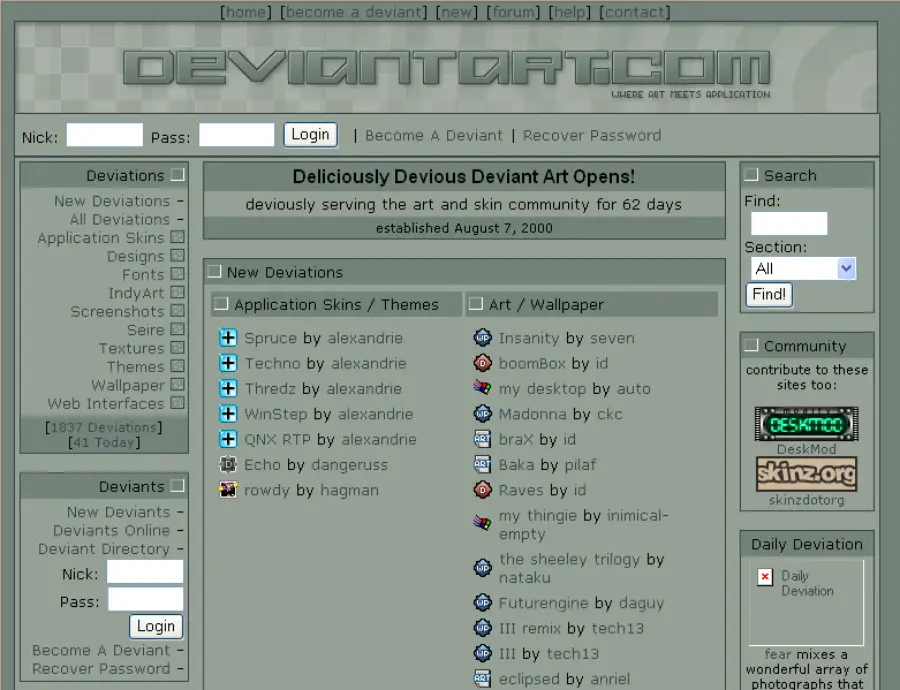
Transforming your Windows XP computer monitor into a dedicated tribute to your favorite animation series or alternative music group required hunting down high-resolution digital art collections on community design forums like DeviantArt. Dedicated collectors frequently filled their desktops with so many application shortcuts and folder icons that the background artwork of bands like Linkin Park was almost completely hidden from view.
13. The elite companion social grids
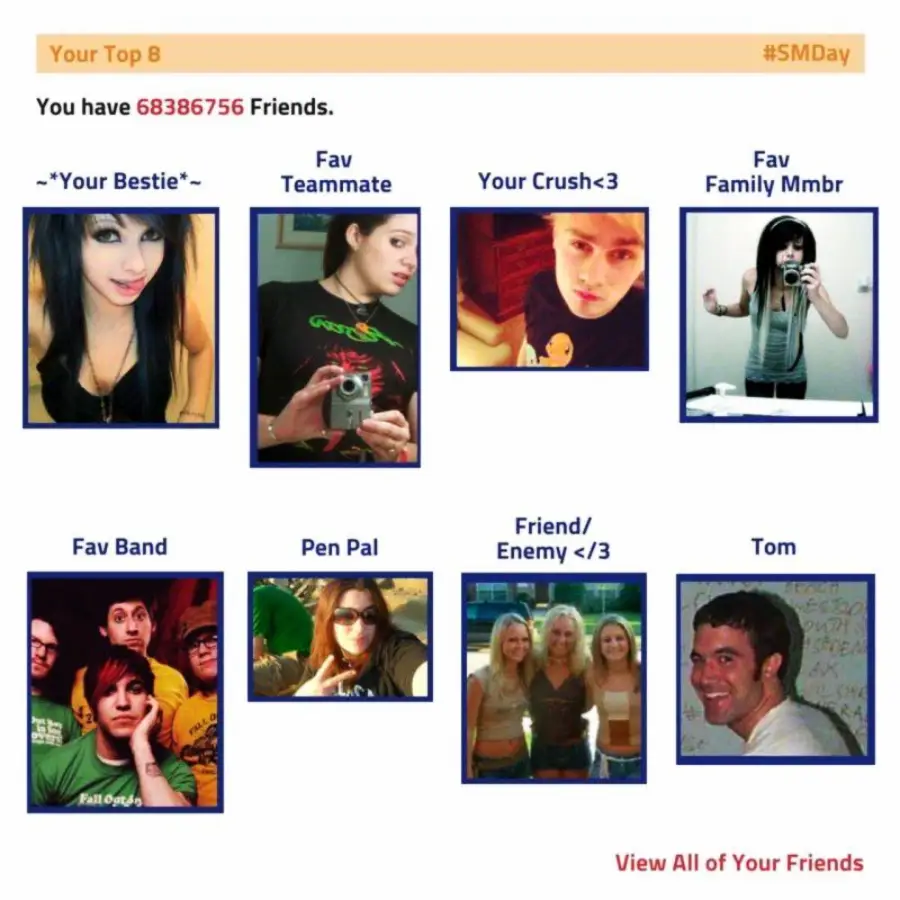
The strategic act of picking and arranging your absolute favorite companions into a highly visible Top 8 grid on your main MySpace page was a massive source of public social drama. Moving a close friend up or down a spot on this prominent list was a heavy non-verbal declaration that could instantly alter high school hallway dynamics overnight.
14. The silent back-and-forth Poke loops
Concluding our nostalgic tour of early digital interactions is the classic blue-and-white Facebook notification tool that allowed users to non-verbally greet, tease, or acknowledge a companion without typing a single word. This minimal communication option operated as a foundational highlight of early social networking, launching endless, silent back-and-forth loops of pokes between college students that could endure for months.
Explore more Y2K stories:
Revisiting these unforgettable virtual habits serves as an excellent reminder of the incredibly creative, unpolished traditions that shaped our early online identities. Looking over these flashing profile custom skins, frantic messaging windows, and pixelated browser mini-games proves that while modern application designs and ultra-fast network connections change completely across the decades, the desire to carve out a unique personal space online remains entirely constant. When we choose to look past the modern, streamlined interfaces of our current devices to appreciate the raw, hand-coded creativity of the early web, we gain a much deeper understanding of our shared lifestyle history. If you enjoyed this detailed look back at the tech milestones that defined past generations, make sure to explore these 16 Gadgets From the 2000s That Youth Today Cannot Recognize, or 31 Photos That Show How Strange the Early 2000s Were. You may also like these 20 Images That Define 2000s Nostalgia.