The rapid expansion of global telecommunications has completely reshaped how modern society communicates, works, and shares entertainment daily. Walking into a workspace today means encountering a highly polished, streamlined ecosystem of cloud storage applications, instant messaging platforms, and automated content feeds that run seamlessly without a single glitch. However, the foundational decades of this digital revolution were incredibly experimental, unpolished, and full of chaotic trial-and-error moments that modern tech companies rarely talk about. The physical infrastructure of the early internet grew out of a collection of university labs, home garages, and specialized research institutes where engineers and enthusiasts built the digital roadmaps we still travel today.
The reality of these historical computing milestones highlights just how much our global communication networks were shaped by happy accidents, massive oversight, and quirky cultural experiments. The truth is that the early internet operated with minimal rules, wide open spaces, and an unpredictable layout that felt more like a tech playground than a commercial utility. Before massive algorithms organized our daily search results into ultra-clean, uniform indexing models, digital pioneers relied on custom codes, mechanical hardware sounds, and pixelated visual widgets to establish an online presence. Let’s take a look at fourteen fascinating facts about the dawn of the web, reminding us exactly how much our browsing experience has changed across the decades.
1. The accidental first message was “LO”
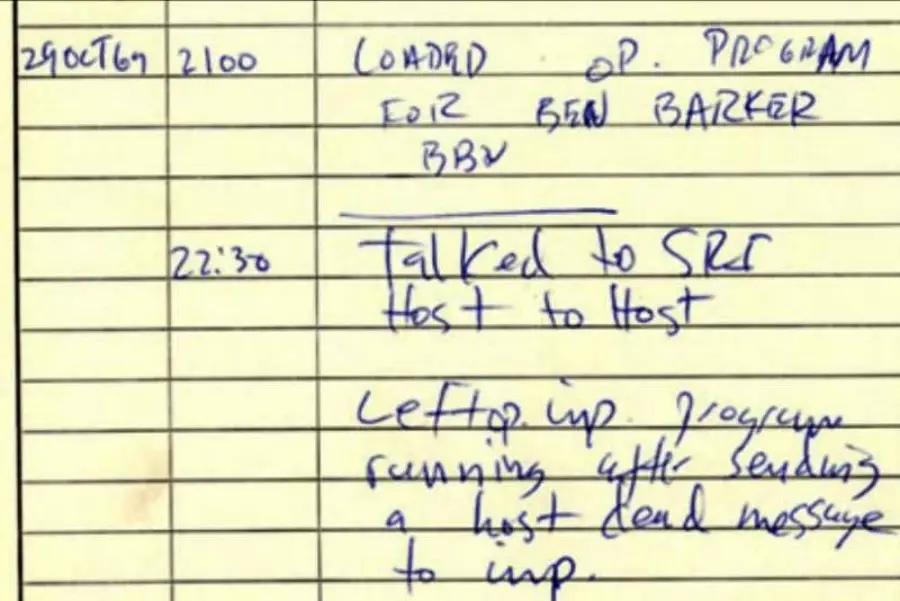
In 1969, a student programmer at UCLA attempted to transmit the word “LOGIN” across the experimental ARPANET system directly to the Stanford Research Institute. The network critically crashed after processing the first two keystrokes, making the unintended fragment “LO” the absolute first message transmitted in the history of data networking.
2. The original banner ad had an impossible success rate
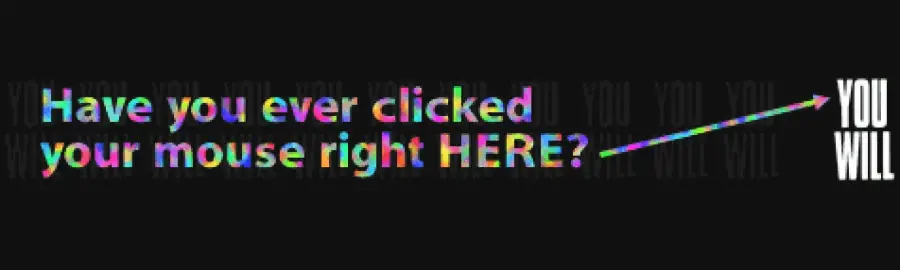
The absolute first internet banner advertisement went live on HotWired.com in October 1994, purchased by telecom giant AT&T to display the text “Have you ever clicked your mouse right HERE? You will.” The bold campaign achieved an astounding click-through rate of 44 percent, a metric that sounds completely fictional to modern marketers who routinely struggle to hit a benchmark average of less than 0.1 percent today.
3. Google began under the name “BackRub”
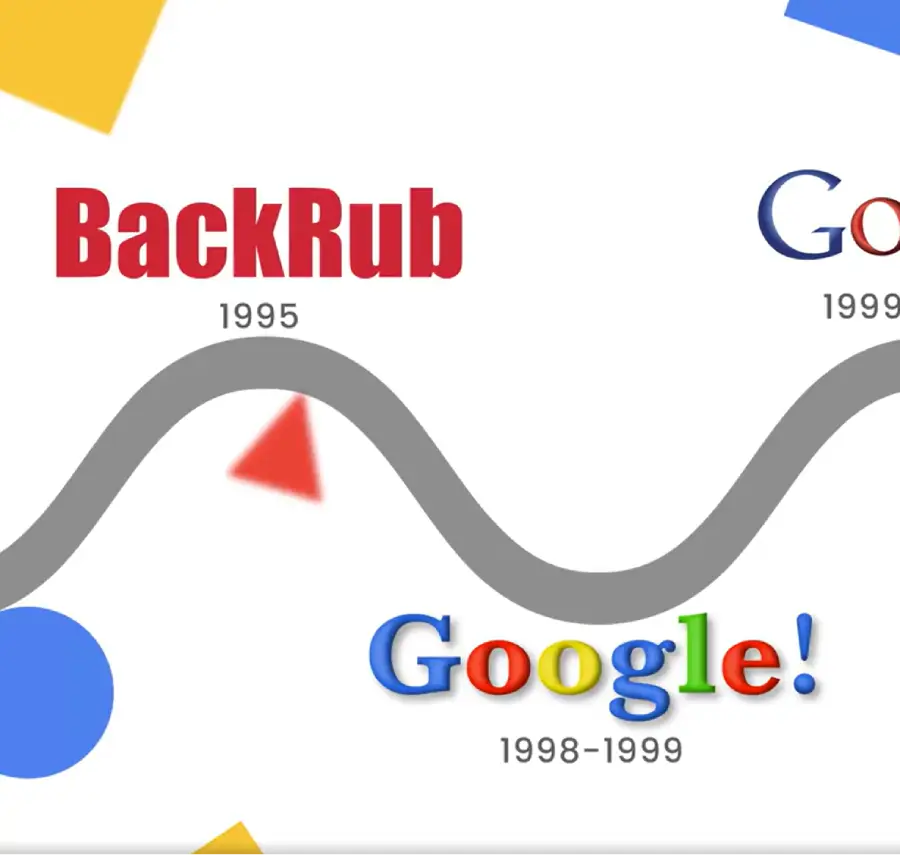
Larry Page and Sergey Brin originally developed their revolutionary search algorithm while working at Stanford University in 1996 under the title BackRub. They chose this unique descriptor because the system was designed to mathematically analyze the underlying network of backlinks connecting individual web domains before officially rebranding to Google in 1997.
4. PizzaNet facilitated the first true e-commerce order
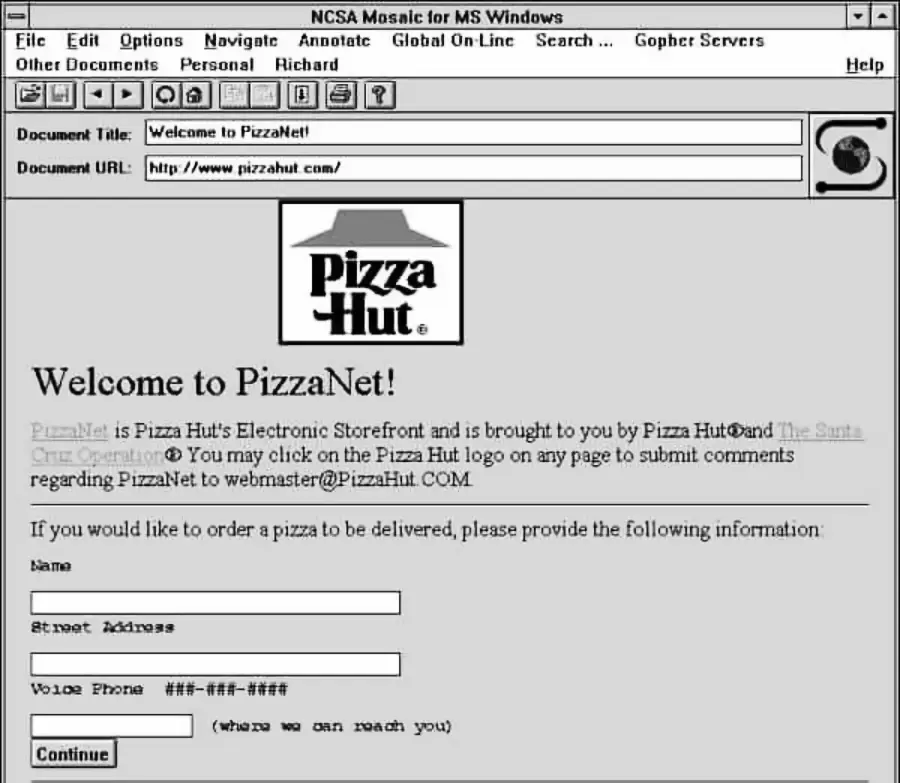
Before retail empires like Amazon or eBay transformed global retail pipelines, Pizza Hut launched an experimental portal called PizzaNet in 1994 to let consumers request food delivery online. While some cultural historians still dispute this milestone by citing the independent sale of a compact disc by the artist Sting, the digital pizza order stands as an absolute milestone in digital consumer history.
5. Modem connection noises had an explicit purpose
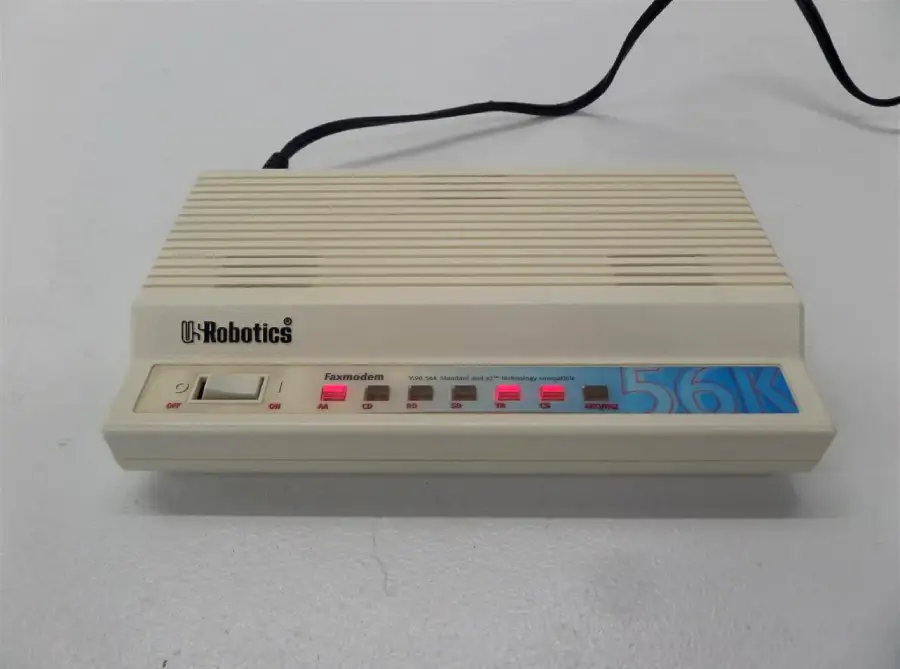
The frantic sequence of clicks, screeches, and static that filled living rooms during a dial-up connection sequence was actually a fully functional conversation known as a hardware handshake protocol. Each distinct pitch represented a highly specific automated step where two machines communicated their technical parameters to establish a secure data line, allowing users to listen directly to the network negotiation.
Trending on The Scroller


6. Internet Explorer controlled the entire browsing market
By the year 2003, Microsoft’s Internet Explorer had successfully captured an astonishing 95 percent share of the global browser market, rendering all competitor applications virtually obsolete. For an entire generation of computer users navigating the web before Chrome, Firefox, or Safari emerged, the signature blue lowercase letter icon was completely synonymous with opening the web itself.
7. The debut emoji set featured only 176 tiny symbols
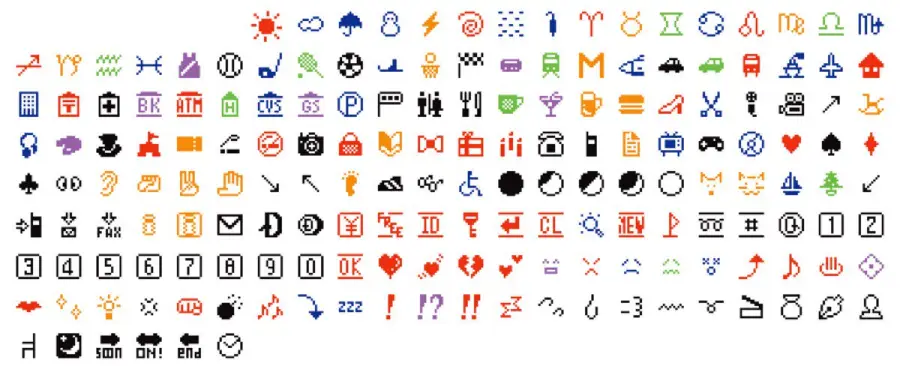
Shigetaka Kurita created the world’s first collection of emoji characters in 1999 while designing a mobile text interface for the Japanese telecom company NTT DoCoMo. The set consisted of 176 unique designs sized at a mere 12×12 pixels, hidden entirely from Western cellular ecosystems for over a decade before being integrated into standard international software updates.
8. A scientific musical group starred in the first image upload
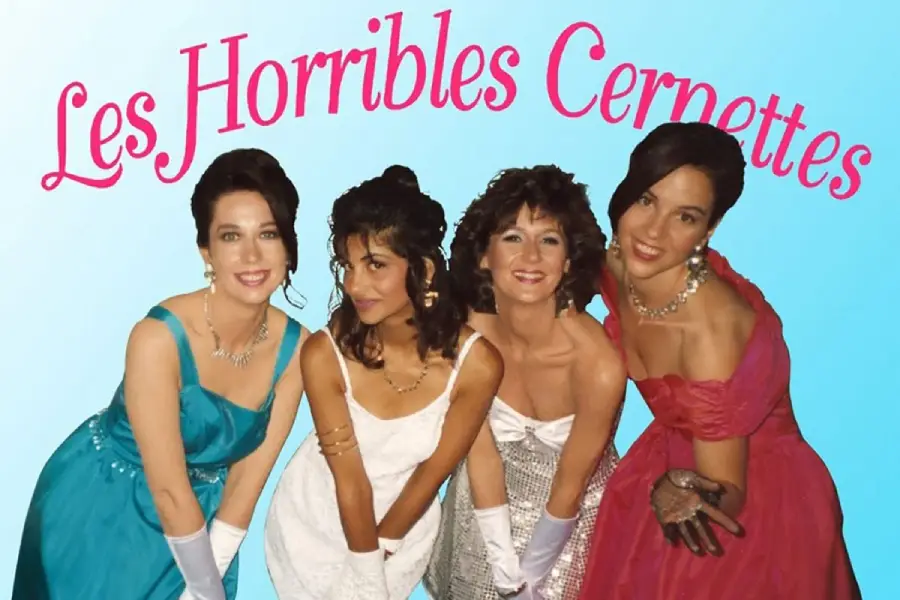
Tim Berners-Lee, the brilliant inventor of the World Wide Web, executed the first photo upload to the network in 1992 as a technical experiment to test image hosting capabilities at CERN. The portrait showcased Les Horribles Cernettes, a satirical pop group made up of internal laboratory employees, permanently anchoring them into the foundational layers of multimedia history.
Sign up for our newsletter
9. A government typing blunder created a notorious web destination
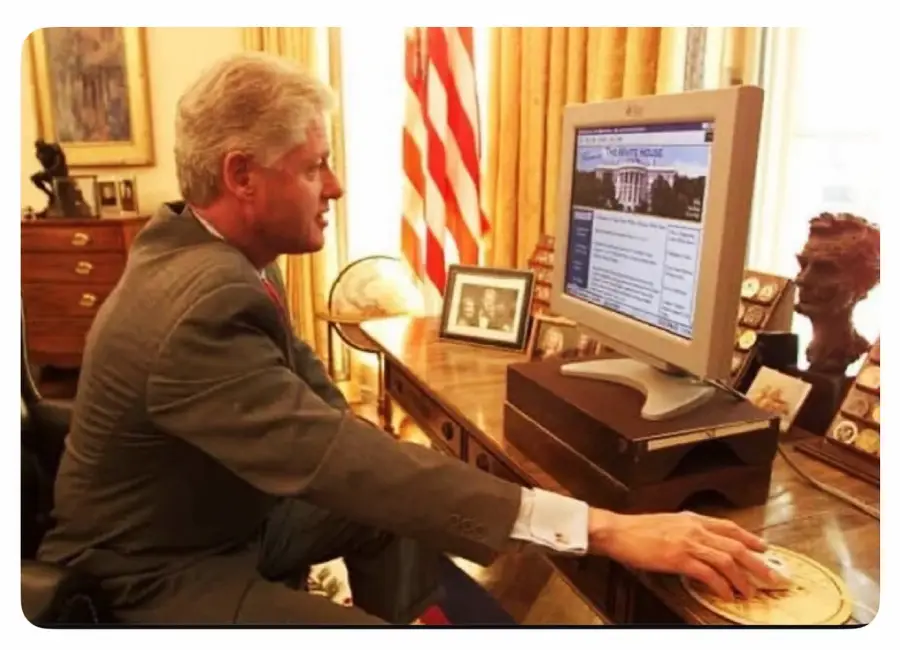
The United States government safely secured the registration for its official executive domain, whitehouse.gov, but completely overlooked whitehouse.com during the early days of domain mapping. A commercial entertainment enterprise quickly swept in to purchase the dot-com address, spending the majority of the 1990s giving an unexpected shock to unsuspecting students and journalists who mistyped the extension.
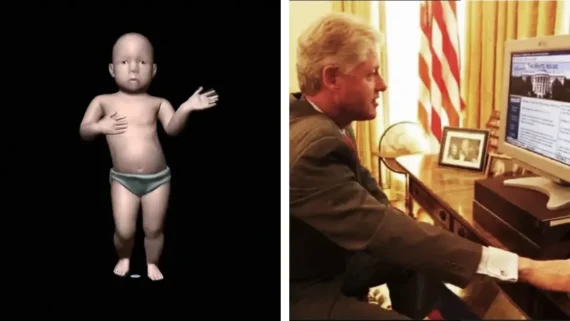
10. The 3D “Dancing Baby” was the first real viral video

The iconic 3D animation featuring a baby dancing the cha-cha-cha emerged in 1996 as a simple file built to test a new mechanical animation rendering software. Enthusiasts quickly converted the rendering file into a lightweight looping graphic that traveled rapidly across international email servers, achieving such a massive cultural footprint that it was written into a prime-time episode of the hit television show Ally McBeal.
11. A broken laser pointer launched the auction era

To test the core transaction functionality of his newly coded auction website, eBay founder Pierre Omidyar listed a broken handheld laser pointer for sale on the platform. When a collector bought the damaged item for exactly $14.83, a surprised Omidyar sent a message to confirm the device was fully broken, only for the buyer to reply that collecting broken laser pointers was his explicit hobby.
12. A narrow escape from “Cadaver” rescued Amazon
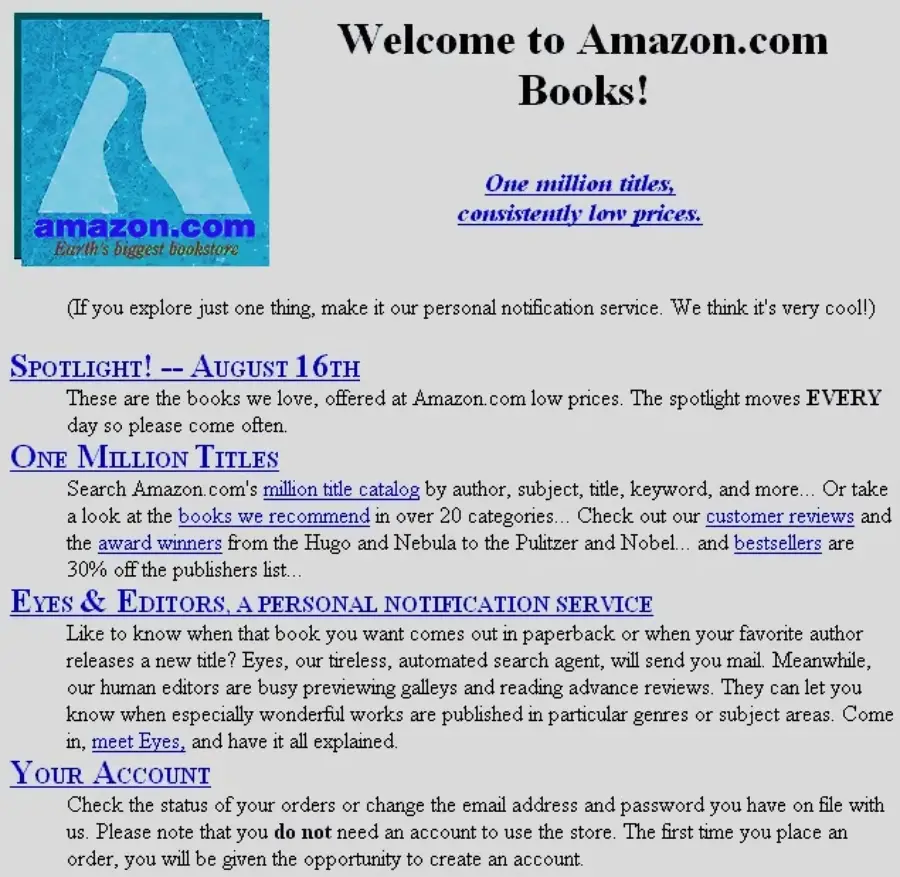
Jeff Bezos originally operated his digital bookstore business straight out of a residential home garage in Bellevue, Washington, under the initial trade name Cadabra. He chose to rapidly swap the corporate title after a close legal advisor accidentally misheard the magical reference over a bad phone connection as cadaver, leading Bezos to select the title of the world’s largest river instead.
13. Hotmail’s capitalization was a coded tribute to web code
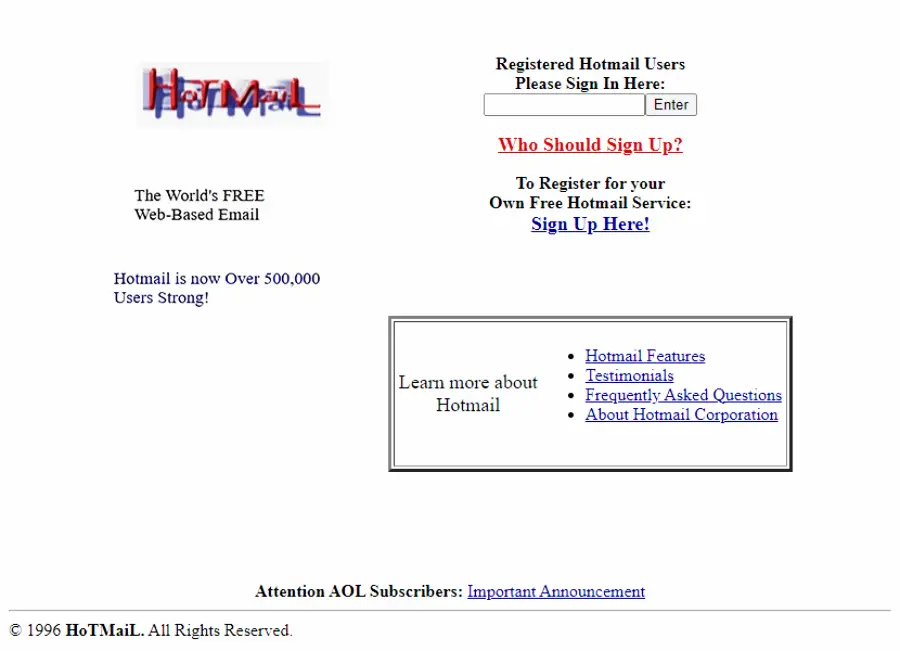
When founders Jack Smith and Sabeer Bhatia designed the first widespread webmail application, they explicitly selected the name HoTMaiL because it integrated the characters HTML directly into its title. The clever typographical nod to the core code language of the web officially made its public debut on the appropriate date of July 4, 1996, symbolizing independence from standard corporate network servers.
14. Digitized LED counter served as early web status symbols
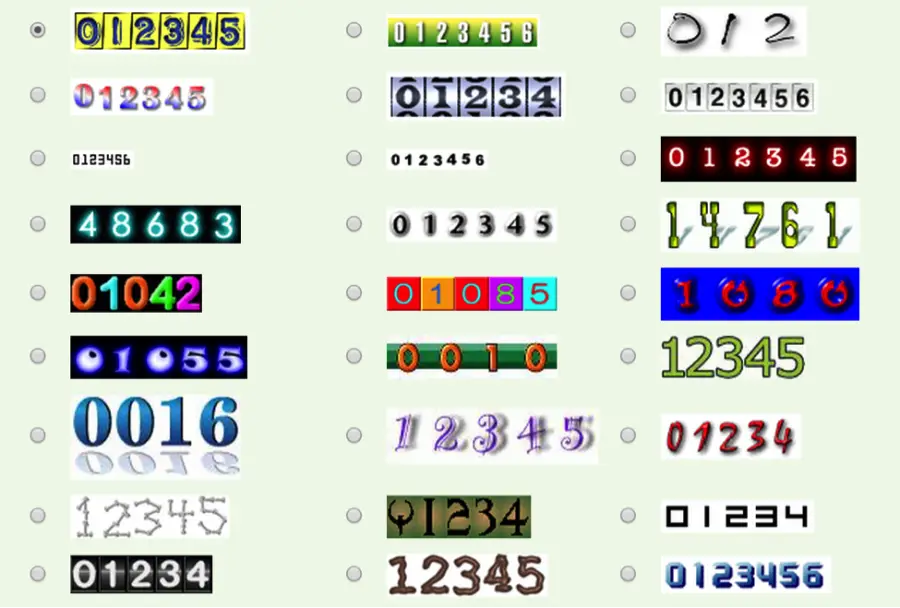
Nearly every independent home page operating during the 1990s proudly integrated a highly visible page visitor counter widget to display their traffic metrics directly to the public. These retro LED-styled tracking icons were hosted entirely by third-party graphics services, which frequently meant that if the external server crashed, a broken image icon would appear directly in the middle of a user’s carefully built layout.
In the mood for more fun facts?
Revisiting these incredible milestones from the dawn of online communication serves as an excellent reminder of the experimental, unpredictable traditions that shaped our modern digital lives. Looking over these accidental first messages, unexpected search name histories, and pixelated visitor counter widgets proves that while corporate software designs and network distribution systems change completely across the decades, the value of human ingenuity and creative problem-solving remains entirely constant. When we choose to look past the modern templates of our current mobile devices to appreciate the raw, hand-coded history of the early web, we gain a much deeper understanding of our shared lifestyle history. If you enjoyed this detailed look back at the historical fun facts that defined past generations of computing, make sure to explore these 20 Fun Facts That Sound Too Strange to Be True or 18 Historical Facts That Sound Fake Until You Check Them. You may also like these 20 Eerie Yet Fun Facts Most People Have Never Heard.