Fame has always had an expiration date, even long before radio, television, or social media made it easier to disappear from public memory. Some people once filled theaters, dominated newspaper headlines, drew enormous crowds, or became household names across several countries. A century or two later, many of them survive mostly in footnotes, old photographs, and the occasional biography. These 17 figures were difficult to ignore in their own time, but are rarely discussed today.
1. George Francis Train
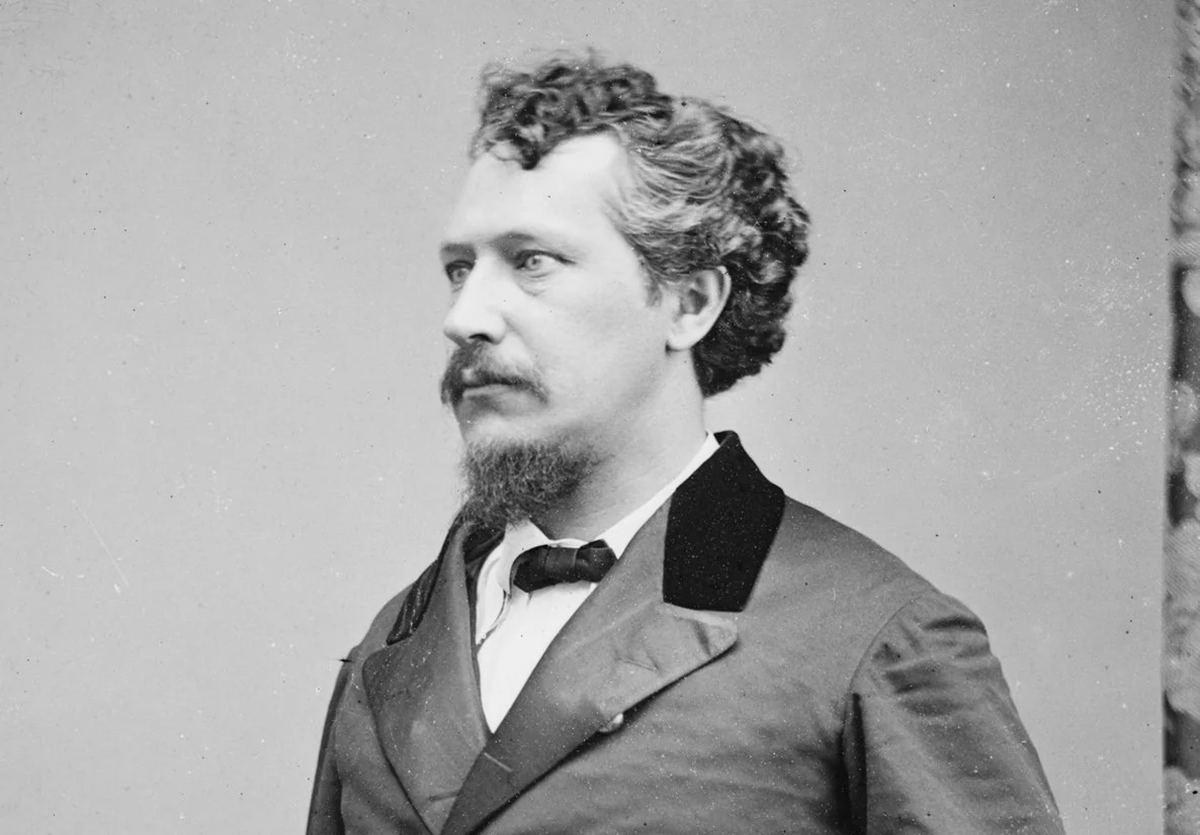
George Francis Train was one of the most recognizable public personalities in 19th-century America, although it was not always clear whether people admired him or simply enjoyed watching him cause trouble. A businessman, railway promoter, lecturer, and presidential candidate, Train traveled constantly and delivered theatrical speeches on politics, money, and society. His rapid trip around the world in 1870 reportedly helped inspire Jules Verne’s Around the World in Eighty Days. Train spent his later years speaking to strangers in New York’s Madison Square, convinced that adults were plotting against him and preferring the company of children.
2. Adah Isaacs Menken
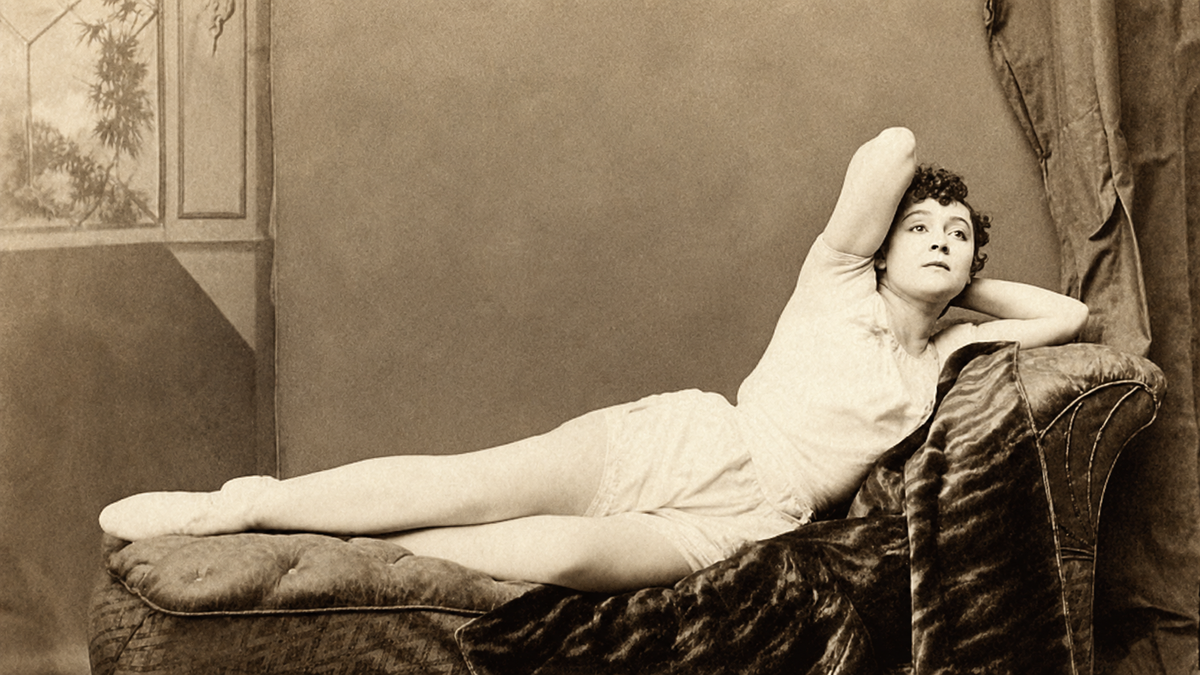
During the 1860s, Adah Isaacs Menken was one of the highest-paid performers in the world. Her most famous role came in Mazeppa, a melodrama in which she appeared to ride across the stage strapped to a galloping horse while wearing a body-colored costume that scandalized audiences. Menken toured internationally, socialized with writers including Alexandre Dumas and Charles Dickens, and published poetry alongside her stage work. She died in Paris in 1868 at only 33, and her enormous celebrity faded surprisingly quickly.
3. Louis Kossuth
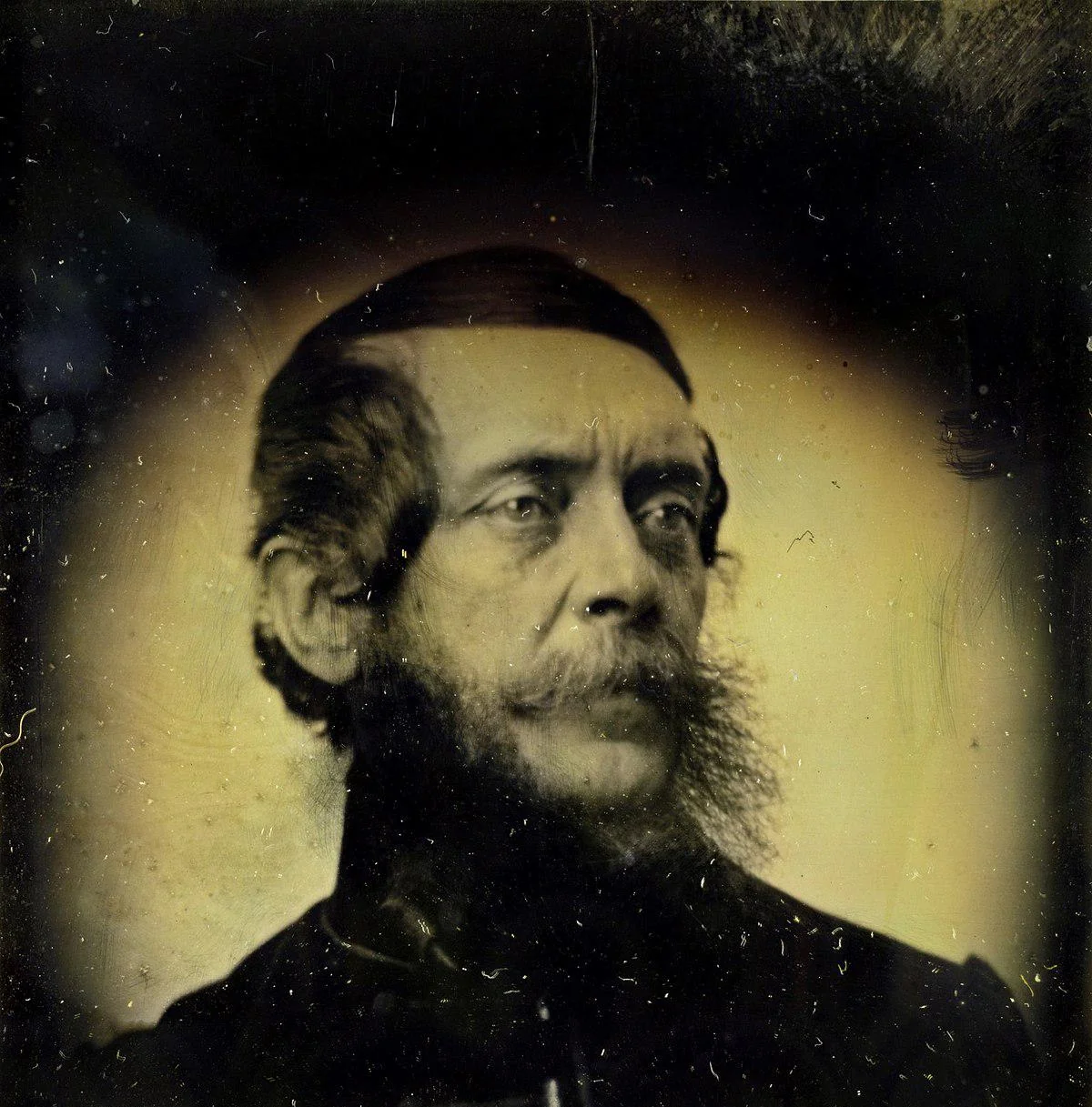
When Hungarian revolutionary leader Louis Kossuth visited the United States in 1851, he was greeted with parades, speeches, banquets, and crowds that treated him like an international superstar. Americans named towns, streets, and even children after him. Kossuth had become the public face of Hungary’s failed struggle for independence from the Austrian Empire, and his speeches made him a symbol of democratic nationalism. Outside Hungary, however, the intensity of his fame did not last.
4. Fanny Elssler
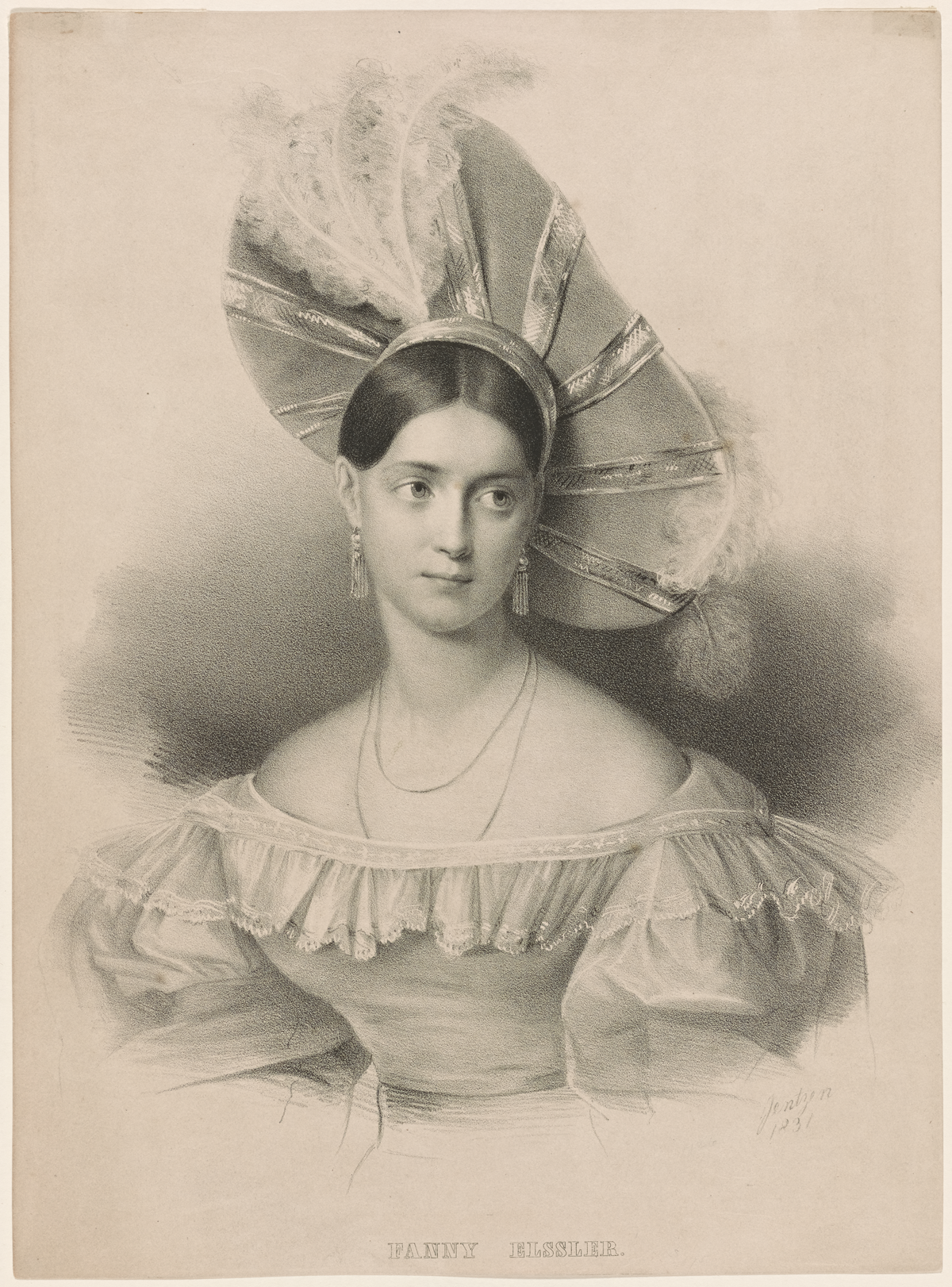
Long before ballet dancers became film stars or advertising figures, Fanny Elssler caused something close to mass hysteria. The Austrian dancer became especially famous for performing the cachucha, a dramatic Spanish-style dance that showed off a warmer, more expressive style than audiences expected from classical ballet. During her American tour in the 1840s, fans followed her appearances closely, and members of Congress reportedly paused their work to see her perform. Today, she is far less familiar than later dancers whose careers were documented on film.
5. Henry Ward Beecher
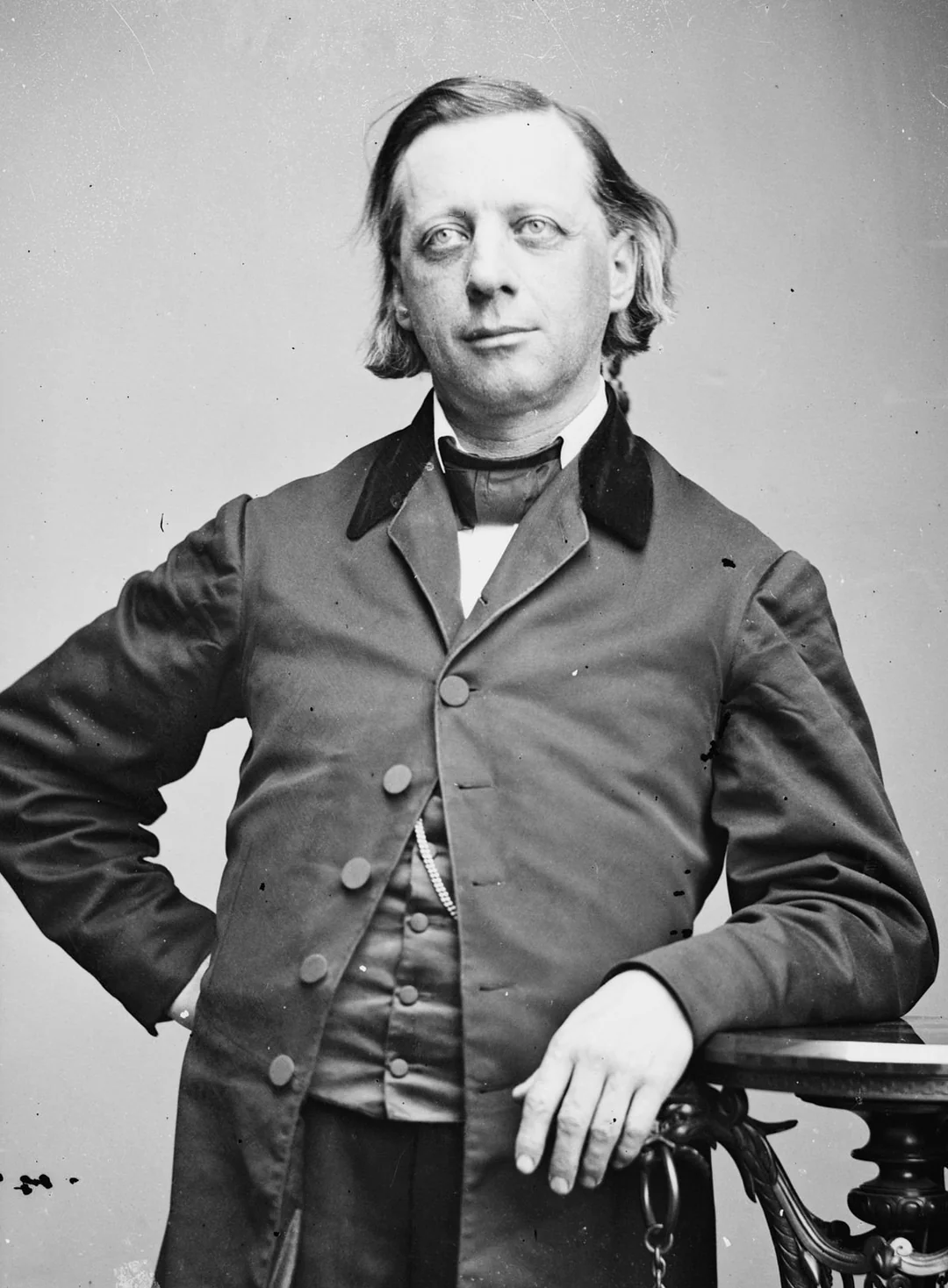
Henry Ward Beecher was not merely a preacher. In mid-19th-century America, he was a national celebrity whose sermons, political opinions, and personal life were followed by readers across the country. His Brooklyn church attracted large crowds, and he became known for opposing slavery and supporting women’s suffrage. Then came a sensational adultery scandal and a widely reported trial that turned private accusations into national entertainment.
Trending on The Scroller
6. Lola Montez
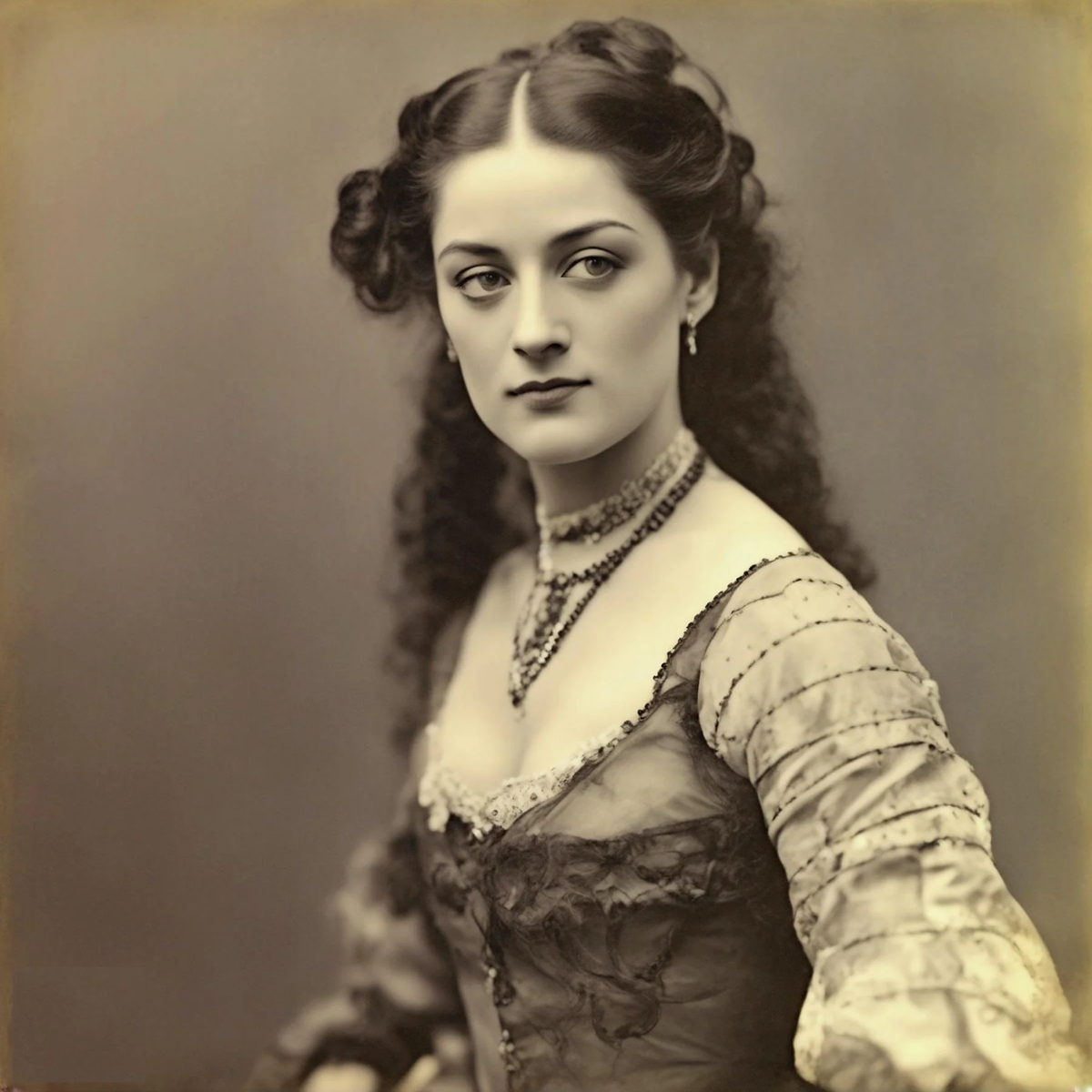
Lola Montez built an international reputation by reinventing herself. Born in Ireland as Eliza Gilbert, she presented herself as a Spanish dancer and traveled through Europe performing a routine called the Spider Dance. Her relationship with King Ludwig I of Bavaria gave her enormous political influence and helped provoke public anger during the revolutions of 1848. She later toured the United States and Australia, lecturing on beauty, fashion, and personal conduct, an unusual final act for someone once blamed for destabilizing a kingdom.
7. Chang and Eng Bunker
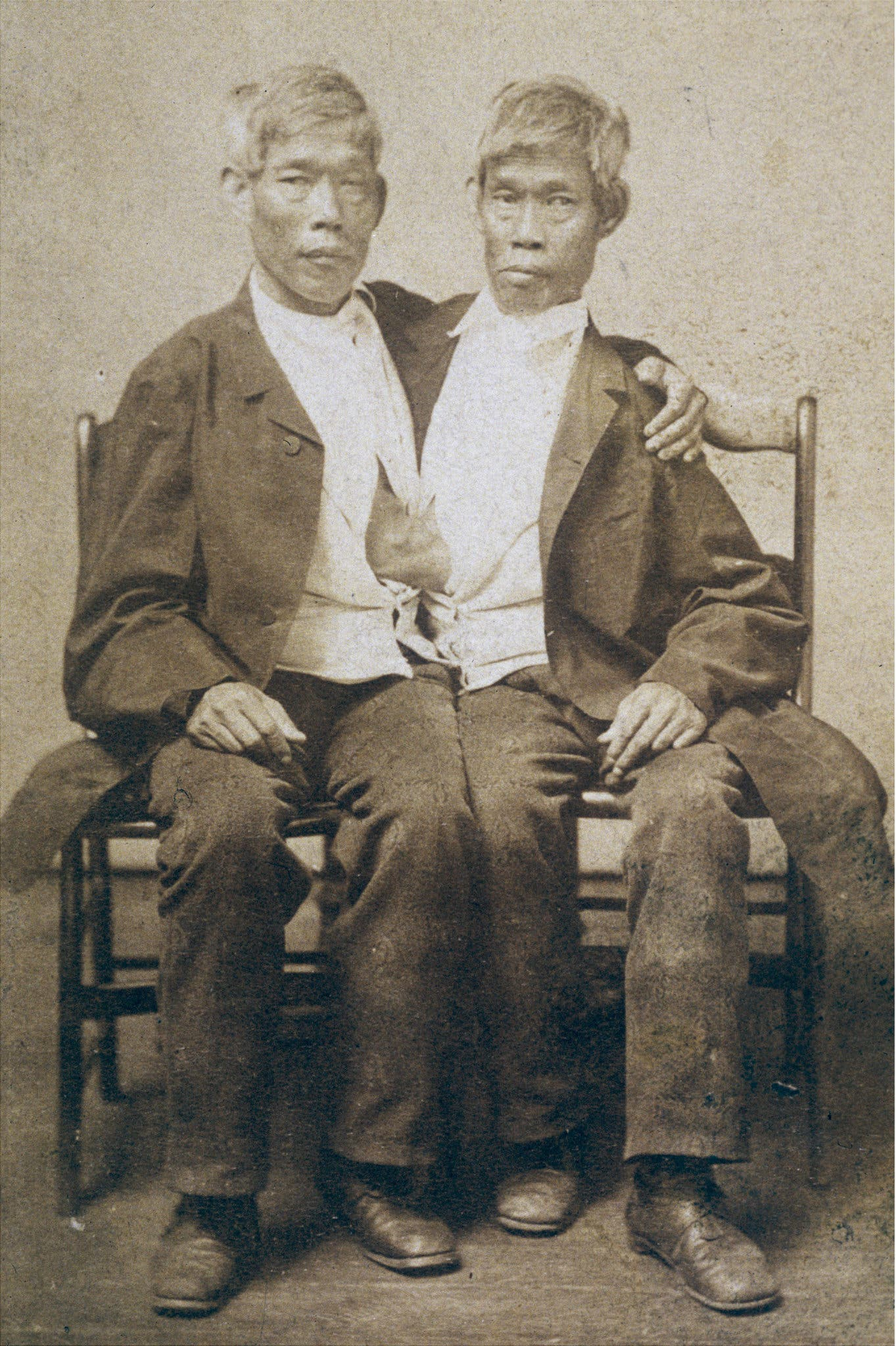
Chang and Eng Bunker were so famous that the term “Siamese twins” became permanently associated with their lives. Born in Siam, now Thailand, in 1811, the conjoined brothers were taken on international exhibition tours as teenagers. They eventually settled in North Carolina, became farmers, married two sisters, and raised large families. Their lives were reported in newspapers for decades, but modern audiences often know the phrase connected to them without knowing who they actually were.
8. Victoria Woodhull
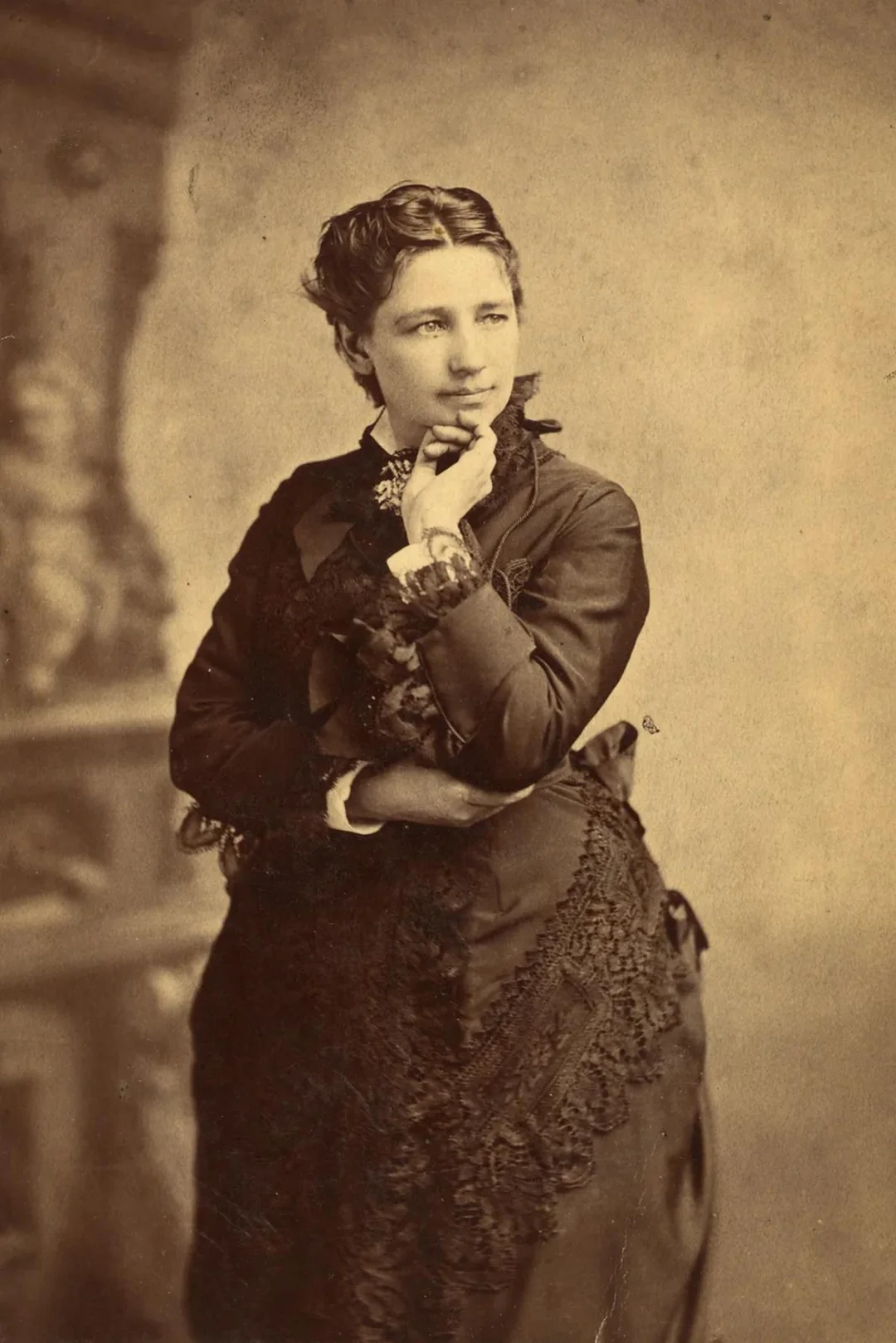
Victoria Woodhull seemed to appear everywhere at once in the early 1870s. She worked as a spiritualist, opened a brokerage firm with her sister Tennessee Claflin, published a newspaper, spoke before Congress, and became the first woman widely recognized as a candidate for the United States presidency. Her support for women’s rights was mixed with controversial views about marriage and what she called free love. On Election Day in 1872, she was in jail following the publication of allegations about Henry Ward Beecher’s private life.
Sign up for our newsletter
9. Blondin
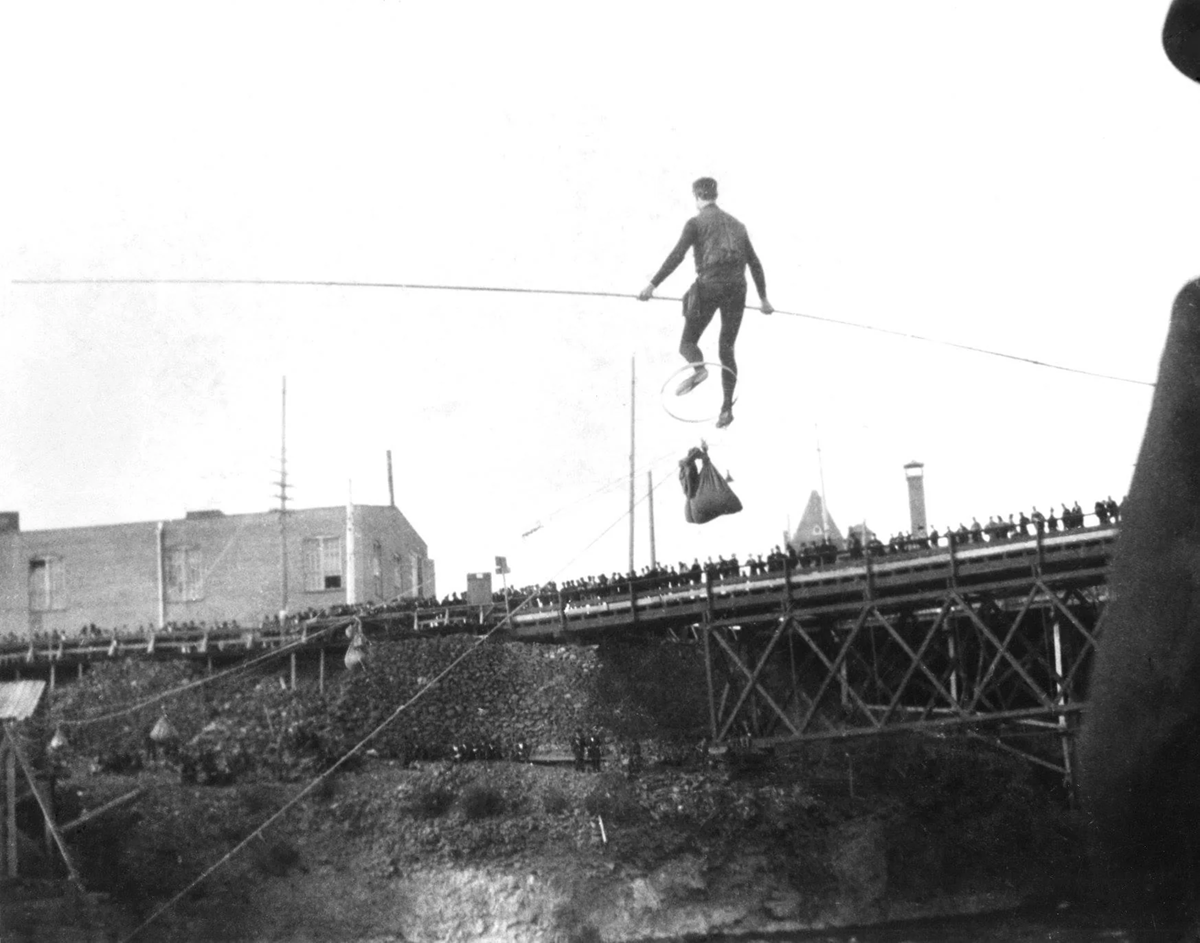
For a time, the name Blondin was nearly synonymous with reckless courage. Born Jean-François Gravelet, the French acrobat became internationally famous by crossing Niagara Gorge on a tightrope in 1859. He repeated the stunt in increasingly theatrical ways, sometimes blindfolded, carrying equipment, or pushing a wheelbarrow. During one crossing, he carried his manager on his back, which was probably the least comfortable job in show business that year.
10. Adelina Patti
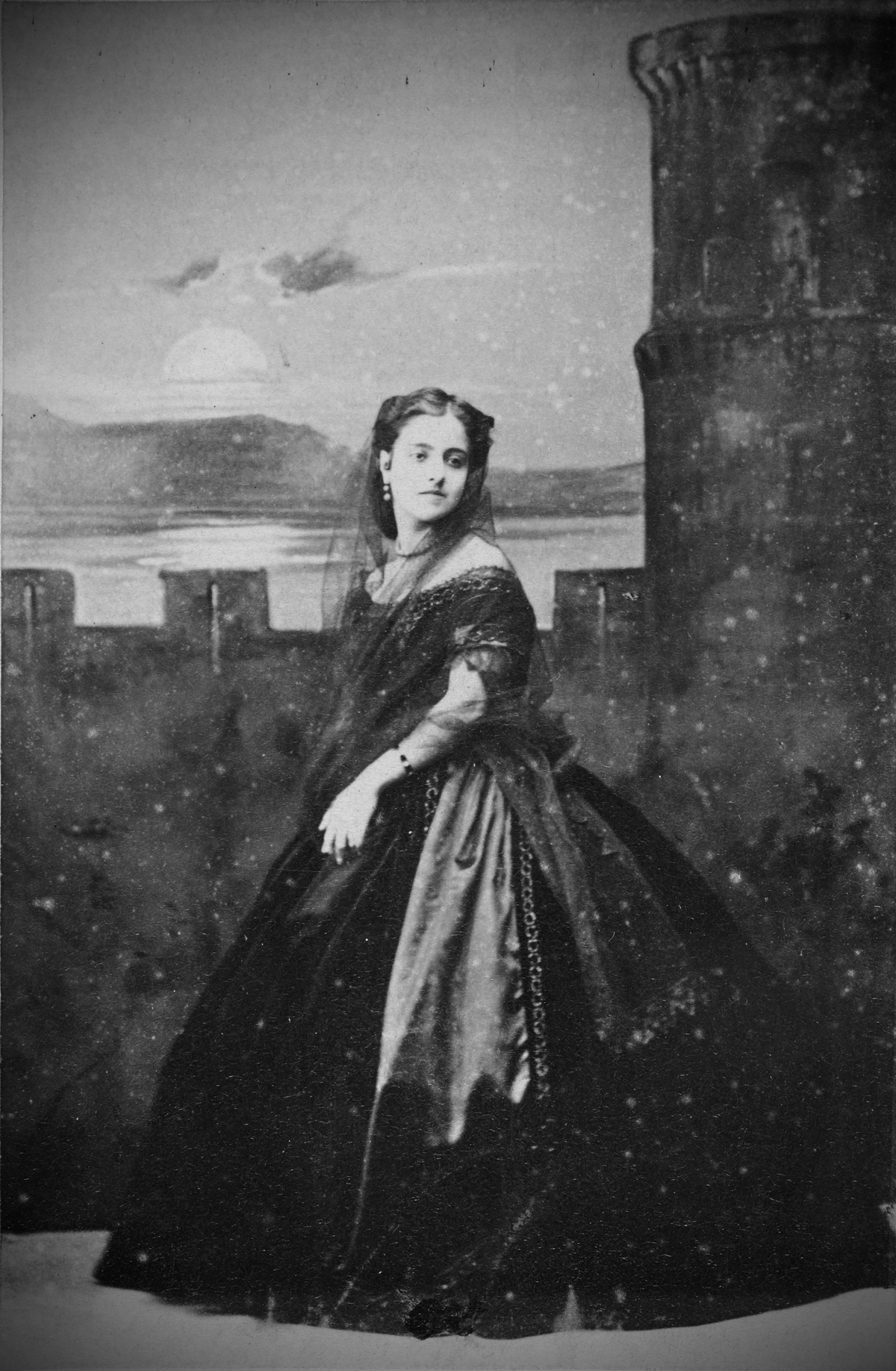
Opera singer Adelina Patti earned enormous fees, negotiated unusually favorable contracts, and performed for royalty, presidents, and wealthy audiences across Europe and the Americas. Her voice was celebrated for its clarity and control, while newspapers followed her marriages and personal life with the same enthusiasm later reserved for movie stars. Giuseppe Verdi reportedly considered her one of the finest singers he had heard. Because Patti’s greatest years came before high-quality sound recording, modern listeners have little access to the talent that made her famous.
11. John L. Sullivan
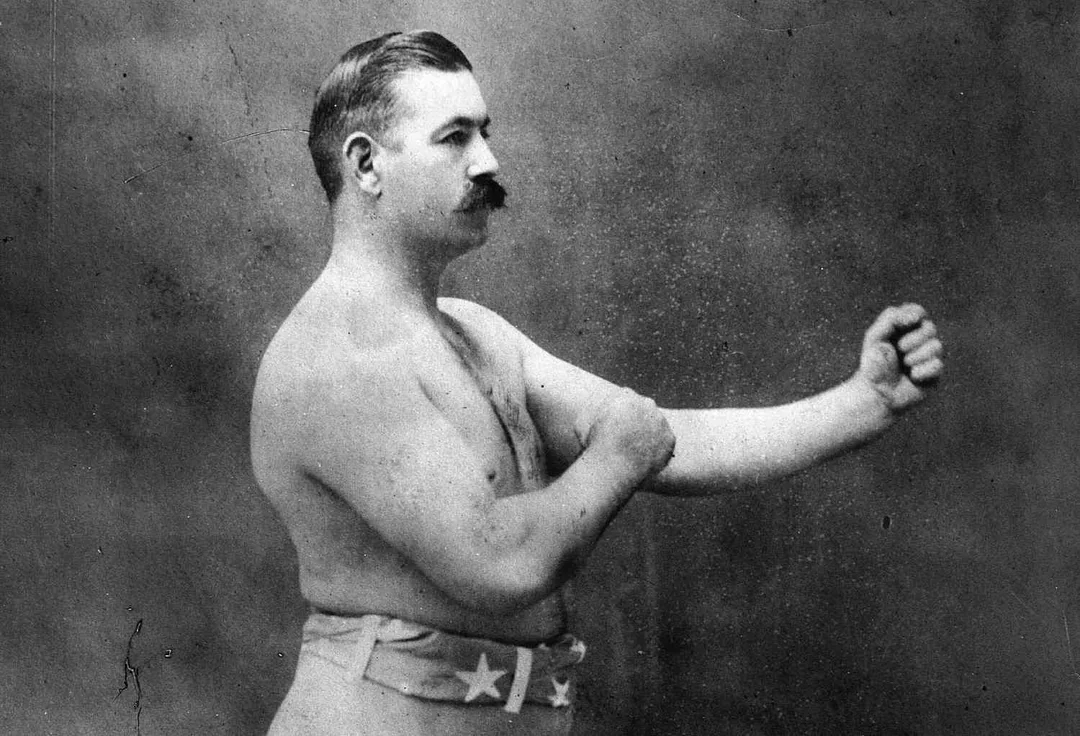
In the late 19th century, John L. Sullivan may have been the most famous athlete in the United States. The heavyweight boxer toured the country offering money to anyone who could remain in the ring with him, and his fights were followed through newspaper reports and telegraph updates. Sullivan represented the transition from bare-knuckle boxing to the gloved sport governed by the Marquess of Queensberry rules. His phrase “I can lick any man in the house” became part of his public image.
12. Anna Held
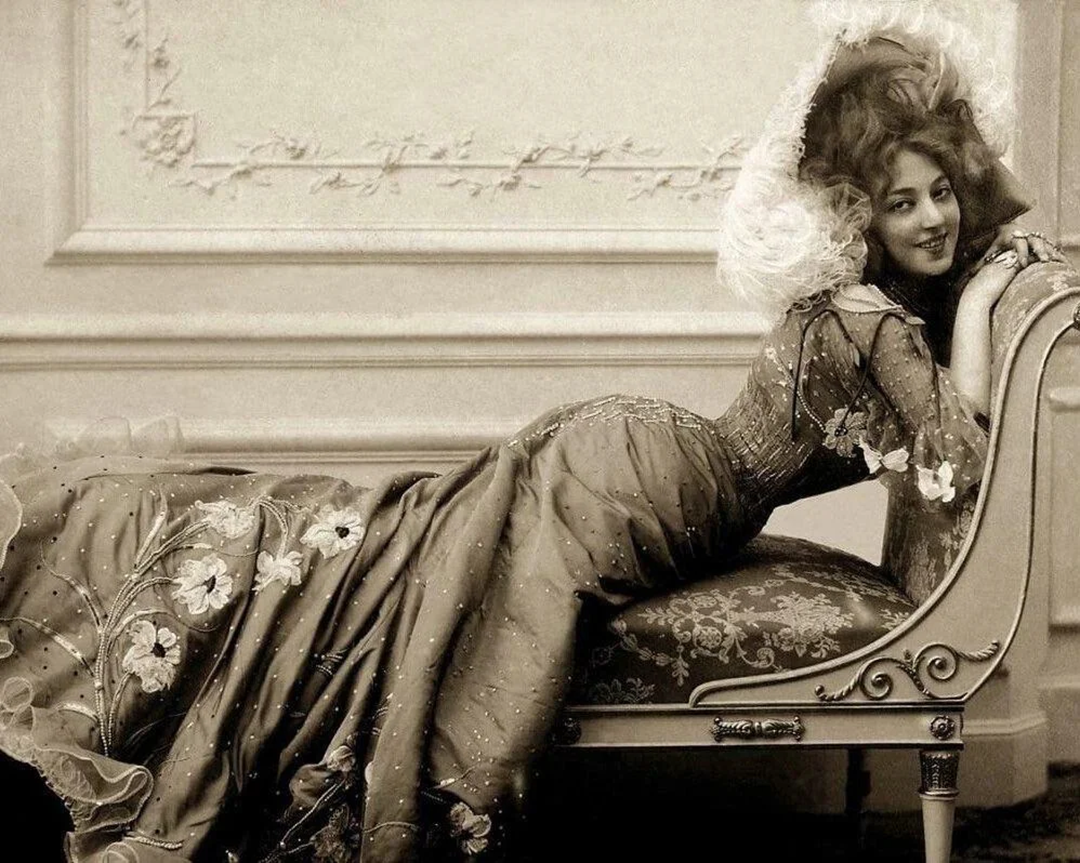
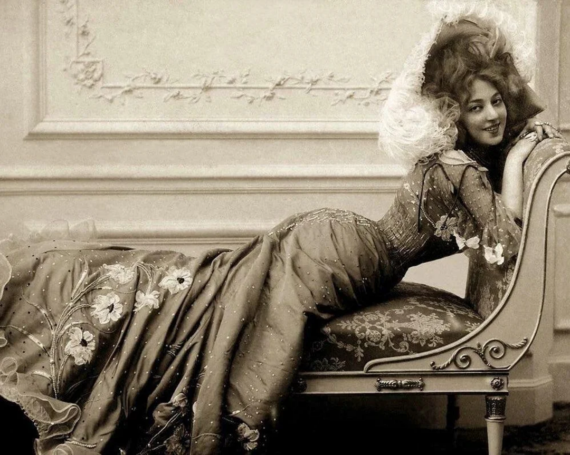
Anna Held understood publicity before the modern publicity industry really existed. The Polish-born stage performer became a major Broadway attraction after producer Florenz Ziegfeld brought her to the United States in the 1890s. Newspapers reported on her rumored milk baths, her fashion choices, and her carefully cultivated personality, sometimes with help from stories that were exaggerated or entirely invented. Her celebrity helped establish the glamorous theatrical style later associated with the Ziegfeld Follies.
13. Jem Mace
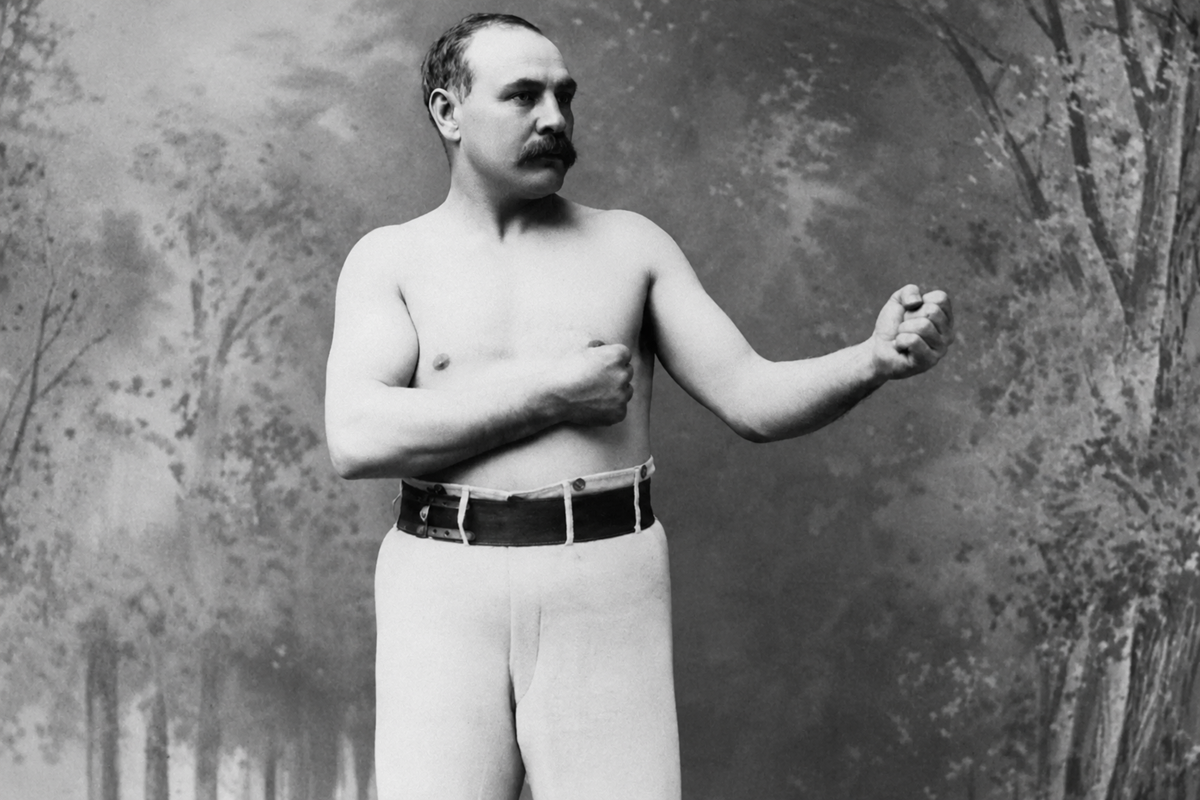
Before boxing became a regulated global sport, Jem Mace was one of its biggest names. The English fighter won championships in multiple weight divisions and helped popularize technical, defensive boxing at a time when many matches still resembled endurance contests. He fought, trained younger boxers, toured internationally, and performed exhibitions well into old age. Despite his influence on the sport, he is now mostly known to boxing historians.
14. Evelyn Nesbit
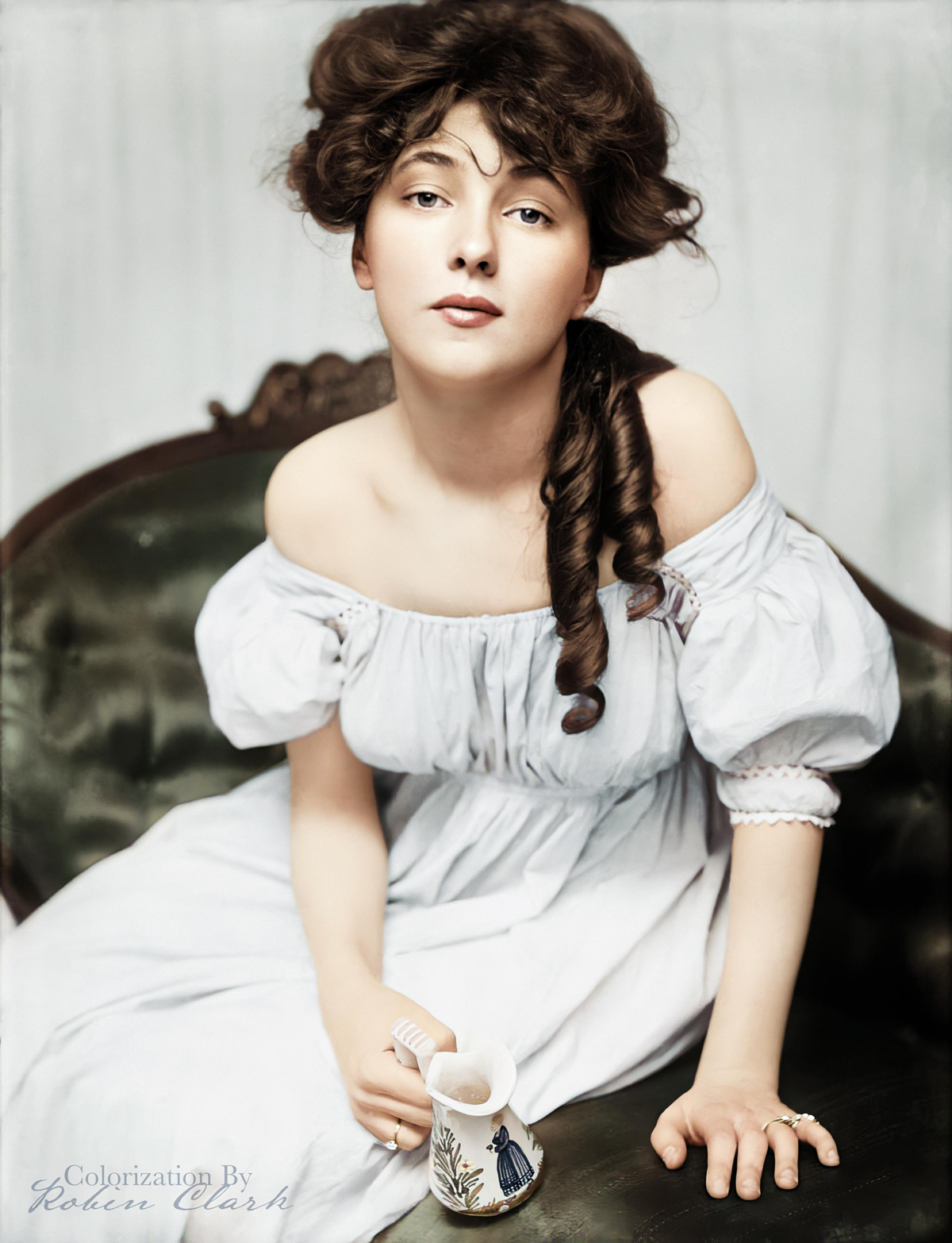
Evelyn Nesbit’s face appeared in magazines, advertisements, illustrations, and photographs across the United States during the early 1900s. She worked as an artists’ model and chorus performer before becoming entangled in one of the period’s most notorious scandals. In 1906, her husband, millionaire Harry Thaw, shot architect Stanford White in front of a crowd at Madison Square Garden. The resulting trial exposed Nesbit’s private life to relentless press coverage and made her one of the first celebrities shaped by a modern tabloid spectacle.
15. Josephine de Beauharnais’s Fortune-Teller, Marie Anne Lenormand
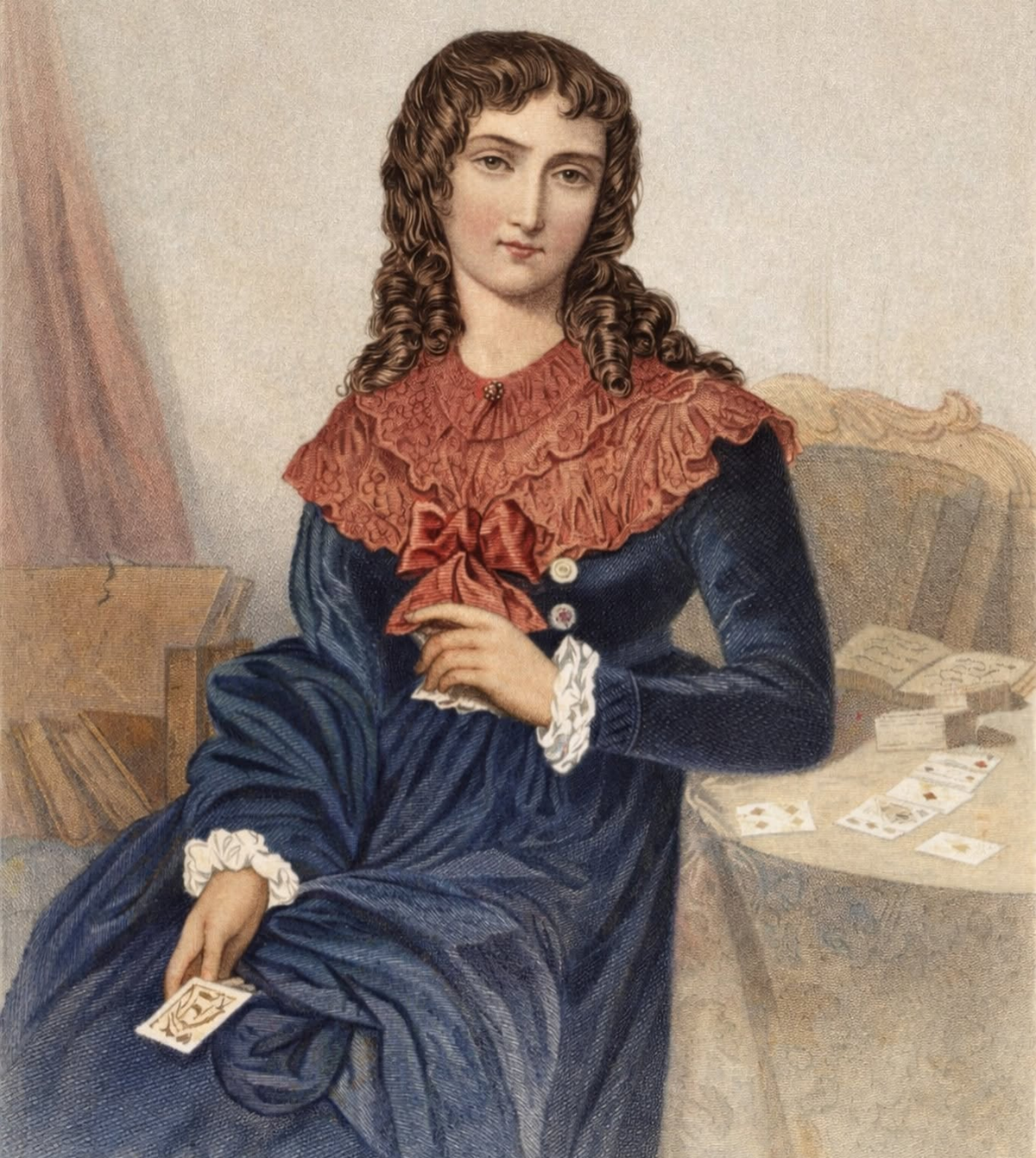
Marie Anne Lenormand became Europe’s most famous fortune-teller during the late 18th and early 19th centuries. She claimed an impressive list of clients, including political leaders, revolutionaries, aristocrats, and Napoleon’s wife, Josephine de Beauharnais. Whether every famous consultation actually happened is difficult to prove, but her reputation was strong enough to survive arrests, political changes, and public skepticism. After her death, her name was attached to a style of fortune-telling cards that remains in use, even though the woman herself is rarely remembered.
16. François-René de Chateaubriand
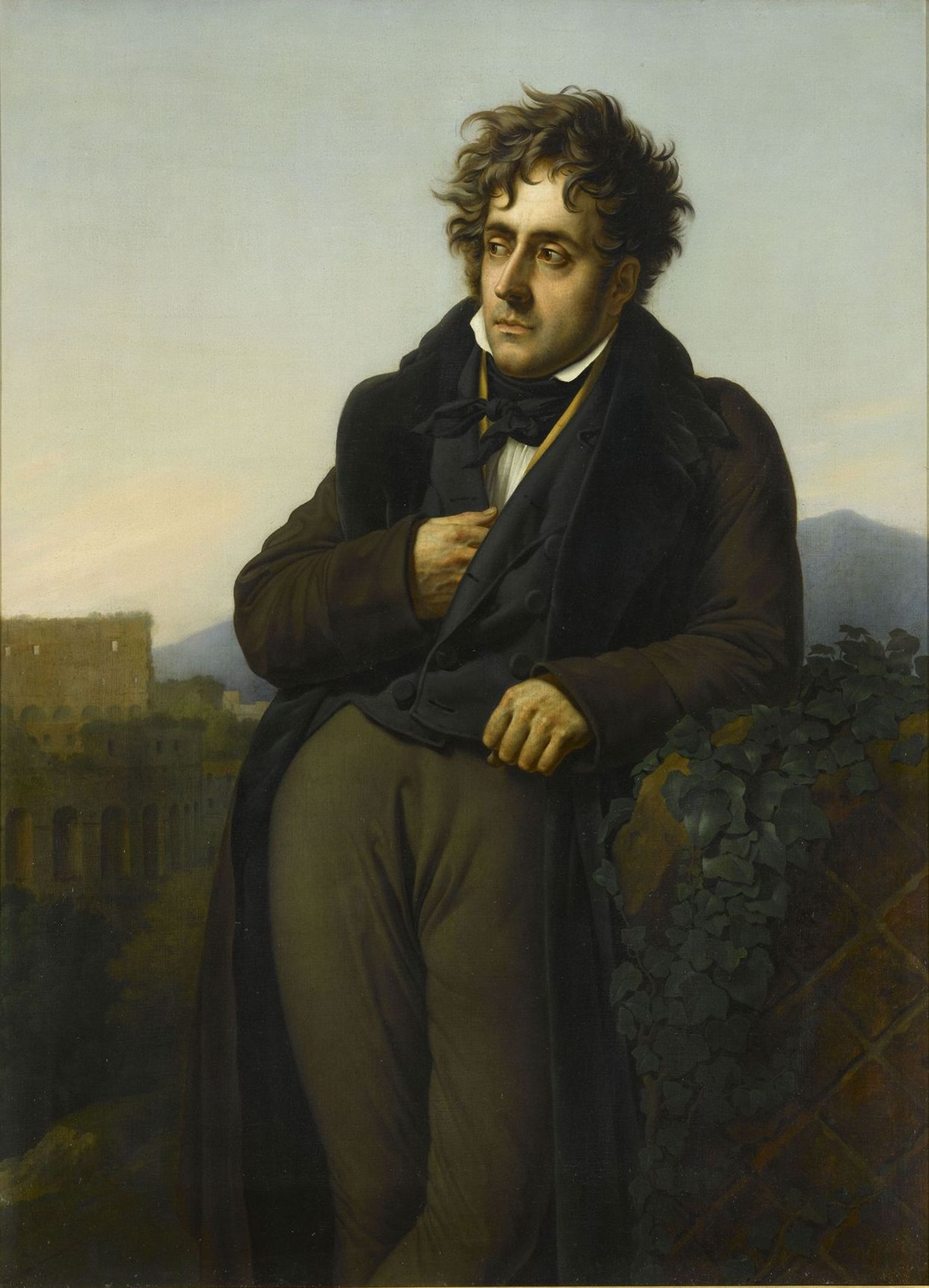
Chateaubriand was once one of Europe’s most widely read writers and a major public figure in French political life. His novels, memoirs, travel writing, and religious works influenced Romantic literature, while his career carried him through revolution, exile, diplomacy, and government service. Readers admired his melancholy style and dramatic self-presentation. Outside France, his name now appears more often on a cut of steak than on a reading list.
17. Jenny Lind
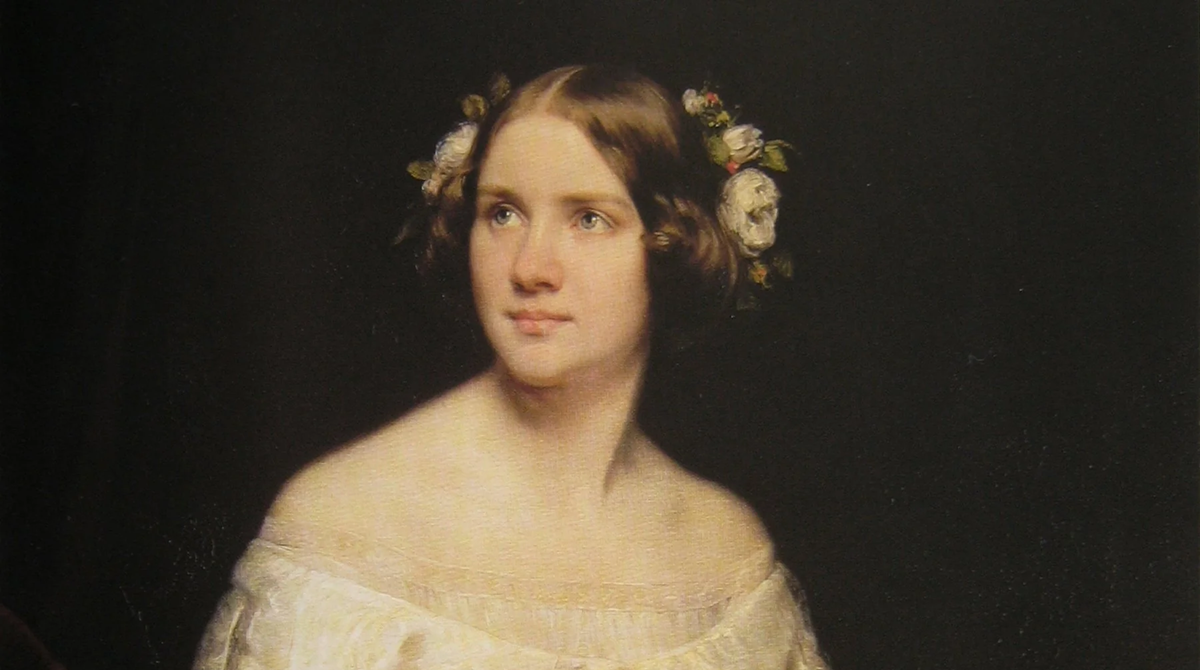
Jenny Lind was known as the “Swedish Nightingale,” and her American tour in the early 1850s became a national event. Promoter P. T. Barnum created such intense interest before she even arrived that crowds gathered without having heard her sing. Concert tickets were auctioned, merchandise appeared everywhere, and hotels, ships, and consumer products borrowed her name. Lind remained respected for her charitable work and musical ability, but the scale of her celebrity is difficult to imagine from her comparatively quiet place in popular memory today.
In the mood for more?
Check out 15 Historical Figures Who Quietly Shaped the World We Live In, or take a look at 14 Myths About Famous Historical Figures That Everyone Believes and Nobody Should. If you want to see more history, you can check out 14 Historical Figures Who Were Considered Failures Until the Very Last Chapter of Their Life.