When we look back at the monumental accomplishments of history’s most celebrated minds, we naturally assume their journey to greatness was a continuous path of victory and public applause. We view these world-changing icons as beautifully poised visionaries who effortlessly commanded the respect of their contemporaries from the moment they initiated their careers. Over the generations, traditional textbooks and romanticized biographers have conditioned the public to focus exclusively on the final, glorious triumphs of prominent historical figures. This selective view frames our collective understanding of success, leaving us to falsely believe that elite talent is always recognized, rewarded, and celebrated by society in real-time.
However, a closer examination of primary archival diaries, legal records, and contemporary newspapers reveals a much harsher, deeply sobering historical reality. The fascinating truth of academic research proves that some of the single most influential figures in human civilization spent the vast majority of their lives widely regarded as complete, unmitigated failures by their families, peers, and society. Instead of enjoying luxury and validation, these individuals navigated decades of crushing financial bankruptcy, severe professional exile, and relentless public ridicule. It was only during the absolute final, desperate chapters of their earthly existences that a sudden twist of geopolitical fate or a final burst of creative resilience completely rewrote their legacies. Let’s explore fourteen incredible stories of legends who spent their lives losing, only to win the ultimate game of history at the absolute last second.
1. Ulysses S. Grant
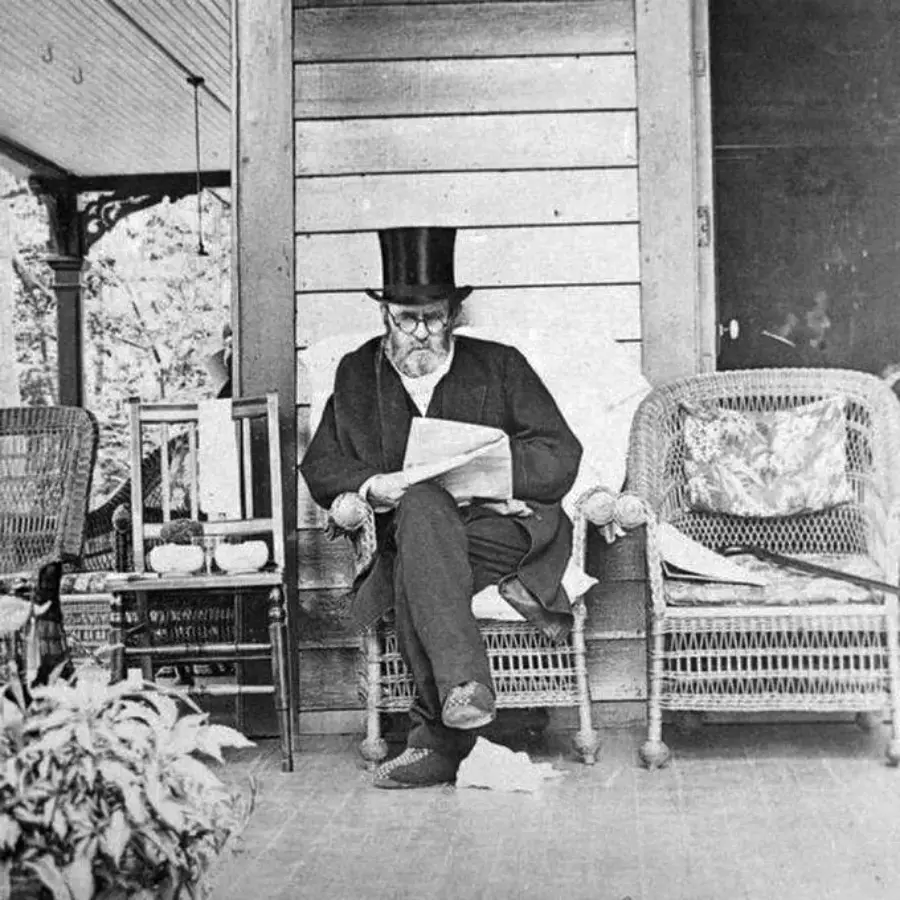
Before permanently preserving the United States from total dissolution as a brilliant commanding general and eventually becoming a two-term president, Ulysses S. Grant was widely viewed by his own family as an absolute financial embarrassment. Having abruptly resigned from his early military career under a dark cloud of suspected alcoholism, Grant spent his entire thirties drifting through a series of humiliating, low-wage civilian occupations in the American Midwest. He failed completely as a real-world farmer, went entirely bankrupt attempting to open a modest real estate venture, and was eventually reduced to selling basic firewood on street corners just to feed his freezing children. The situation grew so incredibly desperate that he was forced to pawn his private gold watch just to buy basic Christmas gifts for his family. He only escaped this cycle of absolute obscurity when the sudden outbreak of the Civil War prompted a desperate military to recall him, kicking off an astonishing trajectory of tactical triumphs that altered world history.
2. Abraham Lincoln
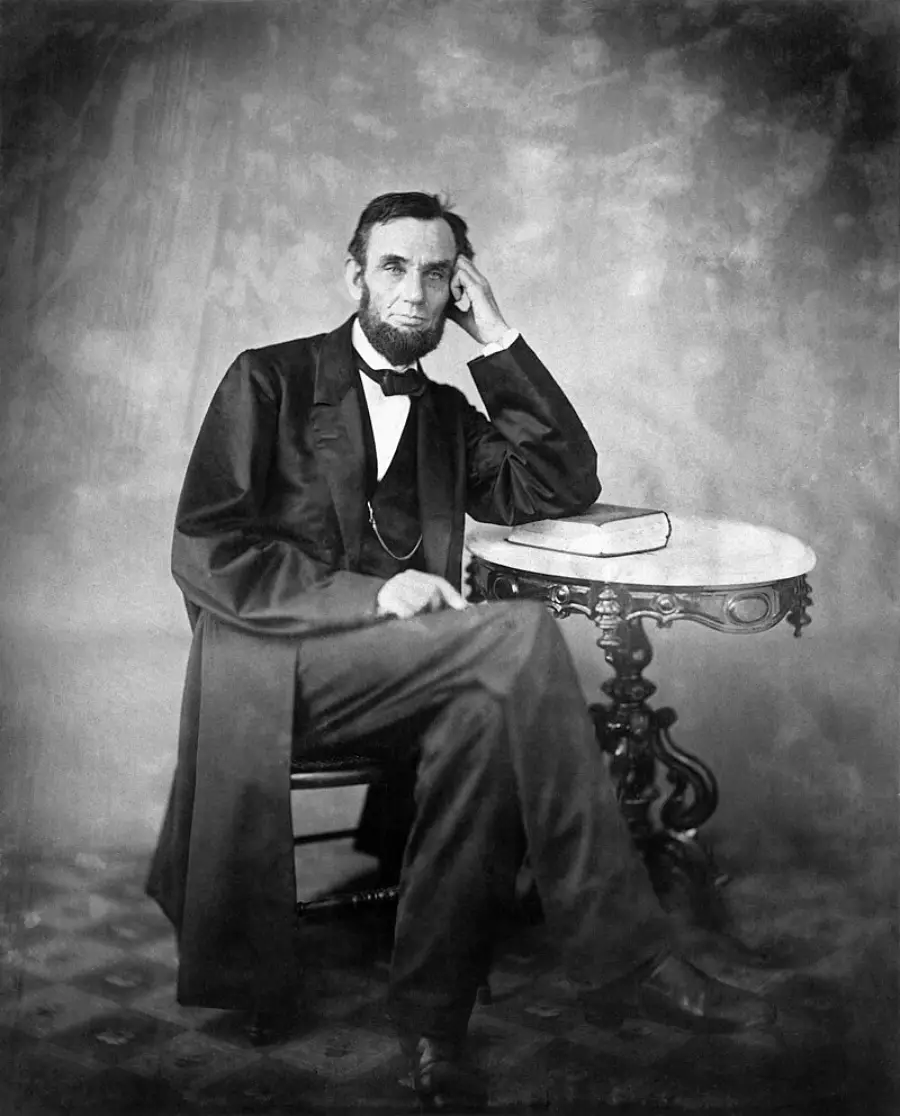
Abraham Lincoln is universally revered as perhaps the single greatest political leader in American history, yet his life story before his historic presidency reads like a non-stop masterclass in personal and professional defeat. Lincoln suffered a severe nervous breakdown as a young man, consistently watched his independent local business ventures collapse into unpayable debt, and spent decades losing highly public elections for various state and federal offices. He was soundly defeated in his high-stakes campaigns for the United States Senate, leaving local political commentators to flatly dismiss him as a washed-up, regional country lawyer whose national relevance was absolutely non-existent. A little-known piece of operational history reveals that his historic, game-changing speech at Cooper Union was viewed by his own advisors as a massive financial gamble that would either launch his career or permanently ruin his reputation. His sudden nomination and election in 1860 occurred at the absolute final hour of national unity, transforming a lifetime of political losses into the ultimate preservation of democracy.
3. Winston Churchill
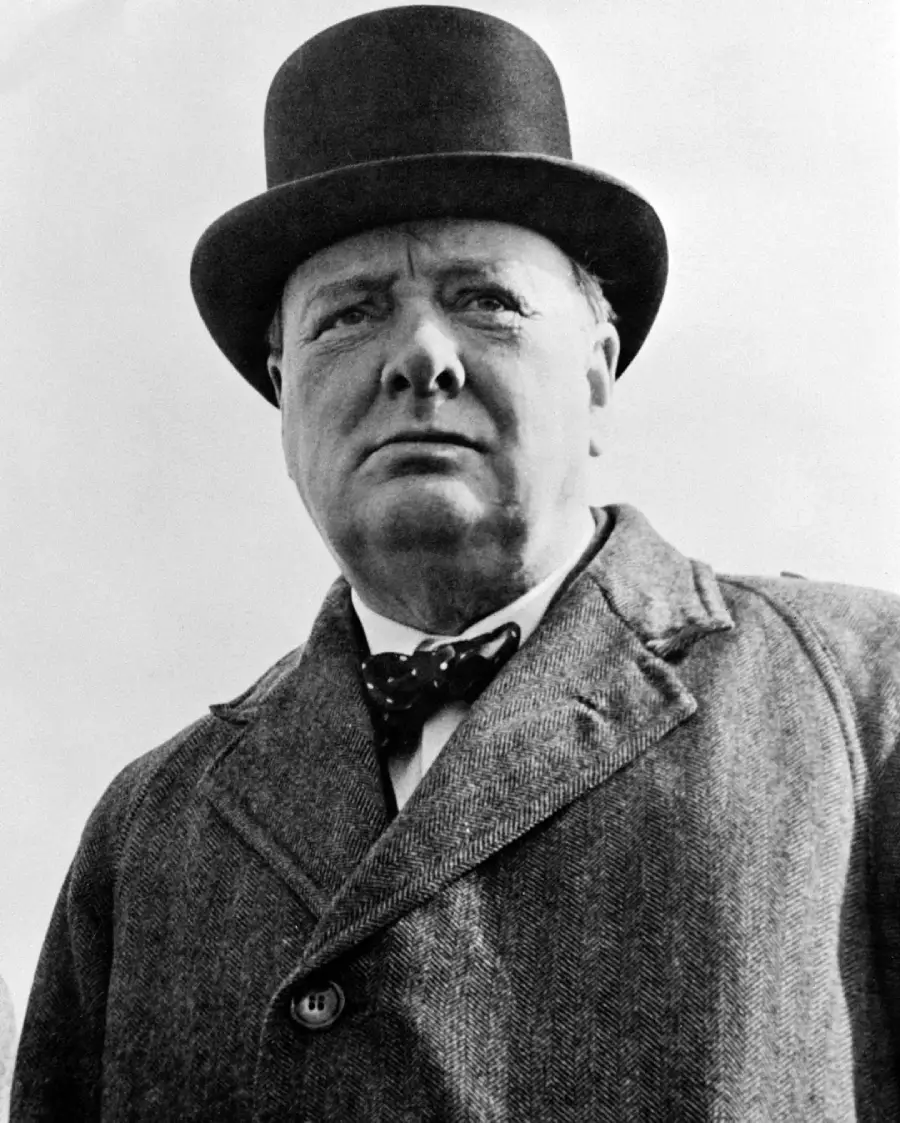
In the mid-1930s, Winston Churchill was widely written off by both his political allies and bitter adversaries as a completely unstable, warmongering relic of a bygone imperial era whose career was permanently dead. Having orchestrated the catastrophic Gallipoli military disaster during World War I and single-handedly triggering a national economic crisis by mismanaging the gold standard, Churchill was systematically exiled to the political backbenches for a decade. He spent these lonely years isolated at his country estate, fighting severe bouts of clinical depression and writing millions of warning words about a rising European threat that Parliament completely ignored. Peers openly mocked his passionate speeches as the desperate, unhinged rants of an eccentric who was entirely out of touch with modern global logistics. It was only when his terrifying geopolitical predictions came completely true in 1940 that a panicked nation turned to the one figure they had spent a decade dismissing as a total failure, handing him the prime minister’s office at age sixty-five.
4. Vincent van Gogh
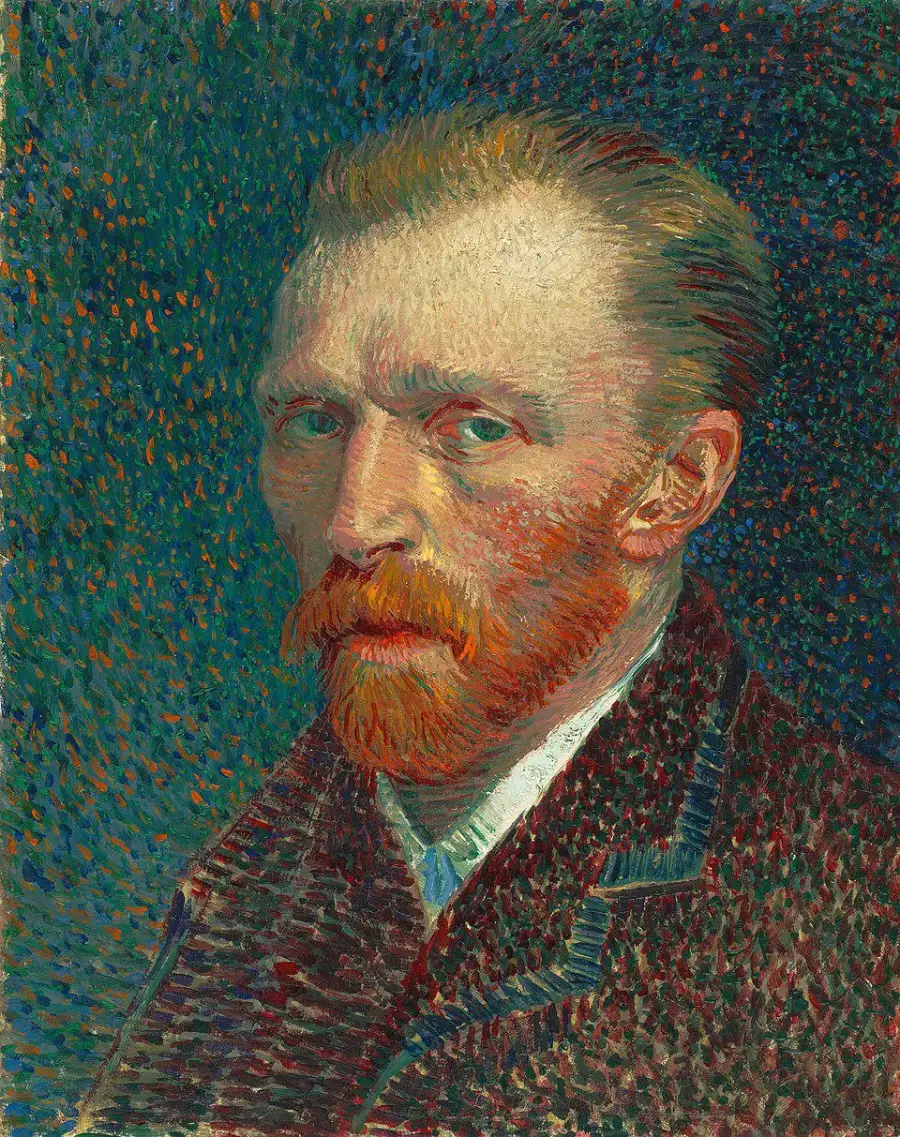
The legendary Dutch painter Vincent van Gogh is the absolute definitive archetype of the tragic, unappreciated creative genius who spent his entire earthly existence trapped in complete artistic obscurity. Van Gogh failed catastrophically at every single profession he attempted throughout his youth, facing public firings as an art dealer, a bookstore clerk, and a passionate local missionary preacher before finally picking up a paintbrush at age twenty-seven. He spent his final decade living in intense financial dependency on his brother Theo, enduring severe psychological breakdowns, and being openly ridiculed by local townspeople who viewed his radical post-impressionist style as literal garbage. Historical records confirm that out of the thousands of brilliant masterpieces he meticulously created during his life, he successfully sold only a single, solitary painting, The Red Vineyard, for a meager sum of money. His immense global fame and multi-million-dollar art market dominance only initiated years after his tragic passing, proving he lived and died believing he was an absolute creative failure.
5. Harland Sanders (Colonel Sanders)
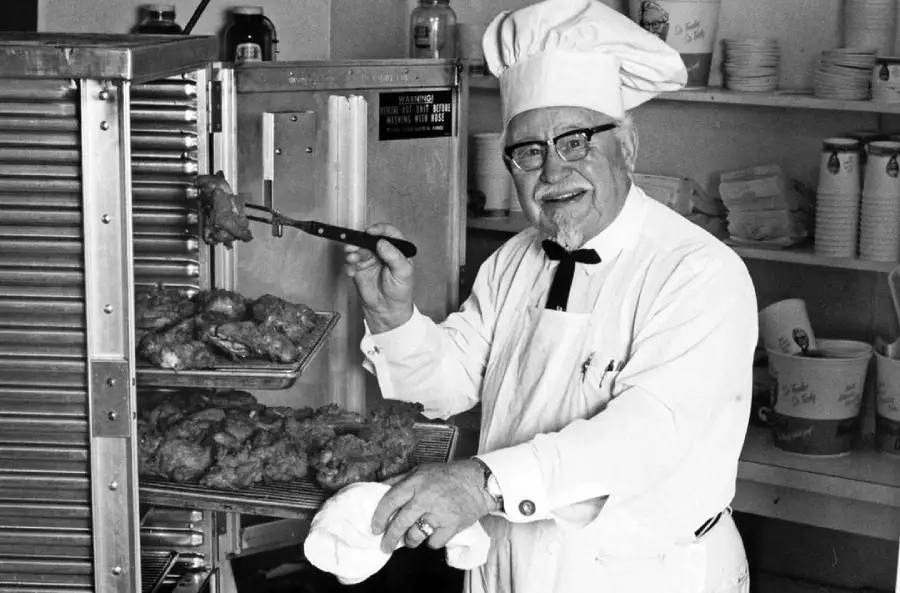
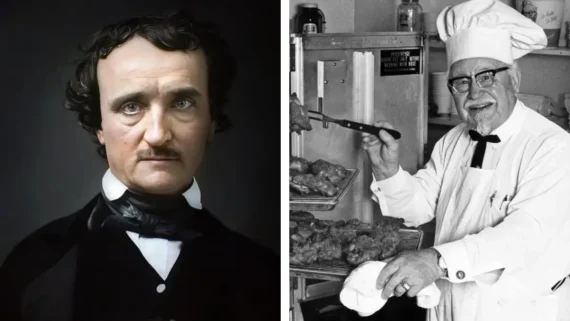
The iconic face of the world’s most recognizable fried chicken empire spent the vast majority of his life navigating a heartbreaking gauntlet of fireable offenses, failed business ventures, and deep financial instability. Harland Sanders lost his job as a railway laborer for fighting a colleague, was fired from a legal career for physically assaulting his own client in a courtroom, and watched his independent ferry boat company collapse into bankruptcy. When a newly constructed interstate highway permanently diverted traffic away from his modest roadside service station restaurant, a sixty-five-year-old Sanders found himself completely broke and living off a tiny federal social security check. Refusing to surrender to absolute poverty, he packed a single pressure cooker into the back of his faded car and spent years driving across the continent, sleeping in his vehicle while facing over one thousand consecutive rejections from restaurants who openly mocked his signature recipe. He finally secured his very first successful franchise agreement at an age when most citizens have completely retired, transforming his twilight years into a multi-million-dollar global legacy.
Trending on The Scroller


6. Charles Darwin
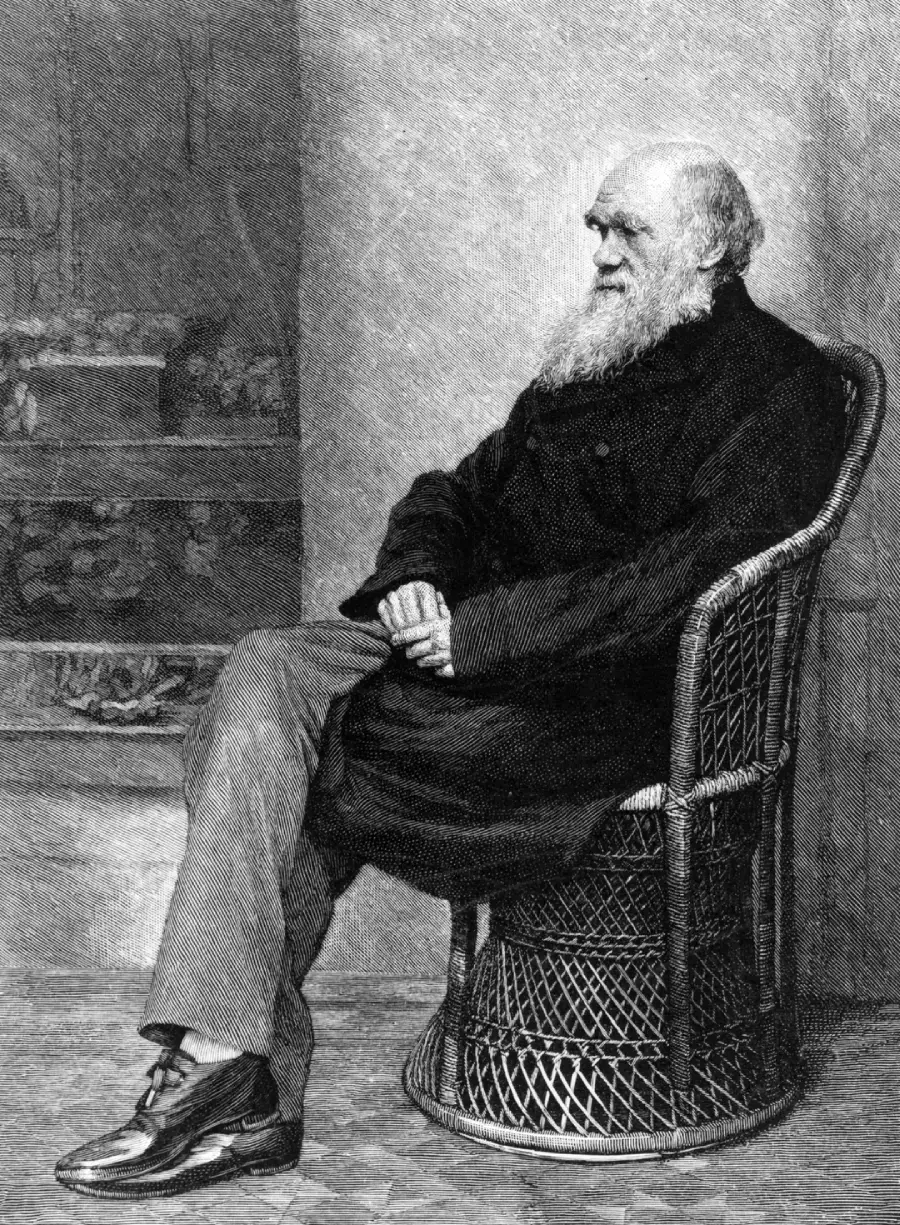
Before completely upending the entire framework of biological science with his revolutionary theory of natural selection, Charles Darwin was viewed by his affluent family as a lazy, directionless underachiever who was actively bringing shame to his family name. Darwin dropped out of medical school because he was completely repulsed by the sight of blood, entirely failed his early university courses in classical studies, and spent his youth drifting through the English countryside shooting birds and collecting random beetles. His wealthy doctor father famously wrote a furious, scathing letter to a young Darwin, stating that he cared for nothing but dogs and rat-catching, and would eventually become a total disgrace to himself and his family. His unexpected appointment as an unpaid naturalist aboard the HMS Beagle was viewed by his family merely as a final, desperate attempt to force some basic structural discipline onto an aimless young man. The decades of meticulous research that followed eventually culminated in the publication of On the Origin of Species, completely rewriting human scientific history.
7. Susan B. Anthony
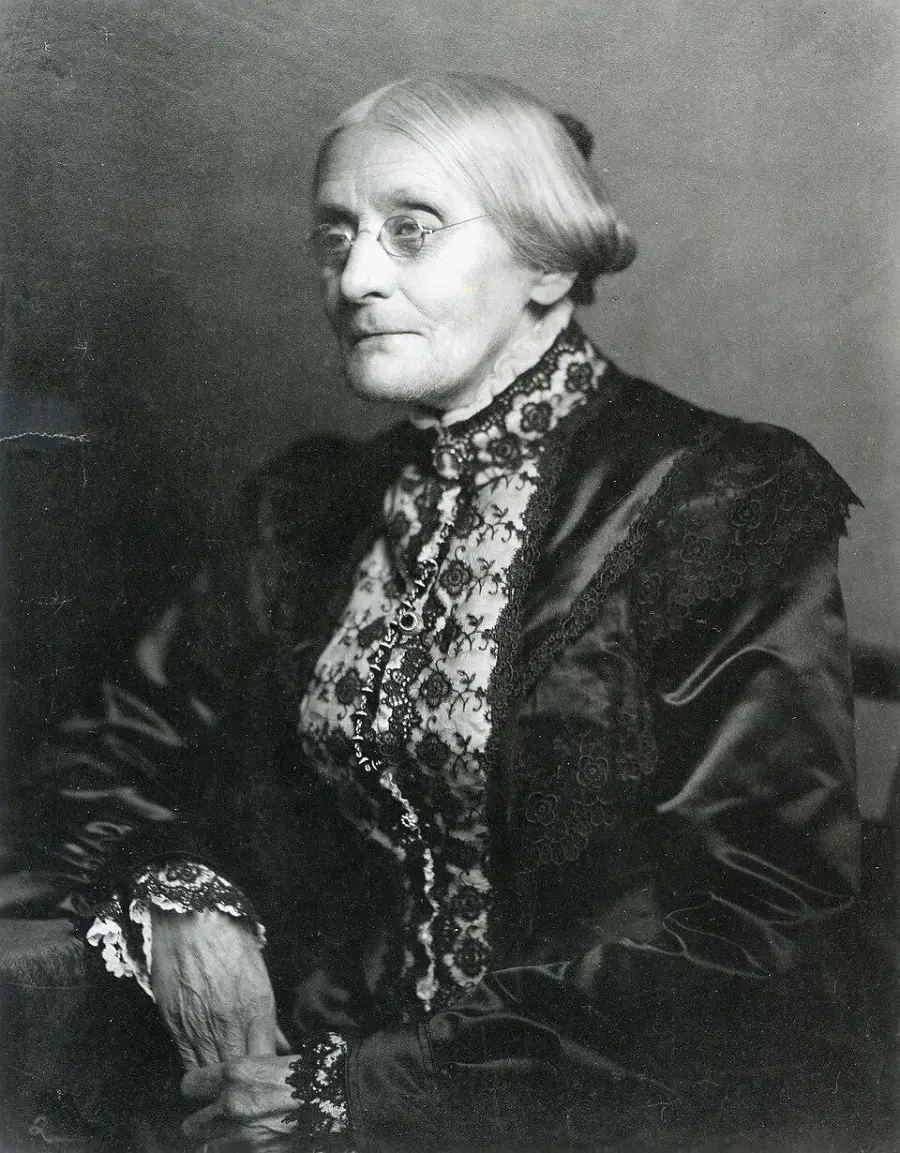
Susan B. Anthony spent over half a century operating as a widely reviled, heavily persecuted social outsider who was systematically targeted by mainstream media outlets as a dangerous threat to civilization. She was publicly hung in effigy by angry crowds, had raw eggs thrown at her during public lectures, and was formally arrested and criminally convicted by an all-male judiciary for courageously attempting to cast a legal ballot in a presidential election. Elite newspapers routinely published cruel, highly stylized caricatures mocking her physical appearance and branding her as a bitter, un-relatable spinster who lacked any real political acumen. She spent her entire adult life navigating severe financial strain to fund her activist movements, frequently sleeping on train station benches while traveling state to state to deliver speeches to empty rooms. She passed away years before the nineteenth amendment was officially ratified, meaning she spent her final earthly chapters viewing her life’s work as an unfinished, legally unrecognized failure.
8. Nicolaus Copernicus
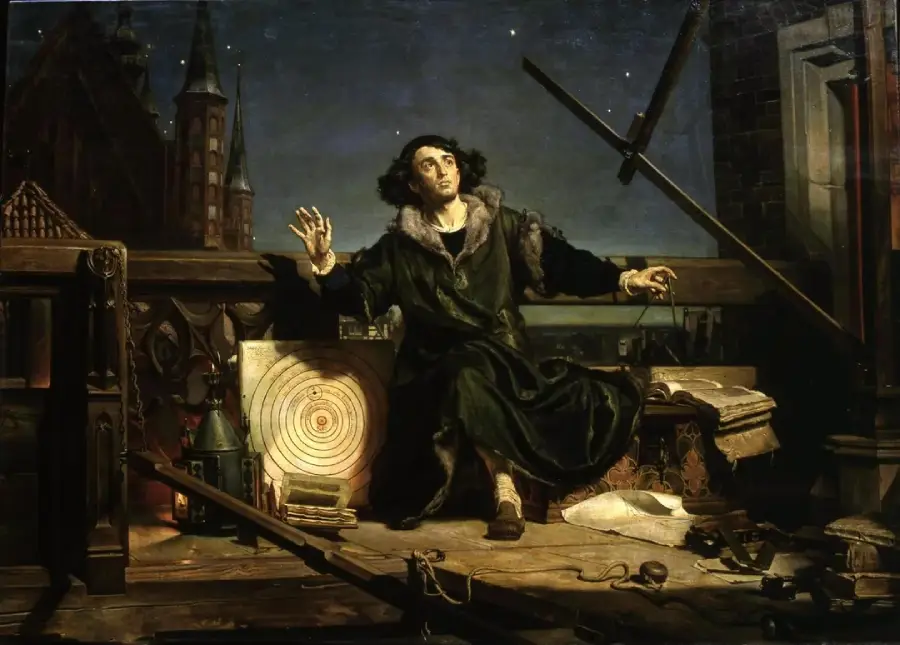
The brilliant Renaissance mathematician Nicolaus Copernicus spent his entire professional life hiding his revolutionary astronomical discoveries in absolute terror of systemic institutional ruin and public ridicule. Copernicus correctly calculated that the Earth revolved around the sun, a mathematical reality that completely challenged the sacred, centuries-old religious and scientific orthodoxy of his era. Fully aware that publishing his data would instantly result in his immediate branding as a heretical madman and the destruction of his administrative career, he locked his completed manuscript away in a wooden chest for decades. He only permitted the formal printing of his masterpiece, De revolutionibus orbium coelestium, when he was actively lying on his deathbed at age seventy. A copy of the printed book was reportedly placed into his paralyzed hands just hours before he took his final breath, concluding a lifetime spent posing as a quiet, compliant bureaucrat while secretly holding a universe-shattering truth.
Sign up for our newsletter
9. Henry Ford
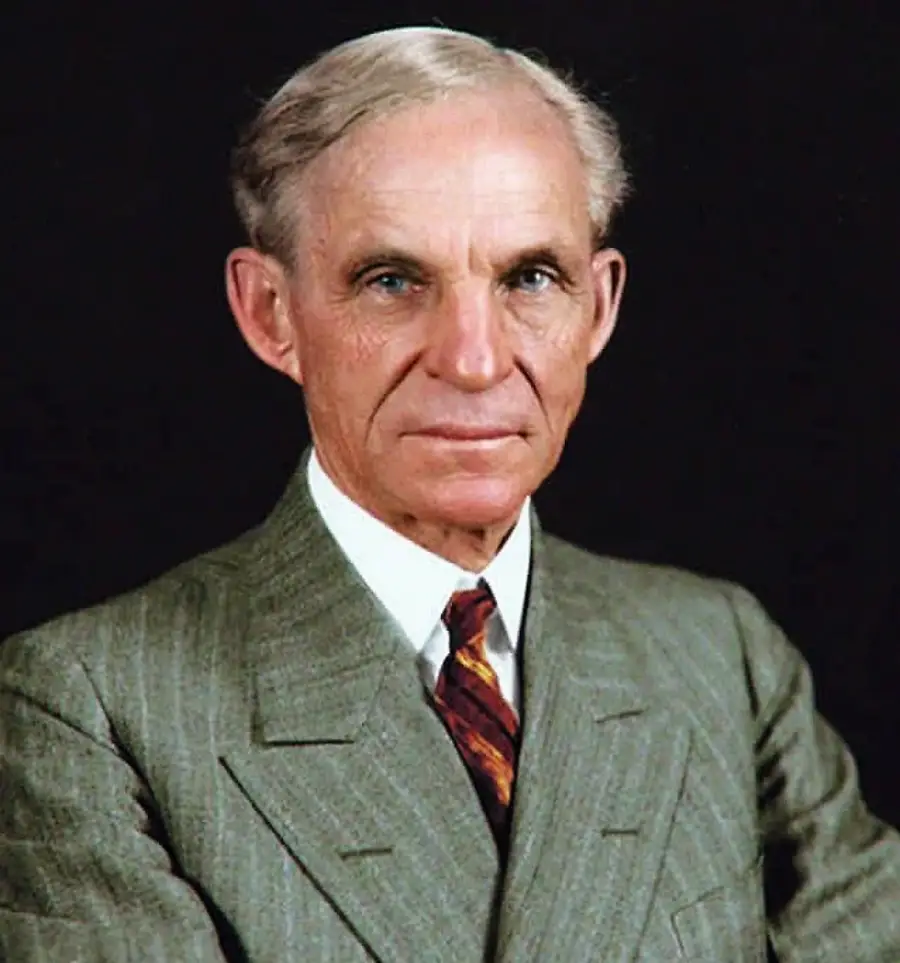
While the modern public remembers Henry Ford as the absolute titan of American industrial mass production and the wealthy founder of Ford Motor Company, his early career was a multi-year disaster of bankruptcy and executive firings. Ford’s very first automotive enterprise, the Detroit Automobile Company, went completely bankrupt after producing just a handful of low-quality vehicles that consumer markets flatly rejected. He convinced a fresh group of wealthy investors to fund a secondary venture, only for his stubborn refusal to modify his primitive designs to prompt the corporate board to violently fire him from his own factory. By the time he reached his late thirties, Ford was viewed by the local Michigan business elite as an unreliable, hyper-fixated eccentric who lacked the basic administrative competence to run a sustainable corporation. It was only during his third attempt, with the historic introduction of the Model T and the assembly line layout, that he successfully revolutionized global industry.
10. Edgar Allan Poe
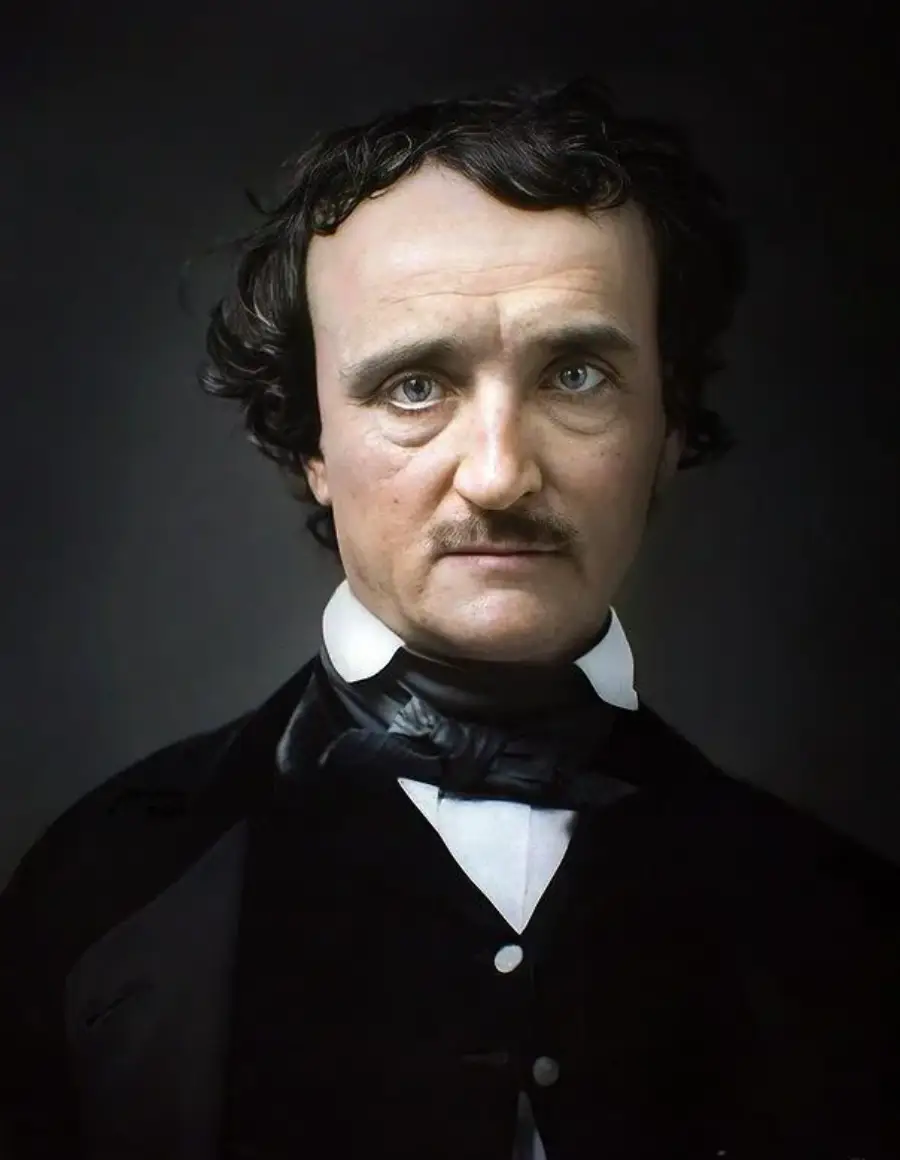
The master of American Gothic literature and the brilliant inventor of the modern detective story spent his entire tragic life locked in a desperate, exhausting battle against absolute financial ruin, starvation, and critical neglect. Poe holds the highly depressing historical distinction of being the first prominent American author to attempt to live exclusively on the earnings of his creative writing, a choice that resulted in decades of severe poverty. Despite publishing legendary masterpieces like The Raven, which became an immediate international pop culture sensation, Poe received a mere nine dollars for the poem and remained completely unable to afford basic firewood to keep his dying wife warm. He spent his final years begging friends for tiny financial loans, wearing threadbare clothes held together by pins, and writing furious letters to editors who systematically cheated him out of his royalties. His mysterious, tragic death on a Baltimore street corner occurred when he was completely destitute, concluding an earthly chapter defined by absolute systemic failure.
11. Gregor Mendel
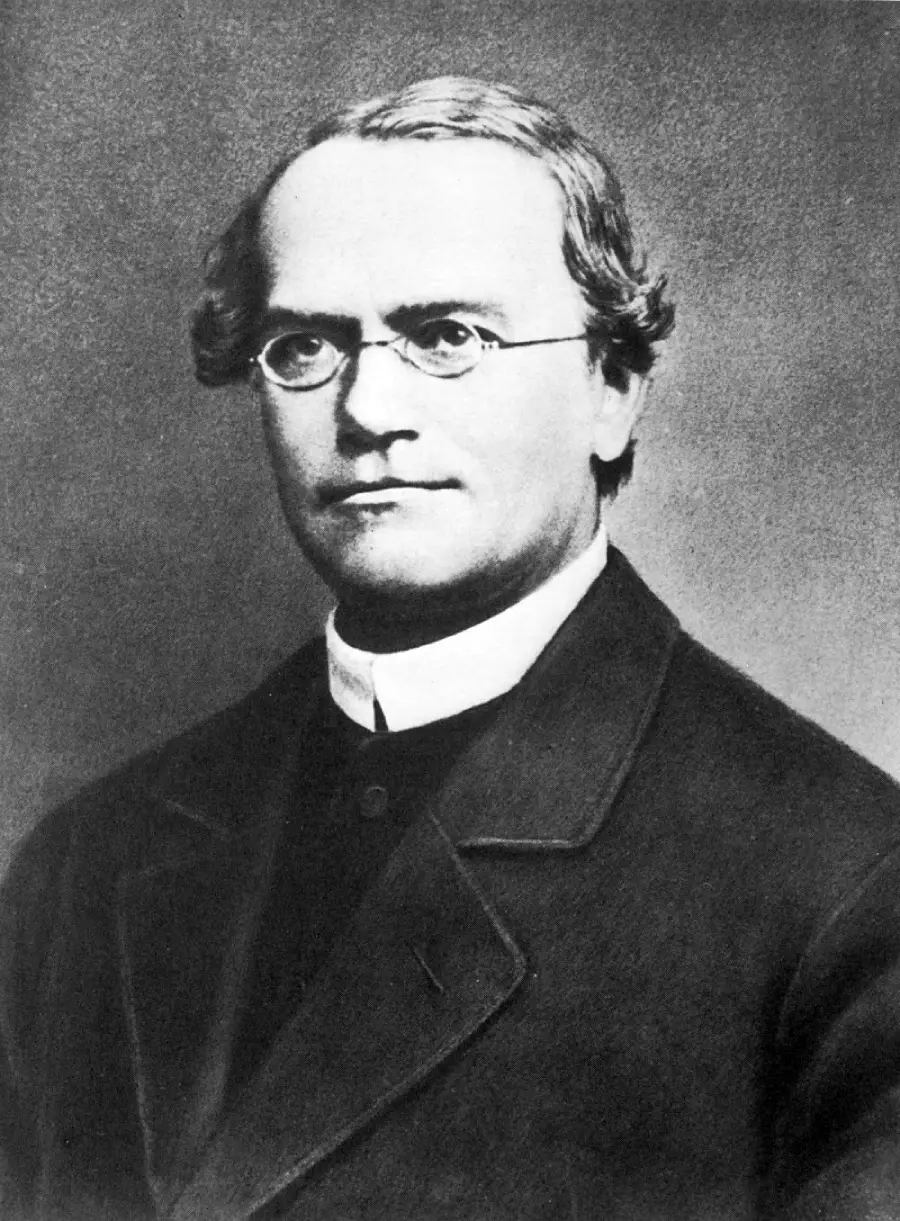
The foundational father of modern genetics, Gregor Mendel, executed his revolutionary biological experiments in complete, unchecked isolation inside the quiet gardens of a Moravian monastery. Mendel spent years meticulously breeding and tracking over twenty-eight thousand distinct pea plants, successfully discovering the fundamental laws of genetic inheritance that govern all living organisms. When he eagerly presented his mathematical findings to the local scientific society in 1865, his complex statistical data completely baffled the contemporary academic community, who flatly dismissed his work as irrelevant agricultural trivia. Deeply discouraged by the total lack of professional interest, Mendel abandoned his biological research entirely to spend his remaining years managing the mundane administrative finances of his monastery. His groundbreaking scientific papers remained completely unread and uncited for a staggering thirty-five years, with the entire global scientific community only recognizing his genius long after his records had gathered dust in a basement.
12. Joan of Arc
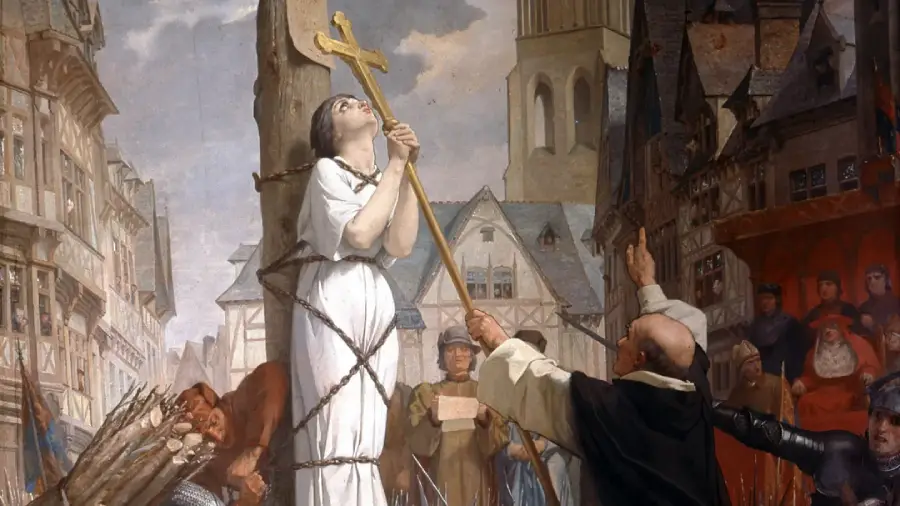
At just seventeen years old, a completely illiterate peasant girl from a remote French village managed to completely bypass medieval military hierarchies by asserting she received divine visions to save her nation. Joan of Arc successfully guided fractured French armies to a series of stunning, miraculous battlefield victories against English forces, permanently altering the course of the Hundred Years’ War. However, her spectacular trajectory collapsed into absolute tragedy when she was captured by political adversaries and subjected to a corrupt, highly rigged ecclesiastical show trial. Abandoned entirely by the French king she had successfully placed onto the throne, she was systematically convicted of heresy and burned alive at the stake at just nineteen years old, her military career written off as a short-lived delusion. Her complete legal rehabilitation and ultimate transformation into a sacred national hero occurred decades later, turning a brief life that ended in public execution into a permanent symbol of national identity.
13. Herman Melville
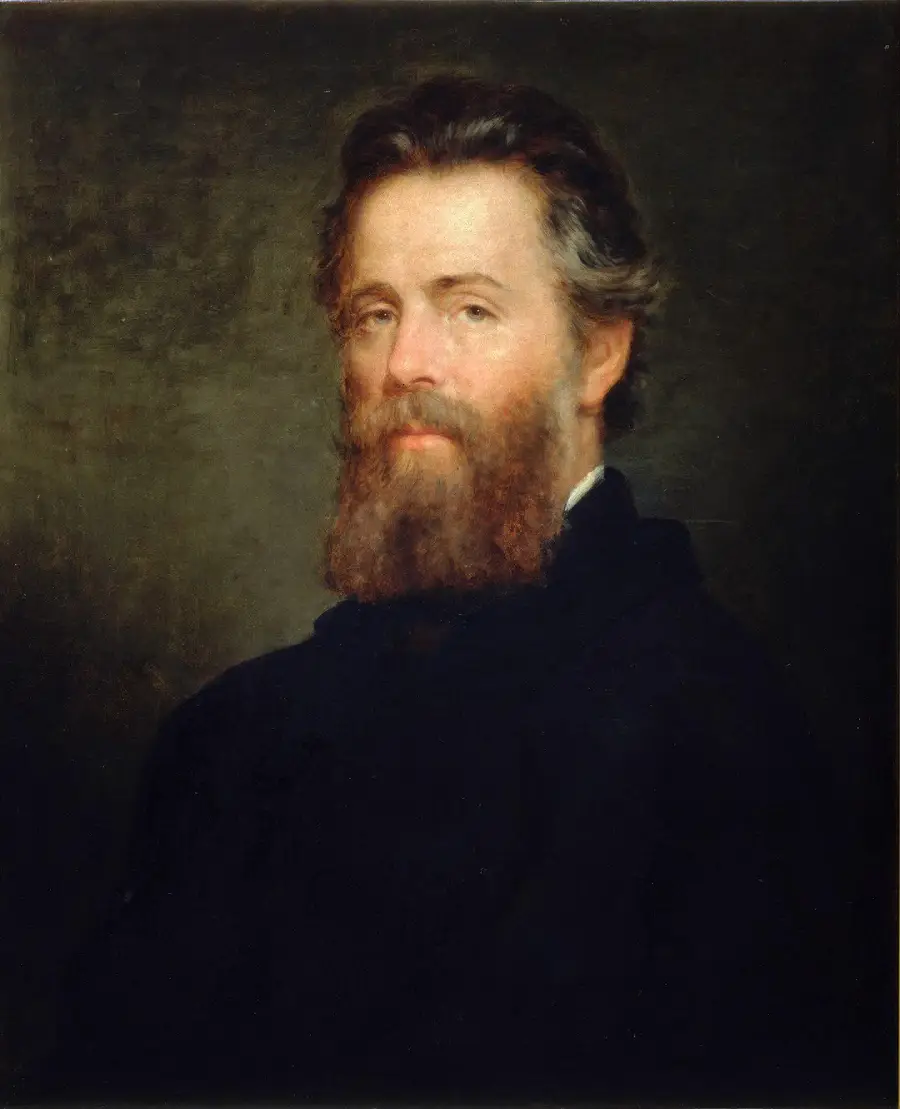
Herman Melville achieved early commercial success as a young writer of tropical sea adventure novels, but his career experienced a catastrophic, terminal collapse the exact second he published his masterpiece, Moby-Dick. The complex, deeply philosophical epic about a manic captain and a white whale was aggressively panned by contemporary Nineties book critics, who branded the writing as completely unreadable, chaotic, and the clear product of a diseased mind. The book sold fewer than three thousand copies during his entire lifetime, destroying Melville’s financial standing and forcing him to abandon professional literature entirely. He spent the final twenty-five years of his long life working a grueling, completely anonymous civilian shift as a low-wage customs inspector on the foggy docks of New York City, entirely forgotten by the literary world. When he passed away in 1891, local newspaper obituaries mistakenly printed his name wrong, completely unaware that they were marking the death of one of the greatest authors the continent would ever produce.
14. Claude Monet
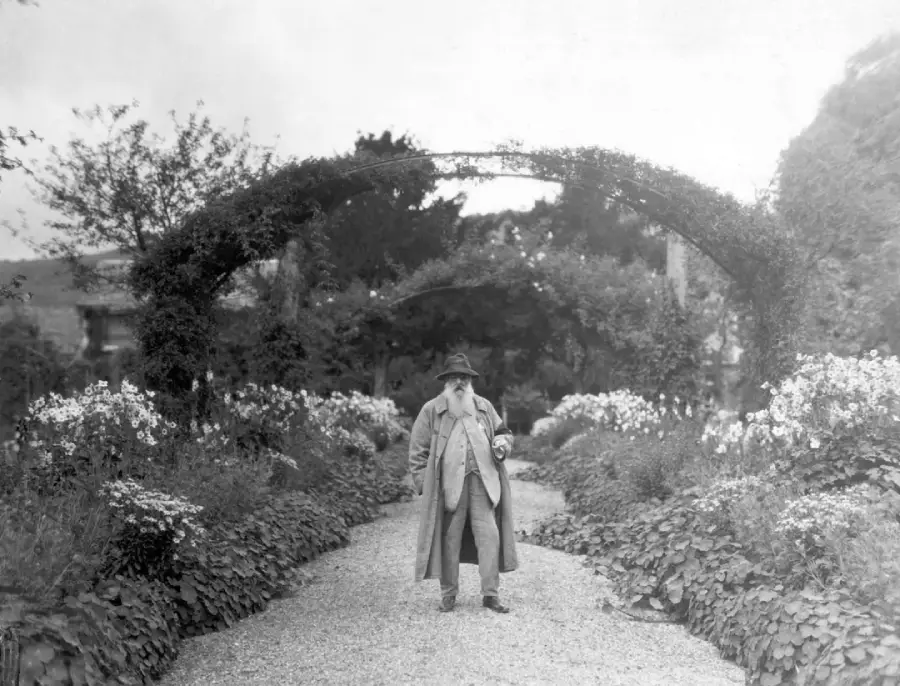
The brilliant artistic pioneer who single-handedly birthed the entire French Impressionist movement spent decades living on the absolute margins of civilized society, actively begging friends for basic food funds. In the 1860s and 1870s, the elite Paris Salon systematically rejected Monet’s radical, blurry brushwork, with prominent art critics publicly declaring that his paintings looked like unfinished wallpaper or random paint splatters. The public relations fallout was so incredibly severe that art collectors completely boycotted his studio, leaving Monet so profoundly destitute that he reportedly attempted to end his own life by jumping into the Seine River to escape his crushing debts. He spent years moving his family from one cheap rental house to another under the dark cover of night to avoid aggressive landlords and local police collections. It was only during the absolute final chapters of his long life, with the massive success of his iconic Water Lilies series, that the global art market finally recognized his genius, transforming him from a bankrupt outcast into a multi-million-dollar legend.
Discover more fascinating facts about historical figures:
Delving into the grueling, multi-decade failures that preceded the ultimate triumphs of these legendary pioneers serves as a fantastic reminder that true greatness is rarely recognized by contemporary society in real-time. Watching these dedicated historical figures successfully protect their unique visions through decades of bankruptcy, public ridicule, and systematic exile proves that the most valuable landmarks of our shared human history are built on absolute resilience rather than a smooth path to fame. If you enjoyed this eye-opening, deeply analytical journey looking back at the legends who turned their lives around at the absolute final hour, make sure to explore these 15 Rival Historical Figures Who Died at the Same Time, or 15 Incredible Times Historical Icons Actually Met. You may also like these Historical Figures Who Look Exactly Like Modern Celebrities.