Before reshaping world history, writing literary masterpieces, or leading global scientific breakthroughs, many iconic leaders and celebrated artists worked entirely ordinary early jobs. Long before their names entered modern school textbooks, these iconic icons had to pay rent, learn manual trades, and navigate daily workplace routines just like anyone else. Navigating early employment often required these ambitious individuals to handle surprising tasks, from skinning animals to measuring grave sites.
Looking back at the early employment records of celebrated authors, inventors, and world leaders reveals how deeply diverse human life can be before legendary success takes hold. These forgotten early jobs offered essential practical training, financial survival, and unique perspectives on human nature that frequently influenced their future works. Exploring these early career steps proves that extraordinary legacies often begin in the most unexpected work environments. Let’s take a look at fourteen historical figures who held unusual jobs long before achieving global fame.
1. Abraham Lincoln – Flatboat pilot and storekeeper
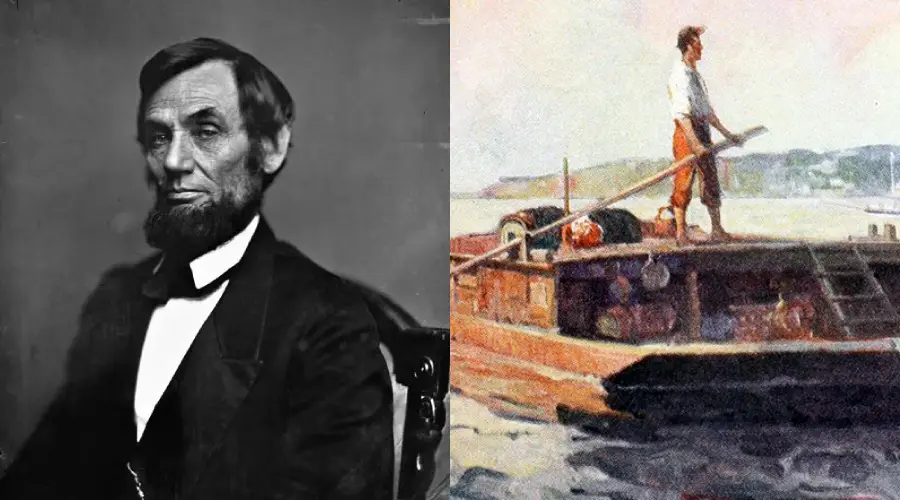
Before guiding the United States through the Civil War as president, Lincoln operated a wooden flatboat carrying agricultural cargo down the Mississippi River to New Orleans. During these early trade journeys, the future president gained his very first eye-opening exposure to Southern slave markets, an experience that deeply shaped his moral and political views.
2. Christopher Walken – Lion tamer assistant
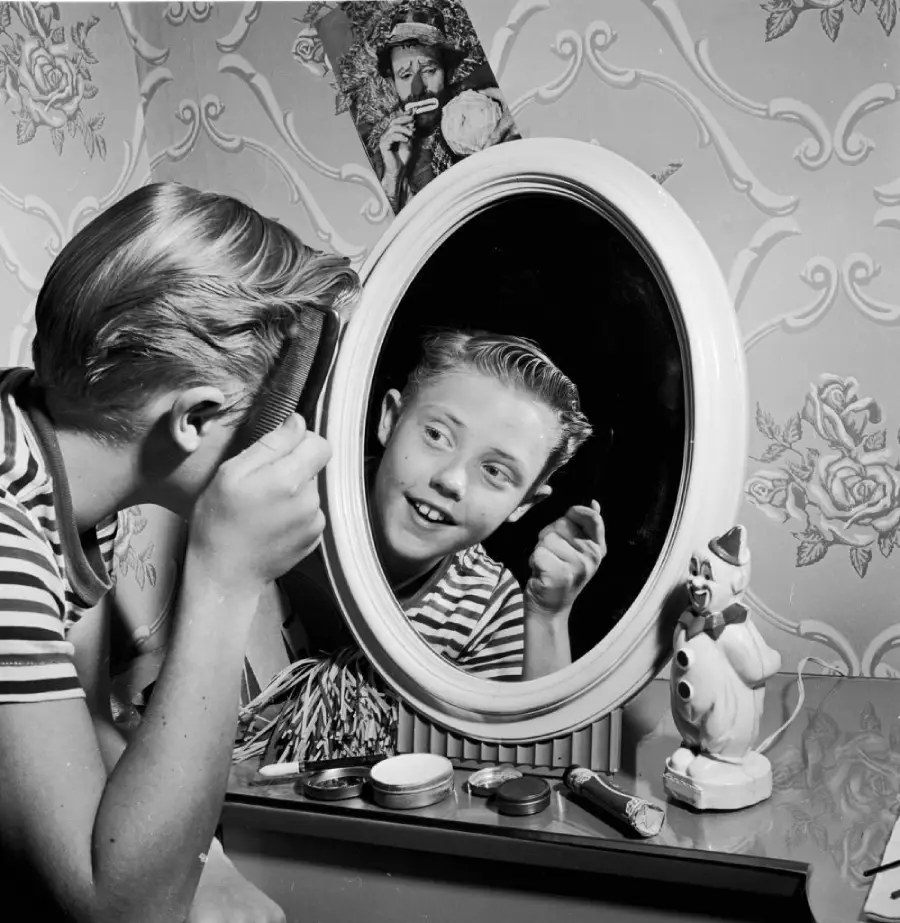
At just fifteen years old, the Oscar-winning actor spent a summer working for a traveling circus performing as an assistant lion tamer. Walken dressed in a fake yellow outfit and performed tricks alongside a gentle female lion named Sheba, who was reportedly as calm as a domestic house dog.
3. Bram Stoker – Civil servant and theater critic
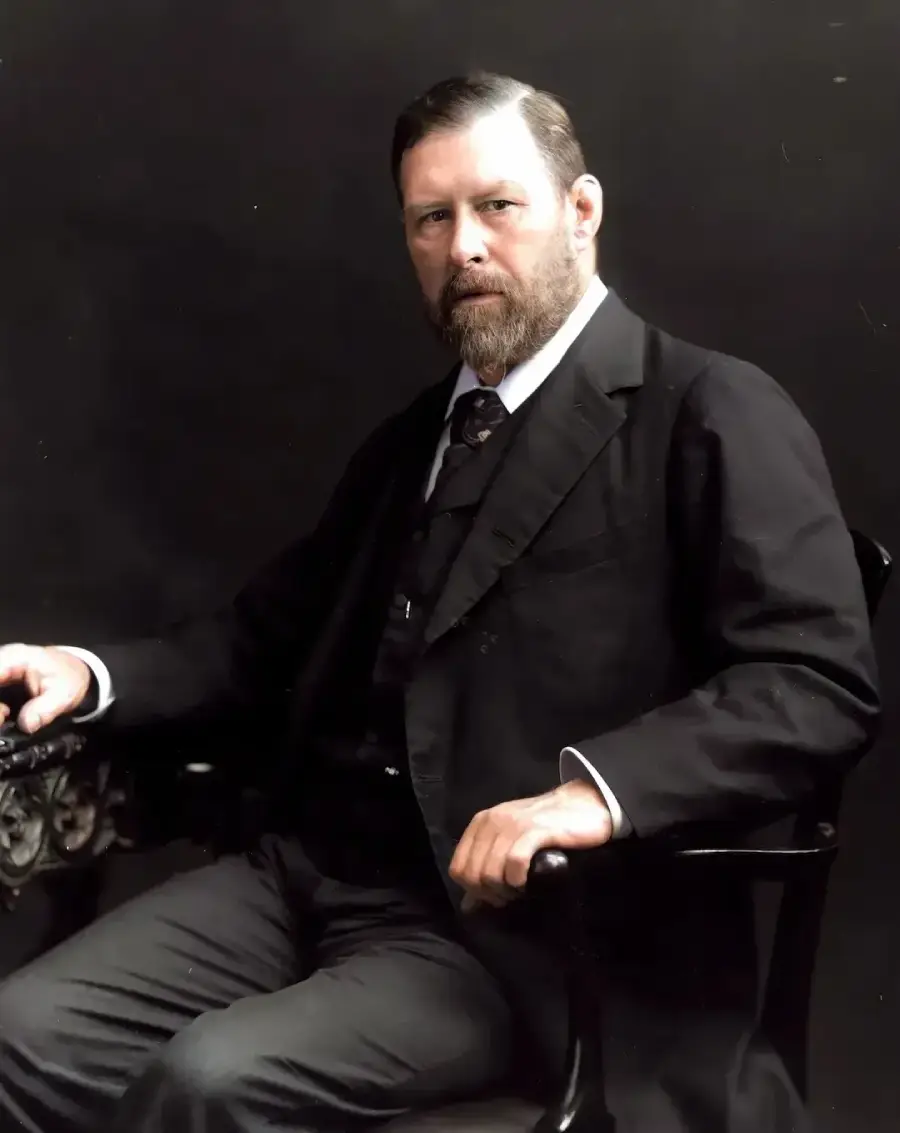
The creator of Dracula spent over two decades working as a quiet bureaucrat at Dublin Castle while writing unpaid theatrical reviews for local newspapers. His sharp reviews caught the eye of legendary actor Henry Irving, who eventually hired Stoker to manage London’s famous Lyceum Theatre for twenty-seven years.
4. Mary Shelley – Editor and ghostwriter
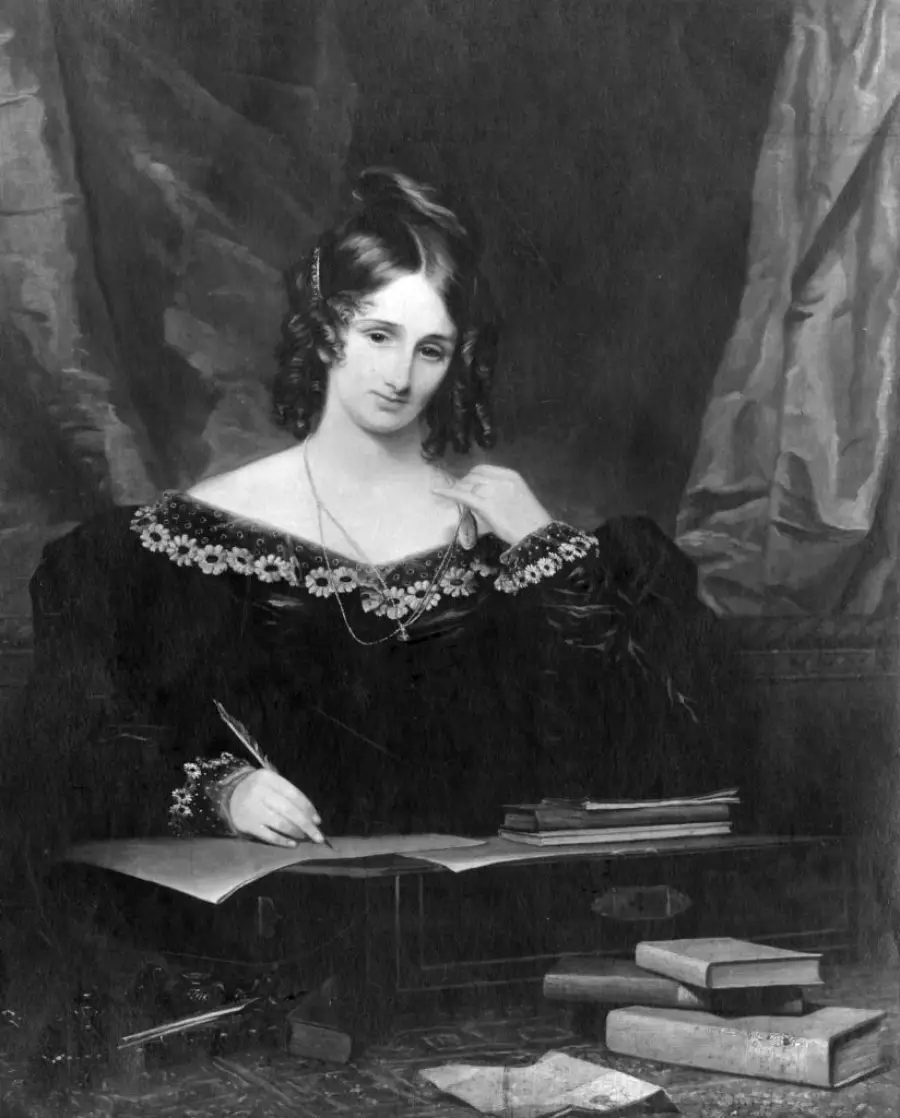
While famous for writing Frankenstein at nineteen, Shelley supported her family in later life by working as a professional literary editor and biographical ghostwriter. She spent years cataloging, editing, and annotating the poetry collection of her late husband Percy Bysshe Shelley, establishing his legacy in modern English literature.
5. Charles Darwin – Plague doctor assistant and taxidermist
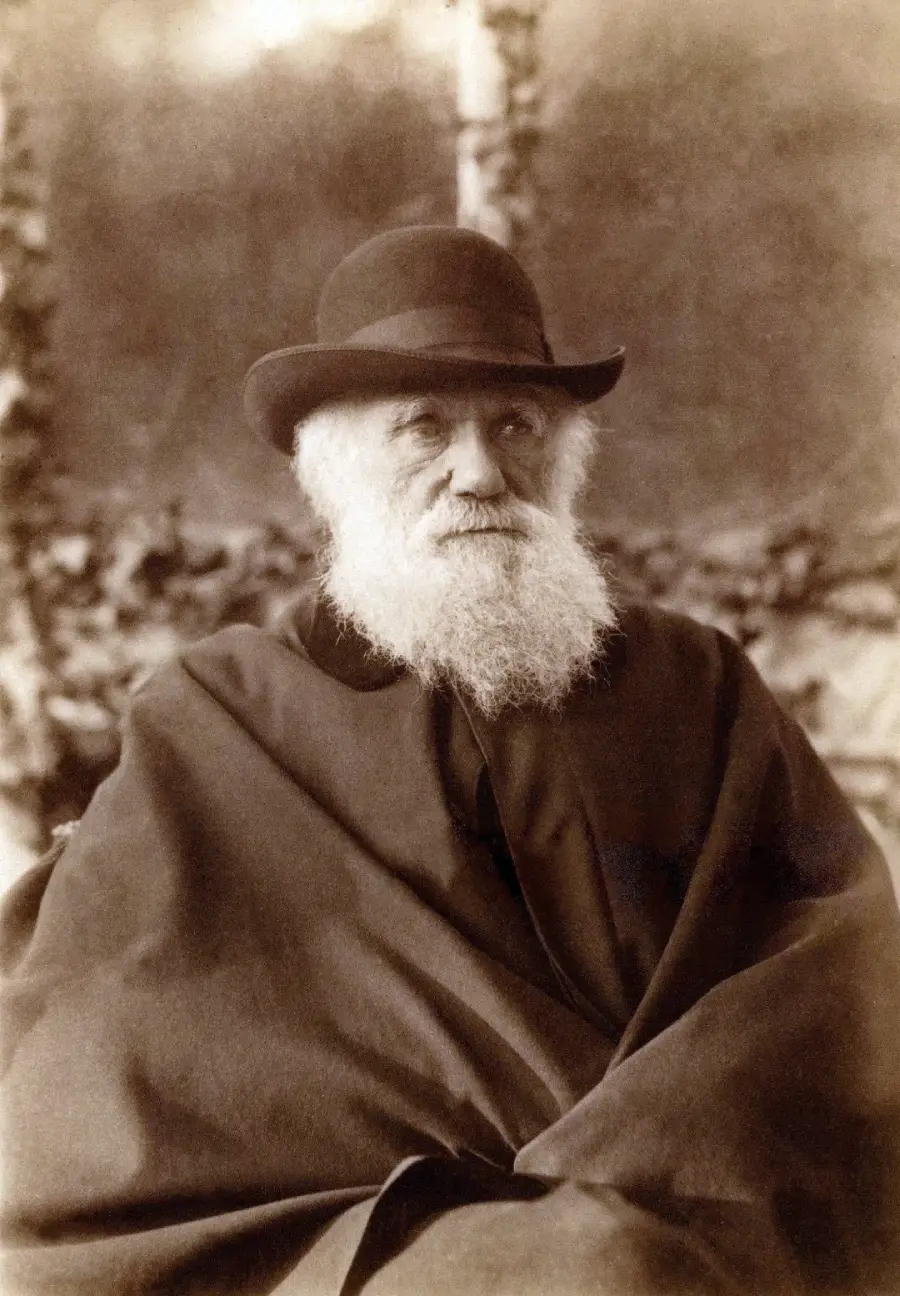
Before formulating the theory of natural selection on the HMS Beagle, young Darwin took private taxidermy lessons from John Edmonstone, a freed slave living in Edinburgh. Edmonstone taught Darwin how to preserve tropical bird skins, a practical preservation skill that proved absolutely vital for collecting bird specimens in the Galápagos Islands.
Trending on The Scroller
6. Albert Einstein – Patent clerk
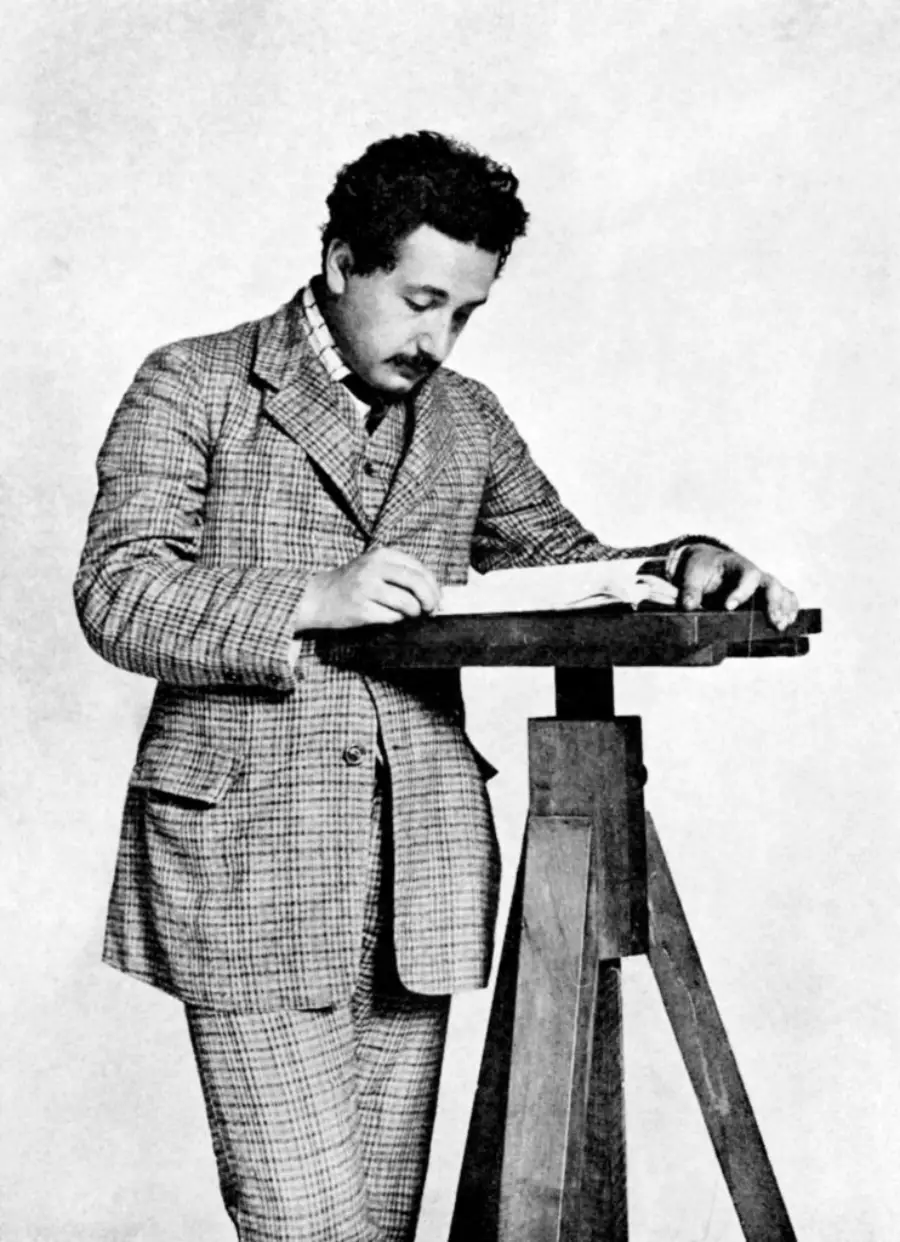
While struggling to secure a university teaching position, Einstein spent seven years analyzing mechanical inventions at the Swiss Patent Office in Bern. It was during his quiet downtime between analyzing gear patents and electrical inventions that he wrote four groundbreaking physics papers in 1905, including his famous special theory of relativity.
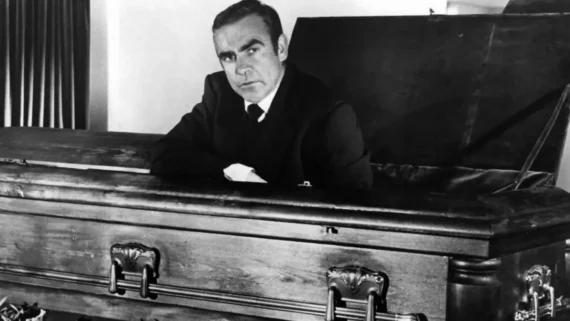
7. Sean Connery – Coffin polisher and milkman
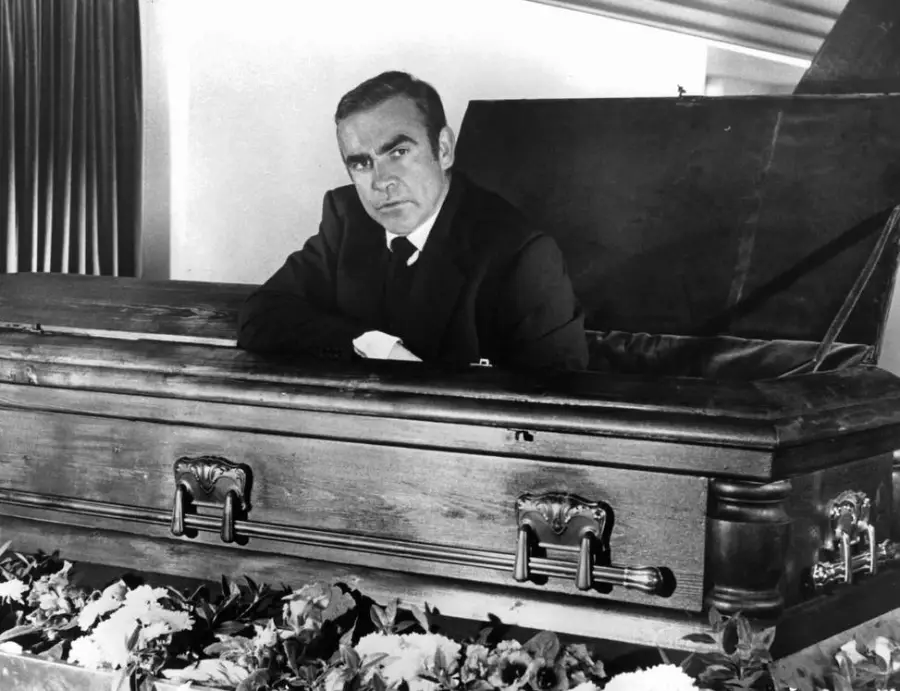
Before stepping into the role of James Bond, the Scottish actor worked a variety of manual labor positions around Edinburgh, including polishing mahogany coffins for a local undertaker. Connery also worked as a morning milk delivery man and bodybuilder model for art students at the Edinburgh College of Art to fund his acting lessons.
8. Mark Twain – Steamboat pilot
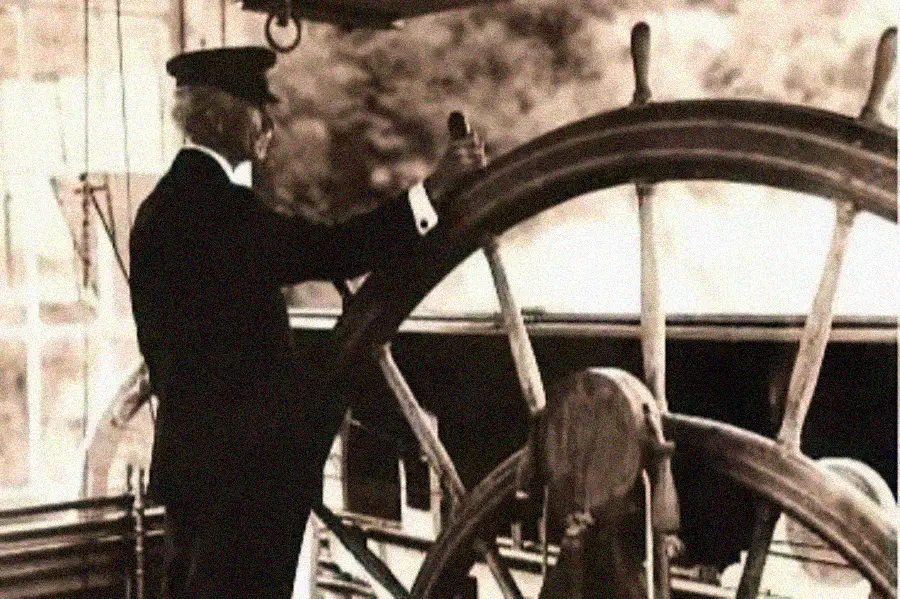
Samuel Clemens adopted his famous pen name “Mark Twain” directly from his years working as a licensed steam-powered riverboat captain along the Mississippi River. The nautical term “mark twain” was called out by riverboat crews to indicate a safe water depth of two fathoms, meaning twelve feet deep.
Sign up for our newsletter
9. Theodore Roosevelt – Cattle rancher and deputy sheriff
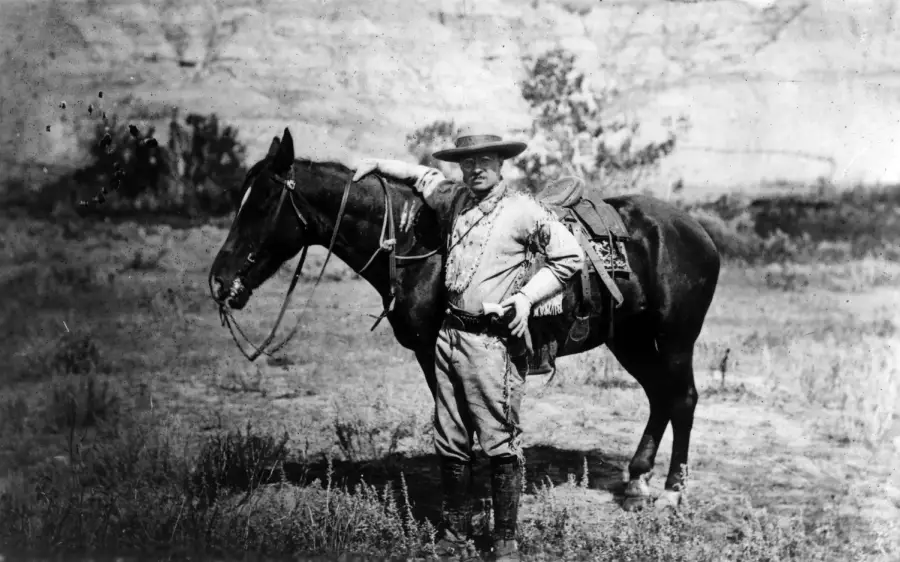
Following the sudden deaths of his wife and mother on the exact same day in 1884, the future president abandoned New York politics to run a cattle ranch in North Dakota. Roosevelt embraced rugged frontier life, chasing down boat thieves along the Little Missouri River and serving as a deputy sheriff before returning to public office.
10. Agatha Christie – Pharmacist
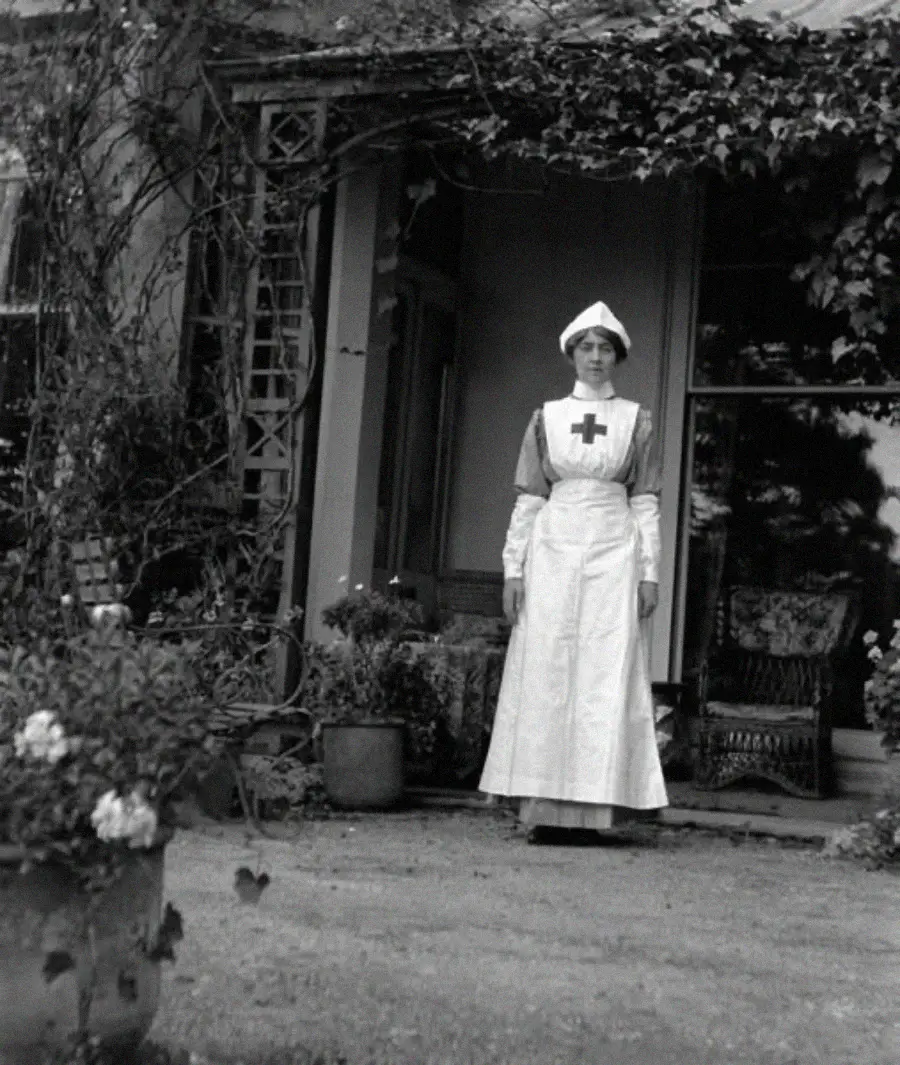
During World War I, the bestselling mystery novelist volunteered as a nurse and qualified as an apothecary assistant at the Torquay Red Cross Hospital. Her daily access to lethal doses of strychnine, cyanide, and morphine gave her exact chemical knowledge, allowing her to write eighty-three fictional murders using poison as the weapon.
11. Walt Disney – Red Cross ambulance driver
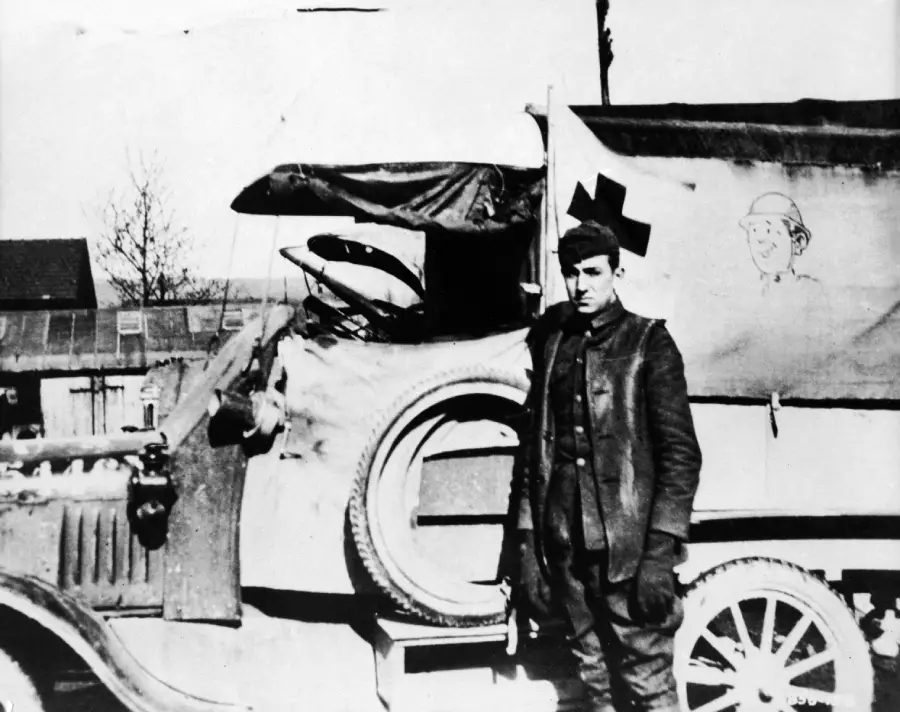
At sixteen years old, Disney dropped out of high school to join the American Red Cross Ambulance Corps during World War I. Stationed in France right after the armistice, he spent his shifts driving officers and ambulance trucks, covering his canvas vehicle in original cartoon sketches instead of standard military camouflage.
12. Benjamin Franklin – Printer and soap maker
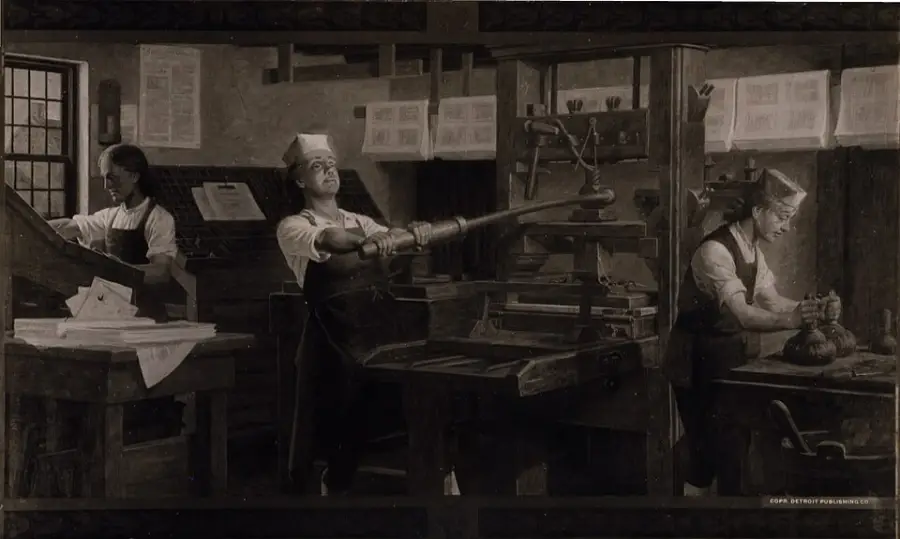
Before signing the Declaration of Independence or inventing the lightning rod, young Franklin boiled tallow and dipped wax candles in his father’s Boston soap shop. Hating the greasy work, he ran away to Philadelphia to become a print shop apprentice, eventually buying the Pennsylvania Gazette newspaper.
13. Harland Sanders – Railroad fireman and mule doctor
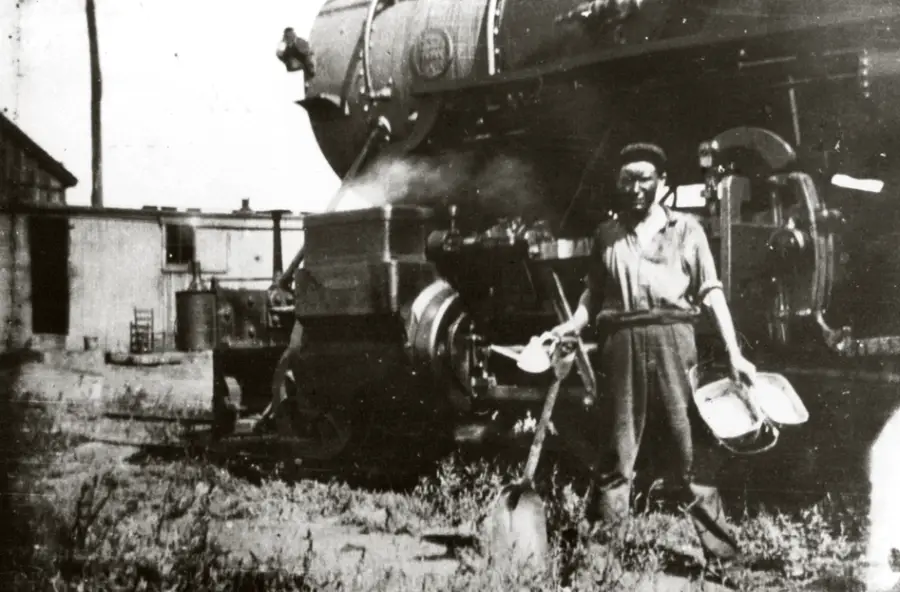
Long before founding Kentucky Fried Chicken in his sixties, “Colonel” Sanders worked as a steam locomotive fireman, life insurance salesman, and amateur country veterinarian. He routinely delivered calves and treated sick farm animals across rural Indiana while saving money to buy his first roadside gas station cafe.
14. Harrison Ford – Professional cabinetmaker
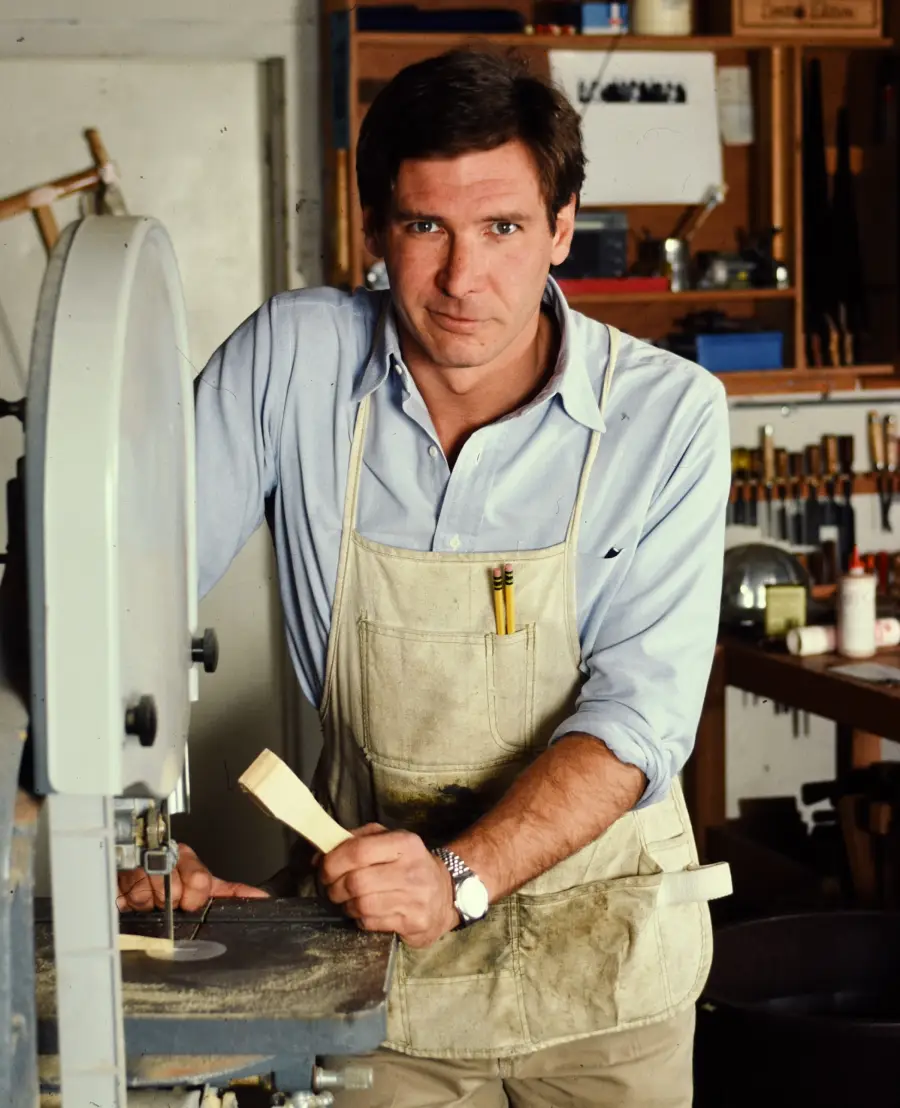
Frustrated by bit parts in minor television shows, Ford walked away from Hollywood in the early 1970s to teach himself professional carpentry through library books. While installing custom oak doors and studio furniture for director George Lucas, Ford was invited to read stand-in dialogue for screen tests, directly landing him the role of Han Solo in Star Wars.
Explore more curiosities about historical figures:
Exploring the early career paths of these iconic historical figures offers a comforting reminder that greatness rarely follows a smooth, predictable trajectory. From polishing wooden coffins and driving wartime ambulances to analyzing patent applications, these unique workplace experiences provided the practical knowledge and resilience that fueled their future achievements. If you love digging into trade history, retro pop culture, and unusual historical facts, make sure to check out these Historical Figures Who Spent Their Lives Being Called Failures, or 15 Incredible Times Historical Icons Actually Met. You can also take a look at these 20 Historical Figures Who Passed Away Far Too Young.