
The internet used to feel a lot messier, more personal, and wonderfully unpredictable. You could spend an afternoon decorating a page with blinking GIFs, wait for your crush to appear on AIM, then click a button that sent you to some completely random corner of the web. Many of those routines belonged to websites that no longer exist, and the strange part is how enormous they once felt.
They didn’t all disappear because we stopped wanting what they offered. In many cases, the modern internet simply absorbed their best ideas. So prepare for several aggressive cases of “I completely forgot about that!” as we revisit 18 websites that somehow went from everyday habits to digital ghosts. Check these 18 websites everyone used that disappeared, but the memories never did.
1. GeoCities
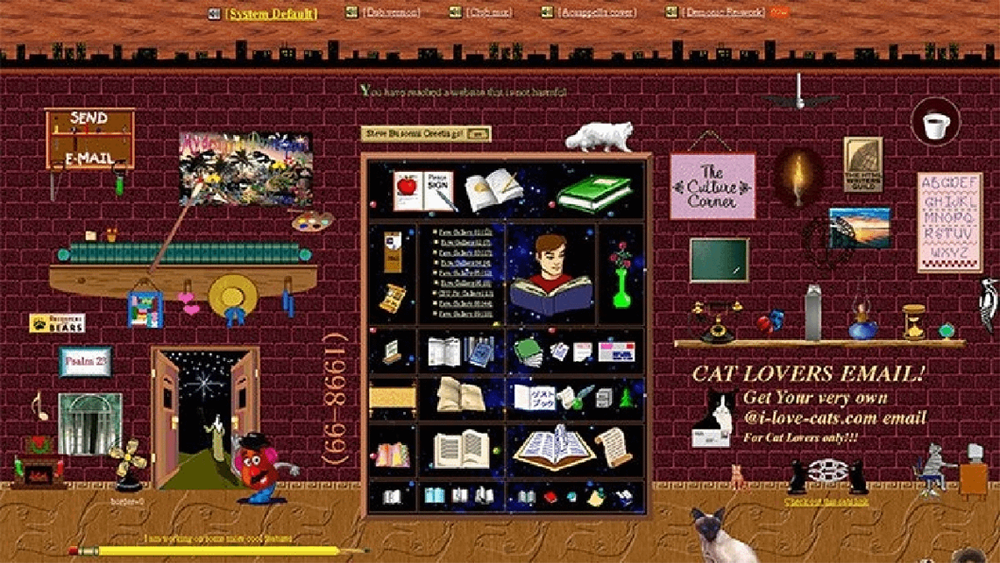
There was a time when building a website meant using every GIF, font, and questionable color combination available. GeoCities gave everyone their own chaotic corner of the internet, complete with visitor counters, guestbooks, starry backgrounds, and surprise music. It shut down in 2009, but personal pages never really disappeared. They just became social profiles. Honestly, today’s perfectly curated internet could use a little more glittering Comic Sans energy.
2. StumbleUpon
Remember when the internet could actually surprise you? StumbleUpon let you press one button and land somewhere completely unexpected, from a strange blog to a photography site you never would’ve searched for yourself. It lasted until 2018, while recommendation algorithms eventually took over the discovery part. The difference? StumbleUpon felt like wandering around the internet with absolutely no adult supervision.
3. AOL Instant Messenger (AIM)
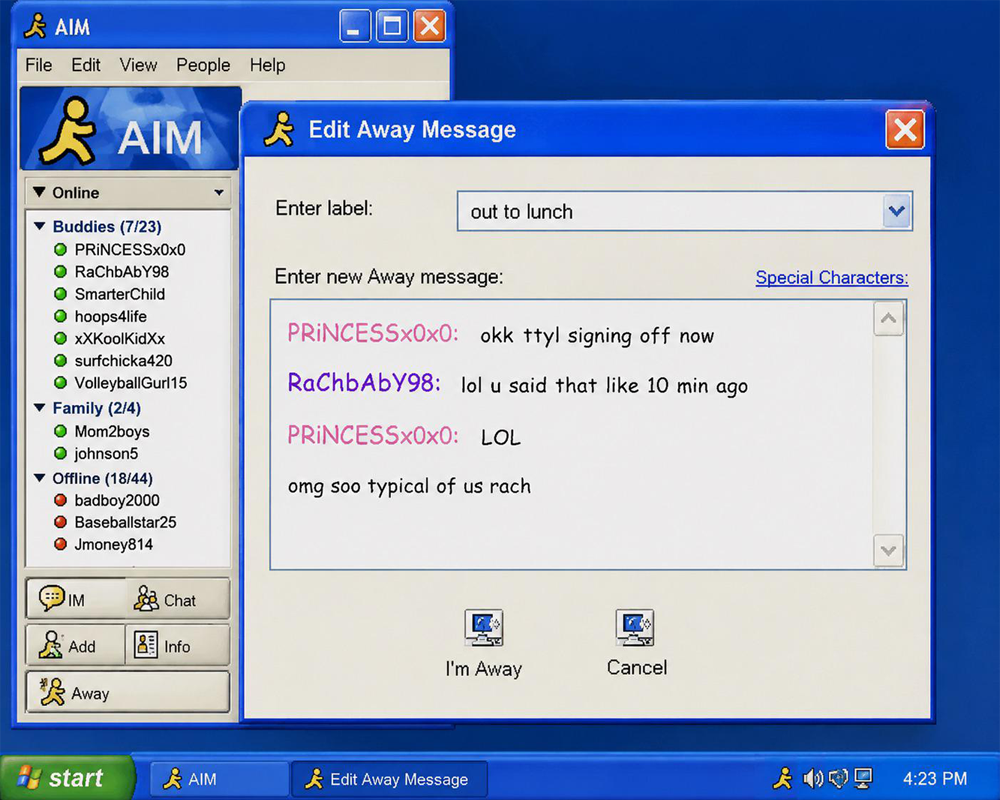
One little door-opening sound could completely change your evening. AIM gave us screen names, buddy lists, dramatic away messages, and song lyrics that were definitely directed at someone. It finally signed off in 2017 after newer messaging options took over. AIM may be gone, but staring at someone’s online status while pretending you absolutely don’t care? Thankfully, humanity preserved that tradition.
4. MSN Messenger
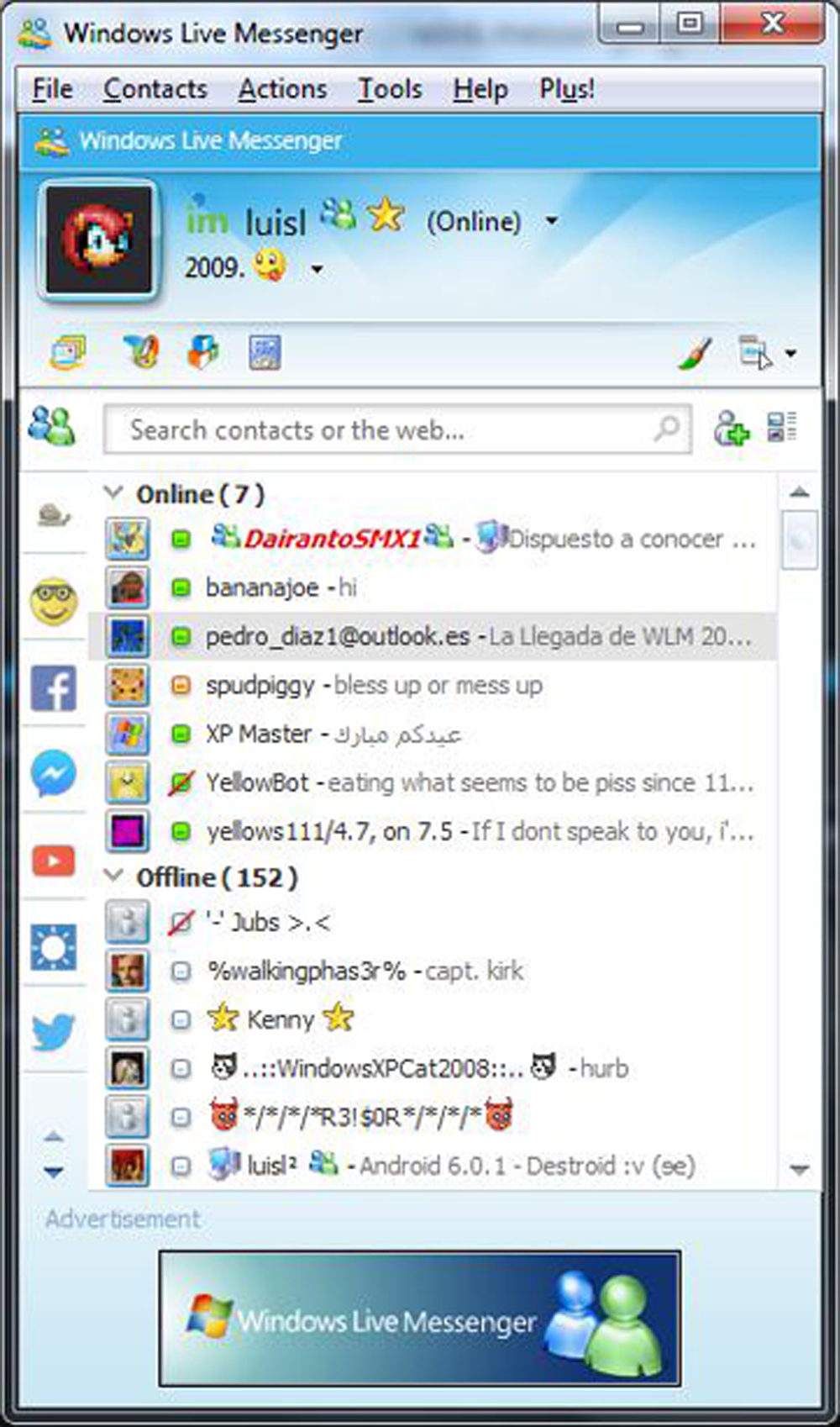
MSN Messenger had an acceptable way to digitally shake someone’s screen because they weren’t answering you. Between nudges, custom emojis, ridiculous fonts, status messages, and strategically appearing offline, chatting became an entire activity. The service eventually shut down in 2013, but anyone who used it probably remembers that nudge button. Was it annoying? Absolutely. Did that stop us from pressing it repeatedly? Absolutely not.
5. Yahoo Messenger
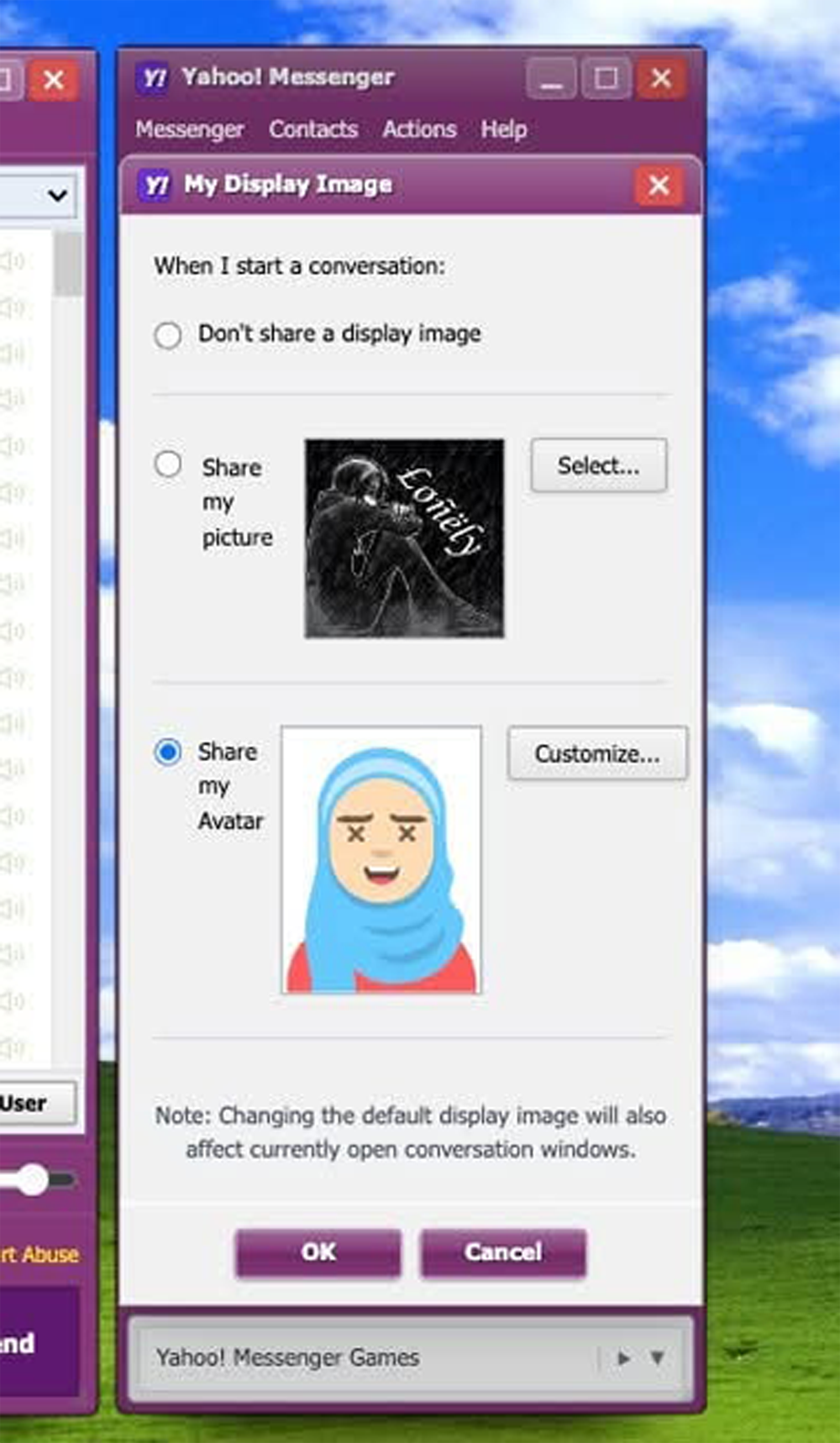
Choosing your Yahoo username once felt like a decision you’d have to live with forever. Yahoo Messenger offered chat rooms, webcams, voice chat, and another place to build an online identity around a screen name you probably wouldn’t admit to today. It finally shut down in 2018. Of all the websites that no longer exist, old messengers feel especially strange because messaging never disappeared. We simply packed our digital bags and moved elsewhere.
Trending on The Scroller


6. AltaVista
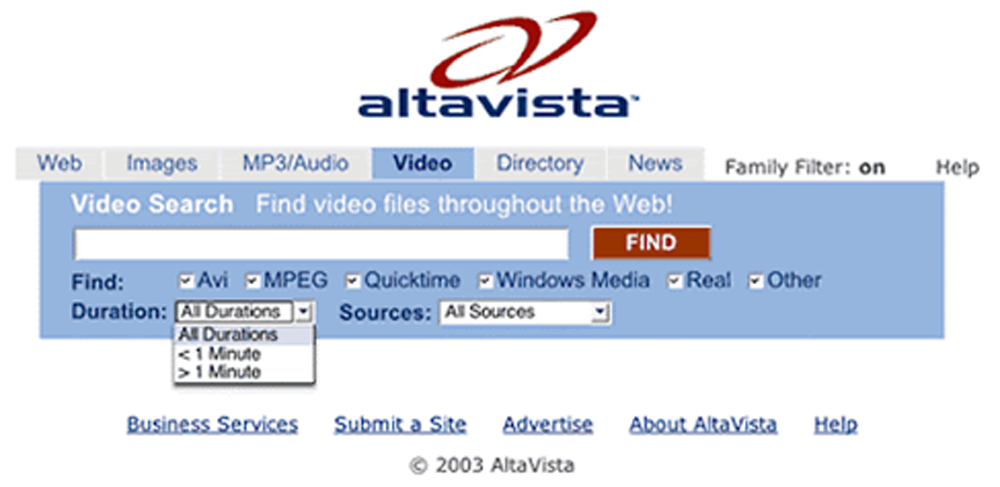
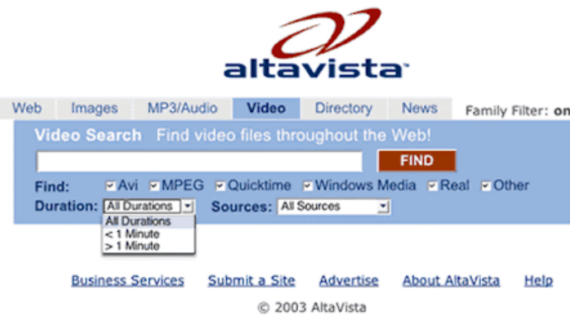
There was a time when “search the internet” didn’t automatically mean Google. AltaVista was once one of the web’s biggest search engines, helping millions navigate an internet that felt much harder to explore. Eventually, Google became the default verb for finding basically anything, and AltaVista shut down in 2013. Remember when choosing a search engine was an actual decision instead of muscle memory?
7. Friendster
Before Facebook took over everyone’s social life, Friendster was already connecting millions of people online. Launched in 2002, it let users build profiles, connect with friends, and discover friends-of-friends before that behavior felt completely normal. The original service eventually disappeared in 2015. Friendster basically arrived at the social networking party early, helped set everything up… and somehow wasn’t there when the party became enormous.
8. Orkut
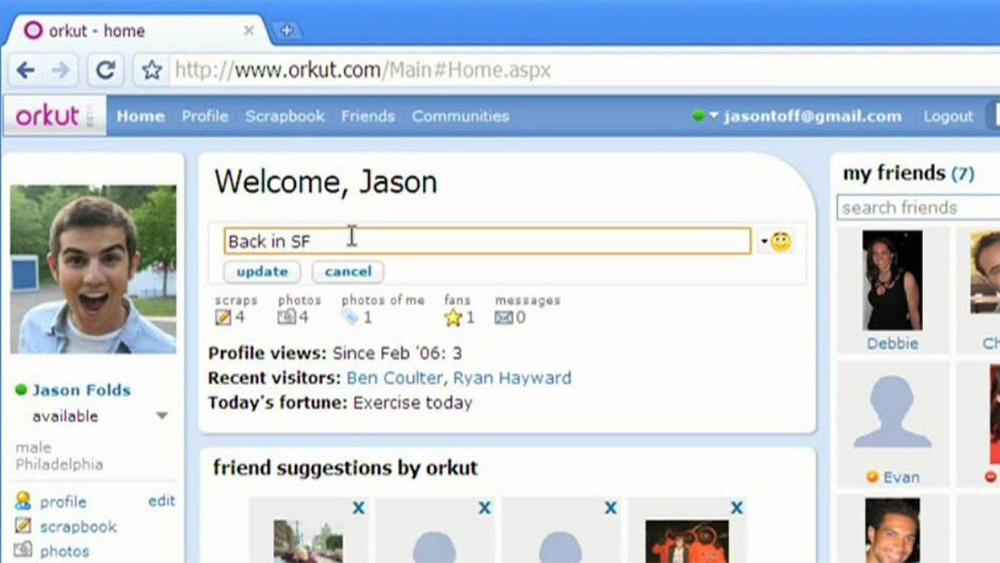
Plot twist: Google once had a social network people genuinely loved. Orkut launched in 2004 and became especially popular in Brazil and India, where communities, profiles, and conversations turned it into a major online hangout. Google eventually shut it down in 2014. It’s strange remembering an era when social media wasn’t dominated by the same handful of platforms everywhere. Your favorite network could depend entirely on where you lived.
Sign up for our newsletter
9. Vine
Six seconds. Somehow, that was enough. Vine turned tiny looping videos into an entire comedy language and helped launch creators whose jokes still float around the internet years later. Then, while short-form video was clearly becoming huge, the original platform shut down in 2017. TikTok, Reels, and Shorts eventually proved Vine’s basic idea wasn’t the problem. Vine may have disappeared, but apparently six seconds of chaos was just ahead of schedule.
10. Google Reader

Before an algorithm decided what deserved your attention, you could build your own little internet newspaper. Google Reader gathered updates from your favorite blogs and websites into one organized feed, making it a daily ritual for devoted users. Google shut it down in 2013, and social feeds increasingly took over how people discovered content. Convenient? Sure. But wasn’t there something nice about choosing what you wanted to see yourself?
11. Polyvore

Creating one outfit could somehow consume an entire afternoon. Polyvore let users mix clothes, accessories, and products into elaborate digital moodboards, turning window-shopping into its own creative hobby. Fashion lovers built wish lists and shared endless outfit combinations before the site abruptly shut down in 2018. Pinterest and social commerce absorbed much of the behavior, but Polyvore fans still remember when putting together imaginary outfits was practically a sport.
12. Picnik

Every photo needed a vignette, giant text, and possibly a decorative border. We had our reasons. Picnik made online photo editing ridiculously accessible, so profile pictures everywhere received filters, collages, stickers, and enthusiastic amounts of editing. Google eventually acquired it and shut the service down in 2012. Today we can edit photos directly on our phones, but where’s the fun if you can’t add an unnecessarily dramatic border first?
13. Club Penguin
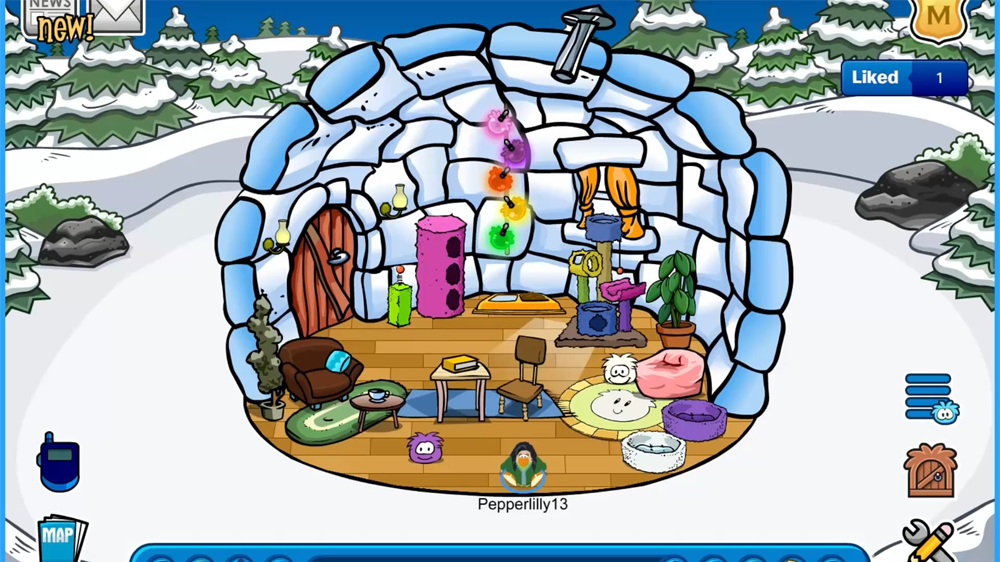
Millions of kids once rushed home to check on the social life of a cartoon penguin. Club Penguin was packed with mini-games, parties, igloos, puffles, and conversations conducted almost entirely through adorable avatars. Disney shut down the original game in 2017, leaving an entire generation with surprisingly emotional memories of a virtual frozen island. Be honest, did anyone care about decorating a digital home more than their actual bedroom?
14. Justin.tv
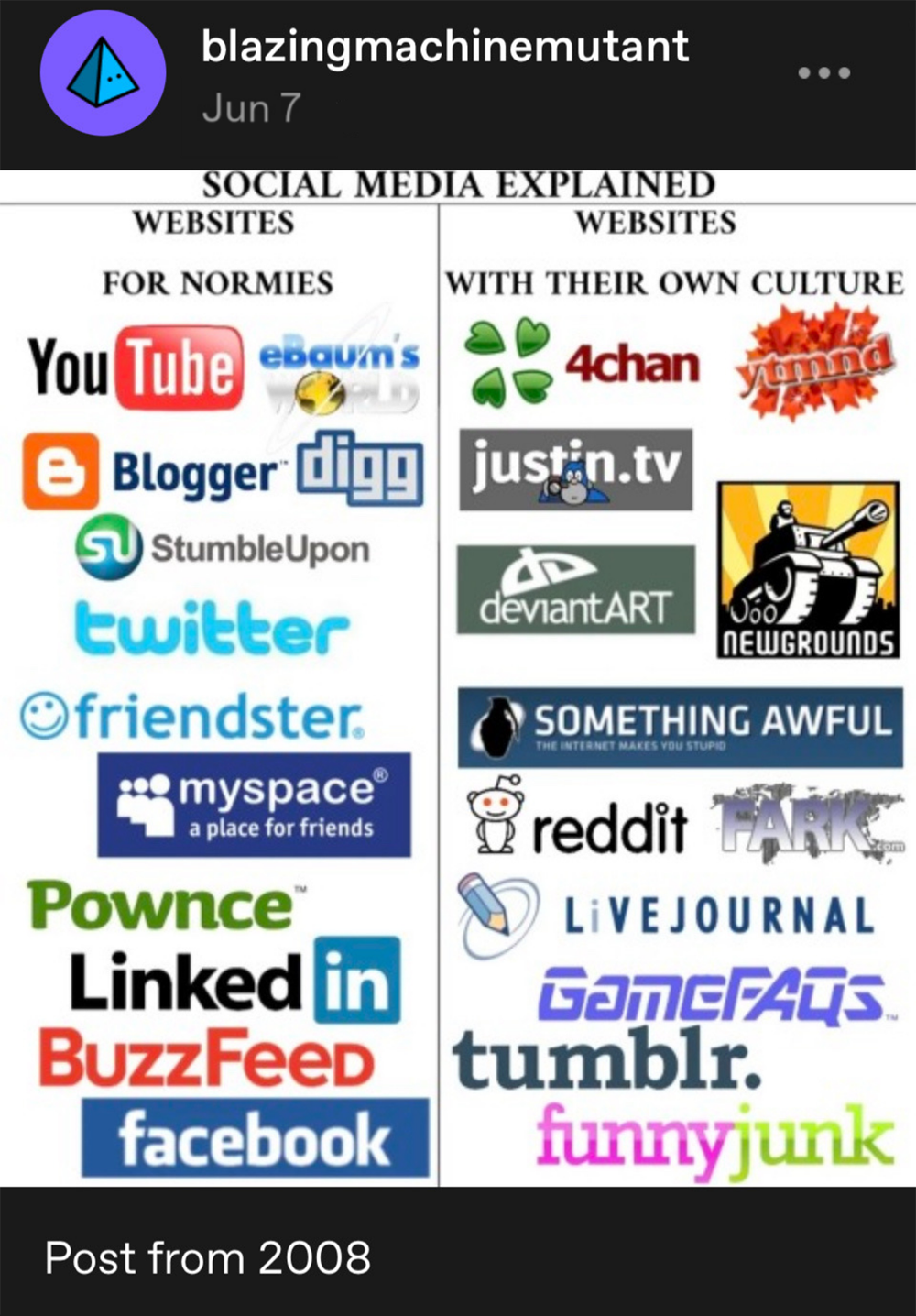
Before Twitch became Twitch, livestreaming was happening somewhere much stranger. Justin.tv launched as a place where people could broadcast practically anything, eventually developing a huge gaming community. That side became so successful that the company shifted its focus to Twitch and shut Justin.tv down in 2014. So technically, this wasn’t just a website disappearing. It was more like watching one internet creature evolve into another.
15. Grooveshark
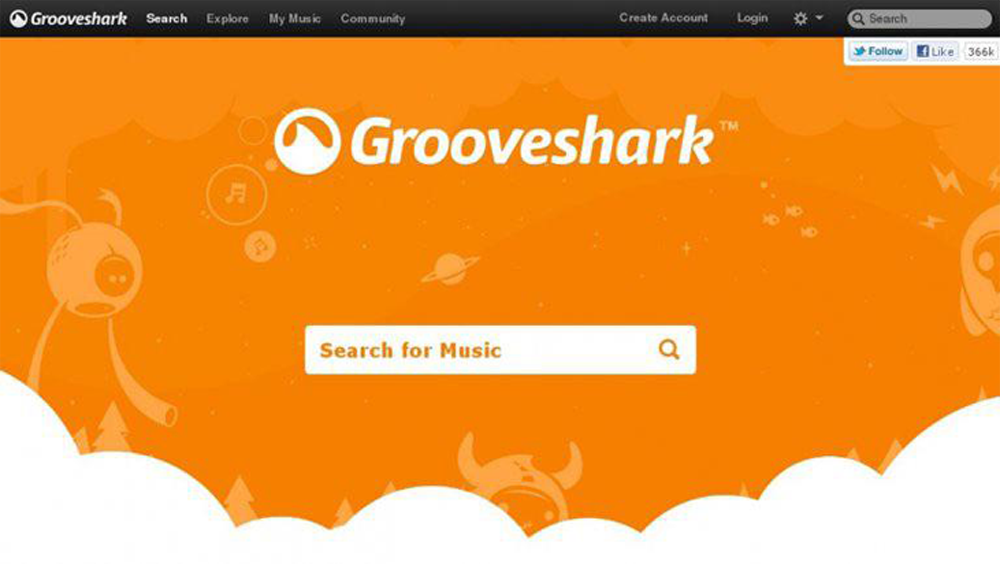
For a while, streaming almost any song you wanted for free felt suspiciously easy. Turns out, there was a reason. Grooveshark built a huge audience around on-demand music streaming, but years of copyright disputes eventually caught up with it. The service shut down in 2015. Modern streaming platforms made the behavior completely normal, just with considerably more licensing involved. Remember when finding free music online always felt slightly too good to be true?
16. Megaupload

Some websites slowly faded away. Megaupload basically vanished while people were still using it. The massive file-sharing site was suddenly shut down by U.S. authorities in 2012, leaving users unable to access files stored there. That abrupt ending makes it one of the websites that no longer exist that truly earned the word “suddenly.” Imagine opening one of your most-used sites and discovering the whole thing had essentially disappeared overnight.
17. Google+

Google had billions of users. Apparently, that didn’t mean everyone wanted another social network. Google+ arrived in 2011 with Circles, Communities, and plenty of ambition, but it never became the Facebook rival Google hoped for. The consumer version eventually shut down in 2019. Turns out even one of the biggest companies on the internet couldn’t simply announce, “Here’s your new social network,” and expect everyone to move in.
18. GameTrailers

There was once an entire website people visited specifically to watch video game trailers. Today, that sentence feels strangely ancient. GameTrailers offered trailers, reviews, gameplay videos, and gaming coverage long before YouTube became the obvious destination for all of it. The site shut down in 2016, but the content never disappeared. It simply moved onto much bigger platforms. And really, that’s the story of half the old internet, isn’t it?
The strangest thing about these websites that no longer exist is realizing that most of what we loved about them never actually went away. We still message friends, edit photos, stream music, watch short videos, build digital identities, and discover new content. The difference is that dozens of quirky websites once handled those jobs separately, while today’s internet has consolidated them into a handful of giant platforms. Maybe that’s why remembering the old web feels so nostalgic. It wasn’t necessarily better, but it certainly had more weird little places to wander.
Keep Exploring The Scroller
Missing the wonderfully weird internet of the past? Keep exploring The Scroller for more forgotten websites, vanished technology, nostalgic online habits, and digital memories that will have you wondering how something you once used every day completely disappeared:
14 Internet Trends From The 2000s That Slowly Faded Out
17 Iconic Images That Show How The Internet Looked In The ’90s
12 Apps That Everyone Used 10 Years Ago And Are Now Completely Dead