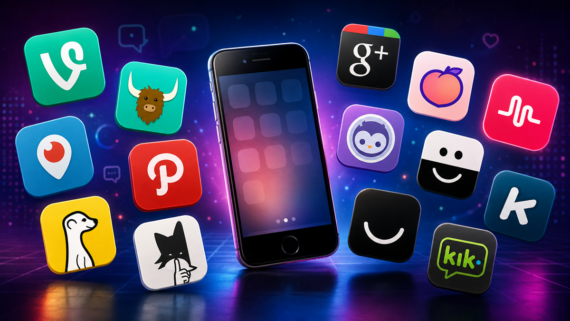
There was a stretch in the mid-2010s when your phone felt like a rotating cast of apps that everyone swore they needed. Some were genuinely useful, some were mostly vibes, and some only made sense in a very specific internet moment that disappeared almost overnight. A lot of them were installed with real conviction, too, not as a joke, not as a one-week experiment. Then the mood changed, the platforms shifted, and they were gone before most people even noticed.
Vine
Vine made six-second videos feel like their own internet language. Launched in 2013, it became a major hub for young creators, but Instagram and YouTube offered better ways to build audiences and earn money. Twitter shut Vine down in 2016 after many of its biggest stars had already moved on.
Yik Yak
Yik Yak became a campus hit around 2014 with its mix of local posts and complete anonymity. Its raw, unfiltered feel made it entertaining, but harassment and moderation problems quickly caught up with it. The original app shut down in 2017, and later revivals never recaptured its moment.
Periscope
Live streaming on your phone used to feel a little futuristic, and Periscope got there before most people had really decided what live video should even be for. You’d open it and find protests, random city walks, streamers talking to five people, or someone pointing their camera at absolutely nothing with total confidence. Twitter acquired it in 2015, which helped it explode, but Facebook and Instagram copied the useful parts fast, and creators went where the audiences already were. Periscope limped along until 2021, but its real peak was much earlier, back when going live still felt slightly reckless.
Path
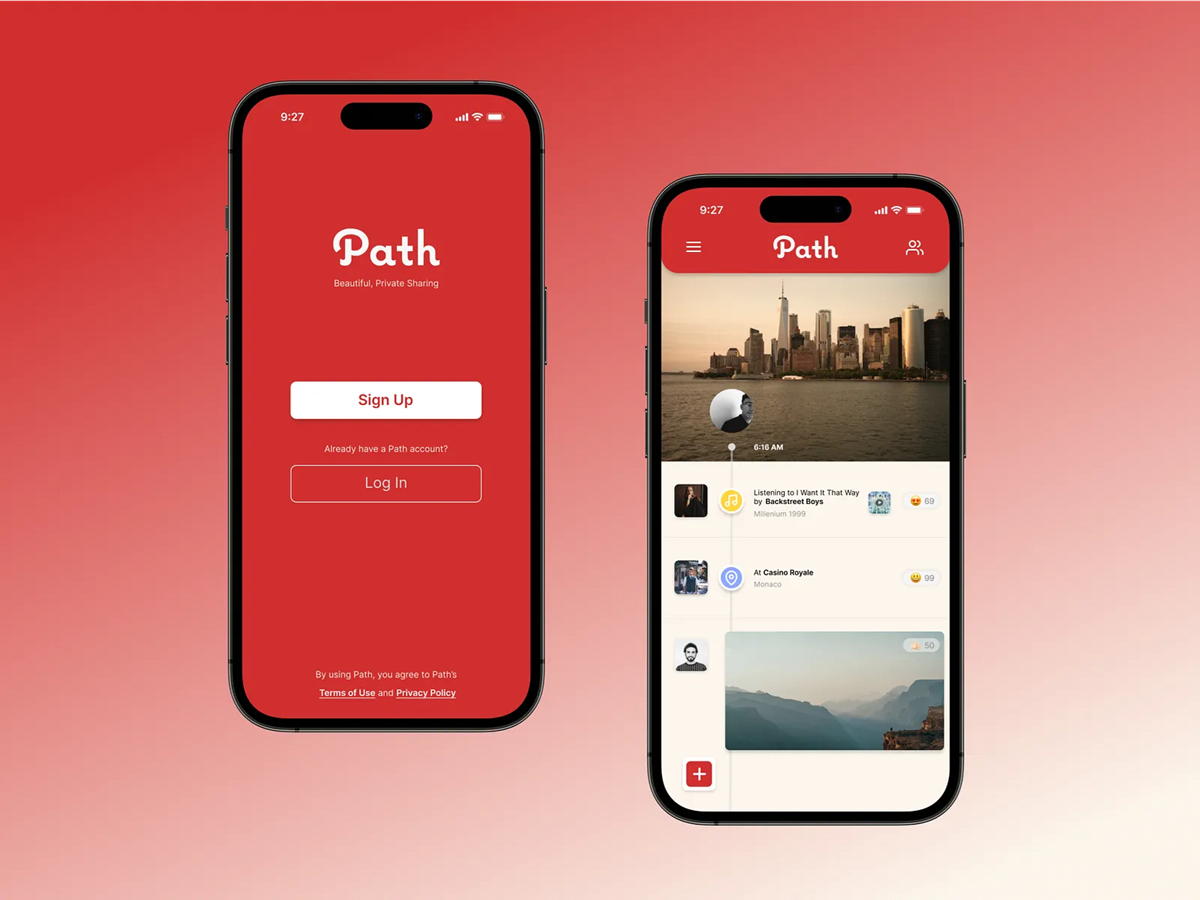
Path was built for people who were already tired of performative internet life before that became a common complaint. It launched with the idea that social media should be smaller, more private, and limited to a tight circle, which sounded smart on paper and, honestly, still does. The problem was that scale tends to beat intimacy in consumer apps, and Path never escaped the feeling of being a beautifully designed side street next to a highway. It had a loyal following for a bit, especially among users who hated how noisy Facebook had become, but it never broke through in a lasting way. By 2018, it was done.
Meerkat
Meerkat had one of the shortest runs from buzz to irrelevance you’ll ever see in tech. It popped hard in 2015 as a live-streaming app tied to Twitter, got the usual wave of media fascination, and then got kneecapped when Twitter cut off some of its social graph access after buying Periscope. That was basically the match report right there: early momentum, brutal platform politics, no time to recover.
Trending on The Scroller


Secret
Secret rode the anonymous-sharing boom of 2014, drawing users with confessions, gossip, and office drama. But curiosity quickly gave way to rumors, harassment, and moderation problems. The company shut the app down in 2015, making it a short-lived relic of the era.
Google+
Google+ launched in 2011 as Google’s answer to Facebook and was pushed heavily across its services. Some users liked features such as Circles and its hobby-focused communities, but it never became a platform people wanted to use every day. Google announced its consumer shutdown in 2018 after years of declining interest.
Peach
Peach looked like one of those apps that might randomly become the next big thing because the internet was still in that phase where a weird invite-only feel could create real momentum. It launched in 2016 with status updates, little built-in commands called “magic words,” and a playful tone that felt halfway between messaging and social posting. For a minute, the curiosity was real. Then almost everyone seemed to collectively decide they did not need another place to post.
Sign up for our newsletter
Musical.ly
Musical.ly technically lives on through TikTok, but the app people knew is gone. It became the defining lip-sync platform for teens in the mid-2010s before ByteDance acquired it in 2017 and merged it into TikTok in 2018. Its influence survived, but the branding, culture, and feel of Musical.ly belonged to a specific era.
Blab
Blab had a real moment in 2015, especially with creators, podcasters, and online personalities who liked the idea of casual group livestreams without a ton of friction. The setup was simple: four-person video rooms, live audience, chat rolling beside it, and for a few months it felt like the kind of app that might accidentally become a major platform. It never got there. Growth was messy, moderation was harder than it looked, and the product lost momentum almost as quickly as it found it. By 2016, Blab was effectively done, which is wild in retrospect given how normal group live video feels now.
Frontback
Frontback was built around a gimmick that actually felt fresh for a second, posting a photo with both your front and back camera at the same time. In the early 2010s, that was enough to get attention because mobile social apps were still in that phase where a single twist could make a platform feel new. But novelty burns off fast when there is not much else underneath it. Frontback picked up buzz, raised money, and even got praise for the concept, then faded out as users drifted back to apps that were simpler, bigger, or just more fun to check every day.
Keek
Before short-form video fully consolidated around a few giants, there were several contenders trying to stake out that space, and Keek was one of the more overlooked ones. It let users post short video updates, built a sizable audience for a time, and had a decent run in the early-to-mid 2010s when the market still felt open enough for that kind of platform to matter. But the lane got crowded fast. Once Vine, Instagram video, Snapchat, and later TikTok-style formats started defining what mobile video should feel like, Keek became easy to forget.
Ello
Ello’s pitch was almost too perfect for 2014: a clean, minimalist, ad-free social network positioned as the cool alternative to Facebook. It got a wave of attention from artists, designers, and users who were deeply tired of algorithmic bloat before that frustration became universal. The problem was that protest signups and sustained habit are two different things. Ello had a mood, no question, but mood only carries you so far when network effects start hitting.
Kik Messenger
Kik was huge with younger users in the early 2010s because it felt faster, looser, and less tied to real identities than Facebook or Instagram. But safety concerns and growing competition from WhatsApp, Snapchat, iMessage, and Discord weakened its appeal. The original Kik Messenger shut down in 2019, ending the version most people remembered.
A lot of these apps didn’t even fail because they were bad. They just got trapped in internet cycles that move faster than most companies can adapt to, or they got copied, absorbed, or outlived by the culture that made them feel fresh in the first place. That’s usually how this goes. One year they’re on every home screen, and a few updates later they’re just something you remember because a sound, a logo, or a dumb old screenshot brought them back for a second.
In the mood for more?
You can check out 14 Early Social Media Platforms That Have Mostly Disappeared, or 14 Gadgets That the Smartphone Quietly Replaced. If you are curious about how the internet changed the work environment, you can check out 14 Ways the Internet Changed the Workplace Over the Decades.