
Growing up used to come with an unofficial checklist. You learned how to fix little problems, find your way without a screen, cook with whatever was in the pantry, and figure things out before asking someone else to do it for you. None of these skills felt extraordinary because they were simply part of everyday life.
Technology didn’t make people less capable. It changed which abilities we needed to practice. GPS replaced paper maps, YouTube replaced family advice, and delivery apps replaced a surprising amount of improvisation. But here’s the question: if all those conveniences suddenly disappeared, how many of these life skills could you still rely on? Let’s revisit the practical know-how that quietly helped generations become more self-reliant, and that many of us are slowly forgetting.
1. Before the Blue Dot Knew Where You Were
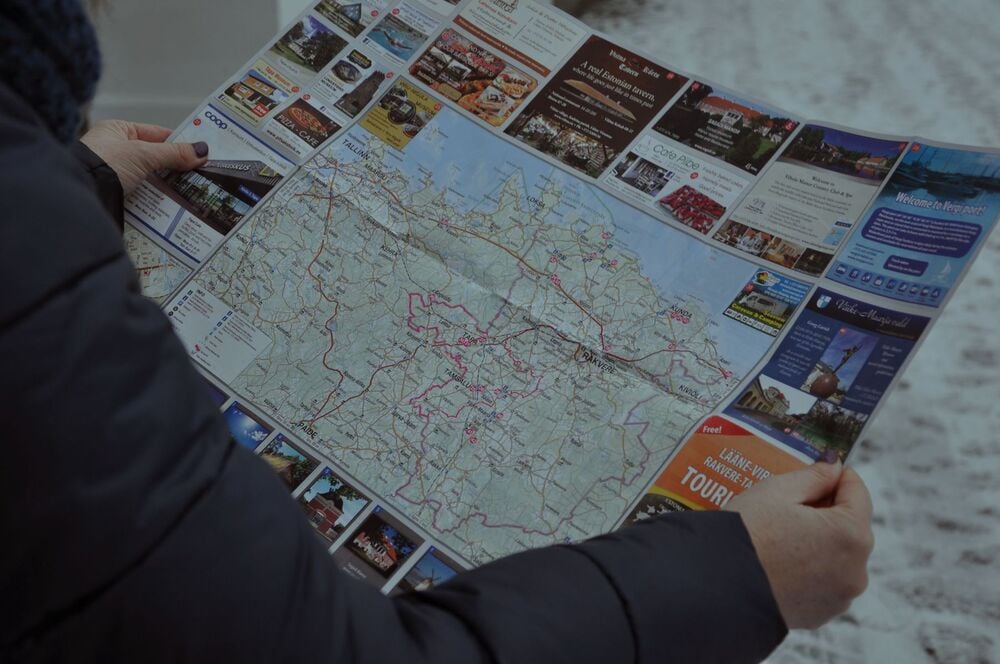
There was a time when unfolding a giant paper map was the first step of every road trip. Finding your location meant matching highways, landmarks, and tiny printed names until the whole journey finally made sense. It wasn’t always quick, and folding the map back up was practically its own life skill. But didn’t it force you to understand where you actually were instead of simply following a voice? Even today, losing your phone signal can be a reminder that knowing how to navigate is still surprisingly valuable.
2. A Five-Minute Problem Became Someone Else’s Job

Losing a button used to be a tiny inconvenience, not the end of a favorite shirt. Most adults kept a basic sewing kit somewhere in the house and knew how to thread a needle, tie a knot, and make a quick repair before heading out the door. When did replacing something become easier than fixing it? And how many of us would have to watch a tutorial just to sew on one little button? That small repair represented something much bigger: the expectation that everyday problems were meant to be solved, not outsourced.
3. Before the Register Did the Math

Cash forced your brain to stay awake. Whether you were working behind a counter or buying groceries, you constantly added totals, estimated discounts, and figured out the correct change without waiting for a screen to tell you the answer. Have you noticed how rarely we do mental math anymore? Digital payments made transactions much faster, but they also quietly retired a skill that millions of adults practiced every single day without even realizing it.
4. Dinner Used to Involve Improvisation

Recipes were often more like friendly suggestions than strict instructions. If you ran out of butter, you found an alternative. If the vegetables looked different than usual, you adjusted. If the chicken finished cooking before the potatoes, you adapted. Sound stressful? For previous generations, it was simply cooking. Today, many of us hesitate the moment one ingredient is missing. Have we become better at following instructions but worse at trusting our own judgment in the kitchen?
5. “Turn Left Where the Gas Station Used to Be”

Long before location pins existed, giving directions was almost an art form. You had to picture the route in your head, remember landmarks, estimate distances, and explain everything clearly enough that another person could actually arrive. “You’ll pass the old water tower, then keep going until you see the red barn.” It wasn’t always perfect, but somehow people usually made it. Could you still guide someone across your city without opening a map app first?
Trending on The Scroller


6. The Phone Number Lived in Your Head

There was a time when remembering phone numbers wasn’t impressive. It was expected. Parents, grandparents, your best friend, the family doctor… many people could recite a dozen numbers without thinking twice. Today, most of us know exactly one: our own. What happens when your phone dies or disappears? Suddenly, the world’s smartest contact list isn’t much help if you can’t remember who to call.
7. Nobody Expected You to Google Every Little Thing

Loose cabinet door? Dripping faucet? Bicycle chain fell off? Chances are, someone in the house would simply figure it out. Basic repairs weren’t considered hobbies. They were part of being an adult. While online tutorials have made learning easier than ever, they’ve also made it tempting to look up every tiny problem before even attempting a solution yourself. Have we gained information but lost a little confidence along the way?
8. Reading the Sky Instead of the Weather App

Before hourly forecasts lived in our pockets, people paid much closer attention to the world around them. Darkening clouds, shifting winds, unusual humidity, or the smell of rain often told you more than a notification ever could. Was it perfectly accurate? Of course not. But it encouraged people to observe their surroundings instead of waiting for a screen to explain them.
Sign up for our newsletter
9. Writing a Letter That Actually Said Something
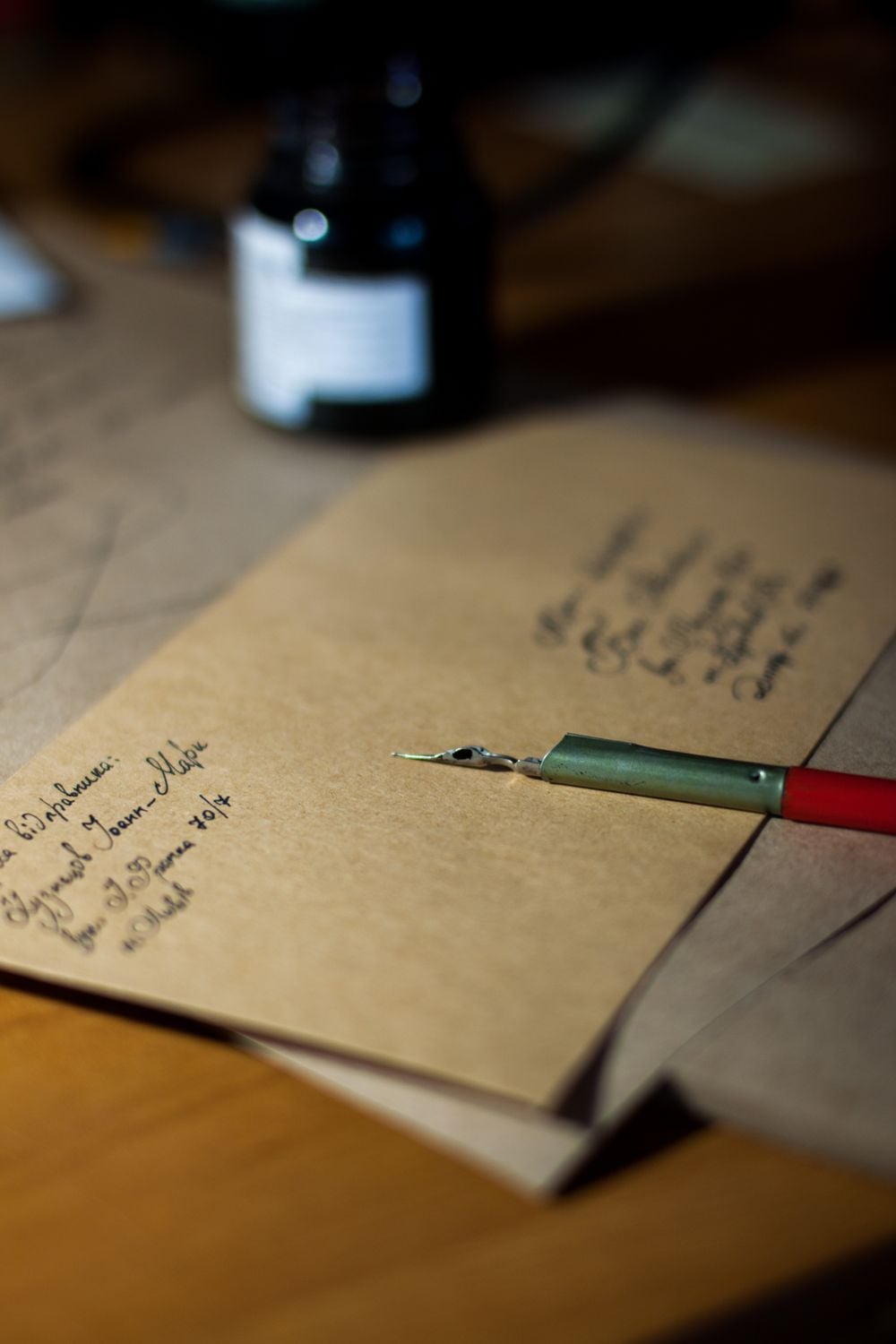
Sending a handwritten letter took time, which meant people usually thought carefully before putting pen to paper. There was no delete key, no editing after hitting send, and no “I’ll text them later instead.” Have you noticed how rarely we write long, thoughtful messages by hand anymore? Slowing down enough to choose every word may have been part of what made those letters worth keeping for decades.
10. Growing Something You Could Actually Eat

A backyard vegetable patch used to be a normal part of many homes, whether it was tomatoes, peppers, herbs, or beans. People didn’t need acres of farmland to understand where food came from because they watched at least some of it grow. Today, grocery stores make produce available year-round, but they’ve also made it easier to forget the patience and care behind every harvest. When was the last time you grew something from seed to dinner plate?
11. Reading Clothing Care Labels and Following Them
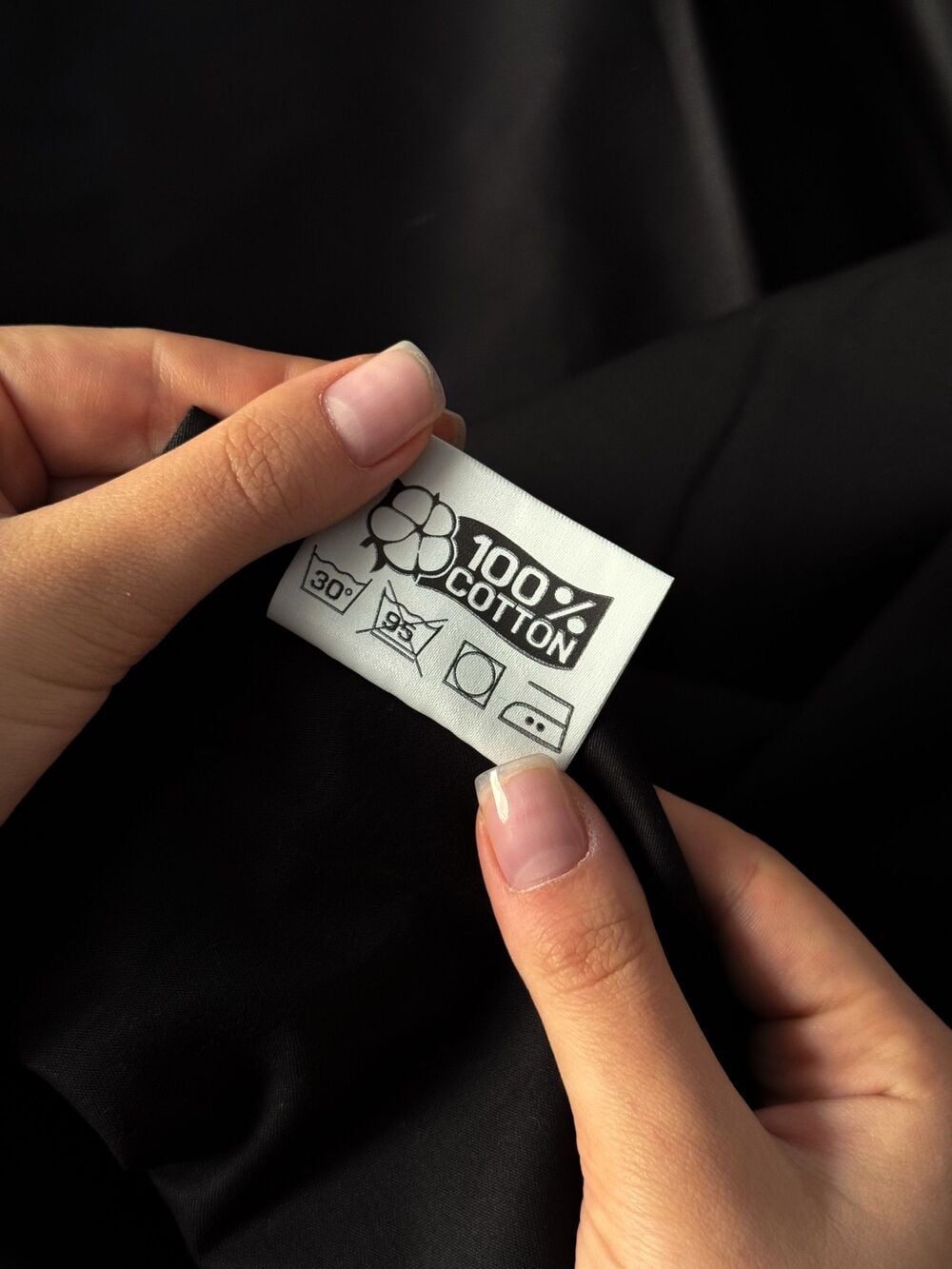
That Tiny Tag Was Trying to Help You: Those little symbols stitched inside your clothes weren’t decorative. They explained how to wash, dry, iron, and care for each fabric so it would last longer. Plenty of people learned to recognize them at a glance because replacing clothes wasn’t always the first option. Have you ever tossed something into the wash only to discover it came out two sizes smaller? Suddenly, those mysterious little icons don’t seem so mysterious after all.
12. Starting a Fire With Matches and Kindling
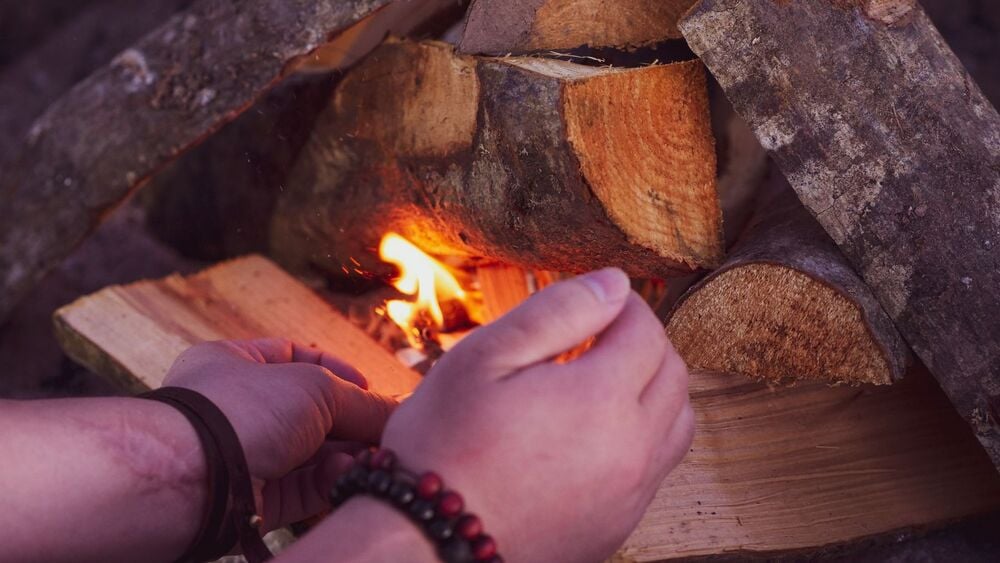
Before the Button Did All the Work: Building a fire wasn’t as simple as striking one match and hoping for the best. It meant gathering dry kindling, arranging larger pieces of wood, managing airflow, and adding fuel at just the right pace. It took patience more than strength. Could you build one today without searching for a tutorial first? It’s one of those skills that’s easy to overlook until you actually need it.
13. Making a Household Budget on Paper

The spreadsheet used to be a notebook. Before budgeting apps categorized every purchase automatically, plenty of families relied on notebooks, envelopes, and handwritten calculations. Every dollar had a purpose because every dollar had to be written down. It wasn’t flashy, but it made spending impossible to ignore. Would tracking every expense by hand change the way you think about money today? It probably would.
14. Sharpening a Knife Properly

A sharp knife was safer than a dull one. It sounds backwards, but a properly sharpened knife is usually easier and safer to control than one with a dull blade. Many adults knew how to maintain kitchen knives with a sharpening stone or steel because replacing them wasn’t the first solution. When was the last time you sharpened a knife instead of assuming it had simply worn out?
15. Hosting People Without Outsourcing the Whole Thing
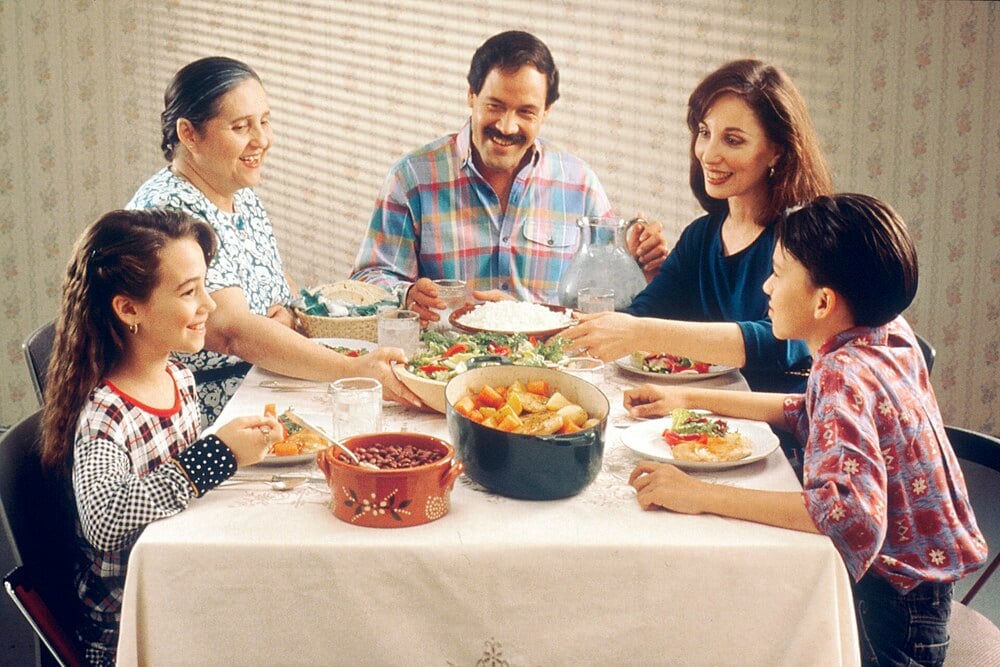
Before, every gathering needed a delivery app. Inviting friends or family over usually meant cooking, setting the table, making dessert, and figuring things out with whatever you had at home. The goal wasn’t perfection. It was making people feel welcome. Today it’s easier than ever to outsource almost everything, but have we also forgotten that some of the best gatherings are memorable precisely because they feel homemade?
16. Fixing a Leaky Faucet
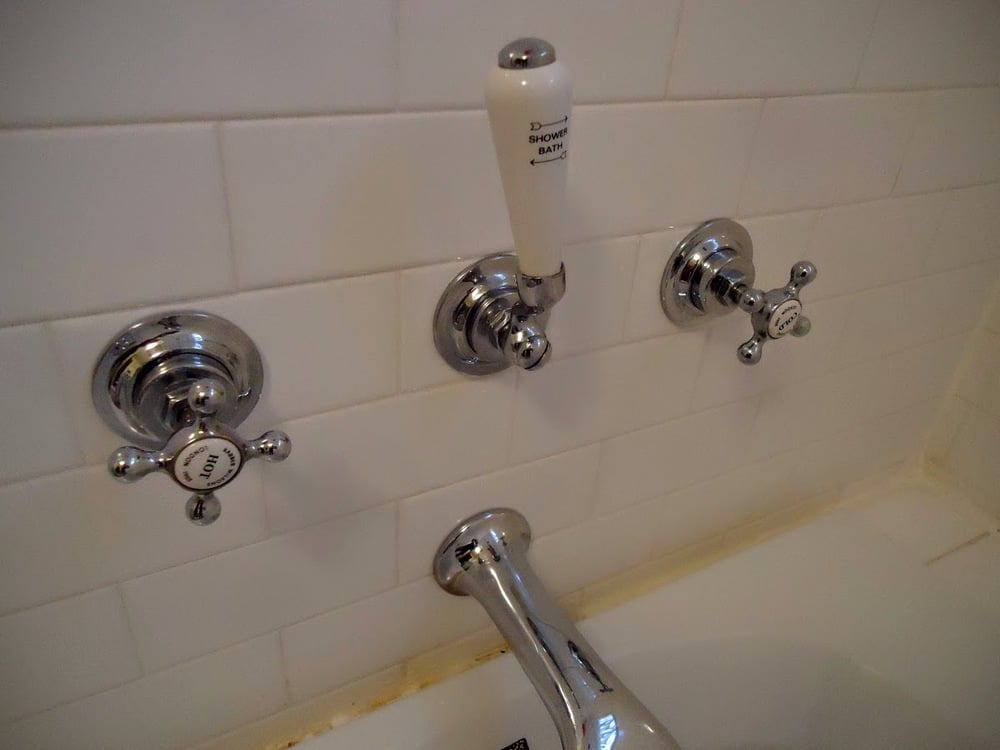
That drip wasn’t calling a plumber just yet. A dripping faucet used to be one of those household problems many adults tackled themselves. Replacing a washer, tightening a fitting, or stopping a slow leak wasn’t considered expert work. It was simply part of maintaining a home. Would you know where to start today without watching three tutorials first? Sometimes the smallest repairs saved the biggest headaches.
None of these skills disappeared because they stopped being useful. They simply became less necessary as technology made everyday life faster and more convenient. That’s not a bad thing, but it does raise an interesting question. Which of these abilities would you wish you still had if the power went out, your phone died, or the internet disappeared for a day? Sometimes the old ways are still worth knowing, even if we don’t use them every day.
Keep Exploring The Scroller
The everyday habits that shaped previous generations often reveal how quickly the world changes without us noticing. Keep exploring The Scroller for more nostalgic looks at the routines, inventions, and forgotten skills that quietly helped build modern life:
14 Jobs That Involved Skills Most People No Longer Learn
20 Home Improvement Fails That Show Why It’s Smart To Hire A Professional
20 Things ’70s Adults Did That Would Spark An HR Meeting Today