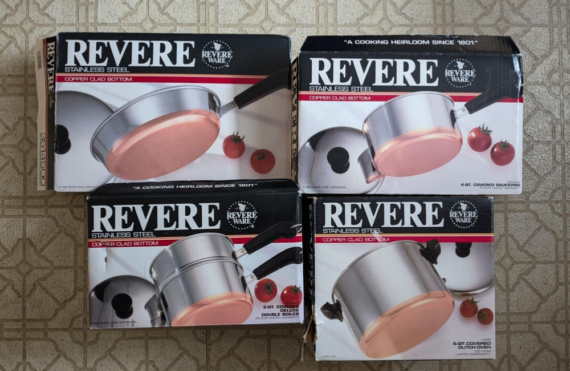
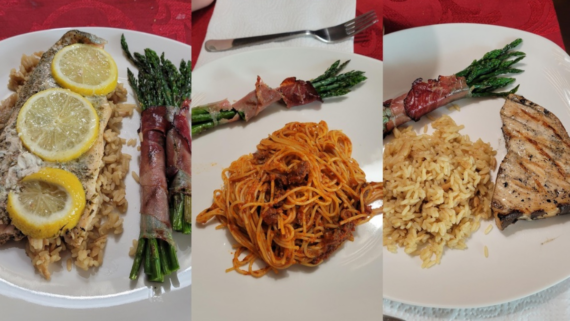
1970’s family dinners weren’t always picture-perfect, but they reflected a rhythm of daily life that feels surprisingly different today. Families often gathered around the table at a set time, meals were usually cooked at home, and distractions were few compared to the constant notifications and busy schedules that shape evenings now.
Of course, not every change has been negative. Today’s families enjoy greater convenience, more diverse cuisines, and flexible routines that fit modern lifestyles. Still, looking back at 1970’s family dinners reveals how technology, work, parenting, and food itself have quietly transformed one of the most familiar traditions in everyday life.
1. Dinner Was More Likely to Happen at the Same Time Every Night
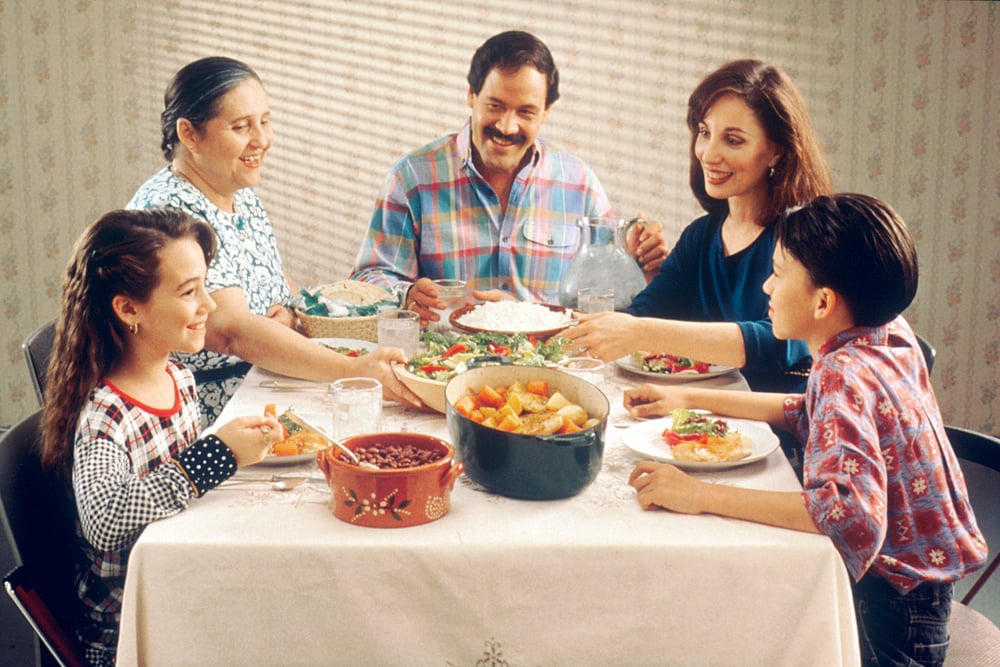
For many households, evenings followed a fairly predictable rhythm, with dinner serving as the anchor that brought everyone together after work and school. Today, busy schedules, extracurricular activities, shift work, and flexible routines often mean families eat whenever they can rather than at one set hour. Did your family have a dinner time that everyone simply knew without checking the clock? And when was the last time every member of the household arrived at the table at exactly the same time?
2. More Meals Were Cooked From Scratch
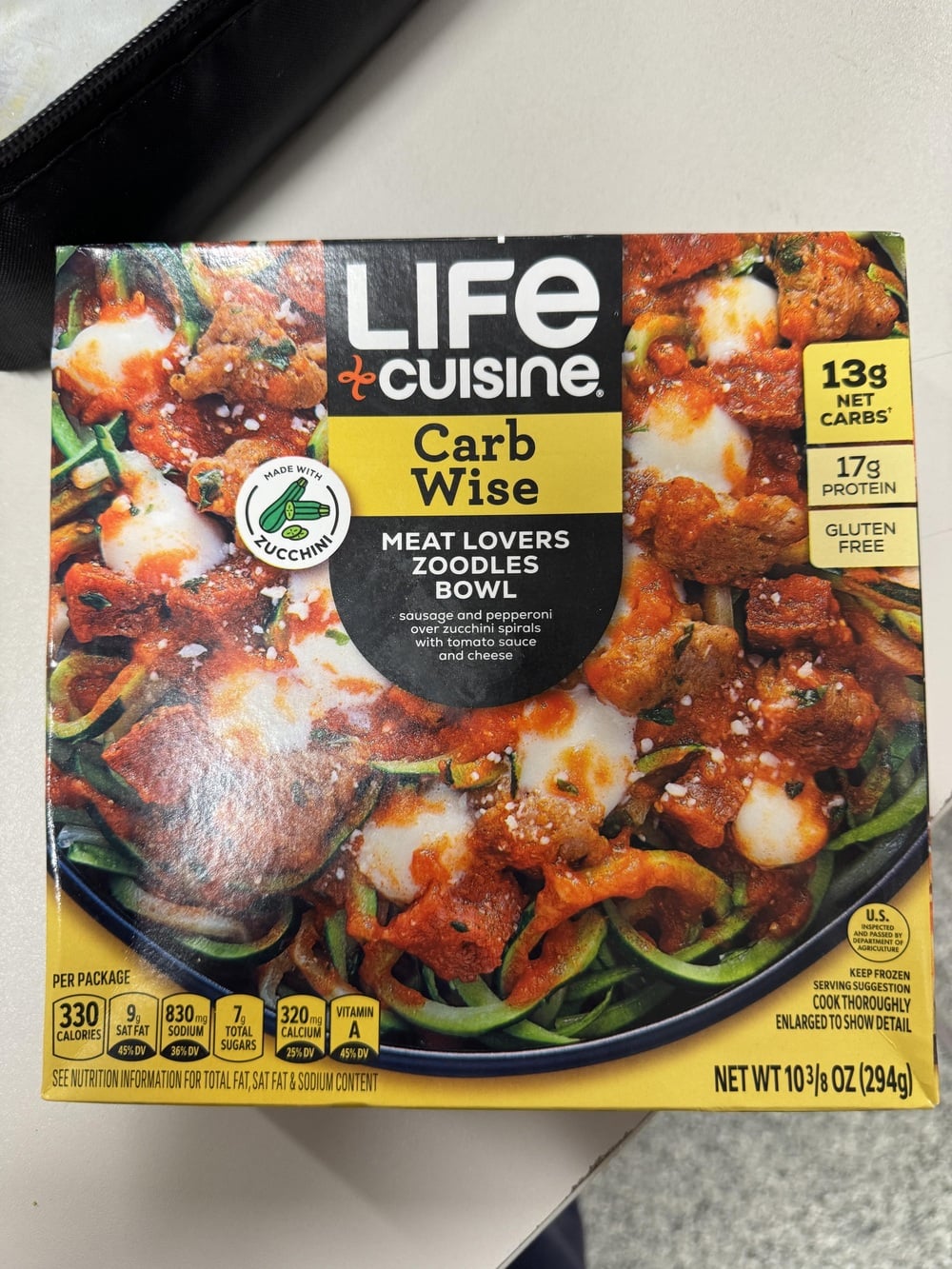
Convenience foods certainly existed in the 1970s, but home cooking still played a much larger role in everyday life. Many meals were prepared using fresh ingredients, handwritten recipes, and techniques passed down through generations instead of relying on meal kits, food delivery, or ready-to-heat options. How many family recipes started with someone saying, “A pinch of this should do”? And would today’s busiest households have time to prepare those same meals every night? 1970’s family dinners often began long before anyone sat down at the table.
3. The Television Usually Stayed Off
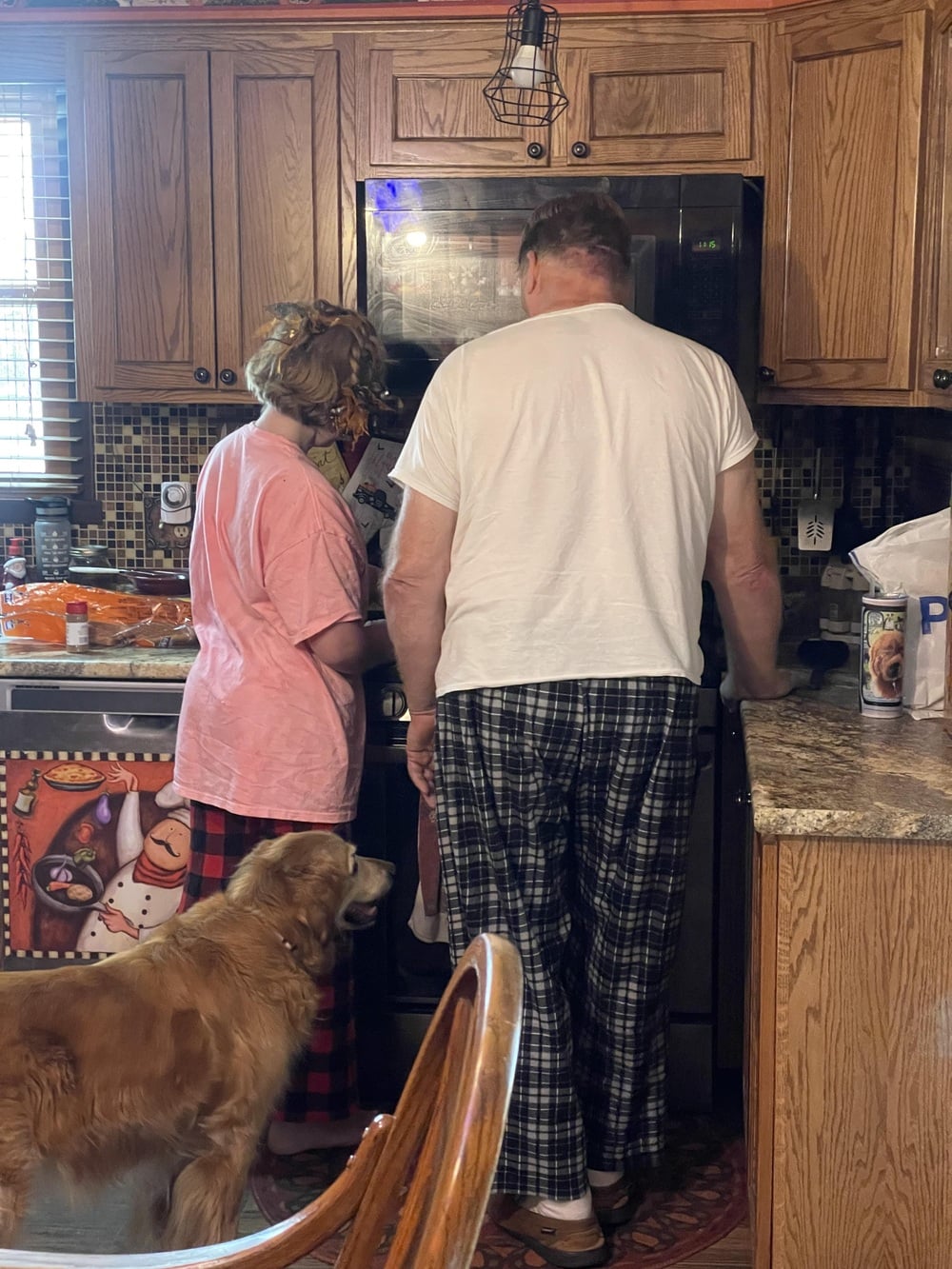
In many homes, dinner was one of the few times the television wasn’t the center of attention. Families often treated the table as a place to talk about school, work, neighborhood news, or weekend plans instead of following a favorite show or scrolling through screens. Can you imagine asking everyone to ignore every device for thirty uninterrupted minutes today? And how many memorable family stories started simply because everyone was looking at each other instead of a screen? The conversation was often considered just as important as the meal itself.
4. Kids Were Expected to Stay at the Table
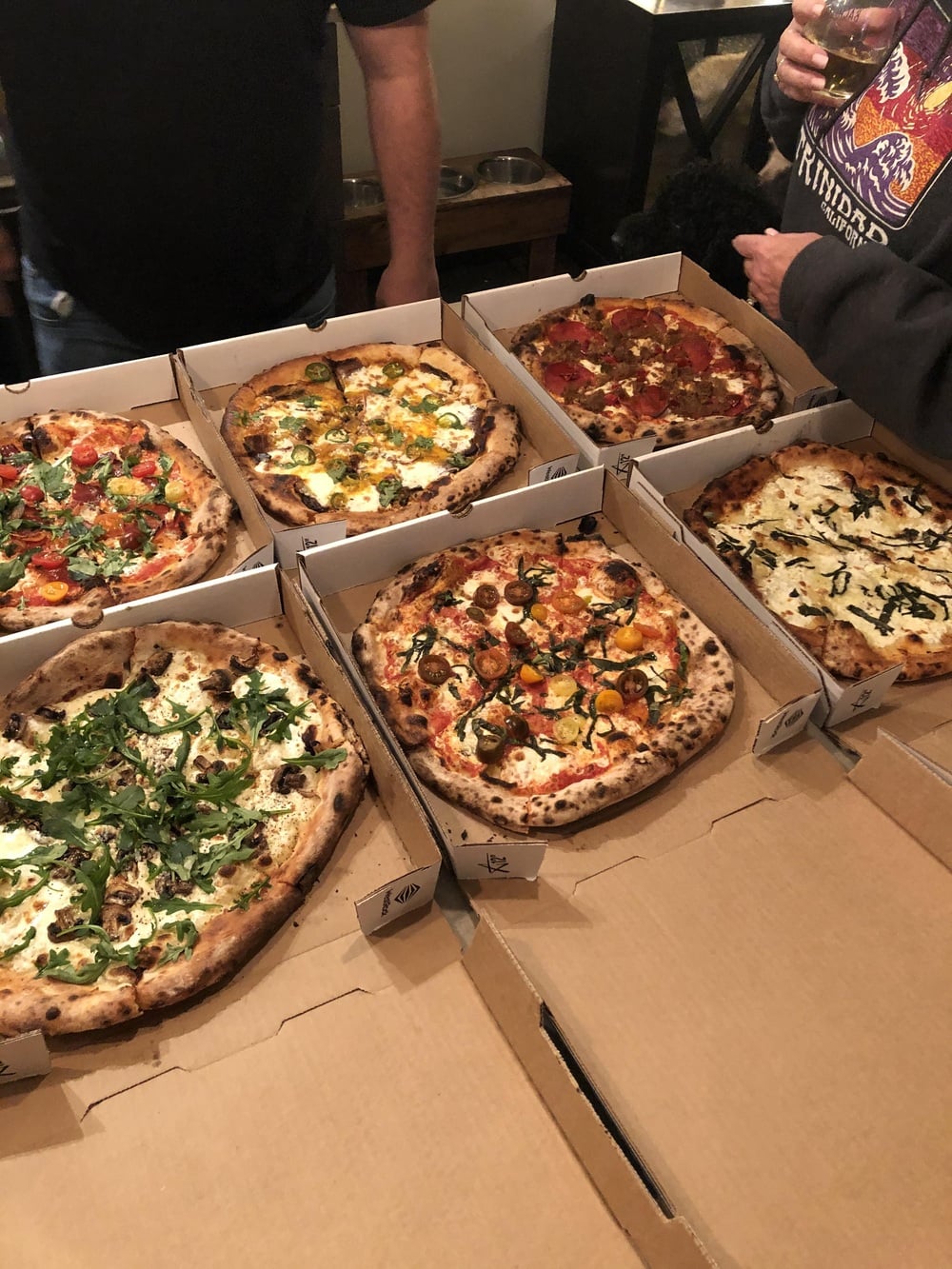
Leaving the table early usually wasn’t an option for most children. Dinner often came with expectations about manners, conversation, and staying seated until everyone had finished eating, reinforcing the idea that meals were shared family experiences rather than individual routines. Did you ever hear someone say, “You can leave when everyone is done”? And how many kids secretly counted the minutes until they were finally excused? Family dinners weren’t only about food. They were also small daily lessons in patience and etiquette.
5. Microwave Ovens Were Still a Novelty
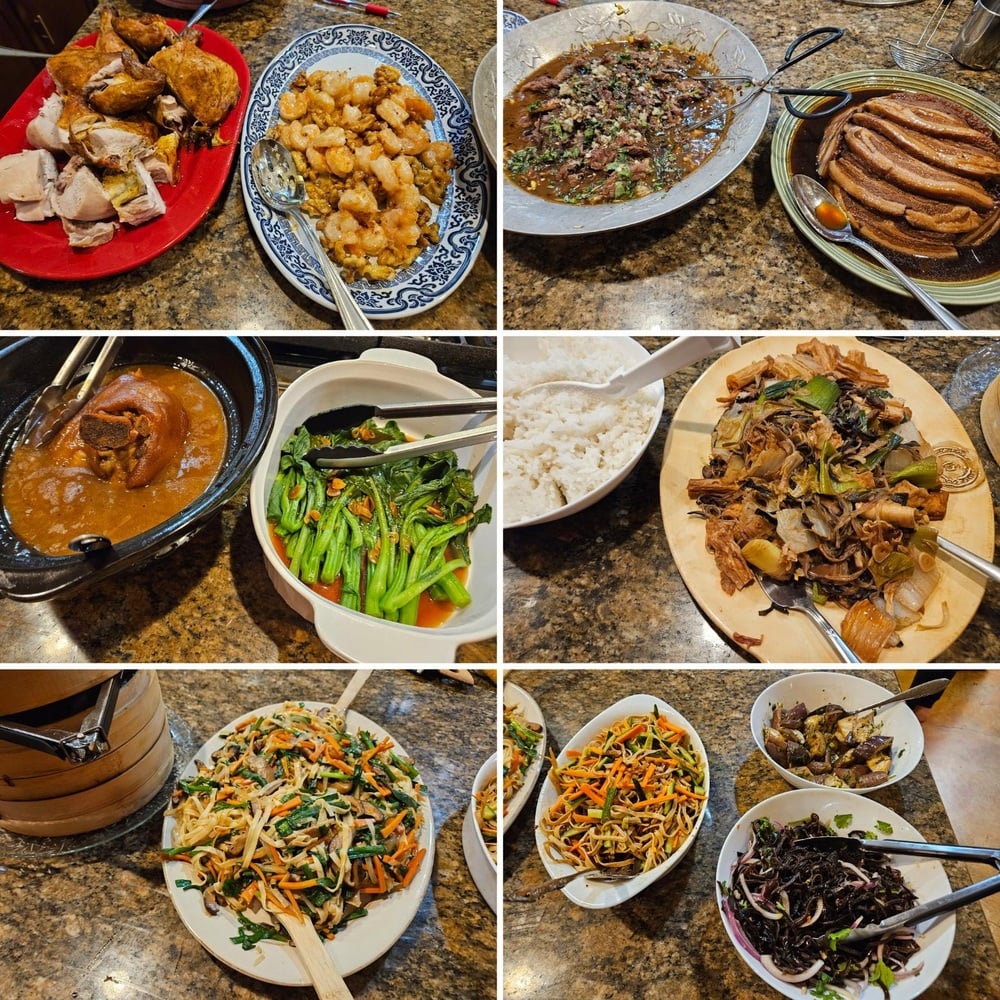
Although microwave ovens became increasingly popular during the 1970s, they hadn’t yet transformed the way families prepared every meal. Many dinners still depended on stovetops, ovens, and recipes that required planning ahead rather than a few quick minutes at the press of a button. Can you imagine waiting an hour for dinner on a weeknight today? And how different would your kitchen routine feel without one of its most trusted appliances? The microwave eventually changed much more than cooking times. It reshaped the pace of everyday family life.
Trending on The Scroller


6. Kids’ Activities Compete With Mealtime

One reason 1970’s family dinners often happened at a predictable hour was that children’s schedules were usually less crowded than they are today. Between soccer practice, dance lessons, tutoring, music classes, and other extracurricular activities, modern evenings can feel like a puzzle where everyone is trying to be in a different place at once. How often does dinner have to wait because someone is still at practice? And have family calendars become almost as important as grocery lists? Today, mealtime often has to negotiate with everyone’s schedule before it can even begin.
7. Convenience Foods Became More Common
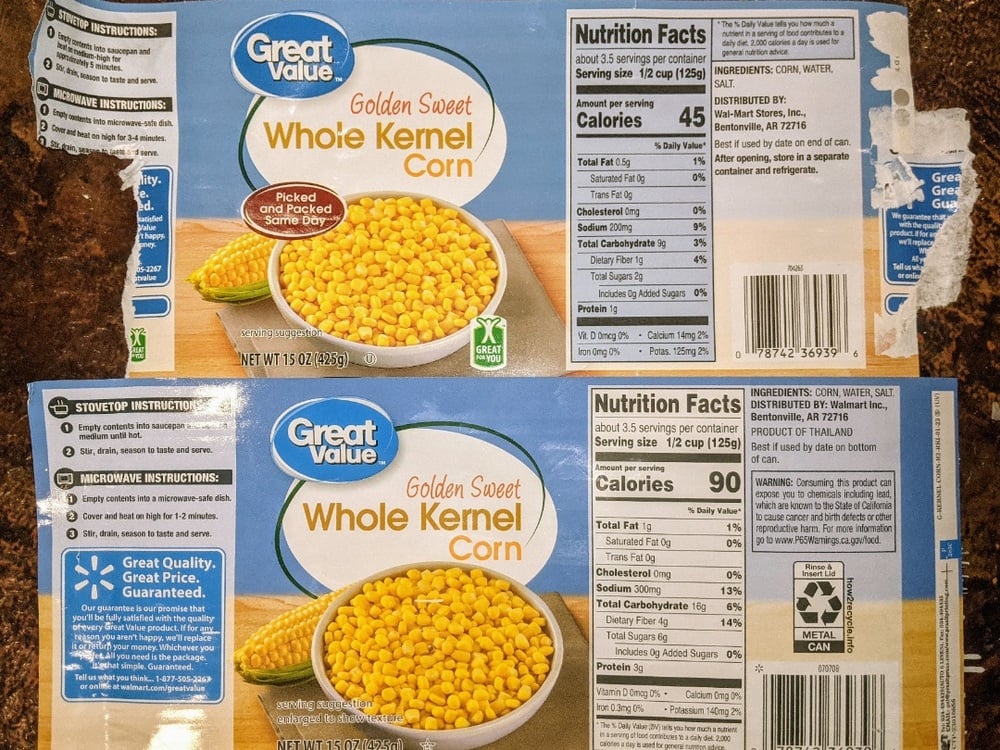
Frozen meals, pre-cut vegetables, bagged salads, rotisserie chickens, and ready-to-cook ingredients have changed what “homemade” can mean. Instead of preparing every component from scratch, many families now combine convenience products with home cooking to save time without giving up a shared meal. Is using pre-chopped onions really cheating if it gets everyone to the table faster? And when did convenience become less about cutting corners and more about making dinner possible on a busy weeknight? Modern kitchens have found plenty of middle ground between takeout and cooking from scratch.
8. Dietary Restrictions Became More Visible
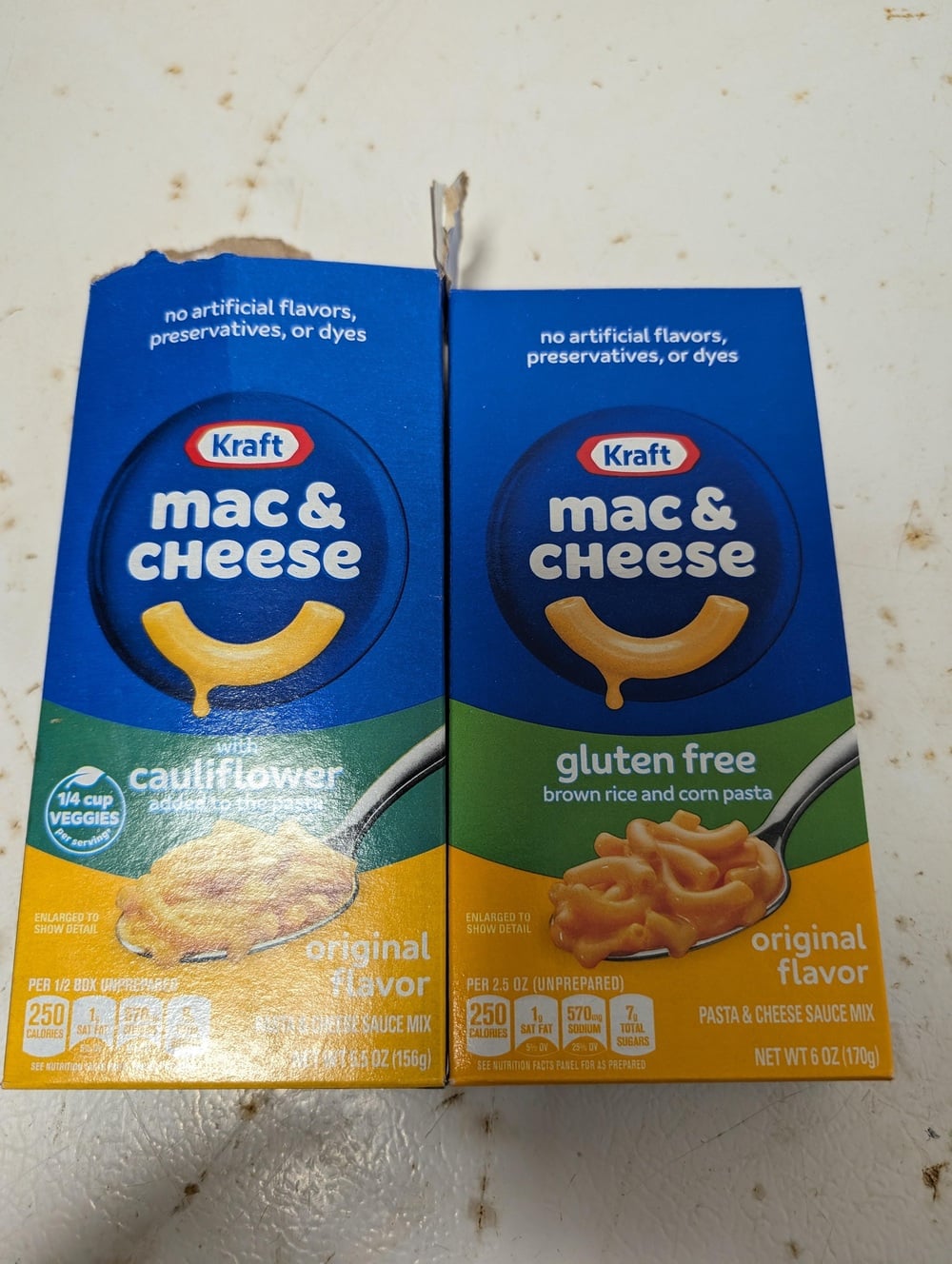
Preparing one dinner used to be simpler for many households because everyone generally ate the same meal. Today, a single table might include vegetarian, vegan, gluten-free, dairy-free, allergy-friendly, or medically prescribed diets, requiring much more planning than previous generations typically faced. Have you ever prepared two or three versions of the same meal just to keep everyone happy? And when did asking, “Does anyone have dietary restrictions?” become a perfectly normal dinner question? Family meals have become more personalized as people’s nutritional needs have become better understood.
Sign up for our newsletter
9. The Formal Dining Room Lost Ground
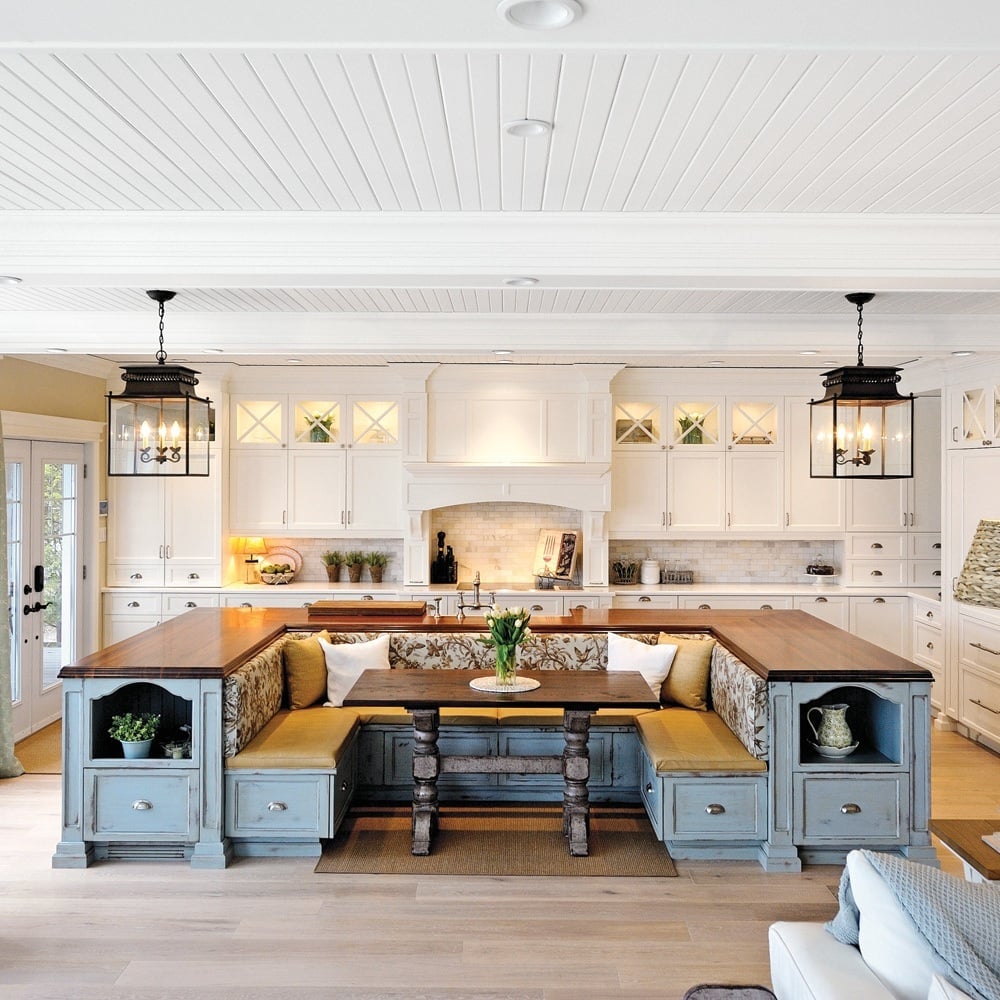
For many families in the 1970s, the dining room was exactly where dinner happened. Today, meals are just as likely to be eaten around a kitchen island, at the breakfast bar, on the patio, or even gathered around the coffee table during a busy evening. Does your dining room get used every night, or mostly during holidays and special occasions? And if everyone is together, does it really matter which table they’re sitting around? The location of family dinners has become much more flexible than it once was.
10. Food Delivery Moved Onto an App
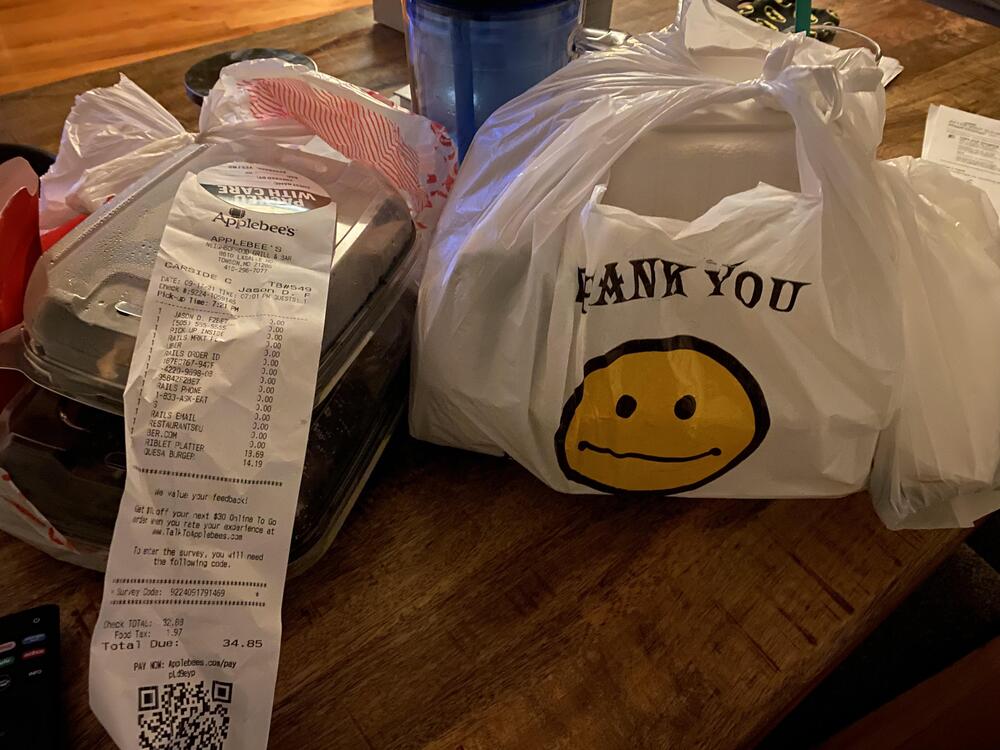
Ordering dinner once meant digging through a drawer for a paper menu, calling the restaurant, and hoping someone answered before the line was busy. Now a few taps on a phone can compare restaurants, customize meals, pay electronically, and even show exactly where the driver is on a live map. Who would’ve guessed that watching a tiny scooter icon move across a screen would become part of dinnertime? And does anyone else still remember memorizing the local pizza place’s phone number? Technology didn’t just speed up takeout. It completely changed how families bring dinner home.
11. Phones Arrived at the Table
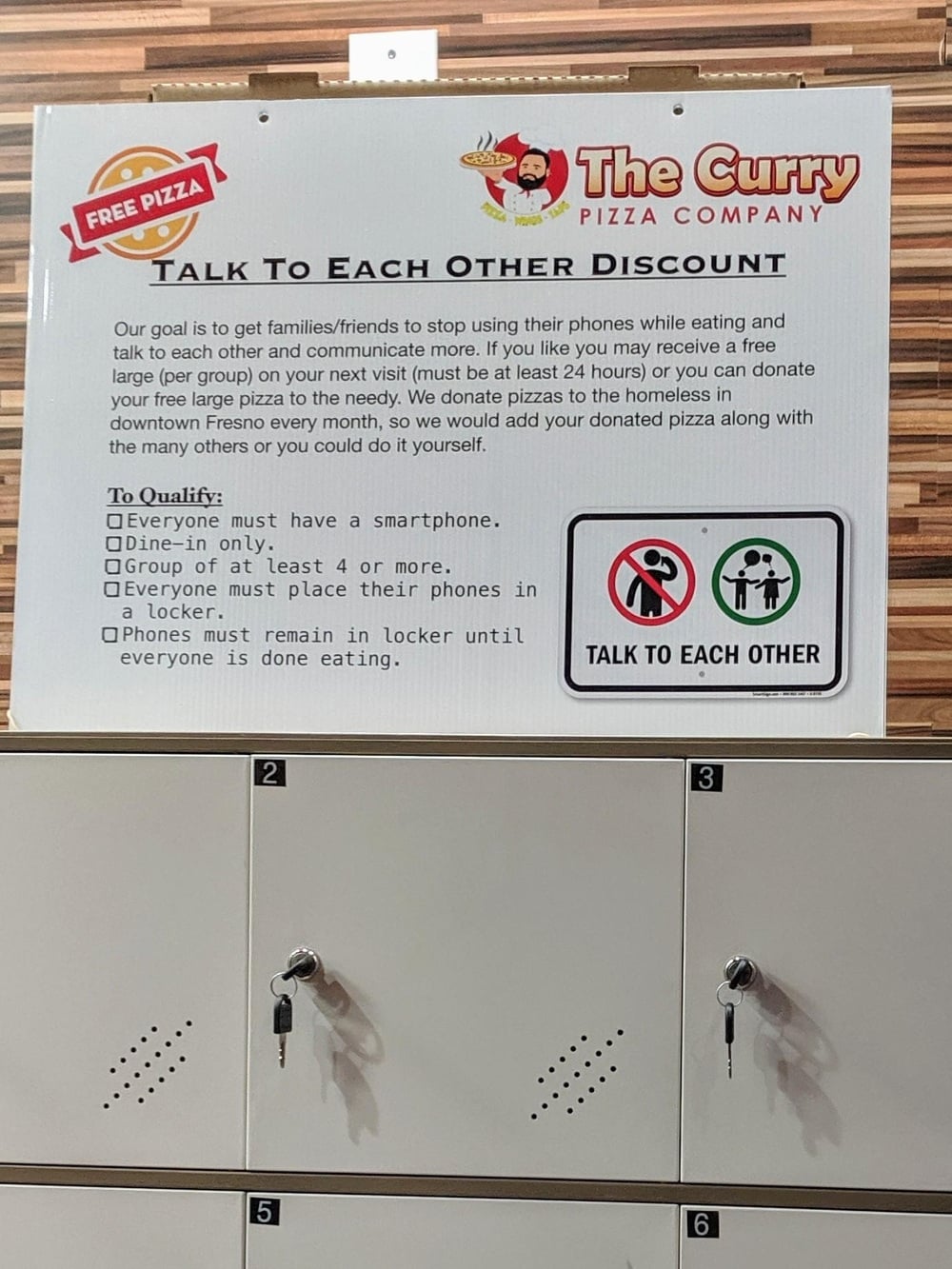
The television was once the biggest distraction during dinner, but smartphones completely changed the dynamic by giving everyone their own personal screen. Instead of watching the same program together, family members can now scroll through different apps while sharing the same meal. Have you ever looked around the table and realized everyone was staring at a different screen? And when did “No phones at the table” become one of the most common dinner rules? Technology made staying connected easier, but sometimes it also made connecting with each other a little harder.
12. Vegetables Stopped Being Just the Side Dish
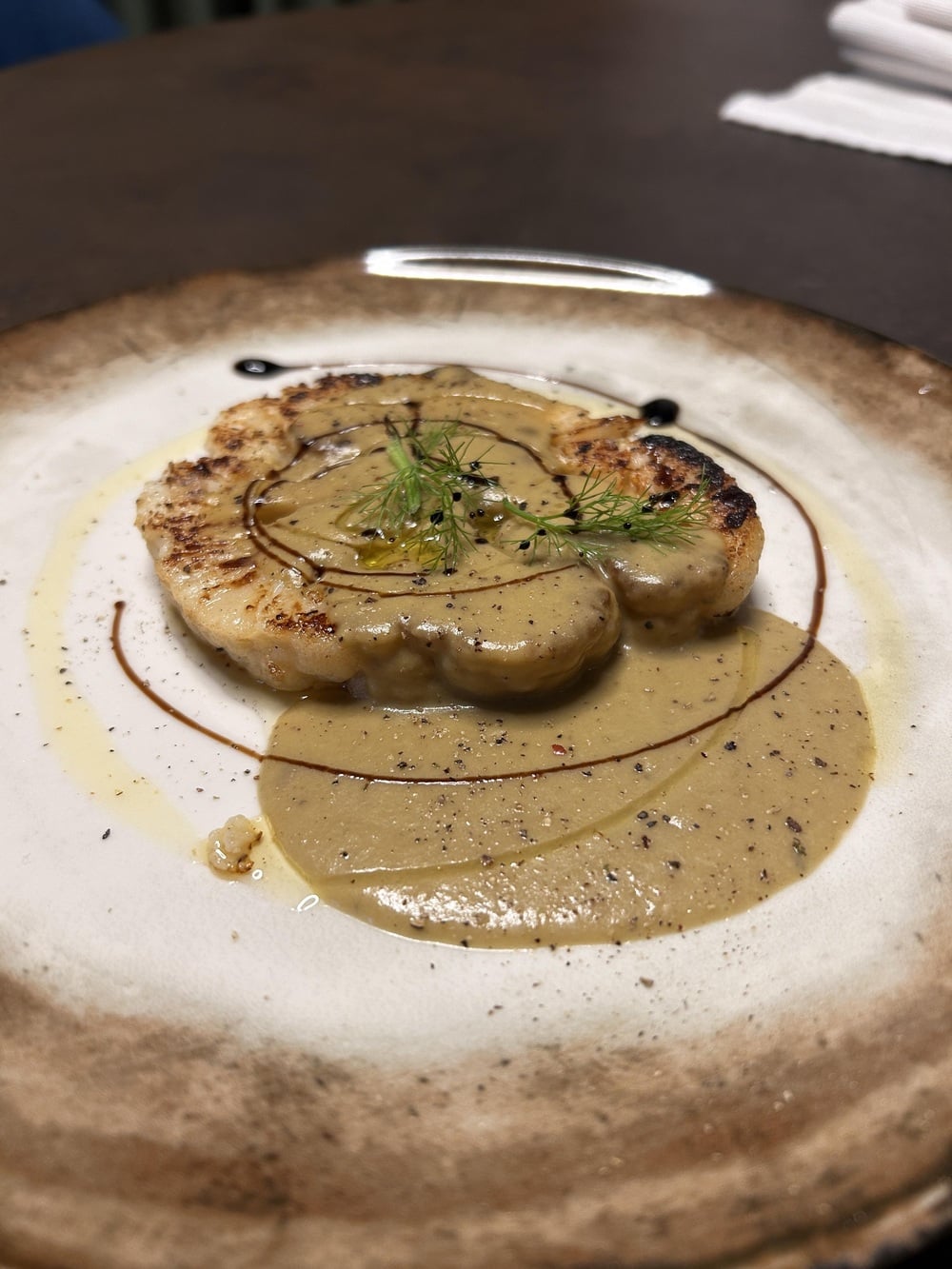
In many 1970’s family dinners, vegetables were expected to play a supporting role beside meat and potatoes. Today, plant-forward meals, vegetarian recipes, and creative vegetable dishes often take center stage, whether it’s roasted cauliflower steaks, grain bowls, or hearty salads. Who would’ve guessed broccoli could become the star of the plate instead of an obligation? And how many kids from the 1970s would be surprised to see entire restaurants built around vegetables? Family dinners have become far more adventurous when it comes to what’s on the menu.
13. Dual-Earner Households Changed Who Had Time to Cook
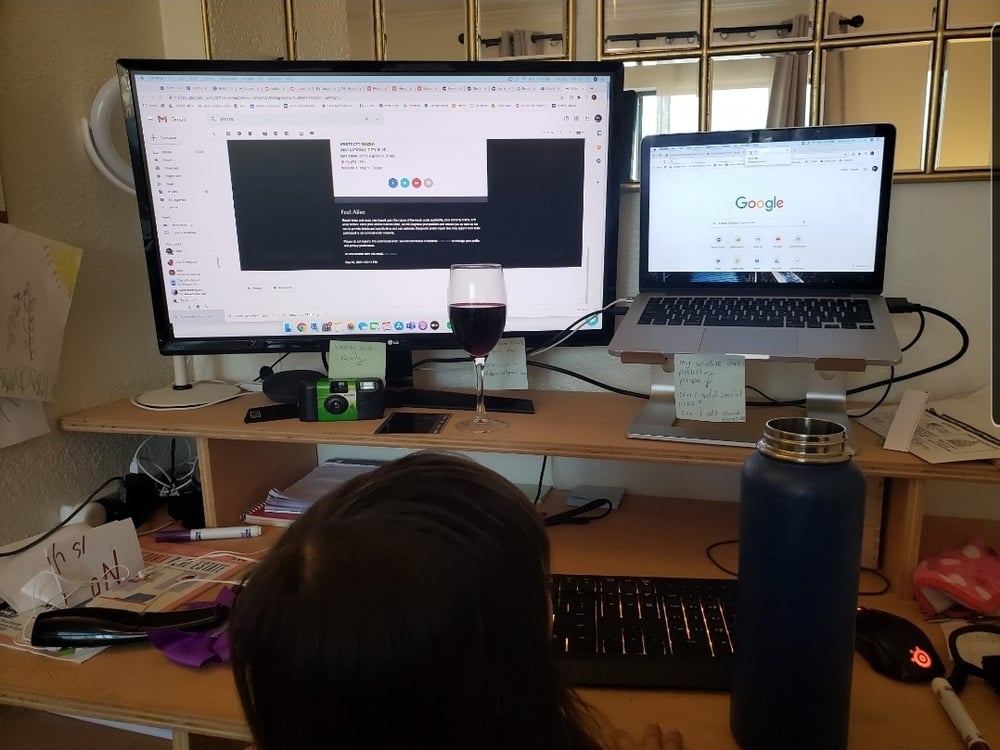
As more households came to rely on two working adults, preparing dinner became less about tradition and more about teamwork, planning, and efficiency. Many families now divide cooking responsibilities, rotate meals, or cook whenever their schedules allow rather than expecting one person to handle dinner every night. If everyone gets home at a different time, who exactly is supposed to start cooking? And isn’t sharing the responsibility just another way family life has adapted over the years? Modern work schedules have quietly reshaped what happens in the kitchen long before dinner reaches the table.
14. Breakfast Sometimes Became the Family Meal
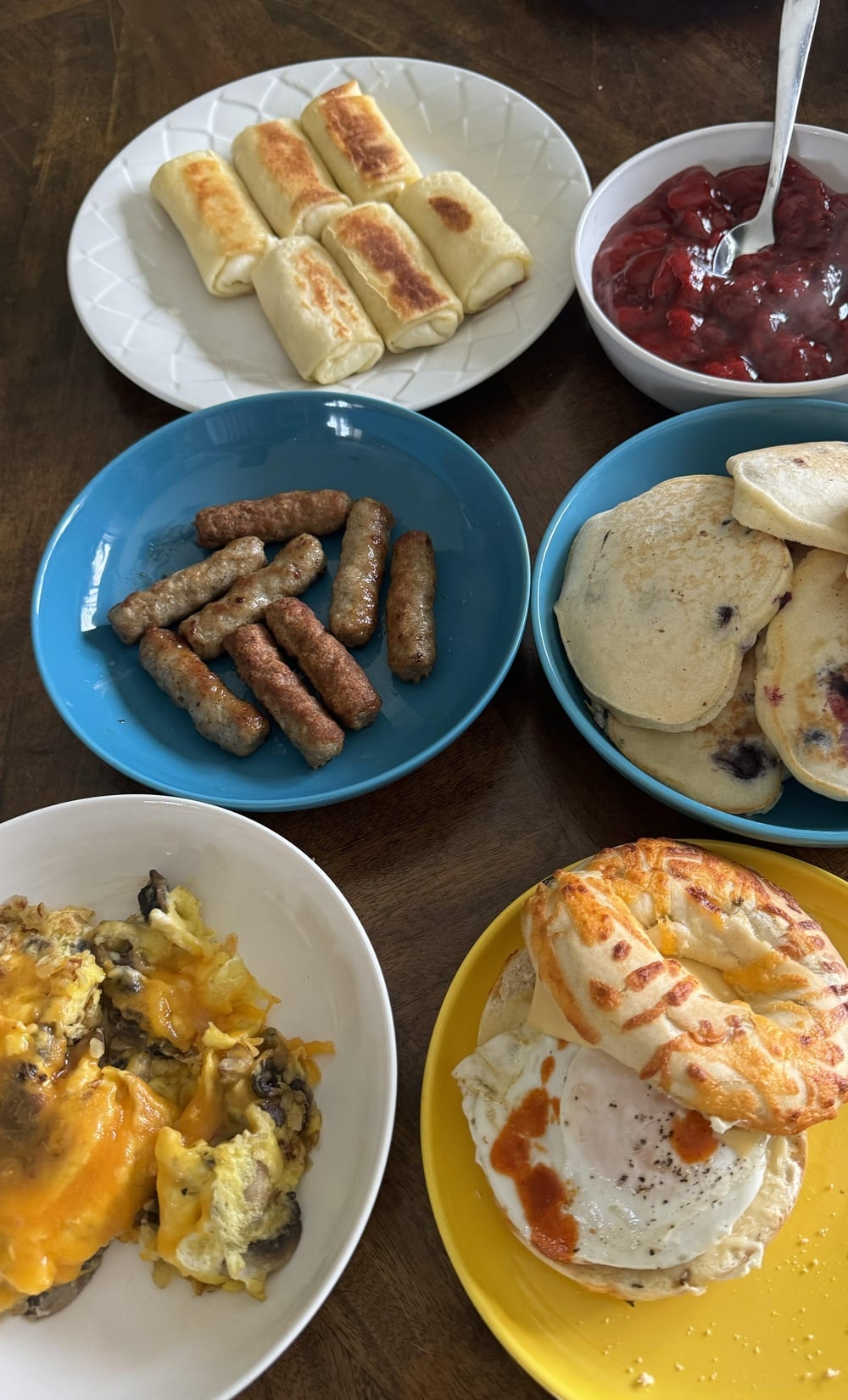
For some busy families, breakfast has become the one meal where everyone can reliably sit together before the day begins. Instead of forcing dinner into impossible schedules, households have simply shifted their shared time to a different part of the day. Does it really matter which meal brings everyone together? And if pancakes create more conversation than pasta ever could, who’s keeping score? Sometimes the tradition survives simply because families choose a different hour to enjoy it.
15. Restaurant Meals Became More Routine

Going out for dinner used to feel like a special occasion reserved for birthdays, anniversaries, or celebrations. Today, restaurants have become a much more regular part of family life, whether it’s a quick weeknight meal, a weekend tradition, or simply a break from cooking after a long day. When was the last time your family needed a special reason to eat out? And has grabbing dinner at a restaurant become almost as ordinary as cooking at home? Modern family dinners now happen just as often beyond the front door as around the kitchen table.
16. Everyone Can Eat a Different Dinner
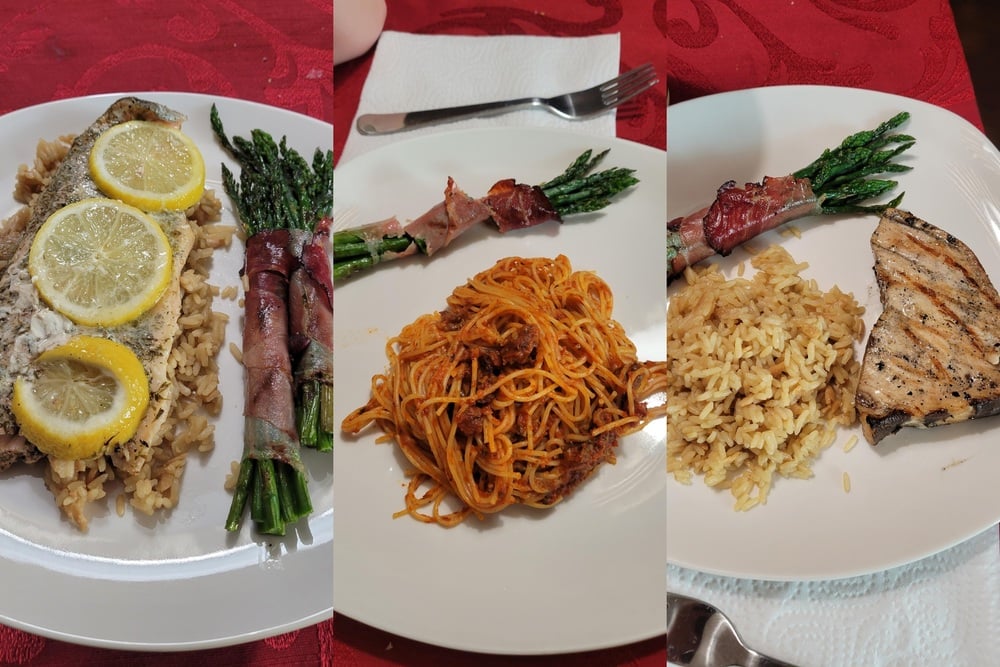
Not long ago, the phrase “What’s for dinner?” usually had one answer for everyone sitting at the table. Today, frozen meals, food delivery, leftovers, dietary preferences, and quick reheating make it perfectly normal for each family member to eat something different while still sharing the same mealtime. Is it still a family dinner if every plate looks different? And have modern choices made evenings more convenient or simply more individualized? 1970’s family dinners were built around one shared menu, while today’s meals often reflect the different tastes and schedules of everyone at the table.
17. Meal Prep Moved Cooking to Another Day
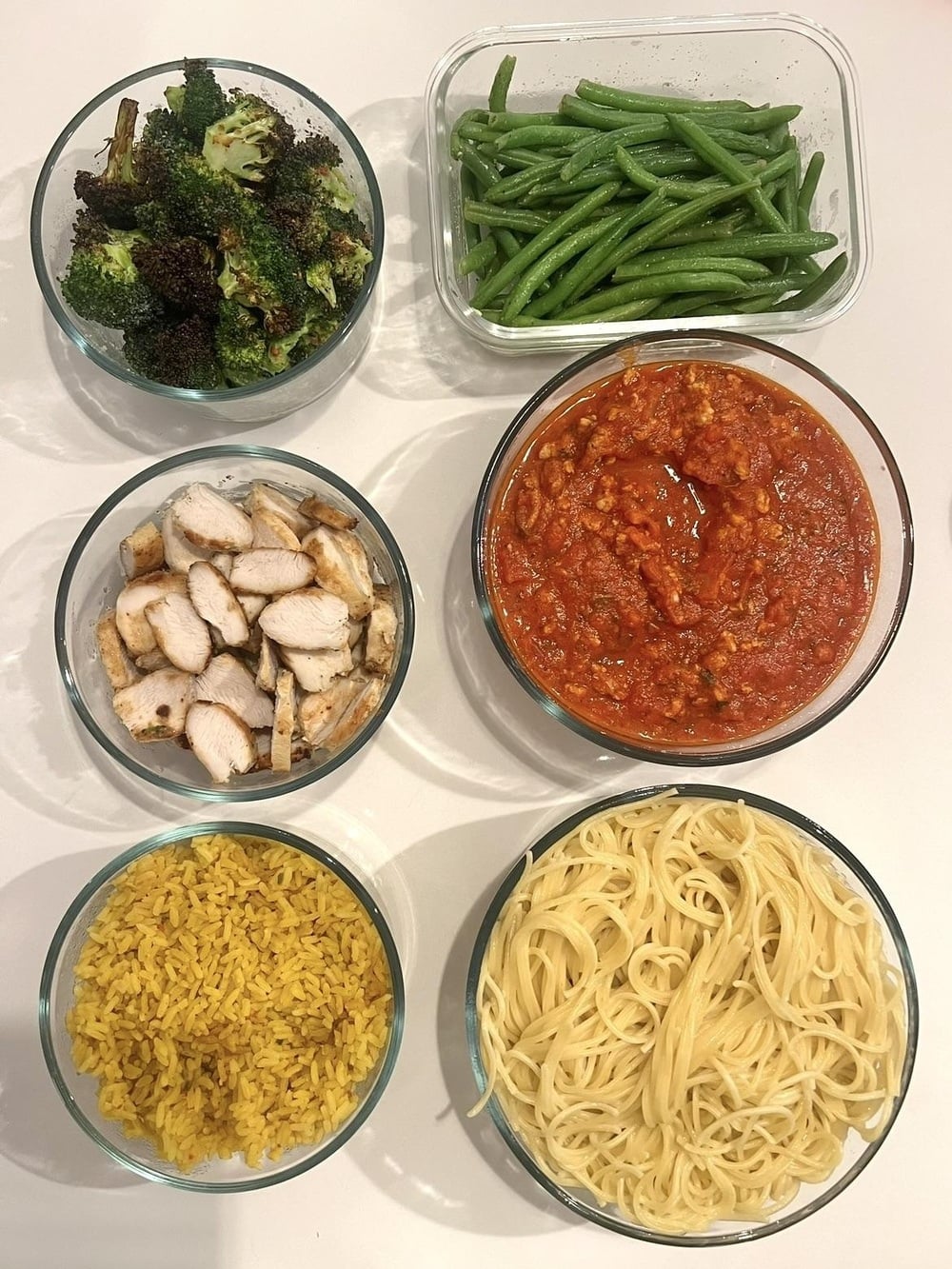
Many families now spend a few hours on the weekend chopping vegetables, cooking proteins, and portioning meals for the week ahead. Instead of preparing dinner from start to finish every evening, much of the work has already been done before Monday even begins. Would families in the 1970s have imagined cooking Tuesday’s dinner on a Sunday afternoon? And how much easier does a busy week feel when dinner is already waiting in the refrigerator? Meal prep has changed not only how families cook but also when they cook.
18. Nutrition Became Part of the Conversation
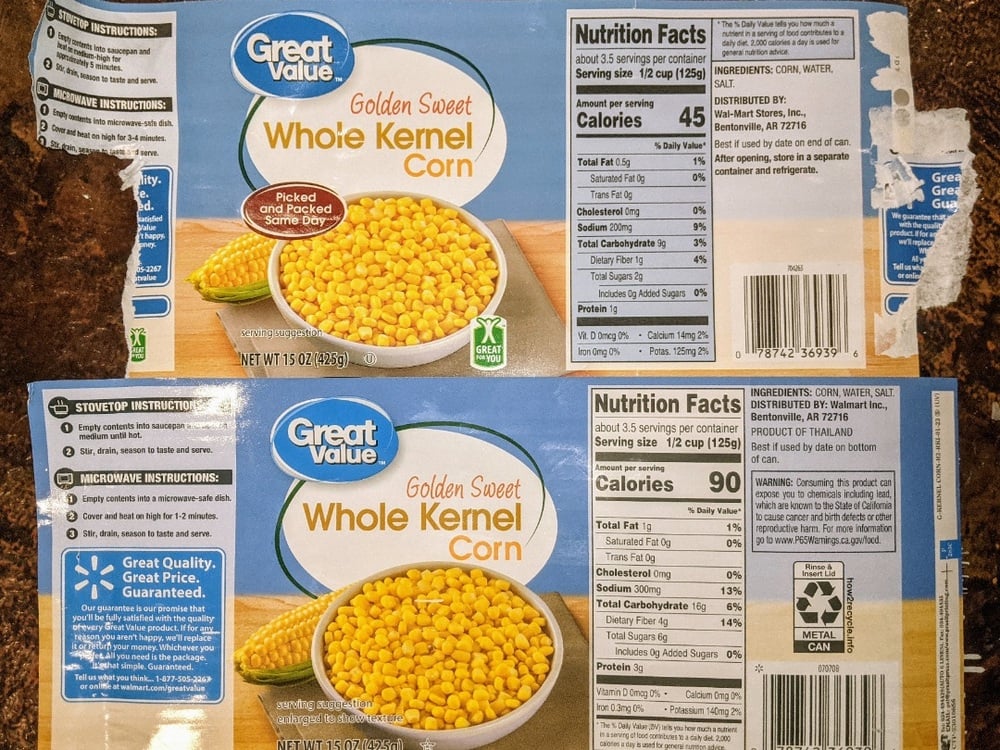
A few decades ago, most people simply ate dinner without thinking much about calories, protein, fiber, sodium, or ingredient lists. Today, nutrition labels, health recommendations, fitness goals, and food-tracking apps often influence what ends up on the plate before anyone takes the first bite. When did dinner become something many people calculate as well as enjoy? And how often do conversations about carbs or protein replace discussions about favorite recipes? Family dinners now come with far more nutritional information than previous generations ever expected.
19. Recipes Moved From Cards to Phones
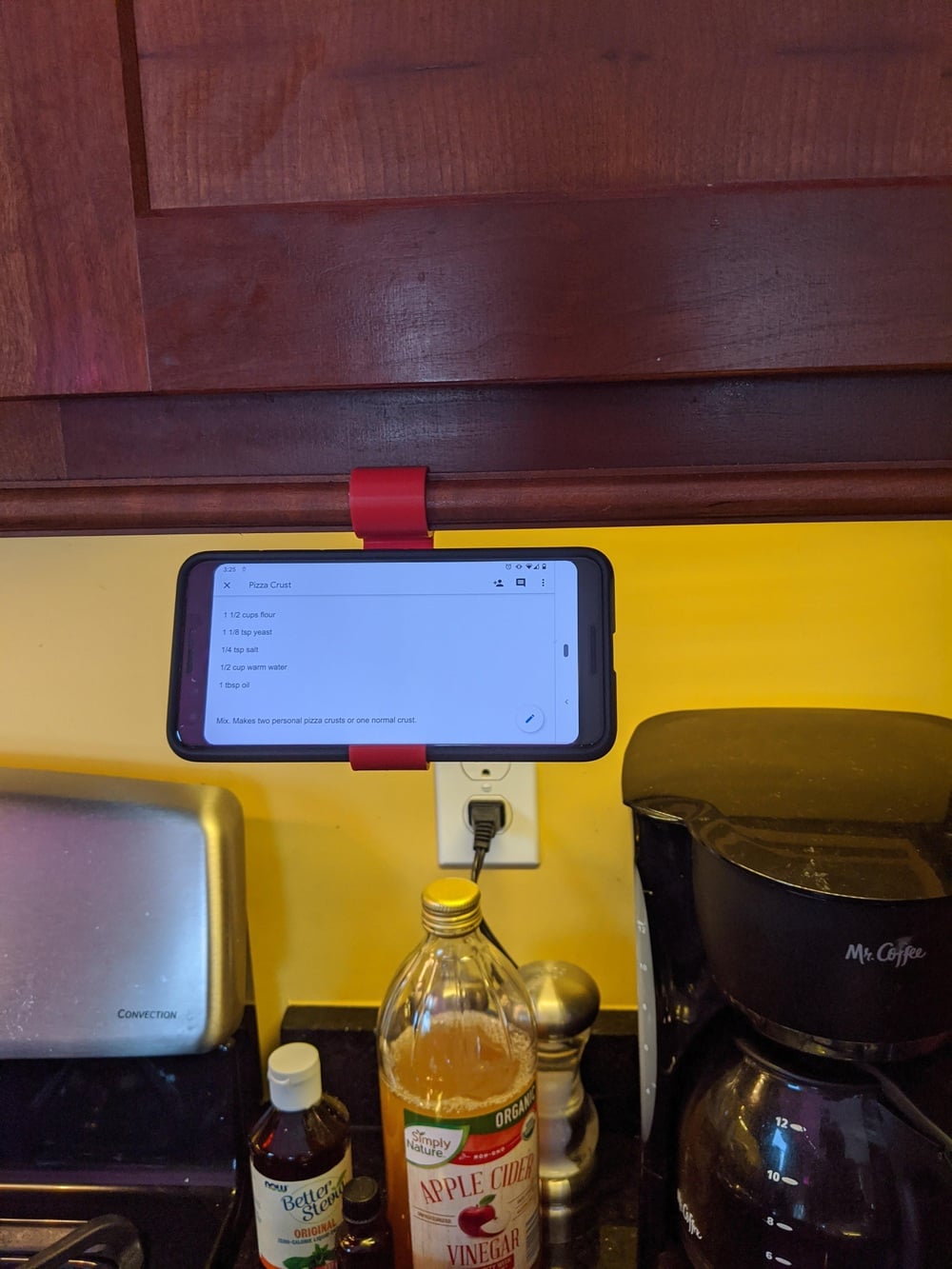
Recipe boxes, handwritten index cards, and stained cookbooks once held a family’s favorite meals. Today, countless home cooks search online, watch recipe videos, save social media posts, or ask a smart speaker for instructions while preparing dinner. How many treasured family recipes now live inside a phone instead of a kitchen drawer? And does anyone else smile when they find a recipe card covered with decades of flour stains and handwritten notes? Technology hasn’t replaced family recipes. It has simply given them a new place to live.
20. Dinner Photos Became Part of Dinner
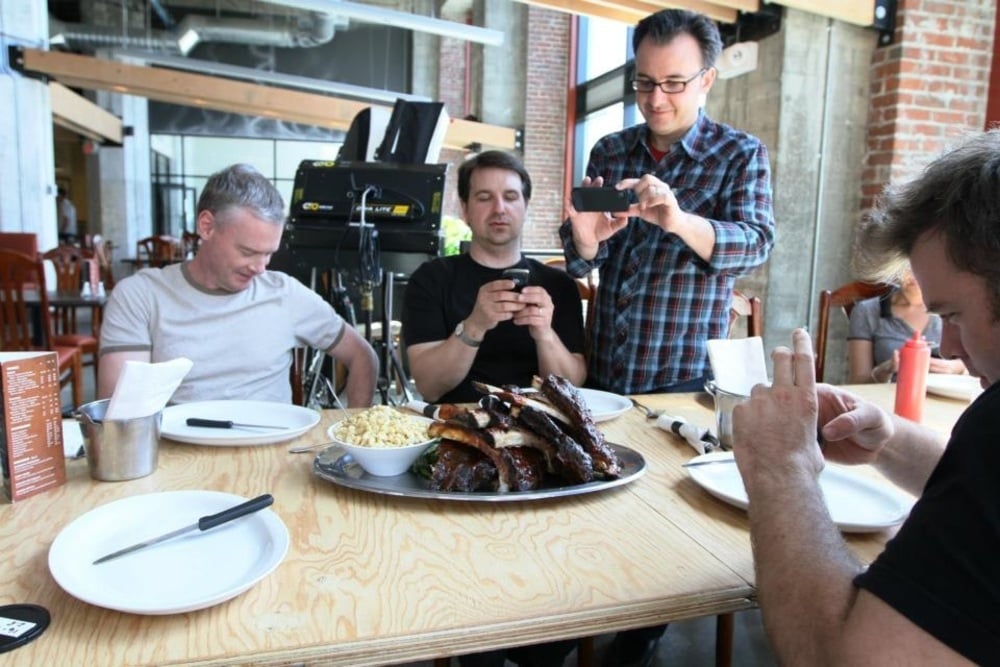
Taking a picture of your meal before eating would have seemed unusual in the 1970s, but today it’s a perfectly familiar sight in homes and restaurants alike. Family dinners can now be photographed, shared, reviewed, and posted online before anyone reaches for the first bite. Does the camera sometimes get served before the people do? And how many delicious meals have gone slightly cold while everyone searched for the perfect angle? Modern technology has turned dinner into something that’s often shared twice, once at the table and once on social media.
21. Meal Kits Outsourced the Planning
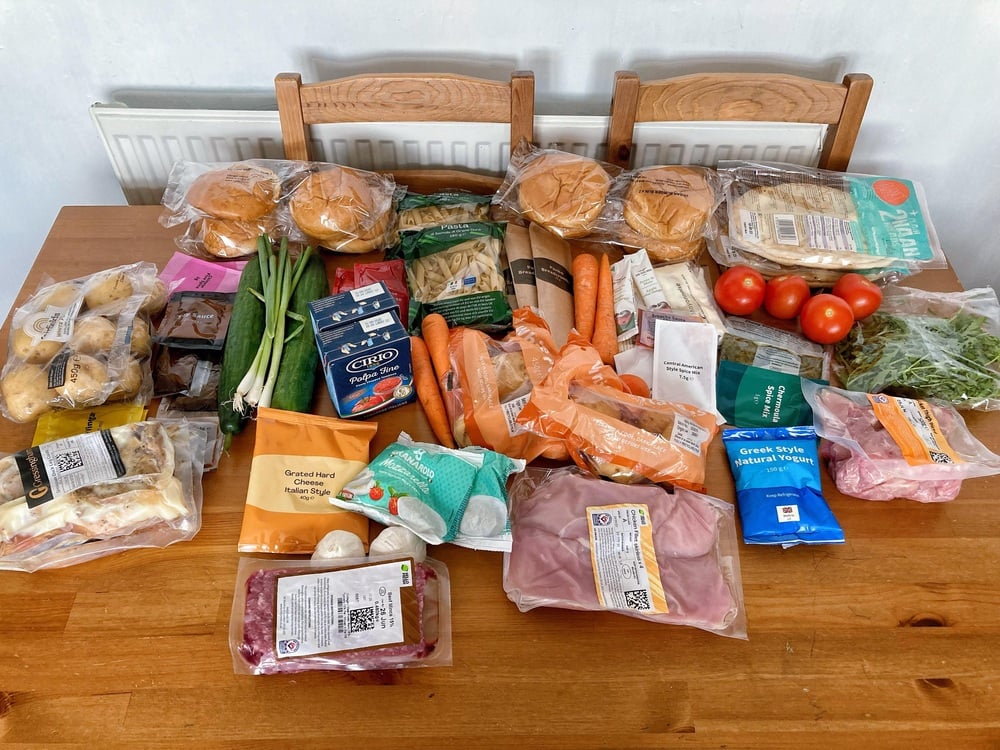
For generations, deciding what to cook could be just as challenging as cooking it. Today, meal kits deliver pre-portioned ingredients and step-by-step instructions right to the front door, removing much of the planning while still letting families prepare dinner at home. Who would’ve imagined dinner arriving in a box before it ever reached the plate? And has the hardest part of cooking quietly shifted from the kitchen to choosing which meal kit to order? Modern family dinners have found a new middle ground between homemade meals and restaurant takeout.
22. Families Became More Flexible About What Counts as Dinner
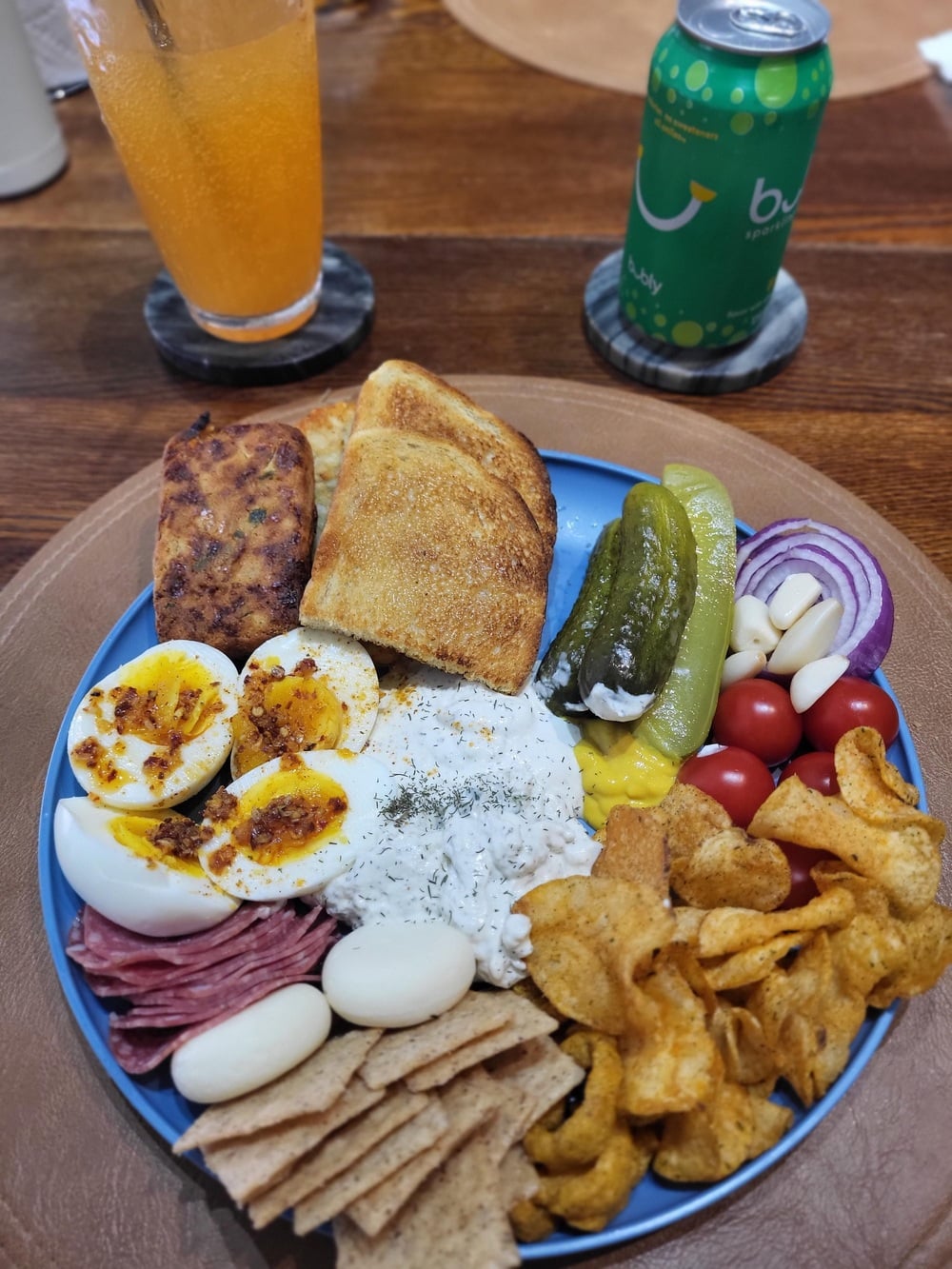
Dinner no longer has to be a traditional meat, vegetable, and side dish served on matching plates. Sandwiches, breakfast foods, snack boards, leftovers, smoothies, or even cereal can become perfectly acceptable evening meals when schedules get hectic. Does dinner stop being dinner just because it doesn’t follow the old rules? And haven’t most families eventually discovered that eating together matters more than exactly what’s on the plate? The definition of family dinners has expanded right alongside modern life.
23. Family Dinner Became Less About the Dining Room
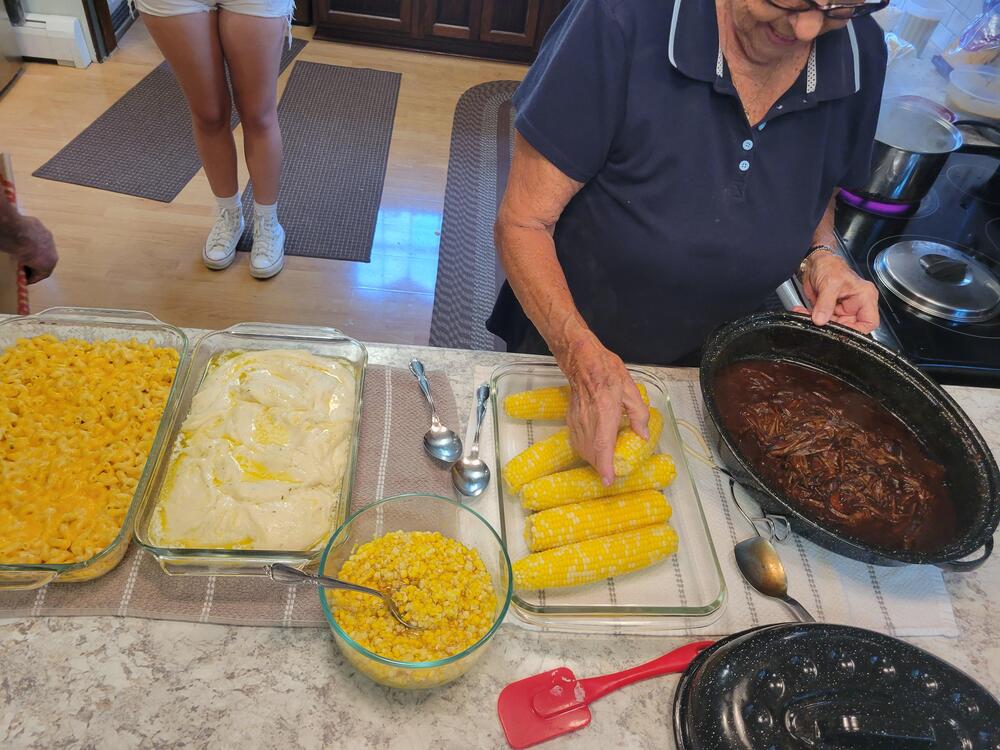
Perhaps the biggest change of all is that togetherness no longer depends on a particular room or even a perfectly prepared meal. Families now gather around kitchen islands, restaurant booths, picnic tables, patios, breakfast counters, or takeout containers on the living room coffee table, proving that the tradition has adapted instead of disappearing. Is the dining room really what made family dinners special in the first place? Or was it always the people gathered around the food, wherever that happened to be? Looking back at 1970’s family dinners reminds us that while the setting has changed, the desire to share time together remains remarkably familiar.
1970’s family dinners didn’t simply fade away. They evolved alongside changing work schedules, technology, parenting styles, kitchens, and eating habits. While today’s meals may happen at different times, feature different foods, or even arrive in takeout containers, the purpose of gathering together has remained surprisingly resilient. The structure of dinner has changed far more than the tradition itself, proving that families continue to adapt without losing what matters most.
Keep Exploring The Scroller
The routines we barely notice today often become tomorrow’s nostalgia. Keep exploring The Scroller for more fascinating looks at how everyday traditions, technology, food, and family life have quietly transformed across the decades:
20 Things You’d Instantly Recognize From The ’70s
20 Family Traditions From The Seventies We Rarely Do Anymore