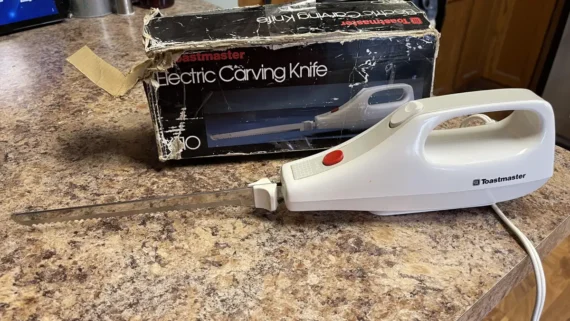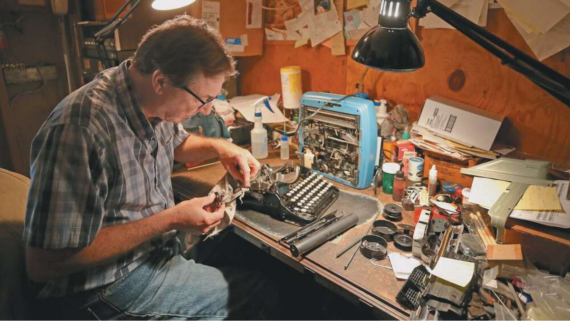
Things people used to repair instead of replace were once part of ordinary life. A worn shoe, a torn shirt, or a temperamental radio did not automatically earn a one-way trip to the trash. Often, the first question was simpler: can this be fixed?
That did not mean every repair was cheap, practical, or even possible. But many everyday objects were built around replaceable parts, specialized trades, and the expectation that a little wear was not necessarily the end of the story. Repair shops handled everything from watches to umbrellas, while plenty of smaller jobs happened right at home.
The result was a culture where broken could simply mean “not finished yet.”
1. Leather Shoes
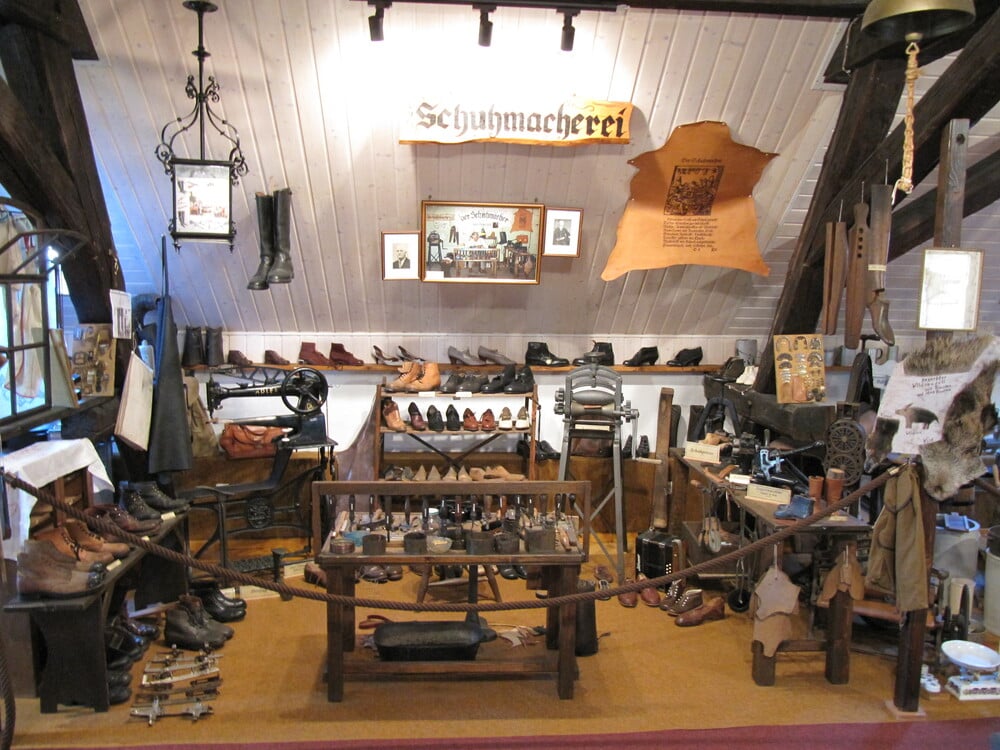
A good pair of leather shoes could accumulate years of scratches, creases, and worn soles without becoming useless. Cobblers could replace heels, stitch damaged leather, and resole footwear that had already traveled countless miles. Why abandon a perfectly comfortable pair just because the bottom had given up? Sometimes the shoes simply needed a second foundation.
2. Wool Socks
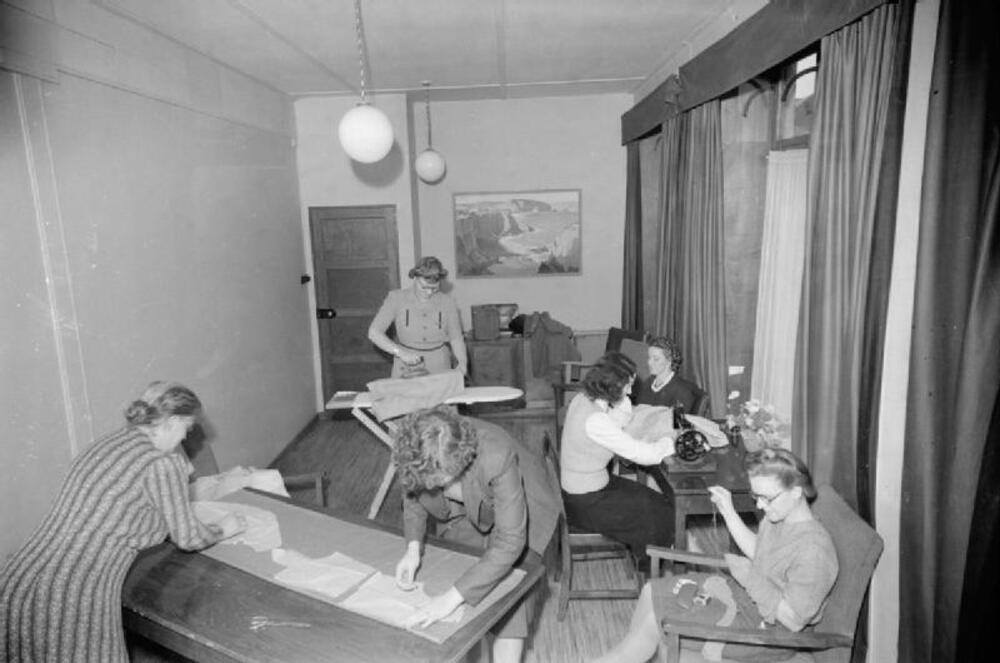
Today, a hole in a sock often feels like the universe granting permission to buy another pack. Earlier generations had another solution: darning. Using needle and yarn, worn areas could be rebuilt with new stitches until the hole disappeared beneath a tiny woven patch. It was painstaking work for an object most people now lose somewhere between the washer and dryer.
3. Work Shirts
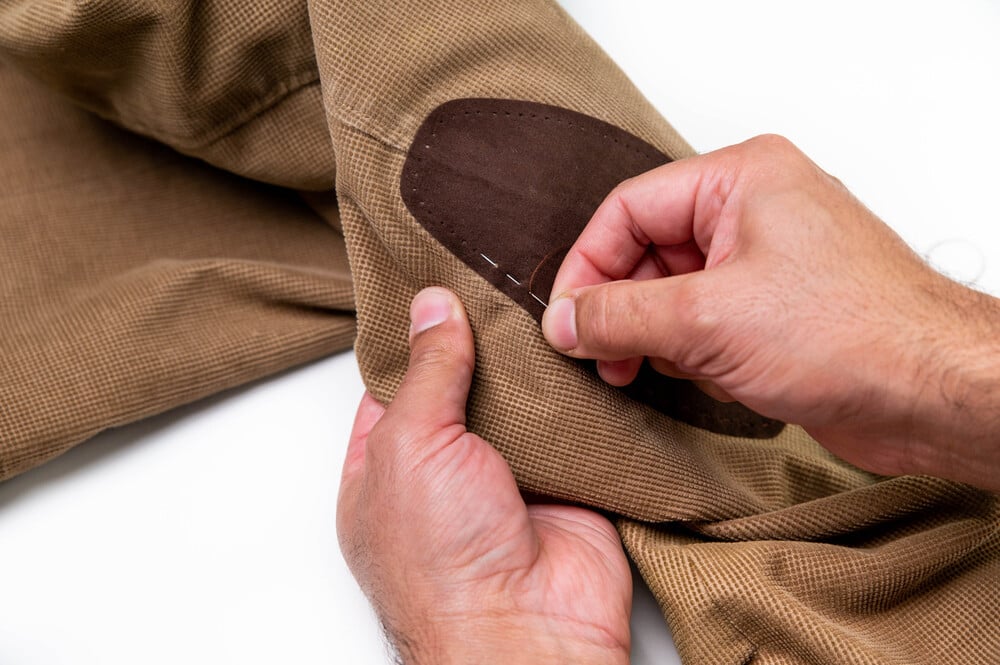
A torn elbow did not necessarily mean a shirt had reached retirement age. Patches could cover worn fabric, seams could be restitched, and sleeves could survive repeated repairs. On work clothes especially, those visible fixes became part of the garment itself. A shirt might eventually contain enough repairs to qualify as a collaborative project between its original manufacturer and its owner.
4. Cast-Iron Cookware
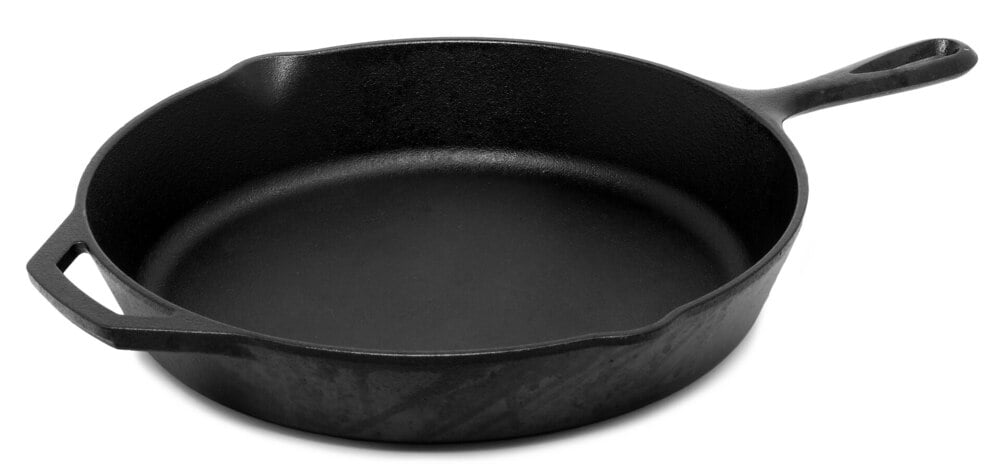
Cast iron has an impressive resistance to being declared dead. Rust, neglected seasoning, and years of grime can make a skillet look hopeless, yet cleaning and reseasoning may bring the cooking surface back into service. That durability helped these pans remain useful for generations. Some cookware gets replaced because the coating scratches. Cast iron occasionally responds to decades of abuse with: “Is that all?”
5. Wooden Chairs
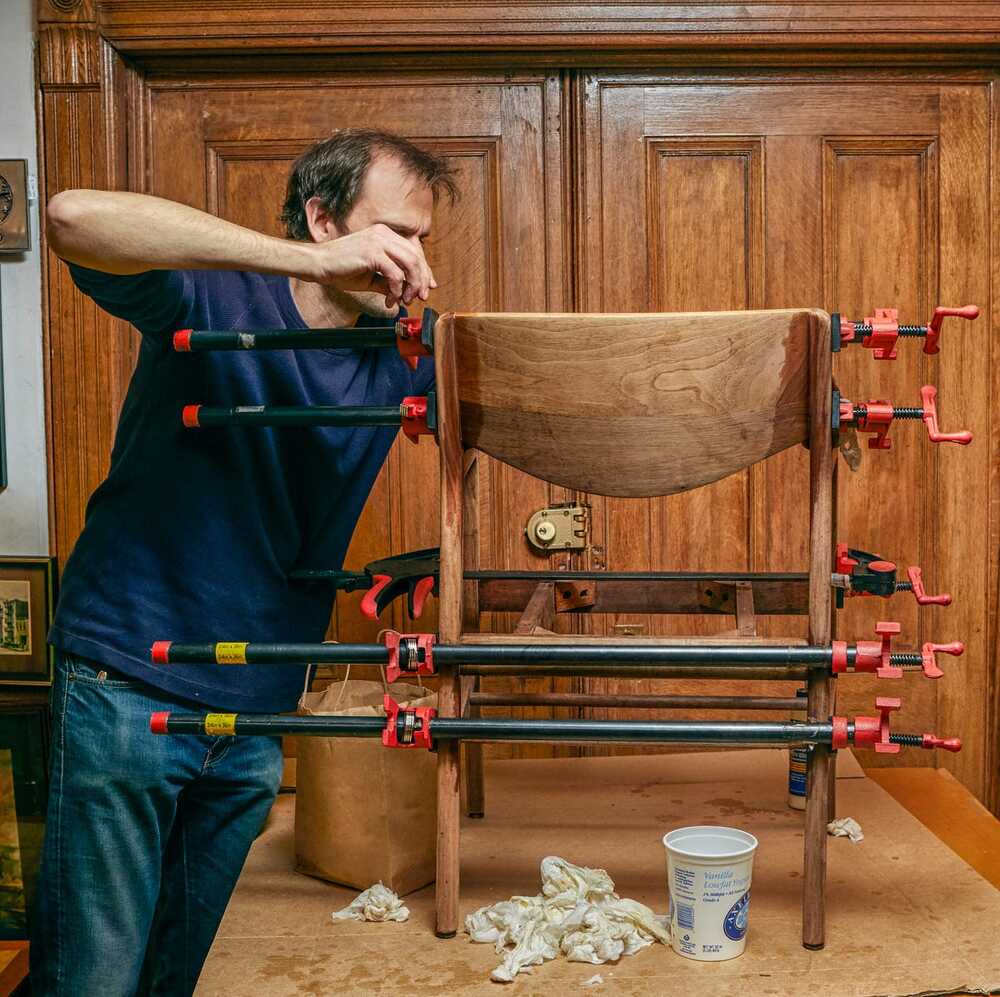
When a wooden chair began wobbling, the solution was not automatically a furniture catalog. Loose joints could be reglued, damaged pieces repaired, and clamps used to pull everything tightly back into position. Done properly, the chair could return to service instead of becoming firewood. Of course, discovering whether the repair worked usually required the bravest person in the room to sit down first.
Trending on The Scroller


6. Bicycles
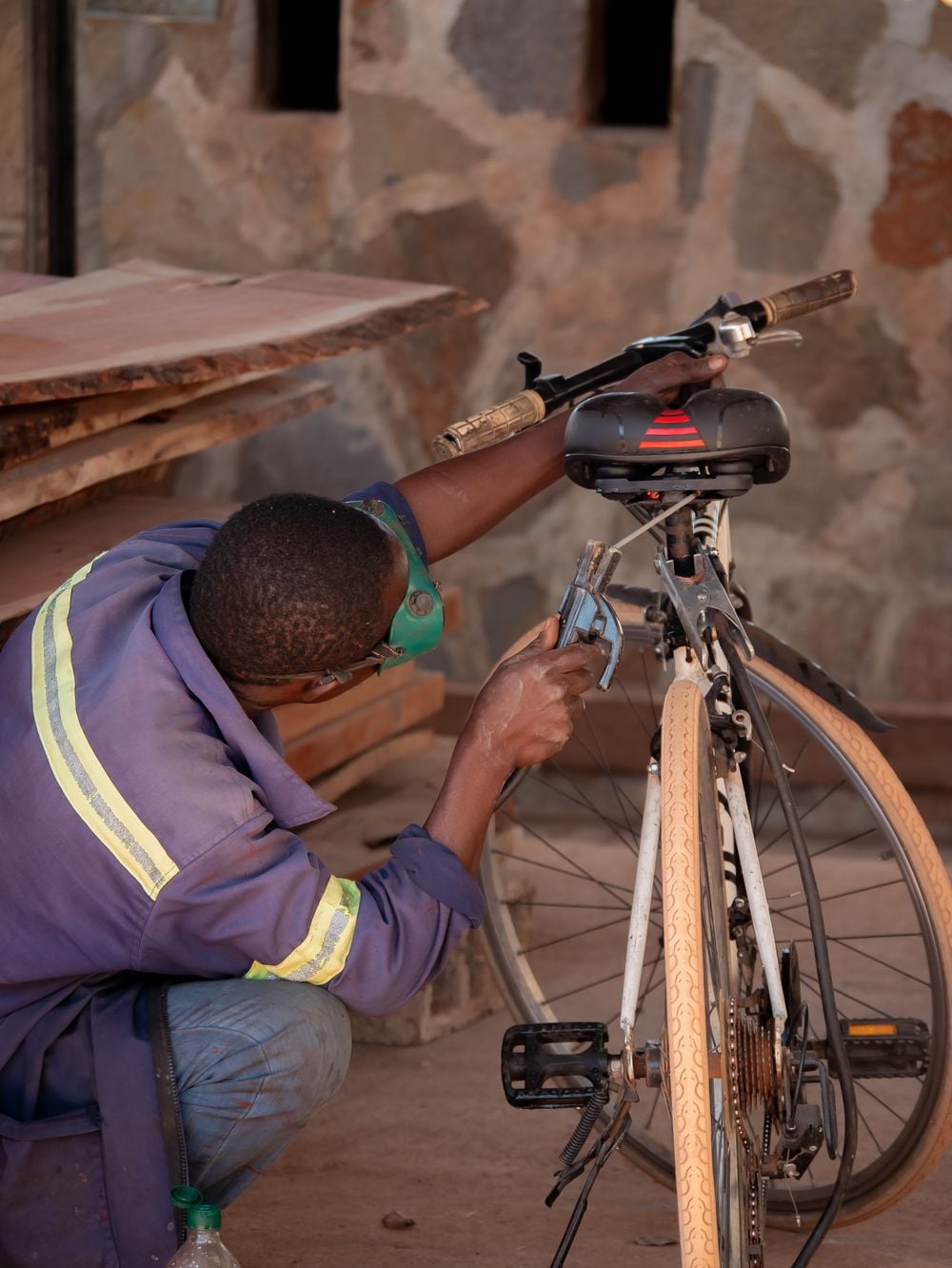
A flat tire, loose chain, or bent wheel rarely meant the bicycle was finished. Tubes could be patched, chains adjusted, spokes replaced, and worn components swapped individually. Bikes practically invited their owners to understand how they worked. A breakdown was inconvenient, certainly, but it was also an excuse to turn the bicycle upside down and suddenly become the neighborhood mechanic.
7. Watches
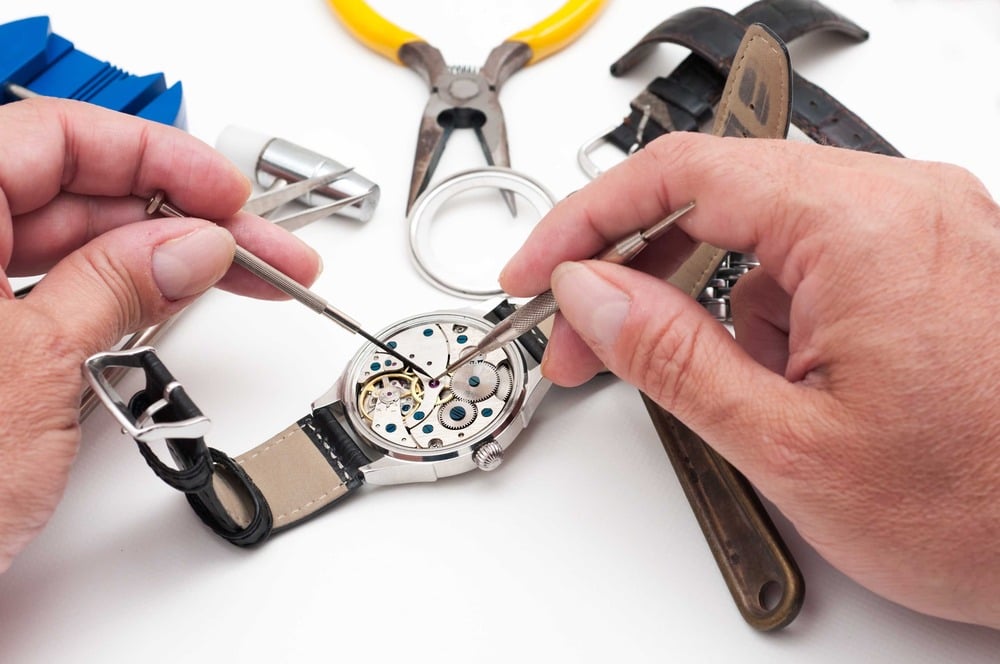
Mechanical watches packed an astonishing number of tiny components into something small enough to disappear under a shirt cuff. When one stopped ticking, a watchmaker could open the case, inspect the movement, clean parts, and make delicate adjustments. Throw away all those miniature gears because something stopped moving? Not before someone with excellent eyesight had a look.
8. Radios
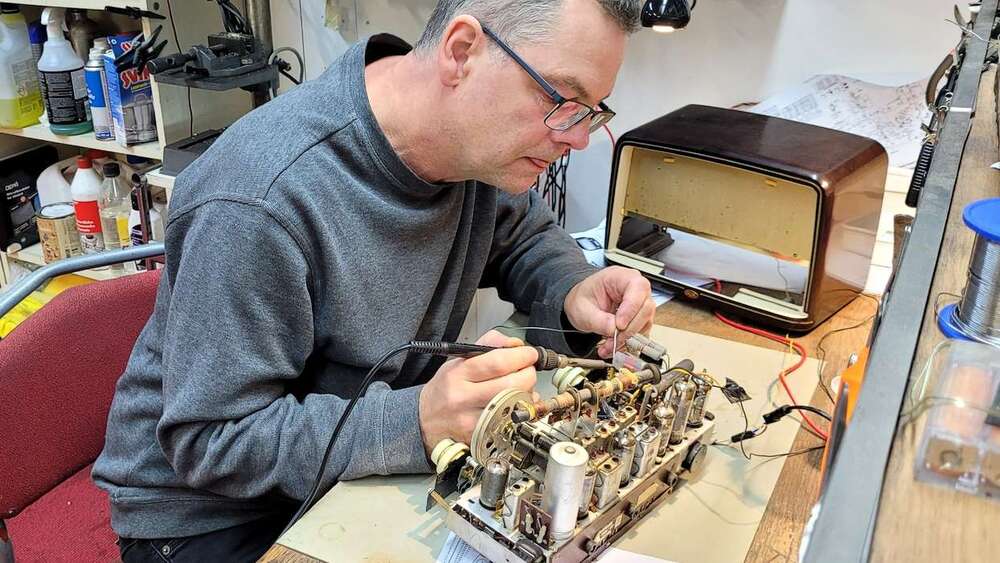
Old radios were not necessarily mysterious sealed boxes. Technicians could open them and work directly on tubes, wiring, and other internal components when something failed. The repair bench became part electronics lab, part detective scene: somewhere inside that maze was the reason the music had disappeared. Finding it was considerably more involved than turning the device off and back on again.
Sign up for our newsletter
9. Toasters
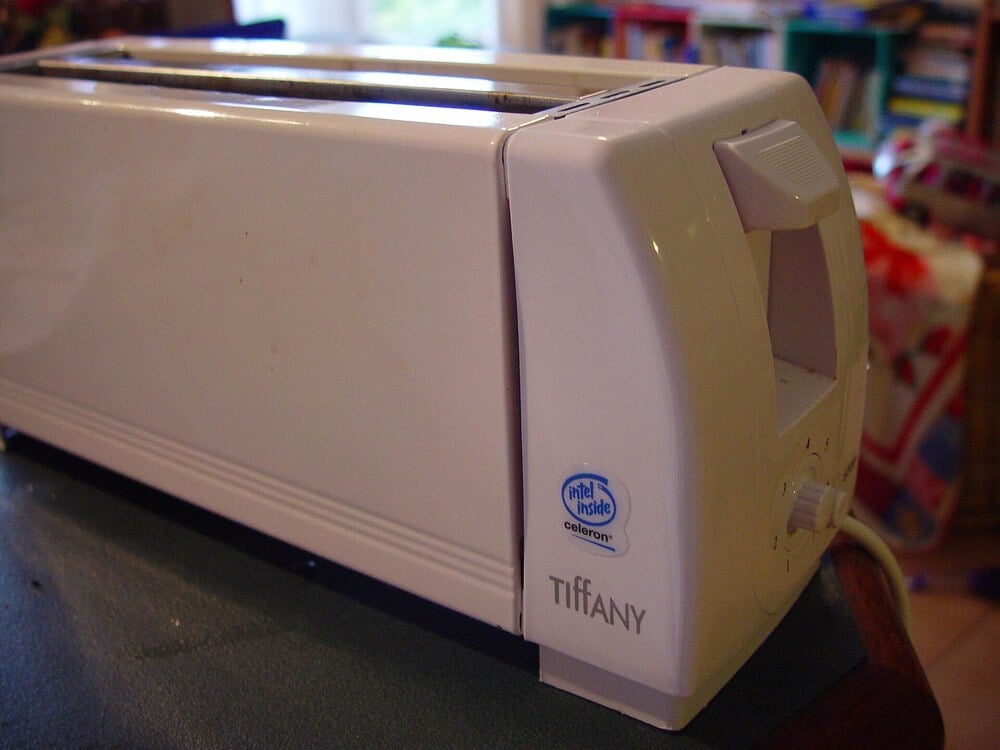
Even the humble toaster could earn a trip to the repair bench. Metal housings could be opened so internal problems could be inspected instead of condemning the entire appliance. It feels almost extravagant now to imagine spending that much attention on something whose principal responsibility is making bread slightly browner, but that was the point: ordinary appliances could still be worth saving.
10. Vacuum Cleaners
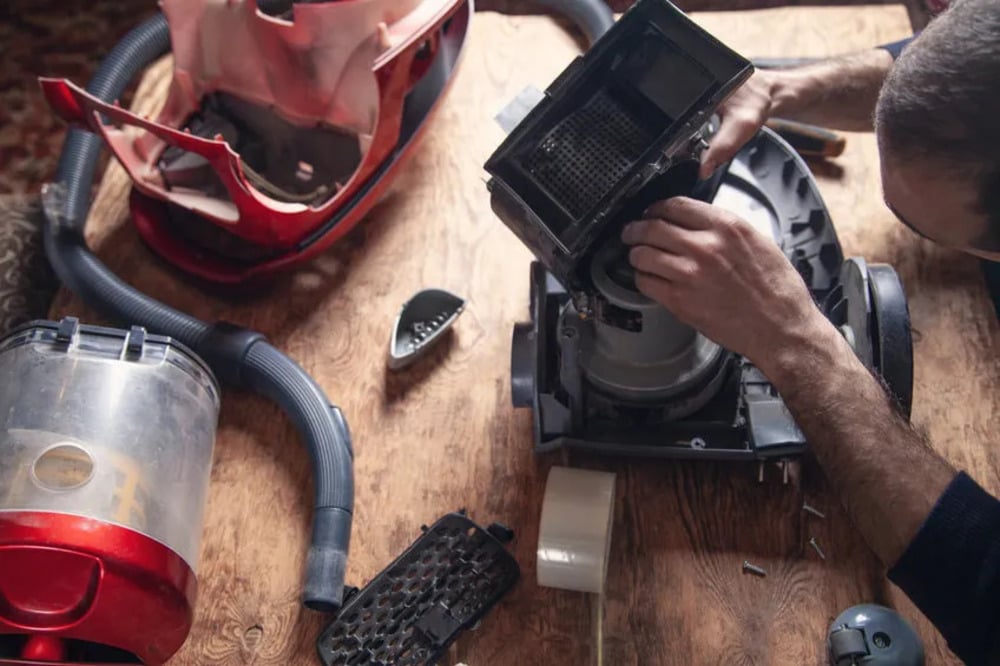
A vacuum cleaner could lose suction, break a belt, or develop motor trouble without immediately becoming curbside decoration. Opening the housing exposed the machinery inside, allowing individual components to be serviced. Among things people used to repair instead of replace, vacuums are a particularly good reminder that many household machines were treated less like disposable products and more like equipment expected to keep working.
11. Typewriters
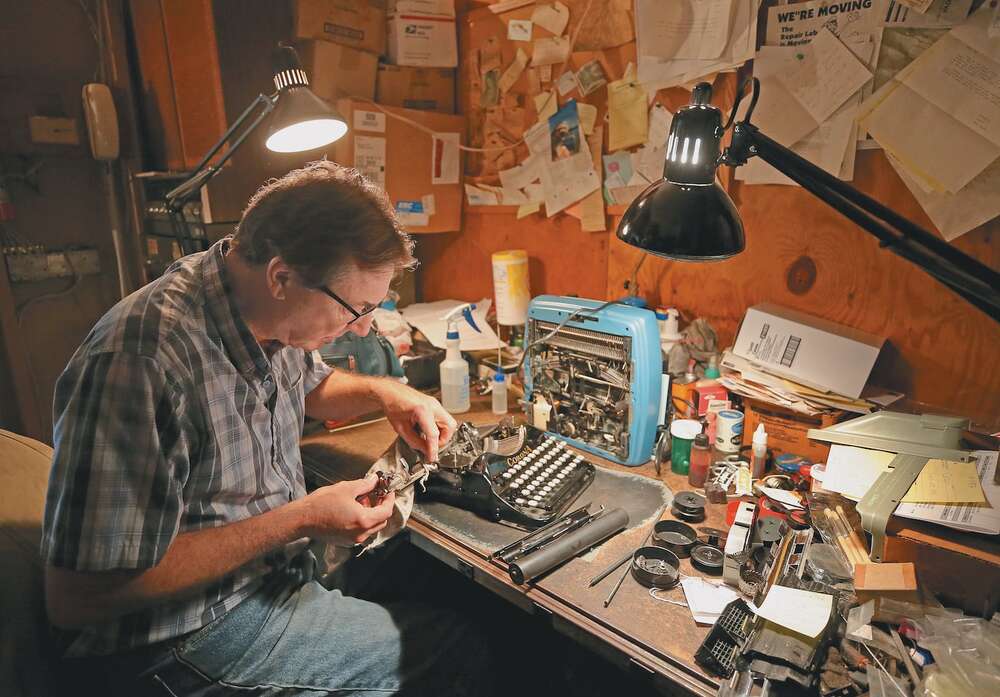
A sticky key or misbehaving ribbon did not necessarily send a typewriter into retirement. Technicians could adjust keys, replace ribbons, clean mechanisms, and work on the intricate machinery hiding beneath the keyboard. These machines were built from visible, serviceable parts, which made repair feel almost natural. When your writing tool weighed as much as a small appliance, you did not casually throw it away.
12. Sewing Machines
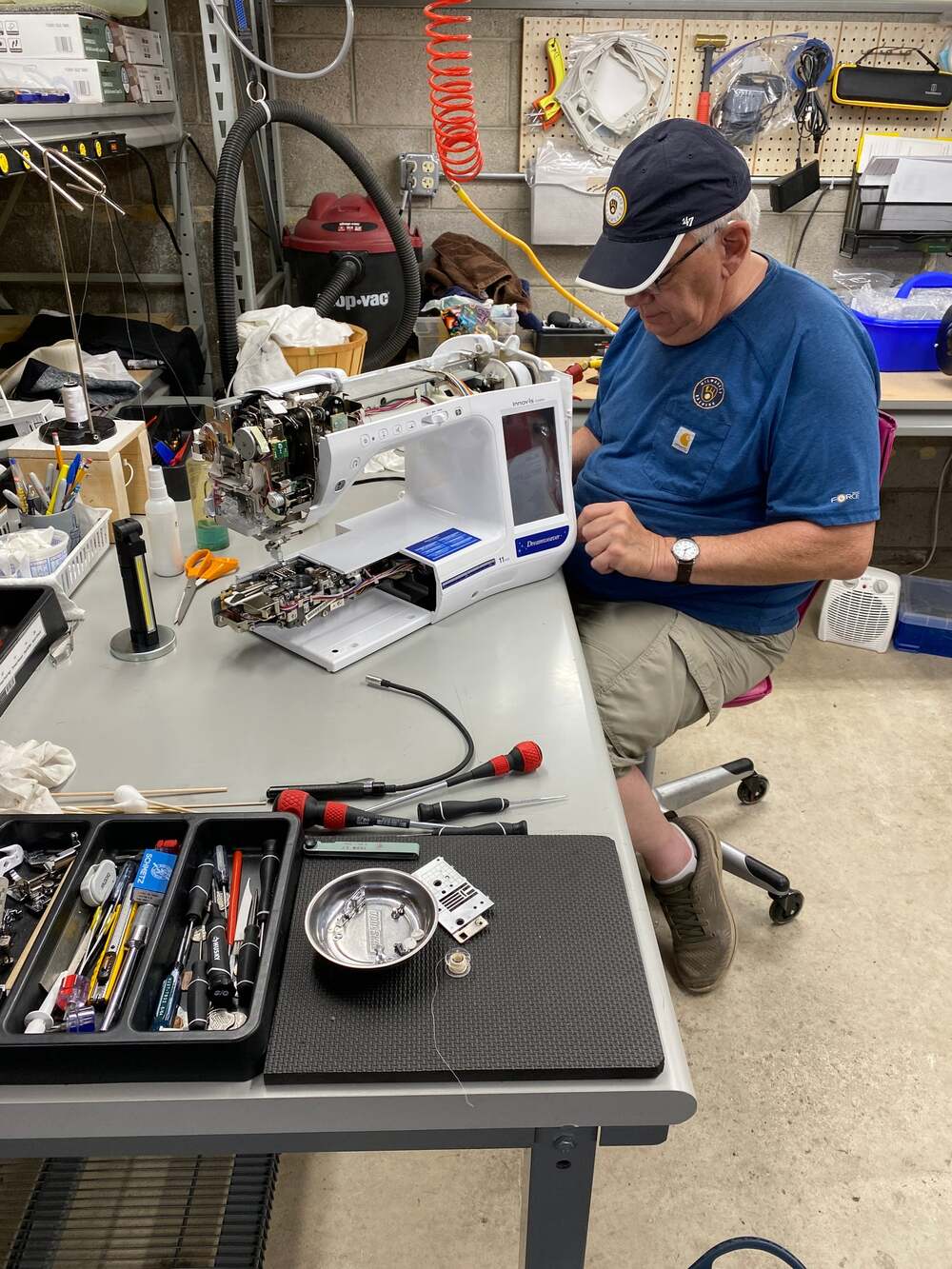
Sewing machines had an interesting advantage: they helped repair other things while also being repairable themselves. When one developed mechanical trouble, a technician could tune and service the machine rather than replace the entire unit. Considering how much clothing, fabric, and household material passed beneath that needle, keeping the machine alive could mean keeping an entire household repair system running.
13. Lamps
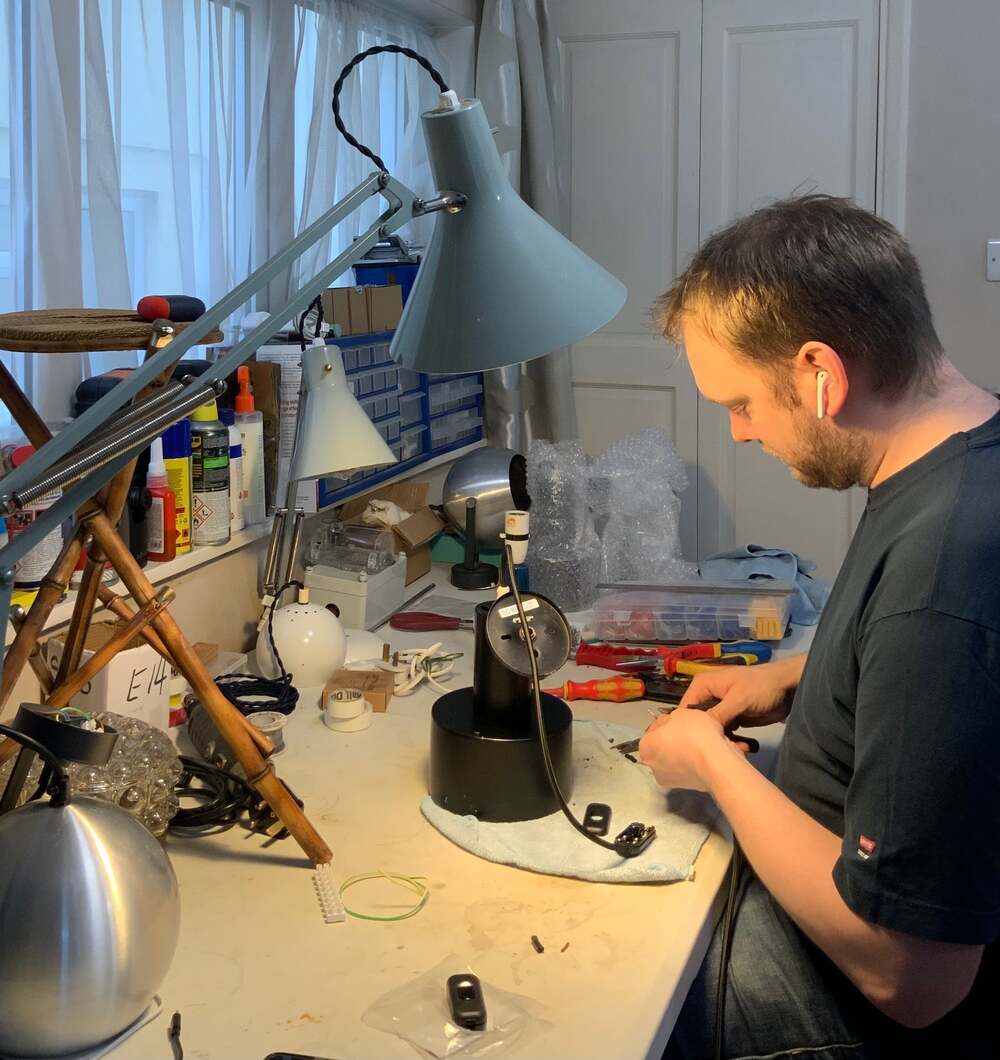
A lamp is fundamentally a collection of parts with one important assignment: make light. When a cord, socket, or other component failed, those pieces could be replaced while the rest of the lamp remained intact. Why discard the shade, base, and everything else because one component stopped cooperating? Sometimes the most sensible repair was simply removing the troublemaker and letting the lamp shine again.
14. Umbrellas
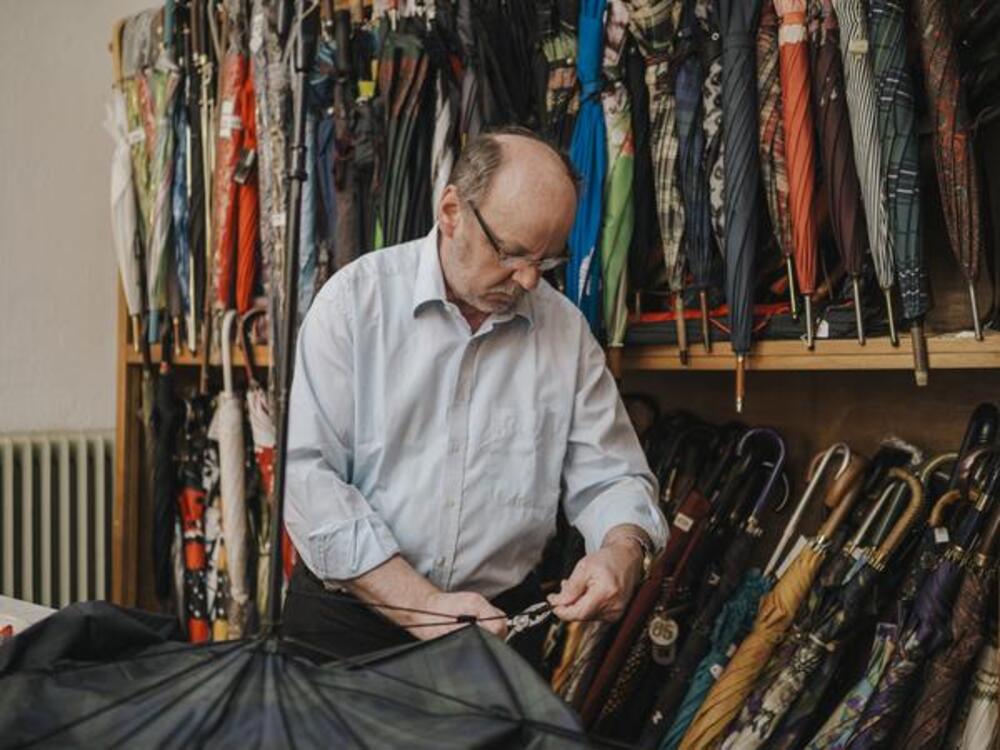
Umbrellas seem almost destined for betrayal. One aggressive gust of wind and suddenly a rib is bent, the fabric is loose, and your carefully engineered rain shield resembles modern sculpture. But umbrella repairers could replace damaged ribs or fabric panels instead of treating the whole thing as disposable. There was an actual trade devoted to convincing umbrellas that their careers were not over yet.
15. Luggage
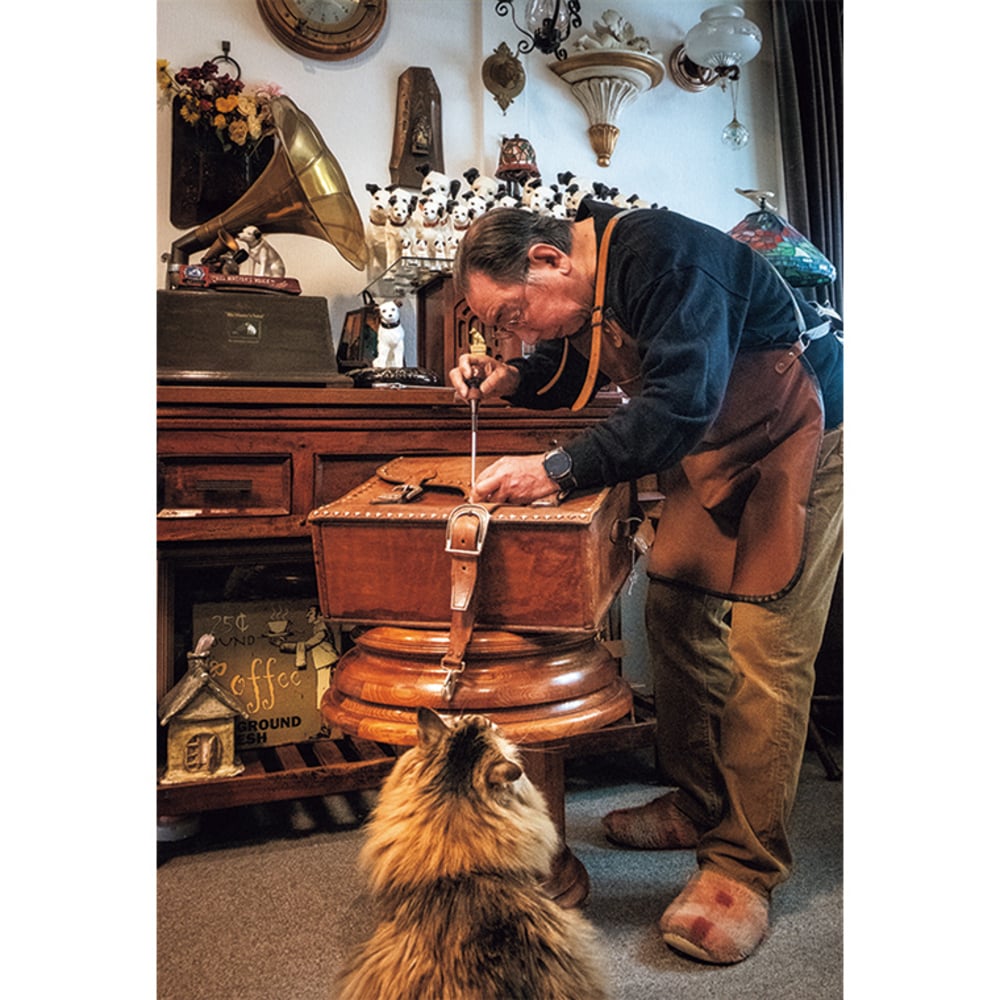
Suitcases were expected to survive journeys, and the occasional broken handle or damaged corner did not have to end their traveling days. Clasps could be replaced, leather could be patched, and worn areas repaired. The scratches and fixes simply became part of the luggage’s history. A battered suitcase did not necessarily look obsolete. Sometimes it looked like it had better stories than its owner.
16. Dolls
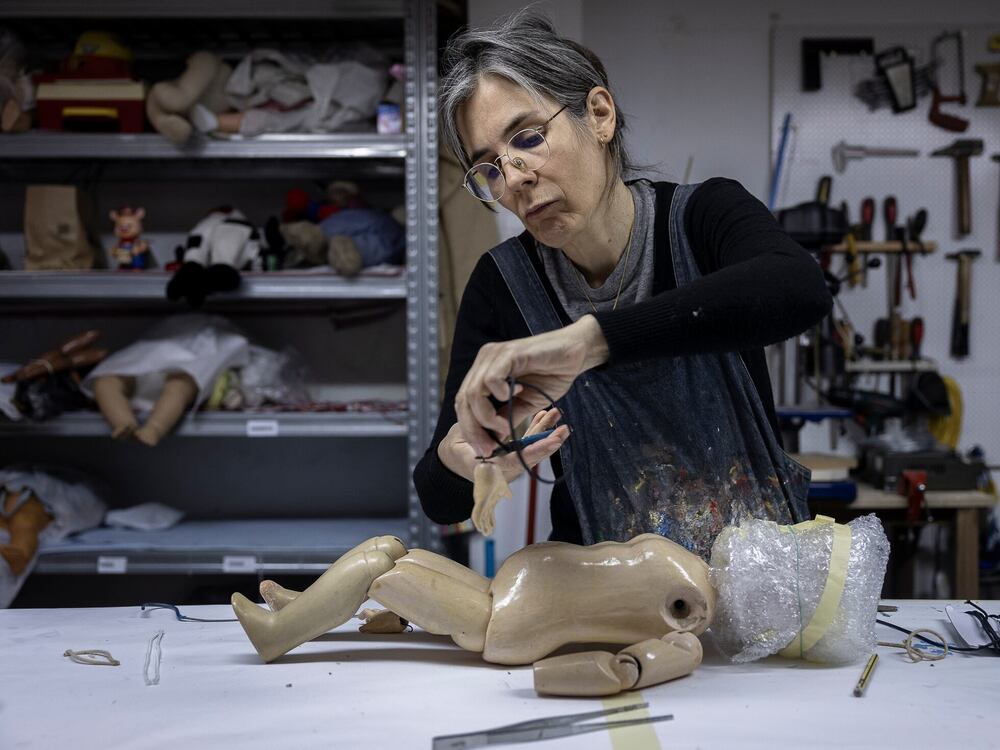
A damaged doll did not always end up forgotten in a box. Specialized “doll hospitals” and craftspeople could repair broken limbs, damaged bodies, and other parts that had suffered years of enthusiastic play. The process could look slightly unsettling with arms and heads waiting around the workshop, but for a treasured toy, the goal was simple: send an old friend home again.
17. Eyeglasses
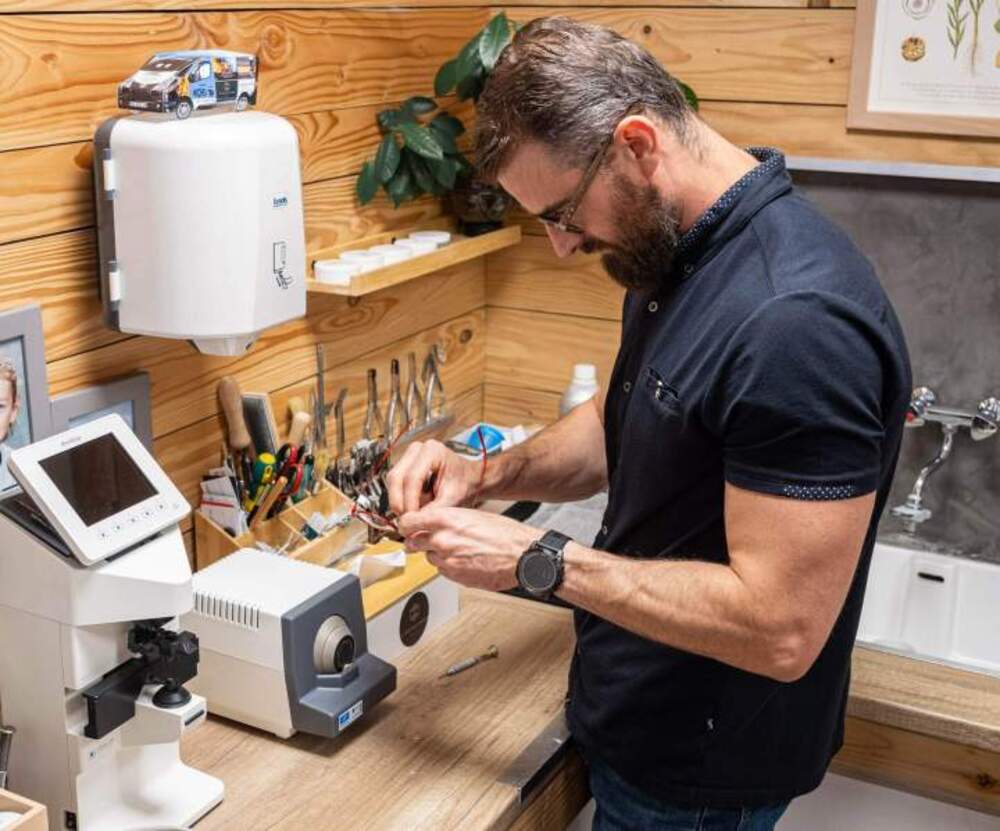
Eyeglasses are small, delicate, and extremely good at finding ways to break exactly when you need them. Frames could be repaired, adjusted, and fitted with new lenses rather than replacing everything at once. Opticians handled the specialized work, extending the life of something people depended on every day. After all, shopping for new glasses is considerably harder when your current glasses are broken.
18. Clocks
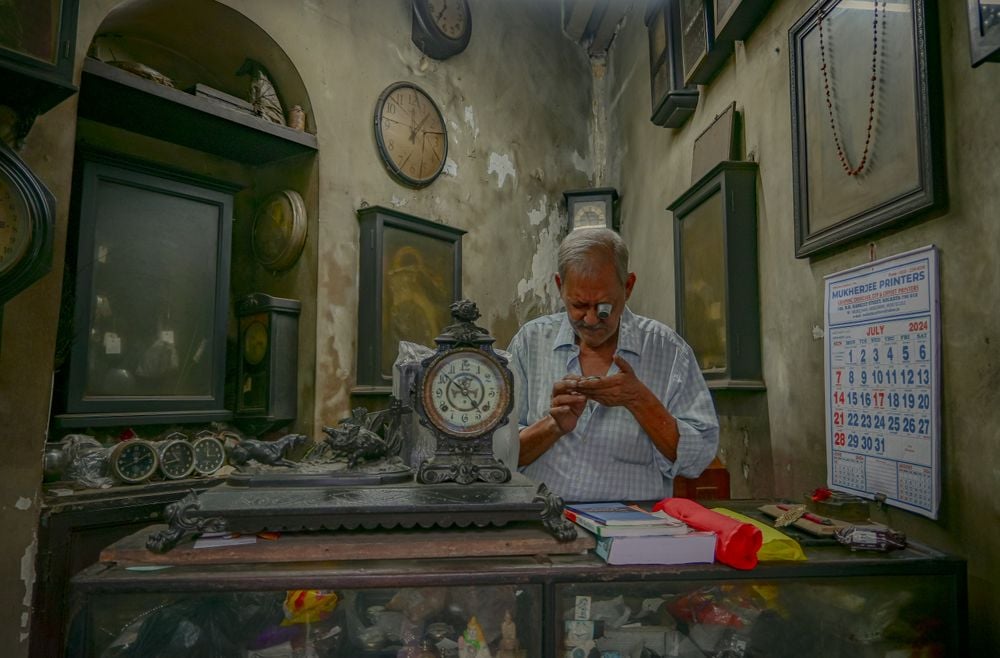
Inside an old mechanical clock is an entire miniature civilization of gears, springs, and moving parts. When the hands stopped, clockmakers could open the mechanism and service what had gone wrong. It required patience and specialized skill, but the clock itself could remain in use for years. There is something wonderfully appropriate about spending time repairing the object responsible for measuring it.
19. Farm Tools
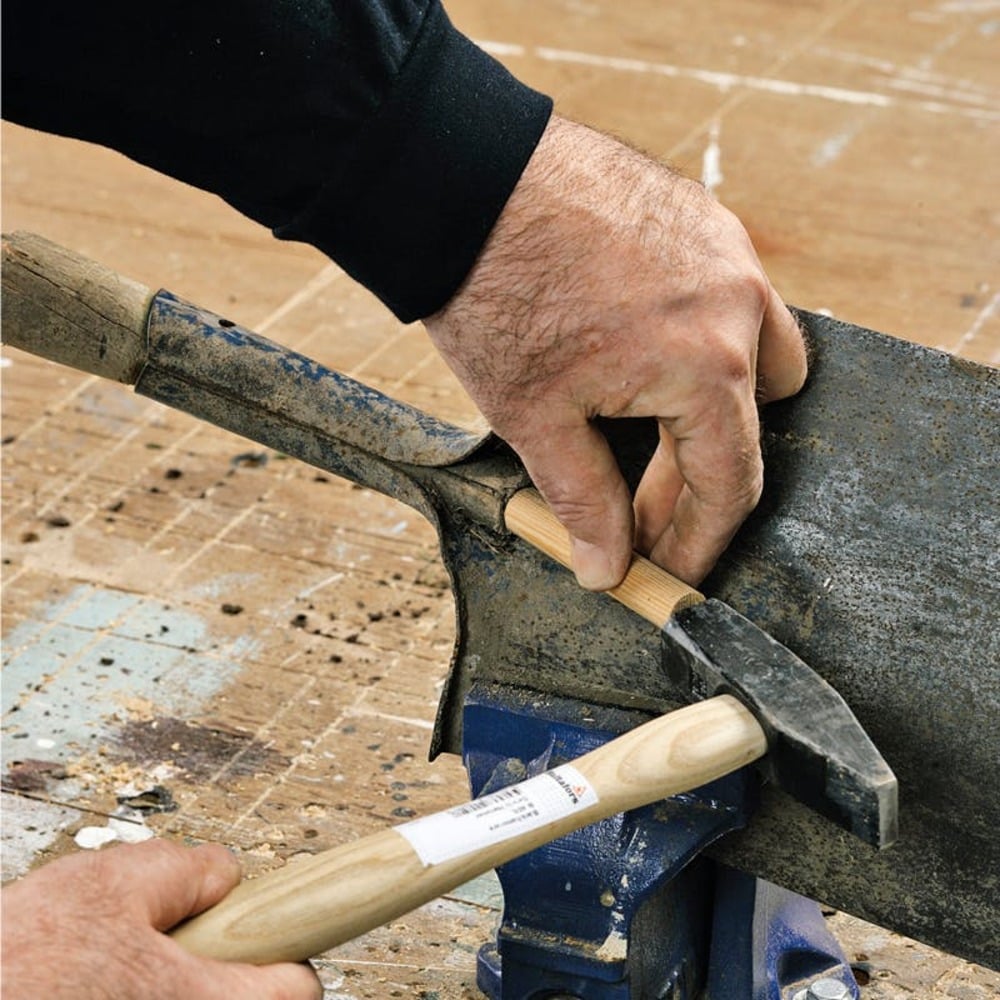
A shovel with a broken handle was still a perfectly good piece of metal attached to a temporary problem. Handles on shovels, rakes, and other farm tools could be replaced, allowing the working end to continue doing its job. Repairs like these were practical routine maintenance, especially when tools were used constantly. Throwing away the whole shovel because the wood broke would have been rather dramatic.
20. Pressure Cookers
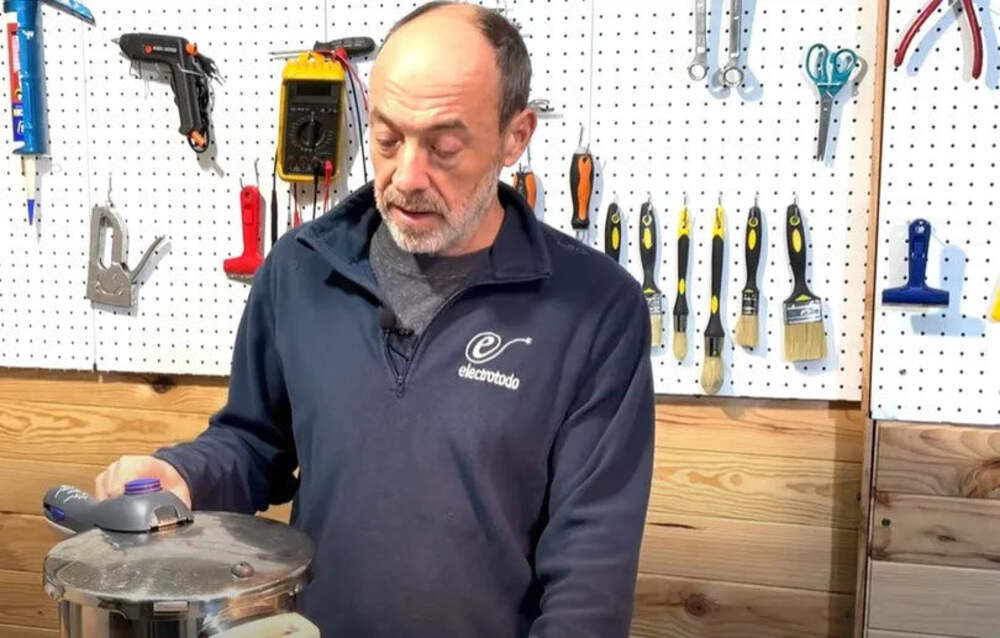
Older pressure cookers included components such as gaskets and valves that could be replaced or maintained as they wore out. That made them another example of household equipment expected to survive beyond the lifespan of a single part. Pressure-related repairs demanded proper knowledge and care, of course. This was one kitchen appliance where “I think I fixed it” was probably not the ideal quality-control standard.
Looking back at these objects, the biggest difference is not that everything in the past lasted forever. It did not. Things broke, wore down, and occasionally reached a point where repair no longer made sense. What changed was the expectation that failure did not automatically mean replacement.
From cobblers and watchmakers to repair technicians and people working at home, fixing an object could give it another chapter instead of an ending. And judging by how many of these trades still exist today, the idea never completely disappeared. Sometimes the old answer to “Should I buy another one?” is still worth asking first: “Can this one be fixed?”
Keep Exploring The Scroller
The past is full of ordinary objects with surprisingly long lives, forgotten skills, and clever solutions hiding in plain sight. Keep exploring The Scroller for more vintage discoveries, everyday history, and familiar things that reveal just how much daily life has changed:
21 Repairs That Somehow Made Things Even Worse