
Most documentaries hope to start a conversation. A few have ended up inside legislatures, government offices, military briefings, and private screenings for people who could actually change the rules. In some cases, the film was one part of a campaign already underway, while in others lawmakers directly credited what they had watched with pushing them to act. These 13 documentaries went beyond awareness and became part of real policy changes.
1. The Invisible War

Kirby Dick’s 2012 documentary examined sexual assault inside the U.S. military and focused heavily on the way commanders handled reports and prosecutions. The film was screened for members of Congress and Pentagon officials, including Defense Secretary Leon Panetta. Two days after Panetta watched it, he announced that decisions involving sexual-assault cases would be moved higher up the chain of command, while the military also introduced specialized victim units. Panetta later told one of the film’s executive producers that the documentary had influenced his response.
2. Gasland
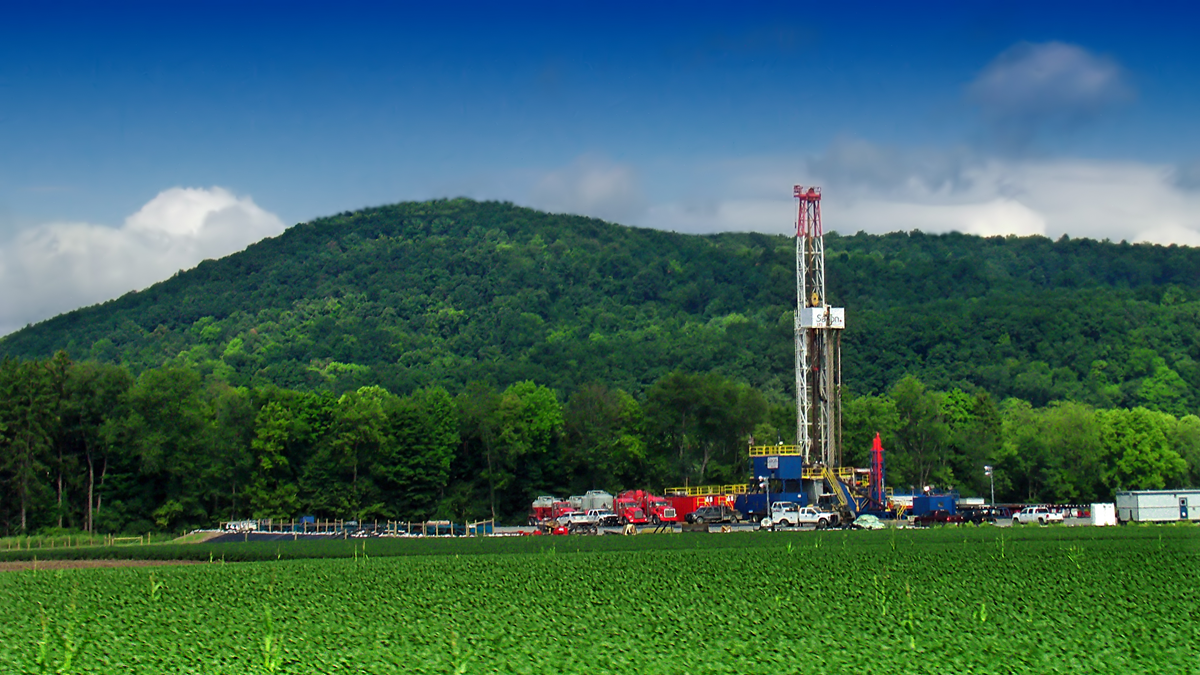
Josh Fox’s 2010 documentary turned hydraulic fracturing from a relatively technical energy issue into something people were arguing about at town meetings and kitchen tables. Researchers later studied the film’s impact and found that local screenings helped drive anti-fracking activism, which in turn contributed to the adoption of municipal fracking moratoria in parts of the Marcellus Shale region. The documentary was not solely responsible for those restrictions, but its role was unusually measurable, with spikes in searches, media coverage, and organizing following its release and local screenings.
3. A Girl in the River: The Price of Forgiveness
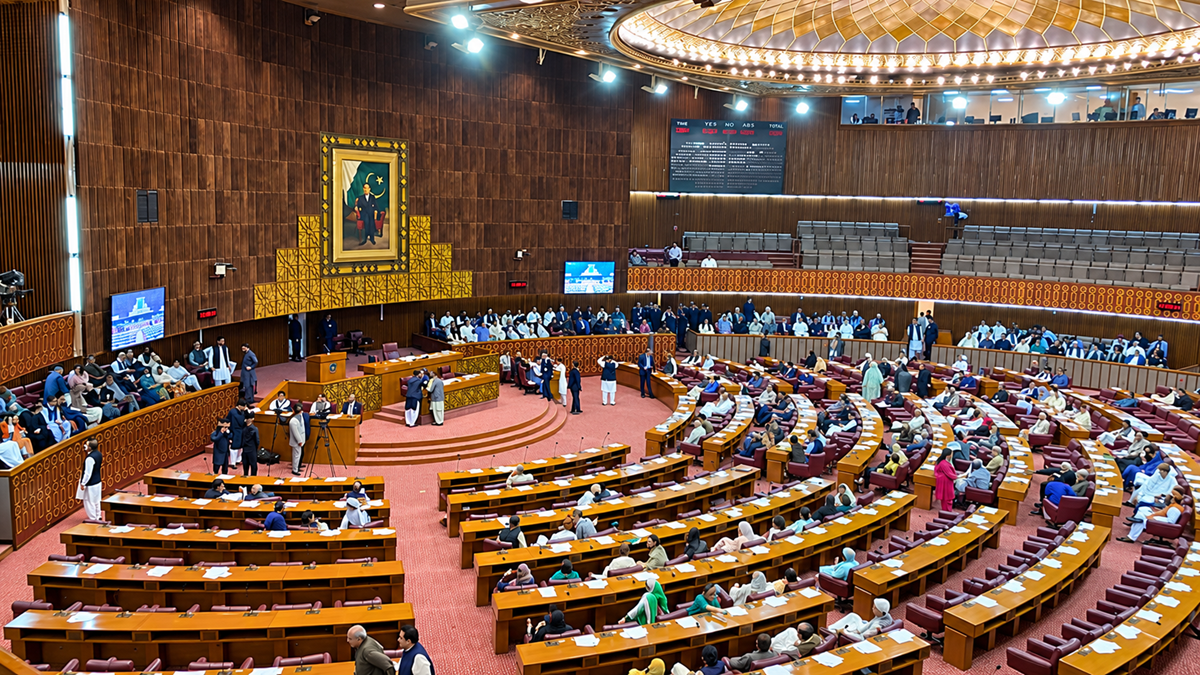
Sharmeen Obaid-Chinoy’s Oscar-winning short followed a young Pakistani woman who survived an attempted honor killing by members of her own family. One of the problems highlighted by the film was a legal system that could allow relatives of a victim to forgive the killer, sometimes helping the accused avoid serious punishment. Prime Minister Nawaz Sharif hosted a screening in 2016 and publicly pledged action on honor killings. Pakistan later passed legislation restricting the use of forgiveness provisions in such cases, although enforcement and loopholes remained subjects of criticism.
4. Semper Fi: Always Faithful

The contamination of drinking water at Camp Lejeune had been fought over for years before Semper Fi: Always Faithful reached audiences, so the documentary did not create the campaign from scratch. What it did was give former Marine Jerry Ensminger and other affected families a way to bring the story directly to policymakers. The film became part of an advocacy effort surrounding legislation for people exposed to the contaminated water. In 2012, President Barack Obama signed legislation expanding health care for affected veterans and family members.
5. The Wolf Men

NBC’s 1969 documentary The Wolf Men showed, among other things, wolves being shot from aircraft in Alaska. The images reached Congress as complaints about aerial hunting were already building. Lawmakers referred to the documentary during debate over federal restrictions, and Congress ultimately passed legislation limiting the airborne hunting of wildlife. The film was one unusually visible piece of the pressure behind the change.
Trending on The Scroller


6. Food, Inc.
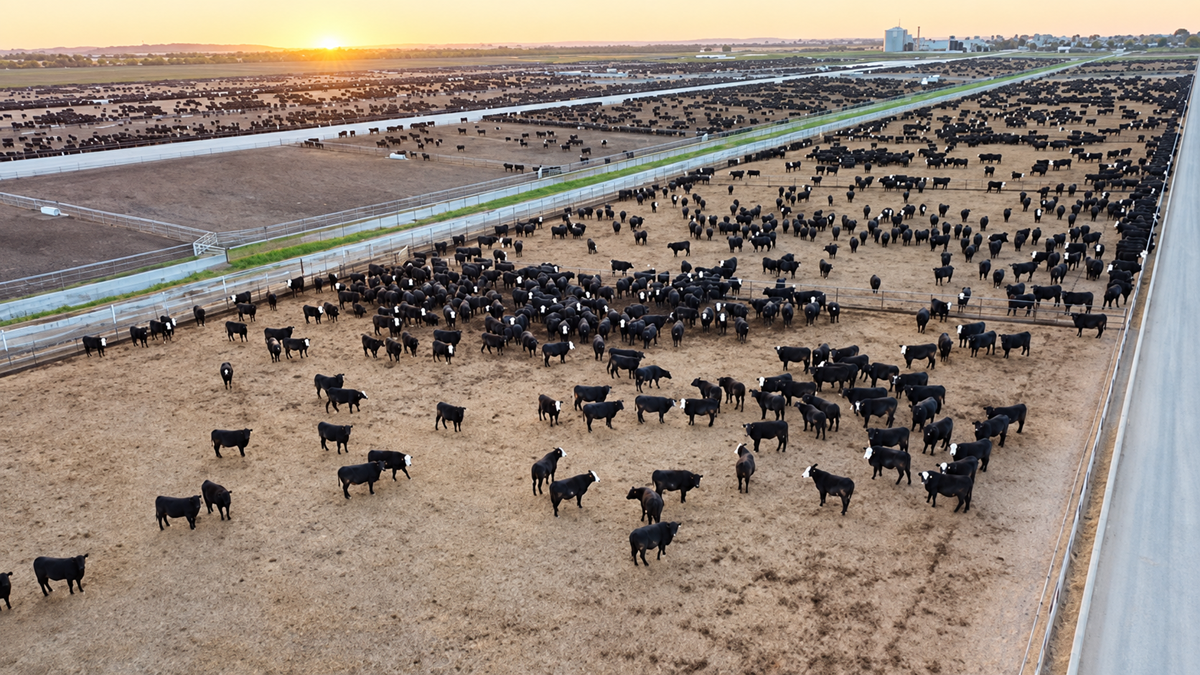
Robert Kenner’s 2008 documentary looked at industrial food production, labeling, food safety, and the growing power of a small number of agricultural companies. The film was screened in Washington for U.S. Agriculture Secretary Tom Vilsack, while its release fed into a broader push for greater transparency in the food system. Kenner later pointed to federal menu-labeling requirements included in the Affordable Care Act as one of the policy changes addressing an issue raised by the documentary. The film was only one part of that larger movement, but it gave those debates an unusually large mainstream audience.
7. Blackfish

Blackfish did not pass a law by itself, but California lawmakers made its influence unusually easy to trace. Gabriela Cowperthwaite’s 2013 documentary questioned SeaWorld’s treatment and breeding of captive killer whales and became a major part of the political debate that followed. California Assemblyman Richard Bloom later introduced legislation targeting captive-orca practices, explicitly connecting the push to the attention generated by the film. In 2016, California enacted the Orca Protection and Safety Act, banning captive orca breeding and restricting their use in theatrical performances.
8. An Inconvenient Truth
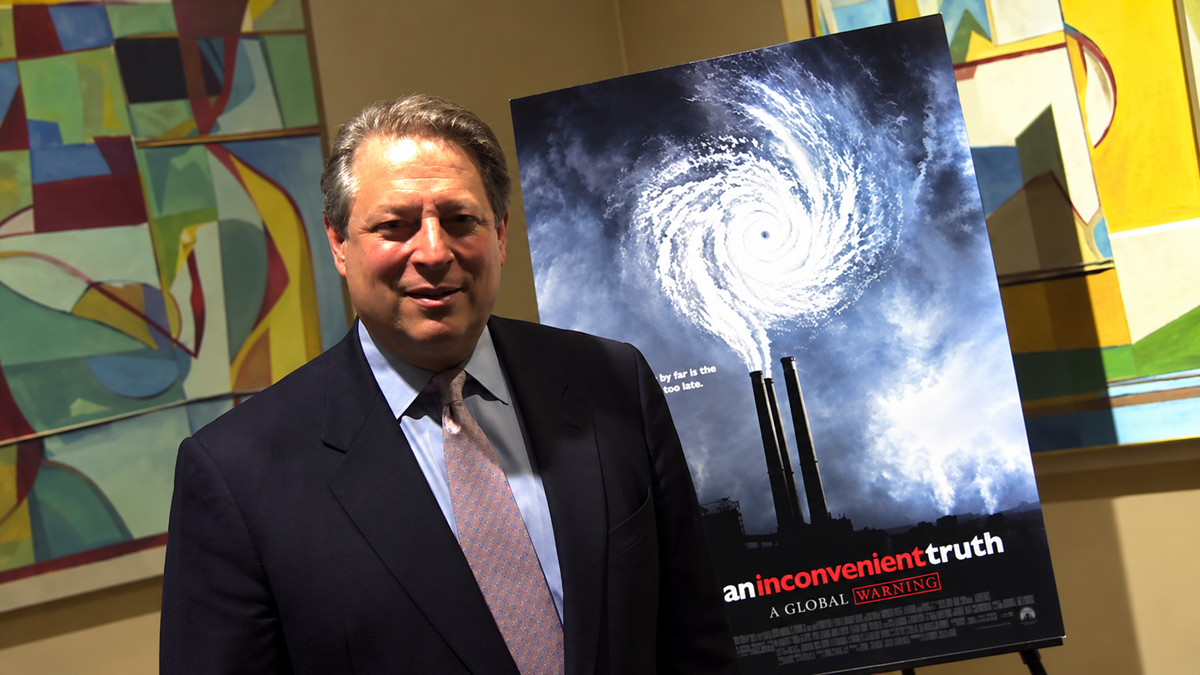
After Davis Guggenheim’s 2006 climate documentary became an international hit, several governments incorporated it directly into education policy. Britain’s government announced that copies would be sent to every secondary school in England as part of a climate-change education package, while Scotland integrated the film into science teaching materials. Germany’s environment ministry also purchased thousands of copies for schools, and Spain distributed tens of thousands. The film even prompted a British court case over how political material should be presented in classrooms, resulting in guidance accompanying school screenings rather than the film being removed.
Sign up for our newsletter
9. Tapped

Stephanie Soechtig’s 2009 documentary took aim at the bottled-water industry, looking at plastic waste, groundwater extraction, and the environmental costs hidden behind an everyday product. The film became part of campaigns pushing cities and public institutions to reduce or eliminate purchases of single-use bottled water, with screenings used by activists and local officials considering restrictions. Those efforts coincided with a growing wave of municipal bottled-water policies, including bans on government purchases and limits on sales at public facilities. Tapped was not responsible for those measures on its own, but it became a practical organizing tool in the campaigns surrounding them.
10. The Cove

Louie Psihoyos’s 2009 documentary exposed the annual dolphin hunt in Taiji, Japan, and quickly became a focal point for international pressure on the practice. The film was screened for policymakers, activists, and international audiences, and it intensified scrutiny of Japan’s dolphin captures and the sale of dolphin meat. In the years that followed, local and national authorities faced growing pressure over mercury testing, transparency, and the treatment of captured dolphins, while some institutions changed purchasing and display policies. The Cove did not produce one single law in a clean before-and-after sequence, but it became a major part of the policy debate surrounding the hunt.
11. Bag It

What started as a film about disposable shopping bags became a tool for local environmental campaigns around the country. Suzan Beraza’s Bag It was screened by municipalities and advocacy groups that were considering restrictions on single-use plastic, and the film’s organizers even developed a “Bag It Town” campaign built around local ordinances. In Long Beach, New York, the city partnered with community organizations to hold screenings before passing Nassau County’s first carryout-bag ordinance in 2016. Researchers at American University’s Center for Media & Social Impact later identified the documentary as a significant tool in local plastic-bag policy campaigns.
12. Legacy

Tod Lending’s Legacy followed several generations of the Collins family as they tried to leave poverty and public housing in Chicago. One part of the story, a grandmother helping raise her grandchildren, drew attention to a housing problem faced by many relatives caring for children. Members of Congress later introduced legislation specifically named the LEGACY Act, with Representative Michael Capuano stating that the documentary had helped illustrate the issue to lawmakers. Congress ultimately enacted federal provisions aimed at supporting intergenerational housing, turning the film’s title into the name of the policy itself.
13. Coal Ash Stories
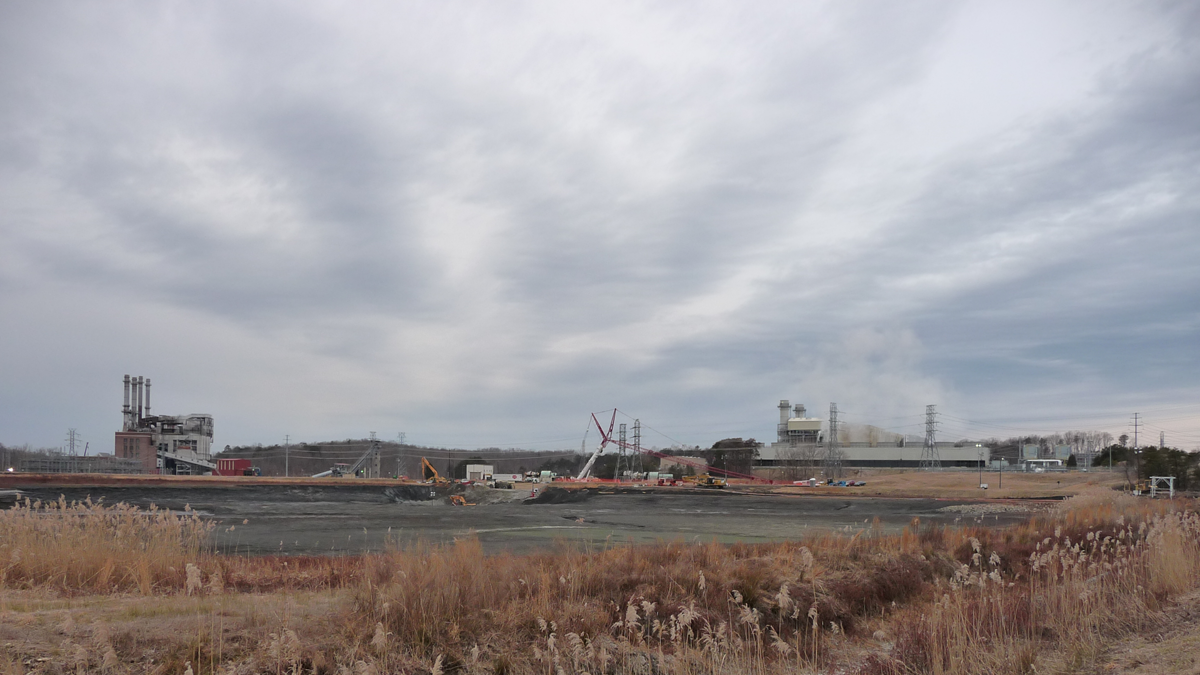
Coal Ash Stories was not one traditional feature but a collection of short documentaries about communities living near coal-ash disposal sites. The films were taken directly into affected areas in states including North Carolina, Tennessee, Missouri, and Alabama, where screenings were paired with discussions about regulation and cleanup. Organizers used them to build public support for stricter storage rules and stronger enforcement around coal waste. A later study of documentaries and state policy singled out the project as an example of films being used deliberately inside local environmental-policy campaigns.
In the mood for more?
Check out 14 True Stories That Revolutionized Science and Inspired Hit Movies, or take a look at 16 Real-Life Places That Were So Terrifying They Inspired Horror Movies. If you want to see more story documentaries, you can check out 10 Documentaries About the 1960s That Every Boomer Should Watch.