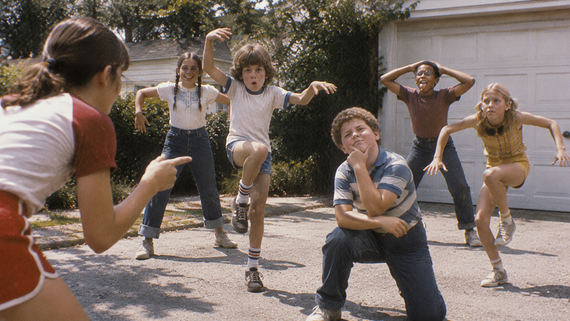
For kids growing up in the 1970s and 1980s, an empty yard or a quiet neighborhood street could provide hours of entertainment. No expensive equipment was needed, and nobody had to organize much beyond deciding who would be “it.” Some games involved running until everyone was exhausted, while others depended on quick thinking, clever hiding places, or remembering a few simple rules. These 15 outdoor games were familiar sights in American neighborhoods, although every group seemed to have its own way of playing.
1. Hide-and-Seek
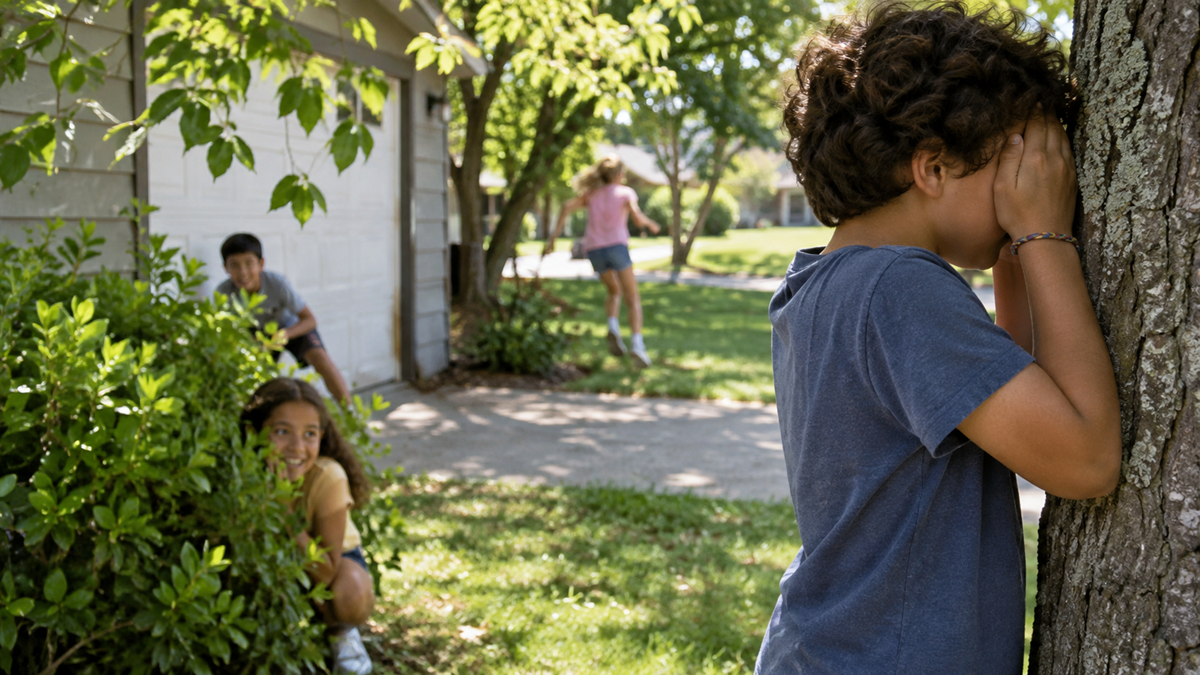
Someone covered their eyes and counted while everyone else scattered behind trees, bushes, garages, or whatever hiding places the neighborhood offered. The best spots were often the ones nobody thought to check, although staying hidden too long could become a problem of its own. Some versions included a home base where players could race to safety before the seeker caught them.
2. Red Rover
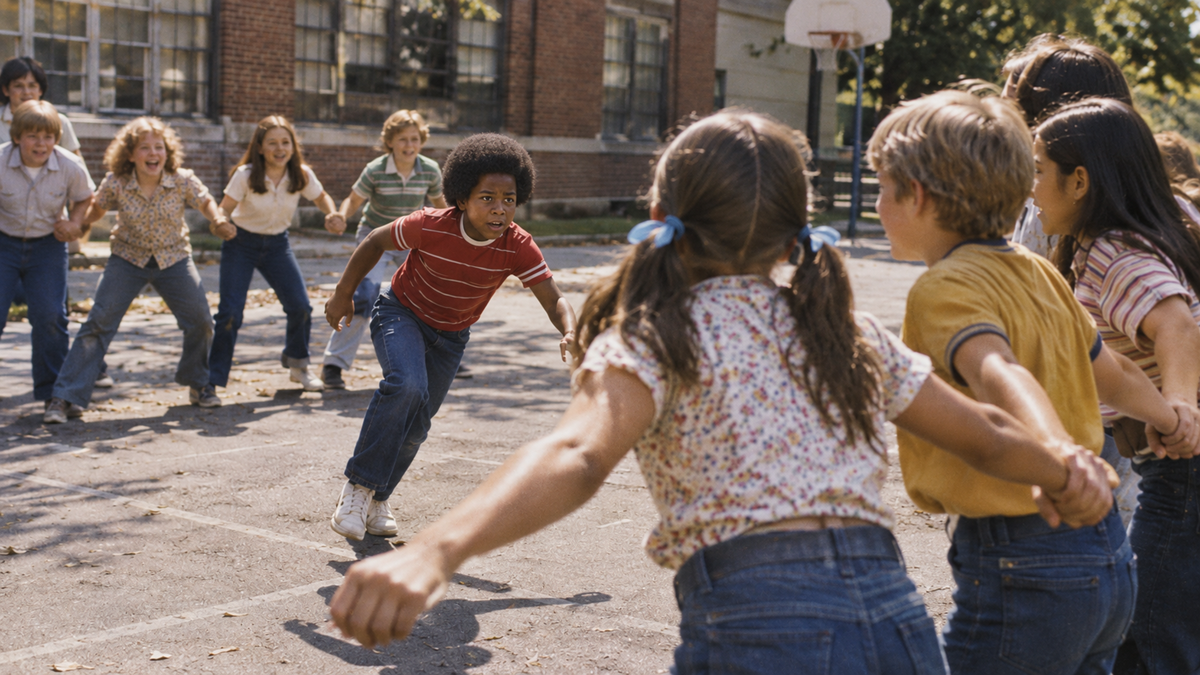
Two teams lined up facing each other, holding hands while calling an opponent to run across the gap. The chosen player tried to break through the other team’s linked arms. If they failed, they joined that team. If they succeeded, they could usually bring a player back to their own side. Red Rover was especially popular with larger groups, although its rough collisions also made it one of the more injury-prone playground games.
3. Freeze Tag
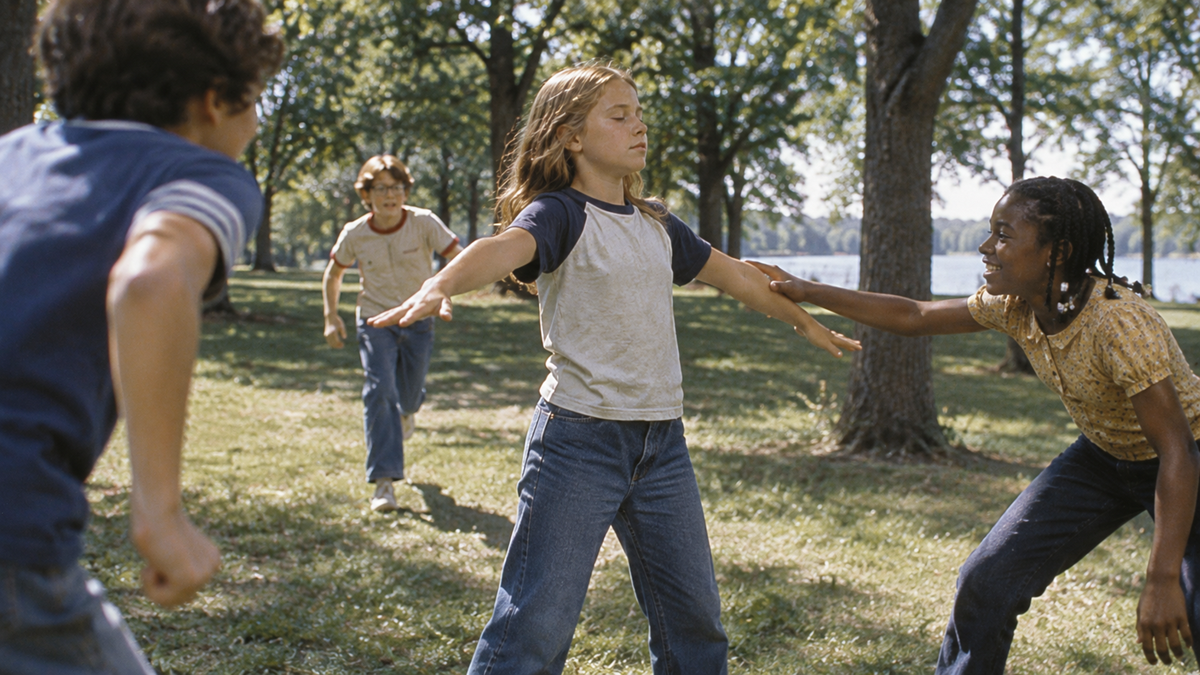
Regular tag was exciting enough, but Freeze Tag added another problem. Once tagged, a player had to stand completely still until an untagged teammate came along to free them. The person who was “it” tried to freeze everyone before the remaining runners could rescue their friends.
4. Red Light, Green Light
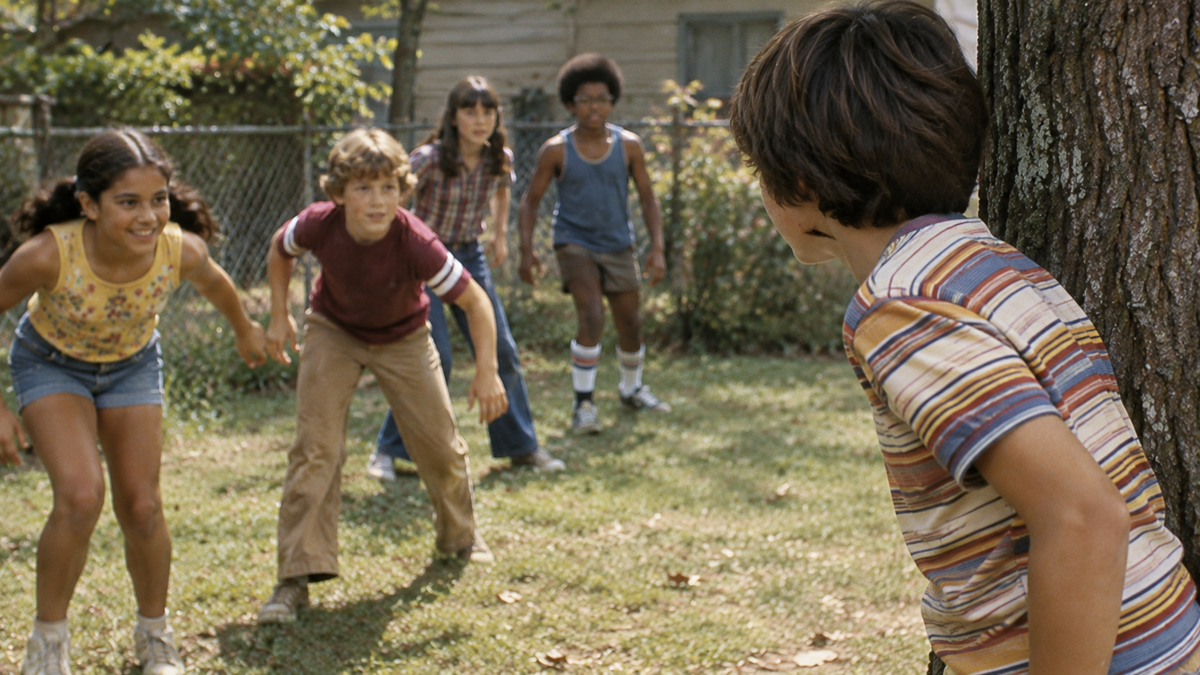
One child stood at the far end of the yard, facing away from everyone else. At “green light,” the other players rushed forward, but “red light” meant stopping immediately as the caller turned around. Anyone caught moving could be sent back to the starting line. There was always somebody who insisted they hadn’t moved, even when everyone had clearly seen it.
5. Mother, May I?
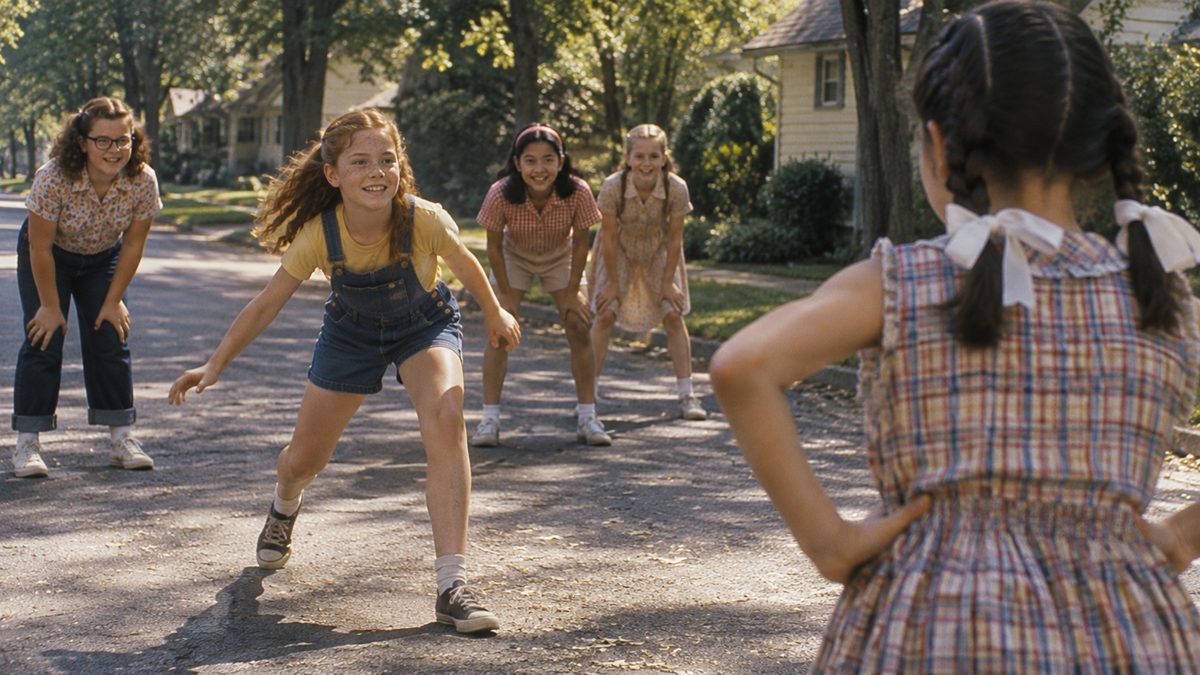
Reaching the finish line depended on getting permission from the child playing “Mother.” Players asked for giant steps, baby steps, or other movements, and Mother decided what they could do. Forgetting to say “Mother, may I?” could cost a player their turn or send them backward, depending on the neighborhood rules. The child in charge could make things especially difficult for anyone getting close to winning.
Trending on The Scroller

6. Simon Says
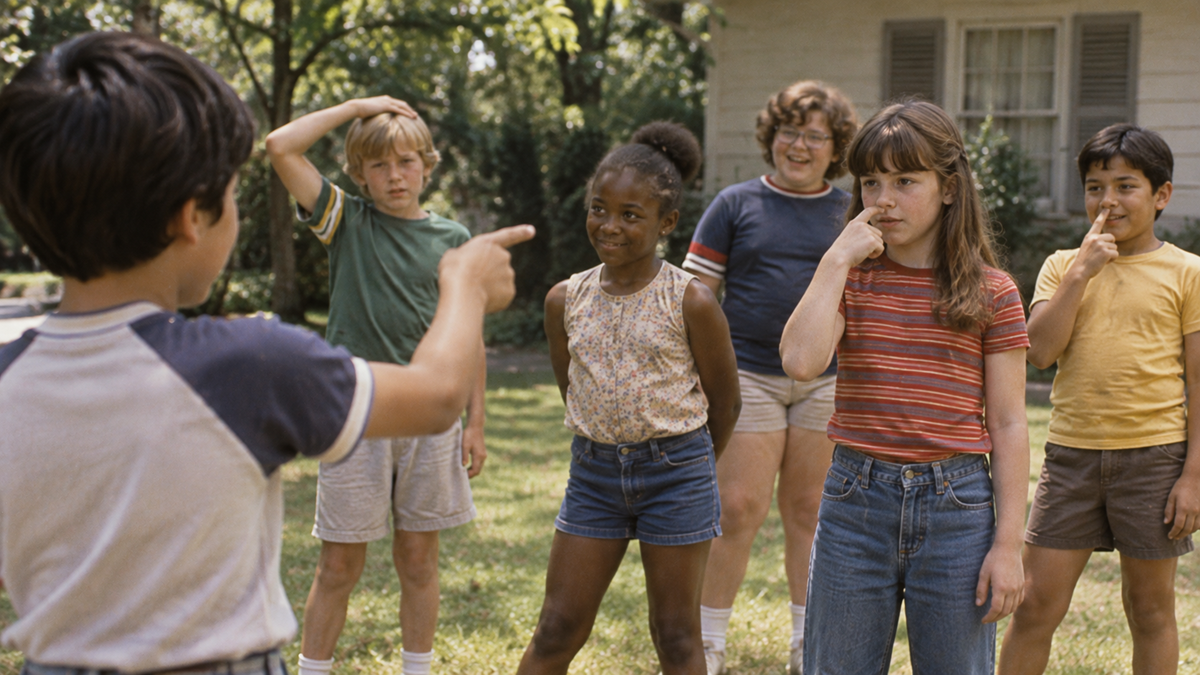
“Simon says touch your nose” was easy enough. The trouble started when the leader gave a command without saying those two important words first. Anyone who followed the instruction anyway was out. A good Simon could eliminate half the group with one quick command.
7. Duck, Duck, Goose
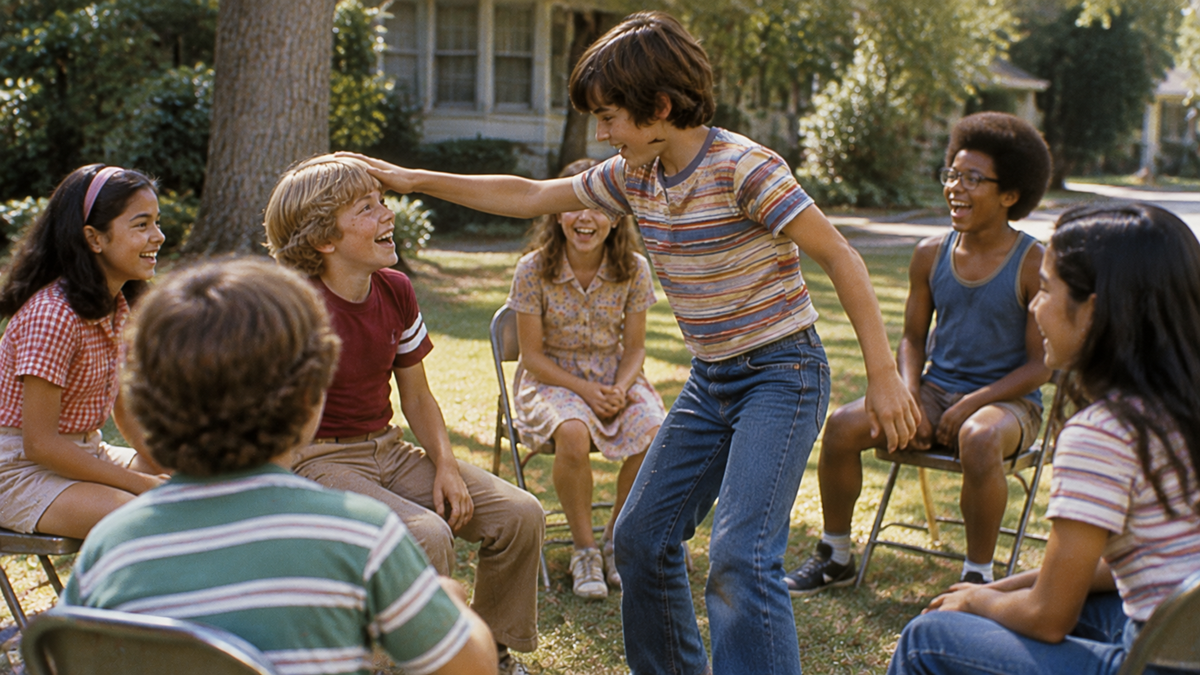
Everyone sat in a circle while one child walked around tapping heads and repeating “duck.” Eventually, someone became the “goose,” jumping up to chase the picker around the circle. The goal was to reach the empty seat before being tagged. It was simple, noisy, and particularly good at turning a quiet group into a laughing mess.
8. Sardines
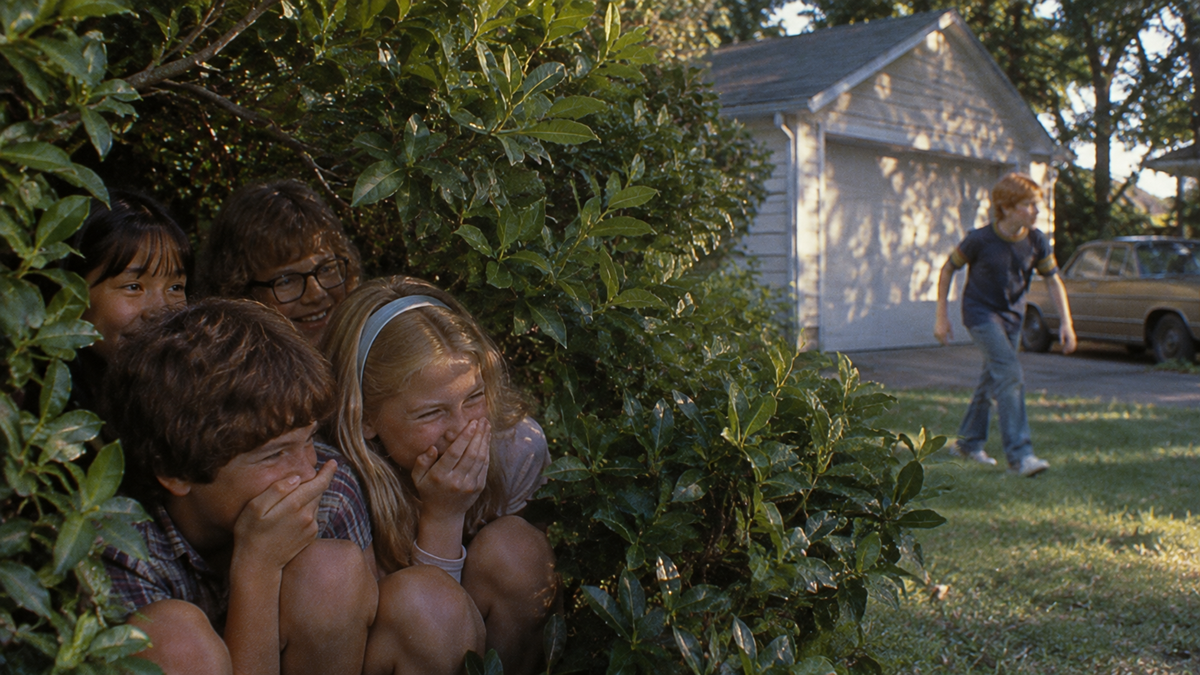
Sardines reversed the usual rules of hide-and-seek. Only one child hid, and everyone else searched separately. When someone discovered the hiding place, they quietly squeezed in alongside the original player. By the end, several kids might be crammed behind the same bush, trying desperately not to laugh while the last person kept searching.
Sign up for our newsletter
9. TV Tag
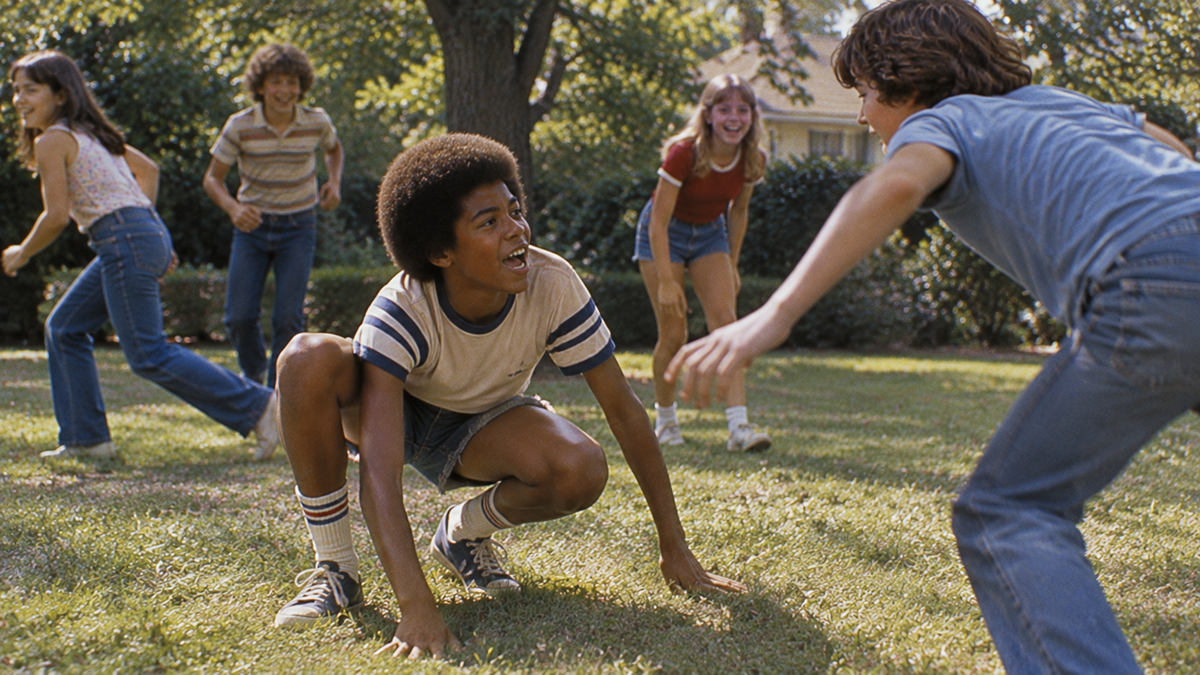
This variation of tag rewarded quick thinking as much as fast running. In one common version, players could avoid being tagged by crouching and calling out the name of a television show before the person who was “it” reached them. Naming favorites like Happy Days, The Brady Bunch, or The A-Team could provide a few seconds of safety. Repeating a show someone had already mentioned was often against the rules.
10. What Time Is It, Mr. Fox?
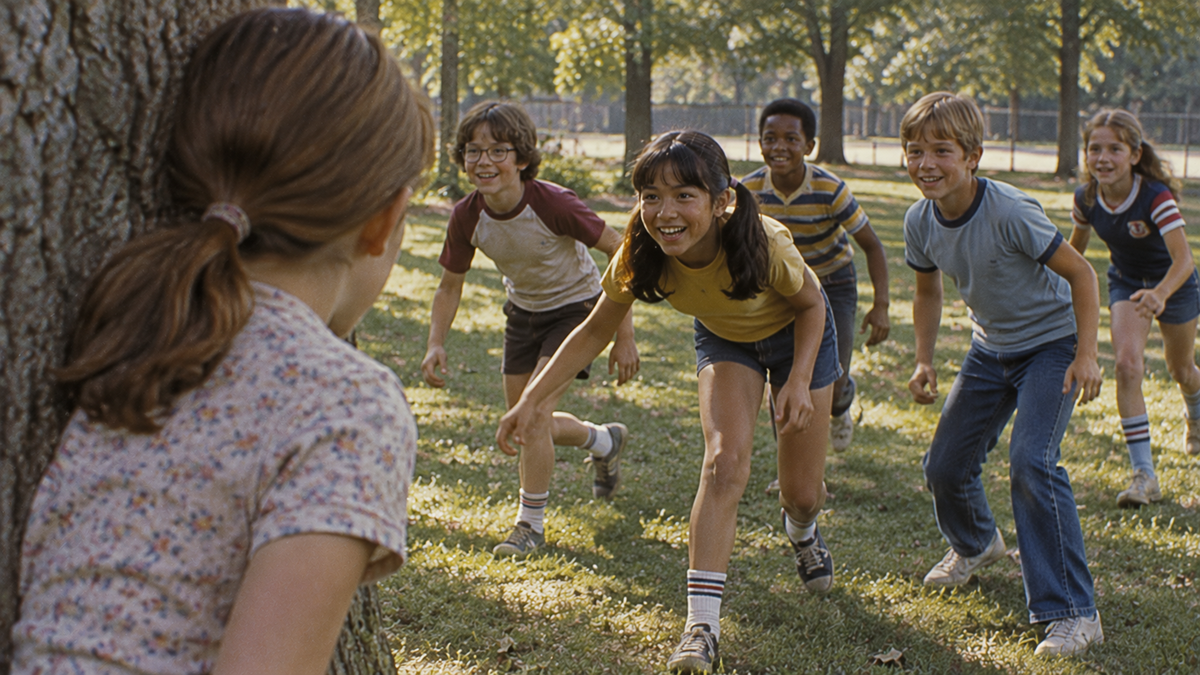
The children called out, “What time is it, Mr. Fox?” and moved forward according to the number of steps the fox announced. Everything seemed harmless until the answer became “Dinnertime!” That was the signal to run as the fox turned around and chased the group. Getting caught usually meant becoming the next fox.
11. British Bulldog
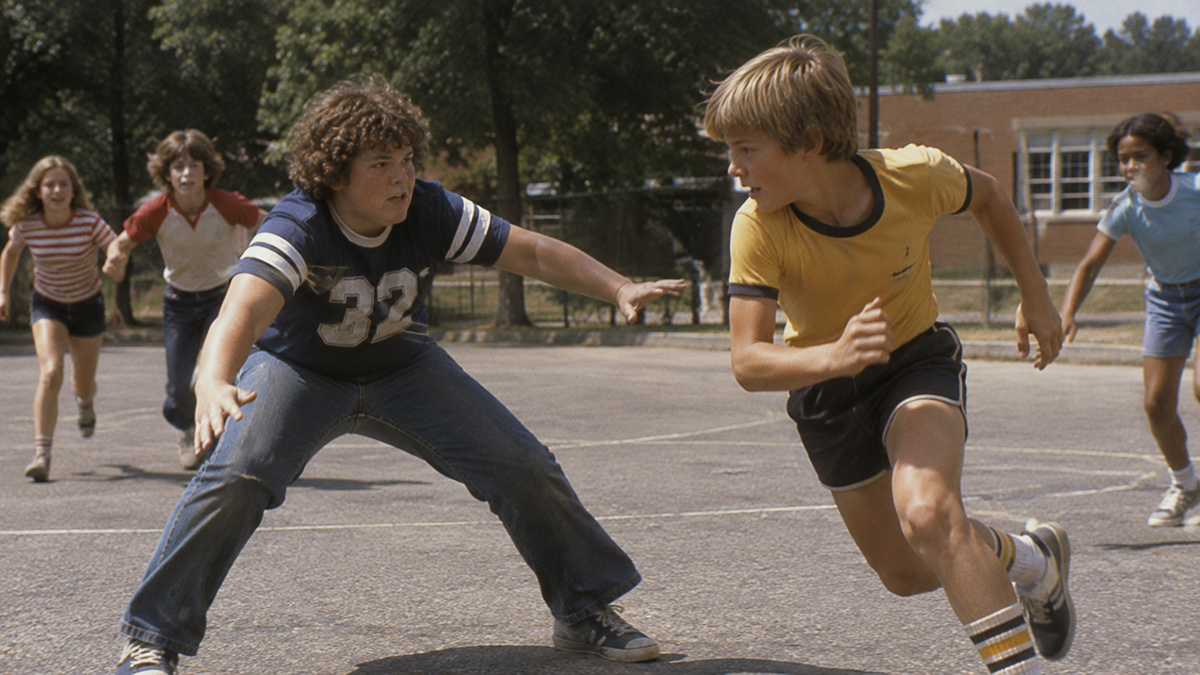
One player stood in the middle of an open area while everyone else lined up along one side. At the signal, the runners attempted to reach the opposite side without being caught. Depending on the local version, captured players either joined the bulldog or helped catch others in the next round. Some versions involved grabbing or holding opponents, making the game considerably rougher than ordinary tag.
12. Follow the Leader
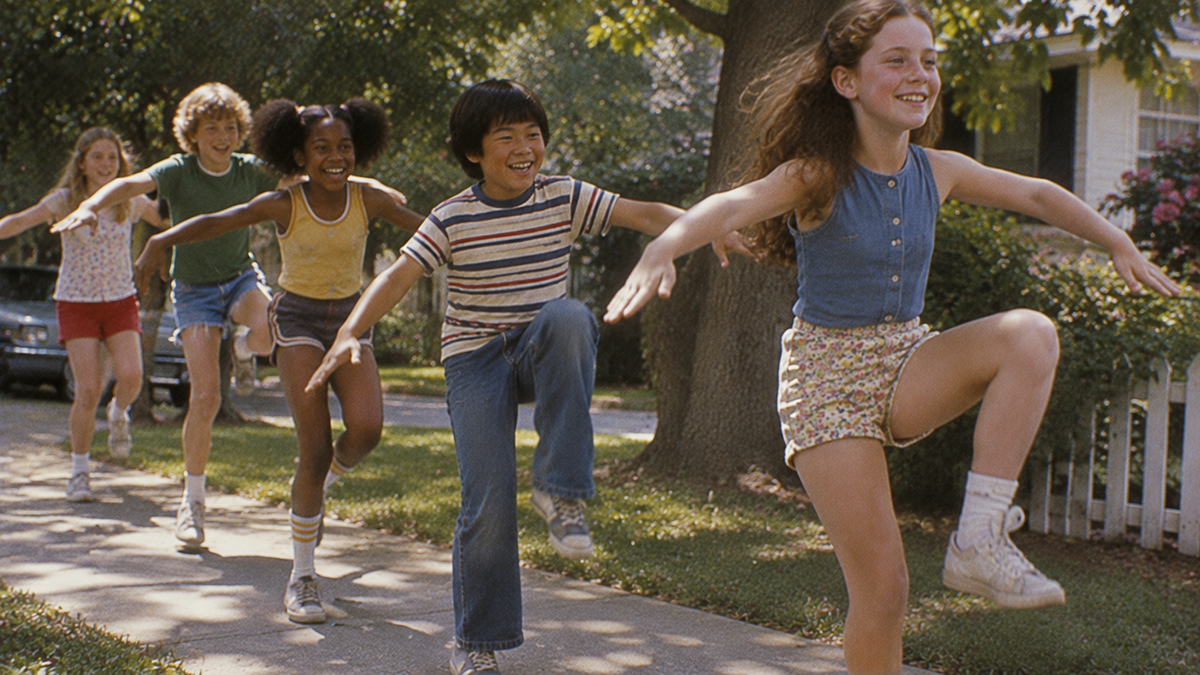
One child took the lead, and everyone behind had to copy whatever they did. That might mean hopping on one foot, spinning around, crouching low, or zigzagging across a yard. The fun came from watching the leader invent increasingly ridiculous movements while the rest of the group struggled to keep up.
13. Statues
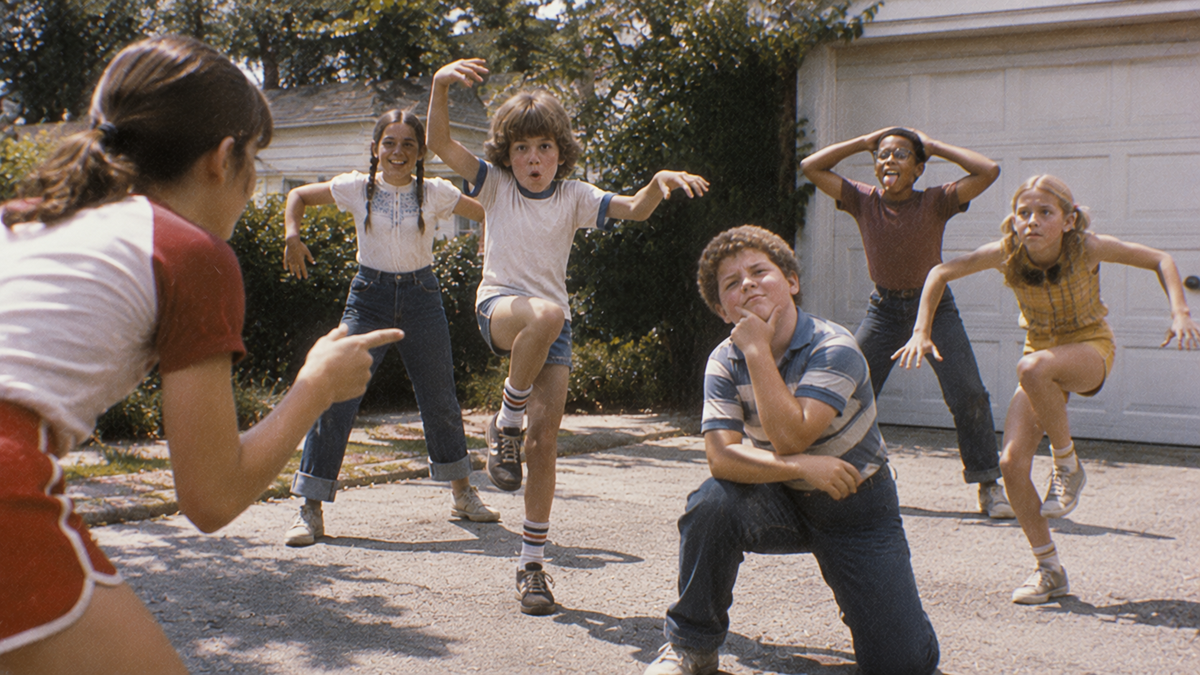
Standing perfectly still sounds easy until someone is deliberately trying to make everyone laugh. In one version of Statues, a leader tried to catch players moving or breaking their poses. Another variation involved spinning players before they froze into funny positions. Either way, maintaining a serious expression could be surprisingly difficult.
14. Sharks and Minnows
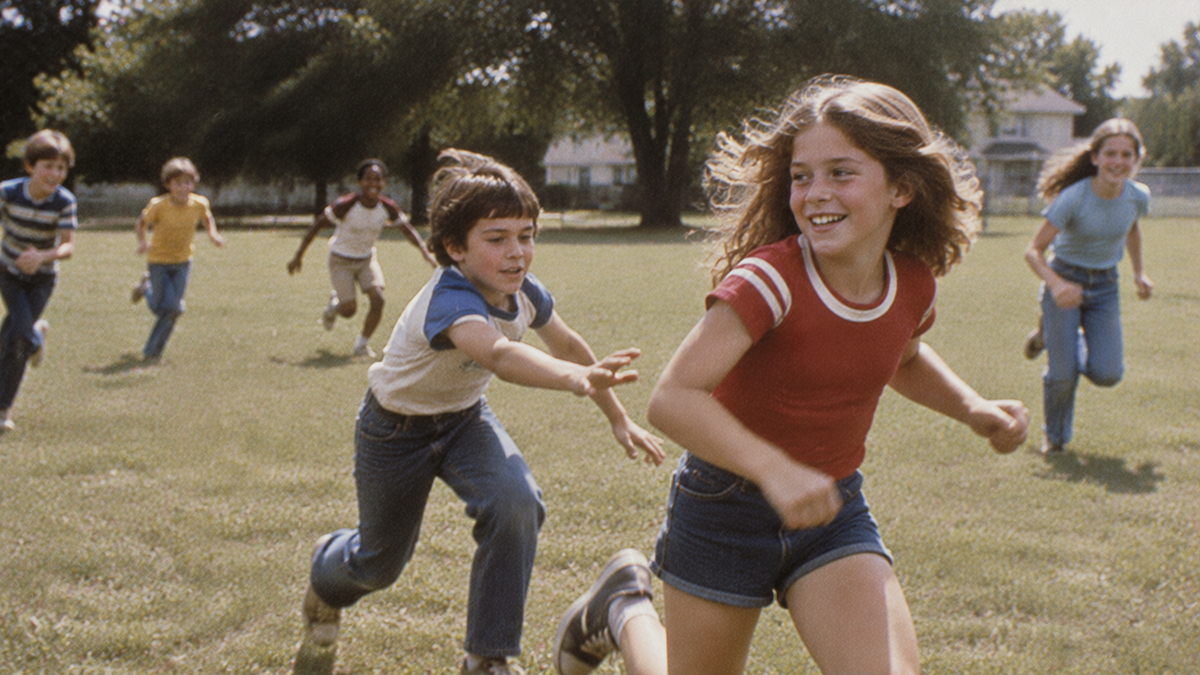
An open field could become an imaginary ocean in seconds. One or more sharks waited in the middle while the minnows tried to run from one safe end to the other without being tagged. Anyone caught usually became another shark, making each crossing harder than the last. The game worked particularly well with a big group because the number of pursuers kept growing.
15. Shadow Tag
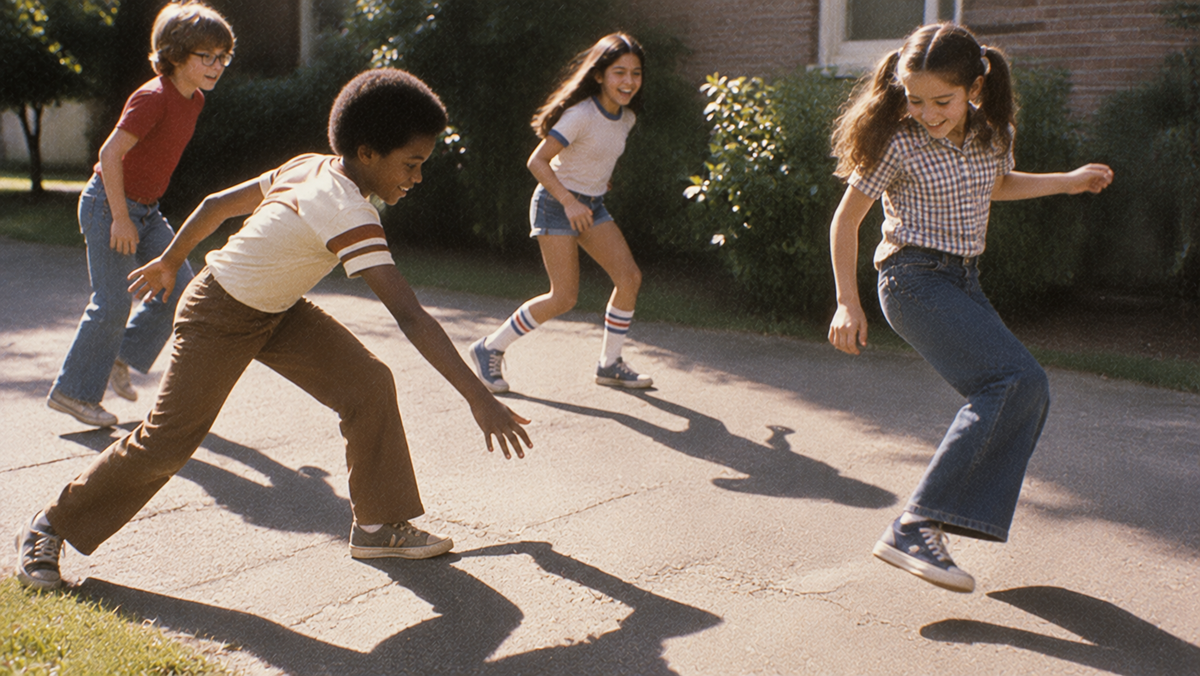
On a sunny afternoon, kids could play tag without actually touching each other. Instead of chasing someone down and tapping their shoulder, the person who was “it” tried to step on another player’s shadow. Long afternoon shadows made the game especially interesting, since keeping your distance didn’t always mean you were safe. All it took was sunlight, open space, and a little imagination.
In the mood for more?
Check out 20 Things Today’s Kids Do That Are Unthinkable To 70s Kids, or take a look at 15 Reasons ’70s Kids Were More Patient. If you want to see more nostalgic memories, you can check out 20 Everyday Things 80s Kids Did That Are Now Obsolete.