Split image: On the left, a milkman in uniform carries bottles next to a milk truck. On the right, a woman in an office types on a typewriter with paper, a notebook, and office equipment on her desk. Both images are in black and white.

The 1960s were a time of big changes and bold ideas. It was an era when life moved at a slower pace. Kids played outside until dark, families gathered around a single TV, and people still wrote letters by hand. Technology hadn’t taken over daily life, and the world felt both simpler and more connected in its own way.

But the ’60s weren’t just about nostalgia, they were a turning point. Civil rights marches, space missions, and shifting cultural norms reshaped how people saw the world. While some customs feel outdated now, many of the decade’s changes laid the groundwork for the modern age. Here are 20 reasons life was different in the 1960s.

1. There was no internet

A man with a beard sits on the sand reading a newspaper, wearing sandals and raising one hand in surprise. A bucket is beside him, and a child stands in the background near a stone wall and a parked car.
userdeleted

In the 1960s, information came from newspapers, libraries, and word of mouth. Research meant a trip to the library, not a Google search.

2. There were only 3 channels on the TV
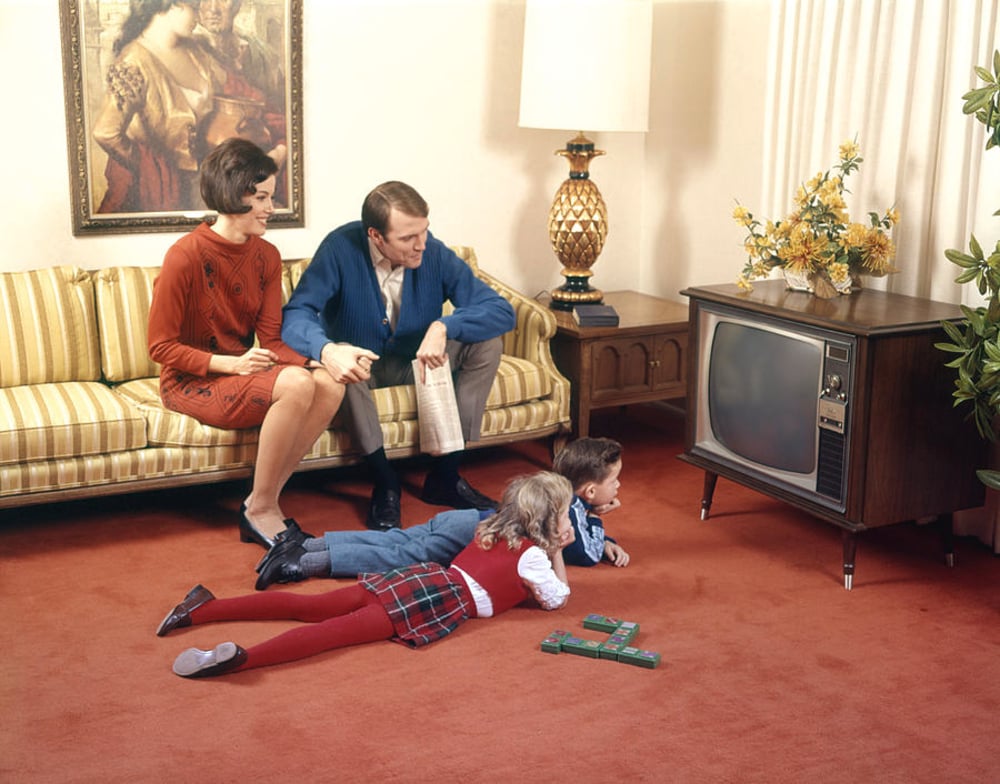
A family of four in vintage clothing watches TV in a living room. Two adults sit on a striped couch while two children lie on a red carpet facing an old-fashioned television set. A painting, lamp, and flowers decorate the room.
sa_im_gonna_be_

Most households had access to just three major networks: ABC, CBS, and NBC. Programming was limited, and missing a show meant waiting for a rerun months later.

3. Phones were attached to the wall
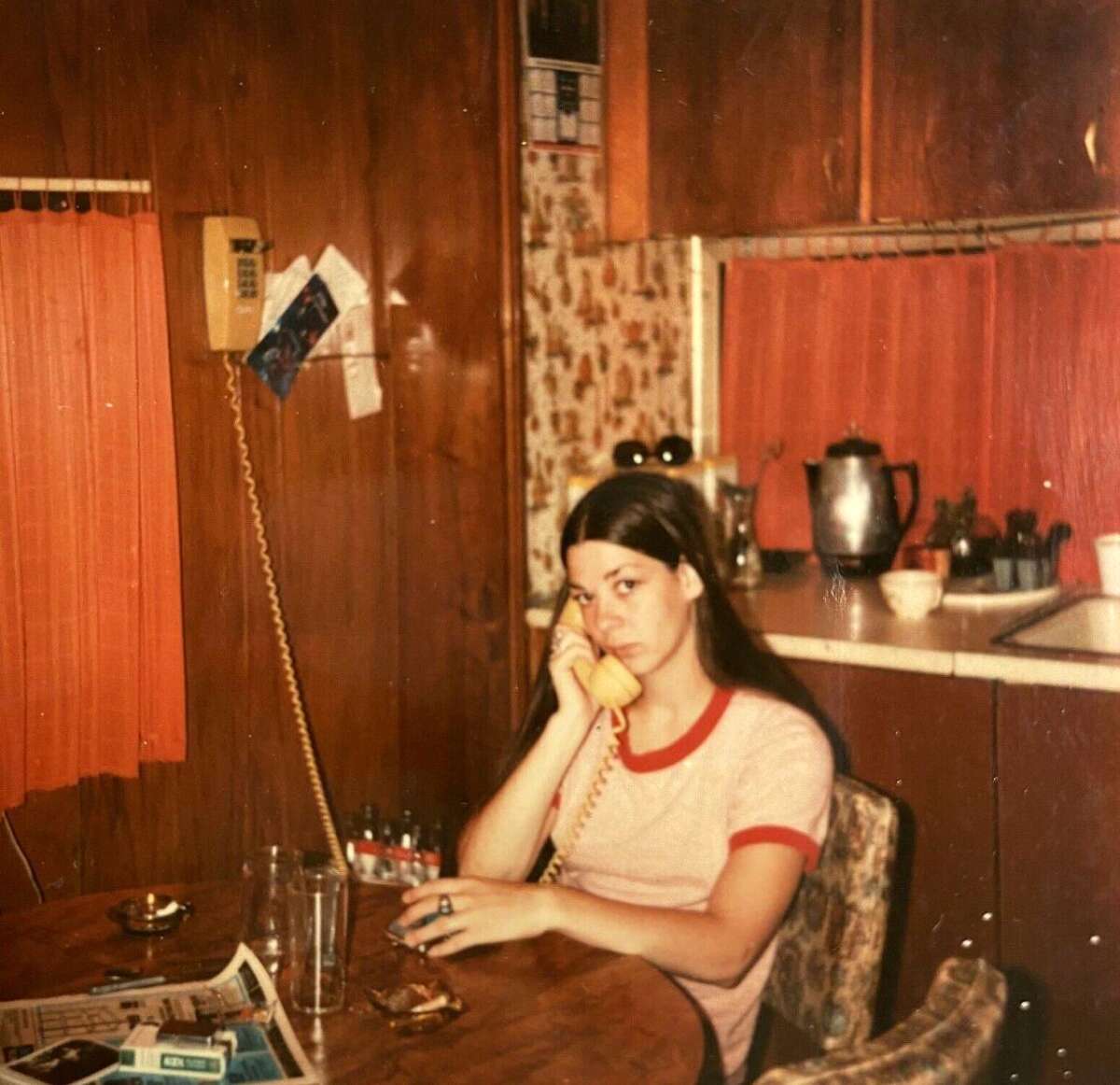
A young woman with long dark hair sits at a wooden table in a retro kitchen, talking on a yellow rotary phone. She wears a white and red ringer T-shirt and looks slightly serious. The kitchen has wood-paneled walls and orange curtains.
userdeleted

Phone calls were made on rotary dial telephones. Long-distance calls were expensive and often required planning in advance.

4. There were milkmen
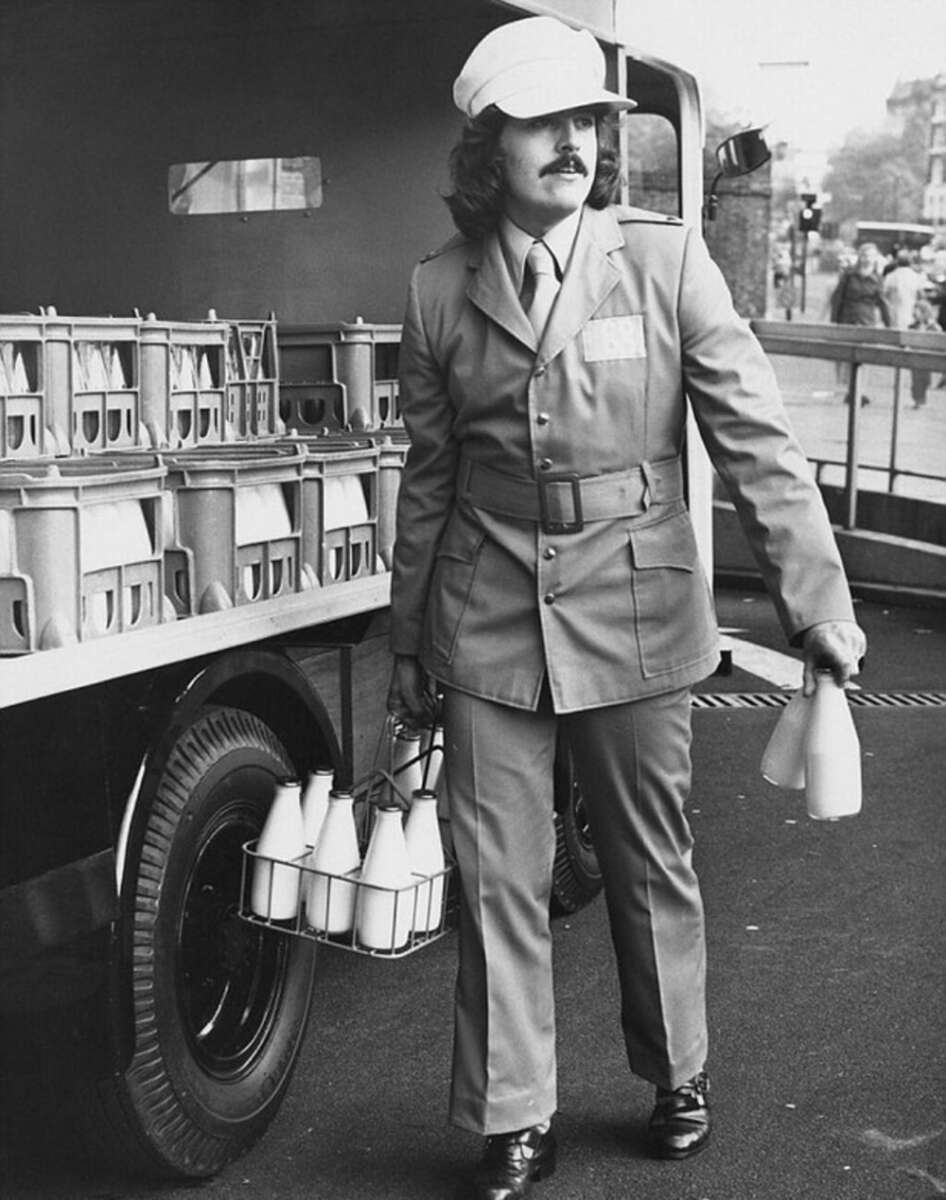
A milk delivery person in a uniform and cap carries glass milk bottles from a truck loaded with crates of milk bottles on a city street. The image is in black and white.
immanic

Milkmen dropped off fresh milk in glass bottles, sometimes along with eggs and butter. It was a daily or weekly ritual in many neighborhoods.

5. People got dressed up to do everything
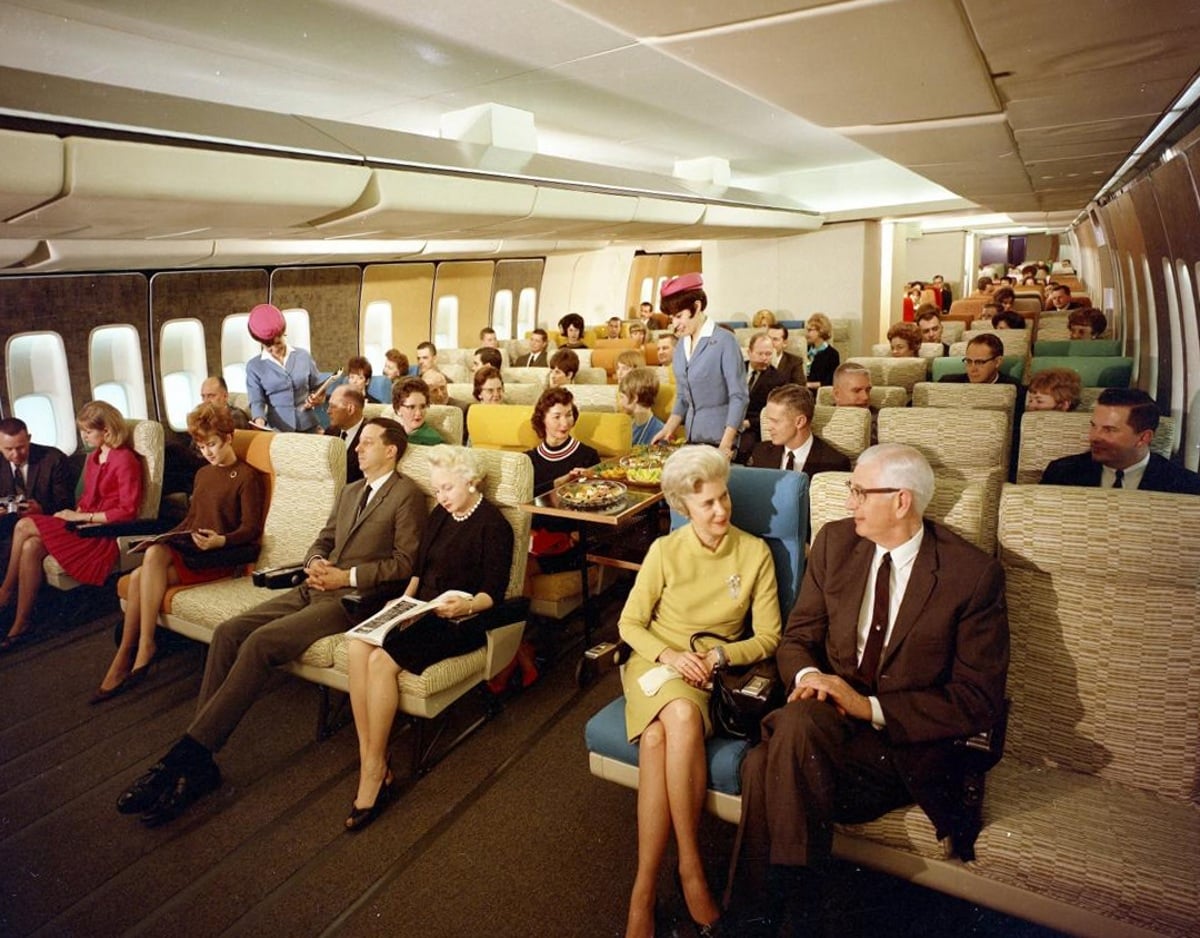
Passengers sit in a spacious, retro airplane cabin with colorful seats. Flight attendants in pink uniforms walk the aisles. Most passengers appear relaxed, reading or talking, with large windows and ample legroom visible.
acuteoran

Today, when we go to a baseball game or board a plane, we usually dress for comfort. But back in the 1960s, activities like flying or attending a sporting event were occasions people dressed up for.

6. Letters were one of the main forms of long-distance communication
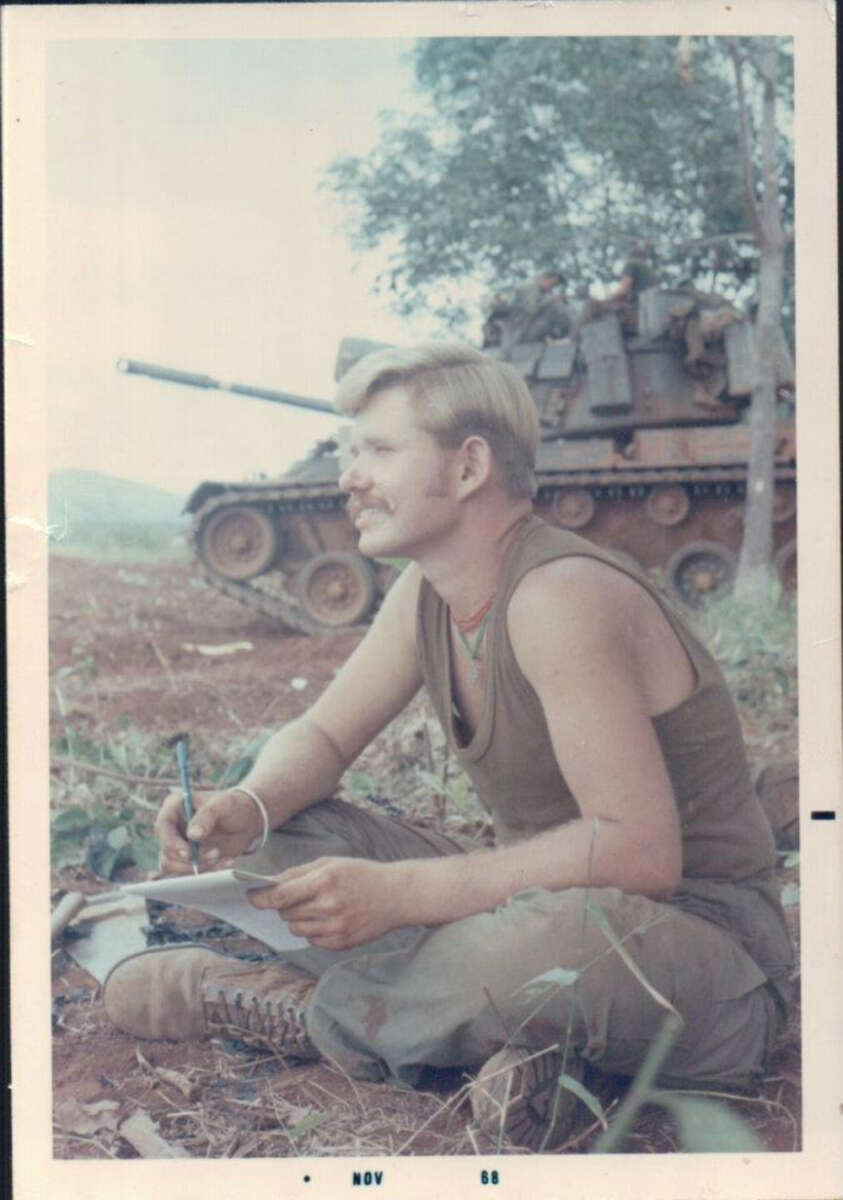
A man in a sleeveless shirt and military pants sits on the ground writing, with a tank and several soldiers in the background under a tree. The photo appears to be from the 1970s or 1980s.
zraddue

People mailed letters regularly, and waiting weeks for a reply was normal.

7. There were no personal computers
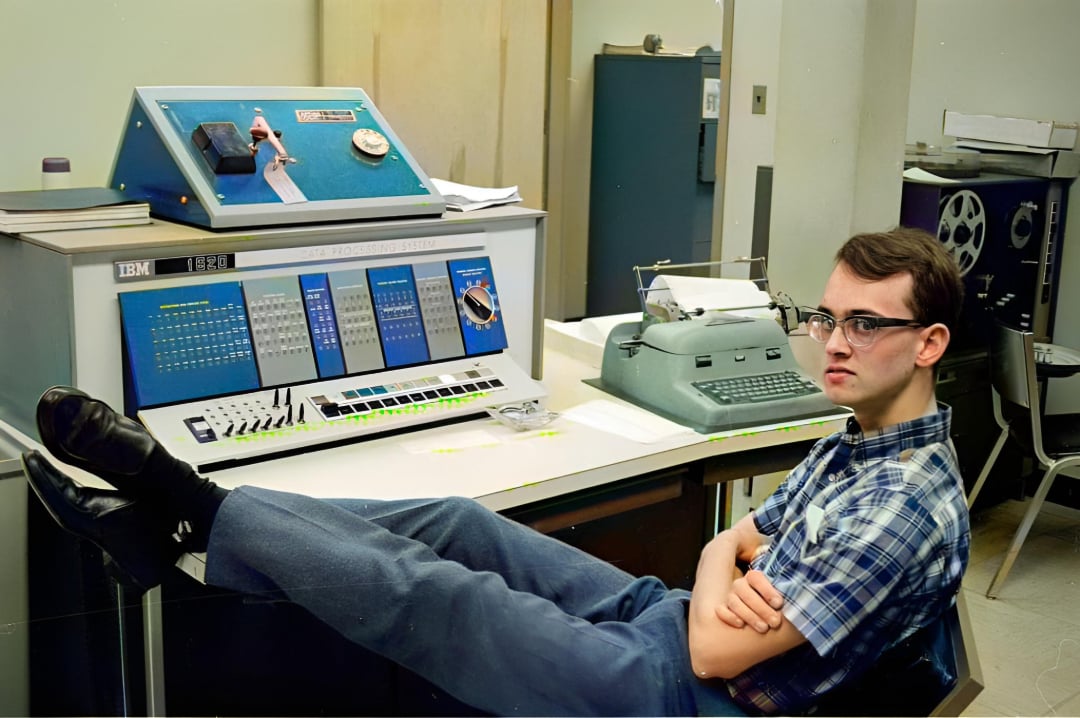
A young man with glasses, wearing a plaid shirt, sits with his legs up on a desk beside a vintage IBM computer console and an old typewriter in a retro office setting.
aceraspire8920

Computers were massive machines used mostly by businesses or governments. The idea of owning a personal computer was pure science fiction.

8. You listened to music on vinyl records
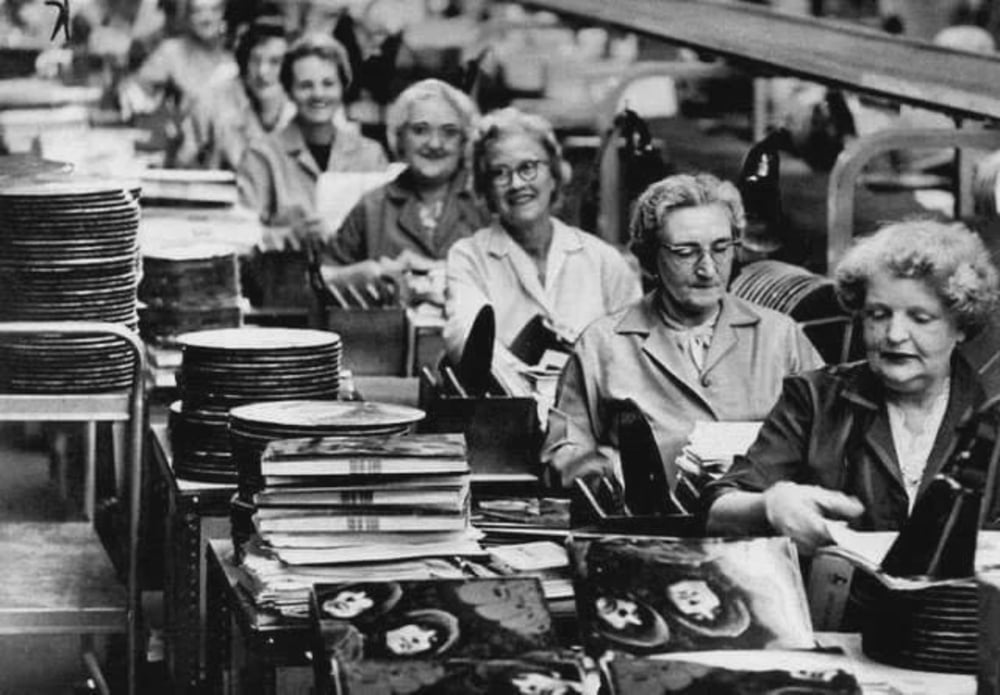
A group of women working in a factory assembly line, smiling while handling vinyl records and album covers. The workspace is filled with stacks of records and albums. The photo appears to be from the mid-20th century.
suitoflights

People listened to albums on record players. Music wasn’t instantly accessible; you either had to own it, borrow it, or catch it on the radio.

9. News came once a day

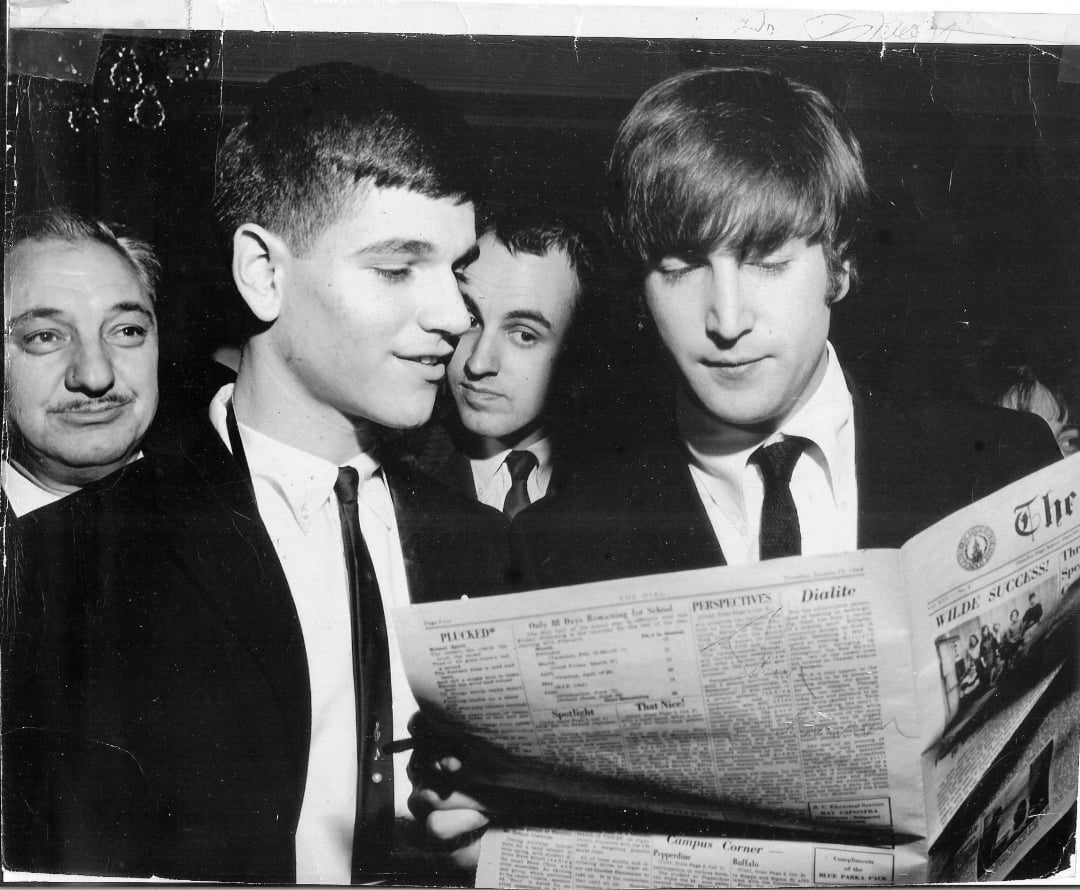
Three men in suits look at a newspaper together at a formal event. The man in the foreground on the right holds the newspaper, while the other two closely observe. All have serious or focused expressions.
mansinoodle

Most people got their news from the evening paper or nightly TV news. There was no constant news feed or social media updates.

10. Few cars had seatbelts, and they were optional
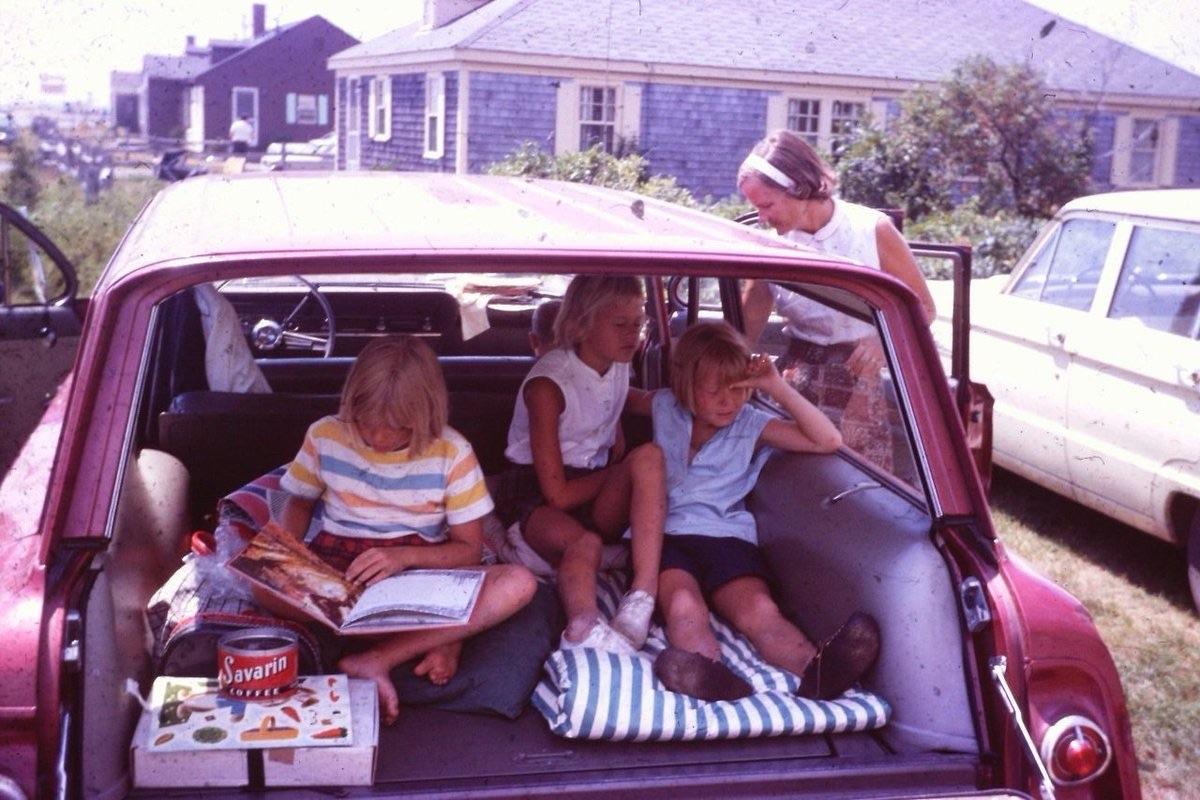
Three children sit in the open trunk of a red car, reading and relaxing with snacks and games. An adult stands nearby, with houses and another car visible in the background on a sunny day.
big_shot_gangster

Vehicle safety was not a priority. It wasn’t until the late ’60s that seat belts started becoming standard, and even then, few used them.

11. Eating out was a novelty
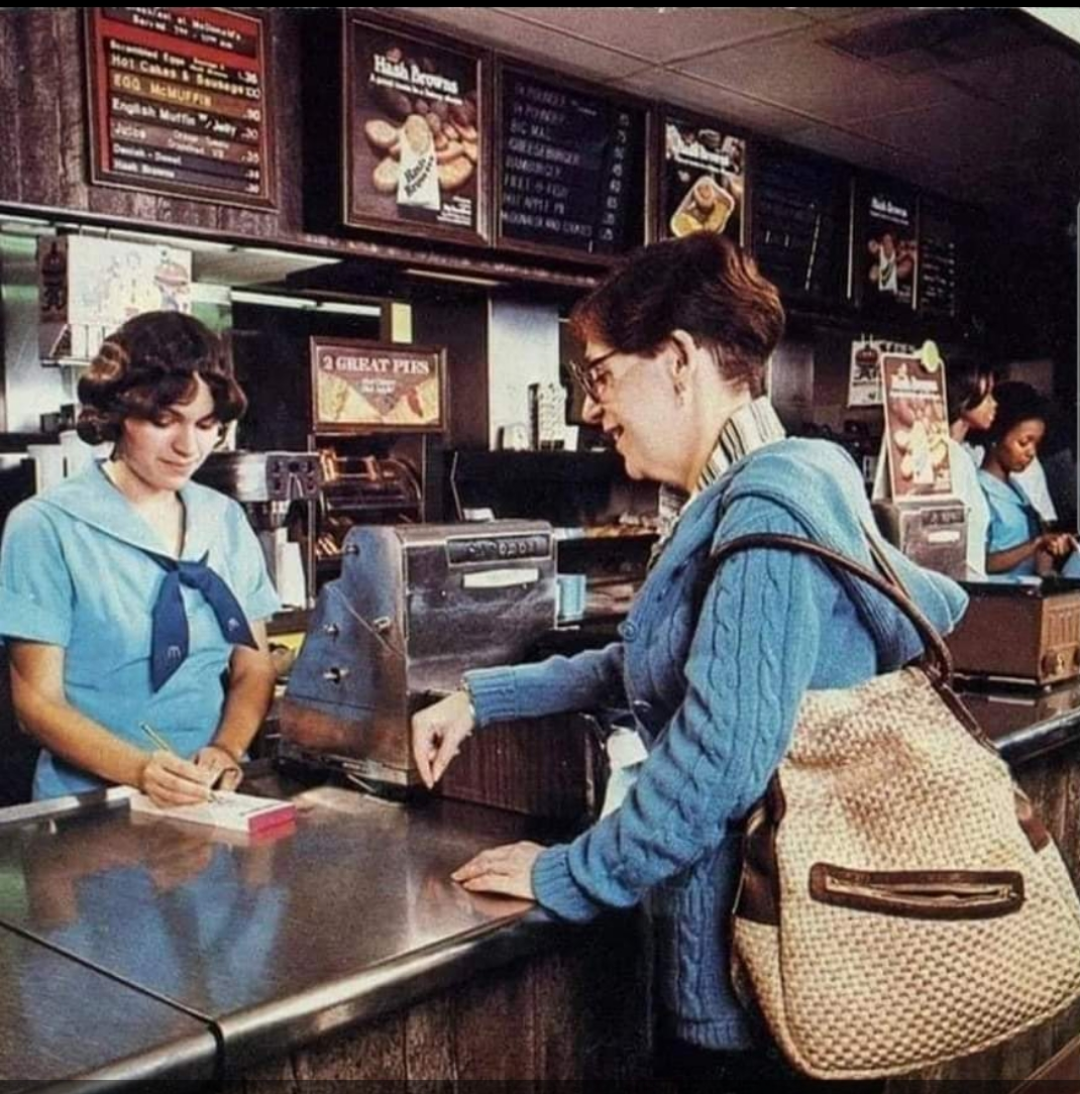
A woman in a blue sweater stands at a diner counter, interacting with a cashier in a blue uniform. Another employee works in the background. Menus with food options hang above the counter.
statman13

McDonald’s and other chains were just beginning to expand. Eating out was more of an occasional treat than a daily convenience.

12. Three-generational homes were much more common
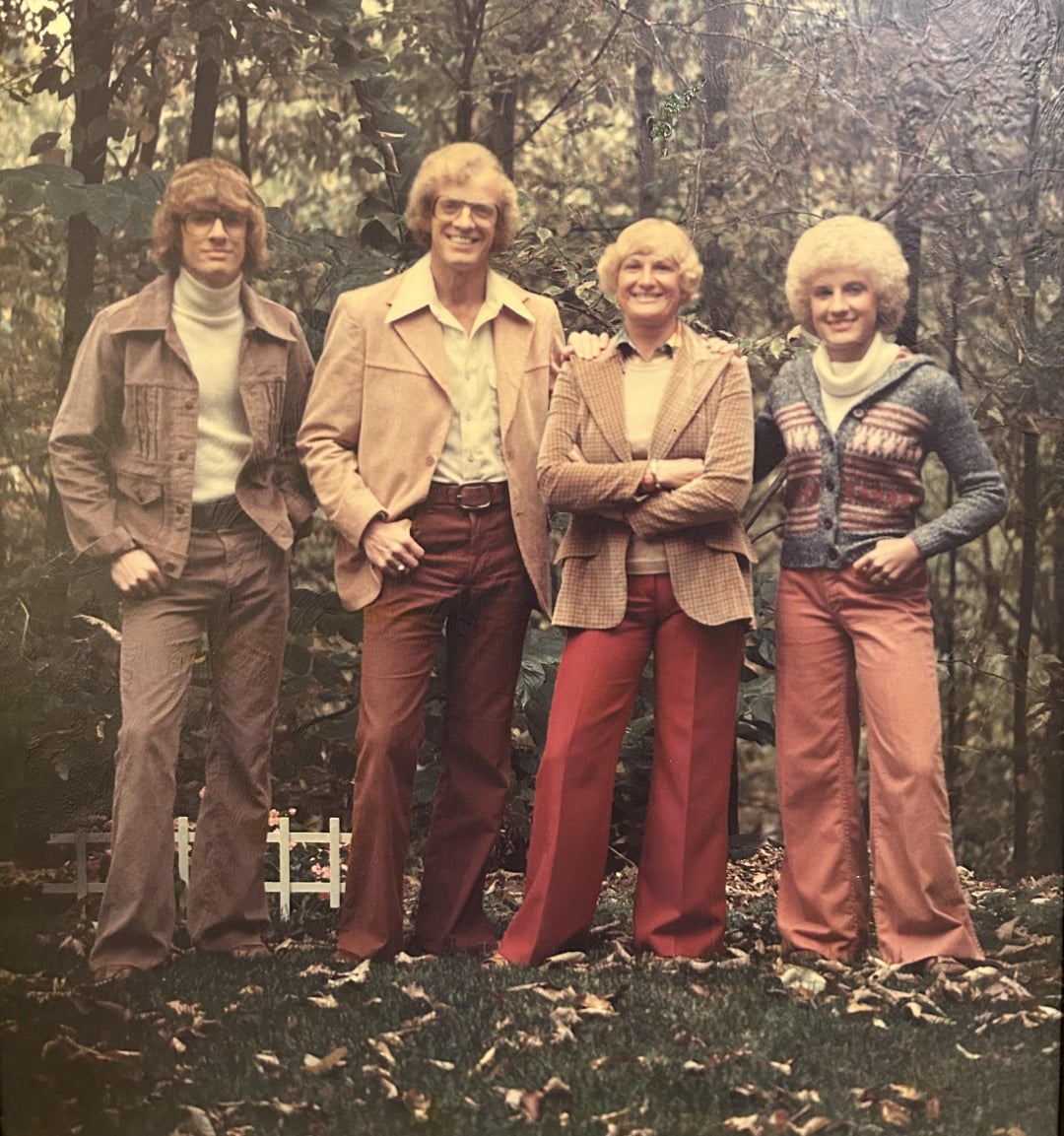
Four people stand outdoors in a wooded area wearing 1970s-style clothing, including flared pants, turtlenecks, and patterned jackets. They are smiling, with autumn leaves on the ground around them.
connorgrs

It was much more common for a family to include a grandparent, parent, and child in the same house. Today, everyone lives separately once age 25 comes around.

13. Mail-order catalogs were a big deal
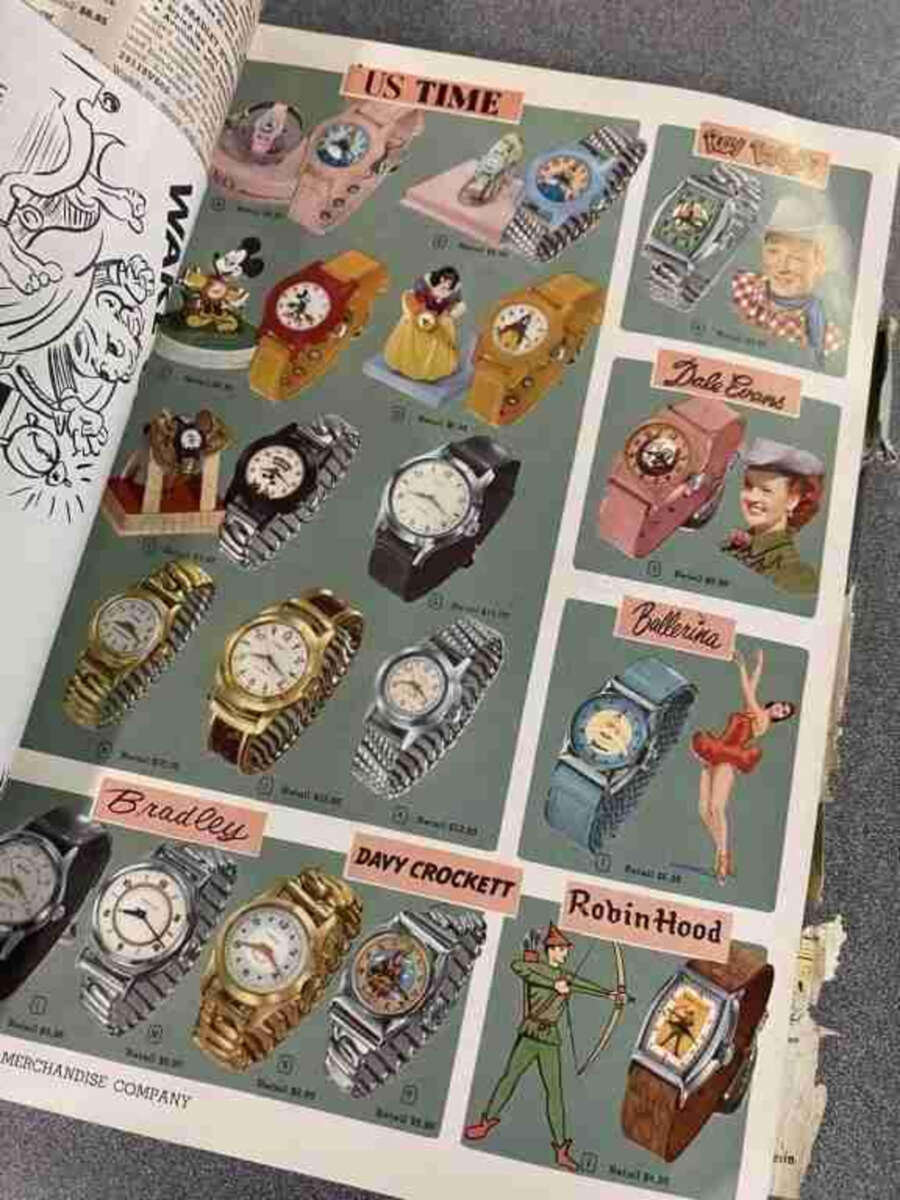
Vintage catalog page featuring various character-themed wristwatches, including Mickey Mouse, Cinderella, Davy Crockett, Robin Hood, and others, displayed with colorful illustrations and labeled for each character.
crosleyxj

Retail giants like Sears sent thick catalogs to homes. Families spent hours browsing them to shop for everything from toys to furniture.

14. Doctors made house calls
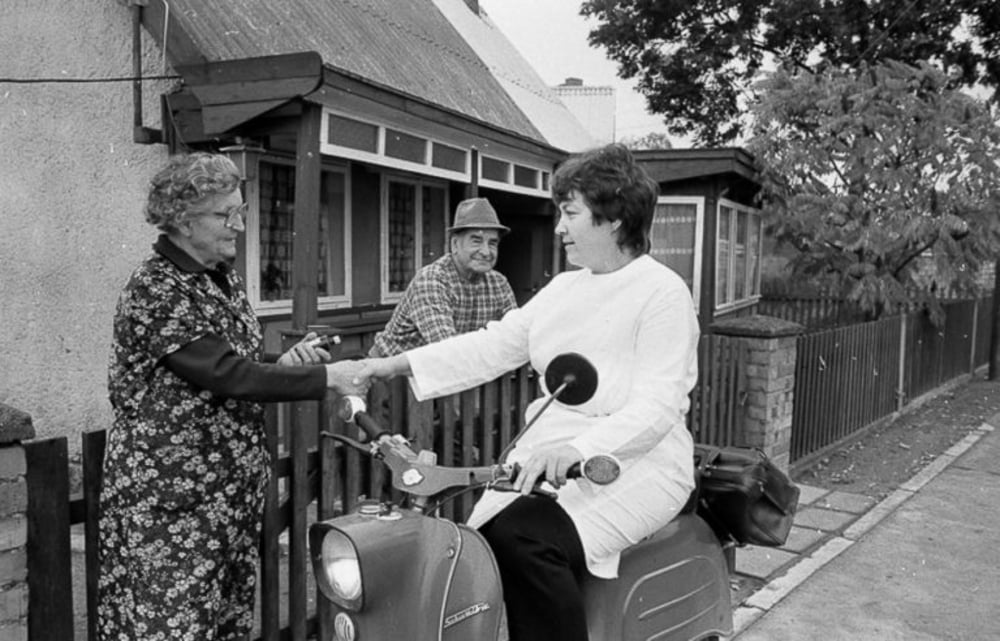
A woman on a scooter shakes hands with an older woman standing at a gate, while an older man watches from behind the fence in front of a house. The scene appears friendly and takes place on a residential street.
thetricontinental

It wasn’t unusual for a doctor to visit your home if you were sick. The healthcare system was more personal, though also less technologically advanced.

15. Divorce was taboo

A black-and-white photo of a man and woman sitting apart on a bench, both looking away pensively. Three other people sit in the background, each facing different directions. The mood is somber and reflective.
panishev

Getting divorced carried a heavy social stigma. Many couples stayed together regardless of happiness or compatibility.

16. Cameras used film
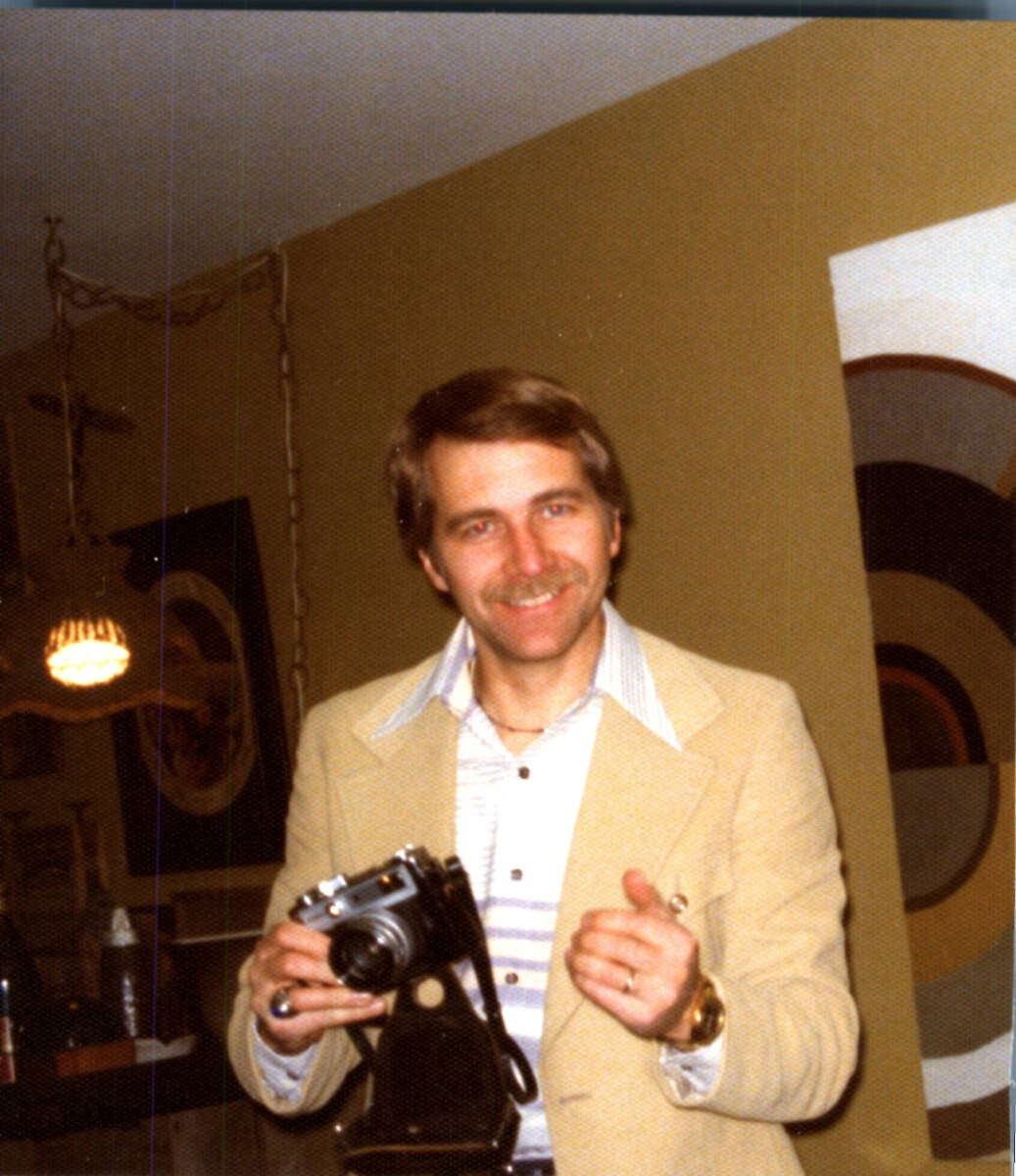
A smiling man in a beige suit holds a vintage camera indoors. The background features modern art on the wall and hanging lights, creating a warm, retro atmosphere.
heirloom-cloud

Photos were taken sparingly, and you had to wait days for them to be developed. No instant previews, just hopes that your eyes weren’t closed.

17. TV stations signed off at night
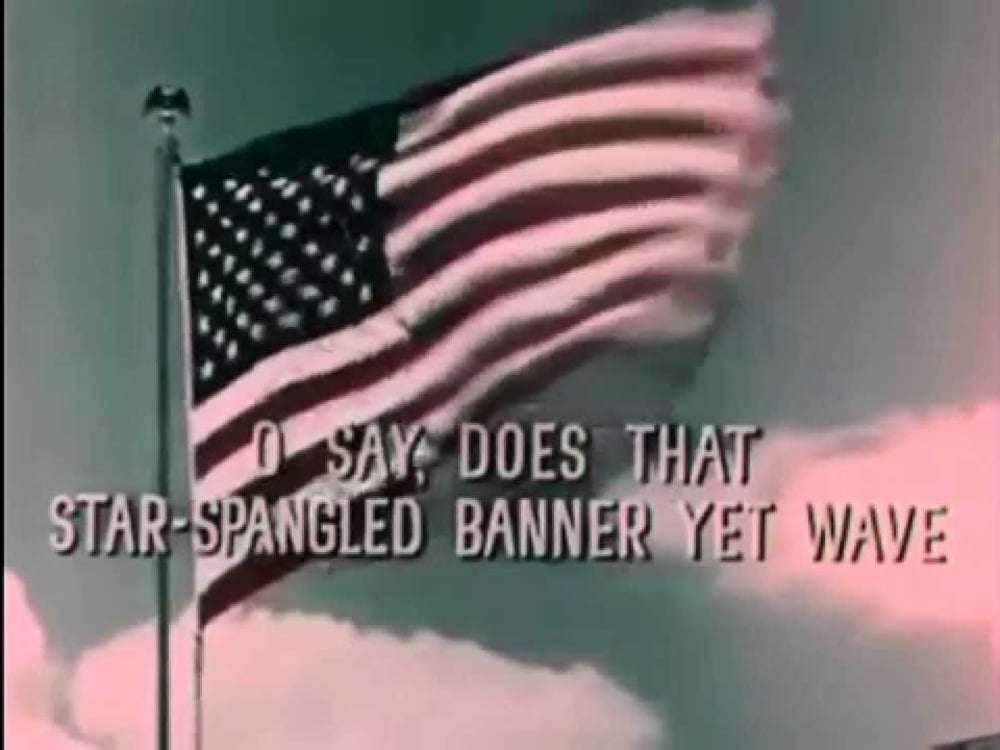
An American flag waves on a flagpole against a cloudy sky, with the words “O say, does that star-spangled banner yet wave” overlaid in large white text.
tuotone75

At midnight, many stations went off the air, often playing the national anthem before static filled the screen until morning.

18. Homemade meals were the norm

A group of seven people in colorful paper crowns sit around a festive table, enjoying dessert and drinks. The room has patterned wallpaper and holiday decorations, creating a warm, celebratory atmosphere.
m00nwater

Families sat down for dinner together most nights. Meals were made from scratch, and convenience foods were still gaining traction.

19. We used paper maps on road trips

Close-up of a person’s hands holding and examining a colorful, detailed paper map, focusing on streets and locations, suggesting they are navigating or planning a route.
pxhere

Navigation involved folding road atlases and asking strangers for directions. Getting lost was part of the adventure.

20. People used typewriters
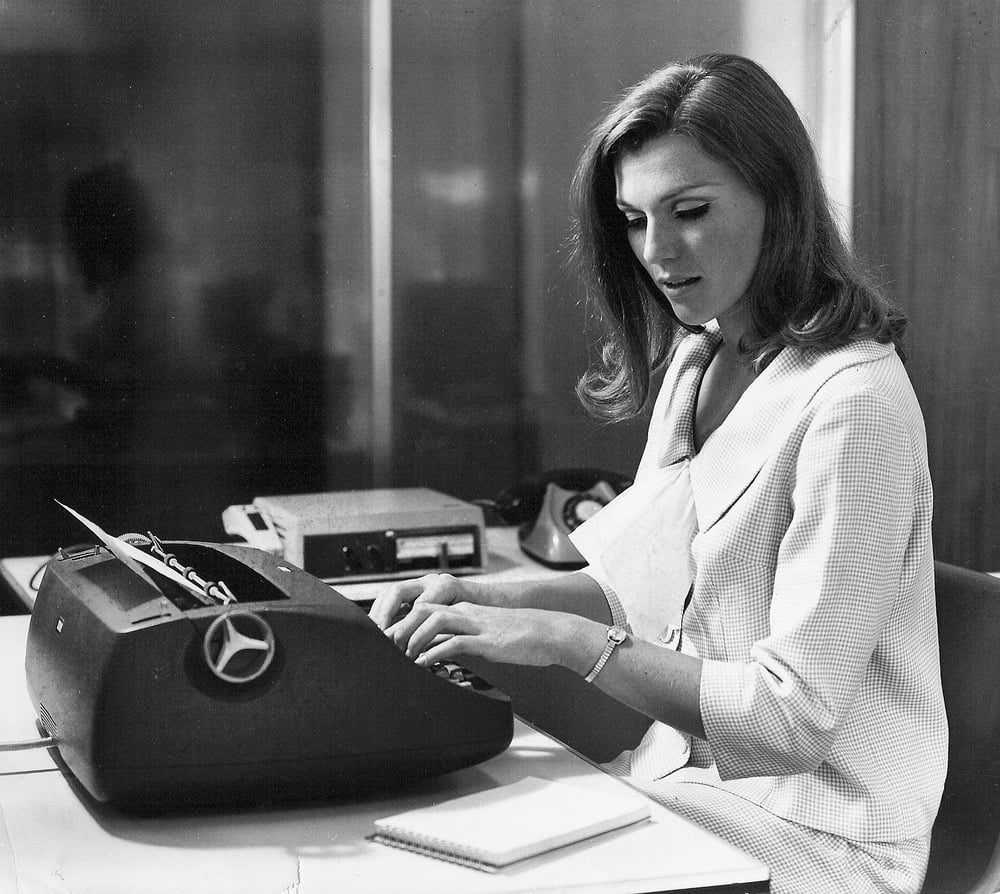
A woman in professional attire sits at a desk, typing on a vintage typewriter with a notepad in front of her. Office equipment and a phone are visible in the background. The photo is black and white.
saceface2223

Before computers, writing a paper meant hammering away on a typewriter. Mistakes required some whiteout or starting over.

Want to see more 1960s content?

Check out 23 Vintage Photos Of College Life In The 1960s, or take a look at 20 Vintage Photos Of Mechanics in the 1890s-1960s. Finally, if you want to see what road trips were like in the ’60s and ’70s, check out 25 Vintage Photos Of Road Trips In the 1960s and 1970s.

Meet the Writer

Patrick is a writer based in upstate New York, where he grew up and still calls home. Over the past year, he’s been diving deep into storytelling, especially tales rooted in history, the Wild West, lost treasures, and ancient artifacts. He’s also drawn to unsolved mysteries and whatever the internet can’t stop talking about.

Whether it’s a centuries-old legend or a bizarre internet rabbit hole, Patrick is always chasing the threads of a compelling story. When he’s not chasing stories, Pat’s probably hiking mountain trails with his dog, exploring new corners of the U.S., or doom-scrolling between hangouts with friends and family. He finds inspiration in nature, forgotten places, and random conversations—anything that sparks curiosity. Whether it’s city streets or backcountry paths, Patrick’s always on the lookout for the next great story.