Pull up a chair and dust off your monocle. Dining in the Roaring Twenties was as much about manners as it was about music and martinis. Between jazz-age excess and old-world formality, hosts and guests navigated a minefield of peculiar etiquette that now seems almost theatrical.
From the precise placement of napkins to unspoken rules about crumbs, these 15 strange dining etiquette rules from the 1920s offer a fascinating glimpse at a bygone era of stiff collars and even stiffer protocols.
1. The Symphony of Seating
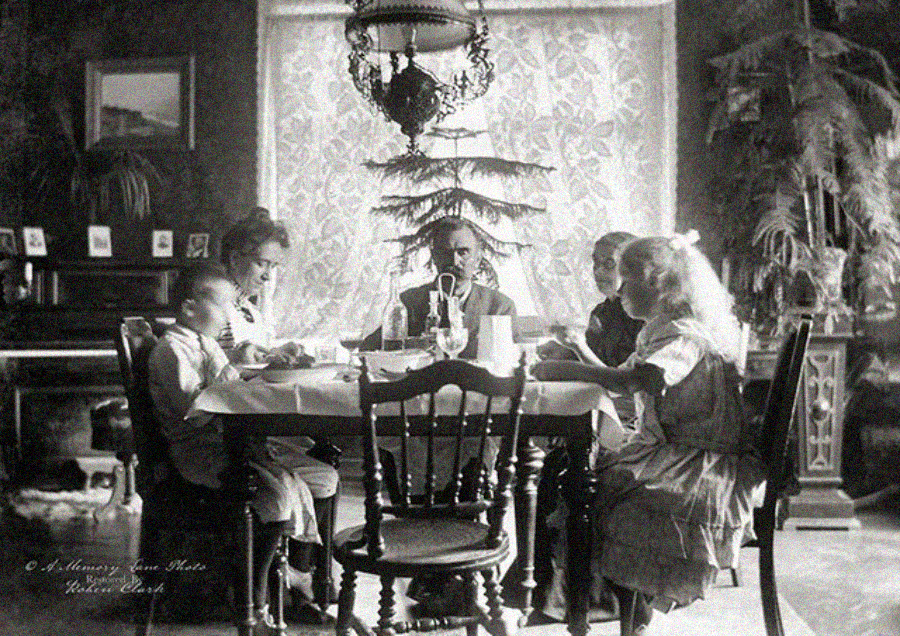
Before dinner even began, guests awaited a silent signal: the hostess’s gentle cough meant it was time to take their places. Any delay risked offending the family’s social standing. Once seated, guests maintained perfect posture (no slouching or leaning back) lest they be accused of poor breeding.
2. The Double Napkin Fold

Napkins weren’t merely draped over laps; they required a two-step fold: first into a neat triangle, then further into a slender band. Deviation from this exact shape suggested that one lacked proper domestic training. Should the napkin drop, the guest had to leave the table to re-fold it in private.
3. Crumb Patrol

After the entrée, it was customary to remove crumbs from the tablecloth using a tiny brush and pan that the butler would discreetly bring around. Any visible crumbs implied sloppy eating habits. Guests waited until this crumb-clearing ceremony was complete before proceeding to pudding or cheese.
4. Toast with a Twist

When toasting, one arm remained rigid at the side, a posture believed to maintain refinement. Eyes had to meet those of every person touched by the communal clink. Failing to do so was considered a deliberate snub.
5. Silent Soup Slurping

While the French frowned on slurping, 1920s Americans took it a step further: soup had to be sipped from the side of the spoon, not the front. Any hint of audible sipping was met with collective disapproval as loud as a dropped fork echoing in the dining room.
Trending on The Scroller

6. Forks for Every Course

A typical dinner featured as many as six forks, fish, salad, entrée, dessert, and two for interludes like olives or artichokes. Guests began with the outermost utensil and worked inward with each course. Accidentally selecting the wrong fork earned a discreet, but memorable, glare from one’s neighbor.
7. Wine Glasses by Height

Wine glasses were lined up from shortest to tallest in front of each guest. Hostesses prided themselves on symmetrical rows of crystal. Accidentally swapping glasses showed ignorance of simple social hierarchies.
8. The Lemon Slice Protocol

When served fish, a single lemon slice accompanied each plate. Guests squeezed the lemon with their left hand and ate with their right, or risked smudging the silverware with sticky residue. Ambidextrous handling was both a skill and a statement of breeding.
Sign up for our newsletter
9. Silverware at “Rest” vs. “Finished“

Two tiny but critical positions: placing fork and knife in a V on the plate signaled “I’m pausing”, whereas laying them parallel at 6 o’clock meant “I’m done”.
10. No Elbows on the Table

Guests were drilled to keep their forearms off the tabletop; only wrists and hands could rest. Elbows in view were a dead giveaway of sloppy manners.
11. The Finger-Bowl Ritual

After the fish course, a small bowl of scented water (often rose or lemon) appeared at each place. Diners delicately dipped their fingertips, dried them on their napkin, and then resumed eating.
12. No Napkin on Chair Backs
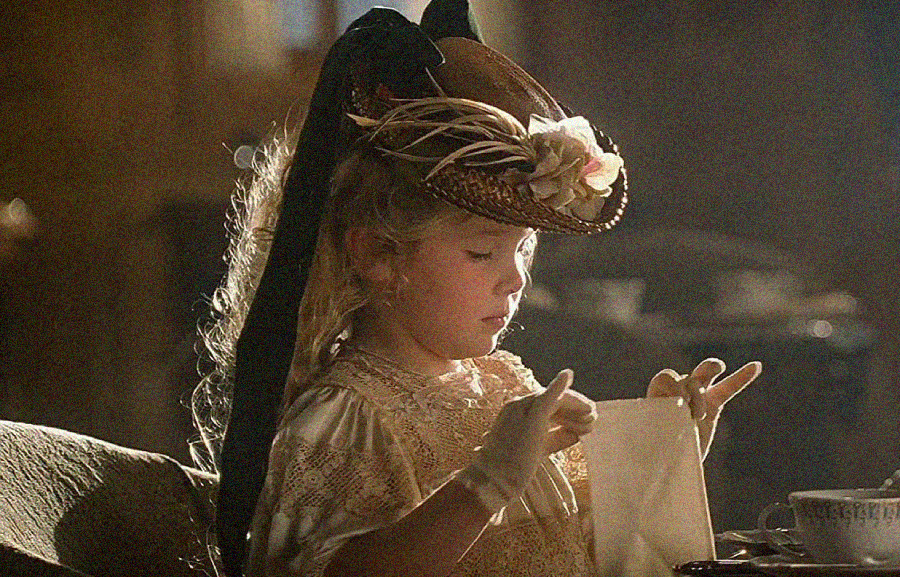
In an era that prized order, draping the napkin over one’s chair back was strictly forbidden. It suggested you planned to leave immediately after eating. Proper etiquette dictated that napkins remain on the lap until the final farewell.
13. Handkerchief Placement
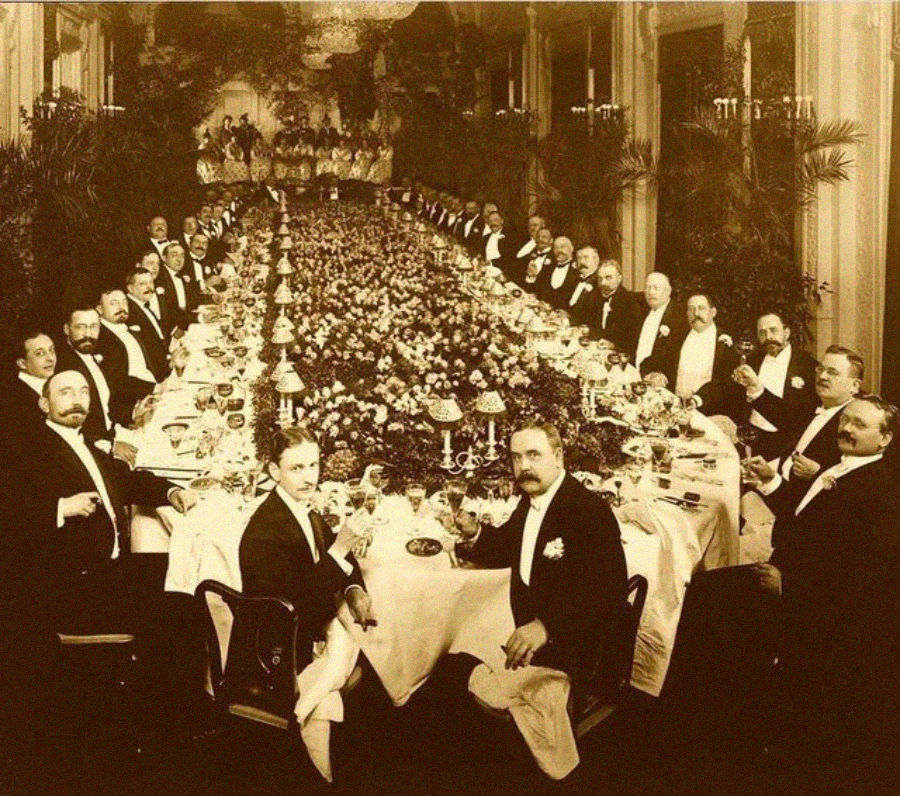
Rather than tucking handkerchiefs into pockets, well-bred diners placed theirs to the left of their plate, folded neatly and untouched until needed. Wiping one’s mouth without excusing oneself was a faux pas of the gravest sort.
14. End the Meal with Coffee

Finishing up with coffee was the norm. It signaled that the dinner was coming to a close and allowed for more relaxed conversation as everyone lingered at the table.
15. Hat Etiquette at the Table

Before taking your seat, removing your headgear was non-negotiable: gents doffed their fedoras and ladies lifted their cloches, placing them neatly on a nearby hat rack or in their laps. Leaving a hat on the table was seen as a sign of disrespect and risked scratching the fine linens.
Explore more vintage content:
Check out these 24 Vintage Photos That Capture Life in the Roaring Twenties, or 31 Photos From Prohibition (1920-1933) That Perfectly Capture the Chaos of the Time. You can also enjoy these 20 Colorized Vintage Photos That Perfectly Capture 1926.