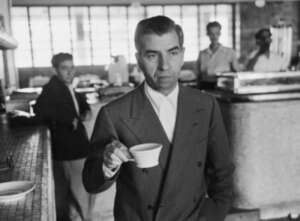
When the 18th Amendment outlawed alcohol in 1920, it set the stage for an underground empire unlike anything America had seen before. Prohibition-era gangsters stepped into the void, building fortunes from bootlegging, speakeasies, and bribery.
Their photos capture not just men in suits and fedoras, but the faces of a violent, daring, and transformative era. These photos of the prohibition-era gangsters who changed America forever are both chaos and opportunity.
1. Al Capone, the face of Prohibition
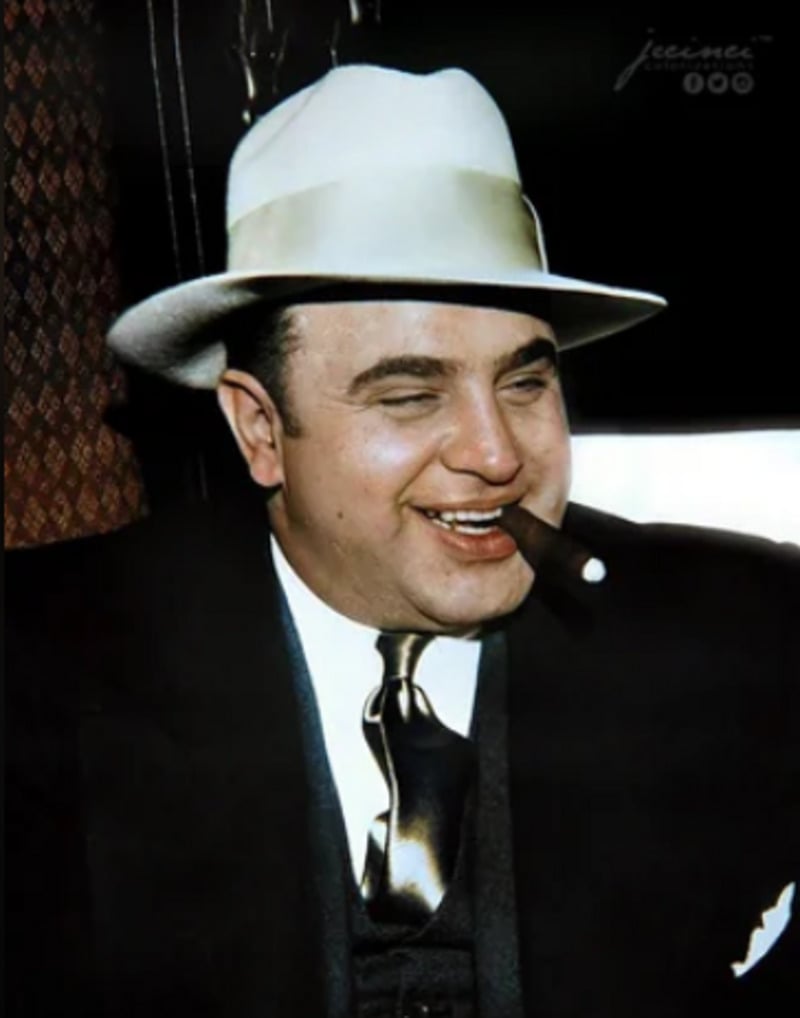
Alphonse “Scarface” Caone remains the single most notorious gangster in American history. This photo shows the confident young man who built a Chicago empire worth millions from bootlegging, gambling, and vice. Capone became a celebrity-criminal, often smiling in press photos as if untouchable.
2. Lucky Luciano, the architect of Modern Organized Crime

Charles “Lucky” Luciano transformed organized crime from chaotic gangs into a national syndicate. His mugshots reveal a sharp, calculating figure who was always thinking several moves ahead. Luciano helped establish “The Commission”, a boardroom-style system to prevent destructive turf wars.
3. George “Bugs” Moran, the rival of Capone’s

George Moran led the North Side Gang, standing as Al Capone´s greatest rival in Chicago. This photo of Moran captures the look of a man locked in a deadly feud. Moran´s refusal to bow to Caone led to constant clashes that spilled into the streets. He narrowly escaped death in the infamous 1929 St. Valentine´s Day Massacre, but his gang never recovered.
4. Frank Nitti, the enforcer

Nicknamed “The Enforcer”, Frank Nitti was Capone´s trusted right-hand man. His stern expression in mugshots reflects his reputation as both ruthless and reliable. After Capone´s imprisonment for tax evasion, Nitti assumed control of the Chicago Outfit.
5. Dean O’Banion, the florist gangster

Dean O´Banion´s portrait is a reminder of the strange double lives Prohibition gangsters often lived. By day, he was a respected florist in Chicago; by night, the leader of a powerful bootlegging gang. O´Banion´s charm and boldness made him both admired and hated among rivals.
Trending on The Scroller
6. Dutch Schultz, the bootlegging baron

Dutch Schultz ruled New York´s bootlegging scene with an iron fist. His photos show the hard-edged gangster who built his fortune on beer distribution and extortion. Schultz became infamous for his short temper and brutal methods, eliminating rivals without hesitation.
7. Meyer Lansky, the financial genius

Meyer Lansky was the brains behind organized crime´s finances. Unlike his more violent peers, his photos show a calm, composed man with a sharp mind. Lansky excelled at laundering money and investing criminal profits into legitimate businesses.
8. Johnny Torrio, the mentor

Johnny Torrio is remembered less as a showman and more as a strategist. His portrait reflects the cool, deliberate mind that shaped Capone into a criminal powerhouse. Torrio pioneered the idea of organized crime as a “business,” cutting deals rather than waging constant wars.
Sign up for our newsletter
9. Earl “Hymie” Weiss

Hymie Weiss took command of the North Side Gang after O´Banion´s murder. His mugshot reveals a tough and determined man with little fear of death. Weiss launched an aggressive campaign against Capone, orchestrating ambushes and assassination attempts.
10. Jack “Machine Gun” McGurn

This photo of McGurn highlights one of Capone´s most lethal enforcers. Nicknamed for his weapon of choice, McGurn was tied to numerous gangland murders. He is most often associated with planning the St. Valentine´s Day Massacre, though he was never convicted.
11. Frank Costello

Frank Costello´s polished image reflects his ability to blend into political and social circles. Unlike flashier mobsters, he preferred influence over bloodshed. Known as the “Prime Minister”, Costello excelled in gambling operations and forging political alliances.
12. Joe Masseria
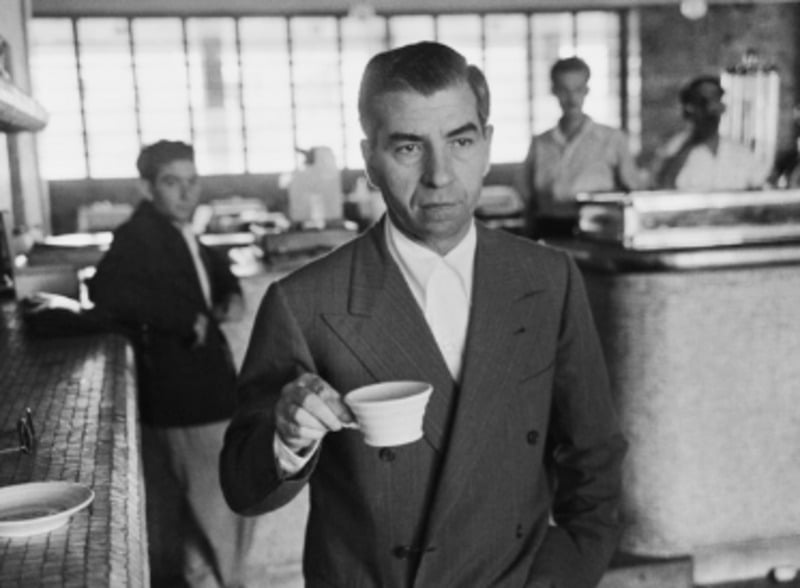
Masseria´s mugshot captures the old guard of Italian organized crime in America. Known as “Joe the Boss”, he clung to traditional Mafia structures brought from Sicily. His refusal to modernize leads to a bloody conflict with younger, more ambitious gangsters like Luciano.
13. Albert Anastasia

Albert Anastasia´s steely gaze in photographs reflects his reputation for violence. Known as the “Lord High Executioner”, he later became one of the leaders of Murder, Inc. His prohibition-era rise showed the value of muscle in keeping bootlegging territories secure.
14. Arnold Rothstein

Often called the original “Kingpin”, Rothstein was a businessman who saw crime as an enterprise. His portraits reveal a sophisticated figure, far removed from the street thugs of his era. Rothstein financed bootlegging operations and gambling rings, but he´s most infamous for fixing the 1919 World Series.
15. Roger Touhy

Roger Touhy´s image reflects the rebellious face of a Chicago gangster who refused to bow to Capone. Touhy ran his own bootlegging empire and frequently clashed with the Outfit. Later, he became infamous for kidnapping schemes, though he insisted Capone framed him.
16. Vincent “Mad Dog” Coll

Vincent Coll´s mugshot captures the youthful recklessness of a gangster with no restraint. Nicknamed “Mad Dog”, he became notorious for his trigger-happy violence, even gunning down children in crossfire. His unpredictable behavior made him feared by allies and enemies alike.
17. Benjamin “Bugsy” Siegel

Though best known for shaping Las Vegas, Siegel´s story began in Prohibition. His photos reveal a stylish, movie-star-like gangster with dangerous charm. Siegel was both ruthless and forward-thinking, investing profits into future ventures.
18. Frank “The Enforcer” Rio

Frank Rio´s photo reminds us that even crime bosses needed protection. Rio was one of Capone´s most trusted bodyguards, always close by to shield him from assassins. His loyalty and fearlessness earned him respect within the Outfit.
19. Owney Madden

Owney Madden´s portrait shows a refined, well-dressed figure, earning him the nickname “The Gentleman”. Despite his polished appearance, Madden was deeply entrenched in bootlegging and racketeering. He also ran Harlem´s Cotton Club, blending crime with nightlife and entertainment.
20. Charles “King” Solomon

Charles Solomon´s mugshot reveals Boston´s most prominent bootlegger. Known as “King” Solomon, he controlled liquor distribution across New England. His empire extended beyond alcohol into gambling and nightclubs, which made him a regional power.
Explore more vintage content:
These gangsters weren´t just criminals; they were architects of a new underworld economy. Prohibition gave them power, money, and influence, but it also turned them into targets for rivals and the law. Explore this content on Famous Firearms Used by The Old West´s Outlaws, or 20 Outlaws Who Turned Themselves In—and Why.