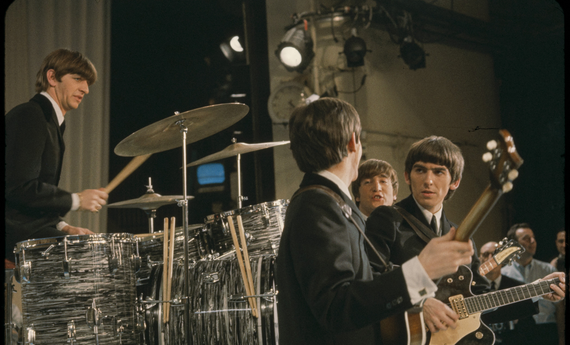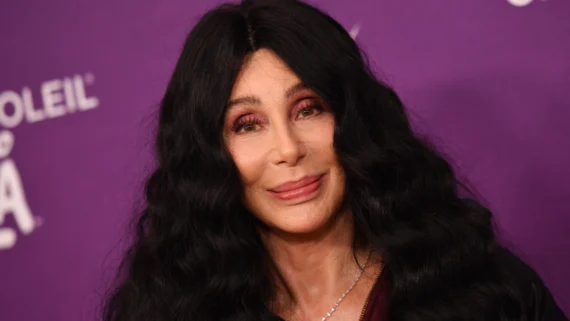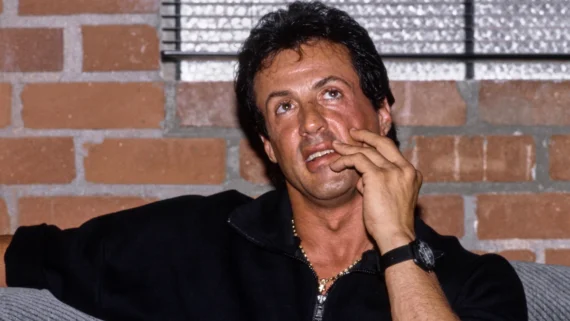
A yearbook photo is all promise and no profit. But the people here didn’t just get famous; they figured out how to turn vision into ownership, cash flow, and leverage. This scroll is about the simple moves that secured their wealth. You probably know their faces, but here’s how their fortunes happened.
1. Jeff Bezos
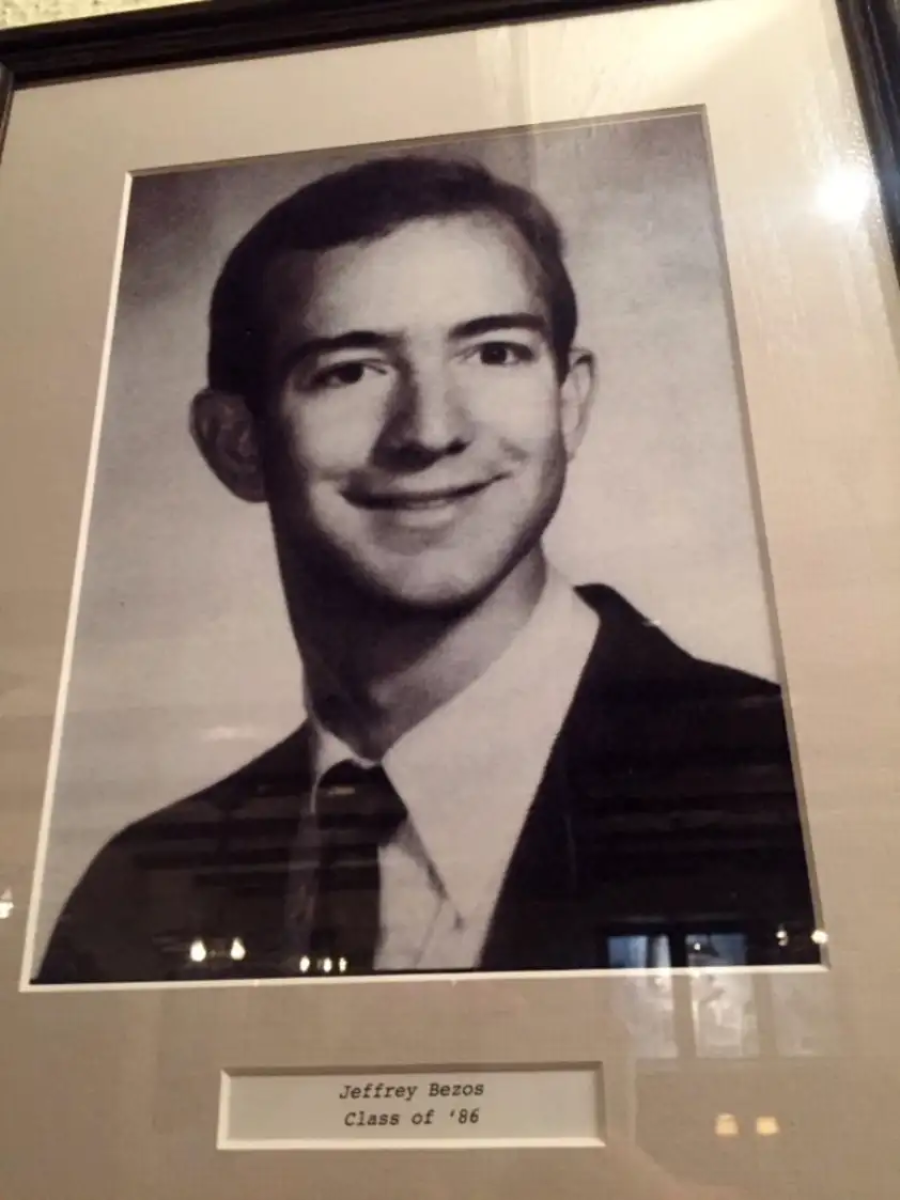
He started Amazon as an online bookstore, but he kept adding products, services, and countries. Then, he built AWS, which became the real profit engine, and he held a big equity stake the whole time. That combination is what secured his fortune.
2. Michael Bloomberg
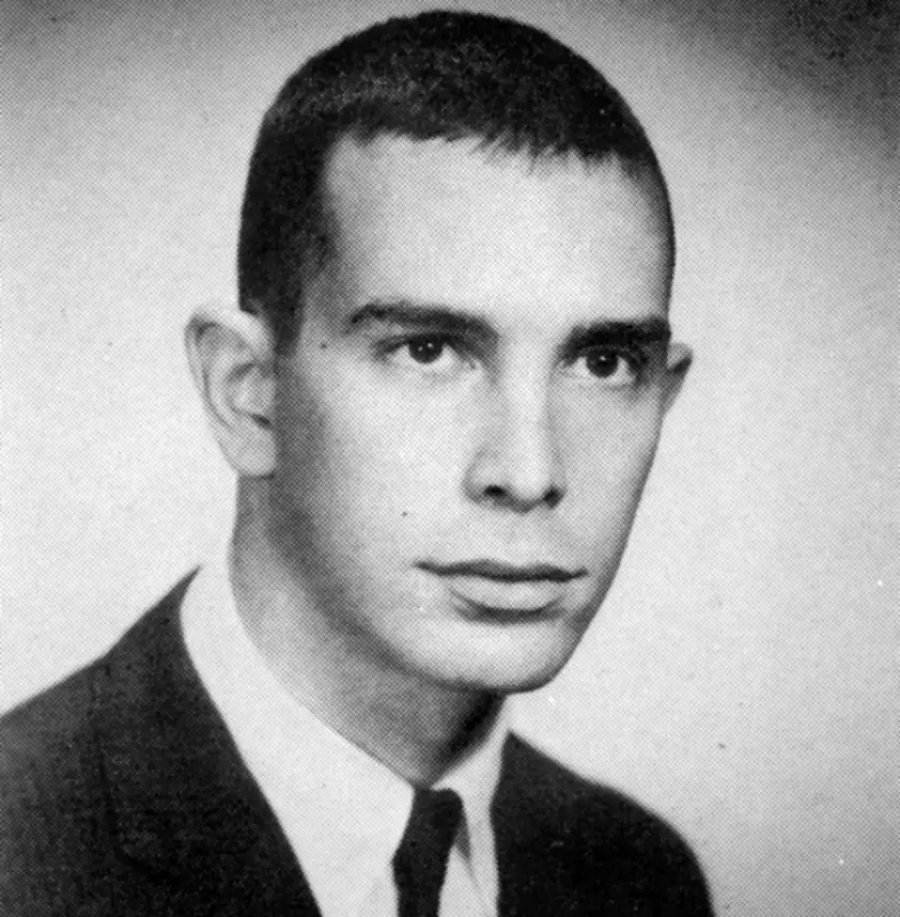
He founded a company that sold financial data to Wall Street on a subscription model, so the money came in every year. After that, he added media, analytics, and global clients, while keeping control of the business. Because he owned so much of it, growth turned directly into personal wealth.
3. Phil Knight
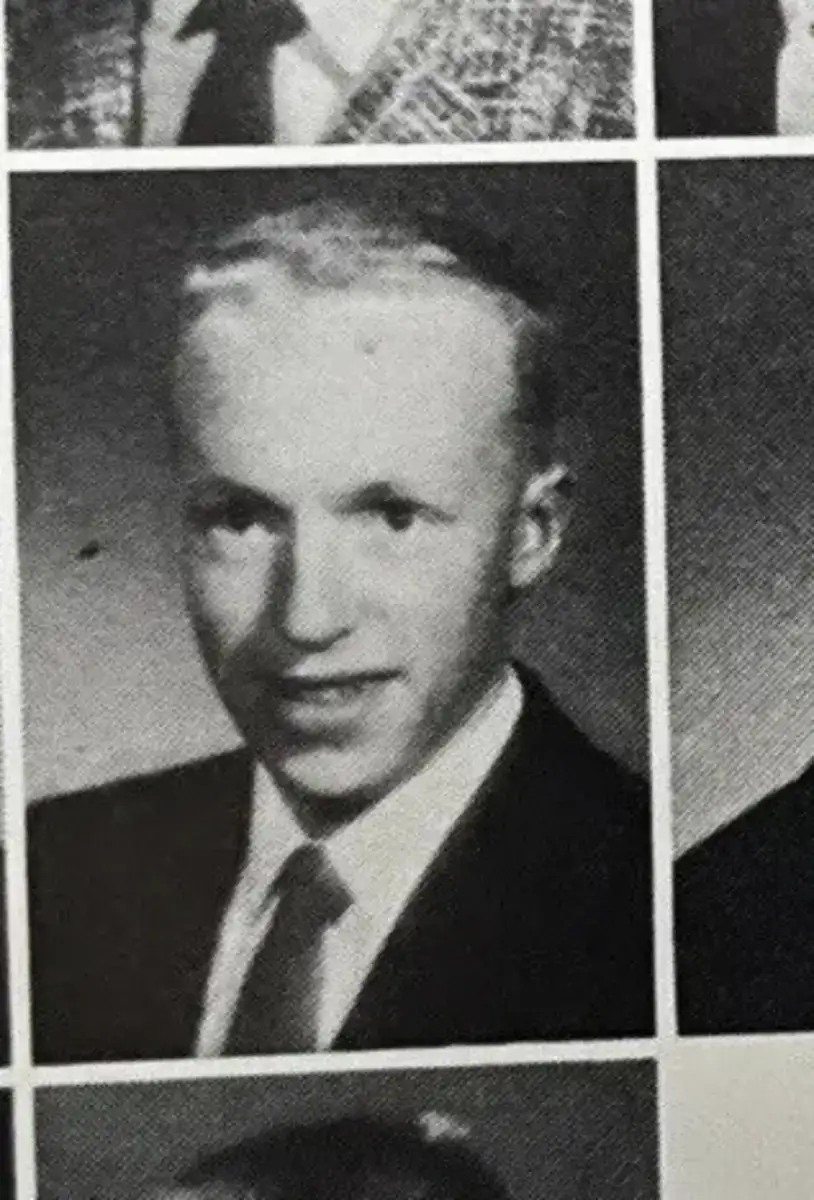
He co-founded Nike and focused on athletes, smart branding, and getting shoes made efficiently. As the brand became global, he stayed in a controlling position and did not sell out early. That long-term ownership is what made the company’s succes his success.
4. Warren Buffett
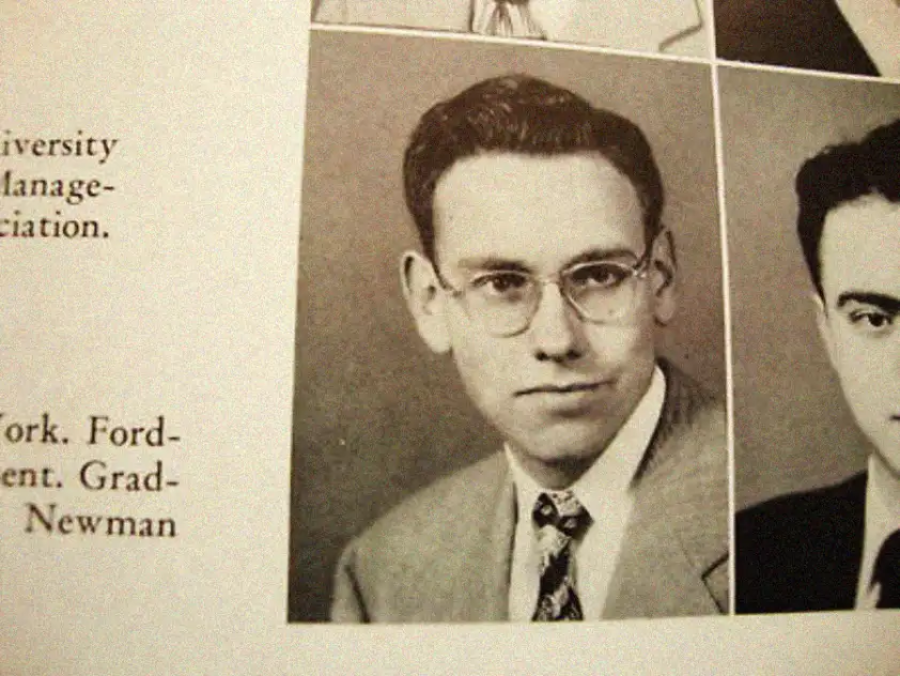
He bought businesses through Berkshire Hathaway and held them instead of flipping them. The cash form those companies let him buy even more, and he also bought big positions in public stocks. Becaus he played the long game, the compounding did most of the work.
5. Sam Walton
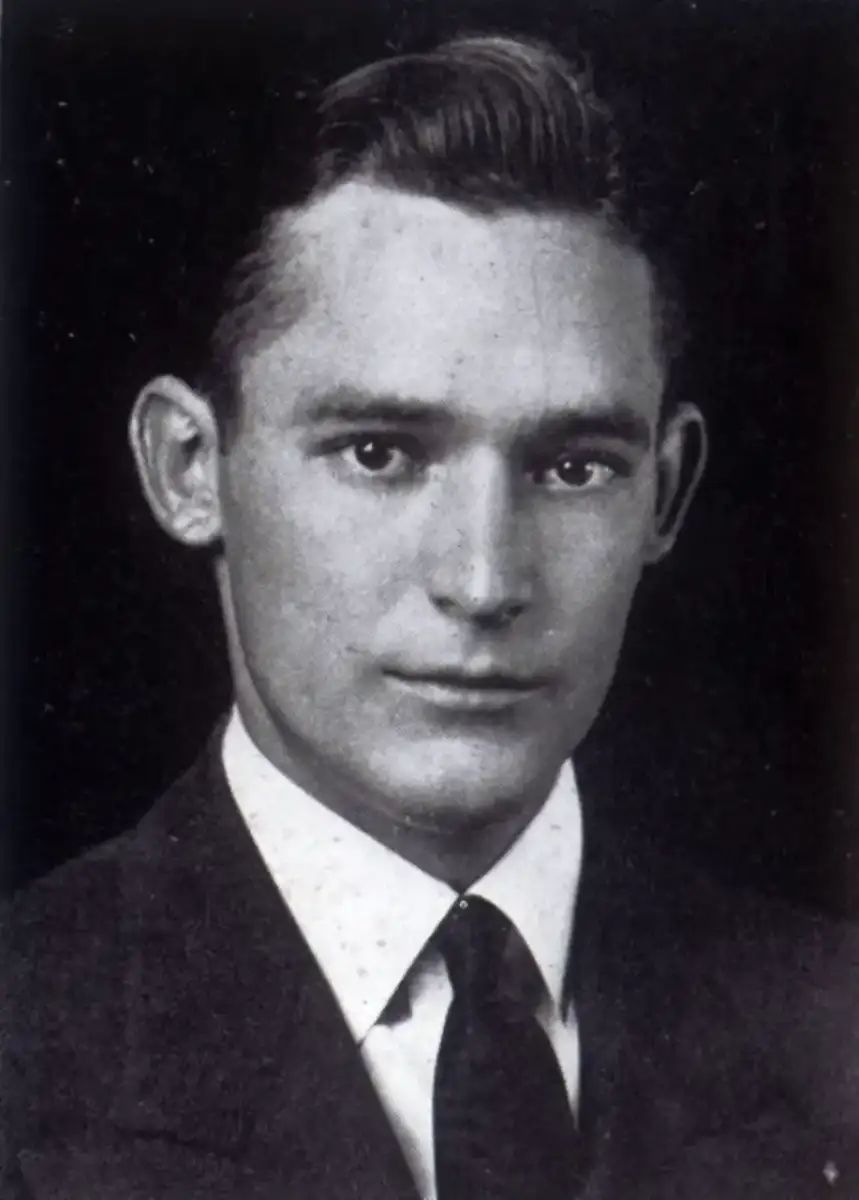
He built Walmart around low prices, huge volume, and smart logistics, especially in smaller towns. The family kept a large stake while the company expanded across the country and then worldwide. That equity is why the Walton name became linked to generational wealth.
Trending on The Scroller

6. Oprah Winfrey
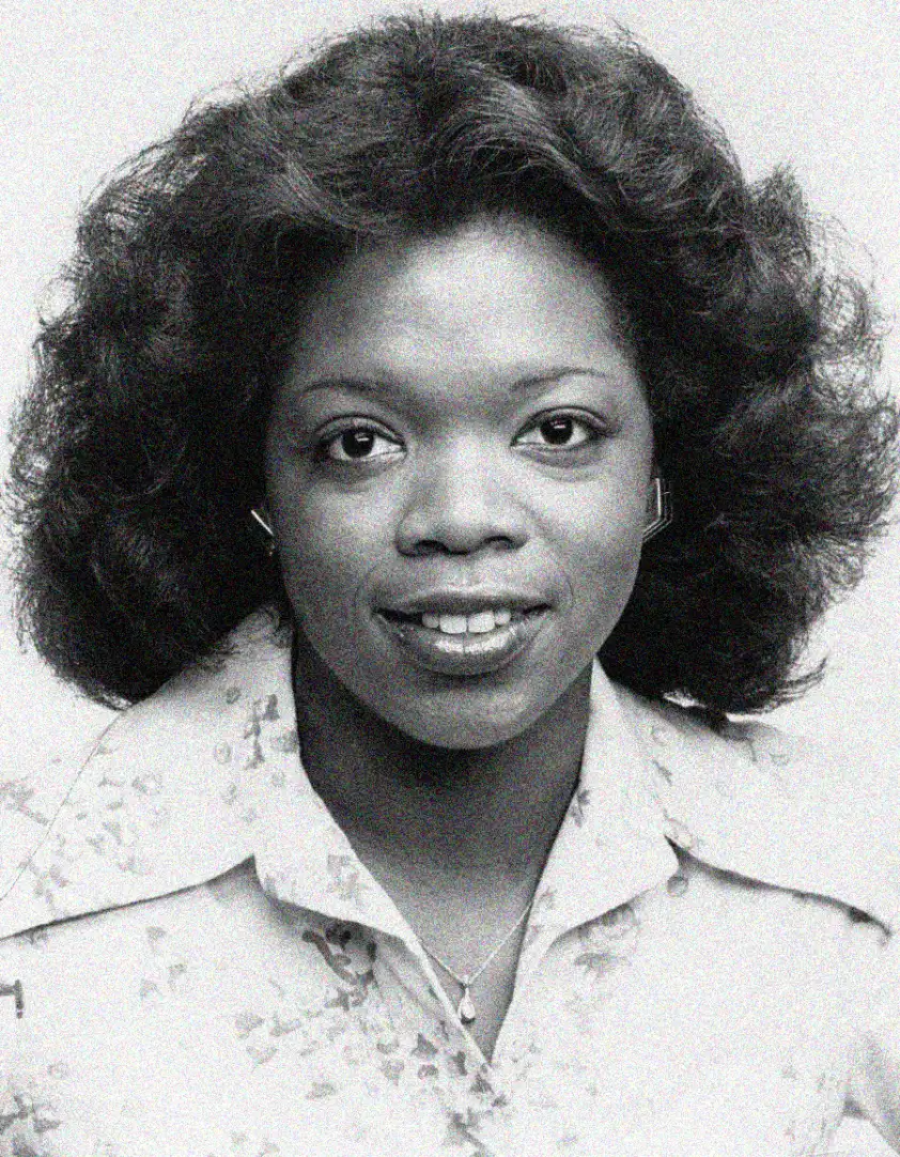
She didn’t just host a show; she asked for ownership and production rights early on. Then she used that base to launch Harpo, work with networks, and license her name. Because she got paid as talent and as owner, her earnings multiplied.
7. Magic Johnson
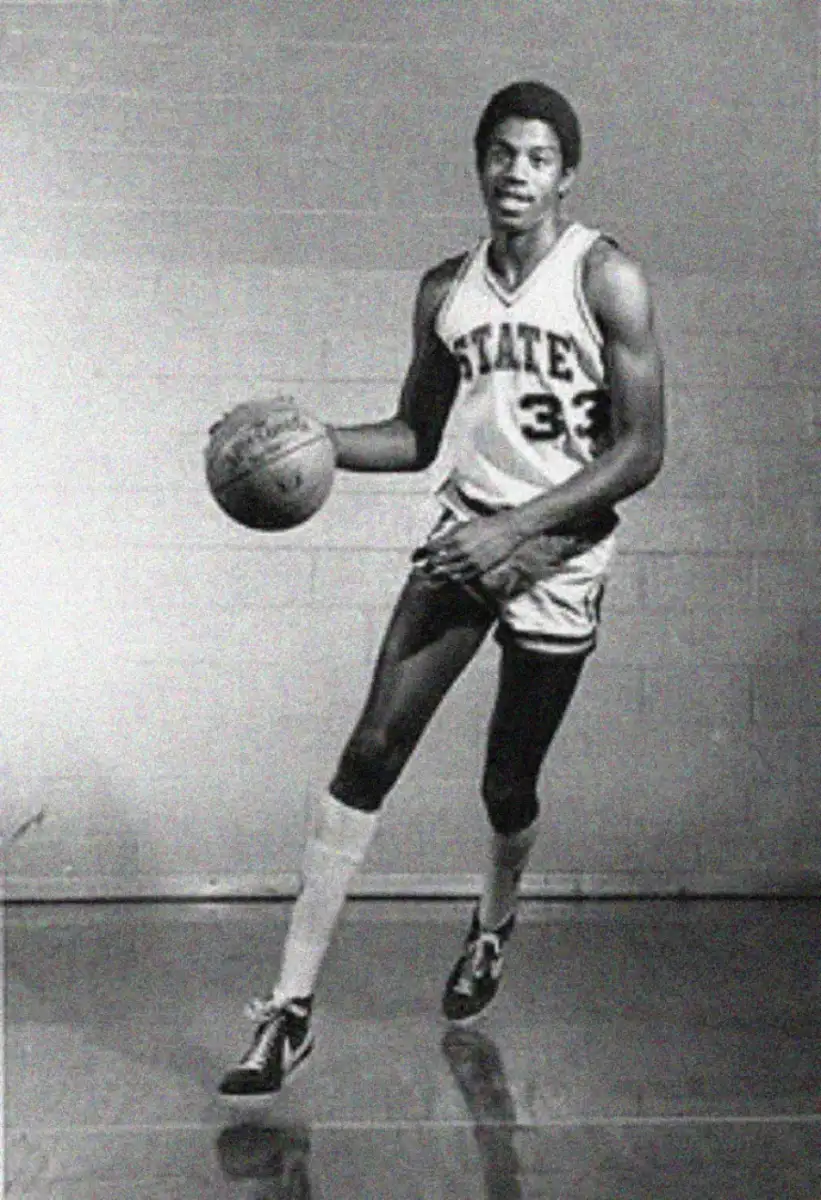
After the NBA, he started buying things instead of just endorsing them, things like movie theaters, real estate, and later sports ownership. He picked projects that served Black and Latino communities, so they actually made money. Those steady assets, not just his playing career, built his fortune.
8. Marc Benioff
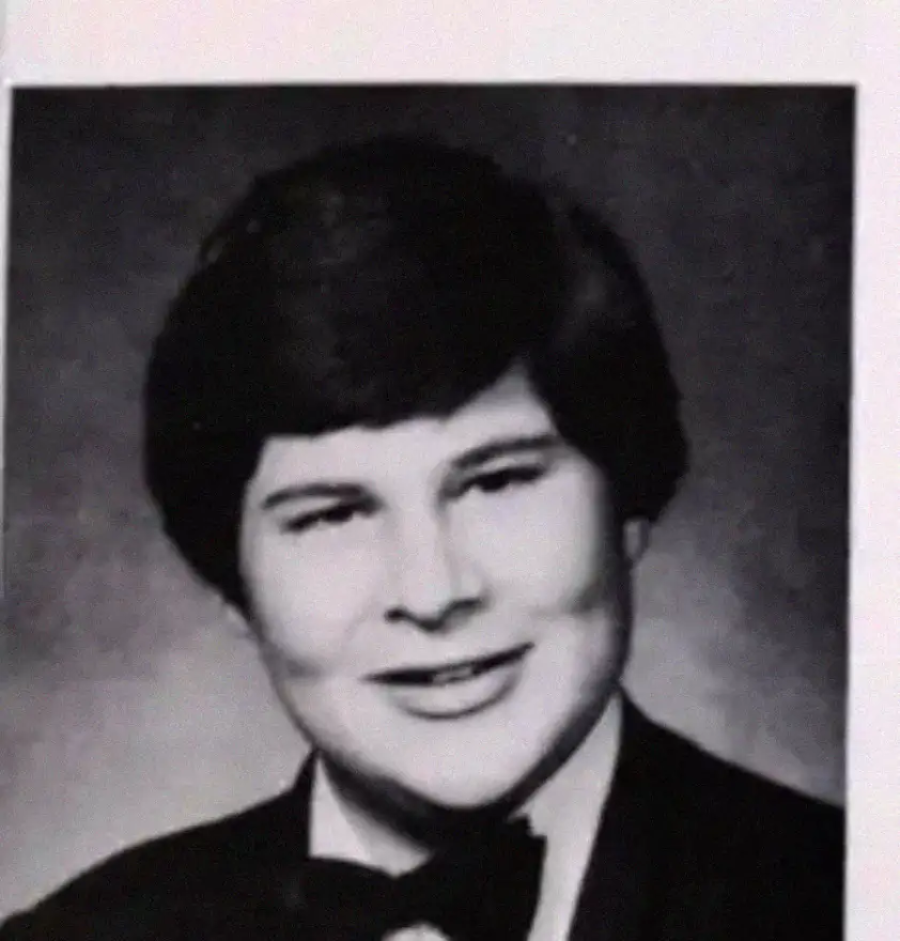
He created Salesforce as software that people could use through the cloud and pay for every month. That made the revenue predictable, which Wall Street loves, and the company continued to grow. His founder shares, plus the years of stock-based pay, have locked in his wealth.
Sign up for our newsletter
9. Howard Stern
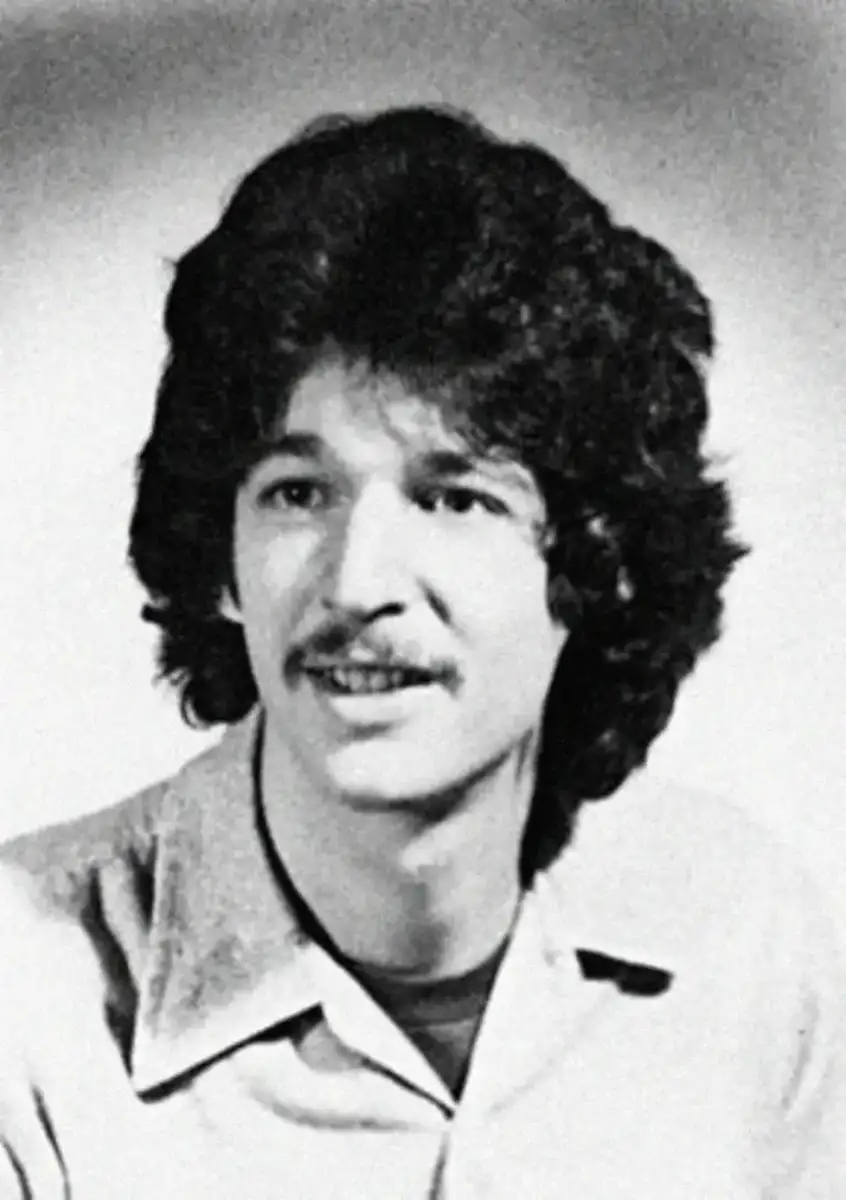
He turned his radio fame into massive contracts, first on terrestrial radio and then on satellite. The key was negotiating for control of his content and for a piece of the upside when his audience followed him. That way, every big renewal turned into a big payday.
10. Jon Stewart
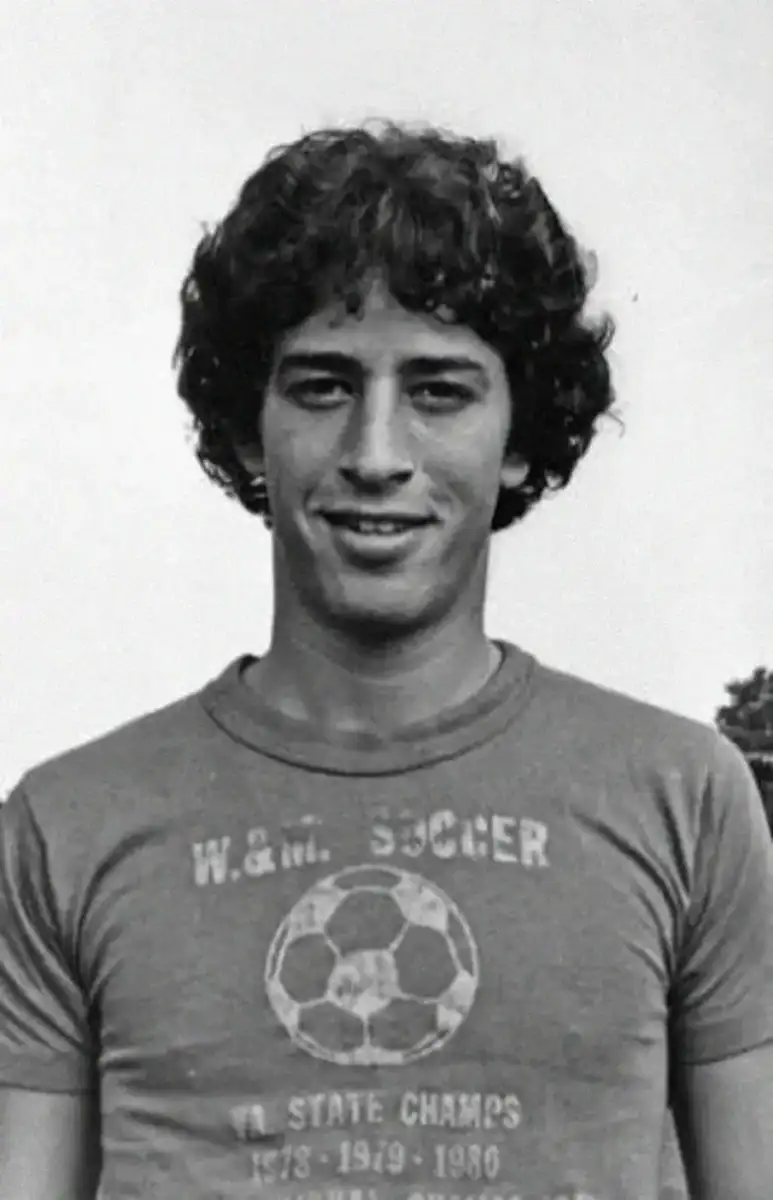
He made his name in “The Daily Show”, but he also produced, wrote, and built a library of episodes that retained value. On top of the show checks, he added books, stand-up, and executive producer roles. So even when he stepped back from TV, the work he owned kept paying.
11. George W. Bush
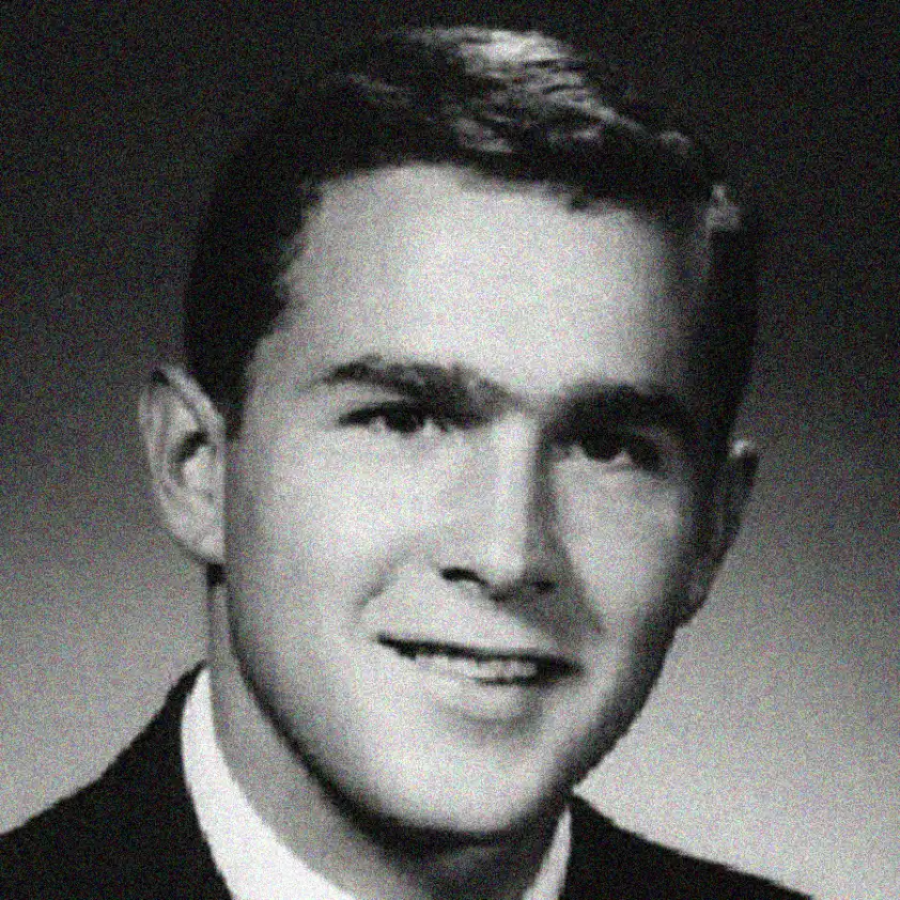
Before the presidency, he invested in Texas energy ventures and bought a small stake in the Texas Rangers baseball team. That sale gave him an early financial base. After the White House, high-fee speeches and best-selling books kept the income flowing.
12. Ken Chenault
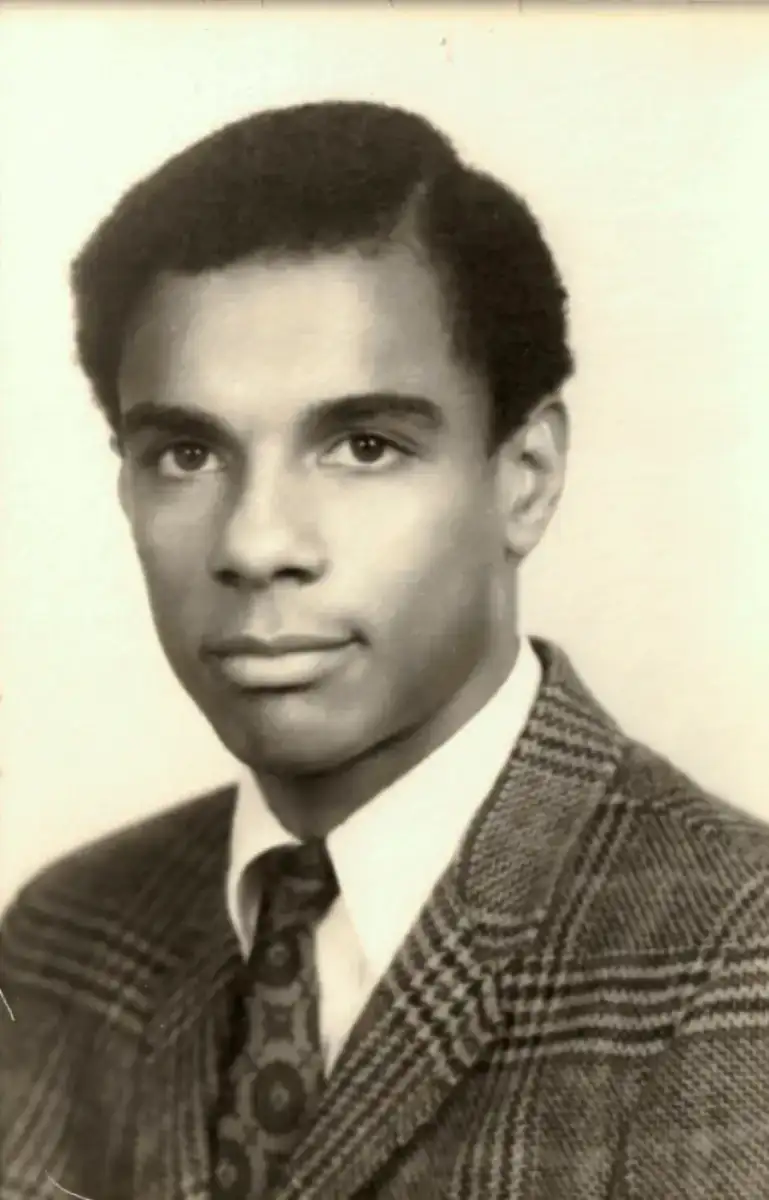
He rose through American Express until he became CEO, and that role came with big stock and long-term incentives. After leaving, he joined the top boards and private equity firms that also pay in equity. So his leadership years created assets that kept growing later.
13. Vint Cerf
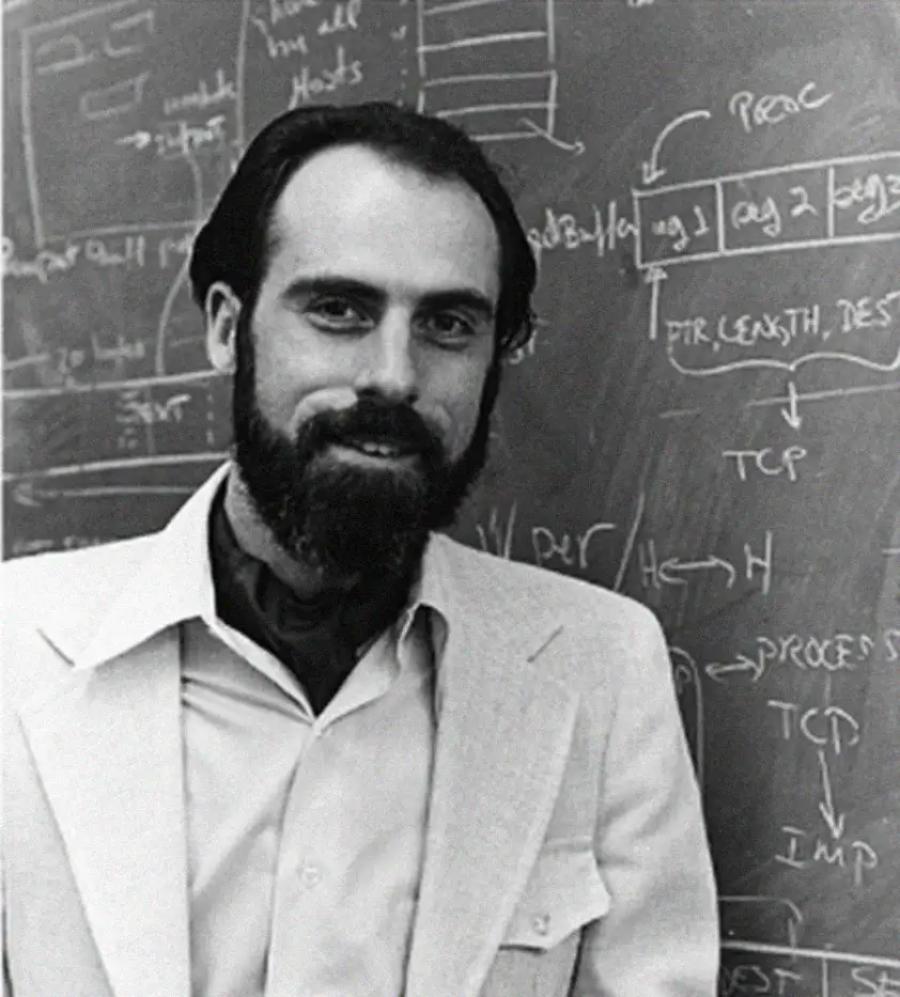
He was at the center of internet development, so major tech and telecom companies wanted him on staff and on boards. Those roles paid him in salary and sometimes in stock. Over time, that steady work in high-value companies turned technical influence into real wealth.
14. Spike Lee
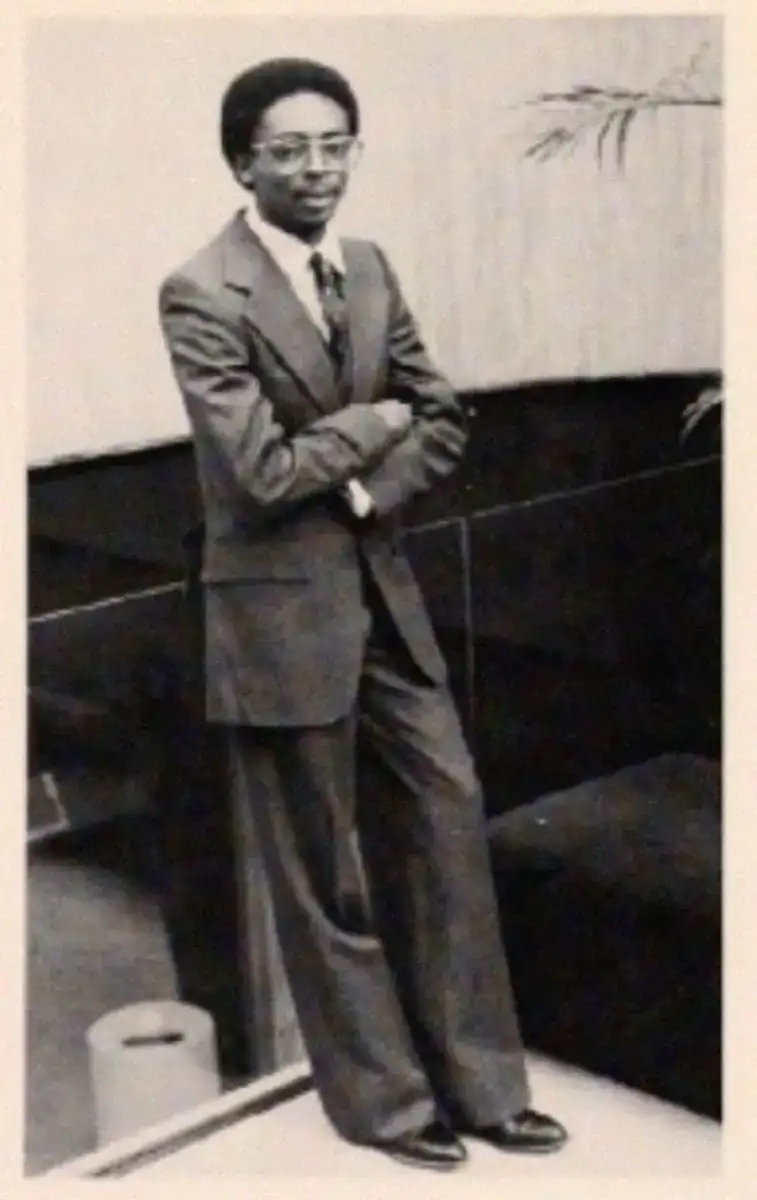
He made his own production company early, so he could own his films and his voice. Some titles became cultural staples, which means they kept bringing in money through re-releases, streaming, and teaching. Brand partnerships and later directing gigs added another income lane.
15. Bill Clinton
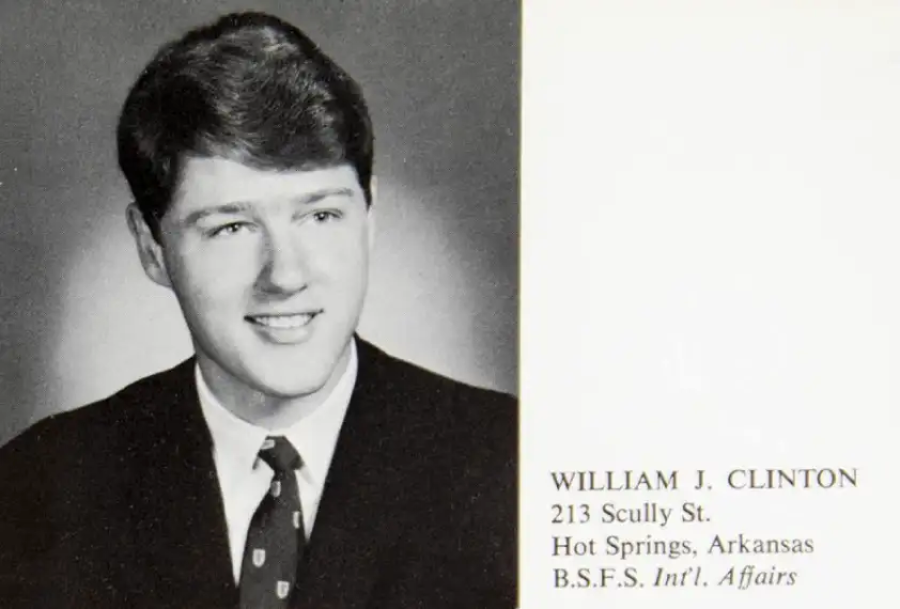
He left office with global name recognition, which is a real asset. He wrote books, gave talks around the world, and was paid at the highest speaking rates. That post-presidency work is what turned public service into long-term financial security.
Explore more celebrities’ content:
For these people, fame helped, but ownership, equity, and smart deals did the heavy lifting. Most of them got rich because they kept a piece of what they built. If you’re into these early start stories, take a look at these 20 Photos From History’s Most Surprising Students, or these 15 Spicy Stories about Famous Chefs That Went off the Rails. You can also enjoy these 15 George Carlin Quotes That Still Hit Home Today.