
Known as ergogenic aids, these tools support both the body and mind, making it easier to push past obstacles and achieve goals that once felt out of reach. They come in many forms, from nutrition and recovery techniques to technology and mental strategies. Each one offers a unique way to improve performance without replacing hard work.
We all want to perform at our best, whether that means moving faster, thinking sharper, or simply feeling stronger and more capable each day. While consistent effort and dedication are essential, some tools can enhance our performance and help us reach new levels. Let’s take a look at 15 ergogenic aids that inspire you to be better.
1. Smart Watch

A smart watch is more than a timepiece; it’s a personal motivator. Activity rings visually track your movement, exercise, and standing goals, pushing you to stay consistent every day. Notifications act as gentle nudges to keep momentum going, and if those rings aren’t finished by the end of the day, you feel incomplete, like you didn’t do enough that day. It also measures sleep tracking, which offers insights into your recovery. With all these features combined, it encourages a holistic approach to wellness and self-improvement.
2. Creatine

Creatine is one of the most studied supplements on the market. It’s a well-researched supplement that enhances strength, power, and muscular endurance. It helps muscles regenerate energy during high-intensity activity, improving performance. Supplementation can also support recovery and reduce fatigue between sets. Creatine is safe for most people and effective across all types of training, but you should always consult someone before trying a new supplement.
3. Weighted Vest

A weighted vest adds intensity to everyday movements and exercises. Wearing one during walking, running, or bodyweight training increases resistance, boosting calorie burn and muscular endurance. It forces your body to adapt to added stress, which can improve overall strength over time. Vests are adjustable, allowing gradual increases as you grow stronger.
4. Foam Roller

Foam rollers are key tools for recovery and mobility. By rolling out muscles, they help relieve tension, reduce soreness, and improve circulation. They also support injury prevention by promoting proper alignment and increasing flexibility. Portable and easy to use, foam rollers fit seamlessly into warm-up or cool-down routines. With regular use, they keep muscles supple, joints healthy, and overall performance at its best.
5. Standing Desk

A standing desk is more than just an ergonomic choice. It encourages movement and reduces sedentary time. Alternating between sitting and standing boosts circulation, energy, and focus while engaging core muscles to improve posture and stability. Many desks feature adjustable heights and reminders to switch positions throughout the day.
Trending on The Scroller


6. Smart Scale

A smart scale goes beyond measuring weight. It tracks body composition, including muscle mass, fat percentage, and water levels. Syncing the scale with apps allows you to monitor trends and set realistic goals. It can also highlight small improvements that a basic scale might miss.
7. Protein Powder
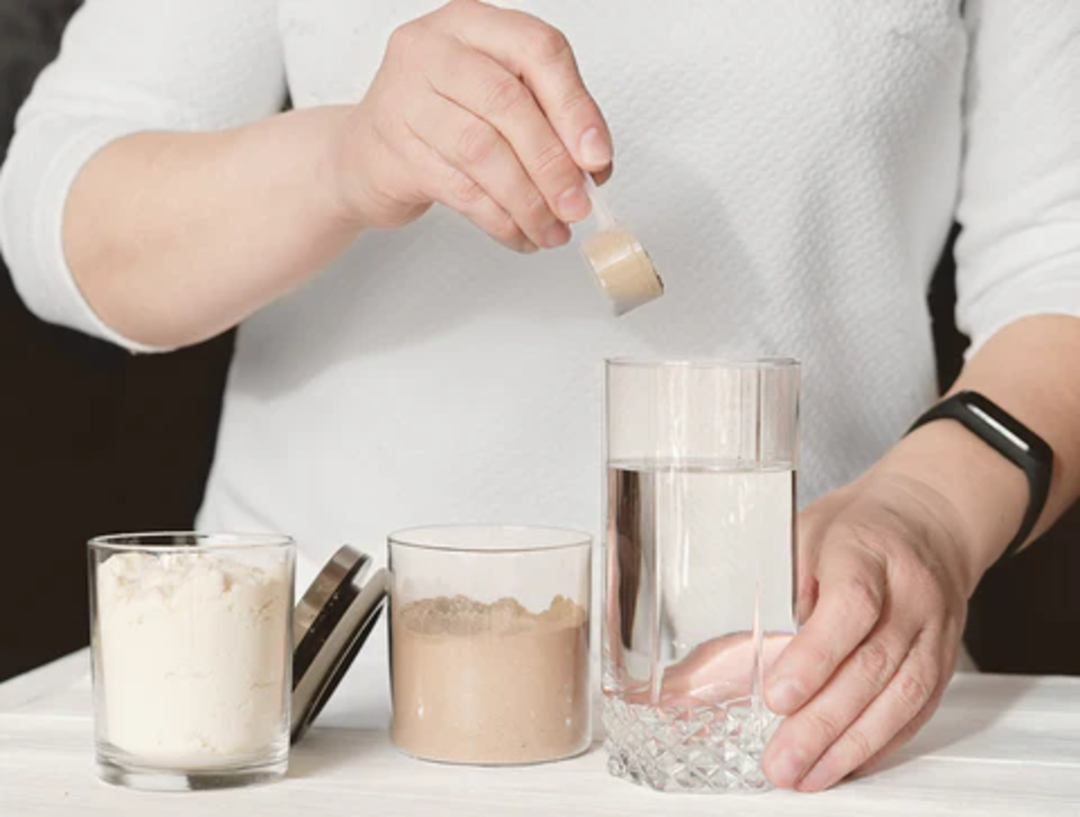
Protein powder is a convenient way to meet daily protein needs. It supports muscle repair, growth, and recovery after workouts. Powders come in a variety of forms, from whey to plant-based, making them suitable for different dietary preferences. Adding protein helps maintain energy levels and reduces muscle soreness. When used alongside a balanced diet, it can enhance performance and support long-term fitness goals.
8. Sleep Trackers

Sleep trackers monitor duration, quality, and cycles, providing insight into rest and recovery. Understanding sleep patterns helps optimize performance, mood, and energy levels. Many trackers offer personalized recommendations for improving rest. Poor sleep can affect mental clarity, endurance, and focus, making recovery essential. By tracking trends, users can adjust routines and habits for better results.
Sign up for our newsletter
9. Cold Plunges

Cold plunges reduce inflammation and accelerate muscle recovery. Immersion in cold water can soothe sore muscles and decrease swelling after intense workouts. It’s also way more of a mental challenge than anyone expects, which in itself trains focus and resilience. Regular use supports circulation and can enhance overall energy levels.
10. Balance Board

To some, it may seem silly, but just spending a few minutes a day on a balance board enhances core strength, stability, and proprioception. It challenges small stabilizing muscles that aren’t hit in normal training. It engages both the body and mind, requiring focus and coordination.
11. Sauna

Frequent sauna use (3-6 times per week) is associated with a substantially reduced (up to 66%) risk of dementia and Alzheimer’s disease. It has also been shown to significantly improve respiratory health by opening airways and loosening phlegm in the lungs. Once you start to feel the benefits, you’ll want to use it every day.
12. Smart Watter Bottles

For some people, staying hydrated isn’t as easy as it would seem. Surprisingly, a recent statistic shows that around 75% of adult Americans are chronically dehydrated. Staying hydrated is crucial for energy and performance, and a smart water bottle makes this much easier. Many models track water intake and send you reminders to drink throughout the day. The technology turns a simple habit into a measurable and motivating goal.
13. Massage Gun

Massage guns provide deep tissue relief and support faster recovery. They can help loosen tight muscles, reduce soreness, and improve overall circulation. Using one before or after training can enhance flexibility and prevent stiffness. Regular use can seriously improve overall performance, whether you’re an athlete or not.
14. Smart Bike or Treadmills

Studies show that around half of adults in the U.S. don’t get the amount of weekly physical activity needed to have a healthy heart. And smart cardio equipment could help this epidemic. Smart cardio equipment tracks speed, distance, and performance metrics in real time. Many models offer interactive workouts and virtual challenges to keep motivation high. Data insights help you plan, and regular use can seriously improve cardiovascular health.
15. Motivational Journal

A motivational journal helps you track achievements, setbacks, and personal reflections. Writing down your progress reinforces positive habits and highlights growth. It also creates a safe space to process challenges and plan solutions. Over time, reviewing past entries builds confidence by showing how far you have come.
Want to see more self-help content?
Check out 15 Psychology Facts Most People Find Surprising, or take a look at 5 Crucial Mental Health Boosting Secrets. Finally, if you want to see unhealthy things people think are healthy, check out Unhealthy Things That Have No Business Being Considered Healthy.