
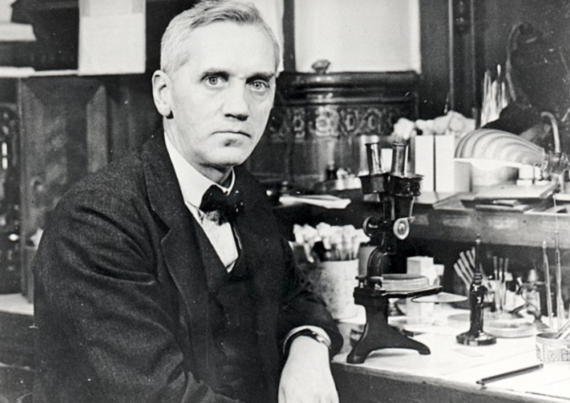
It’s easy to assume that the biggest breakthroughs happened recently, after computers, satellites, and billion-dollar laboratories became the norm. Here are 20 scientists who discovered something huge before the 2000s, and in many cases, before the 1900s even began. But the truth is, some of the most mind-blowing discoveries in human history were made centuries ago… by people working with basic tools, handwritten notes, and pure brainpower. From uncovering invisible germs to mapping the laws of motion, these scientists changed everything long before the modern era.
Isaac Newton discovered the Laws of Motion and Gravity
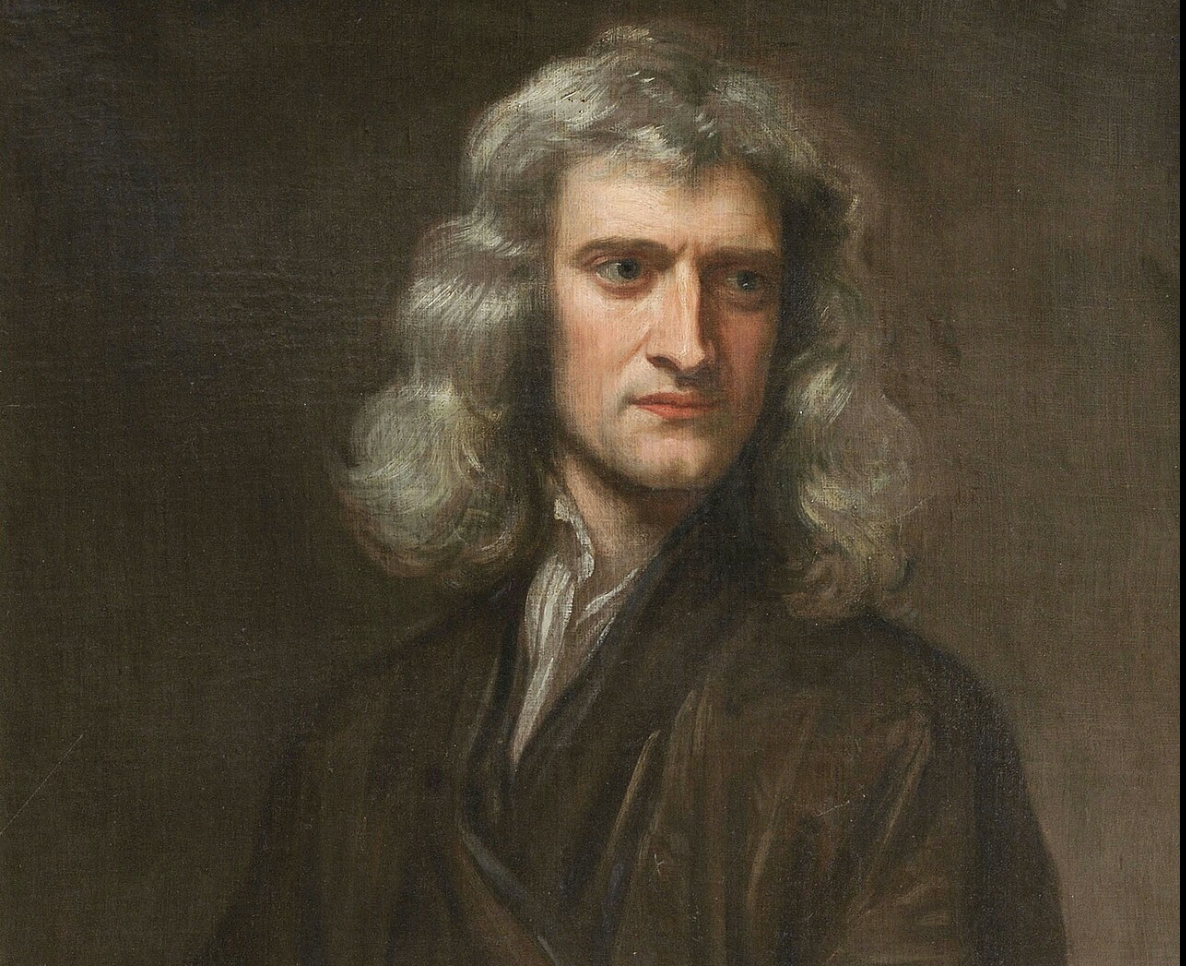
Newton basically gave humanity the instruction manual for how objects move. His three laws of motion explained everything from falling apples to planetary orbits. And his work on gravity didn’t just help science, it shaped modern engineering, astronomy, and physics as we know it.
Galileo Galilei Proved Earth Isn’t the Center of the Universe
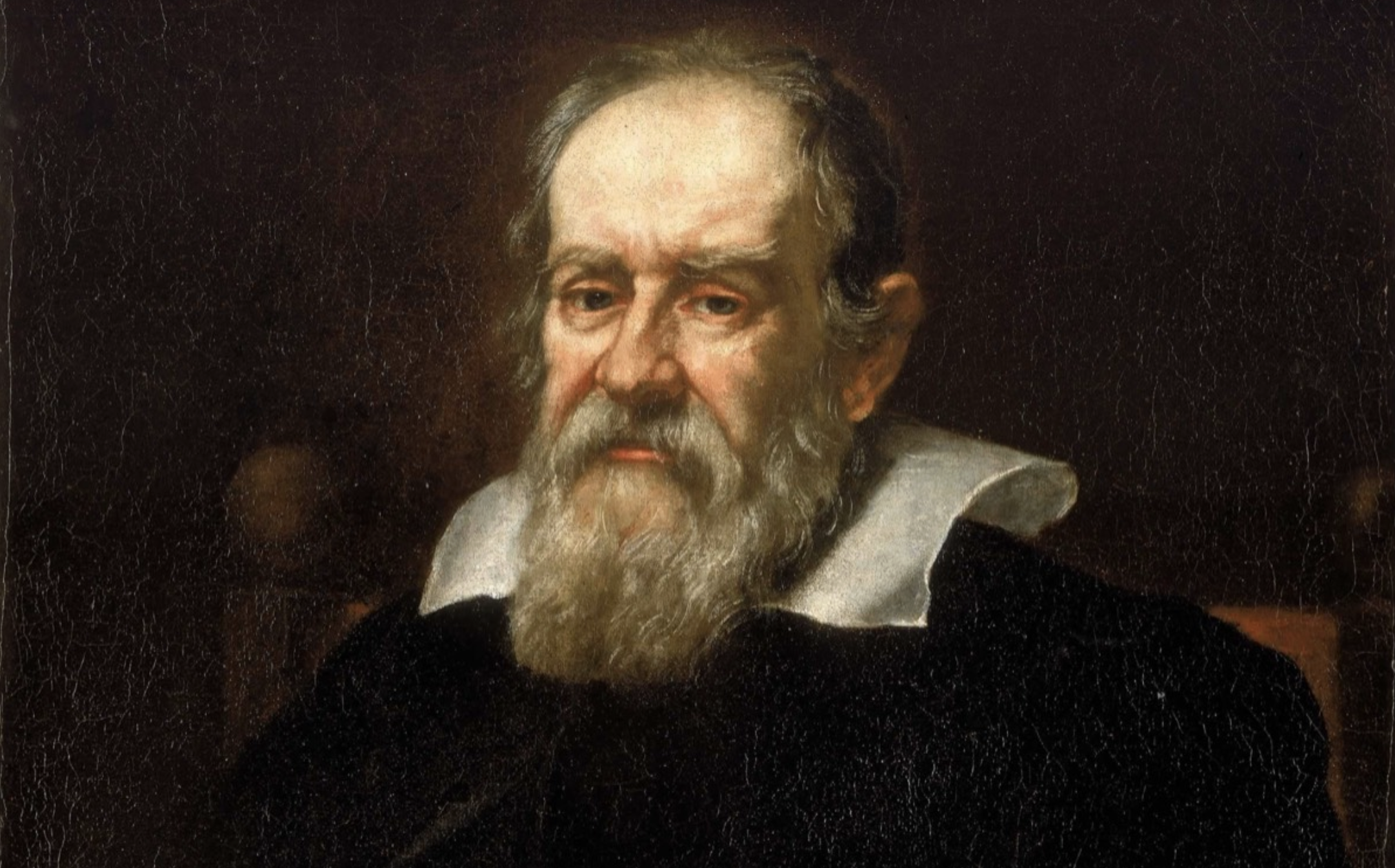
Galileo used telescopes to observe Jupiter’s moons and the phases of Venus, proof that not everything revolved around Earth. That might sound obvious today, but at the time it was revolutionary… and extremely dangerous to say out loud.
Marie Curie Unlocked the Secrets of Radioactivity
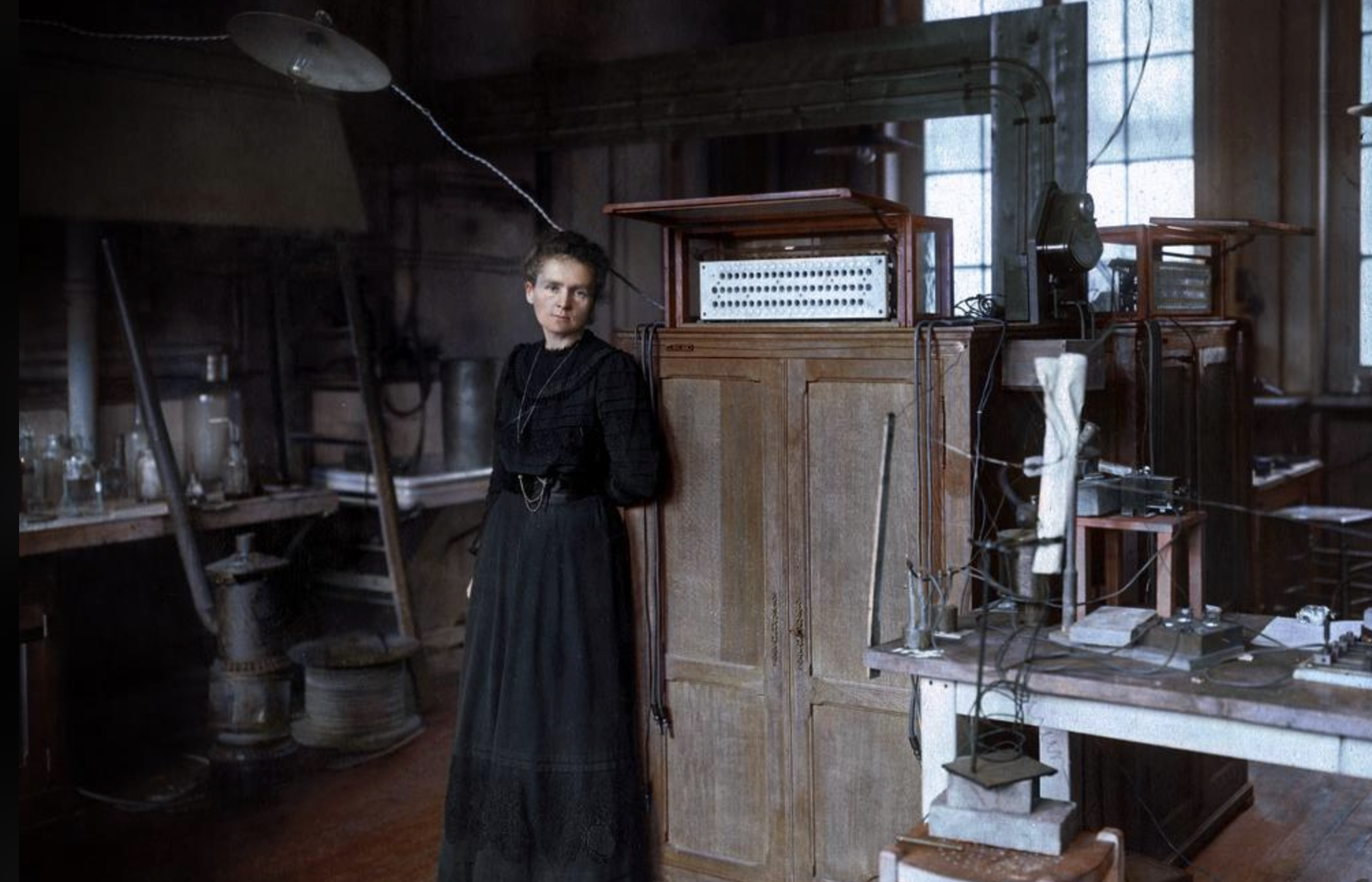
Curie discovered and named radioactivity and identified elements like polonium and radium. Her work opened the door to nuclear physics, cancer treatments, and modern atomic science. She also became the first person to win two Nobel Prizes in different sciences.
Charles Darwin Explained Evolution Through Natural Selection
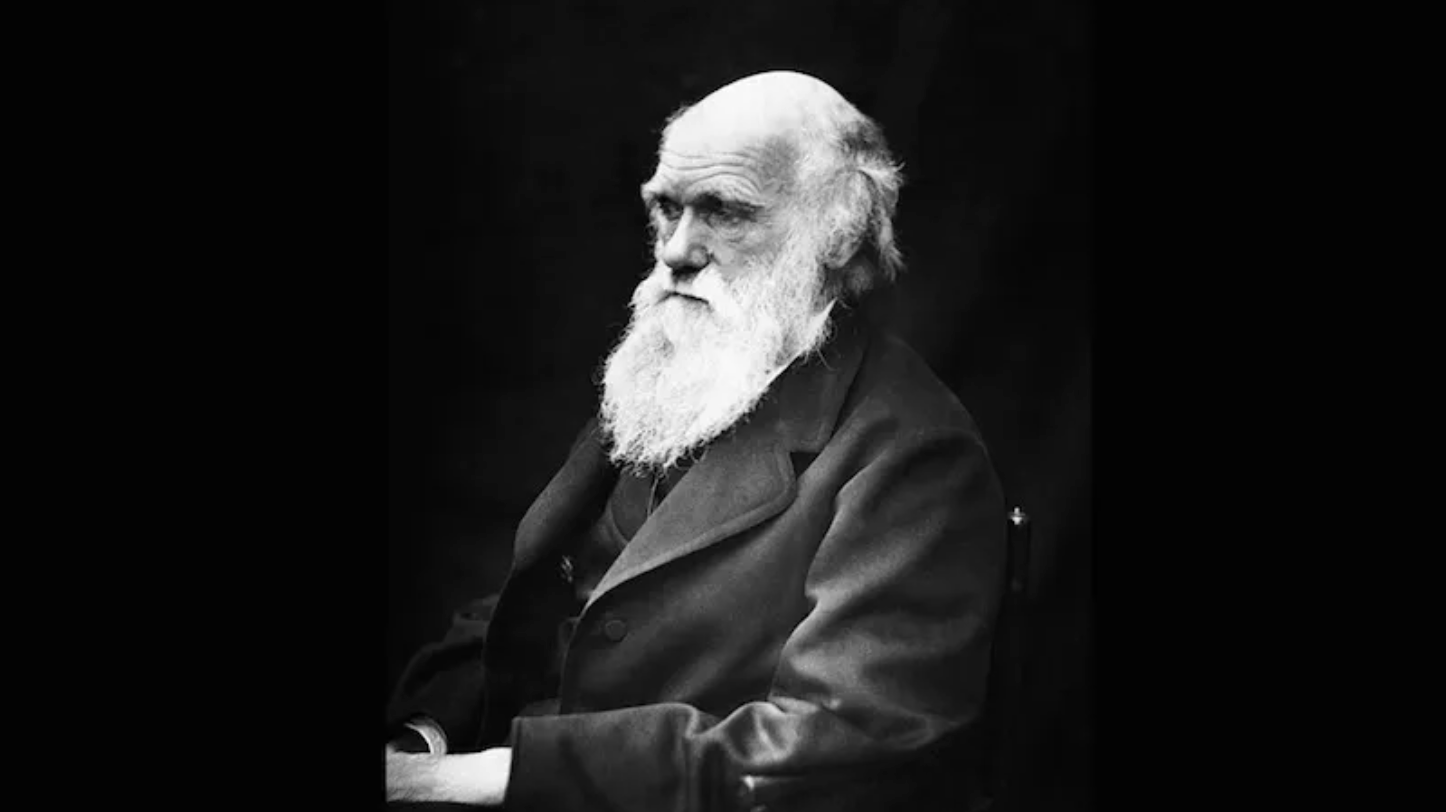
Darwin’s theory of evolution explained how species adapt and change over time. It completely transformed biology, medicine, genetics, and our understanding of life itself. Even now, modern biology is built on Darwin’s foundation.
Gregor Mendel Discovered the Basic Laws of Genetics
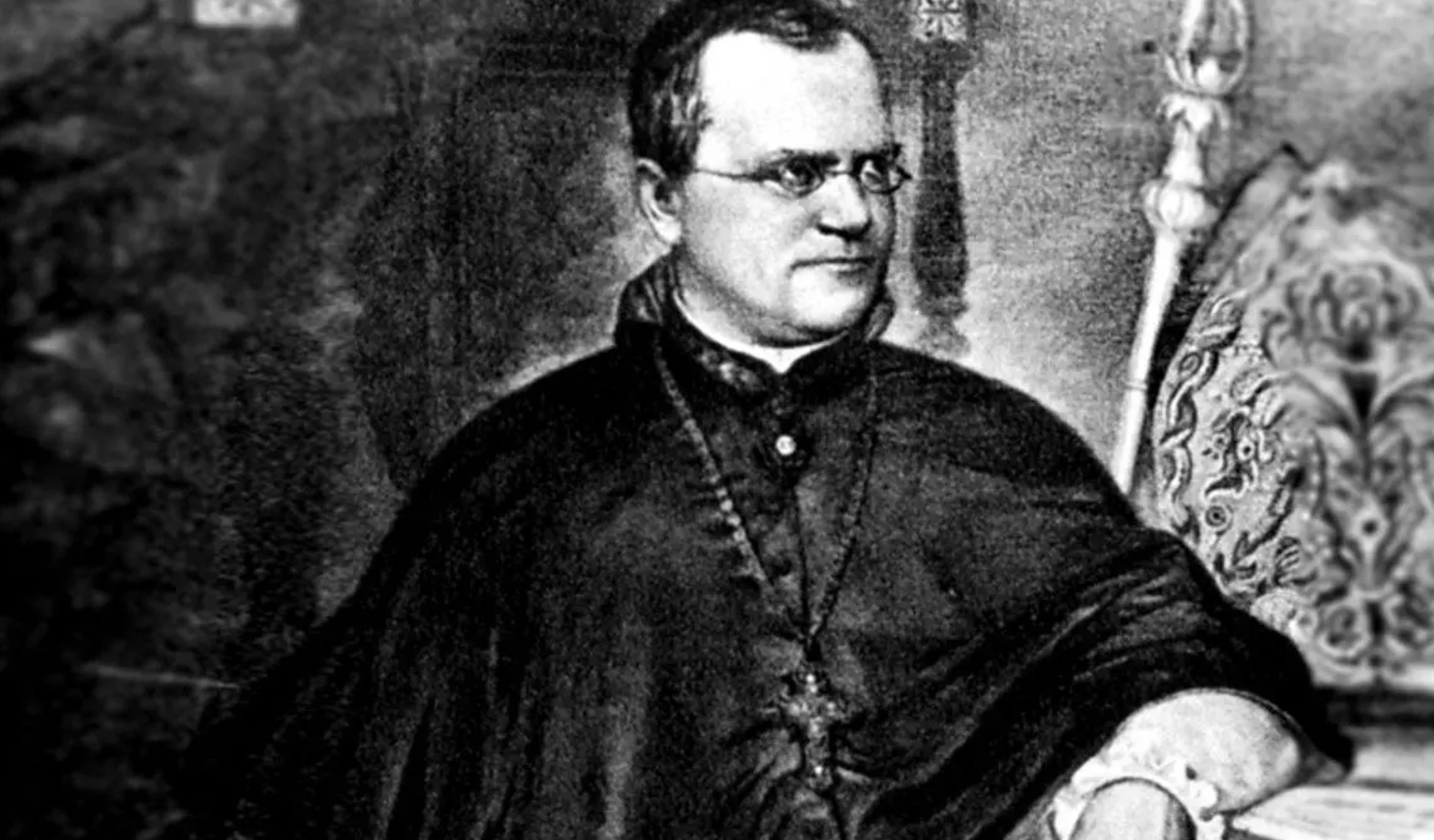
Mendel was experimenting with pea plants in a monastery garden when he uncovered the rules of inheritance. His work eventually became the foundation of genetics, even though most scientists ignored him during his lifetime.
Trending on The Scroller

Louis Pasteur Proved Germs Cause Disease
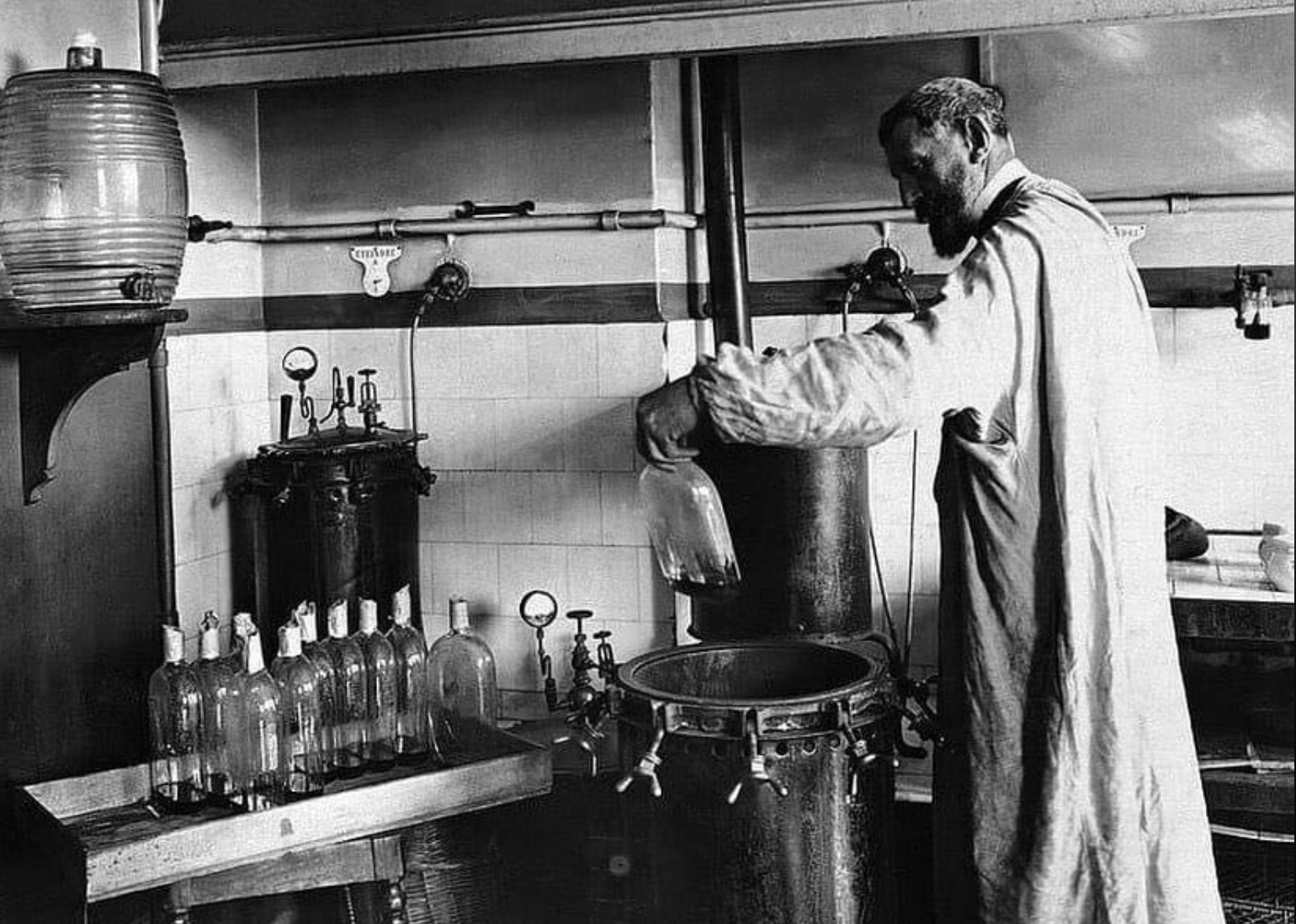
Pasteur showed that microorganisms cause illness and spoilage, changing medicine forever. He also invented pasteurization, saving millions of lives by making food and drink safer.
Nikola Tesla Helped Build the Modern Electrical Grid With AC Power
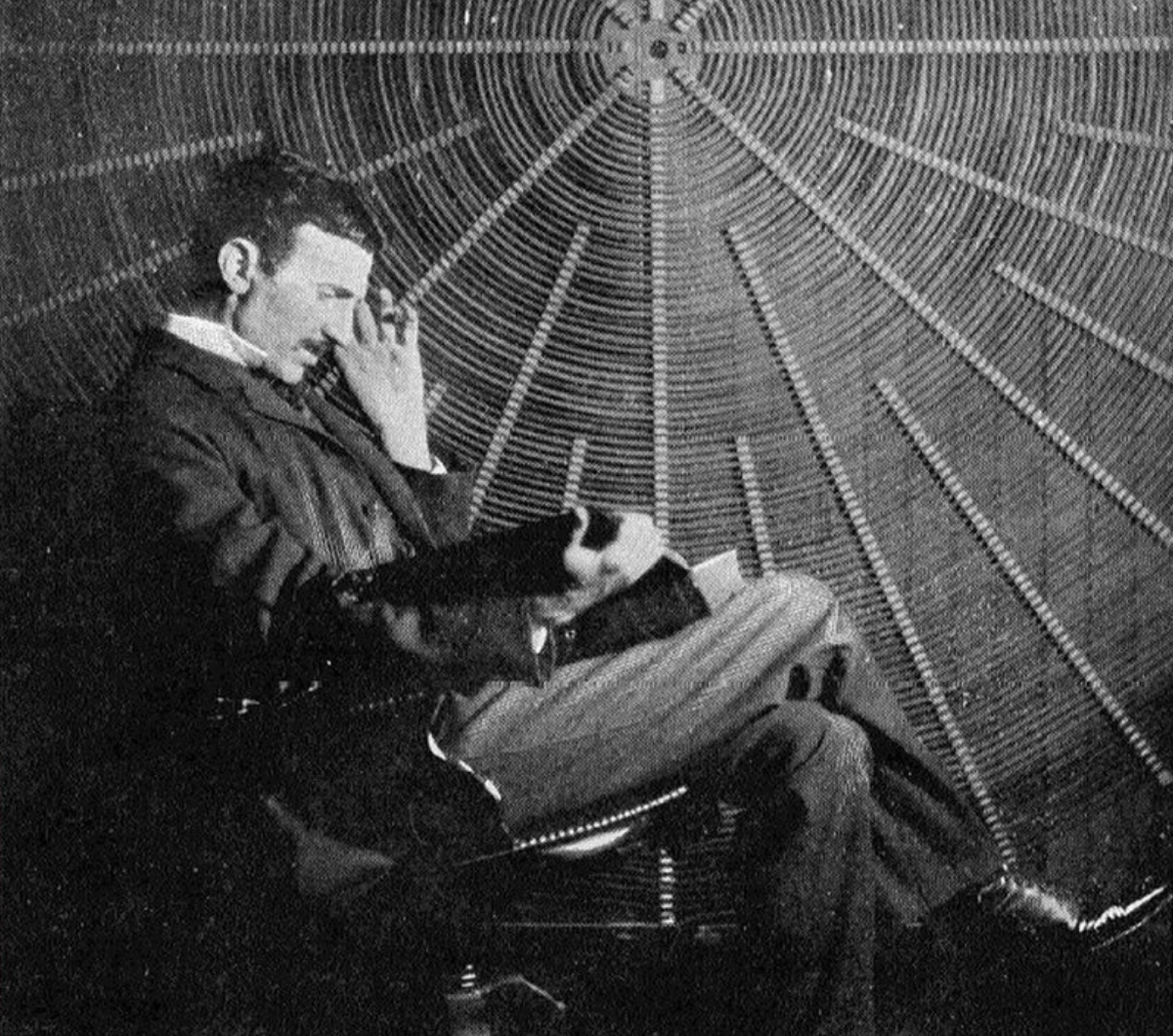
Tesla didn’t just invent gadgets, he helped design the electrical system that powers modern civilization. His work on alternating current (AC) is why electricity can travel long distances to reach homes and cities.
Albert Einstein Redefined Physics With Relativity
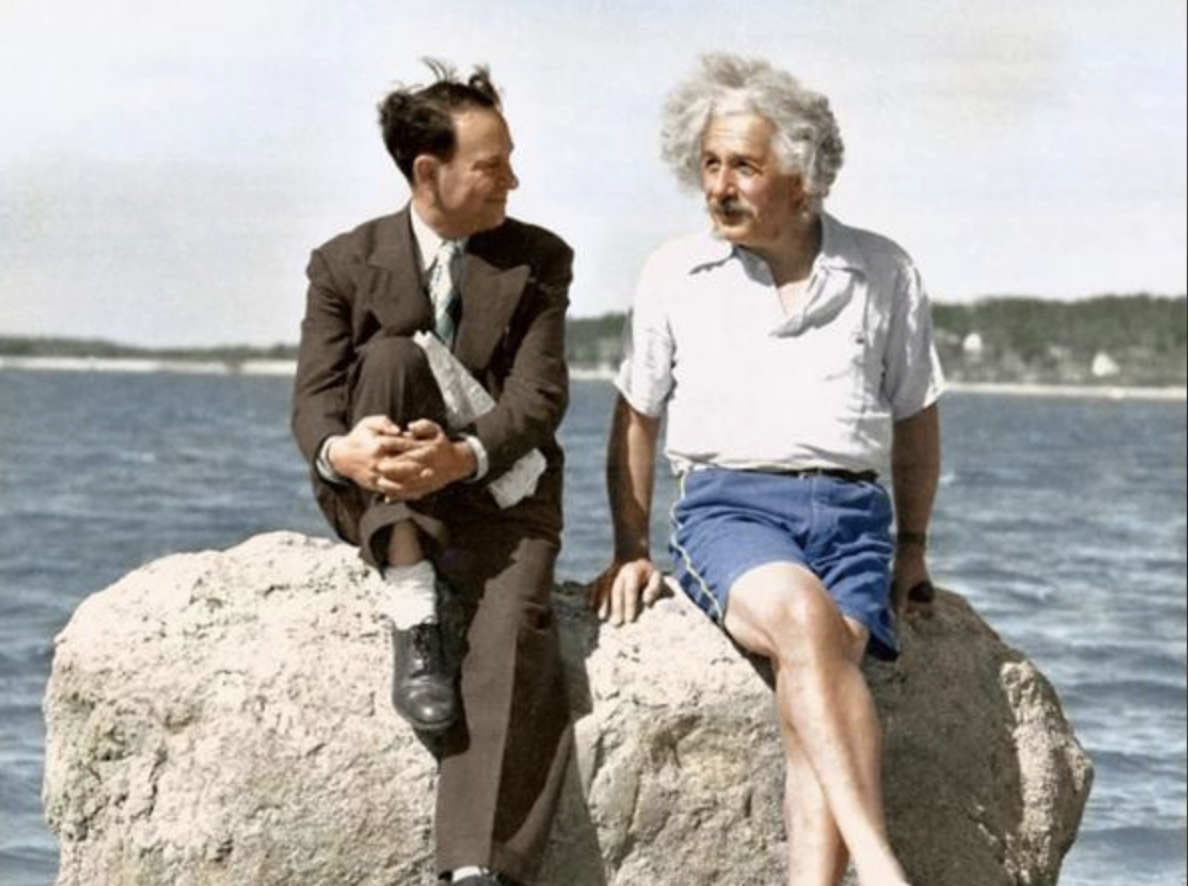
Einstein changed how we understand space, time, and gravity. His theories helped shape modern cosmology and even made GPS technology possible. And of course, his famous equation E = mc² helped explain nuclear energy.
Sign up for our newsletter
Dmitri Mendeleev Created the Periodic Table of Elements
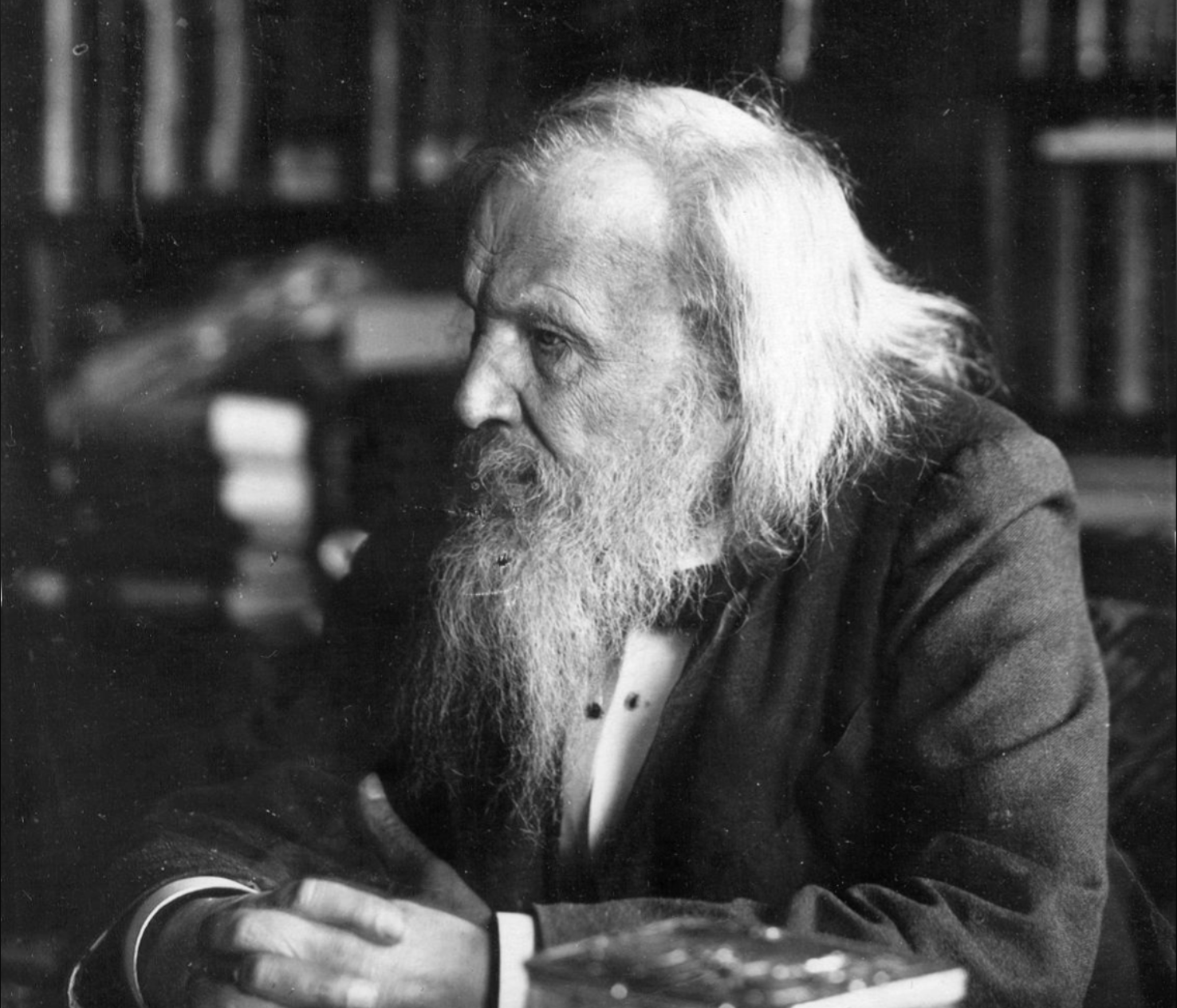
Mendeleev didn’t just organize known elements, he predicted ones that hadn’t even been discovered yet. That’s like building a puzzle and correctly guessing what the missing pieces should look like before finding them.
Alexander Fleming Discovered Penicillin, the First True Antibiotic
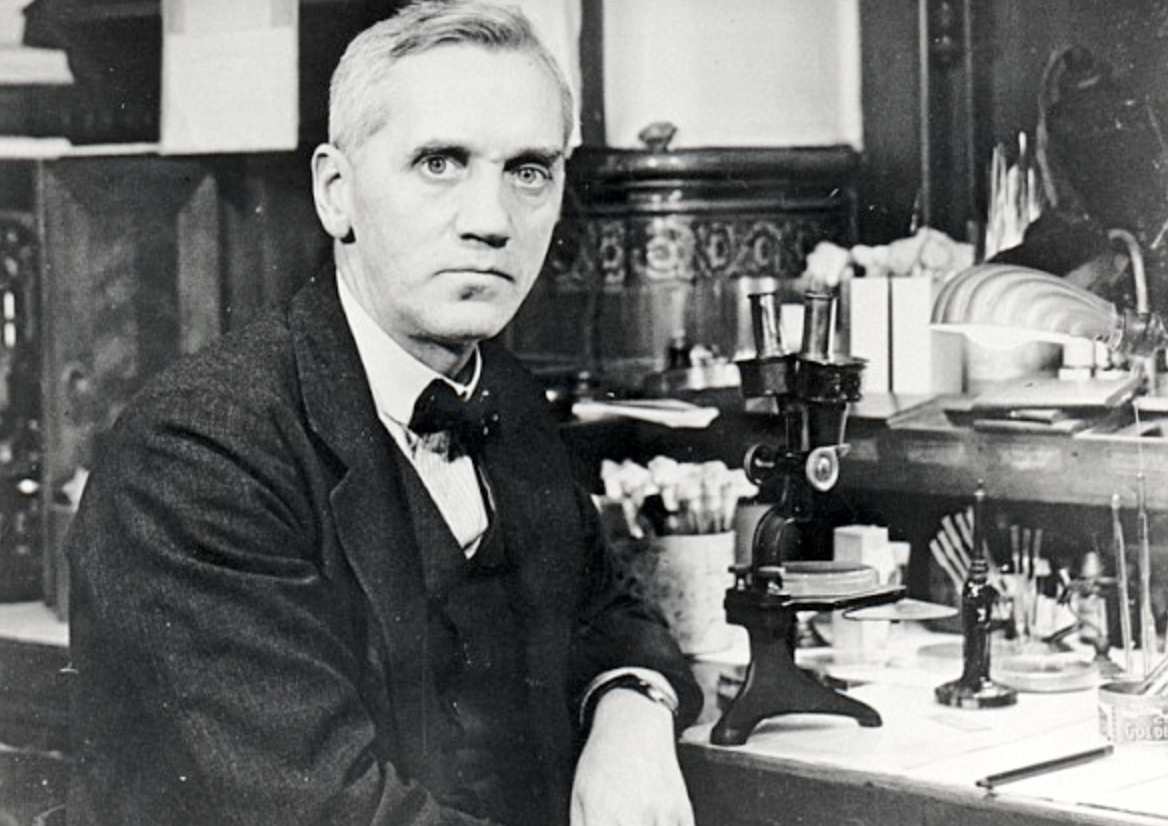
Fleming’s discovery of penicillin transformed medicine. Suddenly, infections that once killed people routinely became treatable. It’s hard to overstate how many lives this breakthrough has saved.
James Clerk Maxwell Explained Electromagnetism and the Nature of Light
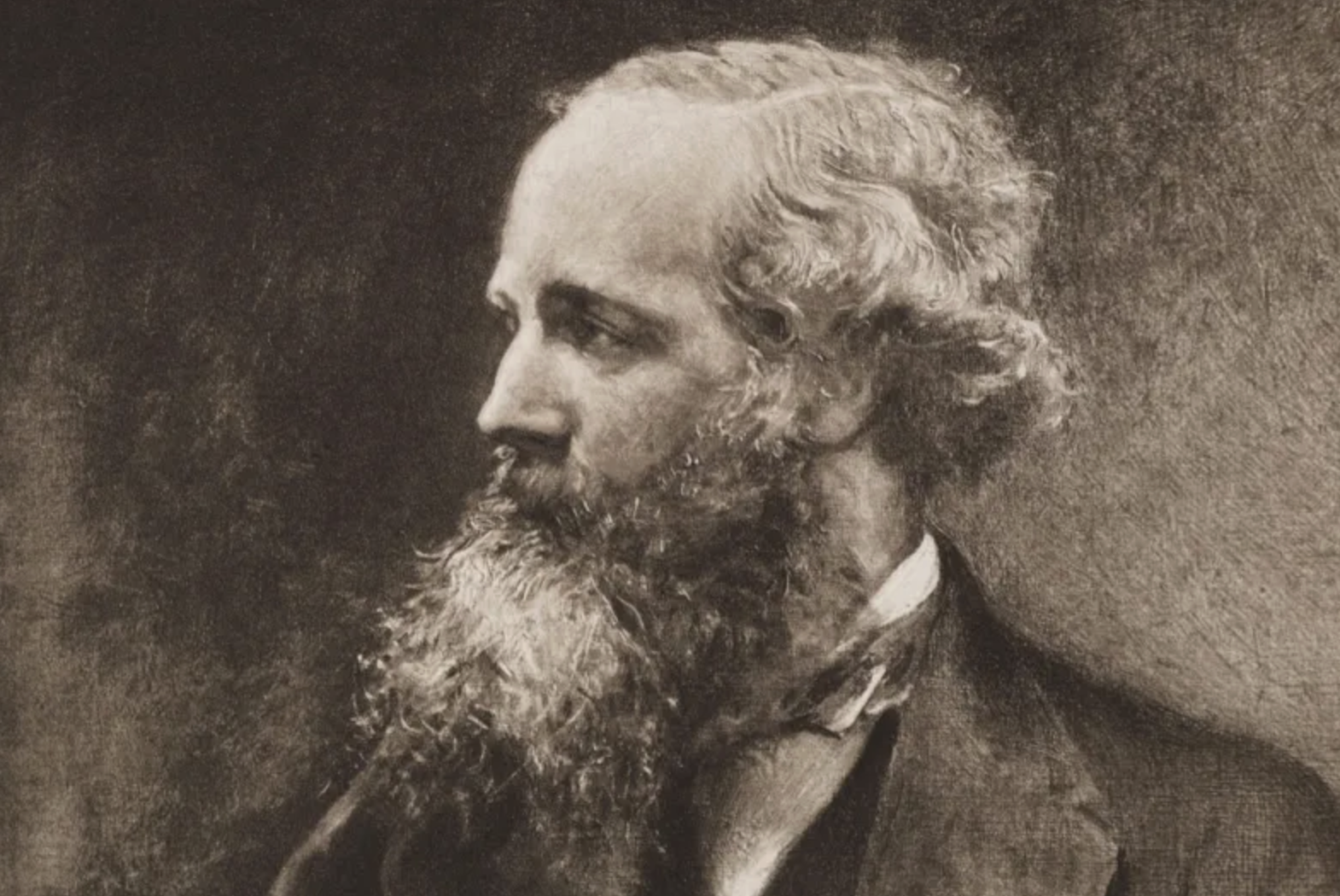
Maxwell’s equations connected electricity, magnetism, and light into one theory. Without Maxwell, we wouldn’t have radio waves, Wi-Fi, or the modern world of electronics.
Michael Faraday Discovered How to Generate Electricity With Magnetism
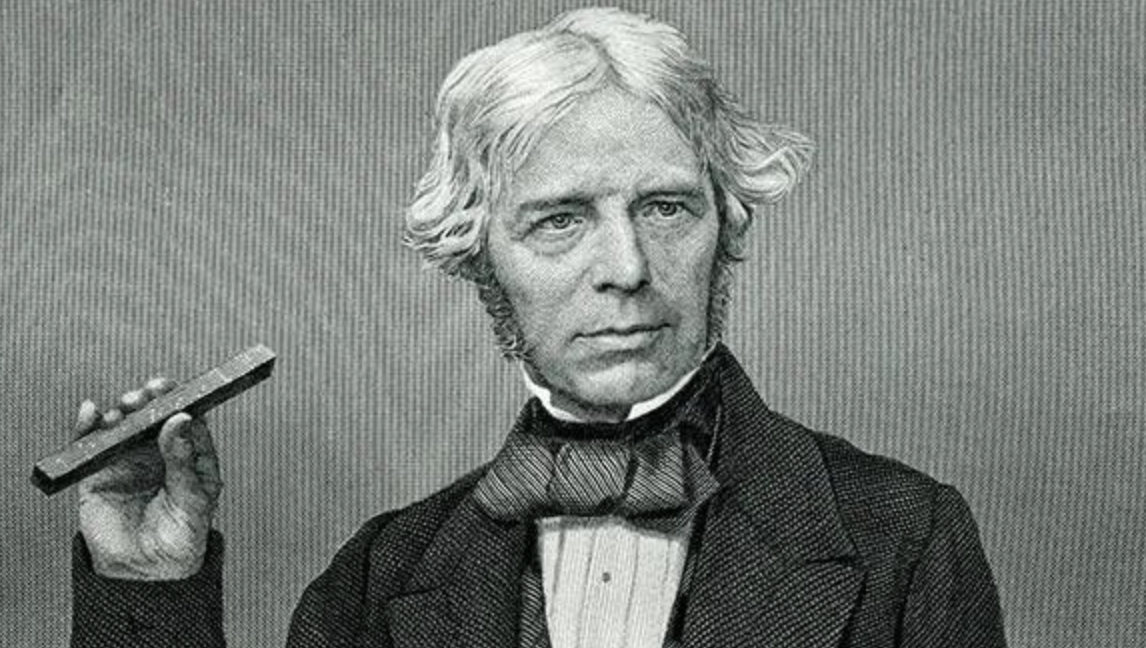
Faraday uncovered electromagnetic induction, proving that motion and magnetism could create electric current. That single concept powers electric motors, generators, and most of the modern energy industry.
Antoine Lavoisier Built the Foundation of Modern Chemistry
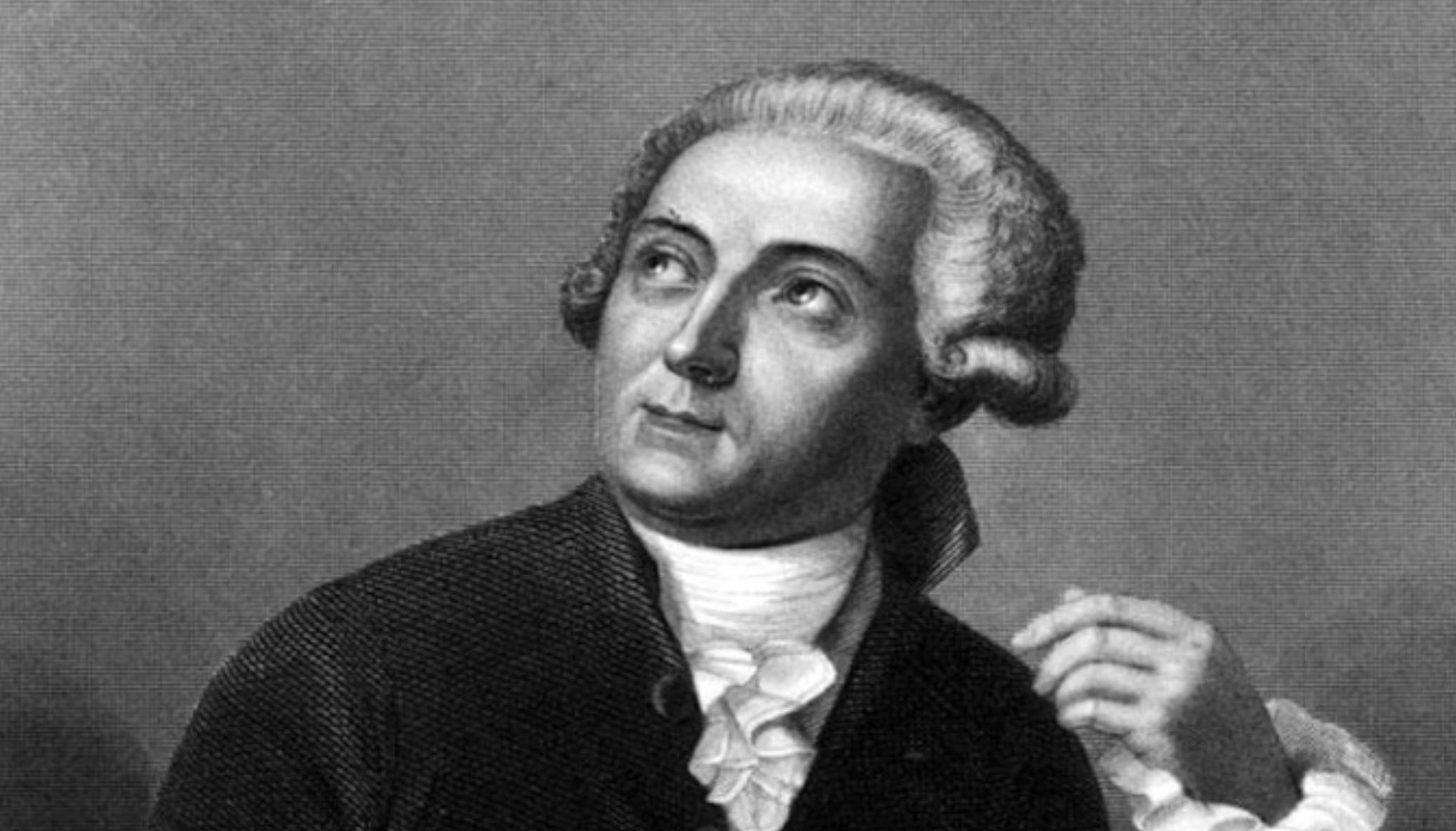
Lavoisier proved that matter isn’t destroyed in chemical reactions, it simply changes form. His work helped transform chemistry from mystical alchemy into a legitimate science.
Johannes Kepler Figured Out How Planets Actually Orbit
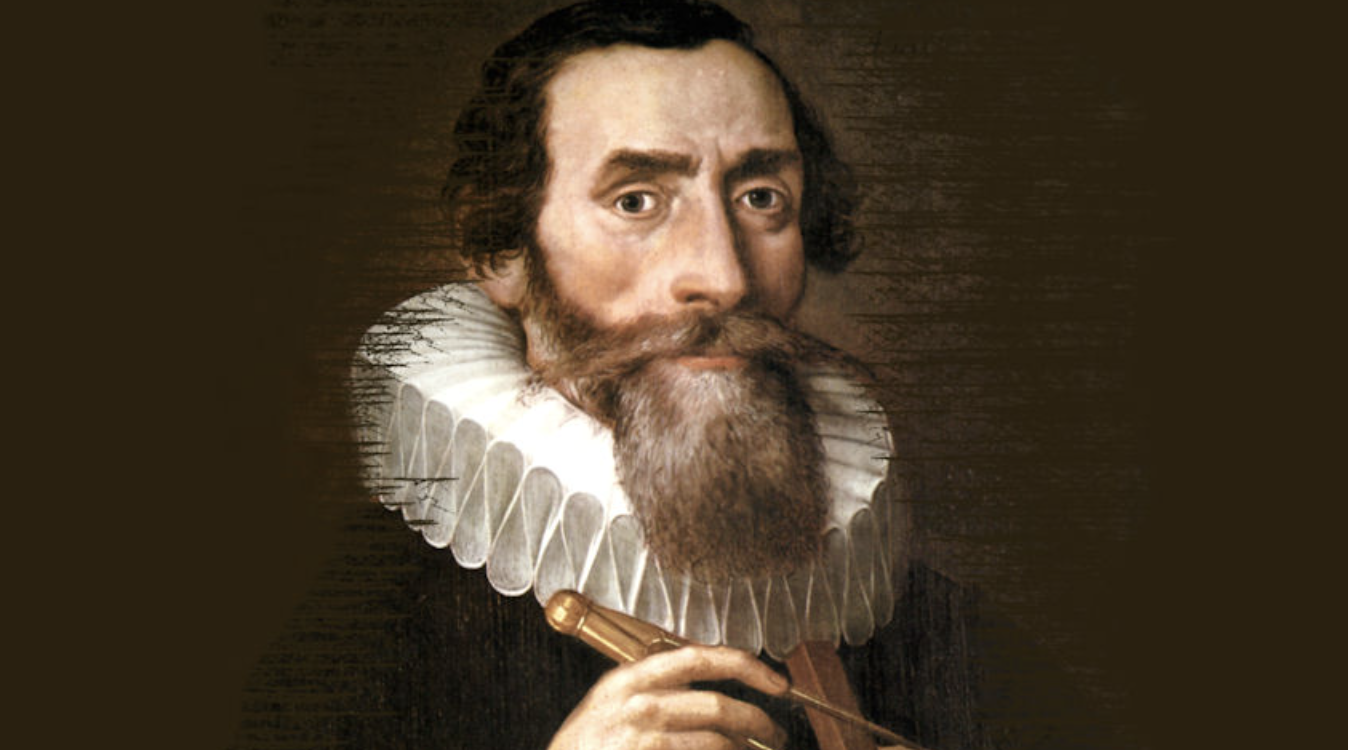
Kepler discovered that planets travel in elliptical paths, not perfect circles. His laws of planetary motion gave scientists the math needed to understand the solar system.
Robert Hooke Discovered Cells as the Building Blocks of Life
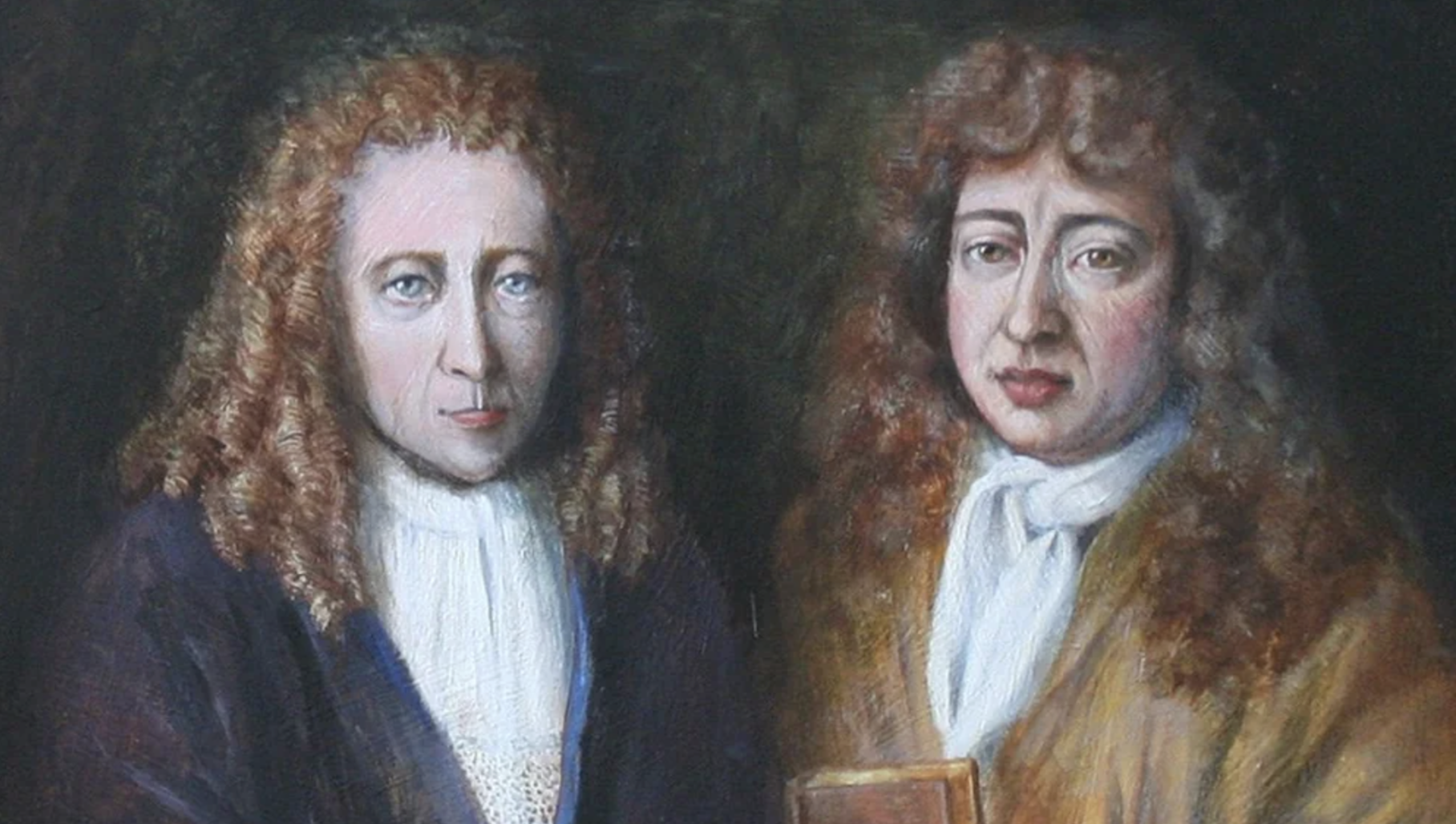
Hooke observed cork under a microscope and noticed tiny compartments, which he called “cells.” That observation became the foundation of cell biology, one of the most important scientific fields ever.
Antonie van Leeuwenhoek Became the First to Observe Microorganisms
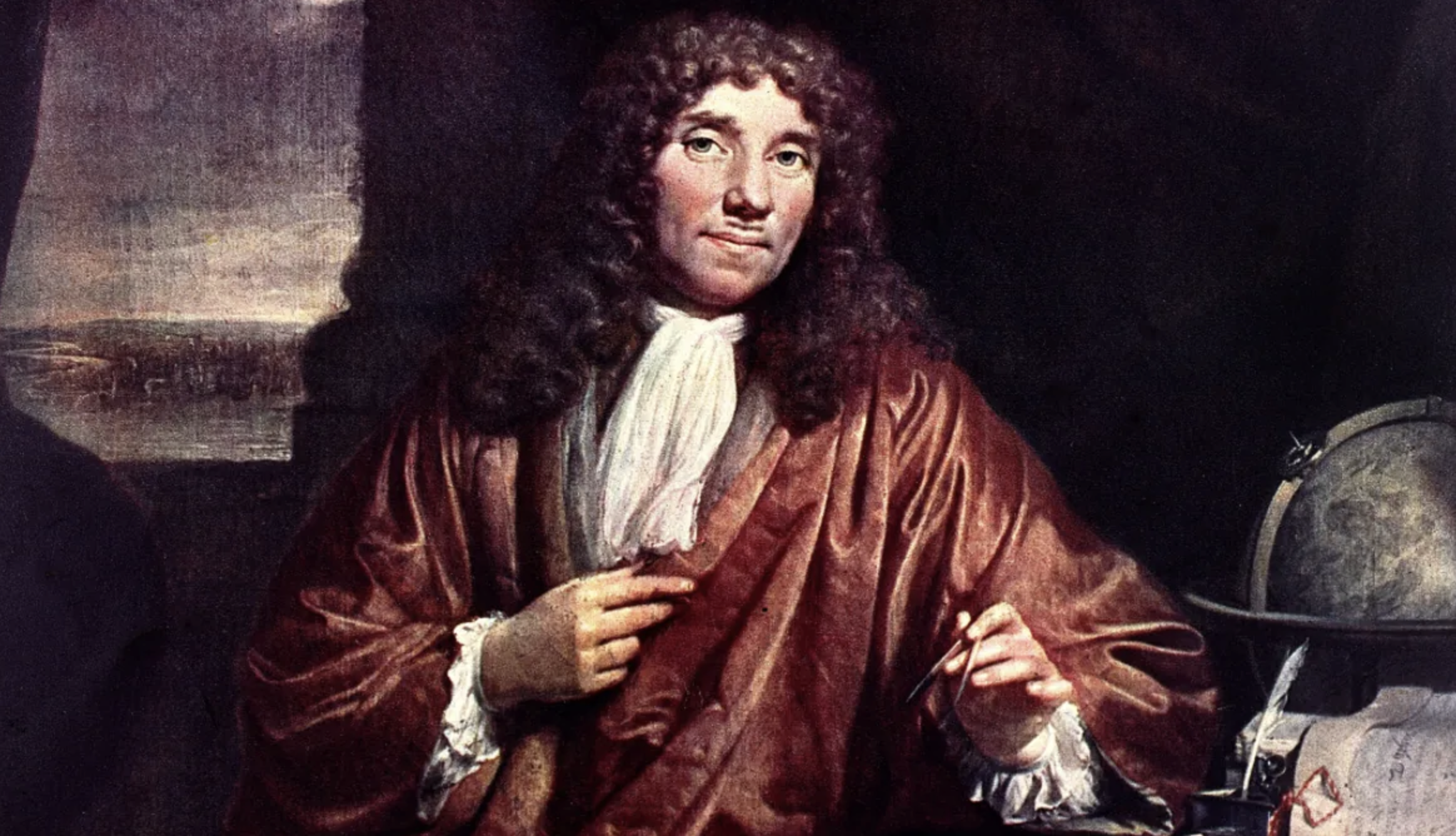
Leeuwenhoek was among the first people to observe bacteria and microscopic life. His work essentially created microbiology long before anyone fully understood germs.
Edward Jenner Invented the First Vaccine
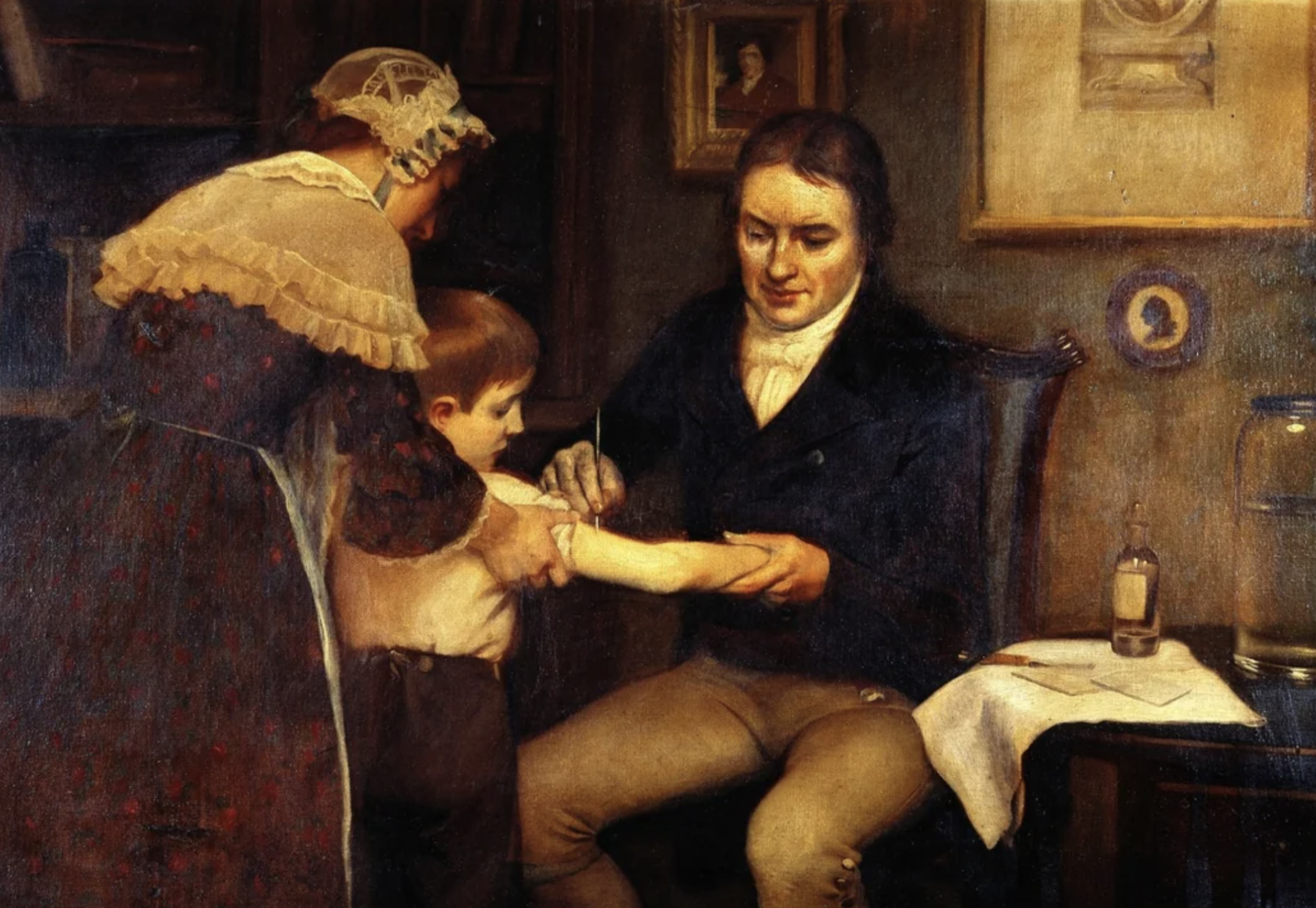
Jenner noticed that people exposed to cowpox didn’t get smallpox, leading him to create the first vaccine. That breakthrough eventually helped eradicate smallpox, one of the deadliest diseases in history.
Alan Turing Laid the Foundations for Computer Science and AI

Turing helped crack Nazi codes during World War II, but his lasting influence went far beyond wartime intelligence. He developed the theoretical framework for modern computing, which later became essential to artificial intelligence.
Rosalind Franklin Captured the Image That Revealed DNA’s Structure
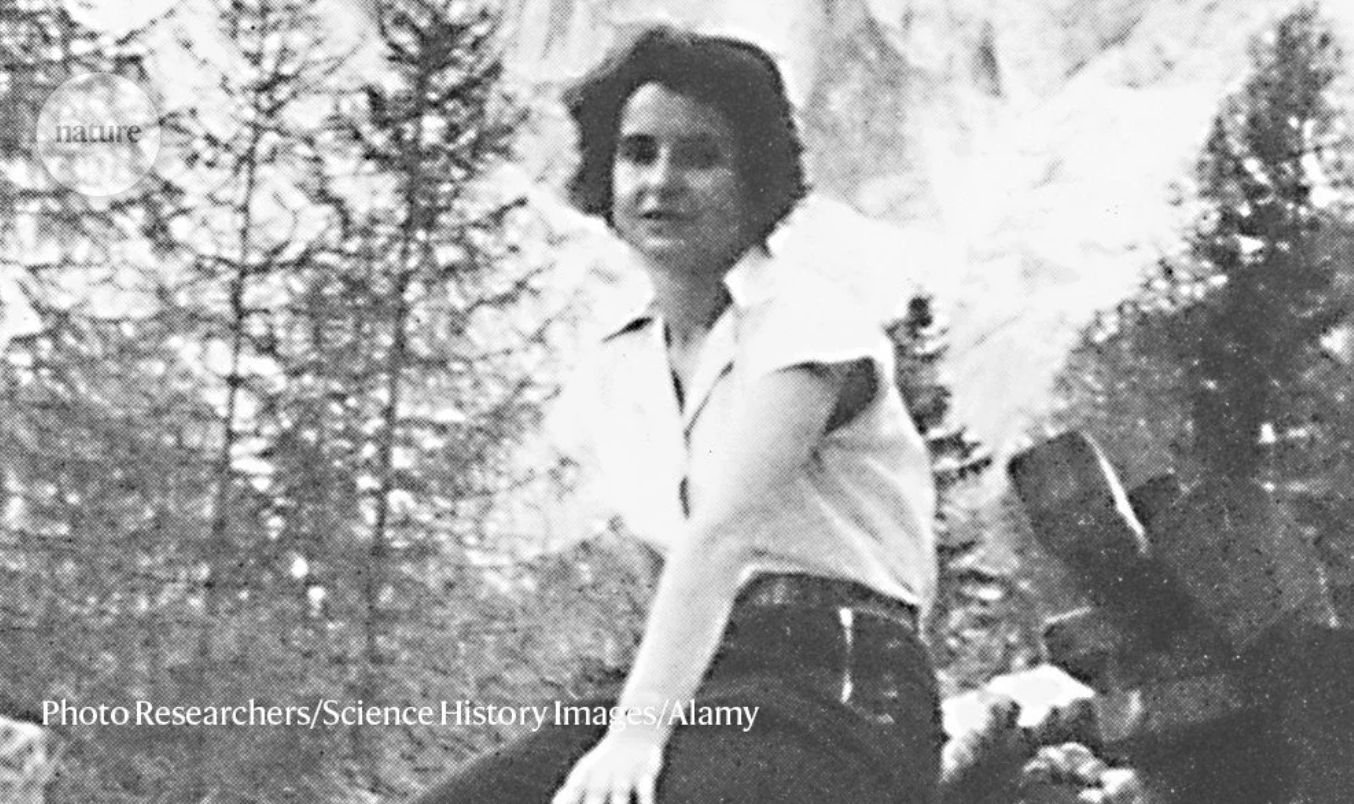
Franklin’s X-ray diffraction work provided the crucial evidence needed to identify DNA’s double helix shape. Her contributions were under-credited for years, but her role remains one of the most important in biology.
Alexander von Humboldt Predicted the Science of Ecosystems and Climate
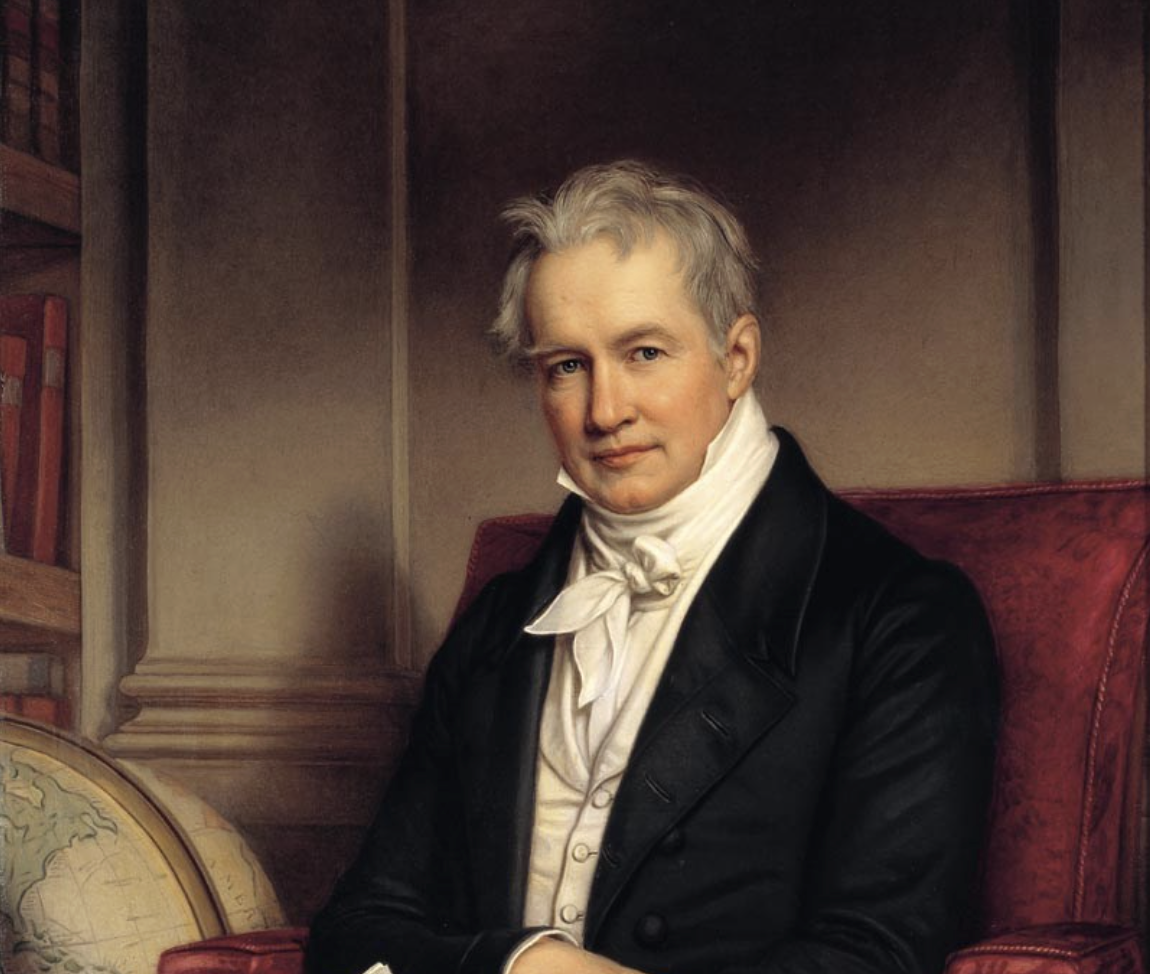
Humboldt was one of the first scientists to describe nature as an interconnected system, climate, plants, geography, and human impact all tied together. Long before “climate change” became mainstream, Humboldt warned that deforestation and human activity could permanently affect the planet.
Explore more vintage content:
Modern science might look flashier, supercomputers, particle accelerators, and gene editing, but the foundations were laid long ago by people who often worked with little more than notebooks, curiosity, and relentless determination. Their discoveries weren’t just impressive for their time. They were the kind of breakthroughs that changed humanity permanently. If you loved this content, check out 20 Surprisingly Common Foods That Used to Be Considered “Luxury” in the 80s, or 15 Famous Foods That Were Invented by Accident in The 1960s (and Became Icons).