For thousands of years, the world’s most massive ice sheets have acted as silent vaults, locking away everything from ancient tools to modern relics. These high-altitude glaciers provide a unique environment where the lack of oxygen and the constant sub-zero temperatures prevent decay, keeping organic objects in a state of near-perfect suspended animation. As global temperatures rise and the ice begins to recede, these mountain ranges are slowly revealing secrets that were meant to be hidden forever. It is a race against time for archaeologists, as these items can deteriorate within hours of being exposed to the modern atmosphere for the first time.
The diversity of the items surfacing from the ice is truly staggering, ranging from artifacts left by prehistoric hunters to the lost equipment of early 20th-century explorers. Each of these objects tells a specific, often haunting story about a moment when someone was caught in a storm, crossed a treacherous pass, or simply dropped a piece of their daily life into the snow. Seeing a piece of fabric or a wooden tool that looks like it was made yesterday, despite being thousands of years old, is a disorienting experience that connects us directly to the past. Let’s take a look at fifteen of the most bizarre and incredible things that have emerged from the world’s melting ice.
1. A 1,700-year-old Iron Age tunic
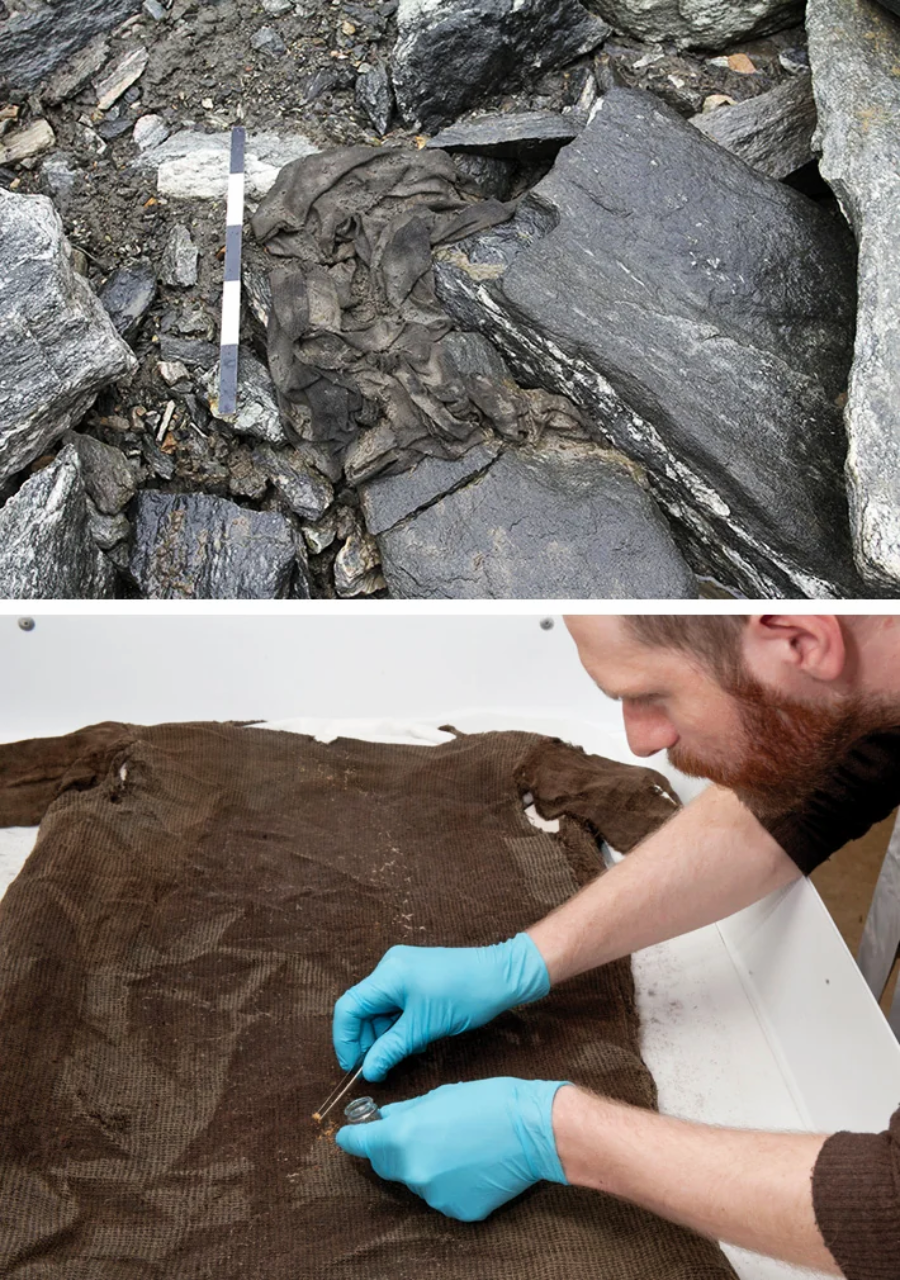
Found in 2011 on a glacier in Norway, this wool tunic is one of the rarest pieces of clothing ever discovered. It belonged to a man who lived during the late Roman Iron Age and was likely used by a hunter chasing reindeer across the high mountain passes. The garment was so well-preserved that researchers could still see the weave of the fabric and the repair patches made by the original owner. It’s a remarkable piece of fashion history that survived only because the ice protected the delicate fibers from the elements for nearly two millennia.
2. An ancient message in a bottle from 1959
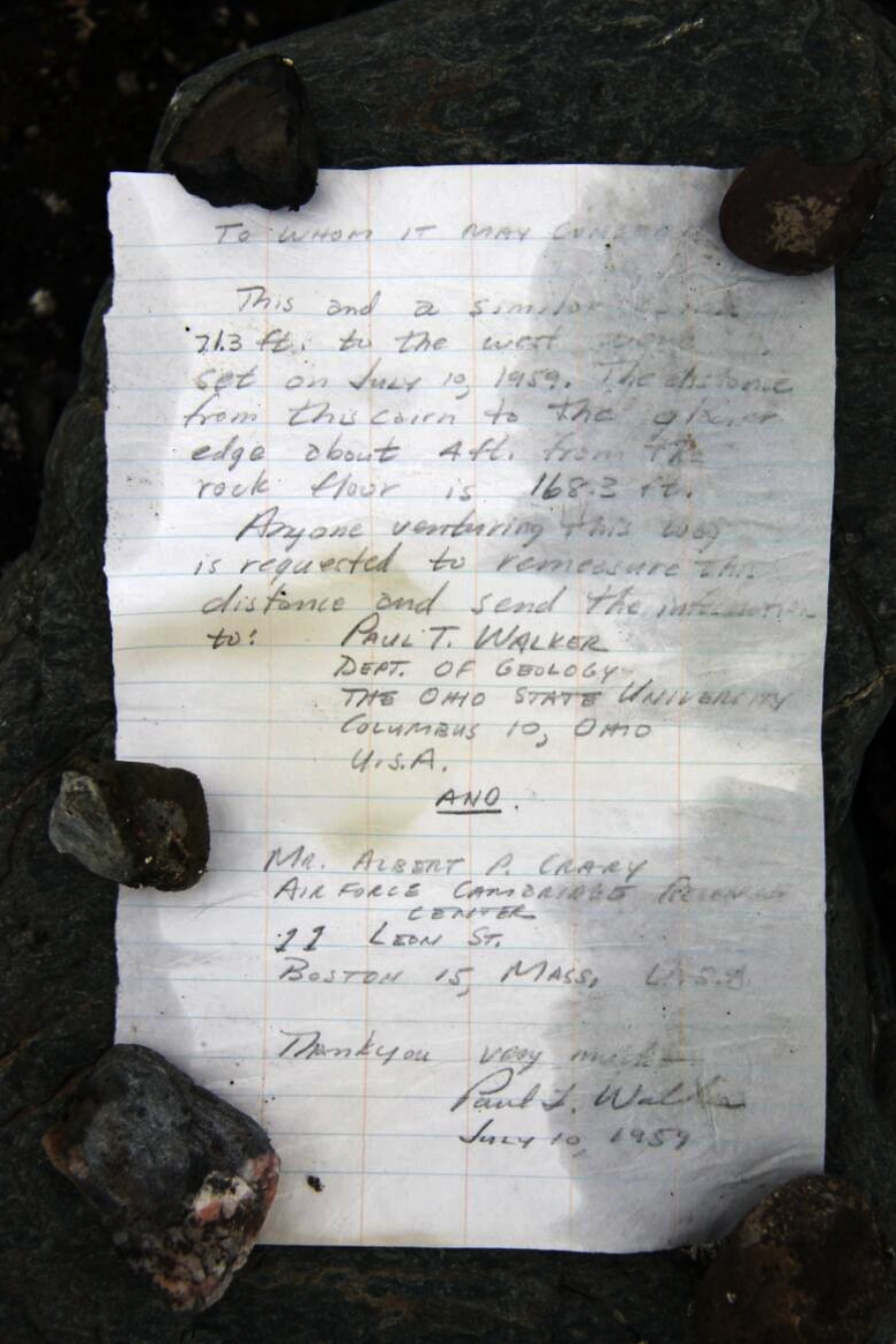
In 2013, researchers on Ward Hunt Island in the Arctic found a small bottle tucked under a pile of rocks near a retreating glacier. Inside was a message written in 1959 by two geologists, Paul Walker and Albert Crary, asking whoever found it to measure the distance to the glacier again. By the time it was found, the ice had retreated over 200 feet from the point where the scientists had stood. It serves as a poignant and direct piece of scientific evidence showing just how rapidly our planet’s icy landscapes are changing.
3. Otzi the Iceman’s survival kit
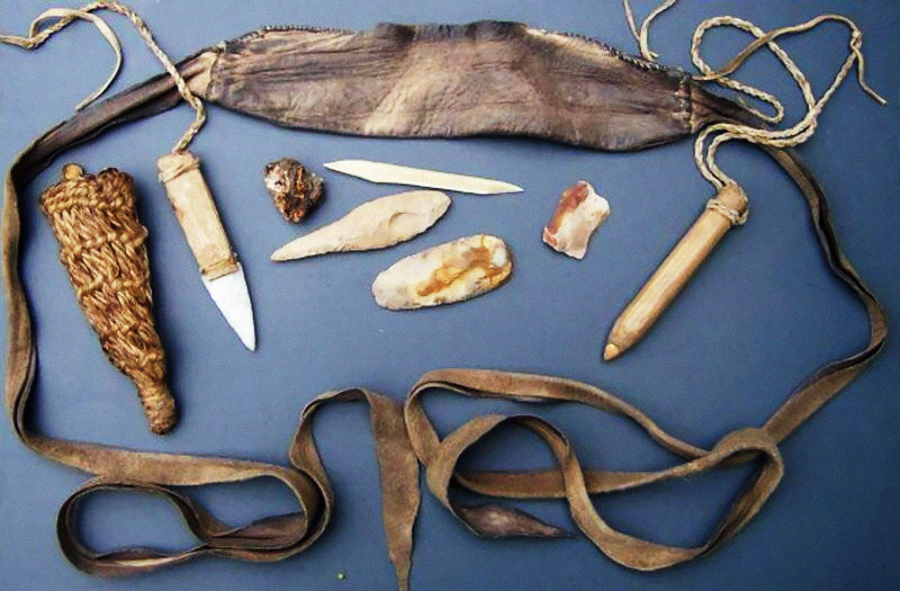
While the mummy of Otzi is world-famous, the objects found with him are arguably more interesting because they show exactly how a human survived in the Copper Age. He was found with a copper-headed axe, a quiver of arrows, and even a primitive “first-aid kit” consisting of specific types of birch fungus known for their medicinal properties. His bearskin hat and leather shoes were still intact, showing a level of craftsmanship that many historians previously underestimated. Every item in his pack was a masterpiece of prehistoric utility, designed to keep him alive in one of the harshest environments on Earth.
4. A 3,400-year-old leather shoe
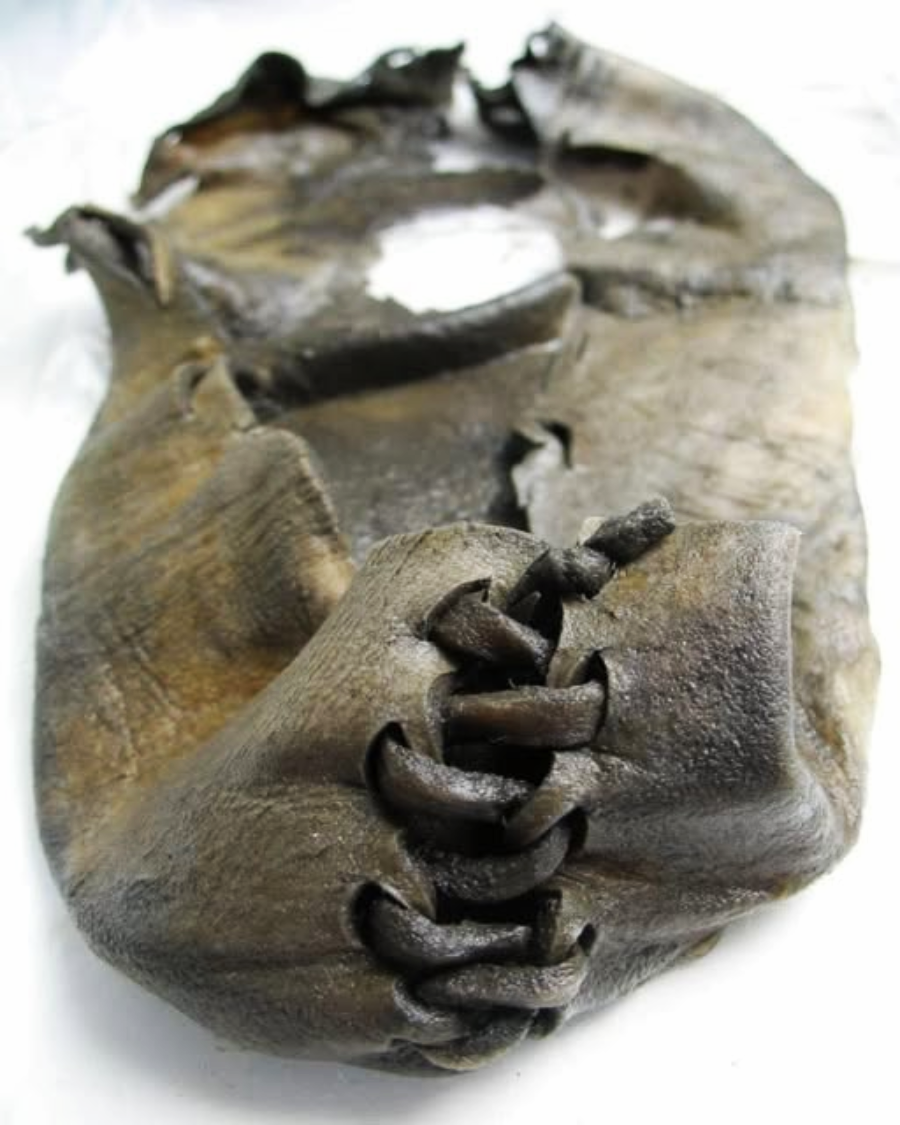
Discovered on the Jotunheimen mountains in Norway, this single leather shoe looks remarkably modern despite being older than the Roman Empire. It was made from a single piece of hide and was roughly a size 4 or 5, suggesting it may have belonged to a young person or a woman. The discovery proved that these high-mountain areas were not just desolate zones but were active routes for families and travelers thousands of years ago. It’s a small, humanizing piece of history that makes the distant past feel incredibly close.
5. Viking-era skis with bindings
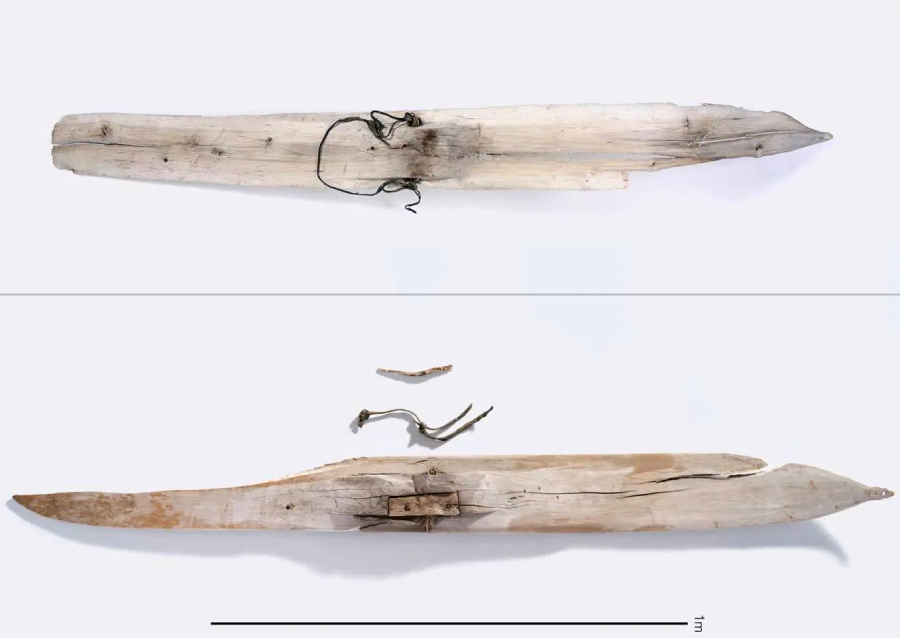
Finding ancient skis is rare, but finding a pair with the original leather and sinew bindings still attached is almost unheard of. These skis were found high on a Norwegian mountain peak and are over 1,300 years old, dating back to the height of the Viking Age. They were wide and sturdy, designed to allow a hunter to move quickly across deep snowbanks while tracking game. The fact that they were found together suggests the owner may have had to abandon them during a sudden, violent blizzard.
Trending on The Scroller


6. A 1,000-year-old viking arrow
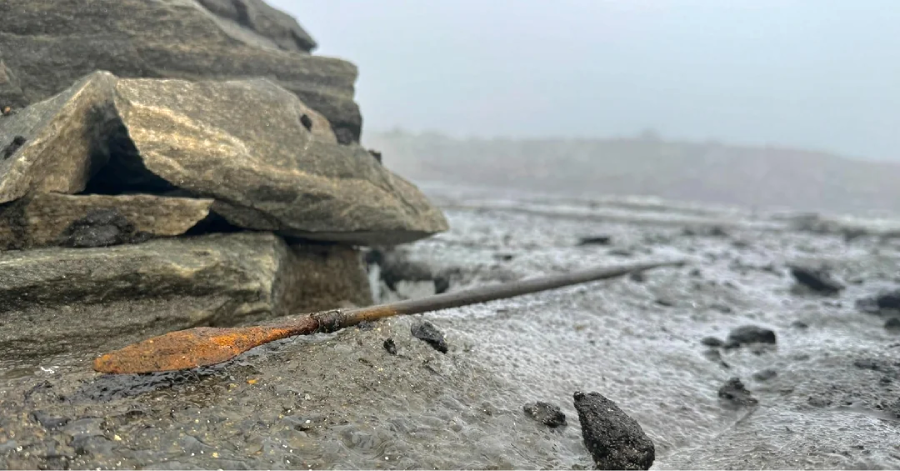
Discovered in the Jotunheimen mountains of Norway, this arrow is so well-preserved that the feathers used for fletching are still partially visible. The shaft was carved from pine, and the arrowhead was made of iron, showing the specific craftsmanship required for high-altitude hunting. Finding an arrow in such good condition is a miracle of nature, as wood and feathers usually rot away within a few years of exposure. It gives us a direct link to the Viking hunters who once stalked reindeer across these very same frozen peaks.
7. Janet Johnson’s Nikomat camera
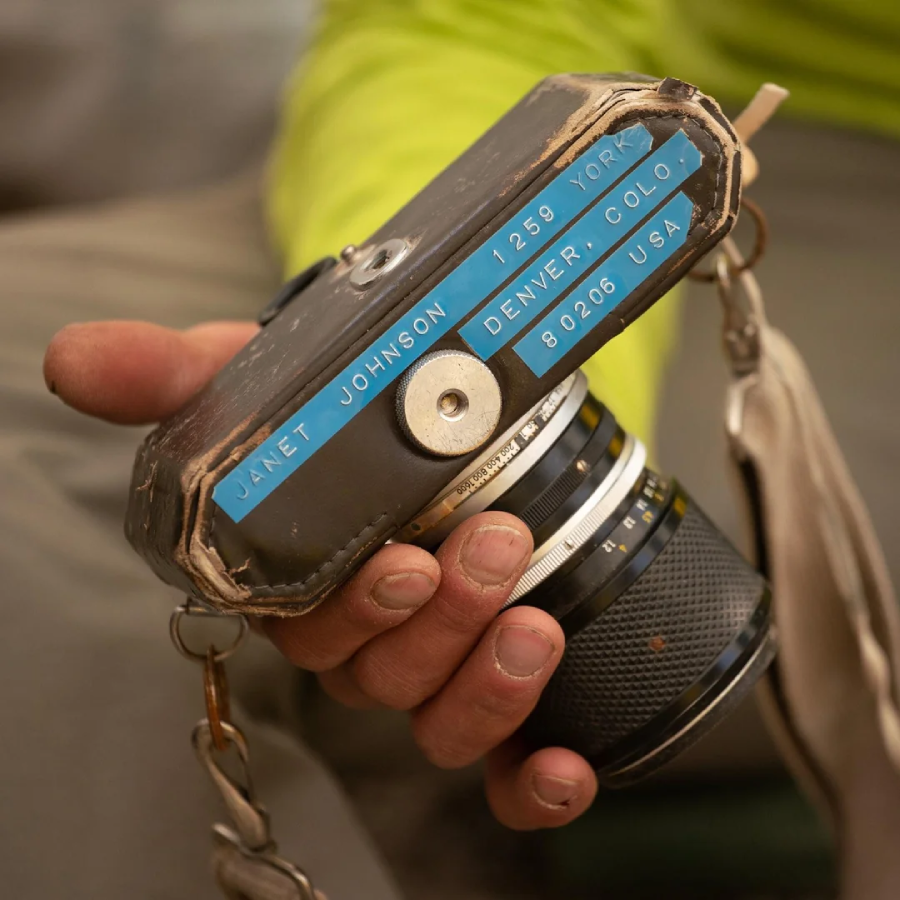
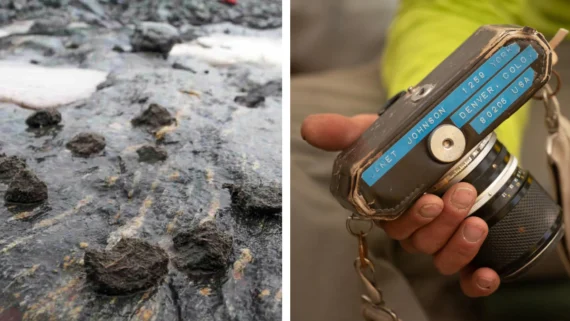
After 36-year-old Janet Johnson vanished on Aconcagua in 1973 amidst rumors of foul play and secret agents, her Nikomat 35mm camera sat frozen in a glacier for nearly 50 years. When a porter discovered the camera in 2020, the leather case had protected the film so perfectly that the processor said it looked as if it had been sitting on a shelf. The 24-wound shots were developed in Canada, offering a chilling, crystal-clear look at the expedition’s final moments. This remarkable discovery provided a voice to a woman lost to time, finally providing visual evidence to a mystery that had haunted the climbing community for decades.
8. Perfectly preserved ancient grass scraps
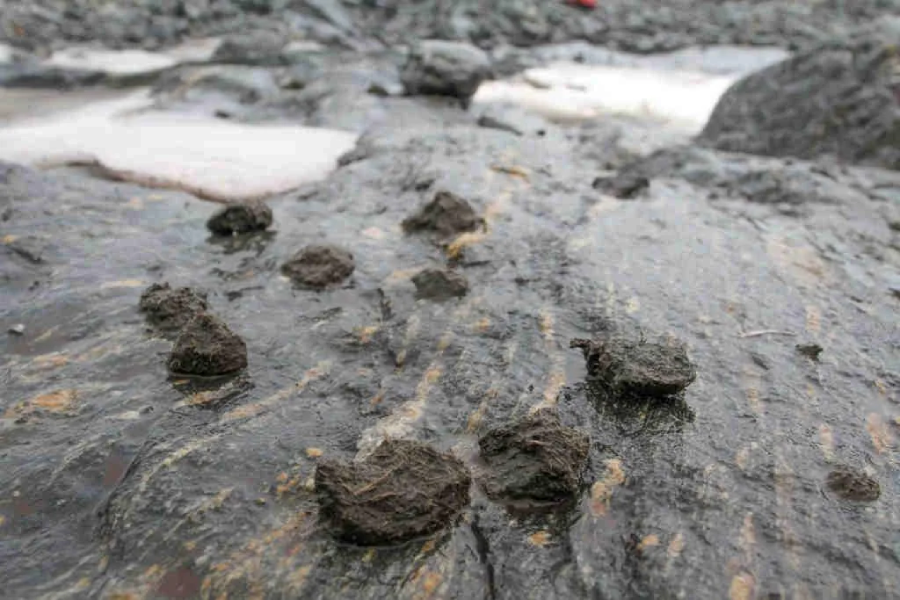
While it might not sound as exciting as a weapon, finding 4,000-year-old grass that is still green is a scientific marvel. These scraps were found in the stomach of a frozen animal and inside a woven basket, preserved so perfectly that they hadn’t even begun to turn brown. The lack of oxygen inside the glacier stopped the natural process of decomposition entirely, essentially “pausing” time for the organic material. Studying these scraps allows scientists to understand exactly what the climate and vegetation were like in the Alps thousands of years ago.
Sign up for our newsletter
9. A 1,100-year-old viking mitten
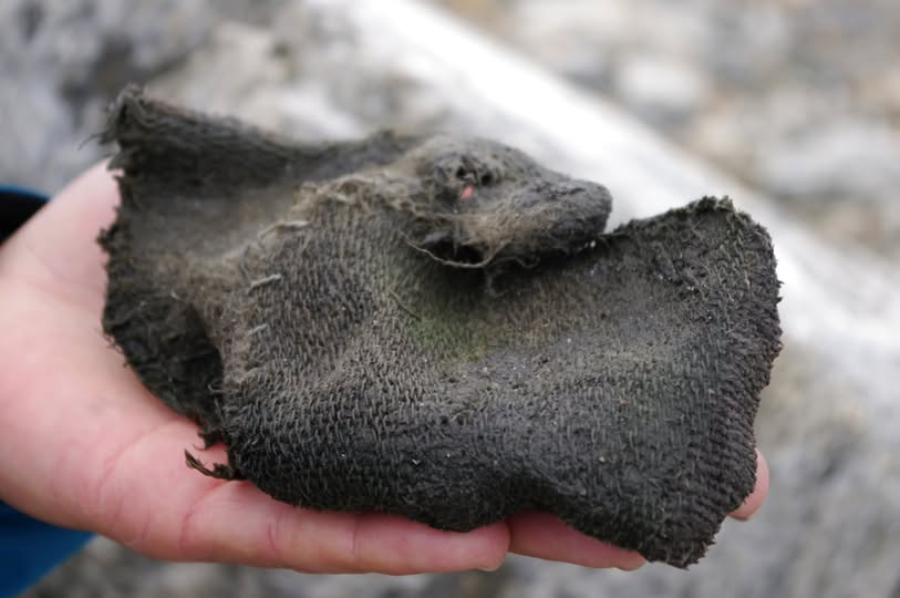
Imagine losing your glove during a freezing mountain crossing 1,100 years ago and thinking it was gone forever, only for it to reappear in the 21st century. This exceptional mitten was discovered melting out of the Lendbreen ice patch in Norway, crafted from several pieces of woven textile sewn together with remarkable precision. While mittens were surely a winter staple in the Viking Age, organic fabrics almost never survive the passage of time so well. This humble piece of wool provides a rare and incredibly personal glimpse into the daily life and survival gear of the Northmen who once braved these treacherous heights.
10. A frozen Iron Age horse bridle
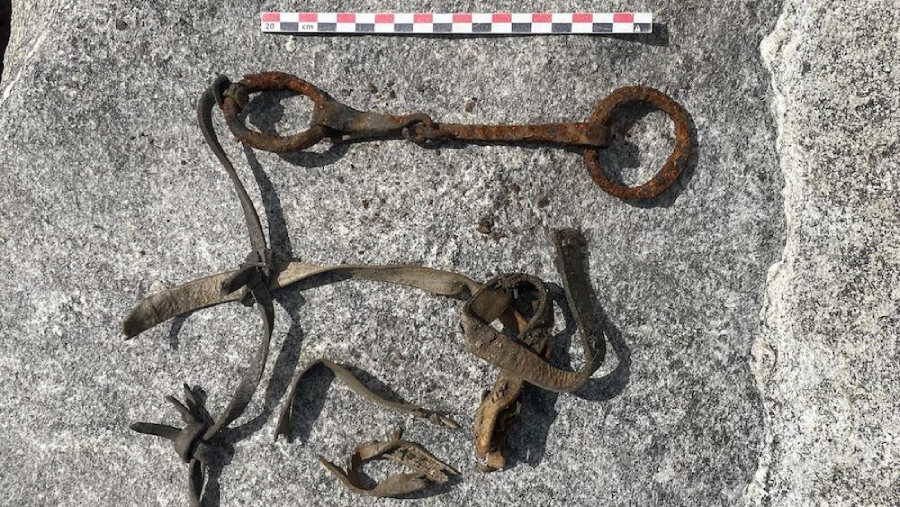
In 2019, a melting glacier in Norway revealed a beautifully crafted horse bridle made of leather and wooden toggles. Dating back over 1,500 years, the find proved that Iron Age people weren’t just walking across these mountains; they were using pack animals to transport goods. The leather remained supple because the ice prevented it from drying out and cracking over the centuries. It’s an incredible piece of ancient engineering that shows how humans adapted their livestock to handle extreme mountain terrain.
11. 19th-Century silver coins in the Alps
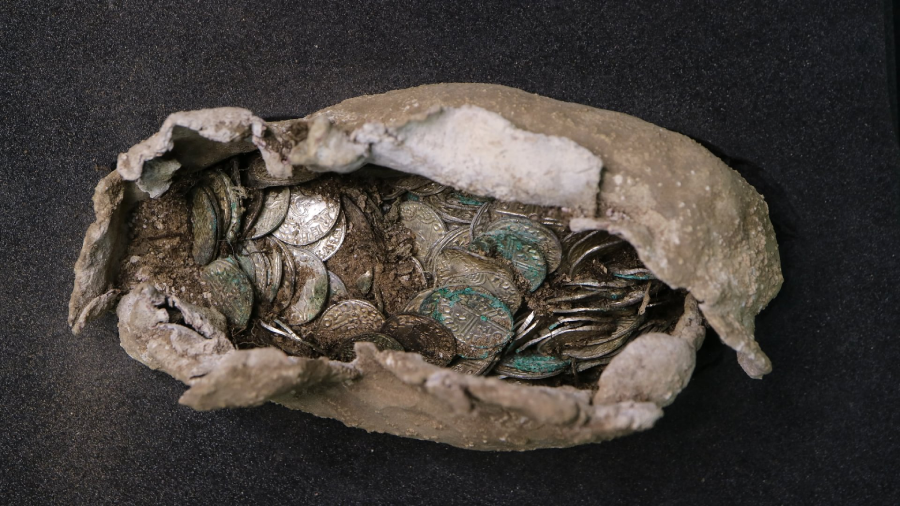
A small stash of silver coins was found tucked into a crevice that had been covered by ice for over 150 years. The coins were minted in various European states, suggesting they belonged to a traveler or merchant who was crossing the mountain passes for trade. They were found near a decayed leather pouch, which had protected the silver from the abrasive movement of the glacier. Finding currency in such a remote location highlights the historical importance of these mountain routes as vital links for European commerce.
12. Prehistoric reindeer traps
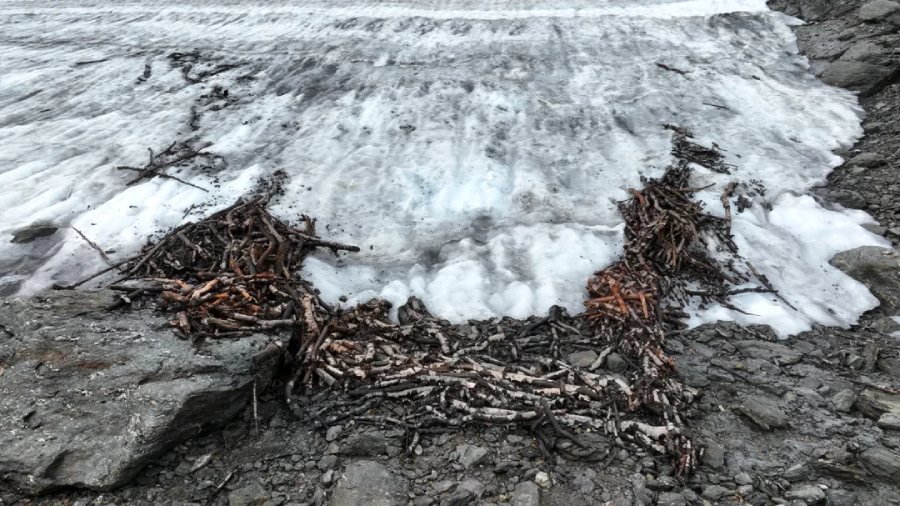
Archaeologists have found strange, flag-like objects made of wood and leather that were used by ancient hunters to funnel reindeer into kill zones. These “scaring sticks” were stuck into the snow to create a visual barrier that the animals were afraid to cross. Because they were preserved in the ice, we can see the specific way the wood was notched and how the leather “flags” were tied to catch the wind. It is a rare look at the strategic intelligence of prehistoric hunters who understood animal psychology perfectly.
13. A 4,000-year-old bow and arrow set

This complete hunting kit was found emerging from a glacier in the Swiss Alps, consisting of a longbow made of yew and a quiver full of arrows. The bow still retains its elegant curve, a testament to the incredible tension-bearing properties of the wood chosen by the ancient archer. It is identical in style to the equipment used by “Otzi the Iceman,” showing that this design remained the gold standard for survival for over a millennium. Finding the entire set together suggests a sudden event, like a blizzard, that forced the owner to leave their most valuable tool behind.
14. World War I sledges and supplies
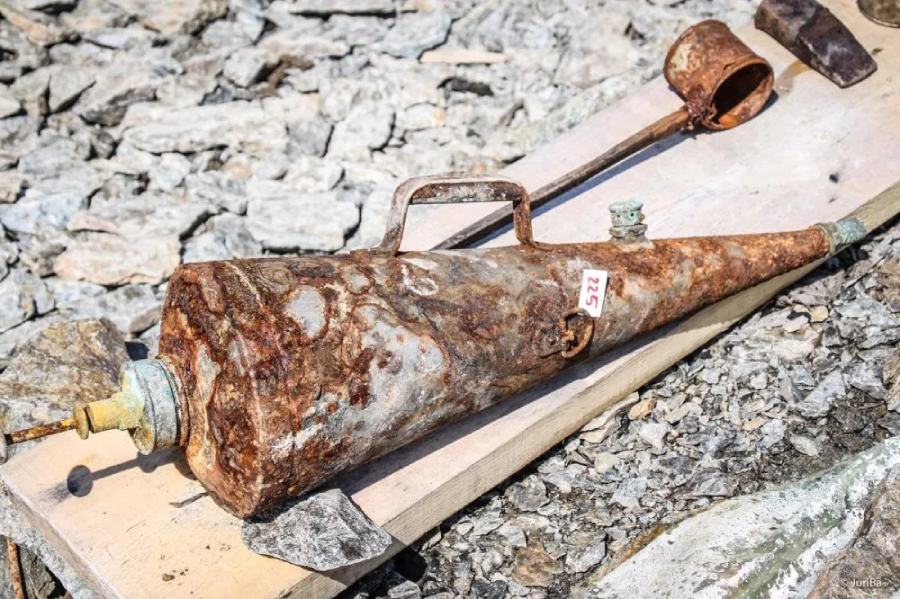
High in the Italian Dolomites, the melting ice is revealing the remains of the “White War,” where soldiers fought in trenches carved directly into the glaciers. Recent finds include wooden sledges used to haul cannons over the peaks and crates of preserved food that are still sealed. The wood and ropes are in such good condition that they look like they were used just last week. These artifacts serve as a somber reminder of the extreme conditions endured by soldiers who had to battle both the enemy and the brutal alpine winter.
15. The frozen logbooks of early Arctic explorers
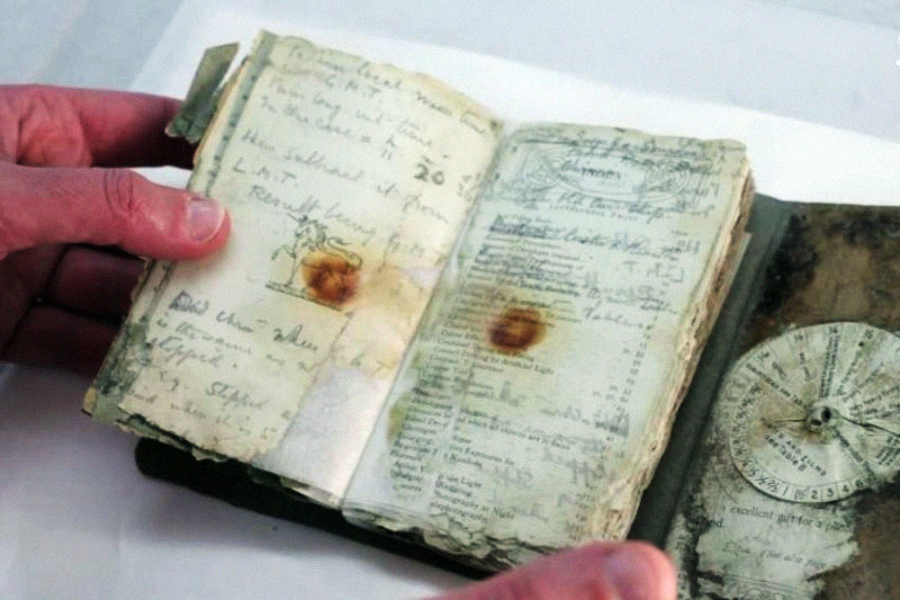
In the high Arctic, researchers have recovered leather-bound journals from abandoned 19th-century basecamps that were swallowed by moving ice. While the ink has faded in some spots, many of the pencil-written entries remain legible, detailing daily weather observations and the dwindling food supplies of the crew. These books provide a first-hand, day-by-day account of the struggle to survive in the most hostile environment on Earth. They are perhaps the most intimate objects ever recovered from the ice, carrying the literal voices of men who vanished over a century ago.
Explore more historical facts:
It is a bittersweet reality that as our planet warms, it is finally giving up the secrets it has kept for thousands of years. These objects offer us a rare, unedited look at the lives of those who came before us, showing that humanity has always been a species of explorers and survivors. If you’re ready to see more examples of things that have been hidden away or changed by time, don’t miss these 25 Unexpected Finds From the Treasure Hunting Community, or these 20 Sunken Structures That Defy Modern Science. You can also enjoy these 20 Historical Figures Who Would’ve Been Meme Legends.