Music has always had a unique ability to create deep emotional connections between people and the songs they love. No matter the decade, culture, or language, songs become part of everyday life, accompanying listeners through celebrations, heartbreak, memories, and personal milestones. Artists often use music as their purest form of expression, transforming emotions, experiences, and social moments into melodies that millions of people can relate to. Over time, certain songs evolved beyond simple hits and became timeless anthems played endlessly across radios, streaming platforms, concerts, films, and social media.
As the music industry changed through vinyl records, cassette tapes, CDs, and streaming services, audiences began consuming songs more actively than ever before. Fans connected deeply with their favorite artists, helping songs break listening records across multiple generations. Contemporary music culture made global superstars out of singers who could unite audiences worldwide with a single track. Because of that, today we are exploring the songs that achieved historic levels of popularity, the stories behind their creation, and the reasons they became some of the most played songs in music history.
1. “Blinding Lights” — The Weeknd (2019)

Released in 2019, “Blinding Lights” by The Weeknd quickly became one of the most played songs ever on streaming platforms. Inspired by 1980s synth-pop and new wave music, the song broke records on Spotify with billions of streams worldwide. Its retro production, combined with emotionally vulnerable lyrics, helped the track dominate global charts for years.
2. “Shape of You” — Ed Sheeran (2017)

Ed Sheeran originally considered giving “Shape of You” to another singer before realizing the song perfectly fit his own style. Released in 2017, the track blended pop, dancehall, and tropical influences, making it one of the most played songs of the streaming era. The single surpassed billions of streams on Spotify and became one of the defining pop songs of the 2010s.
3. “Bohemian Rhapsody” — Queen (1975)
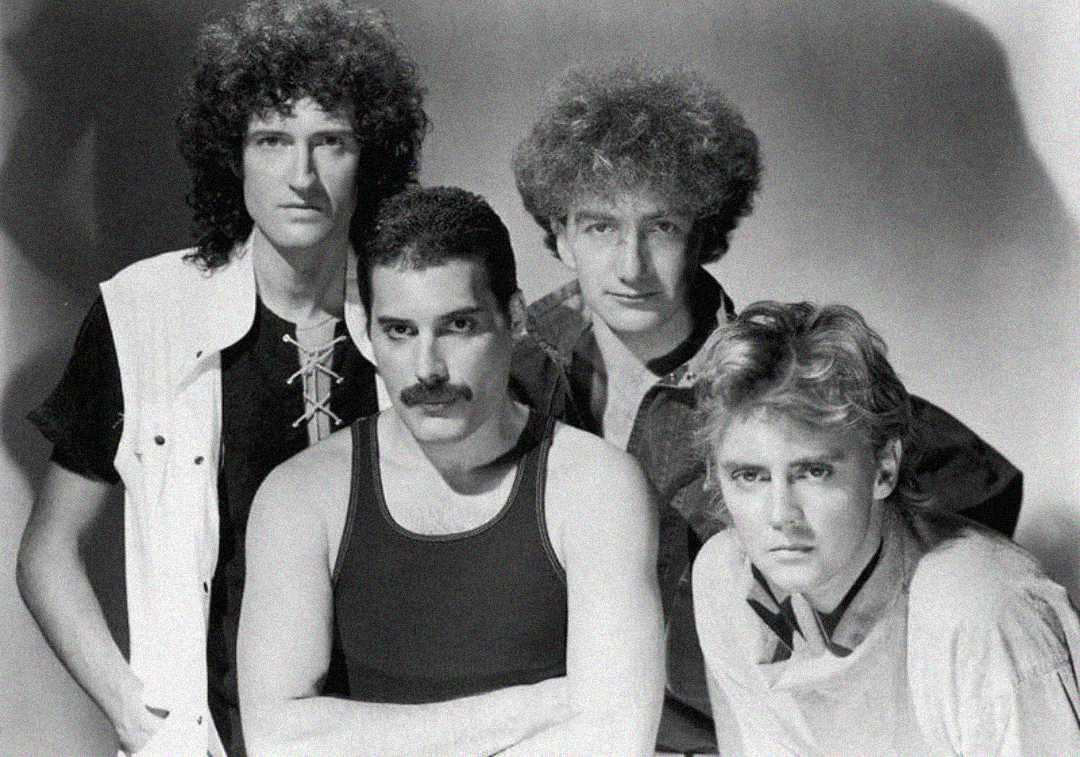
When Queen released “Bohemian Rhapsody” in 1975, many industry executives believed a six-minute song with opera sections would never succeed commercially. Instead, the ambitious masterpiece became one of the most iconic songs in history. Written by Freddie Mercury, the song mixed rock, opera, ballad, and progressive music into a groundbreaking composition. Decades later, the song returned to global popularity after the release of the 2018 biopic about Queen, introducing the track to an entirely new generation.
4. “Hotel California” — Eagles (1976)
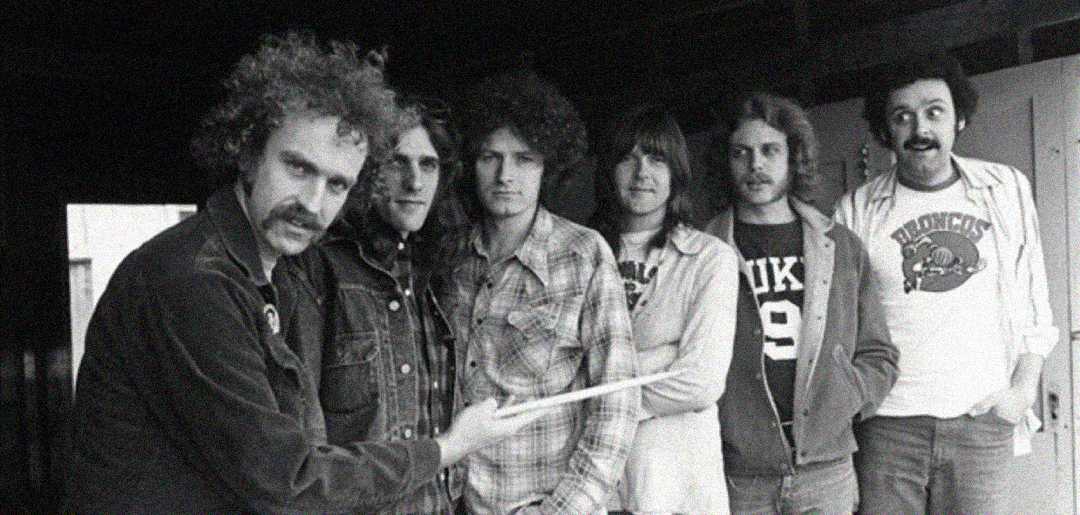
Released in 1976, “Hotel California” by the Eagles became one of the most played classic rock songs ever recorded. The track is famous for its haunting guitar solos, mysterious lyrics, and cinematic atmosphere. Listeners have spent decades debating the meaning behind the song, which many interpret as commentary on fame, excess, and the darker side of the American dream.
5. “Billie Jean” — Michael Jackson (1982)
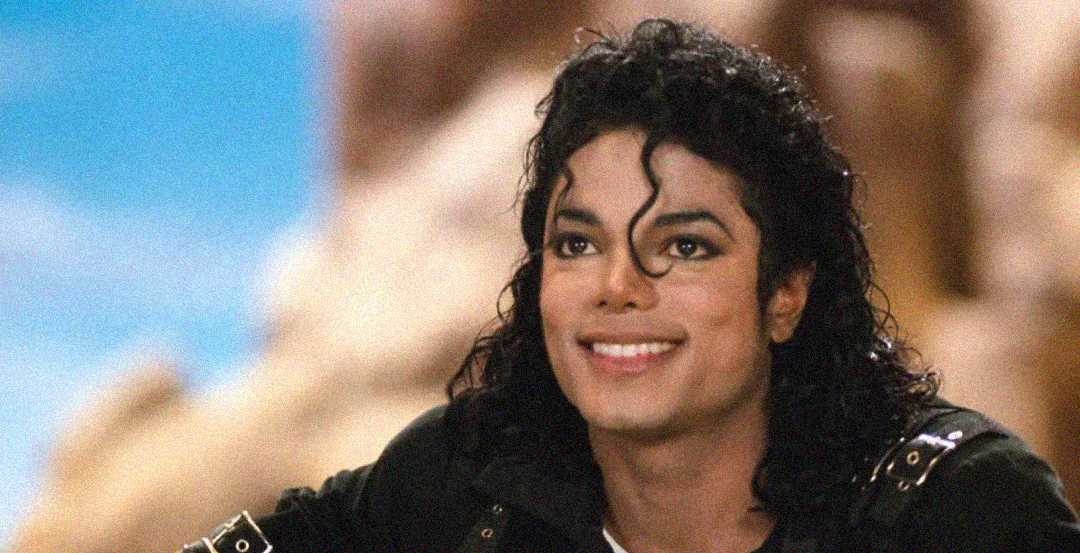
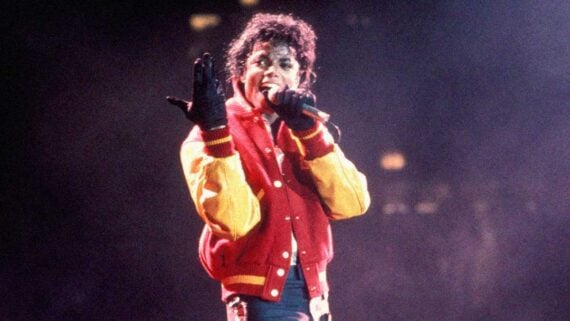
“Billie Jean” transformed Michael Jackson into a global cultural phenomenon. Released in 1982 as part of the legendary album Thriller, the song introduced one of the most recognizable basslines in music history. Jackson reportedly fought to keep the song at its original length because he believed strongly in its potential. The iconic Motown 25 performance, where he debuted the moonwalk, helped make the song one of the most famous and replayed tracks ever.
Trending on The Scroller
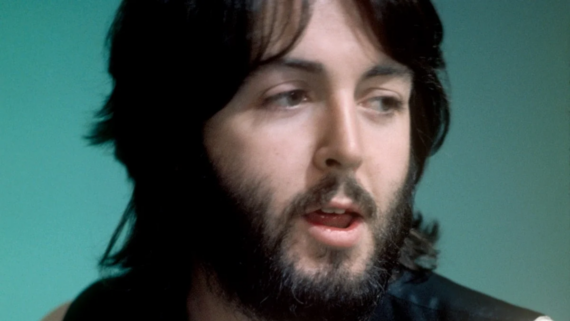

6. “Smells Like Teen Spirit” — Nirvana (1991)

Released in 1991, “Smells Like Teen Spirit” by Nirvana unexpectedly became the anthem of Generation X. Kurt Cobain originally intended the song as a parody of mainstream rock music, but its explosive sound resonated with millions of listeners worldwide. The track helped bring alternative rock and grunge music into the mainstream
7. “Imagine” — John Lennon (1971)
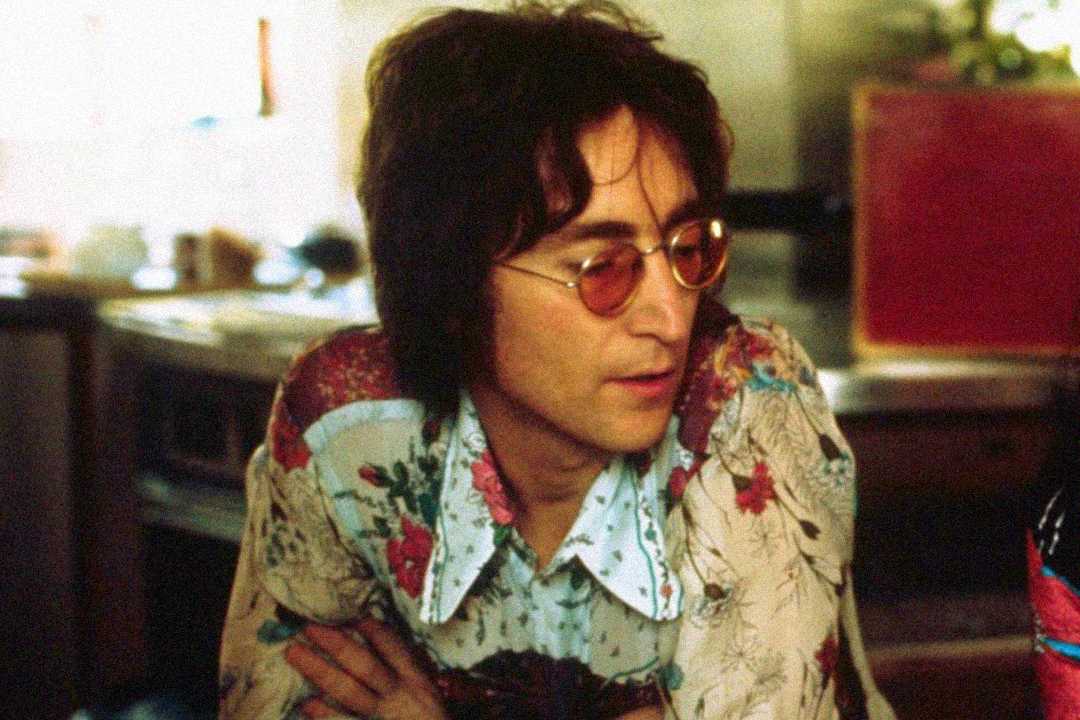
“Imagine” remains one of the most emotionally powerful songs ever written. Released in 1971 by John Lennon, the piano-driven ballad promoted peace, unity, and hope during a politically turbulent era. The simplicity of the song allowed audiences worldwide to connect deeply with its message.
8. “Rolling in the Deep” — Adele (2010)

Adele transformed heartbreak into one of the most played songs of the 2010s with “Rolling in the Deep.” Released in 2010, the track combined soul, blues, gospel, and pop influences into a powerful emotional anthem. The song topped charts globally and earned multiple Grammy Awards.
Sign up for our newsletter
9. “Sweet Child O’ Mine” — Guns N’ Roses (1987)
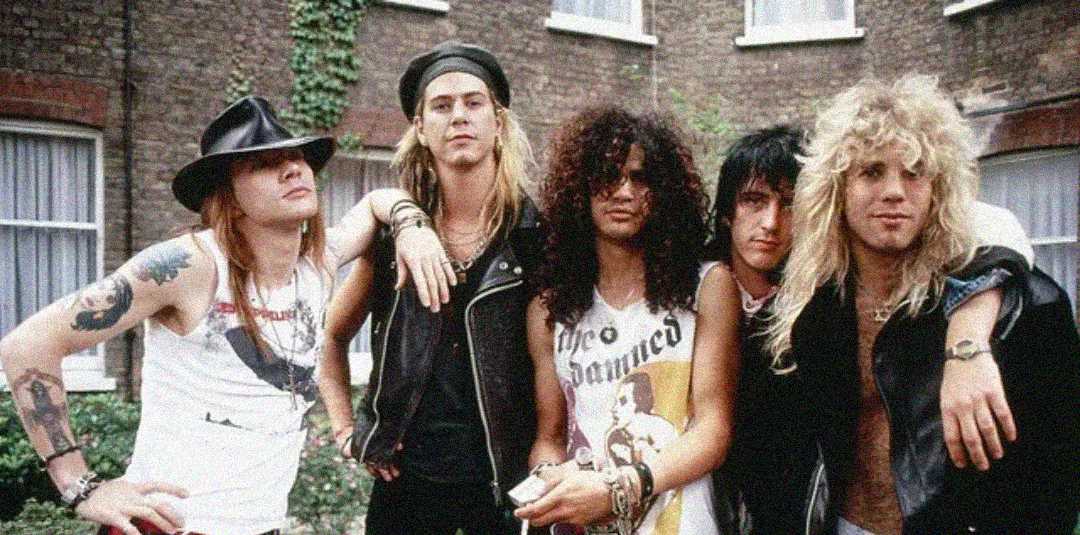
The famous opening riff of “Sweet Child O’ Mine” started as a simple warm-up exercise by Slash during a rehearsal session. Released in 1987, the song became Guns N’ Roses’ biggest hit and one of the most recognizable rock songs ever.
10. “Yesterday” — The Beatles (1965)
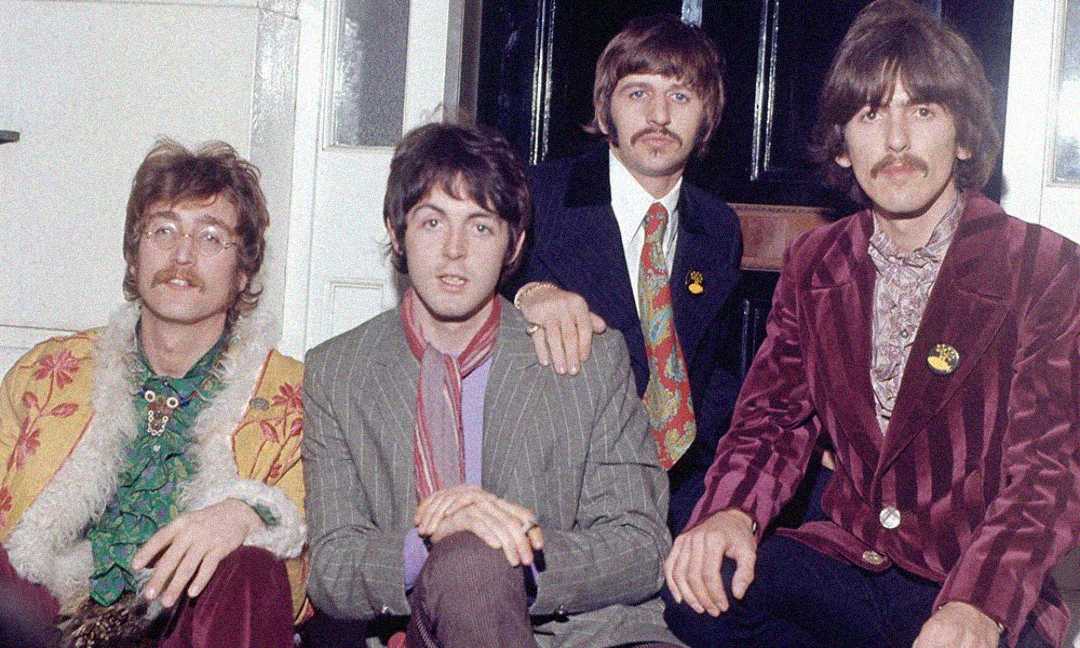
According to Paul McCartney, the melody for “Yesterday” came to him in a dream. Released in 1965, the emotional ballad became one of the most covered songs in music history. The song showcased a softer, more introspective side of The Beatles and helped redefine what pop songs could emotionally accomplish during the 1960s.
11. “I Will Always Love You” — Whitney Houston (1992)

Originally written by Dolly Parton, “I Will Always Love You” reached historic levels of success when Whitney Houston recorded it for The Bodyguard soundtrack in 1992. Houston’s unforgettable vocal performance turned the song into one of the best-selling singles ever.
12. “Hey Jude” — The Beatles (1968)
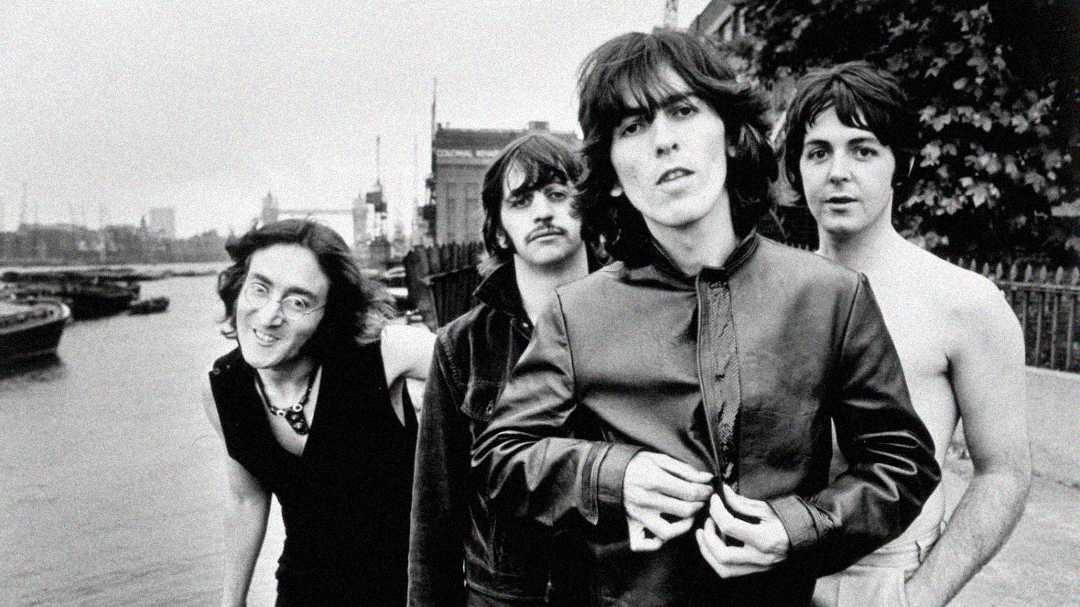
Paul McCartney wrote “Hey Jude” to comfort John Lennon’s son Julian during his parents’ divorce. Released in 1968, the song became one of The Beatles’ most commercially successful songs.
13. “Like a Rolling Stone” — Bob Dylan (1965)
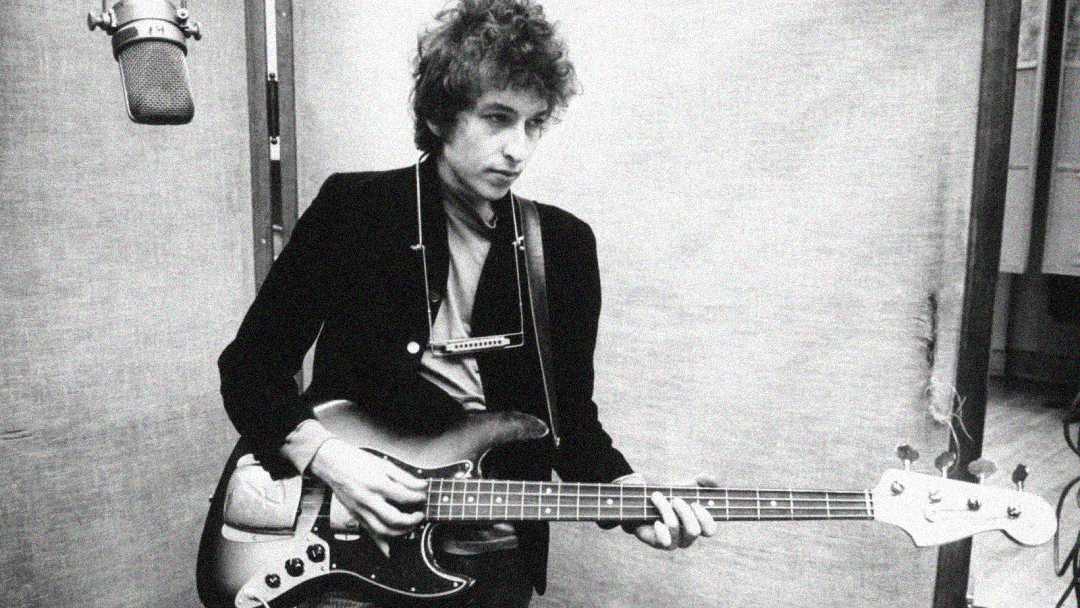
Released in 1965, Bob Dylan’s “Like a Rolling Stone” completely changed expectations for popular songs. At over six minutes long, the track challenged radio standards and introduced more poetic storytelling into mainstream music.
14. “Thriller” — Michael Jackson (1982)
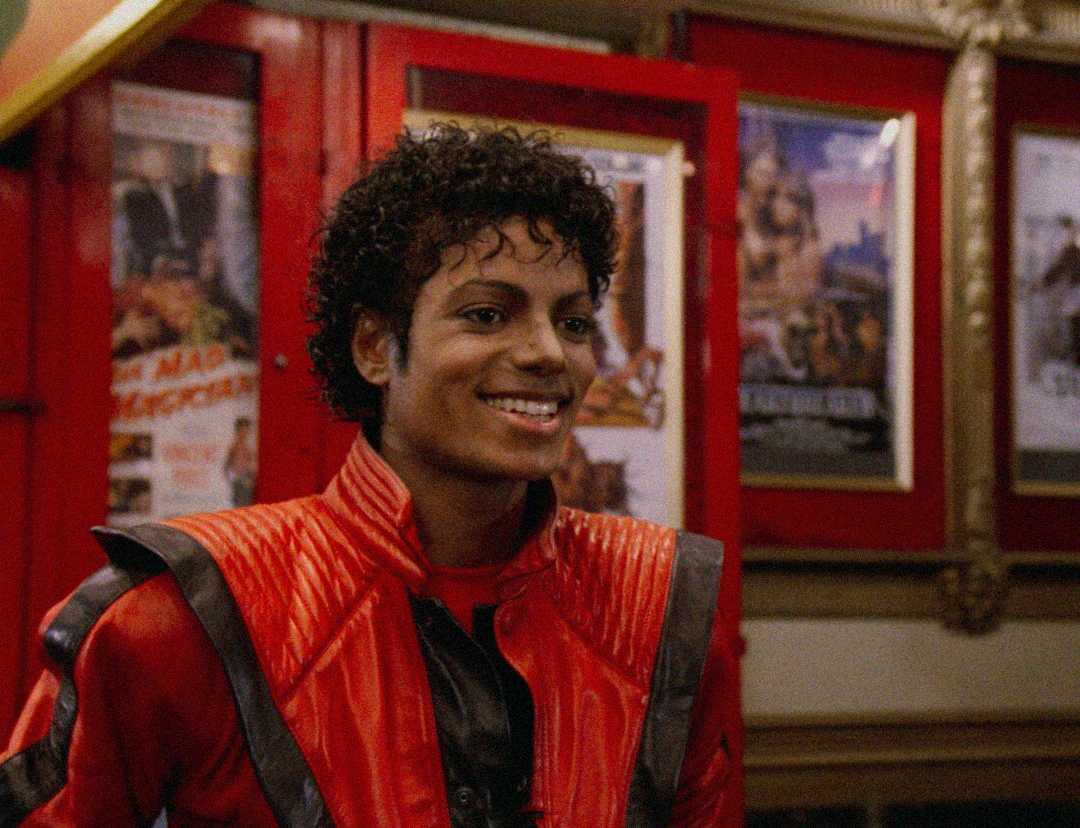
“Thriller” became much more than a song after its groundbreaking music video premiered in 1983. Directed like a short horror film, the video transformed MTV and the entire music industry. The song itself remains one of the most played Halloween tracks ever while also helping Thriller become the best-selling album in history.
15. “Someone Like You” — Adele (2011)

Adele proved that emotional simplicity could still dominate modern music with “Someone Like You.” Released in 2011, the piano ballad became globally famous for its heartbreaking honesty and vulnerable lyrics.
16. “Wonderwall” — Oasis (1995)

Released in 1995, “Wonderwall” became the defining song of the Britpop movement. Oasis created a track so universally recognizable that it remains one of the most played acoustic songs at parties and live performances worldwide.
17. “Uptown Funk” — Mark Ronson ft. Bruno Mars (2014)
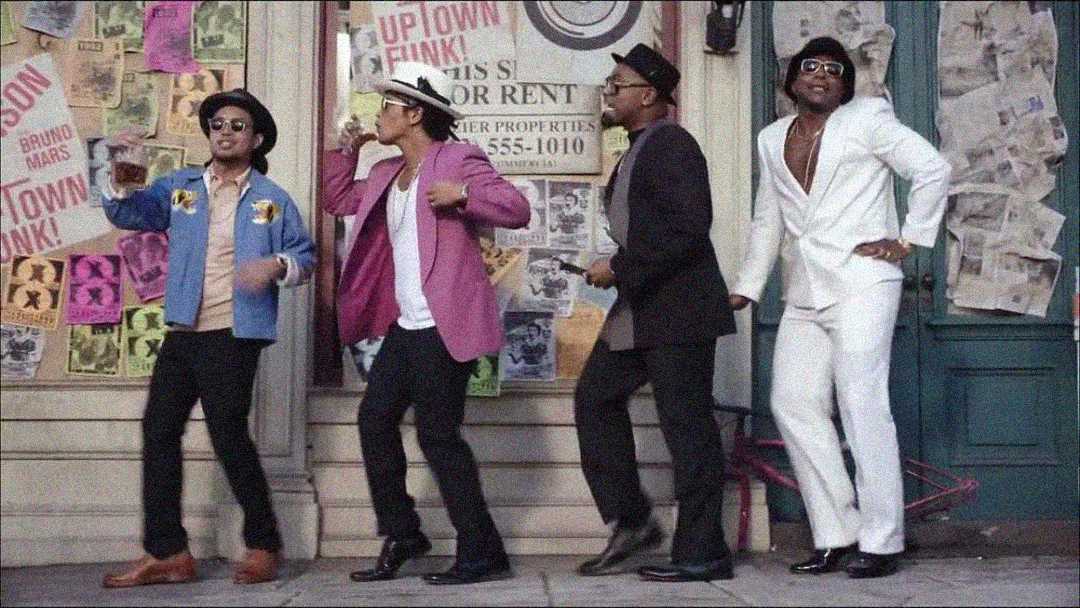
“Uptown Funk” blended funk, soul, and pop influences into one of the biggest party songs of the modern era. Released in 2014 by Mark Ronson and Bruno Mars, the track became a global phenomenon almost immediately.
Songs have the incredible power to connect generations, cultures, and emotions in ways almost nothing else can. Keep reading for more fascinating content about legendary artists, iconic albums, and the songs that shaped the world.
Music can heal and accompany people through every stage of life. Many listeners replay the same songs for hours because certain melodies remind them of important memories, relationships, or emotions that words alone cannot describe. Throughout history, these legendary songs became more than entertainment; they became personal soundtracks for millions of fans around the world.
If you enjoyed this content, be sure to explore our other articles about legendary musicians, iconic albums, music history, and the artists who continue shaping the entertainment industry today. Our recommendations for you: 18 Songs That Were Written About Real Events, 20 Taylor Swift Tracks That Cemented Her Superstar Status, and 20 Songs That Made the 1940s Unforgettable.