
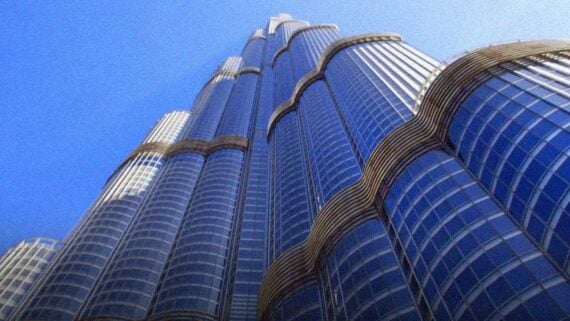
Gravity influences every structure humans have ever built, making these astonishing achievements even more remarkable. Throughout history, architects, engineers, and builders have pushed the limits of what seemed possible, creating mega-structures that appear to challenge gravity itself. Whether soaring thousands of feet into the sky, balancing on impossible angles, or stretching across enormous distances, these creations demonstrate humanity’s ability to overcome the forces of nature through innovation and precision.
The structures were designed and built by people no different from the rest of us. Brilliant minds combined mathematics, physics, engineering, and creativity to transform ambitious ideas into reality. In many cases, these projects looked impossible before construction began, yet today they stand as proof that understanding gravity can allow humans to build structures that seem to defy it. These remarkable landmarks continue to inspire millions and showcase the incredible potential of human ingenuity.
1. Burj Khalifa
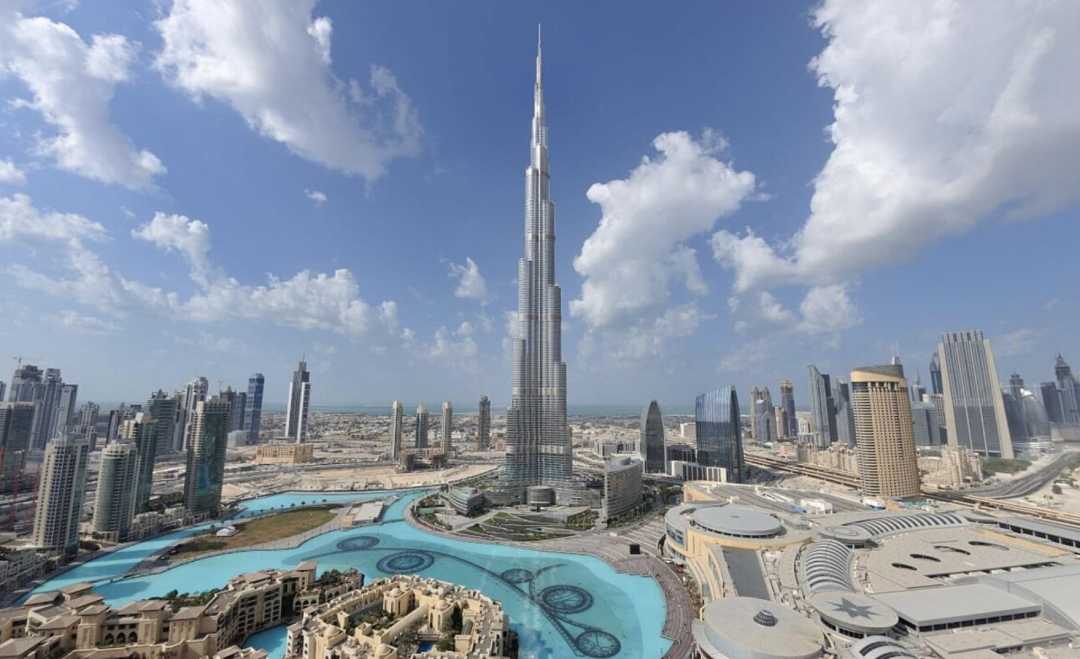
Located in Dubai, United Arab Emirates, the Burj Khalifa was designed by architect Adrian Smith of Skidmore, Owings & Merrill and completed in 2010. Standing at 828 meters (2,717 feet), it remains the tallest building on Earth. Its immense height makes it appear as though gravity should pull it down, yet its innovative Y-shaped design distributes forces efficiently while reducing wind loads.
2. Millau Viaduct
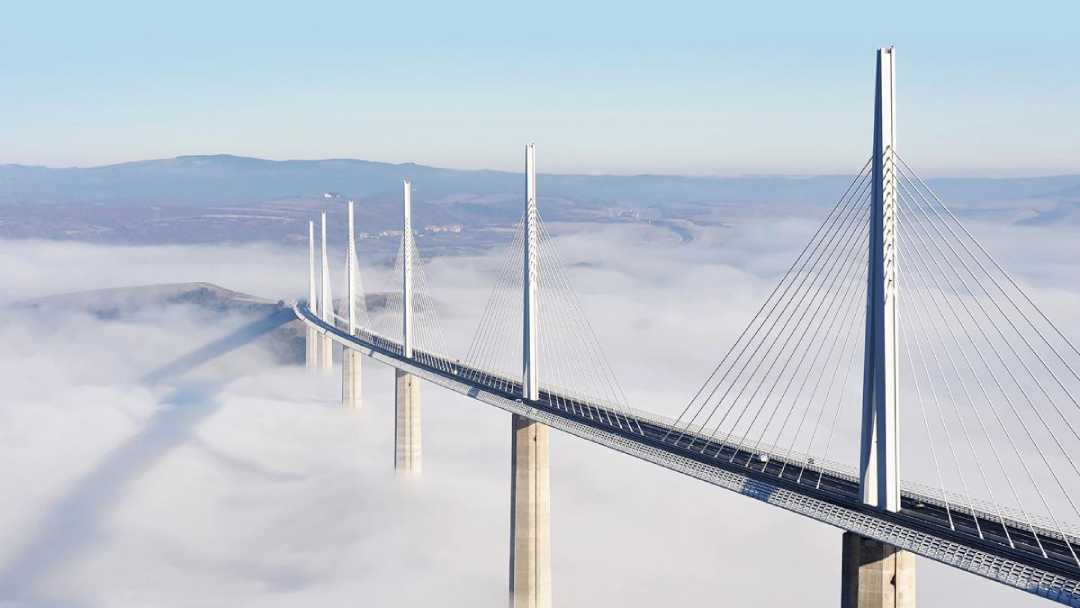
Spanning the Tarn Valley in southern France, the Millau Viaduct was designed by engineer Michel Virlogeux and architect Norman Foster. Opened in 2004, it is the tallest bridge in the world. The bridge’s slender piers rise as high as skyscrapers, giving drivers the sensation of floating above the landscape.
3. Marina Bay Sands
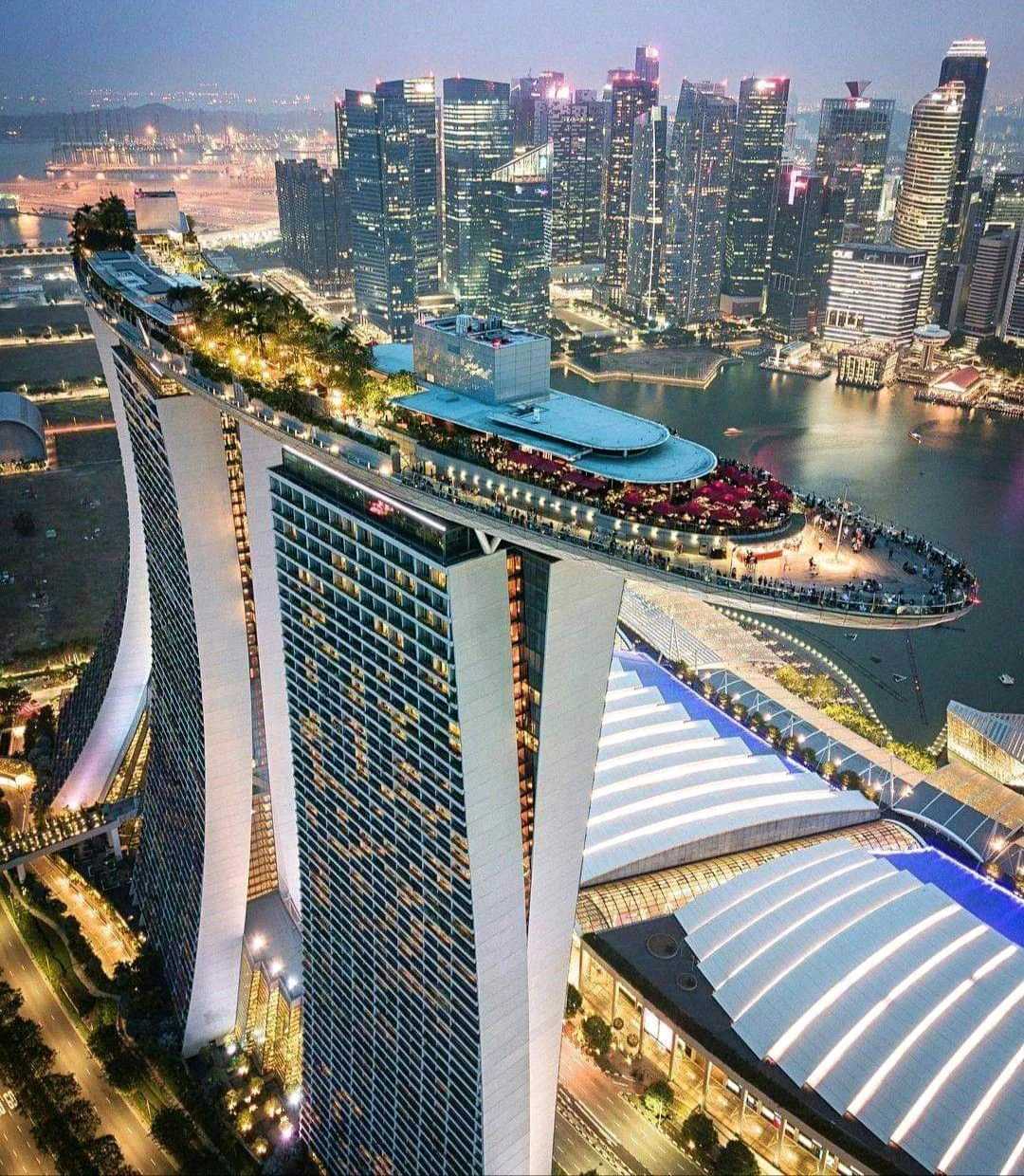
Marina Bay Sands was designed by architect Moshe Safdie and opened in 2010. The structure consists of three towers supporting a massive SkyPark that stretches across their rooftops. The enormous platform resembles a ship balanced high above the ground, creating a striking visual challenge to gravity while showcasing sophisticated structural engineering.
4. CCTV Headquarters
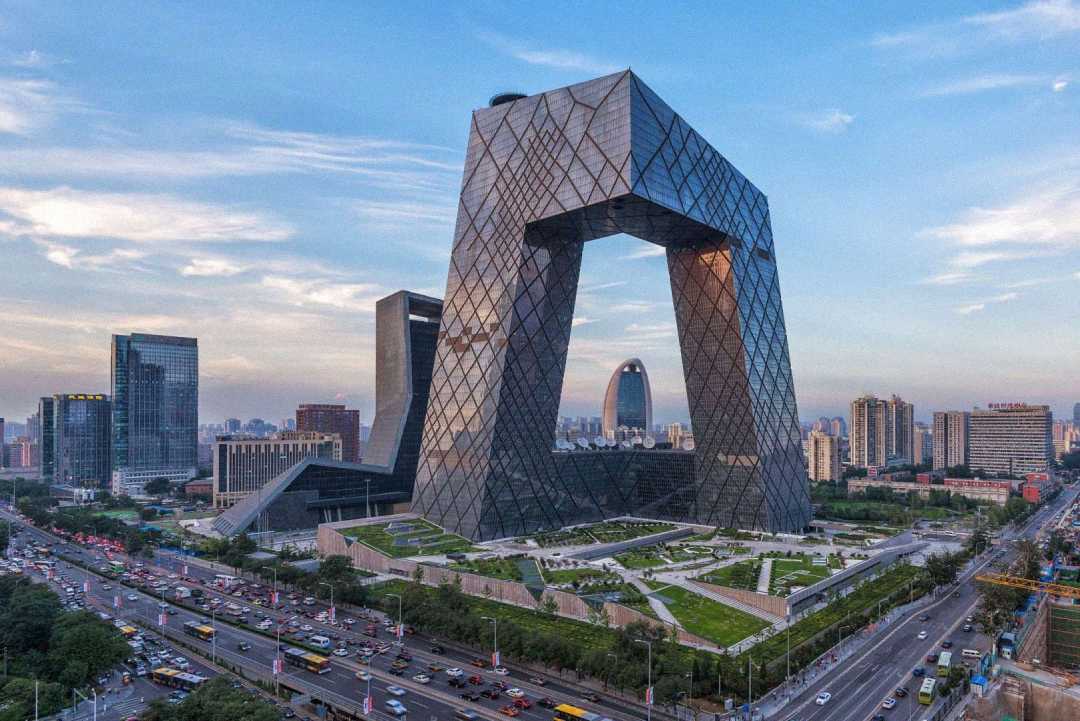
This iconic building in Beijing, China, was designed by architects Rem Koolhaas and Ole Scheeren and completed in 2012. Rather than rising vertically like most skyscrapers, the structure forms a continuous loop connected by a dramatic cantilever.
5. Gateway Arch
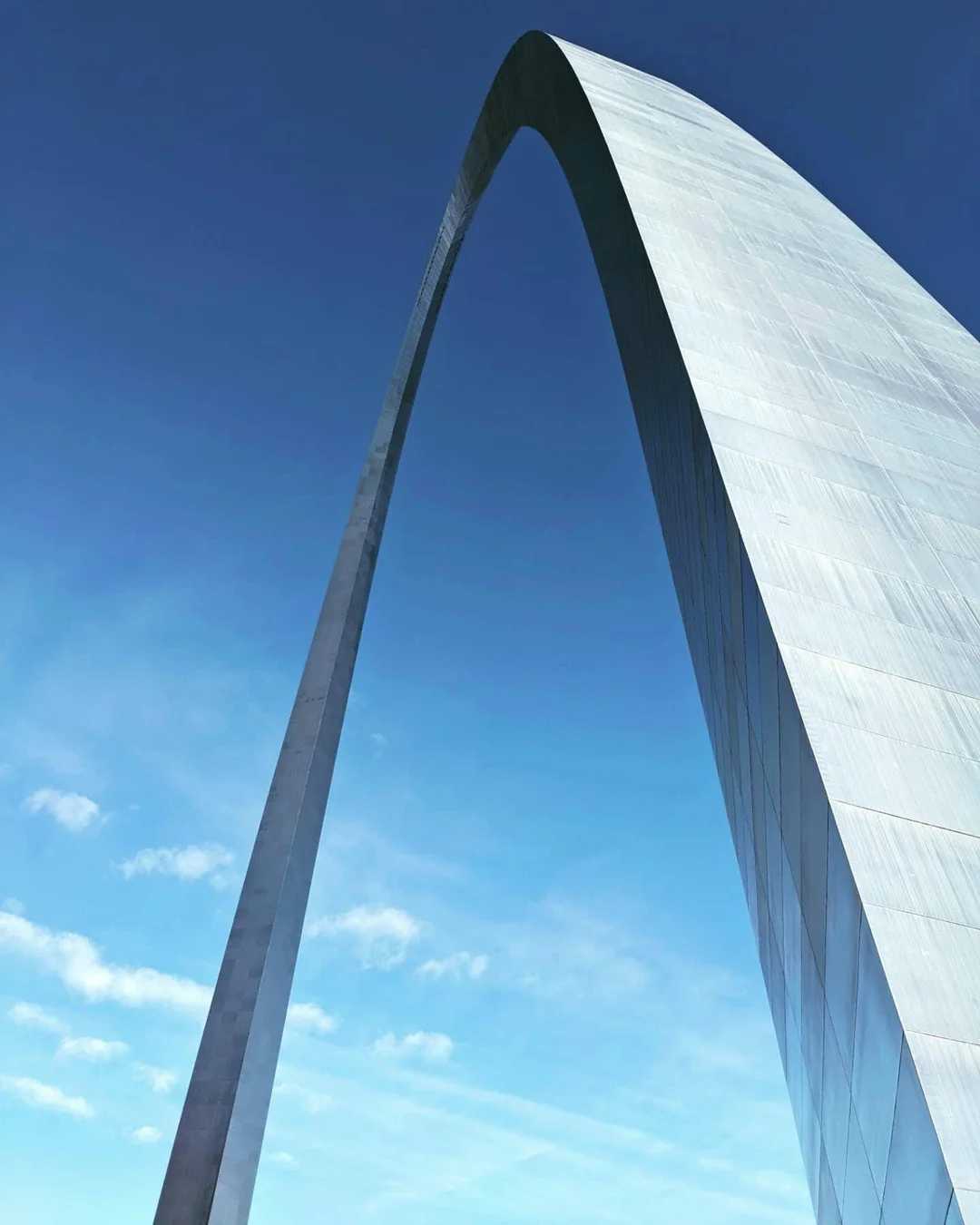
Standing in St. Louis, Missouri, the Gateway Arch was designed by Finnish-American architect Eero Saarinen and completed in 1965. The stainless-steel monument rises 630 feet into the air in a perfect weighted catenary curve.
Trending on The Scroller


6. Akashi Kaikyō Bridge
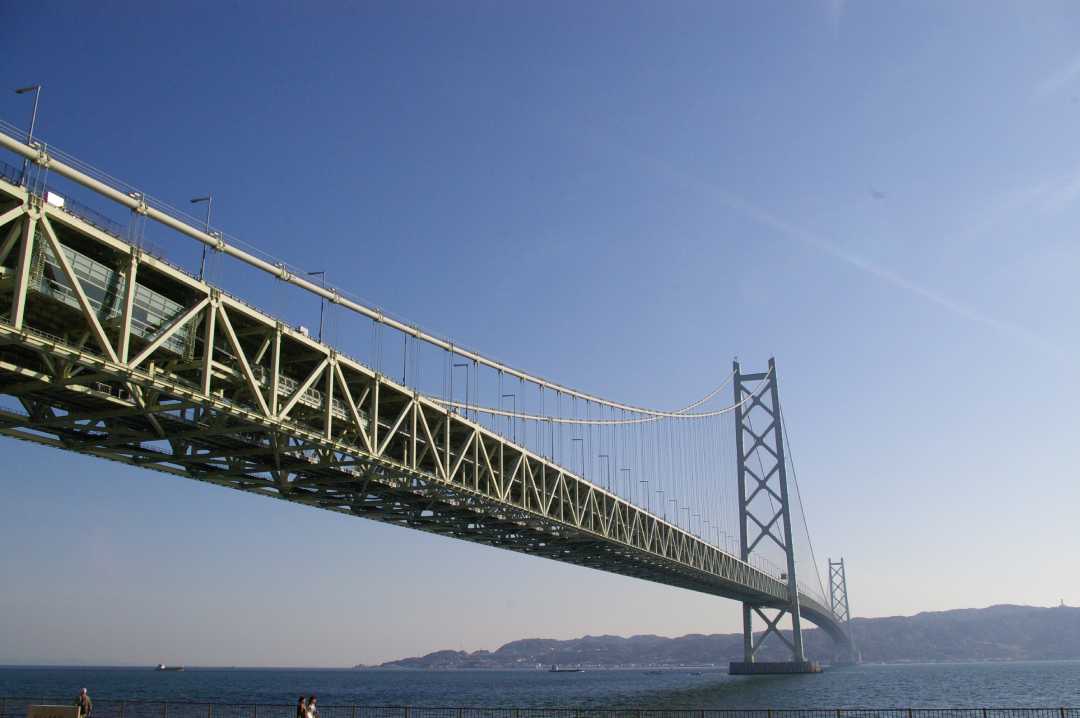
Connecting Kobe and Awaji Island in Japan, the Akashi Kaikyō Bridge opened in 1998 after years of engineering innovation. Its main span stretches nearly two kilometers, making it look impossible from a distance. Massive cables and carefully calculated tension systems allow the bridge to resist gravity, earthquakes, and powerful winds.
7. Capital Gate
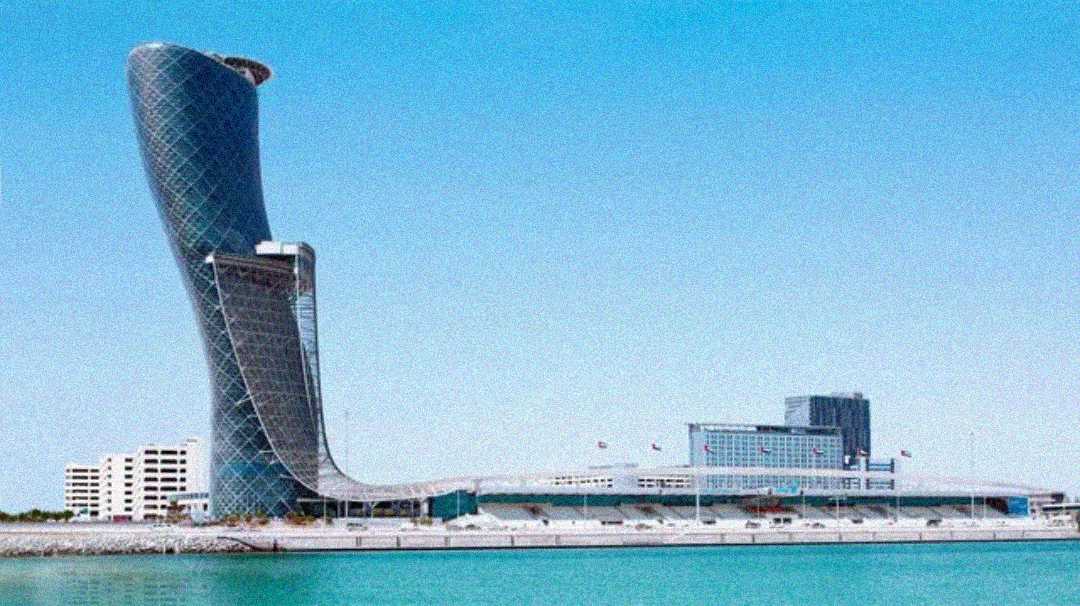
Capital Gate was completed in 2011 by the Abu Dhabi National Exhibitions Company. Often called the “Leaning Tower of Abu Dhabi,” it tilts 18 degrees westward. Far more than the famous Leaning Tower of Pisa. Its inclined design creates a dramatic visual challenge to gravity while remaining structurally secure.
8. Taipei 101
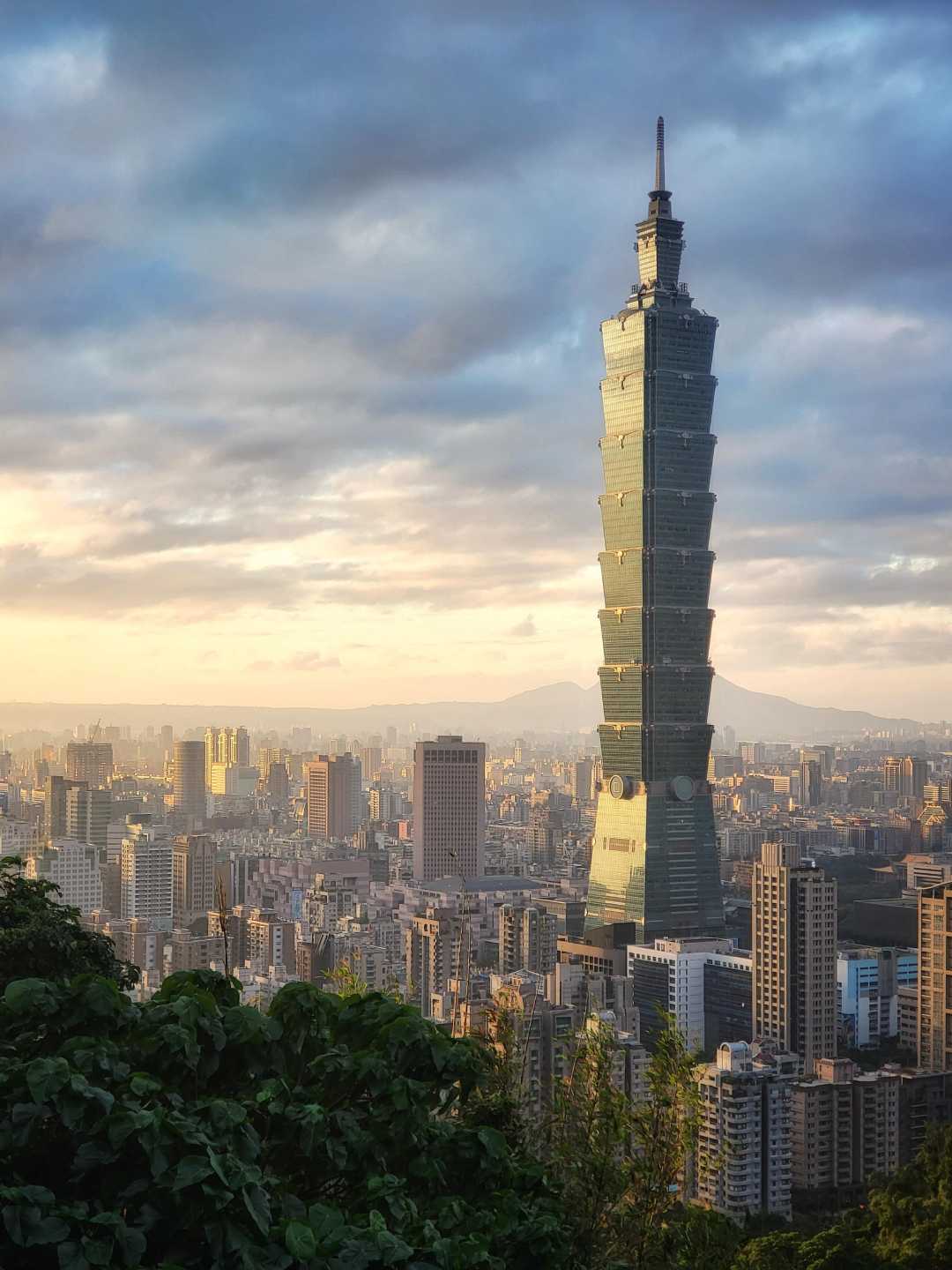
Taipei 101 dominates the skyline of Taipei, Taiwan. Completed in 2004, it was designed by C.Y. Lee & Partners. The tower contains a massive tuned mass damper weighing over 700 tons. This giant pendulum helps stabilize the building against winds and earthquakes, allowing the structure to resist gravity and environmental forces simultaneously.
Sign up for our newsletter
9. The Shard
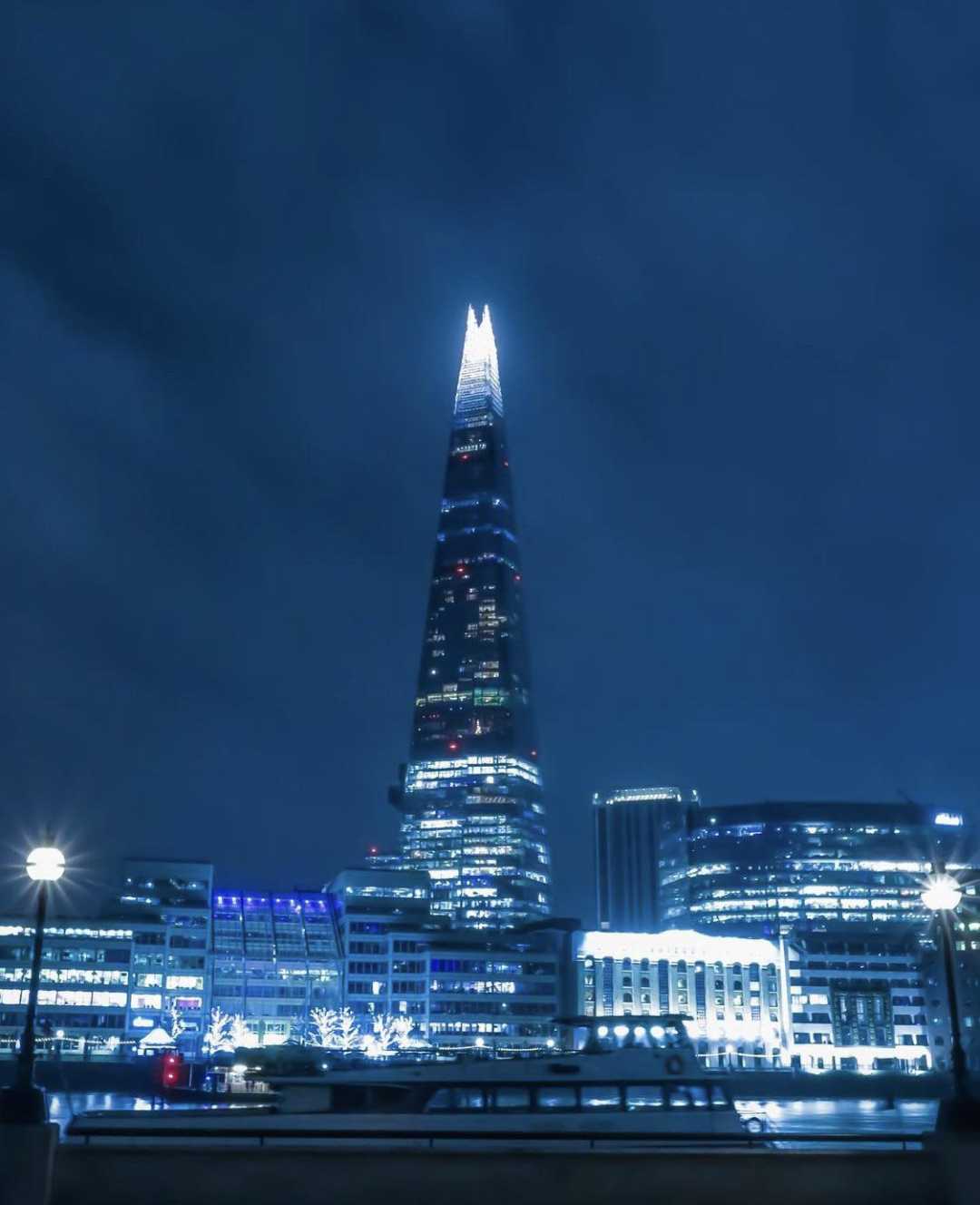
The Shard, designed by Renzo Piano and completed in 2012, rises dramatically above London, England. Its sharp glass form narrows toward the top, creating the impression of a giant shard of crystal piercing the sky.
10. Lotus Tower
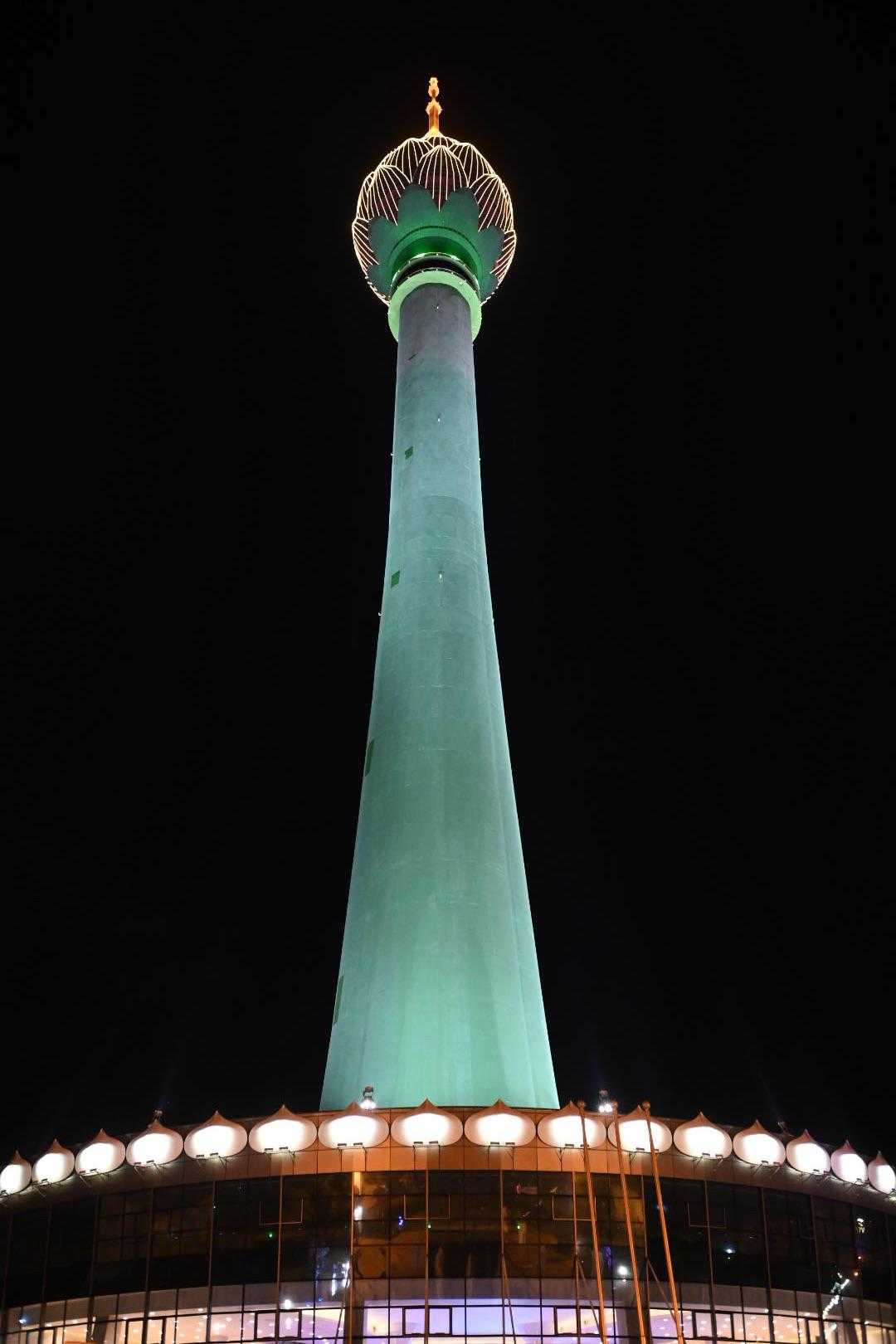
Sri Lanka, the Lotus Tower is inspired by the shape of a lotus flower. The tower’s bulbous observation section appears delicately balanced atop a slender stem. This striking design creates a visual illusion that gravity should pull the upper section downward, yet advanced engineering keeps it secure.
11. The Vessel
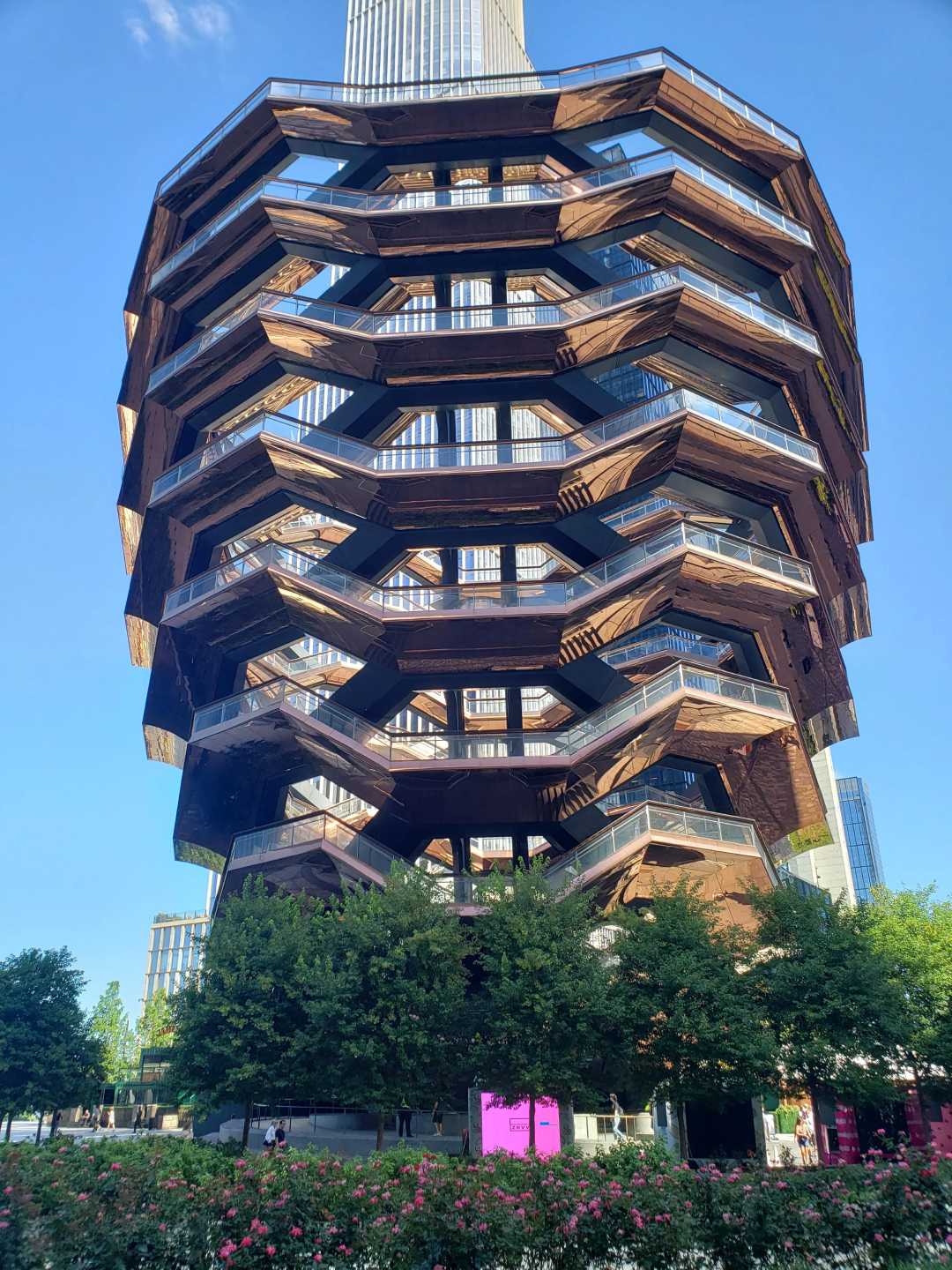
The Vessel was designed by British designer Thomas Heatherwick and opened in 2019. Its interconnected staircases create a honeycomb-like structure that seems to challenge gravity from every angle. The intricate design makes visitors question how such a complex form remains stable.
12. Turning Torso
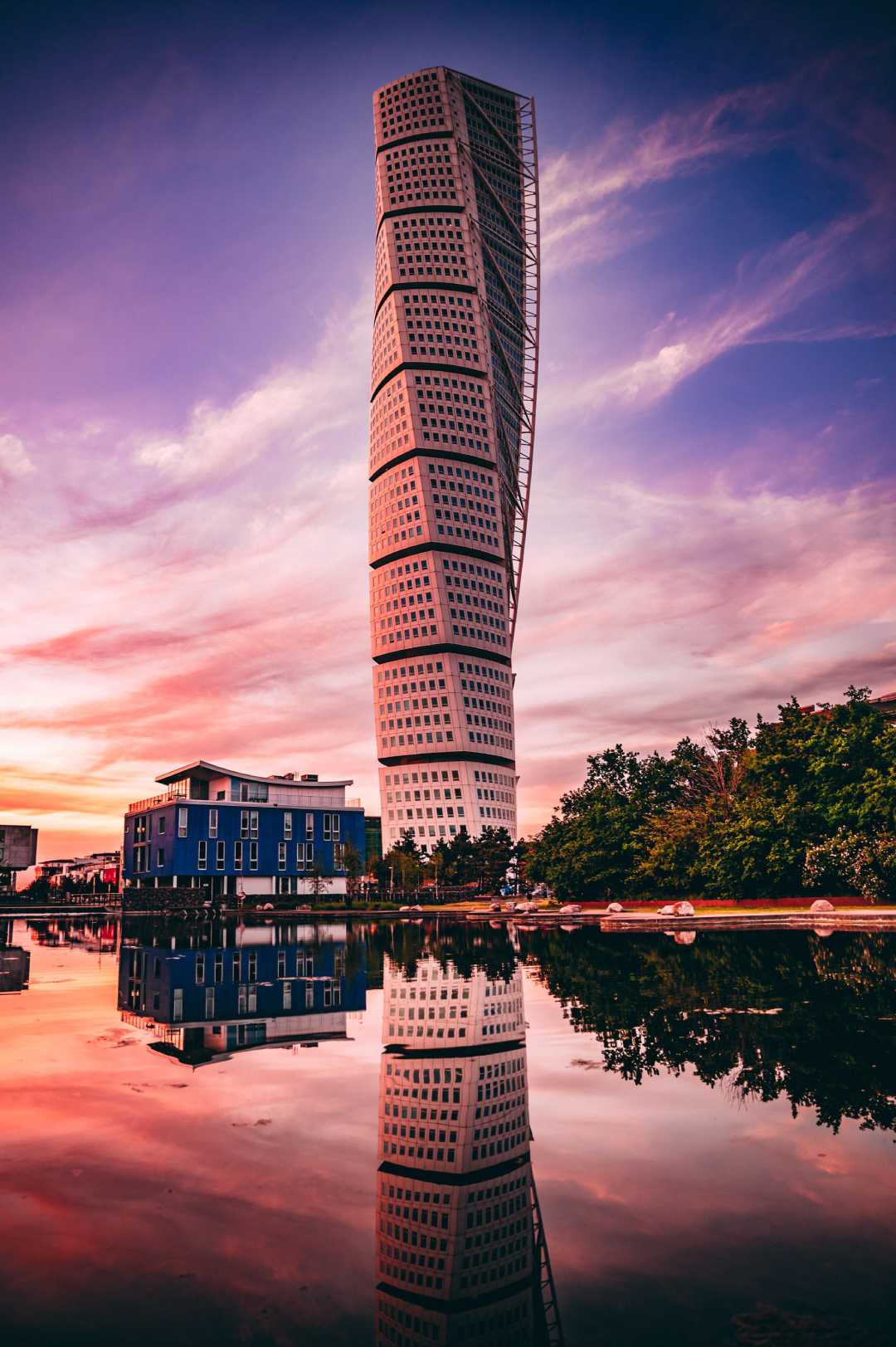
Situated in Malmö, Sweden, Turning Torso was designed by architect Santiago Calatrava and completed in 2005. The skyscraper twists 90 degrees from base to top, creating one of the most distinctive silhouettes in the world. Its rotating form gives the illusion that gravity should destabilize the building, but advanced engineering ensures its strength.
13. One World Trade Center
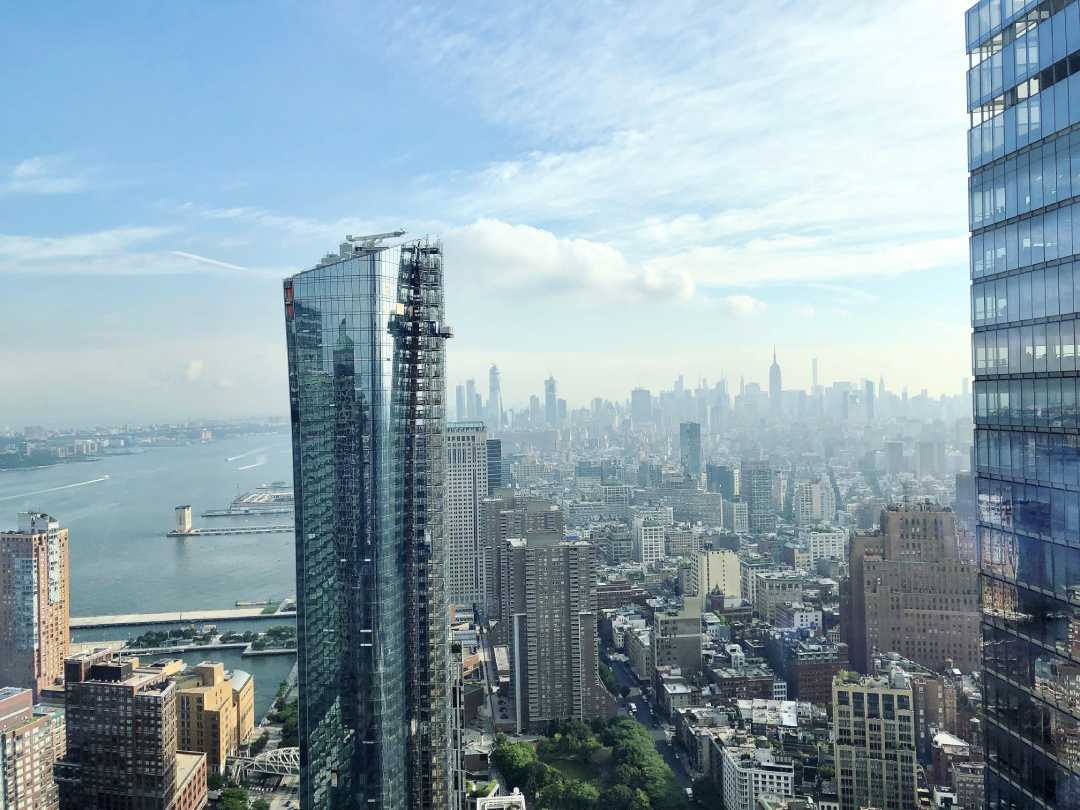
Completed in 2014 in New York City, One World Trade Center was designed by David Childs of Skidmore, Owings & Merrill. Its soaring height and sleek appearance conceal a highly reinforced structural core.
14. Hoover Dam
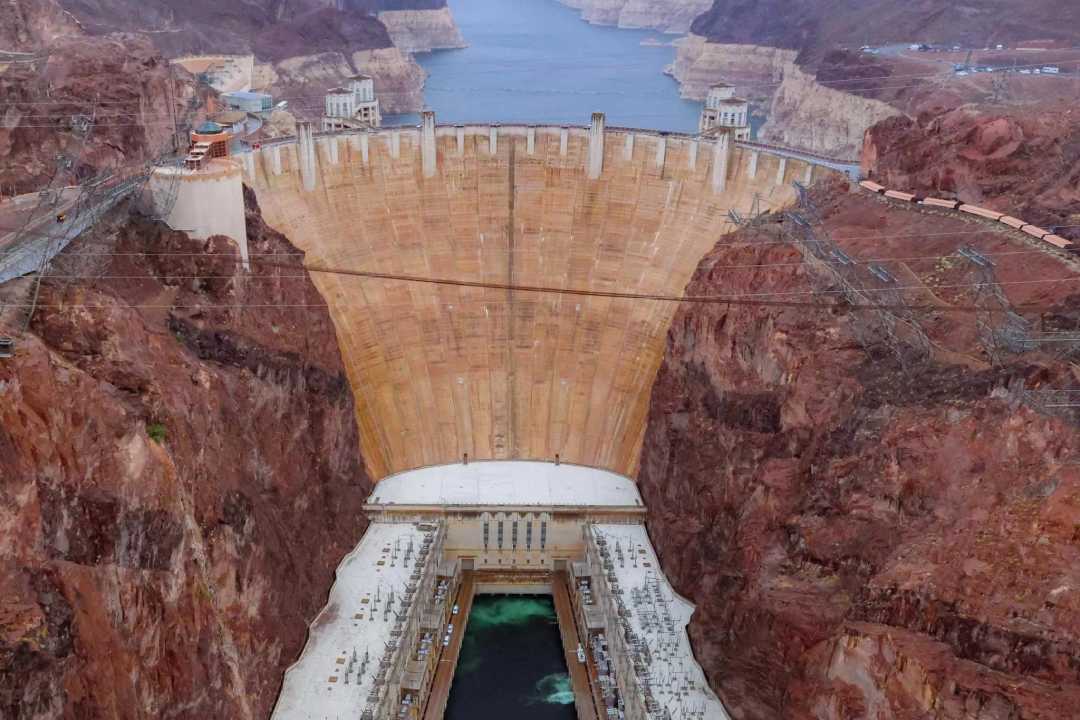
Built between 1931 and 1936 on the Colorado River between Nevada and Arizona, Hoover Dam remains one of history’s greatest engineering achievements. Rather than simply resisting gravity, the dam must constantly withstand the enormous force of billions of gallons of water. Its curved design redirects pressure into the canyon walls, making the massive structure appear almost effortless despite its immense responsibilities.
Defying gravity isn’t just something astronauts do. Keep reading to discover more incredible structures, engineering marvels, and architectural achievements that will completely change the way you look at the world around you.
From the record-breaking height of the Burj Khalifa to the elegant curves of the Millau Viaduct and the remarkable lean of Capital Gate, these mega-structures demonstrate how deeply humans understand gravity and structural engineering. What initially appears impossible often becomes achievable through careful planning, advanced materials, and groundbreaking design.
Perhaps the most fascinating aspect of these projects is what they reveal about human potential. Across different countries, cultures, and generations, people have continuously challenged limitations and reimagined what can be built. These gravity-defying landmarks stand as reminders that imagination and knowledge can transform ambitious dreams into some of the most extraordinary structures ever created.
Did you enjoy this content? We have many more stories just like this. Every day, we publish fascinating articles about engineering marvels, historical mysteries, incredible discoveries, and astonishing achievements from around the world. Start exploring our recommended stories today and discover something amazing you never knew before. You can start with these: 15 Iconic Buildings Built in the ’80s and ’90s That Still Define Cities, 15 Historic University Buildings That Are Still in Use, and 25 Creepy Abandoned Buildings That Need To Be Knocked Down.