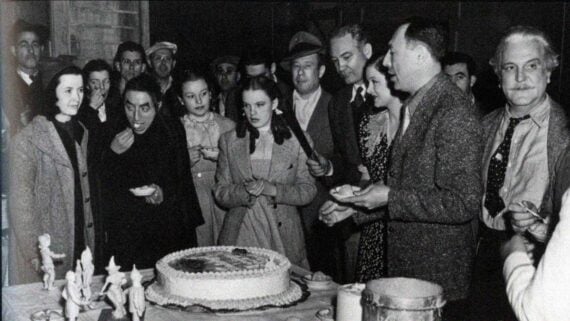
Few films have left a legacy as enduring as The Wizard of Oz, a movie that forever changed the way audiences viewed fantasy musicals. While musicals have often been an underrated genre within the film industry, this film proved that music, storytelling, and visual imagination could come together to create something timeless. Released in 1939 by MGM and based on L. Frank Baum’s beloved novel The Wonderful Wizard of Oz, the film became one of Hollywood’s defining achievements. Although it wasn’t the highest-grossing movie upon release, it went on to win two Academy Awards for Best Original Song and Best Original Score, and has since become one of the most celebrated films ever made.
Much of Oz’s lasting appeal comes from the unforgettable performance of Judy Garland as Dorothy, the groundbreaking use of Technicolor, and countless production innovations that were decades ahead of their time. There’s much more to this cinematic masterpiece than what appears on screen. Today, we’re taking a closer look behind the curtain to explore some of the most fascinating behind-the-scenes facts that helped make The Wizard of Oz one of the most iconic movies in film history.
1. Judy Garland’s Dress Was Designed to Make Dorothy Look Younger
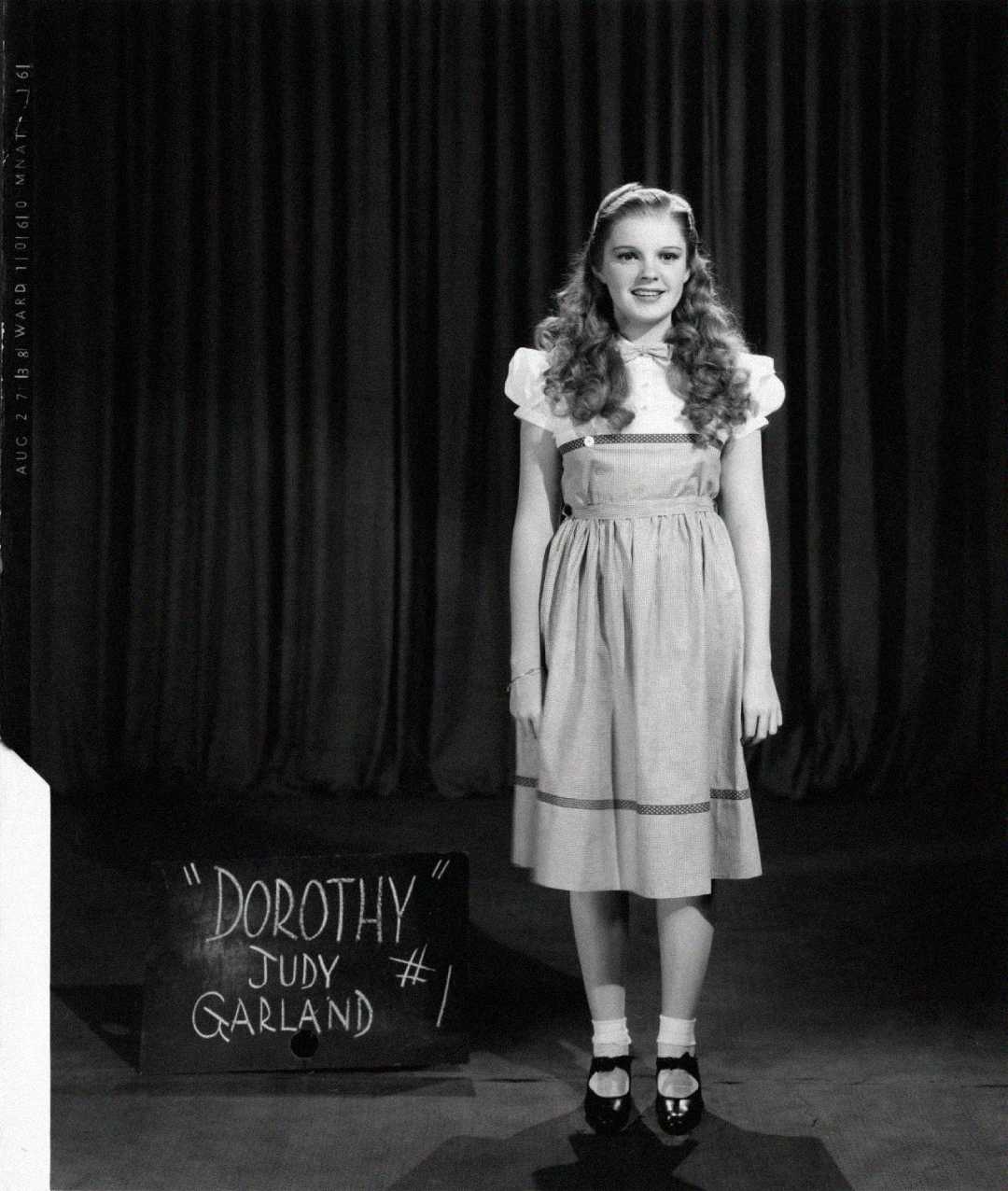
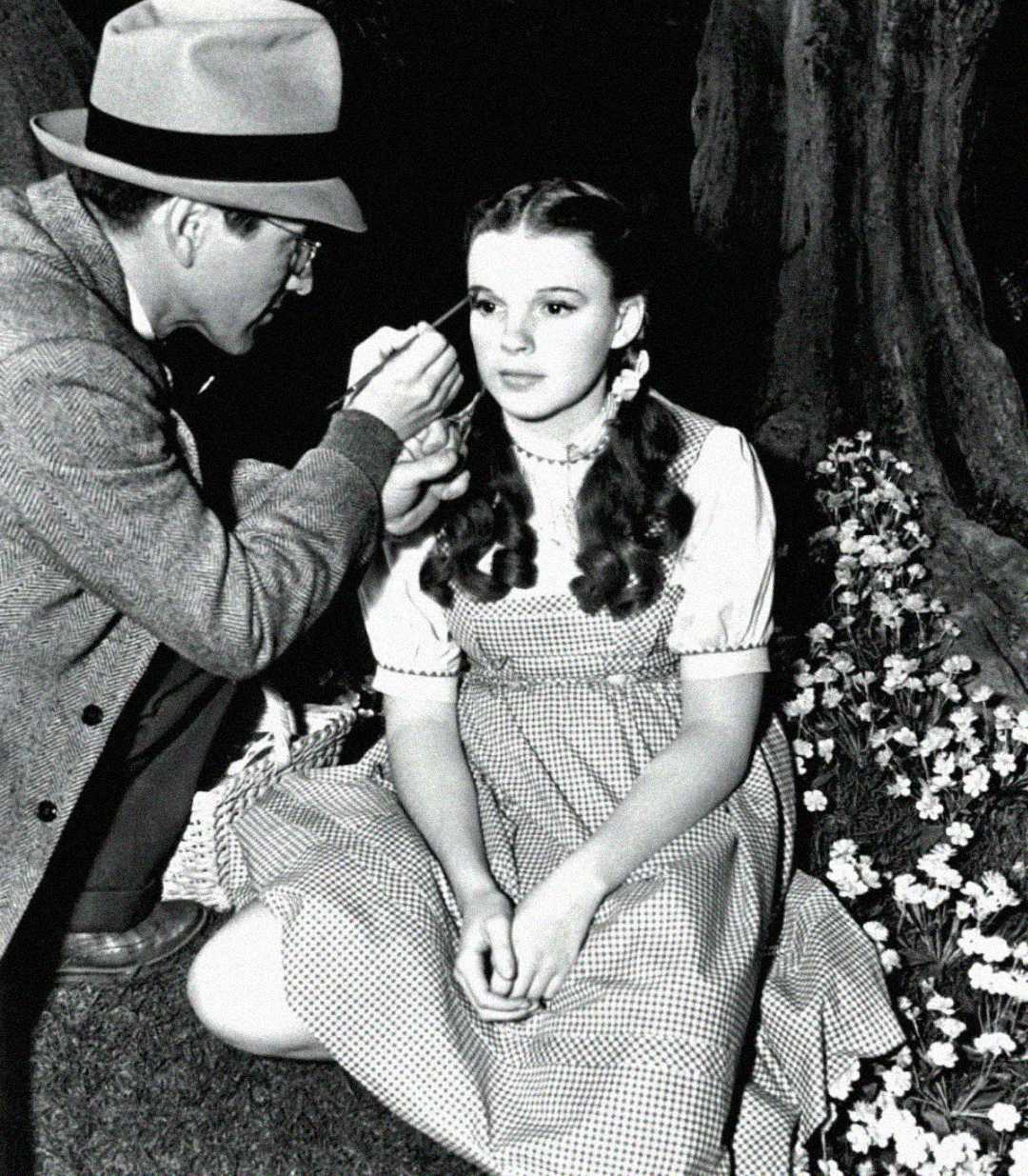
Dorothy’s famous blue gingham dress may look simple, but every detail was carefully planned. Costume designer Adrian created several versions before settling on the final design, while the wardrobe department paired it with pigtails and minimal makeup to help 16-year-old Judy Garland convincingly portray a much younger Kansas farm girl.
2. The Transition to Color Was a Groundbreaking Movie Trick
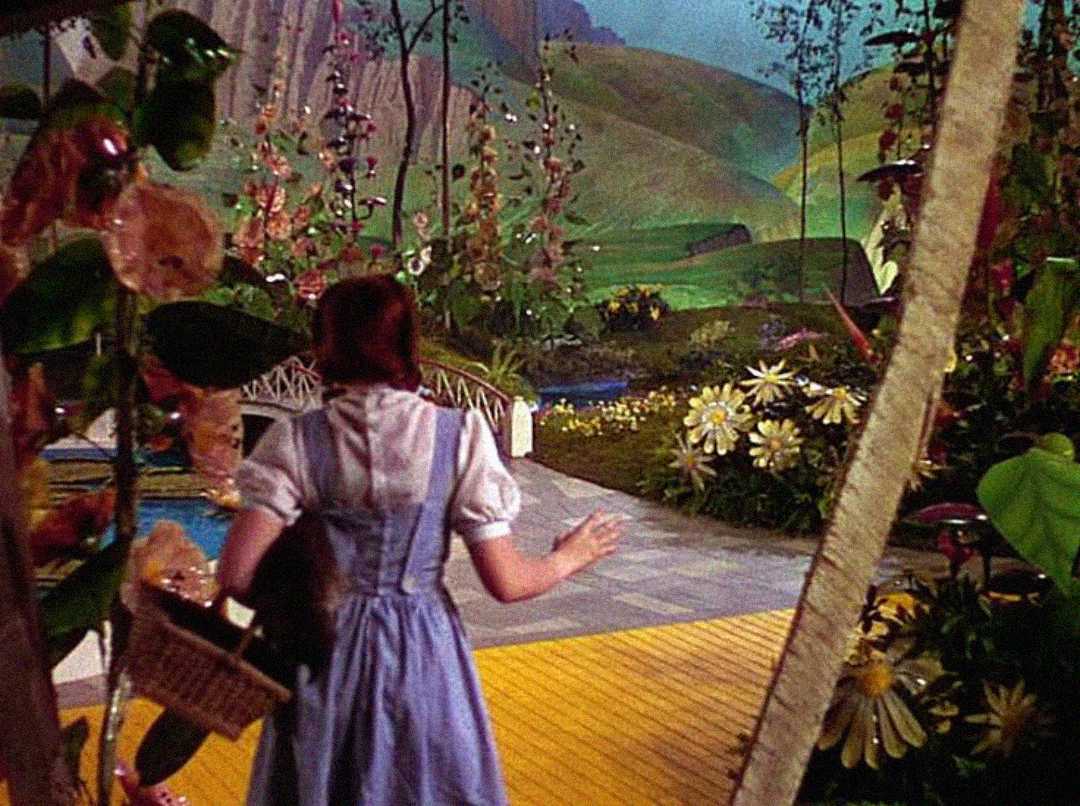
One of the film’s greatest surprises wasn’t actually created through editing. The famous moment when Dorothy opens the farmhouse door was filmed using a hand-painted sepia set and a body double wearing a matching costume. Once the camera moved inside, Judy Garland stepped into the frame surrounded by vibrant Technicolor. At the time, audiences had rarely experienced such an impressive visual transition, making it one of the defining moments of Oz.
3. The Yellow Brick Road Wasn’t Always Yellow
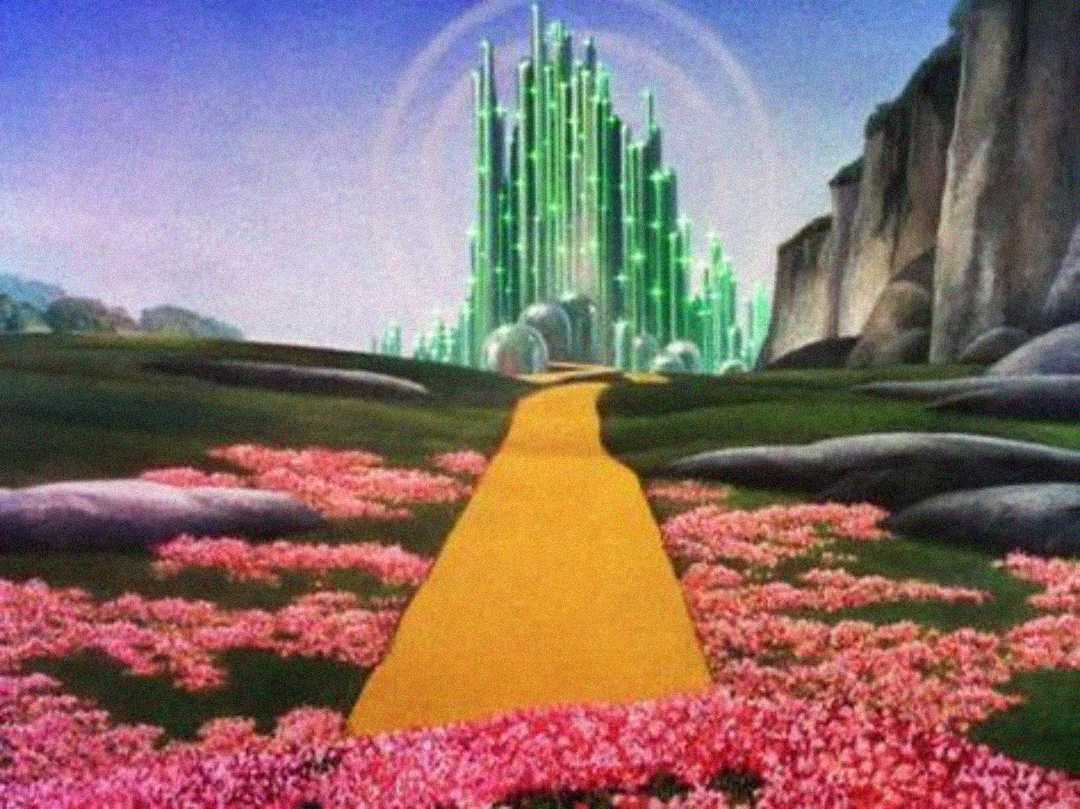
During production, several colors were tested for the iconic road. Early Technicolor camera tests revealed that brighter shades looked washed out under the powerful studio lights, so the crew ultimately selected a deeper golden-yellow paint.
4. Margaret Hamilton Was Seriously Injured During Filming
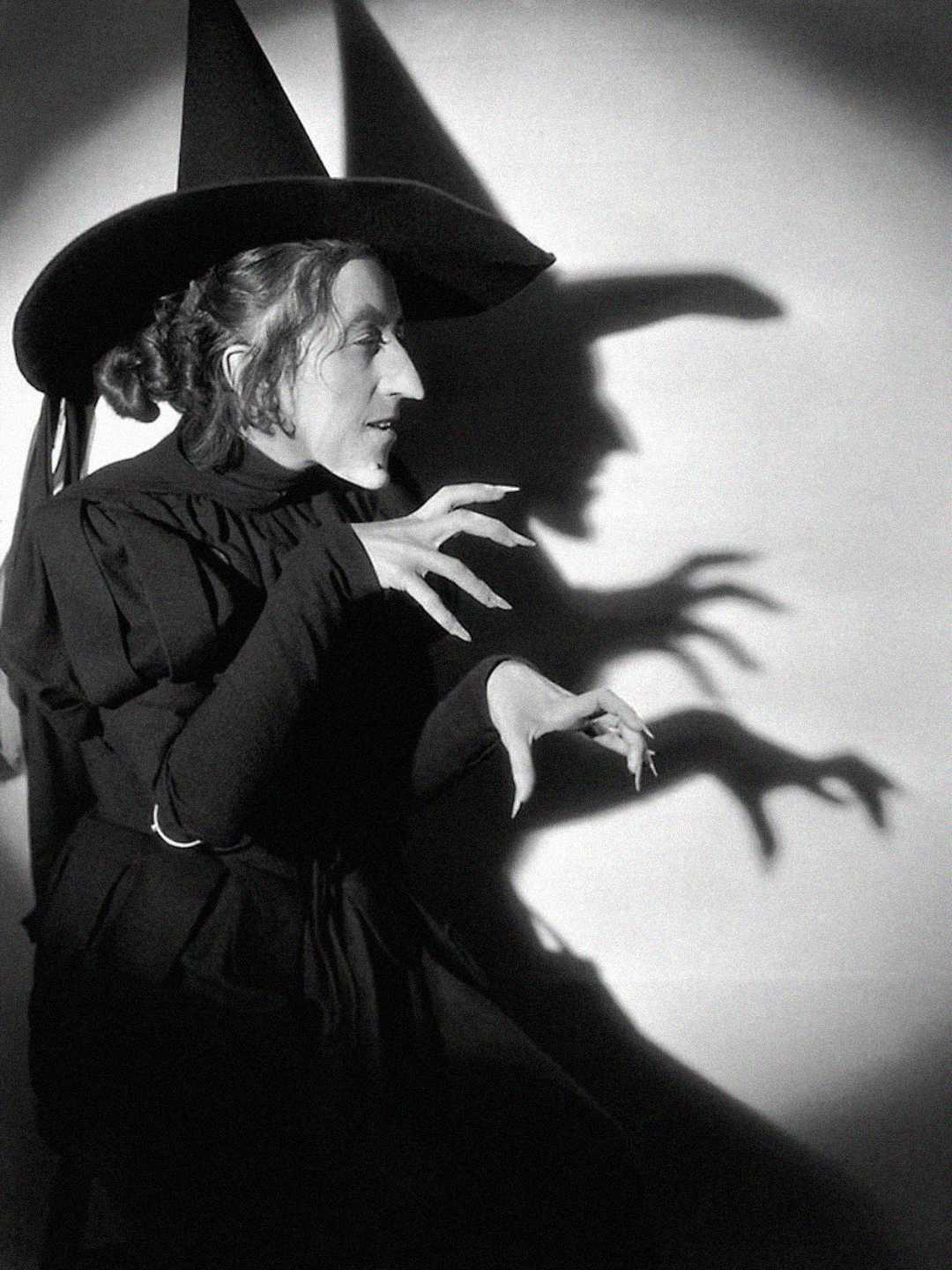
The Wicked Witch of the West’s dramatic exit from Munchkinland nearly ended in tragedy. Actress Margaret Hamilton suffered severe burns to her face and hand when a trapdoor and pyrotechnic effect failed to synchronize correctly. She spent weeks recovering before returning to finish the movie, refusing to allow stunt performers to replace her in most scenes.
5. Buddy Ebsen Originally Played the Tin Man
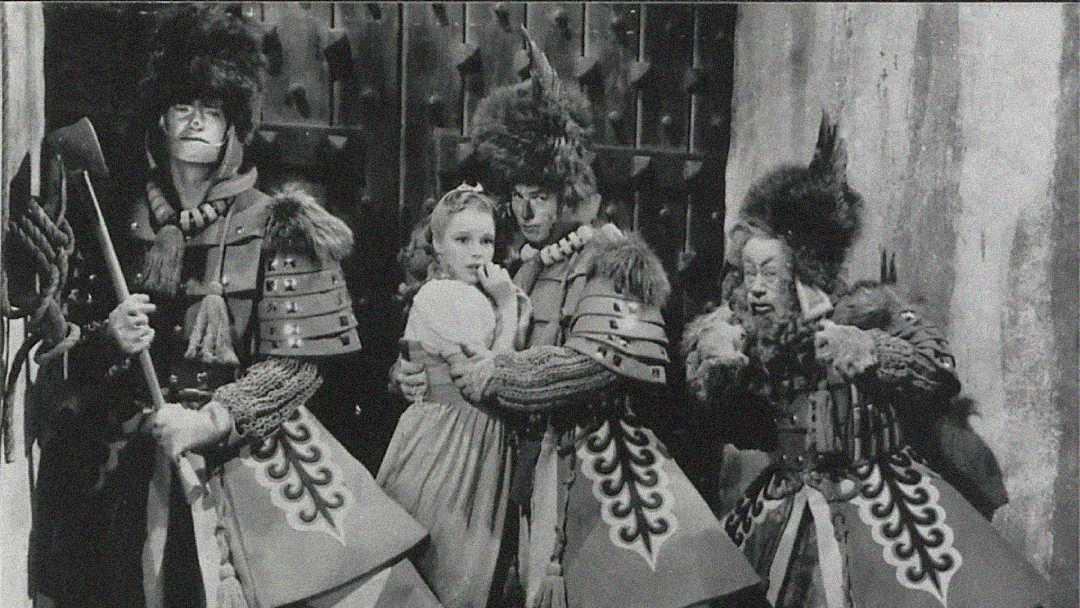
Before Jack Haley took over the role, actor Buddy Ebsen had already completed rehearsals and recorded songs as the Tin Man. However, the aluminum powder used in his silver makeup caused a severe allergic reaction that hospitalized him. MGM replaced both the actor and the makeup formula, switching to a safer aluminum paste.
Trending on The Scroller
6. Ray Bolger Switched Roles Before Filming Began
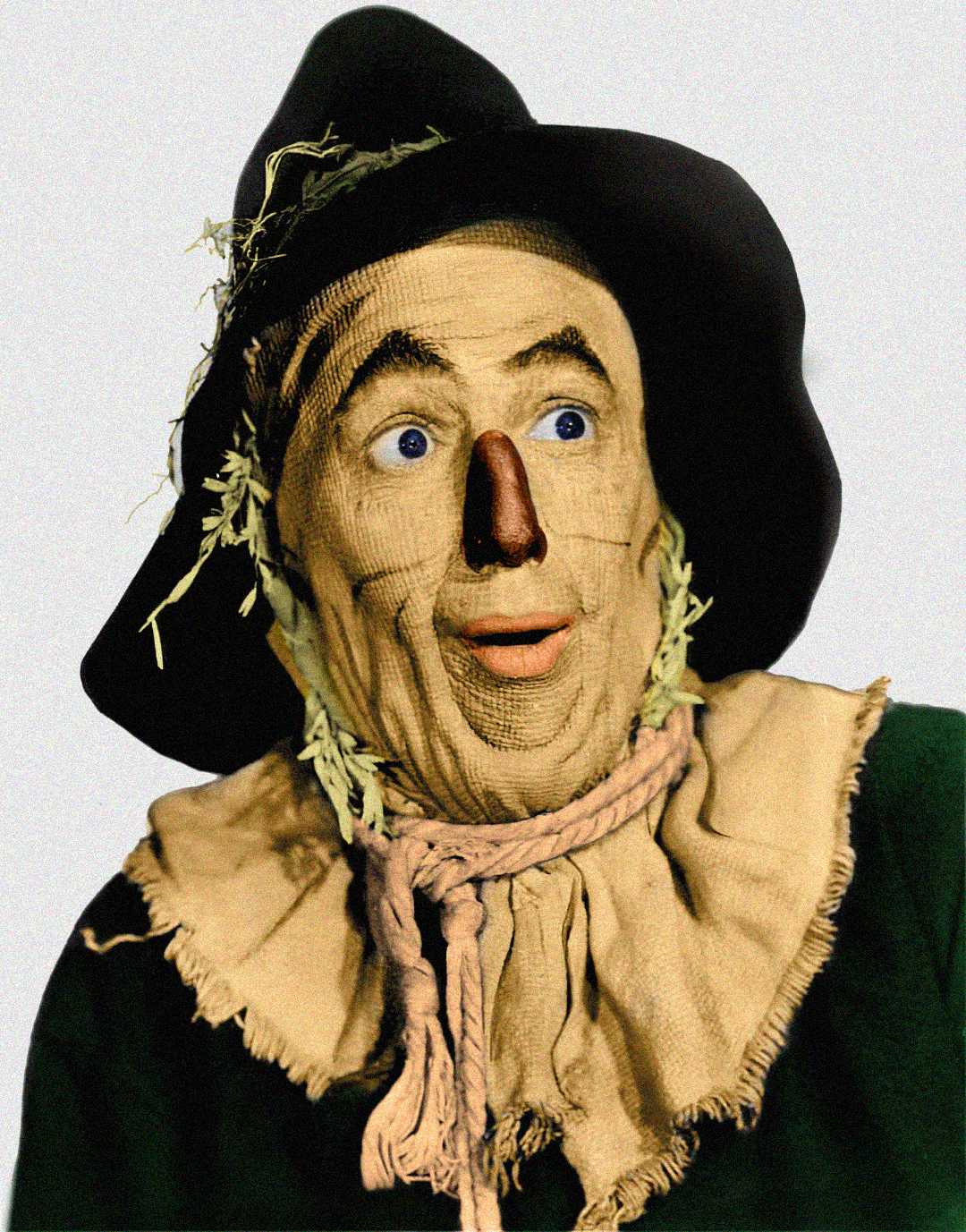
Ray Bolger was initially cast as the Tin Man, while Buddy Ebsen was supposed to play the Scarecrow. Bolger, however, believed the Scarecrow better suited his background as a dancer and comedian. He requested the switch, and MGM agreed.
7. Bert Lahr’s Lion Costume Was Made From Real Animal Skins
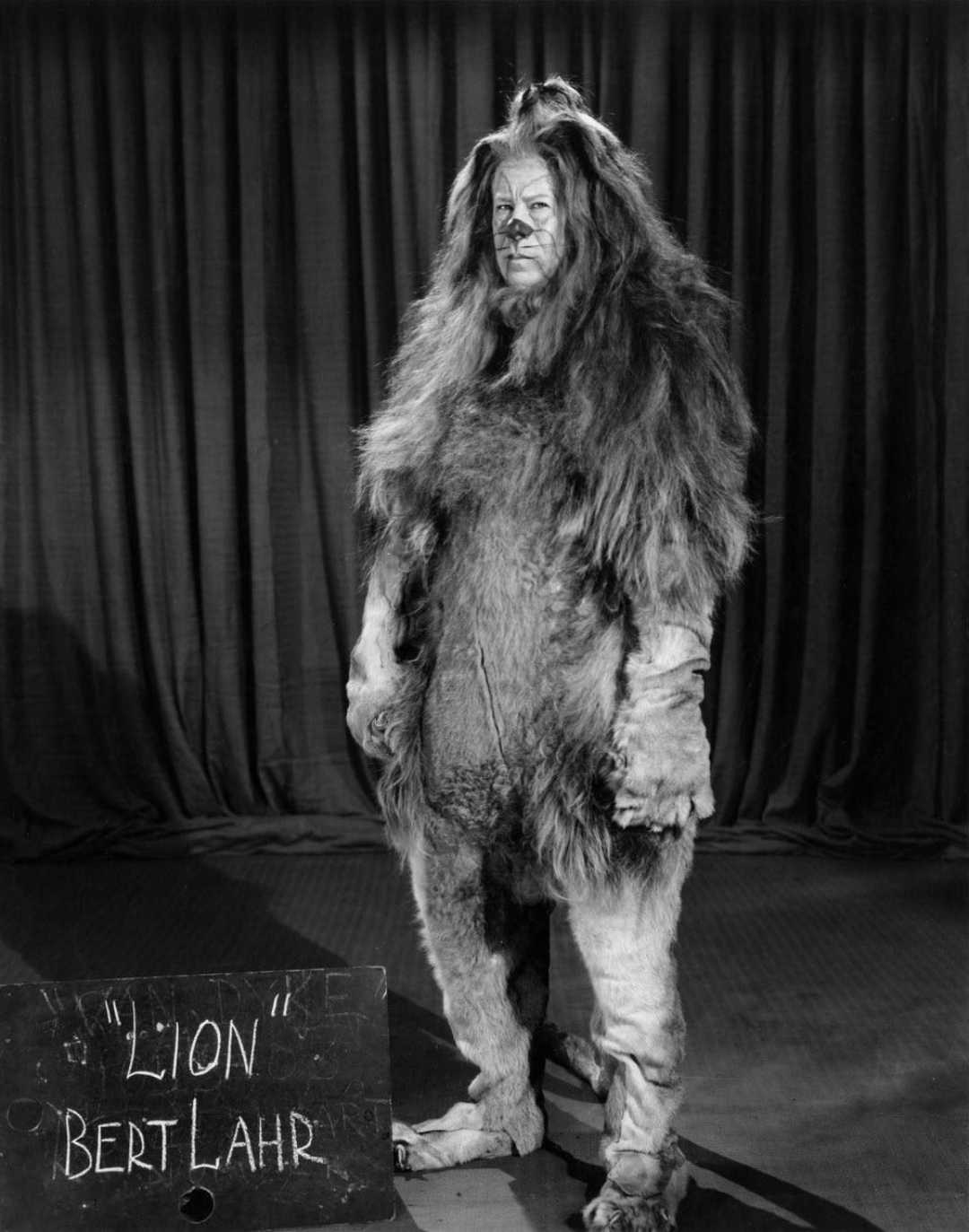
Creating the Cowardly Lion required one of the most elaborate costumes of the era. Bert Lahr wore a suit crafted from genuine lion hides and fur that reportedly weighed close to 90 pounds. Under the intense studio lights, the costume became extremely hot, requiring the wardrobe department to dry it overnight after every filming day.
8. Somewhere Over the Rainbow Was Almost Cut From the Movie
Today, it’s impossible to imagine The Wizard of Oz without its signature song. Yet MGM executives briefly considered removing Somewhere Over the Rainbow, believing it slowed the opening of the film. Fortunately, producers and songwriters Harold Arlen and E.Y. Harburg successfully argued to keep it.
Sign up for our newsletter
9. The Flying Monkeys Required an Impressive Combination of Practical Effects
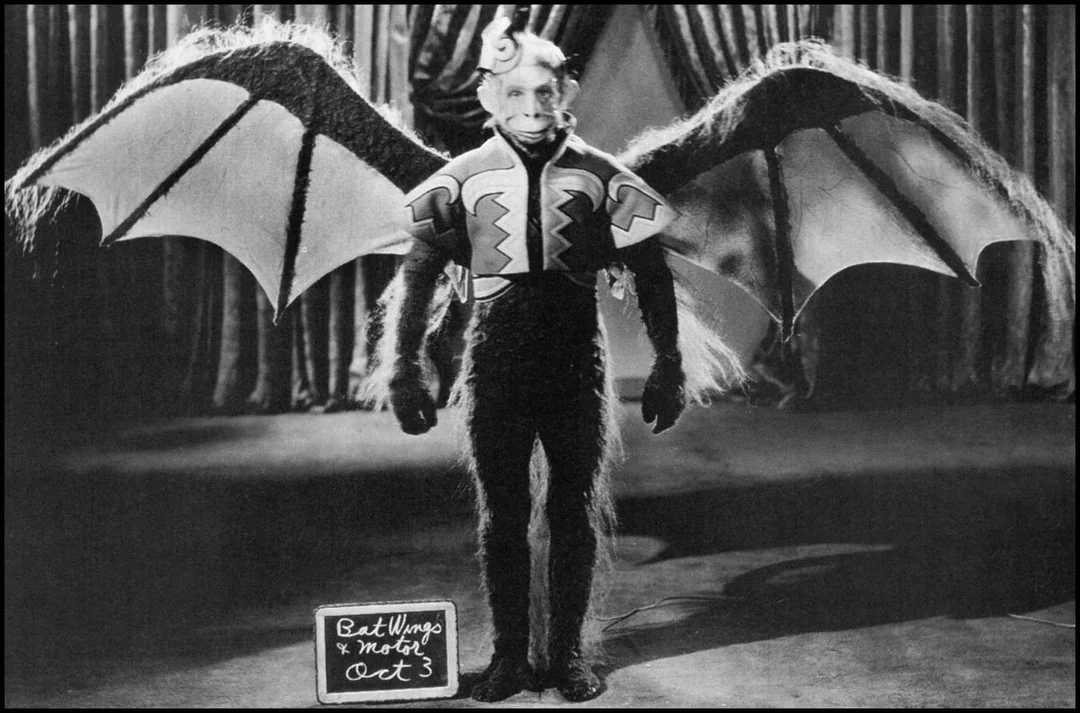
Long before CGI existed, the flying monkeys were brought to life using a combination of wire rigs, miniature sets, and clever editing. The actors portraying the monkeys performed on suspended cables while camera angles helped disguise the equipment.
10. Hundreds of Costumes Had to Be Handmade
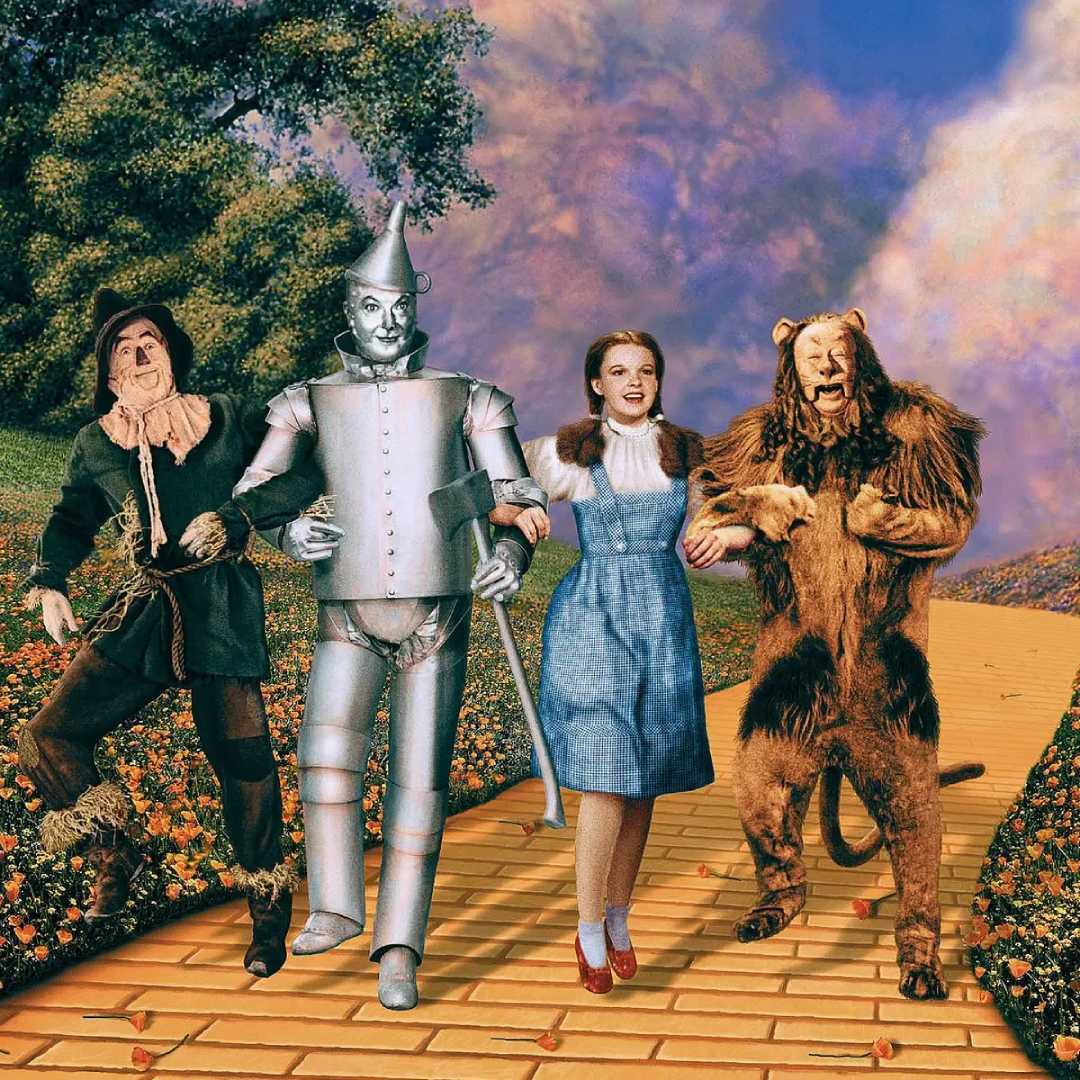
The colorful citizens of Munchkinland weren’t dressed in off-the-rack clothing. MGM’s costume department produced hundreds of handmade outfits, each tailored to fit individual performers. Designers incorporated bright fabrics, oversized flowers, ribbons, and detailed accessories to give every resident a unique appearance.
11. The Emerald City Was Built Entirely on Soundstages
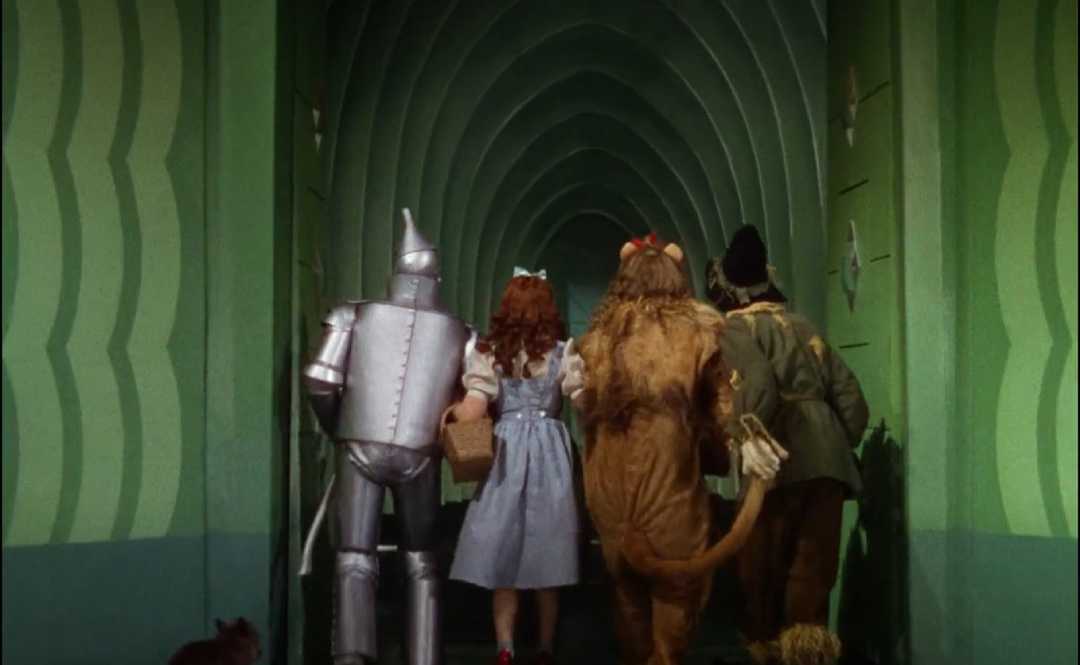
Although the Emerald City appears enormous on screen, it never existed outside MGM’s studios. Massive soundstages housed towering columns, oversized gates, painted backdrops, and carefully designed forced-perspective sets that created the illusion of a sprawling metropolis. Every architectural detail was planned to maximize the impact of Technicolor, making Oz feel far larger than the physical space actually allowed.
12. Toto Was One of the Highest-Paid Animal Actors of the Era
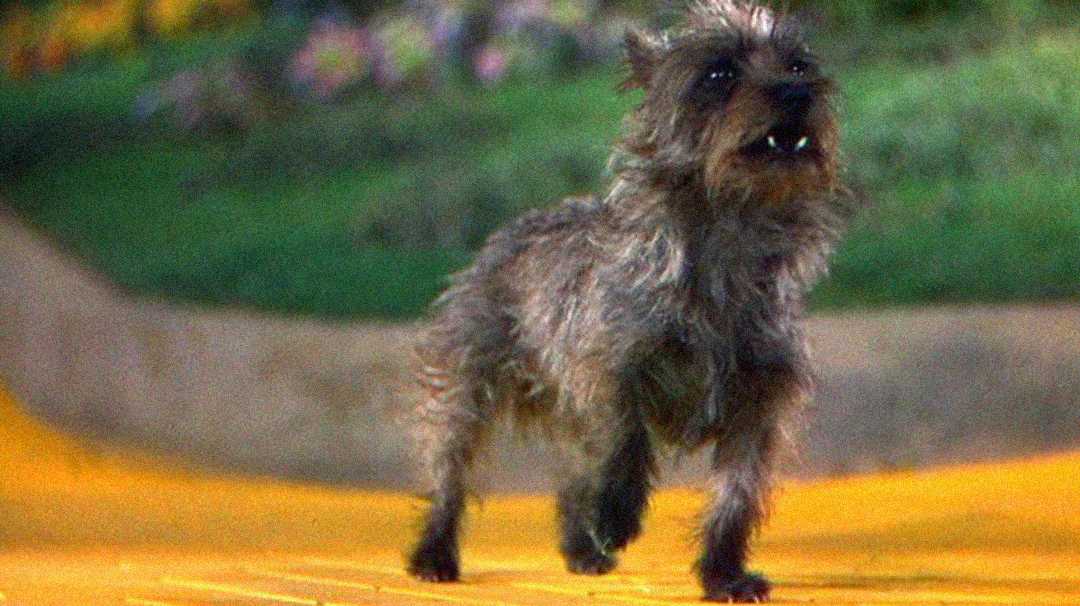
Dorothy’s faithful companion, Toto, was played by a female Cairn Terrier named Terry. Already an experienced Hollywood performer, Terry reportedly earned around $125 per week during production, an impressive salary for an animal actor at the time.
13. Several Directors Worked on the Film
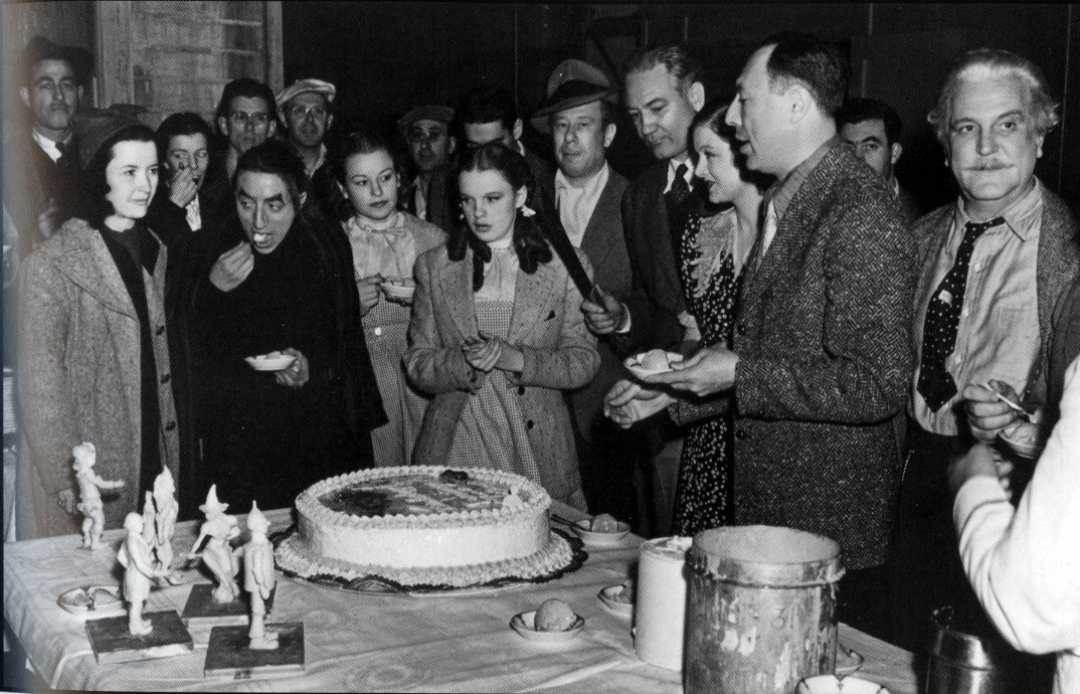
Although Victor Fleming is best remembered as the director of The Wizard of Oz, the production changed hands multiple times. Richard Thorpe began filming before being replaced, George Cukor briefly advised on character appearances and performances, and King Vidor directed portions of the Kansas sequences after Fleming left to complete Gone with the Wind.
14. The Ruby Slippers Were Created Specifically for the Film
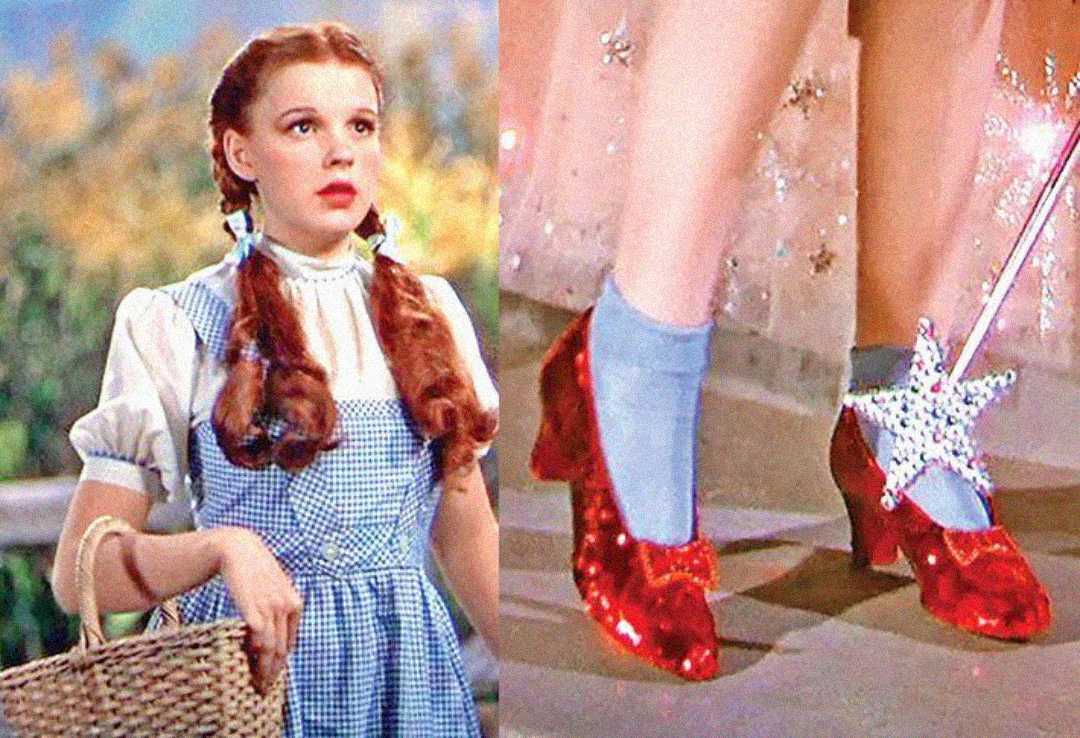
In L. Frank Baum’s original novel, Dorothy wore silver shoes. MGM changed them to sparkling ruby slippers because the vivid red color stood out dramatically in Technicolor. Costume designer Adrian oversaw multiple versions before the final pair was completed using red sequins, beads, bows, and dyed fabric.
15. The Film Became a Television Phenomenon
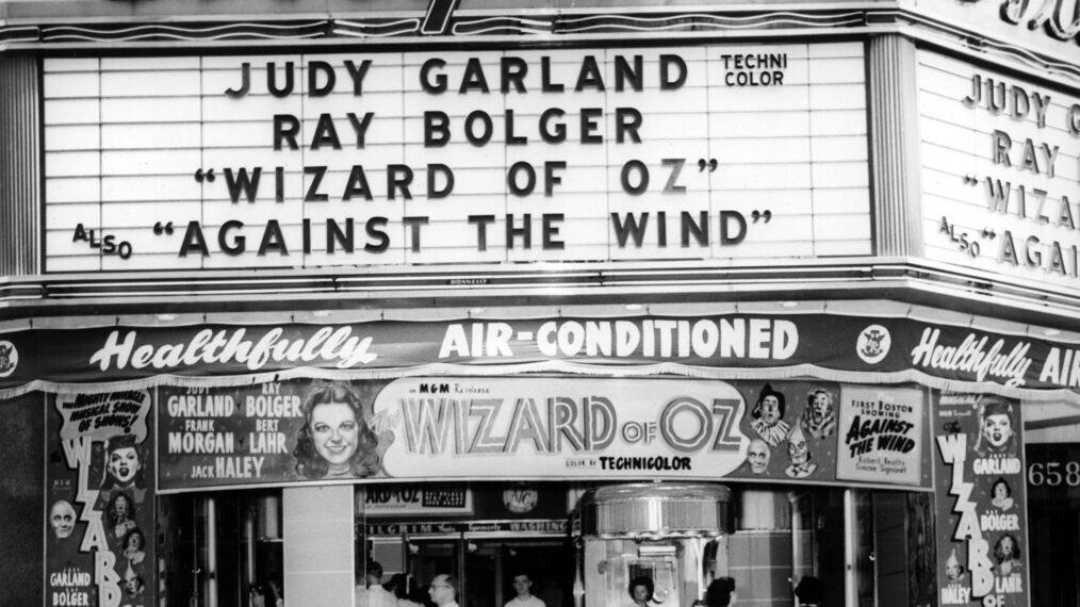
While The Wizard of Oz performed respectably at the box office, its greatest success came years later through television broadcasts. Beginning in the 1950s, annual airings introduced the film to millions of families, turning it into a beloved tradition across generations. These repeated broadcasts helped transform Oz from a successful Hollywood production into a lasting piece of popular culture whose influence continues more than eight decades later.
16. The Library of Congress Recognized Its Cultural Importance
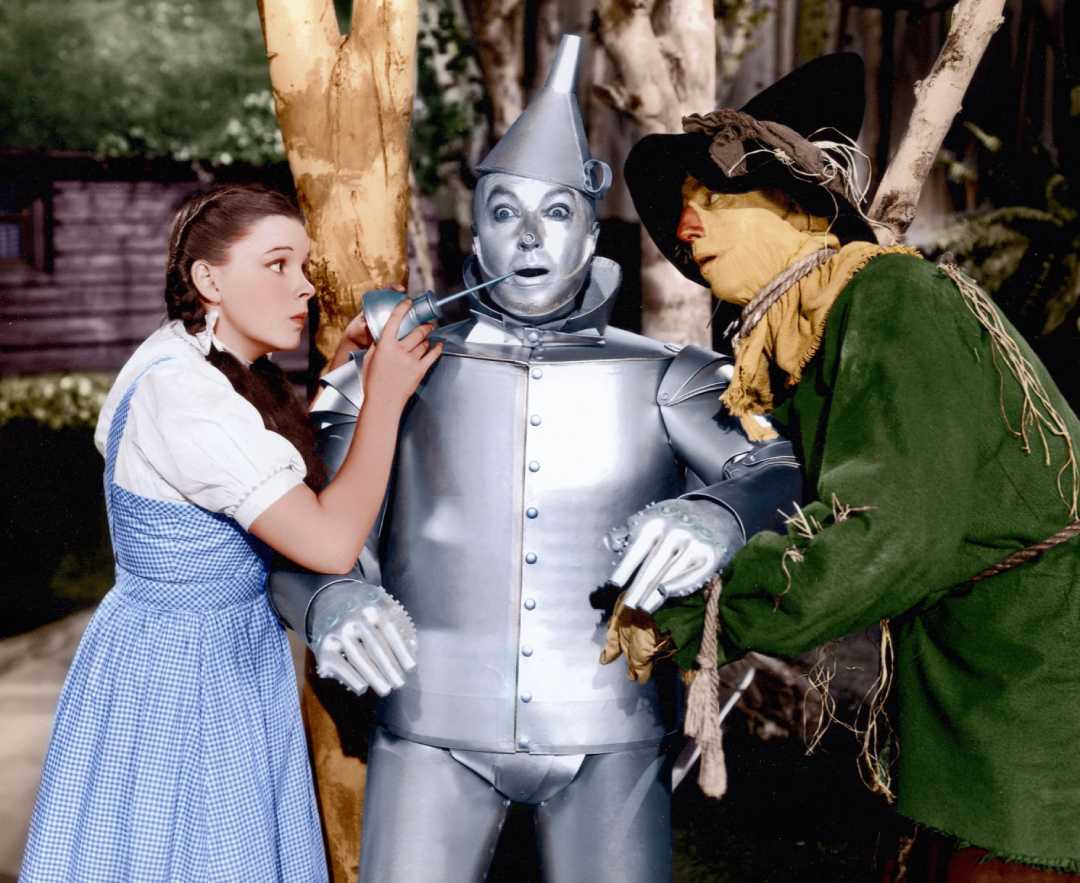
The influence of The Wizard of Oz extends far beyond entertainment. In 1989, it became one of the first films selected for preservation in the National Film Registry by the Library of Congress because of its cultural, historical, and aesthetic significance. Decades after its premiere, Oz continues to inspire filmmakers and audiences around the world, proving that its journey truly has no end.
If Somewhere Over the Rainbow still gives you chills, then the magic of Oz is alive and well. Keep reading to discover even more fascinating stories from the golden age of Hollywood and the movies that continue to inspire generations.
More than 85 years after its release, The Wizard of Oz remains a landmark in film history. Its groundbreaking visual effects, unforgettable performances, timeless music, and revolutionary use of Technicolor helped redefine what fantasy films and movie musicals could achieve. For many people, Oz represents childhood wonder and the belief that courage, heart, and friendship can overcome any obstacle. Its influence can still be seen throughout modern cinema, making it one of the most beloved and iconic films ever made.
If you enjoyed this look behind the scenes of The Wizard of Oz, be sure to explore more of our movie features, production secrets, and Hollywood history articles. There’s always another fascinating story waiting to be discovered: 15 Golden Age Starlets Whose Names (And Tragedies) Were Erased by Time, 20 Celebrities That Ruled the Golden Age of Hollywood, and 15 Classic Movies With Dark Stories Behind the Scenes.