Sitcoms have been a cornerstone of television entertainment for decades, bringing laughter, memorable characters, and unforgettable catchphrases into millions of homes. From black-and-white classics to the blockbuster hits of the 1990s and early 2000s, these beloved sitcoms have shaped popular culture, inspired countless future comedies, and created loyal fan communities that continue rewatching their favorite episodes years after the original broadcasts ended. Their timeless humor and relatable stories have helped many of them remain as popular today as they were when they first aired.
Part of the enduring appeal of classic sitcoms comes from discovering what happened behind the scenes. Fans love learning how famous episodes were made, which memorable moments were improvised, and how production decisions changed television history. And even if you’ve watched these sitcoms dozens of times or are discovering them for the first time, these fascinating facts reveal surprising stories about the actors, creators, and productions that turned some of television’s greatest comedies into lasting cultural icons.
1. Friends Became One of Television’s Biggest Ensemble Success Stories
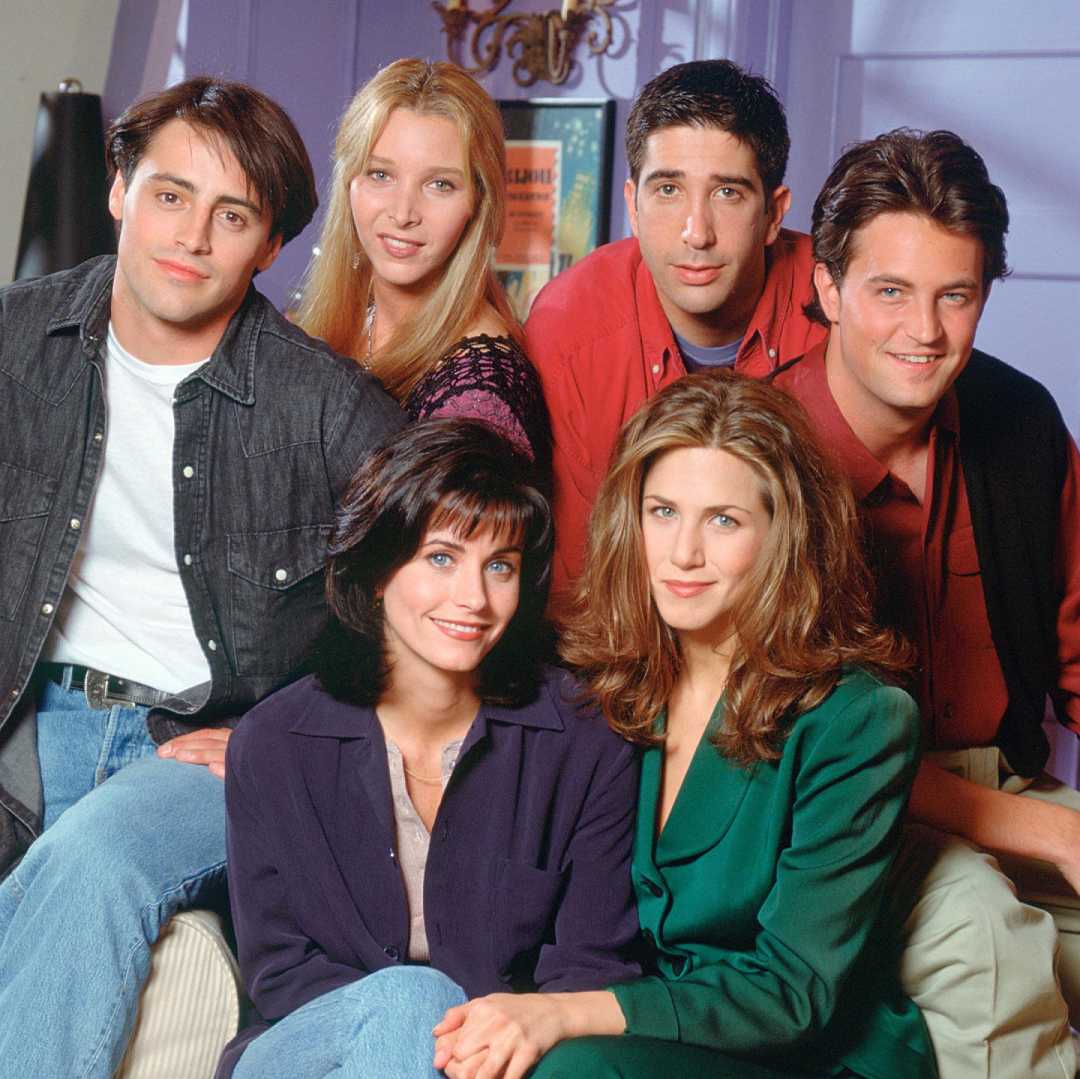
When Friends premiered in 1994, NBC expected it to perform well, but few imagined it would become one of the most successful sitcoms ever made. The chemistry among the cast became the show’s greatest strength, helping it remain a ratings powerhouse throughout its ten-season run. By its final season, all six stars negotiated equal salaries of one million dollars per episode, an unprecedented achievement for an ensemble comedy.
2. I Love Lucy Was Filmed Using a Revolutionary Camera Technique
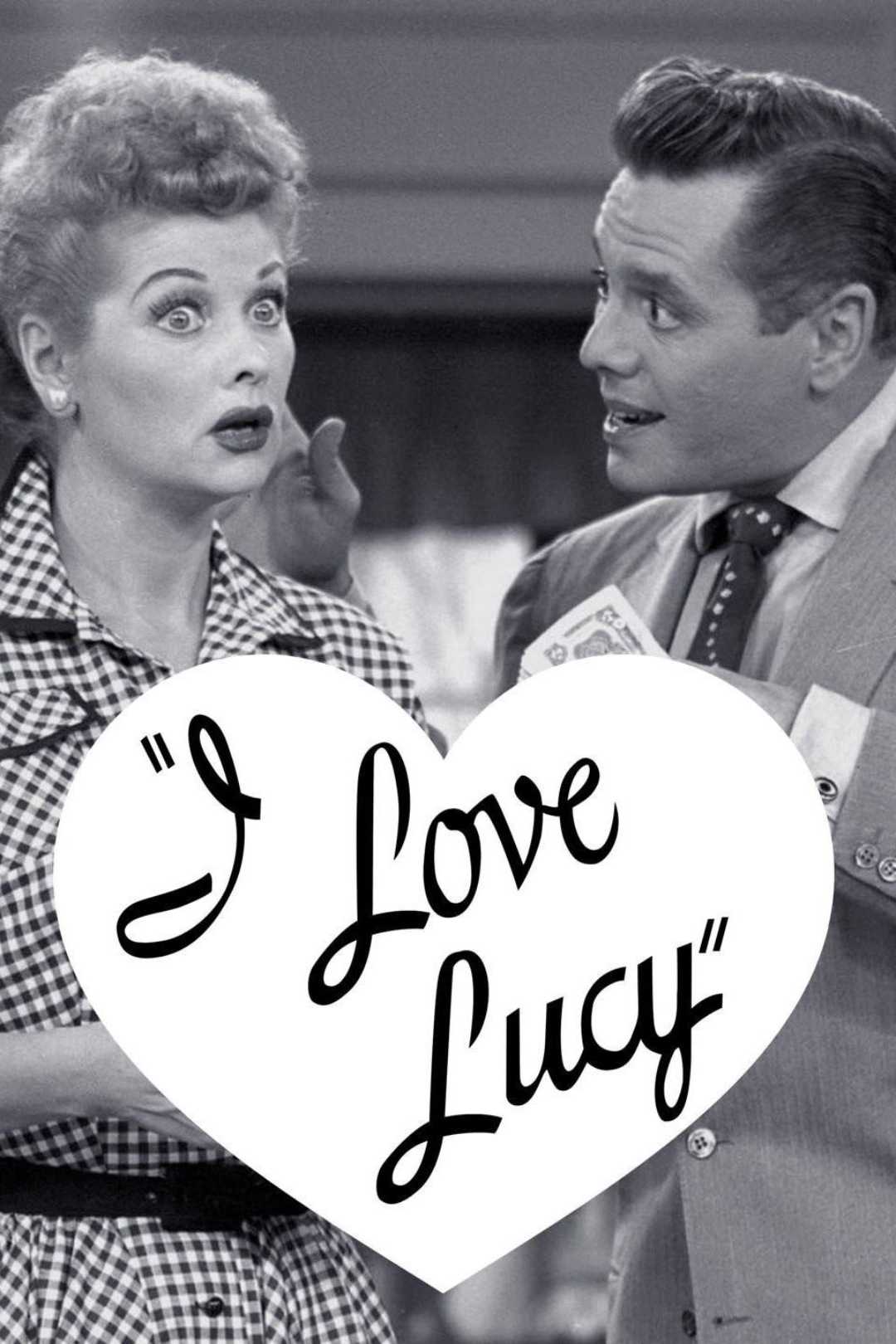
Long before modern television production became standard, I Love Lucy helped change the industry by using a three-camera filming system in front of a live studio audience. Developed by cinematographer Karl Freund together with the production team, the technique allowed episodes to look more cinematic while preserving the energy of live performances. The method became the blueprint for countless future sitcoms.
3. Cheers Started With Surprisingly Low Ratings
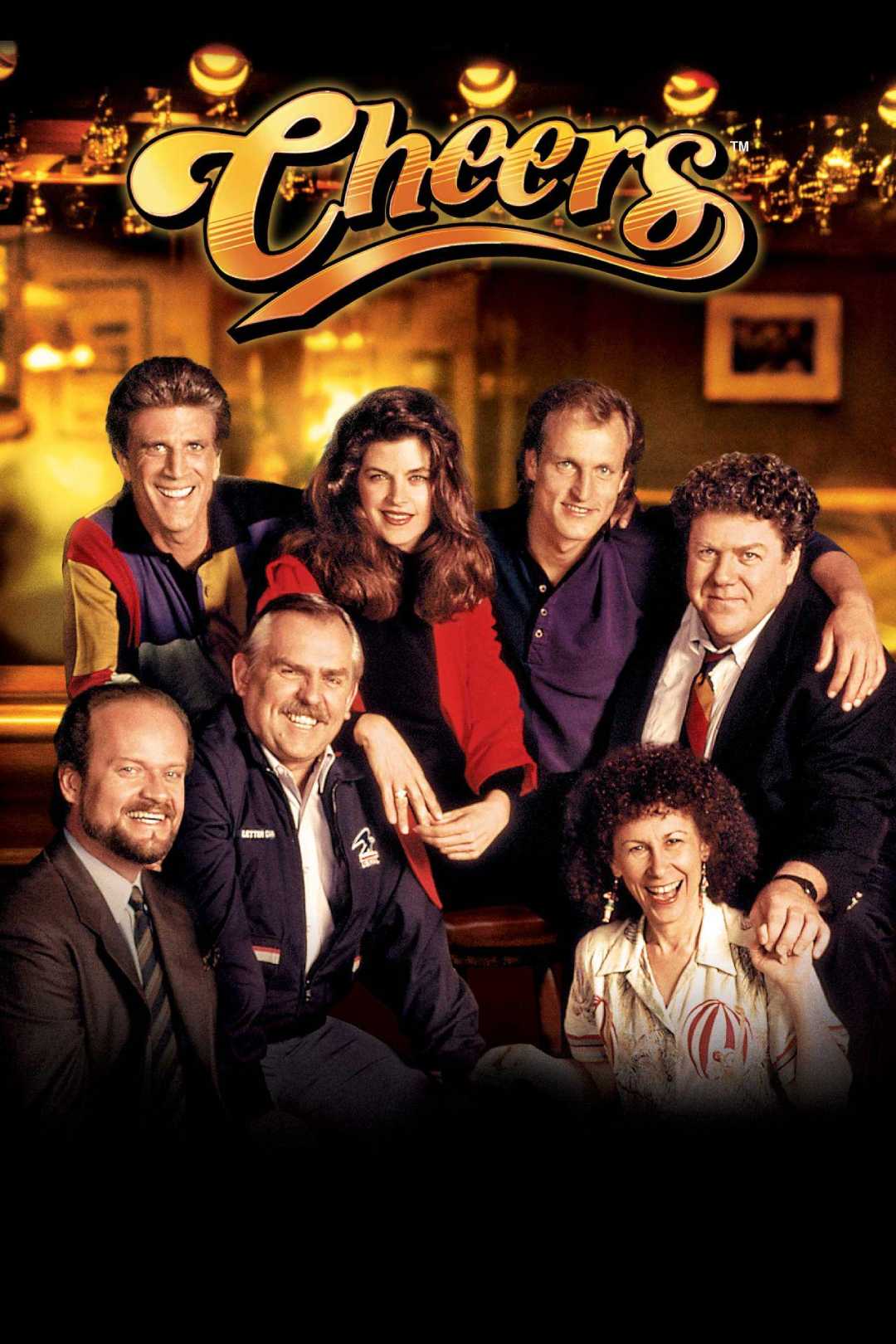
Today, Cheers is considered one of television’s greatest comedies, but its first season nearly ended before it had the chance to grow. The series initially ranked near the bottom of network ratings, yet NBC believed in its quality and renewed it. As word spread, audiences steadily increased, eventually making Cheers one of the defining sitcoms of the 1980s and a multiple Emmy Award winner.
4. Seinfeld Was Originally Called The Seinfeld Chronicles
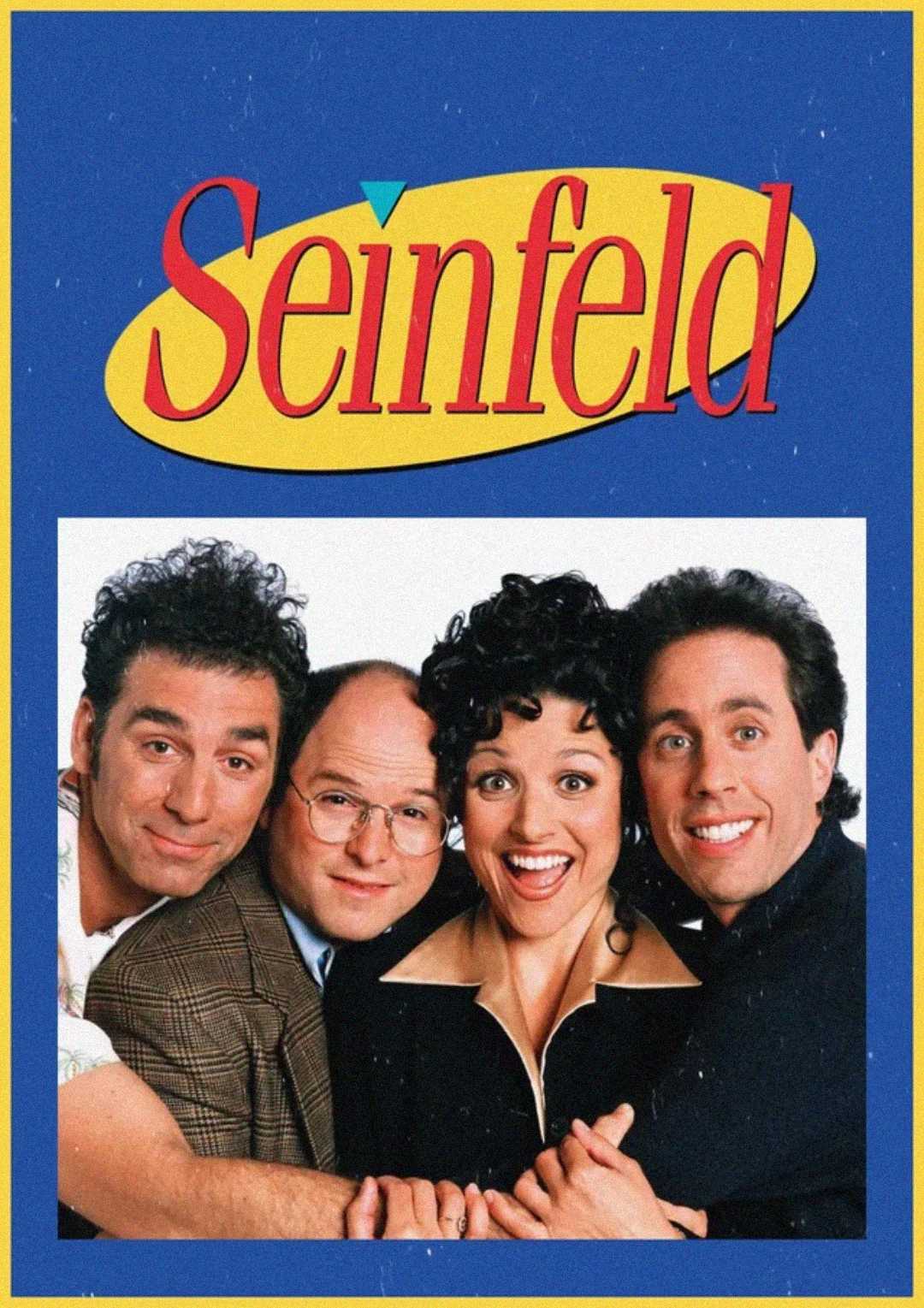
Before becoming simply Seinfeld, the series debuted under the title The Seinfeld Chronicles. NBC later shortened the name as the show’s identity became clearer and its unique style of comedy developed. The sitcom’s focus on everyday situations rather than traditional storylines helped popularize the idea of being ‘a show about nothing,’ even though its episodes cleverly explored relatable social behavior.
5. The Office’s Fire Drill Scene Required Careful Choreography
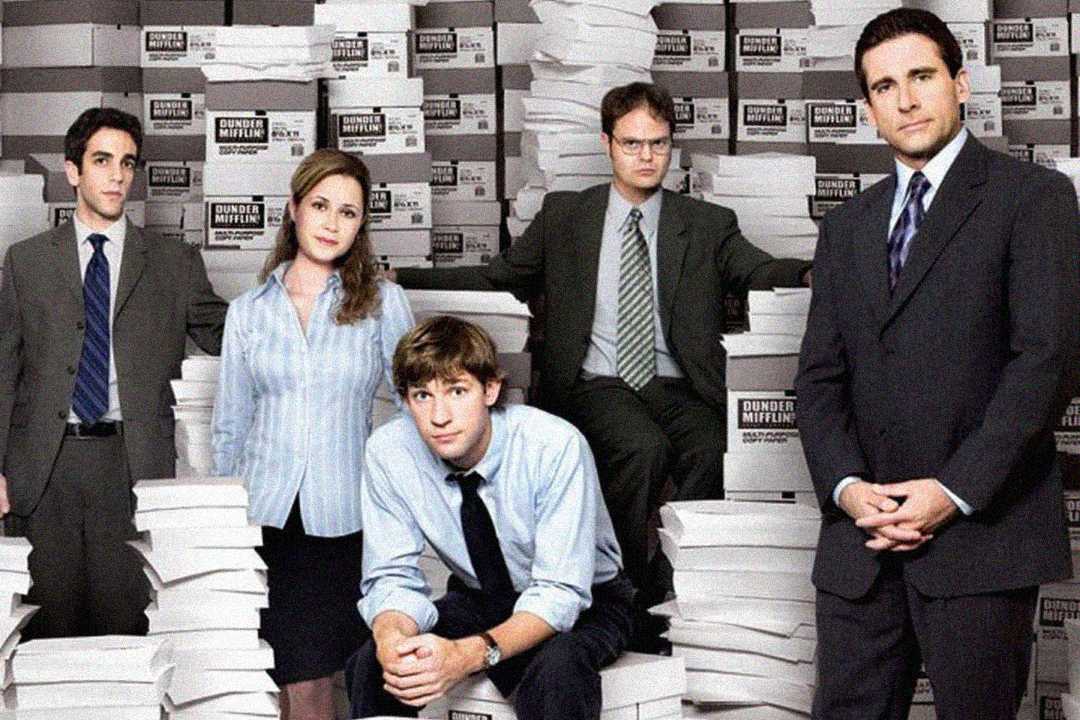
The famous ‘Stress Relief’ episode of The Office features Dwight Schrute staging a chaotic fake fire drill that has become one of television’s most memorable cold opens. Although the scene looks completely out of control, it required detailed planning, multiple rehearsals, and careful coordination between actors and stunt professionals to safely create the hilarious sequence.
Trending on The Scroller
6. Frasier Won More Emmy Awards Than Any Other Scripted Series at the Time
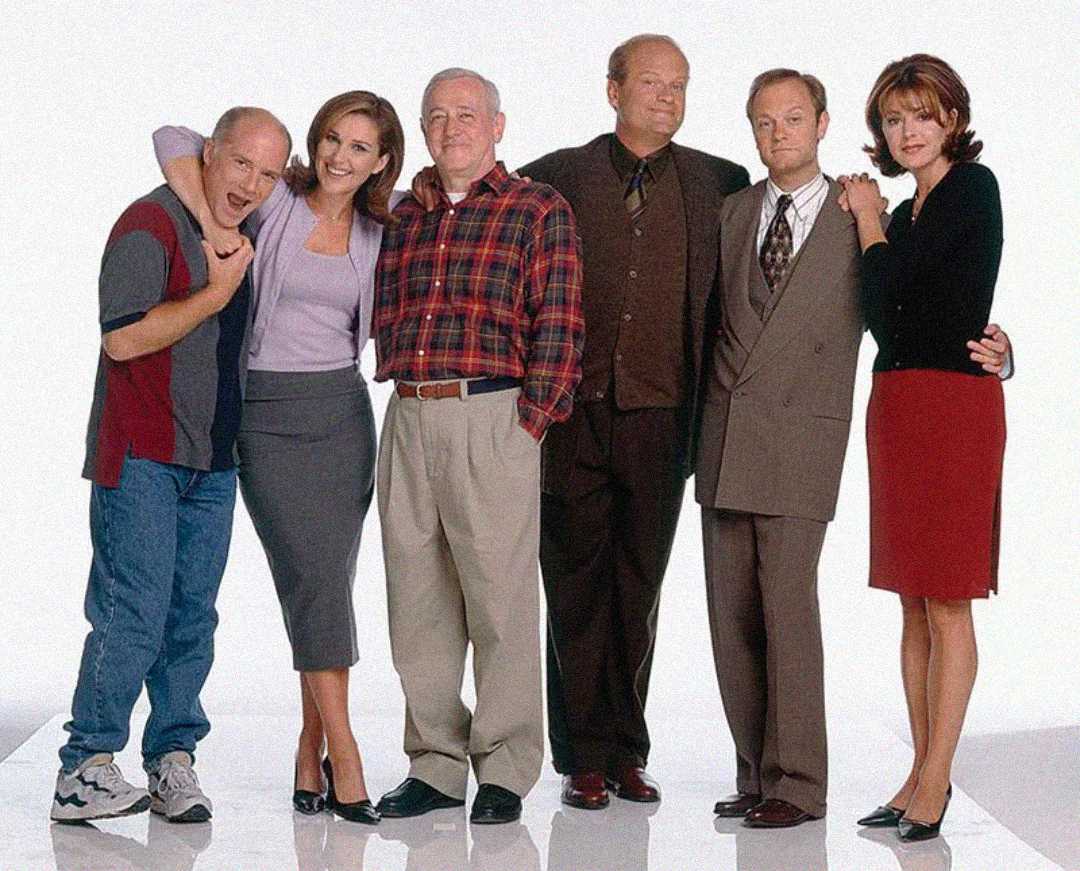
Frasier earned an extraordinary 37 Primetime Emmy Awards during its original run, setting a record for a scripted television series at the time. Its sophisticated writing, sharp performances, and consistent quality made it one of the most critically acclaimed sitcoms ever produced, proving that intelligent comedy could also achieve mainstream popularity.
7. M*A*S*H Delivered One of Television’s Most-Watched Finales
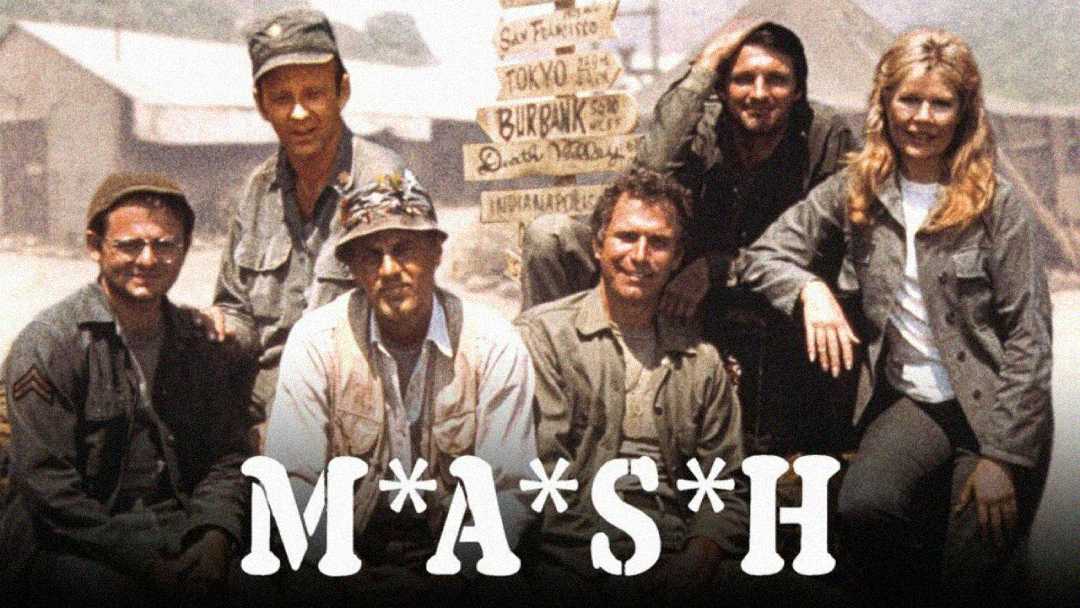
When M*A*S*H concluded in 1983, its finale, ‘Goodbye, Farewell and Amen,’ attracted more than 100 million viewers in the United States. For many years, it remained the most-watched scripted television broadcast in American history. The emotional ending demonstrated that sitcoms could successfully balance comedy with meaningful dramatic storytelling.
8. Everybody Loves Raymond Used Many Real-Life Family Experiences
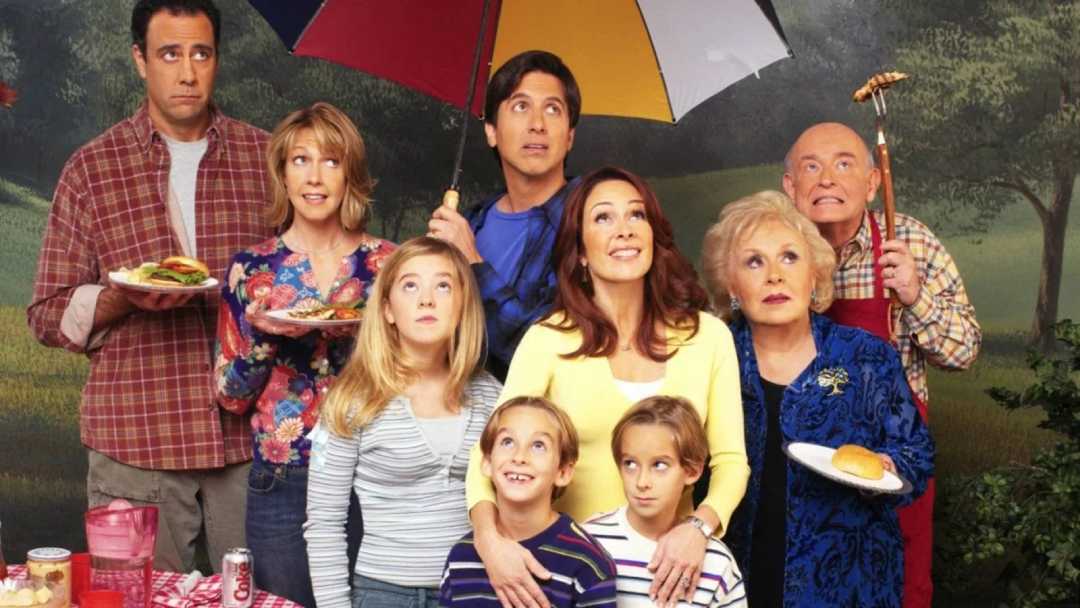
Creator Phil Rosenthal frequently drew inspiration from his own family life while developing Everybody Loves Raymond. Everyday disagreements, parenting situations, and interactions with relatives often reflected experiences from his personal life, helping the sitcom feel authentic and relatable to audiences around the world.
Sign up for our newsletter
9. Full House’s Famous House Isn’t the Tanner Family Home Interior
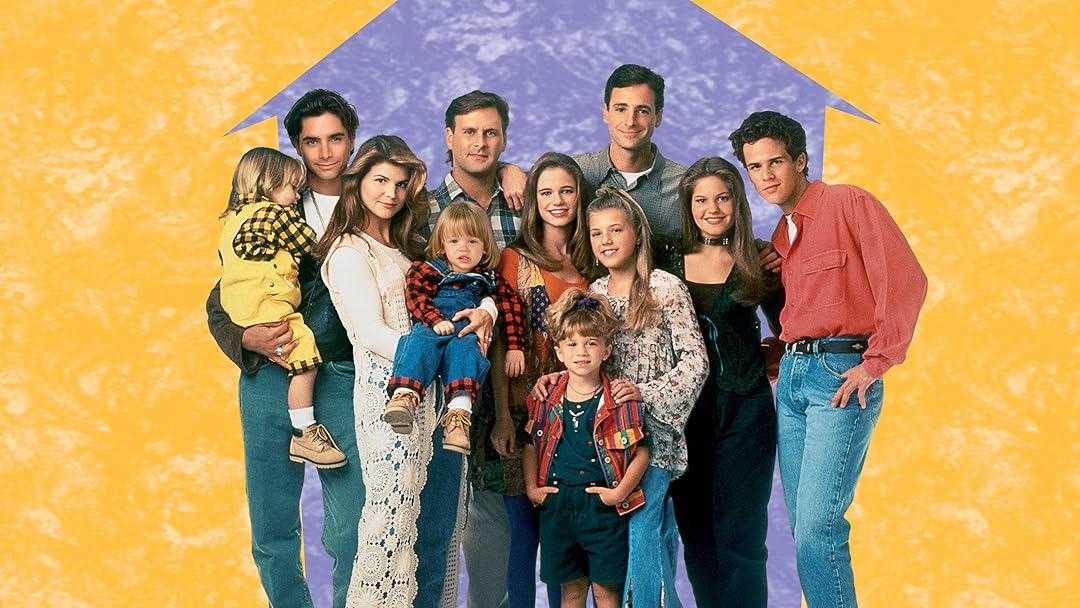
The iconic Victorian house featured in the opening credits of Full House became one of San Francisco’s best-known television landmarks. However, nearly all of the Tanner family’s home interiors were filmed on soundstages in Los Angeles. The exterior simply established the location, while the familiar living room and kitchen existed entirely inside a television studio.
10. The Mary Tyler Moore Show Changed the Role of Women in Television Comedy
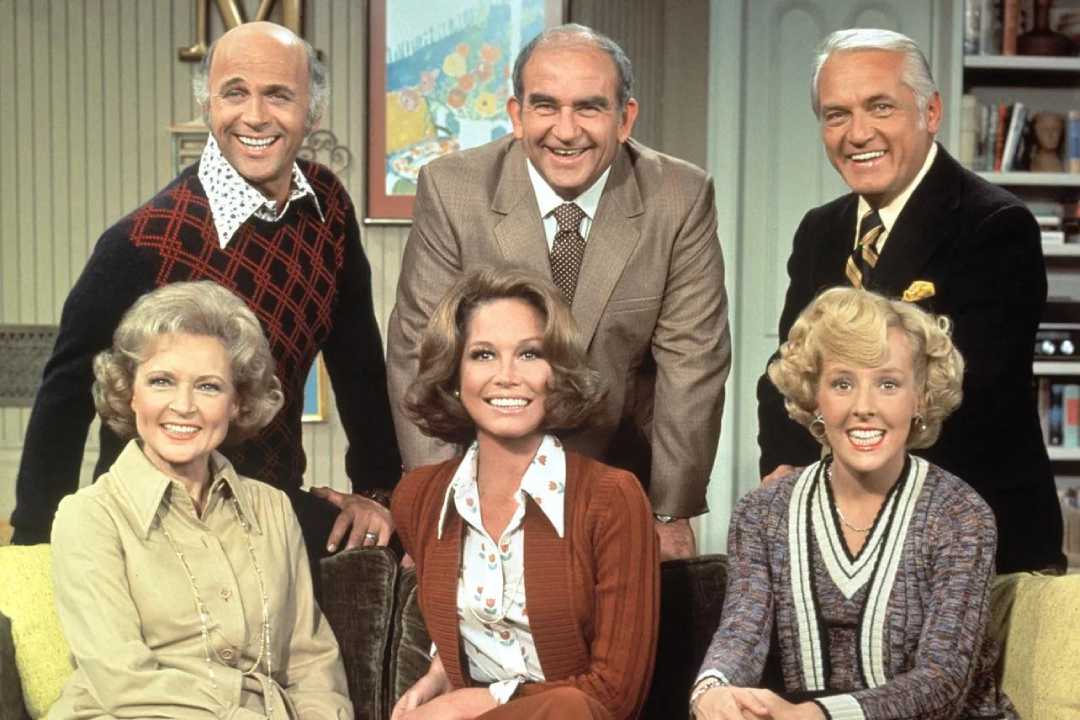
When The Mary Tyler Moore Show premiered in 1970, it introduced audiences to Mary Richards, an independent, career-focused woman who wasn’t defined by marriage or motherhood. The sitcom broke new ground by centering on her professional and personal life, influencing countless television comedies that followed and helping reshape how female leads were portrayed on TV.
11. The Fresh Prince of Bel-Air Included a Scene That Was Almost Completely Improvised
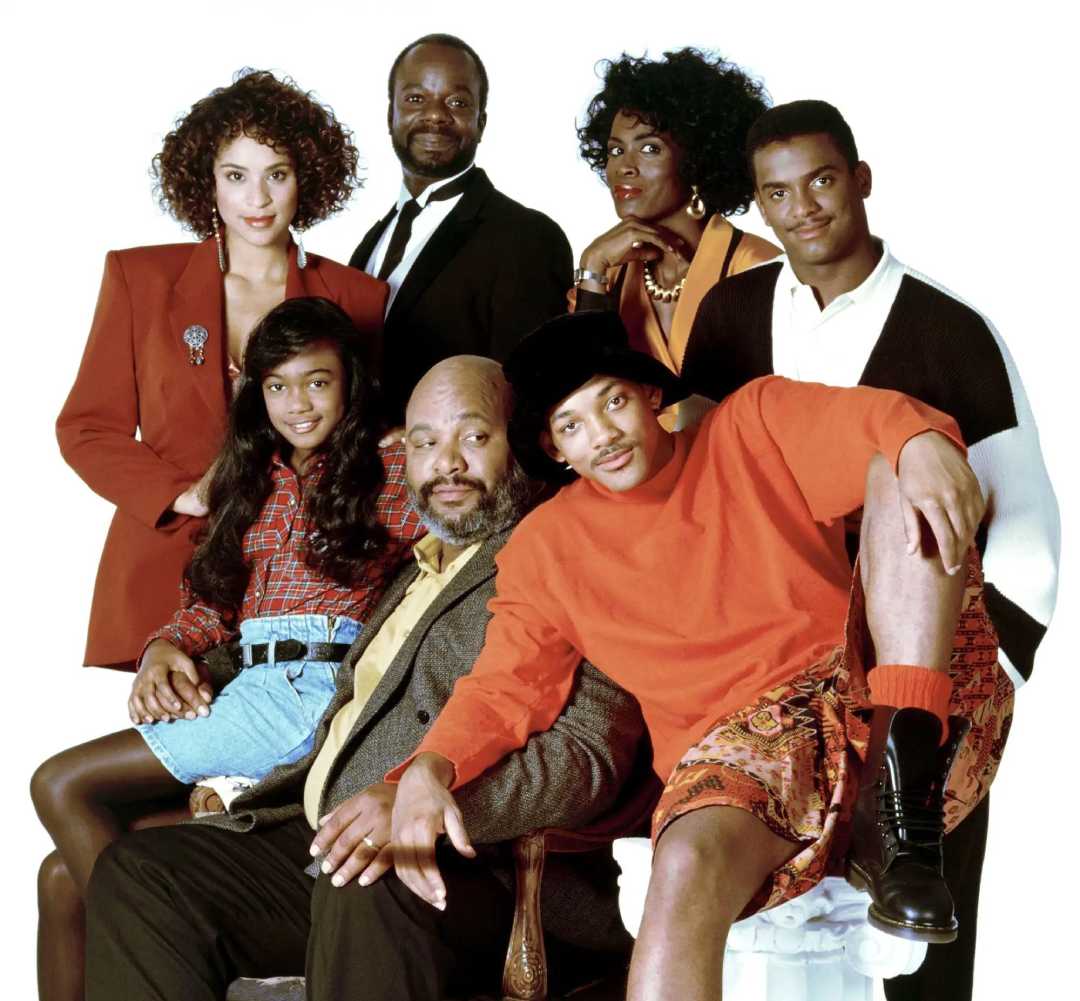
One of the funniest moments in The Fresh Prince of Bel-Air happens when Will Smith accidentally mouths along to another actor’s lines during an early episode. Because Smith was still learning the scripts, he occasionally memorized everyone else’s dialogue as well. The producers left the moment in because it felt natural, and attentive fans still spot it during rewatches.
12. The Simpsons Has Been Running for More Than Three Decades
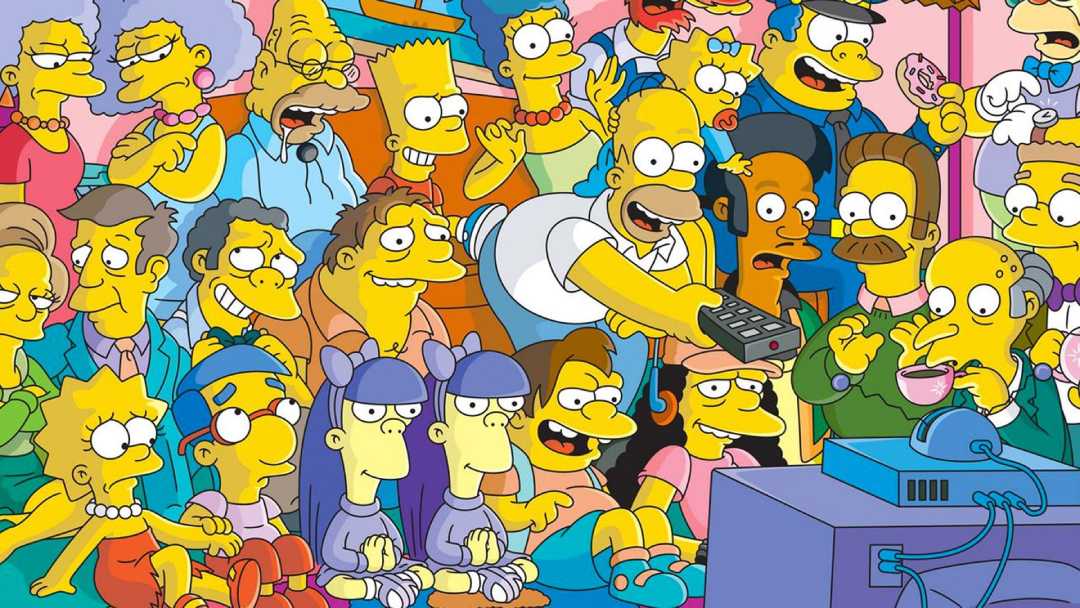
Although it’s animated, The Simpsons is one of the most influential sitcoms in television history. Since its debut in 1989, it has become the longest-running American scripted primetime television series. Across hundreds of episodes, Springfield’s famous family has entertained multiple generations while parodying politics, pop culture, and everyday life.
13. Parks and Recreation Changed Leslie Knope After the First Season
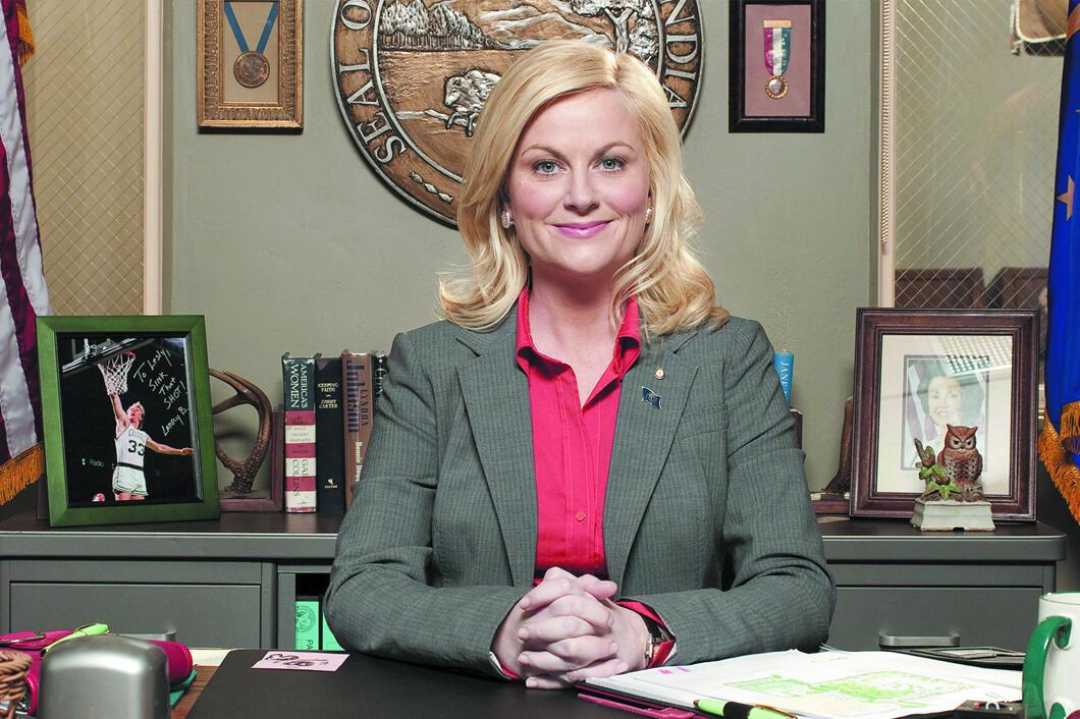
The writers behind Parks and Recreation significantly adjusted Leslie Knope’s personality after the first season. Instead of portraying her as awkward and oblivious, they emphasized her optimism, intelligence, and dedication to public service. The creative change helped define the show’s warm tone and turned Leslie into one of television’s most beloved comedy characters.
14. The Golden Girls Featured One of TV’s Most Experienced Comedy Casts
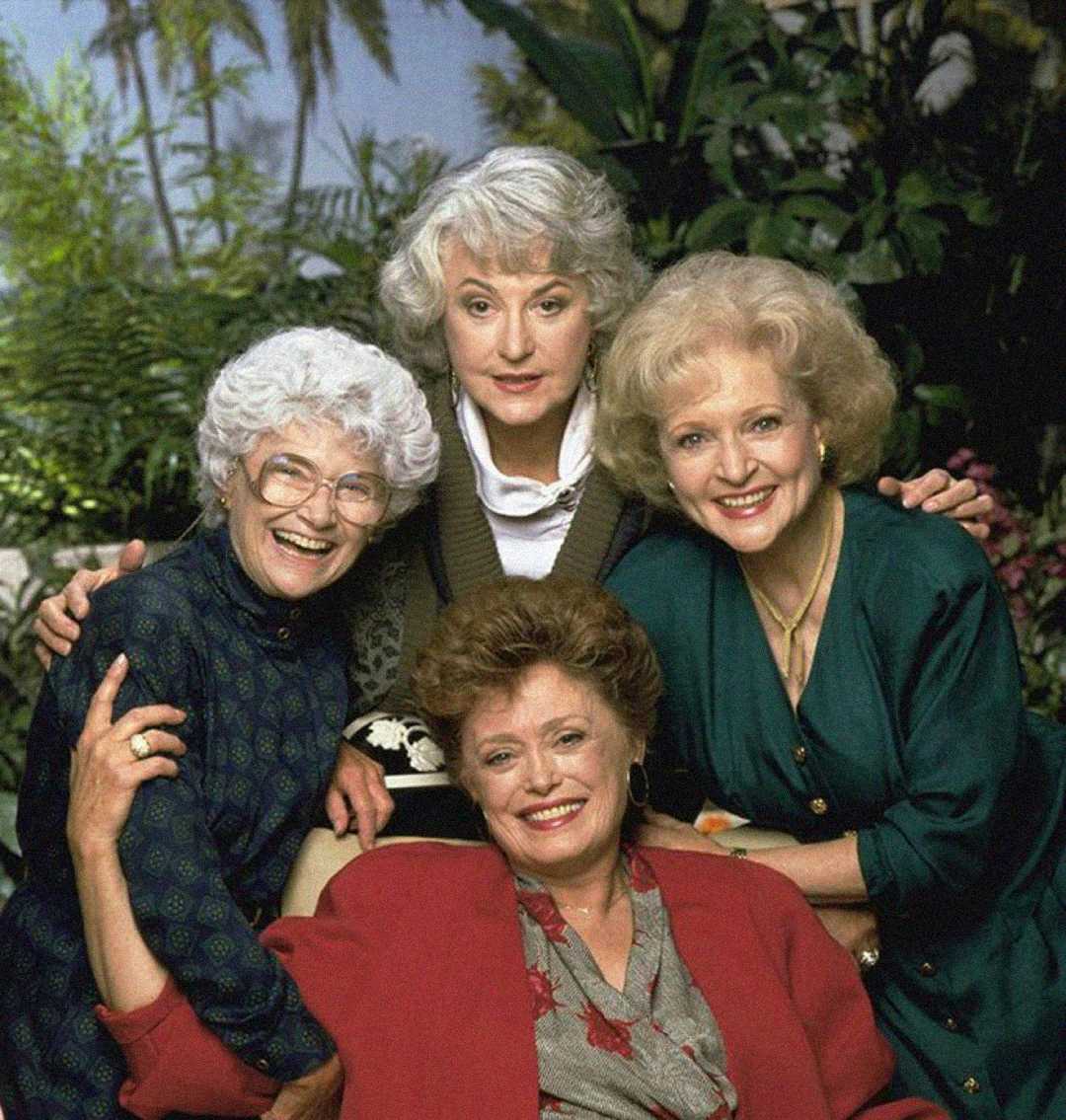
Before joining The Golden Girls, Bea Arthur, Betty White, Rue McClanahan, and Estelle Getty had already built impressive careers in television, theater, and film. Their years of experience gave the sitcom exceptional chemistry, allowing its witty dialogue and emotional moments to resonate with audiences. The series remains celebrated for addressing topics that were rarely discussed openly on television during the 1980s.
15. Everybody Loves Raymond Was Filmed Before a Live Studio Audience
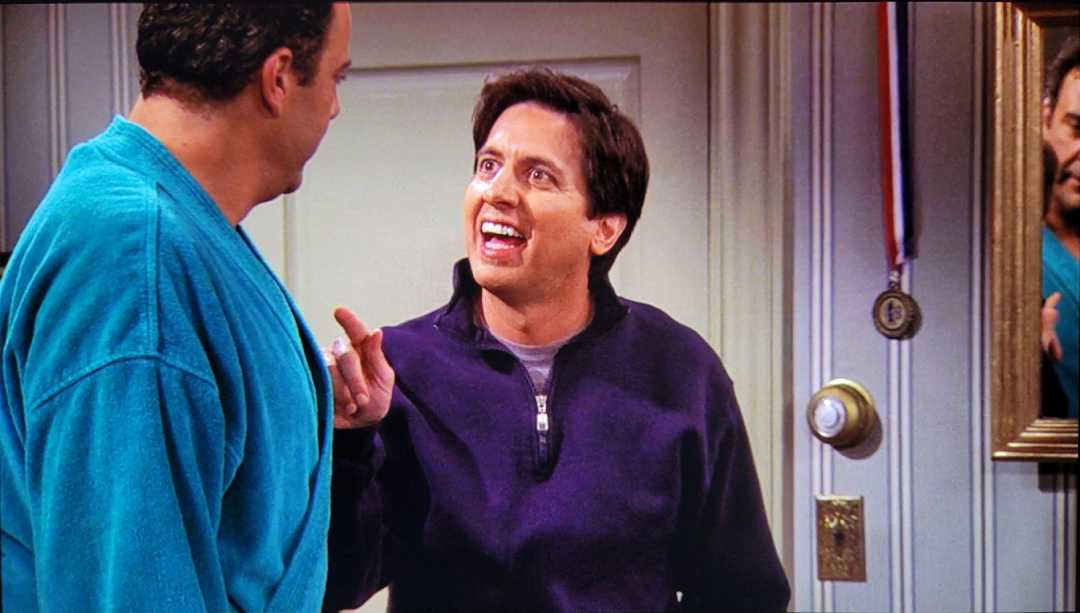
Like many classic sitcoms, Everybody Loves Raymond relied on a live audience rather than a laugh track recorded later. The actors performed each episode almost like a stage play, with genuine audience reactions helping shape the rhythm of the comedy. This production style gave the series a natural energy that viewers continue to appreciate.
16. The Big Bang Theory Helped Bring Science Into Mainstream Comedy
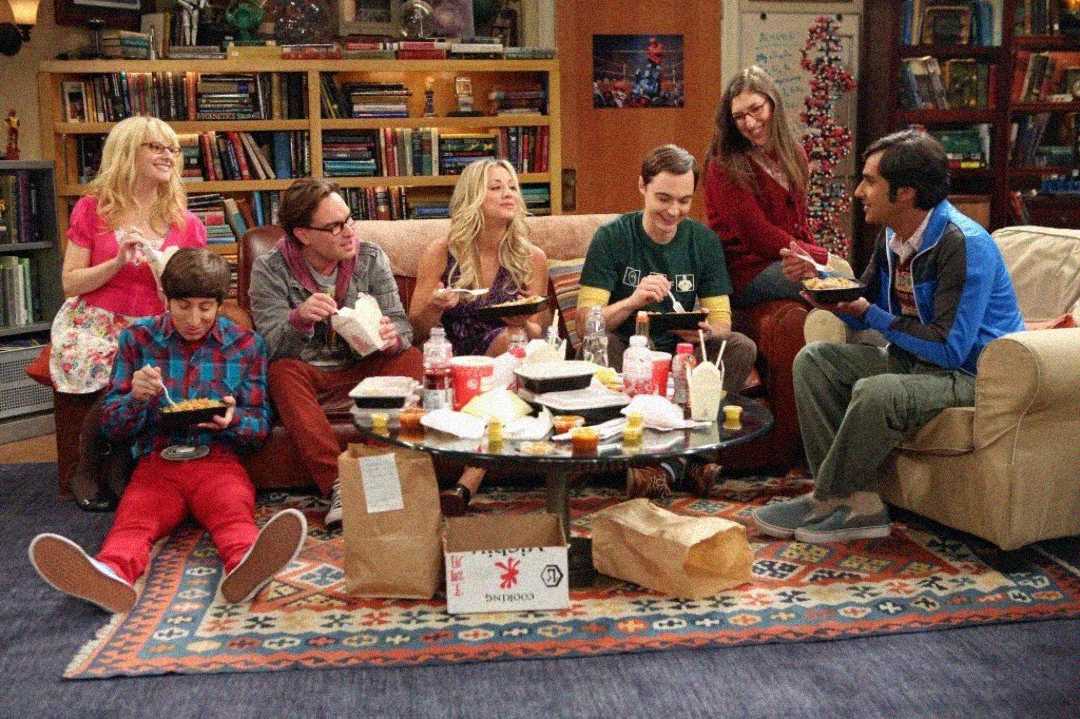
While The Big Bang Theory centered on friendships and relationships, it also introduced millions of viewers to scientific concepts through its characters’ professions. The writers regularly consulted scientific experts to ensure many of the physics references, equations, and technical discussions were accurate, making the sitcom both entertaining and surprisingly educational.
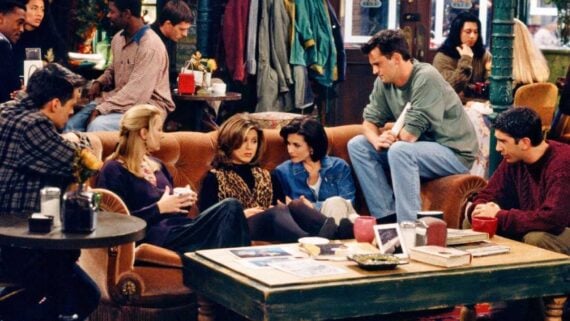
17. Friends’ Orange Couch Became One of Television’s Most Recognizable Props
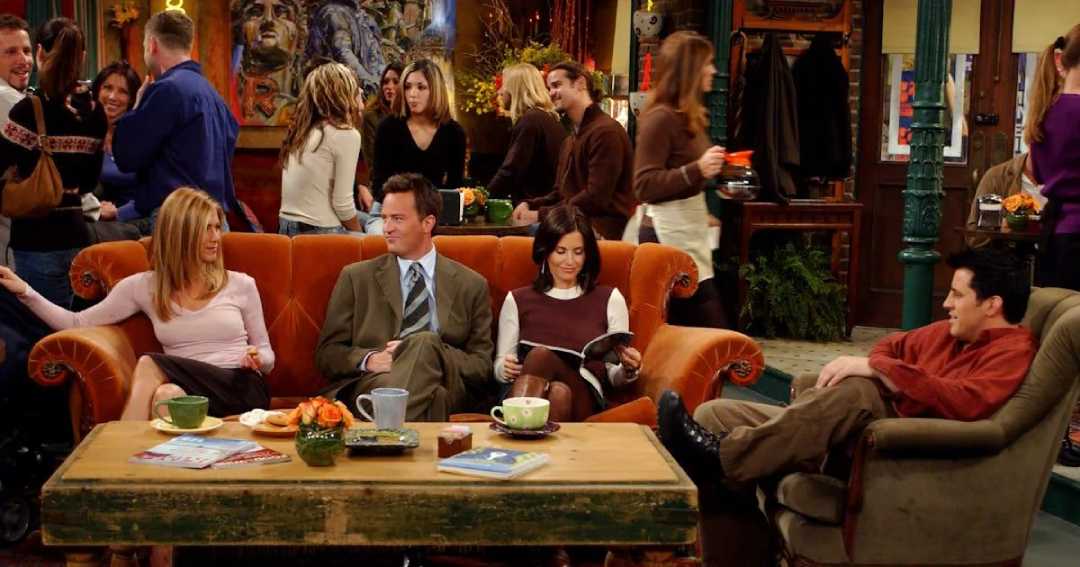
Few television props are as iconic as the orange couch inside Central Perk on Friends. The production team found the vintage sofa while furnishing the coffee shop set, and it quickly became the backdrop for countless memorable conversations, jokes, and emotional moments. Today, the couch is instantly associated with one of the most famous sitcoms ever created and remains a popular attraction at official Friends experiences around the world.
What wonderful sitcoms! Would you like to learn even more about these legendary sitcoms and the stories behind television’s greatest comedies? Keep reading to discover more.
These classic sitcoms have entertained audiences for generations by combining memorable characters, timeless humor, and stories that remain relatable years after they first aired. Beyond their impressive ratings and award-winning performances, many of these series changed television history by introducing innovative filming techniques, breaking cultural barriers, or inspiring future comedy creators. It’s no surprise that millions of fans continue to rewatch them, share their favorite episodes with new generations, and celebrate the lasting legacy of these remarkable shows.
If you enjoyed learning about these classic sitcoms, there’s plenty more to discover. Explore our collection of behind-the-scenes features, television history articles, cast facts, and entertainment stories to uncover even more fascinating details about the shows and stars you love: 16 Background Details in Famous Films That Fans Noticed Later, 13 Actors Who Had Small Roles On “ER” Early in Their Careers, and 16 Famous Faces Who Made Appearances on Grey’s Anatomy.