More than three decades after its release, Forrest Gump remains one of the most beloved films ever made. Blending comedy, drama, romance, and history into one unforgettable journey, Forrest Gump became a cultural phenomenon that resonated with audiences around the world. The film collected six Academy Awards and introduced groundbreaking visual effects that seamlessly placed its characters into real historical footage. Beyond its technical achievements, the movie inspired generations with its themes of kindness, perseverance, loyalty, and finding purpose in life’s unexpected turns.
Part of what makes Forrest Gump such a lasting comfort movie is its heartfelt storytelling and Tom Hanks’ remarkable performance, which turned an ordinary man into one of cinema’s most iconic characters. Every rewatch reveals new emotional moments, memorable quotes, and clever filmmaking details. But the magic didn’t stop when the cameras rolled. Behind the scenes, the production was filled with unforgettable stories from the cast and crew. Here are 16 fascinating behind-the-scenes facts about Forrest Gump that make the classic even more impressive.
1. Tom Hanks Improvised One of the Movie’s Most Famous Lines
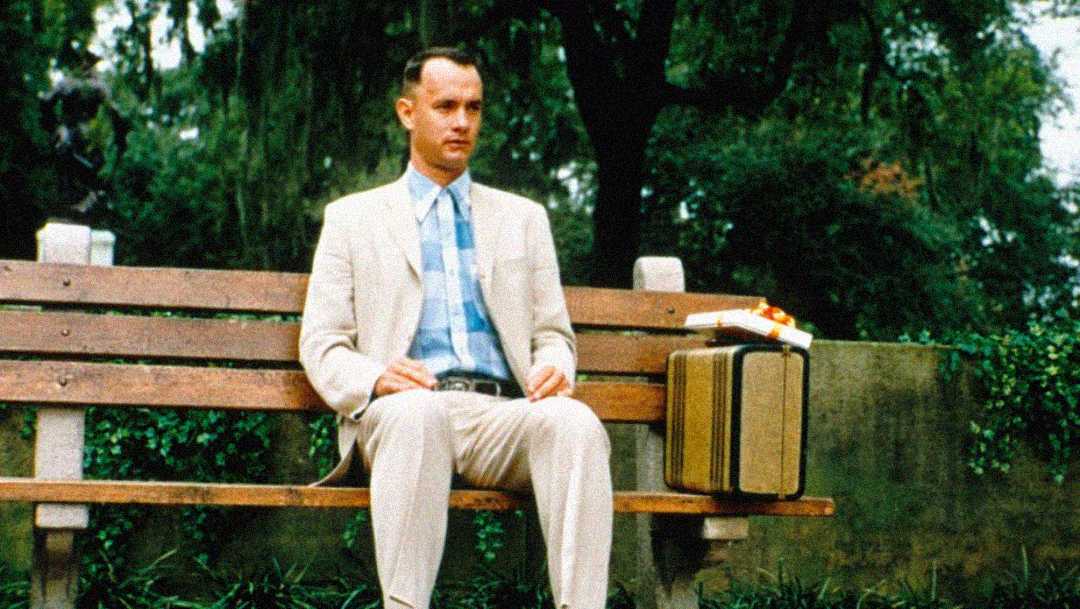
Everyone remembers Forrest saying, “My name’s Forrest Gump. People call me Forrest Gump.” While many iconic quotes came directly from the screenplay, Tom Hanks frequently adjusted dialogue to make Forrest sound more natural. Director Robert Zemeckis encouraged these subtle improvisations, allowing Hanks to shape the character into someone who felt authentic rather than overly scripted.
2. “My Mama Always Said…” Was Delivered Differently Every Time
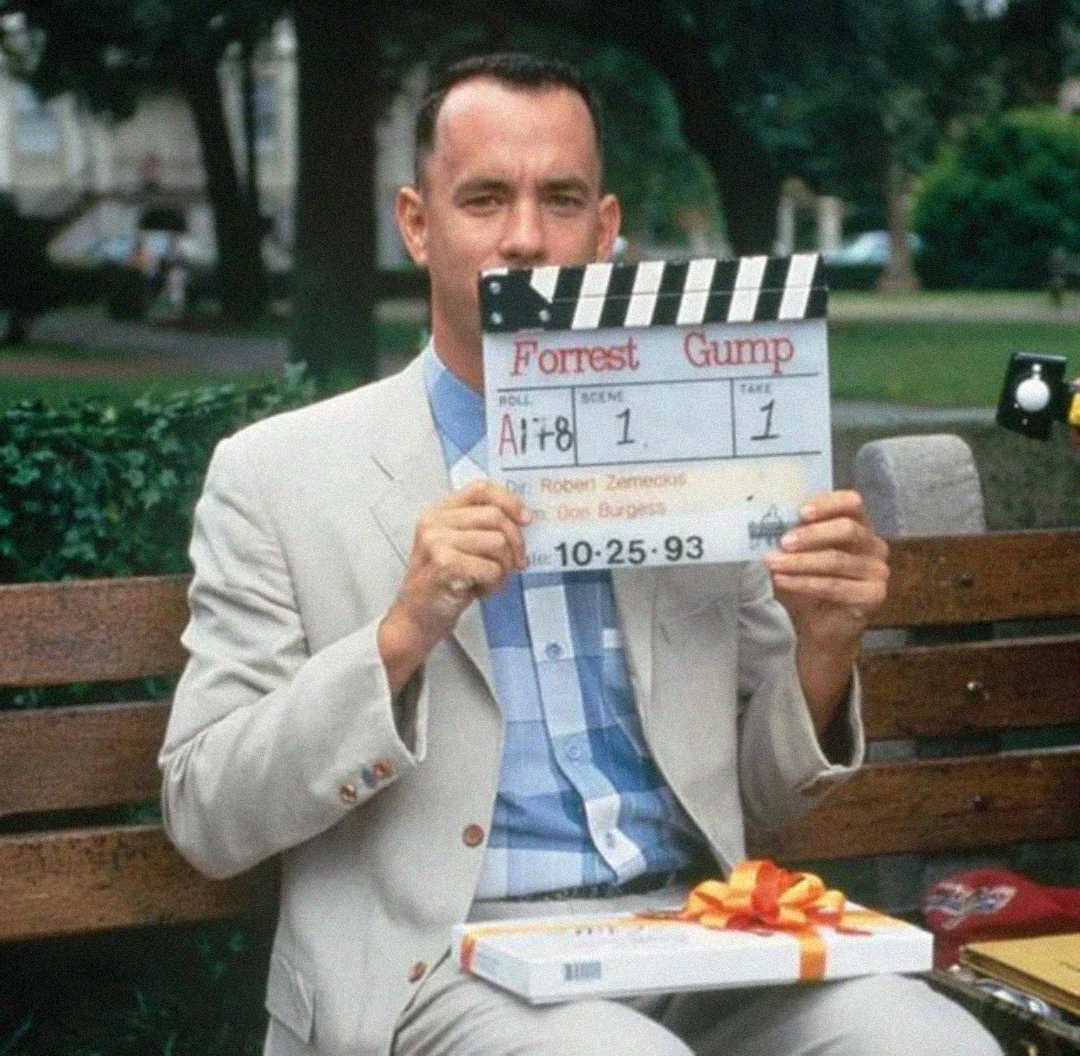
Throughout the film, Forrest shares countless pieces of wisdom that begin with “My mama always said…” Tom Hanks intentionally varied his delivery for each one instead of repeating the same rhythm. The small performance choice helped every quote feel like a genuine memory rather than a rehearsed line.
3. Young Forrest’s Accent Inspired Tom Hanks
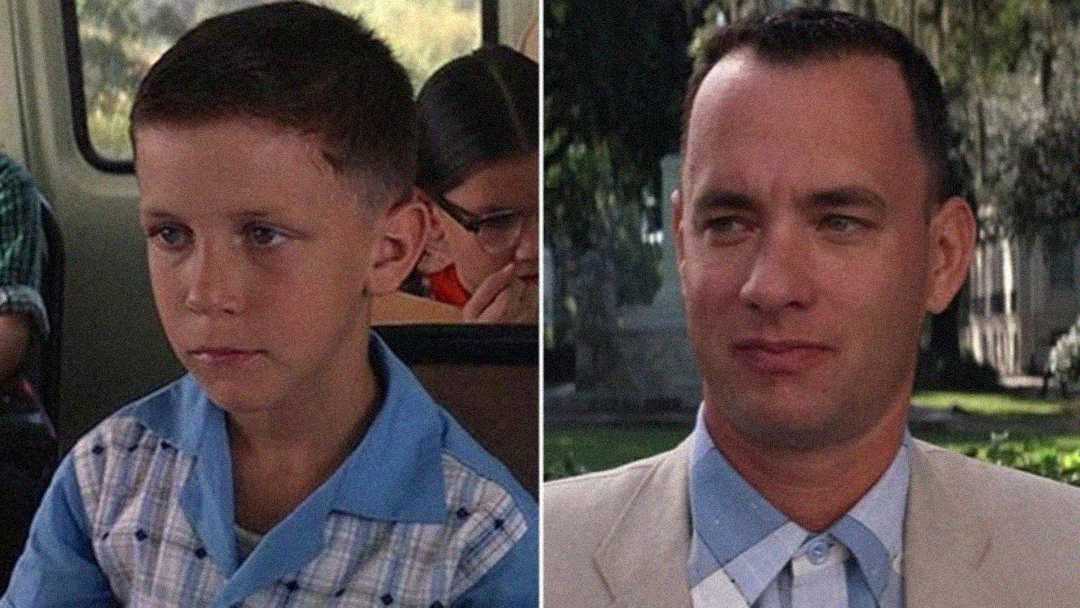
Michael Conner Humphreys, who played young Forrest, spoke with a naturally distinctive Mississippi accent. Rather than asking the child actor to imitate Tom Hanks, director Robert Zemeckis decided Hanks should imitate Humphreys instead. This unusual decision created Forrest’s instantly recognizable voice.
4. Tom Hanks Didn’t Accept a Traditional Salary
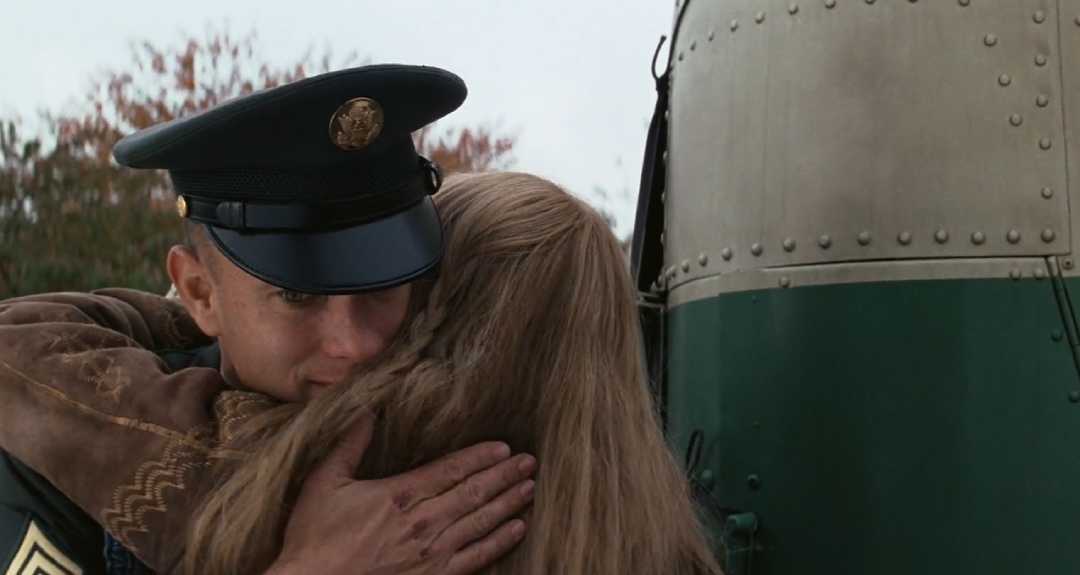
Instead of taking his usual upfront paycheck, Tom Hanks negotiated a percentage of the film’s profits. The decision turned out to be incredibly lucrative after Forrest Gump became one of the biggest box office successes of the decade, reportedly earning him far more than a standard acting fee would have.
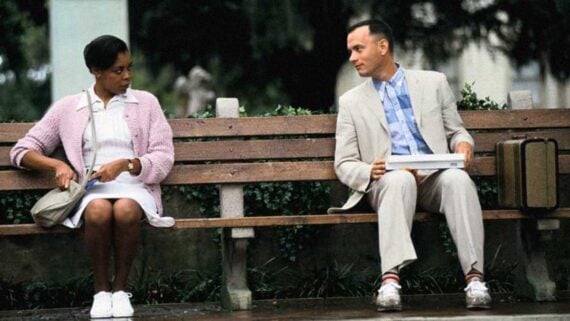
5. The Bench Wasn’t Actually in Savannah’s Original Location
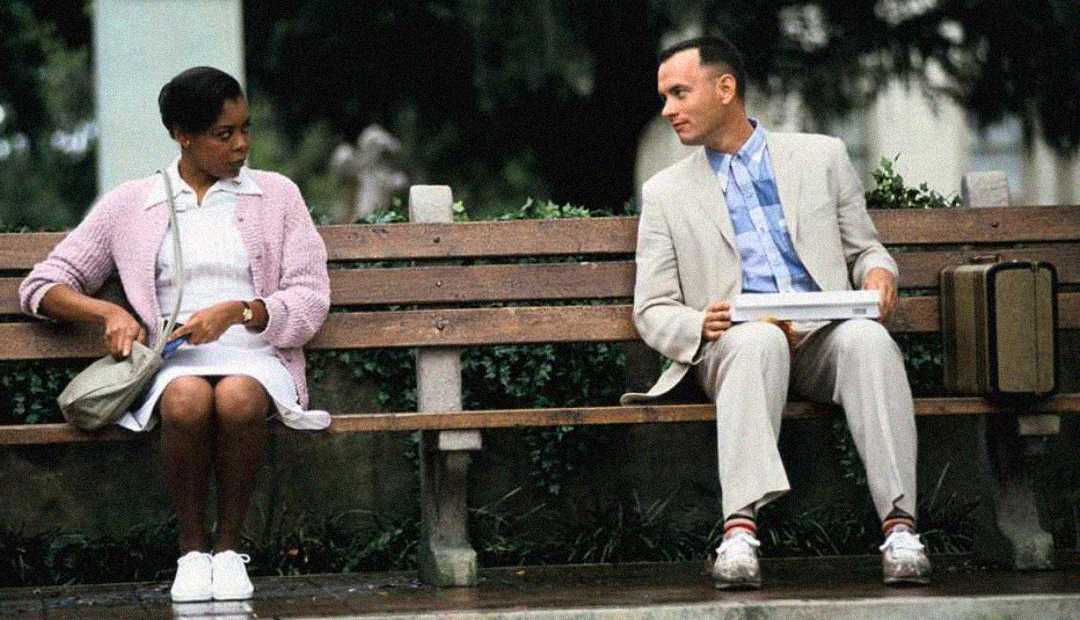
Many fans visit Savannah, Georgia, hoping to see Forrest’s famous bench. While the scenes were filmed in Savannah’s Chippewa Square, the original bench was only a movie prop. It was removed after filming and eventually placed in a museum to preserve it.
Trending on The Scroller
6. The Feather Required Movie Magic
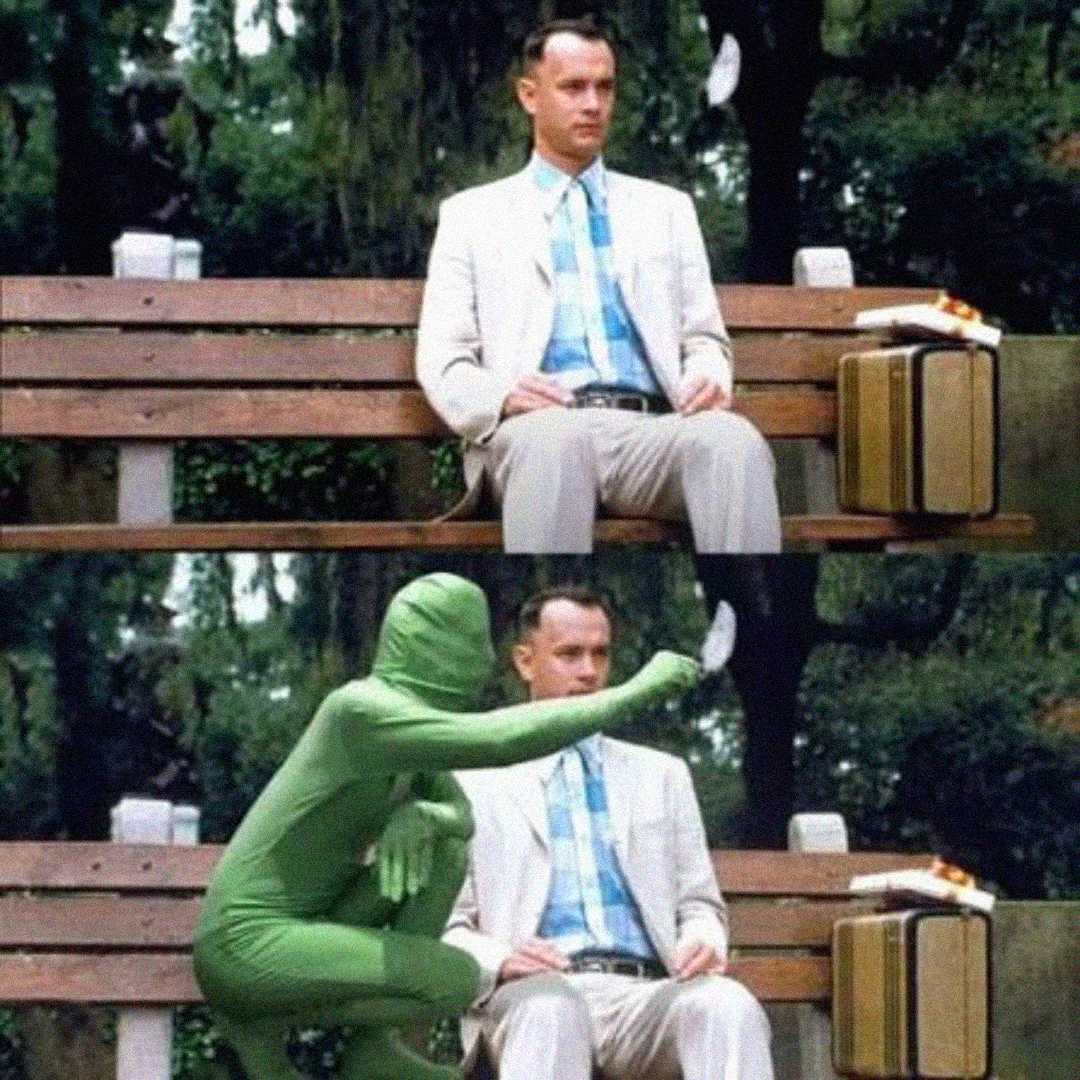
The floating feather that opens and closes the film wasn’t simply filmed drifting through the air. Visual effects artists combined practical photography with digital animation and wirework to create its graceful movement. The sequence became one of the movie’s most recognizable visual trademarks.
7. Gary Sinise Filmed Many Scenes Without His Legs Being Removed Yet
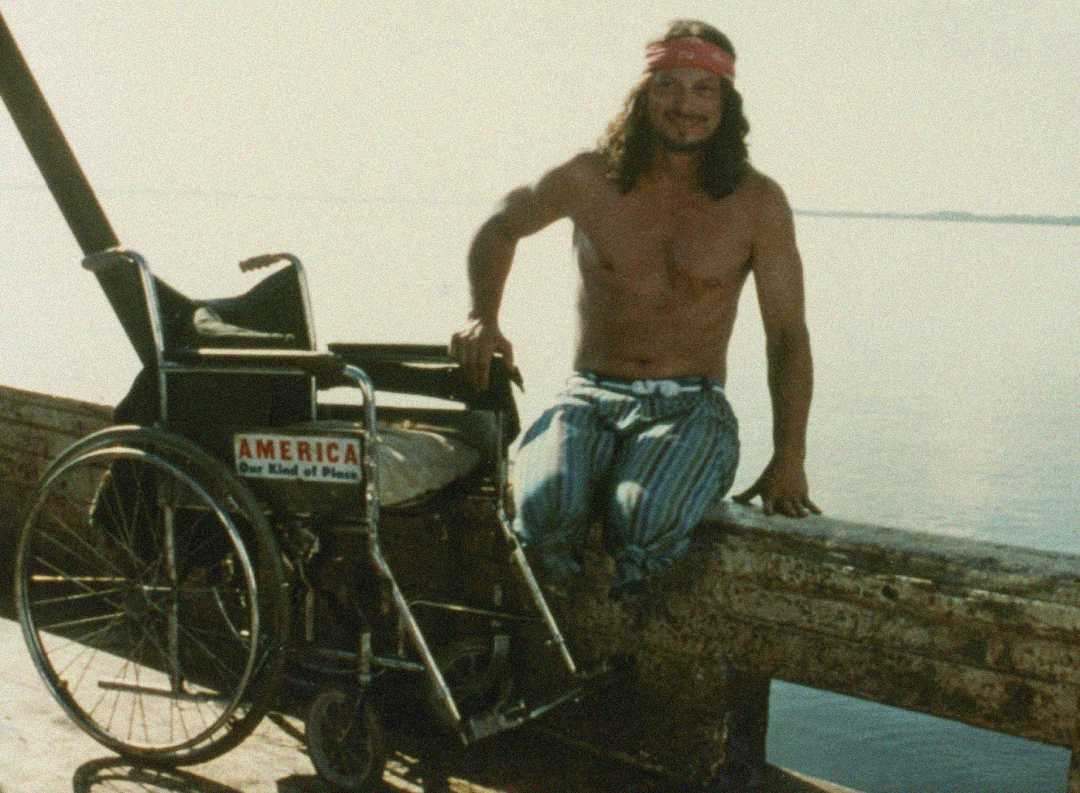
Lieutenant Dan’s missing legs weren’t achieved with prosthetics alone. Gary Sinise often wore special blue fabric over his lower legs, while visual effects artists digitally erased them later. At the time, the technology was groundbreaking and earned widespread praise.
8. Historic Footage Was Carefully Recreated
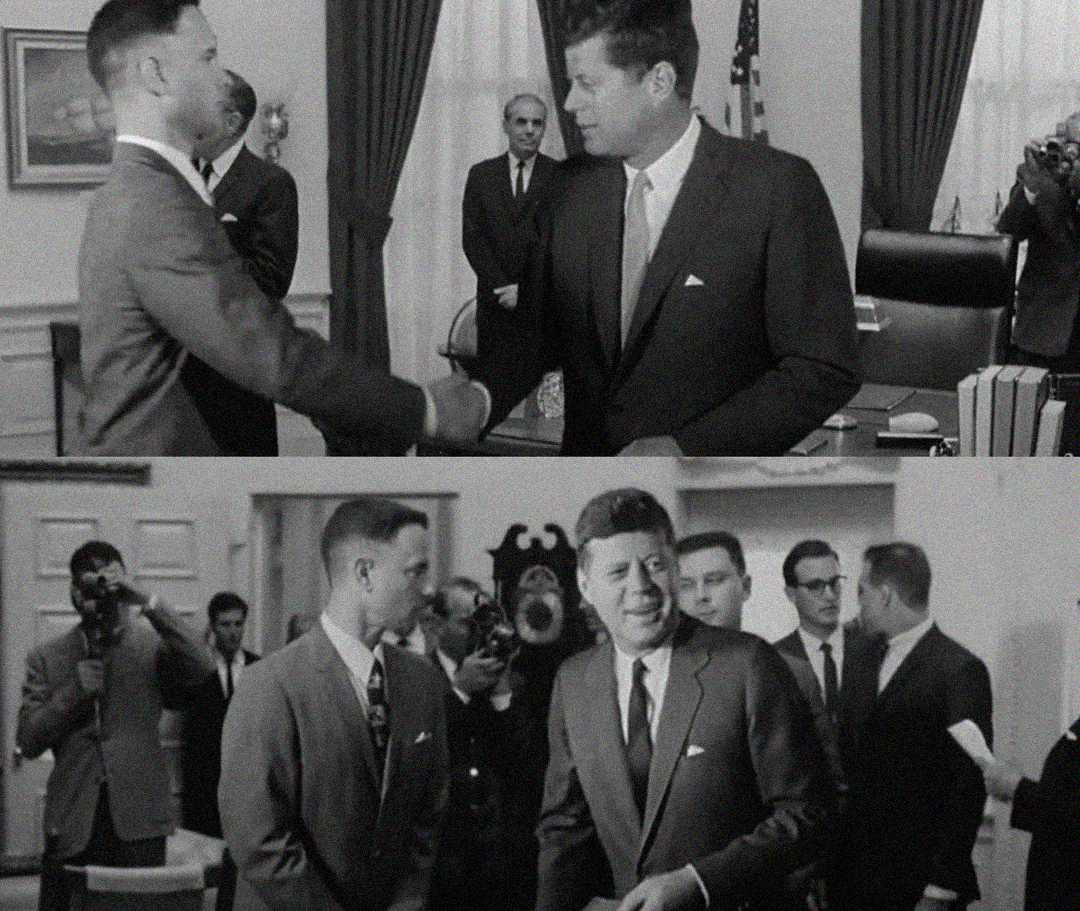
One of the film’s greatest technical achievements was inserting Forrest into historical events alongside real political figures. The production combined archive footage, digital compositing, body doubles, and carefully matched lighting to make conversations with presidents appear completely authentic.
Sign up for our newsletter
9. Sally Field Was Only Ten Years Older Than Tom Hanks
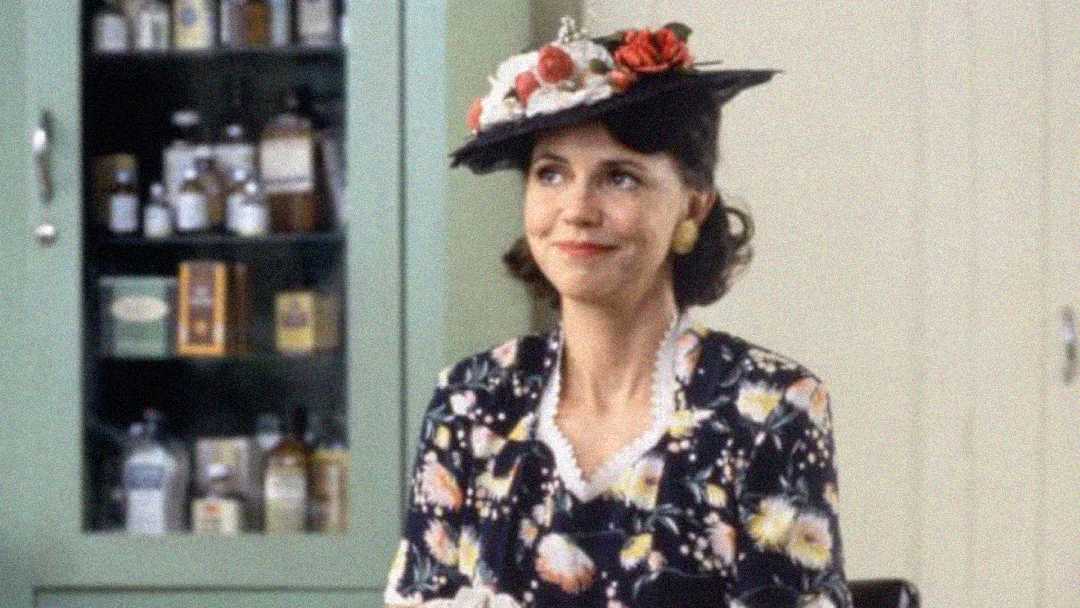
Although Sally Field convincingly played Forrest’s mother throughout much of the film, she was only about ten years older than Tom Hanks in real life. Makeup, wardrobe, and her heartfelt performance made the age difference believable on screen.
10. Robin Wright Had to Age Throughout the Film
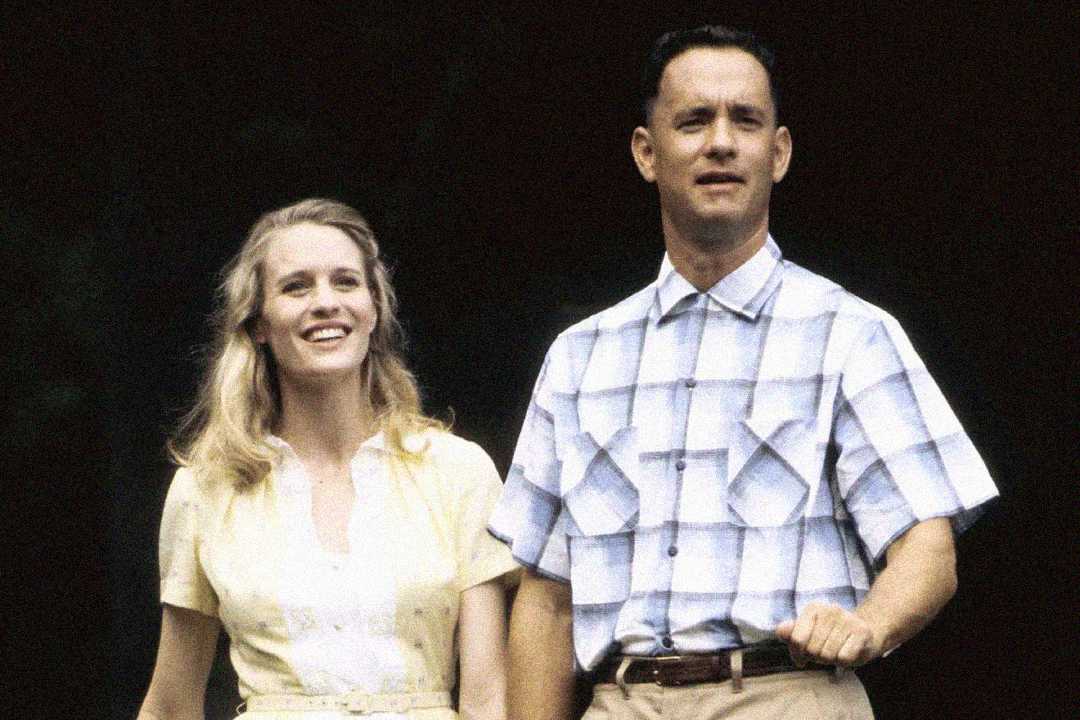
Jenny appears at many different stages of life, from a young woman to adulthood. Robin Wright worked closely with the makeup and costume departments to subtly transform her appearance while maintaining Jenny’s recognizable personality over several decades.
11. The Running Scenes Took Months to Film
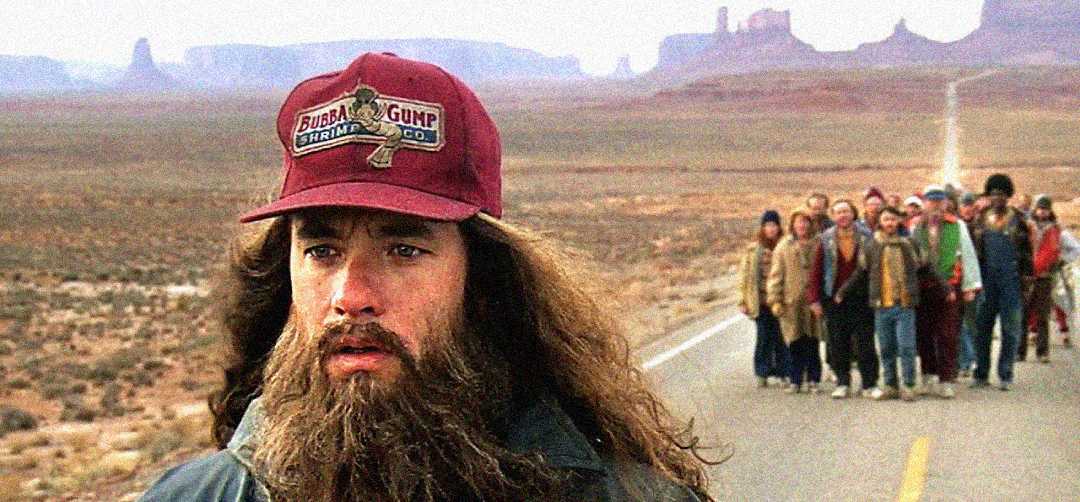
Forrest’s cross-country run became one of cinema’s most memorable montages. The production filmed across numerous locations in the United States over several months, capturing changing landscapes that made Forrest’s journey feel truly epic.
12. Tom Hanks Wore the Same Running Shoes Throughout the Movie
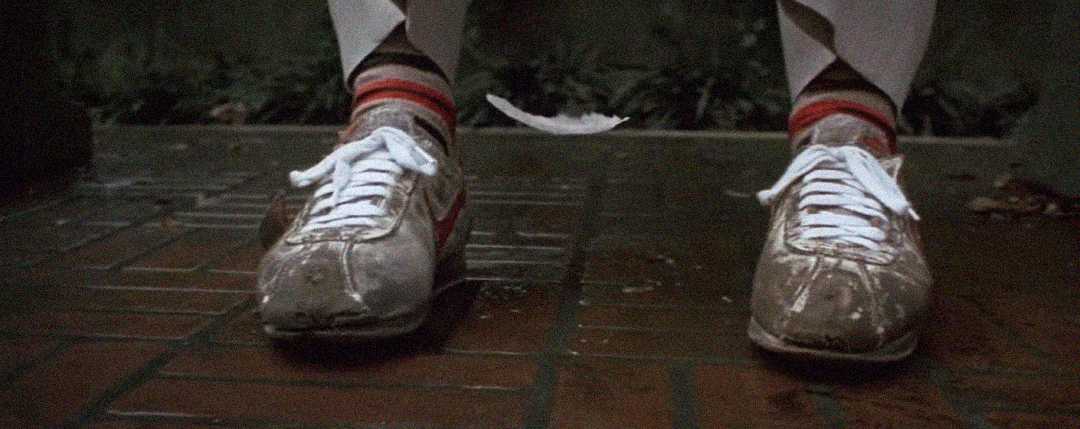
Forrest’s iconic Nike Cortez sneakers became almost as famous as the character himself. The simple white shoes perfectly matched Forrest’s uncomplicated personality and later experienced renewed popularity thanks to the film.
13. The Shrimp Boat Was a Real Vessel
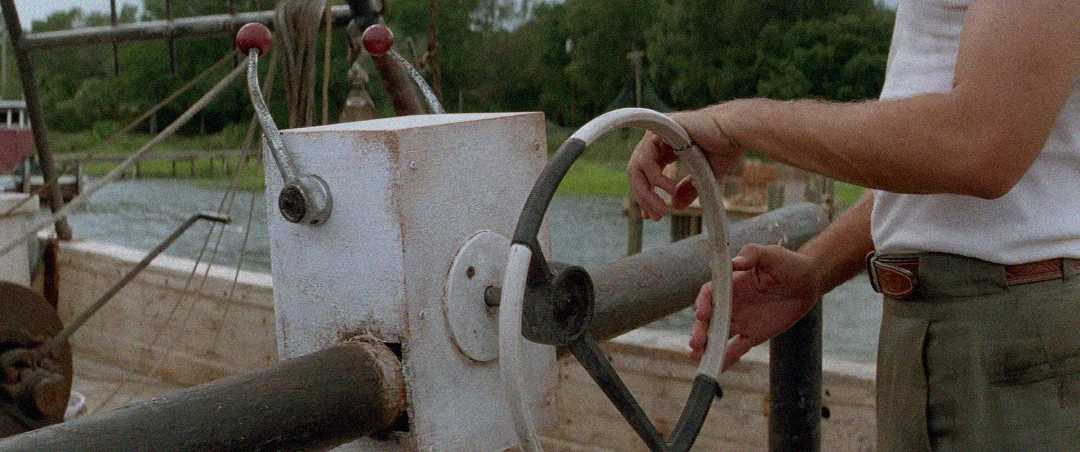
The shrimp boat Jenny wasn’t just a studio-built set. A real fishing boat was purchased and modified for production. It became central to several important scenes involving Forrest and Lieutenant Dan after the Vietnam War.
14. Hurricane Carmen Changed Production Plans
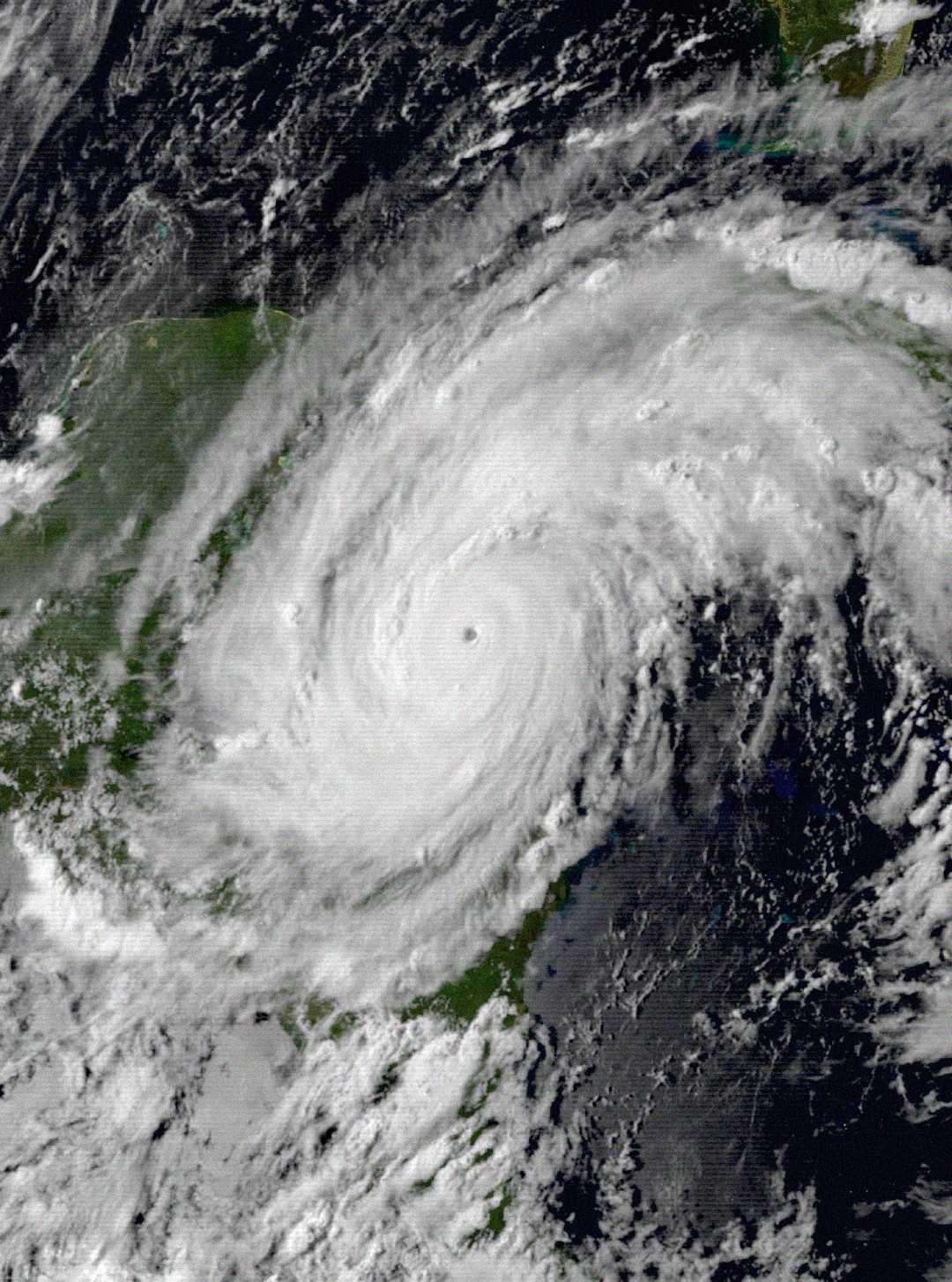
The dramatic hurricane sequence wasn’t entirely created in a studio. The filmmakers took advantage of damage left behind by Hurricane Carmen in South Carolina, combining practical sets with visual effects to create the memorable storm scenes.
15. Forrest’s Ping-Pong Skills Were Mostly Movie Magic
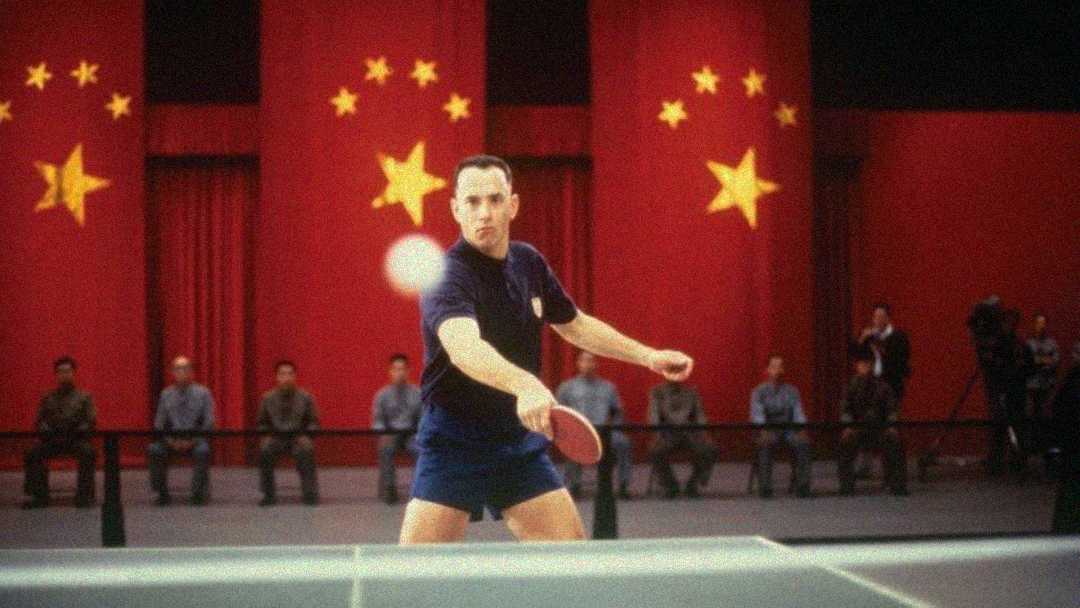
Tom Hanks learned basic table tennis techniques, but the impossible rallies weren’t actually happening during filming. The actors often hit invisible balls, while visual effects teams added the ping-pong ball later to create perfect timing and impossible shots.
16. Tom Hanks and Robert Zemeckis Personally Paid for One Scene
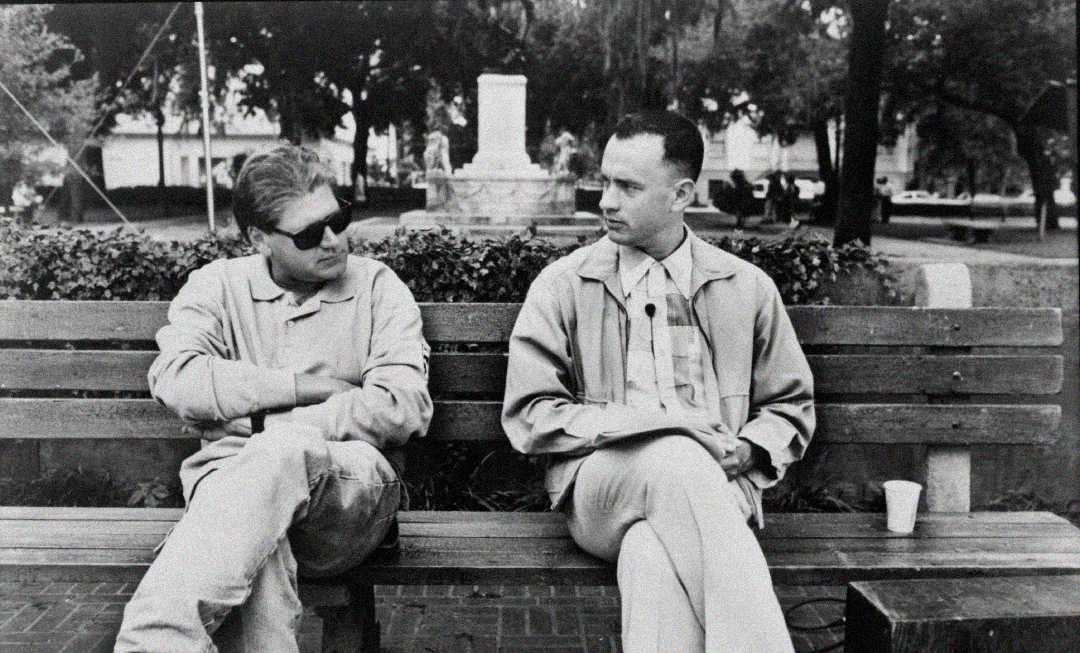
When the studio didn’t want to pay for Forrest’s spontaneous run across the country because of budget concerns, Tom Hanks and director Robert Zemeckis reportedly agreed to cover the filming costs themselves in exchange for a share of future profits. Considering how iconic the sequence became, it proved to be a brilliant decision.
Forrest Gump has remained a treasured part of cinema history for decades, and learning these behind-the-scenes stories only makes the experience even more rewarding. The more you discover about the making of this classic, the more impressive the final film becomes.
The lasting appeal of Forrest Gump comes from far more than its memorable quotes or emotional story. It is the result of extraordinary performances, innovative filmmaking, thoughtful direction, and countless creative decisions made behind the scenes. Every piece contributed to a film that continues to inspire audiences around the world. Decades later, it remains a benchmark for storytelling and proof that heartfelt movies never go out of style.
Forrest Gump has definitely left its mark on cinema, just like many unforgettable movies before and after it. If you enjoy discovering the stories behind Hollywood’s greatest classics, keep reading our latest recommendations for even more fascinating behind-the-scenes facts, hidden details, and filmmaking secrets from your favorite films: 14 Clichés That Showed Up in Almost Every 80s Action Movie, 16 Behind-the-Scenes Facts About the Back to the Future Trilogy, and 16 Behind-the-Scenes Facts About the Rocky Franchise.