Famous places can look hopelessly crowded in peak season, but timing can completely change the experience. Visit a little earlier or later than everyone else, and packed streets can become surprisingly calm. The weather may be slightly less perfect, but the payoff is fewer lines, easier reservations, and much more room to actually enjoy where you are
1. Venice, Italy, in January
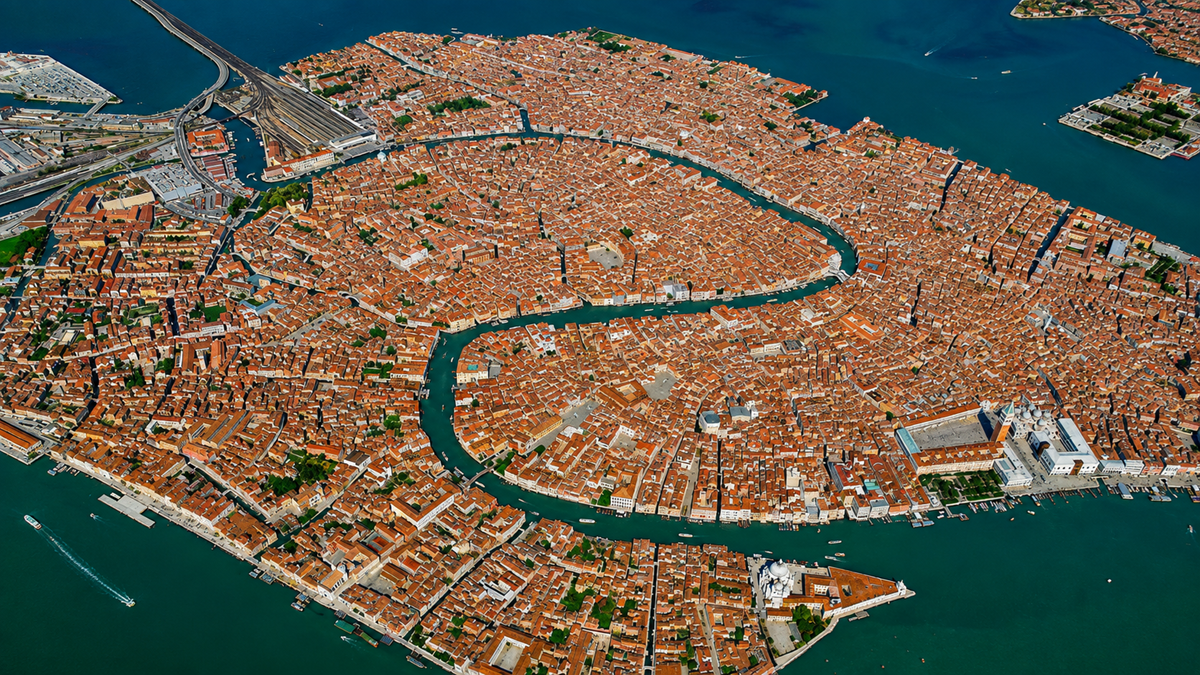
Summer Venice can feel like one long line between landmarks, especially around St. Mark’s Square and the Rialto Bridge. January, particularly after the holiday period and before Carnival, is a very different version of the city. The narrow lanes of Cannaregio and Dorsoduro become quieter, vaporetto stops are easier to navigate, and smaller squares can actually feel residential again. The tradeoff is damp cold, occasional fog, shorter daylight hours, and the possibility of acqua alta. Still, Venice is unusually well suited to gloomy weather, and a misty morning on the canals often feels more appropriate than a blazing July afternoon.
2. Dubrovnik, Croatia, From November to March
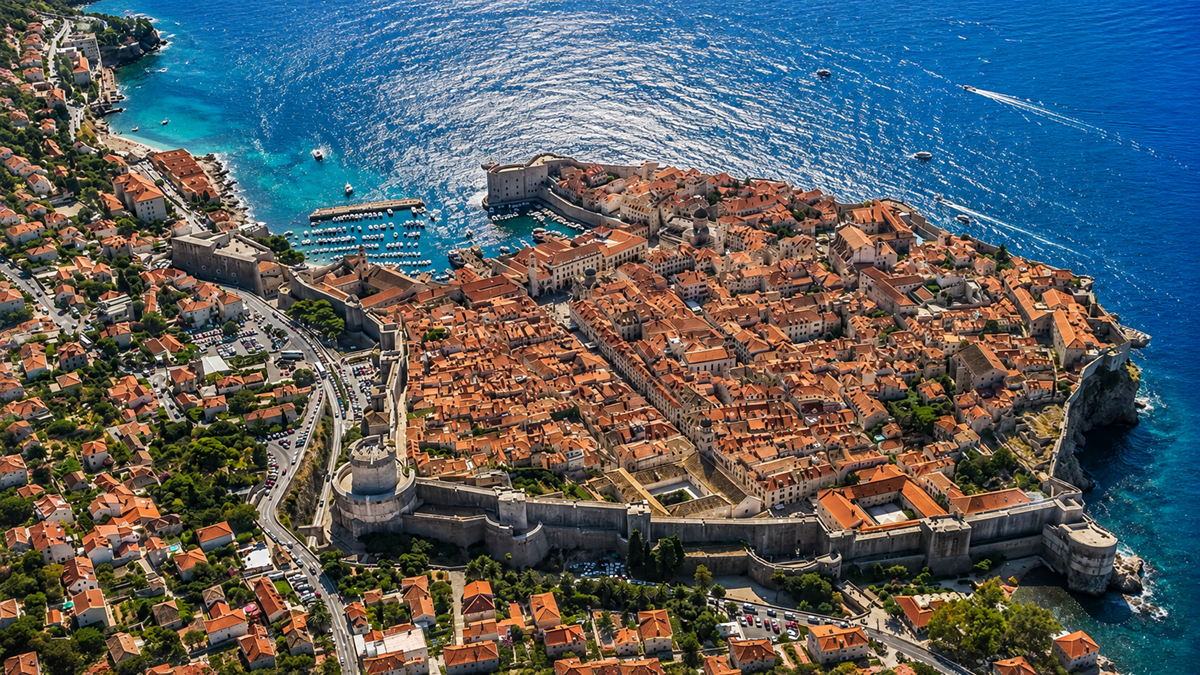
Dubrovnik’s Old City has a crowd problem that is especially obvious when cruise ships and summer vacationers arrive at the same time. Visit in winter and Stradun can look startlingly open, while walking the city walls becomes less of a slow-moving procession. January and February are particularly quiet, although some restaurants, tours, and seasonal businesses reduce their hours or close completely. The sea will not be the main attraction, but for wandering the stone streets and actually noticing the architecture, winter has a strong argument.
3. Santorini, Greece, in Late Fall and Winter
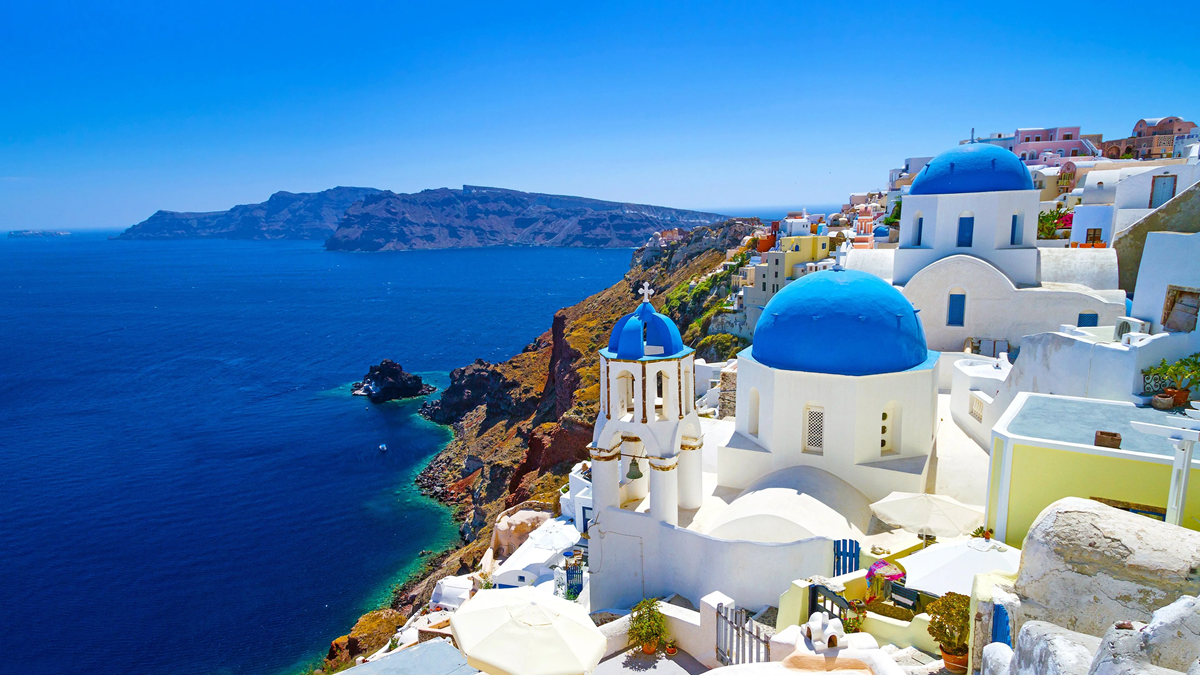
Santorini’s famous sunset spots can become packed shoulder to shoulder during summer. From November through March, Oia and the caldera villages are far calmer, sometimes to the point that visitors accustomed to August photographs barely recognize them. There is a catch: many hotels, restaurants, beach businesses, and excursions shut for the season, and winter weather can be windy or wet. Fira keeps more everyday life going, making it a better base for anyone who wants quiet Santorini without feeling completely stranded.
4. Kyoto, Japan, in Midwinter
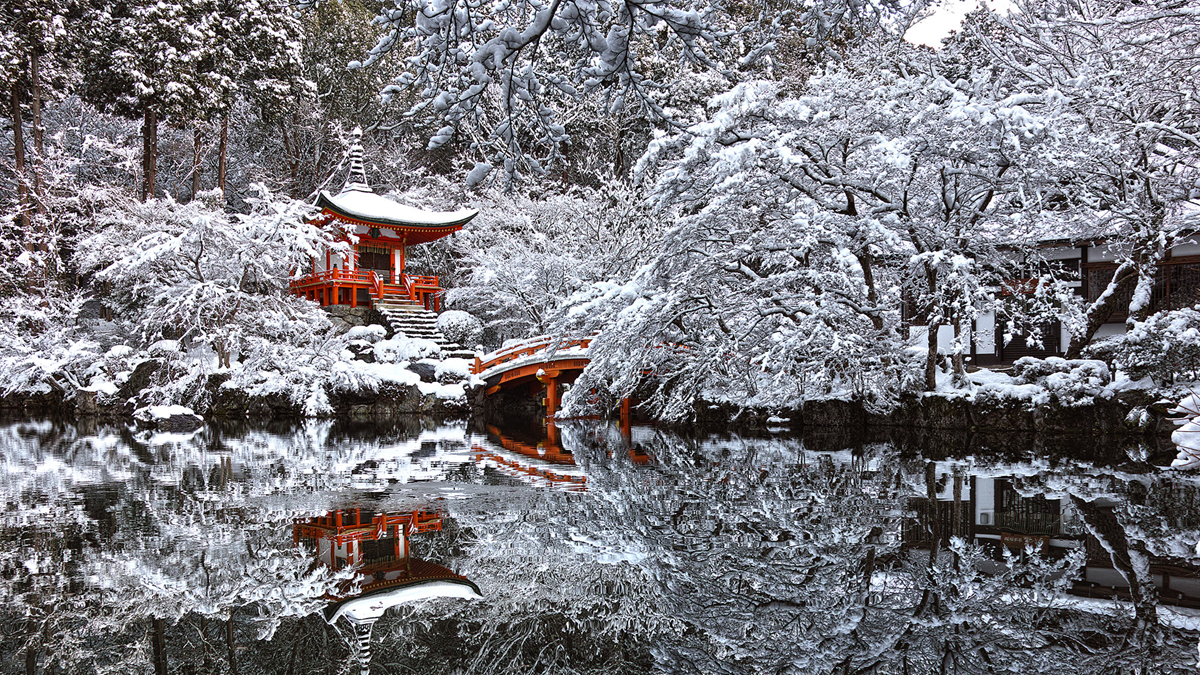
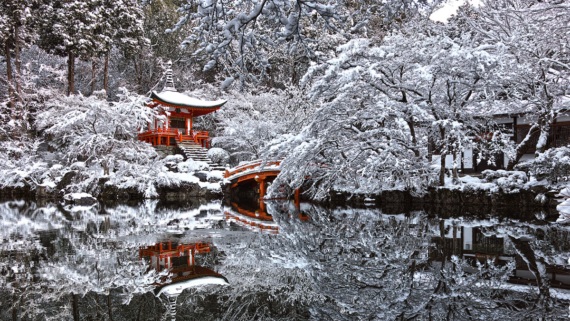
Cherry blossom season and autumn foliage bring enormous numbers of visitors to Kyoto, concentrating people around places such as Kiyomizu-dera, Arashiyama, and Fushimi Inari. The second half of January and much of February can be considerably calmer, once New Year travel has passed and before spring tourism builds. Kyoto is cold at this time, but major temples and shrines remain open, and the city occasionally gets the kind of light snowfall that completely changes familiar scenes. Lunar New Year dates can temporarily increase visitor numbers, so it is worth checking the calendar before booking.
5. Yellowstone National Park, United States, in Early Fall
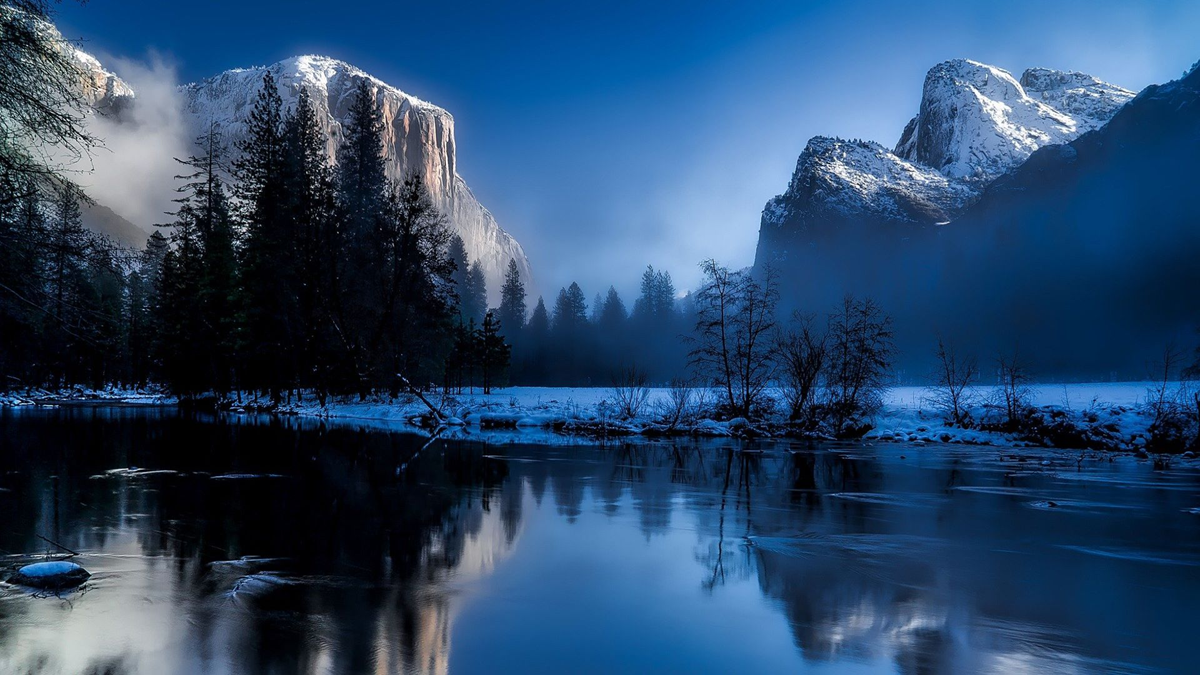
July and August are Yellowstone’s great traffic-jam months, with parking lots filling early and wildlife sightings sometimes creating long lines of stopped cars. September after Labor Day is easier, and October can become quieter still as temperatures drop. Elk are active during the fall rut, cooler weather changes the landscape quickly, and popular geothermal areas are much less hectic than they are in midsummer. By October, though, snow becomes a genuine possibility and lodges, campgrounds, and other facilities begin closing for the season, so this is one destination where quieter also means keeping a close eye on conditions.
Trending on The Scroller


6. Machu Picchu, Peru, in November
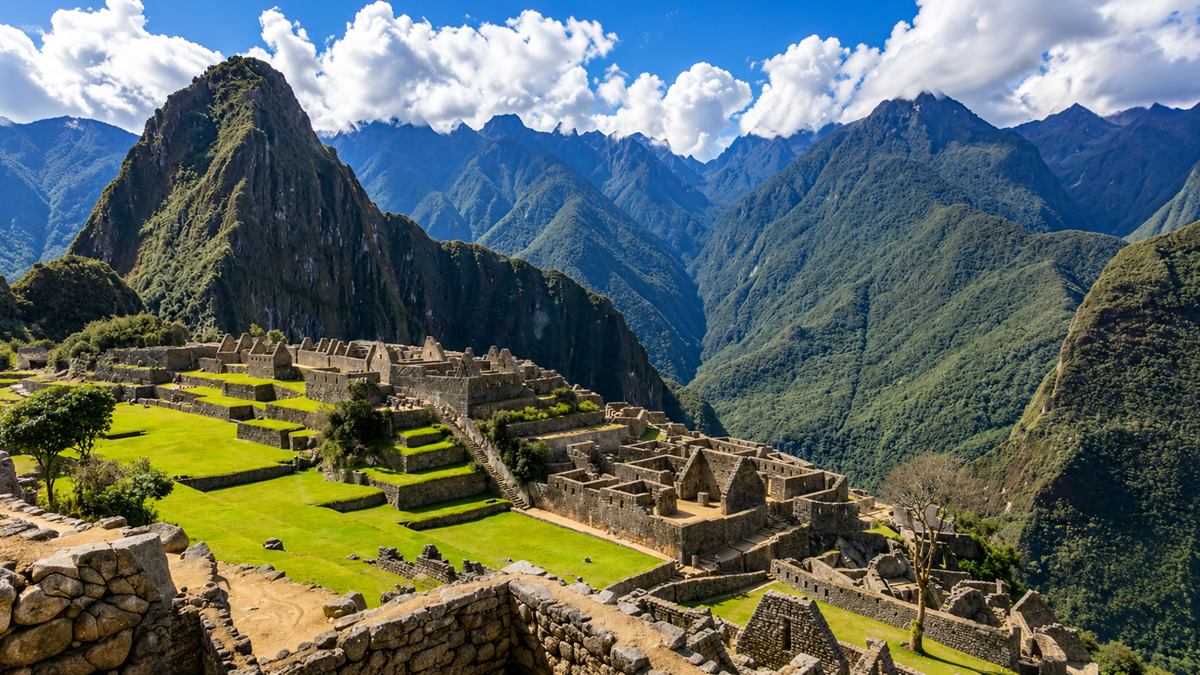
The dry months are popular for a reason, but they also bring some of the heaviest tourism to Peru’s best-known archaeological site. November sits near the beginning of the wetter part of the year and can offer a useful compromise, with fewer visitors than peak season without committing to the rainiest months. Clouds and showers are more likely, but they can move through quickly, leaving the mountains wrapped in mist rather than disappearing completely. Anyone planning this trip should build in some flexibility, since the weather around the Andes rarely follows a neat tourist calendar.
7. Angkor, Cambodia, During the Wet Season
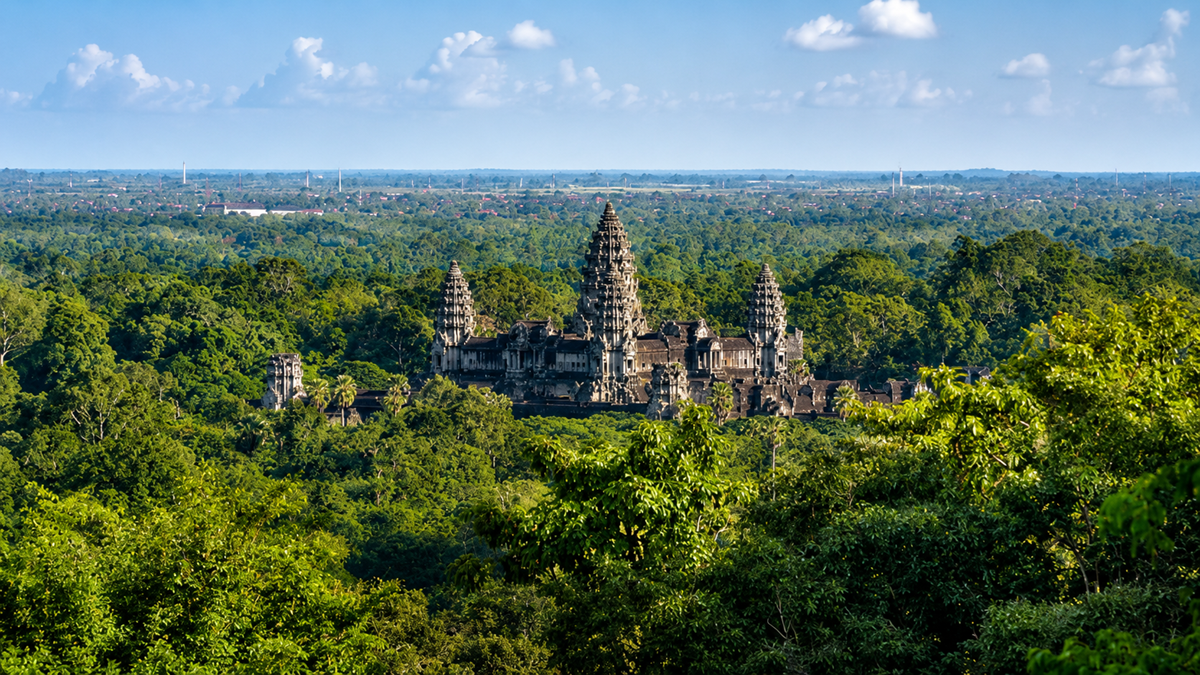
Most travelers aim for Cambodia’s cooler, dry months, which is exactly why Angkor’s temples can feel so busy from roughly November through the early part of the year. May through October brings monsoon weather, but rain often arrives in heavy bursts rather than continuing all day. The vegetation becomes intensely green, the temple moats fill, and visitor numbers are generally lower. May, June, September, and October can be particularly interesting compromises for travelers willing to carry an umbrella and rearrange an afternoon when the sky opens.
8. Amsterdam, Netherlands, in January and February
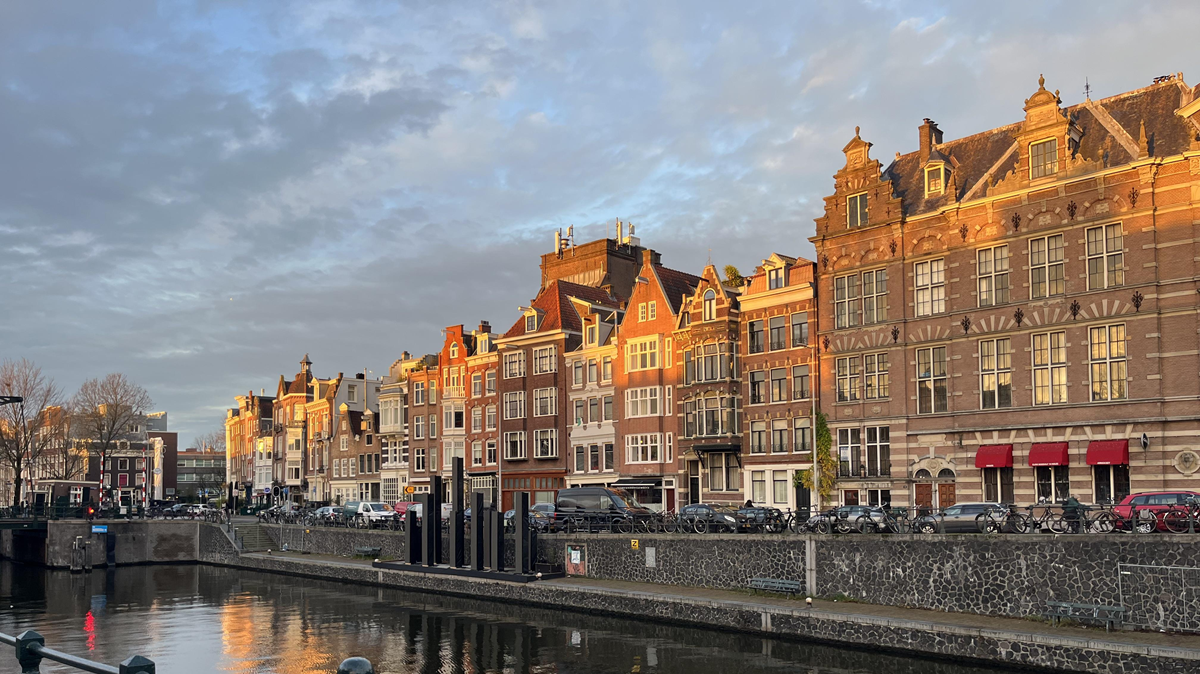
Amsterdam never becomes empty, but the weeks after the Christmas and New Year rush are noticeably different from spring and summer. January and February mean cold wind, gray skies, and occasional rain, yet museum queues and the busiest streets are usually much easier to deal with. A winter trip also puts more emphasis on the city’s cafes, brown bars, galleries, and neighborhoods instead of treating the canals as a backdrop for an endless flow of visitors.
Sign up for our newsletter
9. Prague, Czech Republic, After New Year
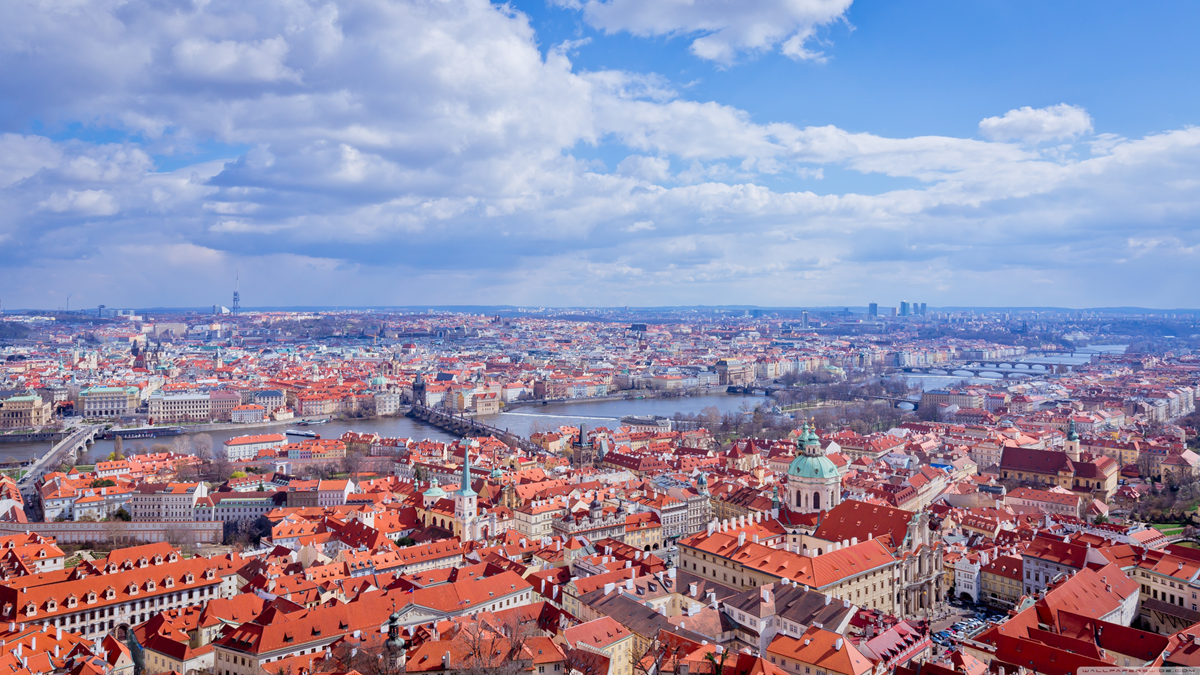
Prague’s Old Town can become intensely crowded in summer and again during the Christmas market season. Arrive in the quieter stretch of January or February, and Charles Bridge is far more manageable, particularly early in the morning, while the streets around Prague Castle lose much of their tour-group traffic. It will be cold, and daylight is limited, but this is one of the simplest seasonal trades on the list.
10. Barcelona, Spain, in Midwinter
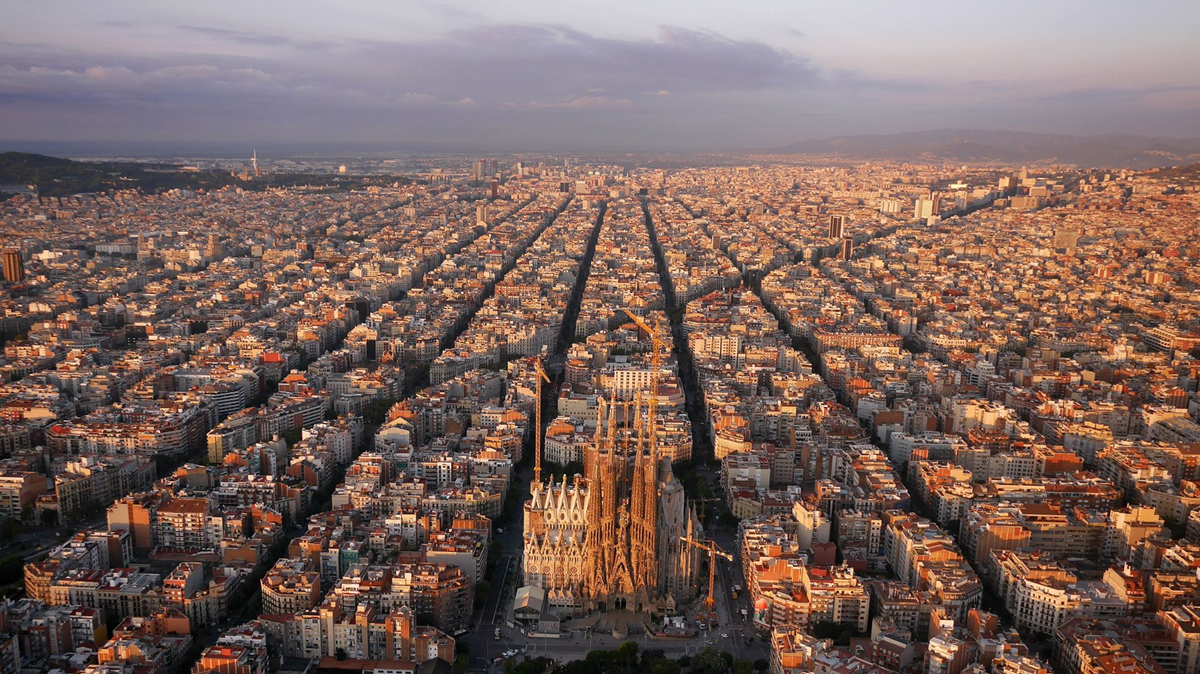
Barcelona’s appeal is not limited to beaches, which makes January and February surprisingly practical months for seeing the city. La Rambla will hardly be deserted, but the overall visitor pressure is lower than during the long summer season, and popular sights such as the Gothic Quarter, Park Güell, and the area around the Sagrada Família are easier to approach. Temperatures are generally much milder than in northern Europe, although evenings can still be chilly. You give up beach weather and gain a city that feels a little more like a place people actually live.
11. Petra, Jordan, in January and February
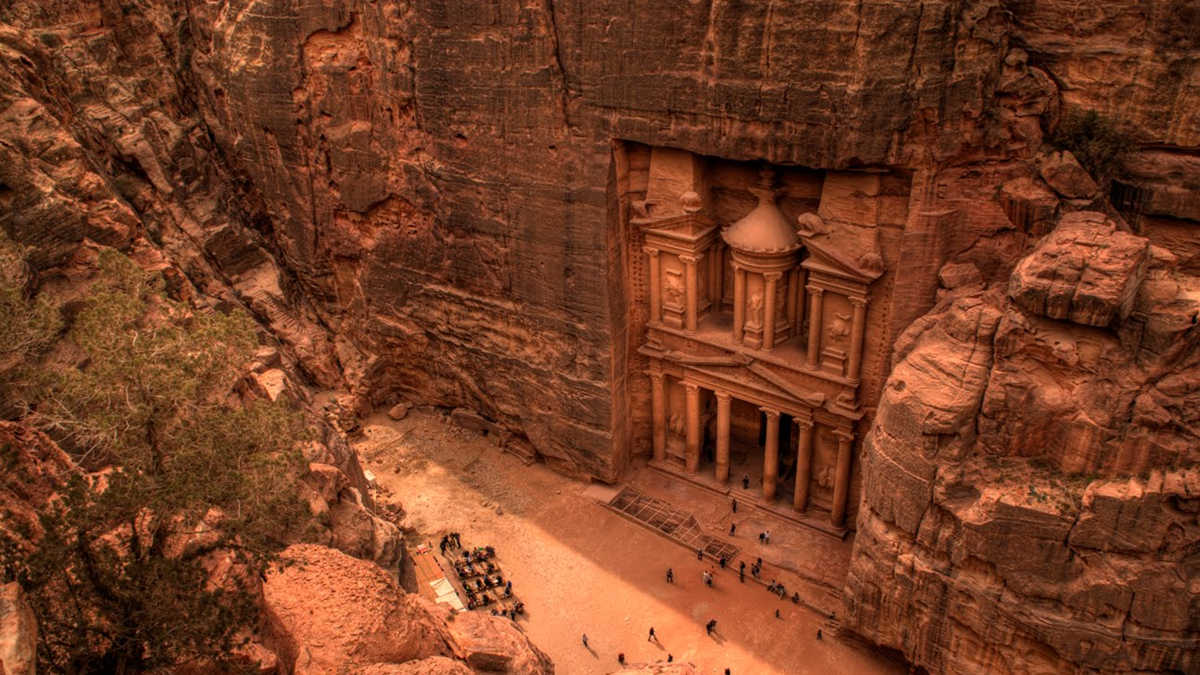
Petra is a very different experience when you are not walking through the Siq in intense heat beside a steady stream of tour groups. January and February are among the cooler months, which helps reduce crowds, but winter in southern Jordan can be genuinely cold, especially in the morning and after sunset. Rain is also more significant here than it might sound, because flash flooding can make parts of the site dangerous and occasionally force closures. On a clear winter day, though, the space around the Treasury and the long routes deeper into Petra can feel dramatically more open.
12. The Great Wall of China Near Beijing in Winter
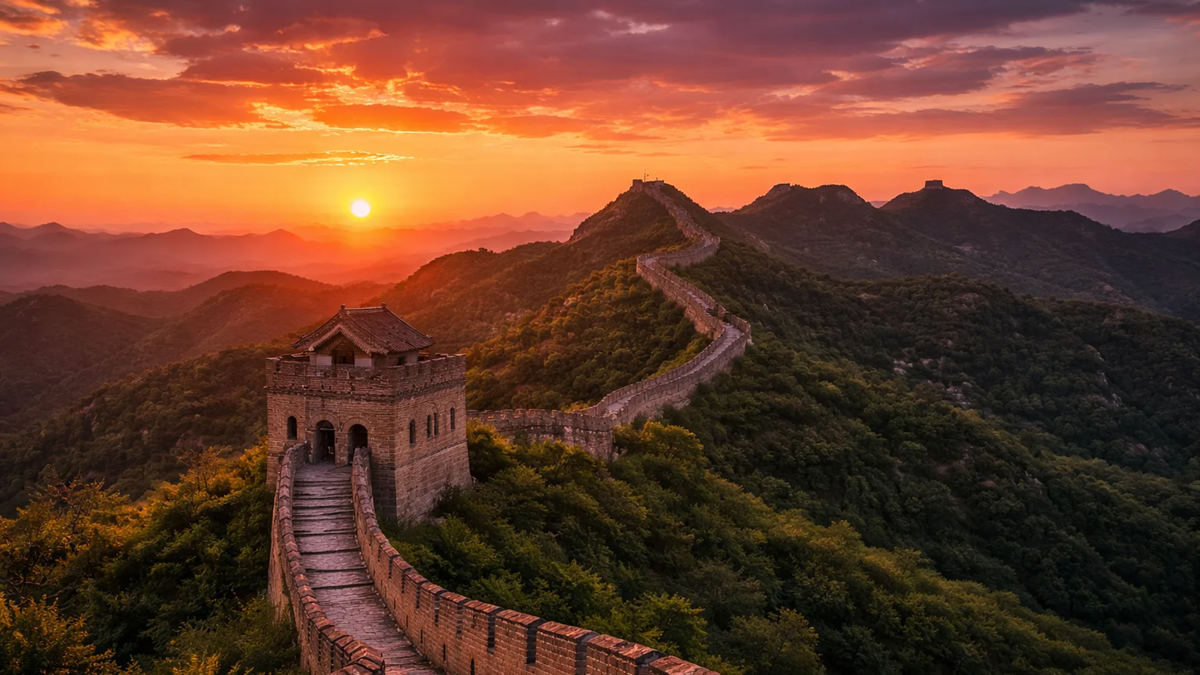
Winter strips away much of the tourist traffic from sections of the Great Wall outside Beijing. December through February can bring bitter wind, icy steps, and temperatures that make lingering difficult, but places such as Mutianyu can feel remarkably spacious compared with peak travel periods. A clear winter day also brings sharp views across the bare mountains, without the humid haze common in warmer weather.
13. Bali, Indonesia, From January to March
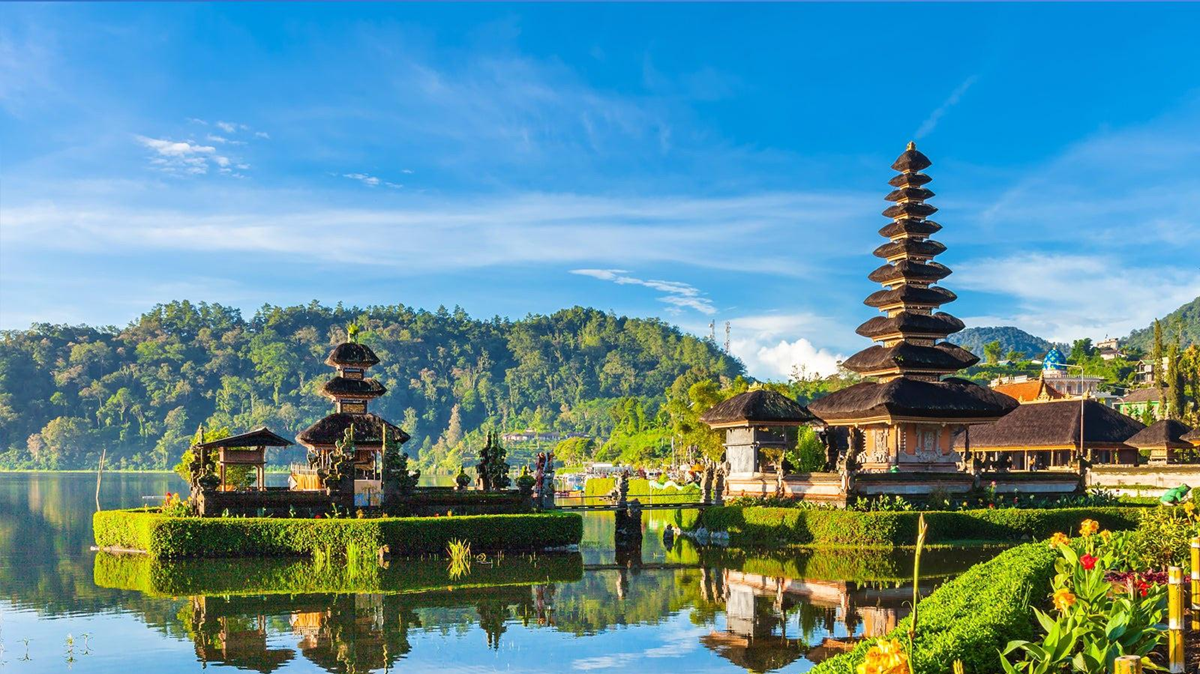
Bali’s rainy season scares away some travelers, especially after the Christmas and New Year peak has passed. January through March is humid, and showers can be heavy, but that does not usually mean continuous rain from morning until night. Popular areas remain active, yet beaches, restaurants, and inland attractions can be noticeably easier to enjoy than during July, August, or the year-end rush. The landscape around Ubud and the rice-growing regions is also at its greenest, which helps compensate for the occasional afternoon spent waiting under a roof.
14. Banff, Canada, in Late April and May
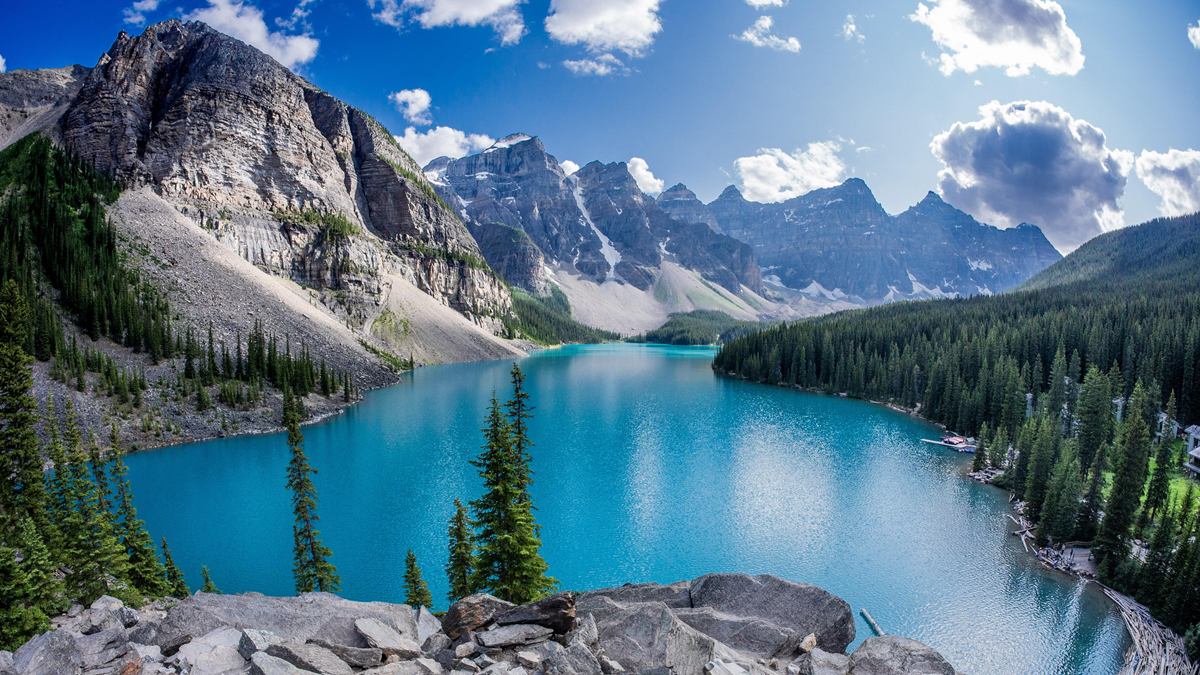
Banff has two obvious tourism magnets: winter skiing and the bright blue lakes of summer. Late April and May sit awkwardly between them, which is precisely what makes this period useful for avoiding crowds. Some high-elevation trails remain snowy, famous lakes may still be partly frozen, and seasonal attractions can have limited operations, so it is not the moment for checking every classic photograph off a list. For lower-elevation walks, scenic drives, wildlife watching, and simply spending time in Banff without summer traffic, the compromise can be worth it.
15. Queenstown, New Zealand, in May and Early June
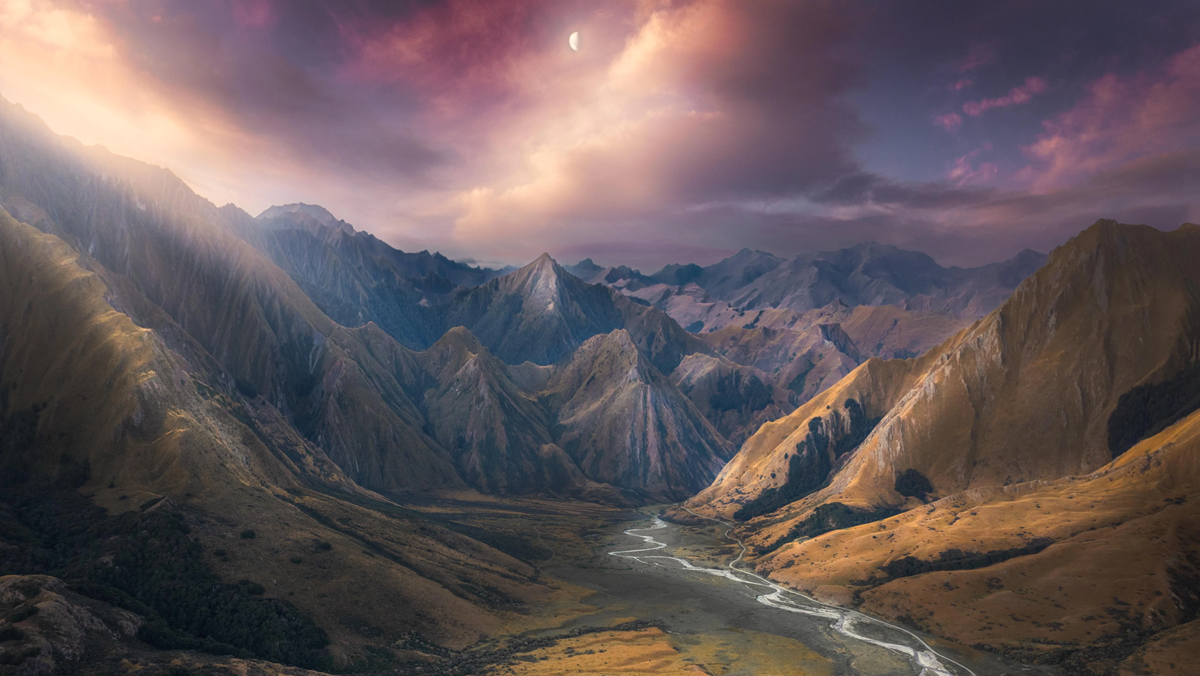
Queenstown fills with outdoor travelers in summer and skiers once the winter season properly gets going. May and the first part of June fall between those peaks, bringing crisp weather, shorter days, autumn color, and fewer people competing for the same restaurants, viewpoints, and activities. It is one of those rare shoulder seasons where doing slightly less can make the whole destination feel much easier.
In the mood for more?
Check out 15 Places Around the World That Look Photoshopped, But Aren’t, or take a look at 20 Incredible Places to Travel at Least Once in Your Lifetime. If you want to see more unusual travel ideas, you can check out 18 Places on Earth Where the Laws of Physics Seem to Break.