
Engineering fails usually bring to mind collapsed bridges, unstable buildings, and expensive disasters that nobody wants to repeat. Most design mistakes are repaired, demolished, or quietly forgotten. Every once in a while, though, a flaw becomes so unusual that it transforms an ordinary structure into the very reason people travel to see it.
From leaning towers and wobbly bridges to failed dams and ships that never completed their first voyage, these engineering failures became museums, memorials, and world-famous landmarks. In each case, the mistake didn’t disappear. Instead, it became part of the story, proving that sometimes an engineering failure can outlive the project itself and become its greatest attraction.
1. Leaning Tower of Pisa

Engineering fails rarely become global icons, but the Leaning Tower of Pisa is one of history’s greatest exceptions. Built on soft, unstable ground, the bell tower began leaning during construction as its foundations settled unevenly, creating a problem engineers spent centuries trying to manage without removing the famous tilt. Would millions of tourists still visit if the tower stood perfectly straight? And how do you save a structure when the defect itself is what everyone came to see? Today, careful stabilization allows visitors to admire the tower while preserving the very engineering mistake that made it world-famous.
2. Vasa
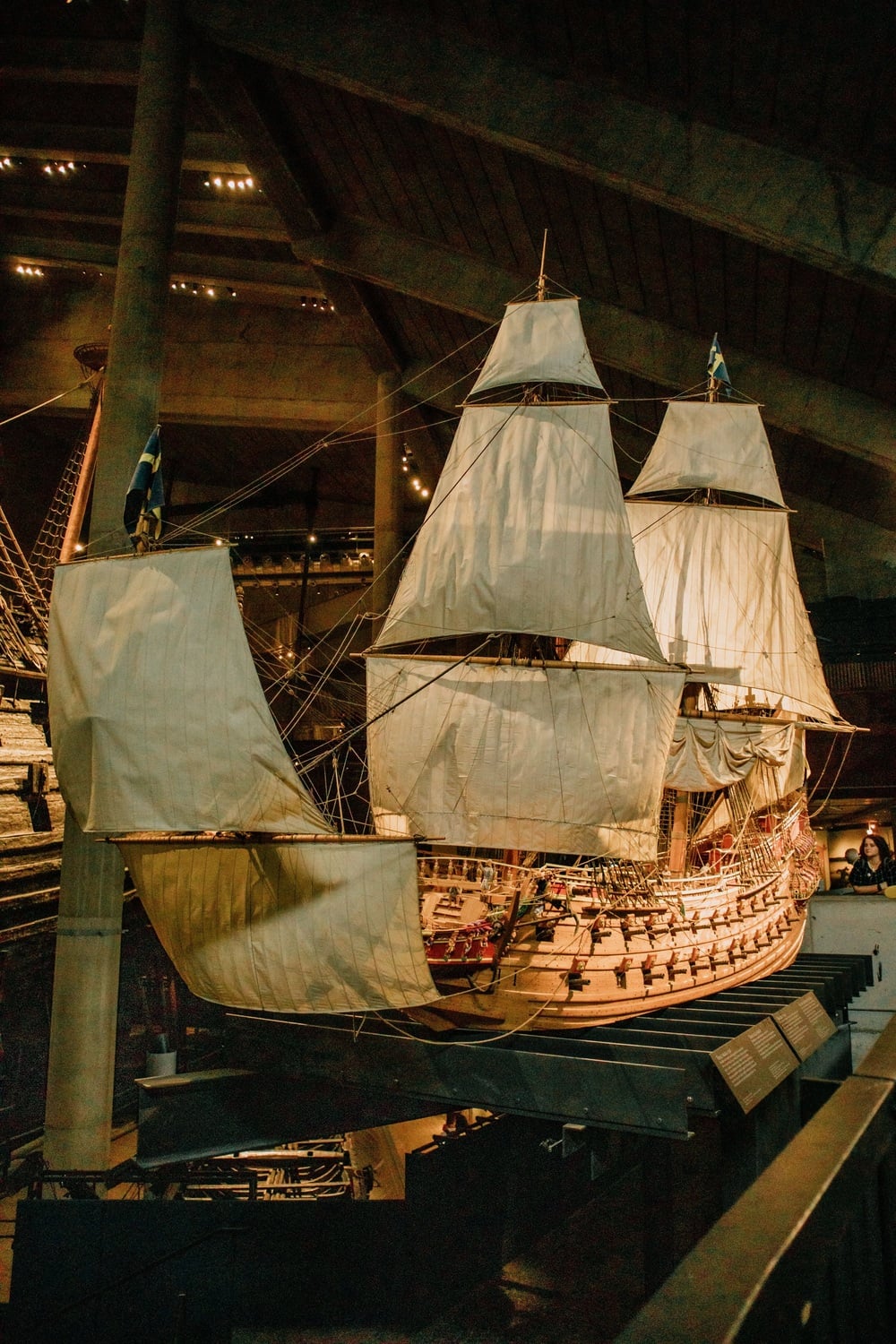
When the Swedish warship Vasa set sail in 1628, it traveled only a short distance before becoming dangerously unstable and sinking in Stockholm Harbor. More than three centuries later, the remarkably preserved ship was recovered and transformed into the centerpiece of the Vasa Museum, where visitors can see one of history’s most famous naval engineering failures up close. How often does a failed maiden voyage become the beginning of a world-class museum? And would the Vasa be nearly as famous today if it had completed its mission successfully? Sometimes failure preserves history better than success ever could.
3. Millennium Bridge
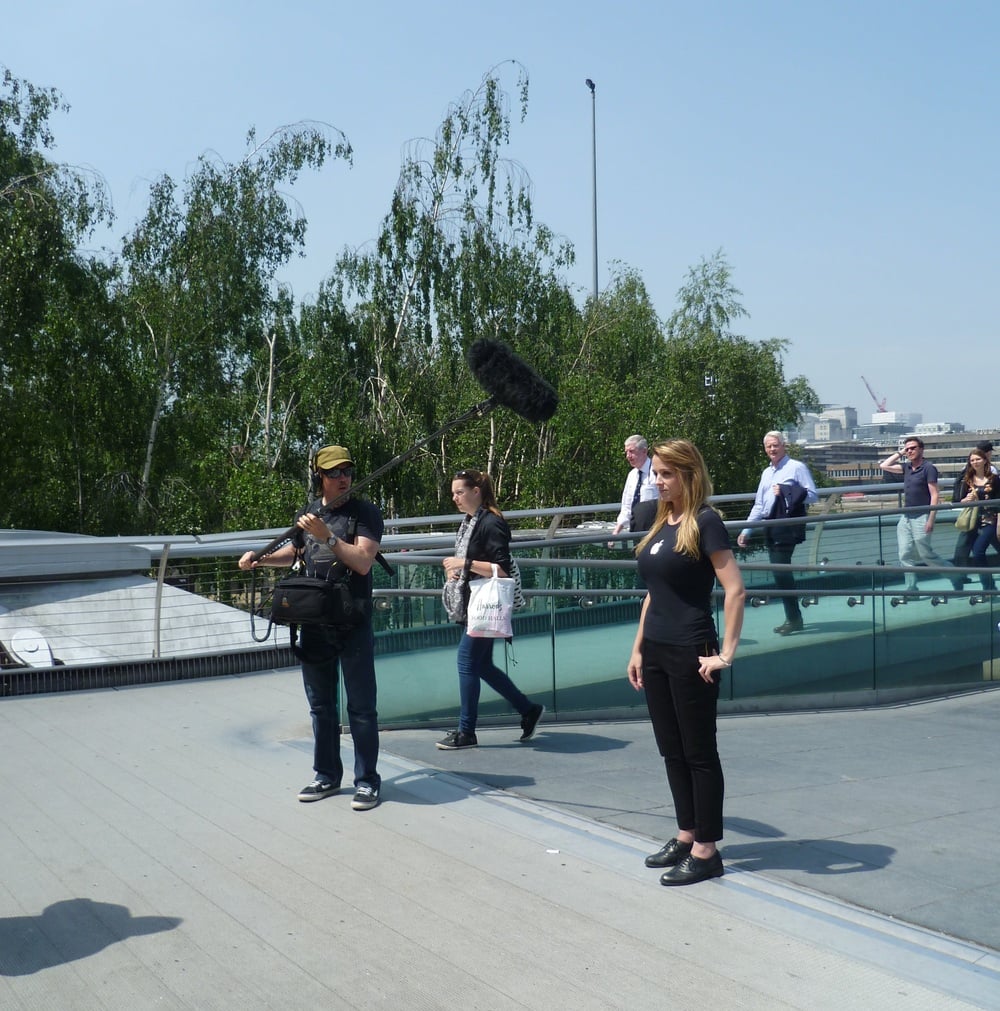
London’s Millennium Bridge was supposed to celebrate modern engineering, but on opening day it quickly gained a very different reputation. As crowds crossed the bridge, unexpected sideways movement caused it to sway so noticeably that officials closed it while engineers designed new damping systems to solve the problem. Would the bridge still be remembered if it had opened without a hitch? And how many landmarks earn a nickname because of something engineers never expected? Even after the fix, people still know it as the “Wobbly Bridge,” proving that the original flaw became part of its identity.
4. Malpasset Dam Ruins
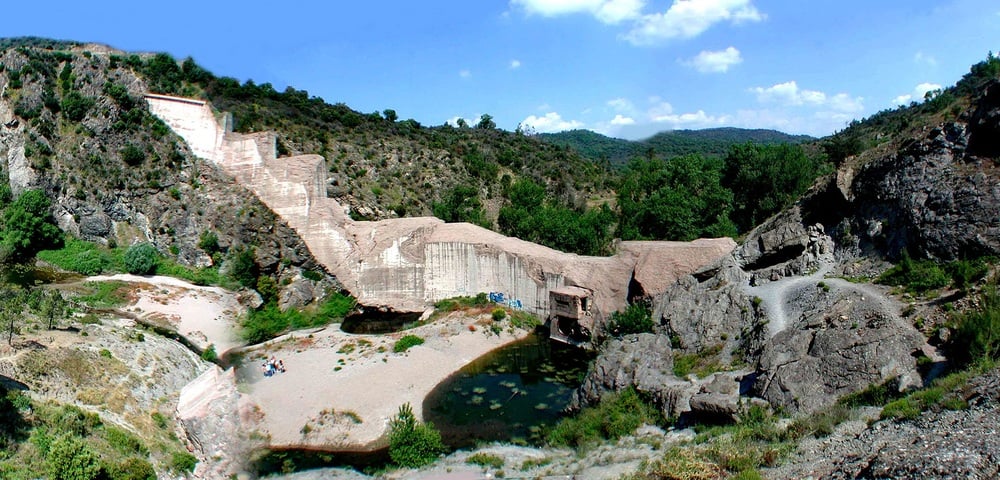
The collapse of France’s Malpasset Dam in 1959 was a devastating tragedy that claimed hundreds of lives, making it one of the most significant engineering disasters of the twentieth century. Today, the surviving ruins are preserved along memorial and educational routes that help visitors understand both the human cost of the disaster and the engineering lessons that followed. Can a place born from tragedy also become a place of learning? And how should history remember engineering failures that changed countless lives? Unlike many attractions on this list, the ruins are visited with reflection rather than celebration.
5. Teluk Intan Leaning Tower
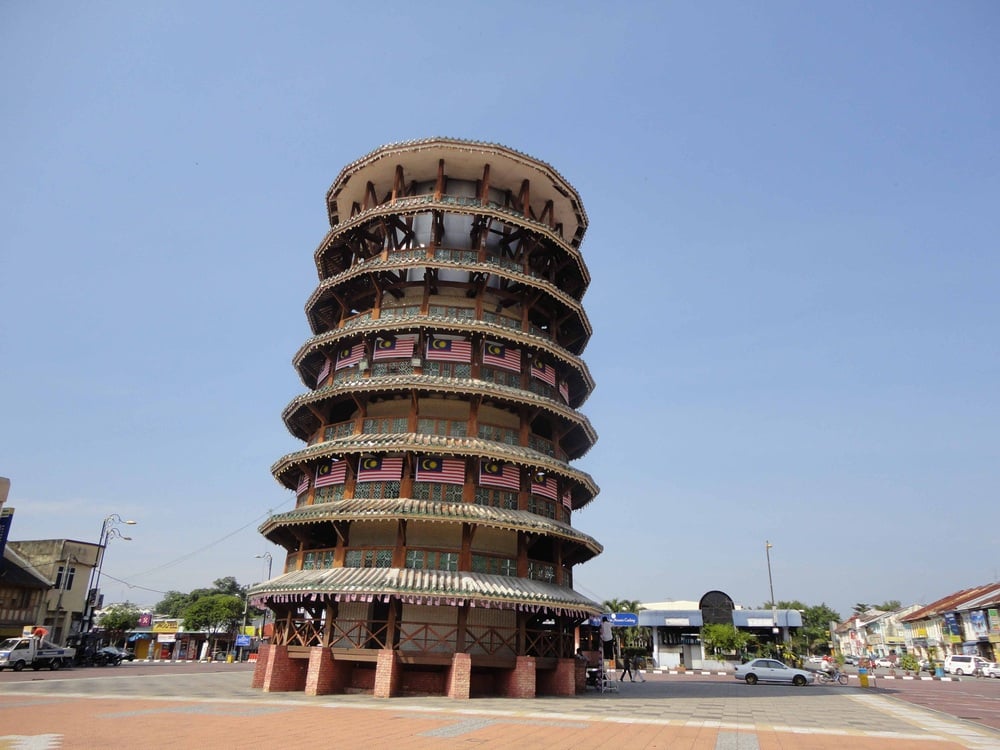
Originally built to serve as a water tower, Malaysia’s Teluk Intan Leaning Tower gradually tilted as ground conditions and the weight of stored water affected its foundations. Instead of hiding the problem, the lean eventually became the landmark’s defining characteristic and one of the town’s best-known attractions. Would anyone travel here if the tower stood perfectly upright? And isn’t it remarkable how an engineering flaw turned an ordinary utility structure into a local icon? Sometimes the most memorable landmarks are the ones that never behaved exactly as planned.
Trending on The Scroller


6. Tacoma Narrows Bridge Memorial
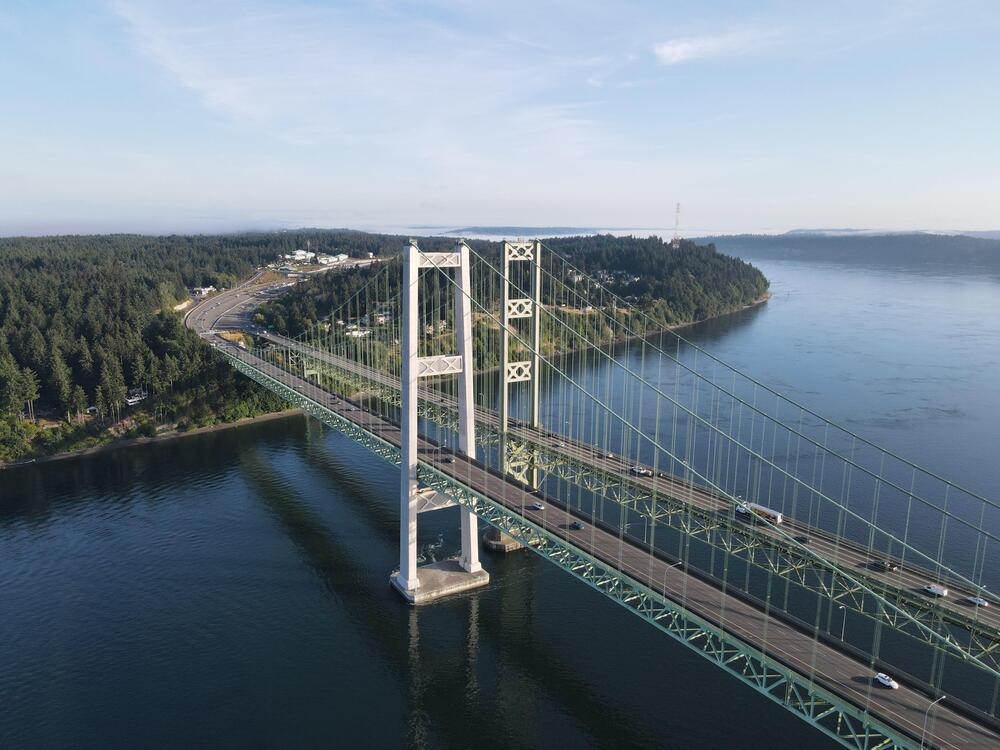
Nicknamed “Galloping Gertie,” the original Tacoma Narrows Bridge became famous after dramatic wind-induced oscillations caused it to collapse just months after opening in 1940. Although the bridge itself is gone, memorials, exhibits, and interpretive displays continue to attract visitors fascinated by one of engineering’s most famous failures. Could a few minutes of film change how engineers design bridges for generations? And would aerodynamic engineering look the same today without this spectacular collapse? Sometimes a disaster becomes one of the world’s greatest classroom demonstrations.
7. Winchester Mystery House
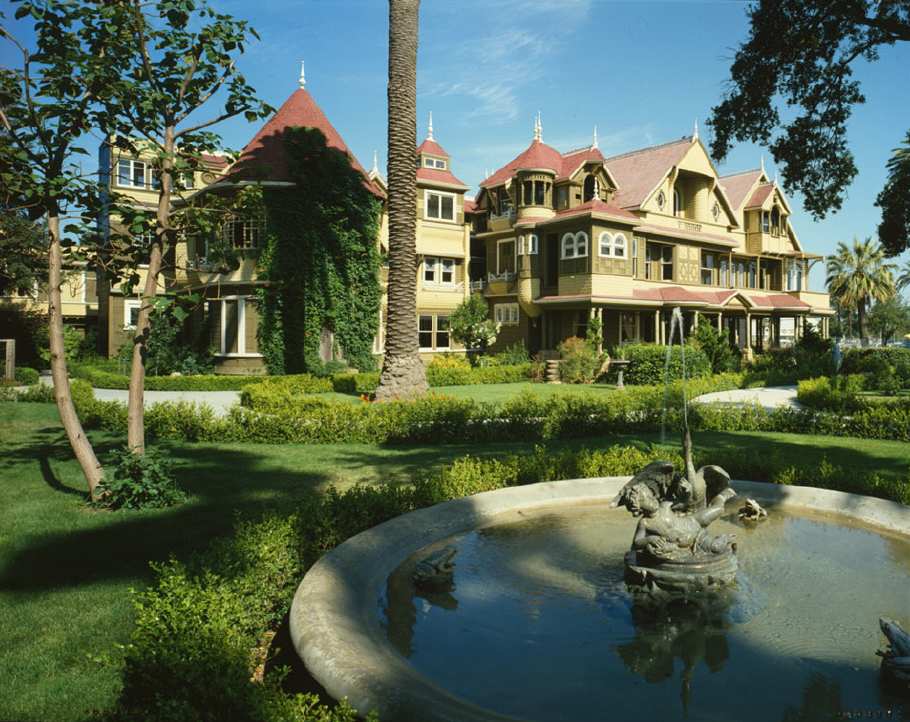
The Winchester Mystery House wasn’t built because of a structural failure, but decades of unusual additions created a maze of staircases leading nowhere, doors opening into walls, and countless architectural oddities. After the 1906 San Francisco earthquake caused significant damage, parts of the mansion were abandoned, leaving behind an even stranger attraction that continues to fascinate visitors. How often does a building become famous because it seems to ignore the basic rules of design? And could any architect intentionally recreate something quite this confusing today? The house proves that unconventional construction can become a destination in its own right.
8. SS Richard Montgomery
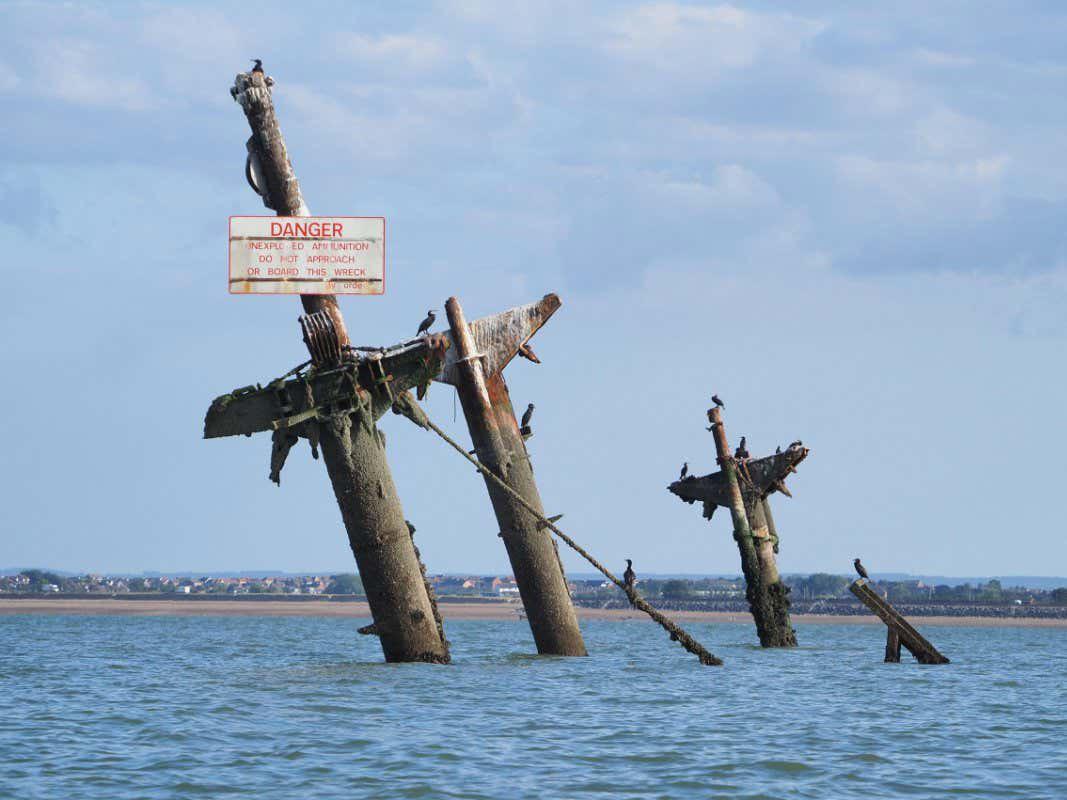
The SS Richard Montgomery sank in the Thames Estuary during World War II while carrying thousands of tons of explosives that remain aboard to this day. Because removing the cargo would be extremely dangerous, the wreck has become an unusual landmark visible from shore and a subject of ongoing engineering monitoring rather than recovery. Would you feel comfortable sailing past a ship that still contains wartime explosives decades later? And how do engineers safely manage a problem that can’t simply be removed? Sometimes the safest solution is carefully watching a failure instead of trying to erase it.
Sign up for our newsletter
9. Walkway Collapse Site at Hyatt Regency
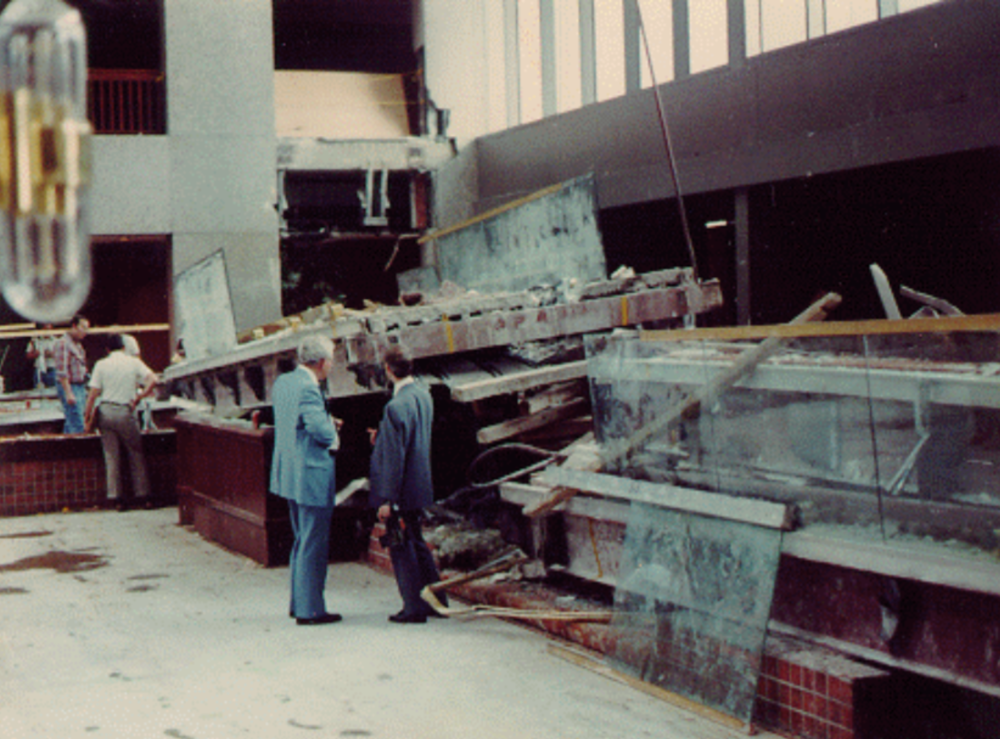
The 1981 walkway collapse at Kansas City’s Hyatt Regency Hotel became one of the deadliest structural failures in American history, prompting sweeping changes to engineering review procedures and construction oversight. While the original walkways no longer exist, the site and its history remain important destinations for engineering students and professionals studying how small design changes can lead to catastrophic consequences. Could a seemingly minor modification really change the fate of an entire structure? And how many future disasters have been prevented because engineers continue studying this tragedy today? Some engineering failures become permanent lessons rather than permanent landmarks.
10. Garisenda Tower
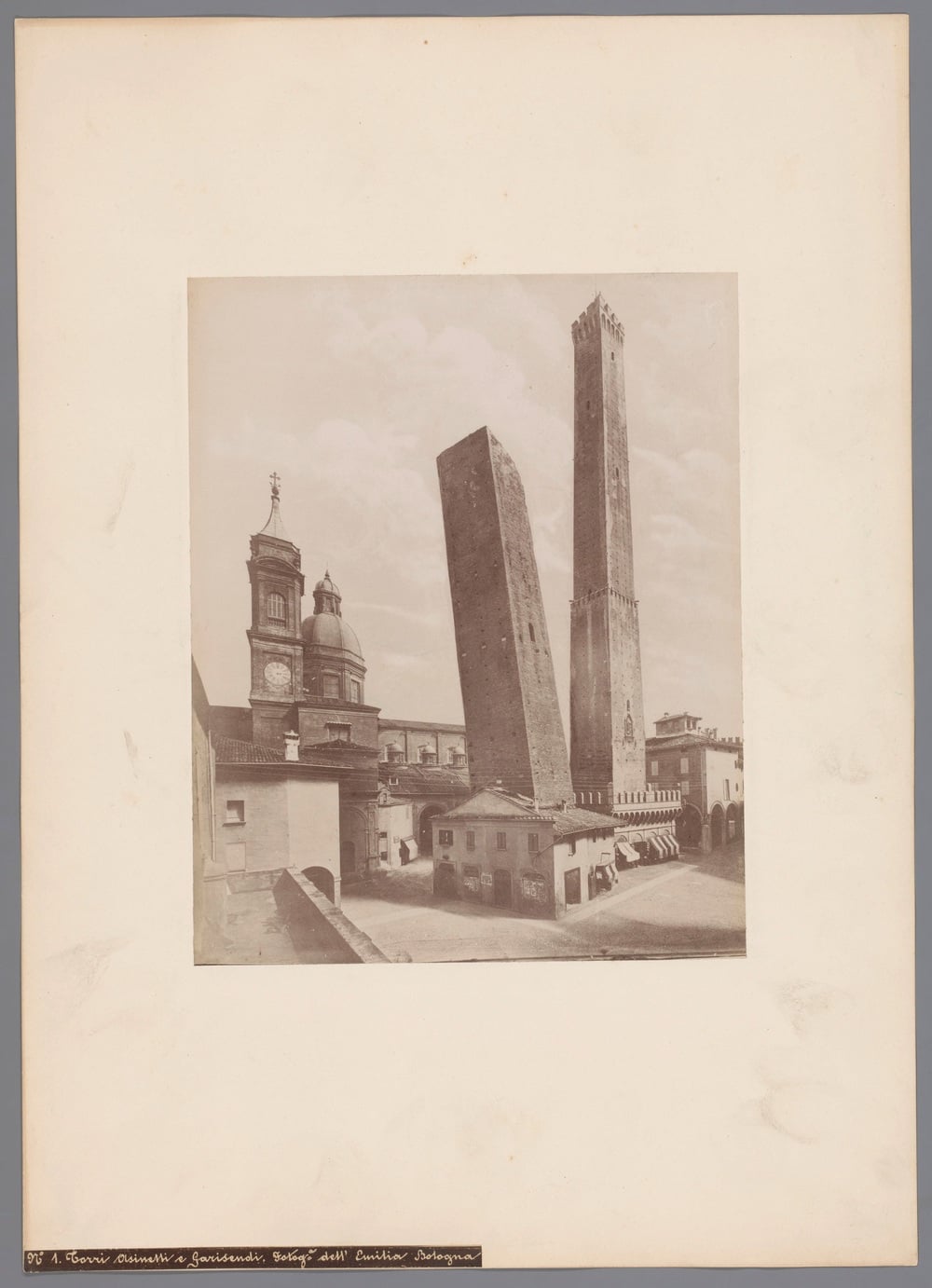
The Garisenda Tower in Bologna has leaned for centuries because unstable ground caused it to shift during construction, forcing builders to reduce its original height to improve stability. Even today, engineers continue monitoring and reinforcing the structure as visitors come to see one of Italy’s most famous medieval landmarks. How often does a tourist attraction depend on engineers making sure it doesn’t lean any farther? And would the tower attract the same attention if it had remained perfectly straight? In this case, the engineering flaw became inseparable from the monument’s identity.
11. Vdara Hotel
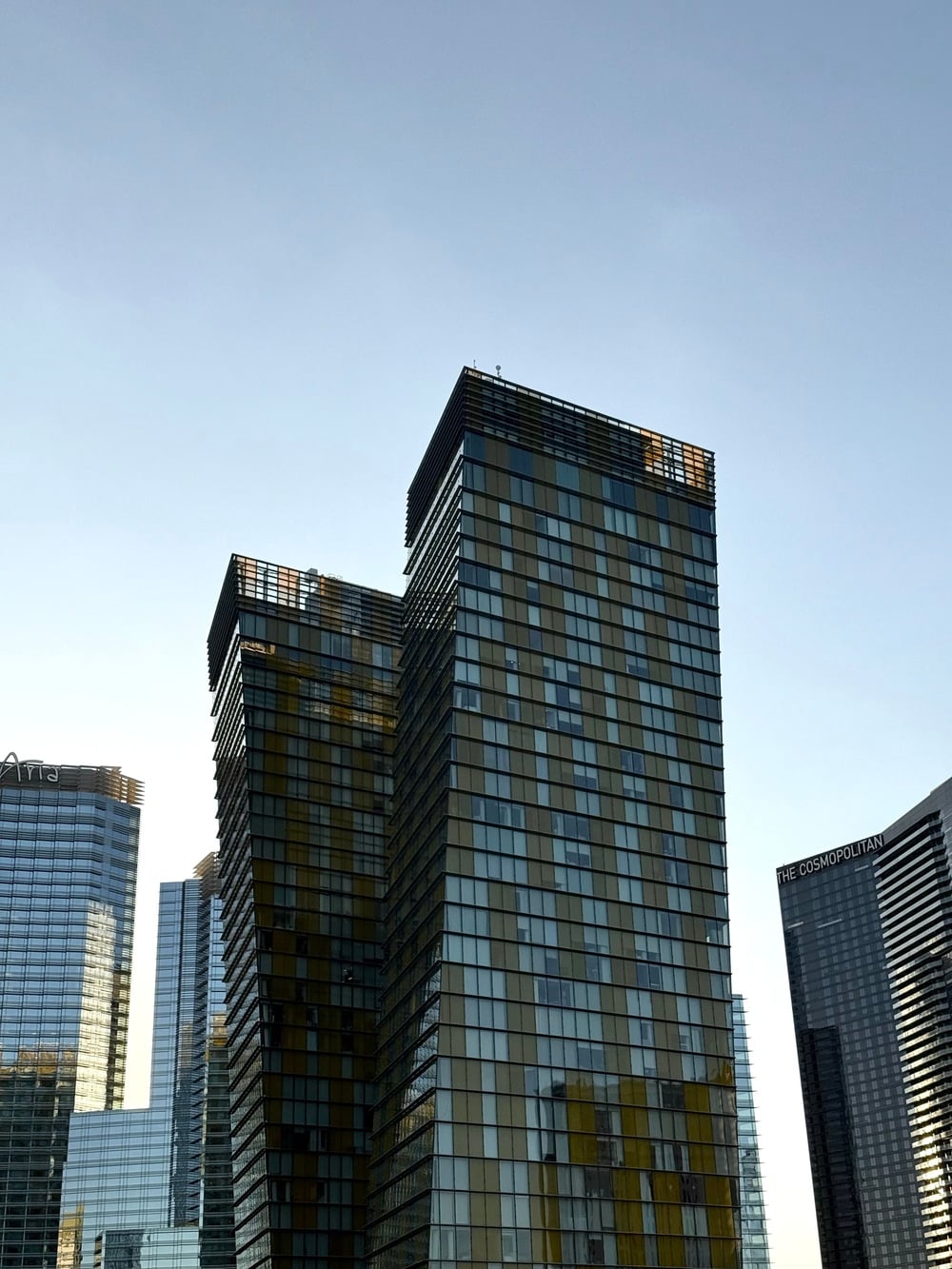
When the Vdara Hotel opened in Las Vegas, its striking curved glass façade created an unexpected problem by concentrating sunlight onto the pool deck. The intense reflected heat earned the building the nickname “death ray” before engineers installed corrective measures to reduce the effect. Could anyone have predicted that a luxury hotel would accidentally behave like a giant magnifying glass? And how does a design flaw become one of the building’s most talked-about stories? Today, the unusual incident remains part of the hotel’s reputation and visitor curiosity.
12. Gleno Dam
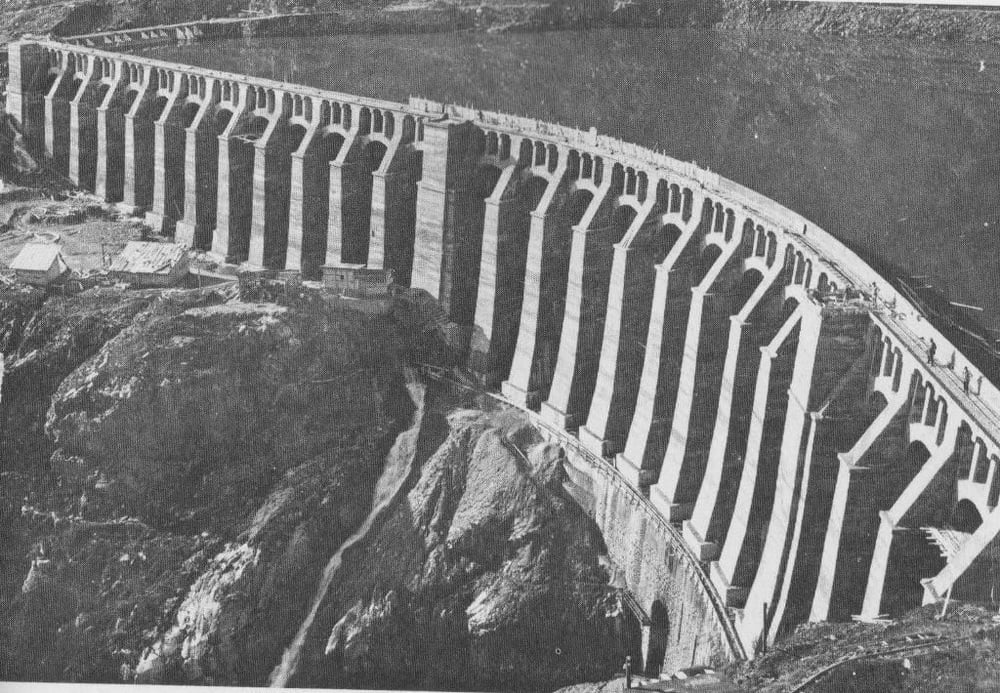
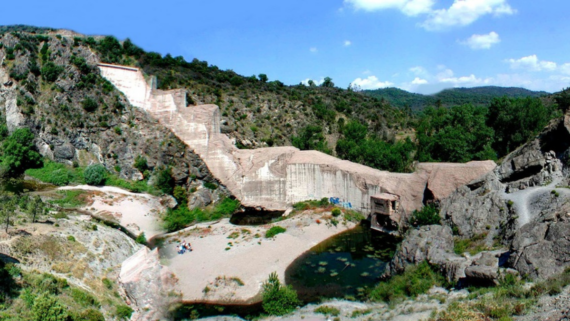
The Gleno Dam in northern Italy collapsed in 1923, sending floodwaters through nearby communities in one of the country’s worst engineering disasters. Rather than disappearing into history, the dramatic remains of the dam have become part of a popular hiking destination where visitors can see the ruins while learning about the catastrophe that reshaped the valley. Would the mountain trail draw the same attention without the broken dam waiting at the end? And how can ruined infrastructure become both a scenic destination and a powerful history lesson? The site reminds visitors that engineering failures can leave lasting marks on both landscapes and communities.
13. Suurhusen Leaning Church
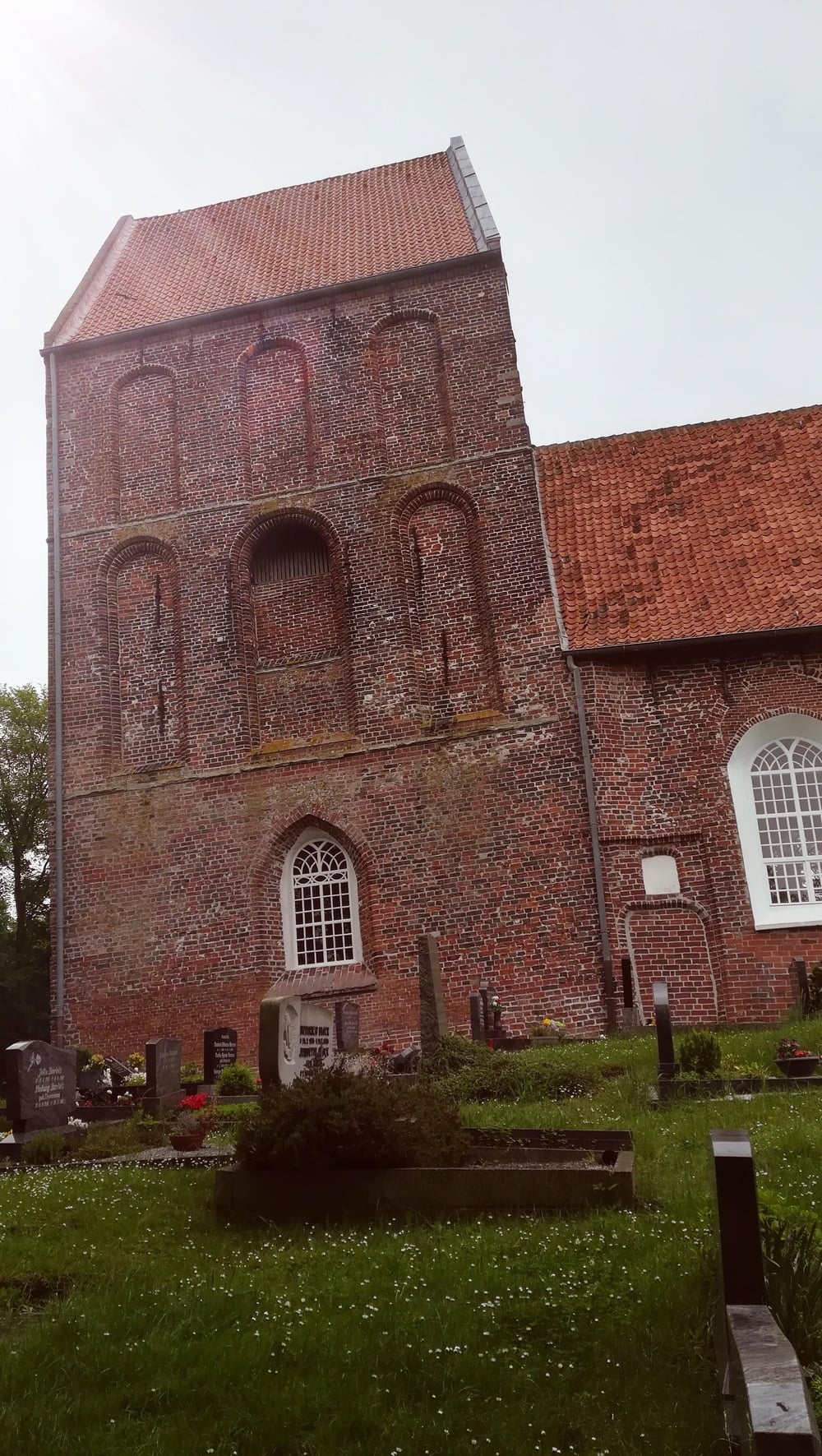
Germany’s Suurhusen Leaning Church became internationally famous after changes in ground conditions caused its medieval tower to lean dramatically. Instead of trying to hide the problem, the extraordinary tilt helped earn the church recognition as one of the world’s most extreme leaning towers, drawing visitors curious to see the unusual structure for themselves. How does an unstable foundation turn an ordinary church into a record-setting attraction? And would travelers make the same journey if the tower stood perfectly upright? Here again, the engineering problem became the reason people visit.
14. Quebec Bridge
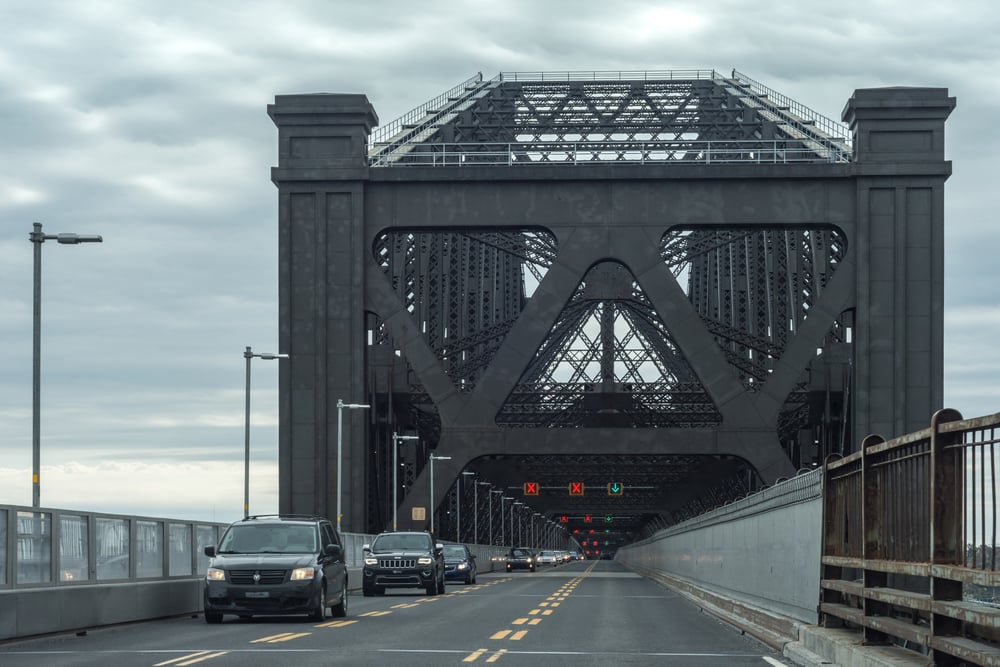
The Quebec Bridge was intended to become a triumph of engineering, but two separate construction disasters turned it into one of Canada’s most important engineering case studies. Today, the completed bridge still stands as both a functioning crossing and a reminder of how design assumptions and communication failures can have enormous consequences. How often does one bridge teach the engineering world the same lesson twice? And can a structure become more famous because of the mistakes made before it was finished? Its history continues to attract visitors interested in one of engineering’s most remarkable comeback stories.
15. Humber Bridge
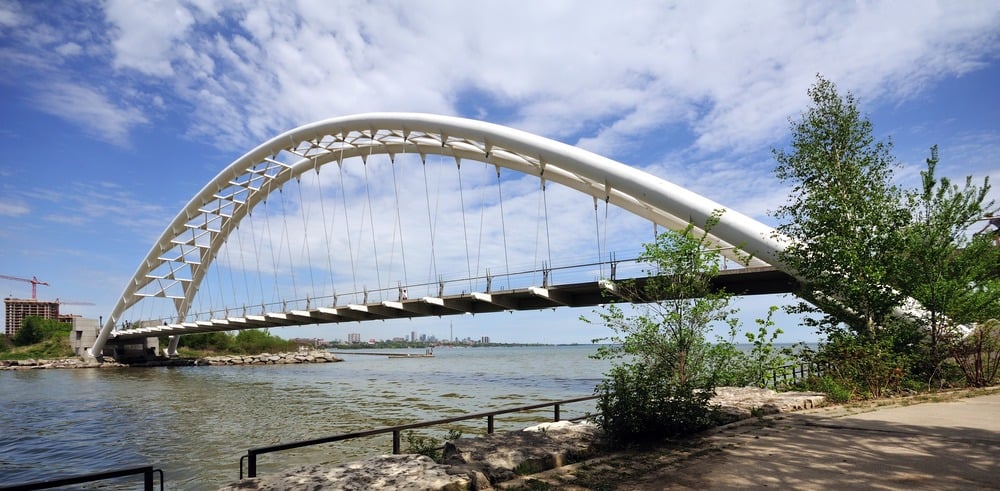
When the Humber Bridge opened in England, it held the record as the world’s longest single-span suspension bridge, but engineers soon discovered that strong winds could create unexpected movement across the structure. Although the bridge remained safe, the experience led to continued monitoring and engineering refinements while also turning it into a destination admired for both its design and the lessons learned after construction. Would visitors appreciate the bridge as much if they didn’t know the engineering story behind it? And how many famous structures continue teaching engineers long after they’re completed? Even successful projects sometimes reveal surprises that only appear in the real world.
16. Chernobyl New Safe Confinement
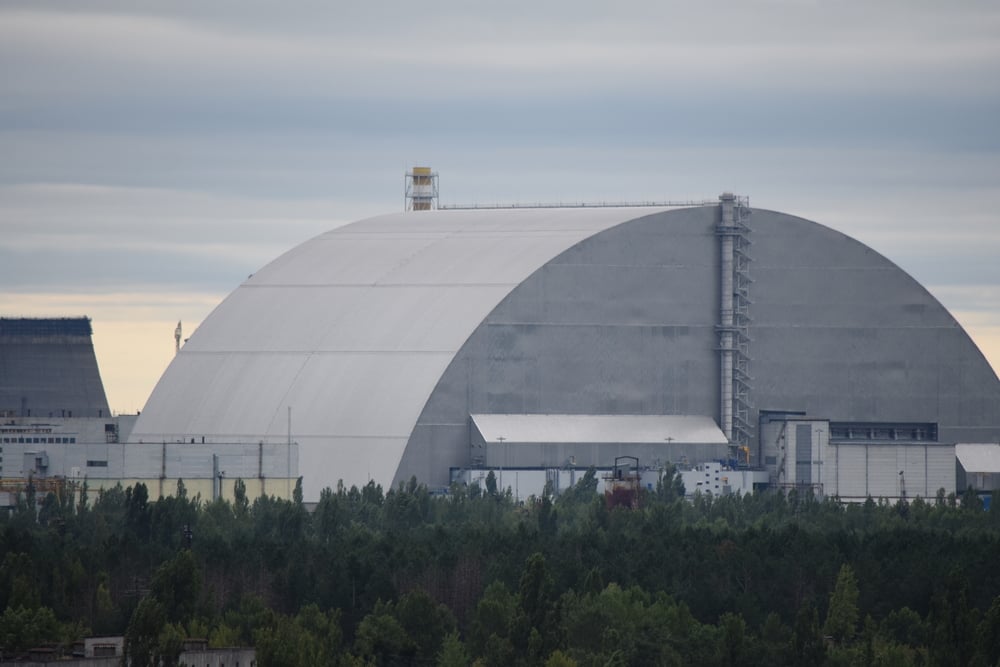
The original reactor building at Chernobyl became the site of one of history’s worst nuclear disasters, requiring an enormous engineering response decades later. The New Safe Confinement, one of the largest movable structures ever built, now covers the damaged reactor while drawing visitors to the surrounding exclusion zone through carefully managed tours focused on history, engineering, and disaster recovery. How do engineers protect the world from a structure that can never truly be repaired? And can one of humanity’s greatest engineering failures also showcase one of its greatest engineering achievements? The site has become both a warning and a testament to modern problem-solving.
17. Love Canal
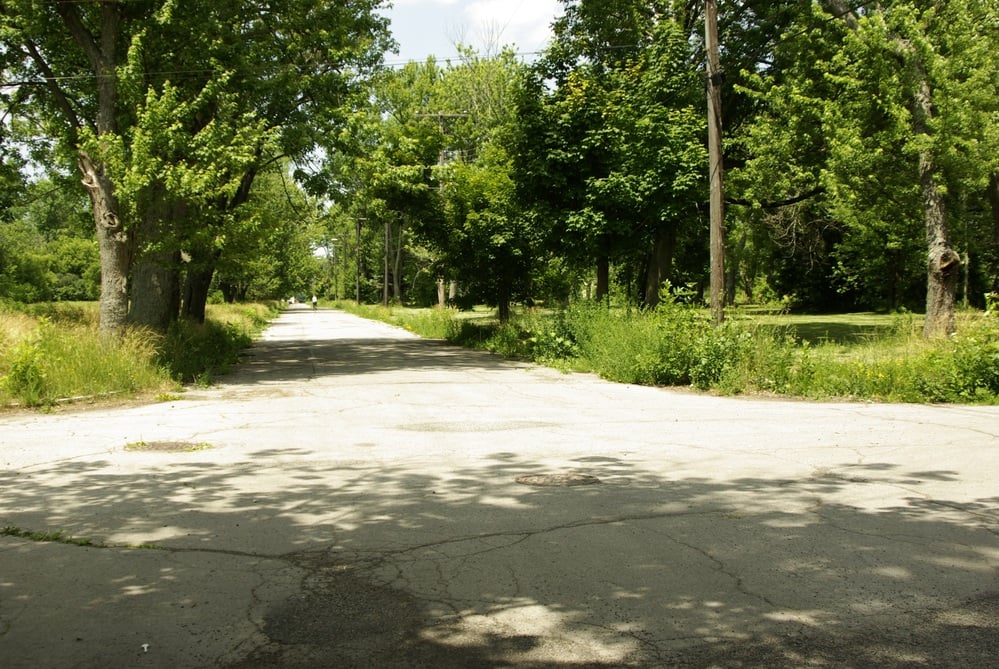
Love Canal began as an abandoned industrial project before becoming one of the world’s best-known environmental disasters after buried chemical waste contaminated the surrounding neighborhood. Today, the area’s history continues to attract visitors, researchers, and students interested in environmental engineering, urban planning, and the long-term consequences of poor infrastructure decisions. Could anyone have predicted that an unfinished canal project would eventually reshape environmental policy? And how many communities have benefited from the lessons learned there? Sometimes engineering failures leave their greatest mark long after construction ends.
Engineering failures are usually remembered as expensive mistakes, but a small number have followed a far more unusual path. Whether through leaning foundations, unstable ships, collapsed dams, or unexpected design flaws, these projects became famous because the failure itself became part of the visitor experience. Instead of erasing the mistakes, engineers, historians, and communities preserved them as museums, memorials, landmarks, and lessons that continue attracting people from around the world.
Keep Exploring The Scroller
Some of history’s greatest attractions were never supposed to become famous at all. Keep exploring The Scroller for more surprising stories about engineering, architecture, travel, and the unexpected ways that failures sometimes become the landmarks people travel thousands of miles to see:
20 Examples Of Backyard Engineering That Are Way Too Risky
20 Backcountry Engineering Fixes Built With Whatever Was Lying Around