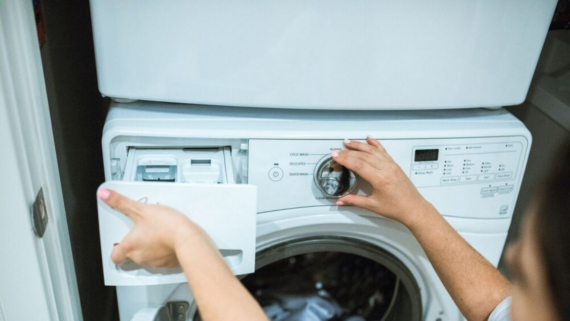

The price tag doesn’t always tell the whole story. Sometimes the product stays exactly the same while the receipt quietly gets longer. A checked suitcase becomes a separate fee. Choosing your seat suddenly costs extra. Even something as ordinary as a paper bag or a side of sauce can show up as its own line item.
None of these changes happened overnight. Over the years, companies across countless industries began separating services that were once included for free with the original purchase, turning familiar conveniences into optional add-ons. The product didn’t necessarily become worse. It simply became… more itemized. And once you notice the pattern, it’s surprisingly hard to unsee.
1. Checked Bags on Flights

There was a time when buying a plane ticket meant your suitcase was coming along too. No decisions, no upgrade screens, and usually no extra fee waiting at the airport. Then airlines began rethinking what exactly a ticket included. During the late 2000s, checked baggage gradually became its own product, transforming something that had long been bundled into the fare into a separate source of revenue. The flight itself didn’t change. Your suitcase simply got its own price tag.
2. In-Flight Meals
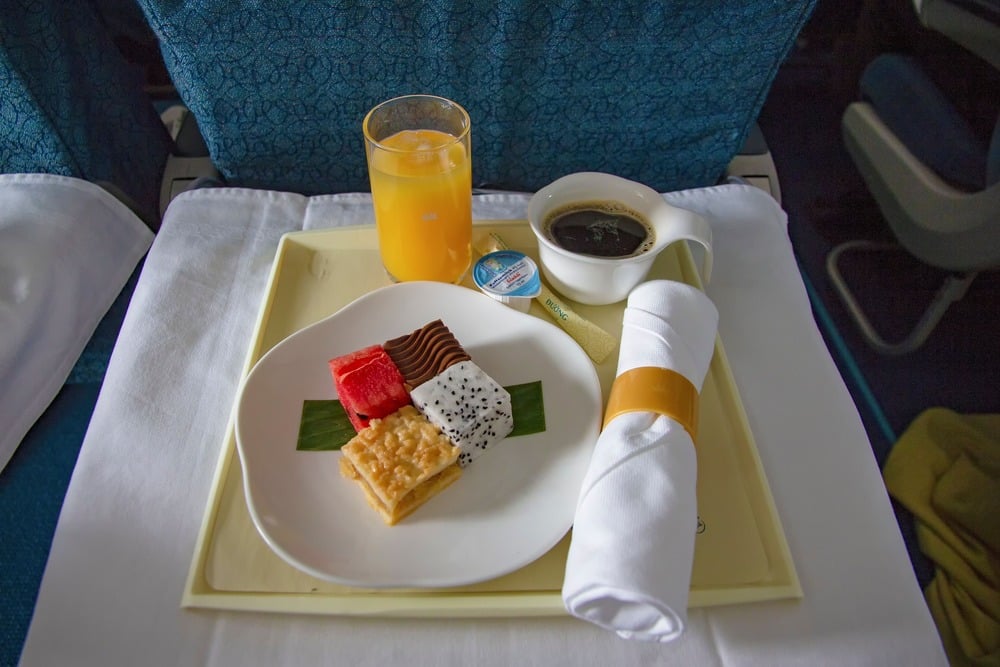
Flying used to come with a familiar ritual. The cart rolled down the aisle, trays unfolded, and even economy passengers could expect a meal on many longer flights, and sometimes on domestic ones too. As low-cost carriers expanded and airlines looked for new ways to cut costs, that tradition slowly disappeared. Today, on many flights, dinner hasn’t vanished. It just moved from the tray table to the menu.
3. Airline Seat Selection
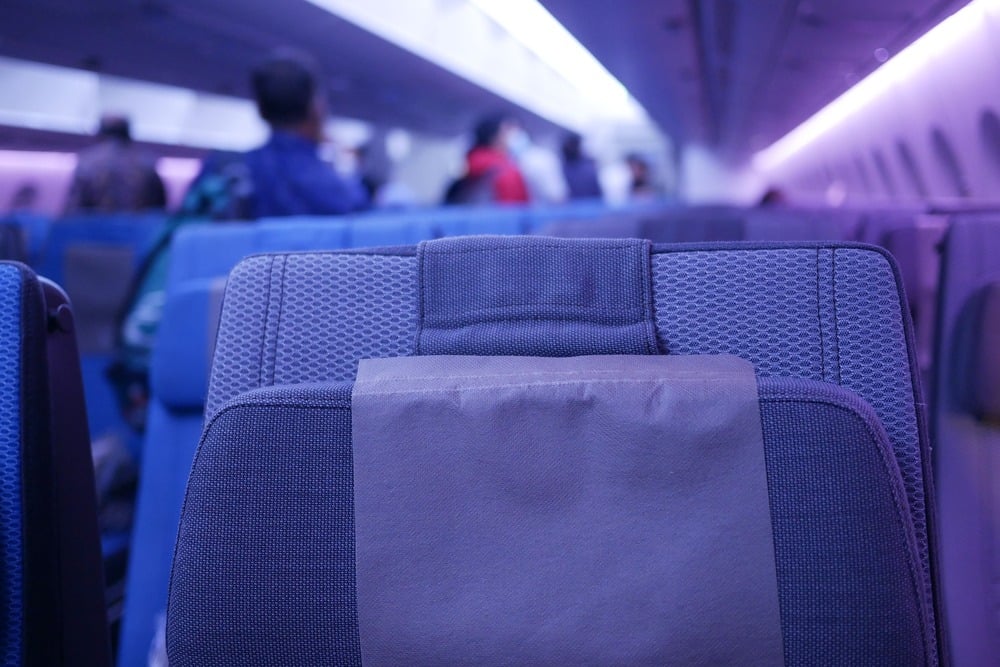
Window or aisle? It sounds like a simple preference, but it quietly became its own business model. Choosing your seat was once just another step in the booking process, not something that affected the final price. Then basic economy fares and ancillary fees arrived, turning seat selection into an optional purchase. Suddenly, sitting exactly where you wanted wasn’t part of the ticket anymore. It was part of the checkout process.
4. Hotel Wi-Fi

Remember when hotel Wi-Fi felt like a luxury? Before long, it became something guests simply expected. Ironically, that’s around the same time many hotels started charging for it, either directly or through resort fees that quietly separated internet access from the advertised room rate. Competition and loyalty programs have brought complimentary Wi-Fi back to many properties, but for years the connection itself became one more item on the bill.
5. Hotel Parking

You found the hotel. You found a parking space. Then came the surprise waiting at check-in. Parking was once commonly bundled into the cost of staying at many suburban and roadside hotels, but that expectation gradually changed, especially in city centers, resorts, and high-demand destinations. When did leaving your car overnight become its own reservation? Somewhere along the way, the room and the parking space stopped traveling together.
Trending on The Scroller


6. Hotel Newspapers

Long before smartphones became the first thing people reached for in the morning, many hotel guests opened their doors to find a complimentary newspaper waiting outside. It was such a common amenity that hardly anyone thought twice about it. As print circulation declined and hotels looked for places to trim costs, that quiet morning ritual gradually disappeared. Yesterday’s news didn’t just become digital. It stopped being part of the stay.
7. Resort Amenities
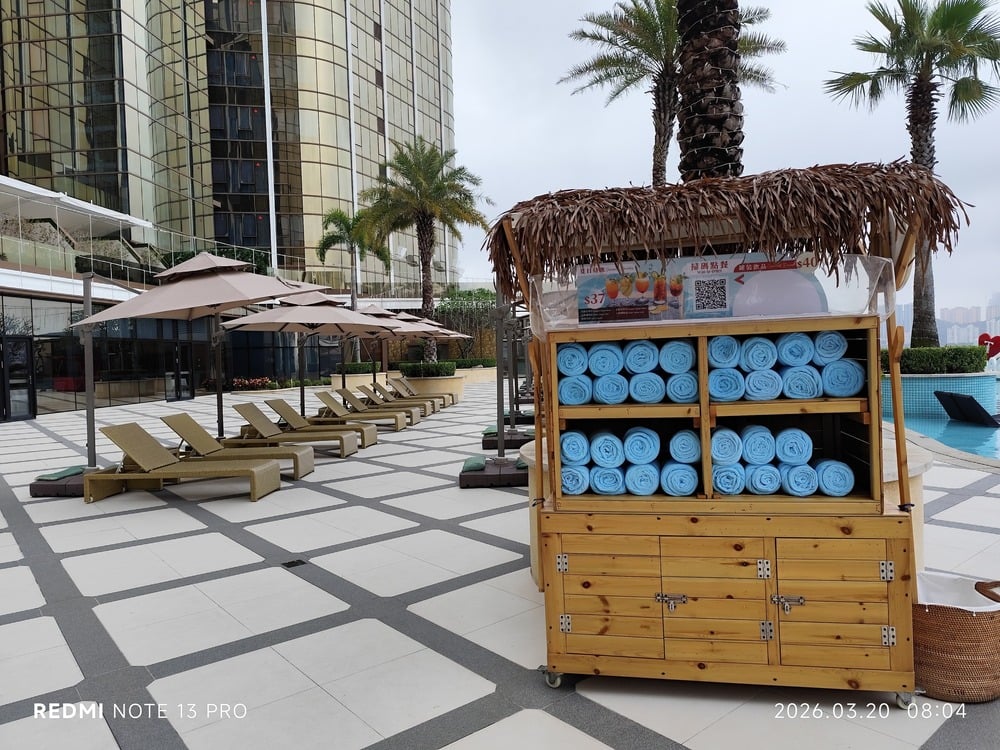
A pool, a gym, fresh towels, local phone calls… they all used to come included for free with your hotel stay. Then resort fees started appearing. Rather than removing those amenities, many hotels simply grouped them into a mandatory extra charge listed separately from the advertised room price. The facilities never really stopped being included. They just stopped looking that way on the receipt.
8. Grocery Bags

It may be the smallest fee on this list, but it’s probably one of the most familiar. For decades, disposable grocery bags were handed out without a second thought. Today, many stores charge for them instead. Unlike several other examples here, this shift wasn’t driven solely by new business models. Environmental policies aimed at reducing single-use waste also played a major role, turning a once-forgotten convenience into a conscious choice at checkout.
Sign up for our newsletter
9. Air for Car Tires
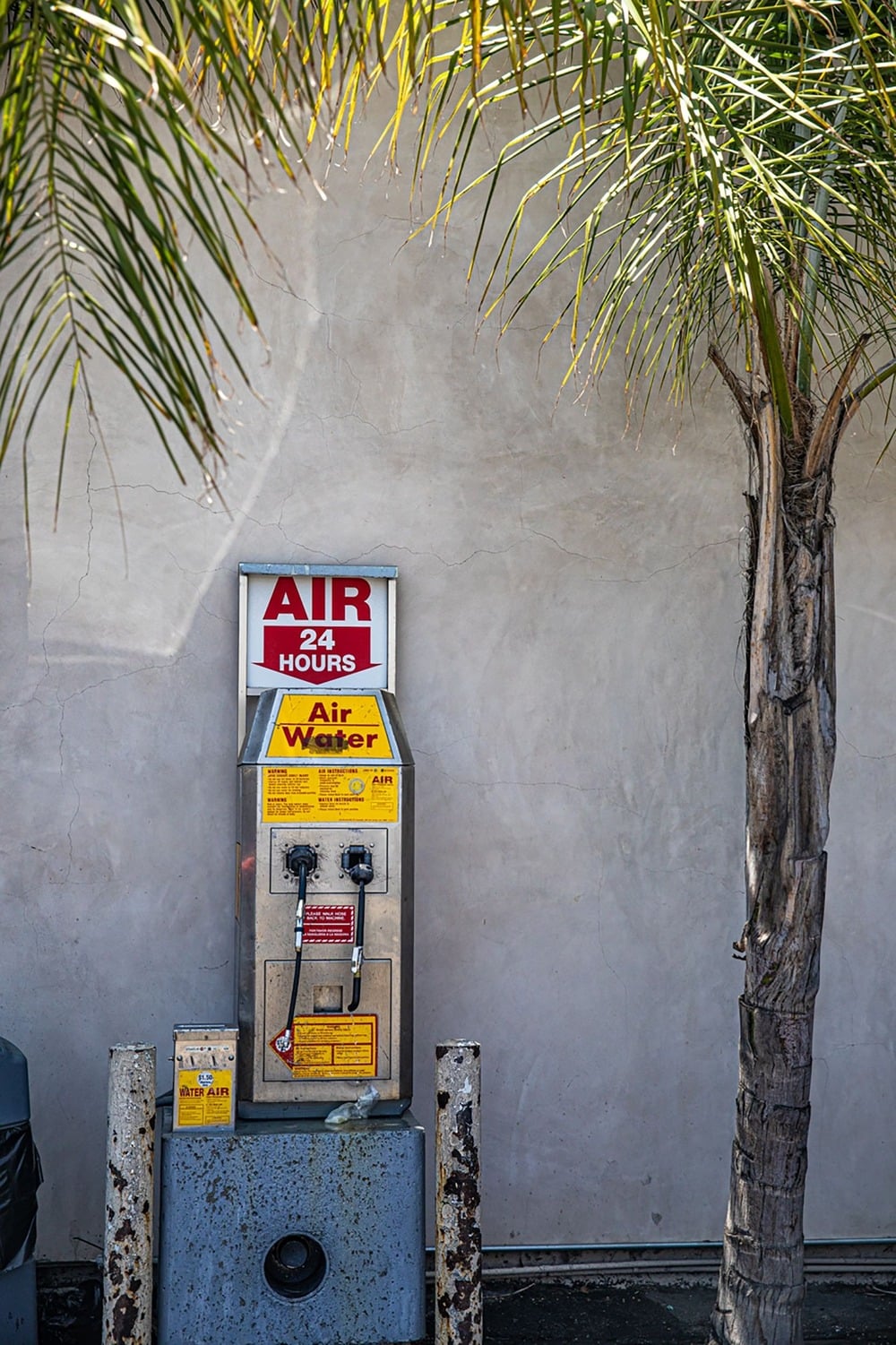
It’s funny to think that even air can come with a price tag. Pulling into a service station used to mean topping off your tires was simply another customer convenience. Over time, however, coin-operated and card-operated air compressors became increasingly common. Not everywhere, though. Some jurisdictions still require stations to provide free air, proving that this particular convenience hasn’t disappeared quite as completely as many people assume.
10. Full-Service Gas-Station Help

There was a time when filling up your gas tank didn’t mean leaving your seat. An attendant would pump the fuel, clean the windshield, and sometimes even check the oil before sending you on your way. Self-service gradually changed that experience, removing labor from what had once been a bundled service. Was it faster? Usually. Was it cheaper? Often. But somewhere along the way, every driver quietly became part of the gas station staff.
11. Bank Checking Accounts
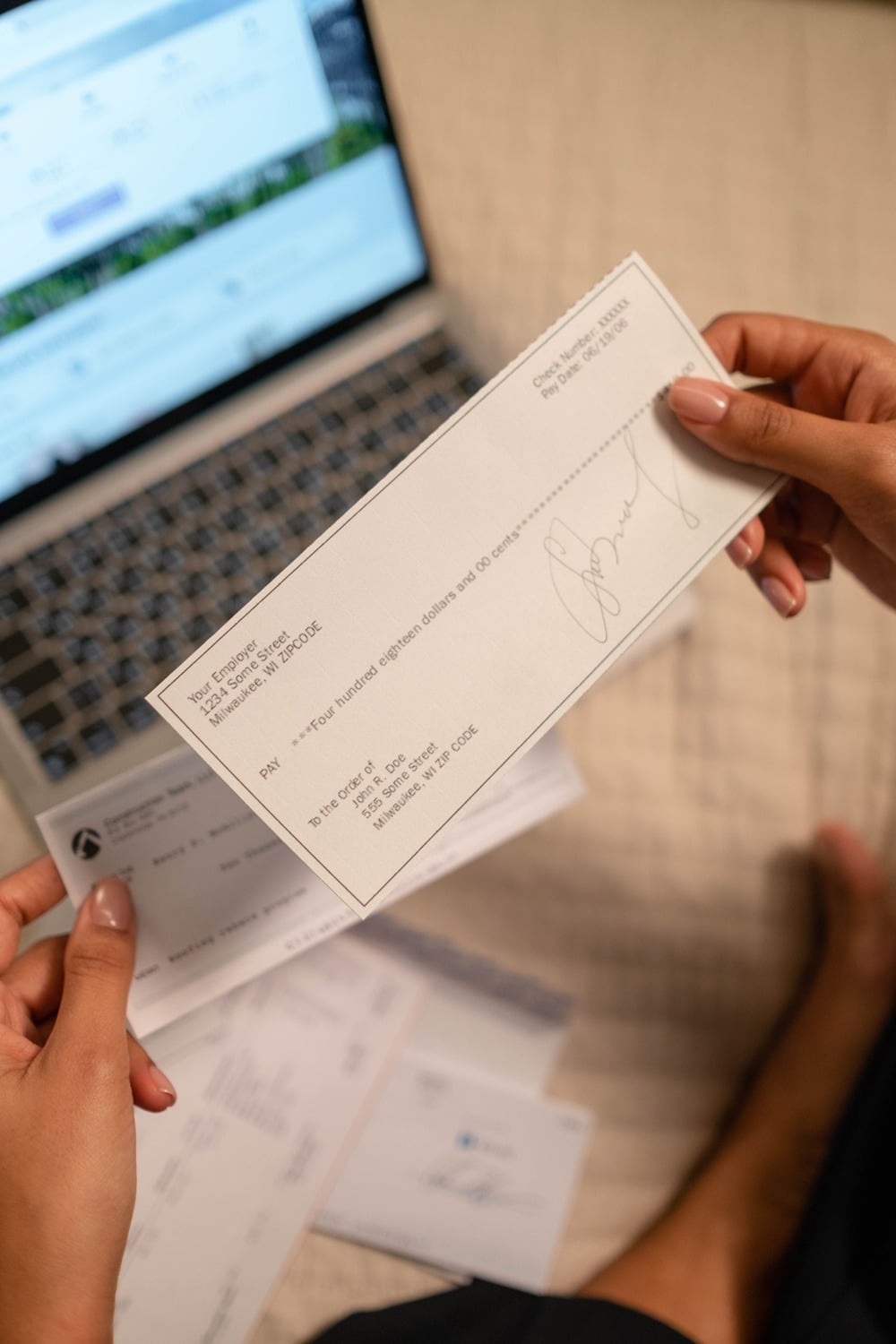
“Free checking” used to be one of the banking industry’s favorite promises. Open an account, deposit your money, and that was usually the end of the conversation. Then the fine print started growing. Monthly maintenance fees, minimum balance requirements, and premium account tiers gradually turned what had once been a straightforward perk into something you often had to qualify for. The checking account didn’t disappear. The conditions simply multiplied.
12. Paper Bank Statements

For decades, your monthly bank statement arrived the same way: folded inside an envelope waiting in your mailbox. Nobody ordered it. Nobody paid extra for it. It was simply how banking worked. As digital banking became the default, paper statements slowly transformed from the standard option into a special request, with some banks charging customers who still prefer receiving them by mail. Apparently, even your own account history can come with a delivery fee.
13. Directory Assistance

There was a time when forgetting someone’s phone number wasn’t much of a problem. You could simply call directory assistance and ask a real person to look it up for you. As mobile phones, internet searches, and digital contact lists became the norm, the service grew less essential. Many phone companies eventually introduced per-call charges, turning one of the telephone era’s most practical conveniences into something people rarely use today.
14. Printed Event Tickets

Concert tickets used to become souvenirs almost by accident. Long before QR codes and digital wallets, a printed ticket was simply how you got through the gate. Today, electronic delivery has become the standard, while physical tickets often cost extra as commemorative keepsakes or require separate fulfillment fees. It’s a curious reversal. The item that once proved you had a ticket has quietly become a collectible instead.
15. Software Updates
Buying software once felt a bit like buying a book. You paid for it, took it home, and expected improvements and patches to arrive without another monthly bill. That’s not the same as saying every major upgrade was free, because many weren’t. Instead, subscriptions gradually changed the relationship altogether, making continuous updates part of an ongoing service rather than something attached to a one-time purchase. In many cases, the software stopped being a product. It became a membership.
16. Video-Game Online Multiplayer

Remember when buying the game was enough? For many console players, connecting online gradually became a second purchase. Early online services experimented with free multiplayer, but over time, paid subscriptions became the standard across much of the console industry. The internet connection was already yours. Playing with friends simply acquired its own admission fee.
17. Restaurant Bread Baskets

The best part of waiting for your meal sometimes arrived before you even ordered. A warm basket of bread would appear on the table almost automatically, giving everyone something to nibble on while scanning the menu. Rising food costs and efforts to reduce waste have led some restaurants to rethink that tradition, with certain establishments charging for bread or offering it only upon request. It’s a small change, but one that many diners notice the moment they sit down.
18. Extra Condiments and Sauces
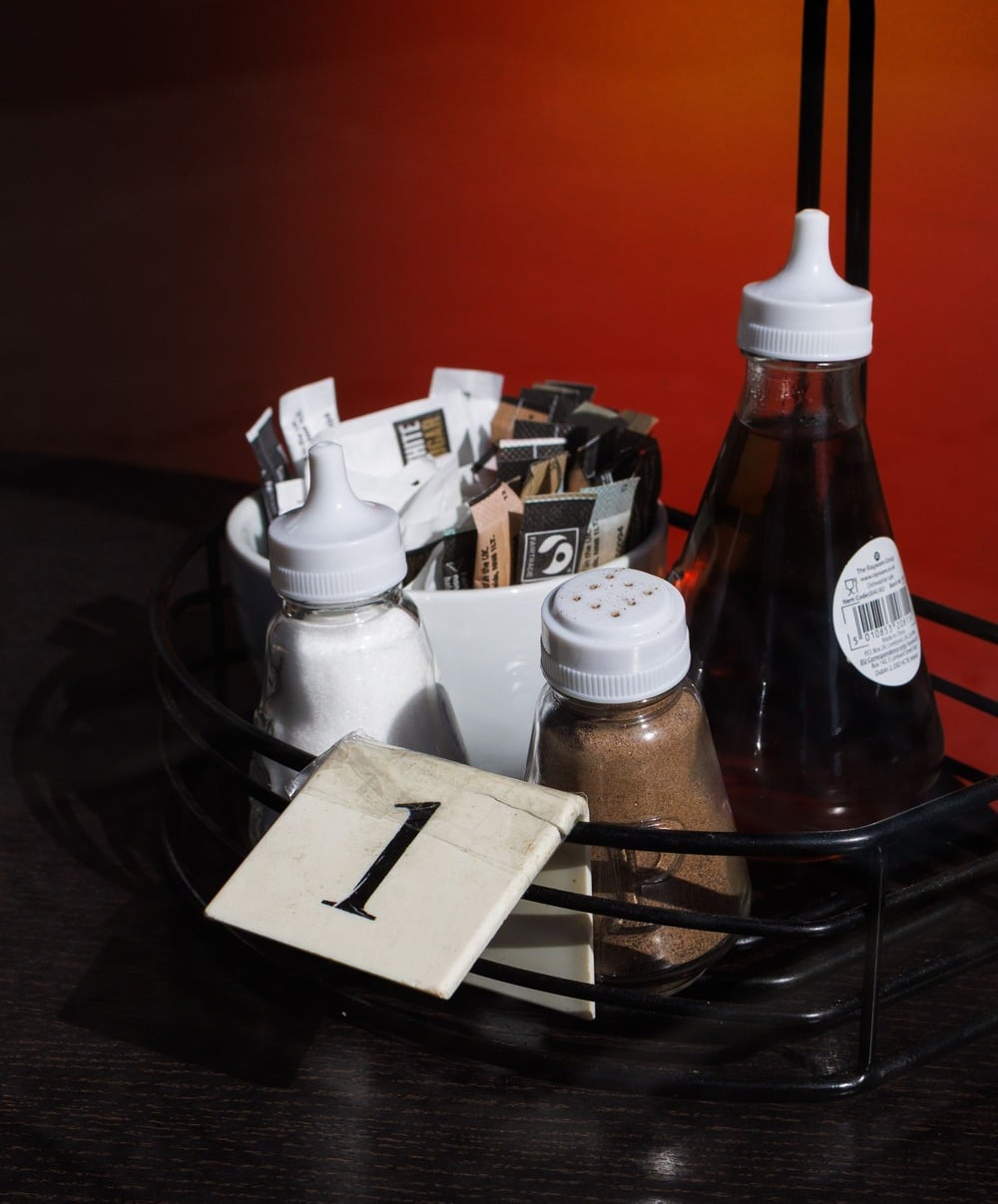
It starts with a simple question: “Can I get an extra sauce?” Years ago, the answer was often yes, and that was the end of it. Today, many restaurants and fast-food chains limit complimentary portions or charge for additional packets, dips, and dressings. On their own, the fees are tiny. Together, they reflect a much bigger shift toward pricing every individual part of the experience. Even ketchup, it seems, eventually entered the age of microtransactions.
Most of the things on this list didn’t disappear. They simply changed columns on the receipt. Over time, airlines, hotels, banks, restaurants, and countless other businesses discovered that services once bundled into the original purchase could be separated into individual charges. Sometimes the change reflected rising costs or new regulations. Other times, it was simply a different way of pricing the same experience. Either way, it quietly reshaped what “included” really means.
Keep Exploring The Scroller
The biggest changes in everyday life aren’t always dramatic. Sometimes they’re hidden in the details we barely notice until they’re gone. Keep exploring The Scroller for more stories about consumer trends, forgotten conveniences, and the surprising ways ordinary experiences have changed over the years:
20 Advertising Lies That Became “Common Sense”