Most successful advertising doesn’t just sell products. It sells ideas. The most effective campaigns don’t convince you to buy something once. They convince you that something has always been true. Over time, some of those messages became so familiar that people stopped thinking of them as advertisements at all. They became common sense, traditions, or even life advice. These advertising lies weren’t always outright fabrications, but they were powerful enough to shape the way generations thought about health, beauty, relationships, and everyday life.
1. Doctors Really Did Tell People to Smoke These Cigarettes
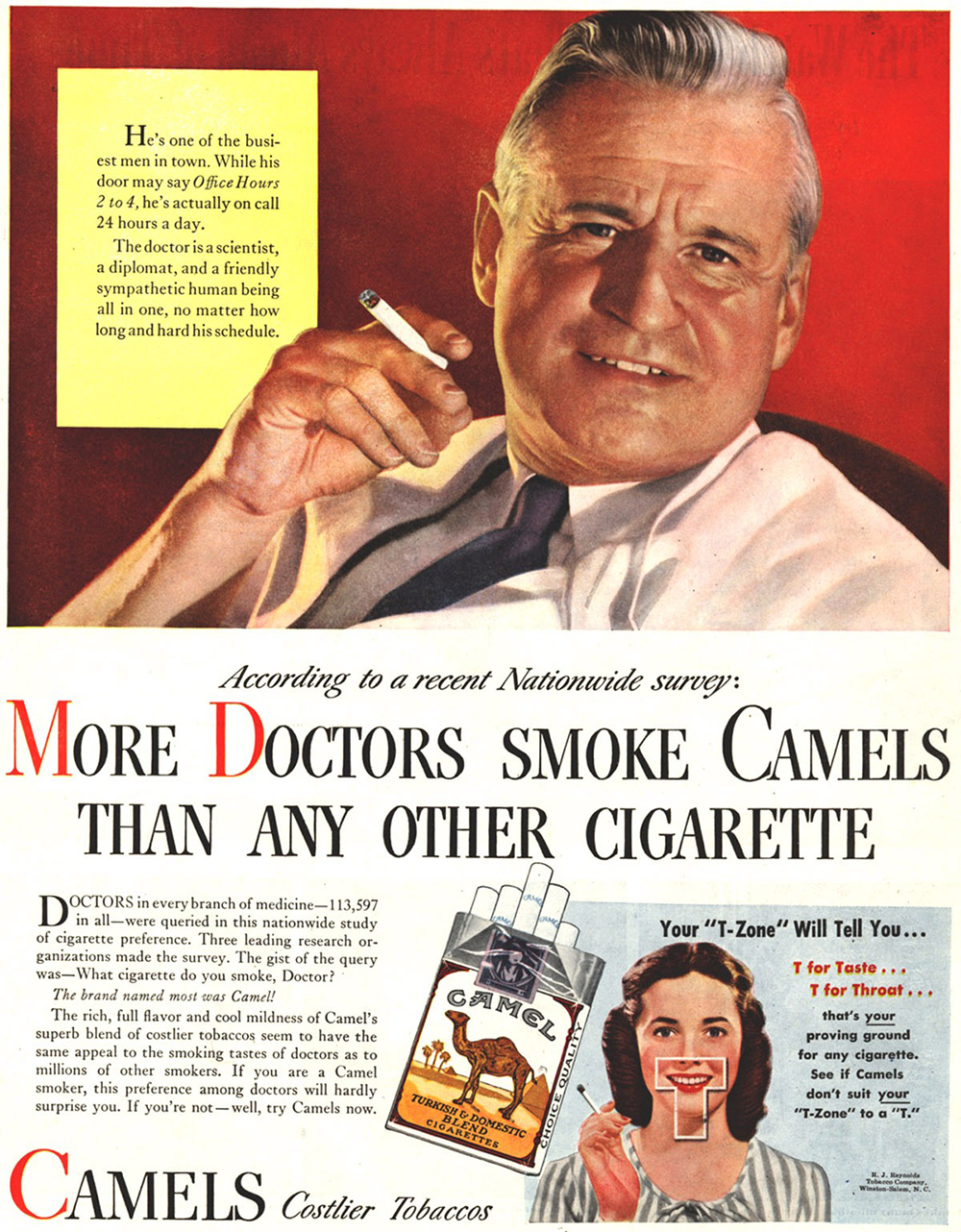
There was a time when seeing a doctor holding a cigarette wasn’t shocking. It was reassuring. Camel famously ran ads claiming that more doctors smoked their brand than any other, giving cigarettes an air of medical approval that seems unbelievable today. The campaign relied on surveys with questionable methods, but the message was clear: if doctors smoked them, they couldn’t be that bad. Looking back, it’s one of the most astonishing examples of how much authority advertising could borrow from a white coat.
2. A Diamond Became the “Right” Way to Get Engaged
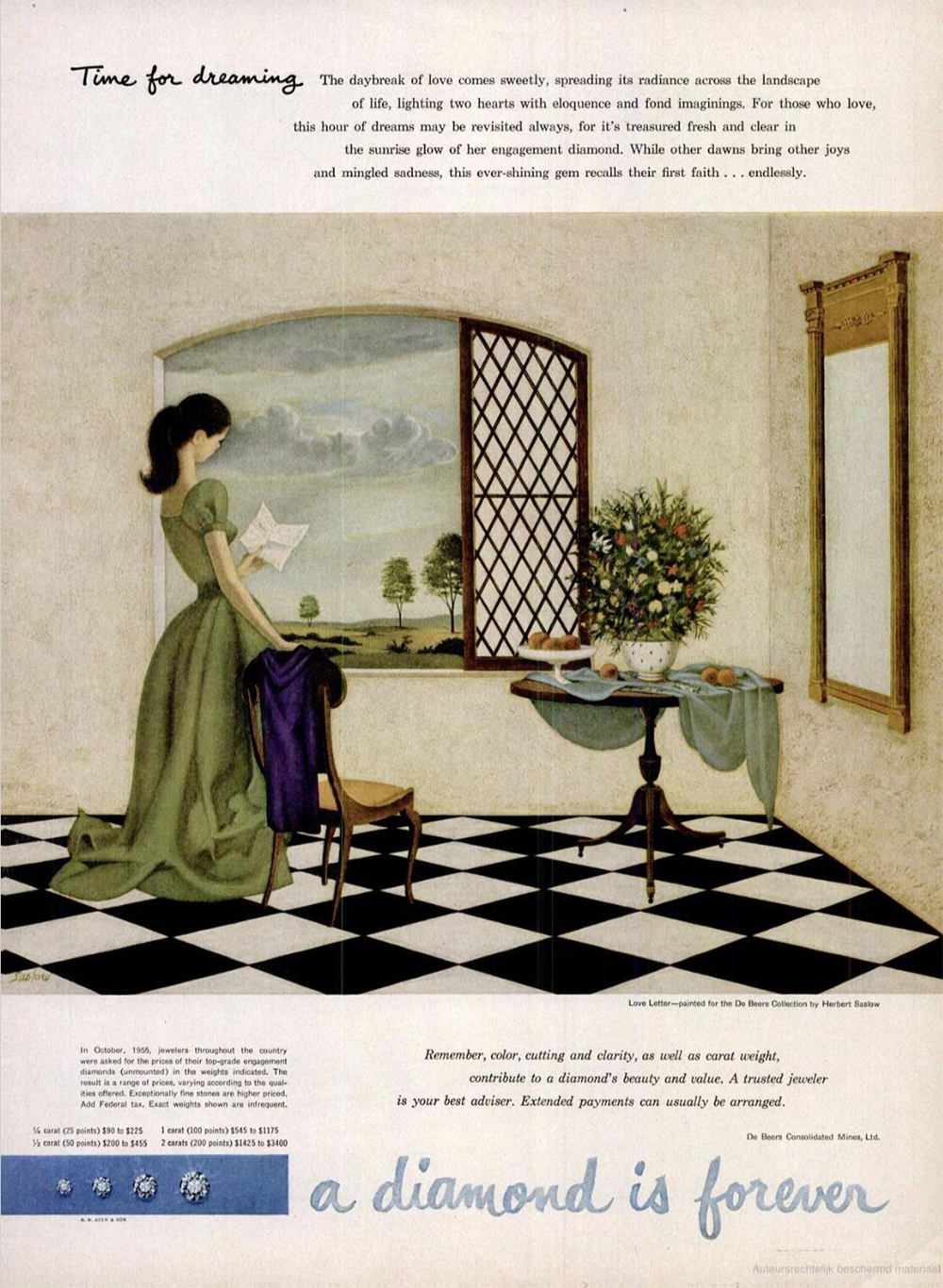
Diamond engagement rings existed long before De Beers. What advertising helped change was the belief that a diamond wasn’t simply one option, but the proper symbol of love and commitment. Through decades of carefully crafted campaigns, celebrity endorsements, and the unforgettable slogan “A Diamond Is Forever,” the idea became part of popular culture. It’s remarkable how something that feels like a timeless tradition was heavily reinforced by modern marketing.
3. Bad Breath Was Supposed to Ruin Your Love Life
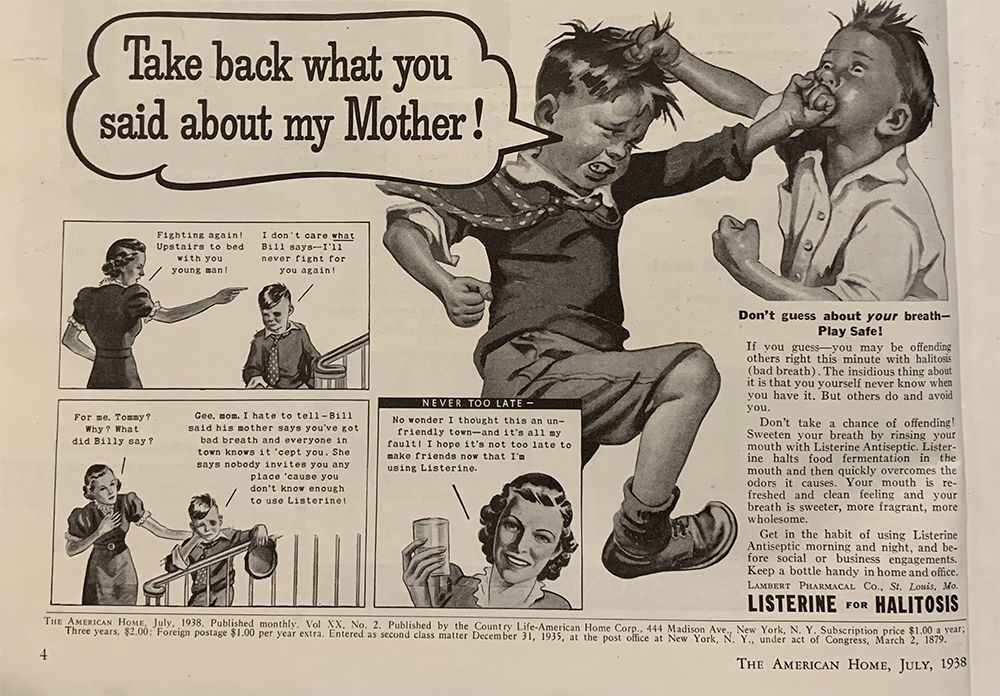
Bad breath had always existed. The fear that it could quietly destroy your relationships needed a little marketing help. During the 1920s, Listerine popularized the medical-sounding word “halitosis” and paired it with advertisements suggesting that this invisible problem could cost people romance, friendships, and even marriage. Suddenly, mouthwash wasn’t just about hygiene. It became protection against social rejection. How many insecurities begin not with reality, but with a really effective ad?
4. Men and Women Needed Different Versions of the Same Product
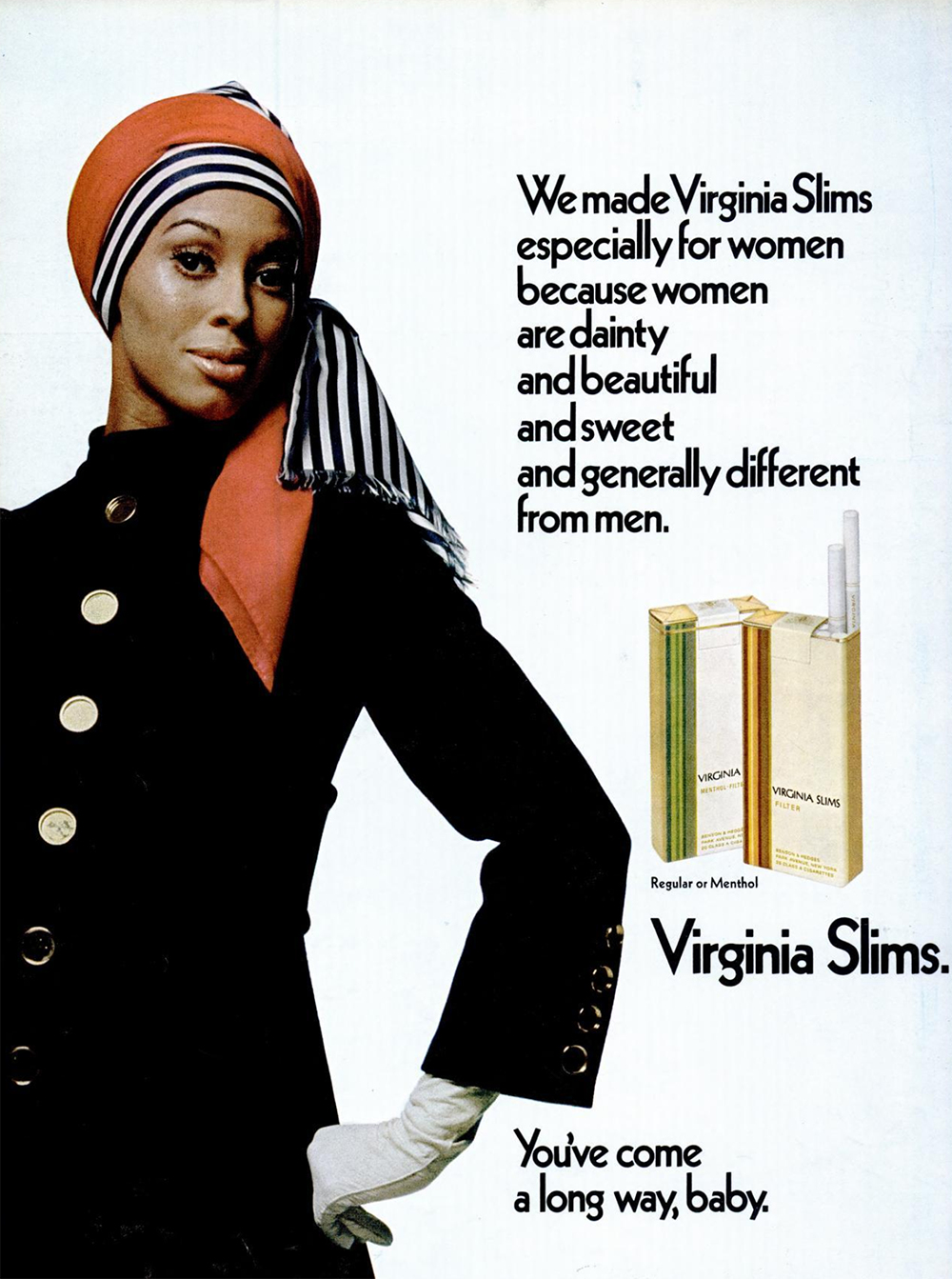
Walk through almost any store today and you’ll still see it. Razors, shampoo, deodorant, soap, even pens have often been marketed in separate “his” and “hers” versions despite serving nearly identical purposes. Advertising didn’t invent gender differences, but it repeatedly suggested that everyday products also needed masculine or feminine identities. Sometimes the biggest difference wasn’t the formula. It was the packaging
5. White Teeth Automatically Meant Healthy Teeth
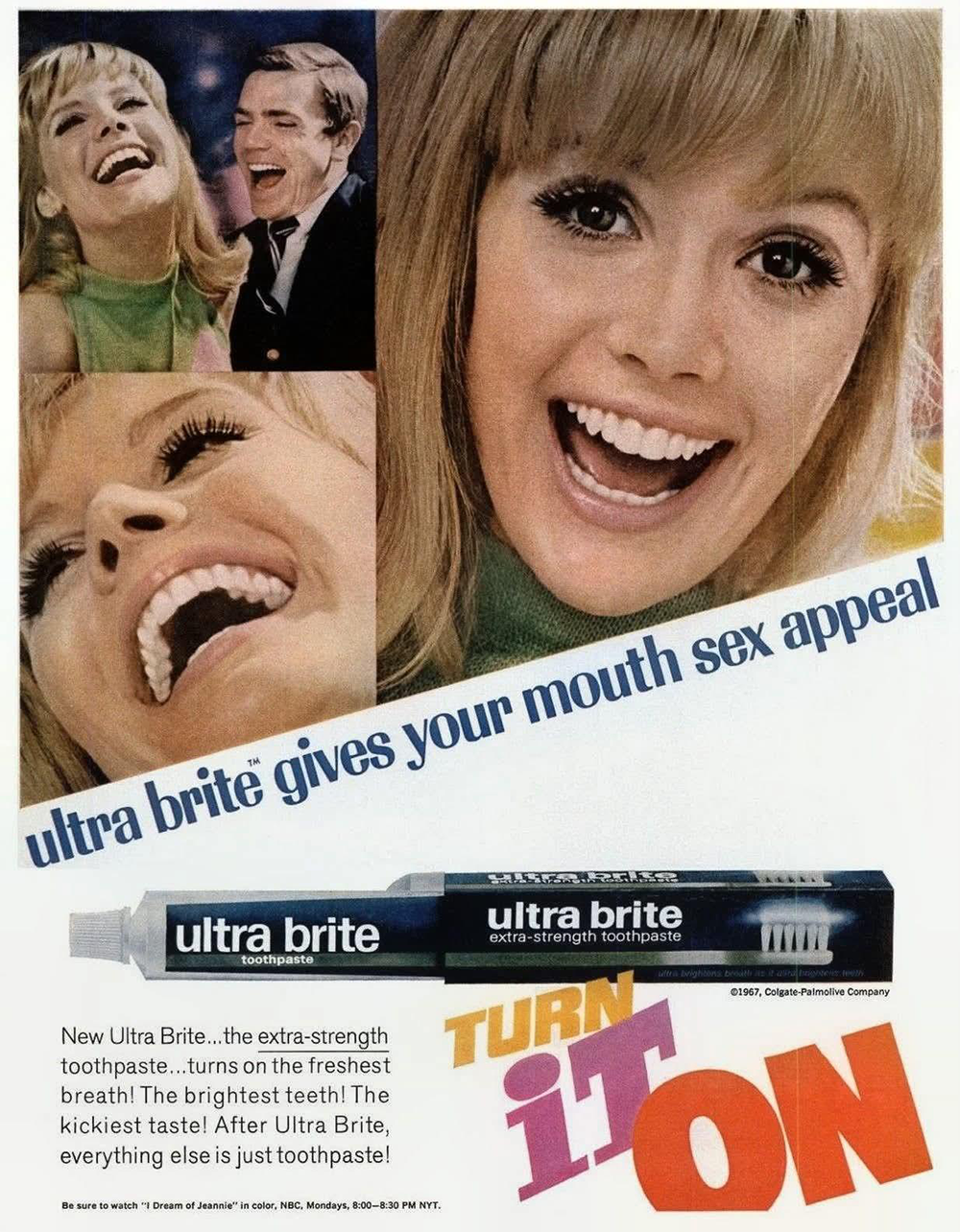
Bright white smiles became one of advertising’s favorite shortcuts for health and attractiveness. Over time, many people started treating tooth color as proof that someone’s teeth were healthier, even though natural teeth come in a range of perfectly normal shades. Whitening products transformed cosmetic appearance into something that looked almost medical. It’s easy to forget that healthy and perfectly white aren’t always the same thing.
Trending on The Scroller


6. More Bubbles Meant a Better Clean
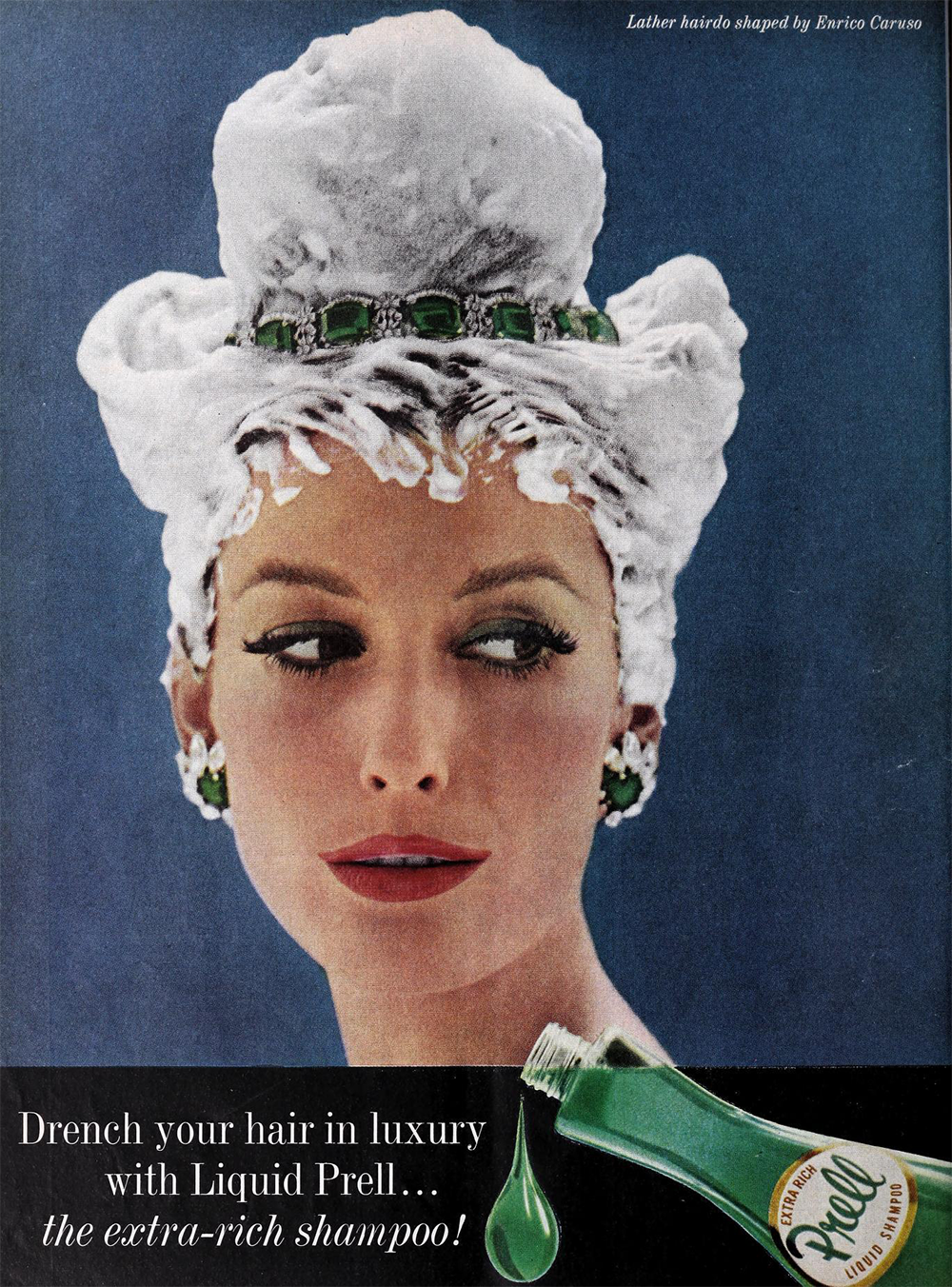
The rich, foamy lather in your shampoo or dish soap feels reassuring. Surely all those bubbles mean the product is working harder, right? Advertising spent decades reinforcing exactly that impression, teaching consumers to associate thick foam with powerful cleaning. In reality, lather is mostly about the experience of using the product rather than a direct measure of how well it cleans. It’s fascinating how something designed to look effective gradually became part of our definition of clean.
7. If It Didn’t Smell Fresh, It Couldn’t Be Clean
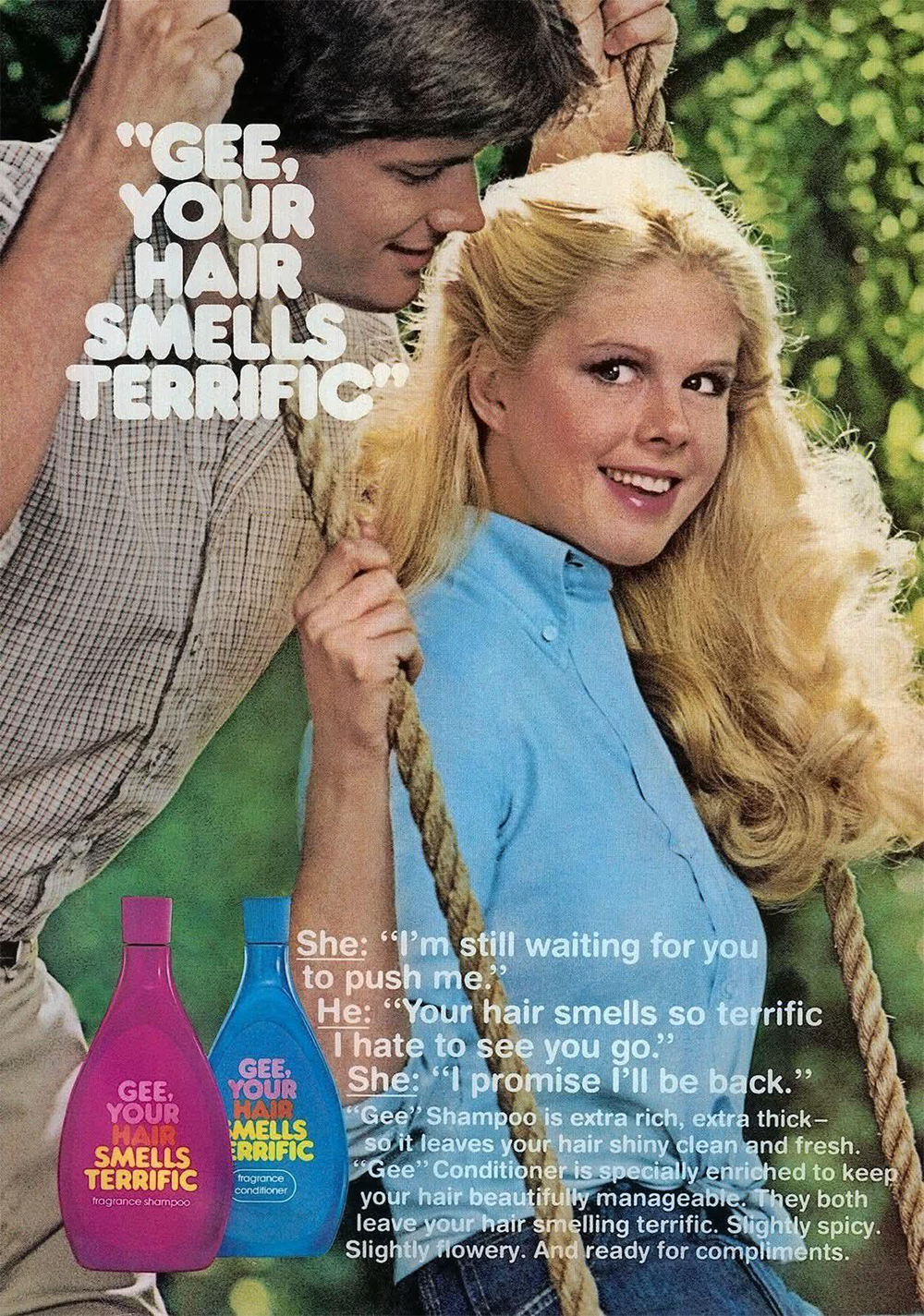
Picture the scent of lemons, pine, or freshly washed laundry. For many people, those smells immediately signal cleanliness. That’s no accident. Household cleaning ads repeatedly paired certain fragrances with spotless homes, turning scent into proof that a room had been properly cleaned. Of course, a pleasant smell and actual cleanliness aren’t the same thing. Advertising didn’t just sell cleaning products. It quietly taught us what “clean” was supposed to smell like.
8. Body Odor Meant You Were Failing Socially
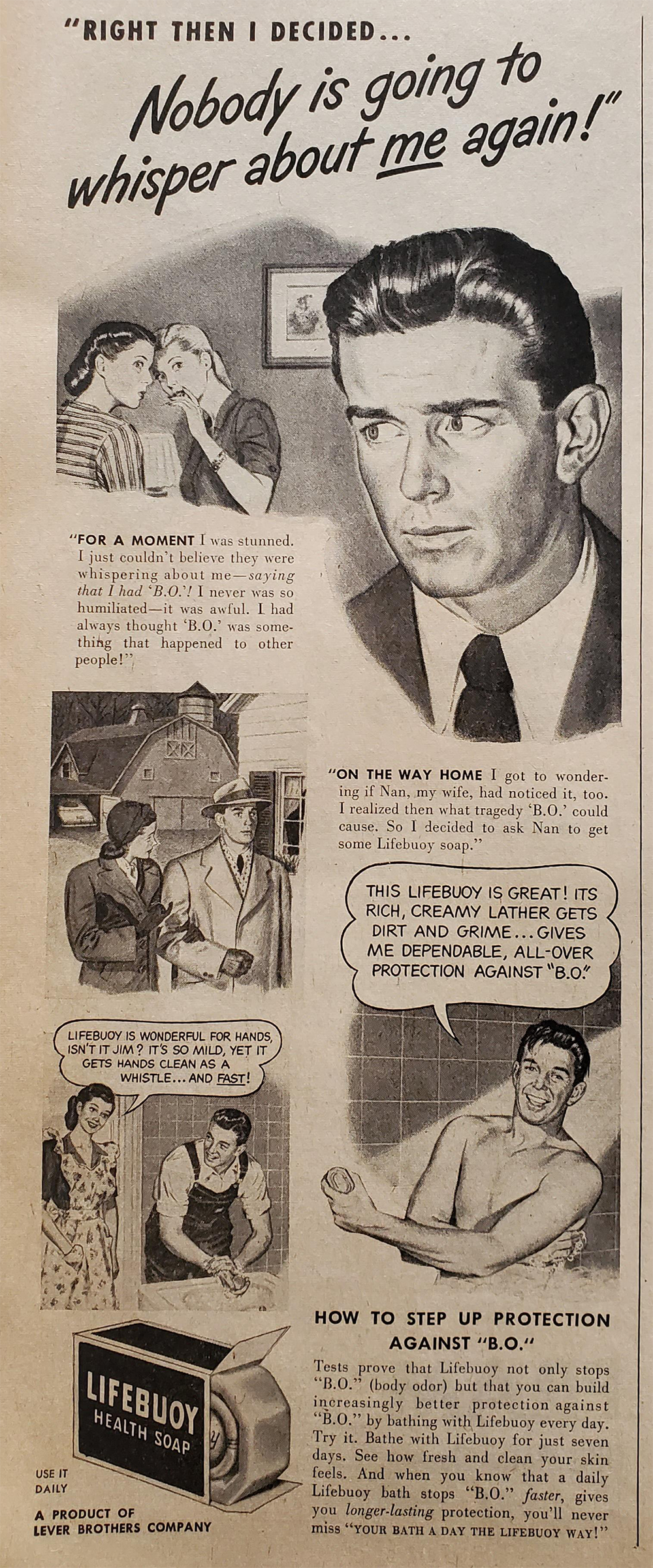
Everyone worries about body odor from time to time. Advertising made that worry feel much bigger. Vintage deodorant campaigns often suggested that a little perspiration could cost you friends, romance, promotions, or popularity without you ever knowing why. The product wasn’t simply solving a hygiene problem. It was promising social acceptance. It’s surprising how many insecurities begin with the fear of what other people might secretly think.
Sign up for our newsletter
9. Women Had to Smell “Fresh” to Keep Their Marriage Happy
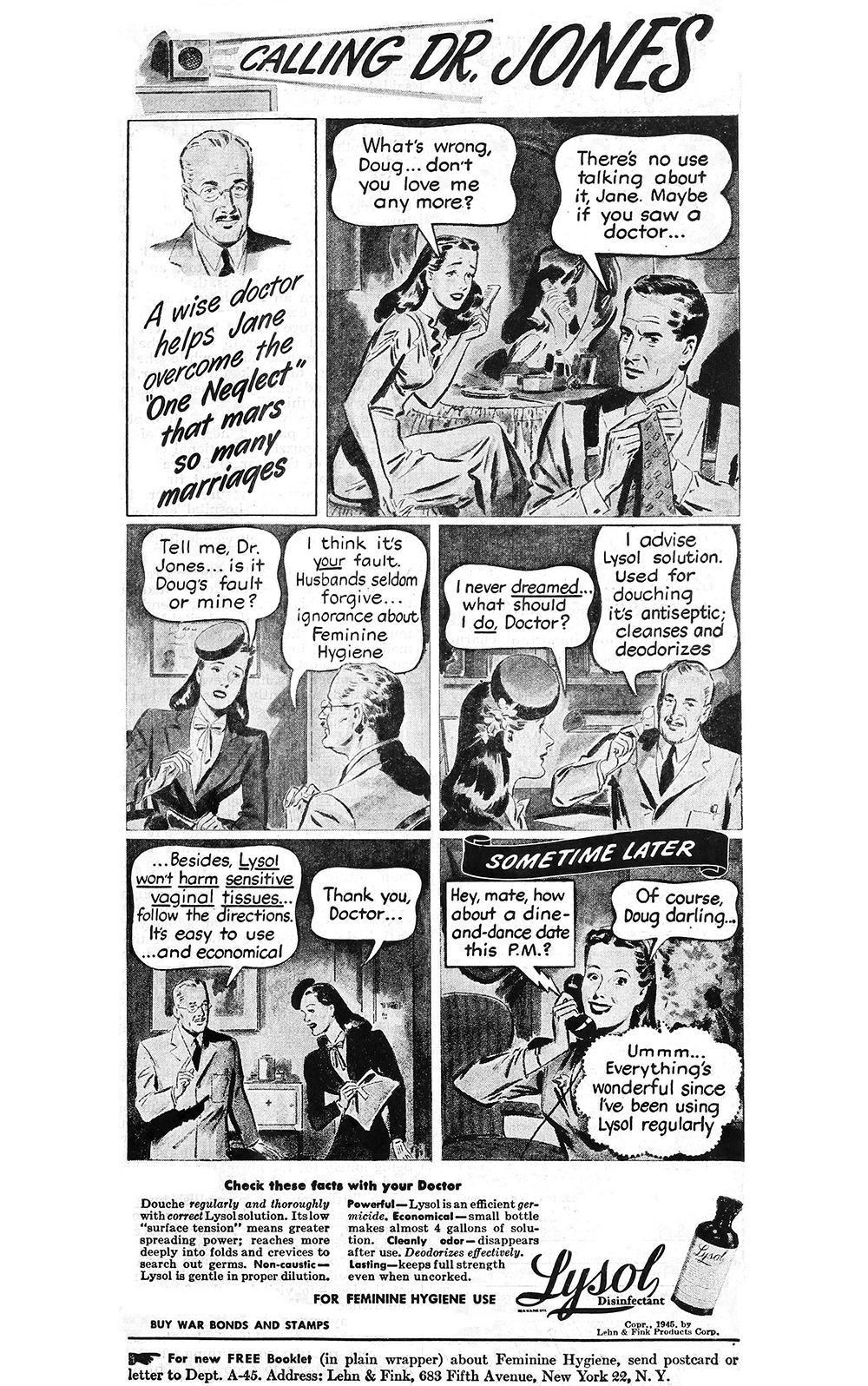
Some of the most unsettling vintage advertisements weren’t selling beauty. They were selling anxiety. For decades, feminine hygiene products were marketed with the suggestion that failing to use them could threaten relationships or even marriages. Rather than focusing on health, many campaigns implied that women constantly risked embarrassing themselves without specialized products. Looking back, it’s a striking example of how advertising could transform perfectly normal human concerns into lifelong insecurities.
10. A Tan Became a Sign of Health
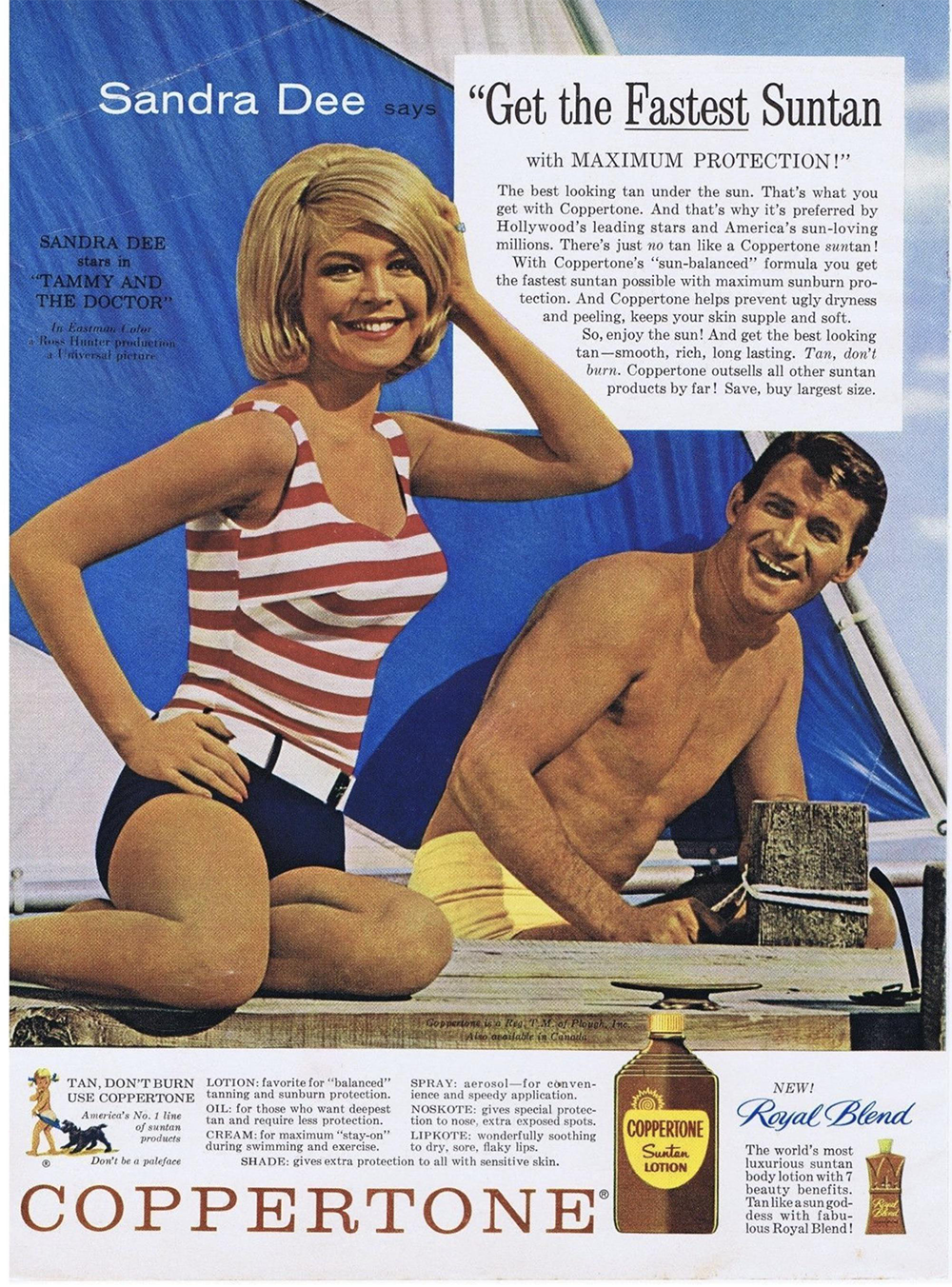
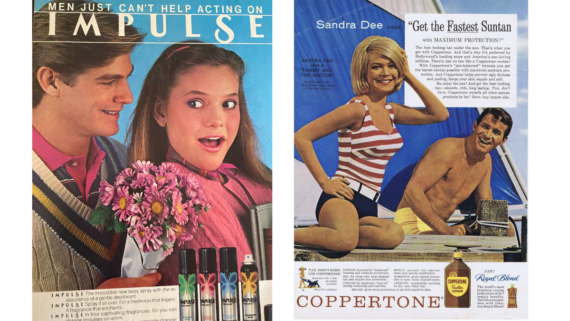
Today we know that too much sun exposure carries real risks. Yet for decades, advertisements painted bronzed skin as the ultimate symbol of health, attractiveness, and an active lifestyle. Suntan oils, beach vacations, and fashion campaigns reinforced the idea that the deeper your tan, the healthier you looked. The glow wasn’t just cosmetic. It became a status symbol. Isn’t it interesting how beauty standards can completely reverse within a single lifetime?
11. Baby Formula Was Sold as the More Modern Choice
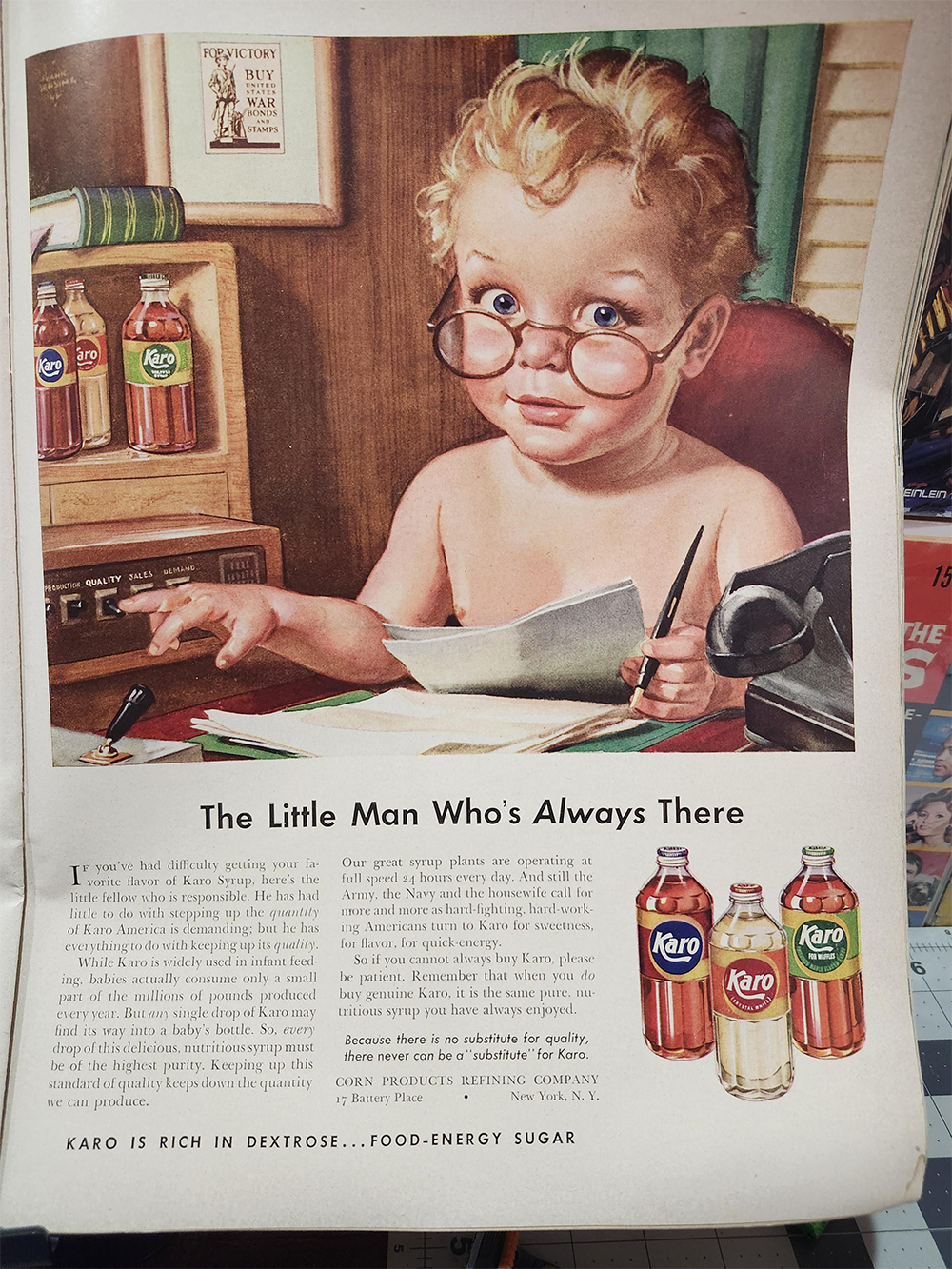
There was a time when scientific progress became one of advertising’s strongest selling points. Formula companies often presented their products as modern, convenient, and supported by science, encouraging many parents to see bottle-feeding as a symbol of progress. The campaigns didn’t invent infant formula, nor did they erase the importance of breastfeeding, but they helped shape perceptions of what modern parenting looked like. It’s a reminder that “new” and “better” aren’t always the same thing.
12. Sugar Could Actually Help You Stay Slim
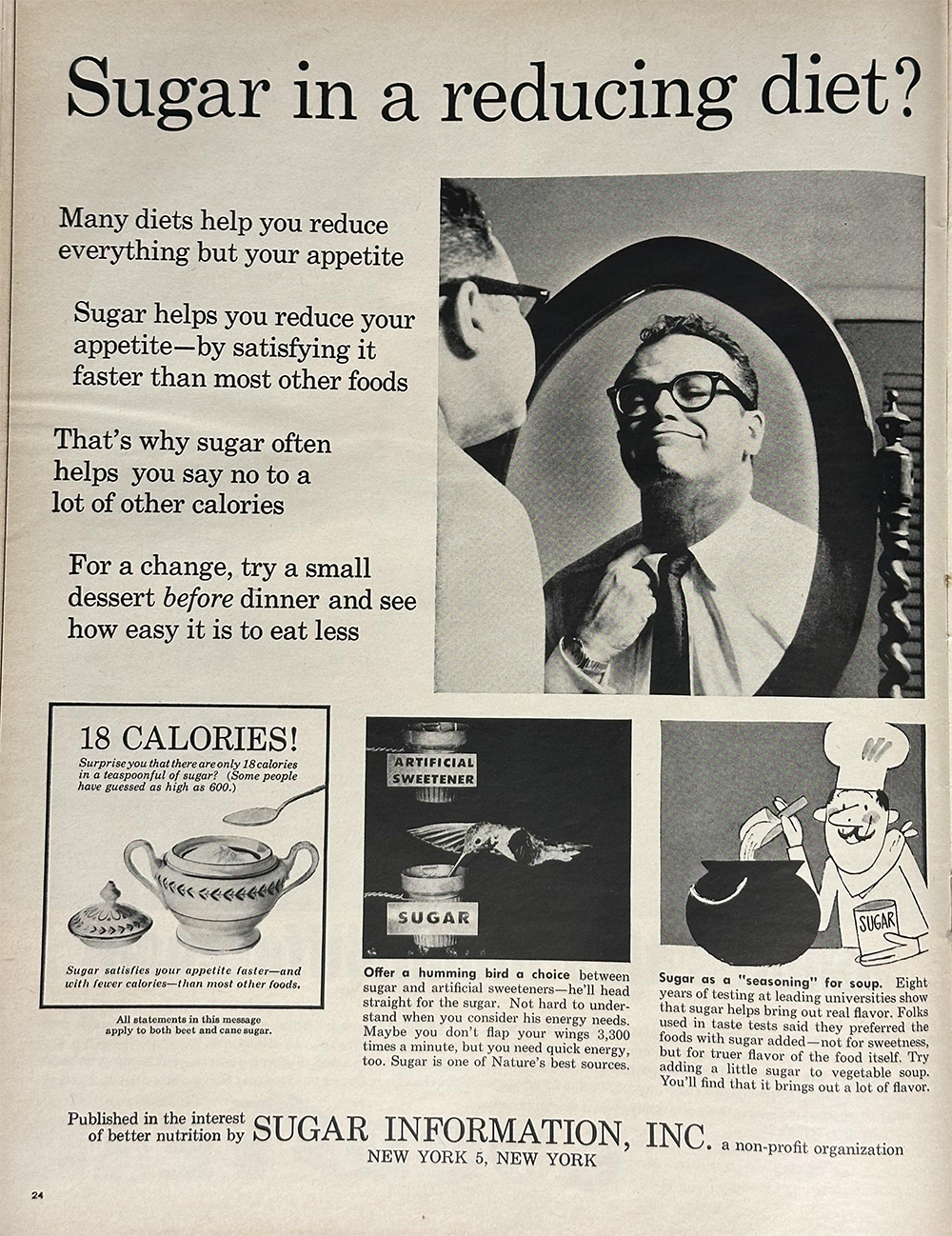
Today, that claim sounds almost unbelievable. Yet vintage advertisements sometimes promoted sugary foods as a smart way to control appetite or maintain a desirable figure. Instead of treating sugar as something to limit, certain campaigns positioned it as part of a healthy, balanced lifestyle. It’s one of those moments in advertising history that makes you wonder which current health messages future generations will find equally surprising.
13. Low-Fat Automatically Meant Healthier
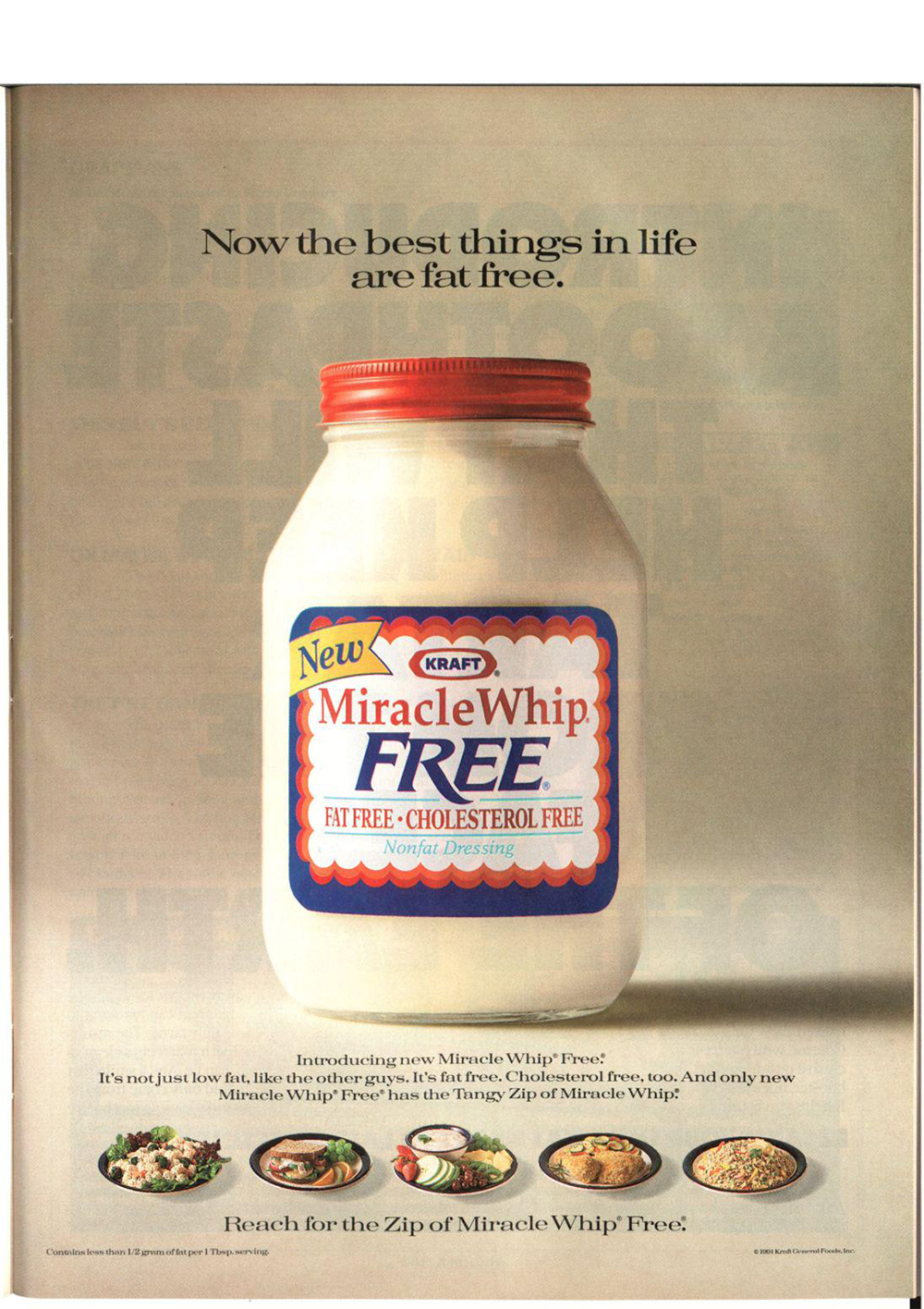
For years, one label did most of the marketing by itself: low-fat. As soon as consumers saw those words, many assumed the product inside had to be healthier, even if it contained plenty of sugar or highly processed ingredients. The message became so widespread that reducing fat often overshadowed everything else on the nutrition label. Some of the most influential advertising lies didn’t require making something unhealthy look healthy. They only had to make one claim feel more important than all the others.
14. Breakfast Became the Meal You Couldn’t Skip
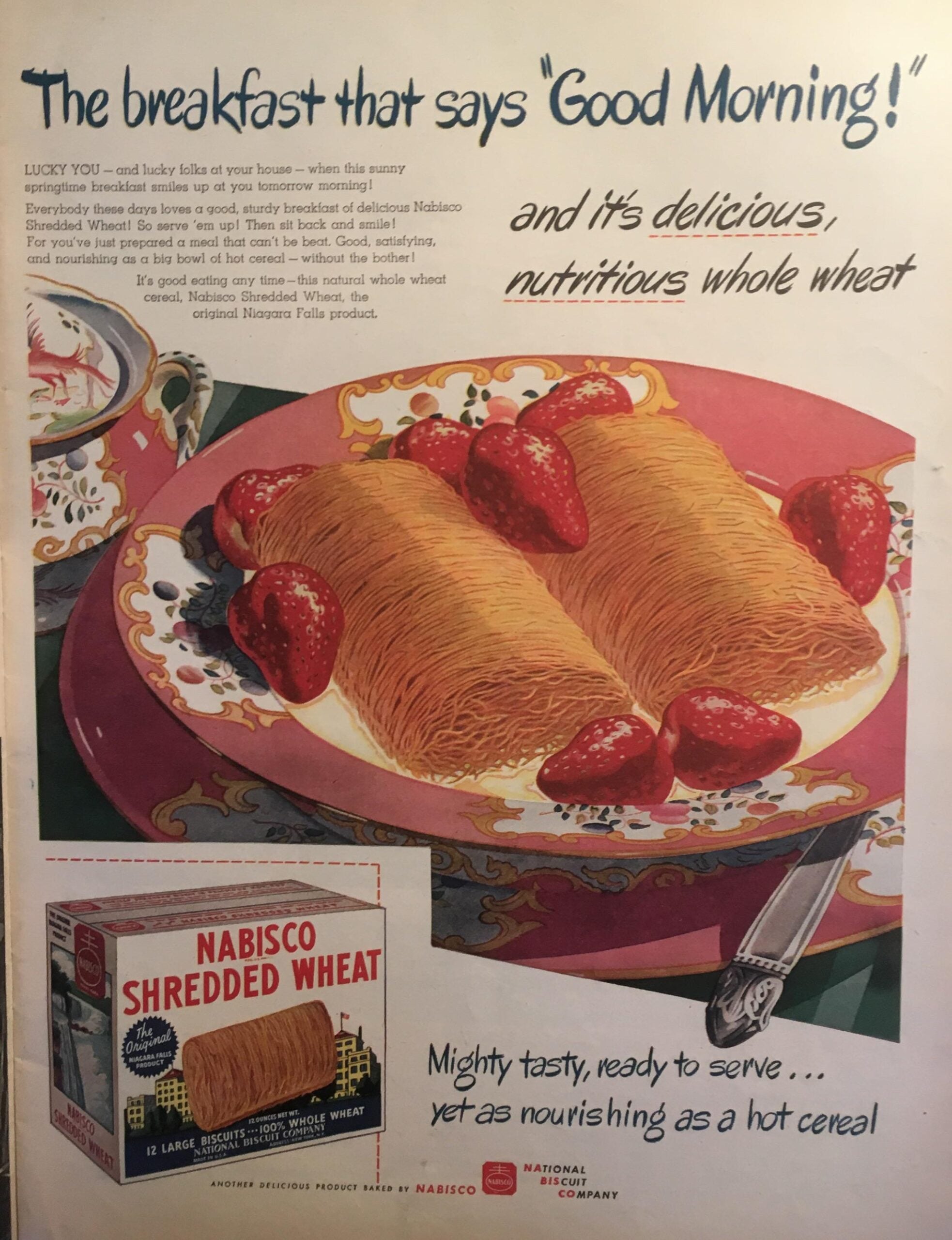
Missing breakfast wasn’t always treated like a serious mistake. Decades of cereal advertising helped reinforce the idea that breakfast was the day’s most essential meal, encouraging families to begin every morning with a bowl of cereal. While breakfast can certainly be part of a healthy routine, the broader message became much bigger than any single product. Sometimes a marketing campaign doesn’t create a habit from scratch. It simply makes one habit feel almost mandatory.
15. Orange Juice Was Supposed to Be on Every Breakfast Table
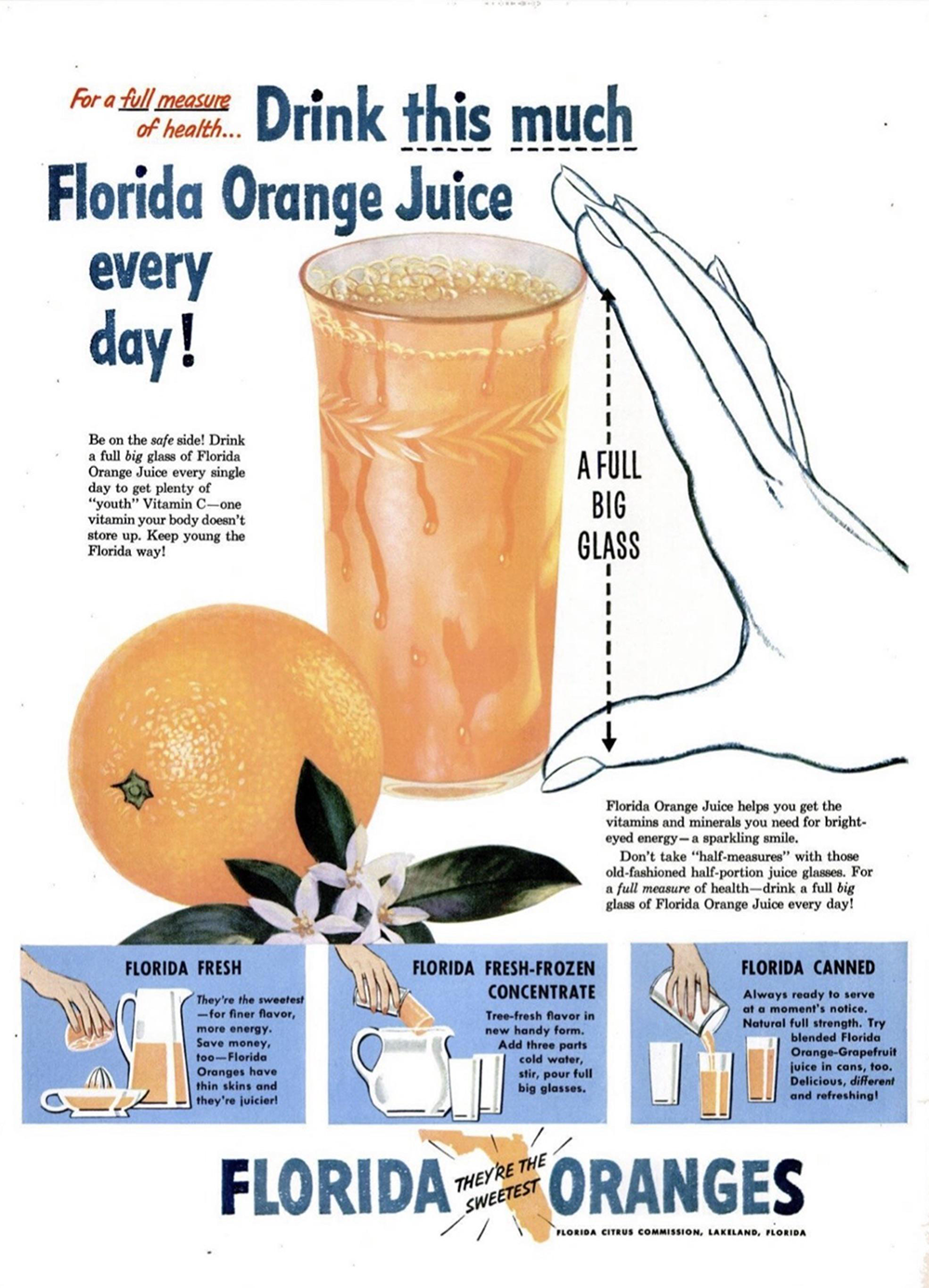
Think about the classic American breakfast in movies or old commercials. There’s a good chance a glass of orange juice is sitting next to the eggs or cereal. That association didn’t happen by accident. Decades of advertising helped transform orange juice from just another beverage into what many people considered an essential part of breakfast. It’s fascinating how a single product can become so tied to one meal that the pairing starts to feel inevitable.
16. Bottled Water Became the “Better” Water
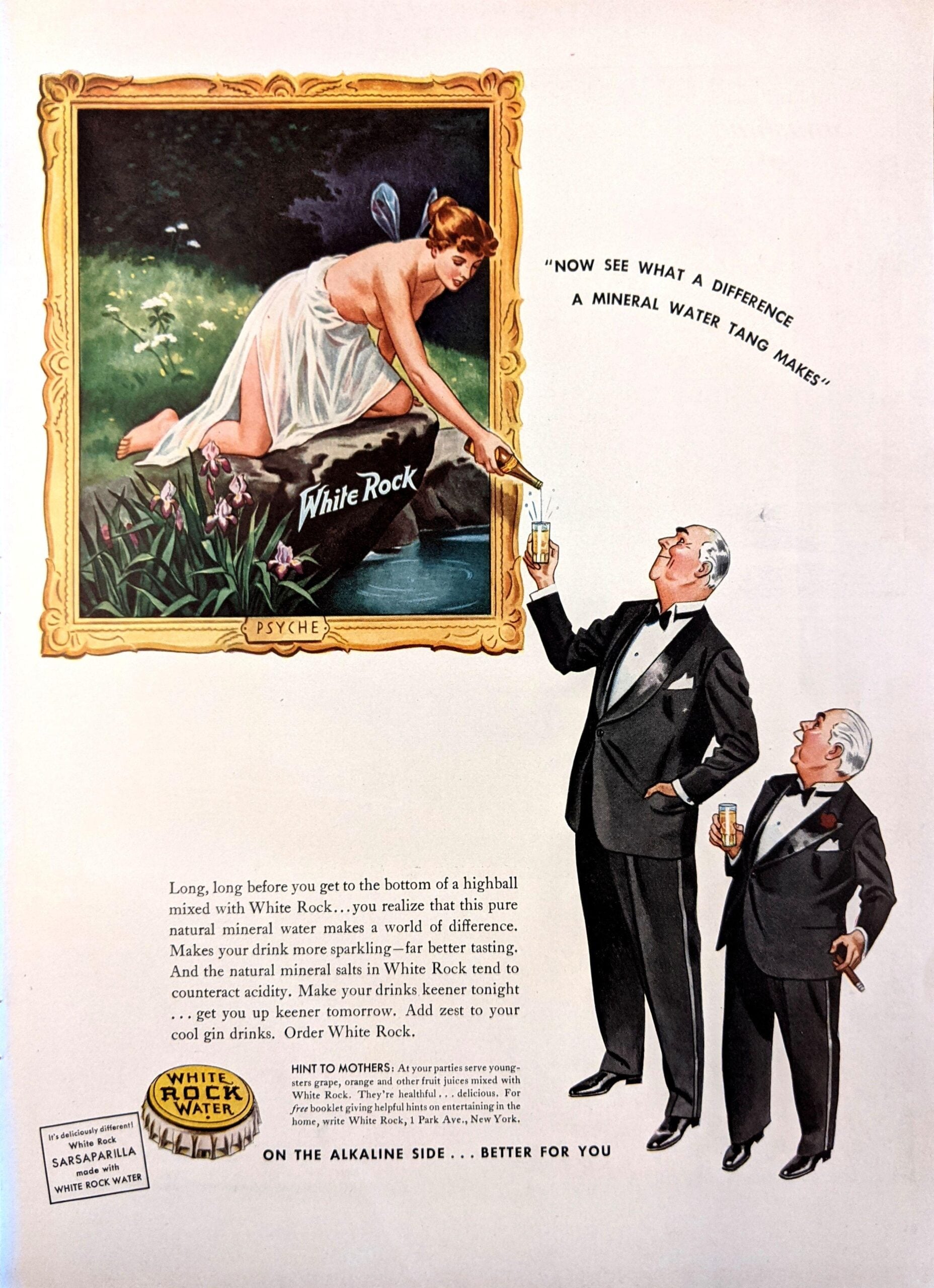
Towering mountains. Crystal-clear springs. Untouched nature. Bottled water advertising rarely sold water alone. It sold purity. Over time, many consumers began assuming that water in a bottle was automatically cleaner or healthier than water from the tap, even though the answer depends entirely on where the water comes from and how it’s treated. Sometimes the packaging shaped people’s perception more than the product itself.
17. Your Perfectly Good Car Was Already Out of Date
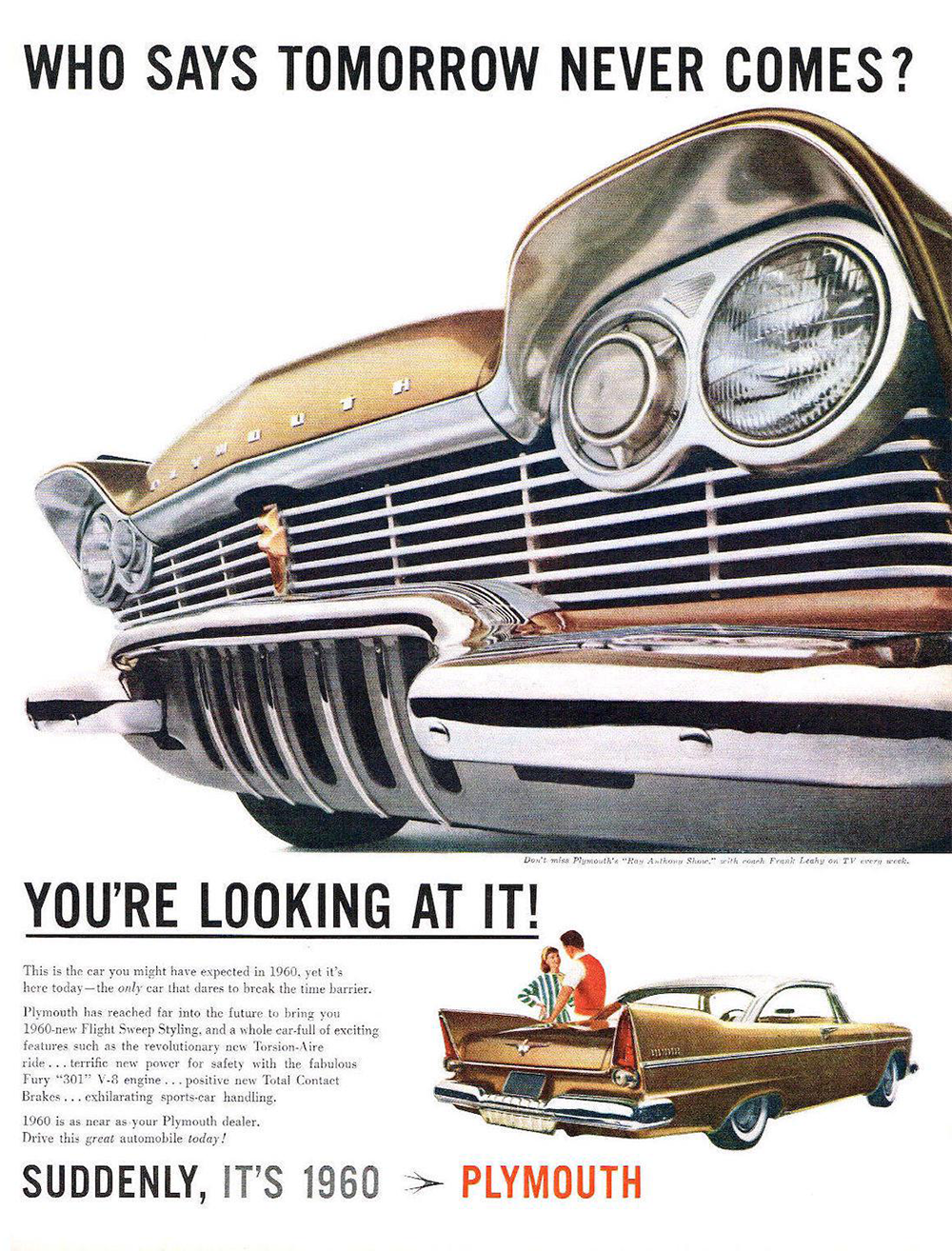
Nothing was wrong with last year’s model. Advertising simply made this year’s look impossible to resist. Throughout the twentieth century, automakers introduced annual styling changes that encouraged drivers to see perfectly functional cars as old-fashioned almost overnight. The engine still worked. The car still drove. What had really changed was the idea of what looked “new.” It’s amazing how quickly marketing can make satisfaction feel outdated.
18. Your Natural Hair Needed Fixing
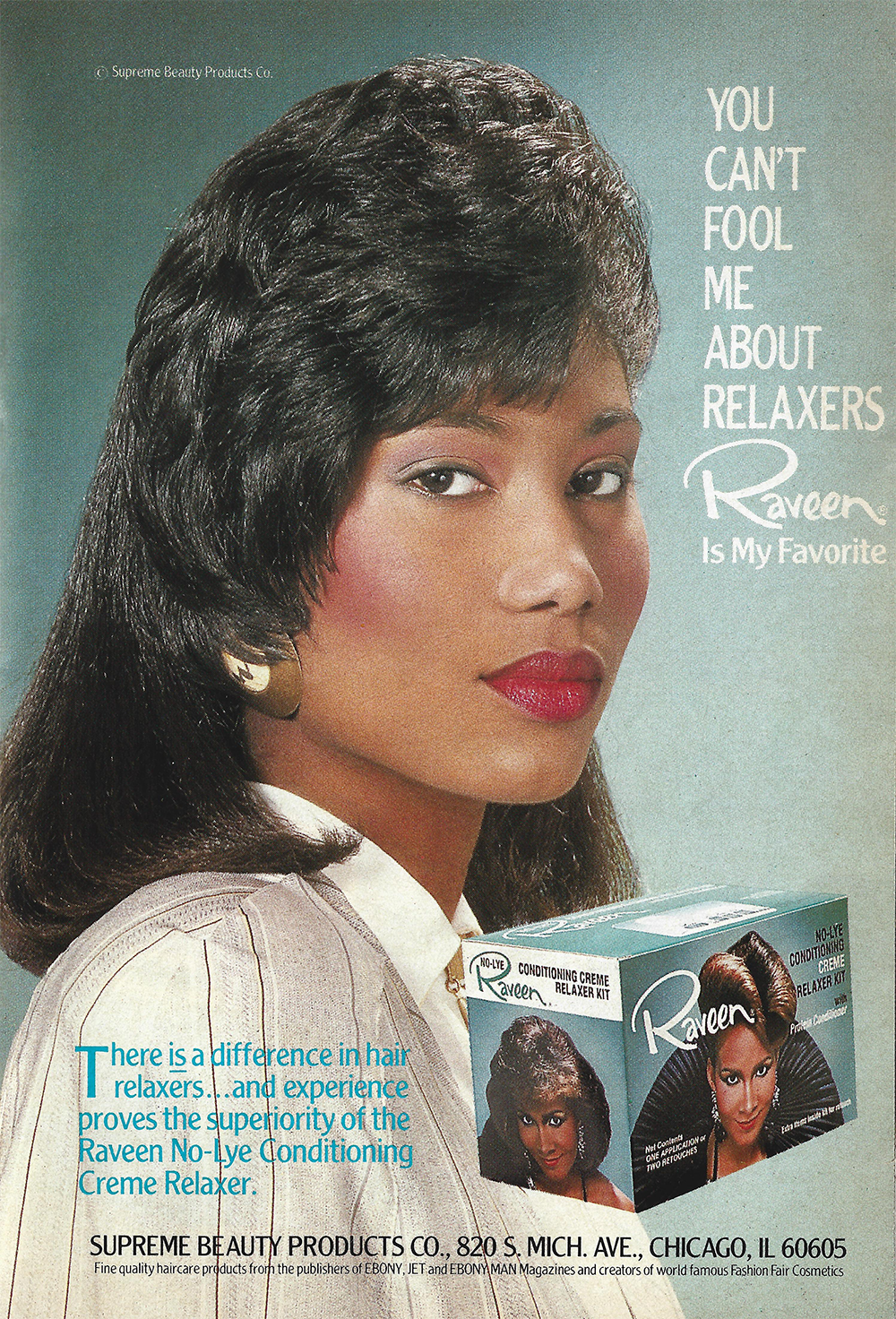
Too curly. Too straight. Too frizzy. Too flat. Too gray. For decades, hair advertisements have introduced perfectly normal characteristics as problems waiting for a solution. Every new product promised to smooth, tame, brighten, strengthen, or transform what people already had. Advertising didn’t invent beauty standards, but it repeatedly suggested that natural hair was only the starting point. After enough repetition, normal slowly began to feel unfinished.
19. Growing Older Became Something to Fight
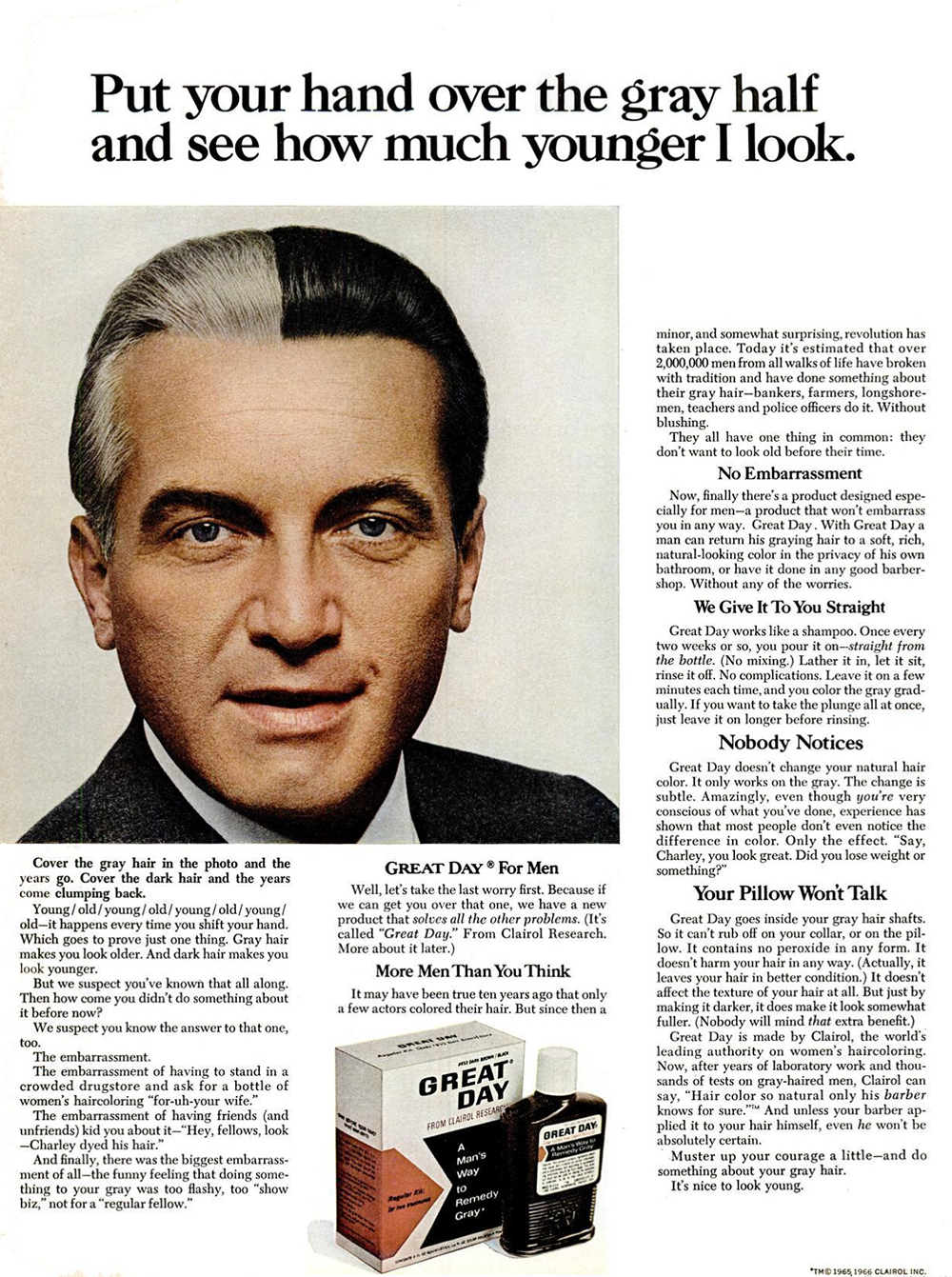
Wrinkles were once simply a sign that time had passed. Then anti-aging advertising gradually reframed them as something to correct, reverse, or delay for as long as possible. Creams, serums, and treatments weren’t just selling skincare. They were selling the idea that looking older was a problem with a solution. It’s remarkable how an inevitable part of life became something millions of people felt expected to battle.
20. The Right Product Could Make You More Desirable
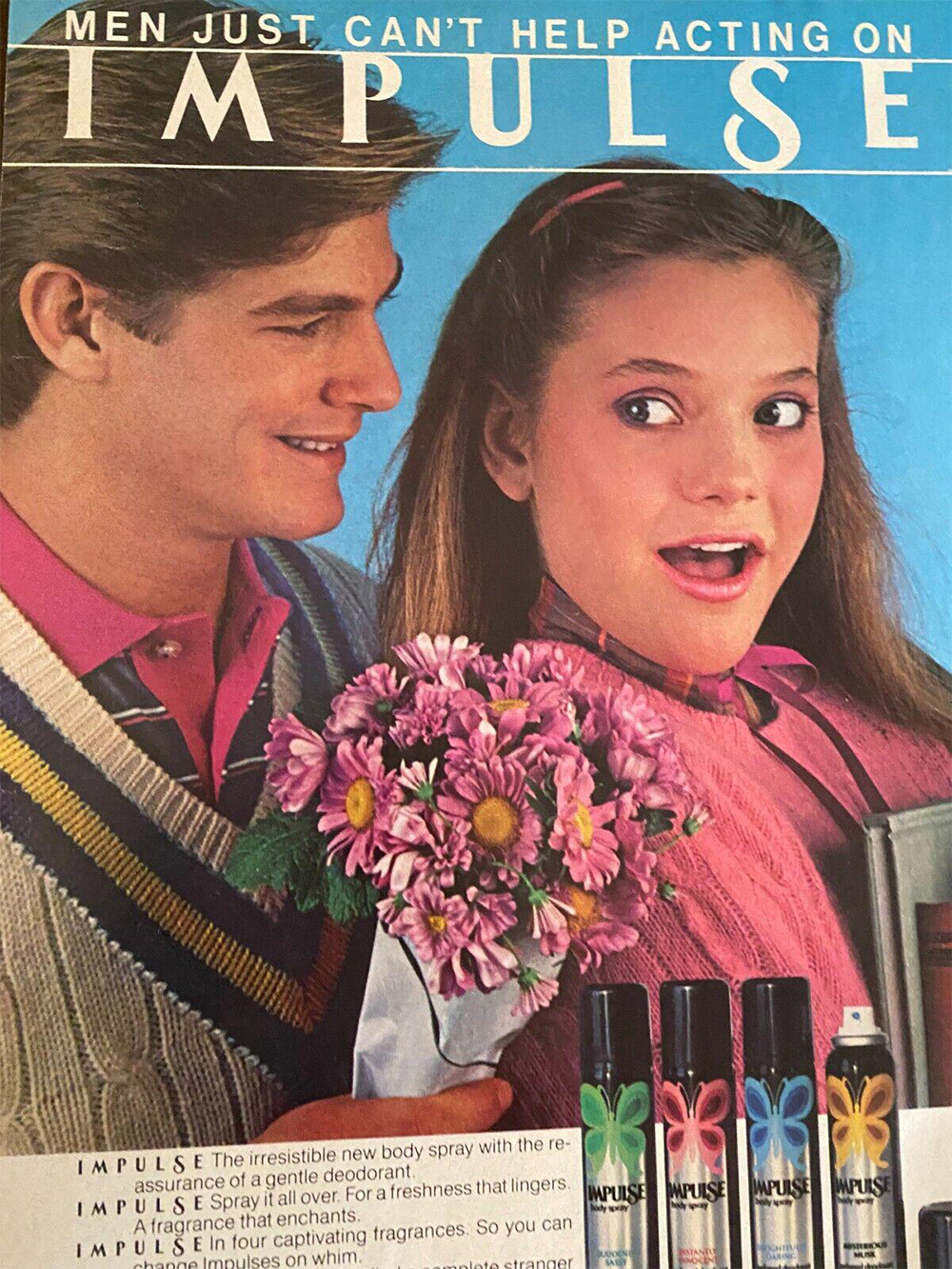
A bottle of cologne wouldn’t magically make you irresistible. A sports car couldn’t guarantee popularity. A designer watch wouldn’t instantly make you successful. Yet advertising has spent decades suggesting that products can unlock confidence, romance, status, and admiration. The most powerful message was never that an item would change your life overnight. It was that buying the right thing could help you become the person you wanted others to see.
The most effective advertising lies weren’t necessarily the ones that stretched the truth the most. They were the ones that quietly became part of everyday life. Over time, advertisements shaped traditions, beauty standards, health habits, and even the way people judged themselves and others. Long after the commercials disappeared, many of their messages remained. That’s what makes great advertising so fascinating. Its biggest success isn’t convincing you to buy something today. It’s convincing generations that the idea was theirs all along.
Keep Exploring The Scroller
Curious about the hidden stories behind everyday life? Keep exploring The Scroller for more surprising looks at the history of advertising, consumer culture, forgotten trends, and the unexpected ways marketing has shaped the world around us:
14 Shopping Habits That Middle-Class Families Had Before Online Stores
15 Lies Parents Told Their Kids In The Eighties
15 Online Hoaxes That Fooled People Who Should Have Known Better