Things people kept at home before television tell a surprisingly vivid story about how evenings once worked. Before a glowing screen became the natural center of the living room, entertainment was scattered throughout the house, tucked inside wooden cabinets, stacked on shelves, or waiting on a table for someone to pick it up.
Music might come from a phonograph or piano. A deck of cards could turn into an entire evening, while books, magazines, sewing projects, and family photographs offered quieter ways to pass the time. Even practical household objects played a larger visual role in rooms that weren’t arranged around a television.
Looking back at these objects isn’t just an exercise in nostalgia. Together, they reveal a home built around listening, reading, making things, talking, and finding your own ways to stay entertained.
1. Console Radio
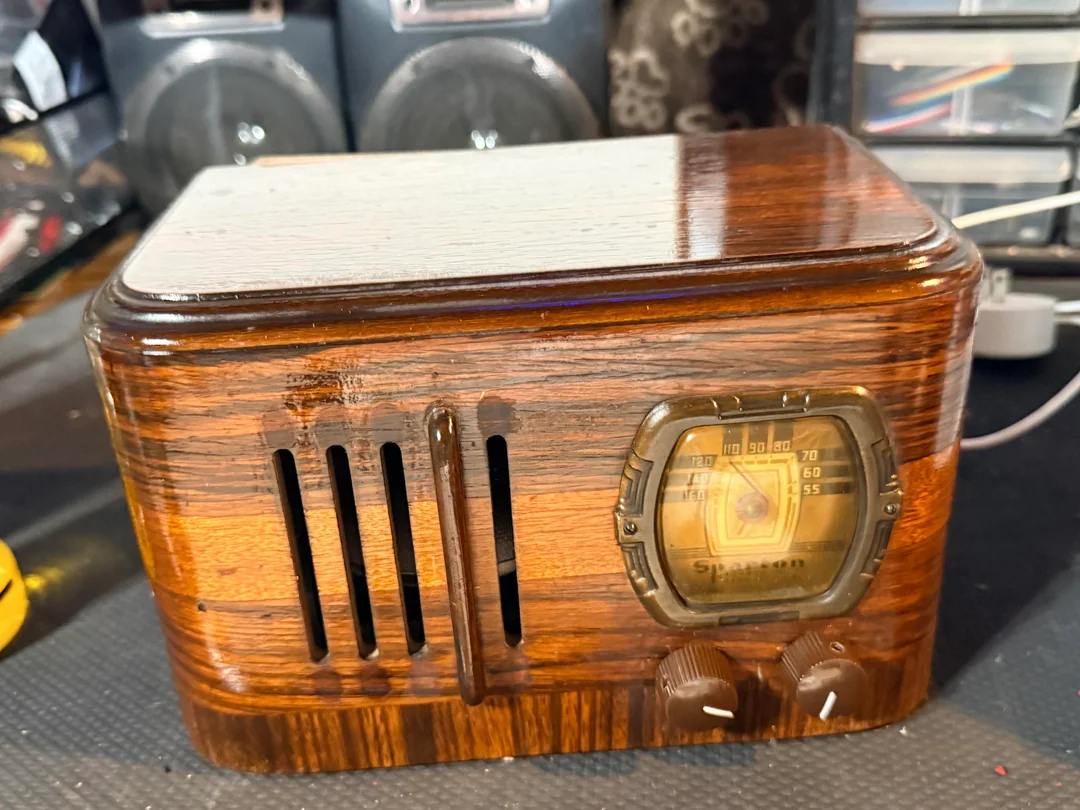
Before television claimed the best spot in the living room, a console radio could be the piece of technology everyone gathered around. These large wooden sets were designed more like furniture than electronics, with prominent dials and speaker grilles built directly into the cabinet. Families could listen to news, music, dramas, and comedy without needing a screen at all.
2. Victrola Phonograph
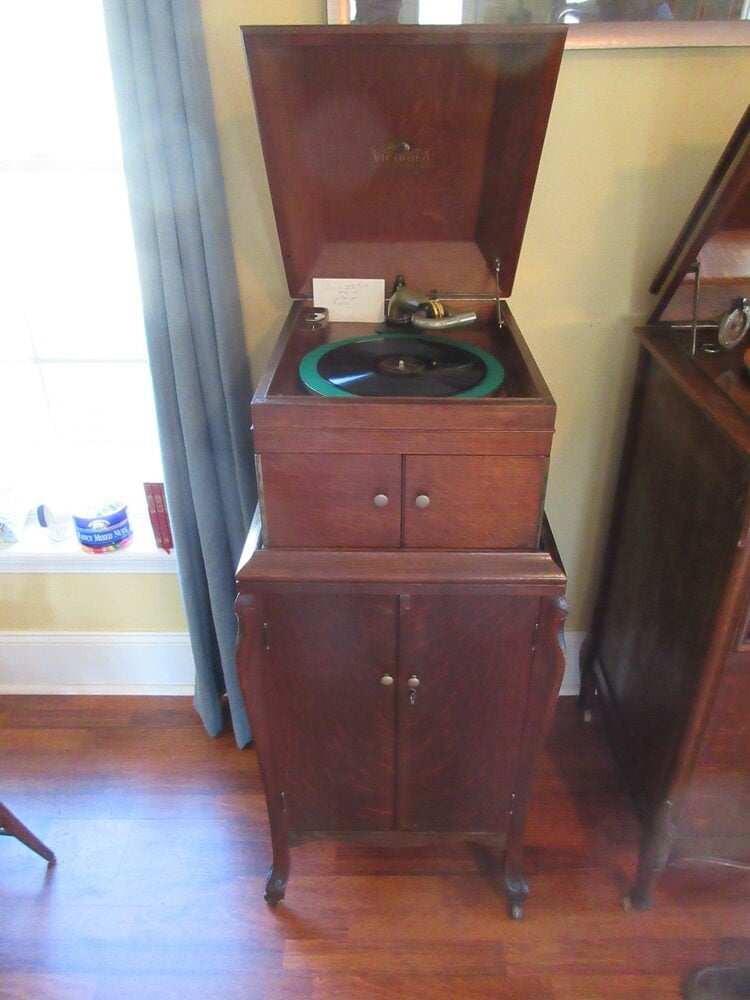
Putting on music once involved a little more participation than tapping a screen. Cabinet phonographs such as the Victrola turned recorded music into a physical ritual: choose a record, place it on the turntable, lower the needle, and listen. The substantial wooden cabinet in the image also shows how home audio equipment could double as a genuine piece of furniture.
3. Piano With Sheet Music
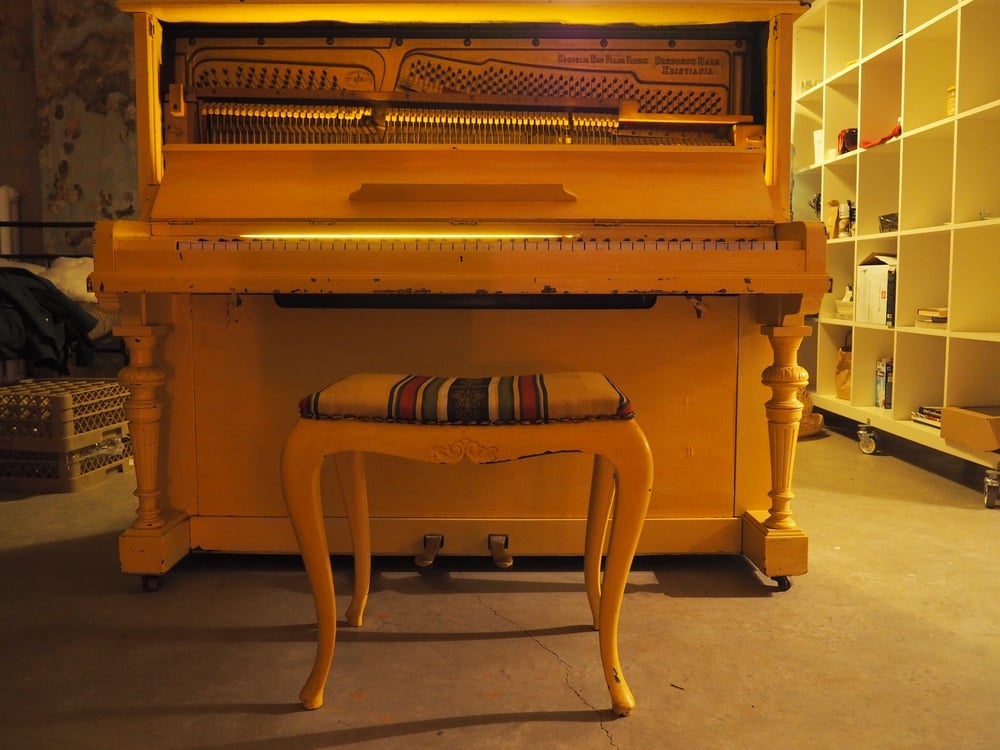
What happened when you wanted music but nobody could simply pull up a playlist? In many homes, someone had to make it. An upright piano paired with sheet music transformed the room into its own miniature performance space. Playing required considerably more effort than pressing play, but it also turned entertainment into something people actively created together.
4. Sewing Machine Cabinet
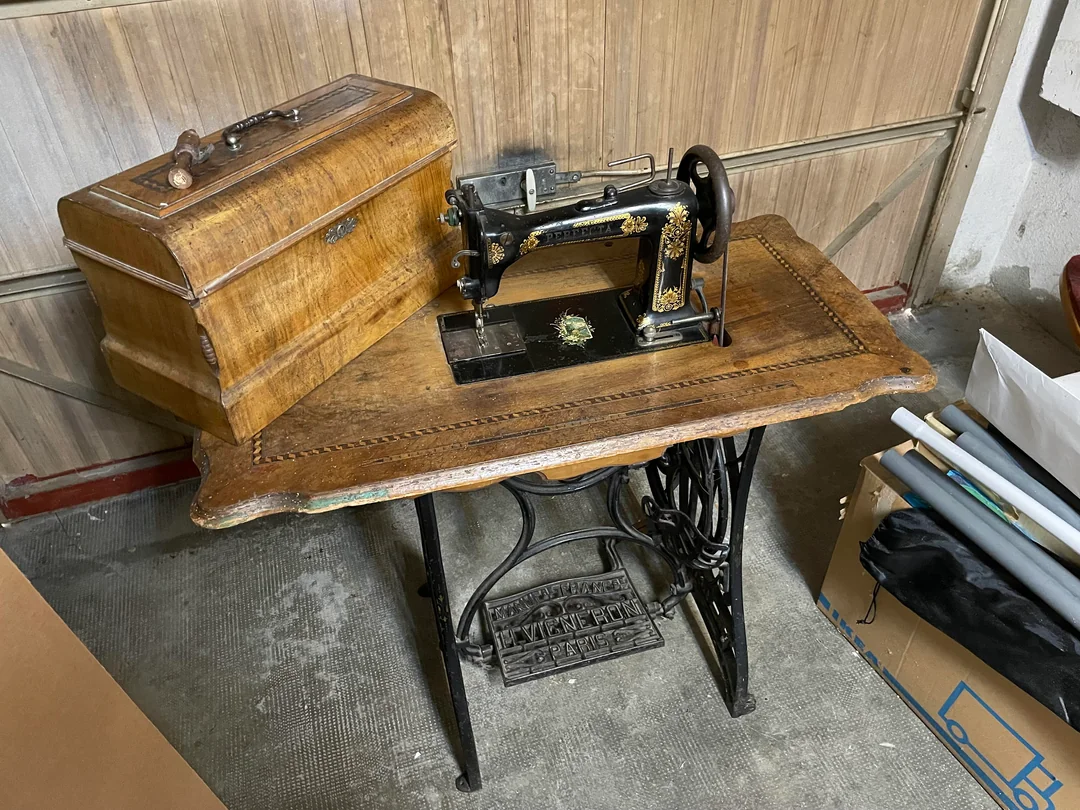
A sewing machine wasn’t merely something dragged out for an occasional repair. Cabinet and treadle models could occupy a permanent place in the home, ready for mending, alterations, or larger sewing projects. It was practical work, certainly, but it was also the kind of hands-on activity that could fill hours long before passive screen entertainment became an everyday option.
5. Card Table and Playing Cards
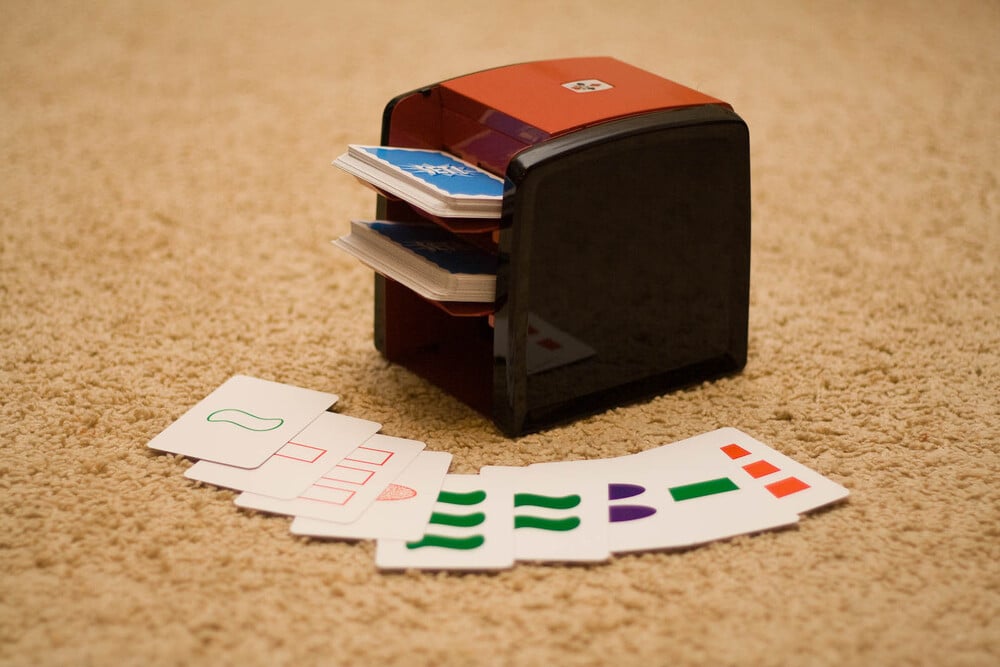
A deck of cards could do a remarkable amount of heavy lifting on a quiet evening. Set up a table, pull over a few chairs, and suddenly the entertainment was ready. Card games gave people something to do while talking, competing, and spending time together, making a dedicated card table a simple but effective social hub inside the home.
Trending on The Scroller

6. Parlor Board Games
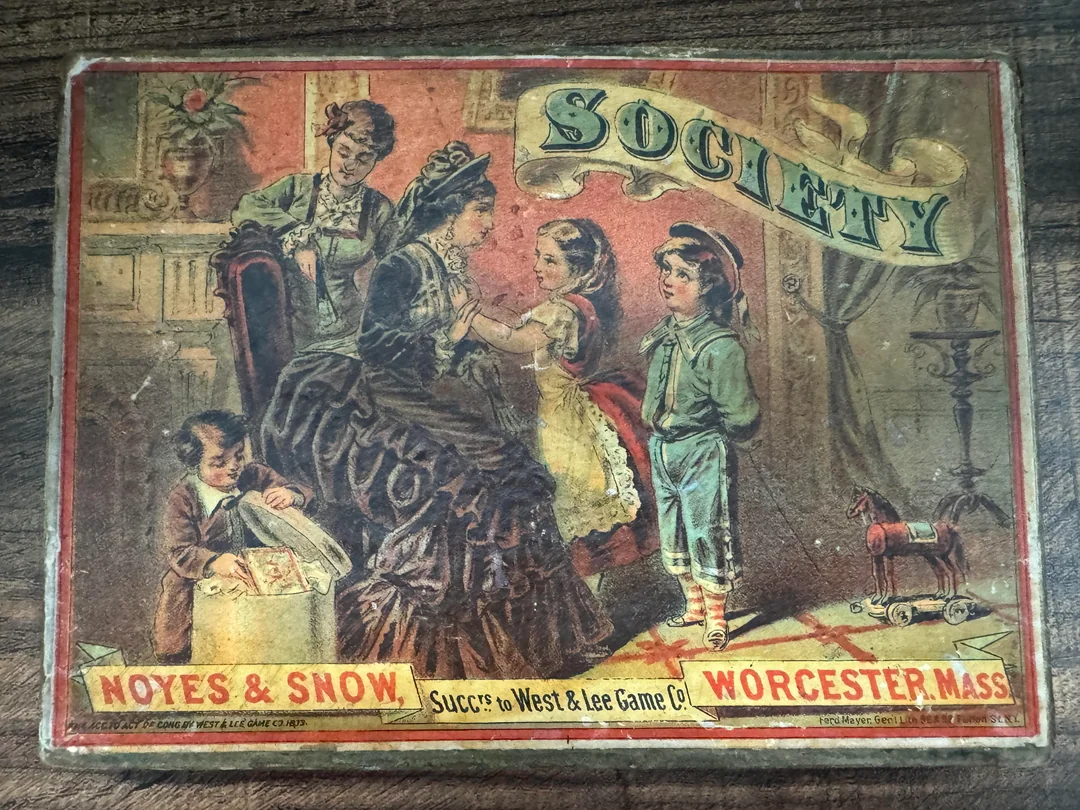
Board games gave families another reason to gather around a table instead of simply sitting side by side. Pieces, cards, dice, and colorful boards made the entertainment physical and interactive. The game shown here captures that hands-on quality perfectly: everyone had to pay attention, take a turn, and actually participate for the evening to keep moving.
7. Floor-Model Radio Cabinet
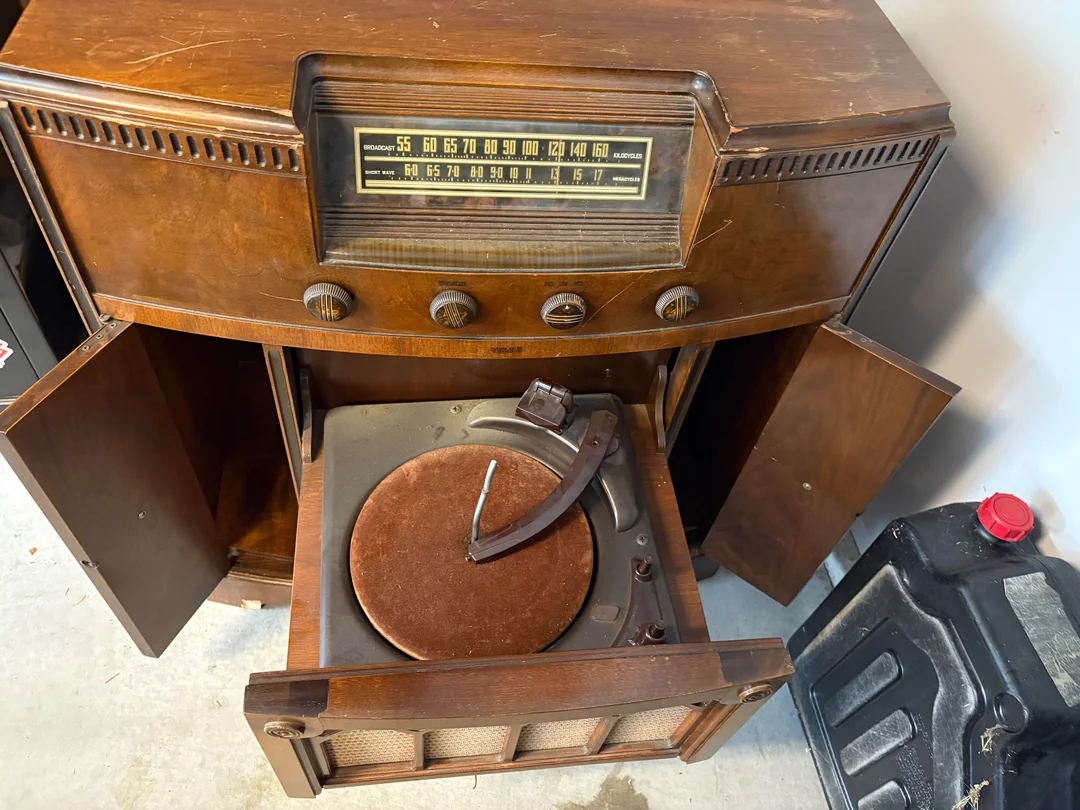
Some radios were so substantial they looked less like appliances and more like another piece of living-room furniture. Tall floor-model cabinets housed the electronics and speaker inside polished wooden cases designed to stay on display. Can you imagine arranging an entire corner of the room around a radio instead of a television? For many households, that was perfectly normal.
8. Magazine Rack
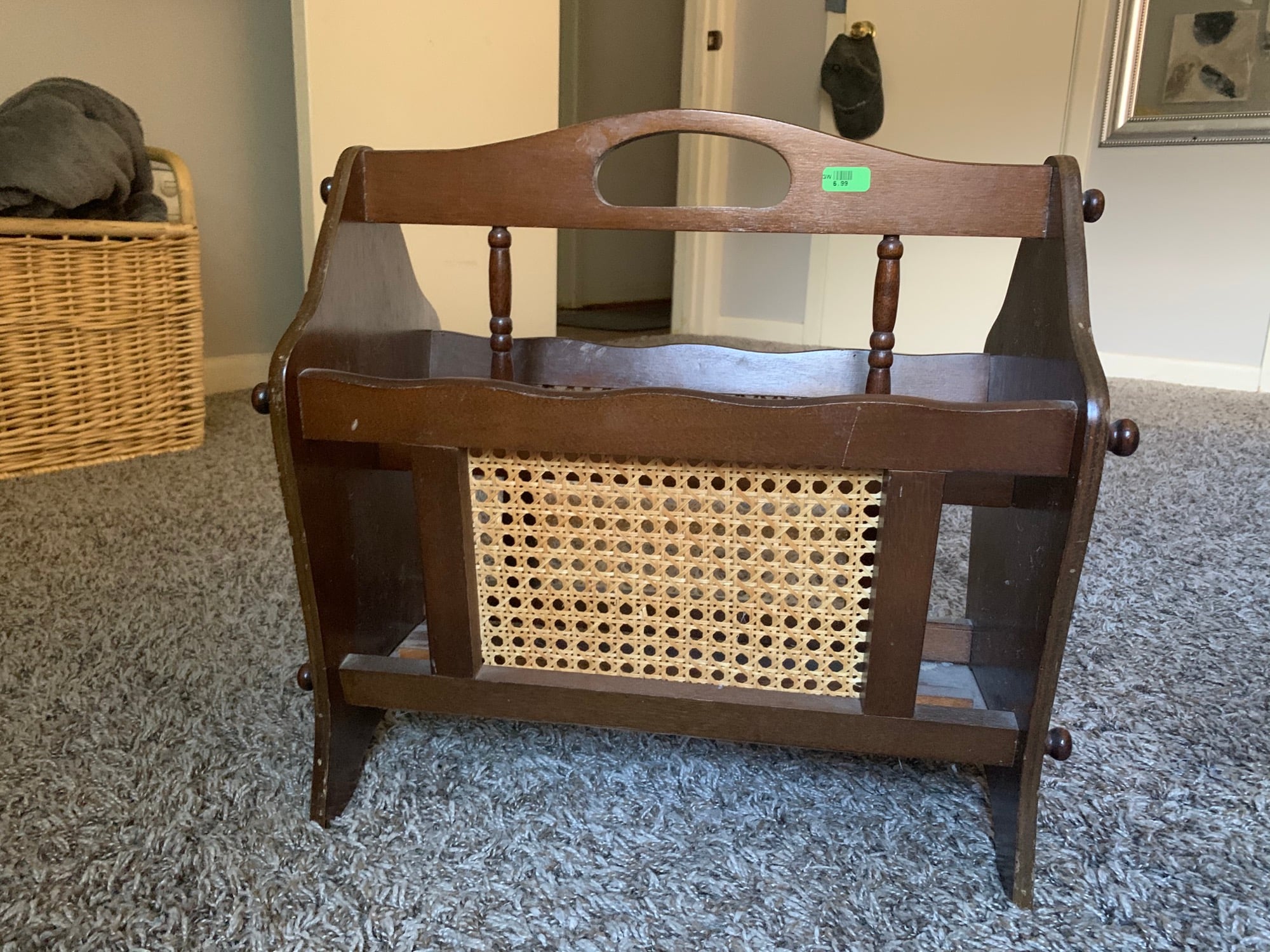
A magazine rack beside a favorite chair kept entertainment within arm’s reach without requiring electricity at all. Newspapers and magazines could be saved, shared, and revisited rather than disappearing after a quick scroll. These racks also reveal something about the pace of leisure at home: sometimes passing the time simply meant sitting down and reading whatever was waiting nearby.
Sign up for our newsletter
9. Bookcase and Reading Chair
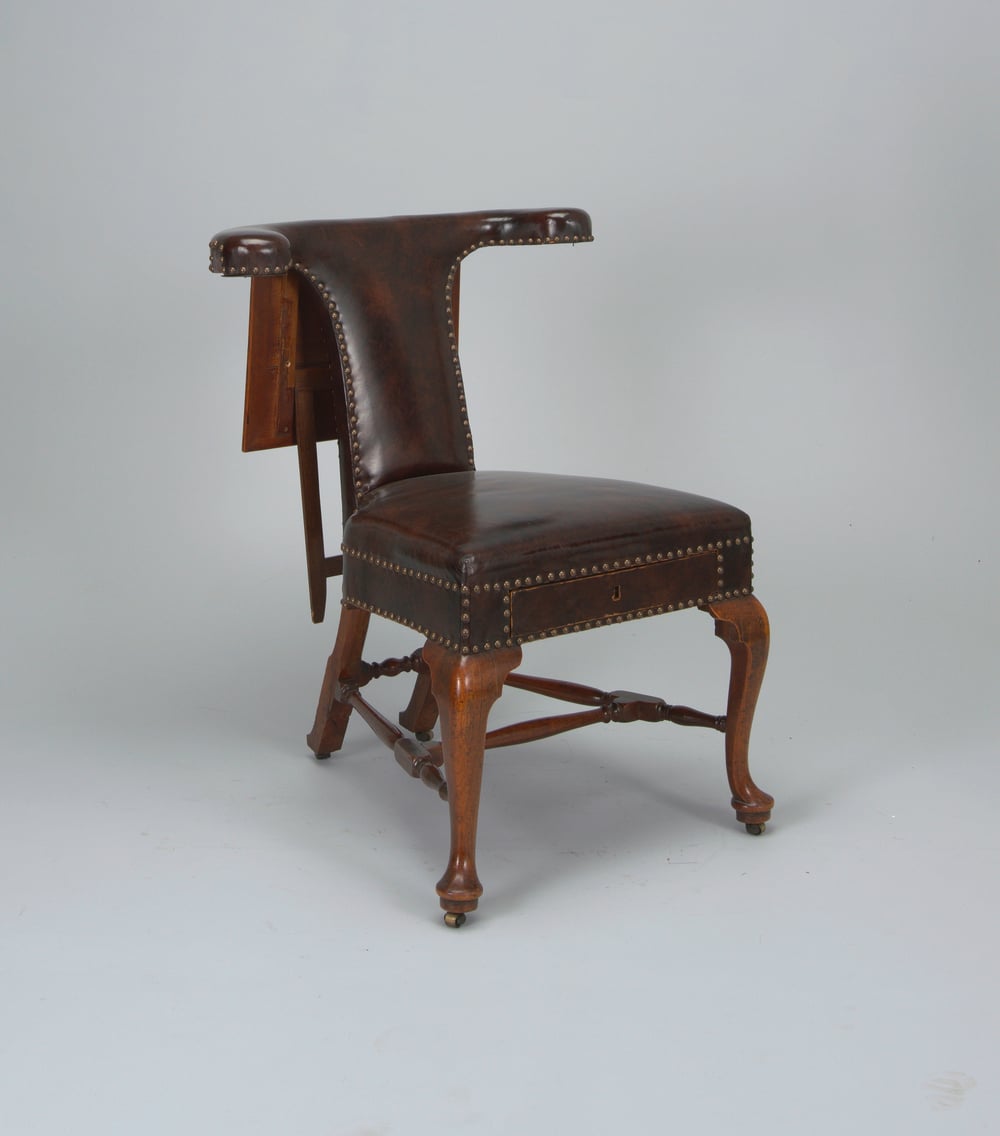
Before the television became a default destination whenever boredom struck, a comfortable chair and a shelf of books offered their own escape. A dedicated reading corner could turn part of the living room into a quiet retreat. There was no autoplay to keep you there, either. Entertainment continued only as long as you kept turning the pages.
10. Family Photo Albums
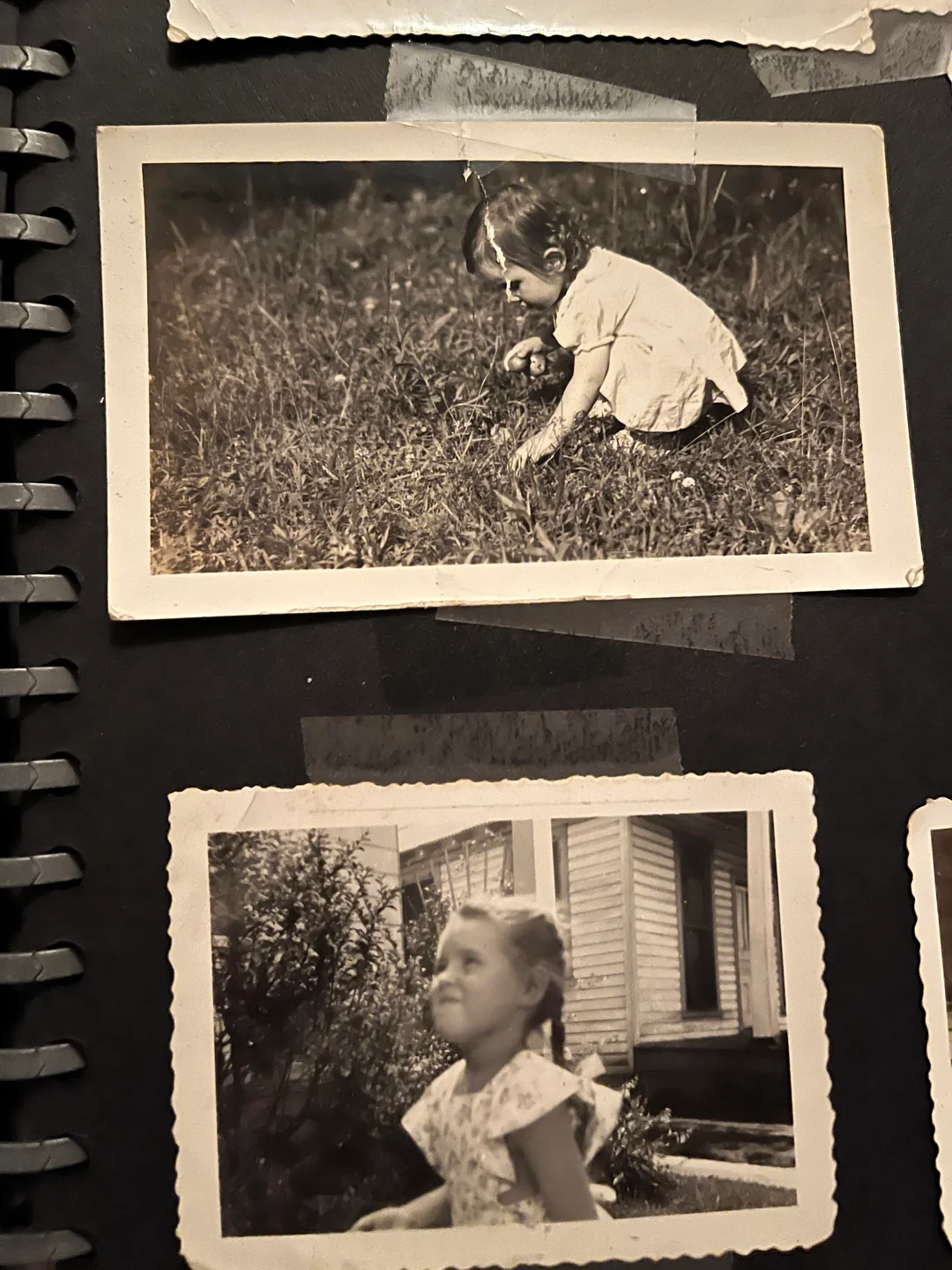
Family photos weren’t buried among thousands of images on a phone. They were printed, arranged in albums, and pulled out when someone wanted to revisit a vacation, wedding, birthday, or distant relative. What could turn into an evening of scrolling today might once have meant passing the same heavy album from person to person around the room.
11. Telephone Table
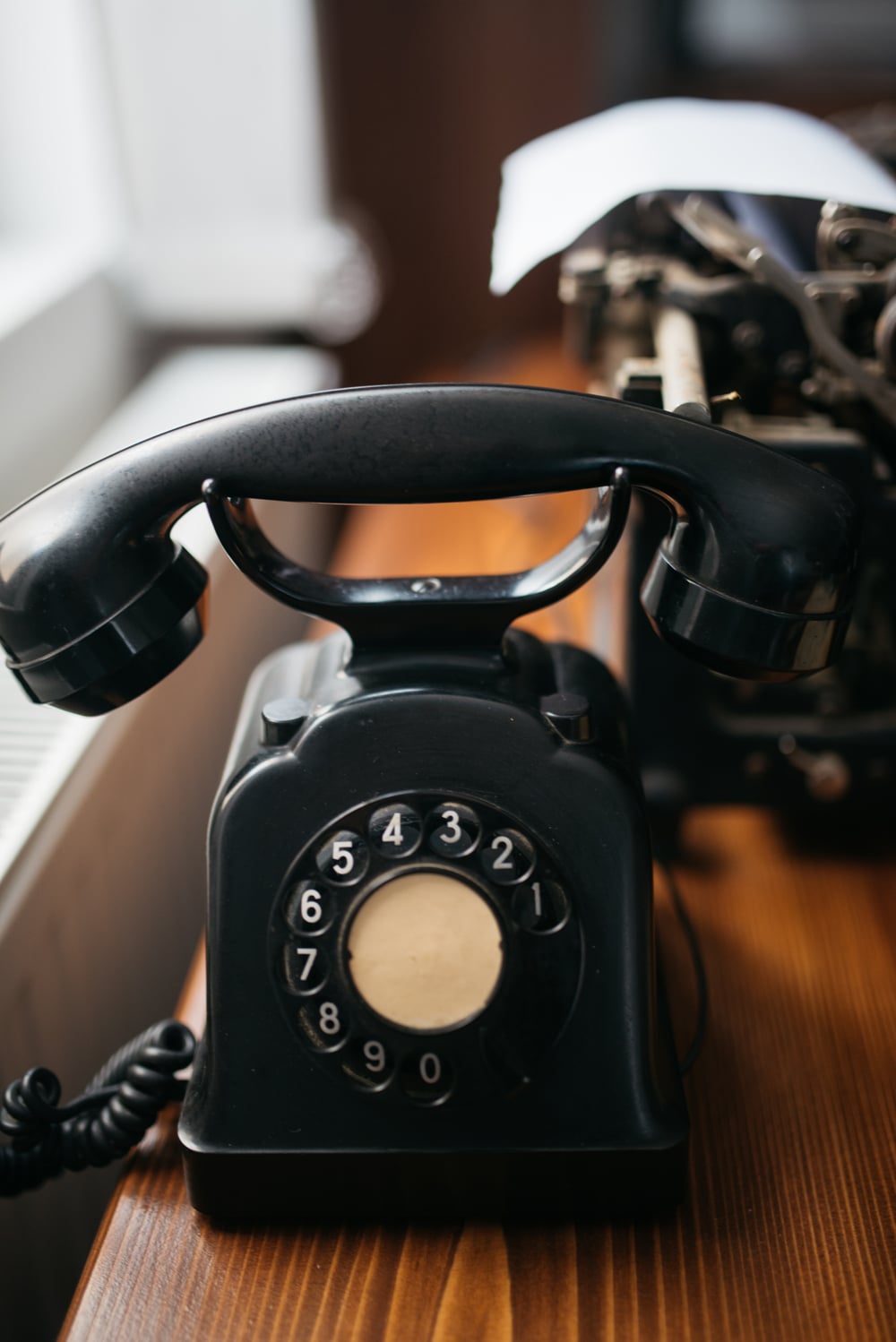
The telephone once had a home of its own. Instead of living in a pocket, a rotary phone might sit on a dedicated table or desk, sometimes alongside a directory, notepad, and pencil. Among the things people kept at home before television became dominant, setups like this show just how much physical space everyday communication could require.
12. Icebox or Early Refrigerator
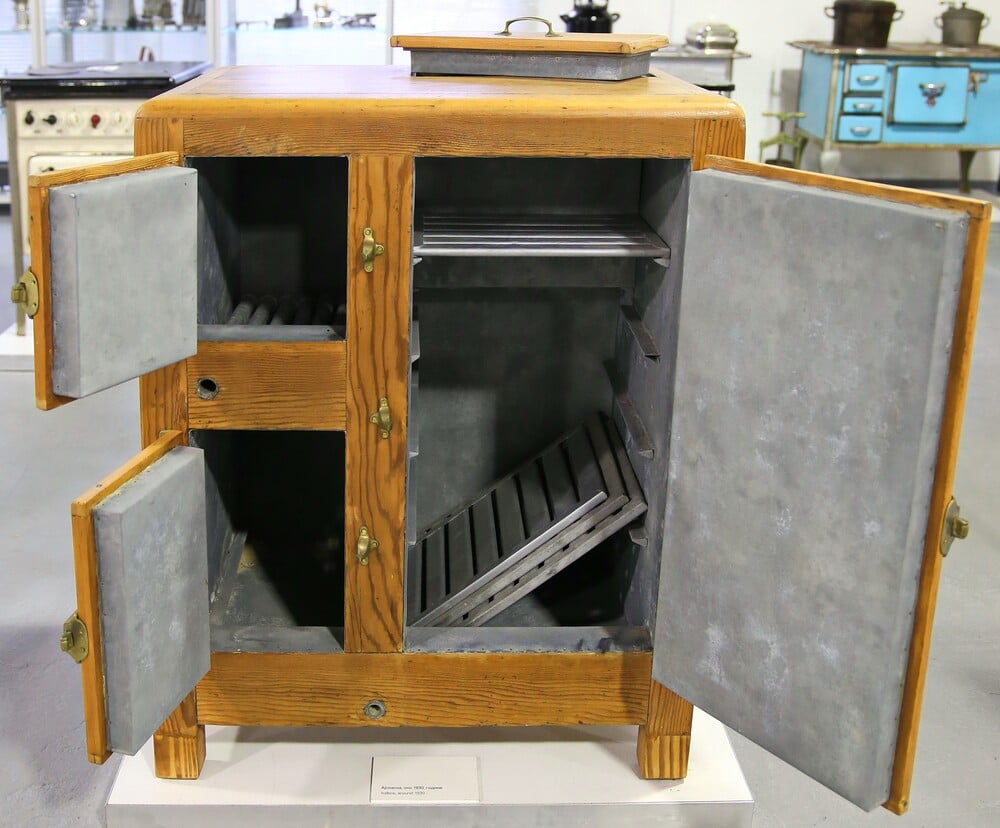
Before modern refrigerators became standard kitchen fixtures, an icebox kept food cool using blocks of ice inside an insulated cabinet. The example pictured here looks almost completely mechanical, with multiple compartments and heavy insulated doors. How strange would it feel today to have keeping food cold depend on an actual block of ice rather than simply plugging an appliance into the wall?
13. Kitchen Wall Calendar

A wall calendar was a small object with a surprisingly important job. Hung somewhere visible in the kitchen, it could keep appointments, birthdays, errands, and important dates in one place for the entire household. The 1952 advertising calendar pictured here is also a reminder that these practical items often doubled as decoration and promotion.
14. Typewriter Desk
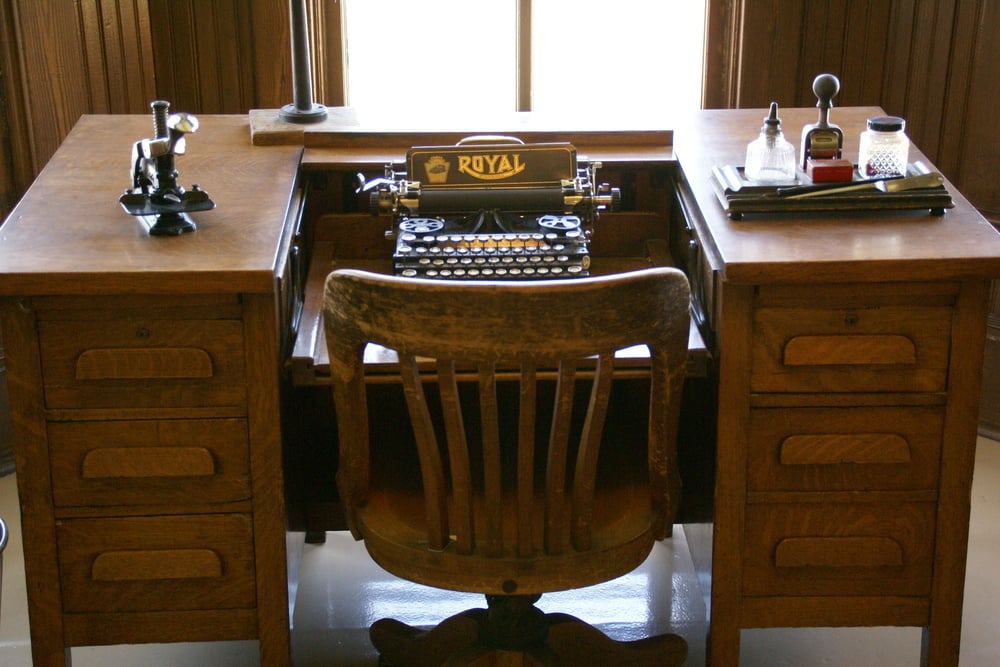
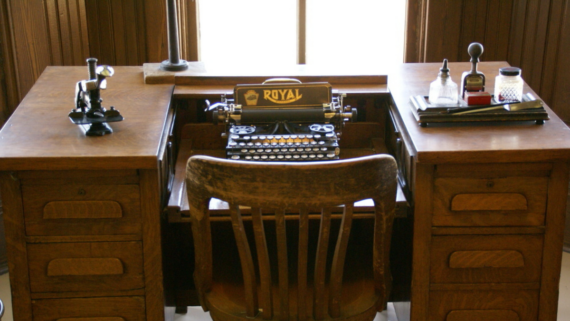
Writing at home once came with considerably more machinery. A typewriter sitting permanently on a desk provided a place for letters, household records, schoolwork, and other correspondence. There was no backspace key that magically erased a mistake from the page. The physical setup made writing feel less like opening an app and more like sitting down to a specific task.
15. Record Storage Cabinet
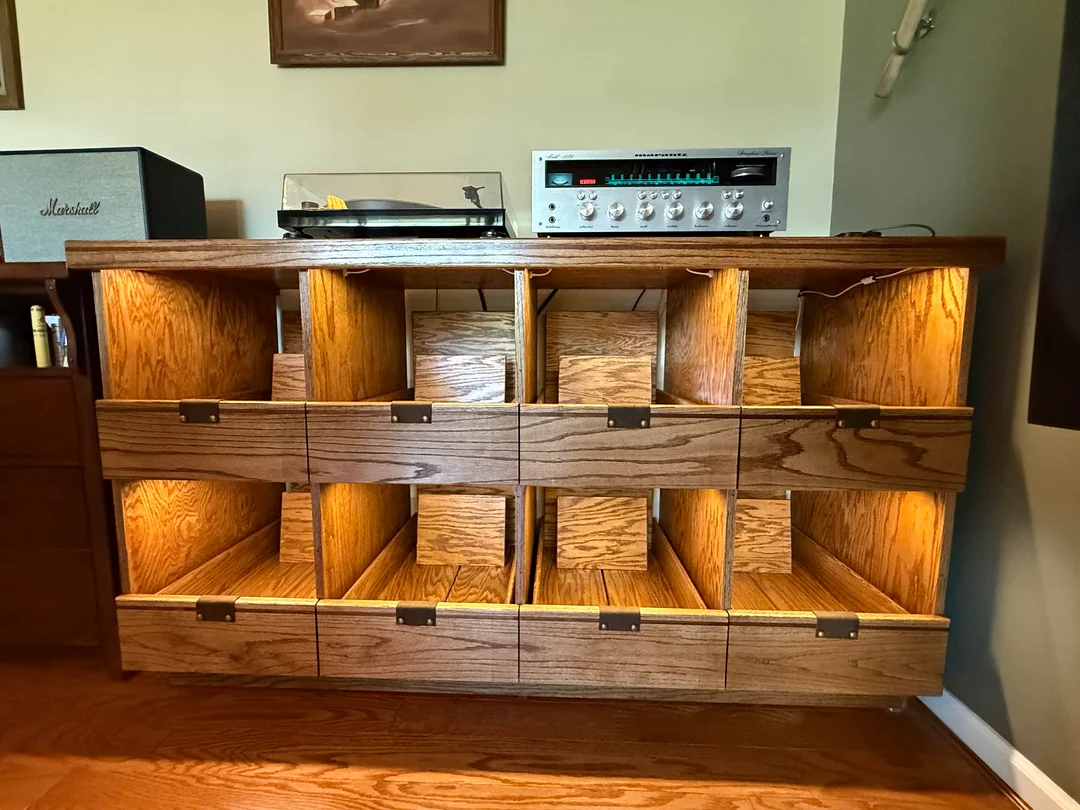
Once a household started collecting records, all that music needed somewhere to live. Shelves, crates, and dedicated cabinets kept sleeves organized near the phonograph or record player. Choosing what to hear could become part of the entertainment itself: browse the collection, pull out an album, inspect the sleeve, and finally put the record on.
16. Knitting Basket
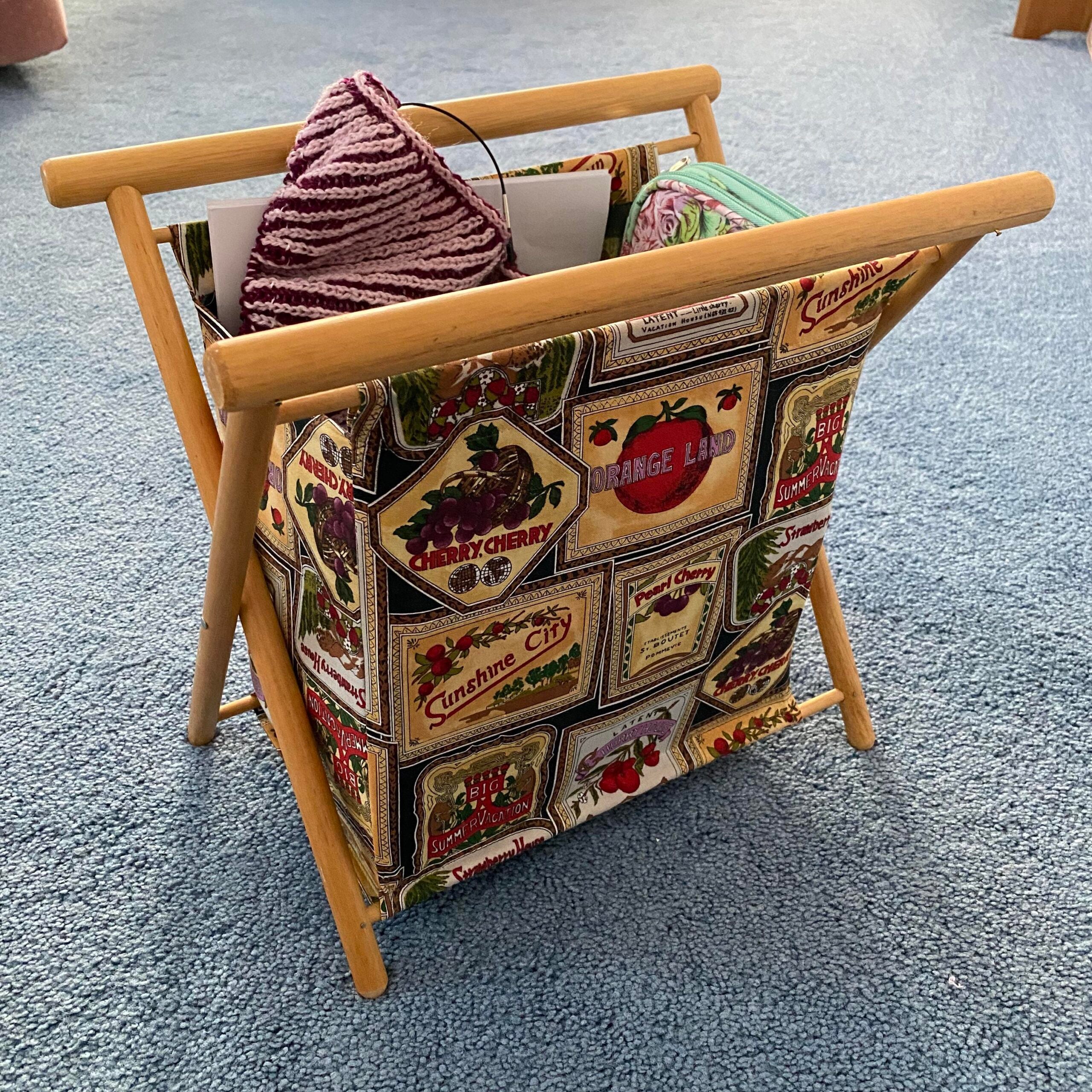
A basket filled with yarn and knitting needles could sit beside a favorite chair, ready whenever someone had a quiet stretch of time. Knitting was productive, but it could also be a relaxing way to spend an evening while talking or listening to the radio. Instead of consuming entertainment, people could finish the night with something they had actually made.
17. Mantel Clock
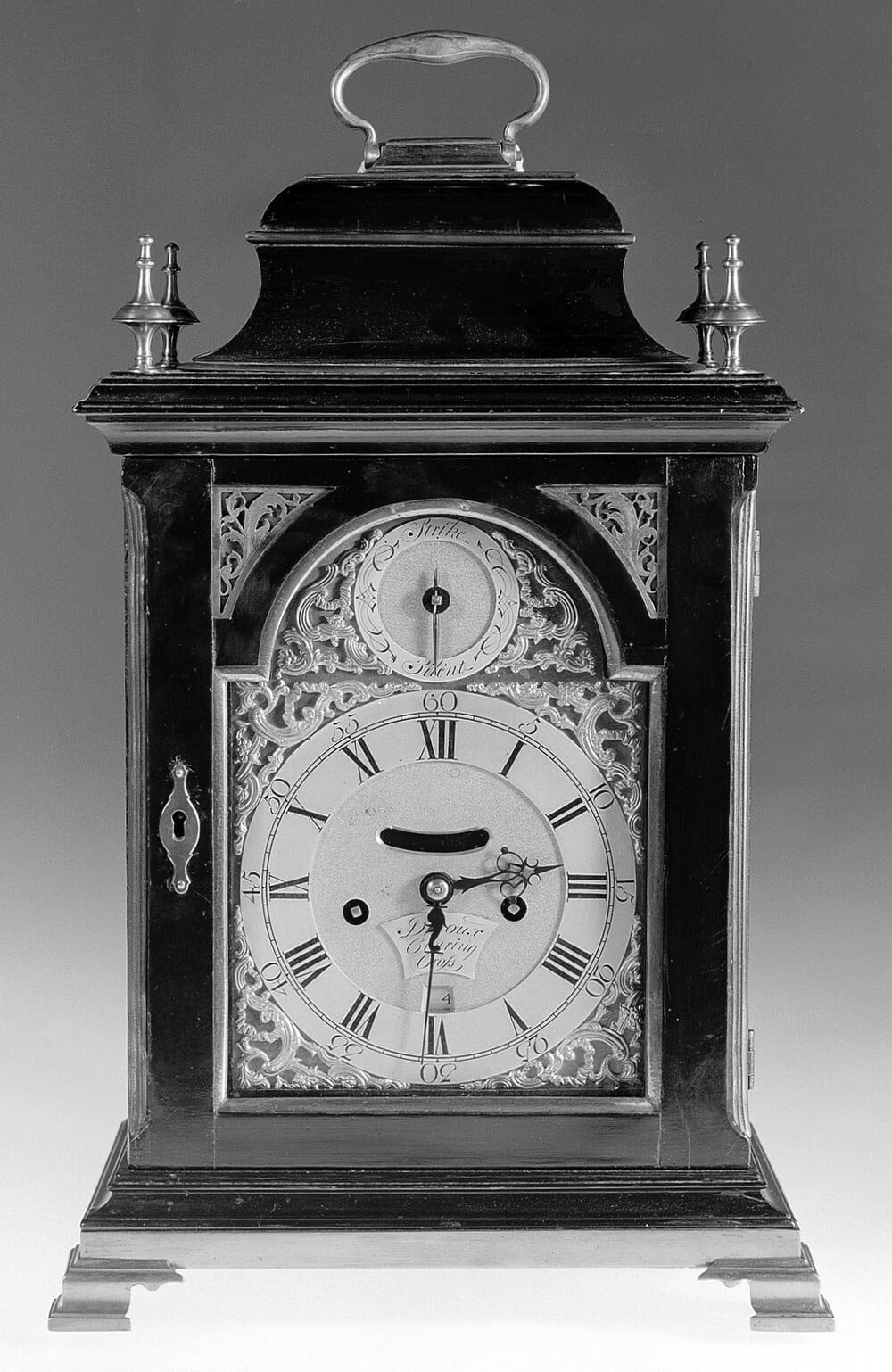
Before glowing screens displayed the time from almost every direction, a mantel clock could command real attention in a sitting room. The ornate example pictured here was meant to be seen, not hidden away. How often do we even look at a dedicated clock anymore? For earlier households, checking the time could mean glancing toward one prominent object everyone in the room shared.
18. Newspaper Stand
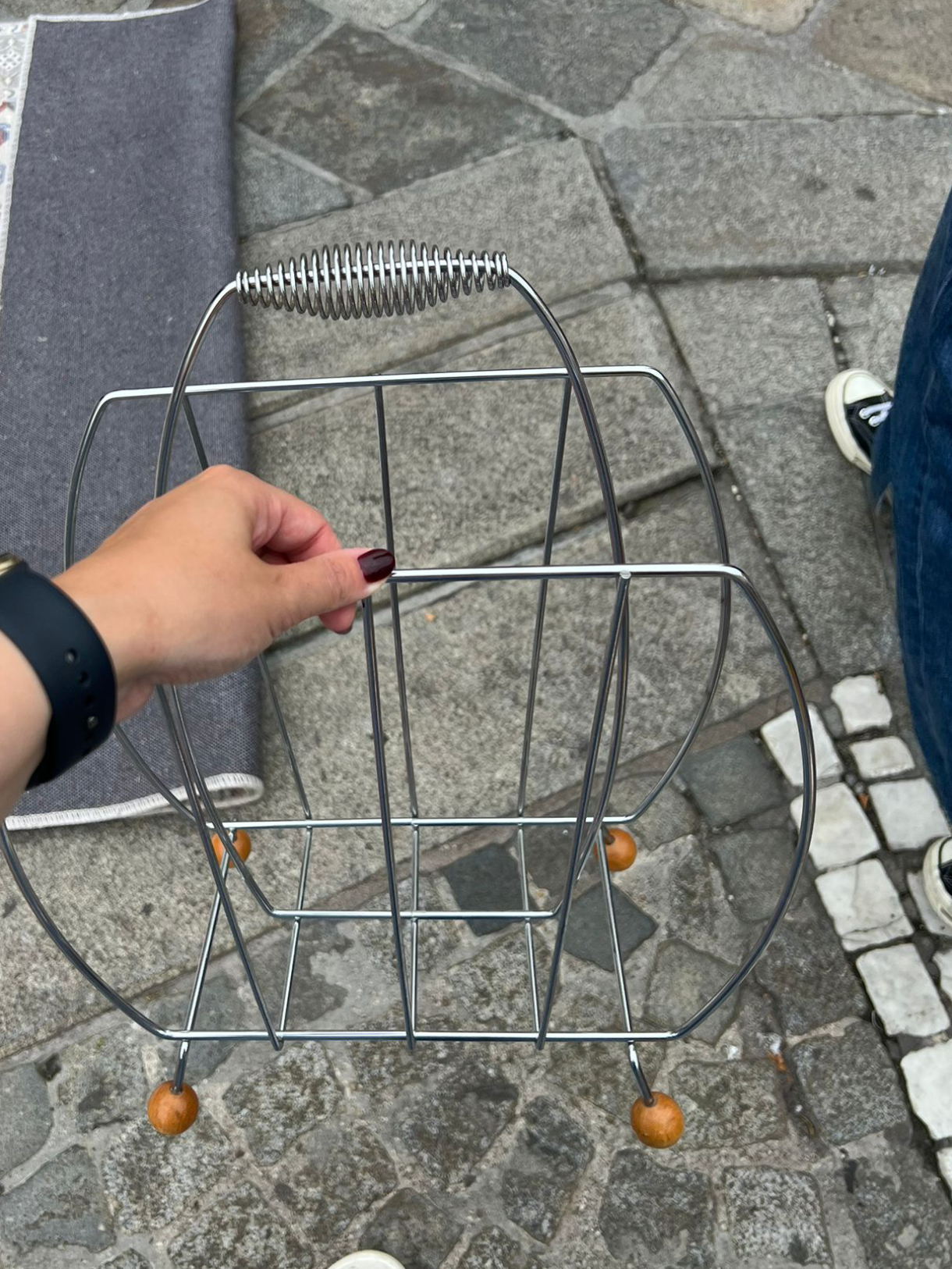
Long before breaking news followed people around in their pockets, the day’s stories arrived on paper. A newspaper kept on a stand or reading table gave household members something to pick up, read, and pass along. Alongside radio, newspapers were an important way to bring the outside world into the home without requiring anything resembling a television screen.
19. Family Dining Table
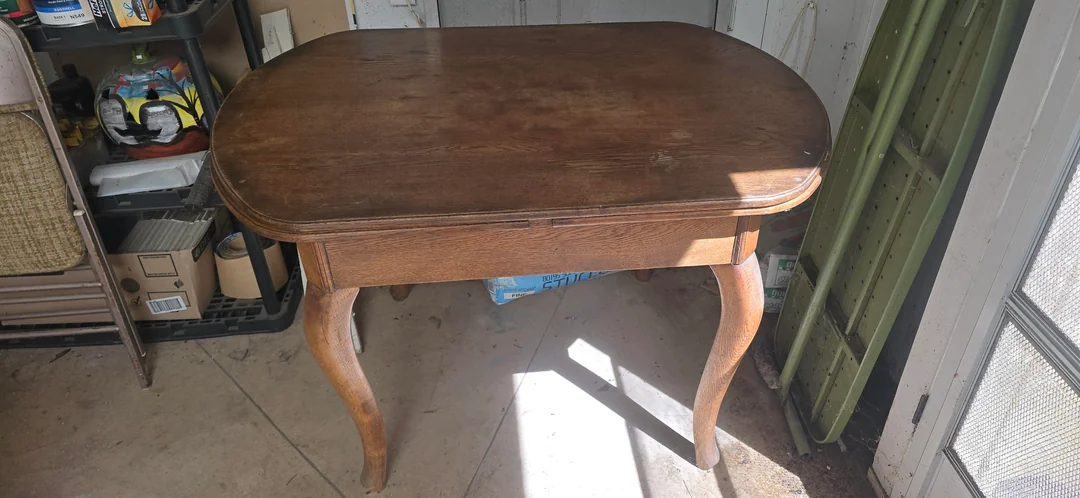
The dining table wasn’t just where meals were served. Without a television competing for everyone’s attention, it could remain one of the home’s natural gathering places for conversation and time together. Dinner certainly wasn’t screen-free in every household or every era, but the image of a table set for people rather than devices captures how dramatically that focal point has shifted.
20. Front-Porch Rocking Chairs
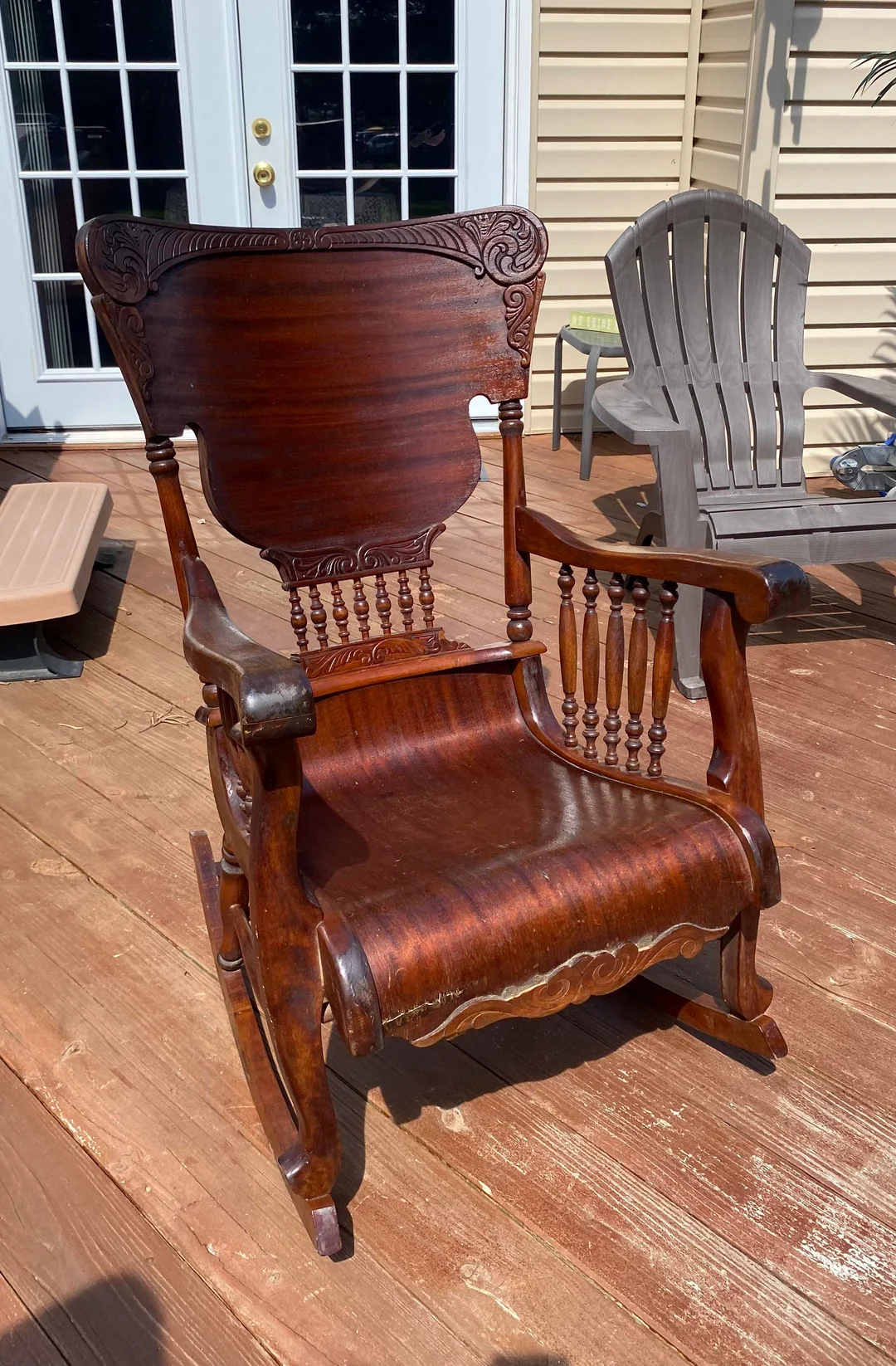
Sometimes the evening’s entertainment wasn’t inside the house at all. A few rocking chairs on the front porch created a place to sit, talk, watch neighbors pass, or simply enjoy the outdoors. What could be further from endlessly searching for something to watch? It’s a fitting reminder that before television took over the living room, passing the time didn’t necessarily require much equipment.
Before television became the centerpiece of the living room, there wasn’t one object responsible for keeping everyone entertained. Music came from radios, phonographs, and pianos. Games happened around tables. Books and magazines filled quiet hours, while hobbies turned spare time into something productive.
None of these objects prove that life before television was simpler or better. They show something more interesting: the home once had many different focal points. Entertainment, conversation, news, and hobbies were spread across different rooms and different objects, rather than concentrated on a single screen.
Keep Exploring The Scroller
Curious about the everyday objects, forgotten routines, and little details that made the past feel completely different? Keep exploring The Scroller for more vintage discoveries, surprising history, and familiar things that have changed more than you might remember:
14 Vintage Finds That Turn Up in Thrift Stores Again and Again