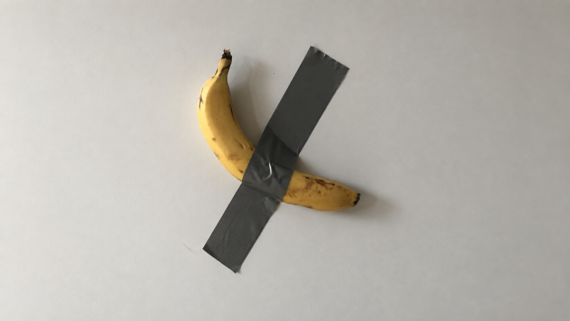
Some of the most expensive works in modern art do not look especially complicated. They may consist of a few rectangles, a nearly blank surface, a single stripe, or, in one famous case, a banana taped to a wall. That visual simplicity can make their auction prices seem almost impossible to reconcile with what is in front of you. Yet collectors have repeatedly paid millions for works in which the idea, history, artist, and context matter at least as much as the amount of material on the canvas.
1. Maurizio Cattelan’s Comedian
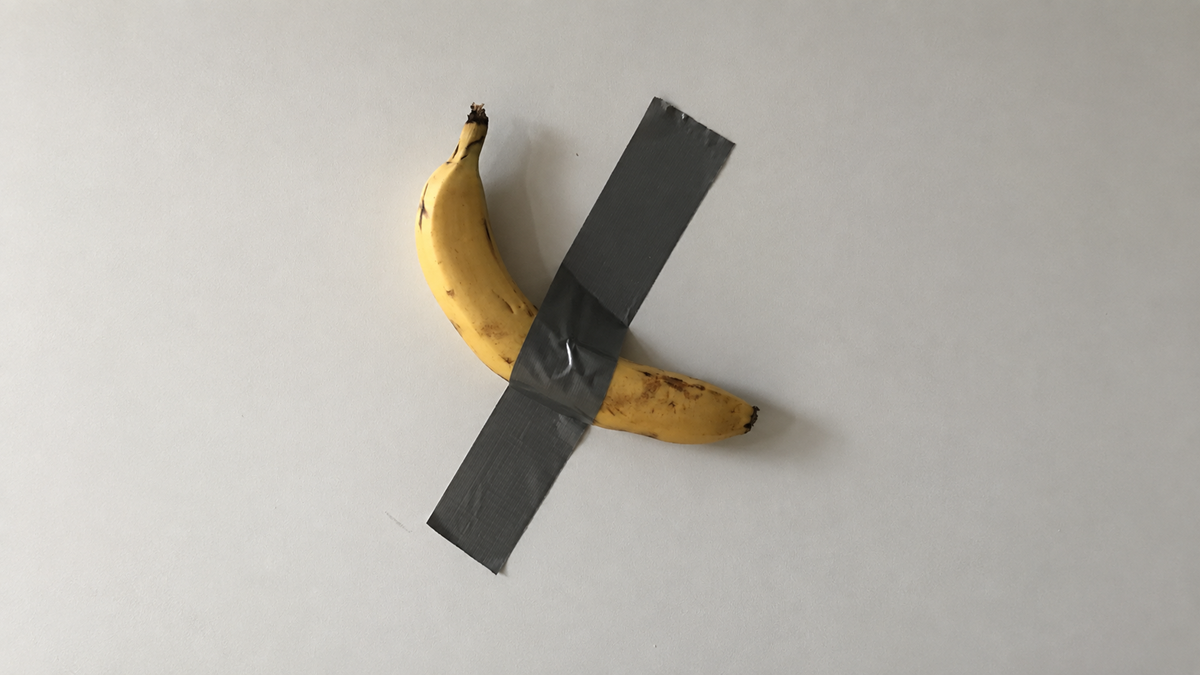
A banana, a strip of silver duct tape, and a blank wall were enough to turn Maurizio Cattelan’s Comedian into one of the most discussed pieces of the 21st century. The fruit is replaceable, so buyers are really purchasing the certificate and instructions that define how the piece should be installed. In November 2024, one edition sold at Sotheby’s for $6.24 million.
2. Damien Hirst’s The Physical Impossibility of Death in the Mind of Someone Living
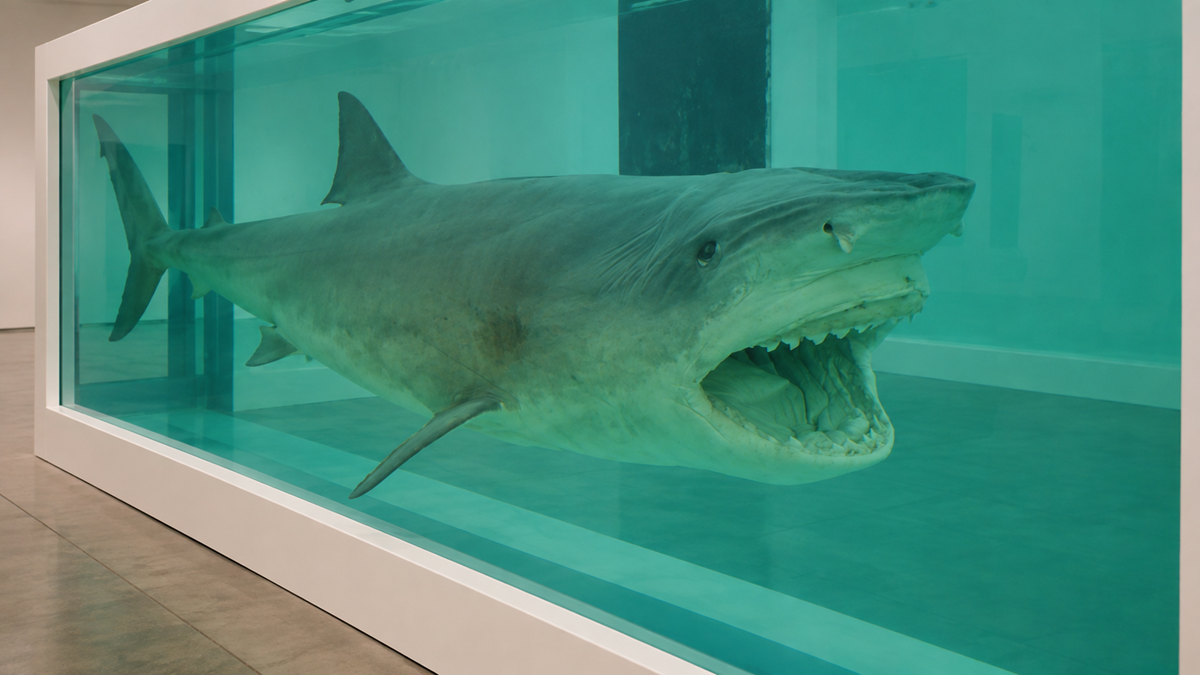
Damien Hirst placed a real tiger shark inside a glass tank filled with formaldehyde and presented the result as sculpture. Visually, the setup is brutally direct: one animal, one tank, one idea. The work became one of the defining pieces of 1990s British art and was later sold privately for a reported multimillion-dollar sum.
3. Jeff Koons’ Balloon Dog (Orange)
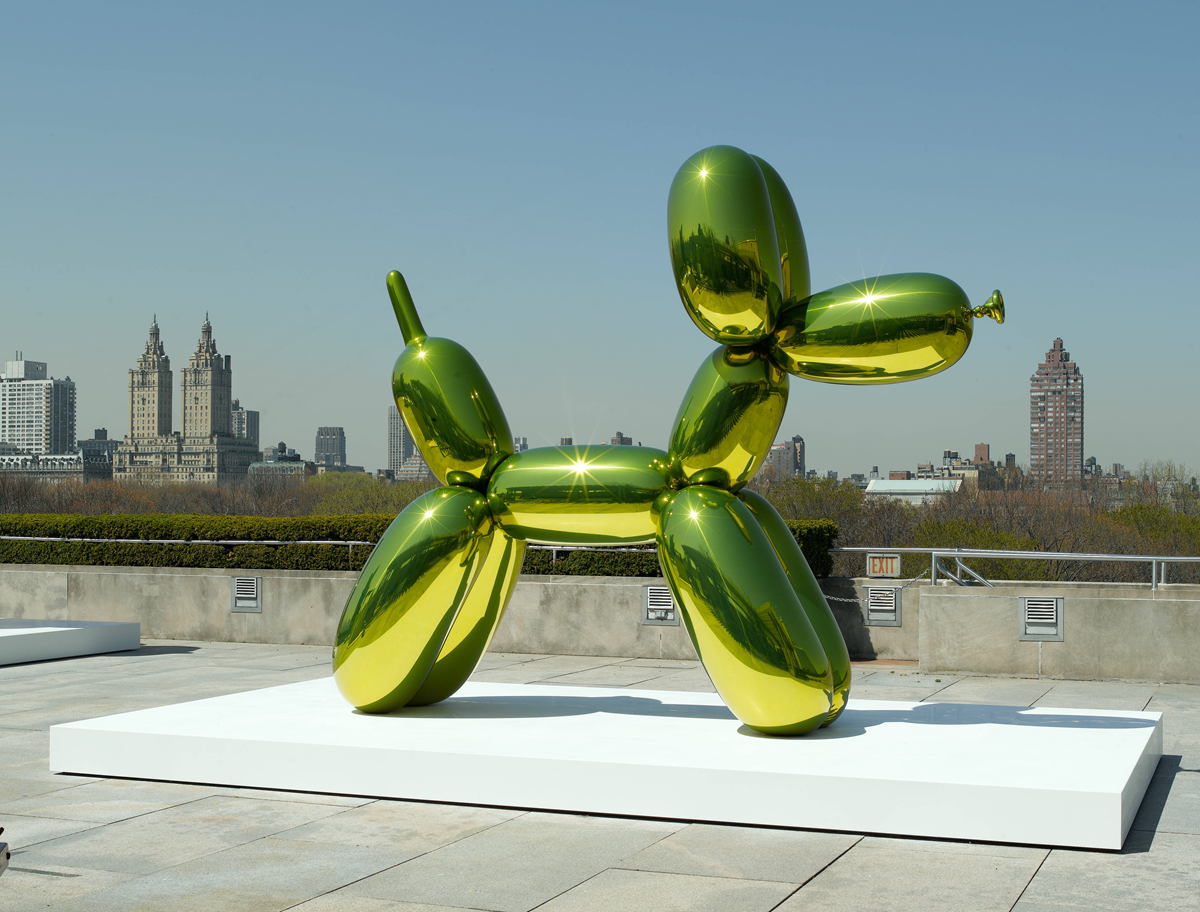
It looks exactly like the kind of balloon animal a party entertainer might twist together in a few seconds, except Jeff Koons recreated it in mirror-polished stainless steel at monumental scale. Balloon Dog (Orange) became one of the defining images of his career. Christie’s sold it for $58.4 million in 2013, then a record for a living artist.
4. Jeff Koons’ Rabbit
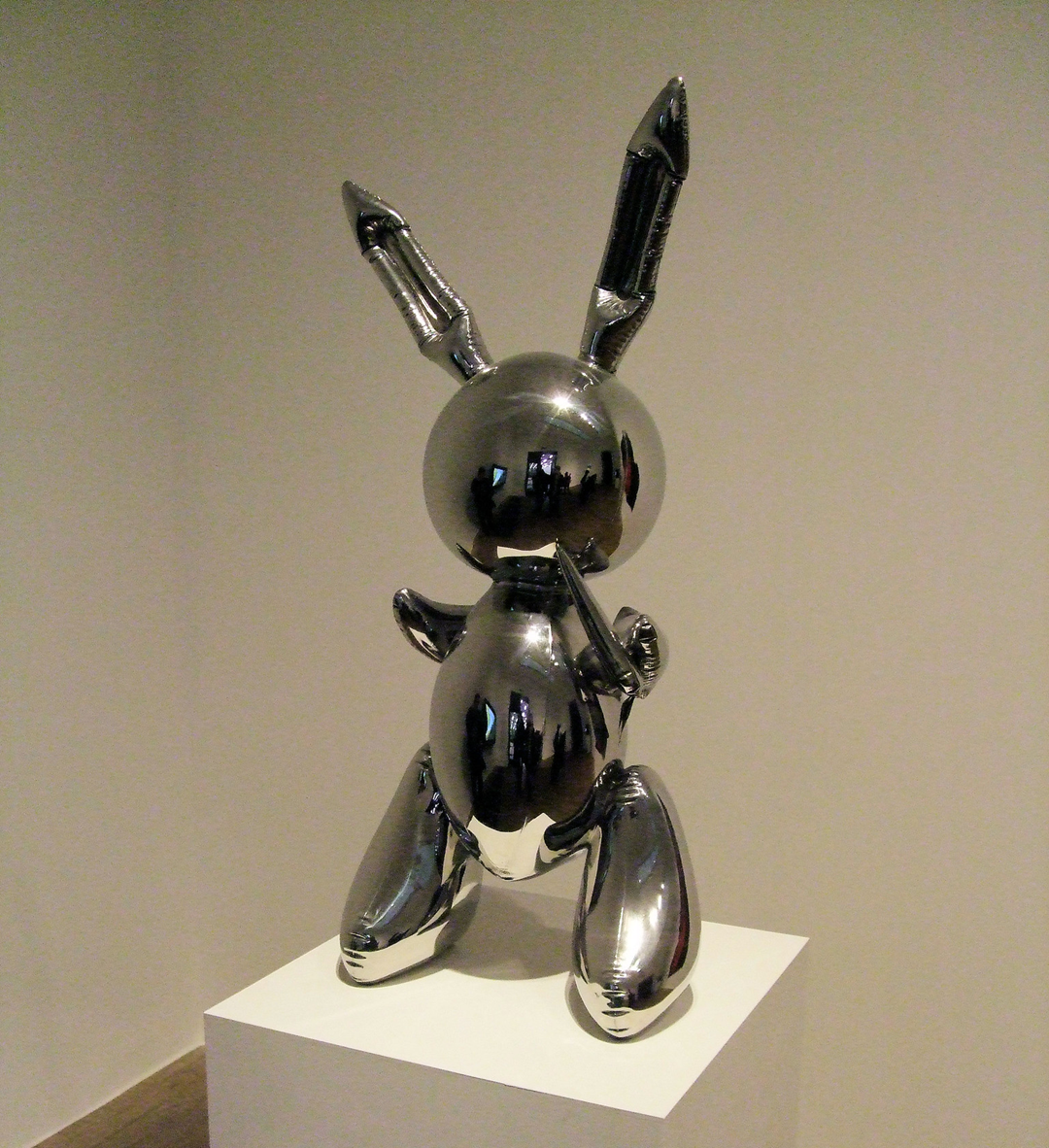
Koons took the shape of an inflatable toy rabbit and transformed it into a perfectly polished stainless-steel sculpture. There are no intricate details or elaborate surroundings, just a shiny bunny standing upright. In 2019, Rabbit sold at Christie’s for $91.1 million.
5. Tracey Emin’s My Bed
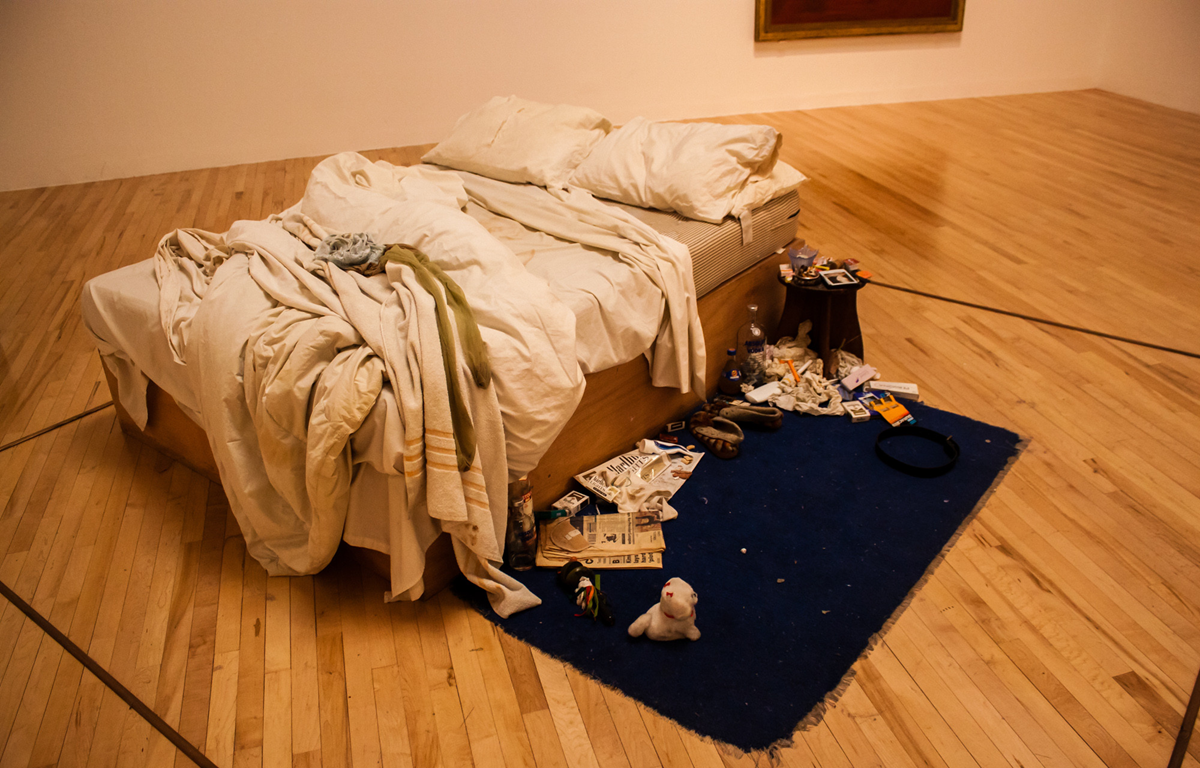
Tracey Emin did not sculpt an elaborate bed or painstakingly reconstruct a historical bedroom. She displayed her own messy bed, complete with crumpled sheets and personal objects scattered around it, as an artwork. My Bed sold for £2.55 million at Christie’s London in 2014.
Trending on The Scroller


6. Marcel Duchamp’s Fountain
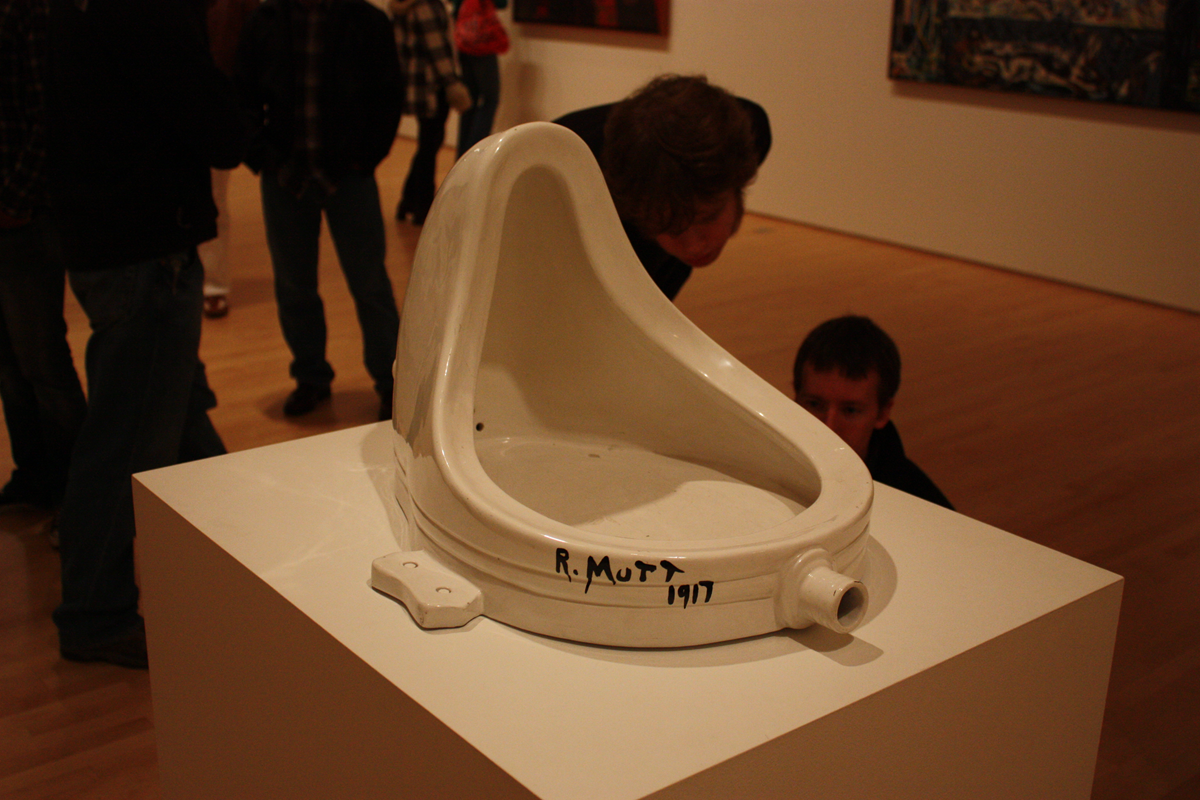
Few pieces have done more with less. Marcel Duchamp took an ordinary porcelain urinal, turned it on its side, signed it “R. Mutt,” and submitted it to an exhibition in 1917. The original was lost, but authorized replicas later entered major museum collections and became some of the most recognizable objects in modern art.
7. Andy Warhol’s Brillo Box
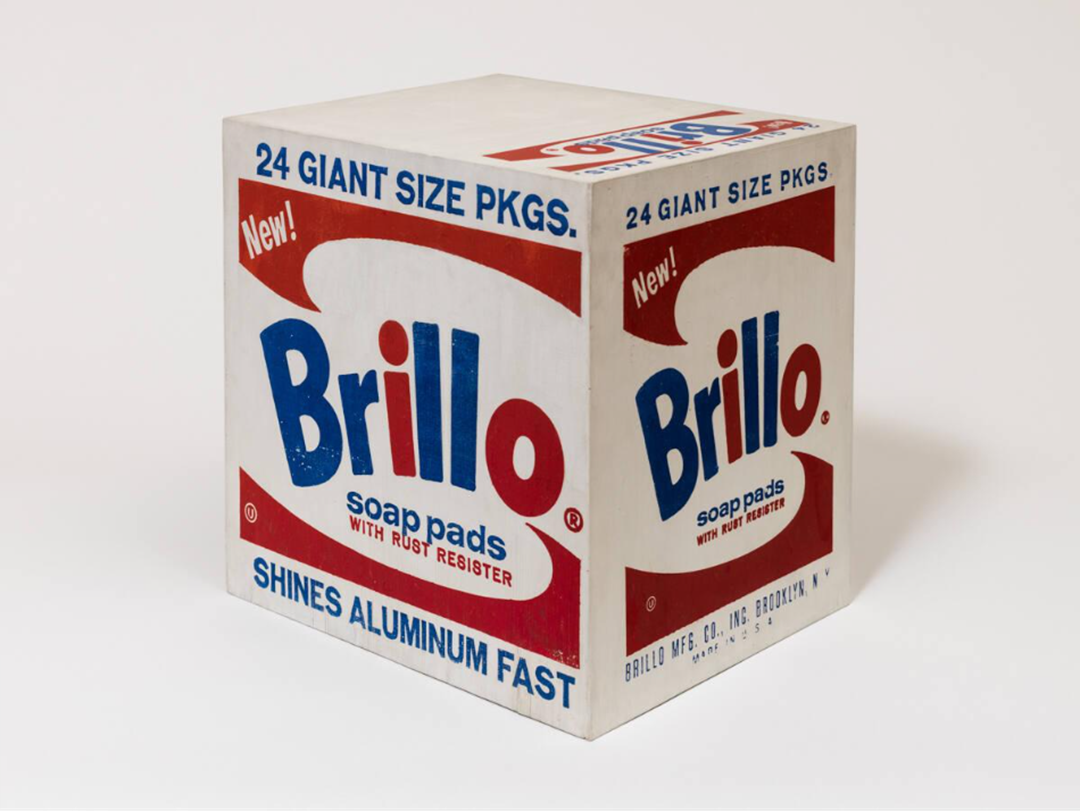
At first glance, Brillo Box looks like packaging that accidentally wandered out of a supermarket stockroom. Warhol recreated commercial shipping cartons in wood and silkscreen ink, keeping the familiar product graphics largely intact. The whole point was that an artwork could look almost indistinguishable from an ordinary consumer object.
8. Piero Manzoni’s Achrome
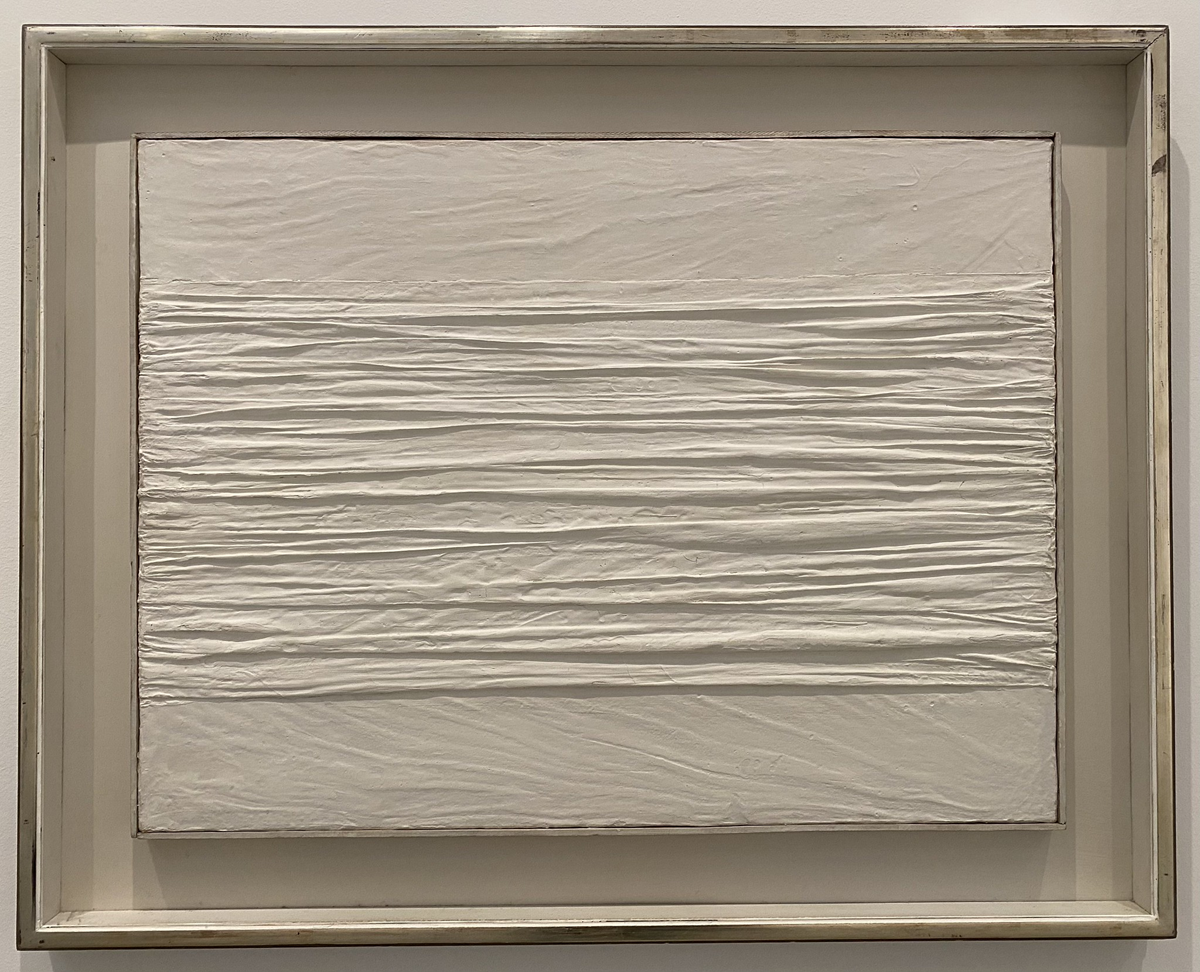
Piero Manzoni removed almost everything viewers normally expect from a painting. His Achrome works are largely white surfaces without a conventional image, subject, or obvious burst of color. One example from around 1958 sold at Christie’s Milan for nearly €3 million in 2018.
Sign up for our newsletter
9. Lucio Fontana’s Concetto spaziale, Attesa
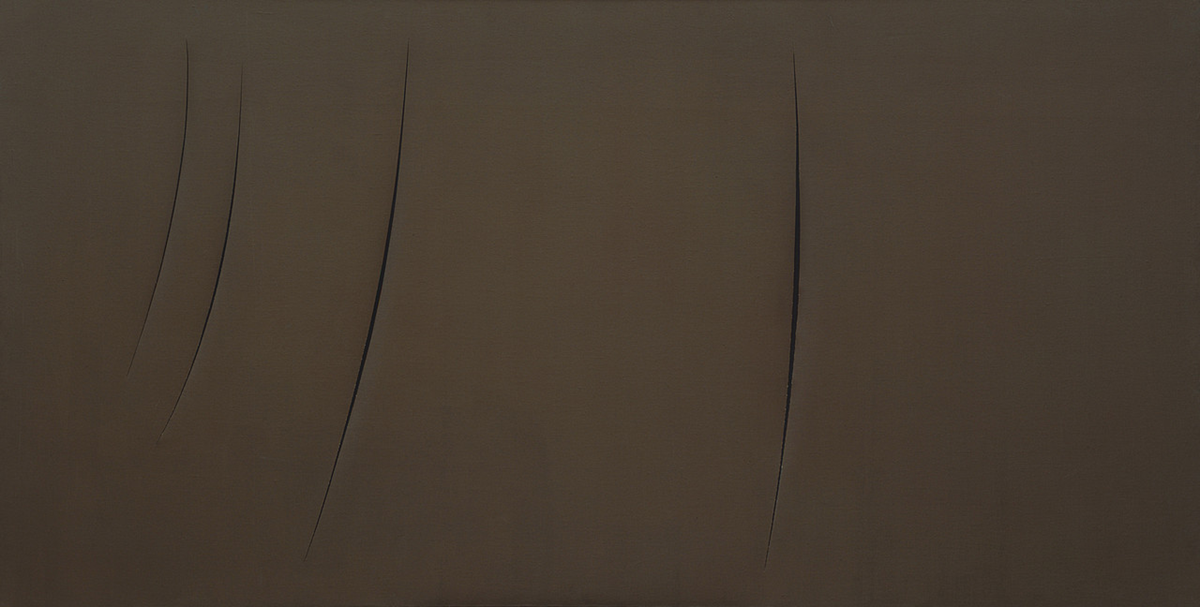
A monochrome canvas with one vertical cut through the middle sounds almost like a parody of expensive modern art, which is precisely why Fontana’s Attesa works fit this list so well. Fontana carefully prepared the surface before cutting it with a blade, treating the opening itself as the work’s central gesture. Examples from the series have sold for several million dollars.
10. Christopher Wool’s Apocalypse Now
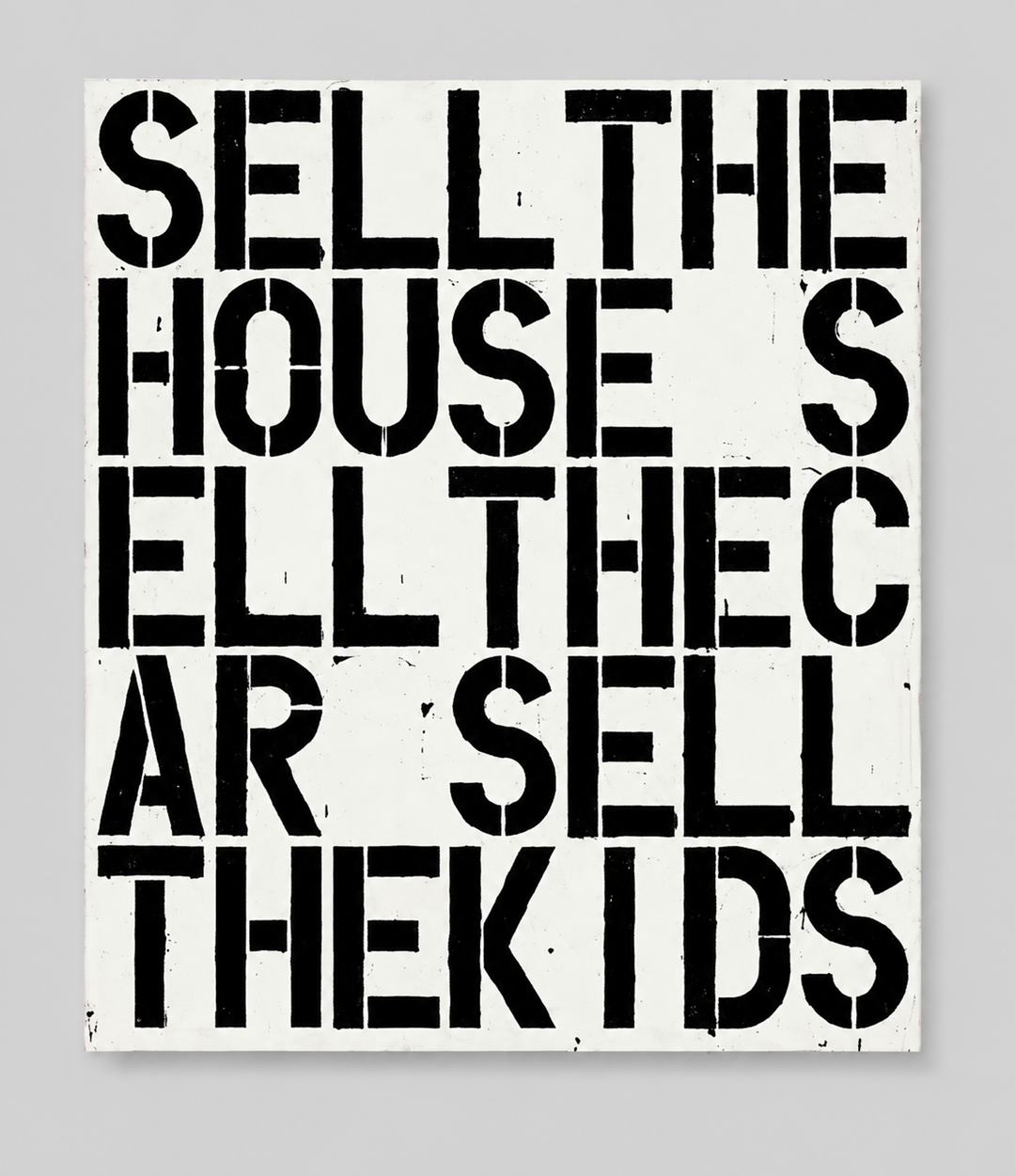
Christopher Wool’s Apocalypse Now is essentially a string of large black block letters painted on a pale surface. It reads “SELL THE HOUSE SELL THE CAR SELL THE KIDS,” a line borrowed from the film Apocalypse Now. The stark text painting sold at Christie’s in 2013 for about $26.5 million.
11. Yves Klein’s California (IKB 71)
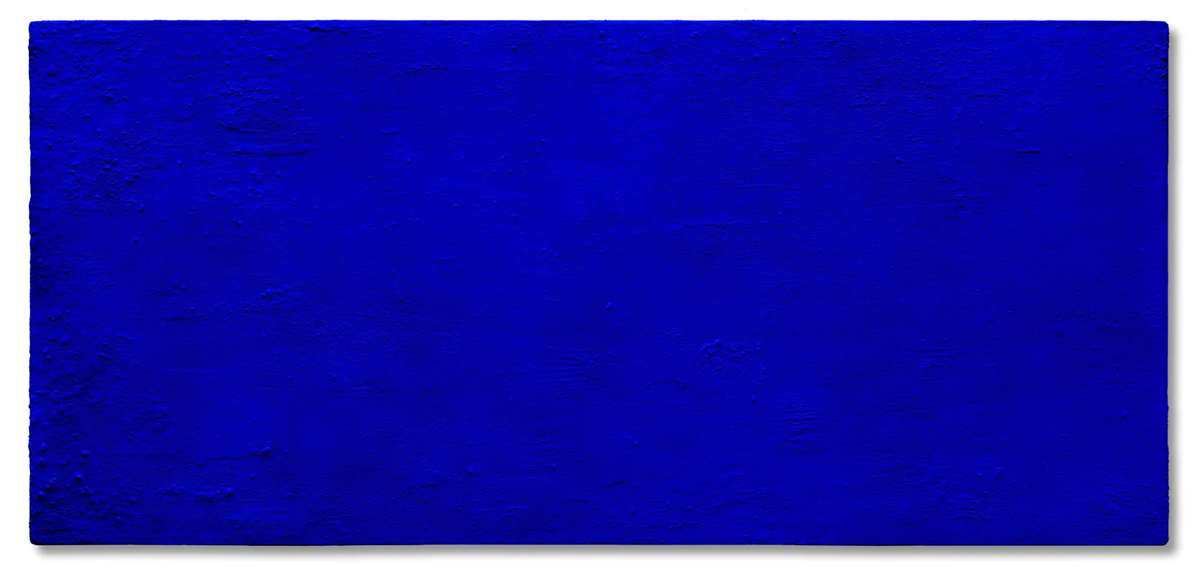
For anyone unfamiliar with Yves Klein, the first reaction to California (IKB 71) may simply be that it is an enormous blue rectangle. Klein built an entire body of work around monochromes and his intensely saturated blue, although this particular surface also incorporates small pebbles. Christie’s sold it in Paris in 2025 for €18.4 million.
12. On Kawara’s NOV. 30, 1985
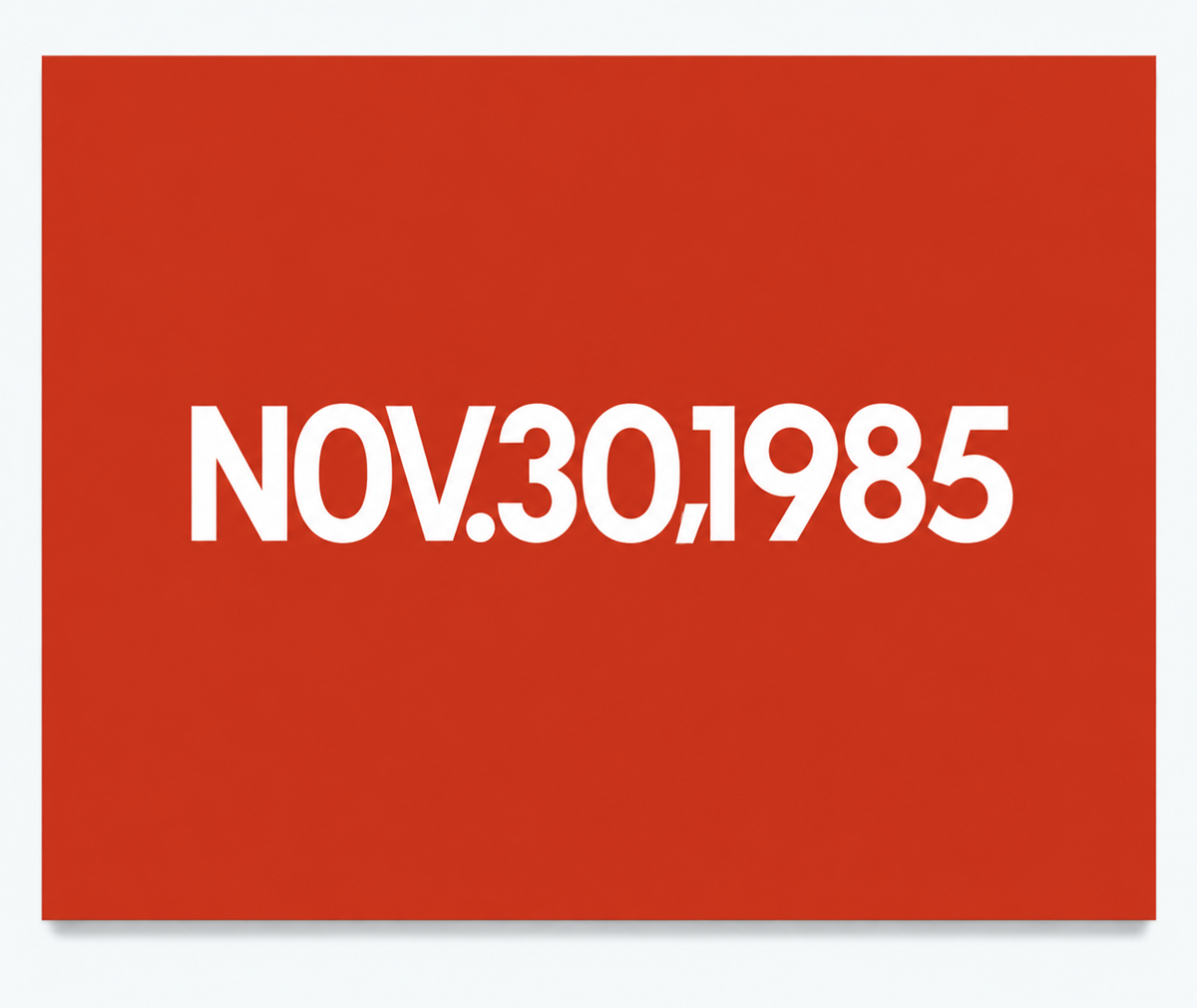
On Kawara spent decades painting dates. NOV. 30, 1985 contains exactly what the title suggests: the date painted in neat white lettering against a red background, with no additional image or scene. The work later sold for more than $1 million.
13. Robert Indiana’s LOVE
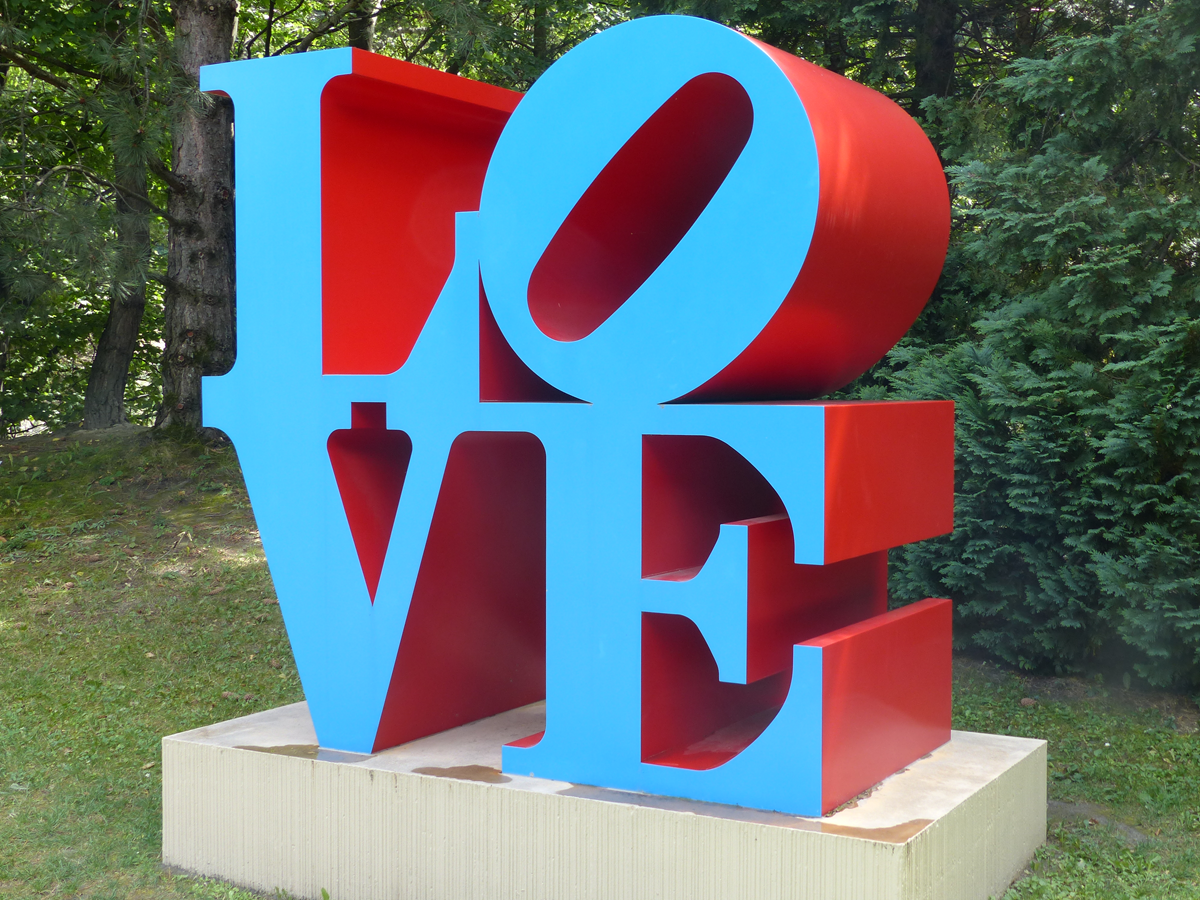
Four letters arranged into a square, with the “O” tilted slightly to one side, became Robert Indiana’s most recognizable image. The design moved from prints and paintings into enormous sculptures that look almost like oversized typography dropped into a public plaza. Versions of LOVE have become valuable collectors’ objects despite the visual idea being almost aggressively straightforward.
14. Piero Manzoni’s Merda d’artista
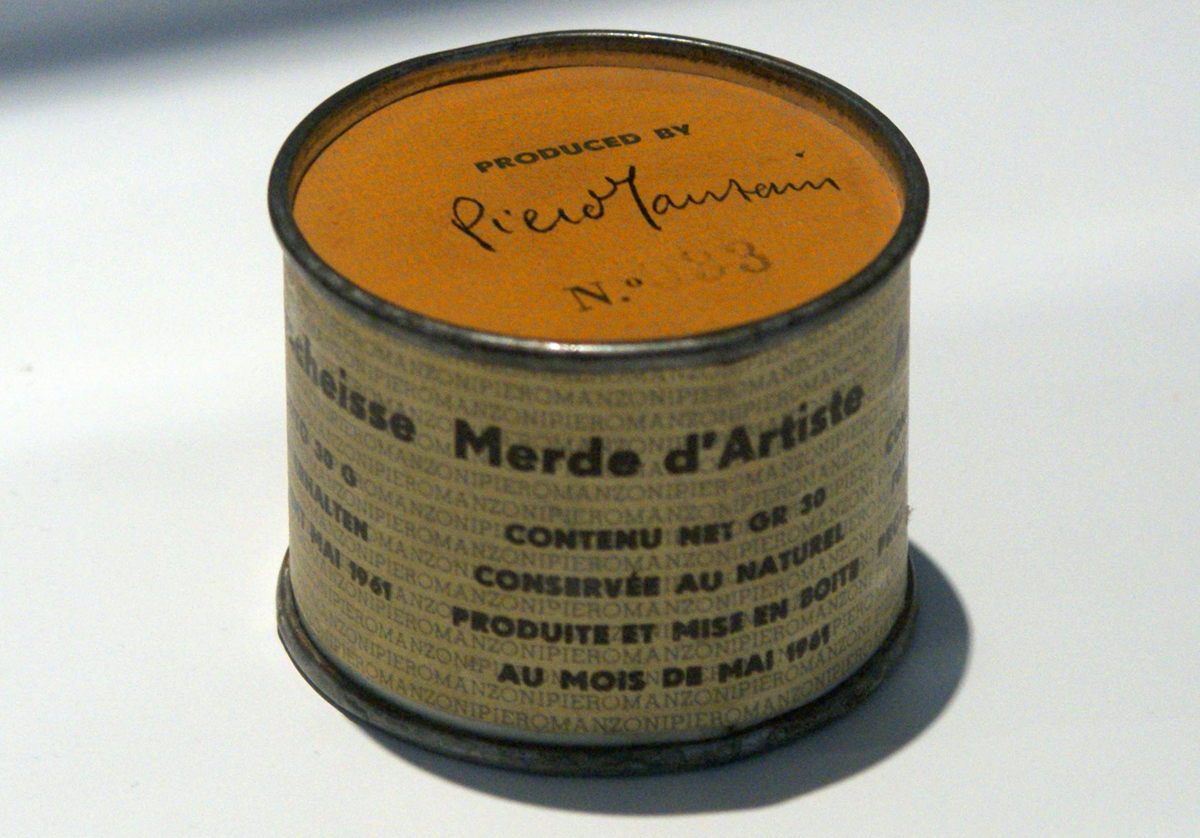
In 1961, Piero Manzoni produced 90 small sealed cans labeled Merda d’artista, or “Artist’s Shit,” with each can supposedly containing 30 grams of the artist’s own excrement. The object itself resembles an ordinary tin can with a printed label, which was exactly part of the provocation. Individual cans have since sold for six-figure sums.
15. Marcel Duchamp’s Bottle Rack
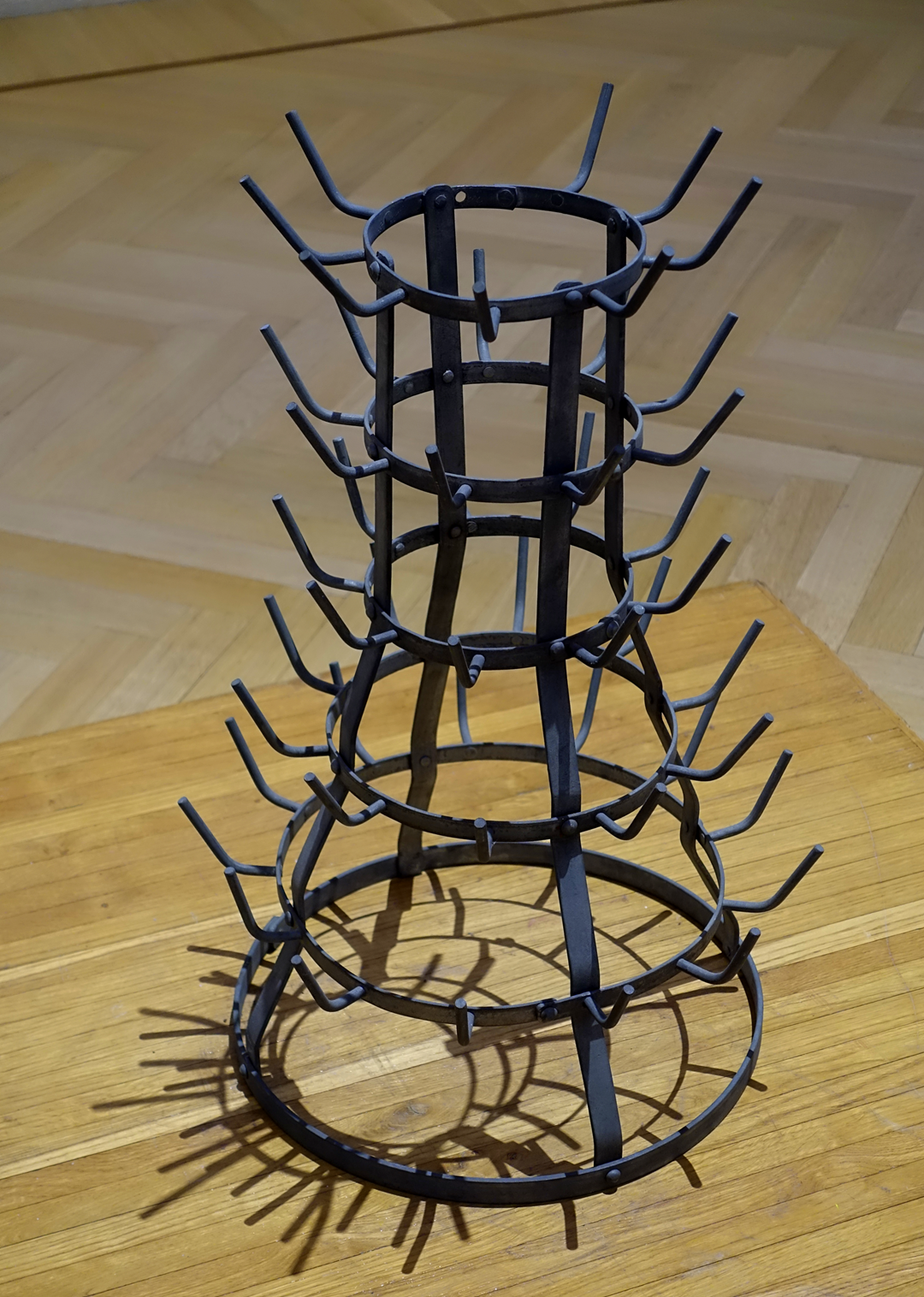
Duchamp found the basic metal rack in Paris and selected it as one of his readymades, essentially declaring an existing household object to be art without transforming it into a traditional sculpture. Visually, it remains exactly what the name promises: a bottle-drying rack. More than a century later, it still looks like something that could have been pulled from an old kitchen or hardware shop.
In the mood for more?
Check out 20 Modern Art Pieces That Prove The Golden Age Of Art Is Over, or take a look at 15 Surprisingly Expensive Things You Probably Own (and Didn’t Realize Were Valuable). If you want to see more stories from the art world, you can check out 15 of the Biggest Art Robberies in History.