Things that changed more in the last decade are not always dramatic inventions or futuristic machines. Often, they are ordinary parts of life that quietly became almost unrecognizable. Watching TV, paying for lunch, finding a date, booking a vacation, or figuring out where you are used to involve completely different objects, places, and habits. Now, many of those activities begin with the same gesture: reaching for a phone. The transformation happened so gradually that it is easy to forget just how strange today would have looked not very long ago. These 20 everyday examples make that shift surprisingly easy to see.
1. Television Became Something You Choose
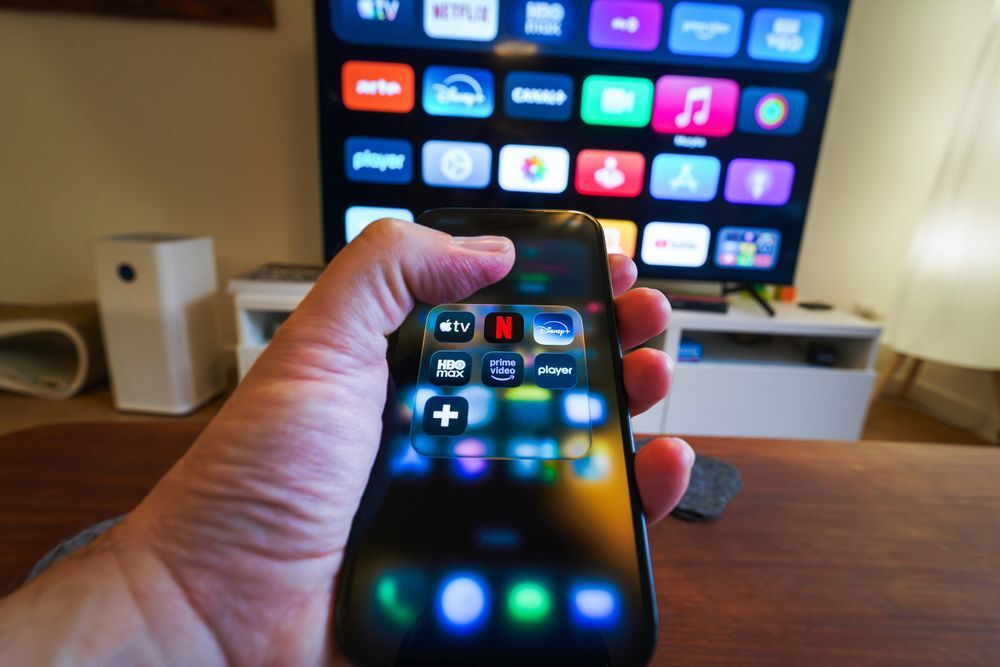
Television once revolved around a schedule: a network decided what was on, and viewers either showed up on time or missed it. Streaming turned that relationship almost completely around. As the screen in this photo suggests, television is now a menu of competing apps – Netflix, Disney+, Prime Video, Apple TV+, and plenty more – waiting for the viewer to decide what happens next. The biggest problem is no longer finding something that is on. It might be spending 25 minutes deciding what to watch.
2. An Entire Music Collection Fits in Your Pocket
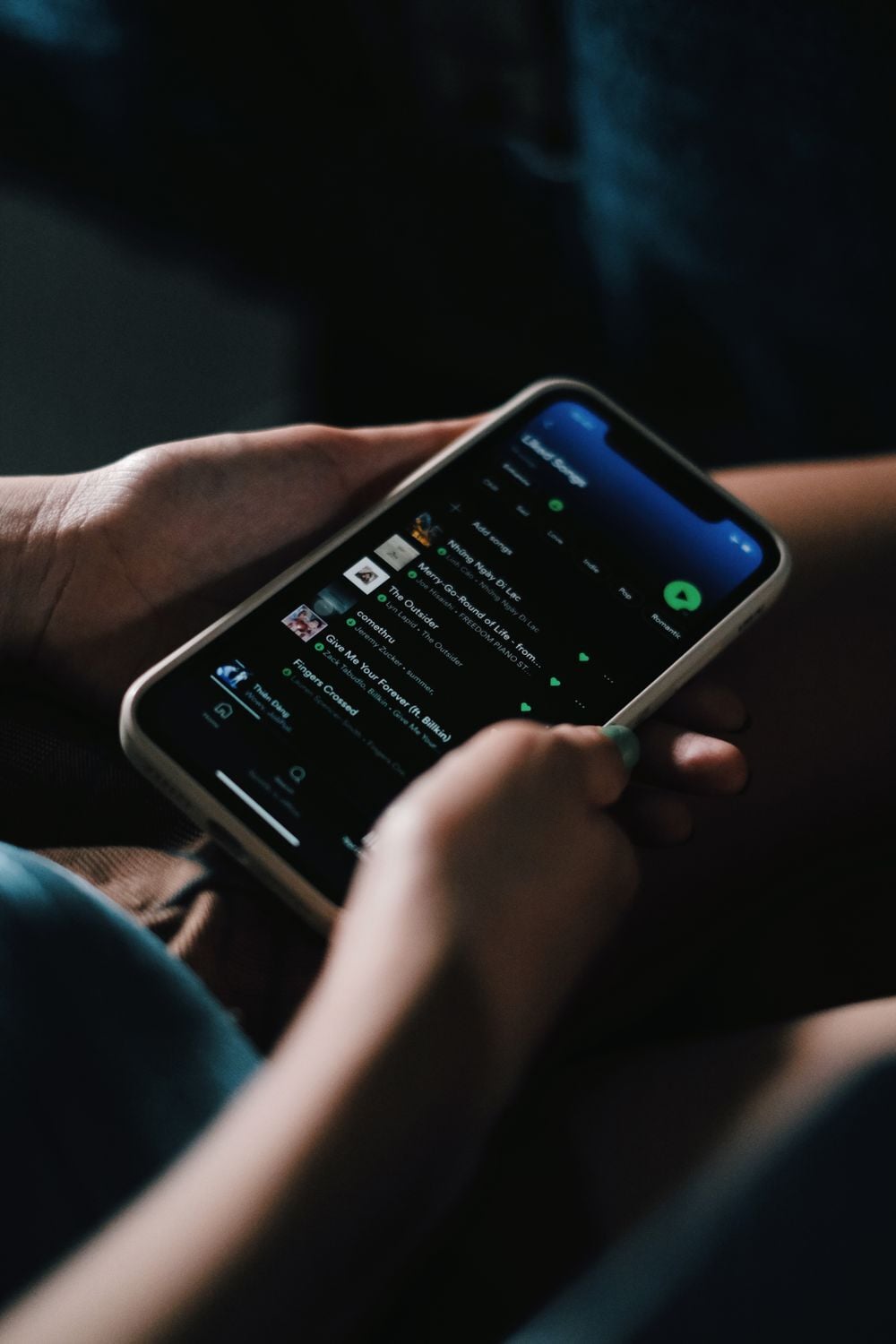
Albums, CDs, MP3 players, and carefully organized music libraries once made listening to music feel tied to things you actually owned. Now a phone can open Spotify or another streaming service and provide access to an enormous catalog almost instantly. That has changed more than the hardware. Playlists can replace albums, algorithms can suggest the next artist, and discovering a song can happen without ever knowing what record it came from. When was the last time you had to wonder whether you brought the right music with you?
3. Getting Lost Became Surprisingly Difficult
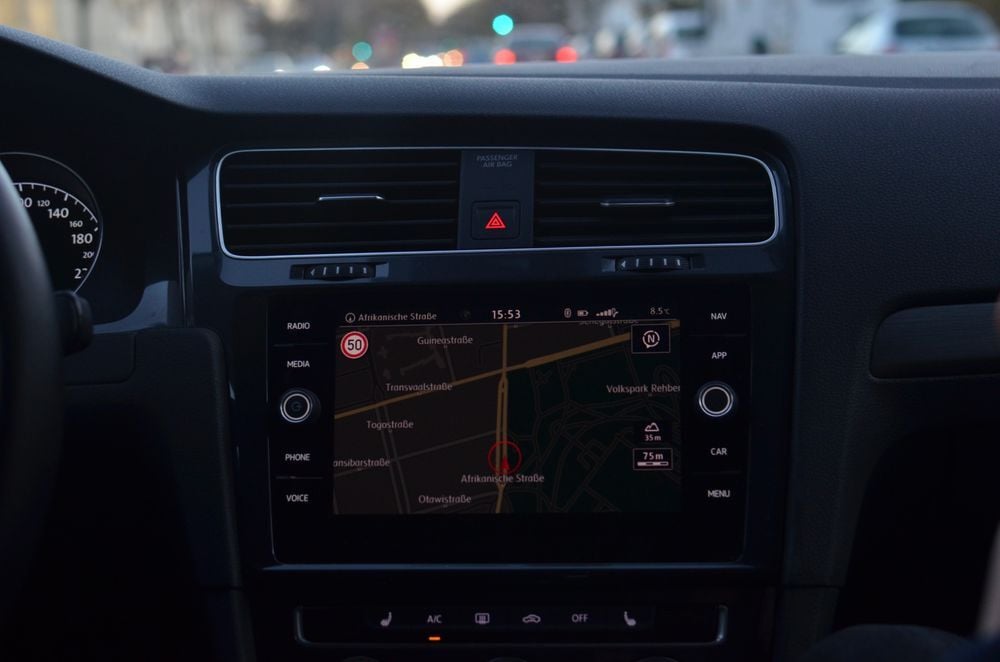
There was a time when missing a turn could mean pulling over, unfolding a map, and trying to determine exactly where everything went wrong. Modern navigation systems continuously show where the car is, where it needs to go, and often how traffic will affect the trip. Miss the turn anyway? The route simply recalculates. It is an extraordinary amount of geographic assistance for something most of us now treat as an ordinary dashboard feature.
4. The Camera Became the Thing in Your Pocket
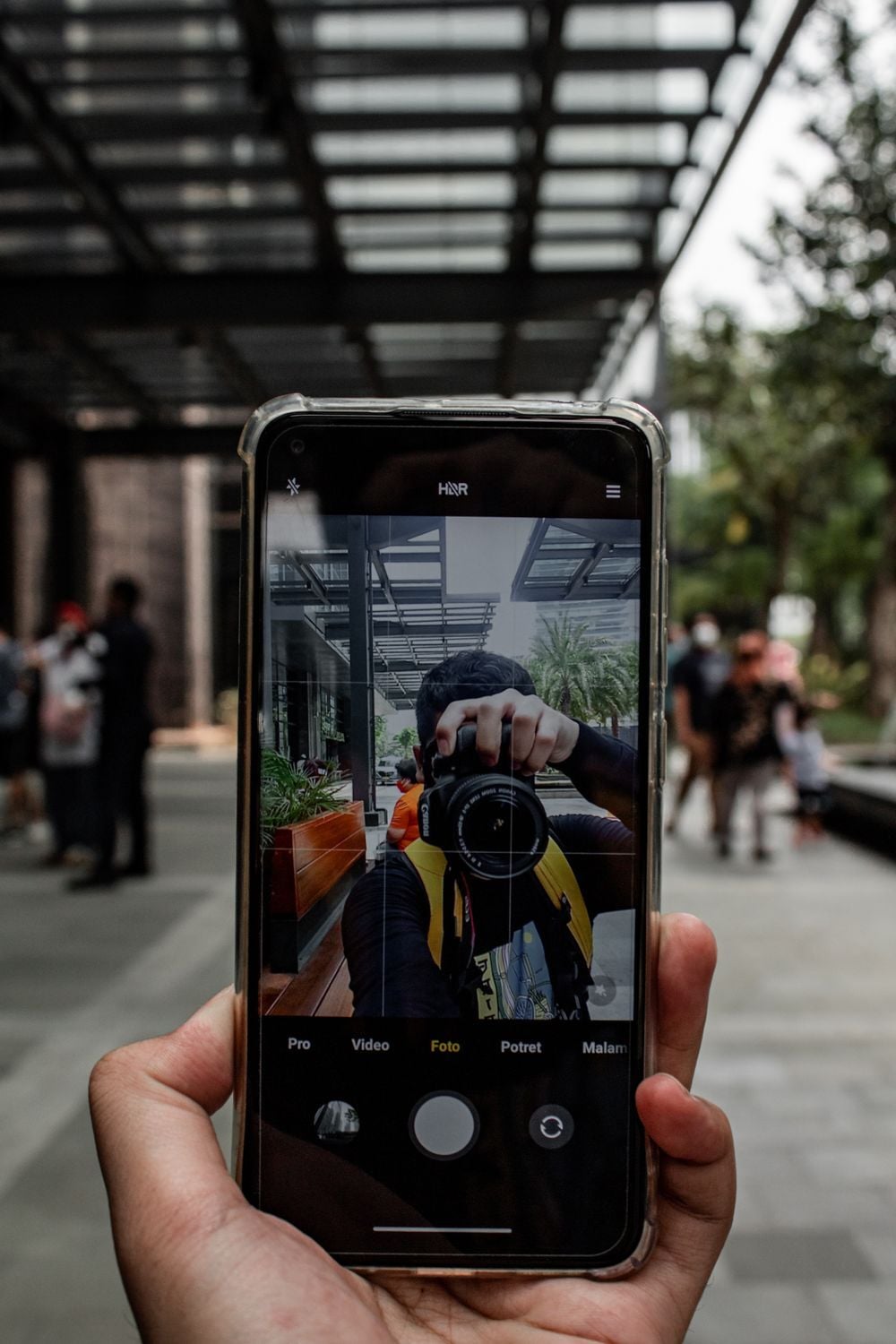
The smartphone did not simply make cameras smaller; it changed when people take photographs. A dedicated camera usually had to be brought along intentionally. A phone is already there. That means lunch, pets, receipts, sunsets, parking spots, vacations, and completely unremarkable Tuesday afternoons can all become photographs. The image here captures the transition rather perfectly: even someone holding a traditional camera can become the subject of another camera built into a phone.
5. Shopping Stopped Requiring a Store
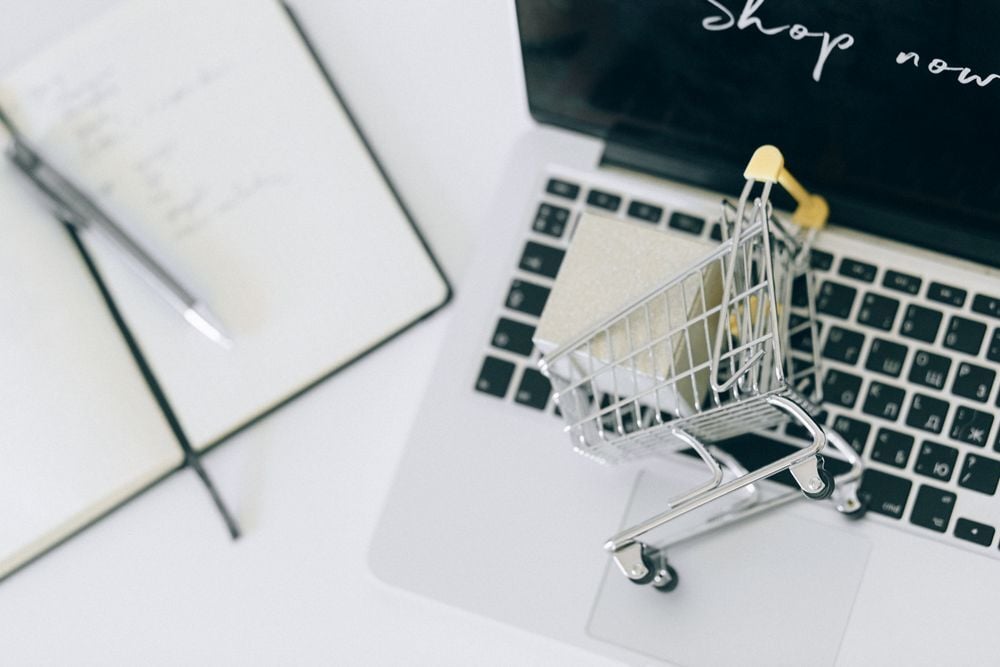
A tiny shopping cart sitting on a laptop keyboard feels almost too literal, but it captures the change perfectly. Browsing aisles has increasingly been joined by browsing tabs, while price comparisons, reviews, payments, and delivery can all happen without leaving the couch. Stores certainly have not disappeared, but the expectation surrounding shopping has shifted dramatically. If something can be found, compared, purchased, and shipped in five minutes, waiting until Saturday to go looking for it can suddenly feel oddly old-fashioned.
Trending on The Scroller

6. Paying Can Take Less Time Than Finding Your Wallet
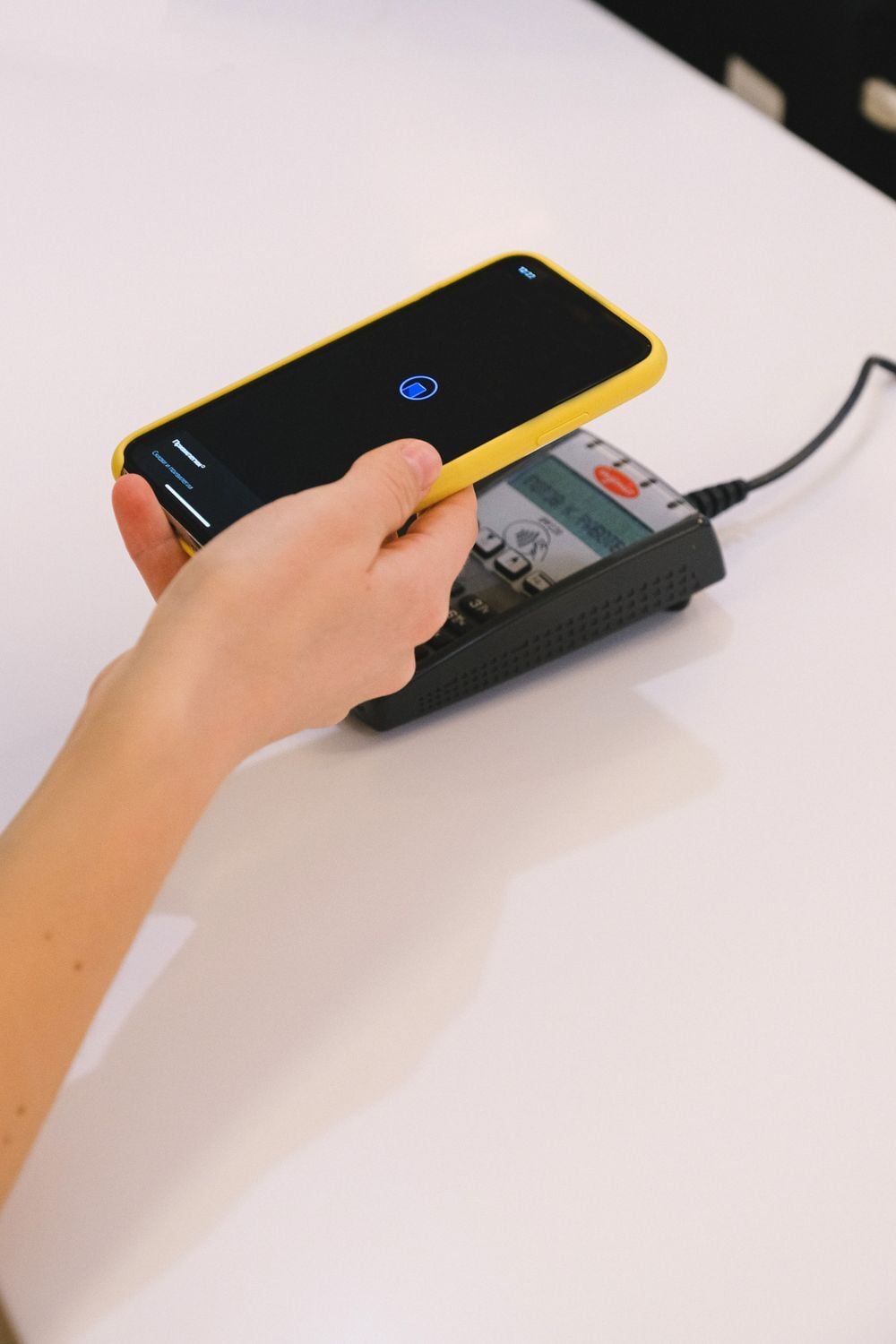
Cash gave way to cards, and now even the card can sometimes stay in the wallet. Contactless terminals and digital wallets let a phone or watch handle transactions with a tap. It is one of those changes that feels trivial until you remember how much infrastructure is hiding behind that tiny gesture. A device originally meant for phone calls can now function as a wallet, receipt holder, banking portal, and payment card. What exactly is the wallet supposed to do for a living now?
7. The Office Followed People Home

Working from home is not new, but laptops, cloud software, messaging platforms, and video calls have made it practical for far more kinds of work. The photo almost summarizes the modern arrangement by itself: two people, two laptops, one living room, and no cubicle in sight. Home and office have become much easier to combine – which is convenient right up until the couch starts feeling suspiciously like a workstation.
8. Dating Became a Swipe
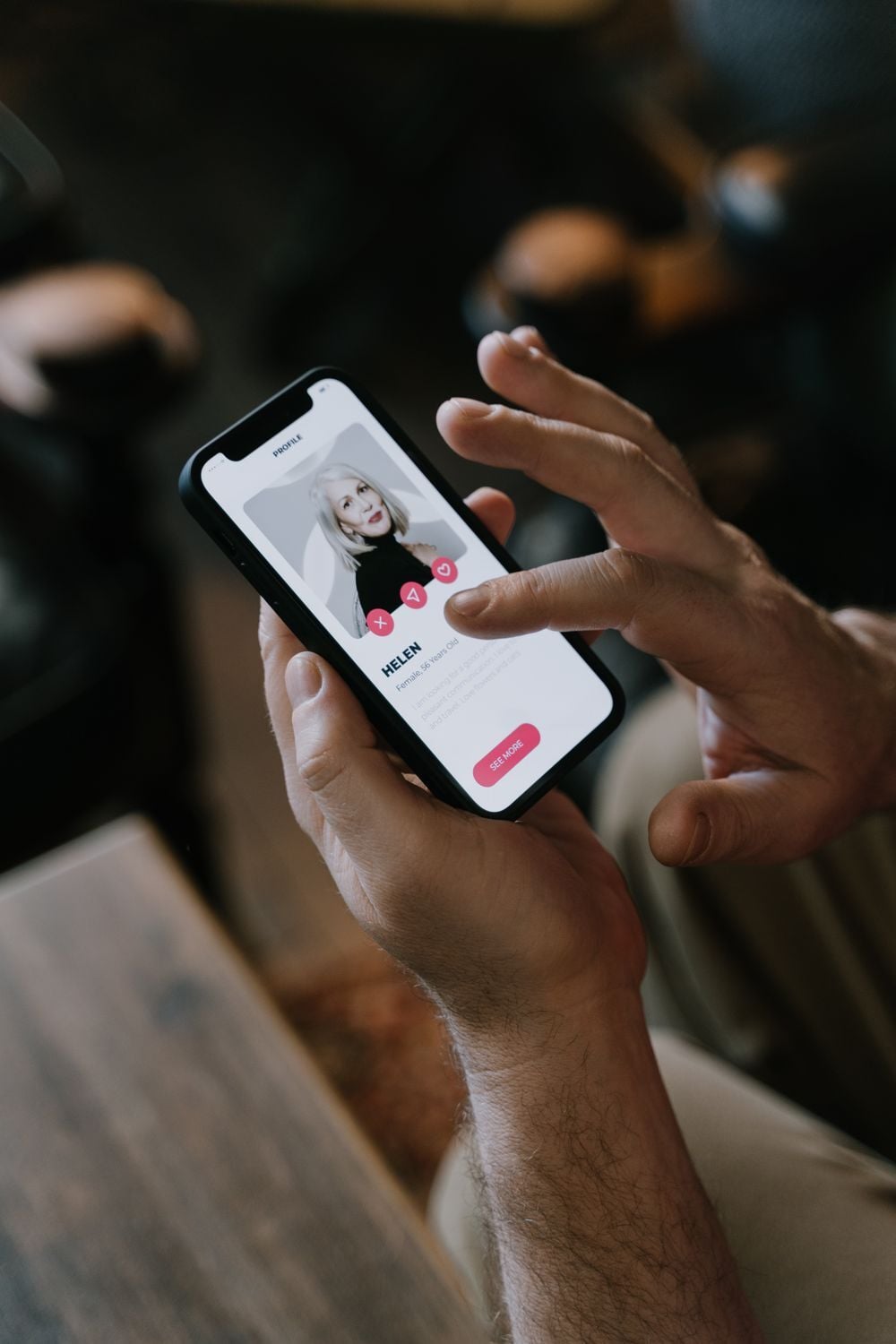
Meeting someone once depended heavily on geography, social circles, workplaces, bars, parties, and introductions. Dating apps added something radically different: a searchable stream of people who are also looking to meet someone. A profile can now introduce a stranger before a conversation ever begins, and a single swipe can decide whether that conversation happens at all. Romance remains complicated. Apparently, the opening paperwork has simply become much more efficient.
Sign up for our newsletter
9. Dinner Can Find You
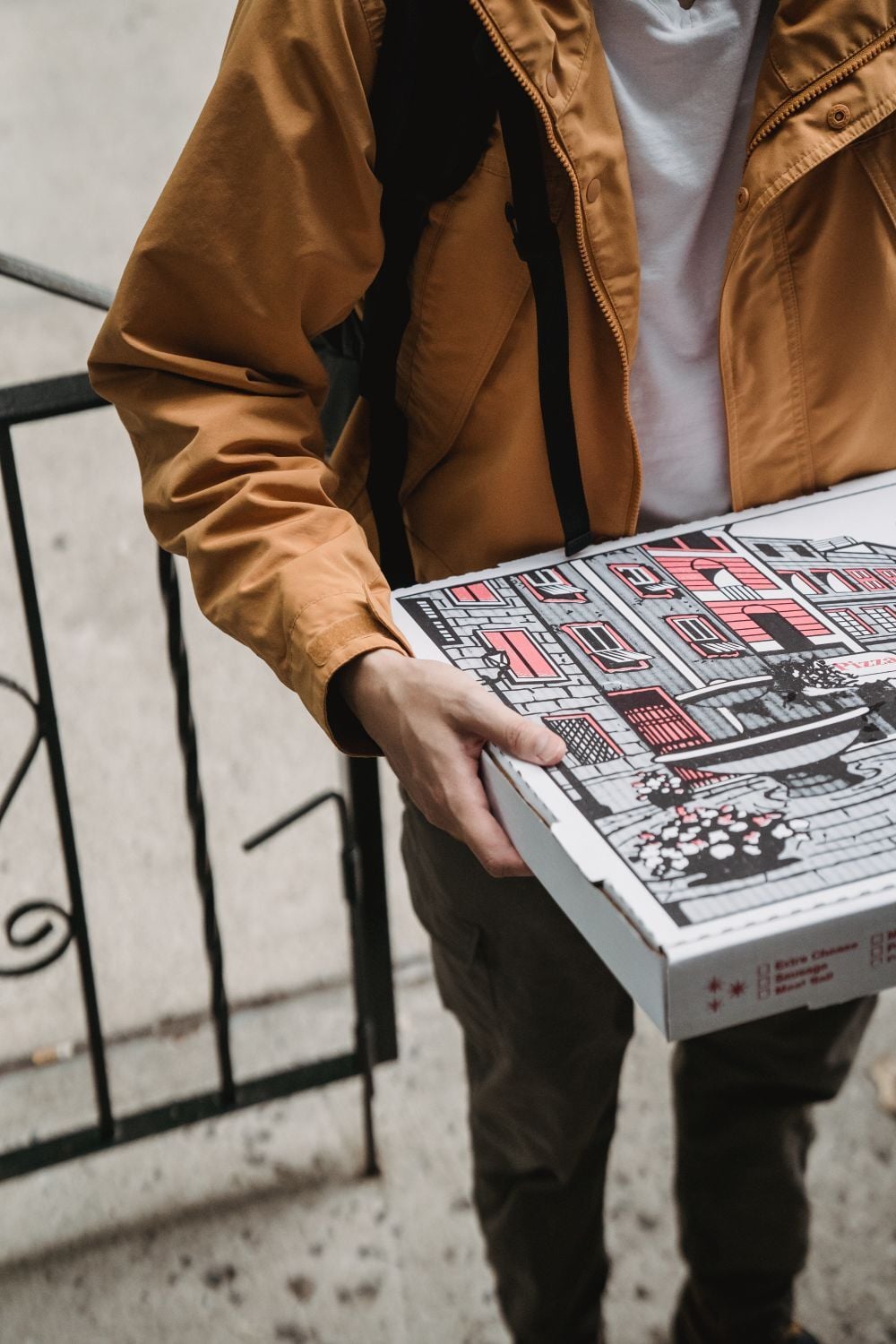
Takeout used to begin with finding a restaurant, locating its phone number, calling, explaining the order, and hoping everyone heard each other correctly. Food-delivery platforms compressed much of that process into a few taps. Menus, payment, tracking, reviews, and delivery now live in the same interface, while couriers navigate the final stretch using their phones. The pizza box is still reassuringly familiar. Almost everything that brought it to the door has changed.
10. Learning Escaped the Classroom
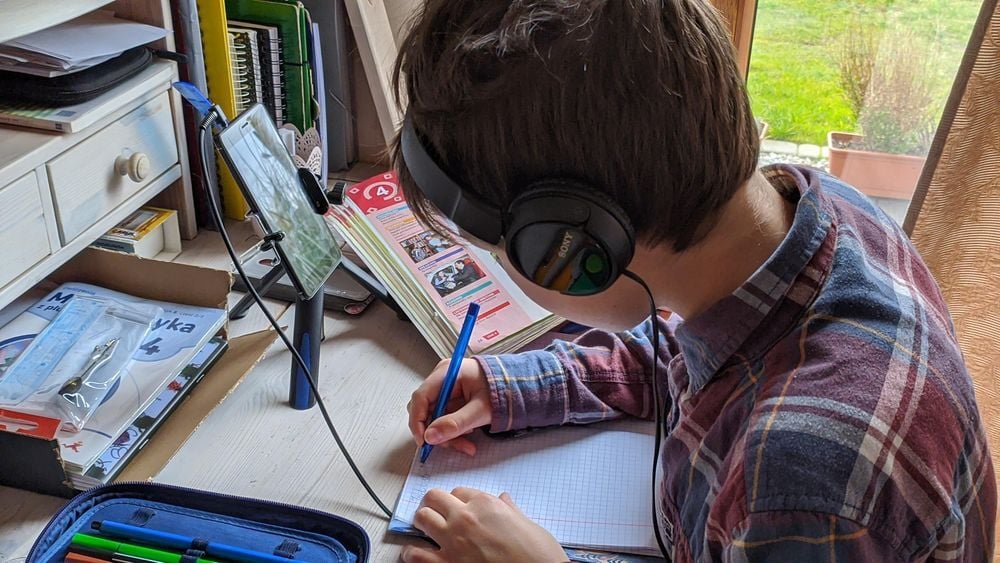
The student in this photo has a notebook and pencil, but the lesson itself appears to be happening through a screen. That combination says a lot about how learning has evolved. Tutorials, online courses, video lessons, language apps, and remote classes have made instruction available almost anywhere there is an internet connection. Want to learn guitar, calculus, coding, breadmaking, or how to repair a sink? There is a decent chance someone has already made a lesson for it.
11. Booking a Trip Became Its Own Travel Skill
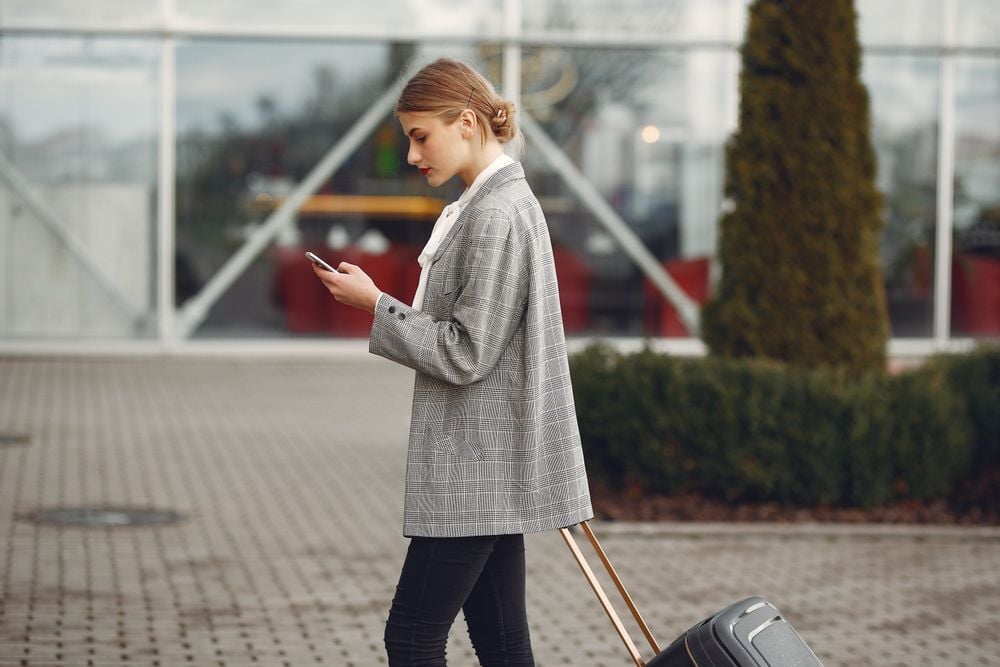
Planning a vacation once meant relying much more heavily on travel agents, printed schedules, guidebooks, and phone calls. Today, a traveler standing outside with a suitcase can compare flights, reserve a hotel, change a booking, check in, and receive updates from a phone. The convenience is enormous, although it has introduced a new vacation ritual: obsessively checking the same reservation six times to make sure it still exists.
12. The News Never Really Stops

The evening broadcast and morning newspaper once created natural boundaries around the news cycle. Those boundaries have largely dissolved. Breaking stories can reach phones within minutes, live video can appear while an event is unfolding, and updates can continue around the clock. The reporter and camera in this image still look familiar; what changed is the speed at which their work can travel. “Did you hear what happened?” has increasingly become “Did you see the notification?”
13. The Filing Cabinet Became a Folder on a Screen

Paper has hardly vanished, as this photo makes clear, but the center of gravity has shifted toward digital storage. Contracts, invoices, photographs, reports, and countless other documents can now be searched, copied, shared, and backed up without occupying another drawer. That tiny folder icon on a laptop represents an astonishing amount of physical clutter that no longer has to exist. Of course, we replaced losing papers with forgetting filenames, so humanity has preserved at least some tradition.
14. Workplace Communication Became Constant
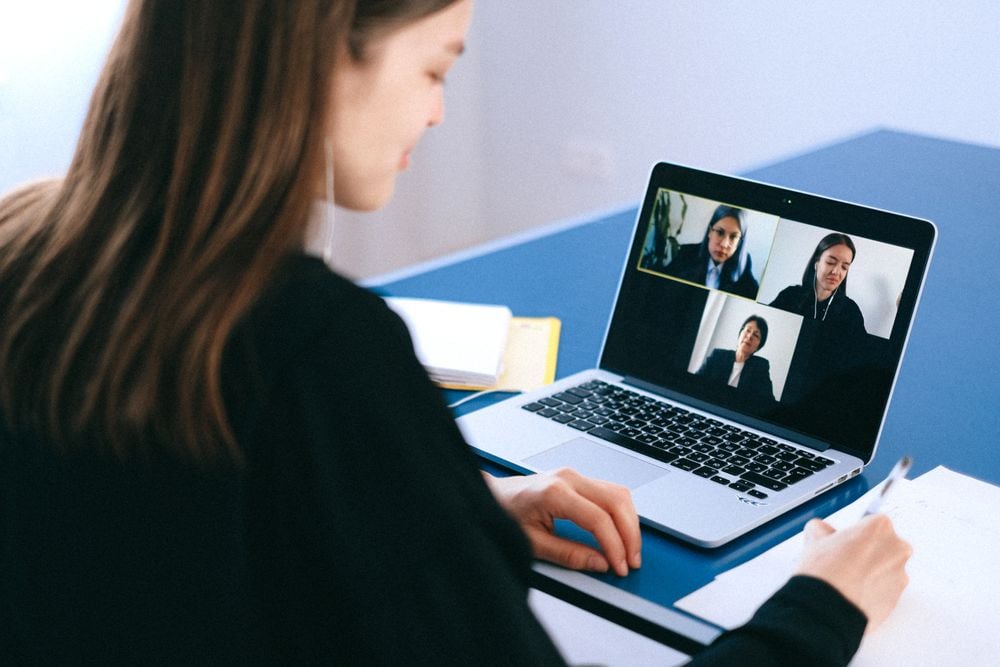
The office phone once held a much larger share of workplace communication. Today, calls compete with email, group chats, video meetings, collaborative documents, project-management tools, and notifications from platforms that somehow all believe they deserve immediate attention. Communication became faster and more flexible, but also harder to escape. The old question was whether someone was at their desk. The new question might be which of six apps you are supposed to message them on.
15. Exercise Started Producing Data
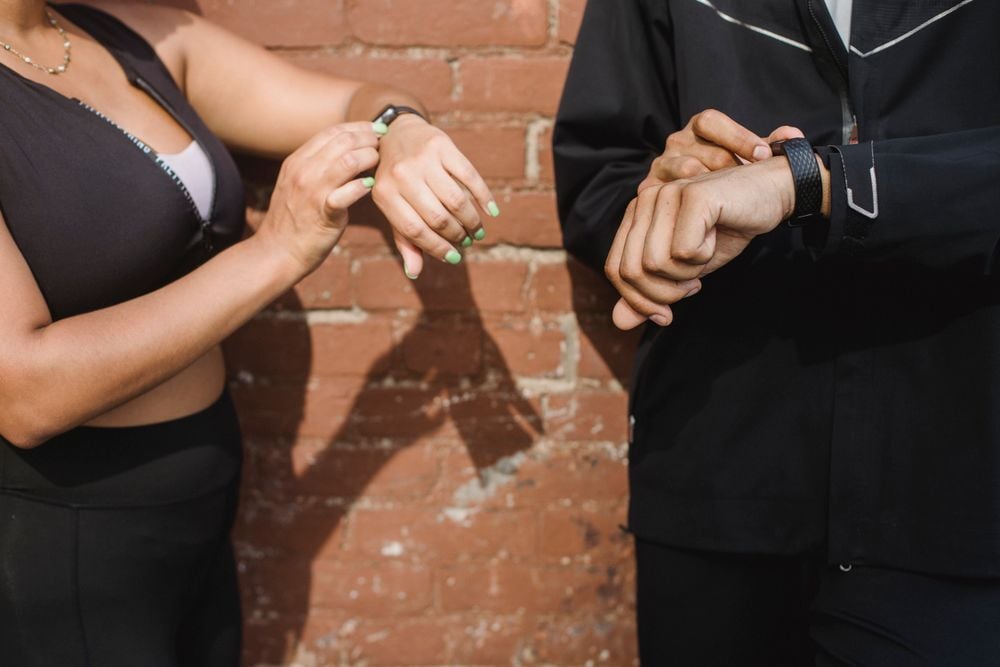
A workout used to be something you did and then remembered – or perhaps tried to forget. Smartwatches and fitness trackers turned movement into information: steps, distance, heart rate, pace, sleep, calories, and more can follow people throughout the day. The two people checking their wrists in this photo illustrate a curious modern habit. We can finish exercising and immediately ask a tiny computer whether the exercise officially counted.
16. Calling a Ride Barely Involves Calling
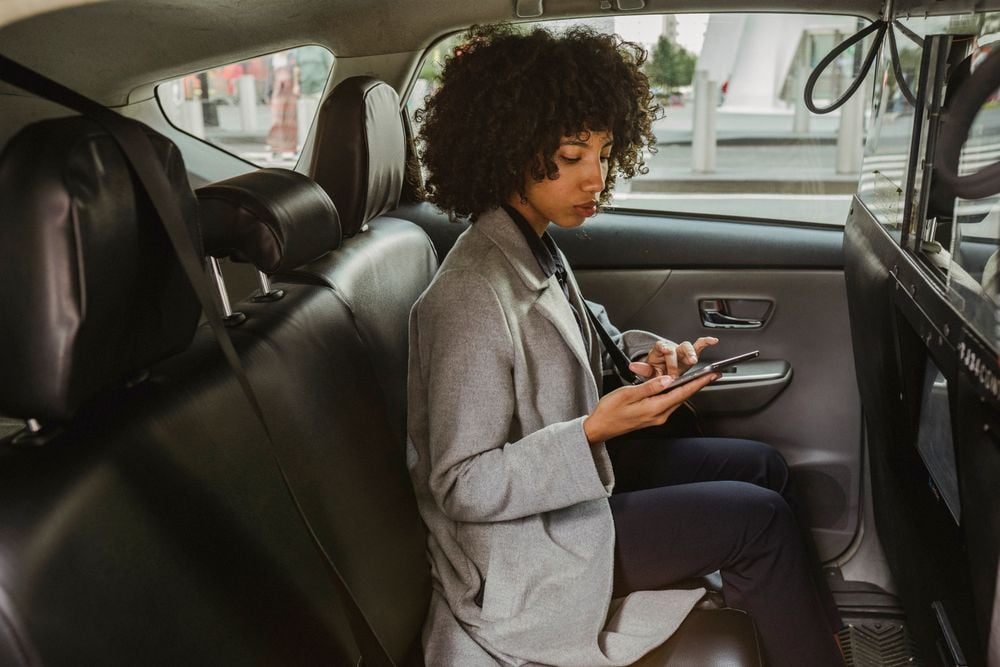
The phrase “call a cab” is becoming increasingly literal only in the historical sense. Ride-hailing apps allow passengers to request transportation, see the driver’s location, receive an estimated arrival time, handle payment, and often rate the trip afterward. For drivers, the phone has become a dispatcher, map, payment system, and source of the next passenger. A whole transportation transaction can now happen without either person making an actual phone call.
17. Maps Know Where You Are
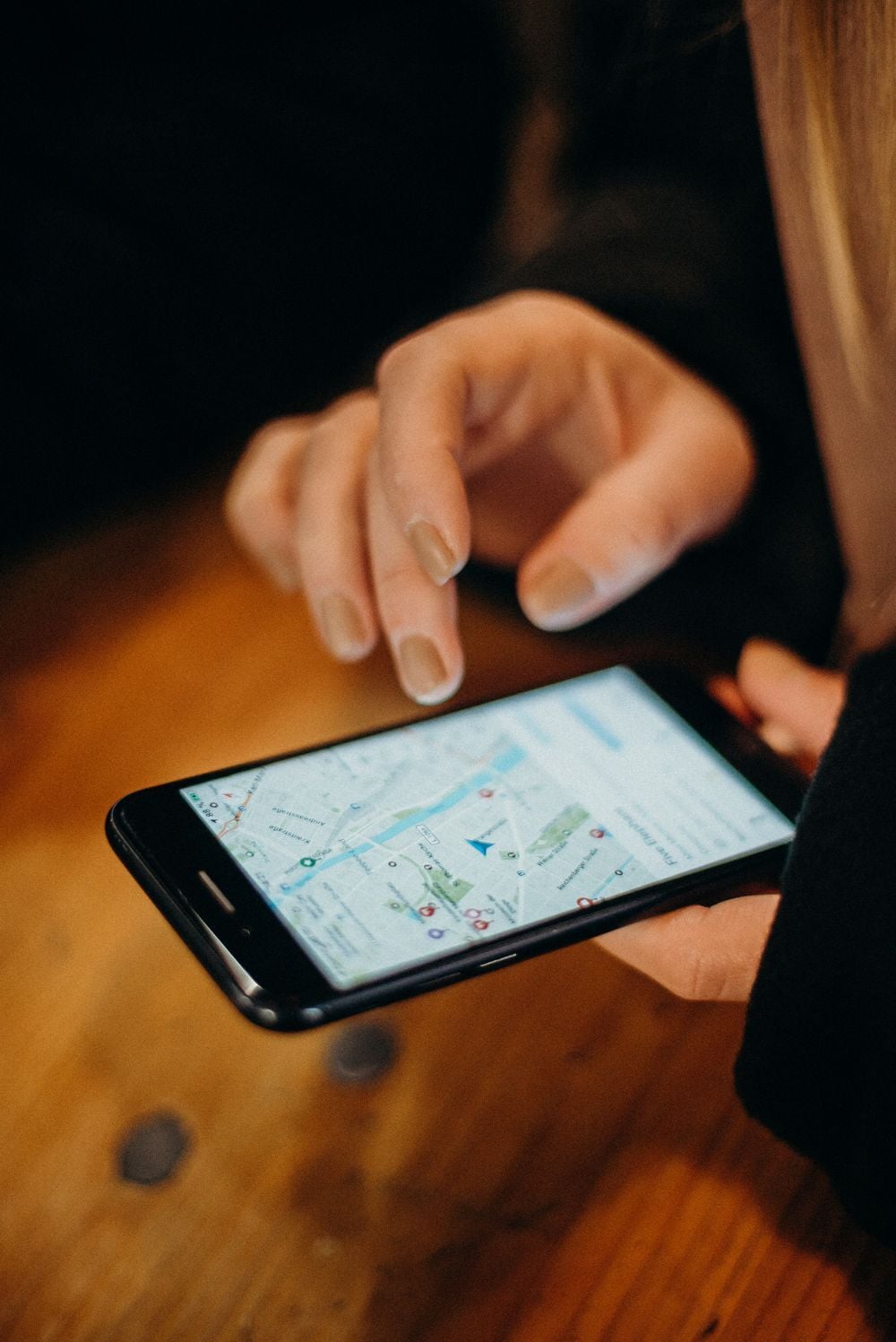
A paper map could tell you where streets were. A digital map can tell you where you are on those streets, which direction you are facing, how long the journey should take, where traffic is building, and which coffee shop is three minutes away. That little blue location marker fundamentally changed the experience of navigating unfamiliar places. We have gained extraordinary geographic confidence – and possibly lost the ability to admit that we have absolutely no idea where north is.
18. The Ticket Became Optional
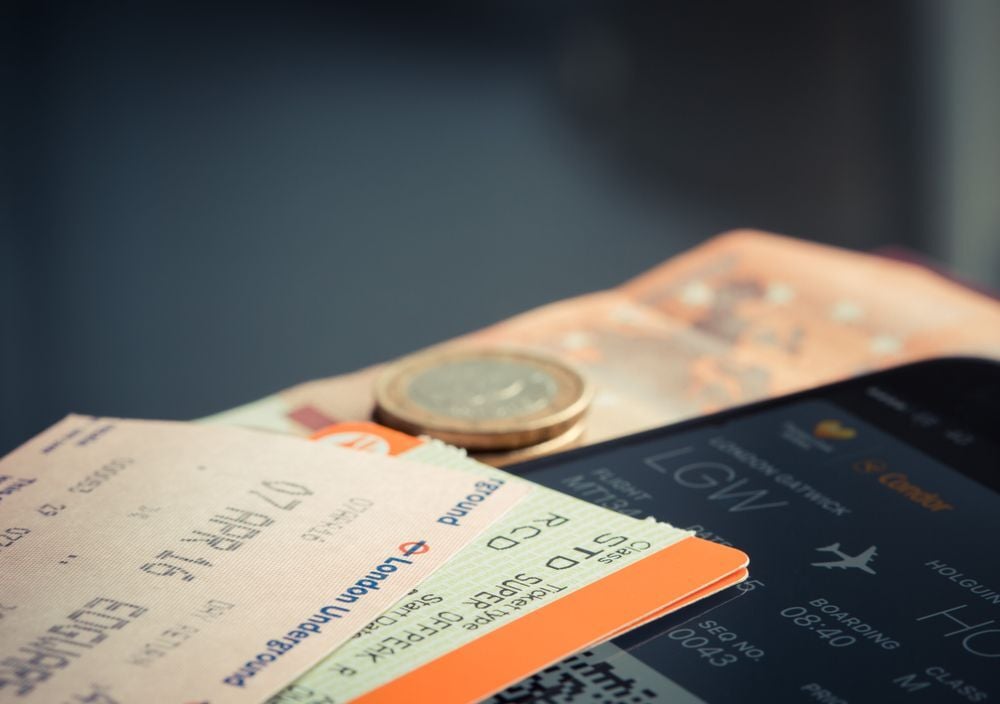
Boarding passes, concert tickets, train reservations, and event admissions increasingly arrive as digital files, QR codes, or entries inside an app. The physical tickets in this image now sit beside the device that has begun replacing them. It is convenient, searchable, and much harder to leave on the kitchen counter. There is just one important requirement our predecessors rarely had to consider: make sure the thing holding your ticket still has a battery.
19. The Family Album Moved Into the Cloud
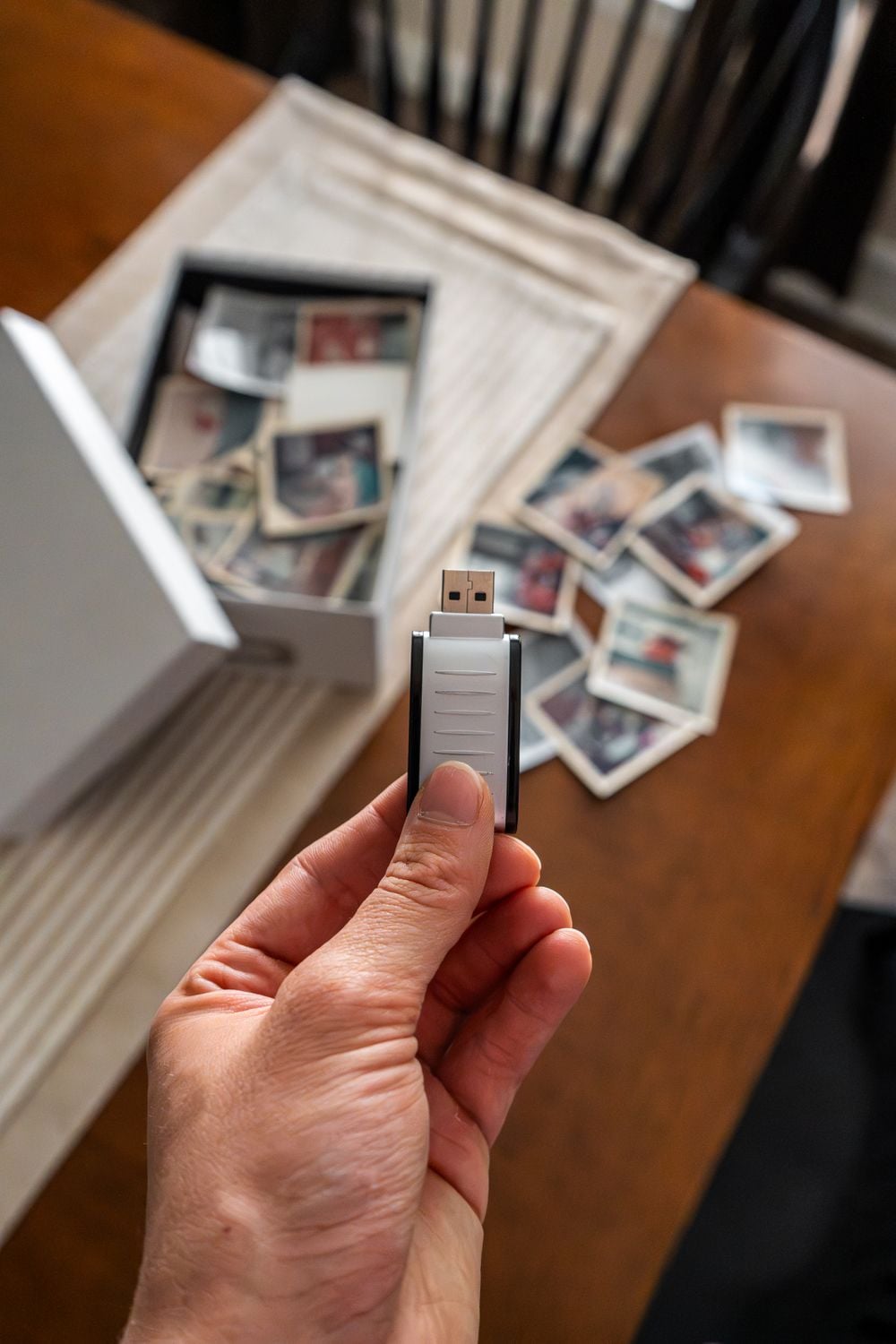
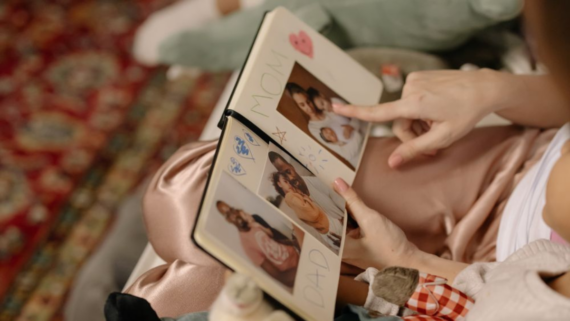
Printed family albums once turned photographs into physical objects that could be passed around a room. Today, family pictures are just as likely to live on phones, shared albums, messaging threads, social feeds, or cloud accounts. The purpose has not changed much – we still want to remember birthdays, vacations, parents, children, and ordinary moments – but sharing can now happen instantly across enormous distances. Somehow, though, sitting beside someone and pointing at an old picture still feels difficult to replace.
20. Artificial Intelligence Became an Everyday Tool
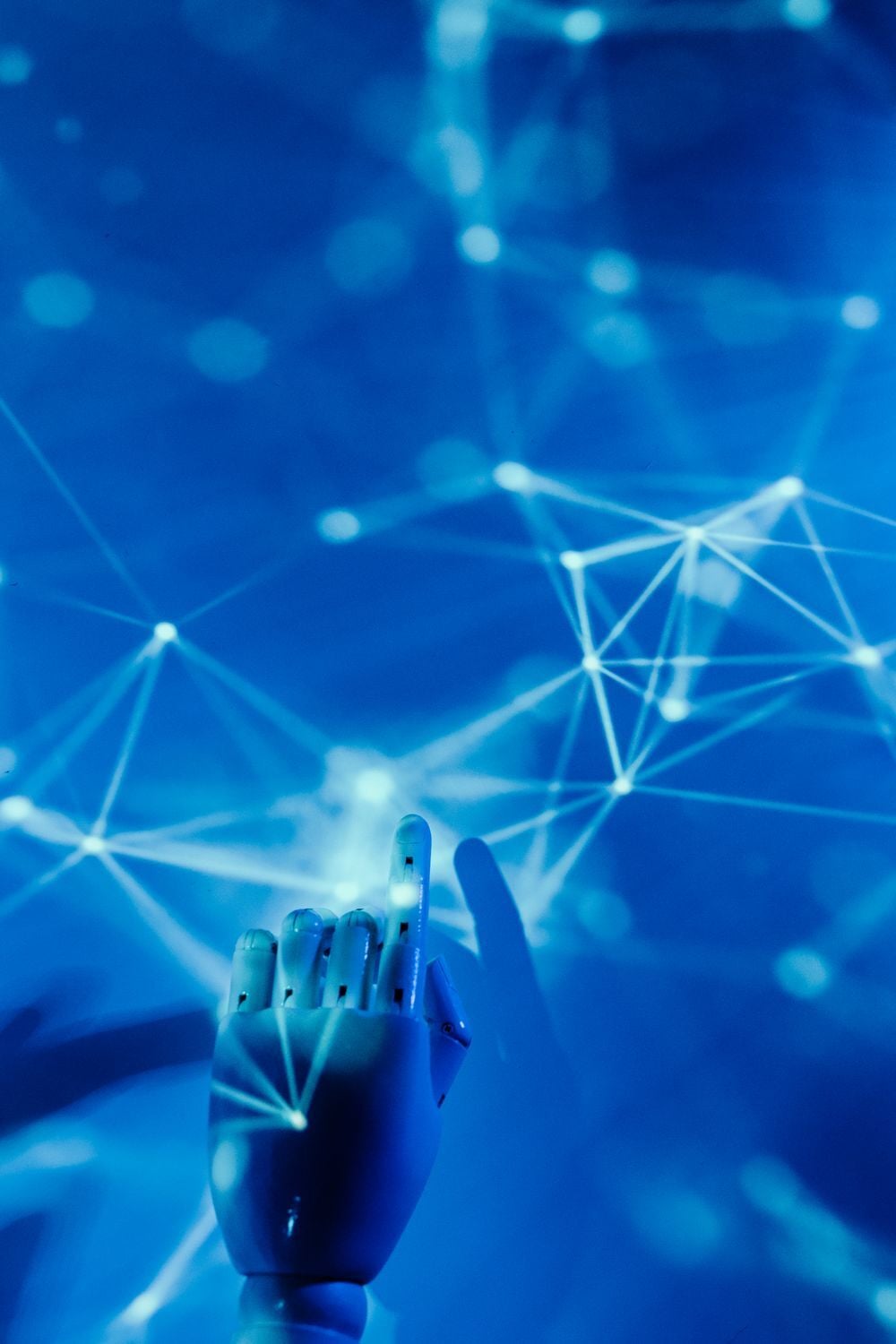
For decades, artificial intelligence sounded like something belonging to laboratories, science fiction, or a distant technological future. In just the last few years, AI tools have moved much closer to everyday life, helping people generate text and images, translate languages, summarize information, write code, search through material, and automate routine tasks. That makes it a fitting final example of things that changed more in the last decade: not because AI suddenly appeared from nowhere, but because ordinary people can now interact with capabilities that once felt remarkably remote. And if this is where we are now, what will this entry look like ten years from today?
The most striking part of these changes may be how quickly they stopped feeling remarkable. Streaming, GPS, contactless payments, video calls, digital tickets, and AI can slip into daily routines until the technology behind them becomes almost invisible. Sometimes it takes a photograph – and a comparison with how we used to do the same thing – to notice just how much changed while everyone was busy living through it.
Keep Exploring The Scroller
The future rarely arrives with a dramatic announcement. More often, an old habit quietly disappears until one day you realize you cannot remember the last time you unfolded a road map, bought a CD, or printed a boarding pass. Keep exploring The Scroller for more everyday transformations, forgotten routines, and familiar parts of life that look surprisingly different once you stop and compare them.
14 Everyday Habits From the 1990s That Have Quietly Shifted