More than a century after the Titanic sank, some of its most famous stories are still repeated as unquestioned facts. The strange part is that many of the most persistent Titanic myths have almost nothing to do with icebergs, steel, or the ship itself. They involve final words nobody can confirm, heroic scenes polished by newspapers, passengers turned into villains, eerie predictions, supernatural curses, and details that became more dramatic every time the story was retold. The real history is often less tidy than the legend, but in several cases, it is much more interesting.
1. The Band Definitely Played ‘Nearer, My God, to Thee’ as the Ship Sank
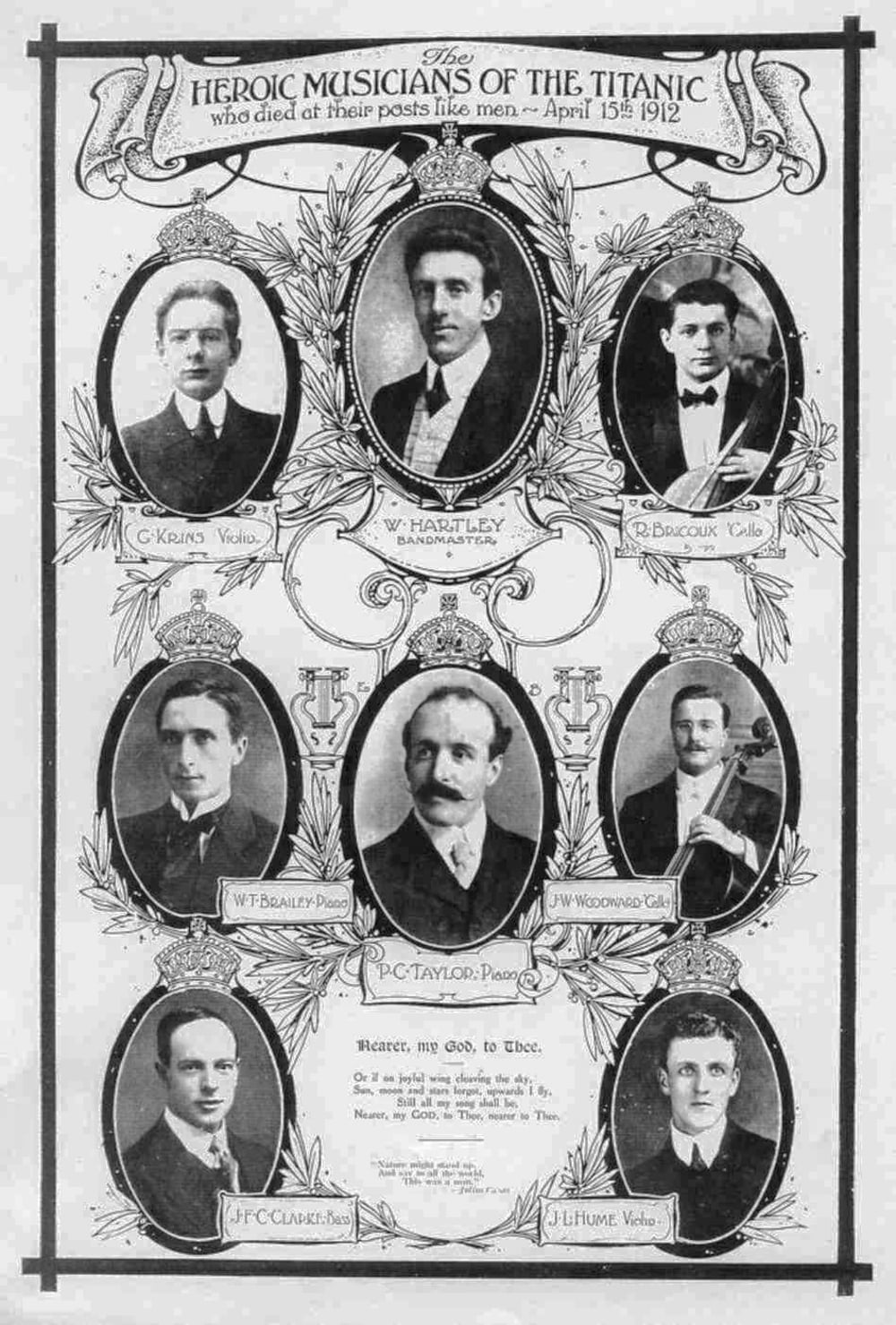
Few images from the Titanic story feel more permanent than the musicians calmly playing “Nearer, My God, to Thee” while the ship disappeared beneath them. The musicians really did continue performing during the emergency, and all eight ultimately died, but nobody can say with certainty what their final piece was. Survivors remembered different music, and some accounts pointed to other tunes entirely. Bandmaster Wallace Hartley reportedly had a personal connection to the hymn, which helped the story take root, but the haunting finale familiar from books and movies remains exactly that: a possibility transformed by more than a century of retelling into something that sounds like an eyewitness fact.
2. Captain Smith’s Final Order Was ‘Be British’
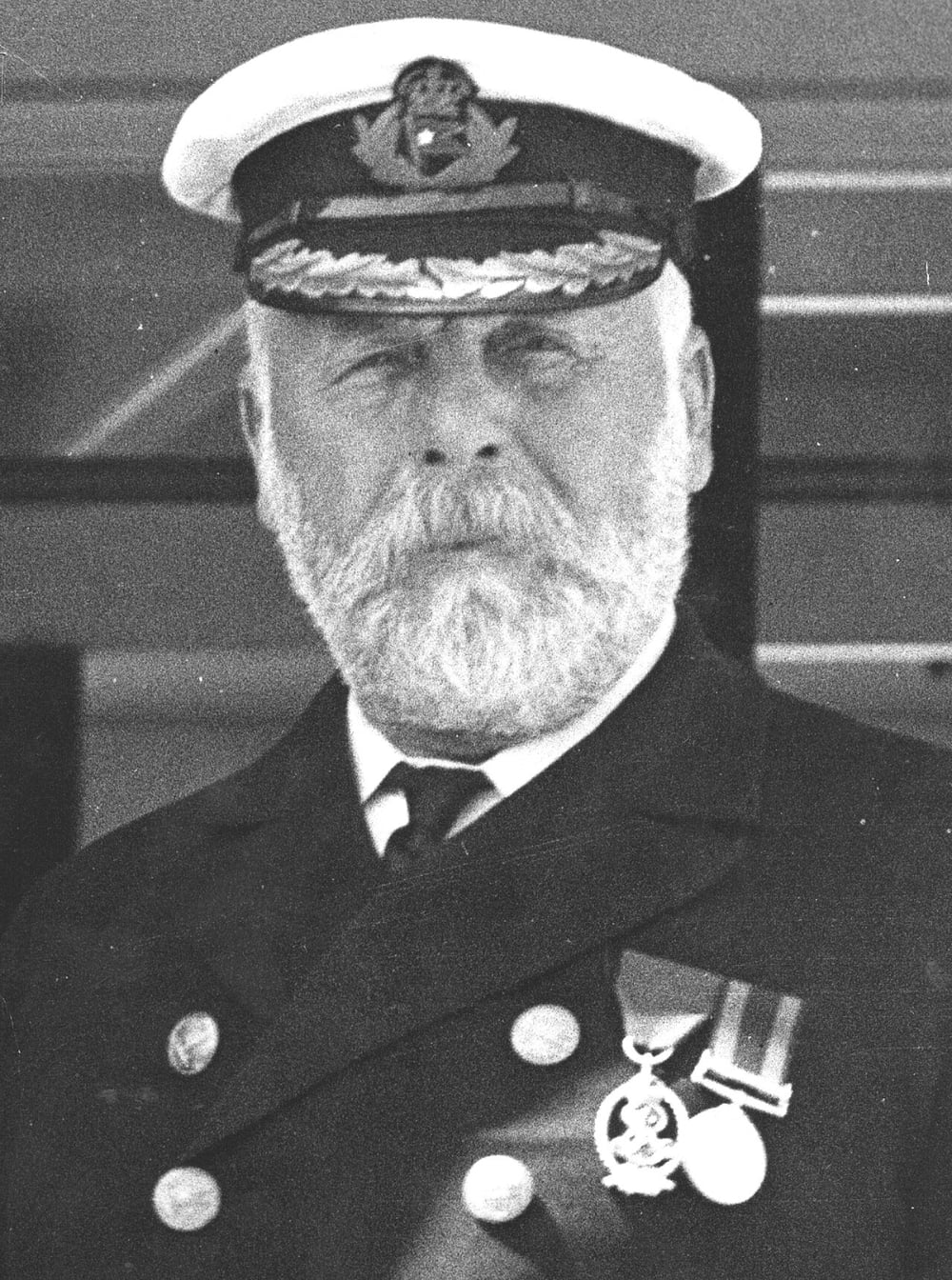
“Be British” sounds almost too perfectly suited to the mythology that formed around Captain Edward Smith: short, stoic, patriotic, and delivered in the middle of catastrophe. That perfection is part of the problem. The phrase appeared in accounts of the disaster and became attached to Smith as newspapers and commemorations built a heroic portrait of Titanic’s captain, but there is no solid evidence establishing it as his final command. Even Smith’s last moments remain uncertain because surviving witnesses offered conflicting versions of what they saw. The quotation survived anyway, giving history one of those suspiciously cinematic lines that may tell us more about how people wanted to remember the disaster than about what was actually said that night.
3. Every Man Calmly Stepped Aside for Women and Children
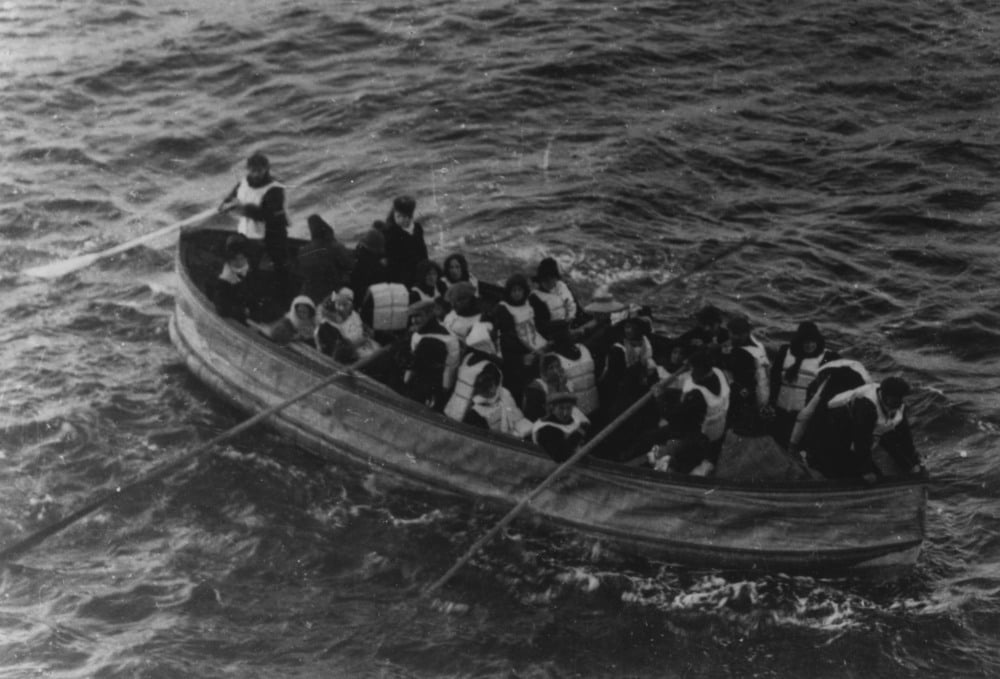
The evacuation is often remembered as an extraordinary display of order: women and children entered the boats while men quietly accepted their fate. The reality on the Titanic’s boat deck was considerably messier. Officers interpreted the priority differently, passengers did not all reach the boats at the same time, some lifeboats departed with empty seats, and circumstances changed as the seriousness of the sinking became impossible to ignore. There were genuine acts of sacrifice, but there was never one perfectly organized moment in which the male passengers collectively stepped aside. The polished version became powerful because it turned a chaotic evacuation into a simple story of Edwardian courage. History rarely behaves that neatly.
4. ‘Women and Children First’ Was an Actual Maritime Law
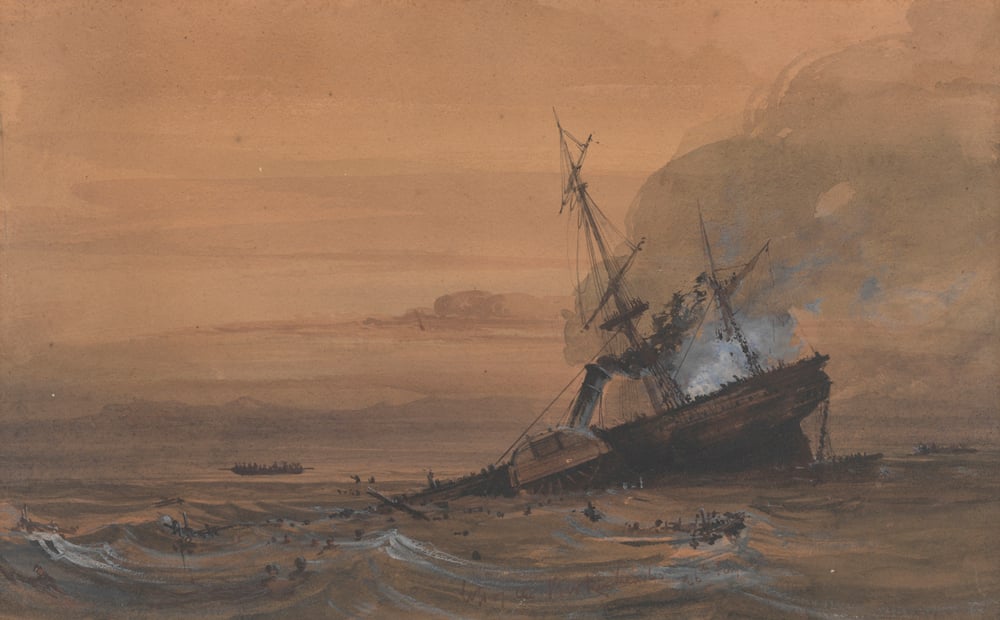
Here is the surprising part: there was no universal maritime law ordering Titanic’s crew to evacuate women and children before men. The famous principle was a social convention, not a legal commandment. Its cultural roots were already decades old by 1912, with the 1852 sinking of the troopship Birkenhead becoming particularly famous after soldiers reportedly maintained discipline while women and children escaped. That tradition later became known as the “Birkenhead drill.” By Titanic’s era, the idea carried enormous moral weight, but a captain was not following some international statute that literally required “women and children first.” What millions now remember as a rule of the sea was really a powerful expectation about how honorable men were supposed to behave.
5. Third-Class Passengers Were Deliberately Locked Below to Die
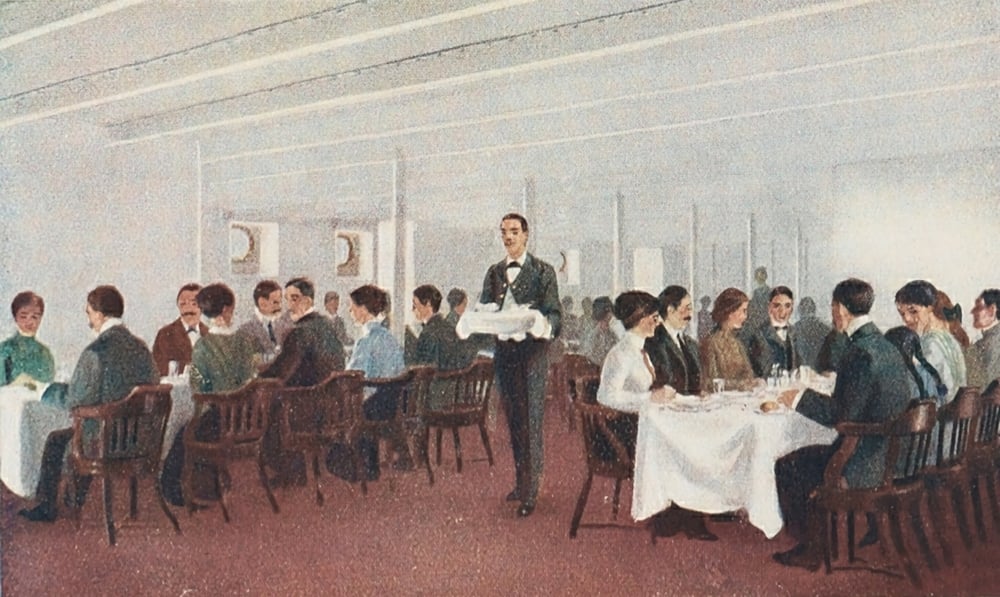
It is one of the darkest stories associated with Titanic: wealthy passengers supposedly escaped while third-class families were intentionally imprisoned behind locked gates. Titanic did have physical barriers separating passenger classes, and third-class passengers faced a more confusing journey from accommodations deep inside the ship to the upper decks. Some barriers also existed because immigration regulations required different groups of passengers to remain separated. Those very real obstacles had deadly consequences, but they are not evidence of a single coordinated order to lock third-class passengers below and abandon them. The truth is less theatrical and arguably more disturbing: an already segregated ship became extraordinarily difficult to navigate when time suddenly mattered more than anything else.
Trending on The Scroller


6. The Gates Were Installed Specifically to Keep Poor Passengers Away From Lifeboats
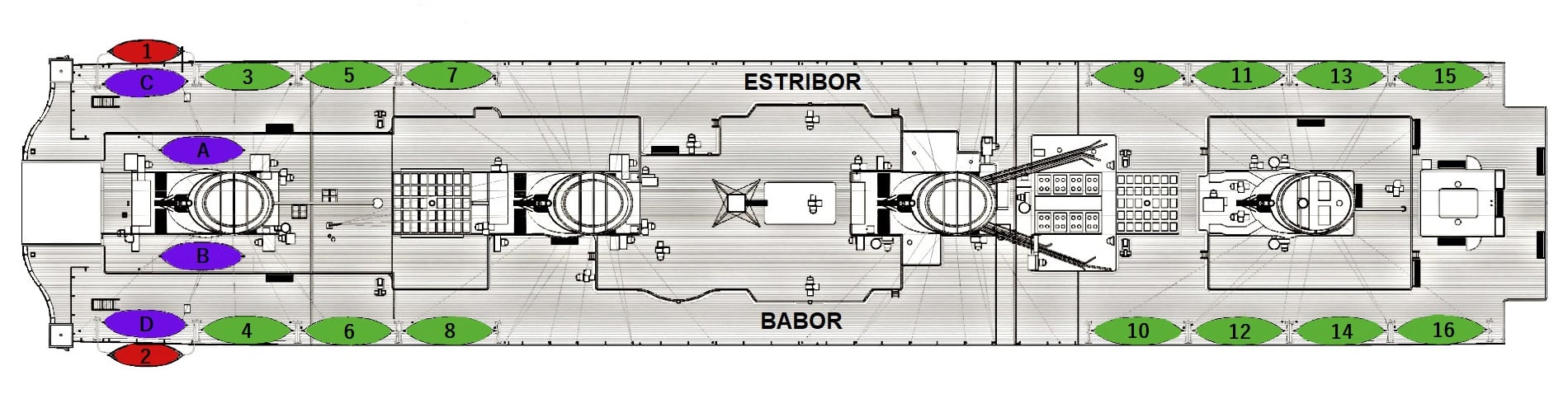
Look at a deck plan, and Titanic’s divisions can seem sinister in hindsight, especially when we know what eventually happened. But the barriers separating parts of the ship were not secretly installed as an emergency system for protecting wealthy passengers from everyone else. They were part of Titanic’s everyday organization, keeping passenger classes separated and helping the ship comply with immigration procedures. During the sinking, those divisions could absolutely become obstacles, particularly for people unfamiliar with the complicated route upward. That distinction matters. Saying the gates existed is historically accurate; saying their purpose was to stop poorer passengers from reaching lifeboats assigns them an intention the evidence does not establish.
7. A Male Passenger Escaped by Dressing as a Woman
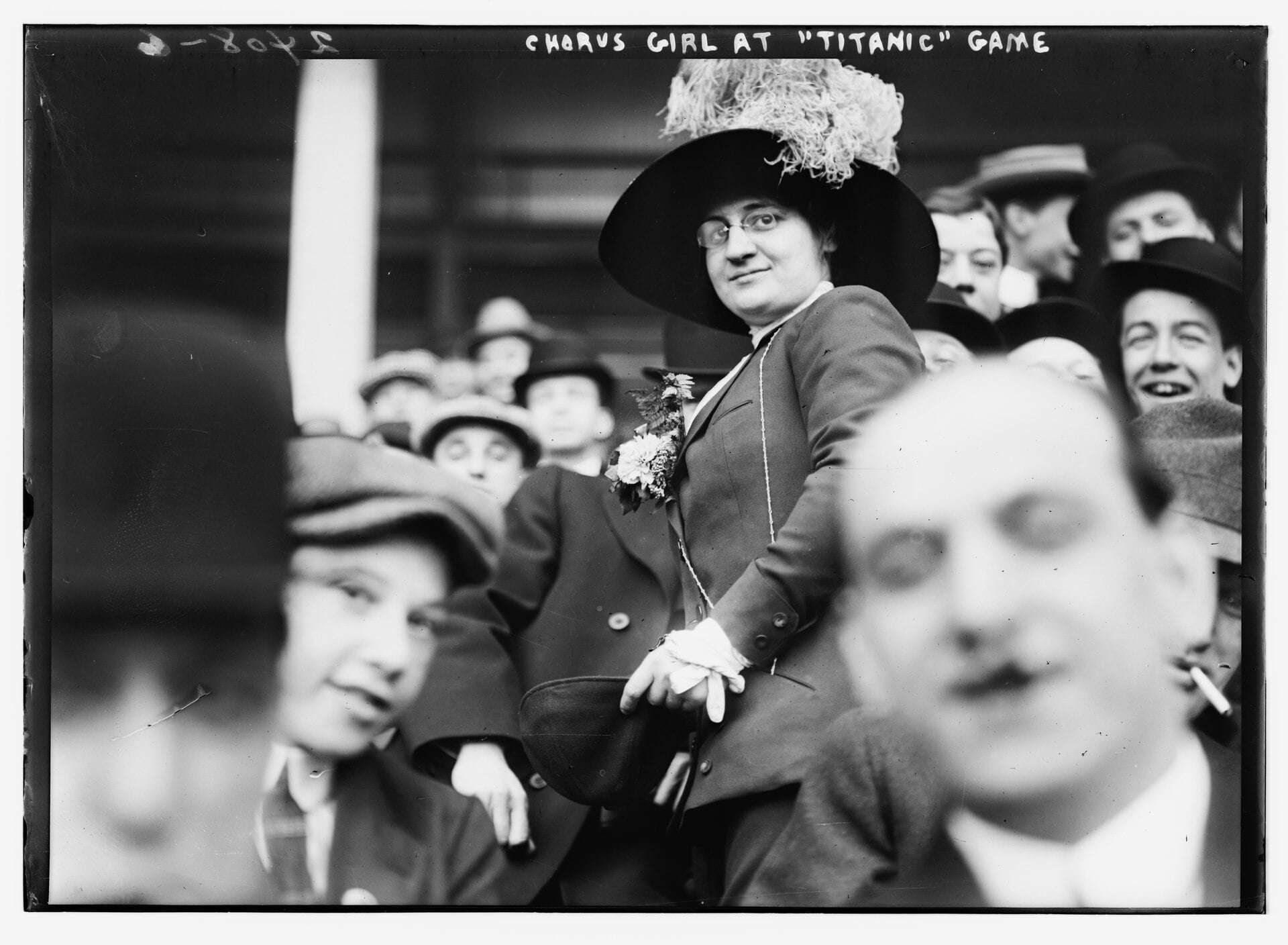
Imagine surviving the Titanic only to discover that newspapers were telling readers you escaped in women’s clothing. That happened to first-class passenger William Thompson Sloper. A sensational rumor claimed he had disguised himself as a woman to secure a place in a lifeboat, a particularly damaging accusation in an era obsessed with stories of male sacrifice. Sloper denied it, and the story was false, but it followed him for years. His experience reveals another side of the disaster that is easy to miss: survivors did not simply return home after April 1912. They entered a media frenzy hungry for heroes, cowards, villains, and scandal, and sometimes the story newspapers wanted was far more memorable than the truth.
8. Bruce Ismay Sneaked Into a Lifeboat While Women Were Left Behind
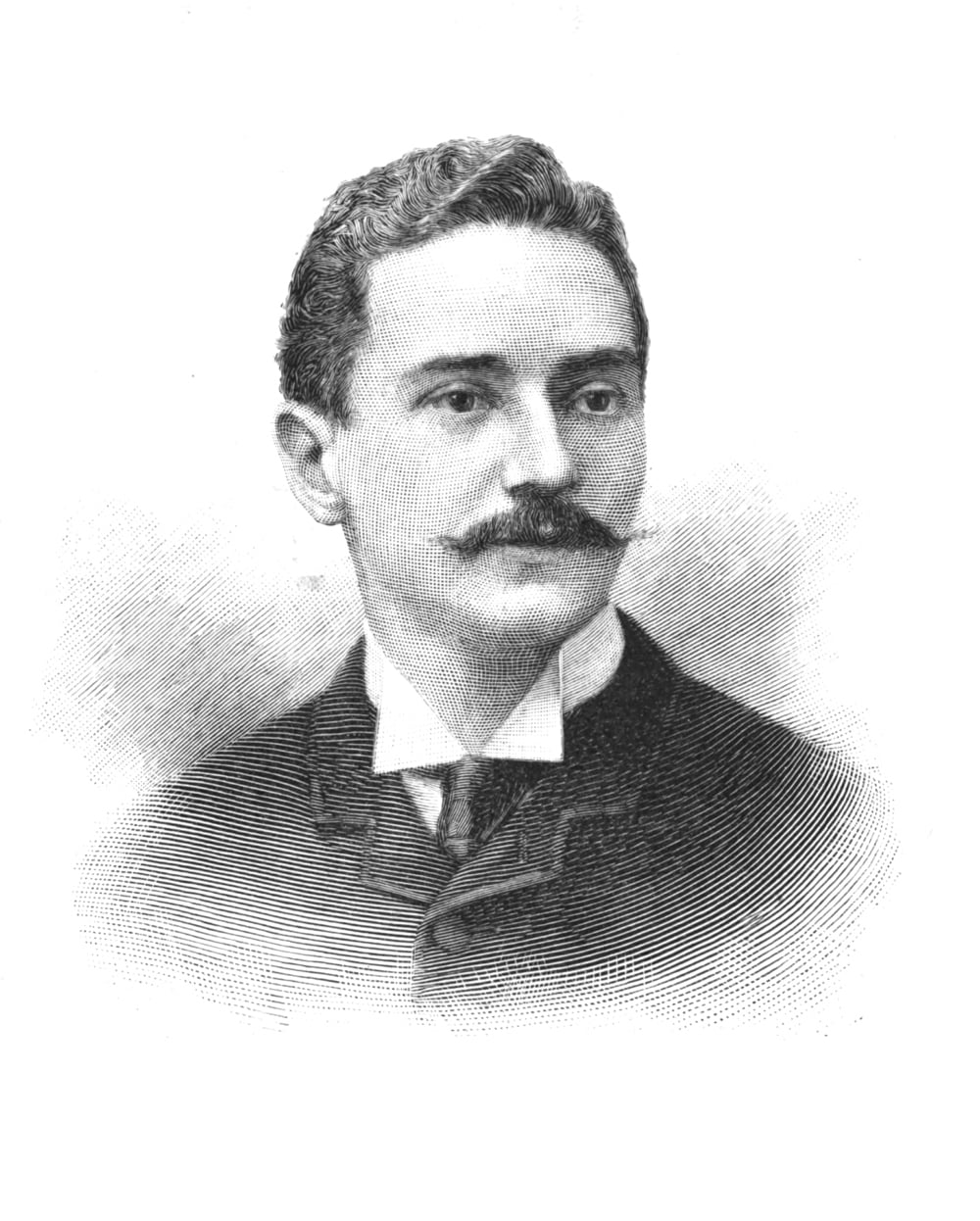
J. Bruce Ismay survived, and that fact alone helped turn him into one of the disaster’s most notorious figures. As chairman of the White Star Line, he became an irresistible target for public anger, and his departure aboard Collapsible C was eventually reduced to an ugly but simple image: the powerful businessman saving himself while women remained aboard. Accounts of the boat’s loading make the situation more complicated. Ismay maintained that he entered when no women were waiting nearby, and his conduct became the subject of intense scrutiny afterward. None of that erased the stigma. In a disaster where male self-sacrifice had become part of the public mythology almost overnight, simply surviving could become an accusation.
Sign up for our newsletter
9. Captain Smith Committed Suicide
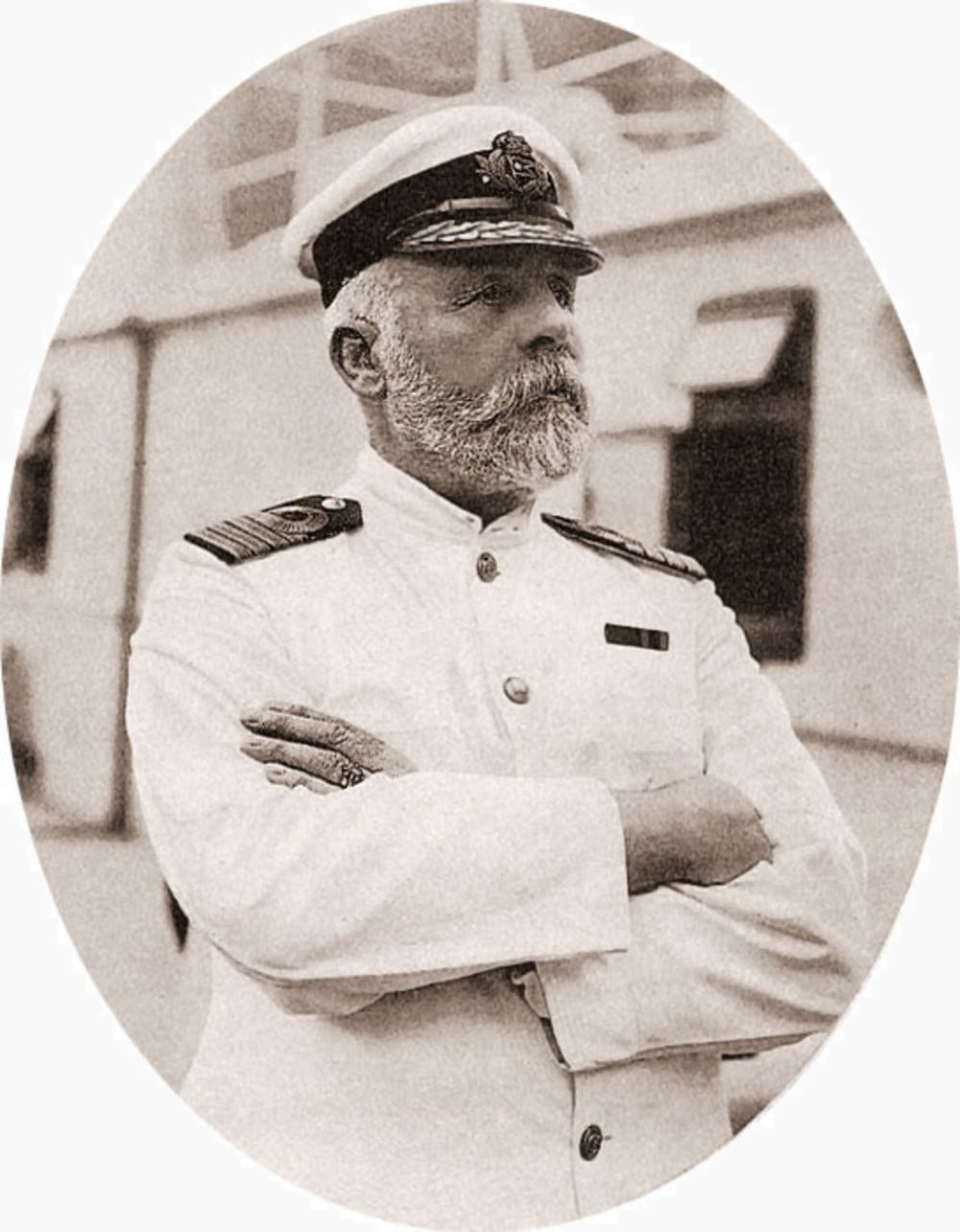
For a man whose body was never recovered, Captain Smith acquired an astonishing number of final scenes. Some witnesses reportedly saw him near the bridge, others placed him in the water, and another story claimed he rescued a child. Then there was the darkest version: Smith supposedly took a pistol and shot himself as Titanic sank. Rumors of officers committing suicide circulated quickly after the disaster, but no conclusive evidence establishes that Smith killed himself. His actual fate remains unknown. That uncertainty created perfect conditions for legend. When thousands of people wanted to know exactly how Titanic’s captain met his end, an unanswered question gradually accumulated multiple answers.
10. John Jacob Astor Was Crushed by a Falling Funnel
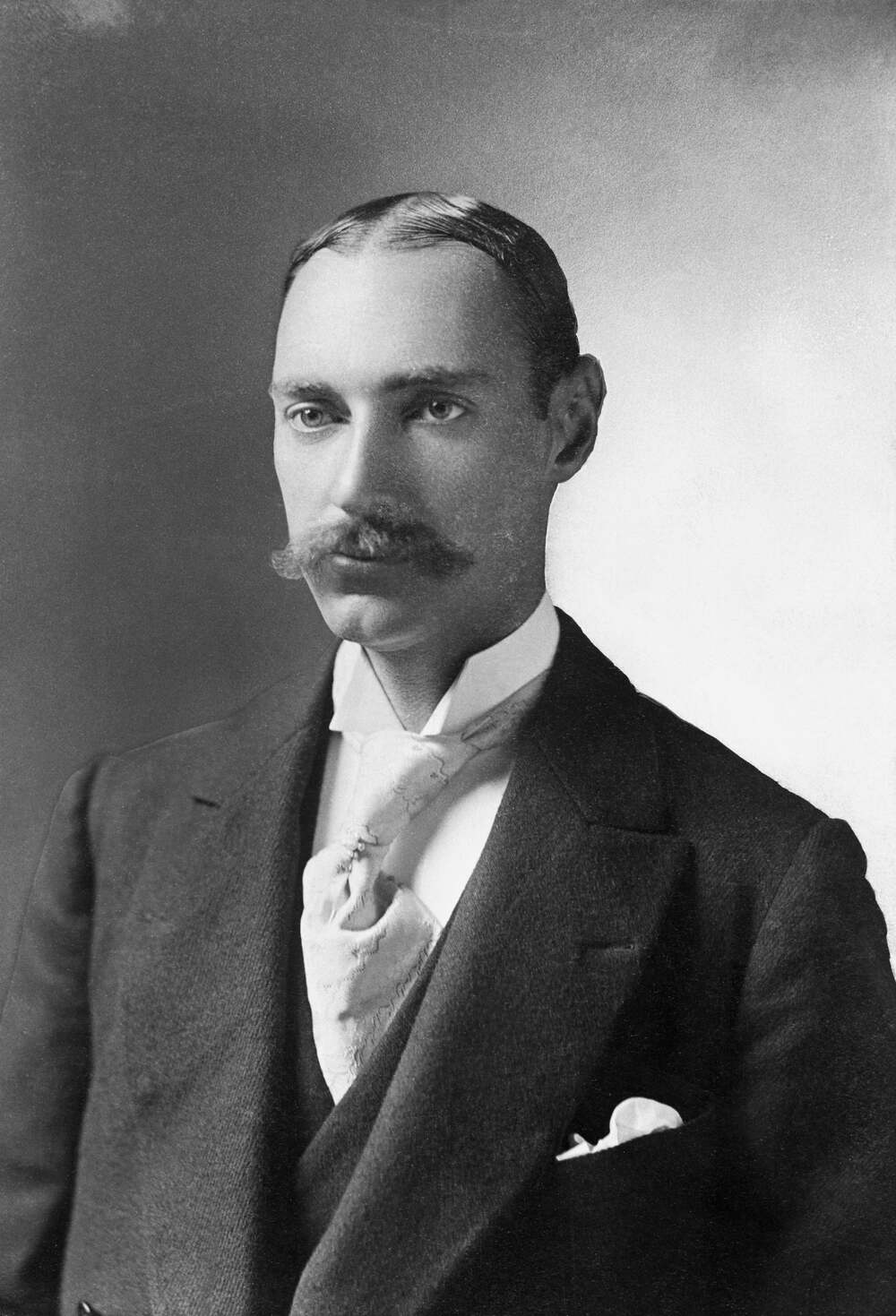
John Jacob Astor IV was among the wealthiest men in the world, so his death naturally attracted extraordinary attention. After the Titanic sank, stories emerged claiming that one of the ship´s enormous funnels collapsed and crushed him. It is certainly a dramatic ending, and a funnel did fall during the sinking, but Astor´s recovered body did not establish that as his cause of death. The precise circumstances remain unknown. What is documented is that his pregnant wife, Madeleine, survived while Astor stayed behind after being denied permission to accompany her into the lifeboat. Somehow that already remarkable story was not enough. The mythology of Titanic demanded an equally spectacular final moment for one of its most famous passengers.
11. Titanic’s Smoking Rooms Were Exclusively for Men
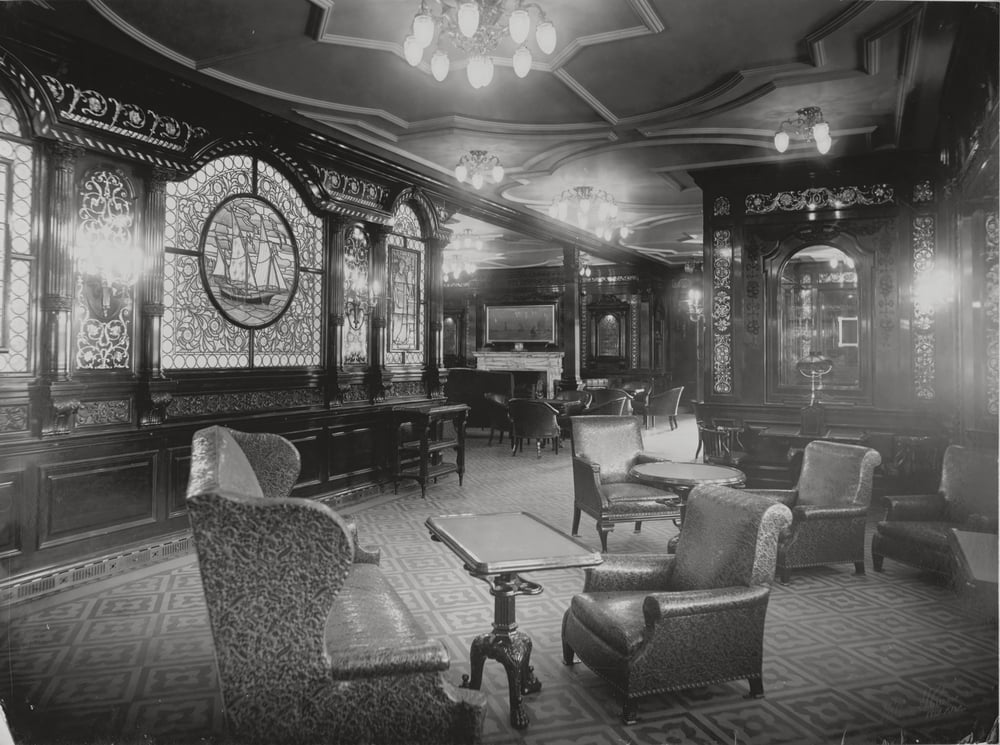
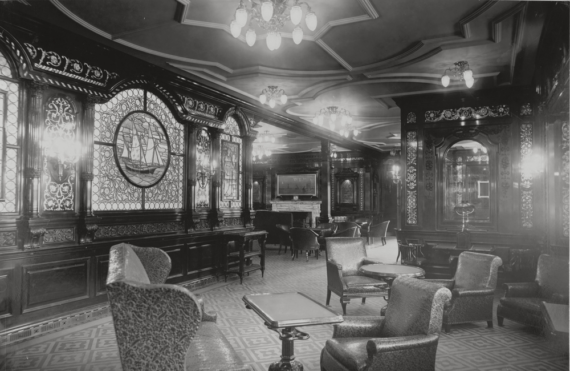
Titanic’s smoking rooms were unmistakably male spaces, decorated and marketed around the social habits of upper-class gentlemen, but the idea that women were formally forbidden from ever entering them is stronger than the evidence supports. Edwardian etiquette generally sent men to smoke after dinner while women withdrew elsewhere, making the division feel almost automatic. On ships such as Titanic and Olympic, architecture reinforced those customs by providing separate social spaces rather than relying on a modern-style posted prohibition. That distinction is easy to lose today: something could be socially off-limits without being literally locked behind a “men only” rule. Much of Titanic’s onboard life was governed by conventions passengers were simply expected to understand.
12. Titanic’s Wireless Operators Were Members of the Ship’s Crew
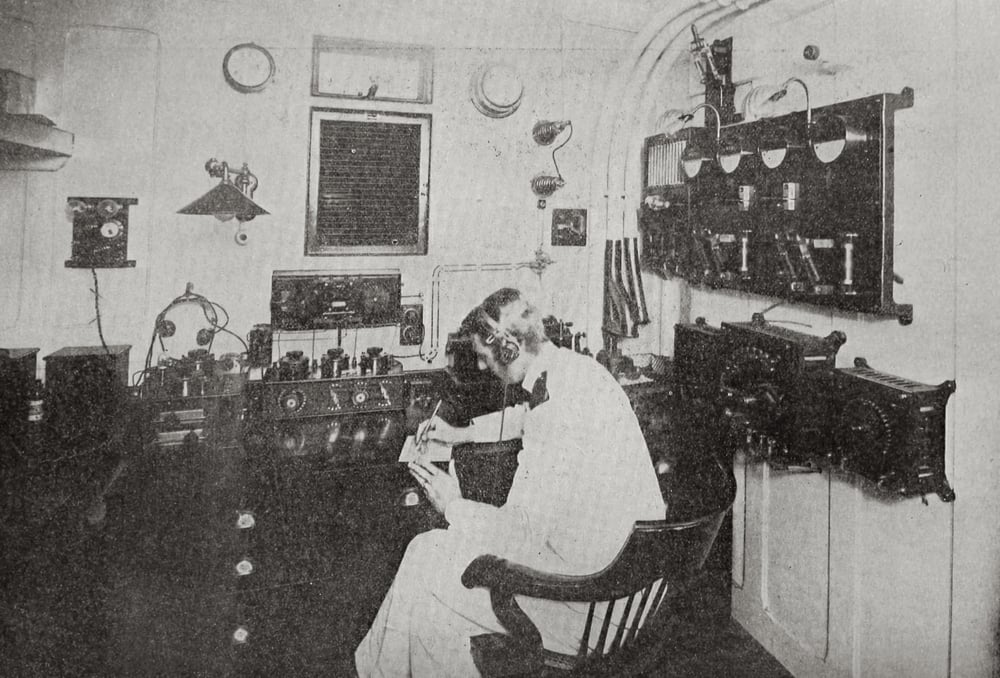
Jack Phillips and Harold Bride spent Titanic’s final hours sending distress calls that helped bring rescue ships toward the disaster, so it seems natural to picture them as ordinary members of the White Star Line crew. They weren’t. Both operators worked for the Marconi Company, which provided the ship’s wireless service. Their everyday workload included transmitting paid personal messages for passengers, and safety communications existed alongside that commercial traffic. When Titanic struck the iceberg, however, the wireless room became one of the most important places aboard. Phillips and Bride continued transmitting as the ship deteriorated around them, turning two employees of an outside communications company into central figures in one of history’s most famous maritime emergencies.
13. Titanic Was the First Ship to Use SOS
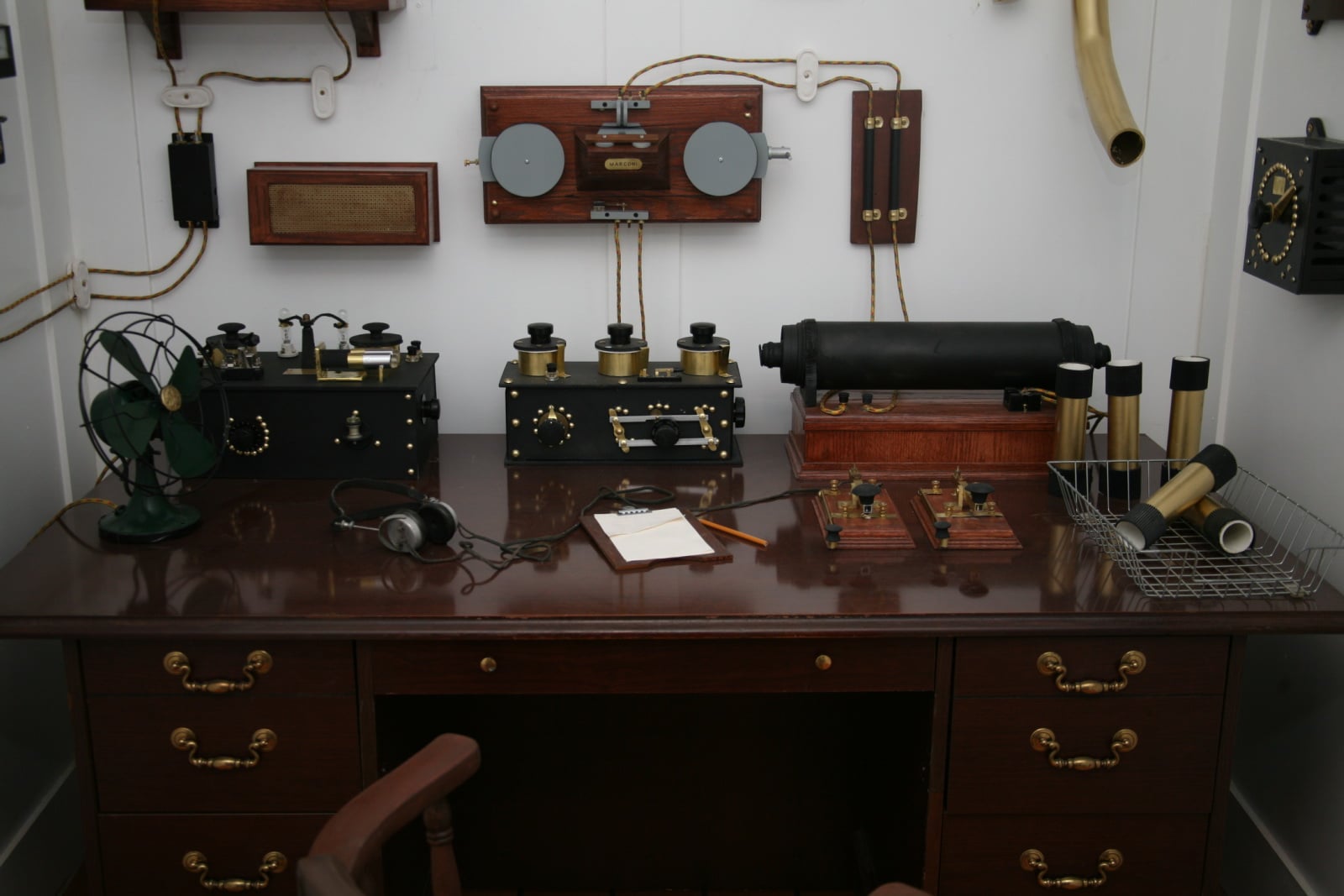
Titanic helped make SOS famous, but it did not introduce the distress signal. SOS had already been adopted internationally before 1912 and had been used by other ships. Titanic’s operators initially transmitted CQD, the distress call strongly associated with the Marconi system, before also using SOS during the emergency. According to Harold Bride’s later account, he even joked to Jack Phillips that he should try the newer signal because it might be his last chance to send it. The disaster’s enormous publicity permanently connected SOS with Titanic in popular memory, creating the strange situation in which one of history’s best-known uses of the signal is frequently mistaken for its invention.
14. The ‘Unlucky Mummy’ Was Secretly Aboard Titanic
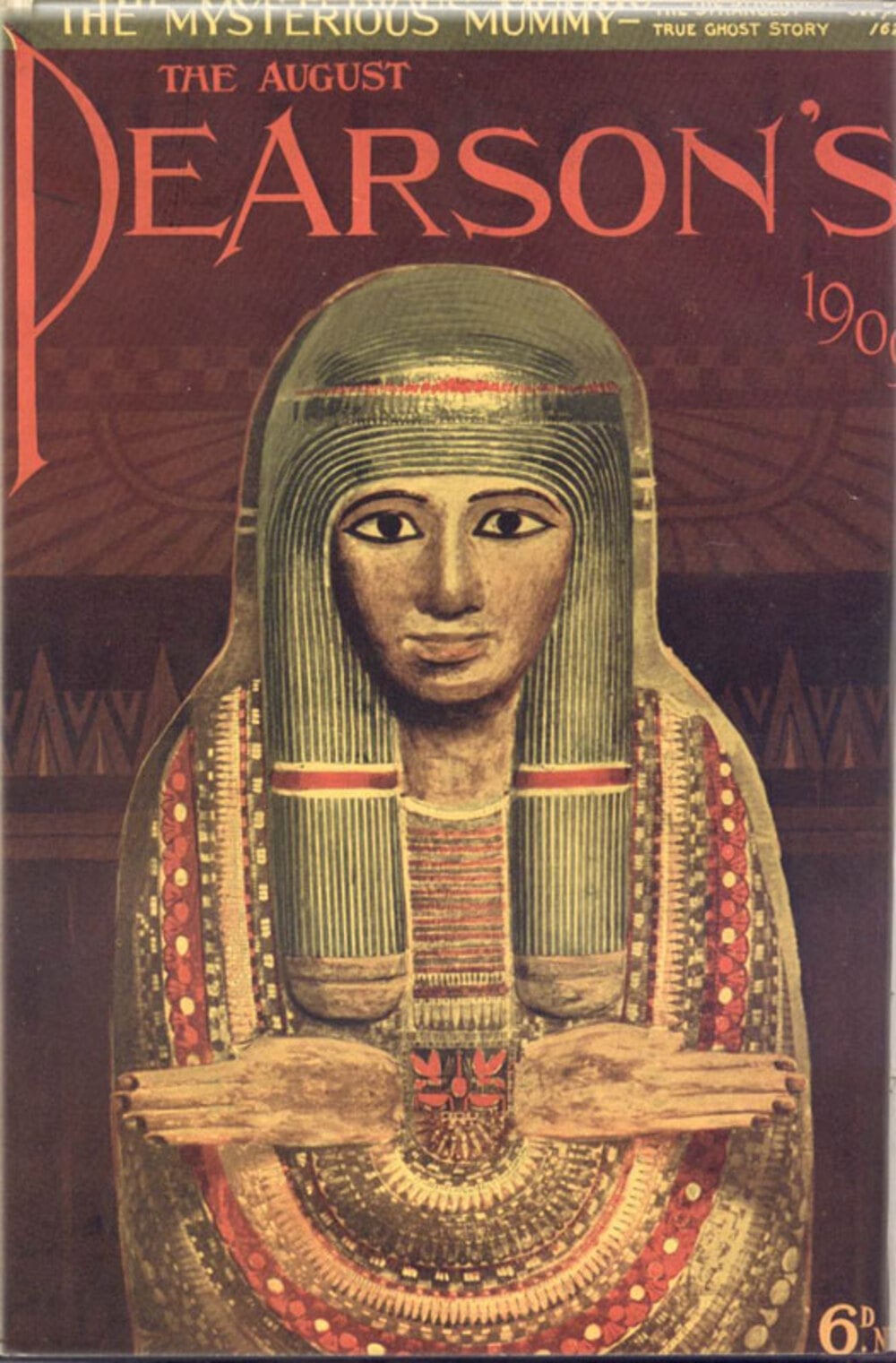
A cursed Egyptian mummy causing Titanic’s destruction sounds like the plot of a supernatural adventure, yet the story became surprisingly persistent. The object usually identified in the legend is actually an ancient Egyptian coffin lid known as the “Unlucky Mummy,” held by the British Museum. It was not hidden in Titanic’s cargo hold, and it did not cross the Atlantic aboard the ship. The legend became entangled with Titanic partly through journalist and passenger William T. Stead, who had an interest in supernatural stories and reportedly entertained fellow passengers with tales involving the supposedly cursed artifact. Stead died in the sinking, giving later storytellers an irresistible connection. The mummy, meanwhile, remained safely in London.
15. W. T. Stead Predicted His Own Death on Titanic
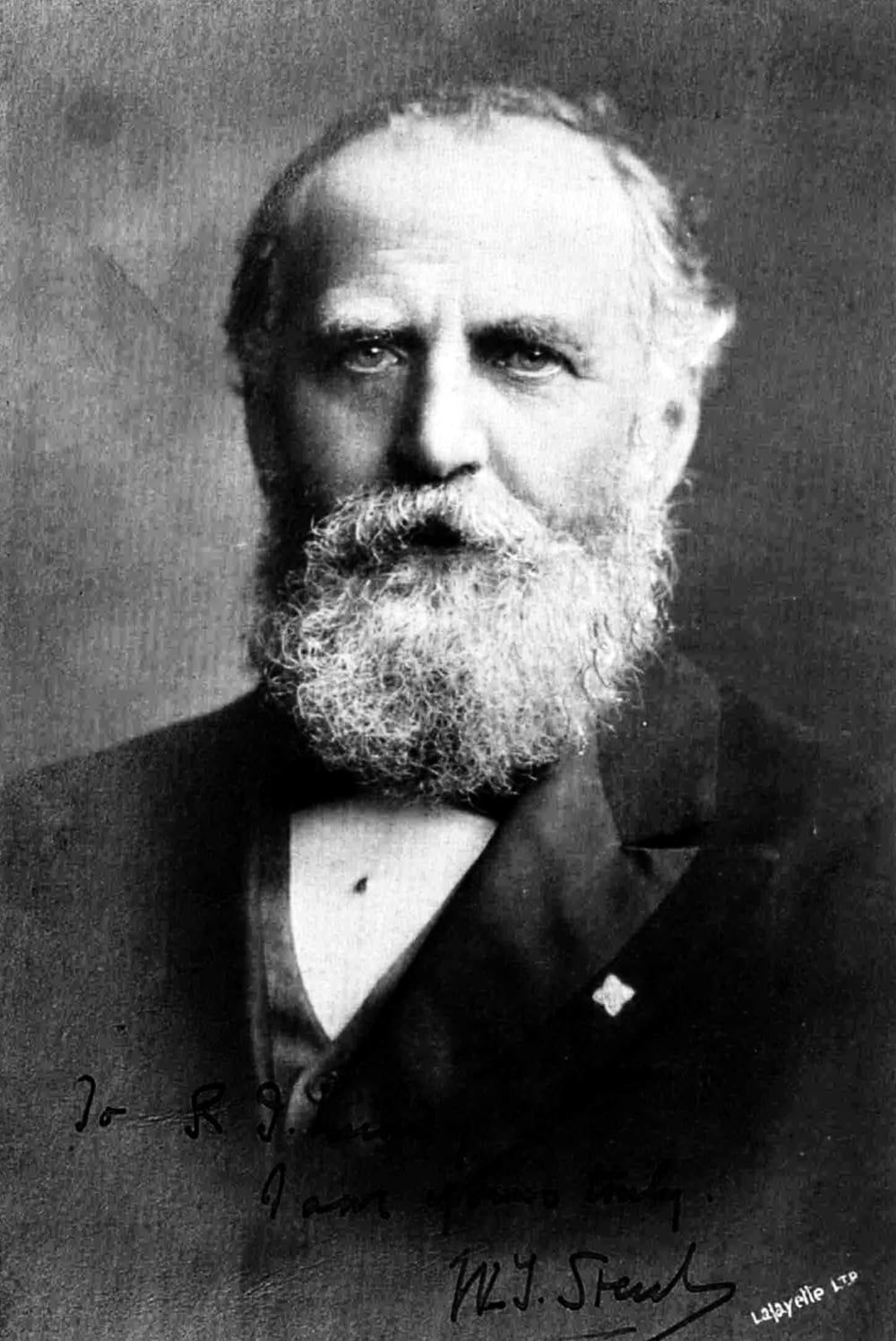
William Thomas Stead really did write fiction involving disasters at sea years before he boarded the Titanic, which makes his death aboard the liner feel unnervingly prophetic. In one story, passengers die because a ship carries too few lifeboats; in another, a vessel collides with an iceberg in the North Atlantic. Those parallels are real, but calling them a literal prediction changes what Stead was doing. He was a journalist and social campaigner using dramatic fiction to warn about maritime safety, especially inadequate lifeboat provision. His stories became eerie only in retrospect. Stead did not identify Titanic, predict the date of the disaster, or demonstrate supernatural knowledge of his own death. What looks like prophecy was actually a warning that history later made disturbingly relevant.
16. The Novel Futility Predicted Titanic in Astonishing Detail
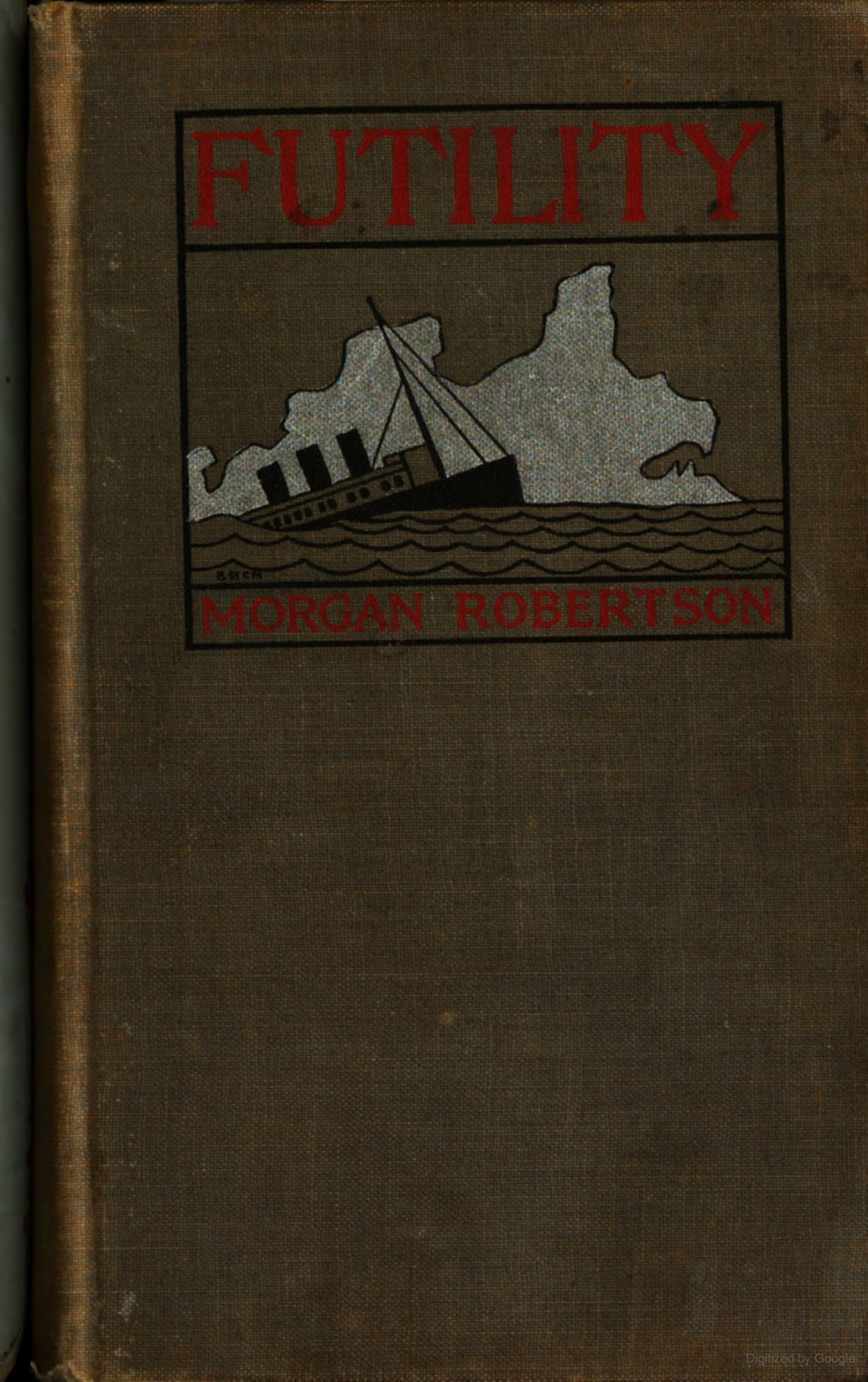
Fourteen years before Titanic sank, Morgan Robertson published Futility, a novel about a gigantic ocean liner called the Titan that strikes an iceberg in the North Atlantic. Both ships were considered exceptionally large, both carried too few lifeboats for everyone aboard, and even their names are famously similar. Those coincidences have fueled claims that Robertson somehow predicted Titanic. Yet the novel also contains substantial differences, and some details emphasized in modern comparisons come from later editions rather than Robertson’s original 1898 text. More importantly, Robertson knew the maritime world and extrapolated from trends already visible in increasingly enormous passenger ships. The similarities are genuinely fascinating, but they work better as an eerie collision between informed fiction and later history than as evidence of a supernatural forecast.
17. Captain Smith Had Never Been Involved in a Serious Maritime Accident Before Titanic
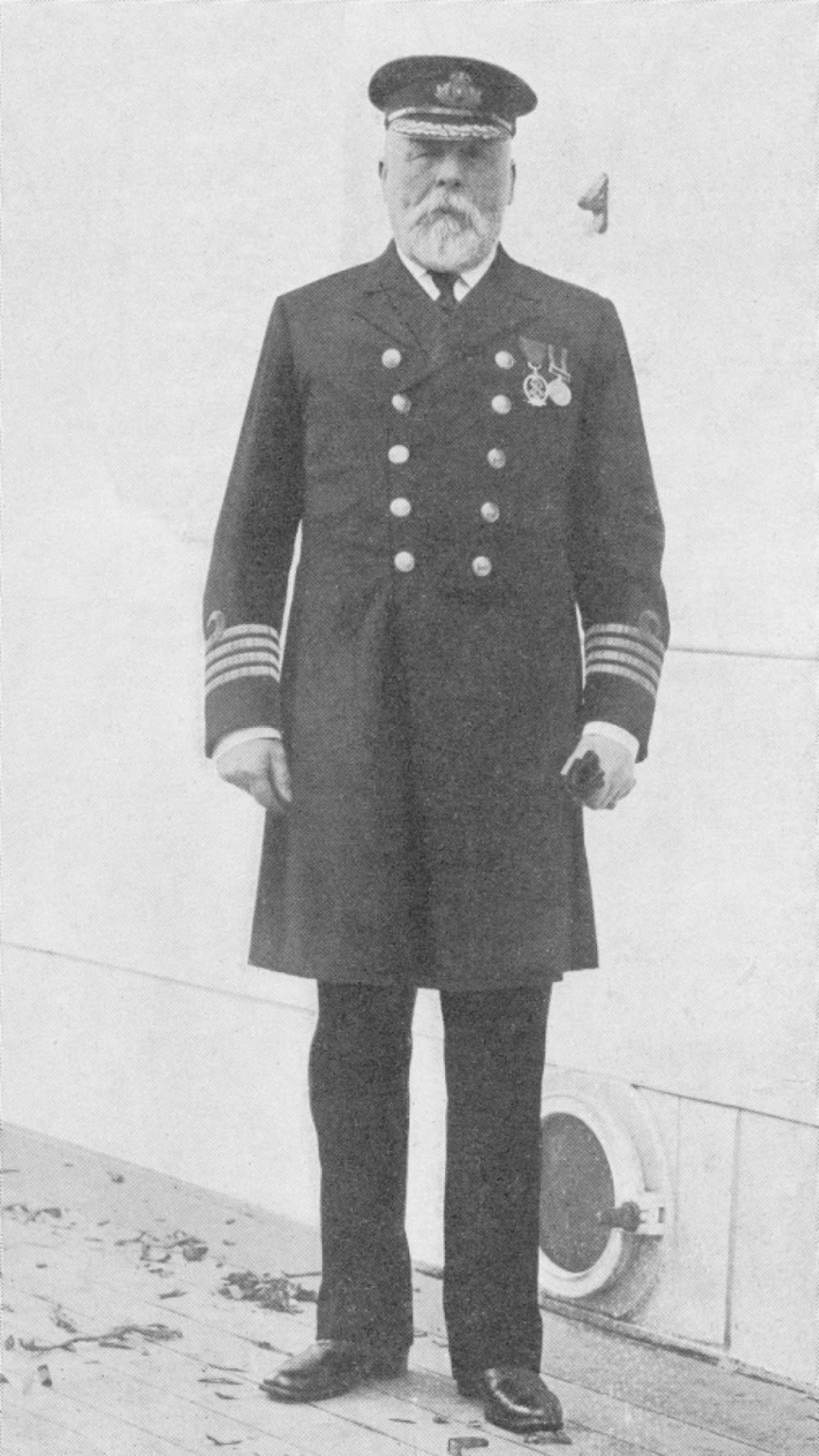
Titanic was not Captain Edward Smith’s first encounter with a major maritime accident. In September 1911, while commanding Titanic’s sister ship Olympic, Smith was on the bridge when the liner collided with the British warship HMS Hawke near the Isle of Wight. The impact tore large openings in Olympic’s hull and damaged the warship, although both vessels survived. The incident became the subject of legal proceedings and was hardly an obscure bump at the dock. Smith nevertheless retained White Star’s confidence and later received command of Titanic. Remembering him as a captain whose flawless career was suddenly destroyed by one unimaginable accident makes for a cleaner legend, but his real career had already included a dramatic warning that even the largest and most prestigious ships could find themselves in serious trouble.
Titanic disappeared beneath the Atlantic in less than three hours, but the stories surrounding it have kept evolving for more than a century. Survivor accounts, newspaper reports, investigations, books, and films gradually blurred the line between documented history and legend. That may be why so many Titanic myths remain surprisingly difficult to sink.
Keep Exploring The Scroller
Want to keep uncovering the strange details hiding behind familiar history? The Scroller explores forgotten moments, surprising facts, unusual traditions, and stories that are far more interesting than they first appear:
24 Rare Images of the Titanic — From Construction to Catastrophe