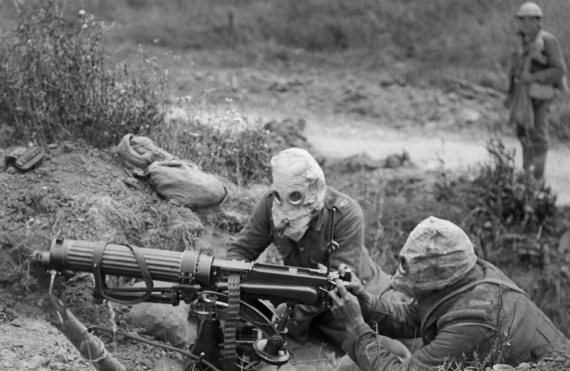
World War I battlefields were filled with sounds that carried information. Artillery shells, mortars, rifles, gas cylinders, warning devices, and even approaching trains produced noises soldiers gradually learned to interpret. Sometimes a few seconds of listening could reveal what weapon had fired, whether a shell was approaching, or what kind of danger was developing nearby. These World War I sounds became part of a battlefield vocabulary learned through training, experience, and survival.
1. The Sharp Arrival of a ‘Whizz-Bang’
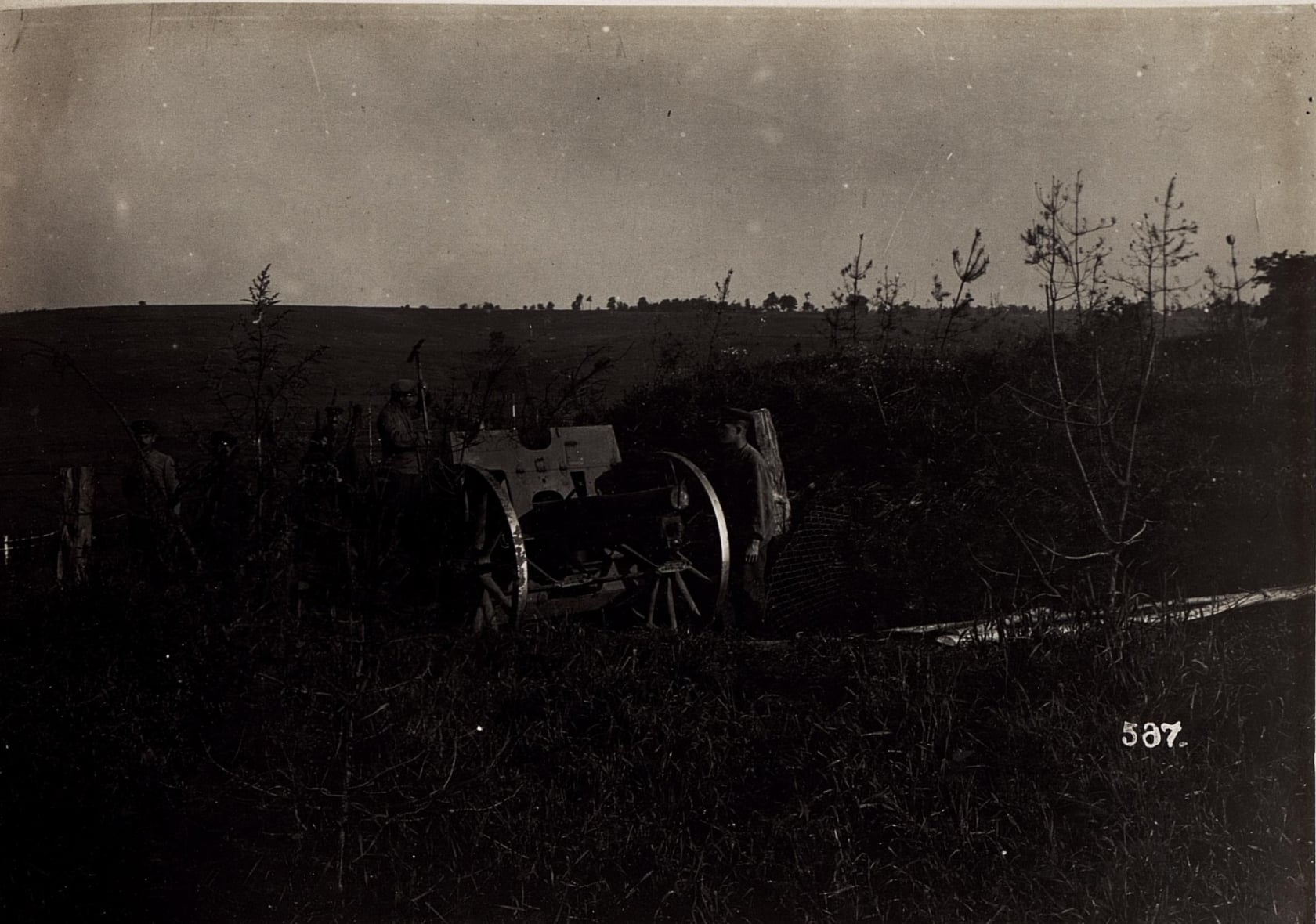
The British nickname “whizz-bang” described the unsettling sequence produced by certain fast-moving German artillery shells: first the rushing “whizz,” then the explosion almost immediately afterward. The gap between the two could be so short that soldiers had little useful warning before impact. Unlike slower projectiles that announced themselves for longer as they traveled through the air, a whizz-bang seemed to compress the entire experience into one abrupt sound, making its distinctive approach something troops quickly learned to recognize.
2. The Smaller but Familiar ‘Pip-Squeak’
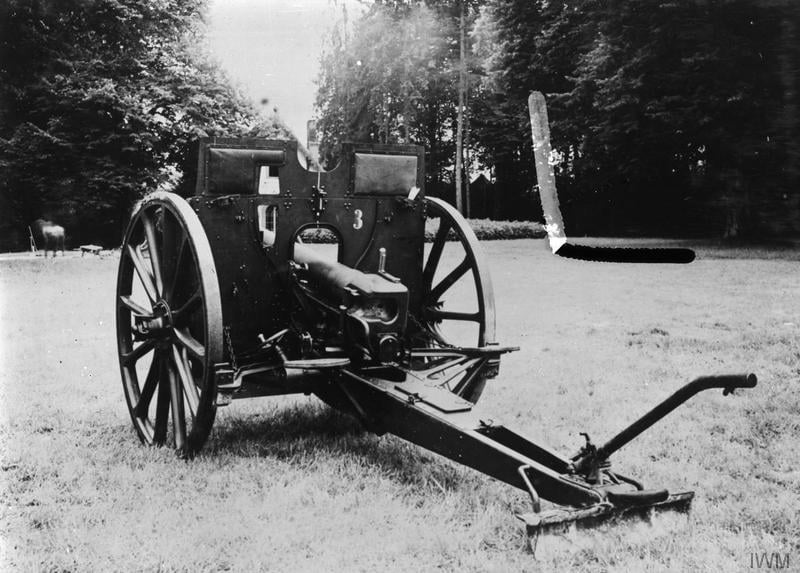
Not every artillery nickname sounded threatening. British soldiers used “pip-squeak” for the distinctive report associated with smaller German shells, a name that made the weapon sound almost harmless compared with the damage it could cause. Once troops had spent enough time under artillery fire, differences in pitch, approach, explosion, and firing pattern could help separate one type of shell from another. “Pip-squeak” became part of that informal vocabulary, turning a recognizable battlefield sound into a name soldiers could immediately understand.
3. The ‘Pigeon-Trap’ Clap of a Trench Mortar
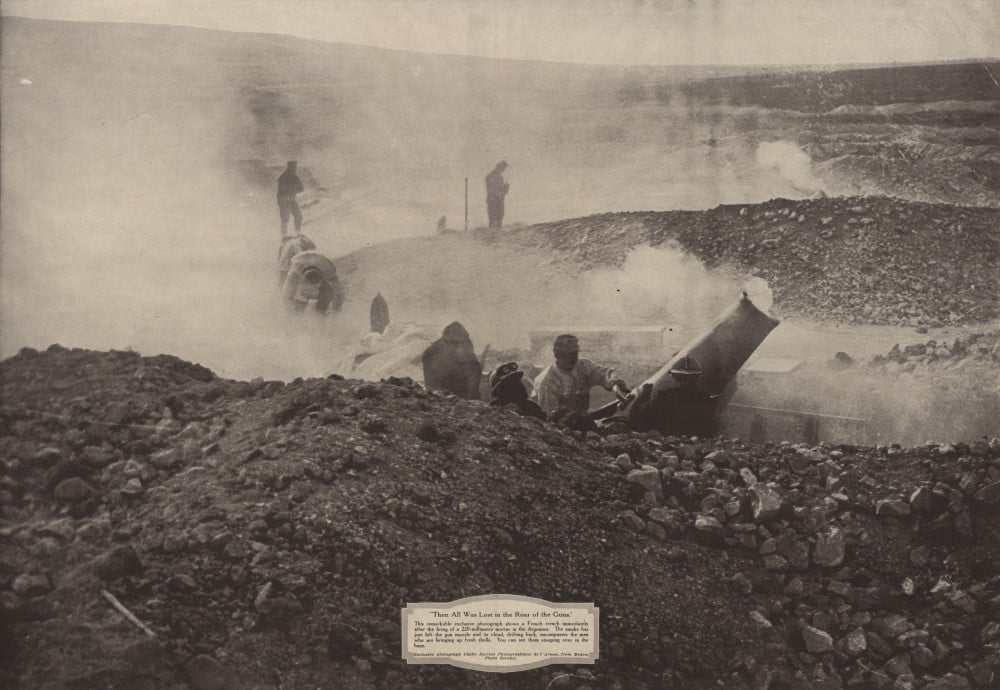
Trench mortars operated at close range and launched bombs on steep trajectories, giving them a very different acoustic signature from conventional field artillery. One British description compared the firing sound of a German trench mortar to the sudden clap of a pigeon trap shutting. That sharp report could tell experienced soldiers that a mortar bomb had just been launched, followed by the far more important question of where it was going to land. In the confined geography of trench warfare, recognizing the launch itself could provide precious moments to react.
4. When German ‘Minnie’ Announced Herself
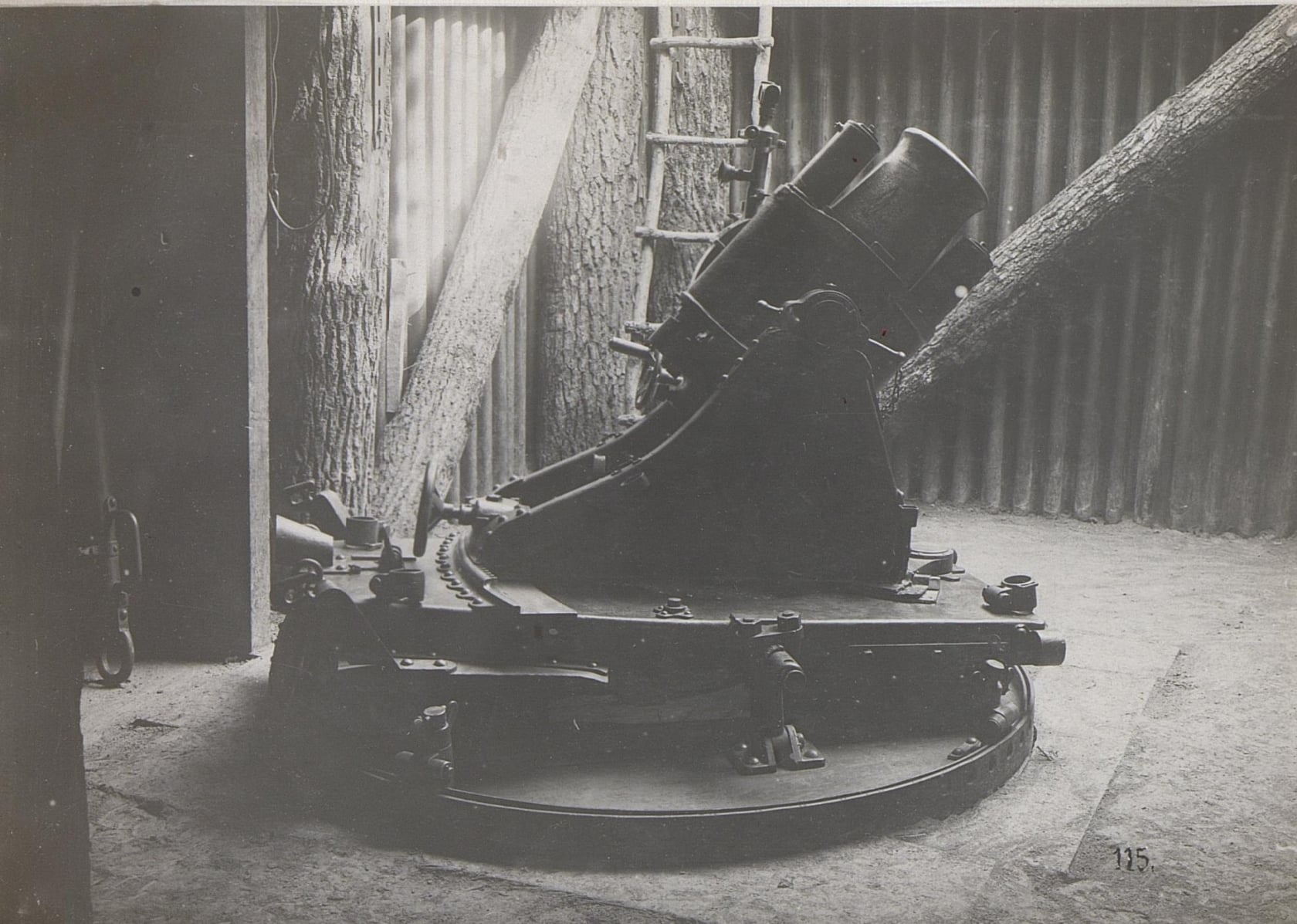
“Minnie” was the British nickname for the German Minenwerfer, a family of trench mortars whose projectiles became deeply familiar to troops facing them. Soldiers could hear the mortar fire and then the bomb traveling toward their position, creating a recognizable sequence that differed from flatter-firing artillery. The nickname sounds almost affectionate on paper, but there was nothing comforting about hearing it from a trench. Knowing the sound meant knowing that a heavy explosive projectile was already somewhere overhead.
5. A Rifle Crack Followed by a Bullet Striking the Parapet
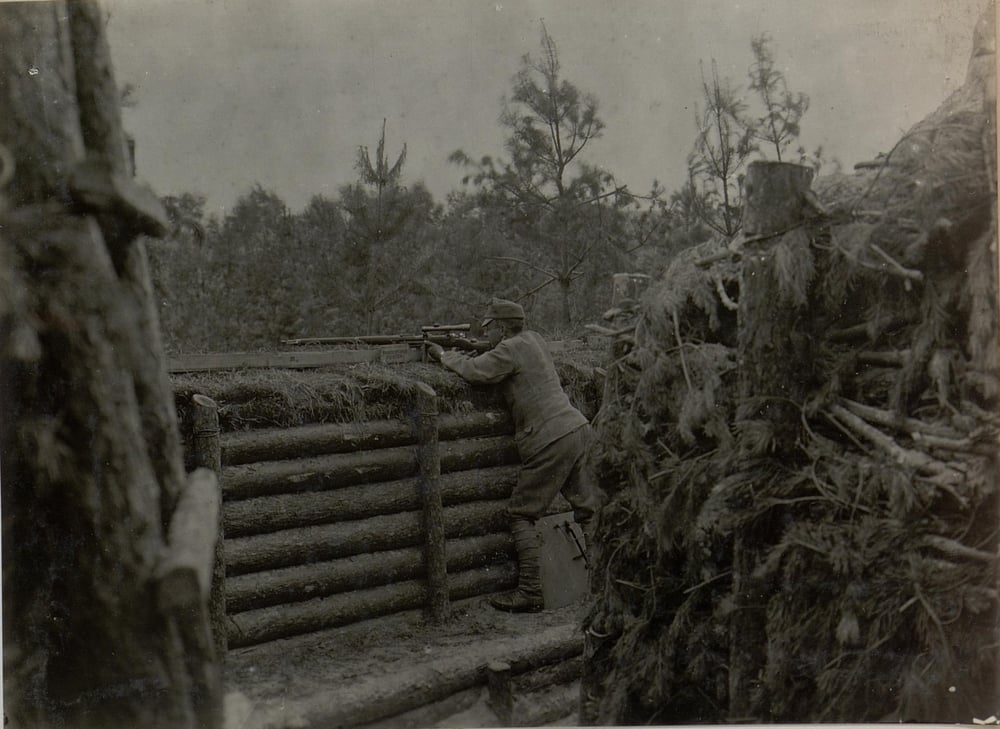
Sniper fire could reveal itself through more than the initial rifle shot. A bullet hitting sandbags, timber, metal, or the packed earth of a parapet created another sound that soldiers had reason to notice closely. A sudden crack or impact near a firing position could indicate that an enemy marksman had found the range, turning an apparently ordinary section of trench into somewhere nobody wanted to expose a head twice. In a battlefield dominated by enormous artillery pieces, one small, precise sound could be every bit as useful a warning.
Trending on The Scroller

6. The Flat Crack of a British 18-Pounder
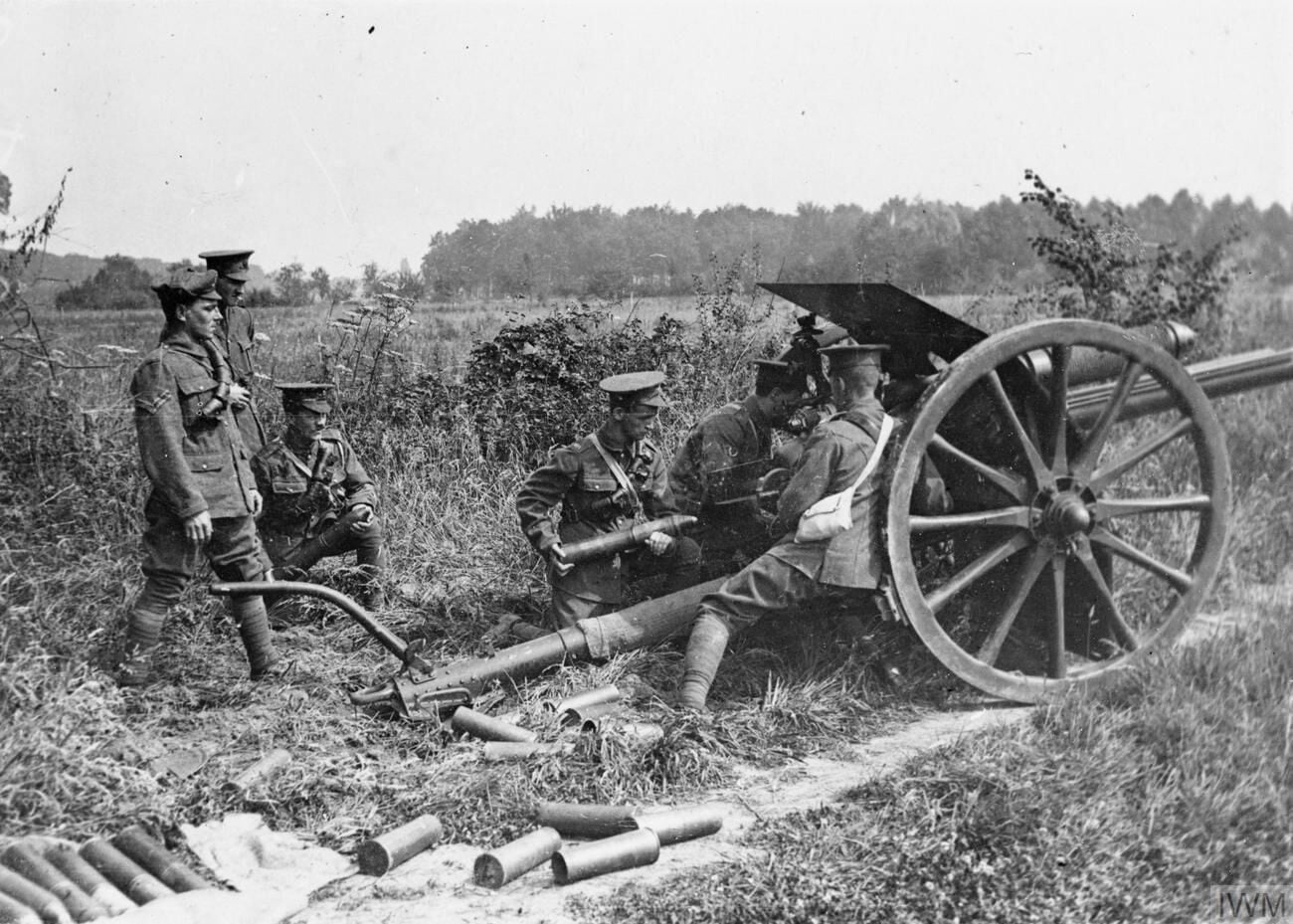
The British 18-pounder was one of the most widely used field guns of the war, and soldiers living near artillery positions became intimately familiar with its firing report. Rather than hearing only distant explosions, troops stationed close to the batteries experienced the sharp blast of the gun itself, followed later by the shell bursting downrange. With enough exposure, artillerymen and nearby infantry could distinguish familiar guns simply from their reports, making the 18-pounder another recognizable voice in the constant noise of the Western Front.
7. The Distinctive Report of the French 75
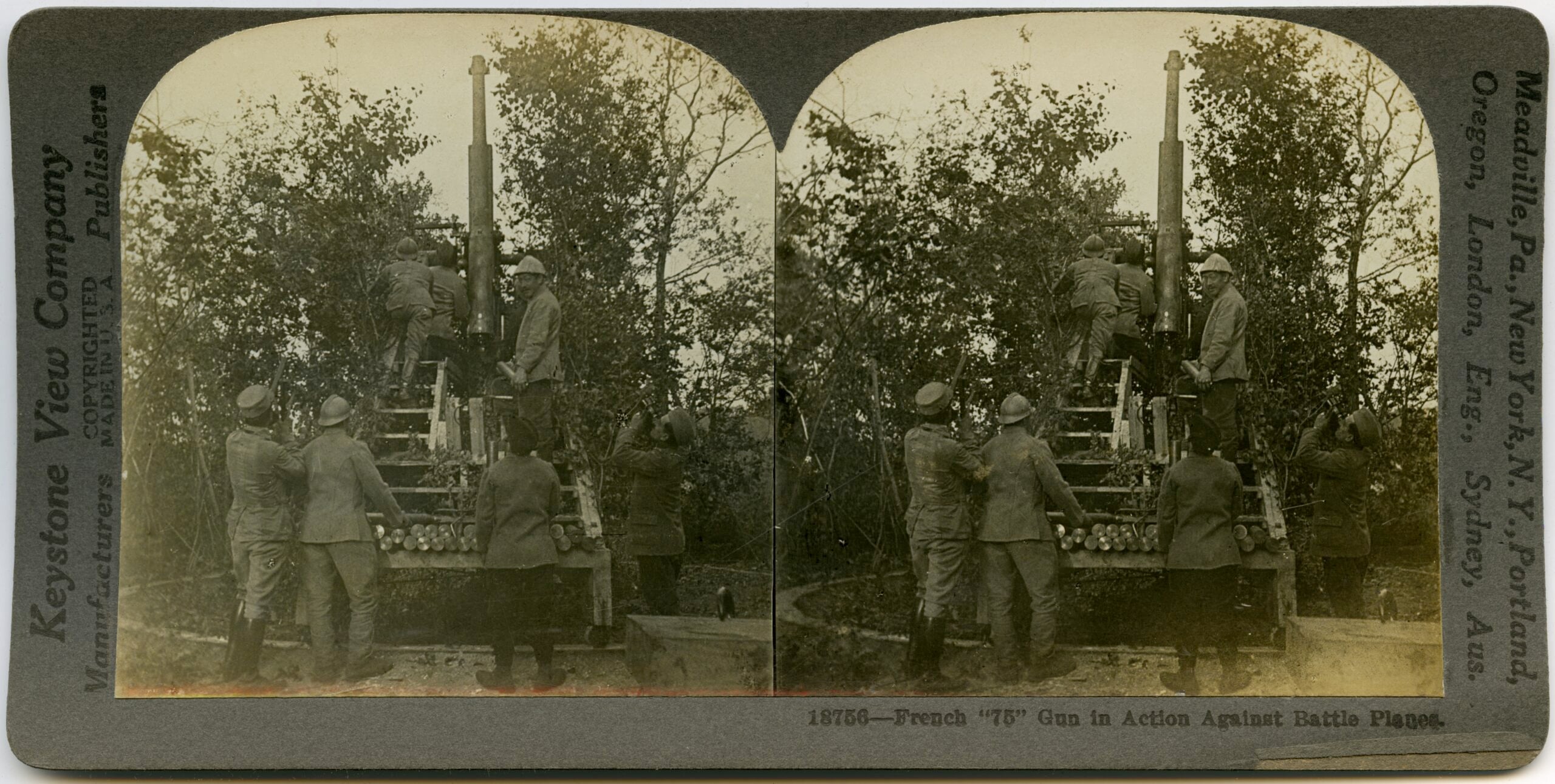
France’s famous 75 mm field gun could fire thanks to its recoil system rapidly, allowing trained crews to send repeated rounds toward a target without having to reposition the weapon after every shot. That rate of fire gave batteries a recognizable rhythm when several guns were working together. For soldiers within earshot, the sound was not merely one explosion after another. The timing and repetition could reveal that an artillery battery was active, while experienced troops learned to associate particular firing patterns with weapons they encountered regularly.
8. The Deeper Boom of a Field Howitzer
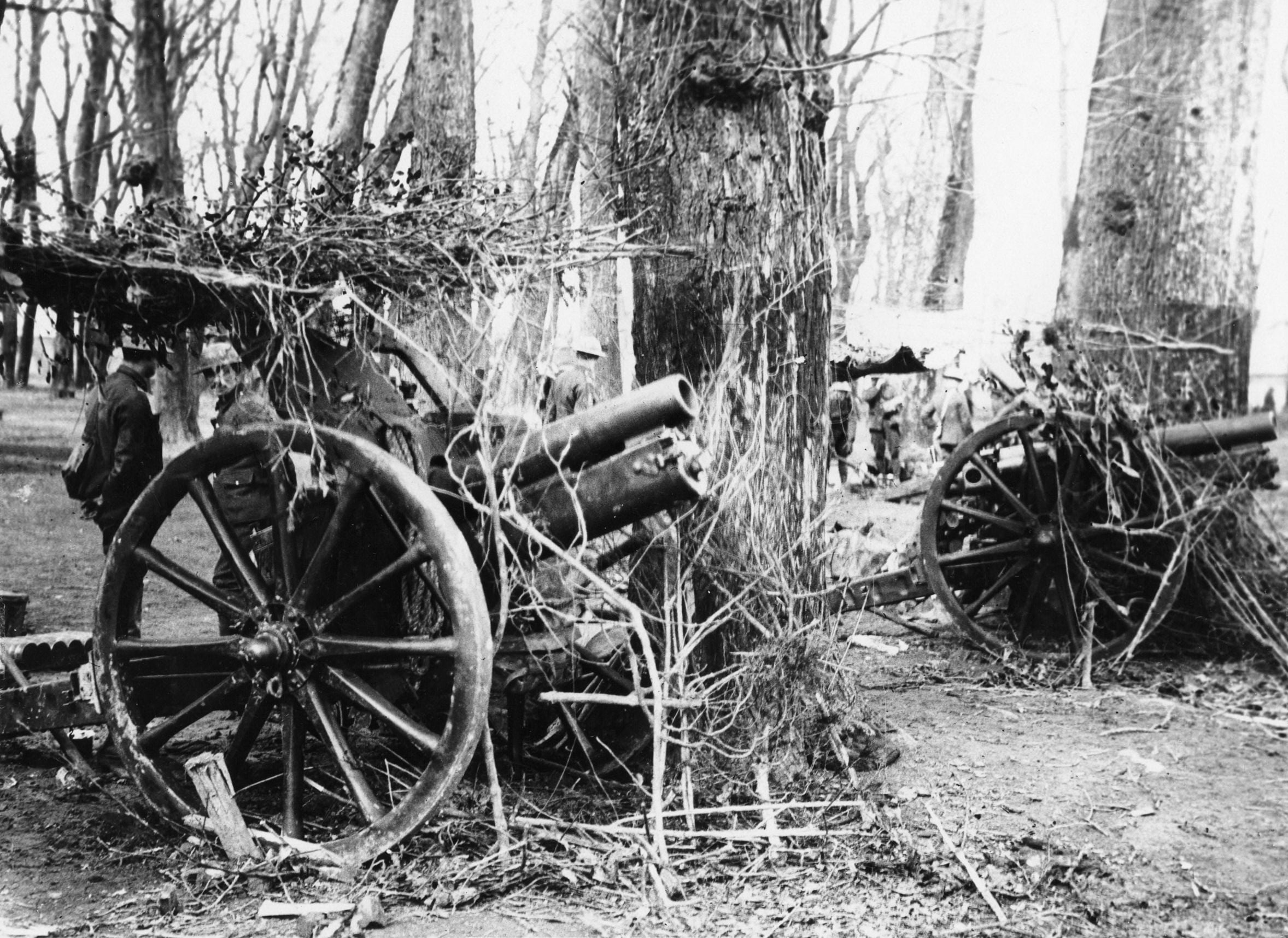
A field howitzer announced itself differently from the lighter guns surrounding it. Its heavier projectile, larger propellant charge, and high-angle fire contributed to a deeper, more substantial report that could help experienced soldiers distinguish it from smaller artillery. The difference mattered because identifying the weapon offered clues about what might follow. A soldier who had heard enough artillery did not necessarily need to see a gun to know that something heavier had joined the bombardment.
Sign up for our newsletter
9. The Strange Buzz of a Shell in Flight
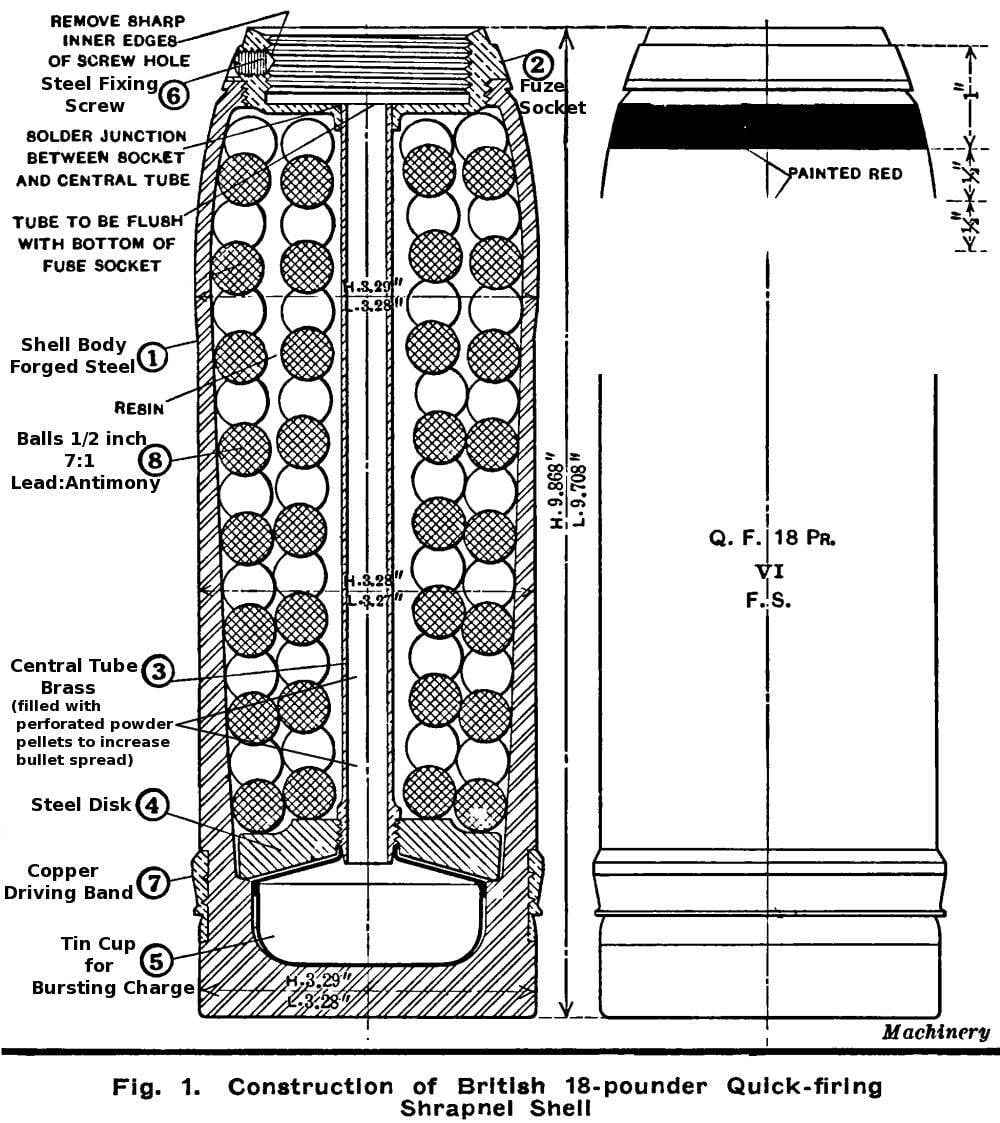
Artillery shells did not travel silently after leaving the barrel. Their movement through the air could produce whistles, hums, buzzes, or rushing noises influenced by the shell’s shape, speed, and trajectory. Some projectiles also carried driving bands designed to engage the rifling inside the gun barrel and make the shell spin in flight. To troops below, those mechanical details translated into something much more immediate: different shells could sound noticeably different as they approached, and veterans sometimes learned to judge from the changing noise whether one was passing overhead or coming dangerously close.
10. The Hiss That Could Mean Gas
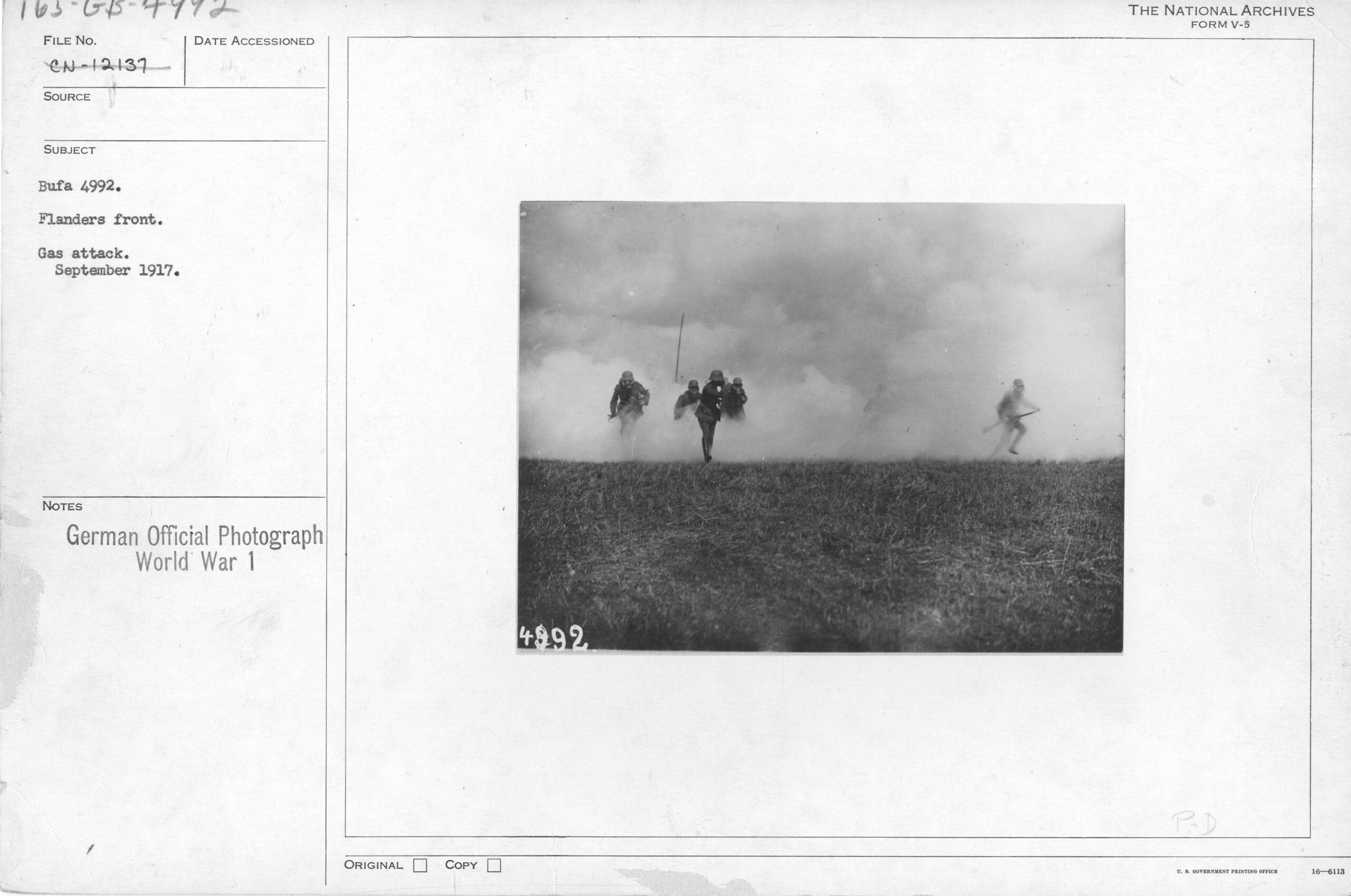
Chemical warfare introduced an entirely different category of sound. Early large-scale gas attacks could involve opening cylinders and allowing the wind to carry the released cloud toward enemy positions, meaning soldiers might encounter the hiss of escaping gas rather than the familiar explosion of a shell. That subtle sound carried an enormous threat because gas could spread across a position without the spectacular warning associated with artillery. As chemical warfare evolved, gas was increasingly delivered by shells and other systems, but recognizing an unusual hiss or release near the lines could still demand immediate attention.
11. The Wooden Rattle That Meant Put on Your Gas Mask
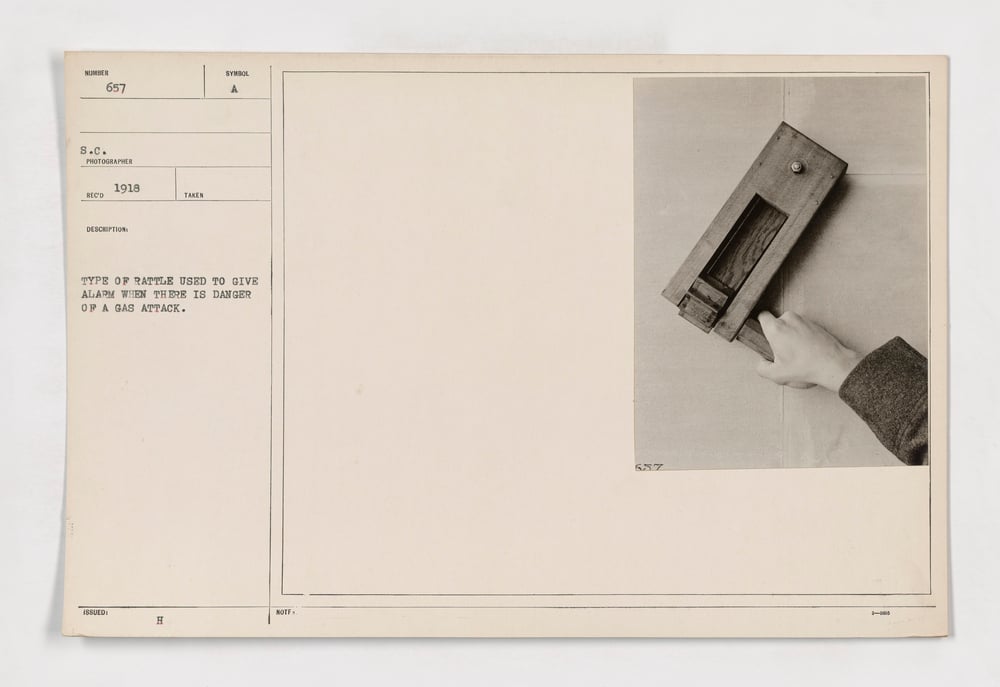
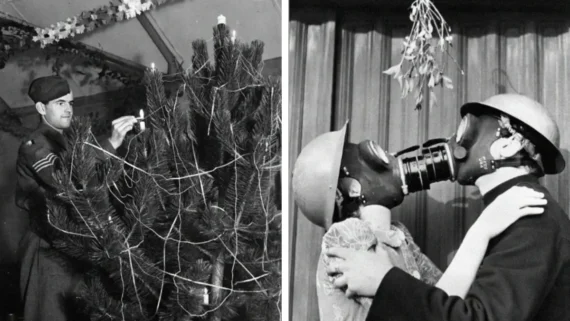
One of the most important sounds on the battlefield did not come from a weapon at all. British forces used wooden gas rattles that produced a loud mechanical clatter when spun, allowing an alarm to travel rapidly along a trench even when shouting might be difficult to hear. Soldiers were trained to associate the noise with one urgent action: put on respiratory protection. In an environment already saturated with gunfire and explosions, the deliberately unusual sound of the rattle was useful precisely because it was difficult to confuse with the ordinary noise of battle.
12. The High Whine of an Incoming Shell
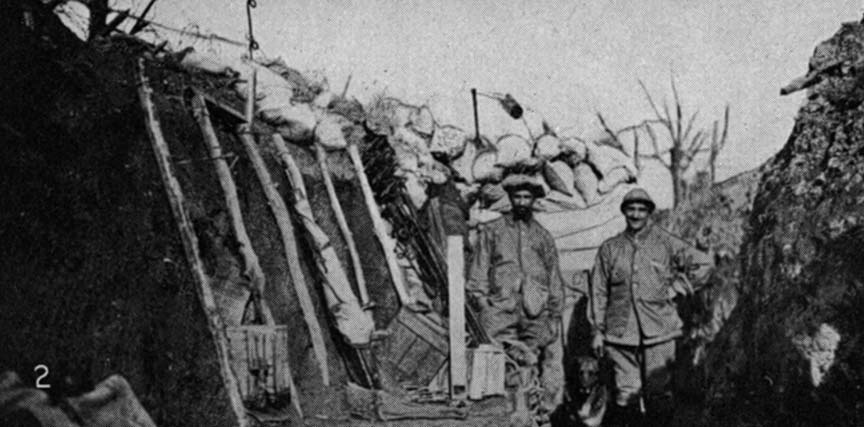
One of the most useful distinctions soldiers developed was between artillery that was merely active and artillery that appeared to be coming toward them. An incoming shell could produce a rising or changing whine as it approached, and experienced troops became surprisingly attentive to those variations. The sound was not a perfect measuring instrument, but familiarity mattered: after enough bombardments, men could sometimes recognize when a projectile seemed likely to pass overhead and when taking cover immediately was the safer response.
13. The Distant Thump of Enemy Artillery Firing
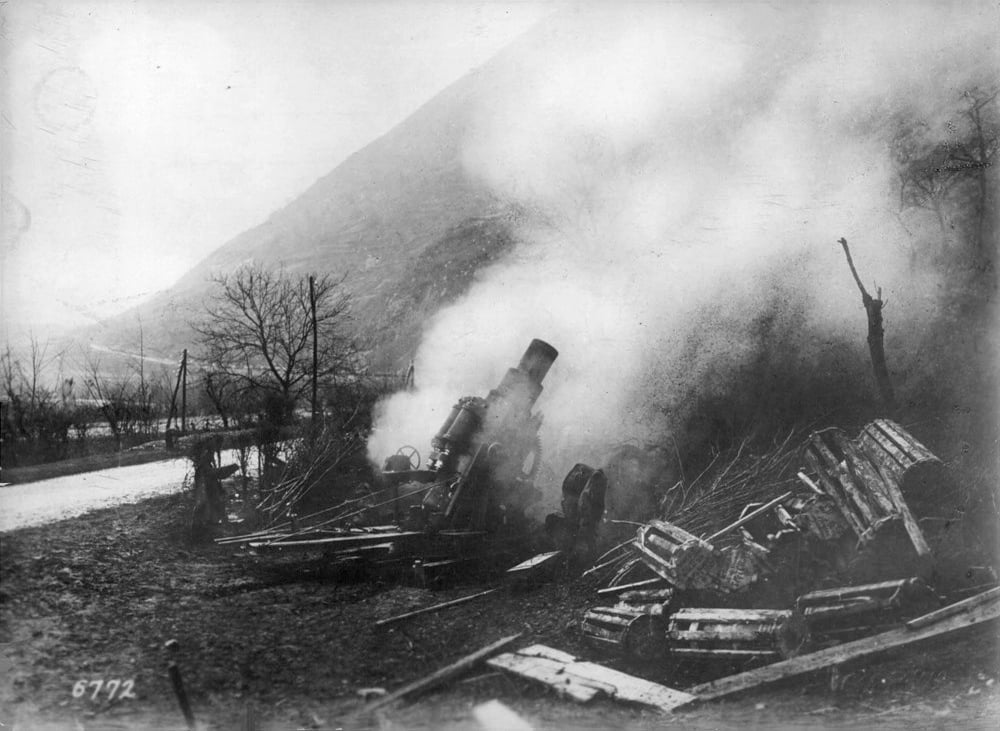
Before an enemy shell arrived, soldiers might hear the gun that launched it. Artillery firing from miles away could reach the trenches as a muffled thump, with the projectile’s flight and eventual explosion following afterward. That separation between firing and impact helped create an acoustic map of the battlefield. Artillery observers also used sound-ranging techniques during the war, recording the arrival times of gun reports at different listening stations to estimate the location of enemy batteries; what an infantryman heard as another distant boom could therefore contain surprisingly useful information.
14. Machine-Gun Fire Had Its Own Rhythm
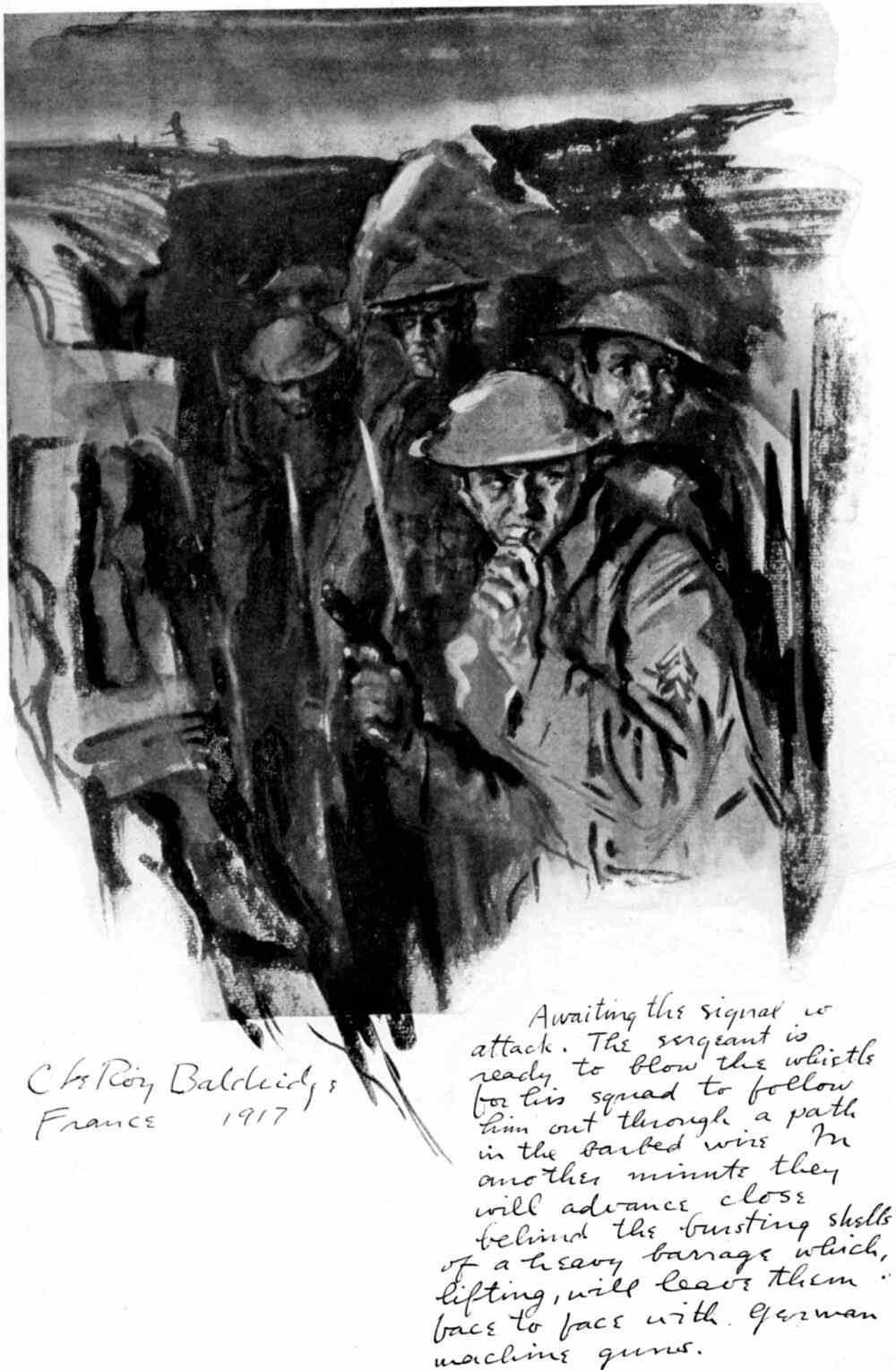
A machine gun did not sound like a series of ordinary rifle shots fired very quickly. Sustained automatic fire created a recognizable mechanical rhythm, and different weapons could produce noticeably different firing patterns depending on their operating system and rate of fire. Soldiers learned to distinguish isolated rifle cracks from the much more continuous sound of a machine-gun position opening up. That difference could immediately change how troops interpreted the ground ahead, especially during an advance when a previously quiet sector suddenly erupted with repeated automatic fire.
15. The Pop of a Flare Leaving Its Launcher
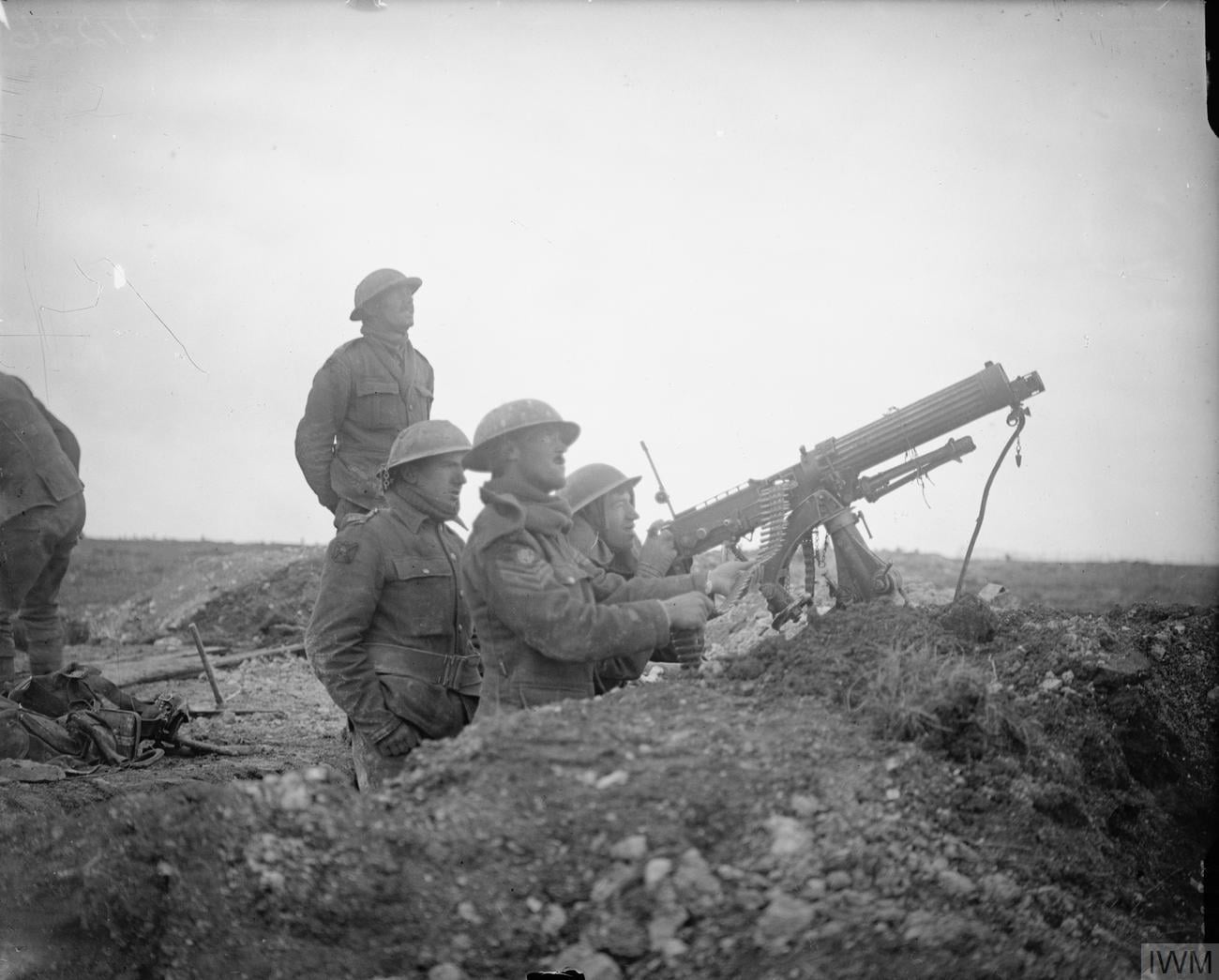
Not every sudden sound overhead meant an explosive attack. Flares and signal lights were routinely launched to illuminate terrain, communicate instructions, or expose movement in no man’s land. Soldiers could hear the initial discharge before the flare climbed and illuminated the battlefield, sometimes giving men in exposed positions a brief warning that darkness was about to disappear. A night that seemed completely black could suddenly become brightly visible, making the small launching sound far more significant than its volume suggested.
16. Aircraft Engines Became Recognizable Before the Planes Appeared
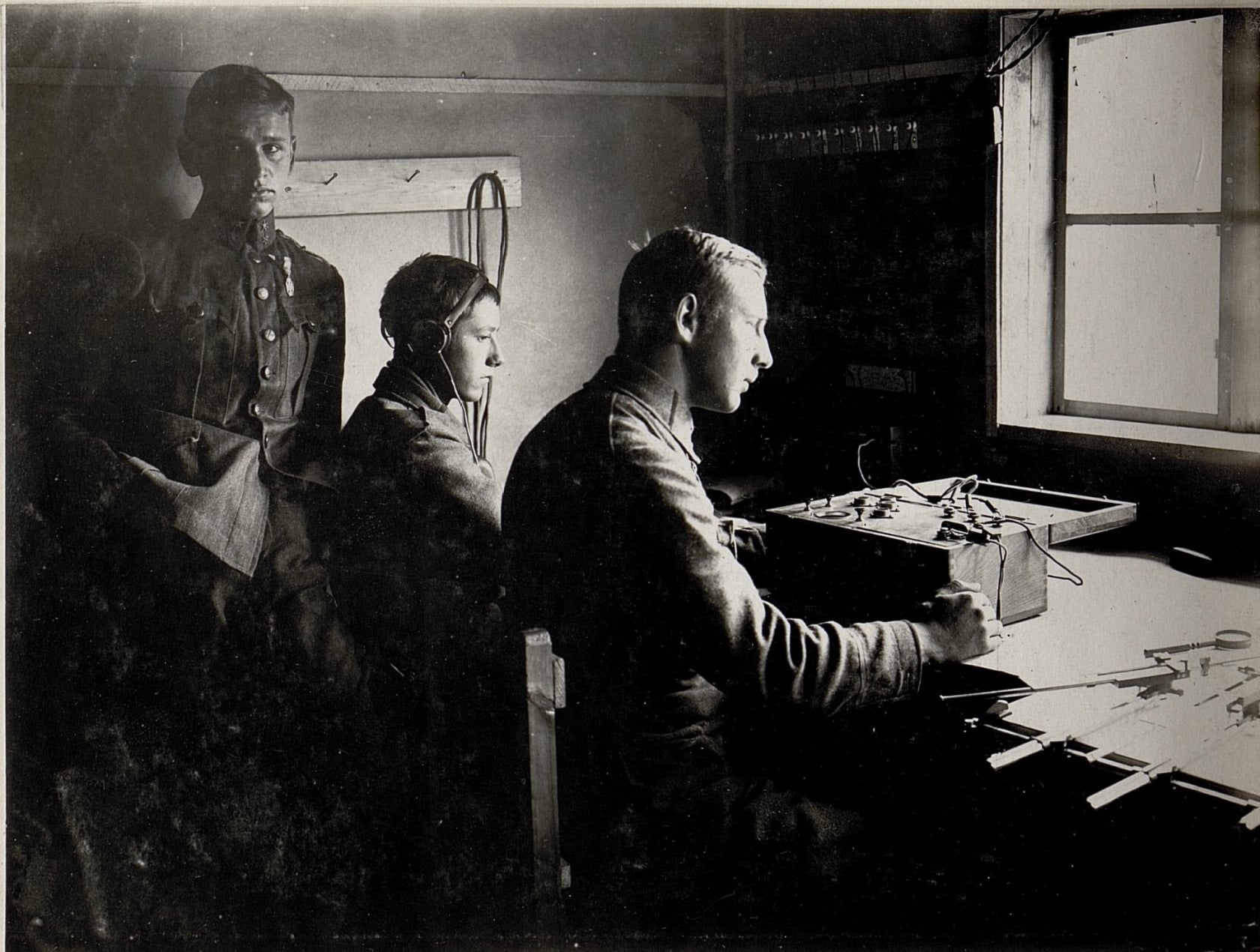
Aircraft added another layer to the battlefield soundscape, particularly as aerial reconnaissance, bombing, and air combat expanded during the war. Long before a plane was clearly visible, its engine could announce its approach. Soldiers increasingly learned to look upward when they heard the distinctive drone, while observers and anti-aircraft crews had practical reasons to pay close attention. Clouds, darkness, and distance could hide an aircraft from view, but its engine often revealed that something was moving through the sky above them.
17. The Rumble of Tanks Approaching Across the Battlefield
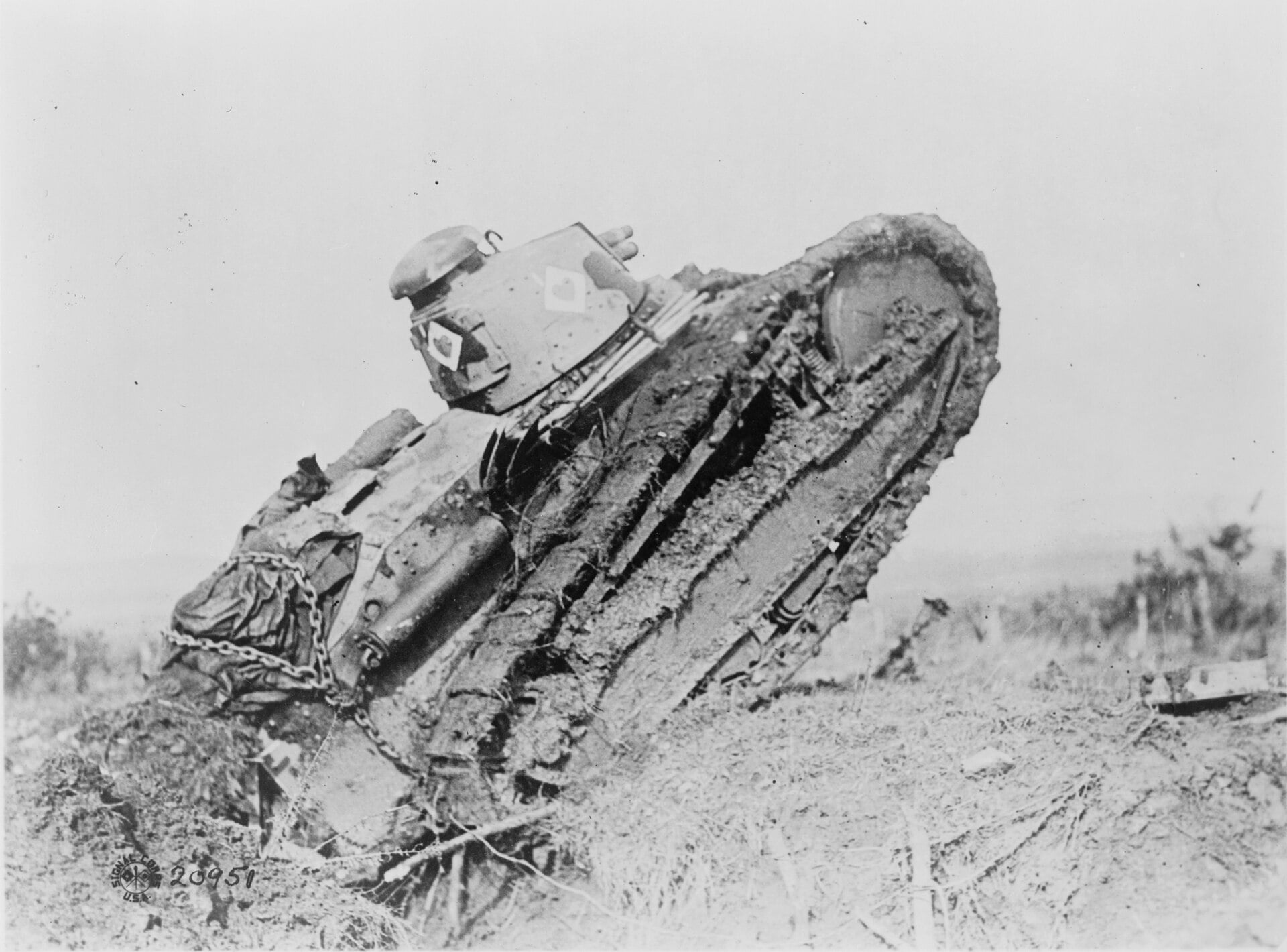
When tanks entered combat in 1916, they introduced a sound unlike the familiar horses, trucks, guns, and marching troops of the Western Front. Early tanks were heavy mechanical machines powered by loud engines and moving on continuous tracks, producing a mixture of engine noise, metallic clatter, and low rumbling as they crossed broken ground. Their limited speed meant they were hardly silent surprises, but the sound itself was initially unfamiliar. As tanks appeared more frequently, troops on both sides gained another mechanical signature to recognize amid the battlefield noise.
18. Mining Underground Could Sometimes Be Heard
Some of the war’s strangest listening took place beneath the trenches. Both sides dug tunnels under enemy positions and packed underground chambers with explosives, while specialist listeners attempted to detect hostile miners before they reached their objectives. In sufficiently quiet conditions, digging, scraping, tapping, or other vibrations could betray activity through the earth. Soldiers involved in counter-mining therefore had to interpret noises most troops would barely notice. Underground, recognizing the wrong faint sound could mean that enemy tunnellers were approaching only meters away.
By the later years of World War I, experienced soldiers were not simply enduring an enormous wall of noise. They were listening to it. A whistle, thump, hiss, crack, rattle, or distant engine could identify a weapon, signal danger, or provide a few valuable seconds to react. The battlefield had developed its own grim acoustic language, and learning that language became another part of surviving it.
Keep Exploring The Scroller
Curious what else history left behind? Keep exploring The Scroller for more forgotten details, strange discoveries, and stories hiding beyond the history books:
19 World War I Facts That Sound Completely Unreal
17 Photos of Germany and Britain at the Outbreak of World War I
15 Lasting Effects War Can Have on Soldiers During and After Service