Archaeological discoveries sometimes do much more than bring ancient objects to light. They can overturn long-standing assumptions about when humans reached certain places, how civilizations developed, and what people were capable of thousands of years ago.
From sophisticated technology hidden in a shipwreck to footprints that challenge the timeline of human settlement in North America, these 15 finds have transformed important parts of our understanding of history.
1. Ancient Footprints Revealed That Humans Reached North America Thousands of Years Earlier Than Once Thought
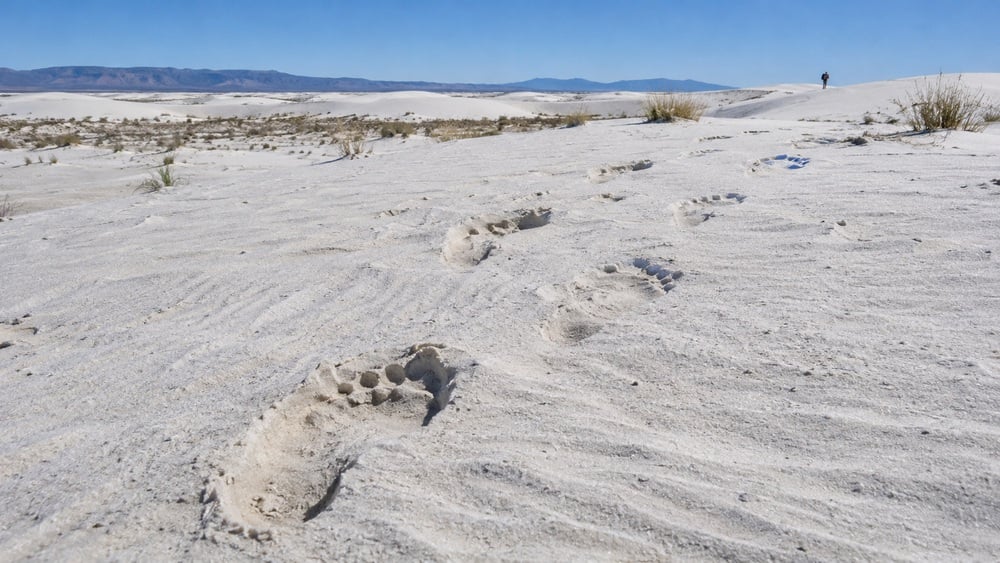
Footprints preserved at a white Sands National Park in New Mexico have dramatically shifted the debate over when humans first reached North America. Research published in 2021 dates the tracks to roughly 23,000 to 21,000 years ago, placing people on the continent during the last ice age, far earlier than the traditional Clovis-centered timeline suggested. Additional dating studies in 2023 and 2026 strengthened the evidence, with the U.S. Geological Survey documenting research that refined the estimated period to approximately 23,500 to 21,700 years ago.
2. Göbekli Tepe Proved That Hunter-Gatherers Could Build Monumental Structures
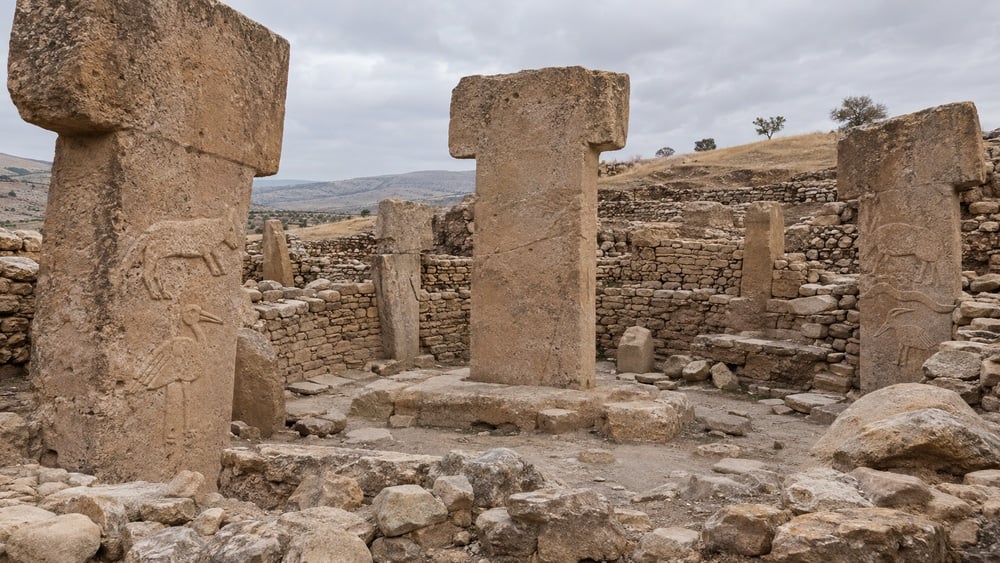
Long before Stonehenge or the Egyptian pyramids, communities in southeastern Turkey were raising enormous carved stone pillars. Built at Göbekli Tepe between approximately 9600 and 8200 BCE, some stood more than 18 feet tall and featured images of wild animals. Their existence overturned the assumption that monumental ceremonial architecture required fully developed farming societies, pointing to remarkable engineering and social organization during the transition from hunting and gathering to agriculture.
3. A Tiny Finger Bone Revealed an Entirely Unknown Group of Ancient Humans
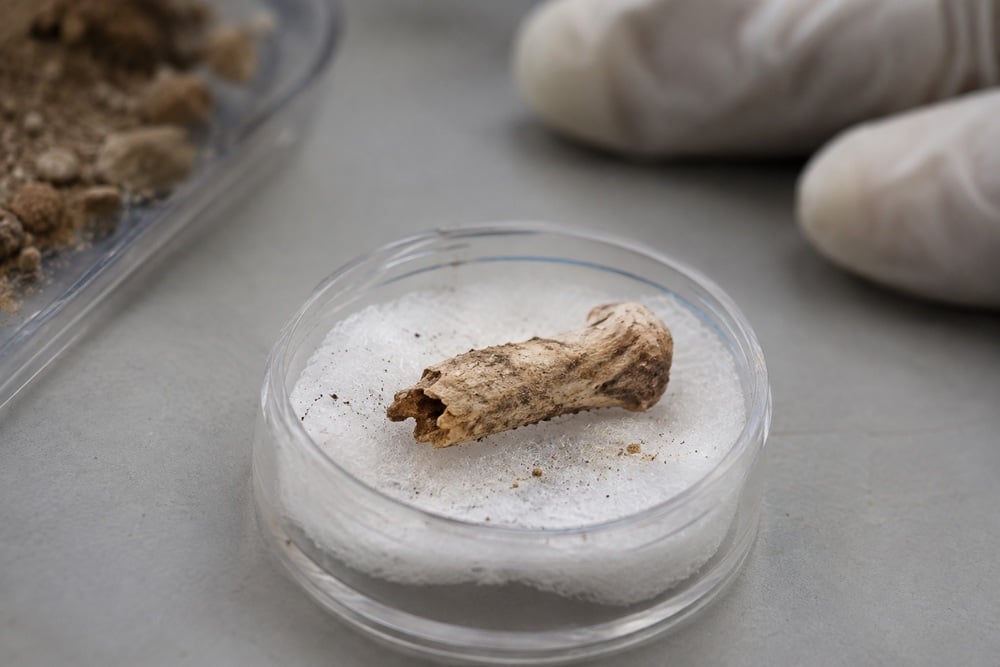
An unremarkable-looking finger bone turned out to hold an extraordinary secret. Found in Siberia´s Denisova Cave in 2008, the fragment underwent genetic analysis that produced an unexpected result in 2010:it belonged to a previously unrecognized group of ancient humans. Research associated with the Max Planck Institute helped identify these Denisovans as distinct from both Neanderthals and modern humans. The finding reshaped the human family tree and established genetic connections to some populations living today.
4. A Viking Settlement Proved Europeans Reached North America Before Columbus
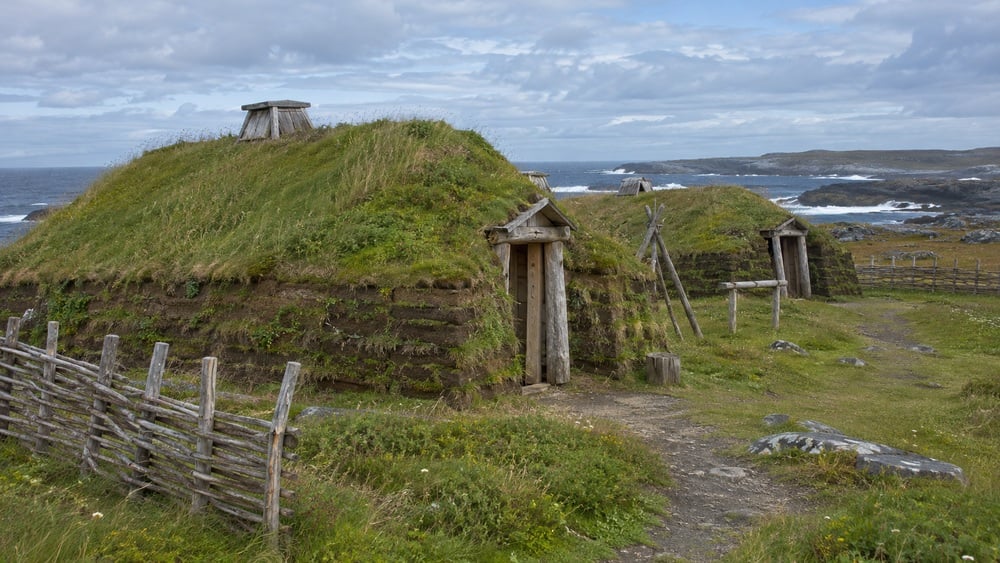
Did Europeans reach North America before Columbus? Archaeologists found compelling physical evidence in 1960 at L´Anse aux Meadows in Newfoundland, Canada. Excavations uncovered 11th-century turf buildings, an ironworking forge, and workshops resembling Norse settlements in Greenland and Iceland. These remains confirmed that Viking explorers crossed the Atlantic centuries before Columbus’s 1492 voyage, supporting the historical basis of medieval Norse sagas without proving every detail they contain.
5. The Rosetta Stone Unlocked Thousands of Years of Egyptian History
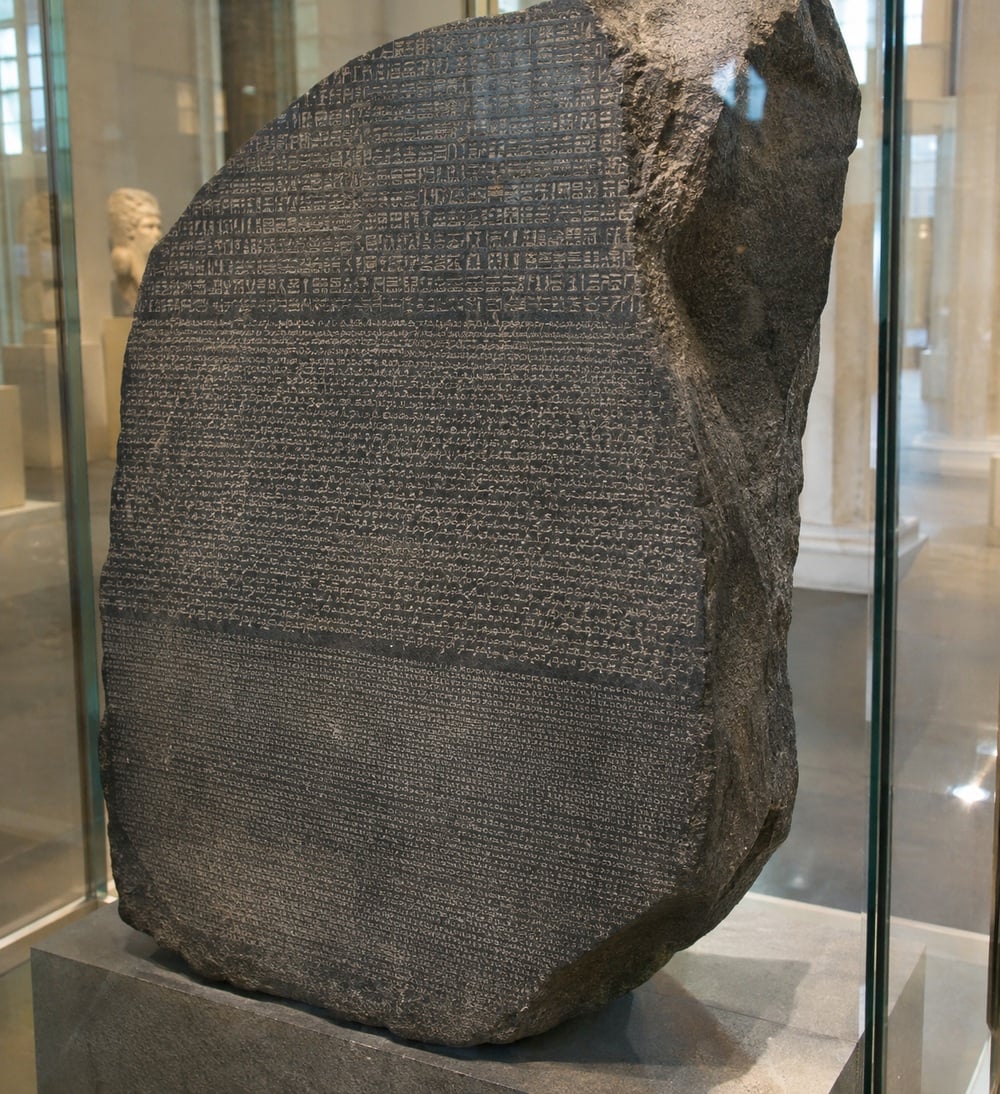
Three scripts on a single stone changed the study of ancient Egypt forever. Found by French soldiers in 1799, the Rosetta Stone carried the same decree in hieroglyphic, demotic, and ancient Greek. Because scholars could already read Greek, the inscription became crucial to Jean-François Champollion’s breakthrough in deciphering hieroglyphs in 1822. Suddenly, ancient Egyptian inscriptions could speak for themselves rather than being interpreted mainly through monuments and outside accounts.
Trending on The Scroller
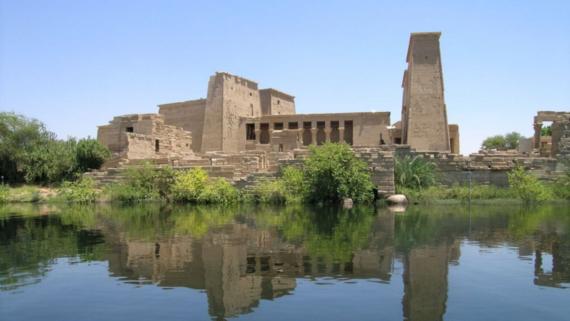

6. Mohenjo-daro Revealed Sophisticated Urban Sanitation More Than 4,000 Years Ago
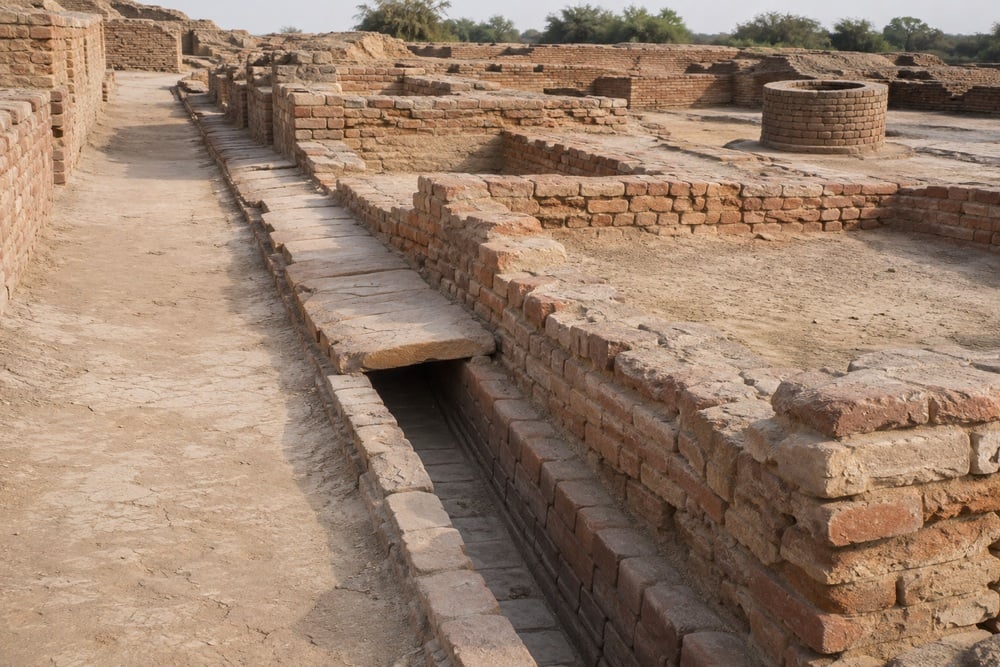
Imagine a city more than 4,000 years old with carefully planned streets, wells, public bathing facilities, and extensive drainage systems. Excavations beginning in 1922 uncovered exactly that at Mohenjo-daro in present-day Pakistan. Dating mainly to the third millennium BCE, this major Indus civilization settlement demonstrated that sophisticated urban engineering flourished in South Asia alongside the better-known civilizations of Egypt and Mesopotamia.
7. Çatalhöyük Revealed an Ancient Community Where Rooftops Functioned as Entrances
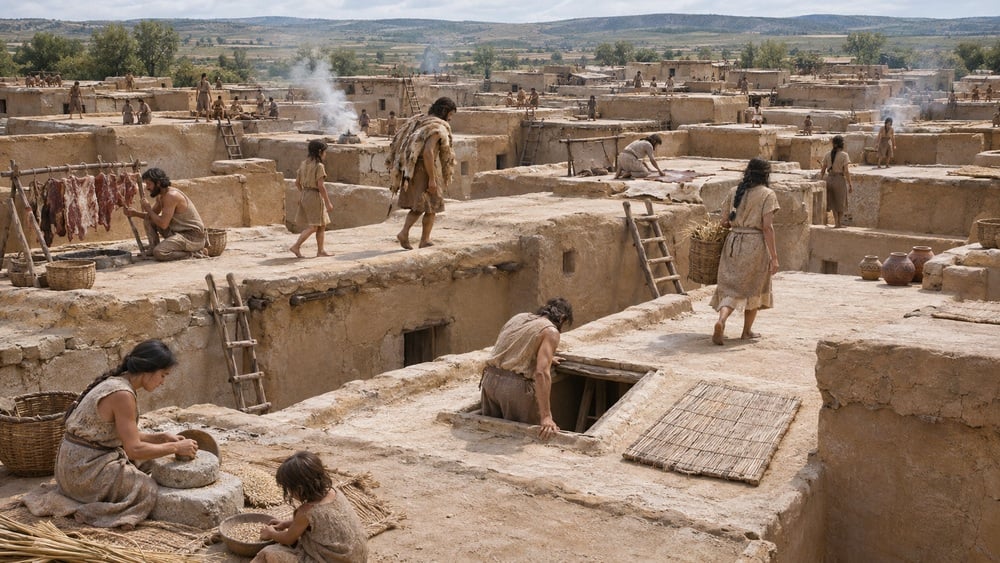
At Çatalhöyük in Turkey, the rooftops were more than just roofs. Archaeologists uncovered a densely packed Neolithic settlement, occupied from approximately 7400 to 6200 BCE, where houses stood directly against one another without conventional streets. Residents entered many buildings through openings above, suggesting that rooftops served as pathways through the community. This unusual arrangement expanded our understanding of how complex settled communities developed long before modern-style cities.
8. Pompeii Preserved Ordinary Roman Life in Extraordinary Detail
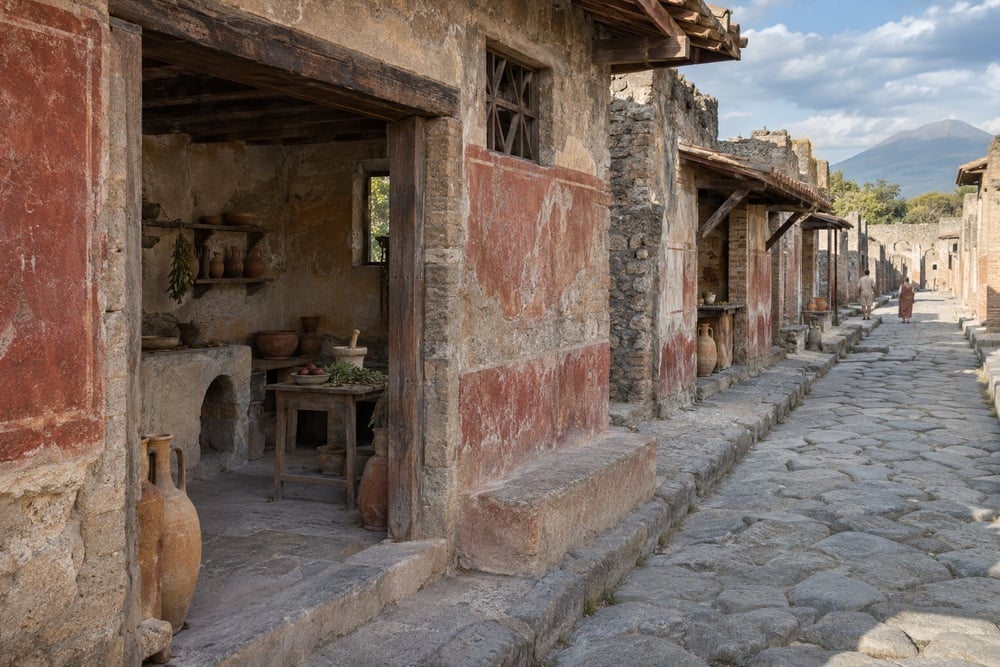
The eruption of Mount Vesuvius in 79 CE buried Pompeii and nearby Herculaneum beneath volcanic material, creating an extraordinary archaeological record. Buildings, decorations, household objects, and traces of daily activities survived beneath the deposits. As UNESCO documents, these exceptionally preserved sites offer an unusually detailed view of Roman life beyond emperors and monumental architecture. Shops, kitchens, homes, and public spaces show how people worked, socialized, and lived nearly 2,000 years ago.
Sign up for our newsletter
9. The Altamira Cave Paintings Changed Beliefs About Prehistoric Human Intelligence
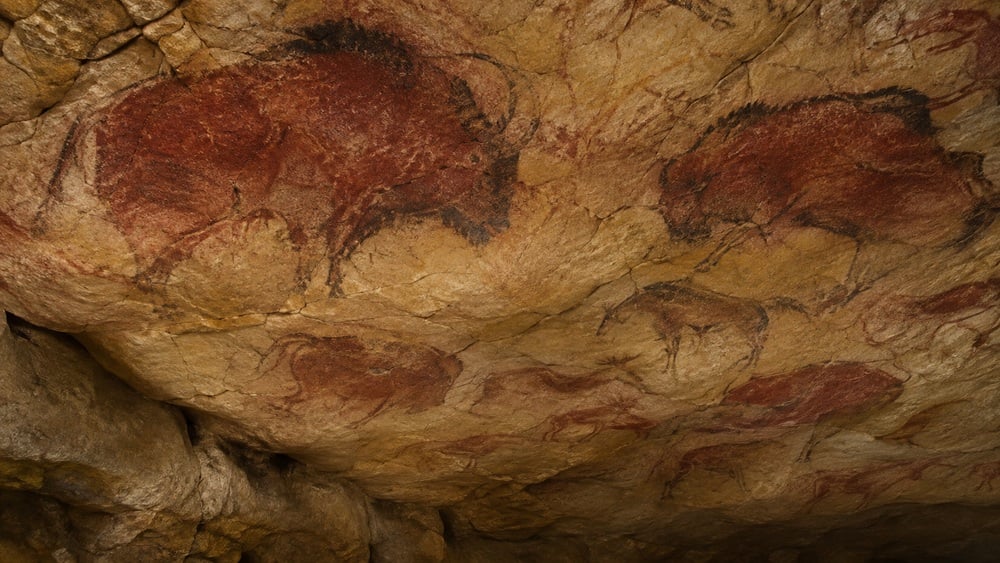
When Marcelino Sanz de Sautuola investigated the remarkable animal paintings inside Spain´s Altamira Cave in 1879, many scholars doubted prehistoric people could have created such sophisticated artwork; his interpretation faced widespread skepticism until similar finds elsewhere helped establish the paintings’ Paleolithic origins, leading to broader acceptance in 1902. Altamira transformed perceptions of early humans, demonstrating an impressive capacity for artistic expression long before written history.
10. Burned Bread Crumbs Proved People Made Bread Before Farming Existed
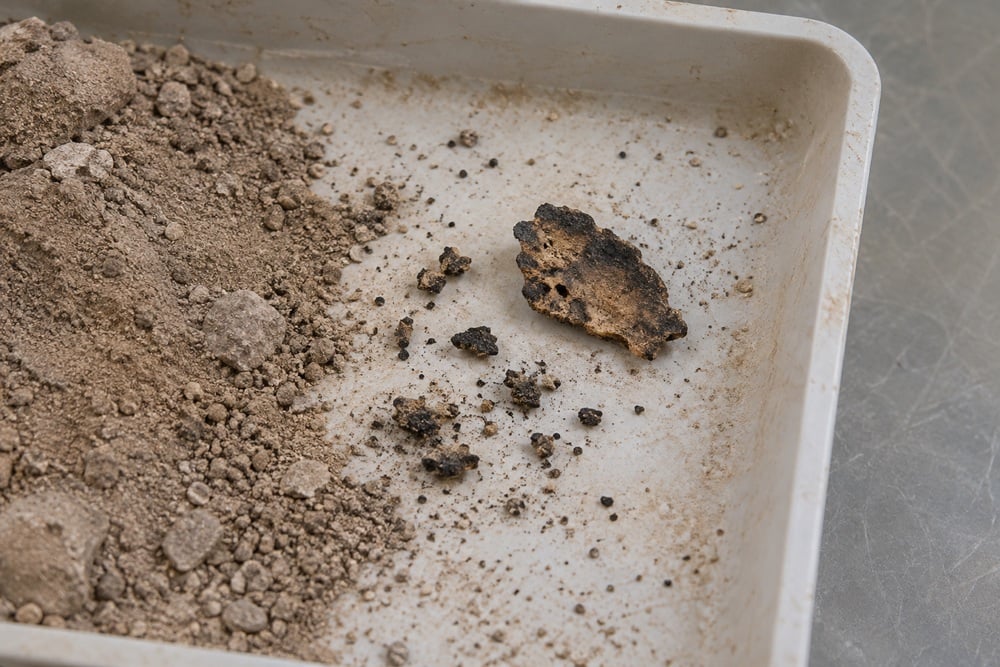
Archaeological discoveries can begin with something as small as a burned bread crumb. At Shubayqa 1 in northeastern Jordan, researchers identified charred flatbread remains dating to approximately 14,400 years ago. Published in 2018, the study showed that hunter-gatherers made bread-like foods from wild plants at least 4,000 years before agriculture became established in the region. It even raised the possibility that the appeal of these foods encouraged people to begin cultivating cereals.
11. Roman Writing Tablets Revealed Personal Conversations That History Books Rarely Recorded
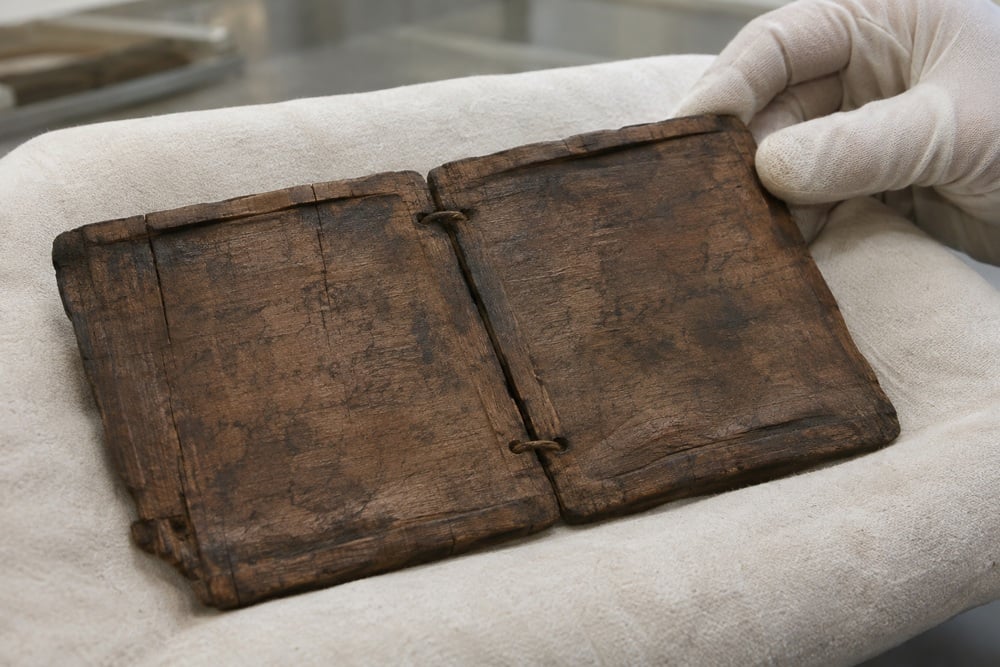
A birthday invitation from nearly 2,000 years ago sounds surprisingly familiar. Beginning in 1973, excavations at Vindolanda in northern England brought to light wooden writing tablets preserved in waterlogged ground. Among them was a letter from Claudia Severa inviting Sulpicia Lepidina to celebrate around 100 CE, including one of the earliest known examples of Latin handwriting by a woman. Other tablets recorded clothing requests and food supplies, bringing everyday Roman frontier life into remarkable focus.
12. The Terracotta Army Revealed the Extraordinary Scale of China’s First Emperor’s Afterlife Plans
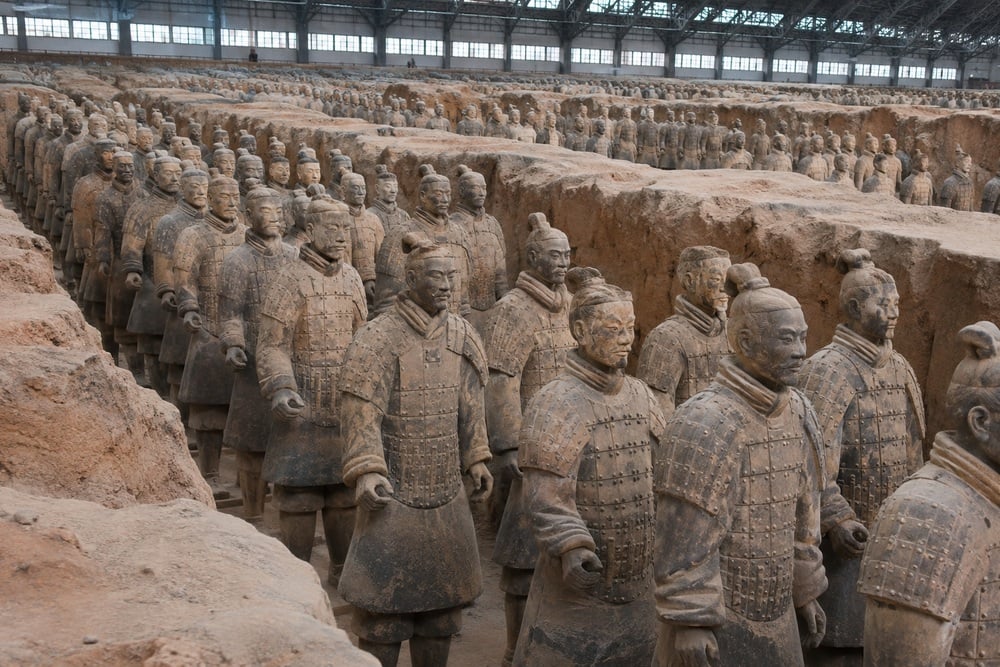
In 1974, farmers digging near Xi´an, China, encountered clay fragments that led archaeologists to an astonishing sight: an enormous underground army created for Qin Shi Huang, China´s first emperor. Excavations exposed thousands of life-size warriors, horses, and military formations associated with his burial complex. The scale of the project illustrated extraordinary levels of craftsmanship, organization, and resources devoted to imperial burial preparations during the third century BCE.
13. The Antikythera Mechanism Proved Ancient Greeks Built Complex Astronomical Calculators
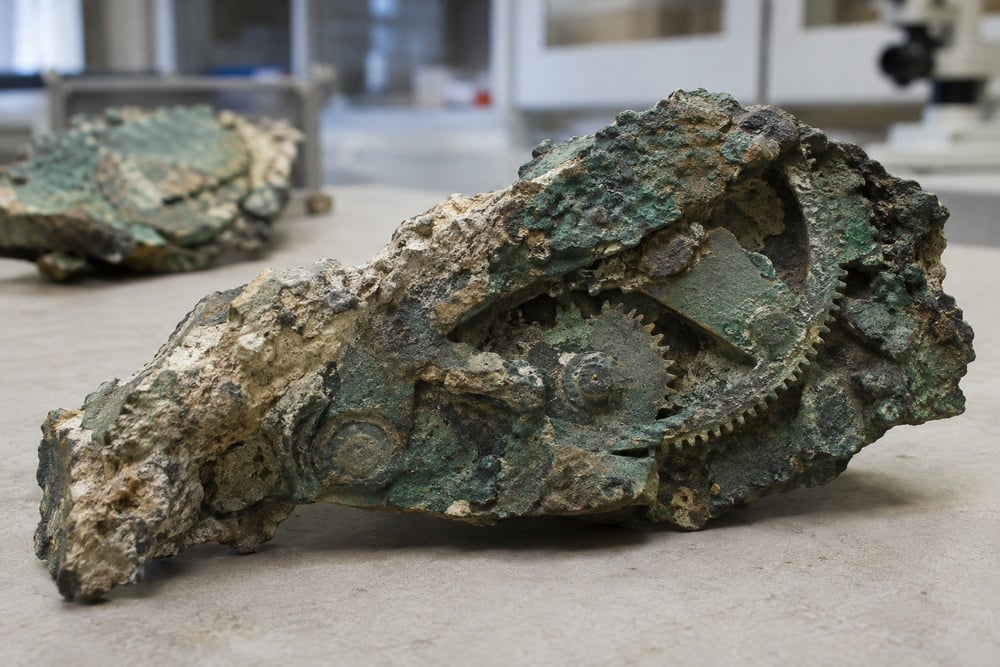
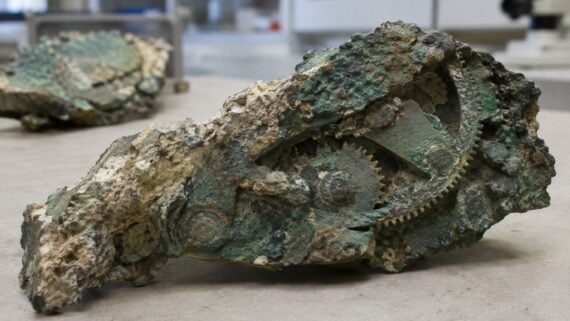
A corroded bronze object recovered from a shipwreck near the Greek island of Antikythera in 1901 turned out to be a mechanical marvel. Built around the second century BCE, the device used interconnected gears to calculate astronomical cycles and predict eclipses. Research published in Nature helped establish engineering complexity far beyond what surviving ancient technology had suggested, earning the mechanism recognition as the oldest known analog mechanical computer.
14. Sutton Hoo Challenged the Idea That Early Medieval Britain Was Culturally Backward
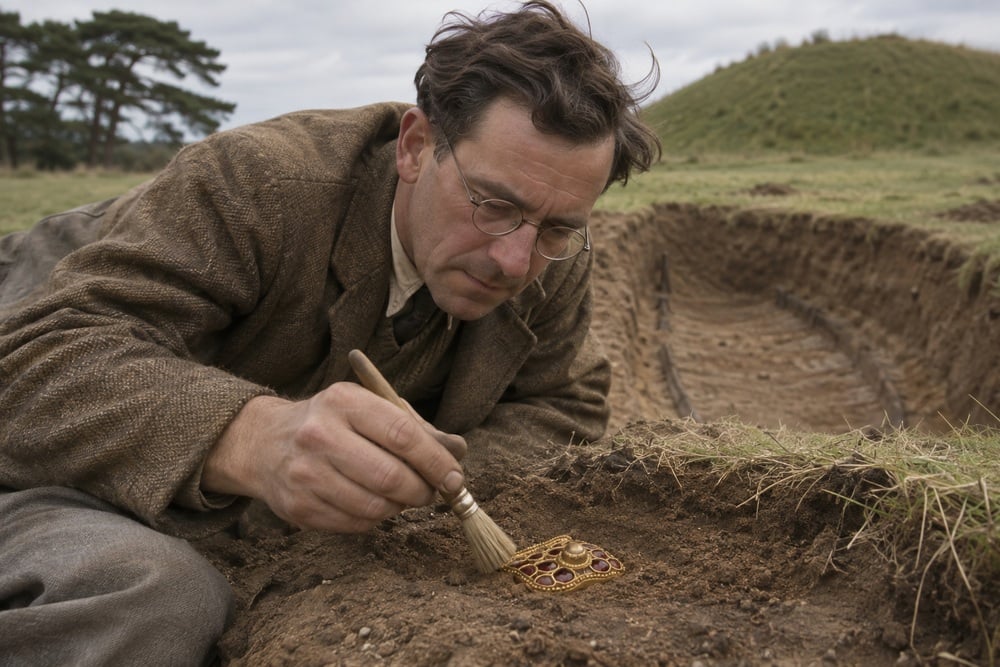
The treasures unearthed at Sutton Hoo in Suffolk, England, in 1939 forced historians to reconsider a deeply rooted assumption. Inside a seventh-century ship burial, archaeologists encountered sophisticated metalwork and luxury goods connected to distant regions. Rather than an isolated and culturally impoverished society, the evidence pointed to wealthy Anglo-Saxon elites participating in extensive trade networks and supporting highly skilled craftsmanship after the Roman period.
15. Laser Mapping Revealed Ancient Amazonian Cities Hidden Beneath the Forest
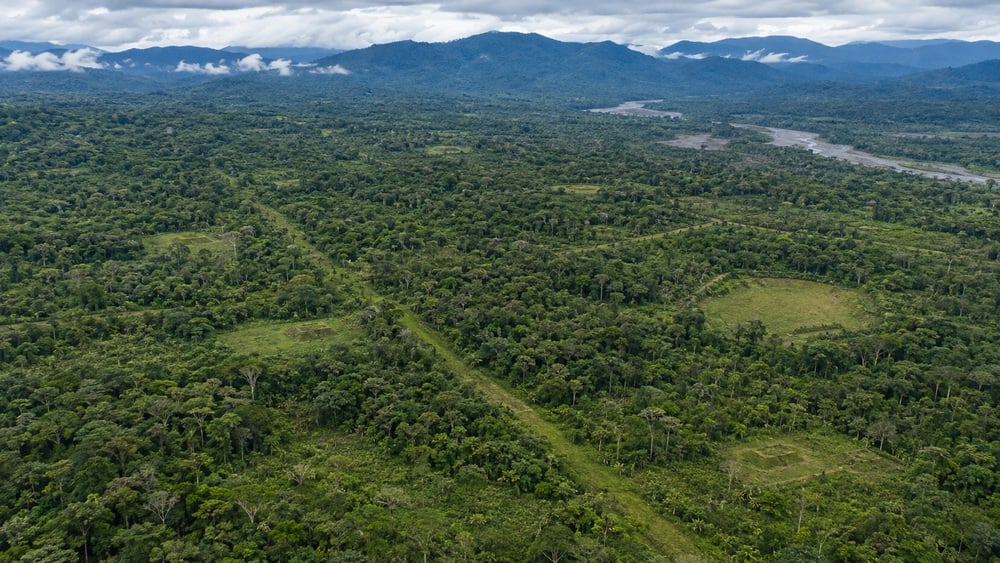
What if an entire network of ancient settlements had been hiding beneath dense rainforest? Research published in 2024 mapped roads, plazas, earth platforms, and agricultural infrastructure in Ecuador´s Upano Valley using laser technology. Archaeological evidence indicates occupation beginning around 500 BCE and continuing into the first millennium CE. The findings overturned the outdated image of the pre-Columbian Amazon as an untouched wilderness, documenting complex and interconnected communities.
Archaeology continues to show that the ancient world was more interconnected, inventive, and complex than earlier generations imagined. And some of history’s biggest breakthroughs have come from the smallest clues, including footprints, bread crumbs, and a fragment of bone.
Keep Exploring The Scroller
The ground beneath our feet still holds stories capable of changing everything we think we know. Keep exploring The Scroller for lost civilizations, remarkable finds, and the ancient mysteries that refuse to stay buried:
15 Discoveries Hidden Beneath Modern Cities
Things Found Inside Walls: 20 Strange Renovation Discoveries
20 Fascinating Discoveries Made by Real-Life Treasure Hunters