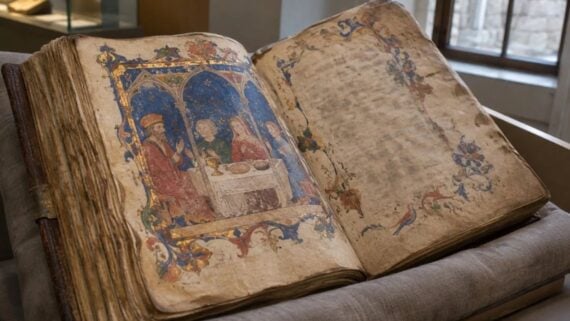
Historical artifacts have survived circumstances that should have destroyed them, from devastating fires and shipwrecks to wars, thefts, and centuries underwater. These 20 objects include national treasures, everyday possessions, and ancient discoveries whose survival depended on quick decisions, fortunate accidents, or extraordinary preservation conditions.
1. George Washington’s Portrait Was Rescued Minutes Before the White House Burned
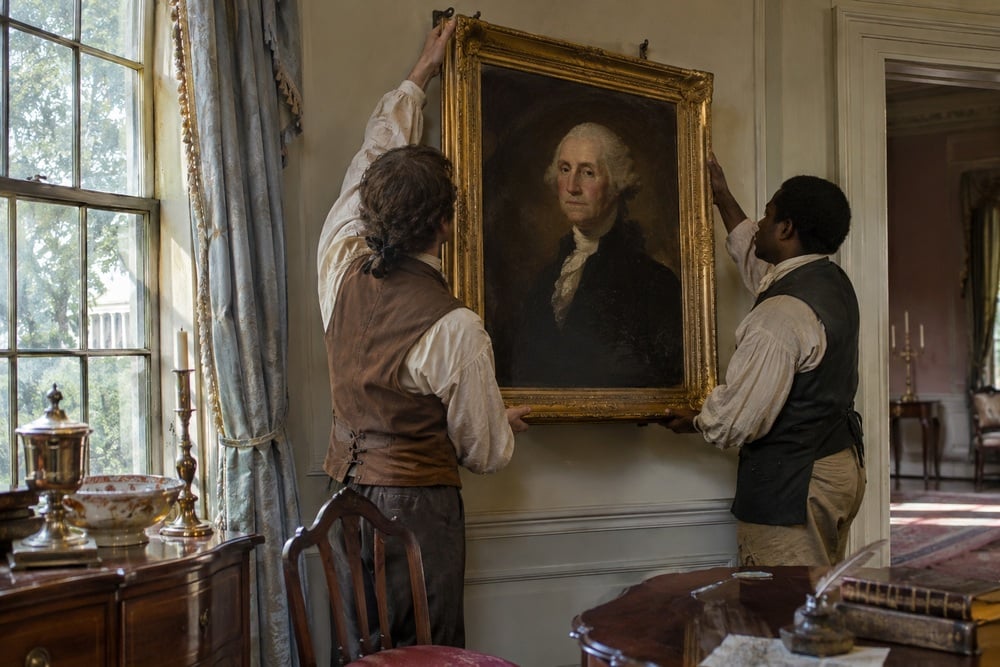
When British troops approached Washington, D.C., in August 1814, First Lady Dolley Madison ordered the rescue of Gilbert´s Stuart´s portrait of George Washington. The painting was removed from its frame and carried away before British forces burned the White House. Enslaved servant Paul Jennings was among those involved in saving it. The portrait eventually returned and remains the only object displayed there since the building first opened in 1800.
2. The Declaration of Independence Escaped the Burning of Washington
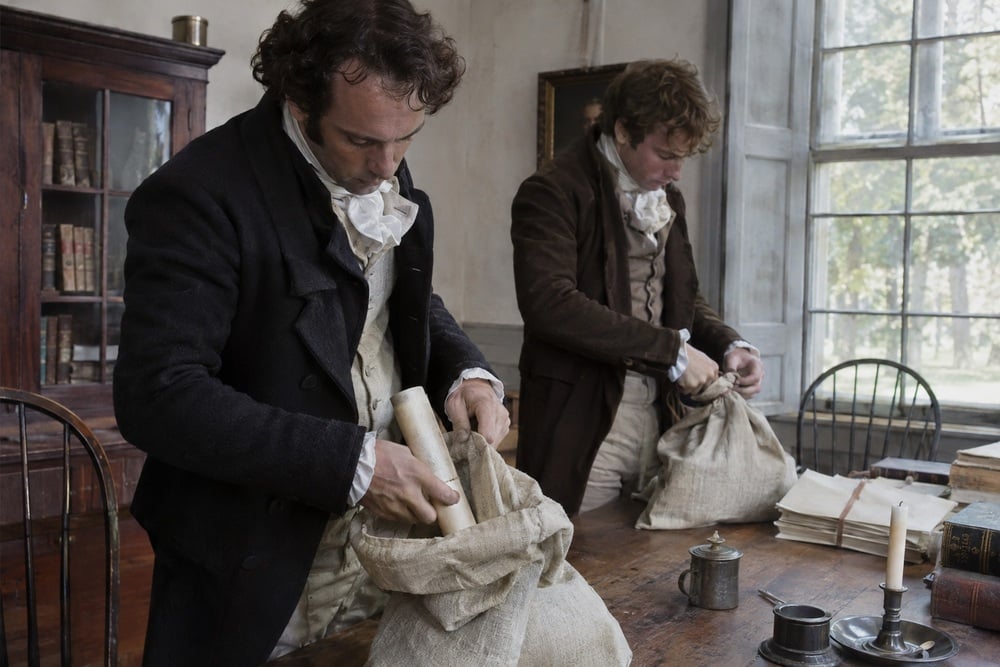
The Declaration of Independence narrowly escaped the British attack on Washington in 1814. State Department clerk Stephen Pleasonton arranged for the document and the other records to be packed into linen bags and transported out of the capital. By August 24, it was safely stored about 35 miles away in Leesburg, Virginia. During World War II, it was moved again for protection, this time to Fort Knox.
3. The Original Star-Spangled Banner Survived a British Bombardment and Decades of Wear
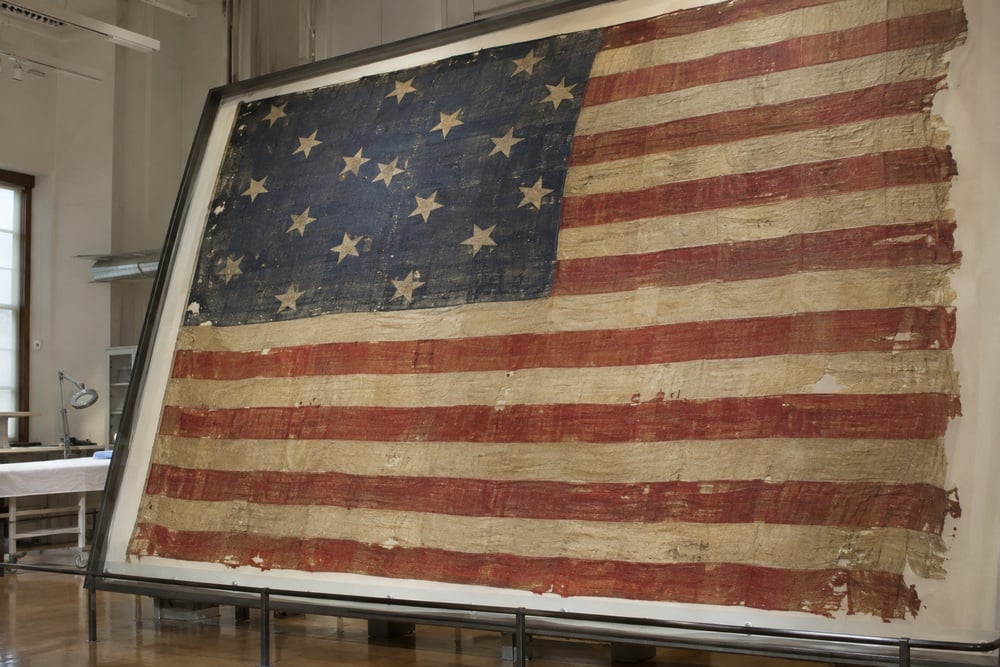
Flying over Fort McHenry during the Battle of Baltimore in September 1814, this enormous flag survived the British bombardment and inspired Francis Scott Key´s national anthem lyrics. Originally, measuring 30 by 42 feet, it was preserved by Commander George Armistead’s family. Over time, pieces were removed as souvenirs, including one of its 15 stars. The surviving flag is now preserved at the Smithsonian.
4. Anne Frank’s Diary Was Left Behind When the Nazis Arrested Her Family
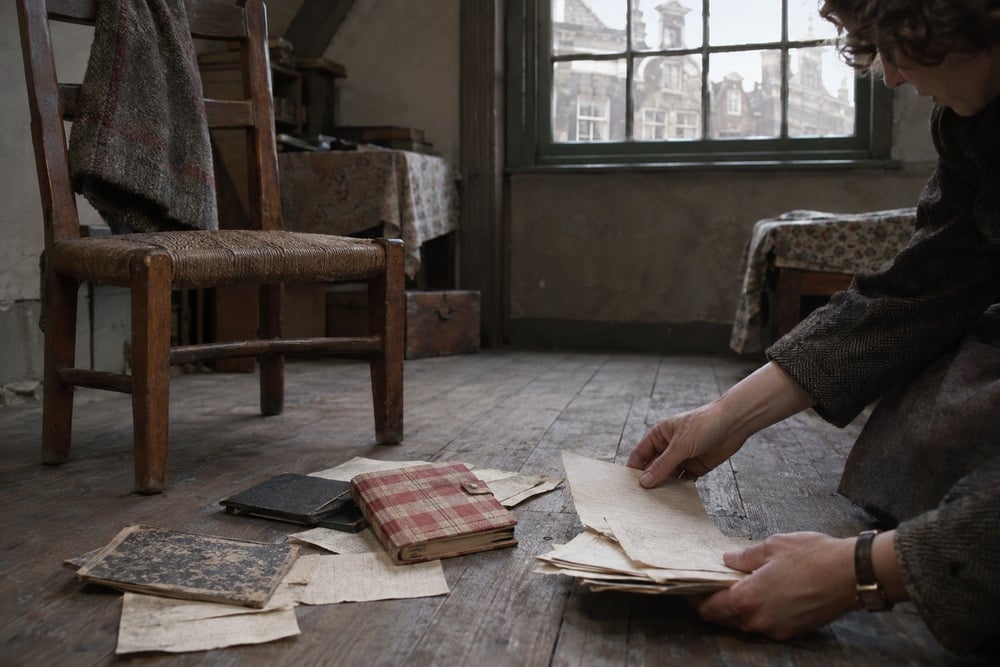
When Nazi authorities discovered Anne Frank’s hiding place in Amsterdam on August 4, 1944, they arrested everyone inside, leaving her writings scattered behind. The next day, Miep Gies and Bep Voskuijl collected the diary, notebooks, and loose papers, hoping Anne would return. After learning of her death, Gies gave them to Anne’s father, Otto Frank. Published in 1947, the diary became one of the world’s most widely read Holocaust accounts.
5. A Wristwatch Survived Hiroshima’s Atomic Bombing With Its Hands Stopped at 8:15
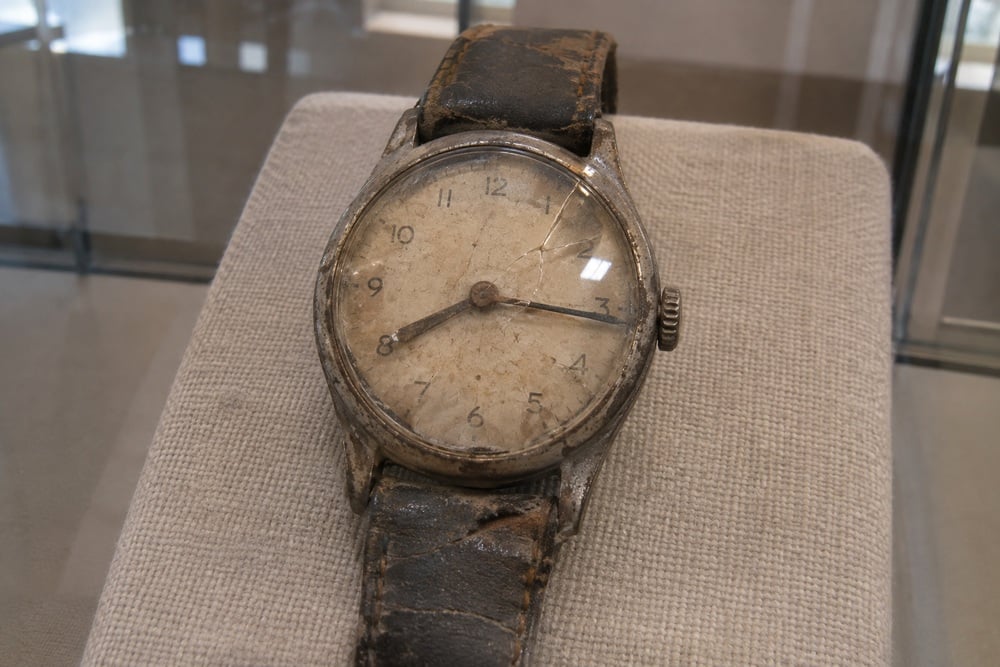
On August 6, 1945, Akito Kawagoe was working about 1,700 meters from the center of the Hiroshima atomic bombing. He survived despite severe injuries and later discovered that his wristwatch had stopped at exactly 8:15 a.m., the moment of the explosion. Its glass was shattered and the second hand missing, but the watch survived. He eventually donated it to the Hiroshima Peace Memorial Museum.
Trending on The Scroller


6. A Swedish Warship Survived 333 Years Underwater Almost Intact
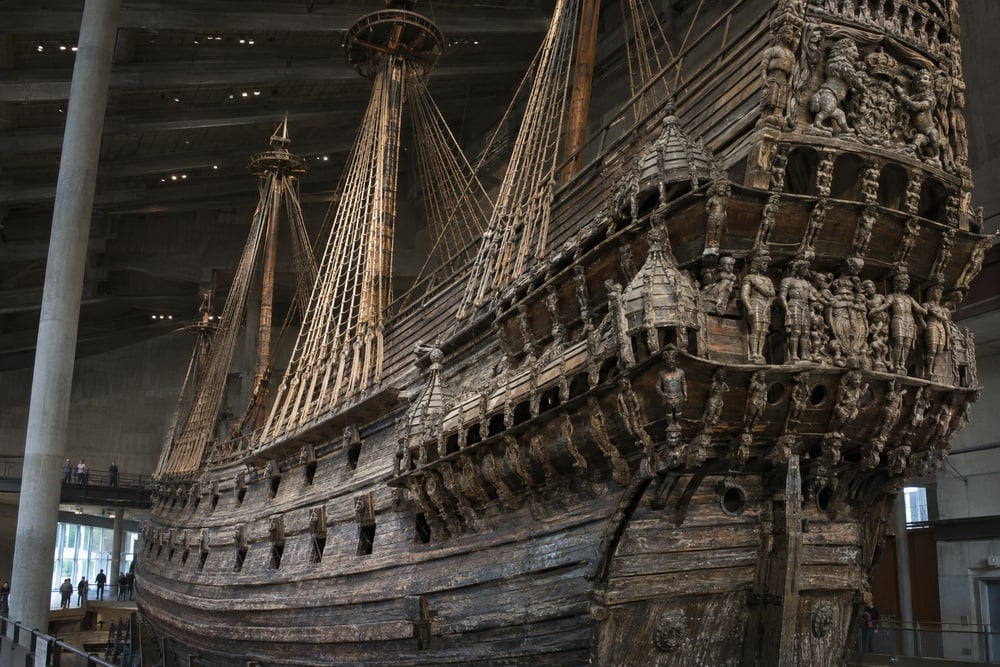
The Swedish warship Vasa sank in Stockholm Harbor on August 10, 1628, just minutes into its maiden voyage. Yet it remained largely intact underwater for 333 years before being raised in 1961. Approximately 98% of its original wooden structure survived, including elaborate carvings and decorative panels. Today, it is one of the world’s most extraordinary maritime artifacts, although preserving its ancient wood remains an ongoing challenge.
7. Henry VIII’s Favorite Warship Was Recovered After 437 Years on the Seabed
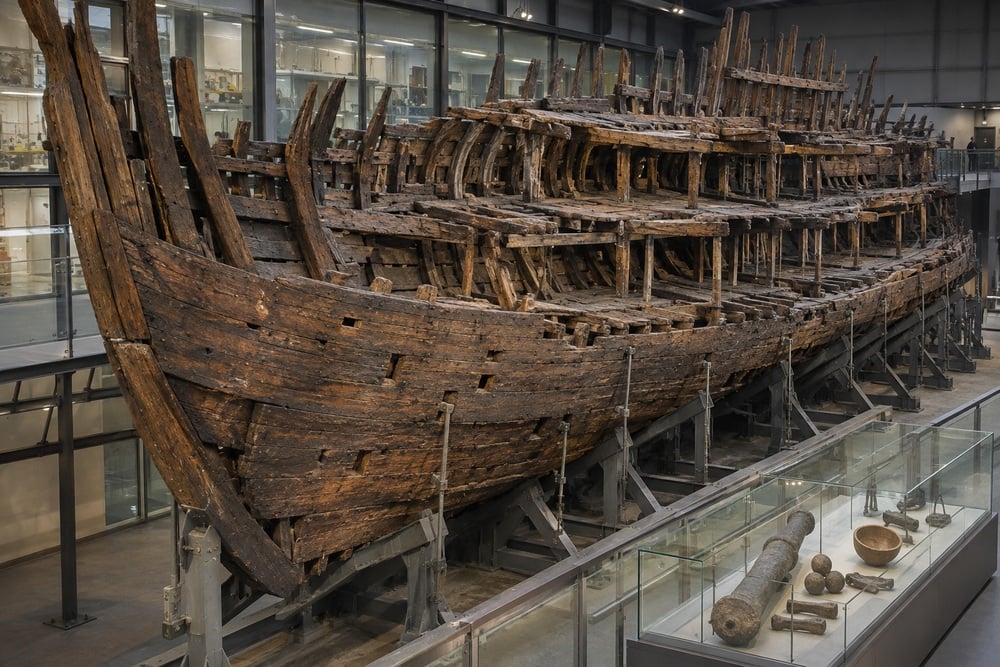
The Mary Rose, one of Henry VIII’s most famous warships, sank during a battle against the French in 1545. Buried sediment protected much of its wooden structure and thousands of objects belonging to its crew. Archaeologists finally raised the surviving hull on October 11, 1982, more than four centuries later. The recovery offered historians an extraordinary glimpse into everyday life aboard a Tudor warship.
8. A 5.6-Ton Meteorite Survived a Museum Fire That Destroyed Priceless Collections
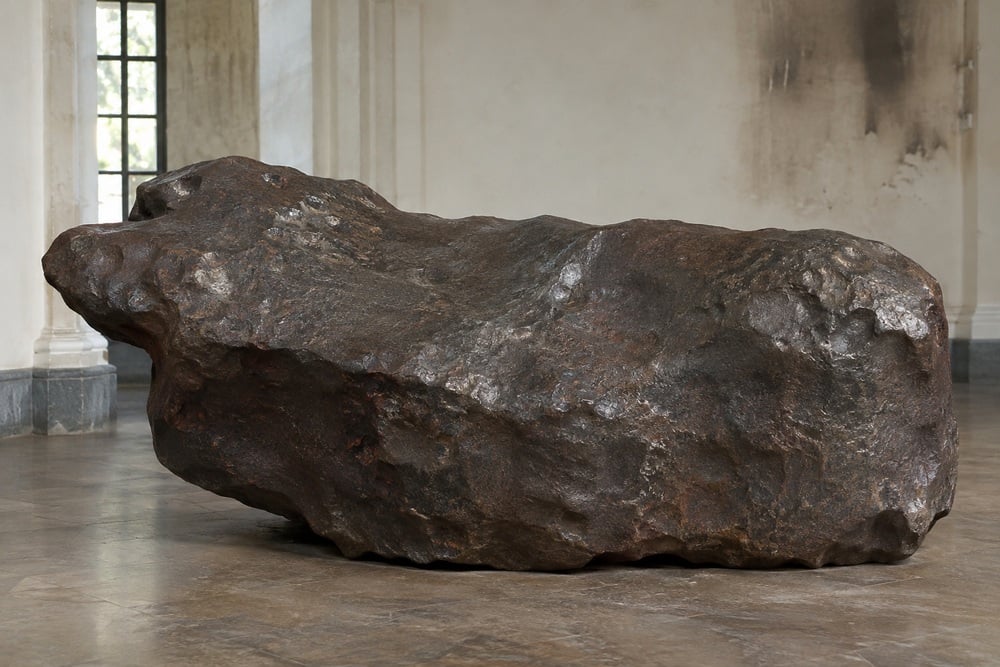
When fire devastated Brazil’s National Museum in Rio de Janeiro in September 2018, countless treasures were destroyed. One remarkable survivor was the Bendegó meteorite, a 5.6-ton mass of extraterrestrial iron discovered in Bahia in 1784. Despite the destruction surrounding it, the meteorite remained intact enough to survive the blaze. Its survival became a symbol of hope during the museum’s recovery efforts.
Sign up for our newsletter
9. A 2,000-Year-Old Roman Glass Vase Was Smashed to Pieces and Rebuilt
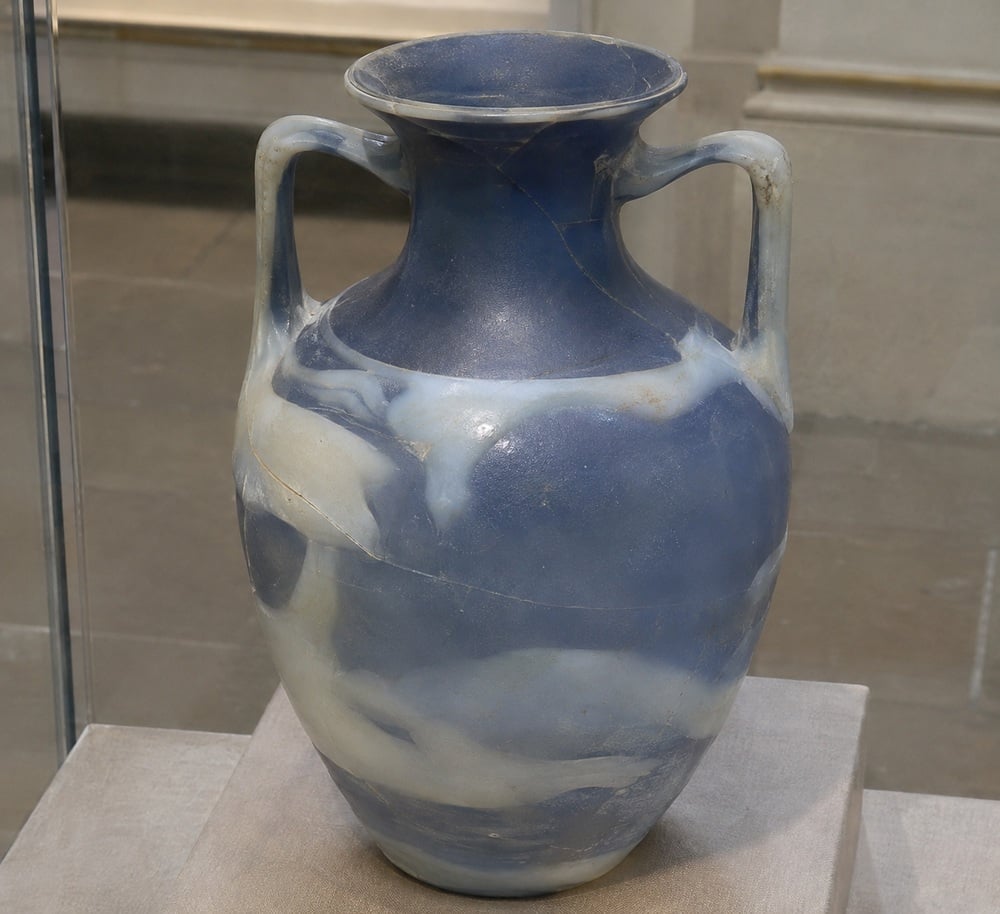
The Portland Vase survived roughly 2,000 years before a British Museum visitor deliberately smashed it with a sculpted stone in 1845. The rare Roman cameo-glass masterpiece shattered into numerous fragments, but craftsman John Doubleday reconstructed it. Later restorations improved its stability and appearance. Today, the vase remains in the British Museum’s collection, proving that even apparently ruined treasures can sometimes be saved.
10. The Only Surviving Medieval Manuscript of Beowulf Escaped a Devastating Fire
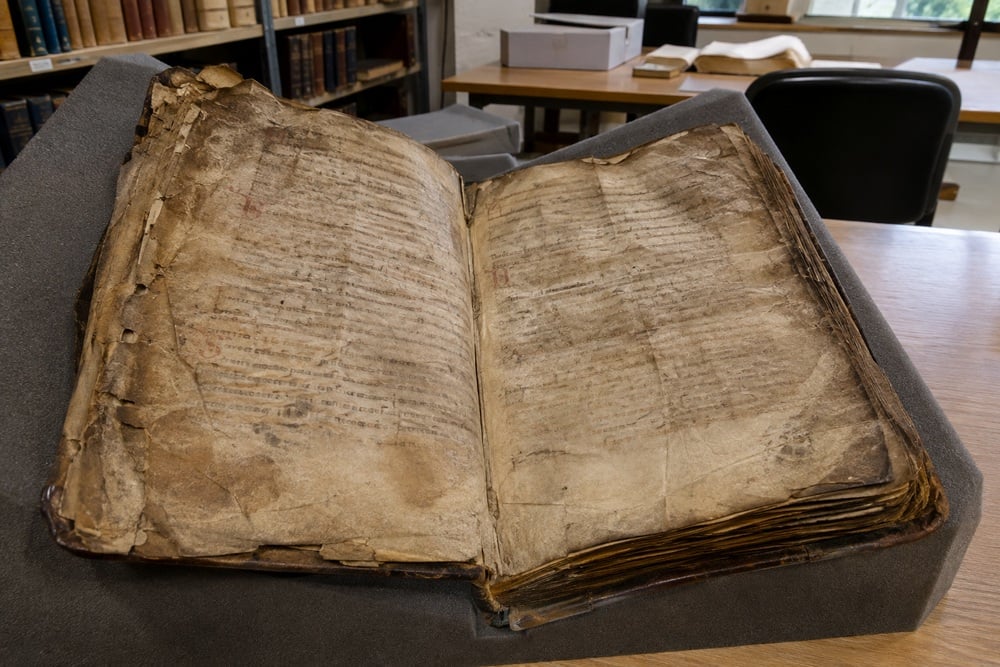
Historical artifacts sometimes survive with visible scars. The only surviving medieval manuscript containing Beowulf was damaged in a devastating library fire in 1731. Heat and flames blackened its parchment and destroyed portions of text around the edges. Fortunately, much of the poem remained readable, preserving more than 3,000 lines of Old English literature. Without this damaged manuscript, the story of Beowulf as we know it would have been lost.
11. An Original Magna Carta Survived the Same Fire That Damaged Beowulf
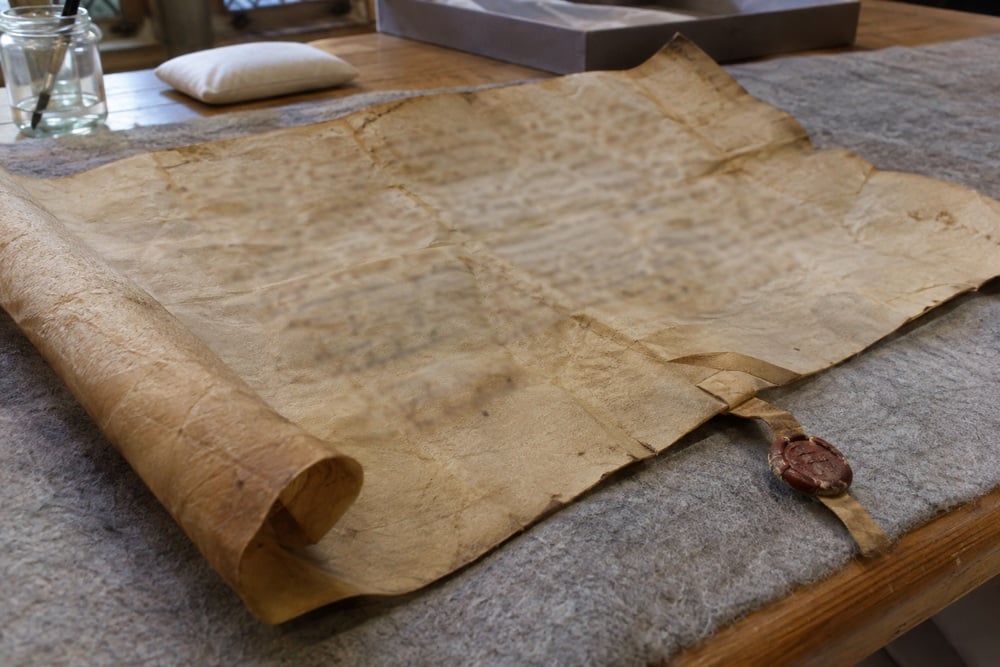
Only four original Magna Carta documents from 1215 are known to survive. One copy, now belonging to the British Library, was badly damaged in the same 1731 fire that harmed the Beowulf manuscript. Despite the destruction, the parchment and its original beeswax seal survived. More than eight centuries after King John’s agreement with his rebellious barons, this fragile document remains an irreplaceable historical witness.
12. Dorothy’s Ruby Slippers Were Recovered 13 Years After a Museum Theft
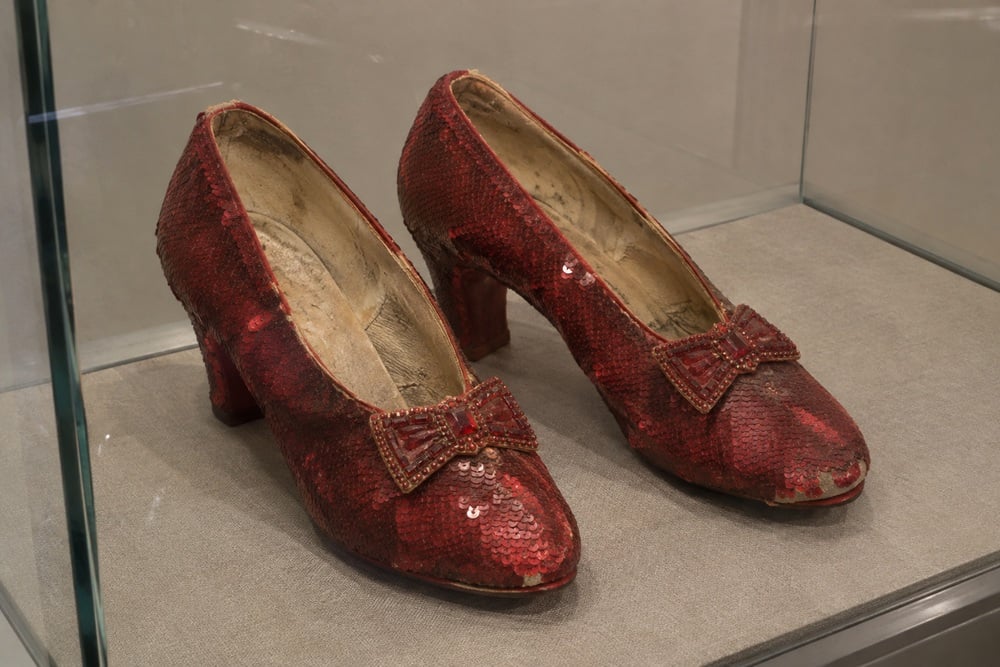
A pair of ruby slippers worn by Judy Garland in The Wizard of Oz vanished from Minnesota’s Judy Garland Museum in 2005. The FBI recovered them in 2018, ending a 13-year mystery. Smithsonian conservators then discovered that the stolen shoes and the museum’s own pair had been mismatched, together forming two properly matched pairs. The recovered slippers were returned to their rightful owner in 2024.
13. A Medieval Jewish Manuscript Survived Centuries of Persecution and War
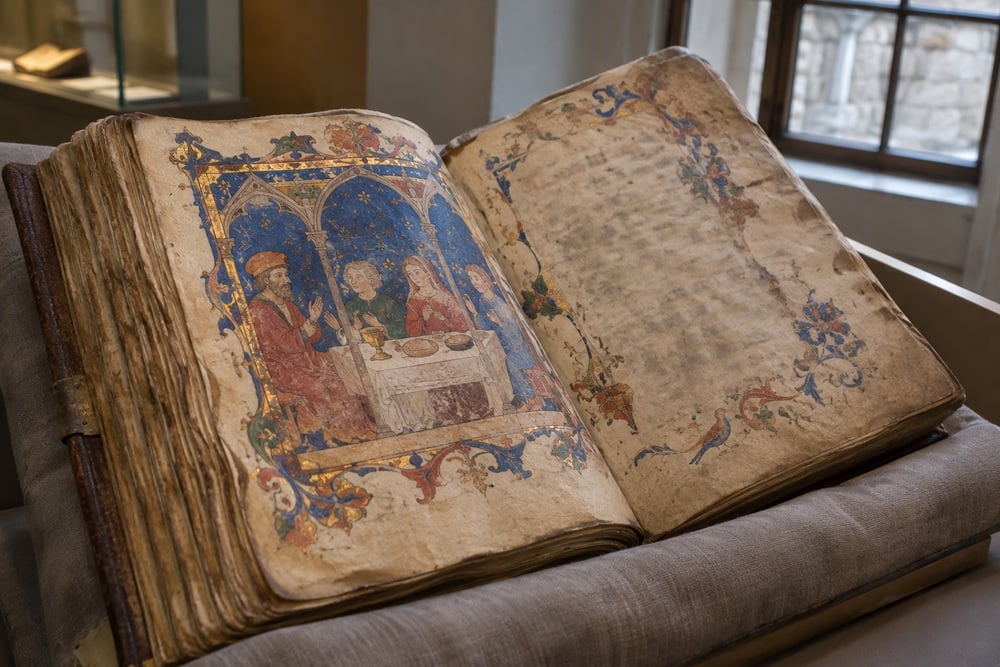
Created in northern Spain during the 14th century, the Sarajevo Haggadah survived centuries of upheaval, including the displacement of Jewish communities from Spain, World War II, and the Bosnian War. The illuminated manuscript eventually became one of the most celebrated treasures of Bosnia and Herzegovina’s National Museum. UNESCO recognized its historical significance by adding it to the Memory of the World Register in 2017.
14. An Anglo-Saxon Helmet Was Reassembled From More Than 500 Broken Pieces
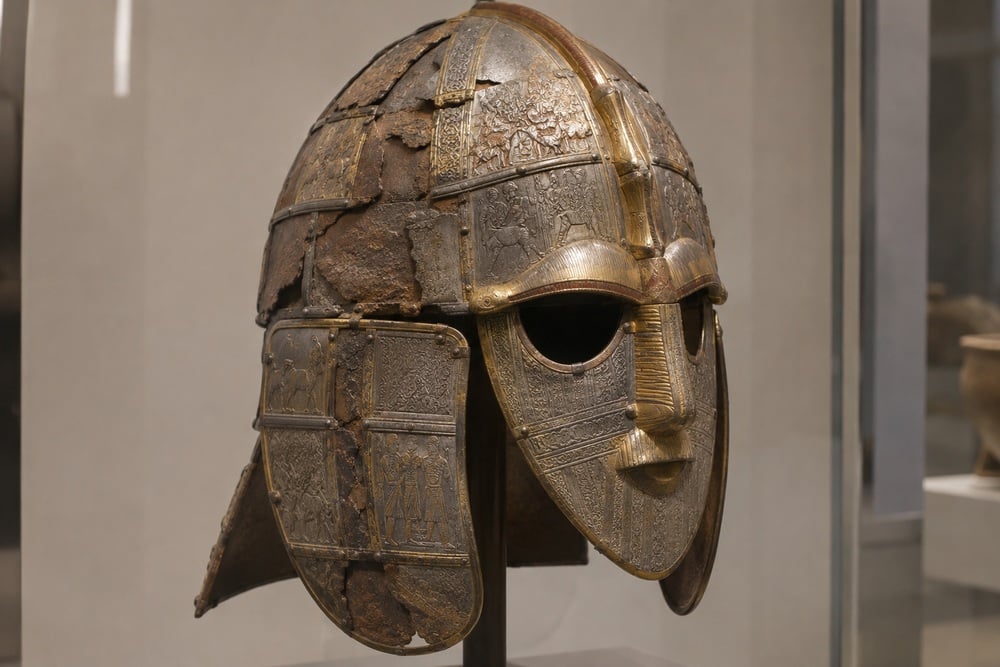
Archaeologists excavating Sutton Hoo in England in 1939 discovered a seventh-century helmet crushed into more than 500 fragments after its burial chamber collapsed. Conservation specialists painstakingly reconstructed it, with a later restoration in the 1970s producing its familiar appearance. Its elaborate face mask and decorated metalwork now make it one of the most recognizable surviving objects from Anglo-Saxon England.
15. Ancient Roman Scrolls Survived Because a Volcano Turned Them Into Charcoal
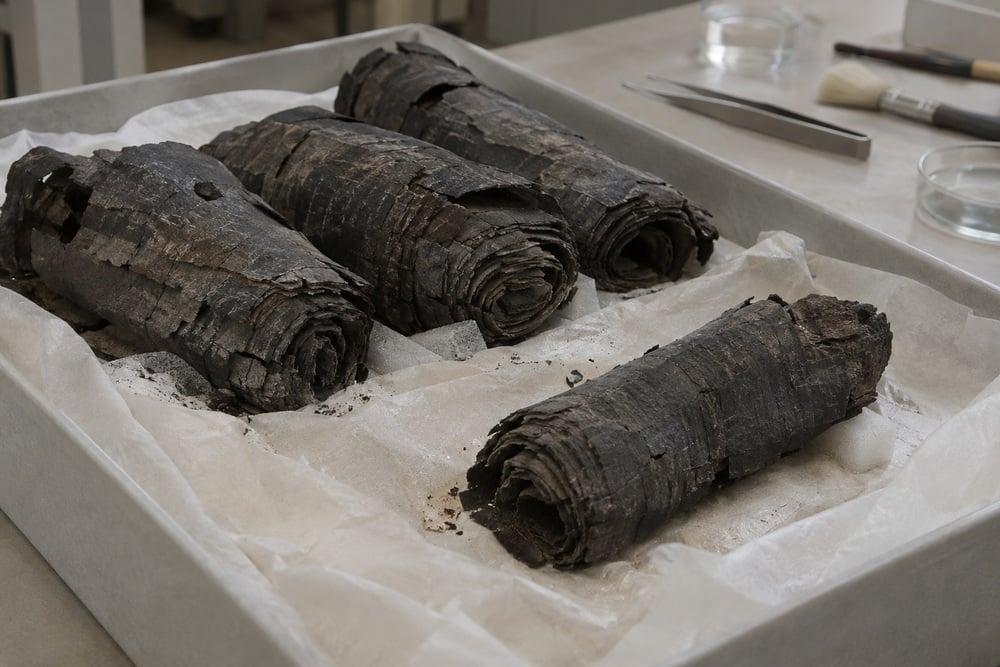
When Mount Vesuvius erupted in 79 CE, its extreme heat carbonized hundreds of papyrus scrolls in Herculaneum instead of destroying them completely. Buried beneath volcanic deposits, they remained protected until their rediscovery at the Villa of the Papyri in the 18th century. Today, researchers use X-ray scanning and digital techniques to investigate the fragile writings without physically opening them. Destruction became an unlikely form of preservation.
16. A 2,000-Year-Old Mechanical Computer Survived an Ancient Shipwreck
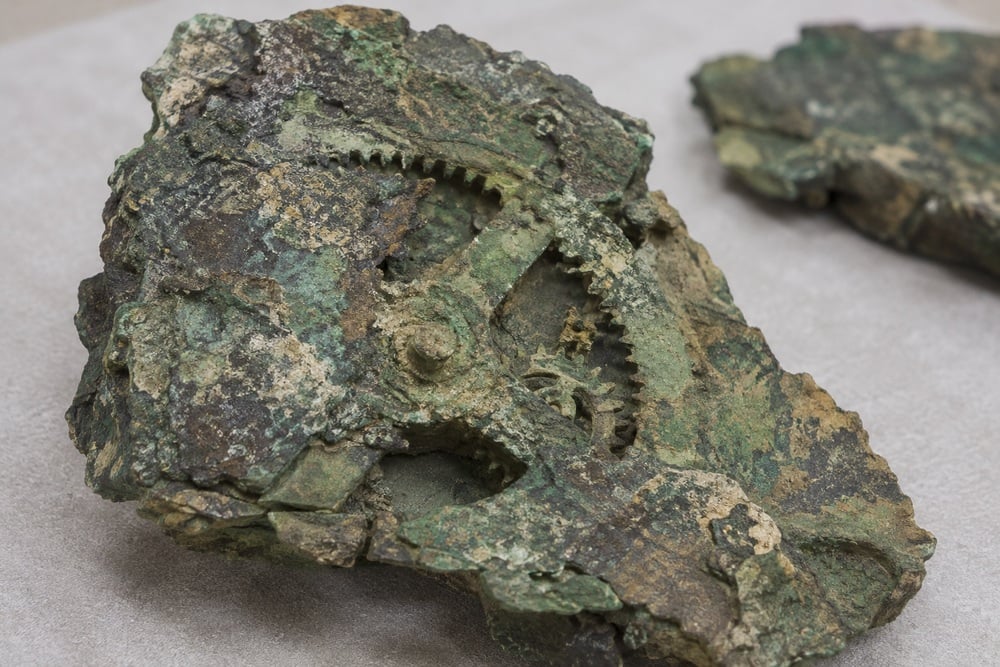
The Antikythera mechanism, an ancient Greek device containing bronze gears and astronomical inscriptions, spent approximately 2,000 years beneath the Mediterranean Sea. Sponge divers recovered its remains near the island of Antikythera during operations in 1900 and 1901. Researchers eventually recognized the corroded fragments as a sophisticated instrument for modeling astronomical cycles, revealing an astonishing level of ancient engineering.
17. A Bronze Angel From the Titanic’s Grand Staircase Survived the Shipwreck
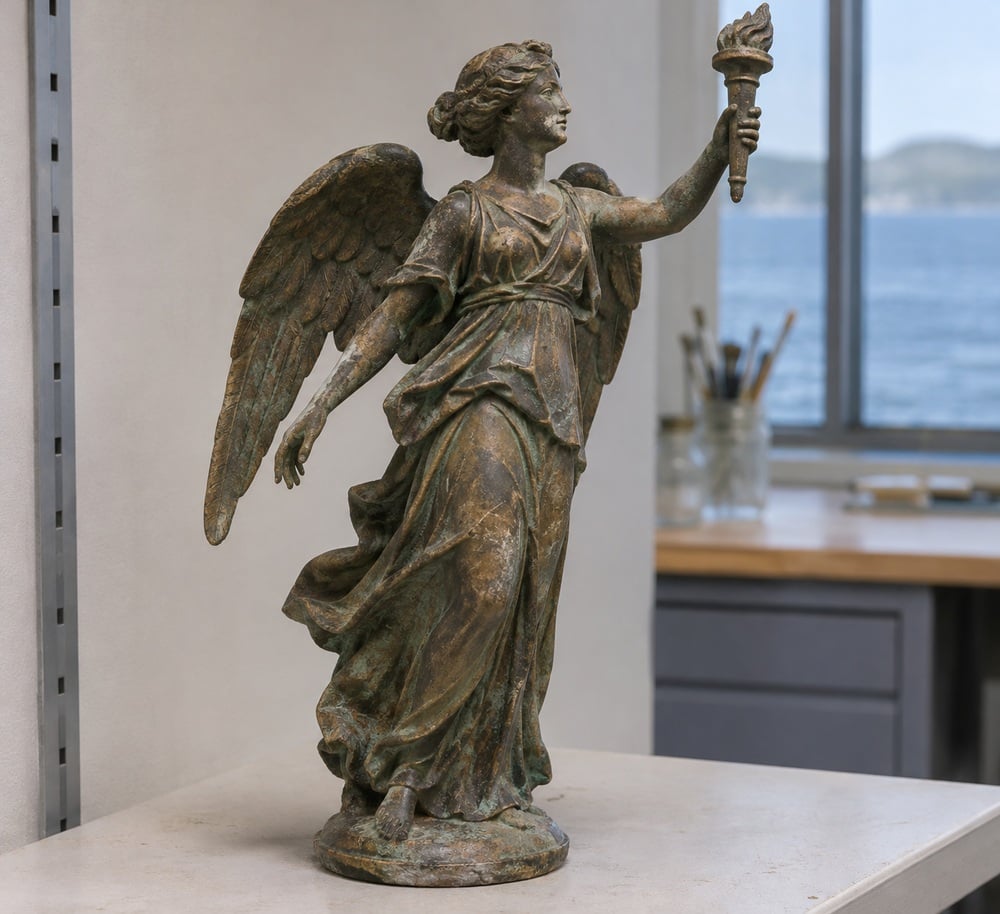
When the Titanic sank in April 1912, much of its lavish interior was scattered or destroyed. Among the surviving objects was a bronze cherub that once held a torch near the first-class Grand Staircase. Recovered during a 1987 expedition, 75 years after the sinking, the figure is reportedly the only staircase cherub discovered in the wreckage, according to RMS Titanic Inc.
These objects demonstrate how fragile history can be and how much our understanding of the past depends on the survival of a few irreplaceable things. From shipwrecks to devastating fires, each carries a story that might otherwise have disappeared.
Keep Exploring The Scroller
Some of history’s greatest stories are still hiding in museums, archives, and forgotten collections. Keep exploring The Scroller for more remarkable discoveries, unlikely survivors, and extraordinary objects that almost vanished forever:
Weird Wednesday: 16 Weird Objects Found In Ancient Ruins
18 Objects Archaeologists Use to Piece Together Everyday Life in the Past
15 Ancient Inventions So Advanced They Still Raise Questions Today