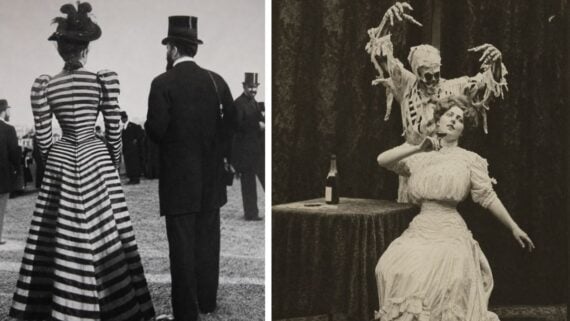
Victorian-era facts can sound stranger than fiction. Between 1837 and 1901, Britain experienced enormous changes in science, fashion, medicine, and everyday life, while some customs now seem almost impossible to imagine.
But not every bizarre Victorian story circulating online is true. From jewelry made with human hair to mothers hiding beneath blankets for family portraits, these unusual practices offer a fascinating glimpse into what life was really like.
1. Families Sometimes Commissioned Postmortem Portraits
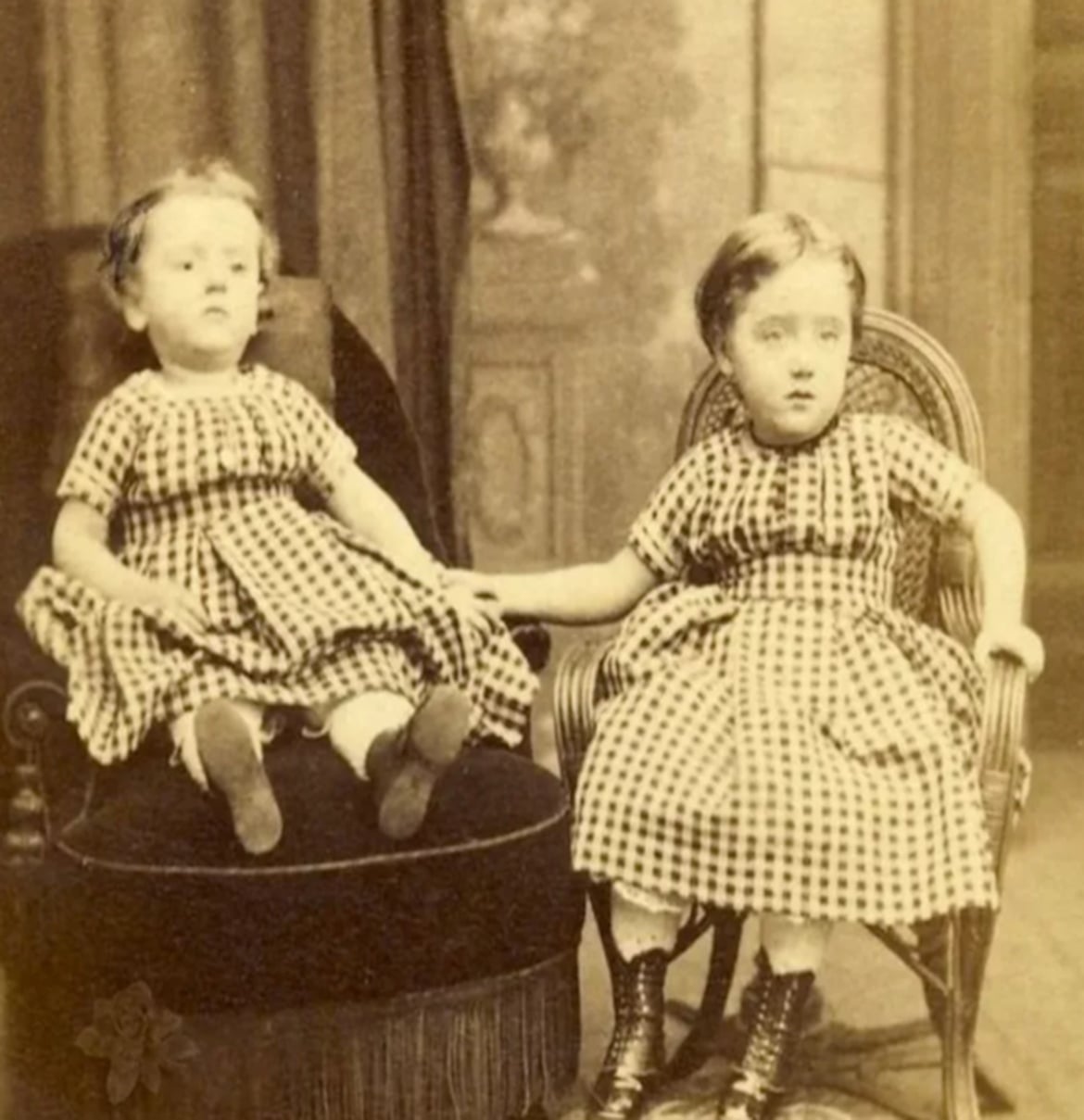
Photography offered Victorian families a way to preserve the faces of loved ones, even after death. Some commissioned postmortem portraits, particularly when no photograph had been taken during the person’s lifetime. These images could become treasured family keepsakes. However, the popular claim that every stiff-looking person in an old photograph was deceased is a modern misconception.
2. Spiritualists Held Séances to Contact the Dead
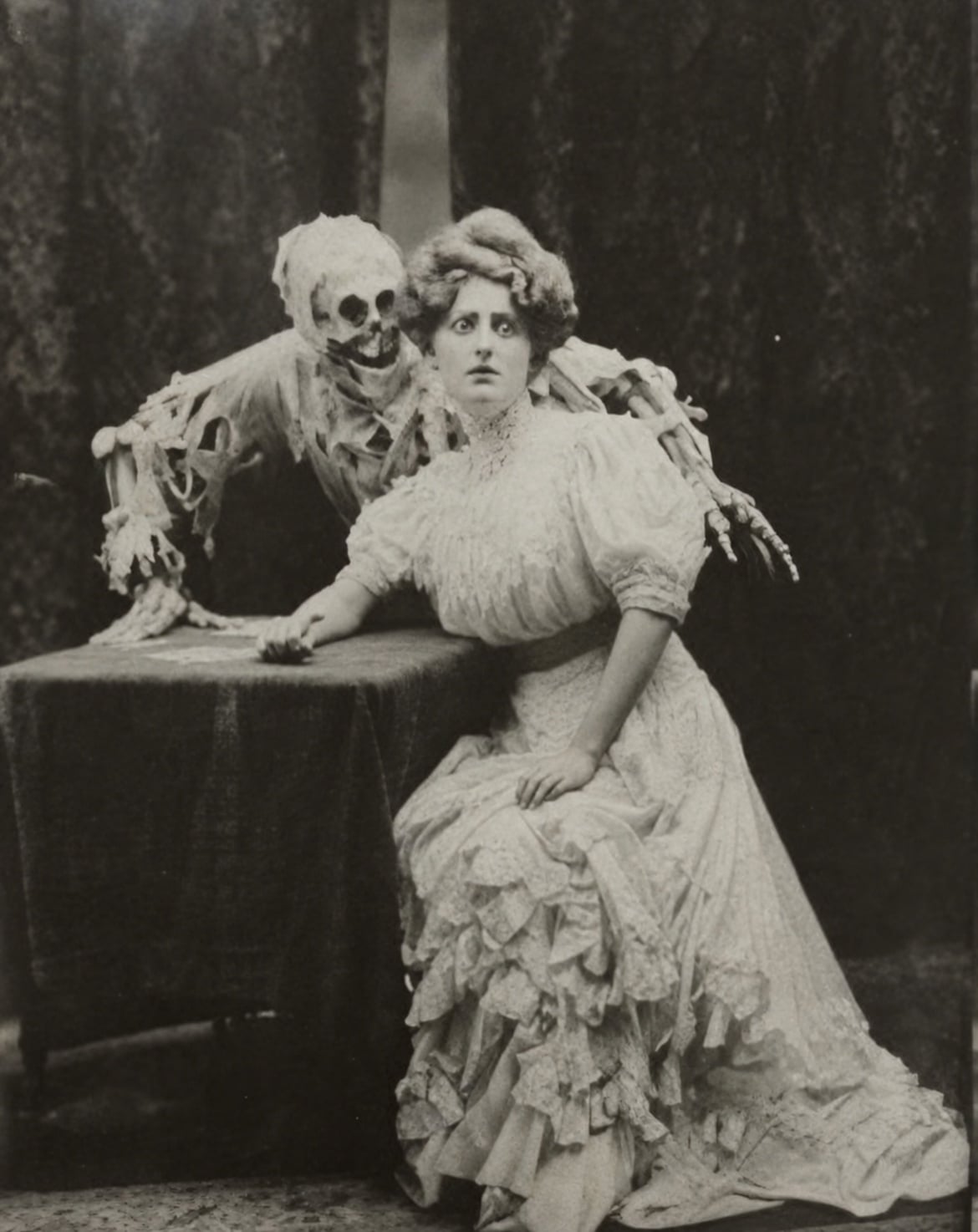
Imagine gathering around a table, dimming the lights, and waiting for a message from the spirit world. During the Victorian era, spiritualist séances attracted people hoping to communicate with deceased relatives. Mediums sometimes claimed to produce mysterious sounds, movements, or apparitions. While spiritualism had devoted followers, theatrical tricks and fraudulent demonstrations also became part of its history.
3. Tapeworm Diet Pills Became a Sensational Story
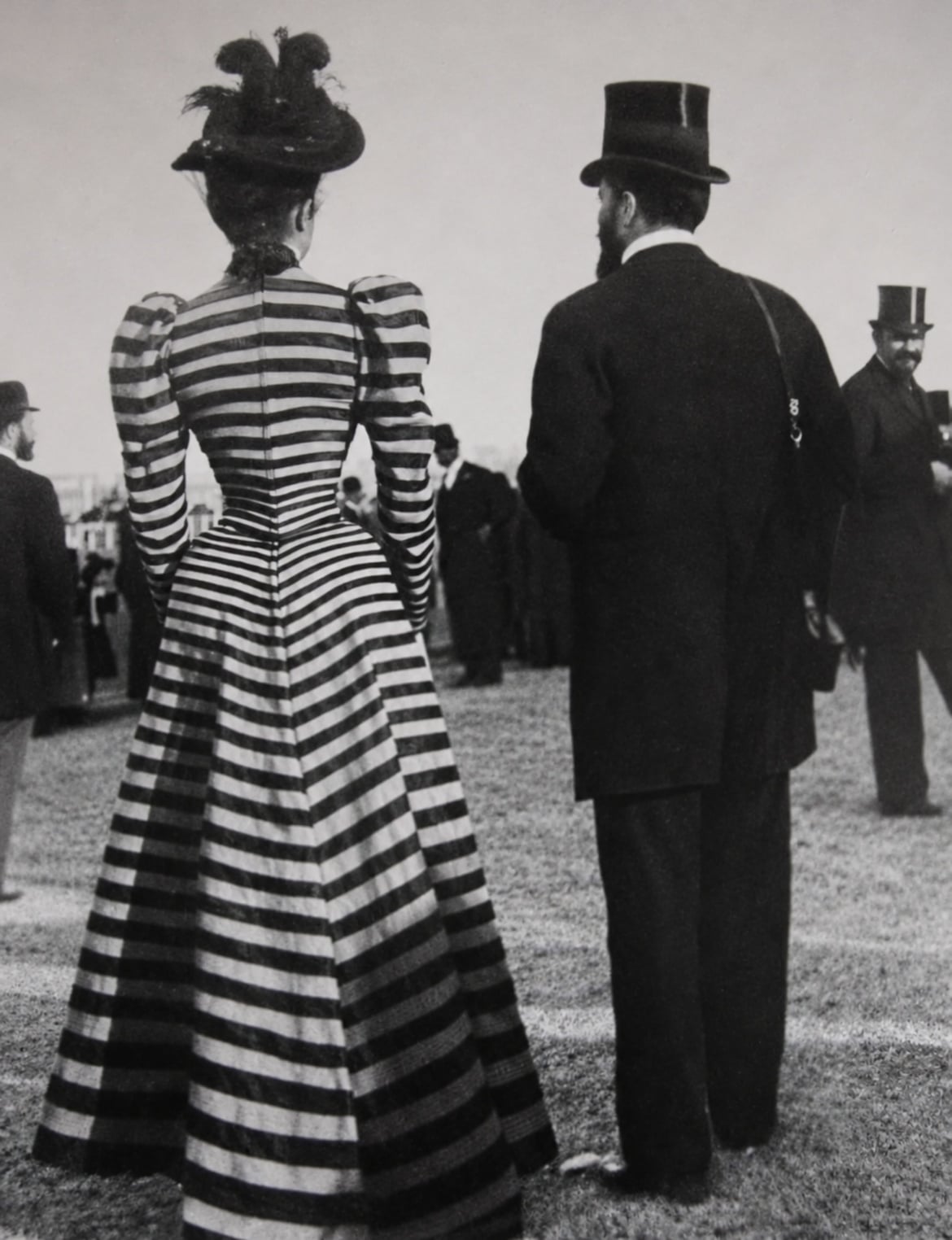
Swallowing a parasite to lose weight sounds like something from a Victorian nightmare. Stories about tapeworm diet pills have circulated for years, often alongside questionable advertisements. Yet reliable evidence that Victorian women commonly used such pills is lacking. The tale is a reminder that some of the era’s most shocking supposed beauty practices owe more to sensational storytelling than documented history.
4. Mummy Unwrappings Became Public Spectacles
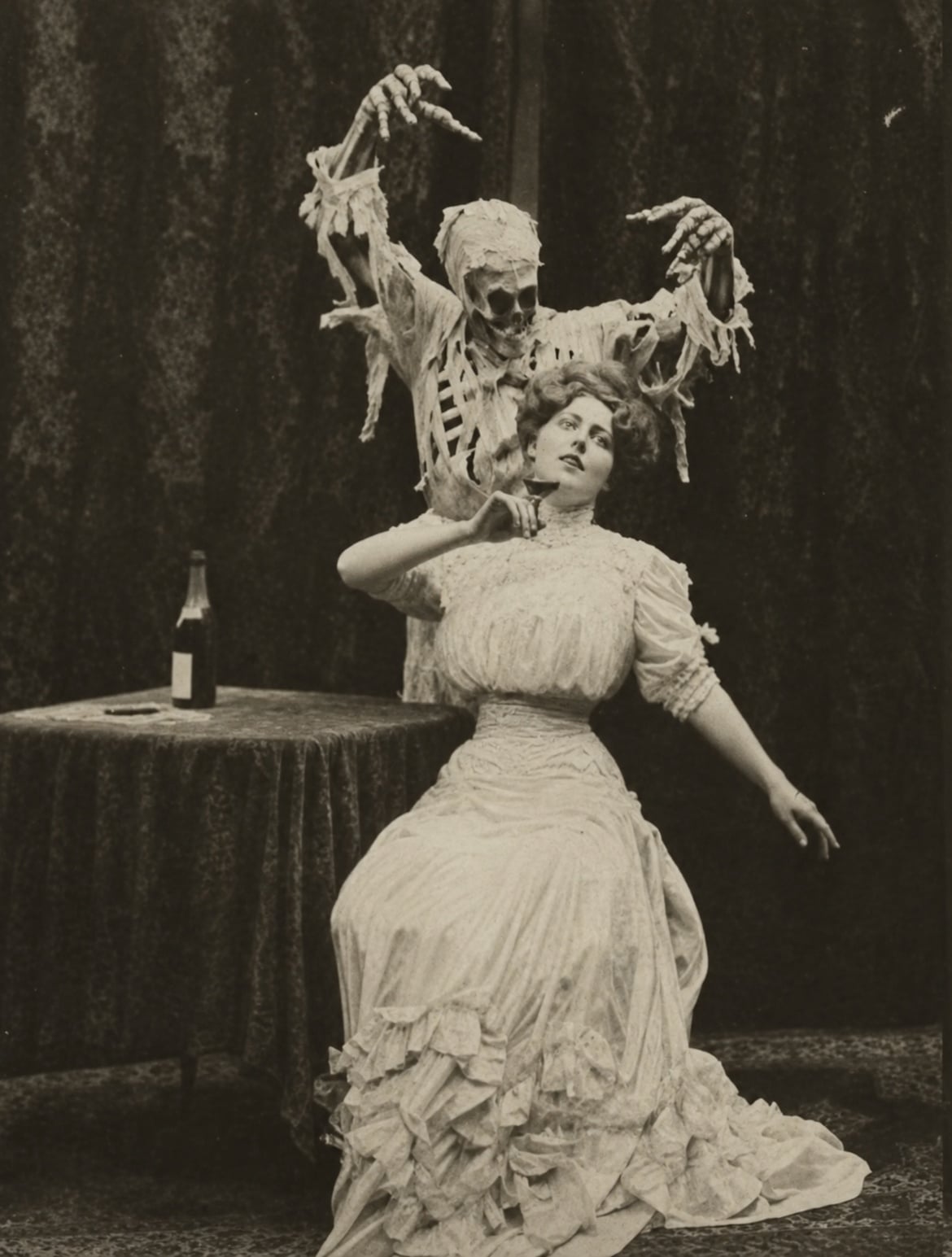
Ancient Egyptian mummies weren’t always treated with the respect expected in modern museums. In 19th-century Britain, public mummy-unwrapping demonstrations attracted audiences curious about Egyptian antiquities. Surgeon Thomas Pettigrew became particularly associated with these events. The spectacles reflected contemporary fascination with Egypt, although popular stories about Victorian guests eating mummies at parties distort the historical record.
5. Children Worked in Dangerous Industrial Jobs
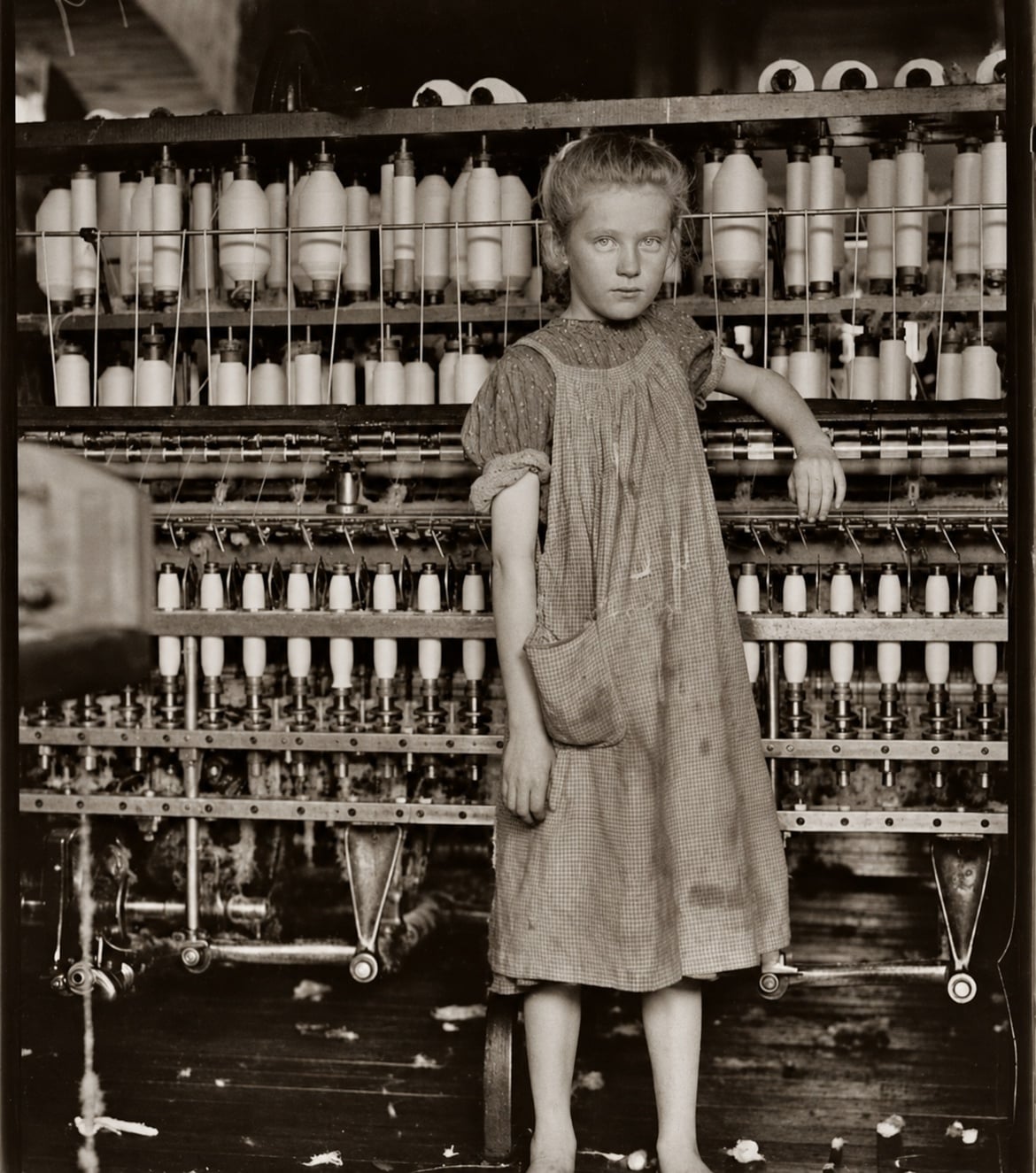
Not every Victorian childhood involved toys and schoolbooks. Many working-class children labored in factories, mines, and other demanding environments, sometimes around dangerous machinery. Industrial expansion created employment opportunities but also exposed young workers to serious risks. Reform campaigns and legislation gradually restricted child labor, although improvements were uneven and took decades.
Trending on The Scroller
6. Pale, Delicate Looks Were Fashionable in Some Circles
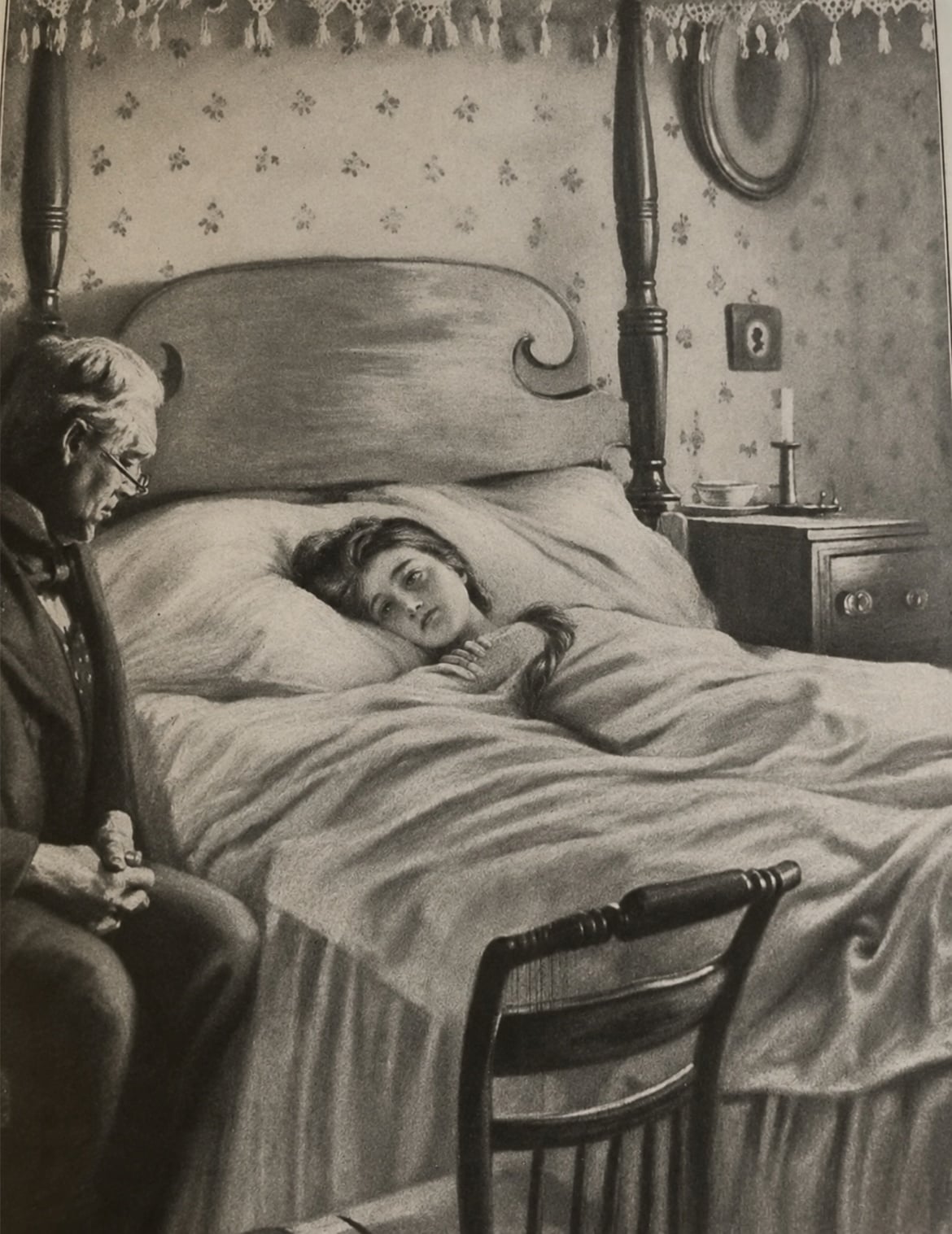
Could looking pale actually be fashionable? In certain Victorian social circles, a delicate complexion was associated with refinement and femininity. Portraits and beauty advice sometimes favored fair skin and a restrained appearance. Still, the idea that Victorian women universally tried to look seriously ill exaggerates a beauty ideal that varied by class, period, and personal taste.
7. Victorians Made Jewelry From Human Hair
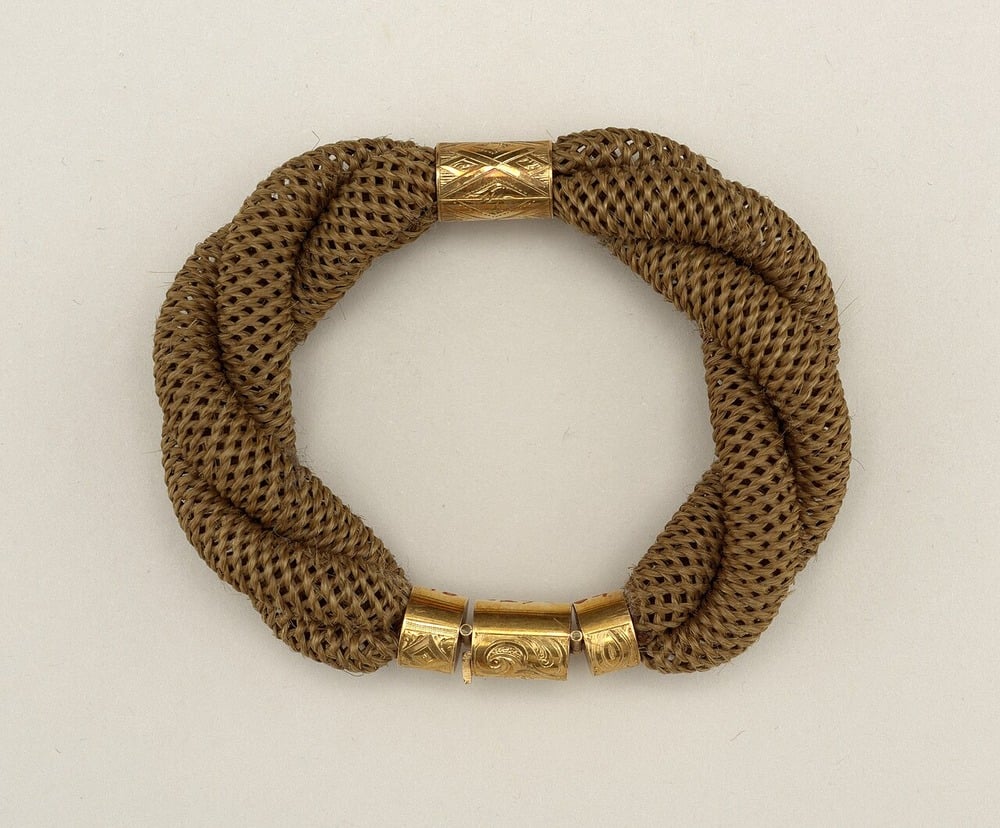
A bracelet woven from someone’s hair might seem unsettling today, but Victorian hairwork could carry deep sentimental meaning. Locks from living relatives or deceased loved ones were braided into bracelets, brooches, and other keepsakes. Some pieces commemorated mourning, while others celebrated affection and friendship. These intricate objects transformed something intensely personal into jewelry meant to last.
8. Some Victorian Wallpaper Contained Poisonous Arsenic
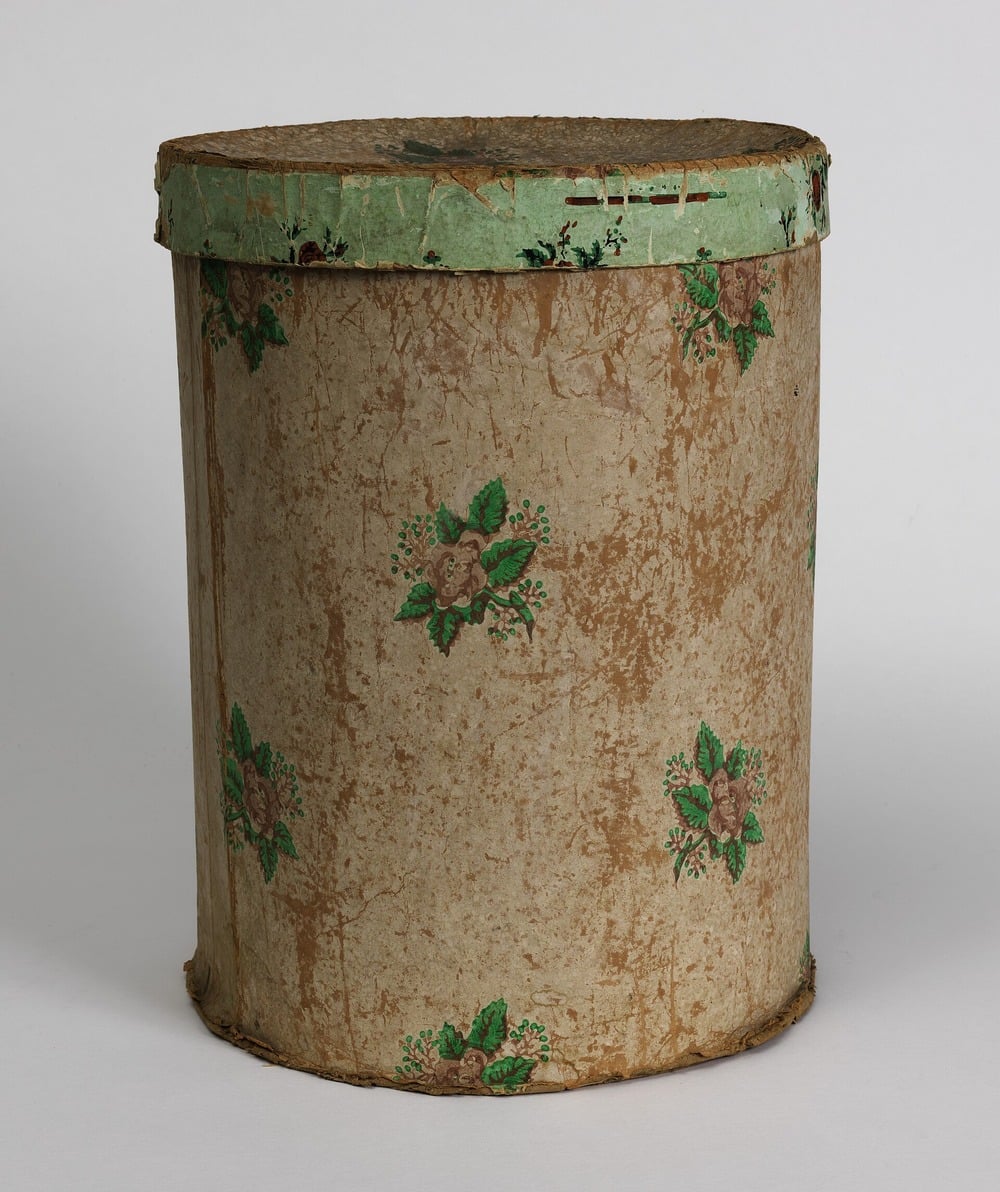
Beautiful green wallpaper could conceal a disturbing ingredient. Certain 19th-century pigments, including Scheele’s Green, contained arsenic and were used in decorative wallpapers and textiles. Concerns grew about the potential health risks associated with these materials, particularly in damp interiors. Not every green Victorian room was dangerous, but some fashionable decorations carried hazards that weren’t immediately visible.
Sign up for our newsletter
9. Mothers Hid Under Blankets for Baby Portraits
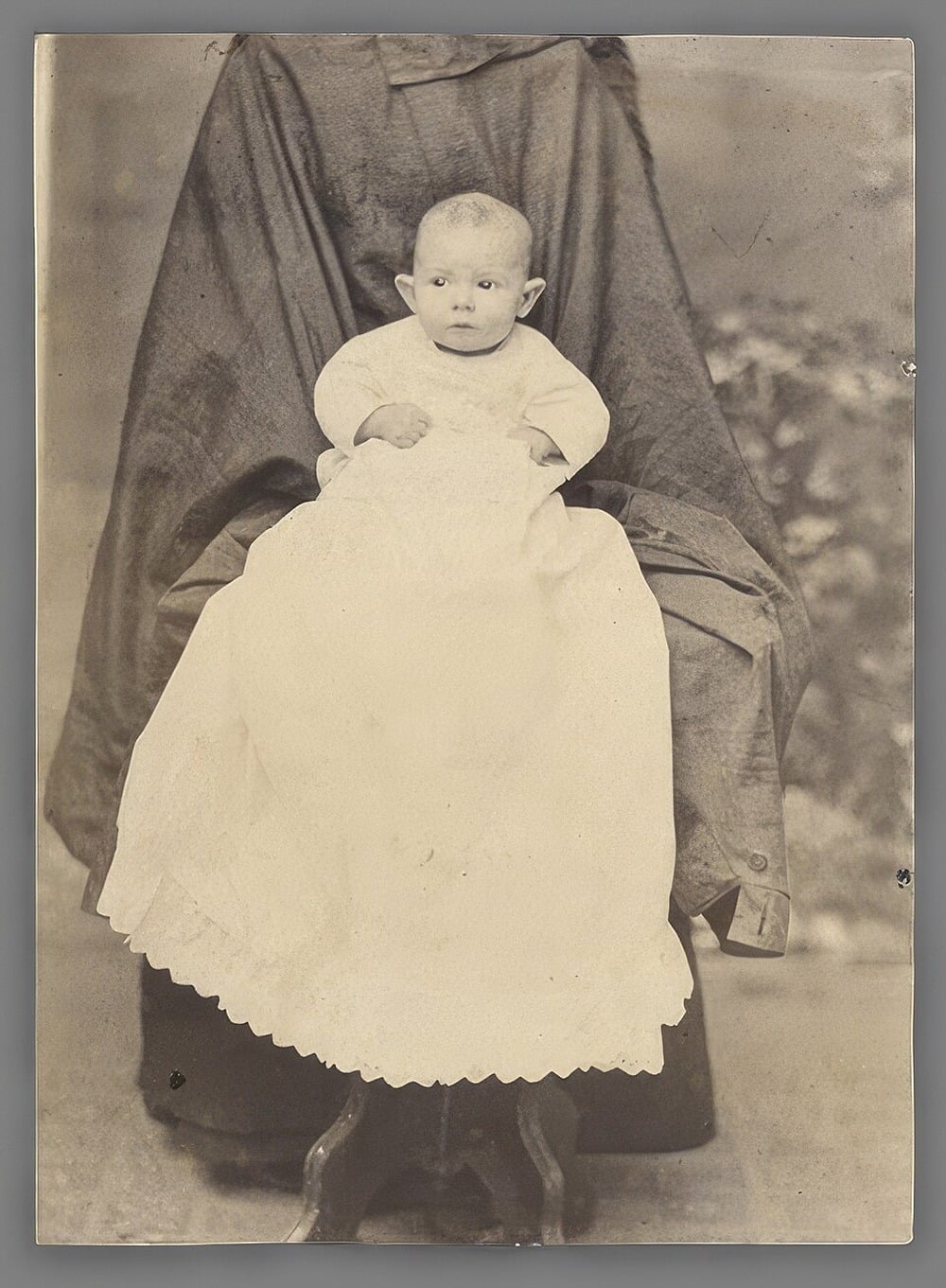
Look closely at certain Victorian baby photographs, and you might notice an oddly shaped chair or a mysterious draped figure. Sometimes that was the child’s mother, hidden beneath fabric while holding the baby steady for the camera. Early photographic exposures required patience, something infants weren’t famous for. The result was an unusual portrait style now known as hidden-mother photography.
10. Mourning Clothes Followed Strict Social Rules
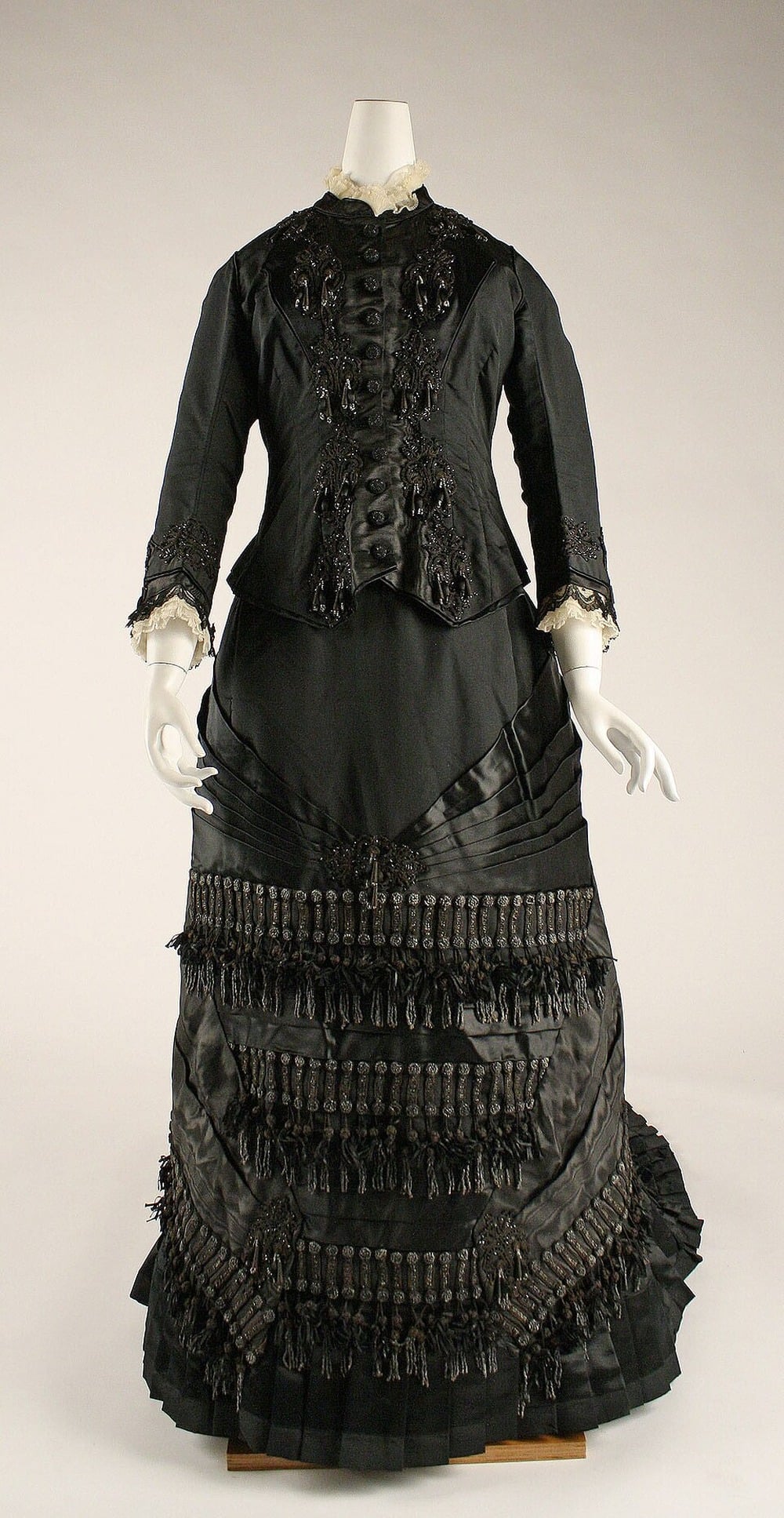
Victorian era facts reveal just how elaborate mourning etiquette could become. In some social circles, grieving families followed expectations about black clothing, crepe fabrics, jewelry, and the gradual return to lighter colors. Widows often faced especially demanding conventions. These customs varied by class and circumstance, but clothing could communicate grief long before anyone spoke a word.
11. Fashionable Hoop Skirts Could Catch Fire
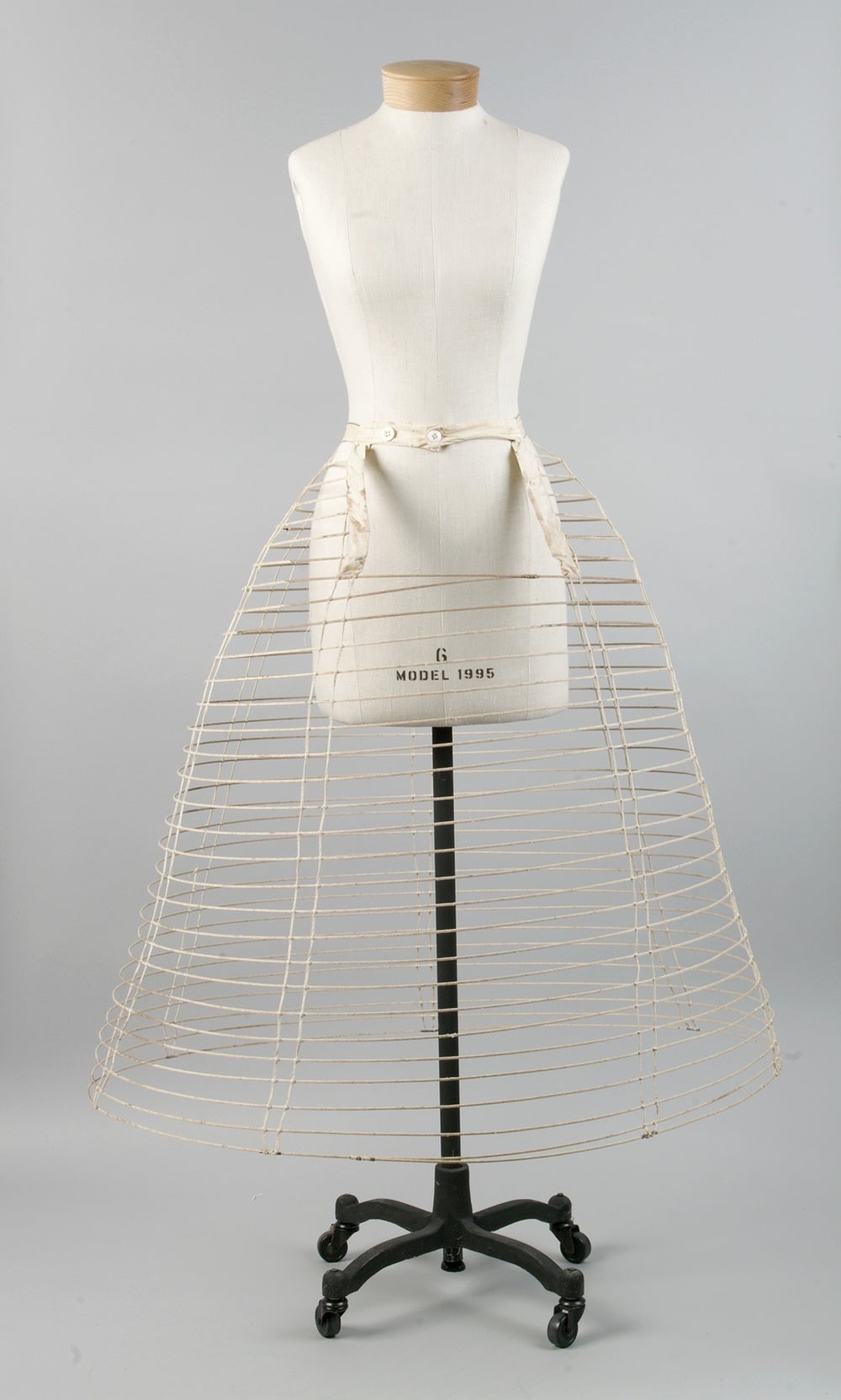
Those enormous Victorian skirts weren’t supported by endless layers of fabric alone. Cage crinolines used hoops to create fashionable silhouettes, giving dresses their dramatic shape. Unfortunately, wide skirts could be difficult to maneuver near furniture, crowded spaces, and open flames. When flammable fabrics caught fire, the consequences could be devastating. Fashion sometimes came with risks far beyond discomfort.
12. Electric Devices Were Sold as Miracle Cures
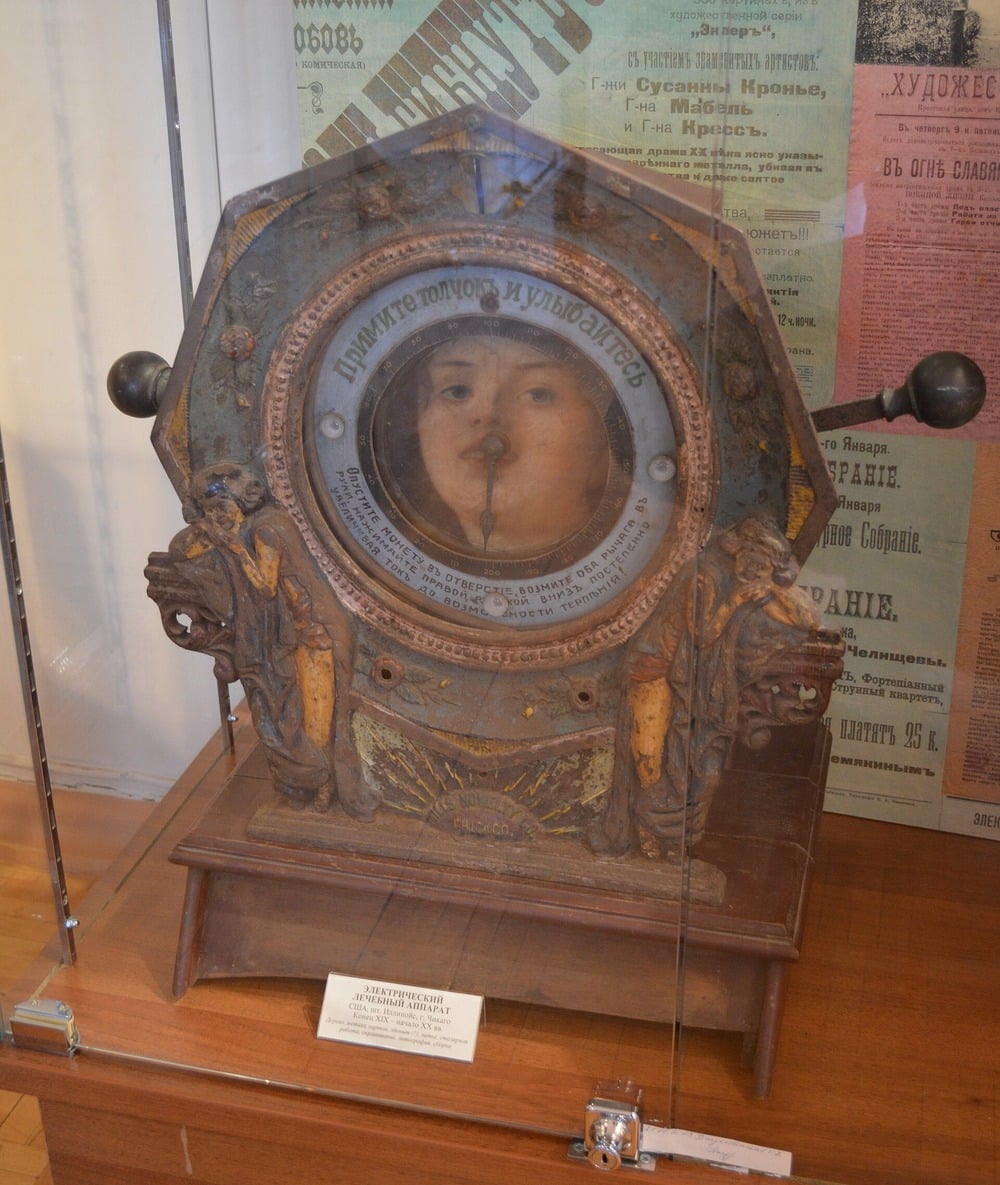
Electricity seemed full of possibilities in the 19th century, and medical entrepreneurs were quick to capitalize on the excitement. Portable electrical machines and wearable belts were marketed with promises of relief from various ailments. Some advertisements made claims far beyond what the devices could reliably deliver. Even then, skepticism existed, but the appeal of a seemingly miraculous new treatment was difficult to resist.
Victorian life was filled with customs shaped by changing technology, social expectations, and beliefs about health and death. Some practices were practical, others deeply sentimental, and a few genuinely hazardous. What makes them fascinating isn’t simply how strange they seem today, but the everyday concerns and desires behind them.
Keep Exploring The Scroller
History has a habit of hiding its strangest details in plain sight. From forgotten beauty trends to unusual traditions and inventions that seemed brilliant at the time, keep exploring The Scroller for more stories that make the past feel wonderfully unfamiliar:
15 Victorian Innovations That Look Primitive but Changed the World
13 of the Most Notorious Female Outlaws from the Victorian Era