

At the beginning of the 20th century, global life expectancy at birth was approximately 32 years. By 2023, it had reached 73 years. That represents an increase of more than four decades, driven by changes that transformed how people lived, ate, worked, gave birth, and received medical care. This dramatic improvement wasn’t the result of one miraculous discovery. Cleaner water, safer food, vaccines, antibiotics, better healthcare, and improvements in everyday living conditions all helped people survive dangers that once claimed millions of lives. These 17 developments explain how that transformation unfolded.
Clean Drinking Water Prevented Countless Deadly Infections

At the beginning of the 20th century, contaminated drinking water spread cholera, typhoid fever, and dysentery. As cities introduced filtration and disinfection systems, these infections became less common. In the United States, reported typhoid fever incidence fell from approximately 100 cases per 100,000 people in 1900 to 1.7 in 1950. Water treatment wasn’t the only factor, but it played a major role in preventing infectious diseases.
Modern Sewage Systems Made Crowded Cities Safer

Rapid urbanization once created dangerous conditions in neighborhoods without adequate sewage disposal. Human waste could contaminate drinking-water sources, while poor sanitation encouraged infectious diseases. During the 19th and 20th centuries, expanding sewer networks, improved wastewater management, and better municipal sanitation helped reduce these risks. It was an infrastructure improvement that rarely gets much attention, despite making cities significantly safer places to live.
Vaccines Made Once-Deadly Childhood Diseases Much Less Common
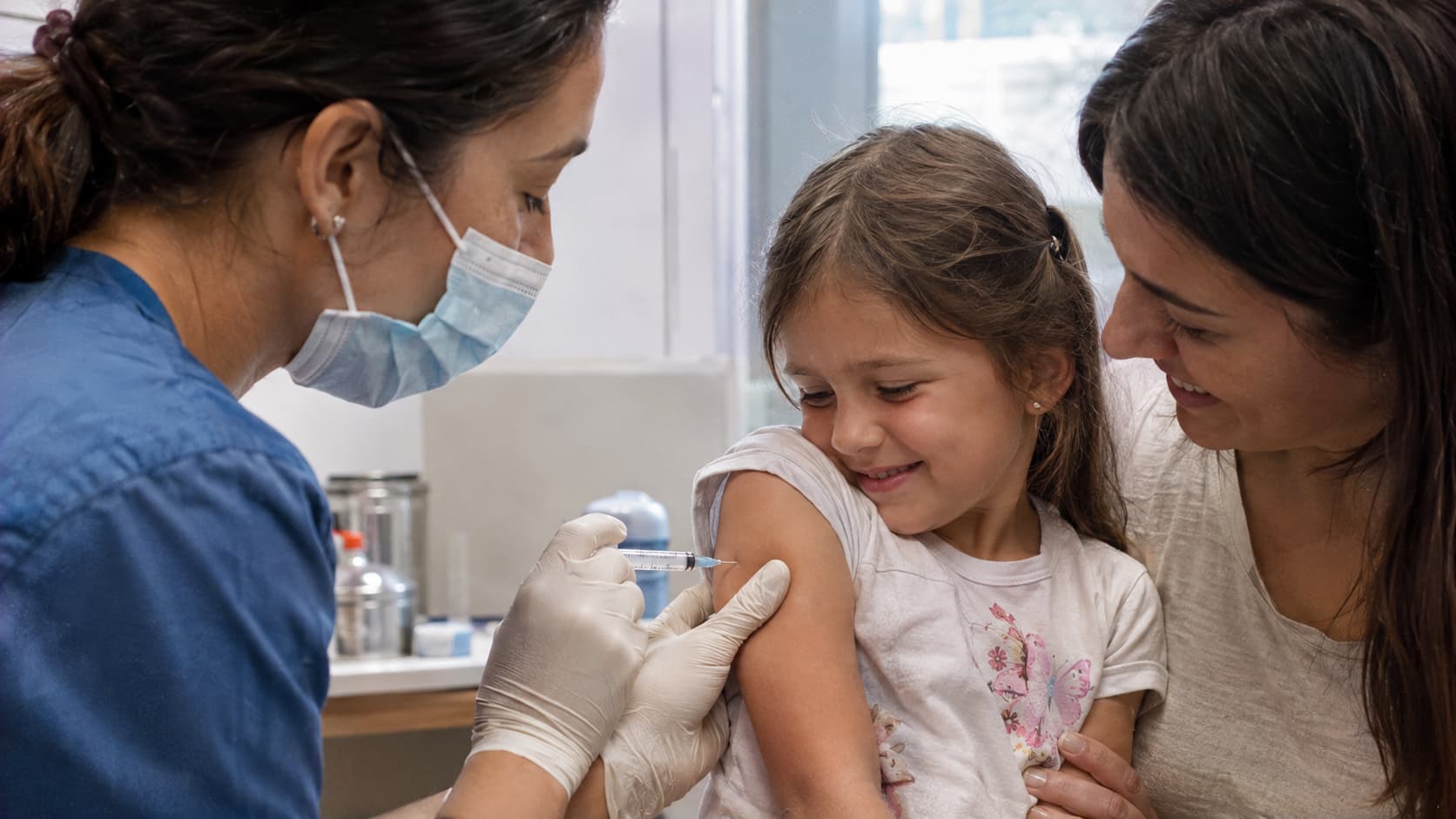
Before widespread vaccination, diphtheria, measles, polio, and whooping cough caused countless deaths and serious complications. Immunization programs dramatically reduced these illnesses, particularly during the second half of the 20th century. Smallpox vaccination ultimately led to the disease’s global eradication, officially declared in 1980. The CDC recognized vaccination as one of the century’s greatest public-health achievements, especially because it prevented illnesses before they could take hold.
Antibiotics Made Common Bacterial Infections Treatable
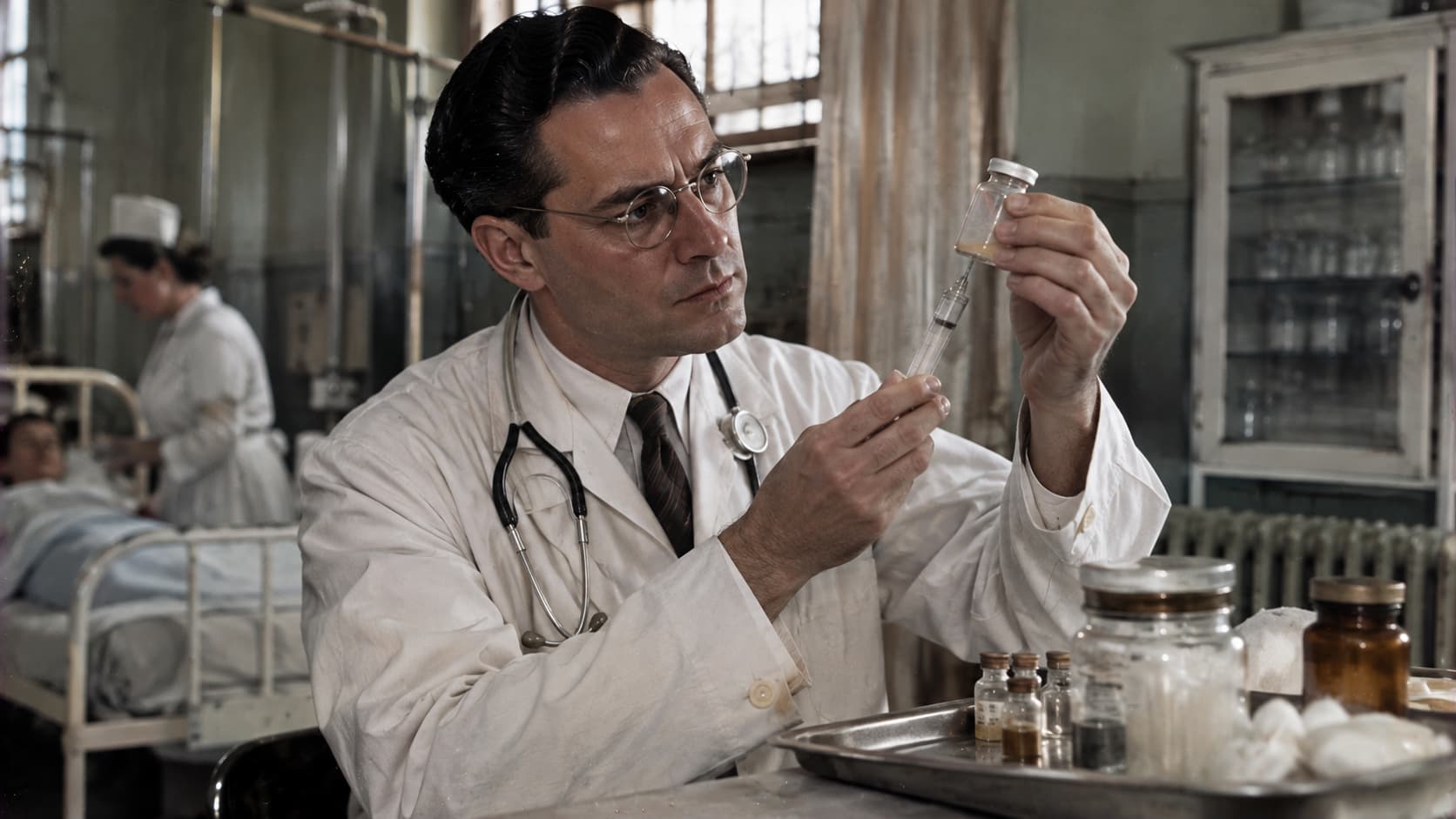
Before effective antibiotics, bacterial pneumonia, infected wounds, and complications following childbirth could become fatal. Penicillin entered widespread medical use during the 1940s, followed by other antibiotics that transformed infection treatment. These drugs also made many surgical procedures safer by helping prevent and treat postoperative infections. Antibiotics remain essential, although growing antimicrobial resistance threatens their effectiveness, a reminder that some medical breakthroughs require ongoing protection.
Milk Pasteurization Reduced Dangerous Foodborne Infections

Milk was once a significant source of infectious diseases, including tuberculosis caused by Mycobacterium bovis and illnesses associated with other harmful microorganisms. Pasteurization reduced these dangers by heating milk under controlled conditions to destroy disease-causing organisms. During the early 20th century, American cities increasingly adopted milk sanitation requirements. Refrigeration and improvements in dairy production strengthened food safety, making a basic grocery staple considerably less risky.
Trending on The Scroller


Refrigeration Helped Prevent Food Spoilage and Illness

Before modern refrigeration became widespread, keeping meat, milk, and other perishable foods safe required considerable effort. Iceboxes, preservation techniques, and frequent shopping offered partial solutions, but refrigerators made dependable cold storage much more practical. Refrigerated transportation and commercial storage also protected food throughout the supply chain. Keeping leftovers in the fridge may seem routine today, but slowing the growth of harmful microorganisms made everyday meals safer.
Food Fortification Prevented Serious Nutritional Deficiencies

During the early 20th century, vitamin and mineral deficiencies were major health concerns in parts of the USA. Iodine deficiency contributed to goiter, niacin deficiency caused pellagra, and inadequate vitamin D contributed to rickets. Researchers identified the causes, leading to measures such as iodized salt, enriched flour, and vitamin D-fortified milk. These programs, alongside improved diets, greatly reduced several deficiencies that once caused widespread illness.
Far Fewer Babies Died Before Their First Birthday

One of the biggest reasons life expectancy increased was the dramatic reduction in infant mortality. In the USA, approximately 100 out of every 1,000 babies born alive in 1900 died before their first birthday. By 1997, that figure had fallen to 7.2 per 1,000. Better nutrition, sanitation, vaccination, maternal healthcare, and medical treatment all contributed. Saving lives during the earliest stages of life had a particularly large effect on life expectancy at birth.
Sign up for our newsletter
Pregnancy and Childbirth Became Much Safer
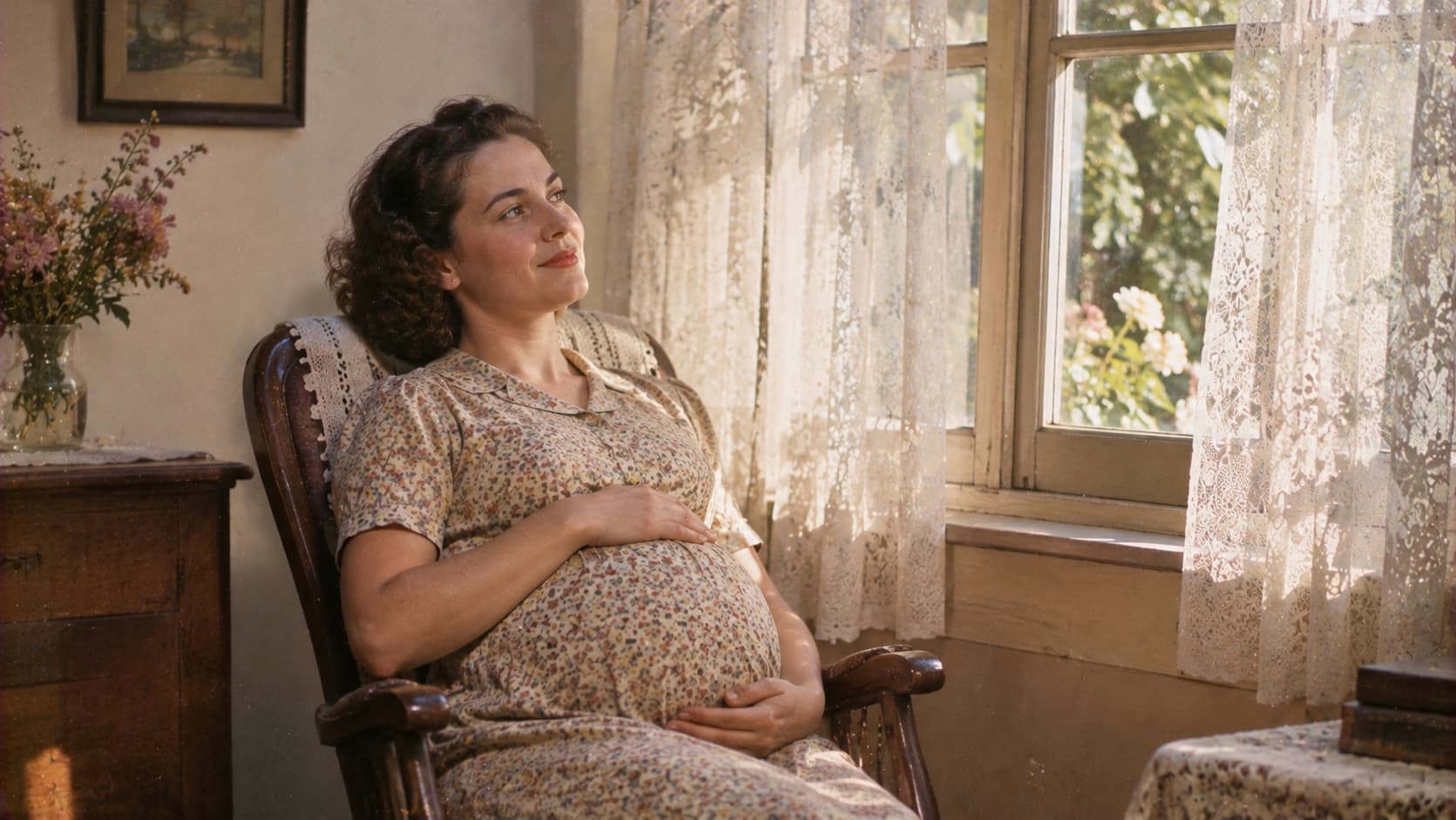
At the beginning of the 20th century, complications during pregnancy and childbirth claimed the lives of many mothers. In the USA, approximately six to nine women died from maternal causes for every 1,000 live births around 1900. By 1997, the rate had fallen to 7.7 deaths per 100,000 live births. Improvements in obstetric care, infection control, blood transfusions, surgery, and healthcare access contributed to this extraordinary reduction.
Family Planning Reduced Risks Associated With Repeated Pregnancies

Access to contraception and reproductive healthcare made it easier for people to choose when to have children and how far apart to space pregnancies. During the 20th century, family planning services expanded alongside more effective contraceptive methods. Longer intervals between births and fewer unintended pregnancies can reduce certain maternal and infant health risks. These changes also gave women greater opportunities to participate in education and employment.
Oral Rehydration Therapy Saved Children From Deadly Dehydration

Severe diarrhea can become fatal when the body loses too much water and essential salts. During the second half of the 20th century, oral rehydration therapy became an important treatment, using a carefully balanced mixture of water, glucose, and electrolytes. It doesn’t necessarily eliminate the infection, but it can prevent dehydration responsible for many deaths. The WHO continues to recommend oral rehydration salts, particularly for children.
Malaria Prevention Saved Millions of Lives

Malaria has killed enormous numbers of people throughout history, particularly in tropical and subtropical regions. Mosquito-control programs, insecticide-treated bed nets, improved diagnosis, and effective antimalarial medicines have helped reduce its impact. According to the WHO’s World Malaria Report 2025, malaria control efforts prevented an estimated 14 million deaths worldwide between 2000 and 2024. Progress remains uneven, with drug resistance and limited healthcare access continuing to create challenges.
HIV Treatments Turned a Frequently Fatal Infection Into a Manageable Condition

When HIV/AIDS emerged during the early 1980s, effective long-term treatment was unavailable, and many people developed severe complications that led to premature death. The introduction of combination antiretroviral therapy in the mid-1990s dramatically improved survival prospects. Modern treatment suppresses the virus, reduces the risk of opportunistic infections, and allows many people living with HIV to enjoy long, healthy lives, although the disease remains a serious global health concern.
Smoking Declined as Its Health Risks Became Better Understood

Cigarette smoking was once widely accepted in workplaces, restaurants, and other public spaces. Research increasingly linked tobacco use to lung cancer, heart disease, stroke, and other serious illnesses. The 1964 U.S. Surgeon General’s report became a major turning point in public awareness. Campaigns, advertising restrictions, smoke-free policies, and other measures subsequently helped reduce smoking, lowering exposure to tobacco and the risk of premature death.
Heart Disease Became Easier to Prevent and Treat

As more people survived infectious diseases and lived into adulthood, cardiovascular disease became an increasingly important public-health concern. Better blood-pressure management, cholesterol treatment, smoking prevention, and medical care helped reduce its toll. According to the CDC, age-adjusted cardiovascular death rates in the USA declined approximately 60% between 1950 and 1996. Emergency treatment and cardiac procedures also improved survival for people with conditions that once carried greater risks.
Road Travel Became Safer Despite the Growth of Automobile Use

Automobiles created a major new source of injuries and deaths during the 20th century, but safety improvements gradually reduced the danger. Seat belts, airbags, safer vehicle structures, child restraints, improved roads, and efforts to reduce impaired driving all contributed. The CDC reported that the U.S. motor-vehicle death rate fell from approximately 18 deaths per 100 million vehicle miles traveled in 1925 to 1.7 in 1997, a reduction of about 90%.
Workplaces Became Far Less Dangerous

At the beginning of the 20th century, mining, construction, manufacturing, and transportation frequently exposed workers to fatal injuries and hazardous conditions. Safety regulations, protective equipment, improved machinery, and occupational-health research gradually reduced those risks. According to historical data cited by the CDC, deaths from unintentional work-related injuries declined from 37 per 100,000 workers in 1933 to approximately four per 100,000 in 1997. Earning a living became considerably less likely to end in a fatal accident.