The outbreak of the First World War forced global militaries to rapidly invent completely new weapons just to survive the grueling reality of trench warfare. As generals desperately searched for any tactical advantage across the devastated European landscape, engineers began proposing concepts that sounded more like bizarre medieval fantasies than modern military strategies.
While many of these experimental prototypes thankfully never made it past the initial drawing board, a shocking number of these eccentric contraptions were actually manufactured and deployed directly to the muddy front lines. Exhausted soldiers suddenly found themselves wielding spiked clubs, firing jury-rigged explosive tins, and operating massive artillery pieces that completely defied traditional physics. Exploring these forgotten wartime inventions reveals just how chaotic and experimental the early days of modern combat truly were. Here are twelve strange battlefield innovations that actually saw active service.
1. The Macadam shield shovel
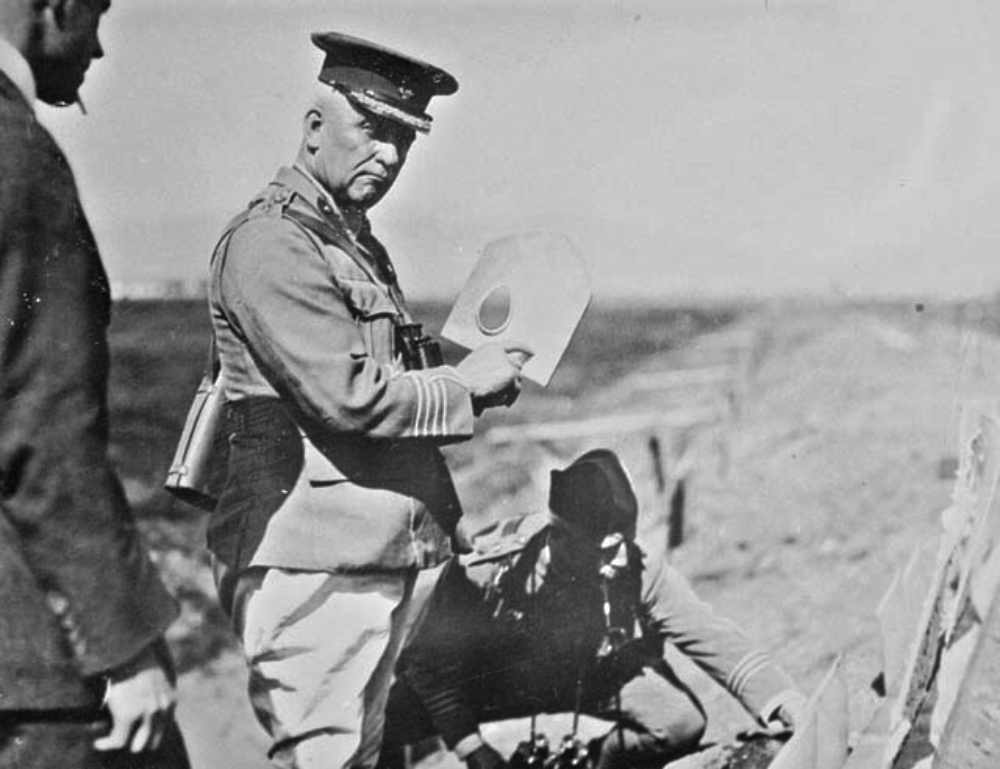
Patented in 1913 by Canadian Sam Hughes, this bizarre dual-purpose tool featured a heavy metal spade blade with a distinct hole punched straight through the center. The inventor intended for soldiers to aggressively dig a trench and then stick the shovel in the dirt to use it as a bulletproof sniper shield. The concept failed miserably in combat because the thin metal was too weak to stop incoming rifle fire, and the viewing hole made shoveling dirt nearly impossible.
2. Aerial flechettes
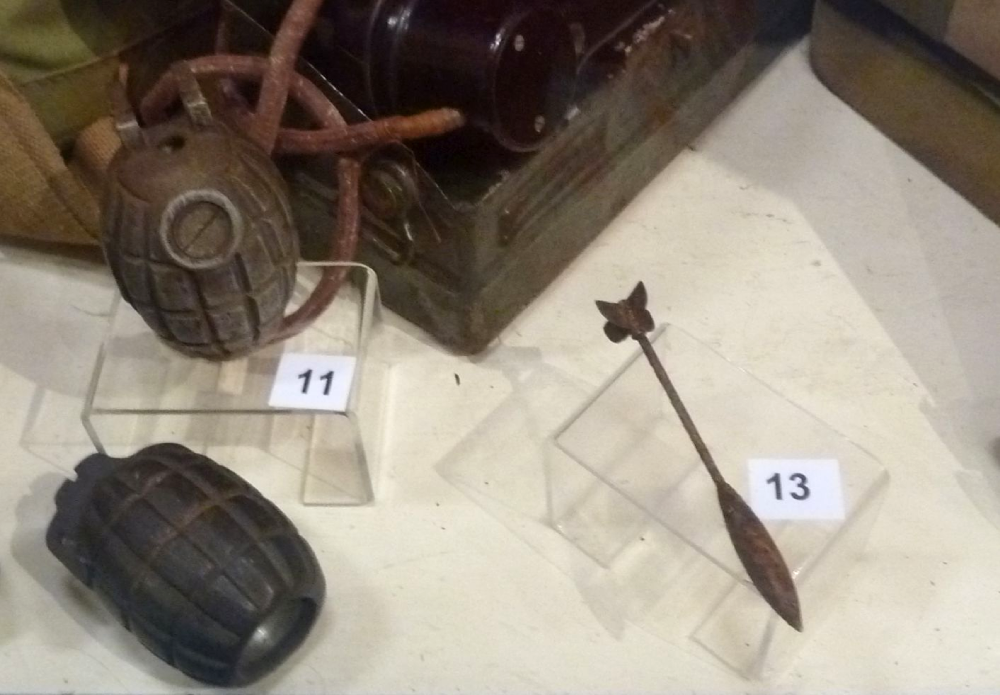
Before militaries figured out how to safely mount machine guns to biplanes in 1914, French aviators dropped massive boxes of aerodynamic steel darts directly over enemy formations. These five-inch pointed projectiles fell silently from the sky and gathered enough terminal velocity to punch cleanly through solid steel helmets. While terrifying to troops caught in the open, they were highly inaccurate and eventually replaced by traditional explosive bombs.
3. The Sauterelle crossbow
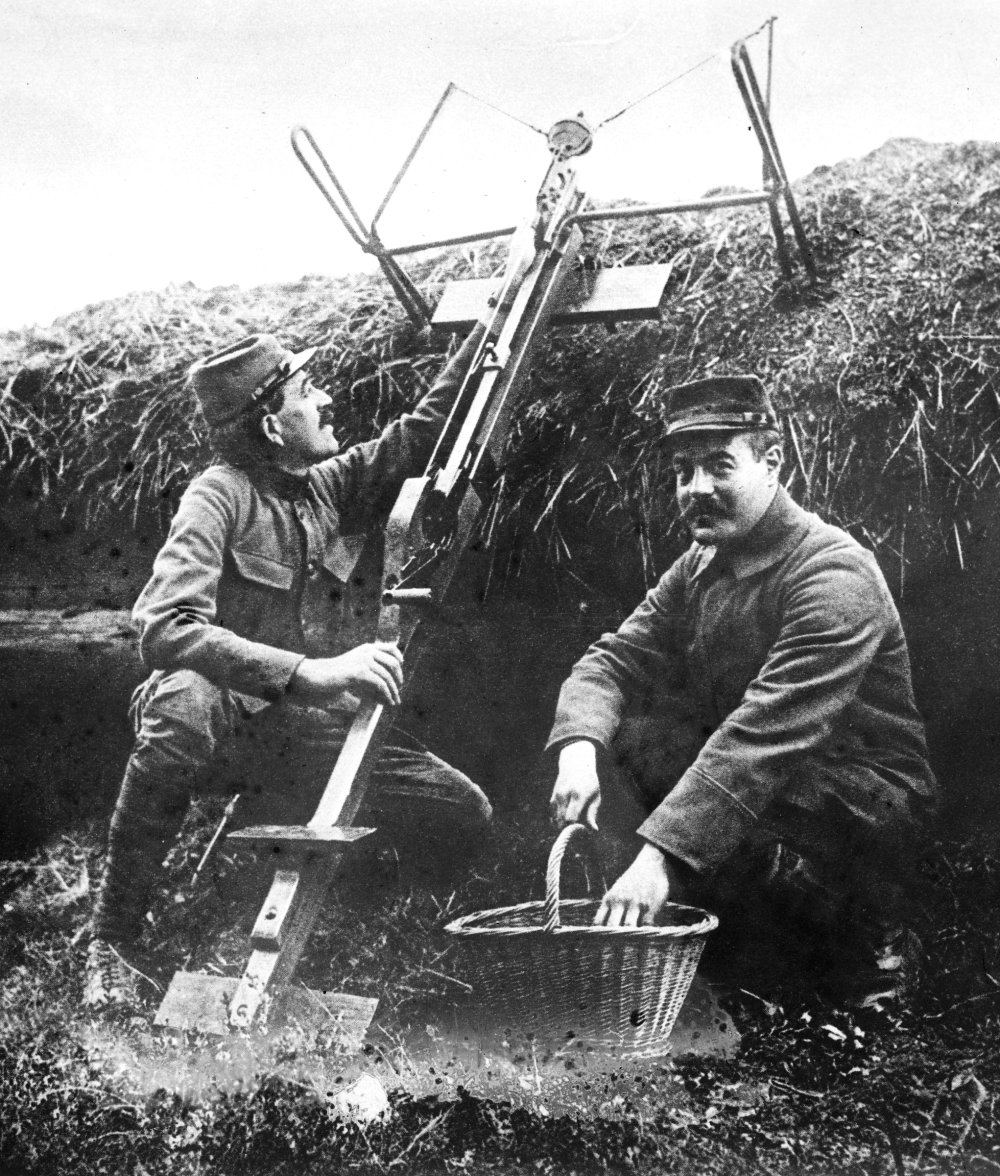
Invented by French commander Elie André Broca in 1915, this massive mechanical crossbow was specifically designed to fling heavy explosives into neighboring trenches without exposing the operator to sniper fire. Looking exactly like a medieval siege engine, the heavy steel leaf spring mechanism could accurately lob a fragmentation grenade over four hundred feet. Both the French and British armies relied heavily on this silent contraption until specialized mortar tubes finally became widely available.
4. The periscope rifle
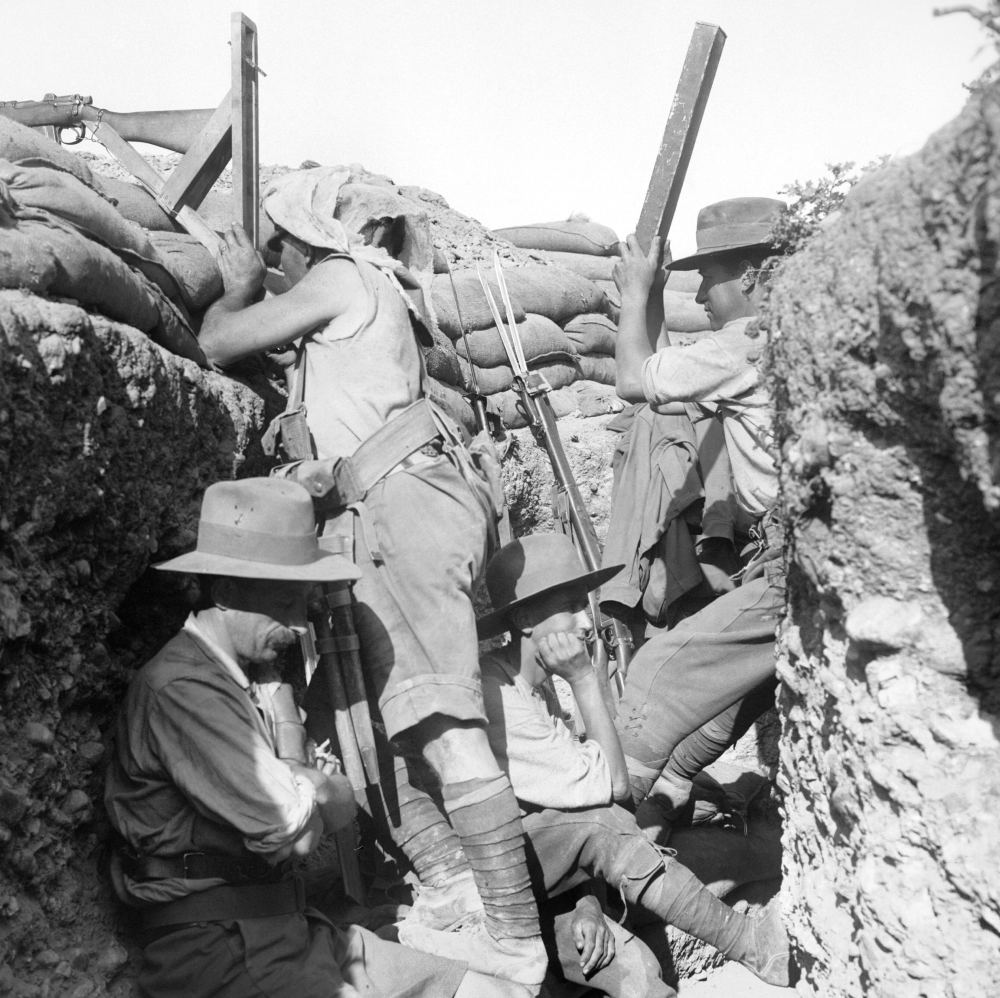
Australian Lance Corporal William Beech invented this brilliant battlefield modification at Gallipoli in 1915 after watching his fellow soldiers suffer devastating sniper casualties. By combining a wooden framework with angled mirrors, he allowed troops to safely aim and fire their standard Lee-Enfield rifles while staying completely concealed below the trench line. The improvised wooden contraption was so effective that the British military quickly began manufacturing official factory versions for widespread distribution.
5. Jam tin grenades
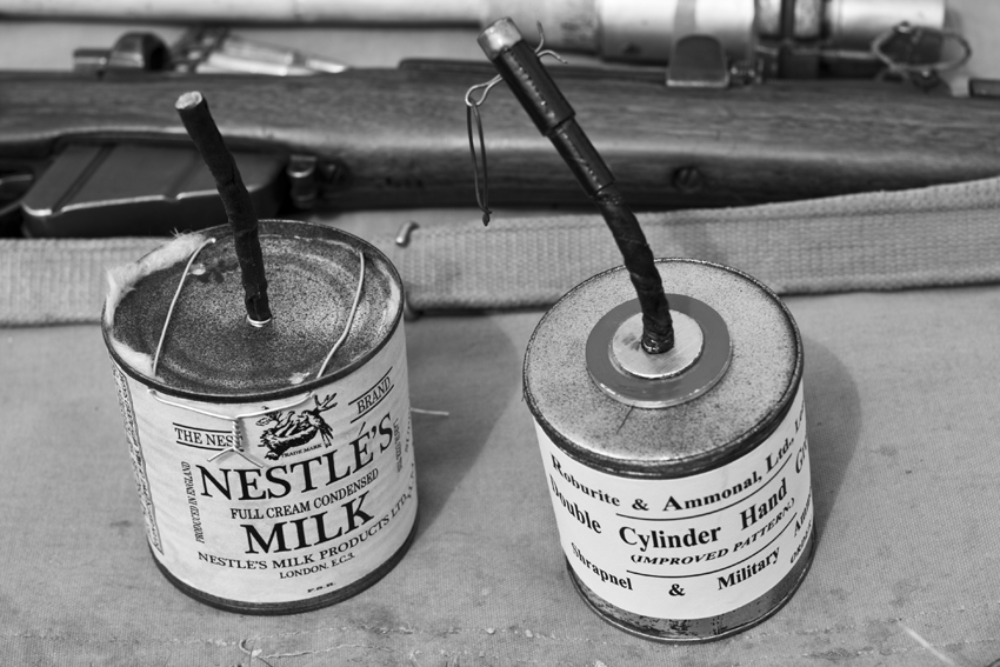
Facing a massive shortage of manufactured explosives in 1915, desperate British and ANZAC forces literally began packing empty fruit and ration tins with raw guncotton. Soldiers carefully layered the bottom of the cans with shrapnel, nails, and scrap metal before inserting a crude friction fuse into the lid. These highly unstable homemade bombs saved countless lives during close-quarters combat but frequently detonated prematurely in the thrower’s hands.
Trending on The Scroller


6. The Villar-Perosa submachine gun
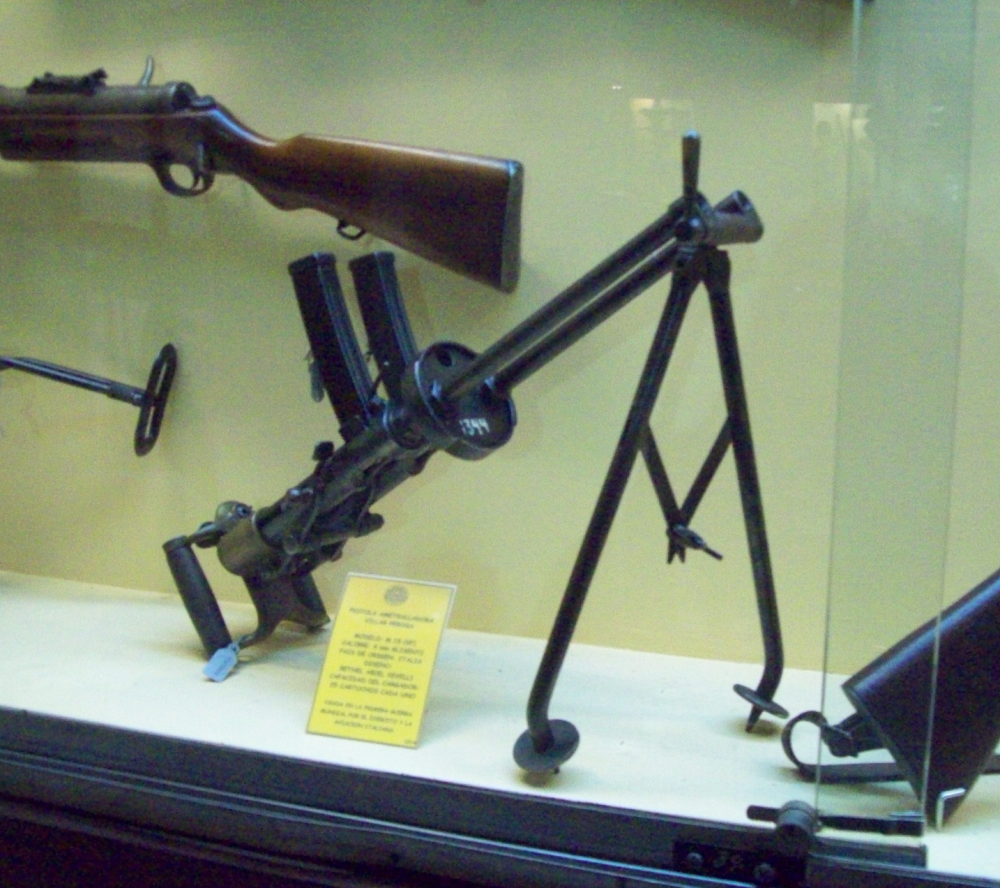
Italian Major Bethel Abiel Revelli designed this bizarre twin-barrel weapon in 1915 originally to be mounted on small military aircraft. Because it fired tiny 9mm pistol rounds at an absurdly high rate of three thousand rounds per minute, it proved completely useless in aerial dogfights against metal planes. However, the Italian military cleverly repurposed the lightweight contraption for ground troops, accidentally creating the world’s very first true submachine gun for trench clearing.
7. The Welsh Gauntlet dagger
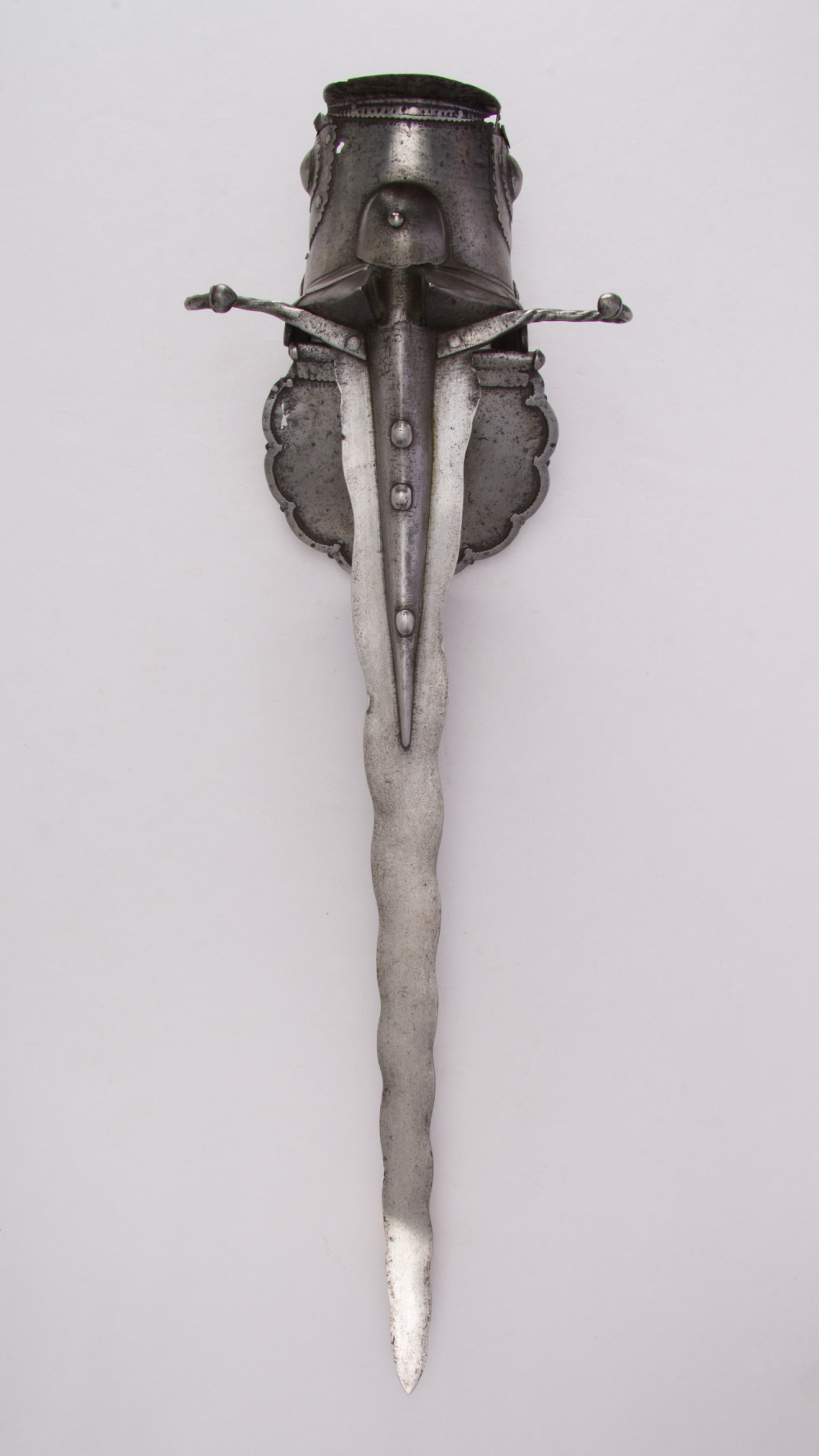
Designed by sculptor Felix Joubert in 1916, this intimidating melee tool was issued primarily to the Royal Welch Fusiliers for stealthy nighttime raids. The weapon featured a sharp folding blade directly attached to a heavy circular hand guard, allowing soldiers to aggressively punch and stab their opponents in complete silence. Its distinct mechanical design was heavily inspired by the protective armored gloves worn by knights during the Renaissance.
8. Le Prieur rockets
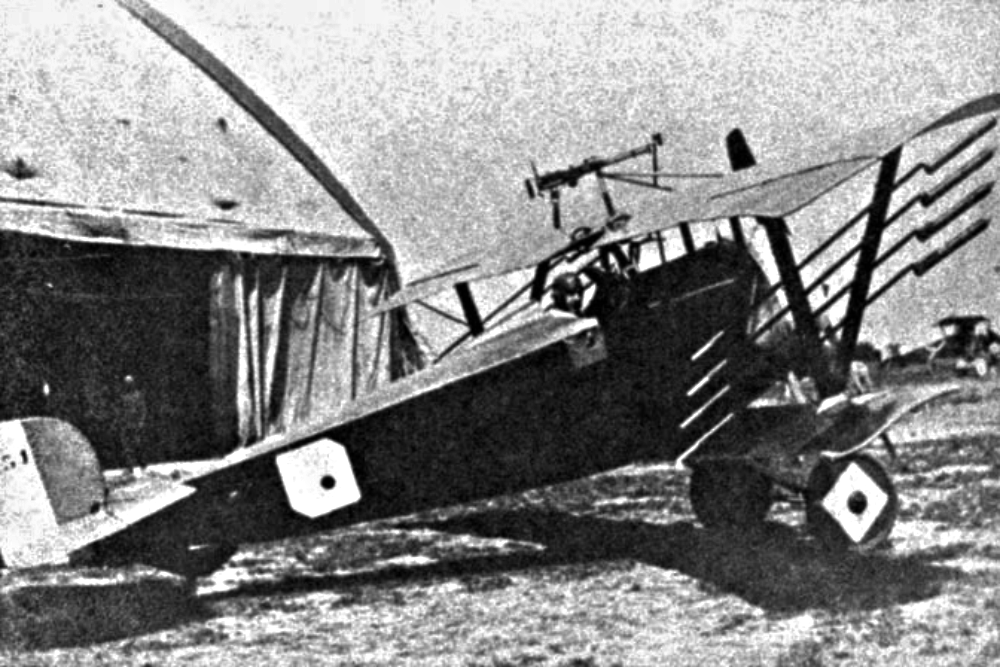
In 1916, French Lieutenant Yves Le Prieur developed large, solid-fuel incendiary rockets that were electrically fired from cardboard tubes attached to the wooden struts of Nieuport biplanes. The sole purpose of these highly inaccurate projectiles was to completely incinerate heavily guarded German observation balloons floating high above the battlefield. Pilots had to dive aggressively within a few hundred feet of the highly flammable targets just to guarantee a successful rocket strike.
Sign up for our newsletter
9. The Livens projector
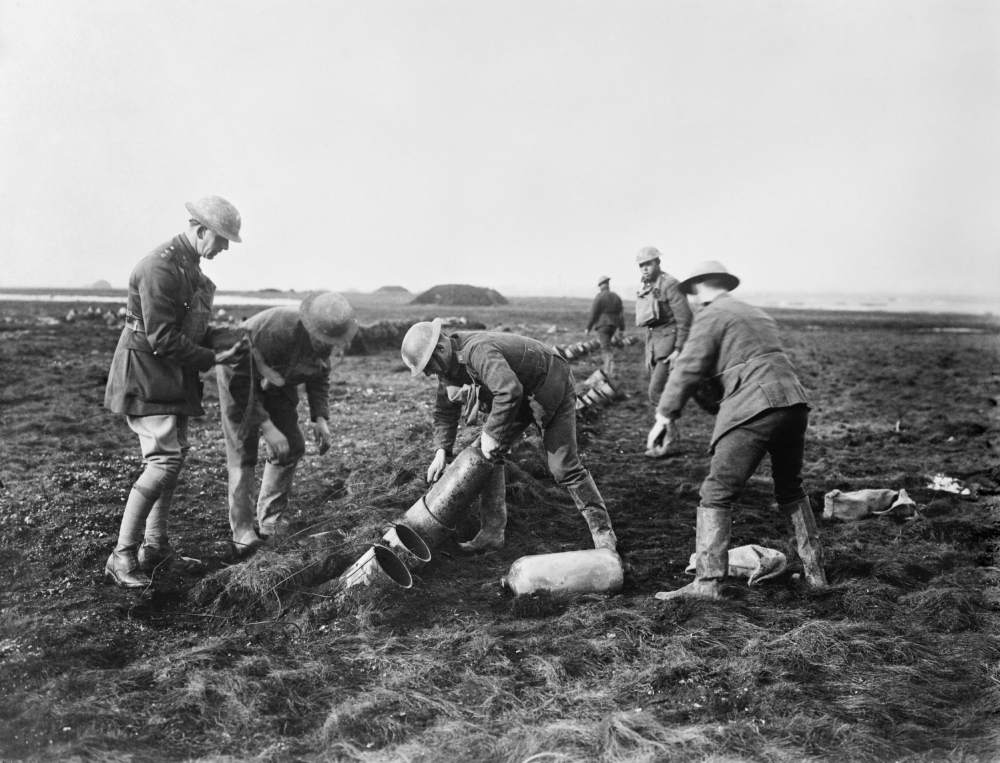
Captain William Livens revolutionized chemical warfare in 1916 by designing a simple steel tube that could be buried directly into the mud at a strict forty-five-degree angle. Rather than relying on unpredictable winds to carry poisonous gas across the battlefield, engineers could wire hundreds of these buried projectors together to simultaneously launch massive drums of deadly phosgene gas. The sudden, silent aerial bombardment successfully bypassed enemy gas masks by delivering fatal concentrations instantly upon impact.
10. The Chauchat machine gun
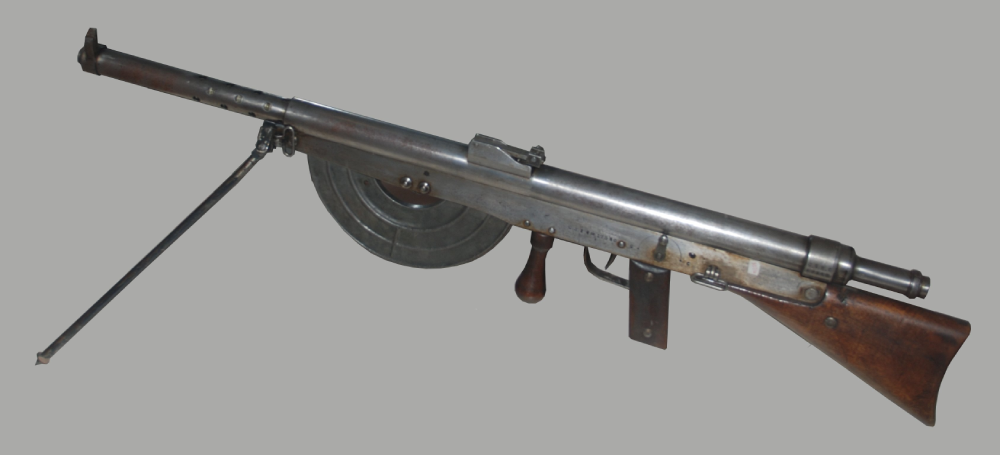
The French CSRG model of 1915 is widely regarded by military historians as one of the absolute worst firearms ever successfully mass-produced. To keep the manufacturing cheap and lightweight, designers included a bizarre crescent-shaped magazine with completely open sides so the gunner could see their remaining ammunition. Unsurprisingly, the muddy environment of the Western Front instantly jammed the exposed magazine, leaving thousands of furious soldiers completely defenseless during major assaults.
11. The Paris gun
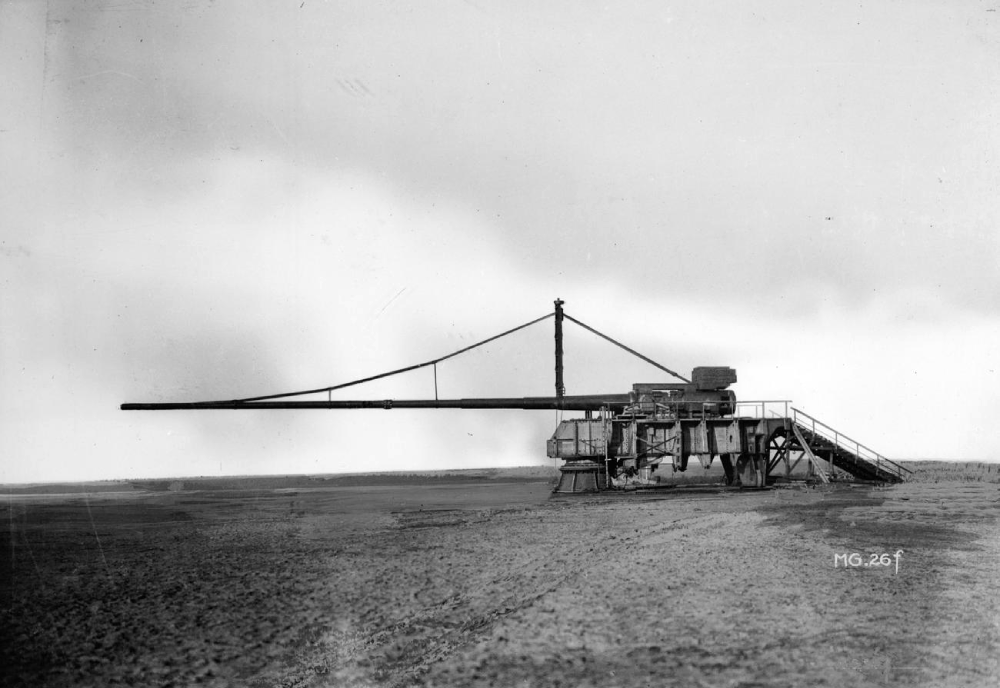
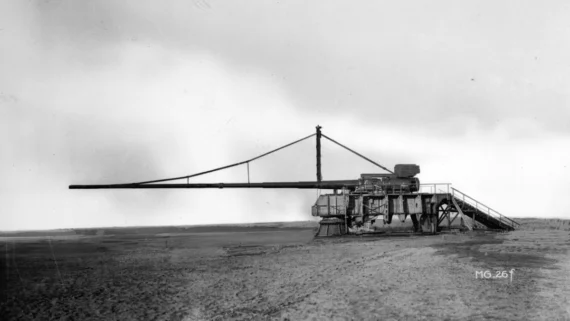
In 1918, Krupp engineers constructed a terrifying German supergun featuring a barrel so incredibly long it required an exterior bridge truss system just to keep it from bending under its own weight. The massive artillery piece fired shells straight into the stratosphere, allowing them to travel an astonishing seventy-five miles to strike the heart of Paris. While the physical payloads were relatively small, the psychological terror of invisible bombs falling from a clear sky deeply panicked the French capital.
12. Manufactured trench clubs
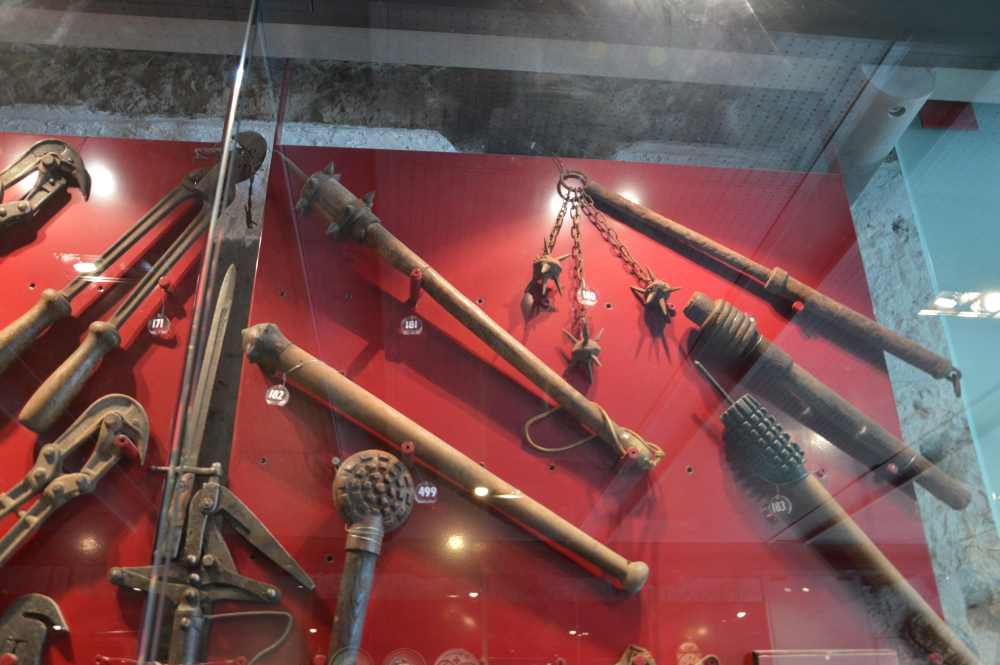
Trench raiding required absolute silence, leading the British Royal Engineers to mass-produce brutal melee weapons in 1915 that looked completely medieval. Carpenters turned thousands of simple wooden handles on industrial lathes before capping them with heavy iron cogwheels, sharp metal studs, and lead weights. These silent, skull-crushing clubs were highly preferred over bayonets because long rifles were incredibly difficult to swing inside the cramped, muddy confines of an enemy bunker.
Want more historical war stories?
It is deeply unsettling to realize that some of the most innovative engineering of the early twentieth century was strictly dedicated to finding stranger ways to fight in the mud. Looking back at these bizarre wooden crossbows and jury-rigged tin cans proves that human desperation breeds incredibly terrifying creativity. If you love diving into forgotten history, make sure to check out these 17 Vintage Photos of Women Working in World Wars or these 18 Everyday Items Born From High-Stakes Wartime Innovation. You can also take a look at these: From Trenches to Homes: 14 Wartime Inventions We Use Today.