Walking down a modern grocery aisle makes it easy to toss black pepper or a bar of chocolate into your cart without thinking twice. Centuries ago, however, tasting these luxury ingredients was strictly reserved for royalty, and commoners caught hoarding them risked severe fines or even imprisonment.
Rulers across ancient empires and medieval courts used scarce spices, exotic fruits, and heavily guarded harvests to project absolute power at the banquet table. From fragrant saffron threads protected by death-penalty laws in Nuremberg to pineapples rented out as status symbols by Georgian elites, food was once the ultimate flex of crown and status. Exploring the origins of these coveted flavors reveals just how fiercely monarchs guarded their dinner plates. Here are twelve ordinary ingredients that used to belong exclusively to kings, queens, and emperors.
1. Saffron
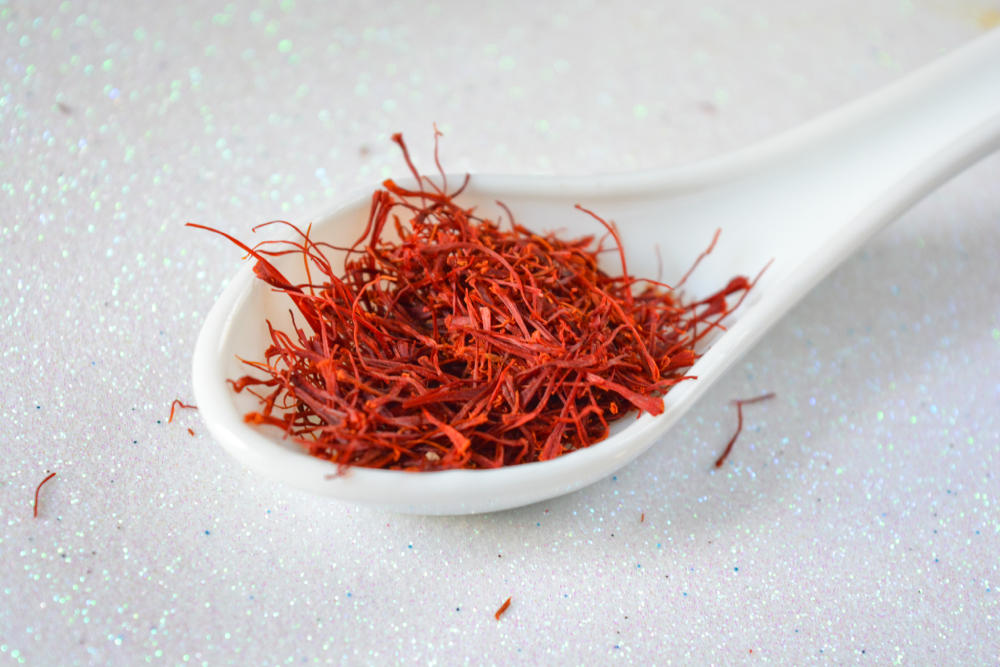
In fourteenth-century Europe, the Safrankrieg or “Saffron War” erupted when local nobles hijacked a massive merchant shipment of these crimson crocus stigmas in 1374. Nuremberg authorities protected saffron purity so fiercely under the 1441 Safranschou code that swindlers caught adulterating the royal spice were burned at the stake or buried alive.
2. Cacao
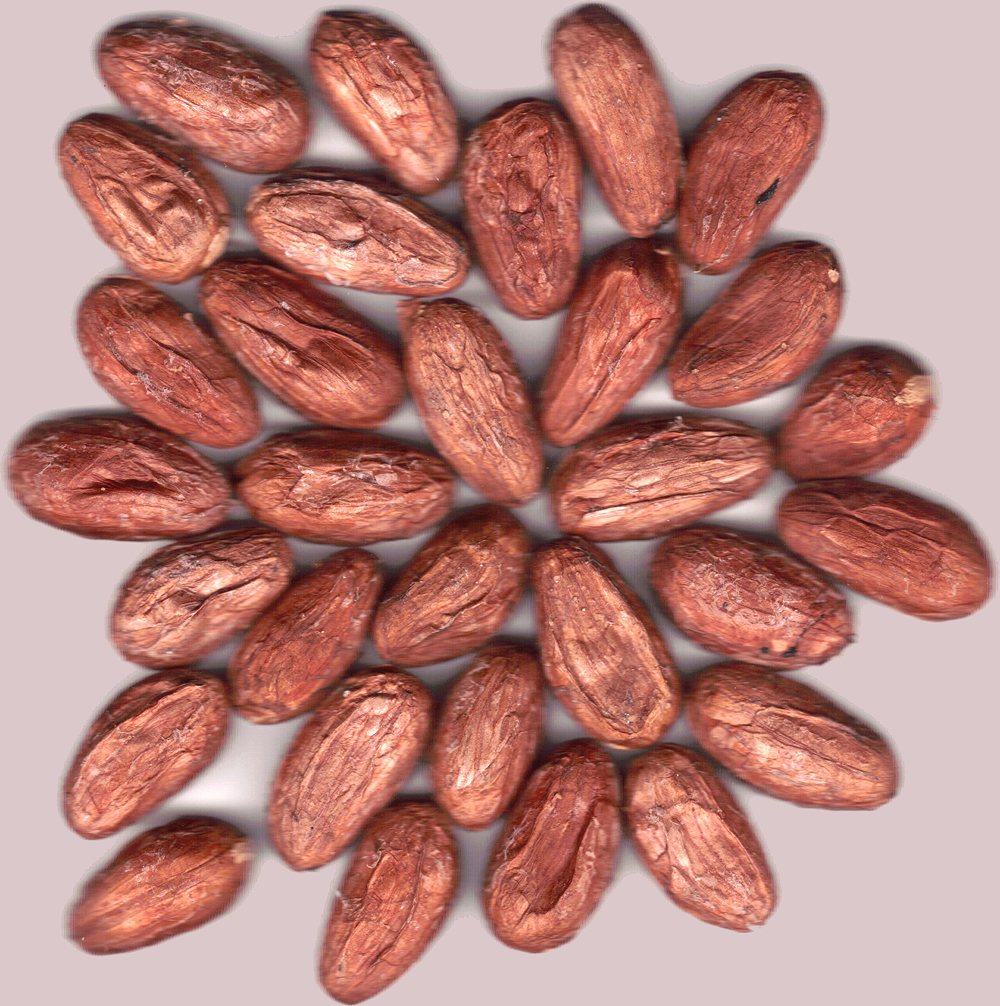
Long before sweetened candy bars existed, ancient Maya elites and Aztec rulers like Emperor Montezuma II drank frothy, chili-spiced cacao from ornate golden goblets. In fifteenth-century Tenochtitlan, cacao beans doubled as literal currency, and ordinary citizens were forbidden from drinking the bitter royal elixir outside of major military or religious ceremonies.
3. Pineapples
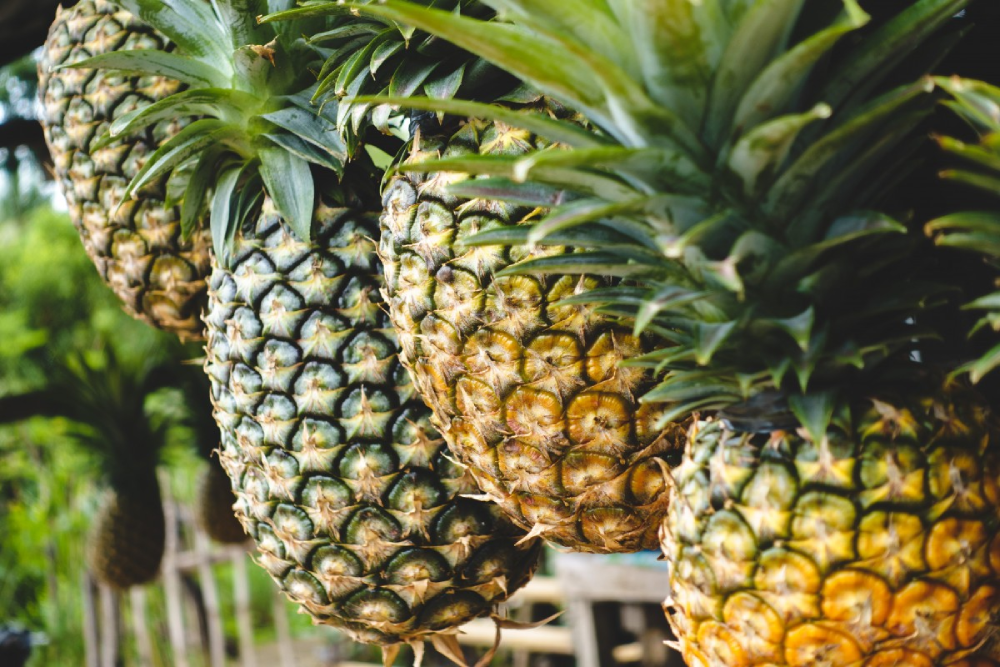
After Christopher Columbus brought pineapples back from Guadeloupe to Spain in 1493, European monarchs became obsessed with the spiky tropical fruit that refused to grow in cold climates. King Charles II of England famously posed for a 1675 royal portrait receiving a pineapple from gardener John Rose, while wealthy aristocrats rented the fruit by the night just to carry it to parties.
4. Black pepper
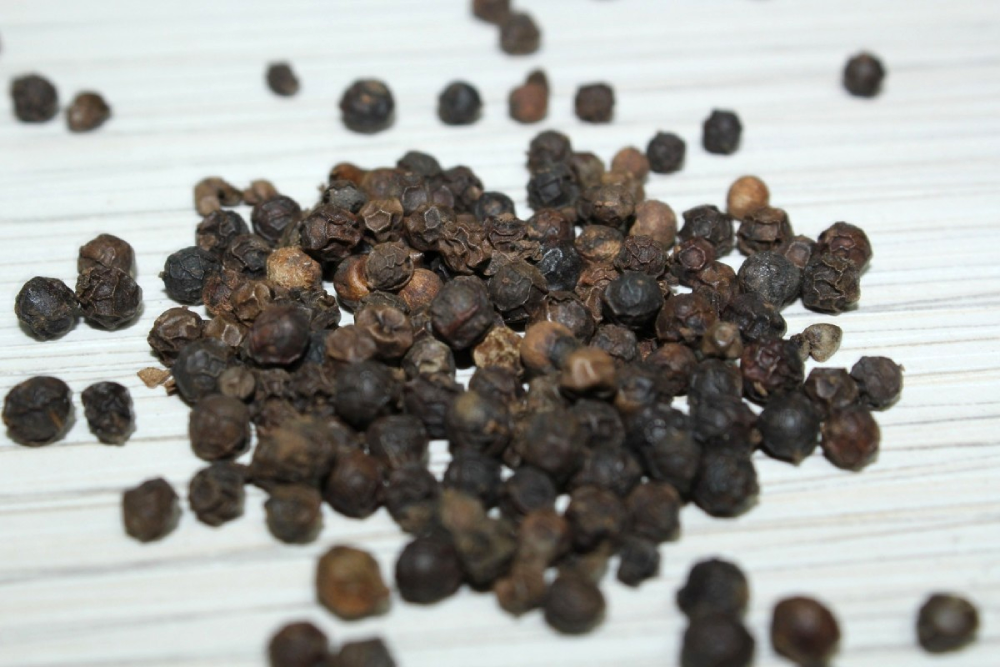
Known as “black gold” in ancient Rome and medieval Europe, dried peppercorns from India’s Malabar Coast were so prized that Visigoth King Alaric I demanded three thousand pounds of pepper as part of his ransom to spare Rome in 408 AD. Royal treasuries locked whole peppercorns inside fortified vaults alongside gold coins and used them to pay taxes, dowries, and noble rents.
5. Edible swiftlet nests
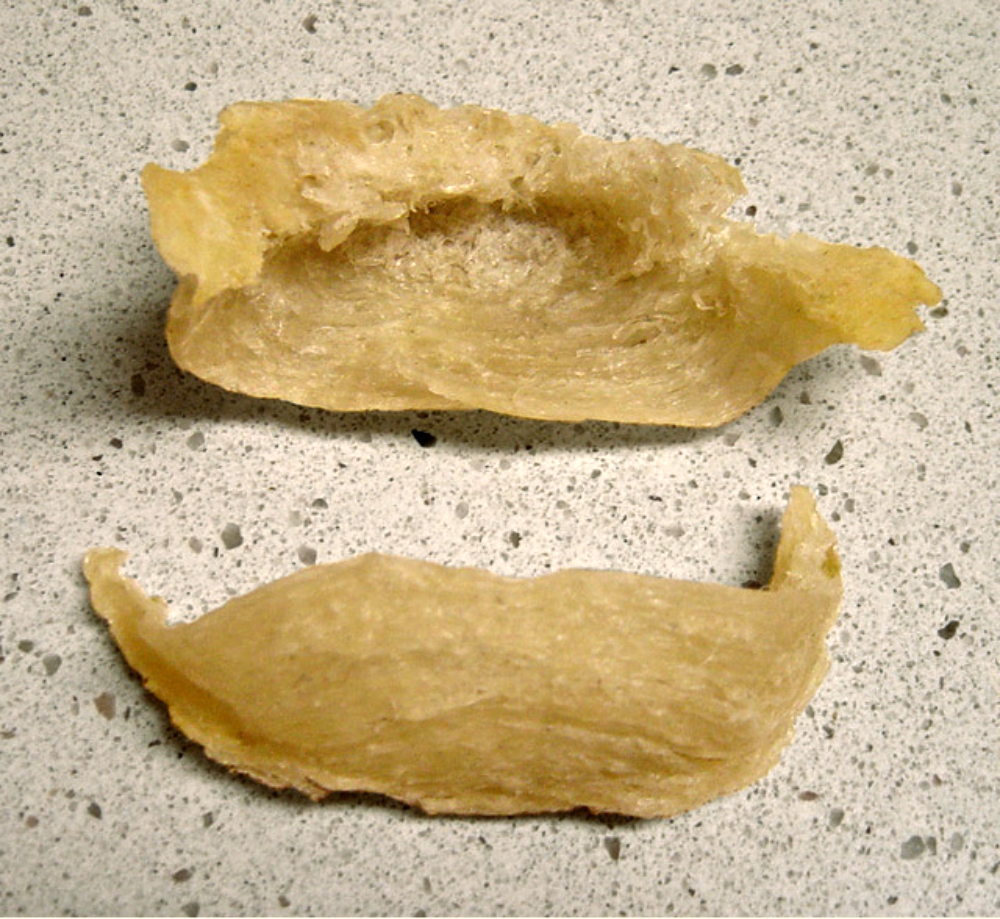
Harvested high inside treacherous coastal limestone caves across Southeast Asia, the hardened saliva nests of white-nest swiftlets became an imperial delicacy during China’s Tang and Ming dynasties. Ming Admiral Zheng He famously presented these translucent nests to the Yongle Emperor in the early fifteenth century, cementing their status as a restricted tonic for the imperial court.
Trending on The Scroller

6. Forbidden black rice
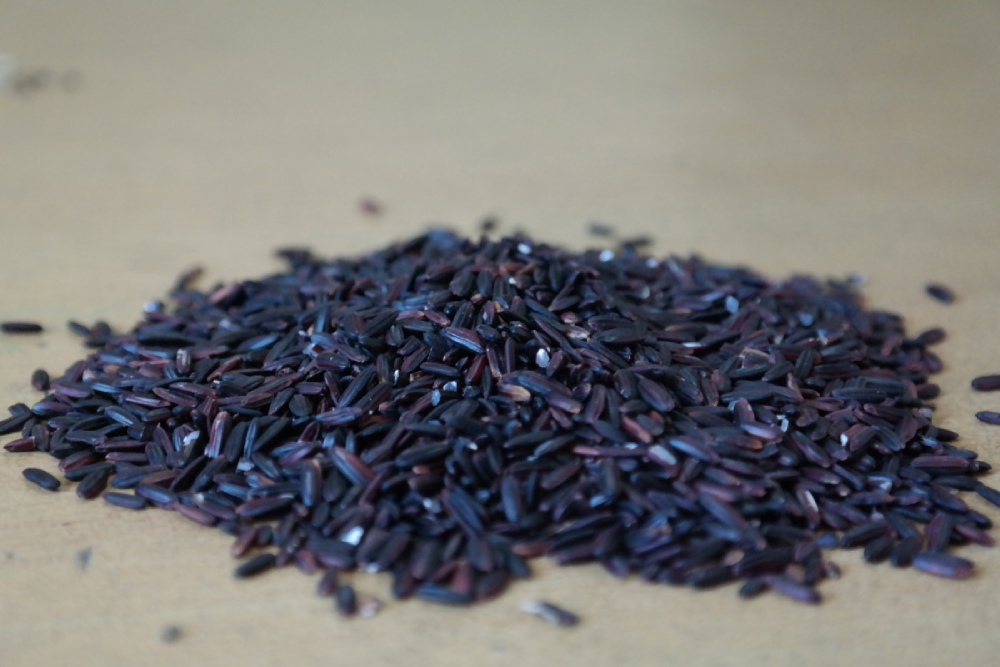
Grown exclusively in small quantities in ancient China, this deep-purple heirloom grain earned its dramatic nickname because commoners were strictly barred from cultivating or eating it without imperial permission. Palace physicians reserved the nutrient-dense rice for the Emperor’s household to promote longevity and vitality, punishing unauthorized possession with severe penalties.
7. Cinnamon
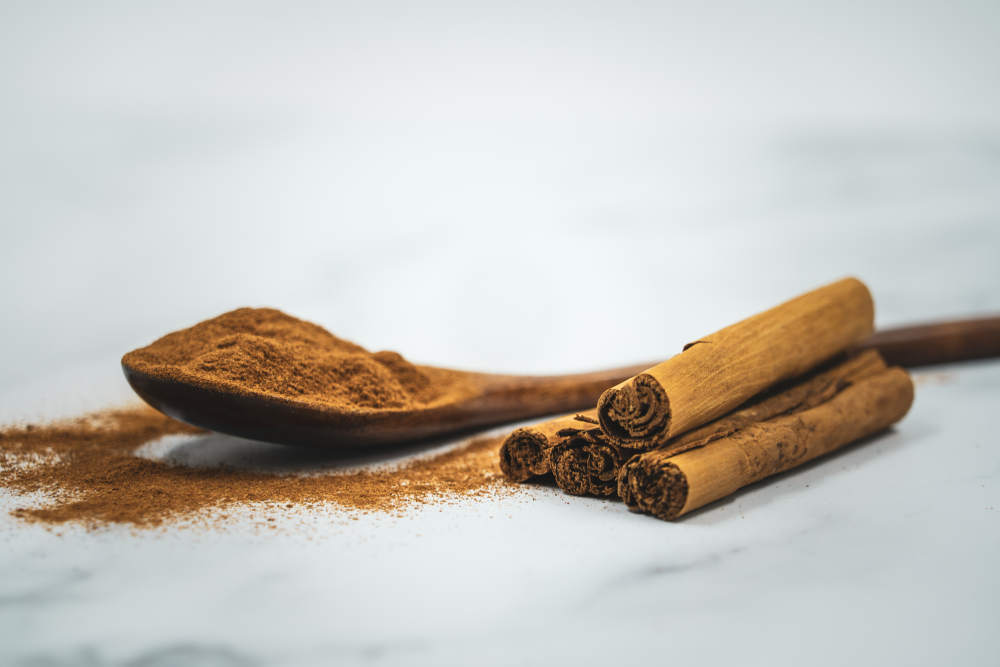
Ancient Egyptian pharaohs prized fragrant Ceylon cinnamon bark so highly for embalming and temple incense that Queen Hatshepsut dispatched a naval expedition to the Land of Punt around 1470 BC to secure direct supplies. For centuries, Arab traders invented wild tales about giant cinnamon birds guarding cliffside nests to keep European monarchs paying astronomical prices.
8. Cane sugar
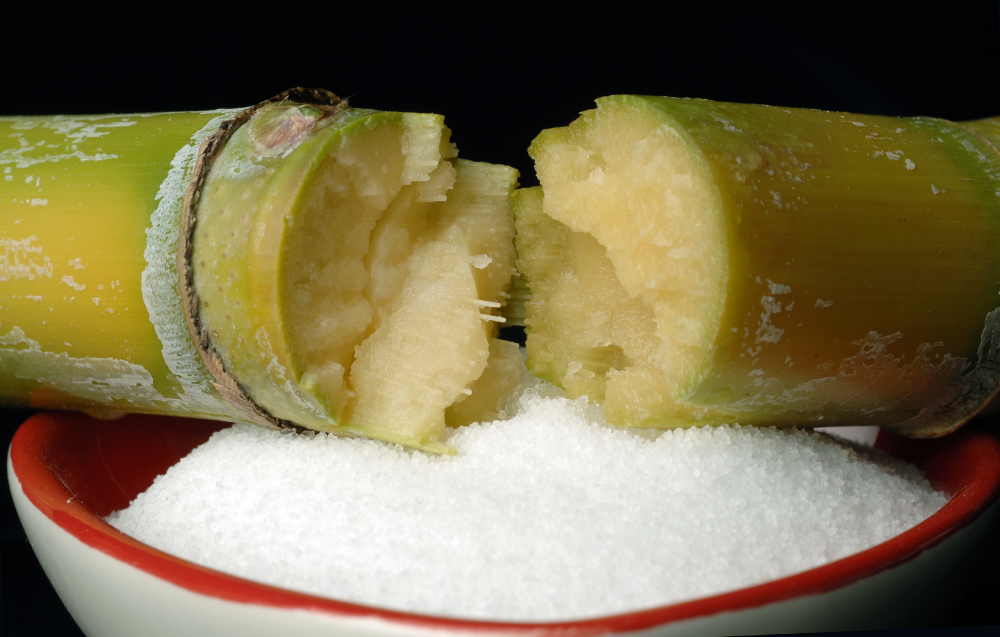
Medieval European courts classified refined white sugar from the Middle East and India as an exotic medicinal spice accessible only to monarchs and high clergy. In 1226, King Henry III of England requested three pounds of sugar from the Mayor of Winchester for a royal feast, marveling at the crystalline luxury that later fueled elaborate sugar sculptures called subtleties.
Sign up for our newsletter
9. Nutmeg
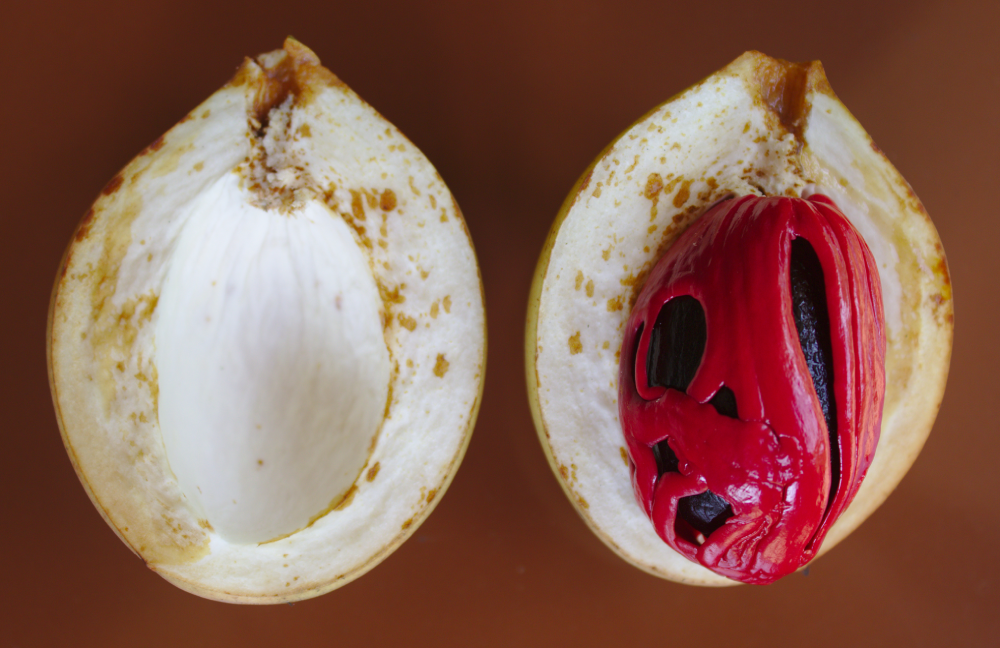
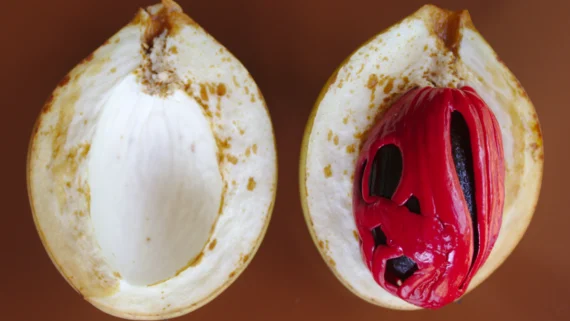
Native exclusively to Indonesia’s tiny Banda Islands until the nineteenth century, fragrant nutmeg seeds sparked brutal colonial wars and royal monopolies across Europe. During the Black Death of 1348, wealthy nobles and monarchs wore sachets of nutmeg around their necks, believing its pungent aroma could ward off the plague.
10. Sturgeon and caviar
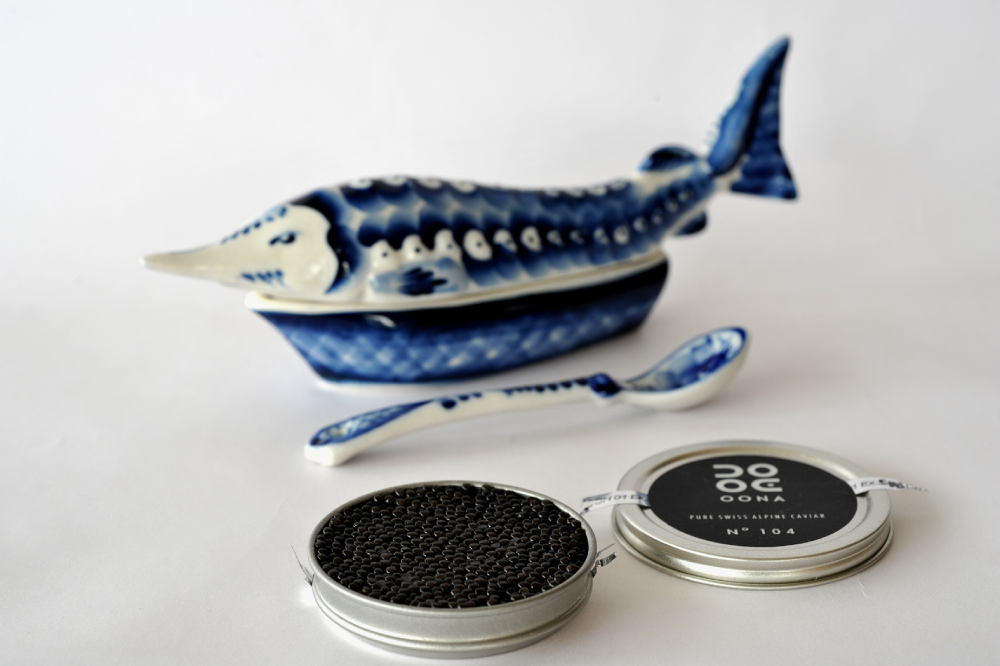
In 1324, King Edward II of England issued a famous royal prerogative declaring all sturgeon caught in British waters to be “Royal Fish” belonging exclusively to the crown. Centered around the Caspian Sea, Russian tsars from Ivan the Terrible to Nicholas II similarly claimed prime beluga caviar as state treasure served at imperial banquets.
11. Vanilla
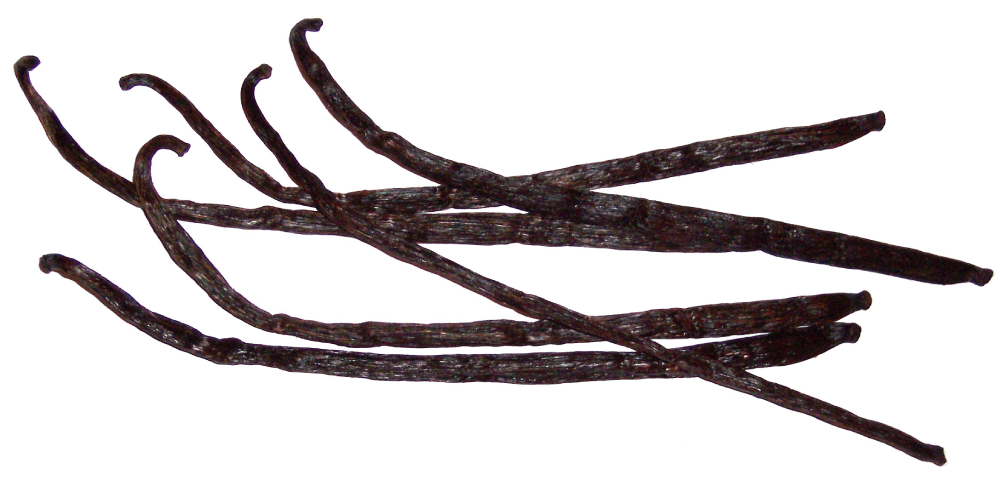
Mesoamerican Totonac communities cultivated fragrant vanilla orchids centuries before Aztec emperors conquered their lands in the fifteenth century and demanded the cured black pods as royal tribute. When Spanish conquistador Hernán Cortés introduced vanilla to King Charles V’s court in the 1520s, European aristocrats fiercely guarded the secret flavoring used to perfume royal chocolate drinks.
12. Périgord black truffles
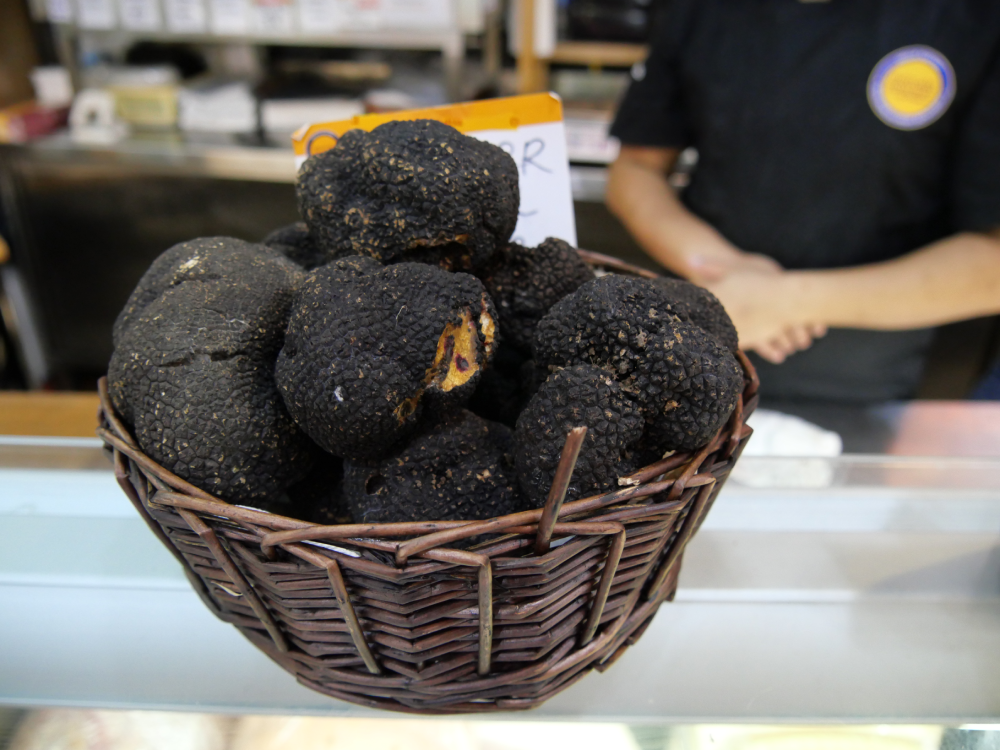
Known as the “black diamond” of French gastronomy, subterranean black truffles became an obsession at the court of King Francis I in the sixteenth century and later graced the lavish banquets of King Louis XIV at Versailles. Because nobody knew how to farm them until Joseph Talon discovered truffle-oak seedling transplantation in 1808, every knobby fungus unearthed by trained pigs went straight to noble tables.
Discover more interesting facts about food:
Next time you sprinkle black pepper onto your dinner or slice into a fresh pineapple, it is wild to think that doing so centuries ago could have landed you in a royal dungeon. What used to require an emperor’s treasury now sits quietly on everyday kitchen shelves around the world. If you enjoy uncovering surprising food stories, make sure to check out these 12 Strange Food Facts Hiding on the Dessert Menu or these 14 Foods Once Considered Too Fancy. You may also like these 12 Things That Happen to Supermarket Food That Doesn’t Sell.