Even the most celebrated historical figures harbored unexpected talents far beyond their famous achievements. From world leaders who built brick walls with their own hands to Nobel laureates tickling the ivories, these hidden skills reveal a playful side to history’s giants.
Join us as we uncover 15 surprising talents that often go overlooked in the storybooks.
1. Benjamin Franklin, the swim-fin inventor
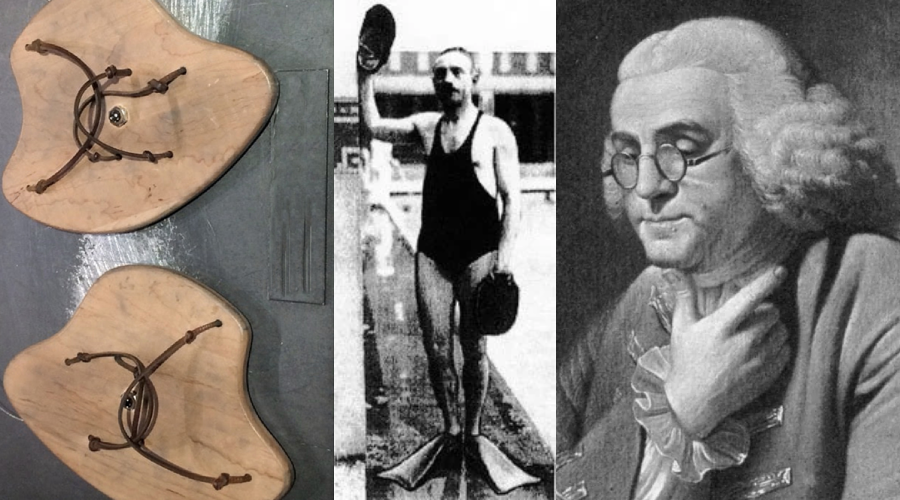
An avid swimmer since childhood, Franklin grew frustrated by the clumsy wooden floats of his day and sketched a pair of hand-worn fins, early prototypes of modern swim aids. He tested them across the Thames on one of his return trips to England, reporting that they “made swift water feel like wind beneath wings.” This little gadget highlights Franklin’s restless inventiveness: solving everyday problems with inspired simplicity.
2. Thomas Jefferson, the oenologist and vineyard-keeper
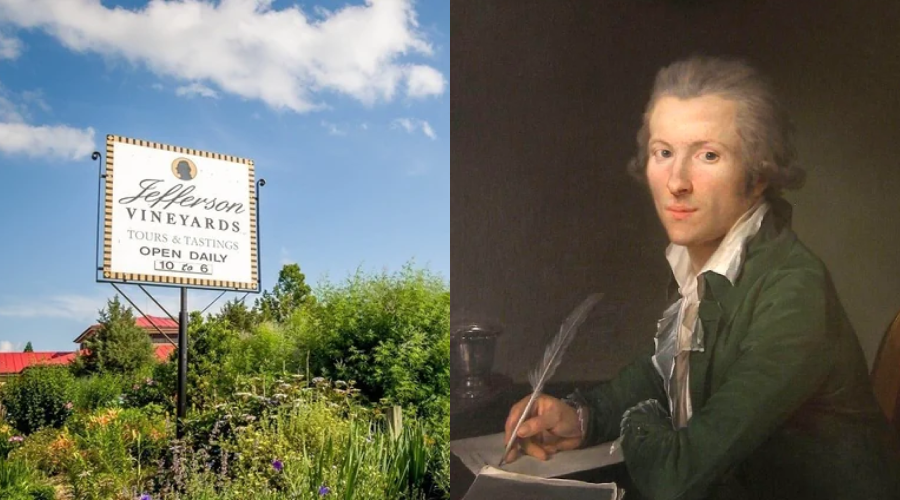
Beyond drafting the Declaration of Independence, Jefferson planted America’s first commercial vineyard at Monticello, experimenting with over twenty grape varietals imported from Europe. He meticulously recorded soil conditions, pruning techniques, and fermentation notes, hoping to craft a uniquely American claret. While his wines rarely matched Bordeaux, Jefferson’s vinicultural passion laid the groundwork for today’s U.S. wine industry.
3. Charles Darwin, the botanical artist
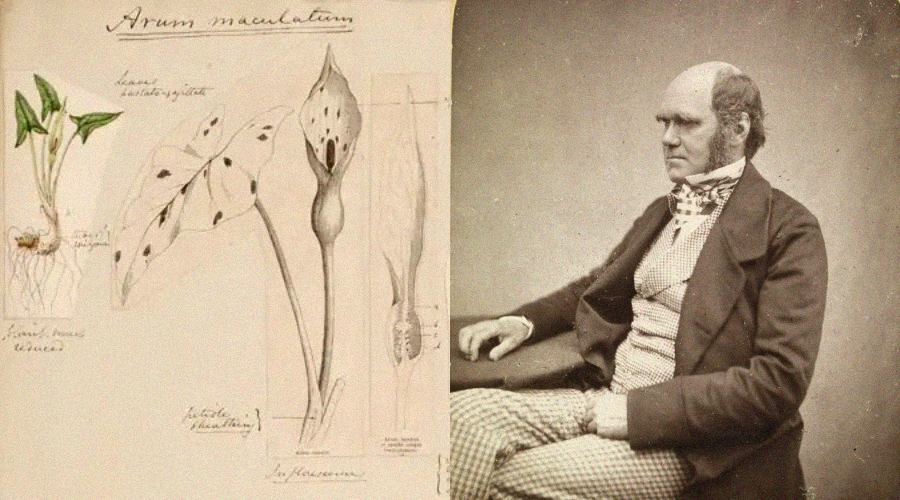
On the famed voyage of the Beagle, Darwin sketched dozens of exotic plants and flowers, capturing petal veins and leaf textures in watercolor. These delicate illustrations complemented his scientific observations and proved invaluable when he returned home. His volumes of field art remain prized by botanical historians. Darwin’s talent reminds us that the path to theory often winds through artful attention to detail.
4. Queen Victoria, the amateur photographer

Long before selfies or candid snaps, Victoria and Prince Albert experimented with early daguerreotypes, positioning courtiers and family members for formal portraiture. Victoria’s journals note her delight in adjusting exposure times and polishing plates, treating photography as both a scientific curiosity and an emotional record. Through her lens, we glimpse an intimate royal world shaped by innovation.
5. Florence Nightingale, the data-visualization pioneer

During the Crimean War, Nightingale turned hospital mortality figures into the famous “coxcomb” diagrams, colorful circular charts that convinced officials to overhaul army medical care. Her innovative use of statistics transformed nursing into a data-driven profession. By marrying numbers and visuals, she saved countless lives and prefigured modern infographics.
Trending on The Scroller

6. Ludwig van Beethoven, the surveyor and sketch artist
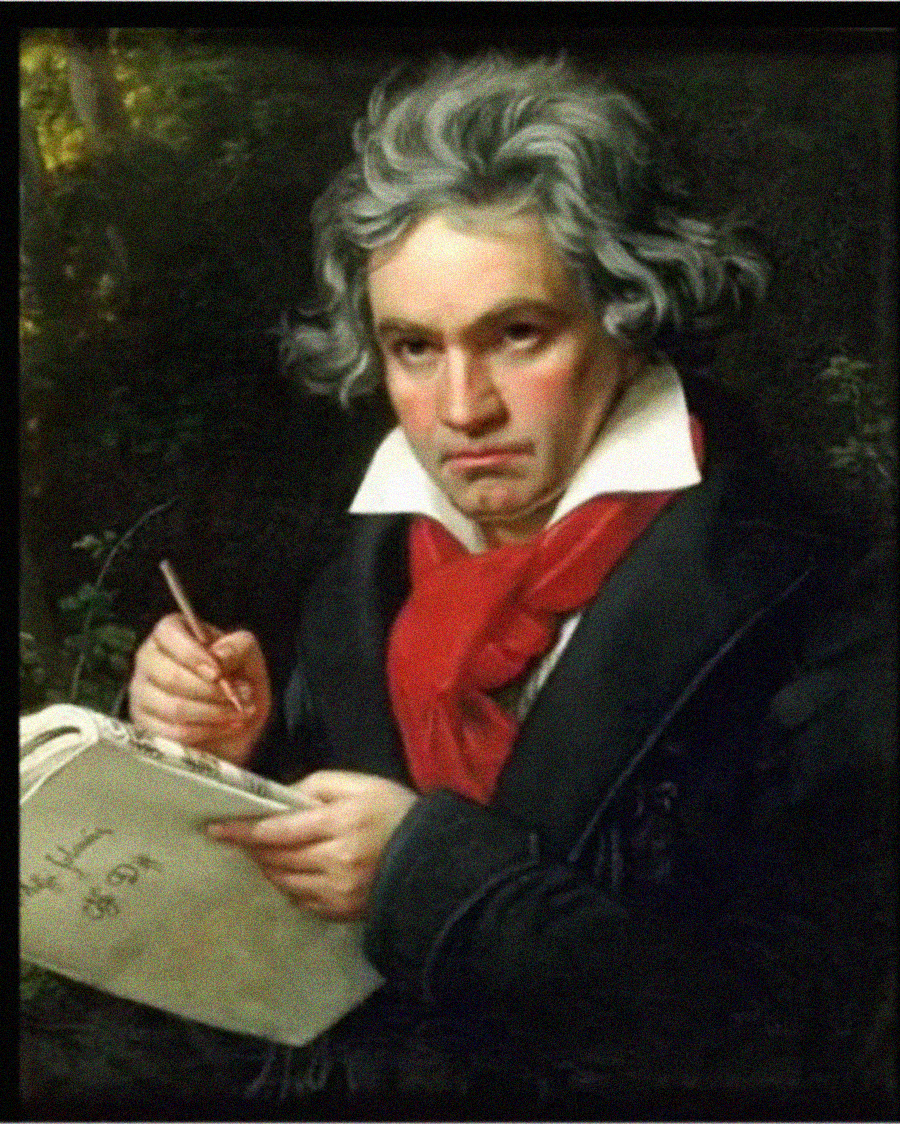
Young Beethoven supplemented his musical studies by mapping the Austrian countryside, drafting meticulous topographical sketches. He believed that walking through nature and charting its contours sharpened his compositional ear. Some of his surviving maps reveal landscapes he later distilled into pastoral movements, proof that his harmonies sprang from the same earth he measured.
7. Winston Churchill, the champion bricklayer
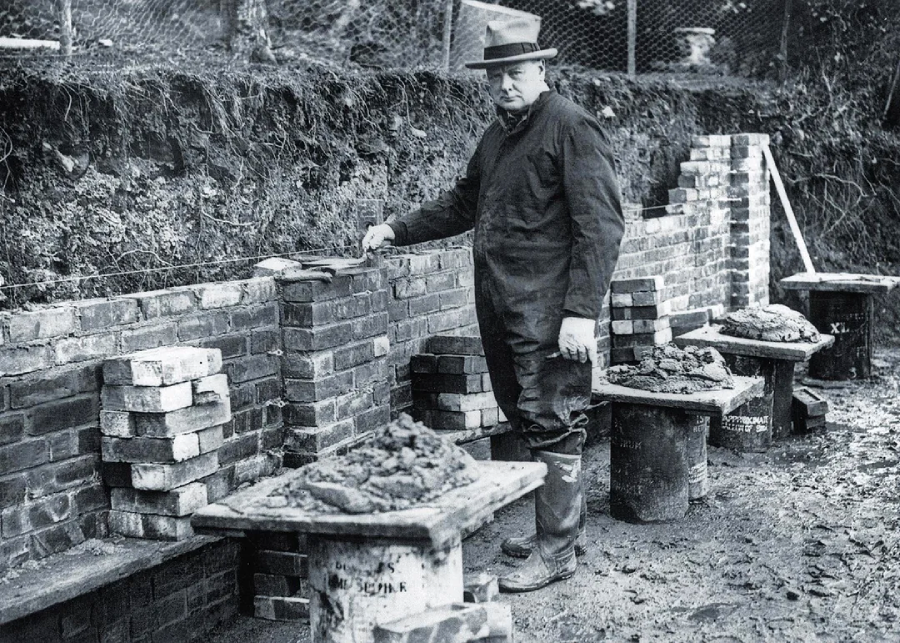
Better known for defiant speeches and Churchillian cigars, the future Prime Minister spent much of his early life laying bricks at his family’s Blenheim Palace estate. He once claimed that the hands‐on labor taught him patience and persistence, qualities he’d later summon during World War II. Court records even note a…shall we say…”enthusiastic” young Churchill leaving a few crooked courses behind, proving that greatness sometimes begins with imperfect first bricks.
8. Michelangelo, the unpublished poet
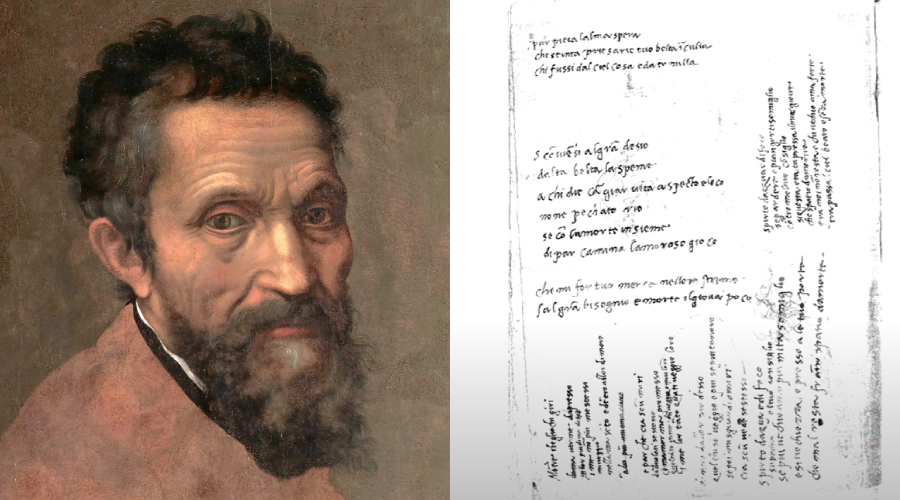
While his sculptures and frescoes tower through art history, Michelangelo penned over 300 sonnets and madrigals exploring love, faith, and artistic torment. He often tucked poems into designs on marble blocks before carving, blending word and stone. His lyrical side reveals a master of language who, like his chiseled figures, strove to unite form and feeling.
Sign up for our newsletter
9. Harriet Tubman, the botanical healer

Best known as a conductor on the Underground Railroad, Tubman was also an expert in herbal medicine, using Native American and African-derived remedies to treat injuries and illnesses among freedom seekers. She carried pouches of medicinal roots, bark, and leaves on her journeys, administering care at hidden safe houses. Her botanical knowledge saved countless lives, blending survival skills with compassion on each perilous trip north.
10. Thomas Edison, the silent-film pioneer
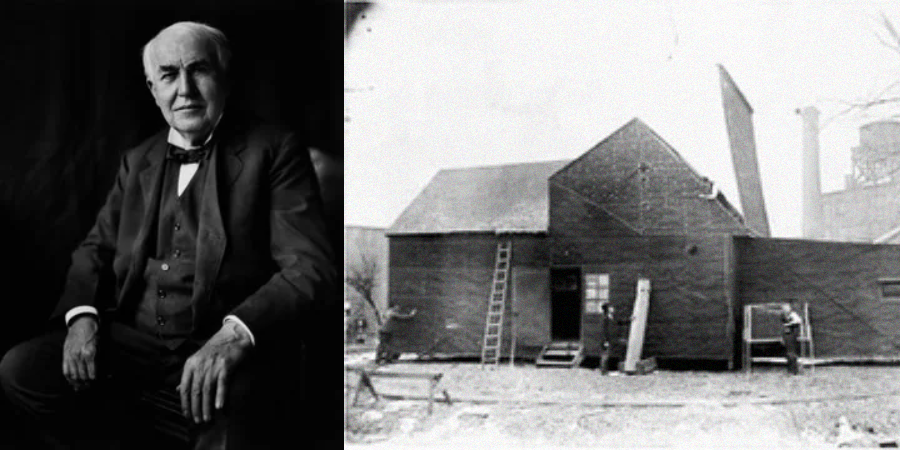
Though celebrated for the electric light bulb and phonograph, Edison also ventured into motion pictures, opening America’s first film studio, “Black Maria”, in 1893. He directed short “actualities” that captured everyday scenes, from a man sneezing to a train arriving at a station. These primitive films laid the groundwork for modern cinema, showcasing Edison’s drive to illuminate not just rooms, but moving images.
11. Catherine the Great, the amateur playwright

Empress of Russia by day, Catherine II secretly penned comedies and dramas in French, often staging performances with her closest courtiers. She translated Molière and Voltaire into Russian, adapting plots to satirize court life. Her literary pursuits weren’t mere hobbies; they influenced cultural reforms and helped bring European Enlightenment ideals to St. Petersburg’s salons. This dramatic flair underscores her role as both ruler and raconteur.
12. Mark Twain, the licensed riverboat pilot

Before penning Huckleberry Finn, Samuel Clemens earned a steamboat pilot’s license on the Mississippi, memorizing its treacherous shoals and changing channels. His knowledge of river navigation not only inspired his pen name but also informed vivid scenes of pilothouses and wheelmen in his novels. Twain’s river-roving days remind us that great storytelling often sails alongside real-world expertise.
13. Nikita Khrushchev, the Gardener of Change

While forever linked to the Cold War’s fiercest standoffs, Nikita Khrushchev quietly cultivated a different kind of revolution: his own vegetable garden. He personally tended rows of cabbage, tomatoes, and cucumbers outside the Kremlin, promoting dachas as models of agricultural self-sufficiency. Khrushchev even argued that “peasants with plots” could bolster Soviet food security, proof that behind the iron fist was a soil-stained trowel.
14. John F. Kennedy, the Pulitzer Prize-winning wordsmith

Before his presidency, JFK penned Profiles in Courage, a tribute to U.S. senators who risked their careers for principle and won a Pulitzer Prize for it in 1957. Kennedy’s knack for narrative and concise prose revealed a literary talent often overshadowed by his political legacy. His skillful blending of historical research and storytelling made the book a bestseller, showing that the future president could wield a pen as deftly as he steered a nation.
15. Vincent van Gogh, the Philosophical Letter-Writer
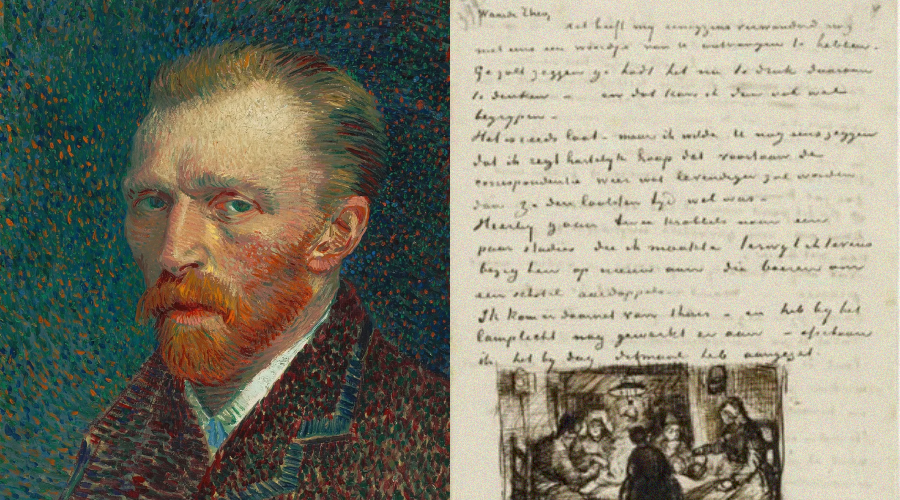
Best known for his swirling canvases, Van Gogh poured just as much passion into his pen, crafting over 800 letters, many addressed to his brother Theo. In these epistolary masterpieces, he dissected the nature of art, grappled with his own mental struggles, and charted his evolving philosophy on color and emotion. Far from mere status updates, his correspondence reads like a living journal, offering intimate windows into the mind behind Starry Night. Through his words, we glimpse a visionary who painted not only with brushes but with ideas that still resonate today.
Explore more historical content:
Craving more fascinating flashbacks? Check out these 20 Historical Figures Who Would’ve Been Meme Legends, or these 15 Historical Figures From the 1800s That Could’ve Been The Greatest to Ever Live. You can also enjoy these 15 Strange Dining Etiquette Rules From the 1920s.