At the turn of the 20th century, etiquette wasn´t just about manners; it was a social code that governed nearly every aspect of daily life. Here are 18 strange 1900s etiquette rules that might leave you shaking your head.
Some are harmless quirks, but others feel downright bizarre by today’s standards. From how you sat in public to the way you greeted a stranger, there were rules for everything.
1. Never address a stranger without an introduction
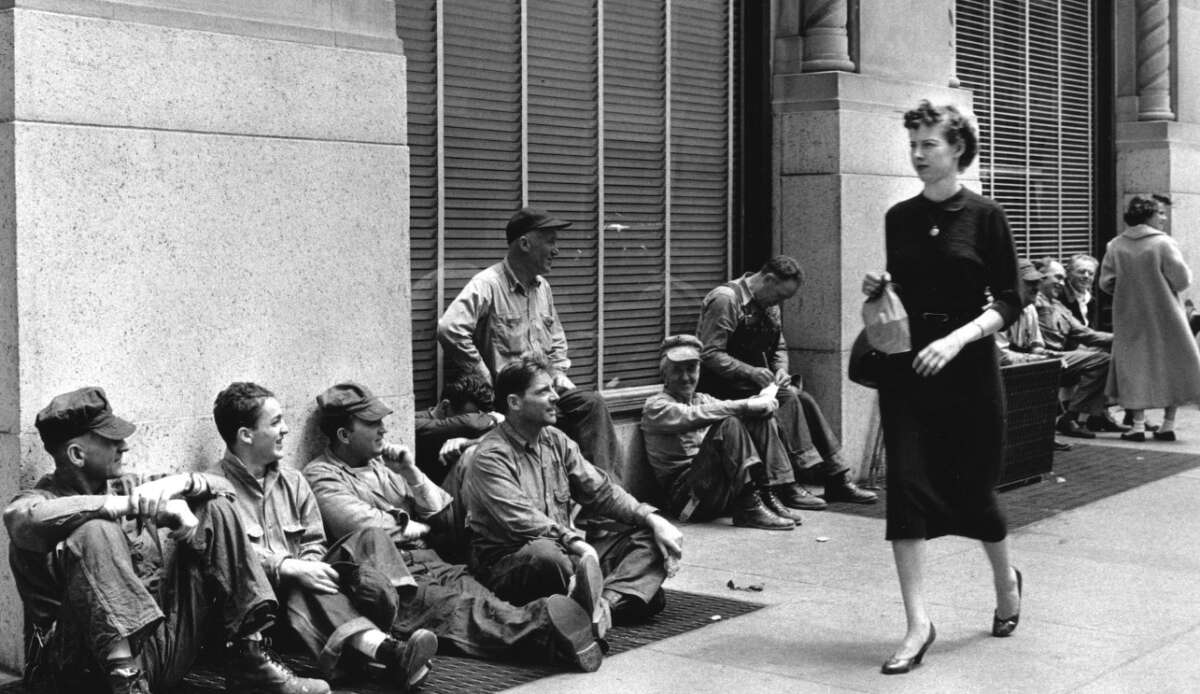
Starting a conversation with someone you didn´t know was considered improper, unless a mutual acquaintance formally introduced you.
2. Ladies must never cross their legs
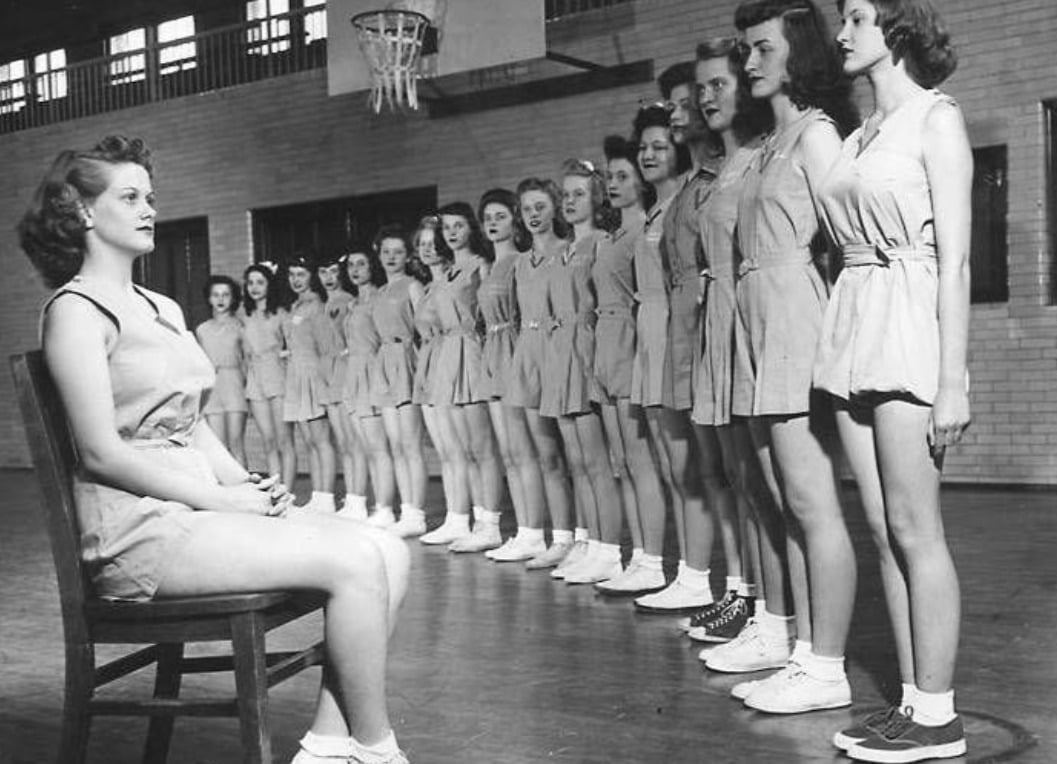
Crossing at the knee was deemed unladylike; proper women were said to have only crossed at the ankle, thereby maintaining their demure posture.
3. Men should always walk on the curbside
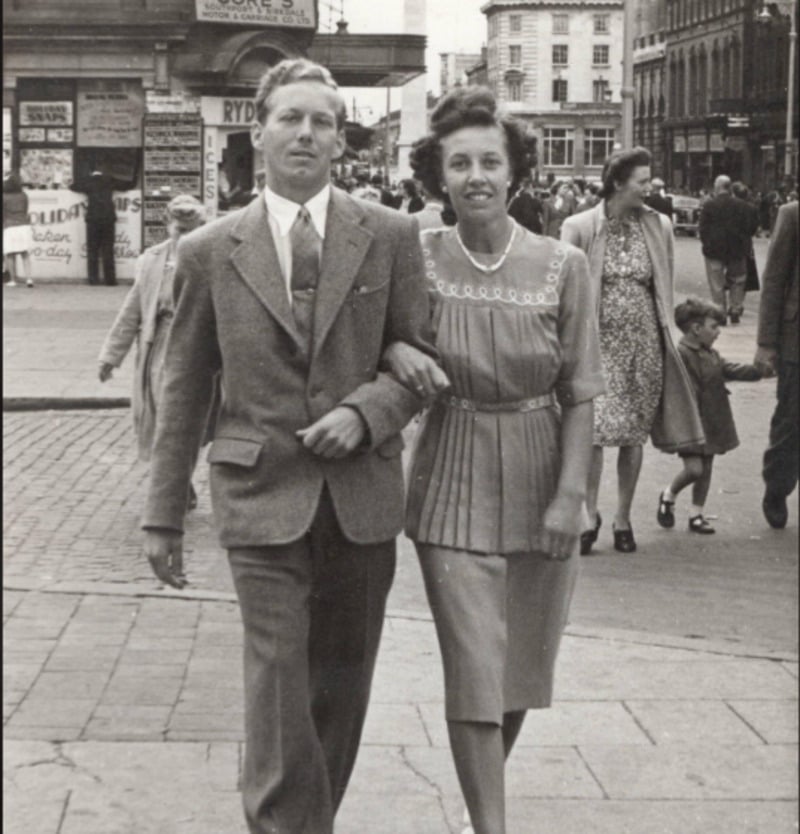
This rule was partly chivalry and partly practical, to protect women from splashes of mud or dust from passing carriages.
4. No calling after 9 pm
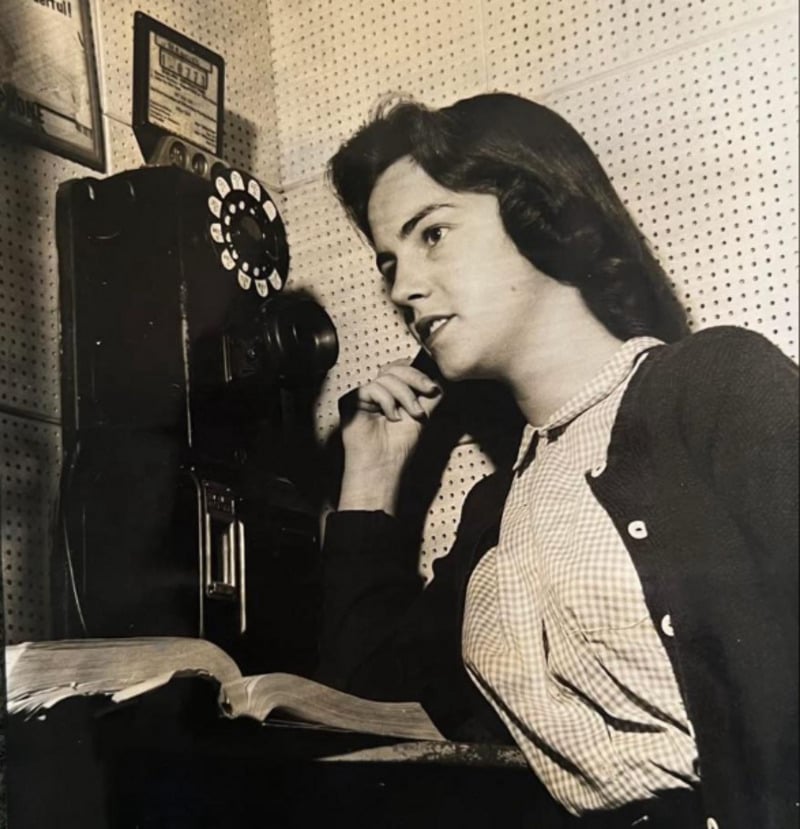
Social visits were strictly daytime affairs. Knocking on someone’s door too late could be seen as scandalous.
5. Never remove your gloves in public

Gloves weren´t just a fashion statement; they were a symbol of refinement, and taking them off outside the home was frowned upon.
Trending on The Scroller
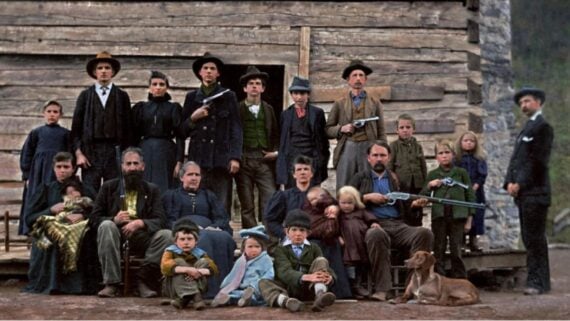

6. A lady never ate on the street
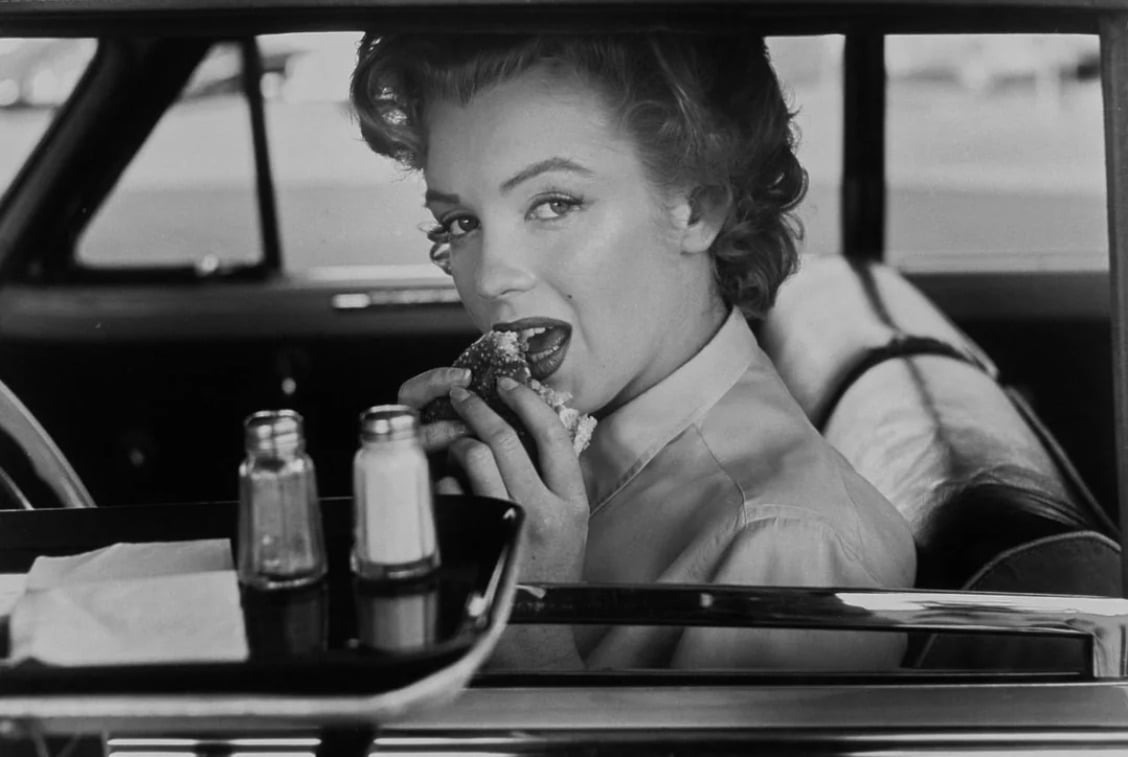
Women were discouraged from eating or drinking in public spaces, as it was considered immodest. Thank goodness the times have changed, in far more ways than just a few.
7. Calling cards were mandatory
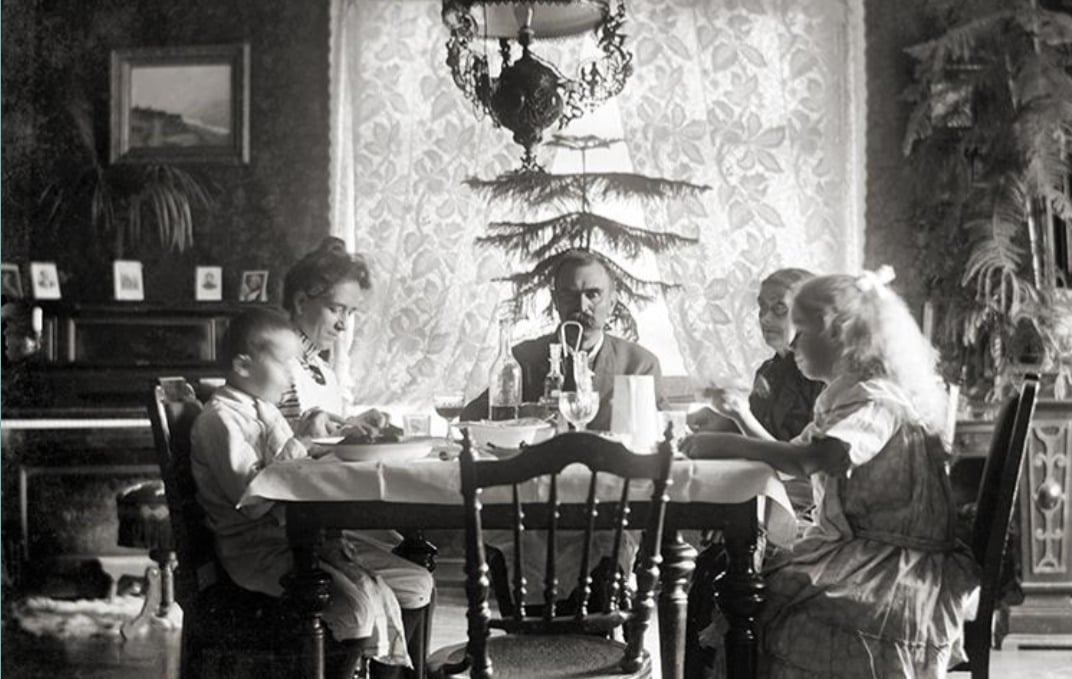
When visiting someone´s home, you were expected to leave a personal card with your name, proof that you had stopped by.
8. Handshakes were suggested to be for men only
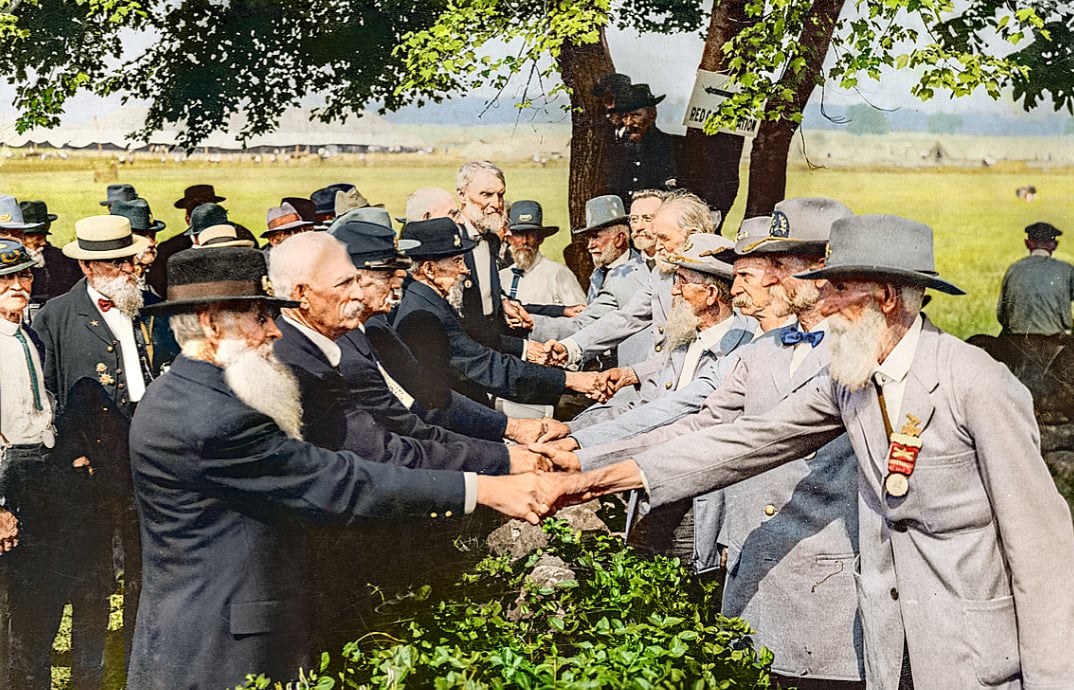
Women were expected to offer a nod or a small curtsey instead of shaking hands, unless greeting someone of equal social standing.
Sign up for our newsletter
9. Don´t show your ankles
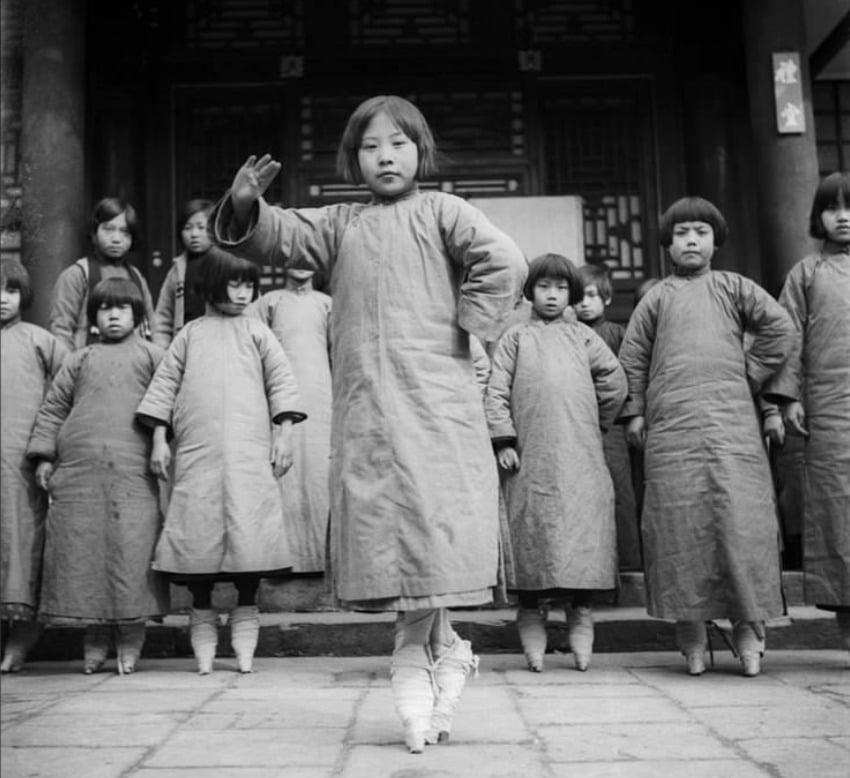
For women, even a quick glimpse of the ankle could be considered suggestive. Hemlines were carefully managed.
10. Hats were non-negotiable outdoors
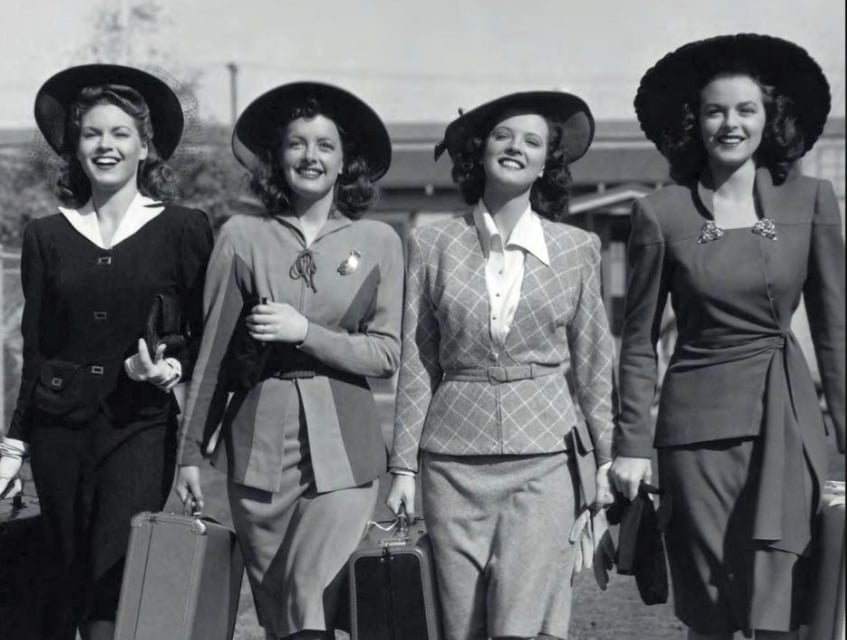
Both men and women were expected to wear hats outside, removing them only in certain formal or religious settings.
11. Men must rise when a woman enters

Remaining seated when a lady entered the room was considered a major breach of etiquette.
12. Never speak loudly in public
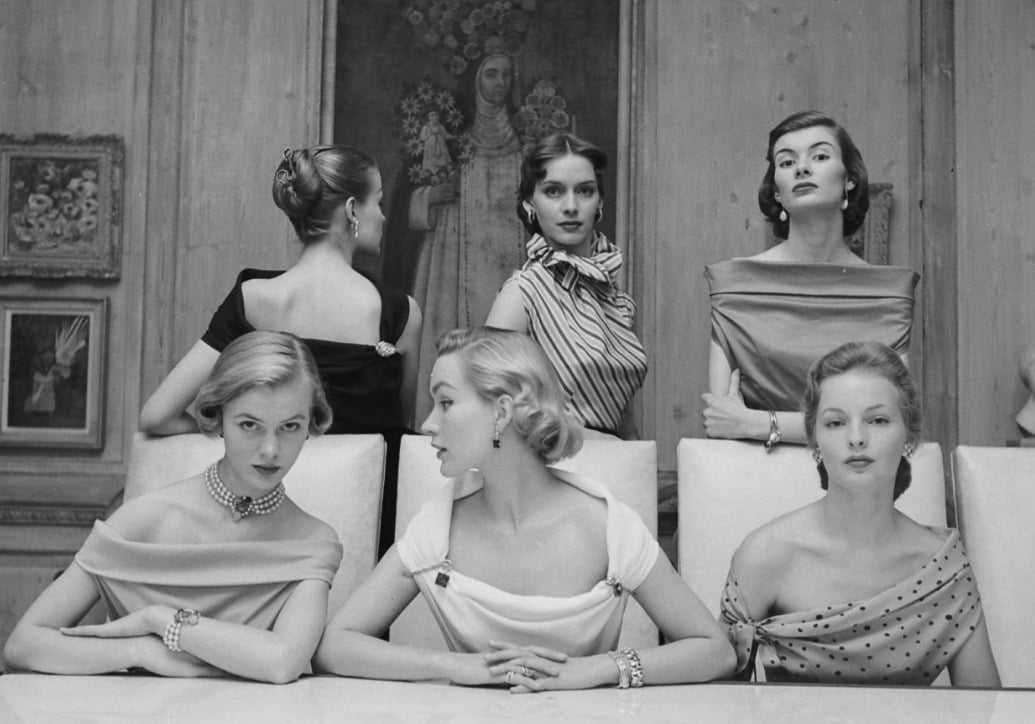
Spaces demand quiet conversation. Loud laughter or raised voices were a sign of a poor upbringing.
13. Dinner seating was strategically arranged
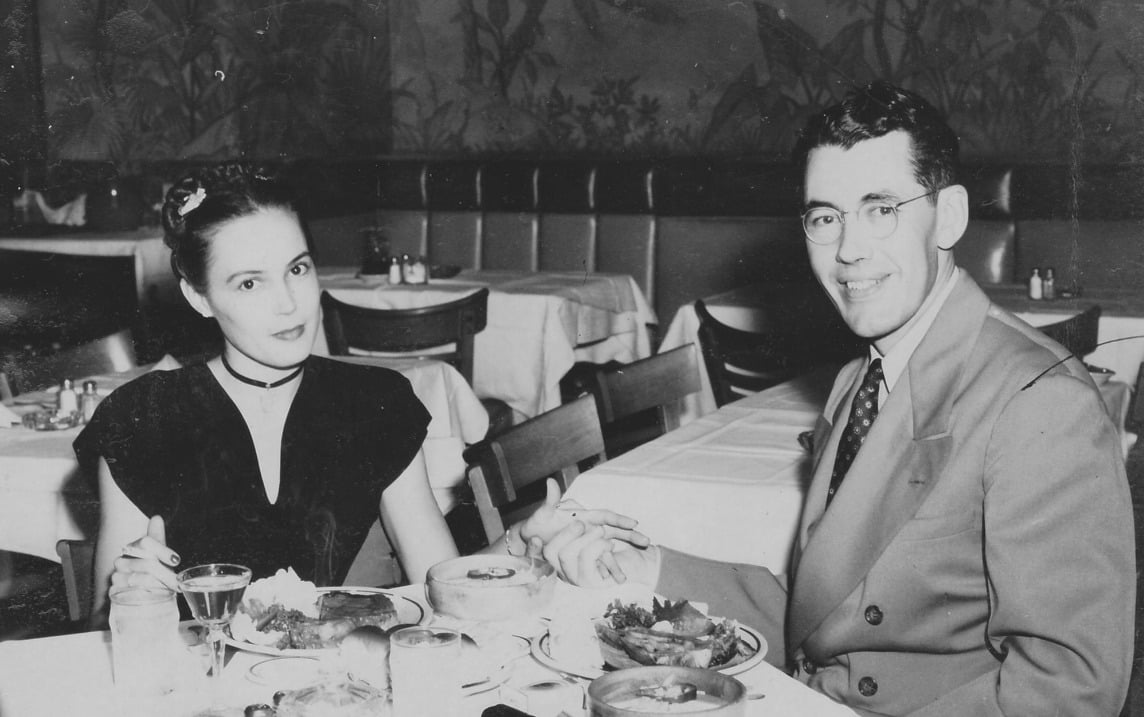
Guests were placed in specific seats to encourage polite conversation and avoid awkward or unsuitable pairings.
14. No touching between unmarried couples
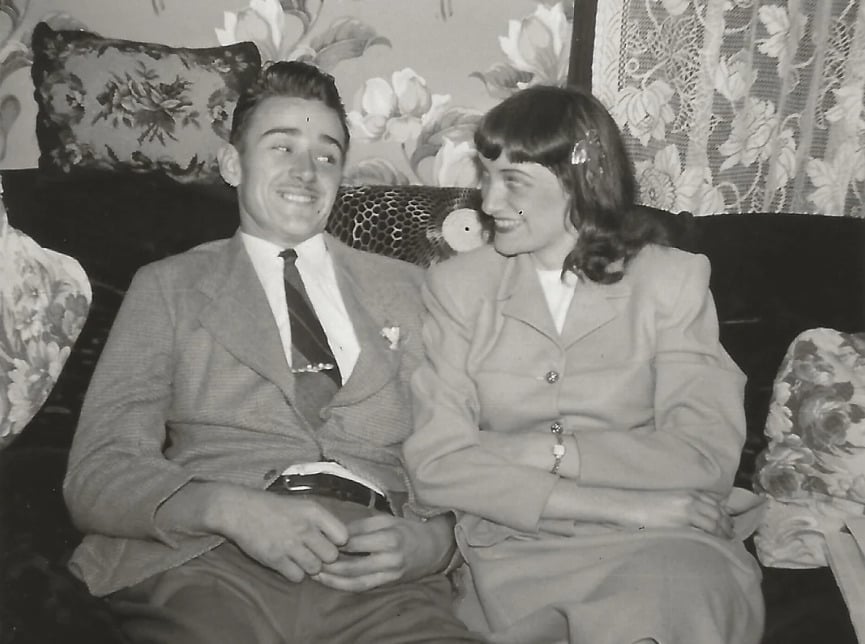
Even casual contact, like a hand on the arm, could be considered improper before marriage.
15. Letters must be handwritten in ink
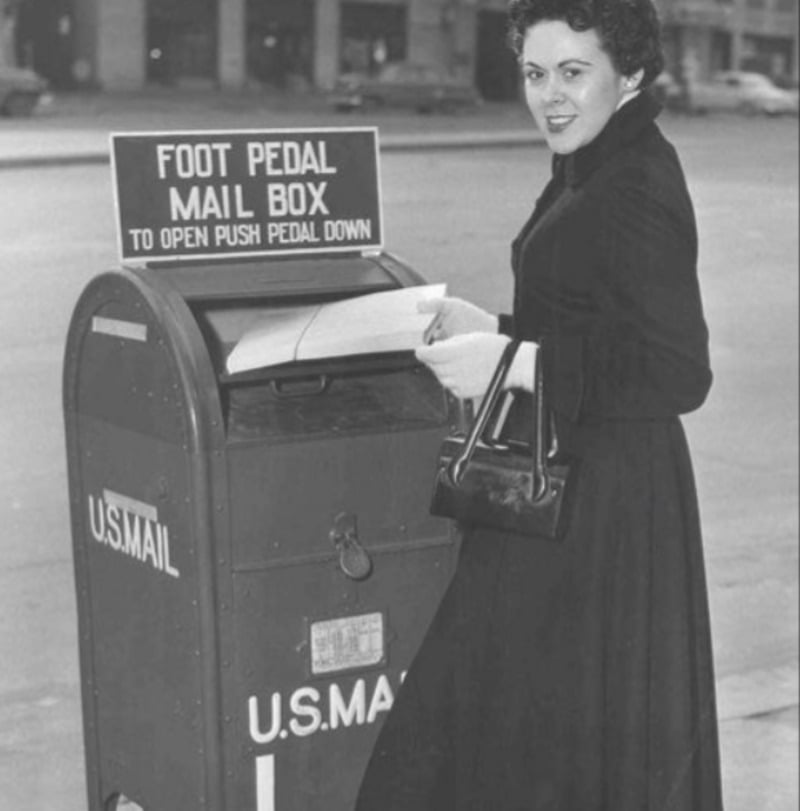
Typewritten personal letters were seen as cold and impersonal, suitable only for business matters.
16. Always send a chaperone with young women

Unmarried women were rarely permitted to go out alone; a chaperone was expected to accompany them to protect their reputation.
17. Never wear jewelry before noon
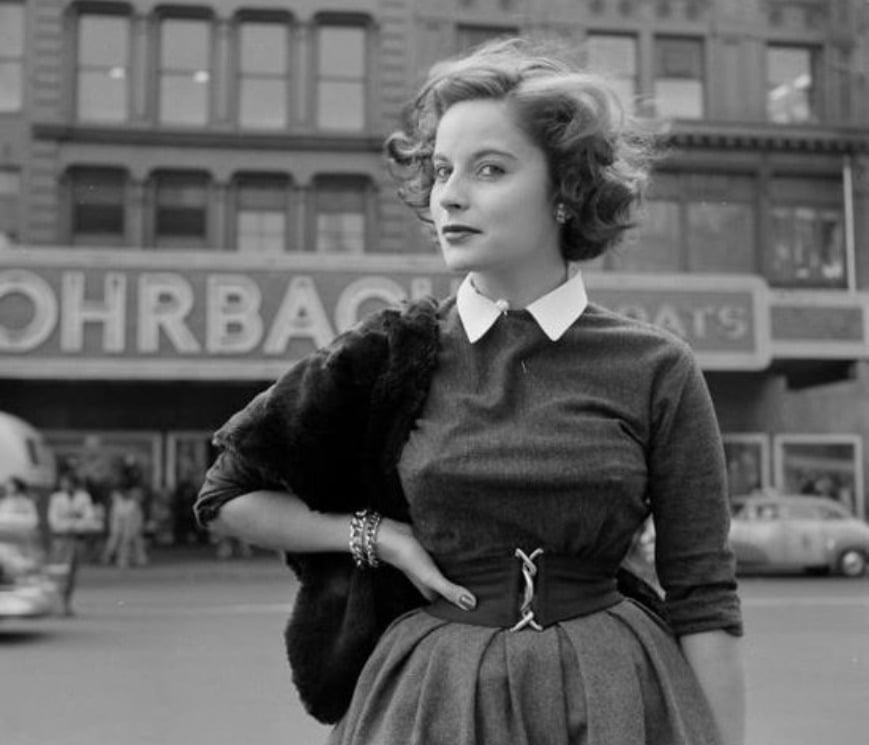
Morning and early afternoon were for simple dress, and diamonds and elaborate pieces were reserved for evening events.
18. Women should never drink from a bottle in public

It was considered highly improper for a woman to drink directly from a bottle in public. beverages were to be poured into a glass, sipped delicately, and never consumed in a way that might seem “unrefined”.
Explore more vintage content:
While many of these customs have faded, they offer a fascinating glimpse into a more formal, and sometimes absurd, era. For more, check out our 35 Vintage Photos That Perfectly Capture 1977–1980, or 24 Vintage Photos That Capture 1999 Perfectly.