Some captains earned glory; others earned a reputation that echoed like cannon fire. From iron-willed disciplinarians and doomed polar explorers to commerce raiders who tied up whole navies, history’s most infamous captains left wake turbulence that’s still felt today.
Here are 20 compact portraits; who they were, what they did, and why their names still spark debate.
1. Captain William Bligh (Royal Navy, HMS Bounty)

A superb navigator with a volcanic temper, Bligh tried to haul a crew home from Tahiti under tight rations and tighter rules. The mutiny that followed made him a global villain, yet his 3,600-mile open-boat voyage to safety remains a seamanship legend. Bligh later governed New South Wales and survived another insurrection, proving controversy was his constant companion.
2. Captain Thomas Preston (British Army, Boston Massacre)
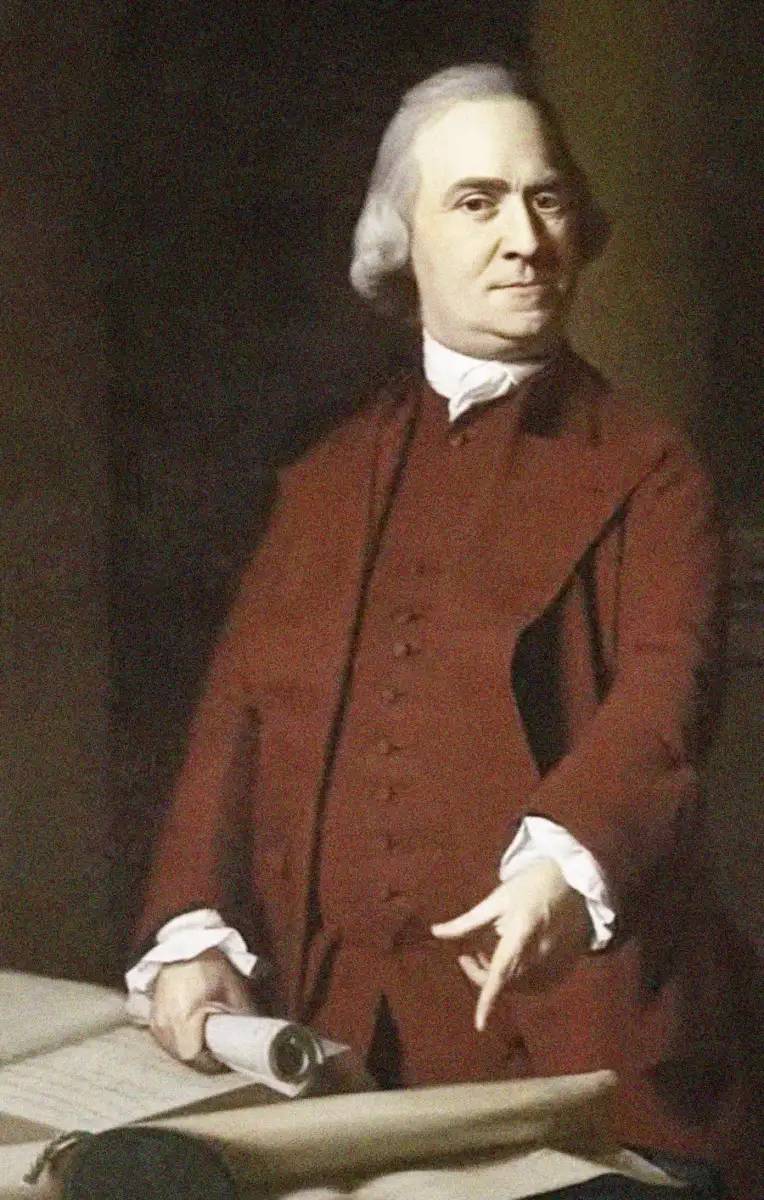
In March 1770, Preston’s men fired into a hostile crowd in Boston, killing five and inflaming colonial opinion. He stood trial and was acquitted, but his name became shorthand for imperial heavy-handedness. Few captains have been so defined by one chaotic night.
3. Captain John Paul Jones (Continental Navy)
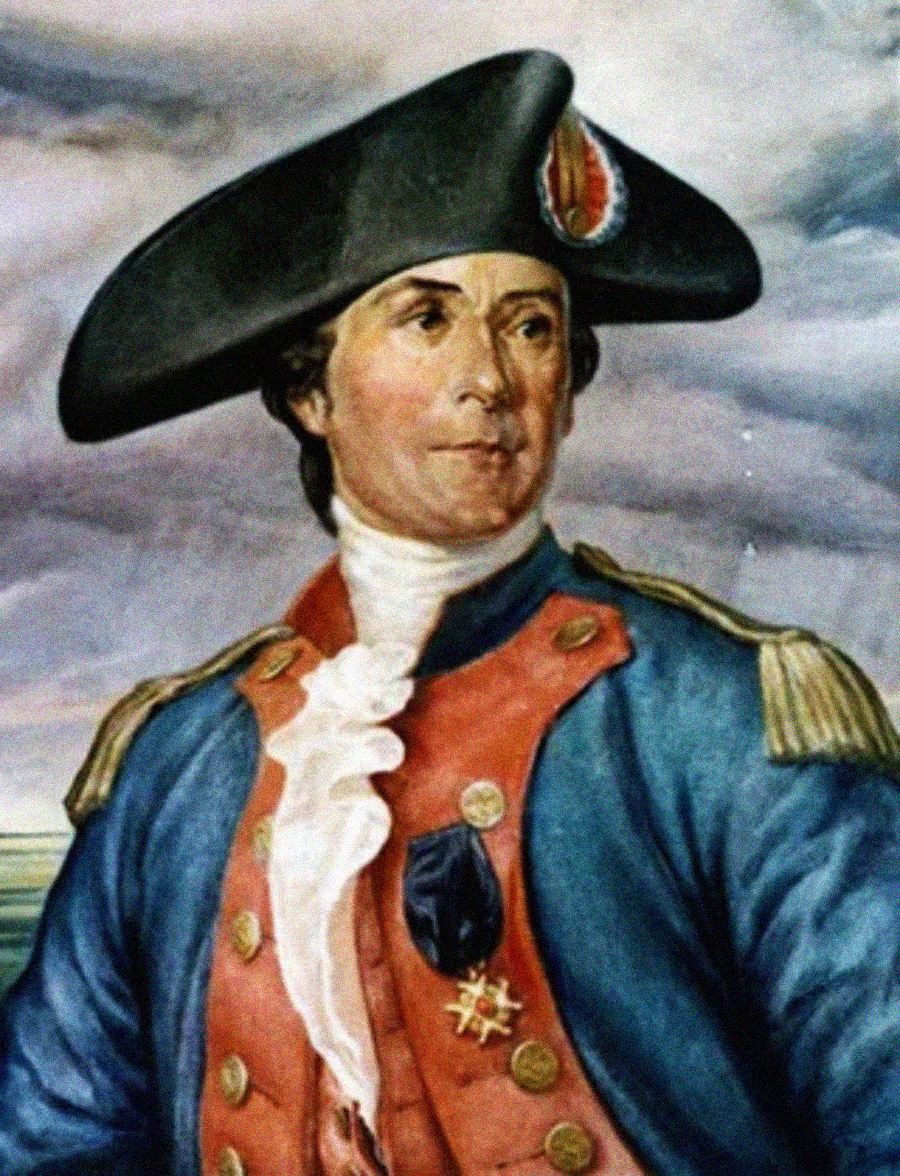
Hated in Britain and lionized in America, Jones embraced audacious close-quarters fights that bordered on reckless. His reported quip -“I have not yet begun to fight!”- during Bonhomme Richard vs. Serapis turned him into a myth in real time. Pirate to some, patriot to others; infamy depends on the flag you salute.
4. Captain William Quantrill (Confederate irregulars)
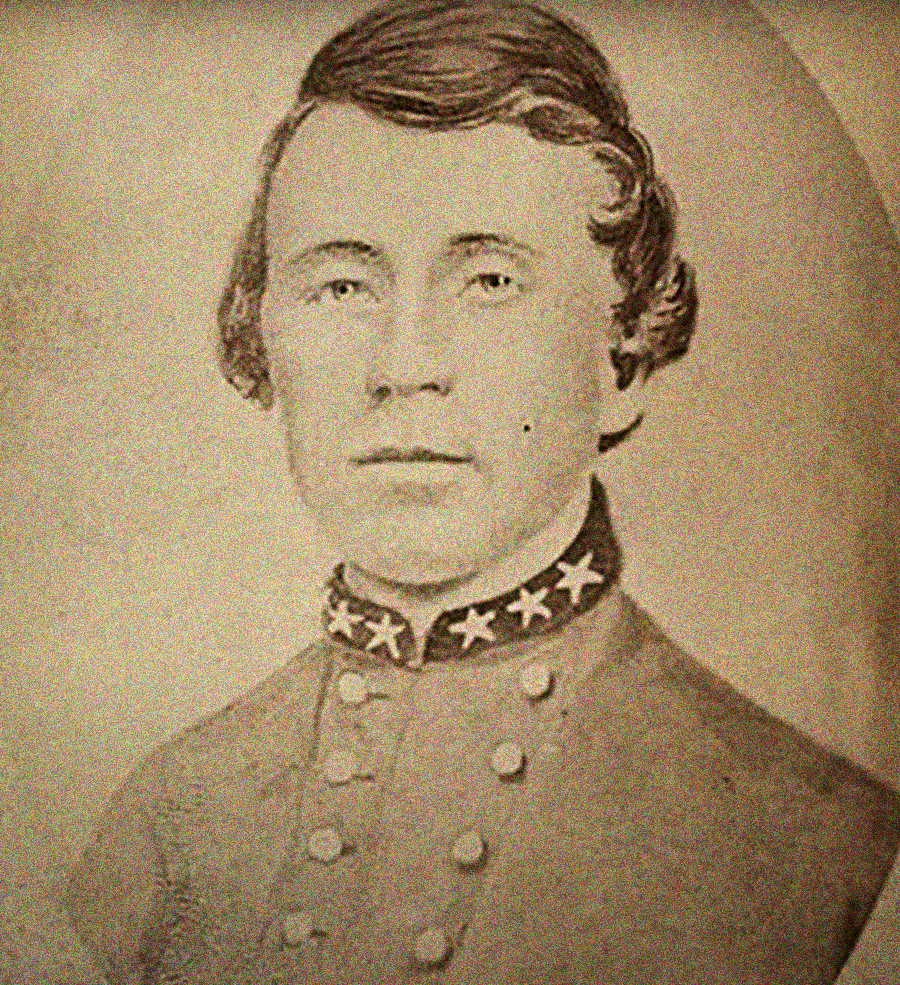
Styling himself a “captain”, Quantrill led a guerrilla band through Missouri and Kansas, culminating in the 1863 Lawrence massacre. His brand of total-war raiding blurred the line between soldier and outlaw. The word “infamous” could have been invented for him.
5. Captain “Breaker” Morant (Bushveldt Carbineers, Boer War)
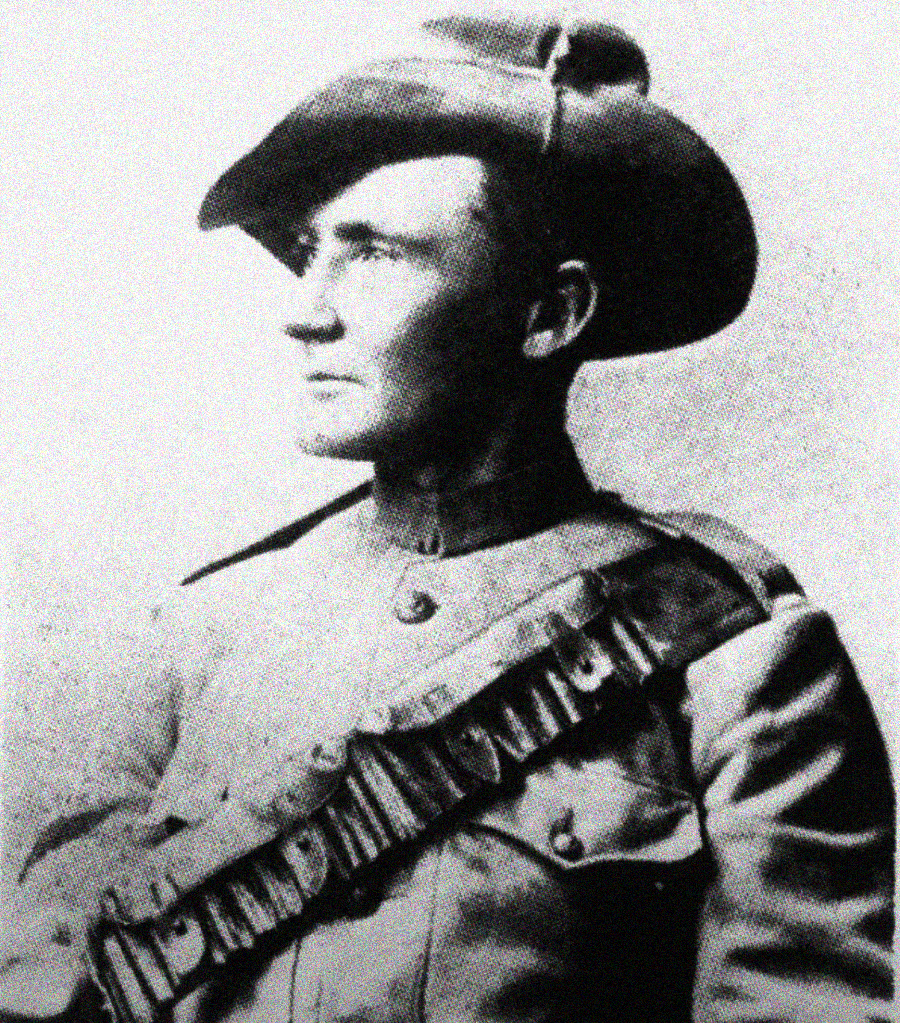
Harry Morant rose fast, shot faster, and was court-martialed and executed for murdering prisoners. Supporters still argue context; critics cite cold facts. A century later, he’s a case study in wartime morality and the limits of frontier justice.
Trending on The Scroller

6. Captain Raphael Semmes (CSS Alabama)
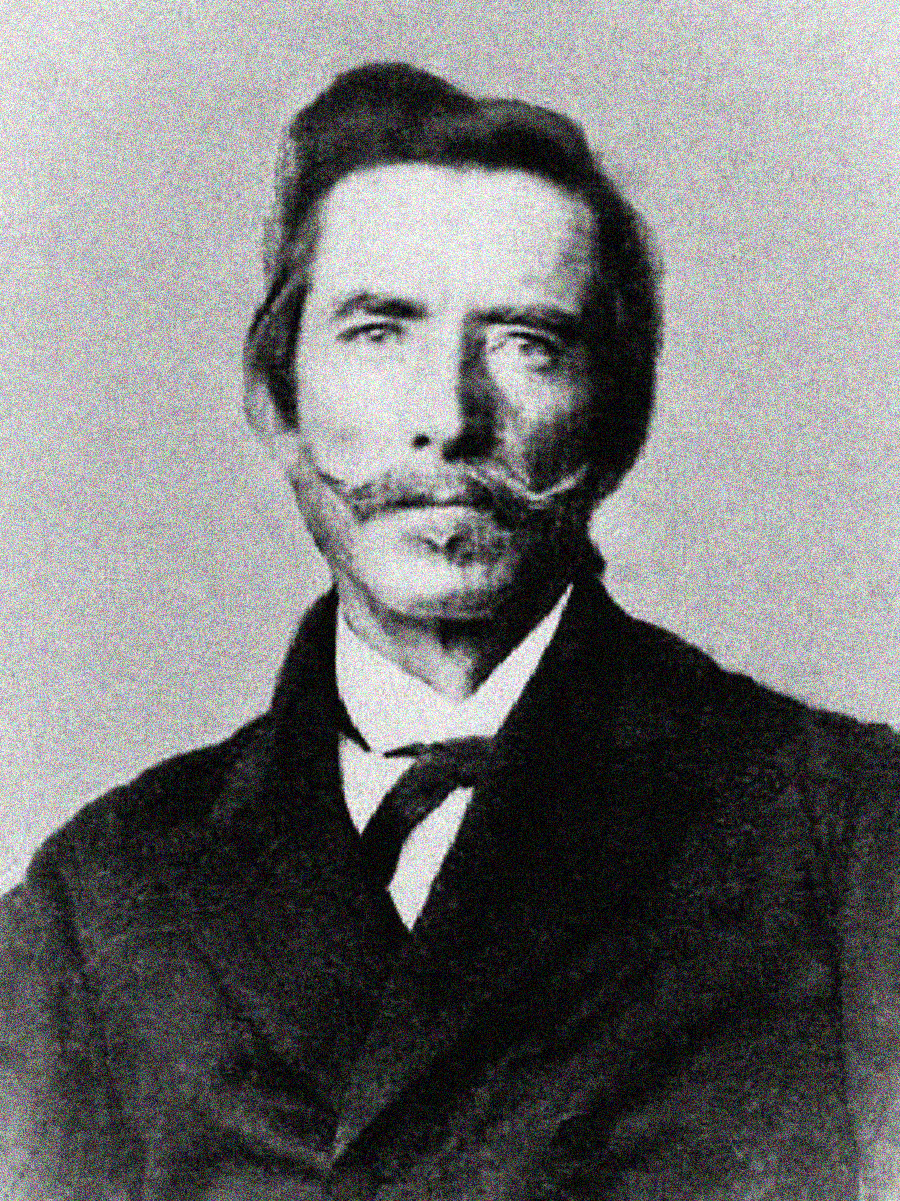
With a single cruiser and a talent for seamanship, Semmes torched Union commerce across the globe. His duel with USS Kearsarge off Cherbourg ended the spree but cemented his legend. To Northern shipowners, he was the sea’s most expensive problem.
7. Captain James Waddell (CSS Shenandoah)
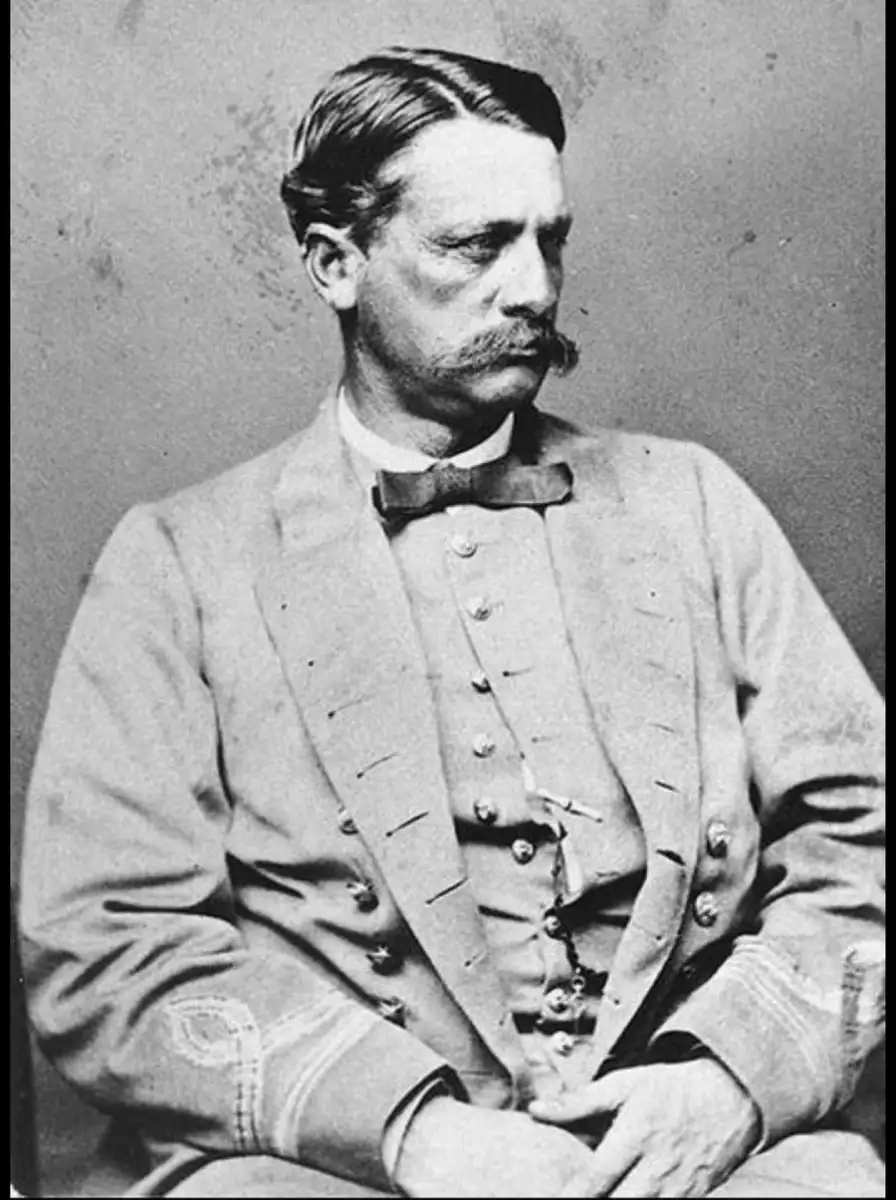
Waddell hunted Union whalers into the far Pacific so far that he was still taking prizes after Lee surrendered. When news finally reached him, he sailed halfway around the world to surrender in Liverpool. His last cruise turned “late notice” into international awkwardness.
8. Kapitänleutnant Günther Prien (U-47)
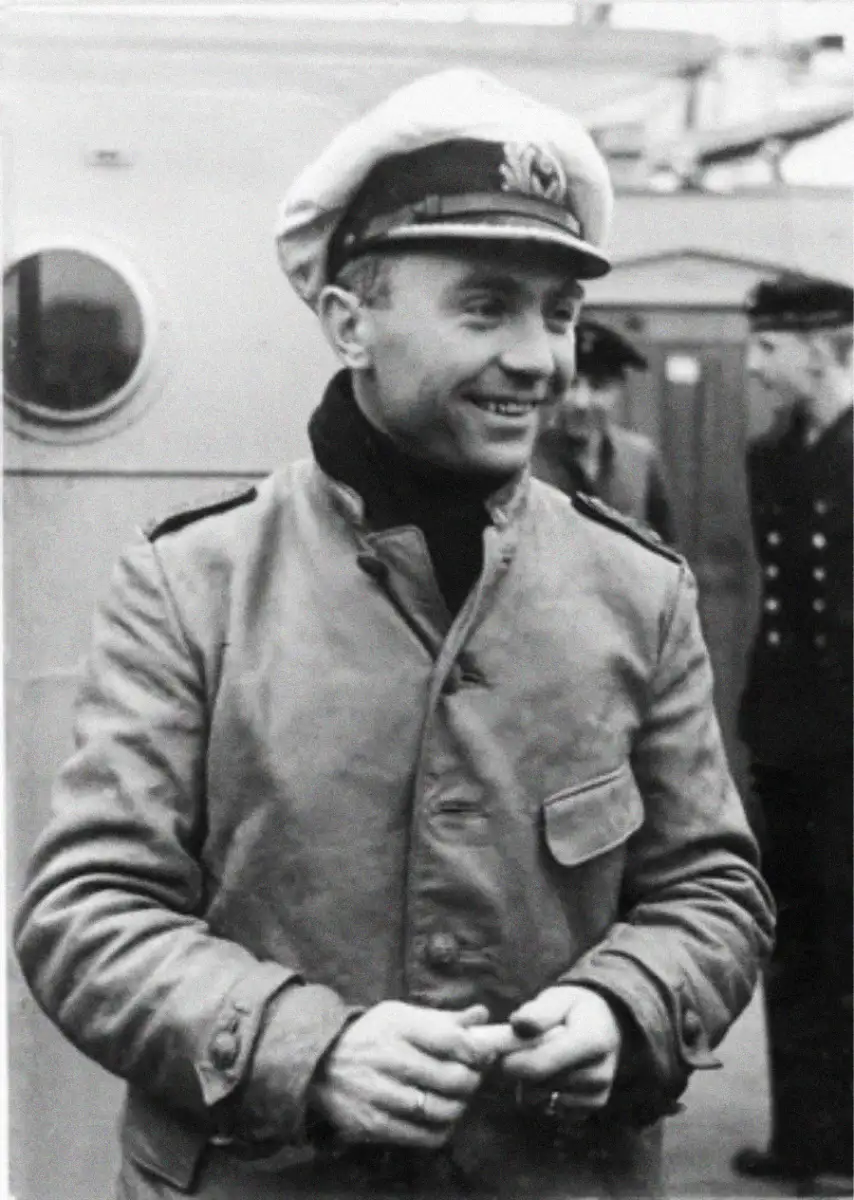
Prien slipped into Scapa Flow and sank HMS Royal Oak, a blow that rattled Britain early in WWII. Cool under pressure and lethal with a periscope, he became a propaganda star. Submarine war made him feared -and infamous- far beyond the North Sea.
Sign up for our newsletter
9. Kapitänleutnant Otto Kretschmer (U-99)

“Silent Otto” preferred night surface attacks and meticulous torpedo math, making him the most successful U-boat ace by tonnage. Captured in 1941, he outlived the war and the myth. His results -and the lives they cost- keep his name in any hard conversation about submarine warfare.
10. Kapitän zur See Hans Langsdorff (Admiral Graf Spee)

Langsdorff earned a reputation for chivalry as a commerce raider, then scuttled his pocket battleship off Montevideo rather than risk his crew. Admirable to some, controversial to others, it was a captain’s call with geopolitical ripples. His suicide days later sealed a tragic arc.
11. Captain Thomas Cochrane (Royal Navy)
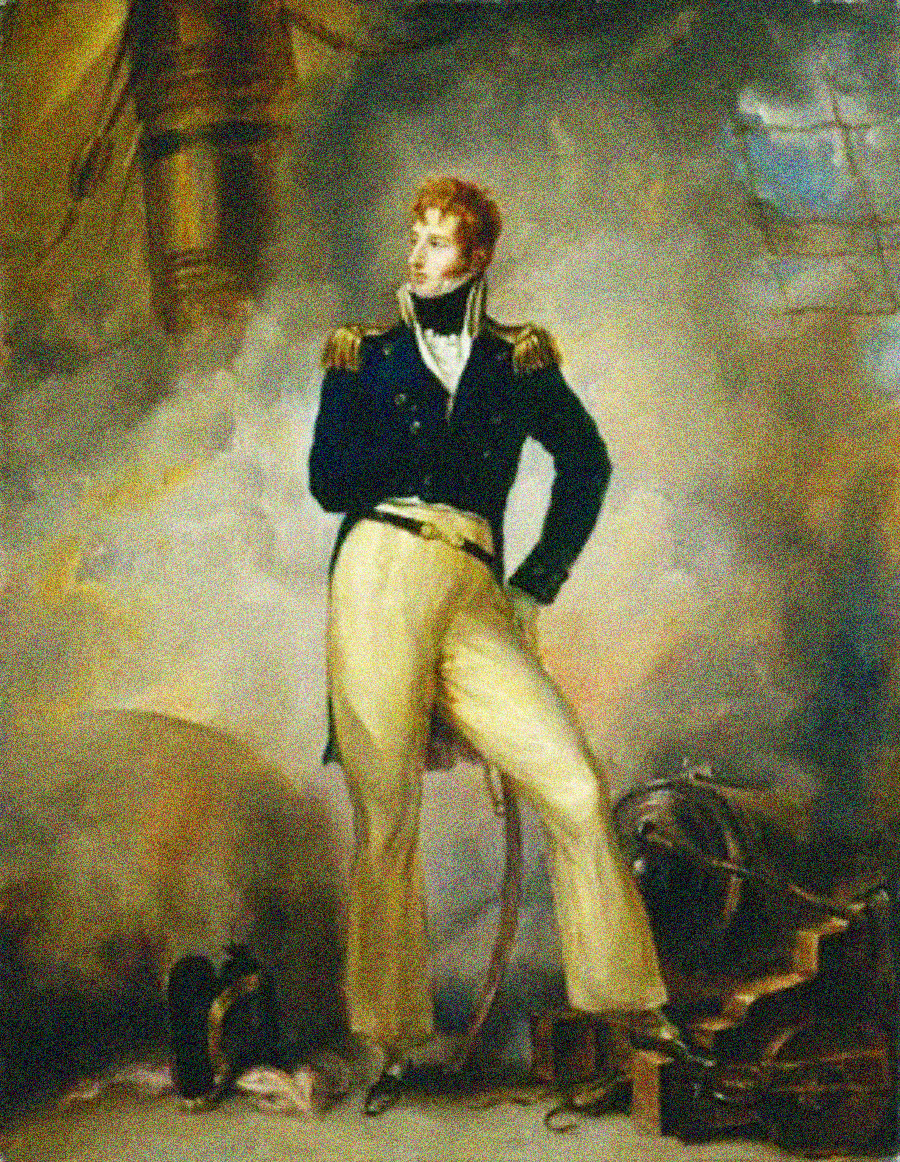
Daring fireships, bluff, and ridiculous odds, Cochrane made chaos an operational art. Court scandals and political enemies shadowed him as much as his victories did. Nations from Chile to Brazil later hired him, proving infamy travels well when paired with results.
12. Captain Sir John Franklin (Royal Navy, Arctic)

A seasoned officer with a stubborn streak, Franklin led HMS Erebus and Terror into the ice and never returned. The lost expedition became a Victorian obsession, with grim discoveries surfacing over generations. Brave planning or fatal rigidity? The debate still churns.
13. Captain Robert Falcon Scott (Royal Navy, Antarctic)
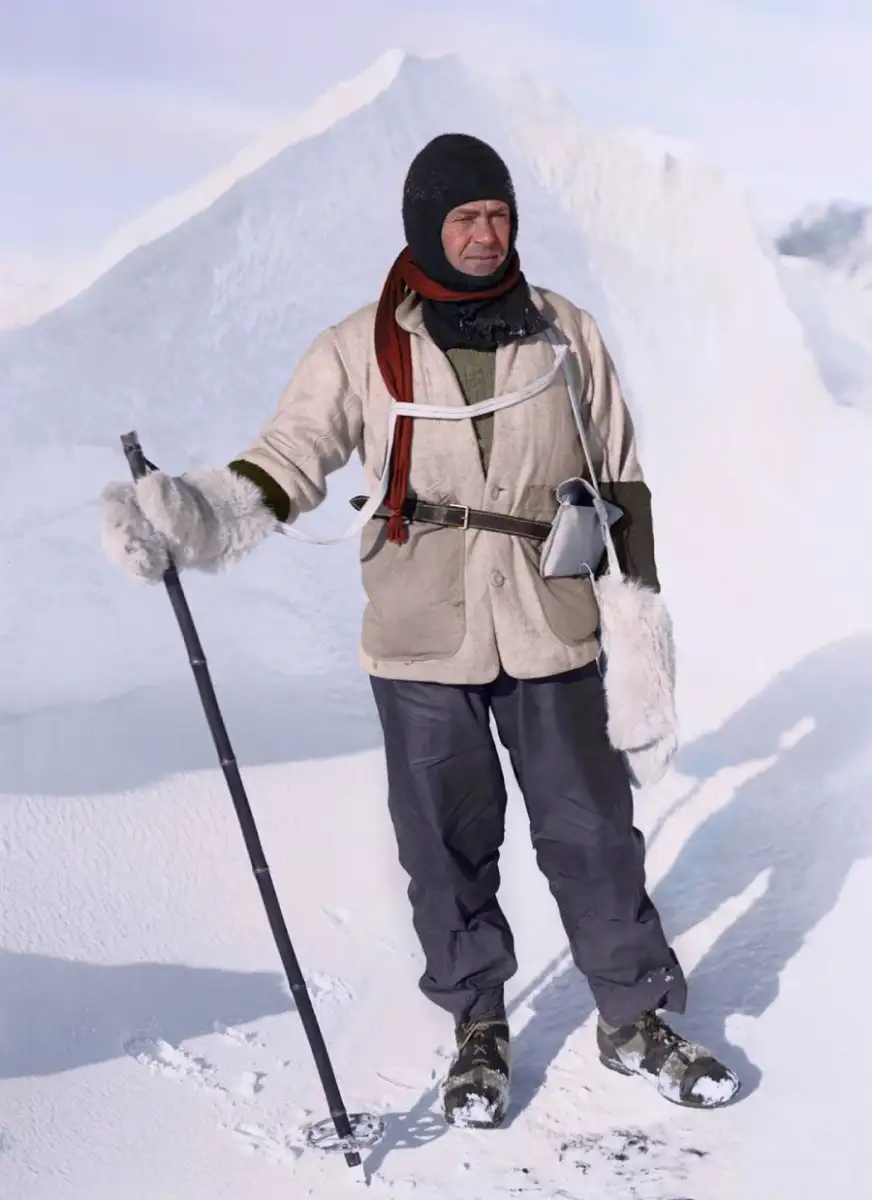
Scott reached the Pole second and died on the way back, leaving letters that made him a tragic national hero, and a magnet for criticism over preparation. Depending on your angle, he was either noble or needlessly doomed. Either way, his name is frozen into exploration lore.
14. Captain Alfred Dreyfus (French Army)
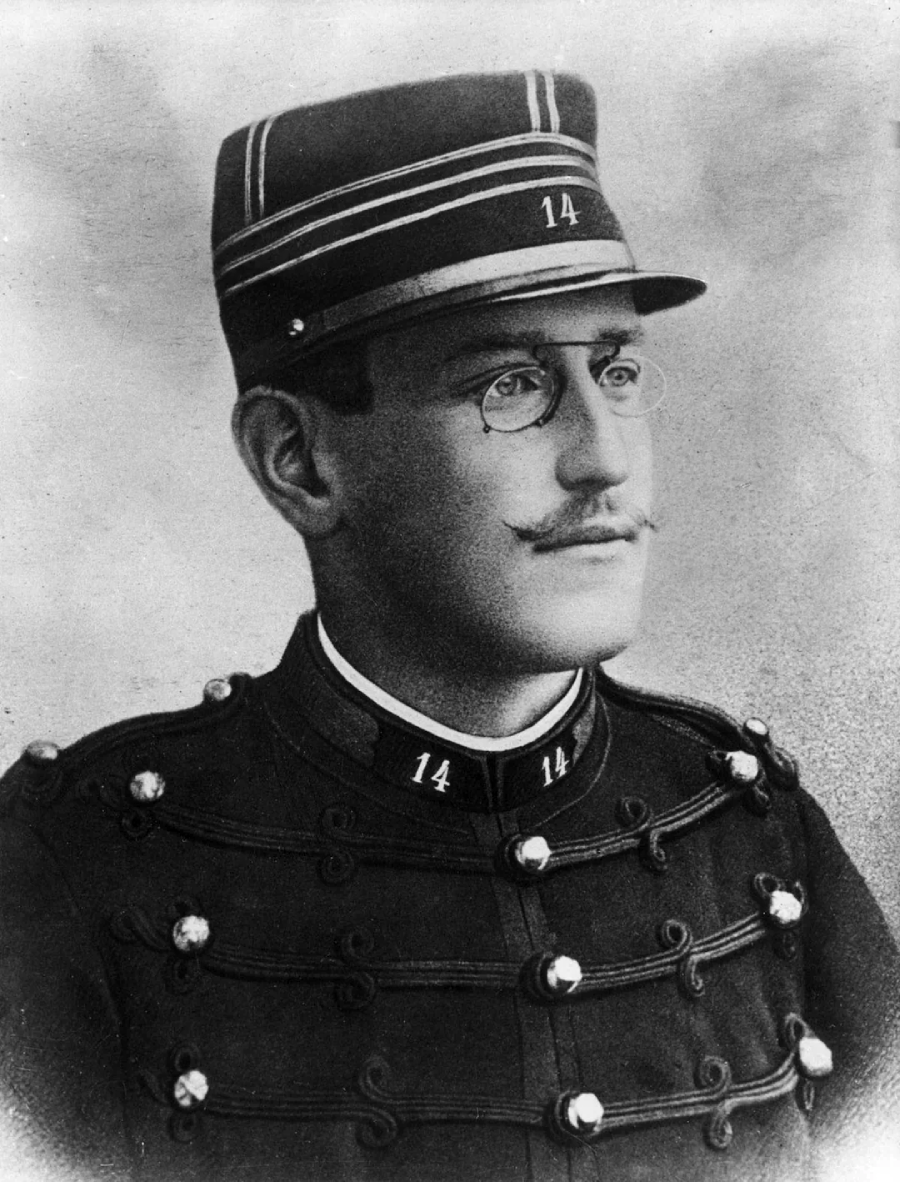
A model staff officer whose name became infamous through a wrongful treason conviction, Dreyfus spent years on Devil’s Island before exoneration. The affair split France and remade its politics. Sometimes the most notorious “captain” isn’t the villain, but the victim.
15. Captain Manfred von Richthofen (German Army Air Service)
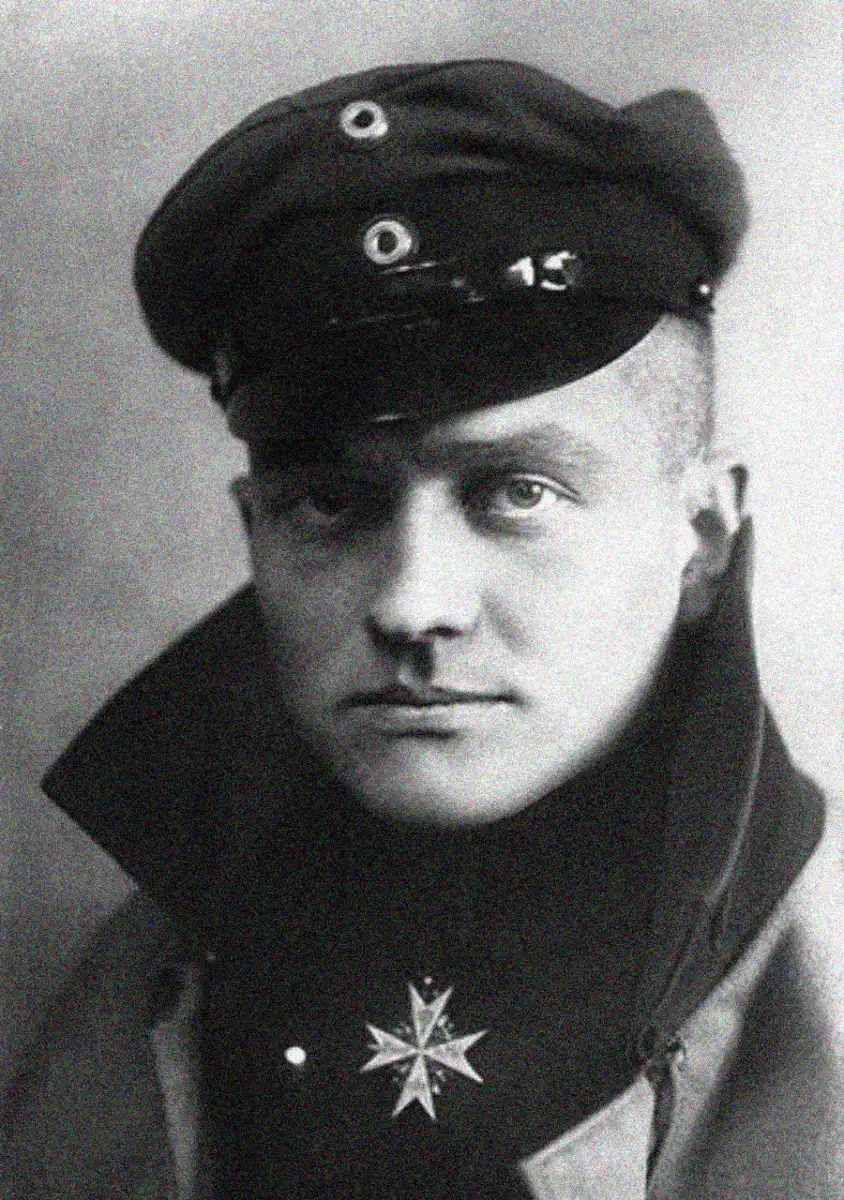
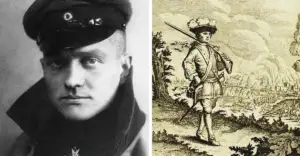
The “Red Baron” was technically a cavalry captain turned ace, painting his Albatros and Fokker a brazen scarlet. With 80 credited victories, he terrified the Western Front and became aviation’s first global anti-hero. Even his death couldn’t stop the legend.
16. Captain Hans-Joachim Marseille (Luftwaffe)

The “Star of Africa” combined acrobatic flying with uncanny marksmanship, racking up scores over the desert. He ruffled superiors and idolizers alike, a maverick wrapped in statistics. Dying at 22, he left a record -and a personality- built for argument.
17. Captain Ernst Lindemann (KMS Bismarck)
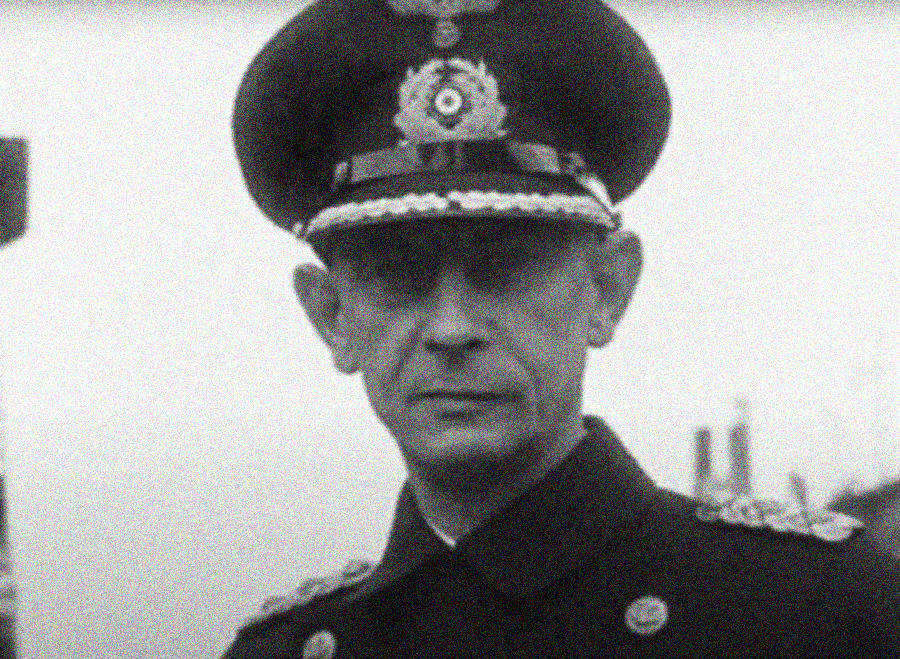
Lindemann commanded Germany’s most famous battleship on its only sortie, part triumph, part disaster. After sinking HMS Hood, Bismarck became the hunted, not the hunter. Lindemann went down with his ship, forever tied to a 96-hour legend.
18. Captain Sir Henry Morgan (English privateer)

Operating under letters of marque, Morgan raided Spanish strongholds with ruthless efficiency and walked a legal tightrope. Hero, pirate, or both, his career ended with a knighthood and a governorship. Infamy, it turns out, can be quite employable.
19. Captain James Cook (Royal Navy)
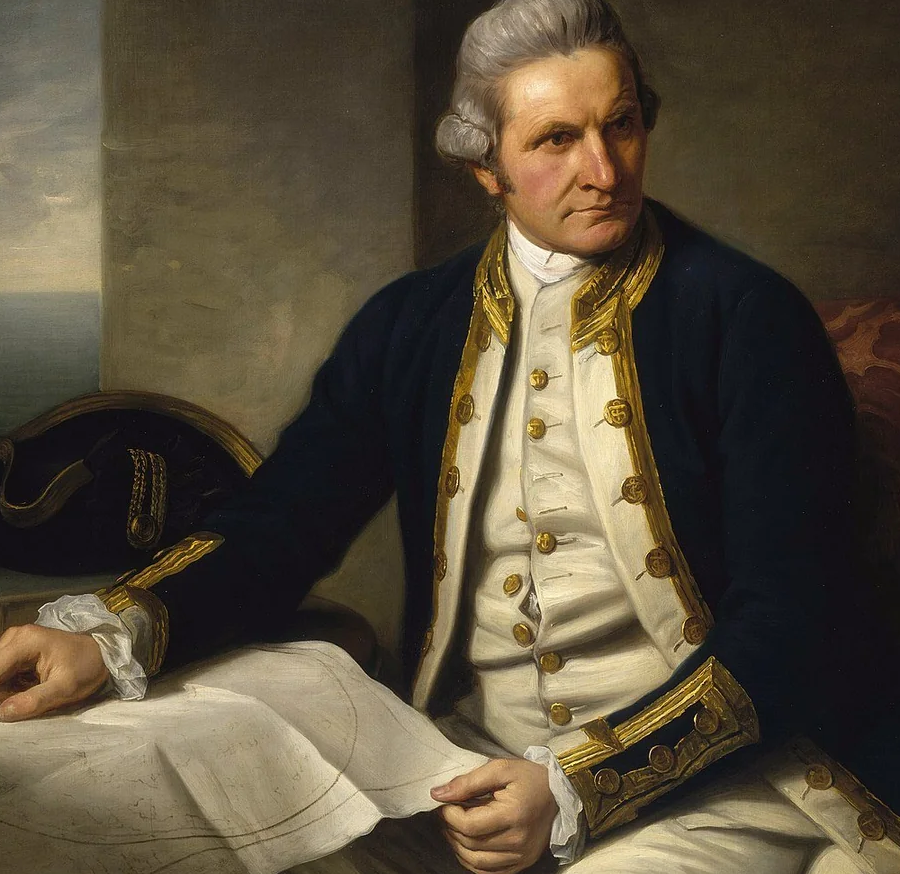
Explorer to some, invader to others, Cook mapped vast Pacific coasts with naval precision and left a fraught legacy in his wake. His death in Hawaii crystallized the clash between empire and island worlds. Notorious or noble, his charts redrew the globe.
20. Captain Mike “Mad” Hoare (British Army/mercenary)

A peacetime captain who became the Cold War’s most famous soldier-of-fortune, Hoare led hired columns in Congo crises and inspired a film genre. To clients he was a fixer; to critics, the face of post-colonial meddling. Infamy followed him longer than any contract.
Explore more historical content:
Titles change, reputations don’t: the most infamous captains were masters of nerve, navigation, and narrative. If you enjoyed this brisk tour of notorious names, keep the history binge going with these 17 Images of Warships Before Their Final Missions, or these 17 Photos of History’s Most Feared Lawmen. You can also check these 18 Historical Figures from the 1800s Who Had Strange Hobbies.