For over 100 years, the FBI has played an instrumental role in shaping American law enforcement, but it’s the individuals behind the badge who truly brought its legacy to life. These agents, also known simply as “G-Men,” weren’t just government operatives; they became key figures in some of the most dramatic moments in U.S. history.
Some chased down Depression-era outlaws, while others up and uncovered espionage plots or took on organized crime from within. Over time, a select few stepped out of the shadows and into the public eye, their names remembered alongside the cases they cracked.
1. Melvin Purvis

Best remembered for bringing down notorious gangsters like John Dillinger and Pretty Boy Floyd, Purvis became a public hero in the 1930s. His fame eventually caused tension within the Bureau, especially with Director J. Edgar Hoover.
2. Charles Winstead
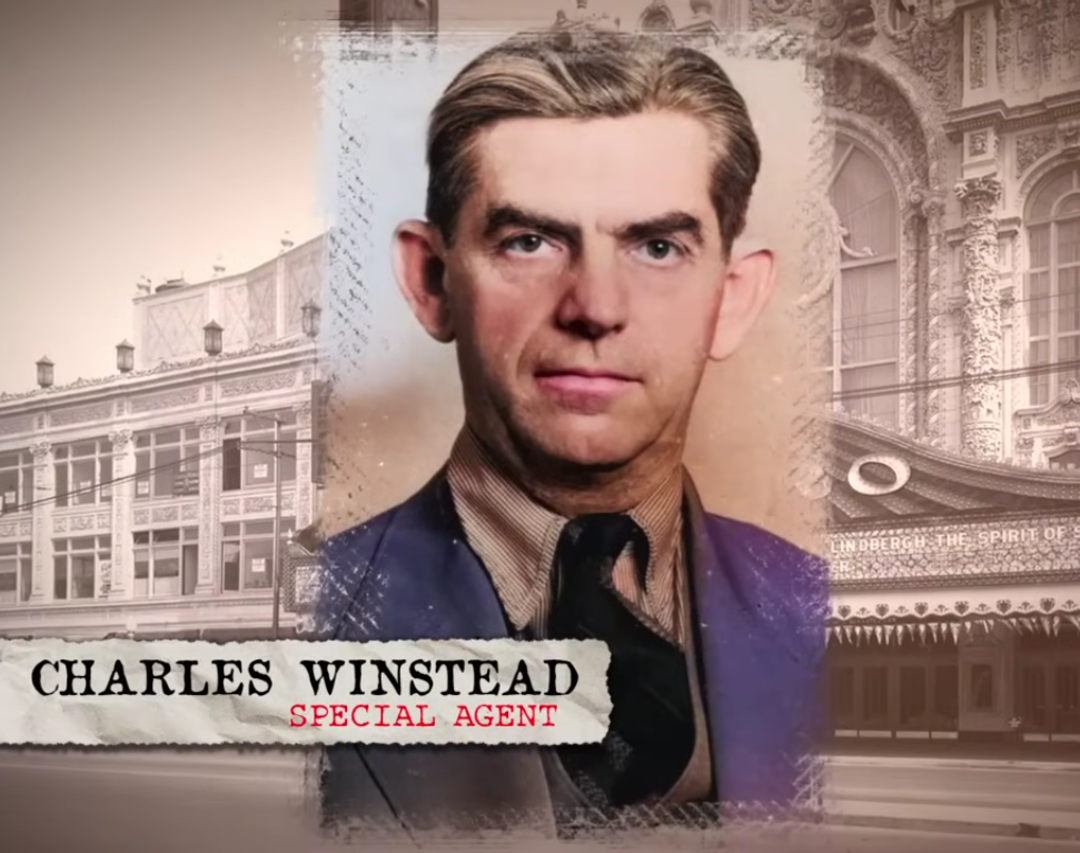
Winstead played a key role in the ambush that ended John Dillinger’s crime spree. Though he earned Hoover’s praise, his time at the Bureau ended after a disagreement with leadership.
3. Joseph D. Pistone

Going deep undercover in the Mafia, Pistone posed as a jewel thief for years, gaining the trust of major mob figures. His work led to a wave of convictions and later inspired a bestselling book and film.
4. Joaquin Garcia

Garcia spent over two decades under deep cover, infiltrating the Gambino crime family by pretending to be a criminal associate. His work is considered among the most effective in FBI undercover history.
5. Leon G. Turrou
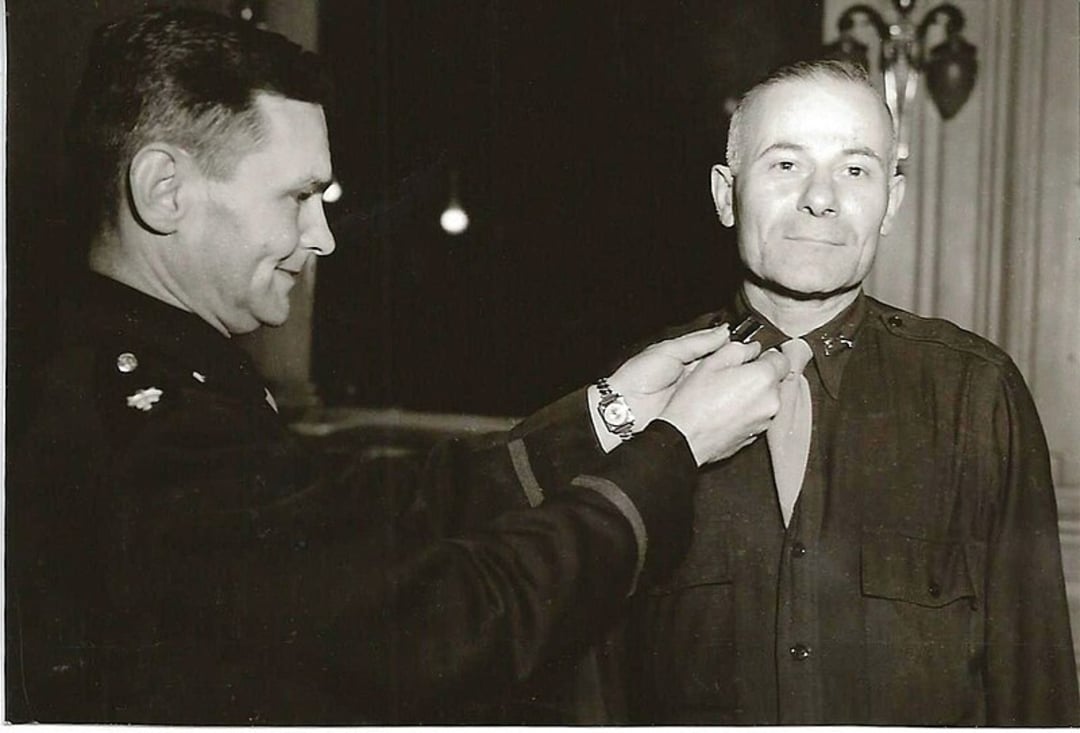
Assigned to investigate German spy activity before World War II, Turrou uncovered one of the earliest espionage rings on American soil. His decision to speak publicly about the case stirred controversy and ended his FBI career.
Trending on The Scroller


6. Walter R. Walsh
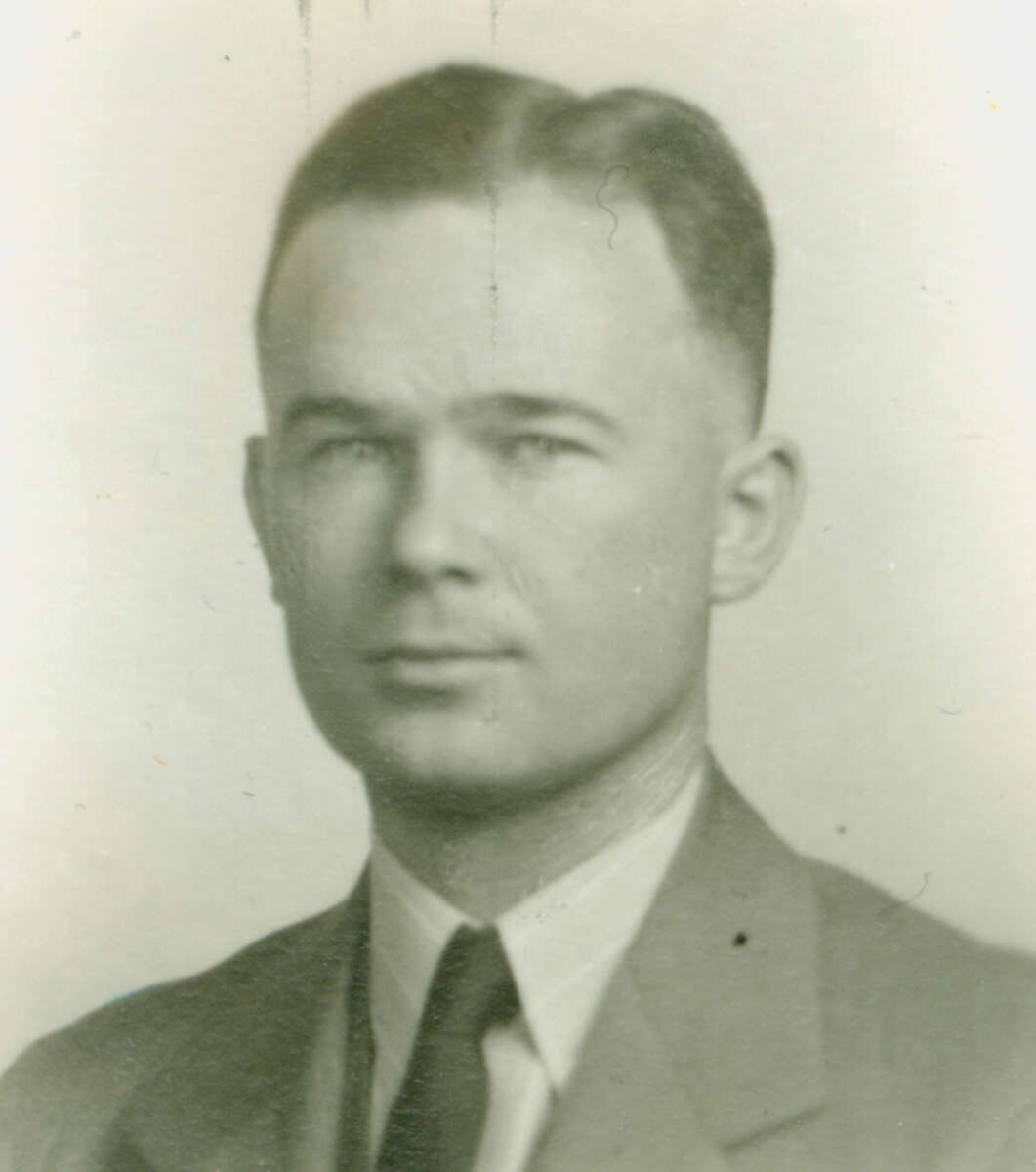
A marksman and field agent, Walsh faced down some of the most violent criminals of the 1930s. He later competed in the Olympics and lived to be over 100, becoming one of the oldest surviving G-Men from that era.
7. Joseph A. Sullivan

Inspector Sullivan worked on some of the most difficult and politically sensitive cases of the 20th century, including the murders of civil rights workers and Dr. King. His investigative leadership earned him quiet respect inside and outside the Bureau.
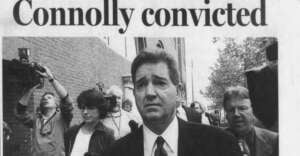
8. John Joseph Connolly Jr.
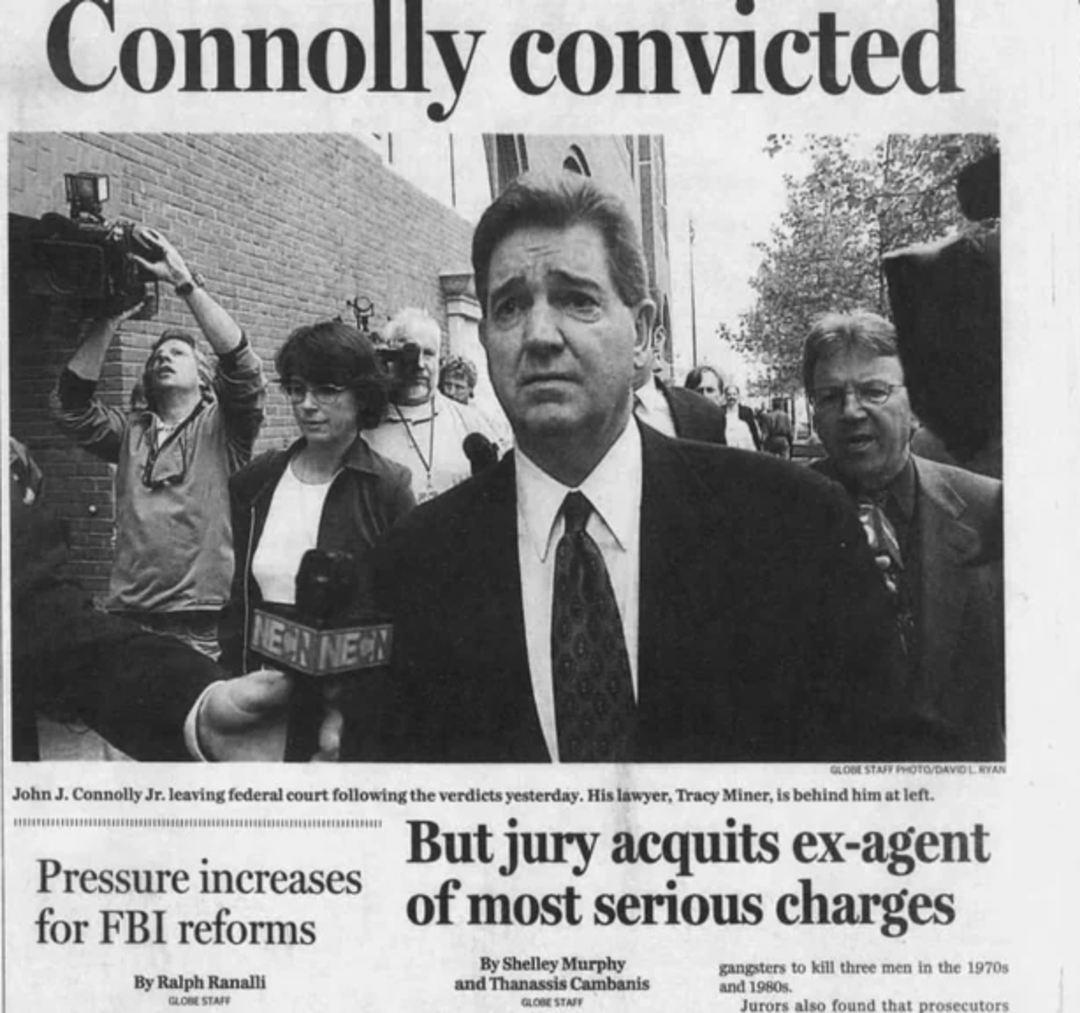
Connolly was once seen as a rising star, but his ties to mob boss Whitey Bulger eventually led to his own criminal conviction (though he was acquitted). His story became a cautionary tale about corruption within law enforcement.
Sign up for our newsletter
9. Mark Felt

As the Bureau’s second-in-command during Watergate, Felt secretly leaked details of the investigation to reporters. His identity remained hidden for decades until he publicly revealed himself in the early 2000s.
10. J. Edgar Hoover

The founding director of the FBI, Hoover turned a small investigative agency into a national force. While he built the Bureau’s image of efficiency and power, his tactics often drew criticism for overreach.
11. Frank Figliuzzi

Serving as Assistant Director for Counterintelligence, Figliuzzi handled some of the most sensitive national security threats during his tenure. He later became a commentator on intelligence matters.
12. Louis Freeh

Director from 1993 to 2001, Freeh oversaw the Bureau during a time of major terrorism threats, including the Oklahoma City bombing and the Unabomber case. His leadership style was both praised and critiqued.
13. Robert Mueller

Mueller led the FBI through the aftermath of 9/11 and was known for reshaping the agency’s focus toward counterterrorism. He later returned to the public spotlight as Special Counsel during the Russia investigation.
14. Clarence M. Kelley

Taking over after Watergate, Kelley worked to rebuild trust in the FBI and improve internal oversight. He had previously served as Kansas City’s police chief before becoming Director.
15. Edward S. Miller

A high-ranking counterintelligence official during the Cold War, Miller was later convicted for authorizing warrantless surveillance. His case highlighted tensions between national security and civil liberties.
16. Robert J. Lamphere

Lamphere played a key role in uncovering Soviet espionage activity during the Cold War. Working closely on the Venona project, he helped identify spies like Klaus Fuchs and the Rosenbergs, shaping how the U.S. responded to internal threats.
17. Sue Thomas

Though deaf since early childhood, Thomas broke new ground at the FBI by working in surveillance and intelligence analysis. Her life inspired a hit TV show and helped raise awareness of how people with disabilities could thrive in federal service.
Want to see more spy-like content?
Take a look at 15 Spy Gadgets That Were Used During the Cold War, or check out 14 Espionage Agents That Inspired James Bond. Finally, if you want to see firearms used by soldiers and spies alike, check out 18 Legendary Firearms Carried by WWII Resistance Fighters.