
Great wars don’t move themselves; people do. The generals of World War I wrestled with new machines, old doctrines, and millions of lives, learning in public how industrial war actually worked. Some stabilized fronts, some broke them, and some burned through armies chasing the next breakthrough. Here are 20 profiles of generals whose choices bent the arc of 1914-1918, and the century after.
1. Ferdinand Foch – France
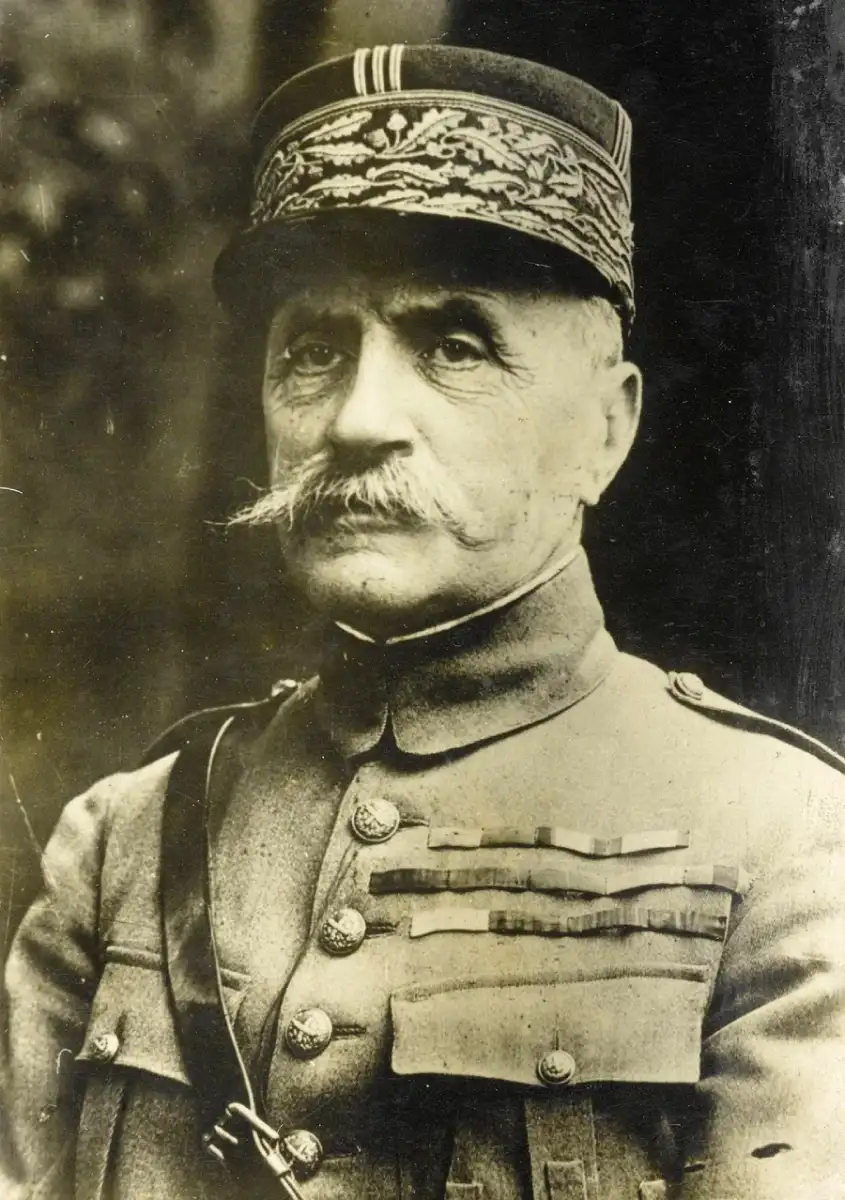
The artilleryman turned strategist coordinated the Allies in 1918, welding French, British, and American plans into a rolling counteroffensive. Foch favored elastic defense and concentrated blows over grandiose pushes. He accepted Germany’s request for an armistice and helped set the terms that ended the shooting.
2. Douglas Haig – United Kingdom

Commander of the BEF from late 1915, Haig oversaw the Somme and Passchendaele. In 1918 his armies drove the Hundred Days Offensive that cracked the Hindenburg Line. He left the field with victory in hand and controversy in the footnotes.
3. Aleksei Brusilov – Russia
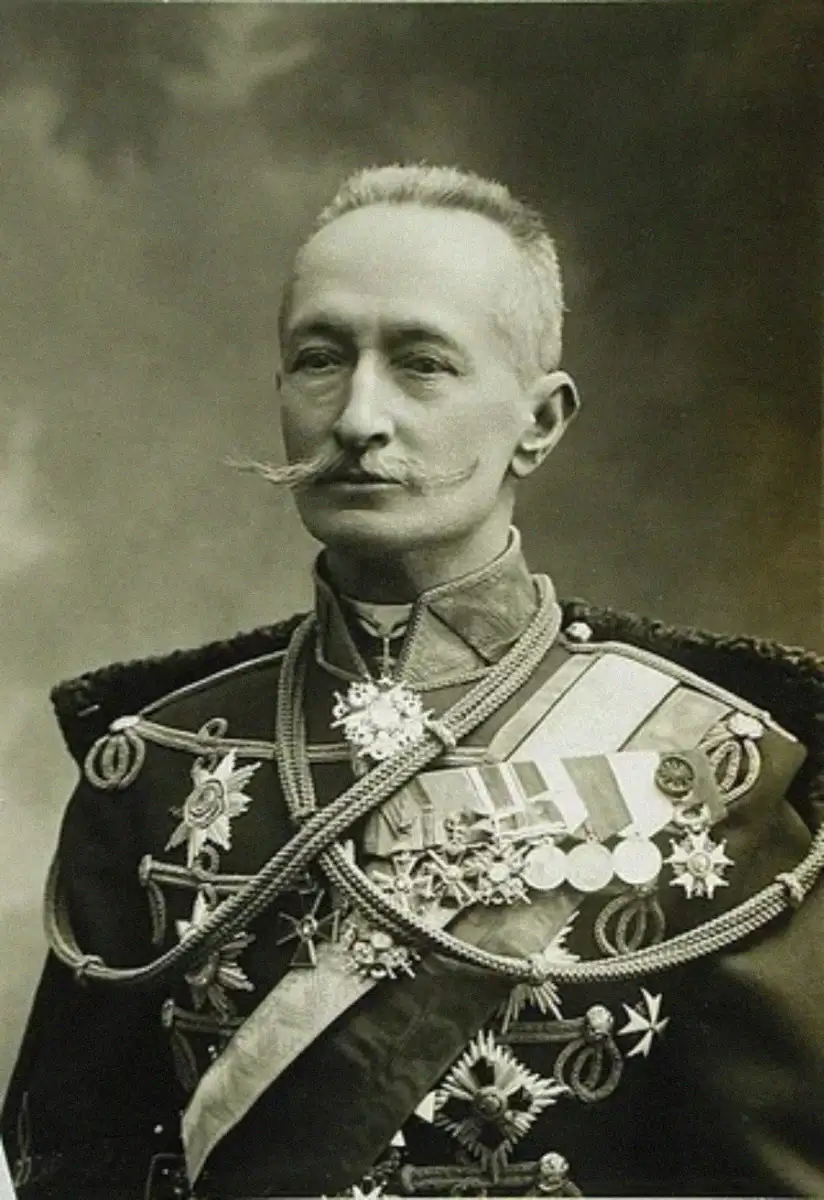
Brusilov’s 1916 offensive shocked the Central Powers with short bombardments, infiltration, and decentralised initiative. It shattered the Austro-Hungarian fronts and forced Germany to divert divisions east. The cost was brutal, but the method rewrote tactics across the war.
4. Joseph Joffre – France
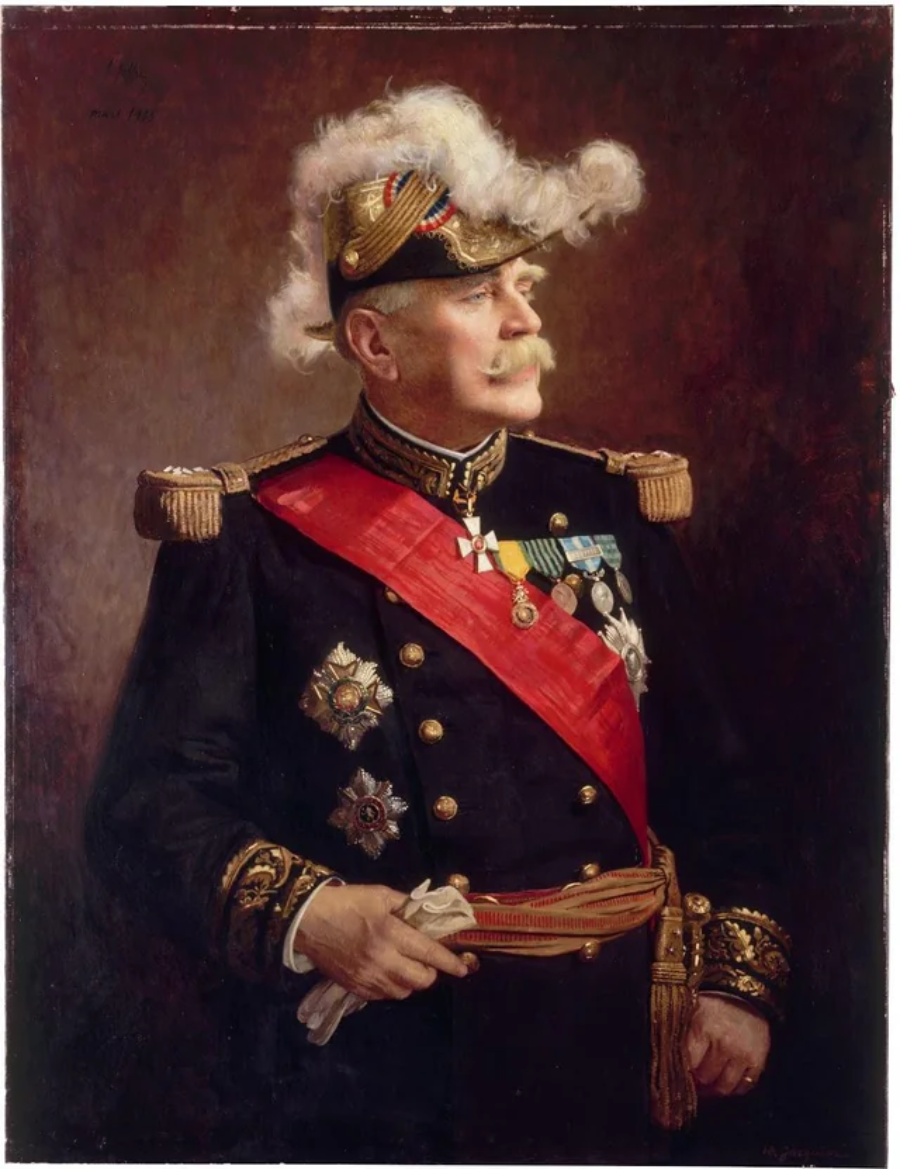
“Papa Joffre” steadied France in 1914, trading space for time and then counterpunching at the Marne. He reorganized a shaken army and standardized firepower before giving way to new leadership. France made him a marshal for building the platform others used to win.
5. John J. Pershing – United States

Pershing built an army in transit: ports, depots, roads, and the American Expeditionary Forces’ independence. He insisted U.S. divisions fight as Americans, not just replacements, then pushed through Saint-Mihiel and Meuse-Argonne. Logistics and insistence were his sharpest weapons.
Trending on The Scroller


6. Philippe Pètain – France

Verdun’s defender made “They shall not pass” more than a slogan, rotating divisions, massing guns, and restoring morale. In 1917, he doused mutinies with reforms rather than firing squads. Later reputations aside, his wartime method was discipline wrapped in pragmatism.
7. Edmund Allenby – United Kingdom
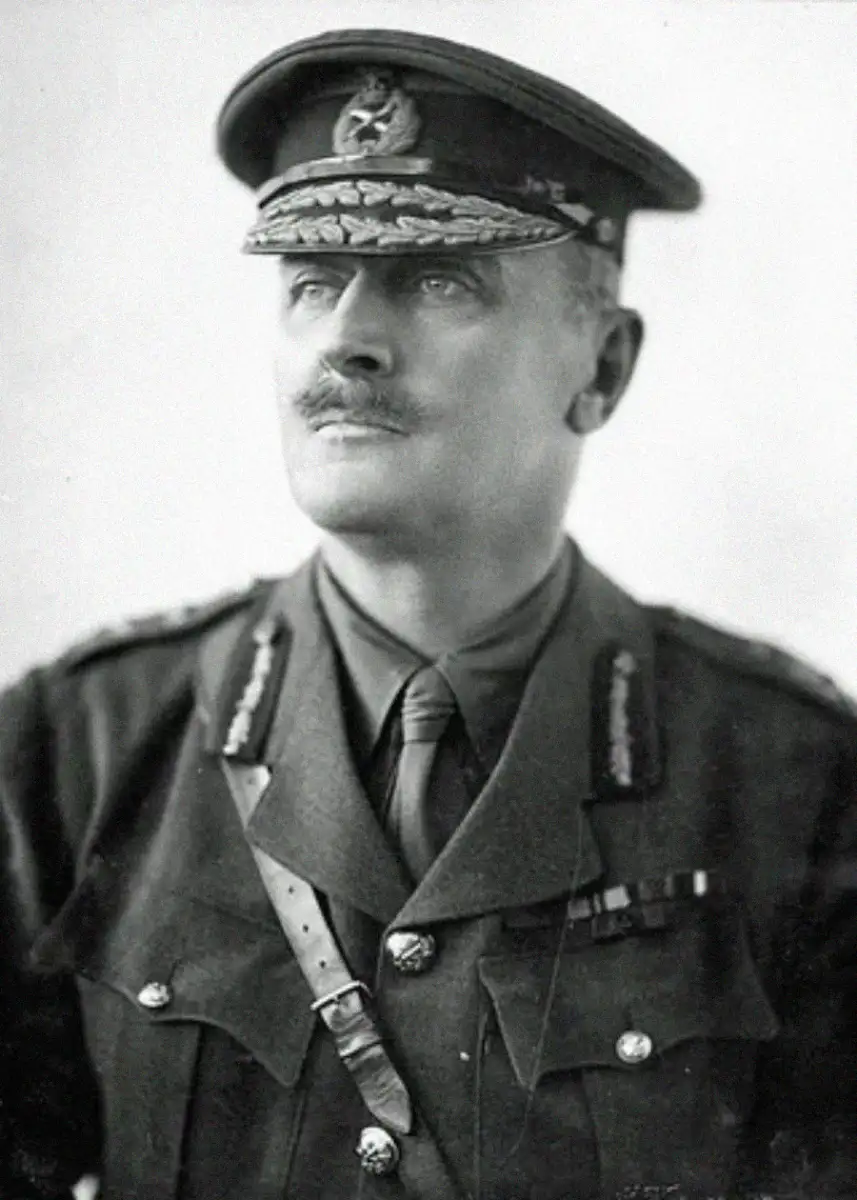
Sent east from the Western Front, Allenby rebuilt the Egyptian Expeditionary Force and broke the Ottoman line at Megiddo. He used cavalry pursuit, air power, and deception to turn a front into a rout. Jerusalem fell on his watch; he entered humbly, on foot.
8. John Monash – Australia
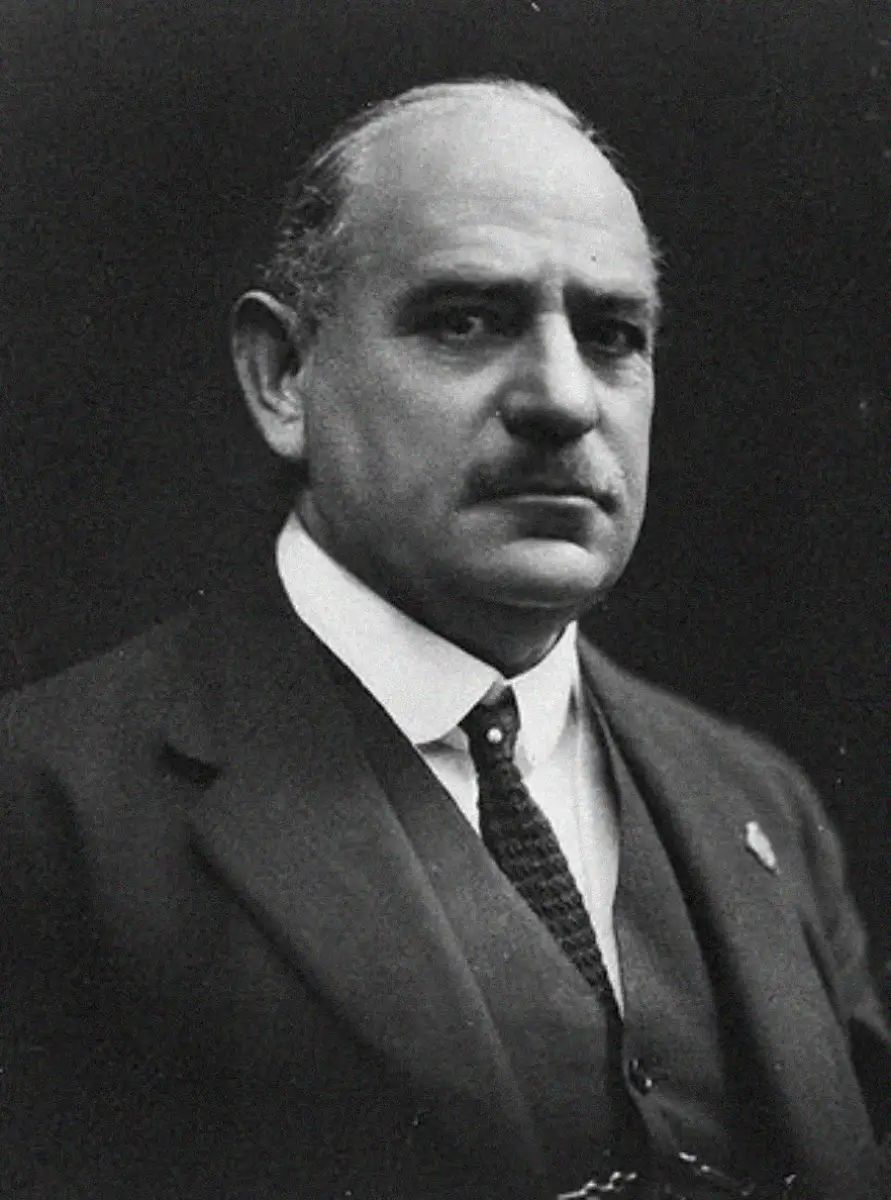
An engineer in uniform, Monash made plans that read like checklists: tanks, smoke, creeping barrages, and infantry in timed packets. Hamel and Amiens showed what combined arms could do in a single morning. His rule was simple: let machinery carry the weight, not men.
Sign up for our newsletter
9. Paul von Lettow-Verbock – German East Africa
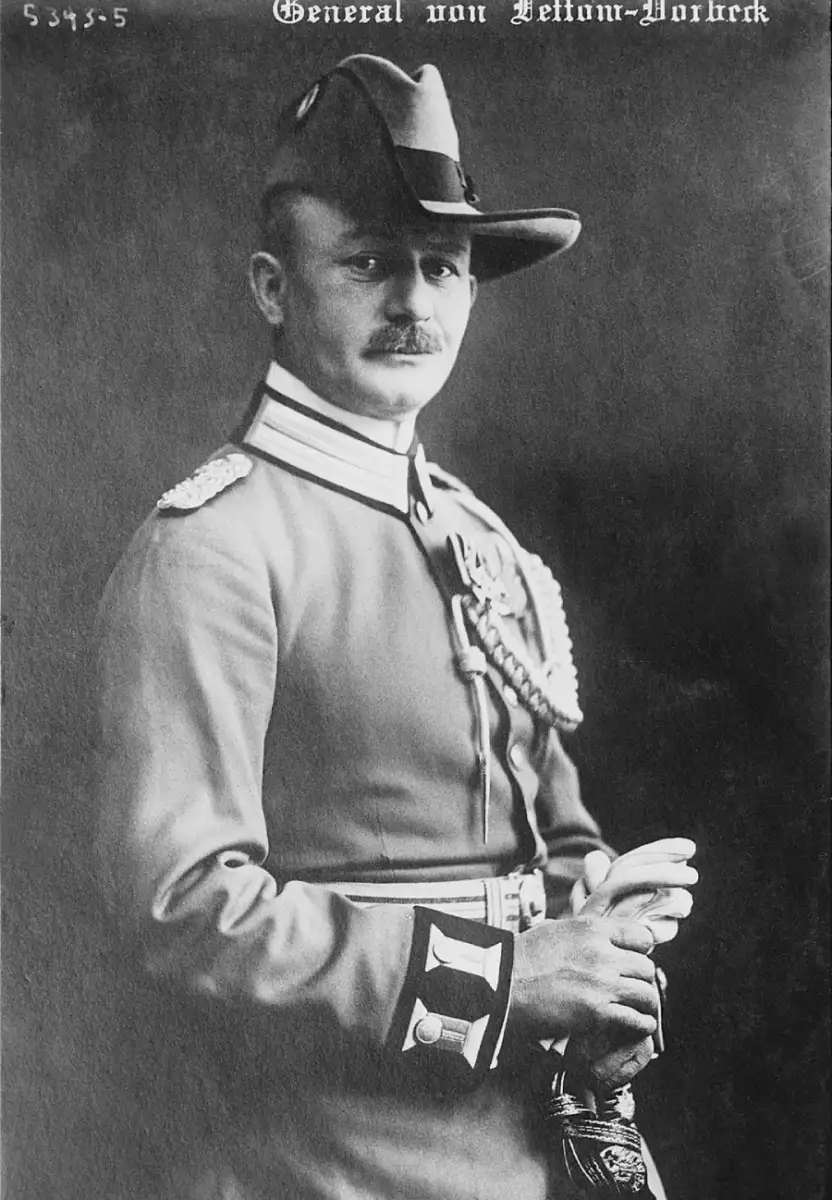
With a small, mobile force, Lettow-Vorbeck tied down far larger Allied armies across East Africa. He marched light, lived off the land, and kept moving until armistice news reached the bush. Strategy by evasion forced the Allies to spend heavily for little gain.
10. Mustafa Kemal – Turkey

Then, as a rising officer, Kemal stiffened the Gallipoli defenses with rapid counterattacks and anunblinking front-line presence. He later earned his general’s stars on the Caucasus front. The war made his name; the peace made his future.
11. Enver Pasha – Ottoman Empire

War minister and field commander, Enver drove the empire into the conflict and gambled at Sarikamish. He reorganized, sought German help, and kept pushing for a big break that never came. Hos decisions shaped the Ottoman war, for better and for worse.
12. Luigi Cadorna – Italy
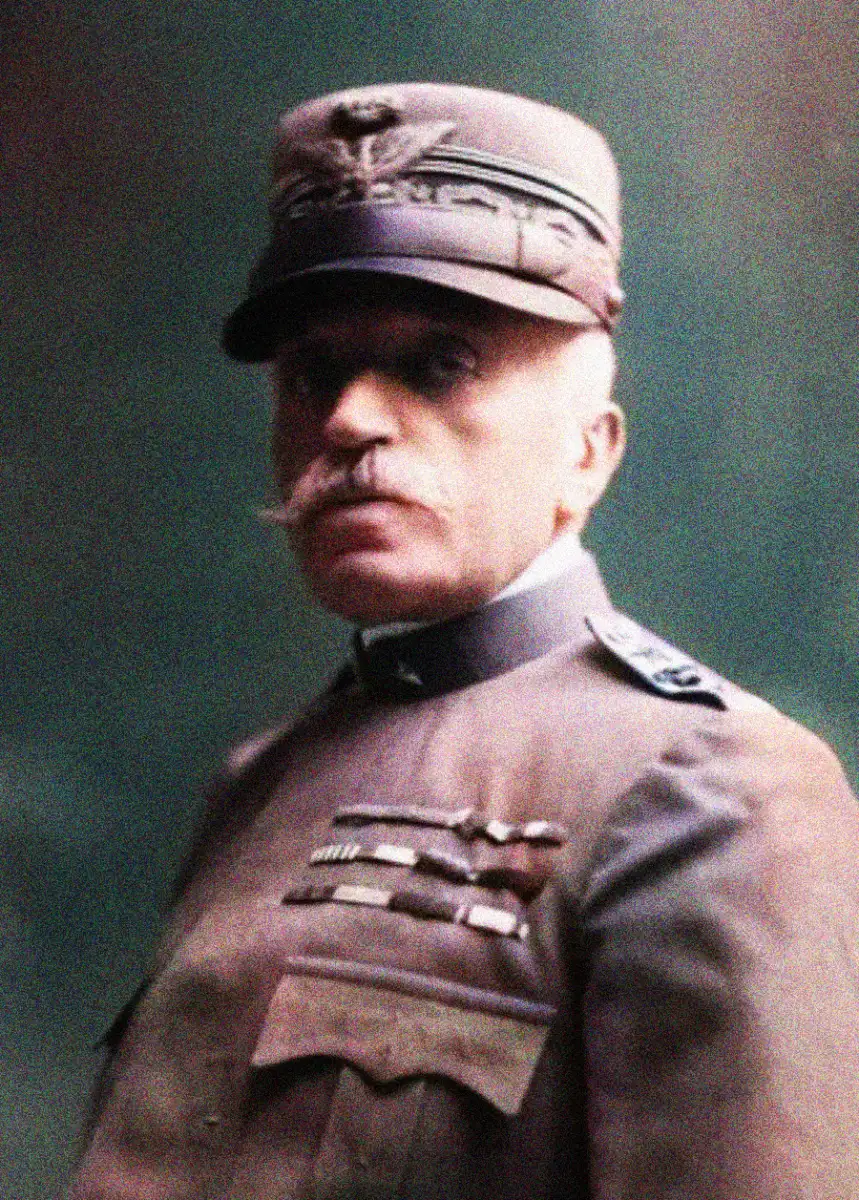
Italy’s hard-edged chief pounded the Isonzo with rigid doctrine and harsher discipline. The army bled, then buckled at Caporetto in 1917. His removal cleared space for a different approach and a different result.
13. Armando Diaz – Italy
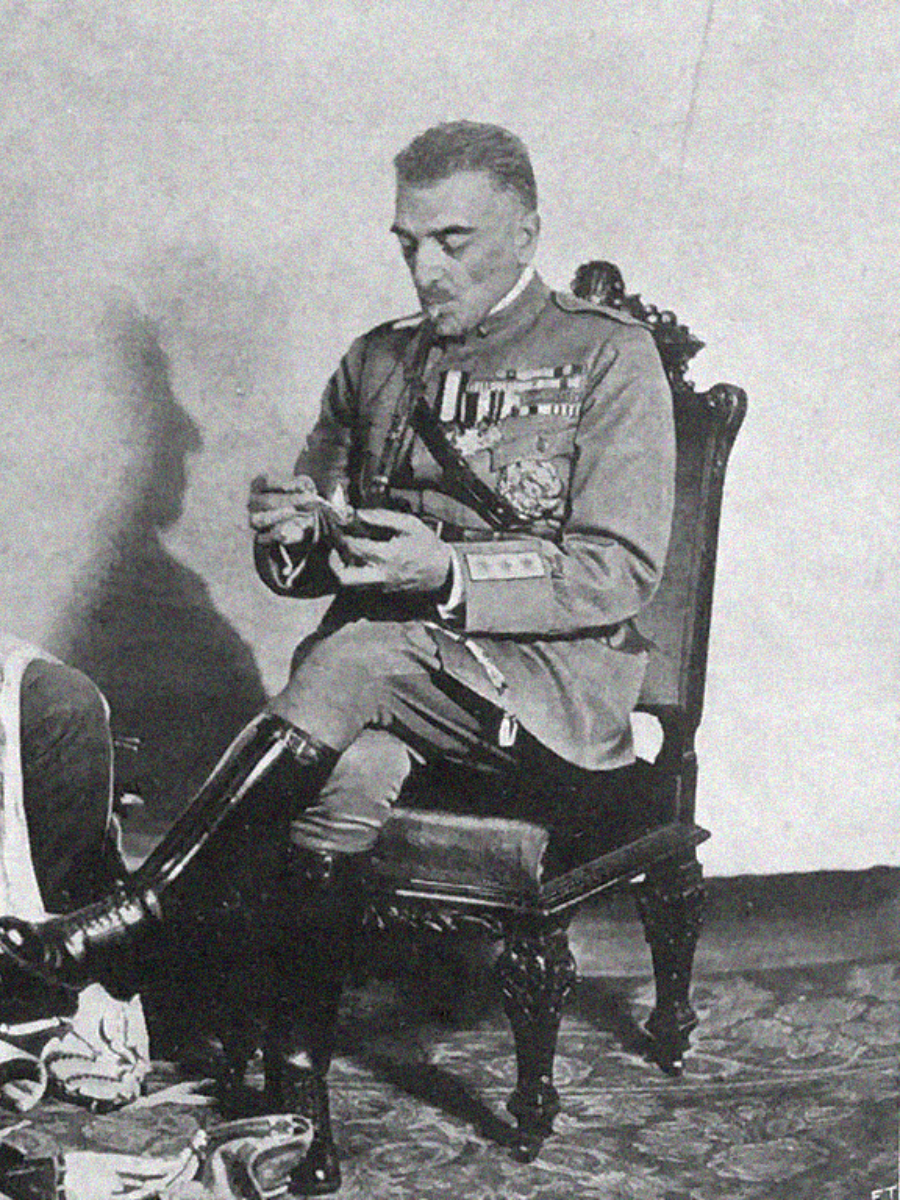
Diaz took over after Caporetto, rebuilt morale, and anchored the line on the Piave. Patient rather than spectacular, he husbanded strength for Vittorio Veneto. When Italy finally surged, it was on a foundation he quietly laid.
14. Franz Conrad vo Hotzendorf – Austria

A relentless advocate of offensive war, Conrad launched ambitious strikes in Serbia and Galicia with mixed to grim results. He understood the empire’s fragility but overestimated its reach. The Austro-Hungarian army spent lives it couldn’t replace.
15. Herbert Plumer – United Kingdom

The Second Army’s quiet professional planned like a surveyor: steps, timings, contingencies. Messines Risge, with its giant mines and bite-and-hold tactics, set the tone for smarter offensives. His units took ground and kept it.
16. Nikolai Yudenich – Russia

On the Caucasus front he beat the Ottomans cleanly, seizing Erzurum and Trabzon with winter campaingning that stunned observers. His theater rarely grabbed headlines, but it freed pressure elsewhere. Collapse at home, not defeat in the field, ended his war.
17. Joseph Gallieni – France

As Military Governor of Paris he improvised reserves to meet the Marne crisis. Gallieni preached mobility over rigidity before it was fashionable. Ill health sidelined him, but his ideas stayed in the fight.
18. Louis Franchet d’Espèrey – France

After steadying French armies in 1914, Franchet d’Espèrey later tool command in the Balkans and stitched together a true coalition blow. His Vardar Offensive broke Bulgaria, unzipped the Macedonian front, and sent shockwaves up the Axis spine. Fast pursuit, deft coordination, and a nose for when to press turned a “side theater” into the domino push of the autumn.
19. Arthur Currie – Canada
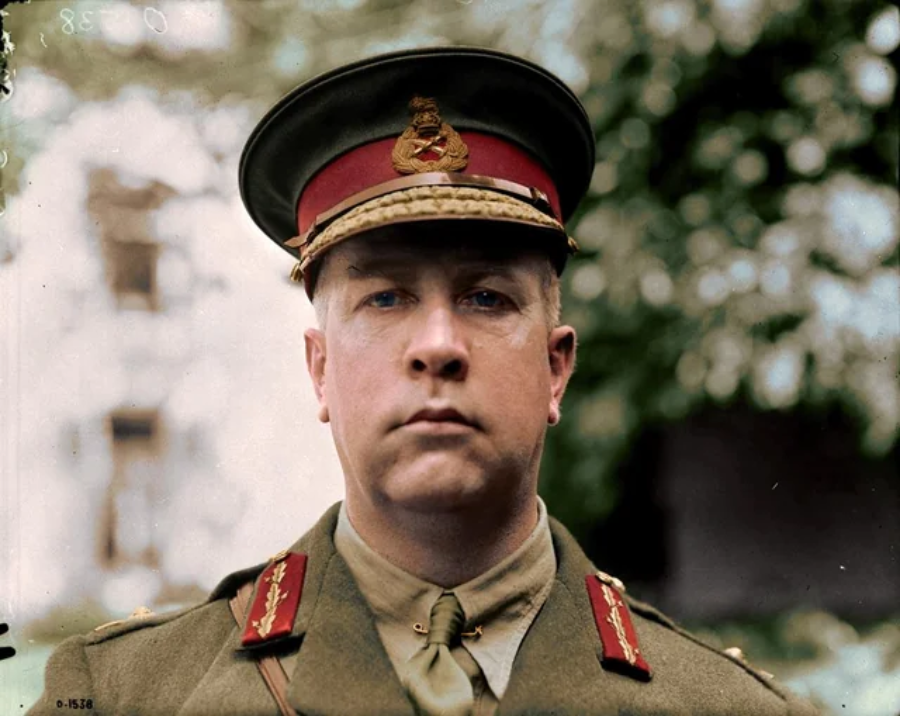
The Canadian Corps’ engineer-minded commander treated operations with precise logistics. From Vimy Ridge and Hill 70 to the Hundred Days, his units punched above weight and held what they took. Currie’s rule of thumb was simple: let planning save lives and win ground.
20. Sir Henry Rawlinson – United Kingdom
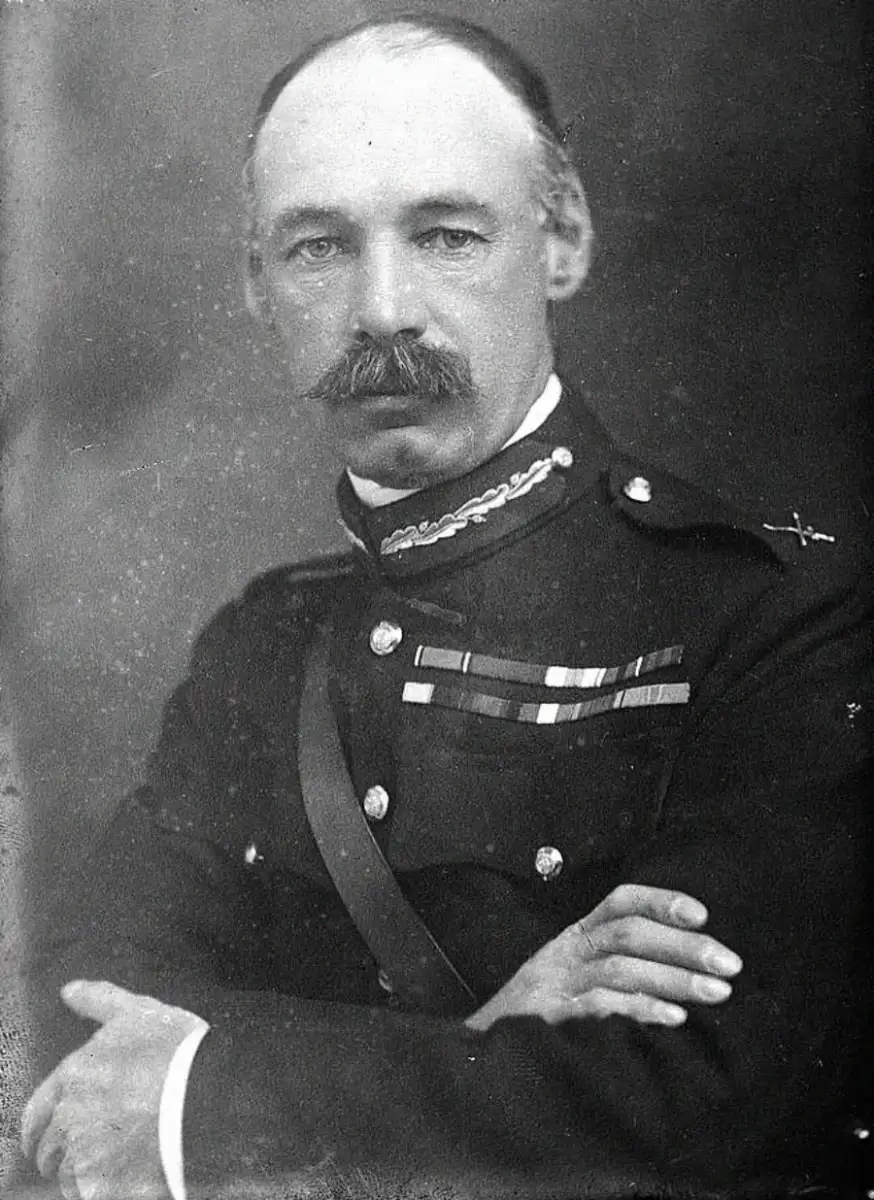
Commander of the British Fourth Army, Rawlinson refined “bite-and-hold” into a workable playbook after the Somme’s brutal lessons. In August 1918, he orchestrated Amiens, kicking off the “Hundred Days”. Weeks later, his forces helped crack the Hindenburg Line at the St. Quentin Canal. Method beat mystique, and coordination did the heavy lifting.
Explore more historical content:
Strip away the medals and you find the same calculus: manpower, time, and nerve. All spent differently by different generals under impossible clocks. For more character-driven history dives, try these 18 of the Last Known Photos of Famous Historical Figures from the 1940s, or these 20 Photos of the Gunslingers Who Kept the West in Check. You can also check these 19 Eerie Photos of Speakeasy Crime and Mob Enforcers.