
When we settle in to watch an NFL game, we are usually focused on the incredible feats of athleticism happening on the turf, but the stadiums themselves are just as impressive. These massive structures are marvels of civil engineering, designed to hold over 70,000 screaming fans while offering perfect sightlines and high-tech amenities. Building a modern football venue isn’t just about pouring concrete; it’s about managing complex acoustics, wind resistance, and even the natural growth of grass in environments that aren’t meant to support it. Every beam and cable is a testament to the “impossible” math that keeps these giants standing.
In the high-stakes world of the NFL, stadiums have evolved into multifunctional entertainment hubs that feature everything from retractable roofs that move like camera shutters to giant video boards that span the length of the field. Engineers must account for massive weight loads and weather extremes, ensuring that a snowy day in Green Bay or a sweltering afternoon in Miami doesn’t ruin the fan experience. These venues are essentially small, self-contained cities with their own power grids and transportation systems. Let’s dive into twenty facts about the engineering behind the game that will make you look at the gridiron in a whole new light.
1. State Farm Stadium’s traveling field – Arizona Cardinals

The grass field at State Farm Stadium doesn’t actually live inside the building; it sits in a giant, 19-million-pound tray that rolls outside on tracks. This allows the natural Bermuda grass to get maximum sunlight and fresh air for 360 days a year while keeping the interior of the stadium cool and shaded. The entire 40-inch-deep tray moves at a speed of 11 feet per minute, taking about 70 minutes to complete its journey. This engineering feat means the stadium can host concerts and trade shows on a concrete floor without ever damaging the pristine NFL turf.
2. The SoFi Stadium “canyon” – LA Rams/Chargers
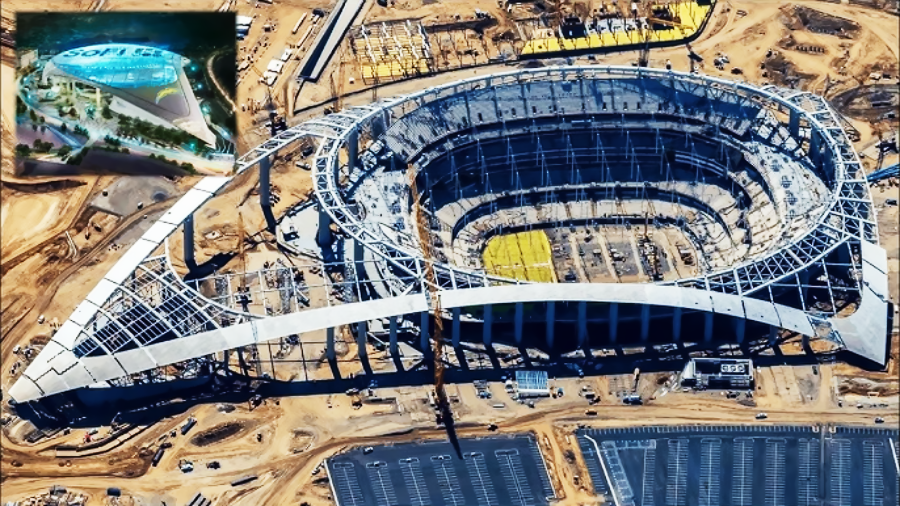
Because of its proximity to LAX airport, SoFi Stadium couldn’t be built too high due to flight path regulations, so engineers decided to dig down instead. The playing field sits 100 feet below the surrounding ground level, creating a massive “canyon” effect that helps with natural cooling. This subterranean design required the excavation of over 7 million cubic yards of dirt, enough to fill 2,000 Olympic-sized swimming pools. Despite being deep in the ground, the stadium’s open-air sides allow California breezes to circulate, making it one of the most energy-efficient venues in the league.
3. Mercedes-Benz Stadium’s “oculus” roof – Atlanta Falcons

The roof of the Falcons’ stadium doesn’t just slide open; it operates like a giant camera aperture made of eight translucent petals. Each petal weighs over 500 tons and moves on a track that is nearly 200 feet long, allowing the stadium to transform from indoor to outdoor in less than 10 minutes. Engineers had to use aerospace-grade precision to ensure the pieces locked together perfectly to keep the rain out. It is the only retractable roof of its kind in the world, creating a stunning “halo” effect for fans looking up from the 50-yard line.
4. AT&T Stadium’s record-breaking video board – Dallas Cowboys

“Jerry World” is famous for many things, but its center-hung video board was a total game-changer, spanning 160 feet in length and 72 feet in height. At the time of its installation, it was the largest high-definition television in the world, weighing a staggering 1.2 million pounds. The board is suspended by a system of steel cables that are thick enough to hold the weight of several Boeing 747s. It is so large that punters occasionally hit it with the ball, forcing the NFL to create a specific rule for “re-playing” the down if the technology interferes with the game.
5. Allegiant Stadium’s “black glass” cooling – Las Vegas Raiders
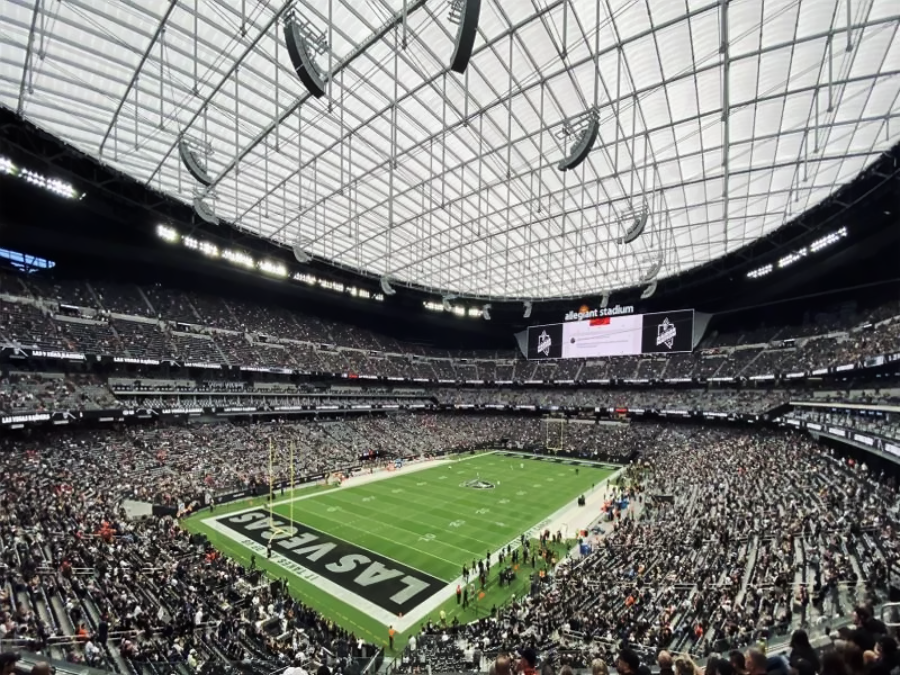
Building a stadium in the Nevada desert meant engineers had to find a way to keep fans from melting in 110-degree heat. Allegiant Stadium is wrapped in 28,000 tons of structural steel and covered in high-tech black glass that is designed to reflect solar heat while allowing light to pass through. Inside, a massive air conditioning system pumps out enough cool air to satisfy 20,000 average-sized homes simultaneously. Even with the desert sun beating down, the “Death Star” stays a comfortable 72 degrees for every Raiders home game.
Trending on The Scroller


6. The “silent” piles of Bank of America Stadium – Minessota Vikings

When building U.S. Bank Stadium, engineers faced a unique problem: the massive weight of a glass-and-steel roof combined with Minnesota’s heavy snowfall meant the foundation needed to be rock-solid. To achieve this without disturbing the surrounding downtown Minneapolis area, they used “silent” piles that were vibrated into the ground rather than traditional hammered piles. This method allowed construction to continue 24/7 without the rhythmic thumping that usually plagues urban builds. The foundation now supports a ridge truss that spans 970 feet, holding up the largest ETFE roof in North America.
7. Lumen Field’s “hawk’s nest” acoustics – Seattle Seahawks

The terrifying noise levels at Lumen Field aren’t just a result of the “12th Man” shouting; the stadium was scientifically designed to trap and amplify sound. The two massive overhanging roofs act as sound mirrors, reflecting noise from the stands directly back onto the field to disorient opposing NFL teams. In 2014, the crowd set a Guinness World Record by reaching 137.6 decibels, which is equivalent to standing next to a jet engine. This acoustic engineering makes the stadium a literal fortress of sound, causing more “false start” penalties for visitors than almost any other venue.
8. Hard Rock Stadium’s “open-air” canopy – Miami Dolphins

After decades of fans suffering in the sweltering Florida sun, Hard Rock Stadium underwent a $500 million renovation to add a 17,000-ton shade canopy. This massive structure covers 90% of the seats while leaving the playing field open to the sky to satisfy the grass’s need for sunlight. Engineers had to design the canopy to withstand Category 5 hurricane winds, using four massive corner trusses that were lifted into place by the world’s largest cranes. It effectively lowered the temperature in the stands by 30 degrees, transforming the fan experience from a survival test into a luxury event.
Sign up for our newsletter
9. Lucas Oil Stadium’s “barn” gable – Indianapolis Colts

Designed to look like a traditional Indiana fieldhouse, Lucas Oil Stadium features a massive retractable roof that splits along a 13-degree slope. Unlike most domes that are circular, this stadium uses a “peaked” gable design that requires the two panels to meet perfectly at a ridge seal 270 feet above the field. The roof can open or close in just 11 minutes, controlled by a single personal computer in the stadium’s command center. This engineering choice pays homage to the state’s industrial history while housing one of the most advanced indoor-outdoor systems in the league.
10. The floating roof of Ford Field – Detroit Lions

Ford Field is unique because it incorporates the historic Hudson’s warehouse into its design, but the real marvel is the roof that appears to “float” above the stands. The 340,000-square-foot roof is supported by two massive 750-foot-long super-trusses that span the entire length of the stadium without any interior columns. This creates a completely unobstructed view for every fan in the house, regardless of where they are sitting. To keep the weight down, engineers used a lightweight, high-reflectivity membrane that reduces energy usage and prevents the “closed-in” feeling of traditional domes.
11. Lincoln Financial Field’s “go green” power grid – Philadelphia Eagles

The Eagles’ home is effectively its own micro-power plant, featuring over 11,000 solar panels and 14 micro-wind turbines installed along the top of the stadium walls. This system produces enough renewable energy to account for roughly 40% of the stadium’s annual electricity needs, making it one of the “greenest” venues in professional sports. The wind turbines are specifically designed to catch the unique air currents created by the stadium’s height, spinning silently while fans watch the game. It’s a massive engineering commitment to sustainability that has made the NFL a leader in large-scale renewable energy.
12. MetLife Stadium’s shared identity tech – NY Giants/Jets

MetLife Stadium is the only venue in the NFL shared by two teams, which required engineers to build a “chameleon” lighting system. Within hours, the stadium’s exterior and interior LED displays can switch from Giants Blue to Jets Green with the flick of a switch. Even the giant pylons outside and the end-zone turf are swapped in a choreographed 24-hour transition that involves hundreds of crew members. This flexibility allows the stadium to host back-to-back games in a single weekend, appearing entirely branded for a new team by the time the gates open on Sunday morning.
13. Highmark Stadium’s “wind-tunnel” physics – Buffalo Bills

The new Highmark Stadium, currently under construction, is being “scienced out” to solve Buffalo’s legendary wind problem. Engineers used extensive wind-tunnel testing to design a canopy that specifically blocks the prevailing southwest winds while preventing the “swirl” effect that often plagues open-air stadiums. The perforations in the stadium skin are calculated to break up wind gusts, ensuring that even if it’s “howling” outside, the air at field level remains relatively calm for kickers. It is a masterclass in aerodynamic engineering designed to give the Bills a true home-field advantage against the elements.
14. Raymond James Stadium’s concrete pirate ship – Tampa Bay Buccaneers

The most iconic feature of “Ray Jay” is the 103-foot-long, 43-ton pirate ship permanently docked in the north end zone. While it looks like a movie prop, it is a complex piece of engineering that includes working cannons and an animatronic parrot. The ship is built onto its own structural foundation to ensure the weight of the “crew” and fans doesn’t affect the stadium’s main bowl. Whenever the Bucs score, the ship’s cannons fire a thunderous salute, a tradition that required engineers to integrate pyrotechnics directly into the stadium’s safety and structural systems.
15. The “frozen Tundra” underground heating – Green Bay Packers

Despite its nickname, the field at Lambeau Field hasn’t been “frozen” since 1967 thanks to a sophisticated underground heating system. Beneath the grass lies over 30 miles of high-density tubing that circulates a mixture of antifreeze and hot water to keep the soil temperature at a steady 38 to 40 degrees. This prevents the ground from turning into a concrete-hard surface during the brutal Wisconsin winters, protecting players from injury. The system is so powerful that it can melt snow as it falls, ensuring the grass stays green and pliable even in sub-zero temperatures.
16. Levi’s Stadium’s living green roof – San Francisco 49ers

Located in Santa Clara, Levi’s Stadium features a 27,000-square-foot “Faithful Farm” on top of its suite tower. This organic rooftop garden grows nearly 40 rotating crops, including strawberries and eggplants, which are used in the stadium’s own kitchens. The “green roof” does more than just provide food; it acts as a natural insulator, reducing the building’s cooling costs by absorbing solar heat. It’s also a haven for local pollinators like bees and butterflies, proving that a massive NFL stadium can actually contribute to the local ecosystem.
17. Ceasars Superdome’s hurricane-proof dome – New Orleans Saints

After the devastation of Hurricane Katrina, the Superdome underwent a massive $320 million restoration that completely re-engineered its outer shell. The new roof system includes a high-performance membrane and 400,000 square feet of anodized aluminum siding designed to withstand 150-mph winds. Engineers added an “air barrier” to the roof deck, which transfers wind uplift forces directly to the structural steel rather than pulling the roof apart. It is now one of the most resilient buildings in the South, serving as a permanent beacon of strength for the city of New Orleans.
18. Arrowhead Stadium’s seismic crowd sound – Kansas City Chiefs

Arrowhead wasn’t just built for football; it was built for volume. The stadium’s seating bowl is uniquely shaped to focus sound toward the center of the field, creating a “cauldron” of noise that has peaked at 142.2 decibels. The concrete structure is designed with specific expansion joints that allow it to vibrate during the “Tomahawk Chop,” preventing the stadium from cracking under the rhythmic movement of 76,000 fans. This “seismic” engineering ensures that while the noise is deafening, the building remains structurally sound even during the loudest playoff moments.
19. Soldier Field’s “spaceship” integration – Chicago Bears
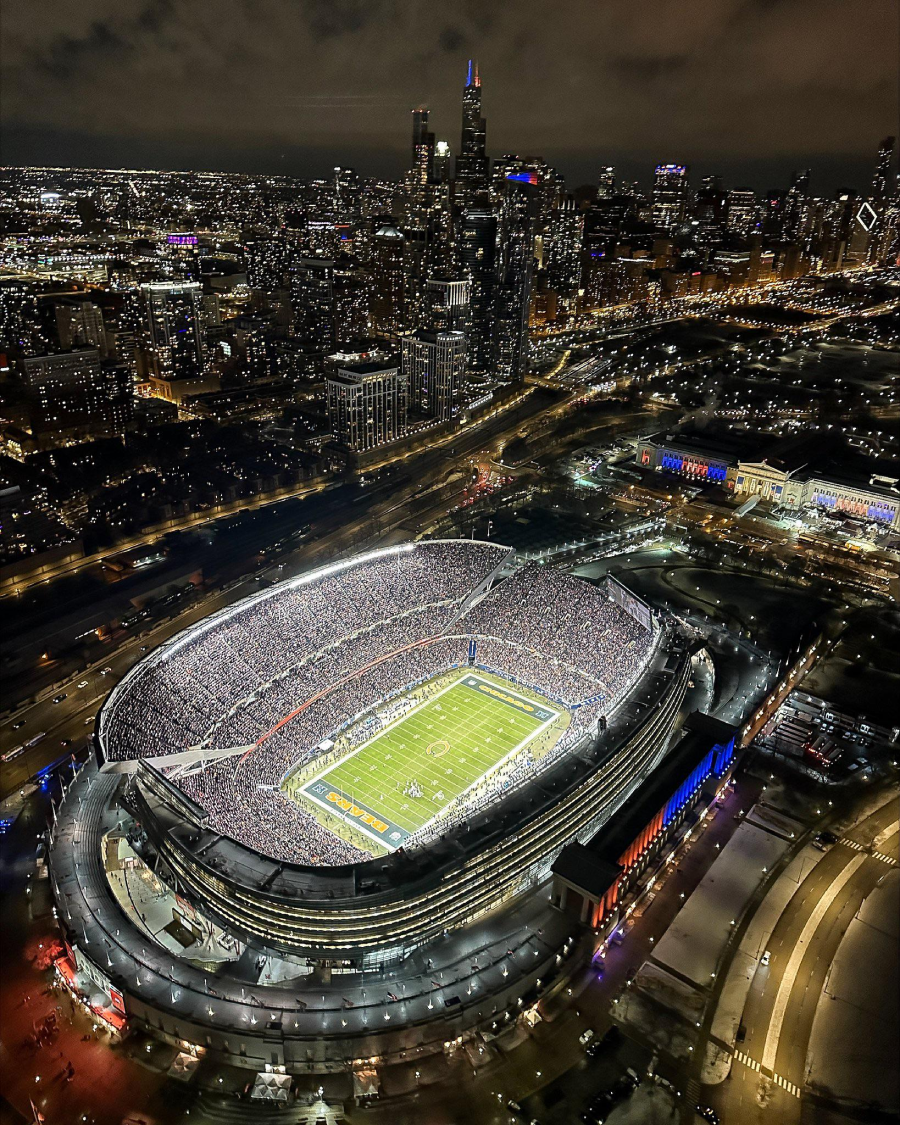
When Soldier Field was renovated in 2003, engineers had to perform a “surgical” operation to drop a modern, cantilevered stadium bowl into the historic 1924 neoclassical shell. This required massive steel columns to be threaded through the existing structure without damaging the iconic Greco-Roman colonnades. The result is a striking contrast between the old stone and the new glass, though the design was so controversial it temporarily lost its National Historic Landmark status. It remains a marvel of how to modernize a classic site while preserving its original “bones.”
20. Bank of Carolina Stadium’s drainage – Carolina Panthers
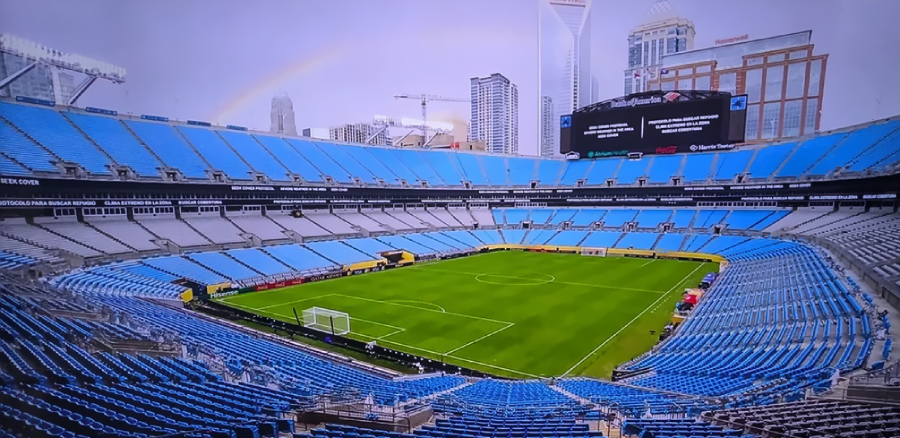
The field at the Panthers’ home can handle a staggering 10 inches of rain per hour without a single puddle forming on the turf. This is achieved through a multi-layered drainage system that includes specialized gravel, perforated pipes, and a high-flow sand base beneath the grass. Even during a tropical downpour, the water is whisked away so quickly that the game can continue without the field turning into a mud pit. It’s a hidden engineering feat that ensures the NFL schedule remains on track regardless of the Carolina weather.
Want more fun facts?
It is truly humbling to realize that for every touchdown scored, there are thousands of tons of steel and millions of lines of code working silently to keep the roof over our heads. These NFL cathedrals are a testament to human ingenuity and our desire to build bigger, better, and louder every single year. If you’re ready to discover more hidden facts, don’t miss these 20 Sunken Structures That Defy Modern Science, or these Hidden Rooms Inside Famous Landmarks You Never Get to See. You can also check these 20 Reality Glitches That Are Actually Real Facts.