The ’70s were filled with everyday habits and routines that made perfect sense at the time but would seem strange to kids today. Technology was simpler, entertainment looked different, and people relied on things that have since disappeared or been replaced. What once felt completely ordinary now seems outdated.
This list takes a look at 20 things people commonly did in the ’70s that would leave the younger generations scratching their heads. From recording your own music to wacky social norms, these moments offer a fun reminder of how quickly the world can change. Let’s take a look at 20 once-normal things ’70s people did that would confuse kids today.
1. Waiting by the radio to record songs on a cassette
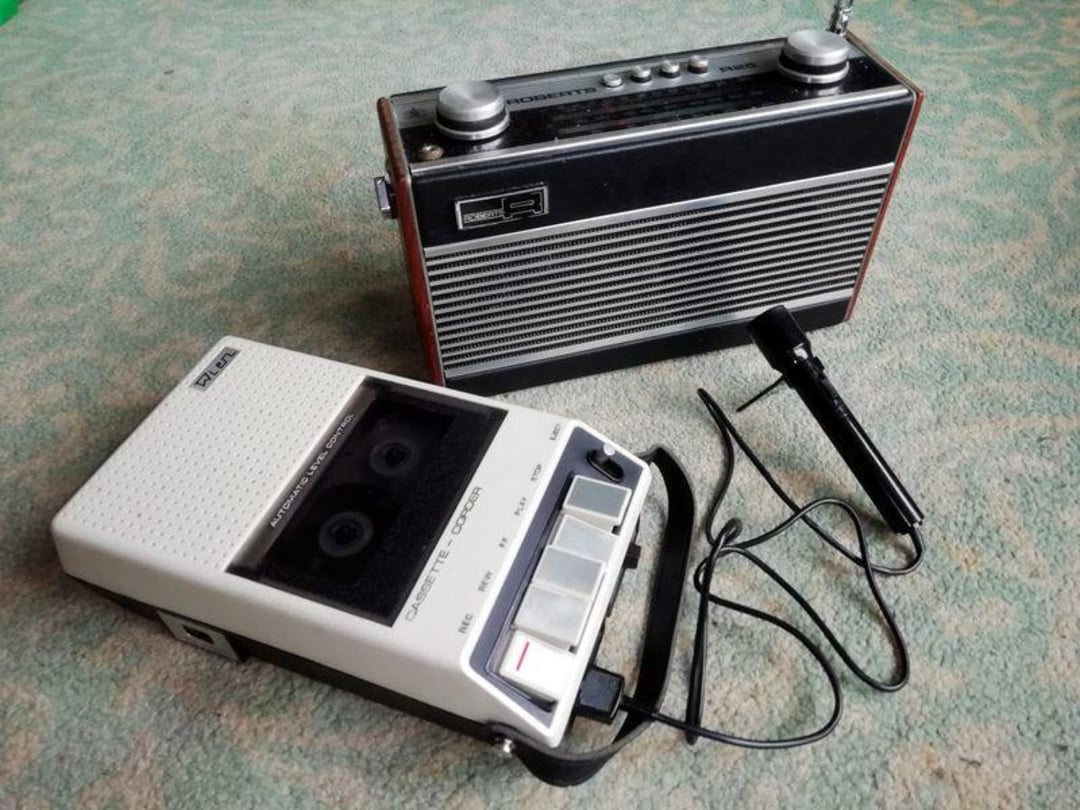
If someone wanted their favorite song, they’d sit by the radio with a cassette recorder ready. When the song finally came on, they’d quickly press record and hope the DJ didn’t talk over the intro. Many tapes ended up with the radio host’s voice at the beginning or end of the track, and it turned into a waiting game that depended on timing and luck.
2. Developing film
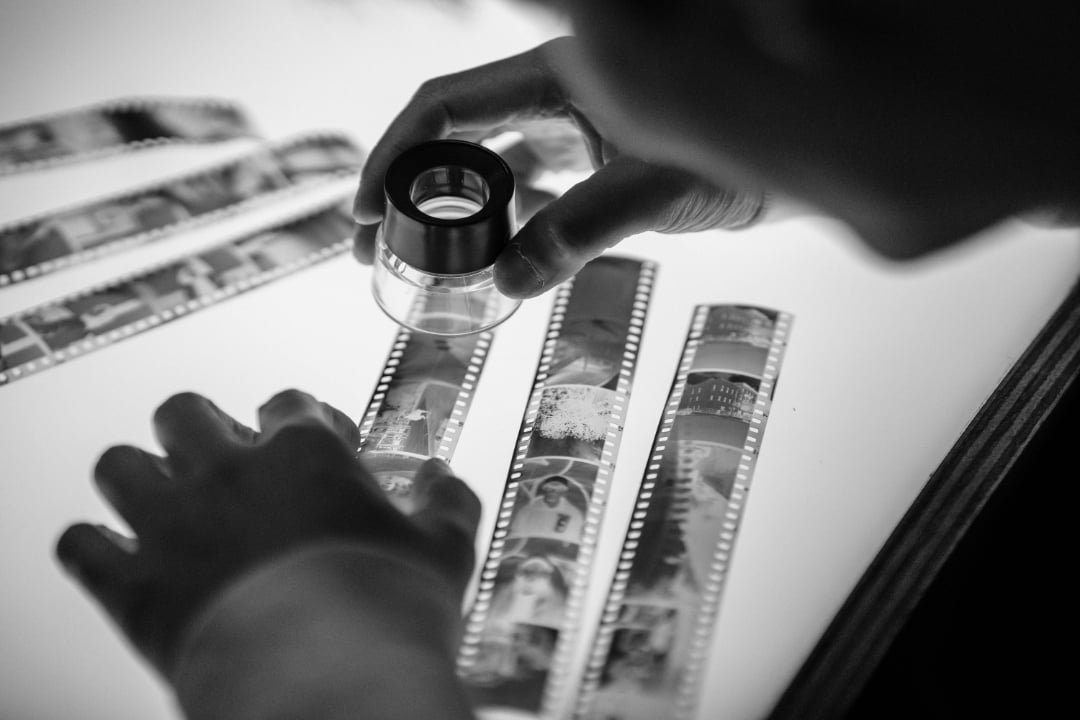
Cameras used rolls of film, and you couldn’t see your photos right away. After finishing a roll, people brought it to a store or photo lab to be developed. Several days later, they returned to pick up envelopes filled with printed photographs. Sometimes half the photos were blurry, but you wouldn’t know until you had the prints in your hands. Instant photos weren’t really mainstream in the ’70s, so waiting for film to be developed was simply part of the process.
3. Using a typewriter for school assignments
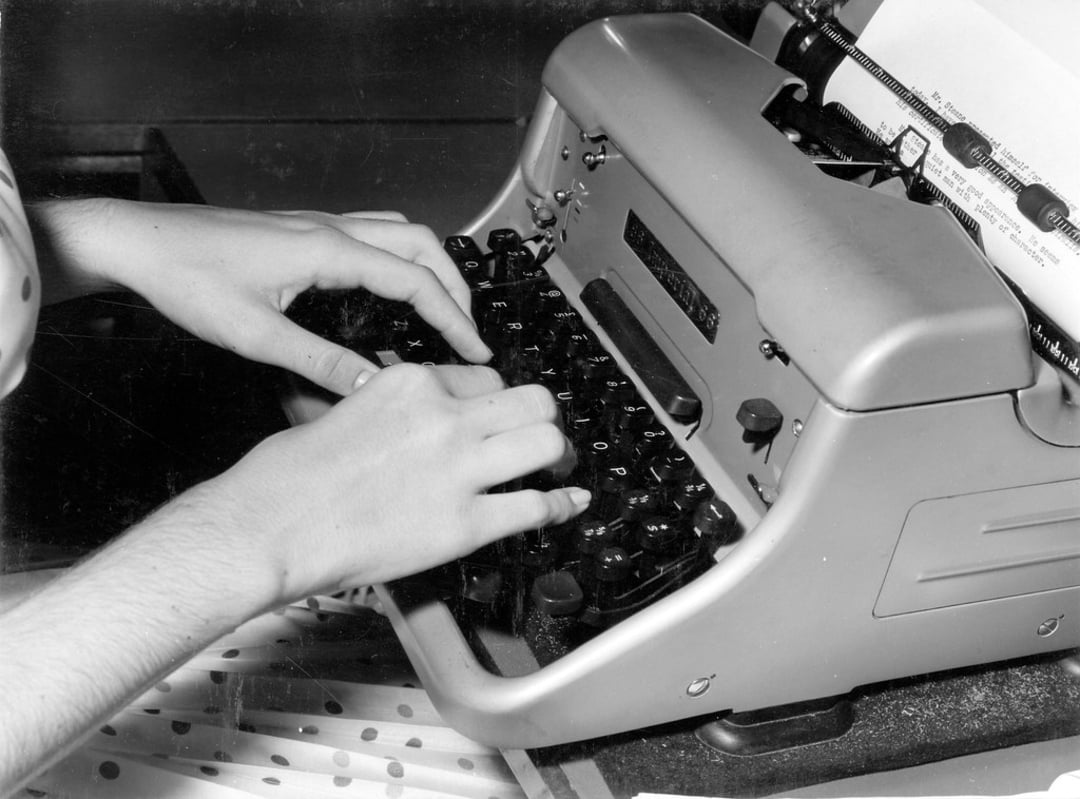
Students typed reports on mechanical typewriters instead of computers. Each mistake required correction fluid or starting over entirely. The loud clacking keys and the ding at the end of each line were familiar sounds in homes and offices. Writing demanded planning and patience because editing was much harder than pressing a delete key.
4. Writing letters and waiting for replies
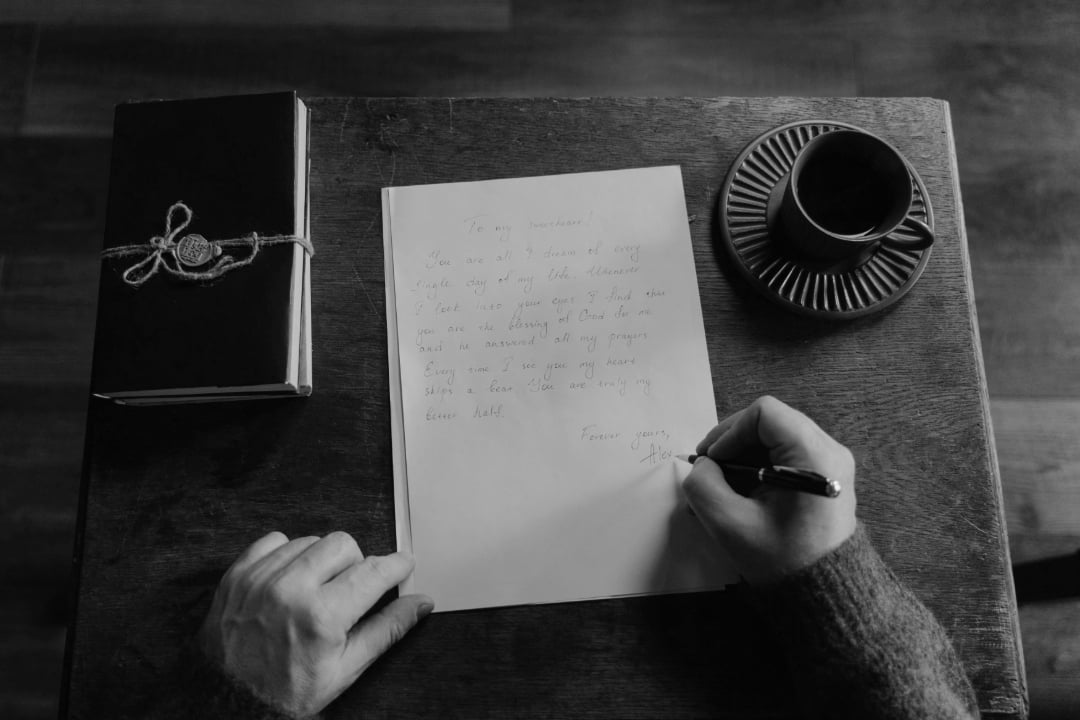
Many long-distance conversations were conducted through handwritten letters sent by mail. After writing and sending a note, people sometimes waited days or weeks for a response. The pace of communication was much slower, but this made it more thoughtful. Kids today might find waiting weeks for a response hard to imagine.
5. Encyclopedias were Google

Do you know how today, when someone has a question, it can be instantly answered at our fingertips? Well, in the ’70s, when someone needed to research a topic, they had to open an encyclopedia. Each volume covered a different part of the alphabet and contained carefully organized articles. Finding information required patience and reading through pages; there was no search bar to instantly pull up answers.
Trending on The Scroller

6. Using a pay phone
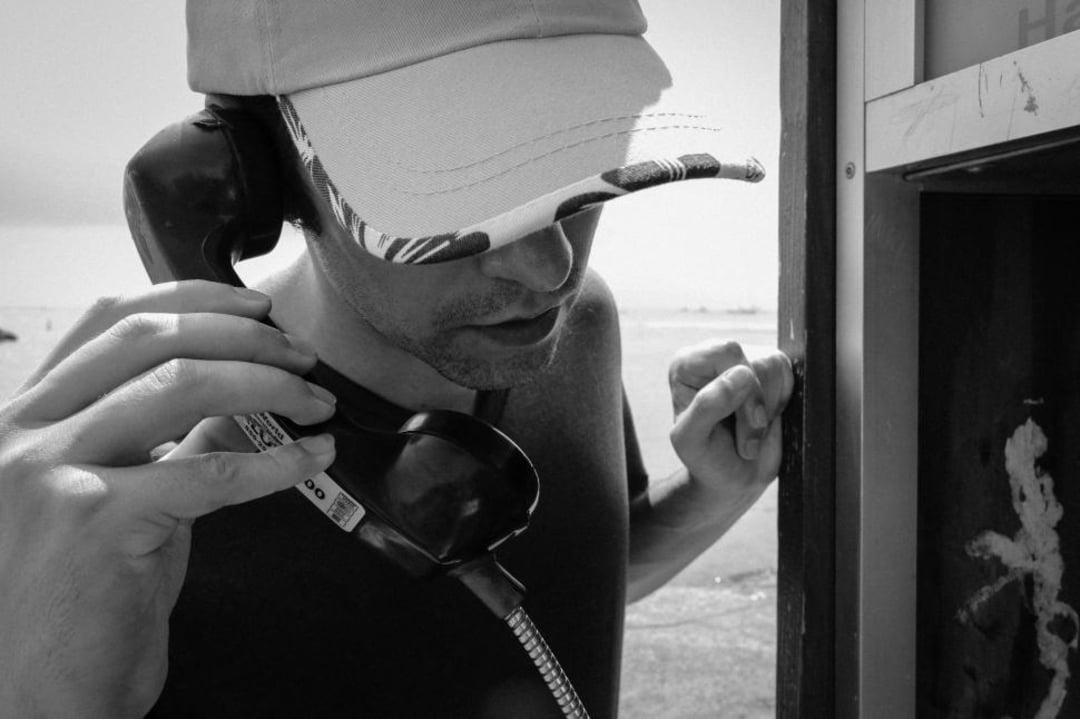
Pay phones were common in malls, restaurants, and parks. People carried change so they could make a call when they were away from home. If someone needed to reach you, they had to know where you were or leave a message with someone else. The idea of being instantly reachable didn’t exist yet.
7. Browsing record stores for music
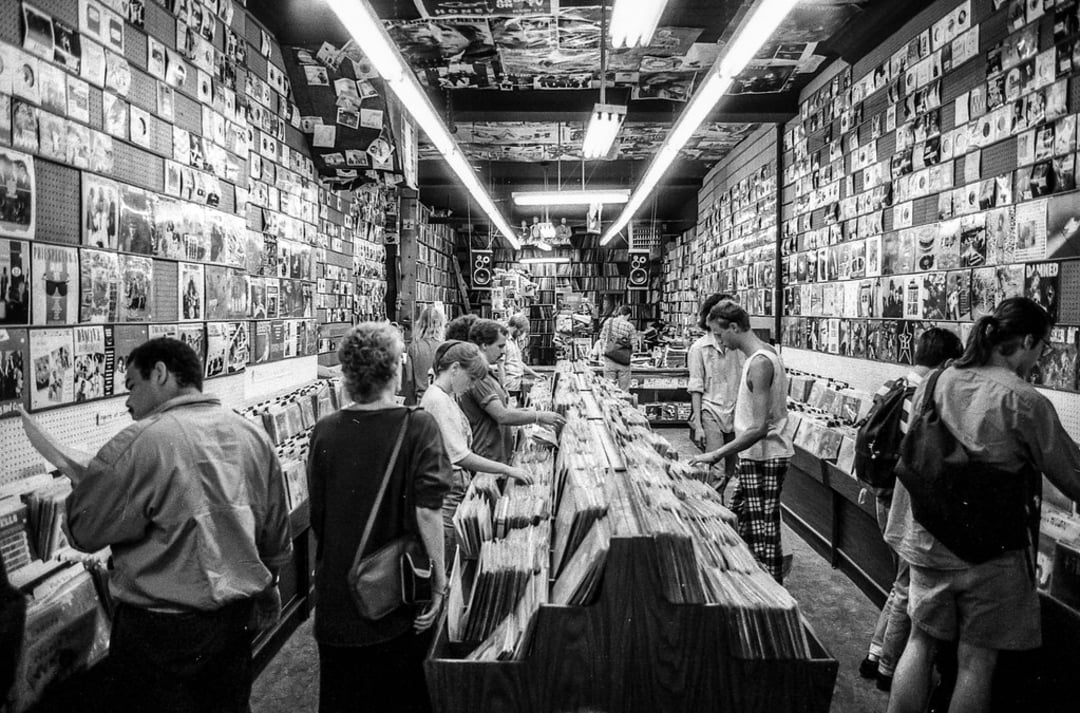
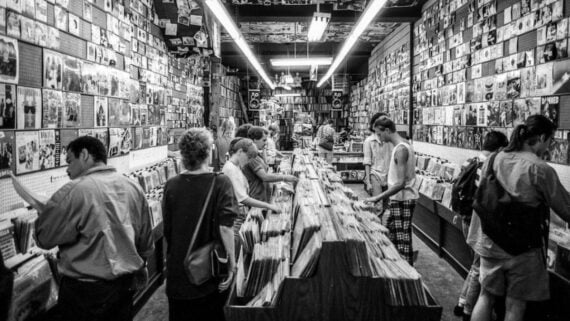
Music lovers visited record stores to buy vinyl albums and singles. They flipped through massive bins filled with colorful record sleeves. Choosing music involved listening stations where shoppers could preview albums. Discovering new songs was a physical and social experience rather than a digital one.
8. Making mix tapes
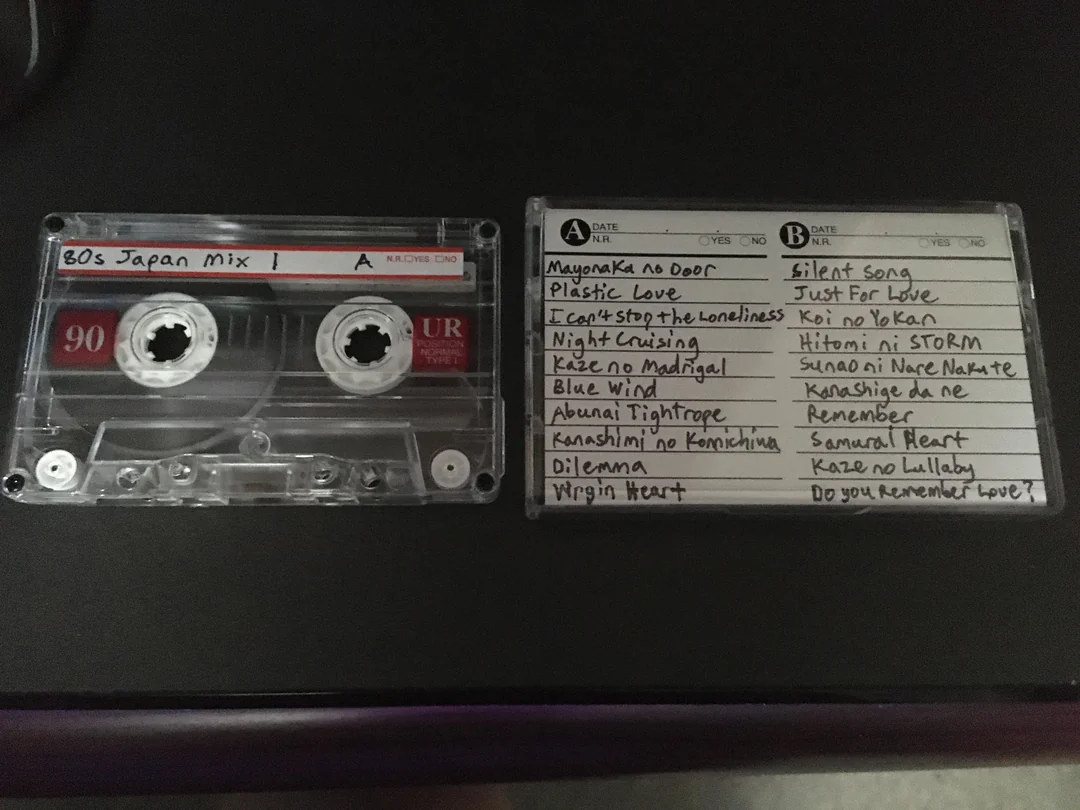
Creating a mix tape involved carefully recording songs onto a cassette in a specific order. People planned the sequence so the mood flowed from one track to the next. The process took time because songs had to be recorded perfectly and in real time. Giving someone a mix tape was a personal way to share music.
Sign up for our newsletter
9. Using rabbit ear antennas to adjust the TV signal
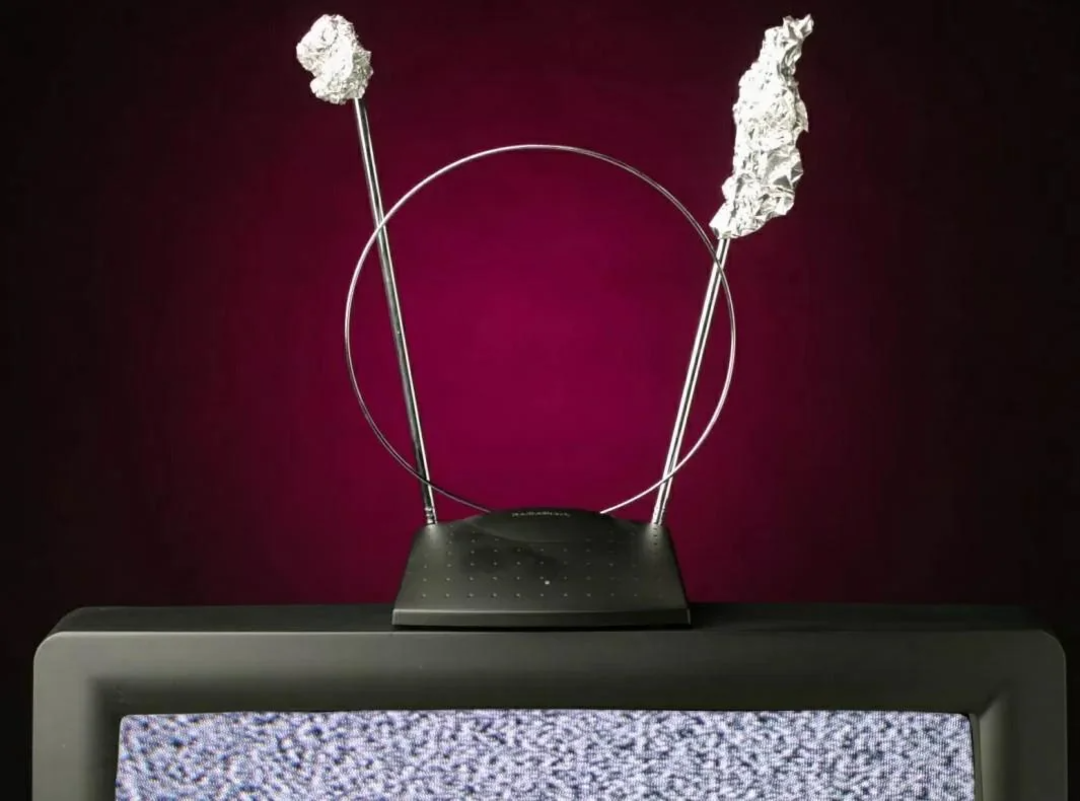
Watching TV was a group effort. Televisions relied on metal antennas sitting on top of the set for a clear picture. If the picture became fuzzy, someone had to stand up and move the antennas around until the image cleared. Family members would shout instructions from the couch while the hero adjusted the angle. Sometimes it took several tries before the picture looked right.
10. Rewinding a cassette tape with a pencil

When a cassette tape became loose or unwound, people used a pencil to fix it. The pencil fit perfectly into the cassette’s reel and allowed you to spin the tape back into place. This simple trick helped avoid wasting battery power in a tape player. For modern kids, dicing media with a pencil sounds absurd.
11. Using a paper map for directions

Before GPS and smartphone navigation, travelers relied on large folded paper maps to find their way. Drivers or passengers studied the map before a trip and tried to memorize key highways and turns. For kids used to a choice giving them step-by-step directions, navigating with a giant sheet of paper would feel surprisingly complicated.
12. Learning on a chalkboard

Classrooms had large chalkboards at the front of the room. Teachers wrote notes with sticks of chalk while students copied the information into notebooks. Today, kids are more familiar with smart boards and personal computers than they are with chalk.
13. Looking through slide viewers for photographs

Some photos were turned into small slides instead of printed pictures. People viewed them using handheld slide viewers or projectors. Families would watch slide shows of vacations together in darkened rooms, and the experience felt like a miniature movie night.
14. Listening for weather updates on the radio as a family

Before constant online updates, people relied on radio broadcasts for weather forecasts. Certain stations provided regular reports throughout the day. Farmers, travelers, and families planning outings paid close attention to these updates. Getting weather information required tuning in at the right time.
15. Listening to albums in order

Music fans played vinyl albums from beginning to end, and songs were arranged deliberately by the artist and producer. Skipping tracks was possible, but it was much less convenient than with digital playlists. Many listeners experienced music as a complete album rather than isolated songs.
16. Sending postcards

While some people still send postcards for nostalgia, it’s much more niche than it is necessary. In the ’70s, travelers mailed postcards from the places they visited. The card showed a photo of a landmark or scenic view, and on the back, people wrote a short message and mailed it to friends and family. It was a simple and fun way to share a piece of the trip before returning home.
17. Waiting for the milk man

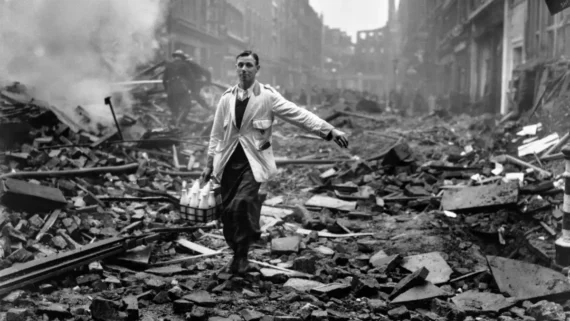
Many families (especially in rural towns) once had fresh milk delivered right to their doorstep by a milkman. Glass bottles were left outside early in the morning, often in a small insulated box to keep them cold. When the bottles were empty, families put them back outside so the milkman could collect and replace them on the next delivery. For kids today who get milk from the grocery store whenever they want, the idea of a regular doorstop delivery could feel extremely old-fashioned.
18. Buying blank cassette tapes just to record things

Blank tapes were used for all sorts of recordings, from music to radio shows to personal messages. People kept stacks of them at home for different purposes. Labeling the cassette case was the most important part, so you would remember what was on each tape.
19. Using a mail-order form to buy products

Shoppers often ordered items from thick catalogs that arrived in the mail. After choosing something, they filled out a form and mailed it with a check, and the package would take several weeks to arrive. Waiting that long seems unimaginable today.
20. Sharing one television for the whole house

In many homes, there was only a single television set, usually placed in the living room. Families gathered together to watch programs together, and if two people wanted to watch different shows, someone had to compromise. Entertainment was a shared family event, not a personal activity.
Want to see more ’70s content?
Check out 15 Protest Songs That Captured the Spirit of the 1970s, or take a look at 18 Vintage Photos of 1970s Park Equipment That Would Be Banned Today. Finally, if you want to see actors who owned the 1970s, check out 20 Actors Who Owned The 1970s.