
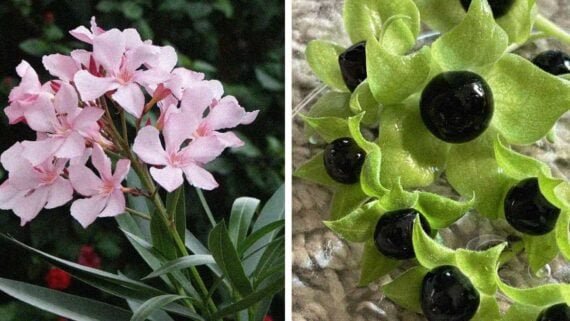
At first glance, most plants seem harmless. Unlike predators with sharp teeth, venomous animals, or dangerous insects, plants often appear peaceful and defenseless. They decorate gardens, forests, and landscapes with colorful flowers, lush leaves, and pleasant fragrances. Yet appearances can be deceiving. Throughout history, certain plants have evolved powerful chemical defenses that can seriously harm humans and animals.
Nature is full of surprises, and some of the most beautiful plants on Earth are also among the deadliest. From poisonous berries and toxic sap to leaves that can trigger severe reactions, these plants demonstrate how survival in nature often depends on hidden defenses. Scientists continue studying many of these remarkable species to better understand their toxins and ecological roles. Keep reading to discover some of the most fascinating plants that can be deadly to humans.
1. Oleander (Nerium oleander)
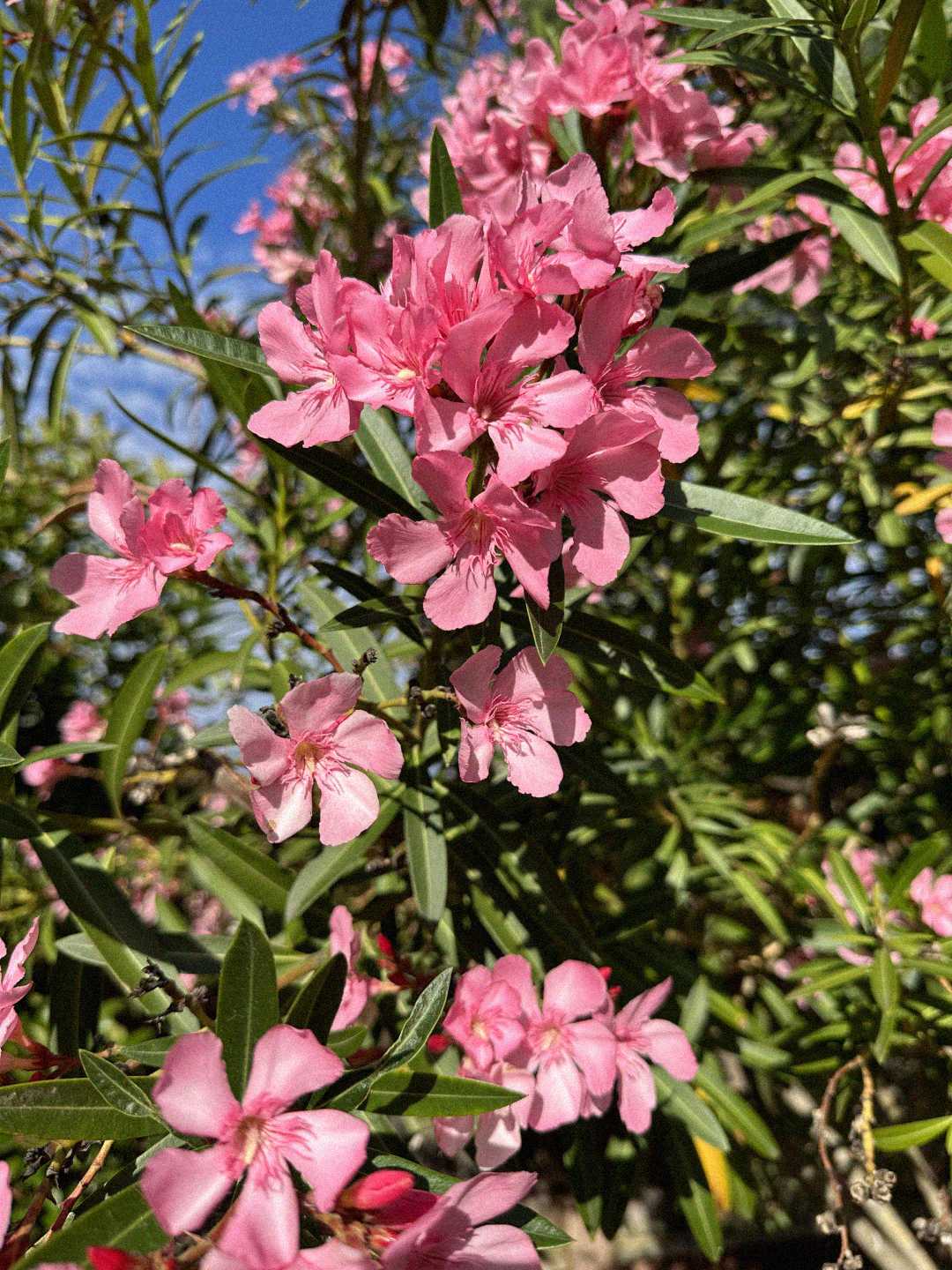
Native to the Mediterranean region and parts of Asia, oleander is widely planted for its vibrant pink, white, red, and yellow flowers. Despite its beauty, every part of the plant contains toxic compounds known as cardiac glycosides. Even a small amount can affect the heart, causing irregular heartbeat, nausea, vomiting, and potentially fatal complications.
2. Deadly Nightshade (Atropa belladonna)
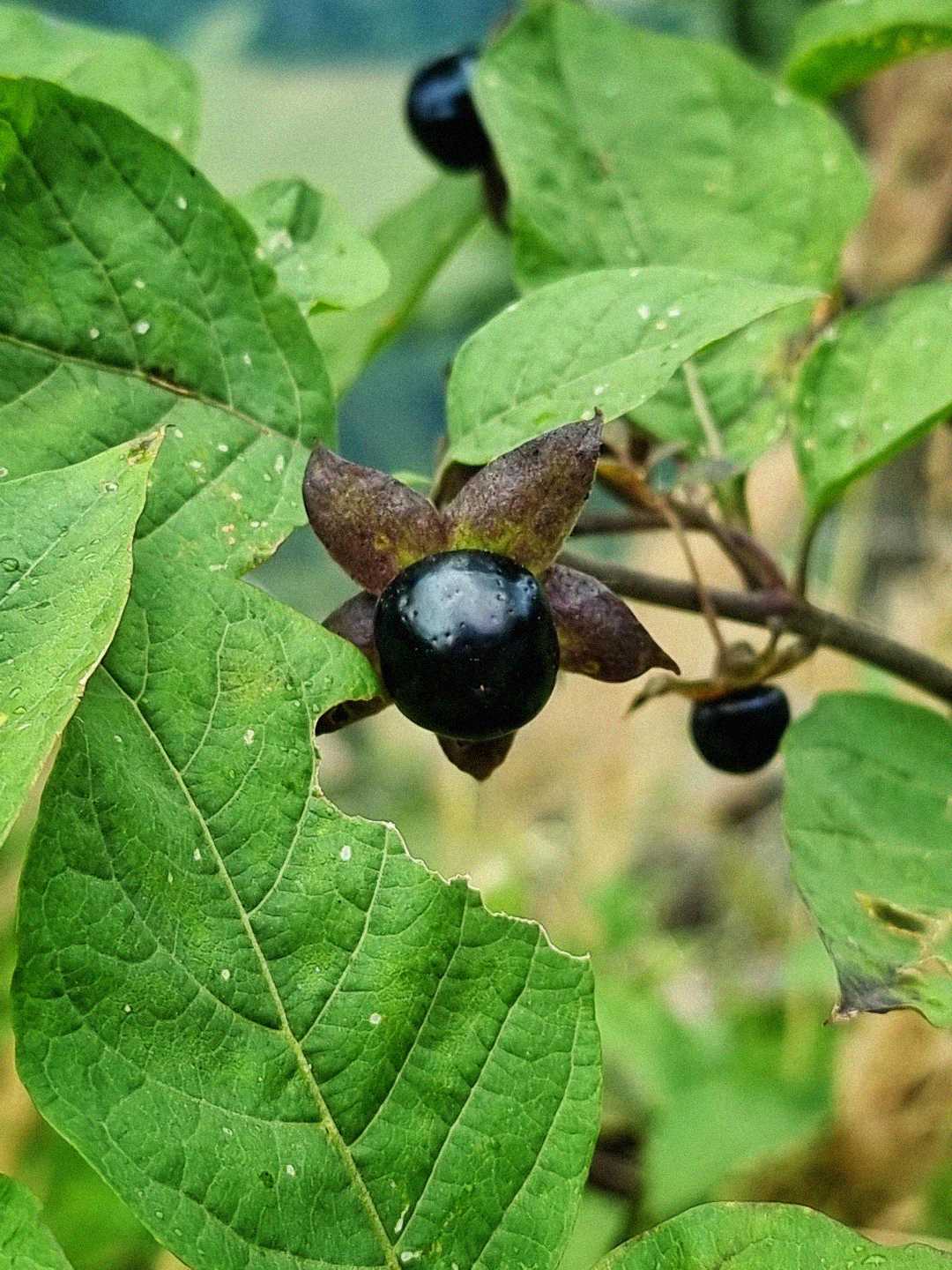
Deadly nightshade produces shiny black berries that can look surprisingly appealing. The plant contains atropine and scopolamine, powerful alkaloids that affect the nervous system. Ingestion can cause hallucinations, paralysis, rapid heartbeat, and death in severe cases. During the Renaissance, women reportedly used extracts from the plant to dilate their pupils, which is where the name “belladonna,” meaning “beautiful woman,” originated.
3. Rosary Pea (Abrus precatorius)

Originally from tropical regions of Asia and Africa, rosary pea produces striking red seeds with a distinctive black spot. These seeds are often used in jewelry and decorative crafts. The danger comes from abrin, a highly toxic protein. If a seed is chewed or damaged before being swallowed, the toxin can enter the body and cause severe organ failure. Abrin is considered one of the most potent plant toxins ever discovered.
4. Castor Bean Plant (Ricinus communis)
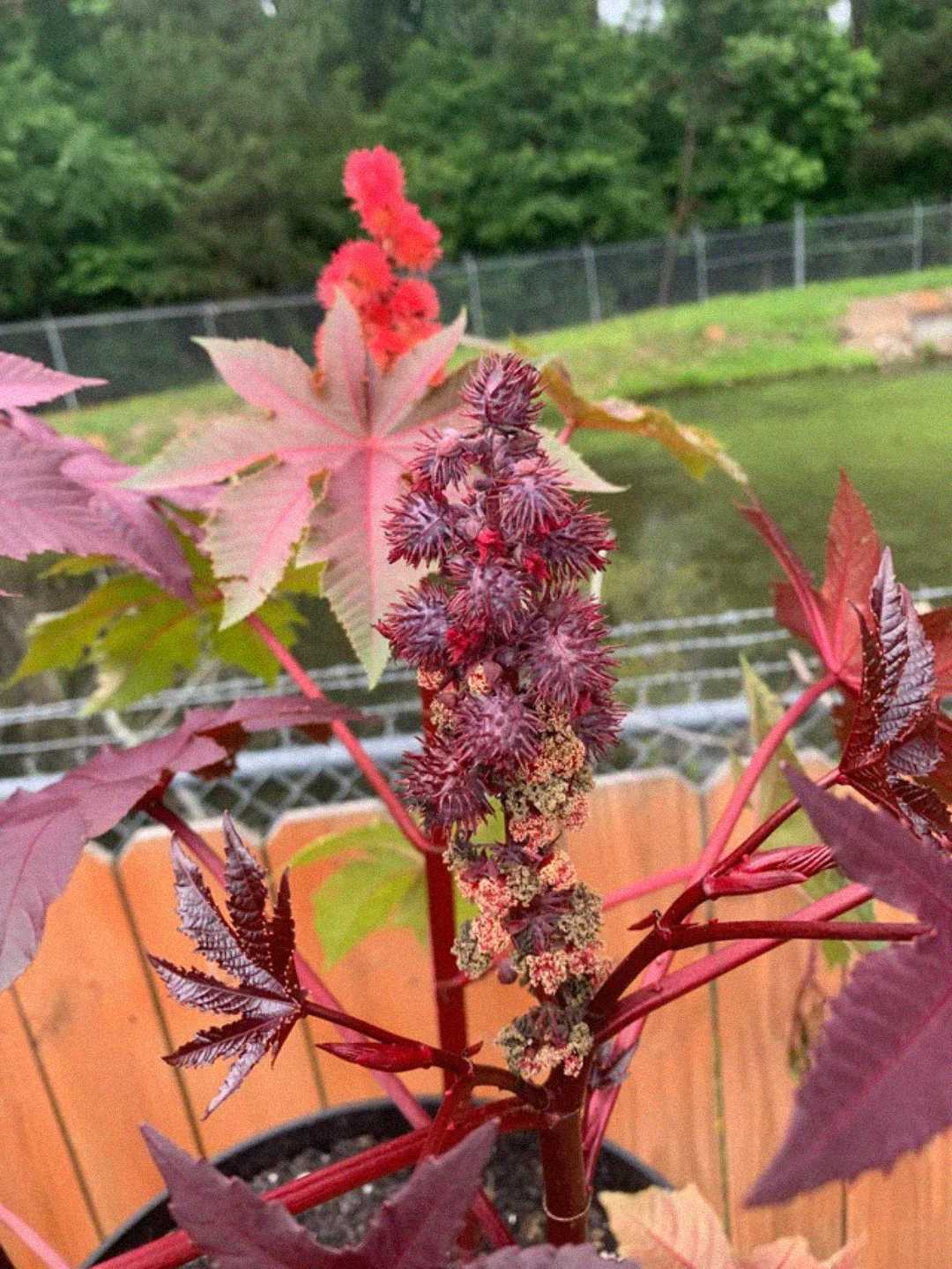
The castor bean plant is admired for its dramatic foliage and ornamental value. The seeds contain ricin, a toxin that interferes with cellular protein production. While castor oil is safely produced through industrial processing, untreated seeds can be extremely dangerous.
5. Monkshood (Aconitum napellus)
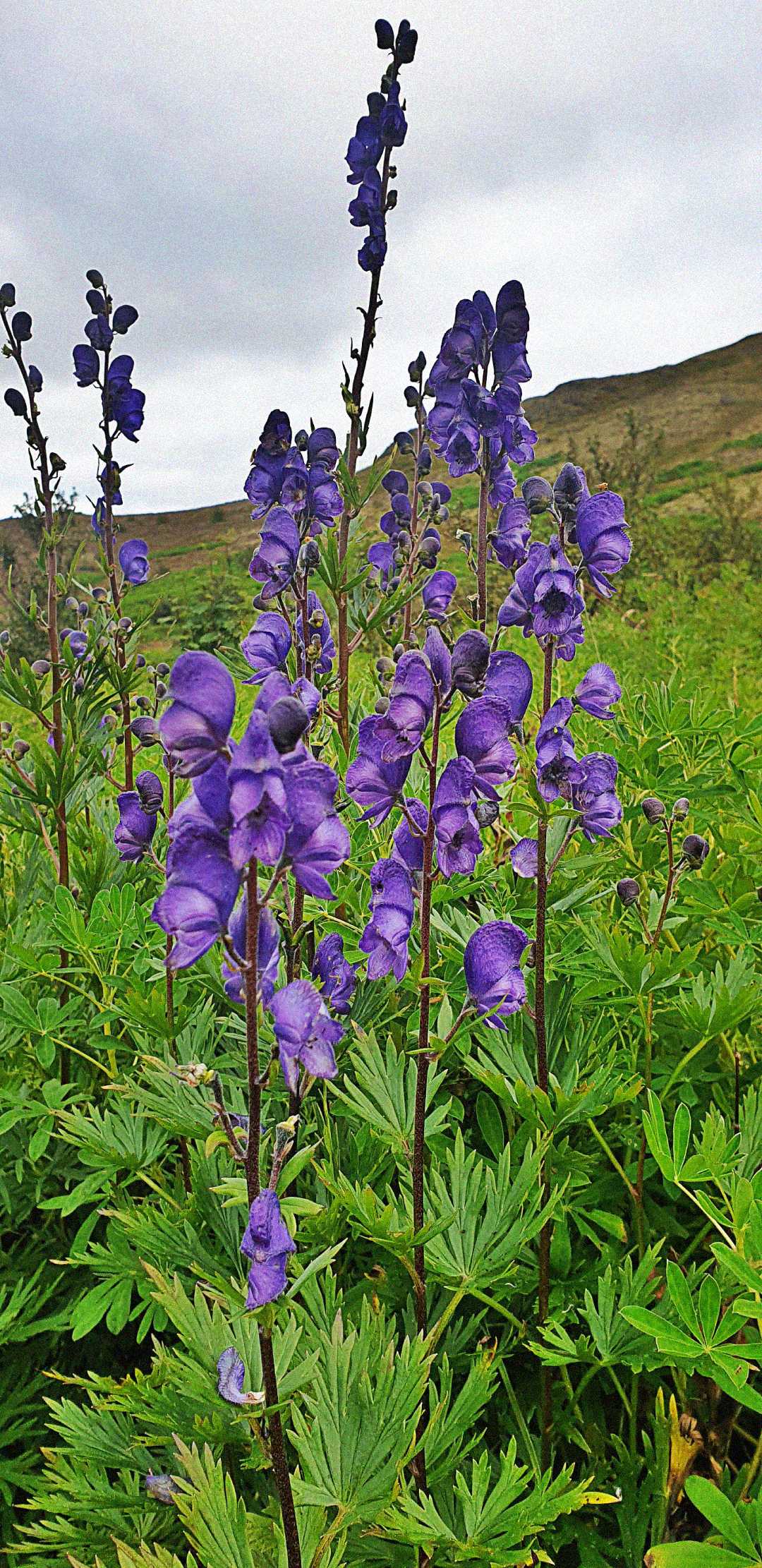
Native to mountainous areas of Europe and Asia, monkshood produces striking purple-blue flowers resembling a monk’s hood. Its toxin, aconitine, affects nerve and heart function. Historically, hunters and warriors reportedly coated arrows and spears with extracts from the plant. Even handling monkshood without protection can sometimes cause numbness or skin irritation.
Trending on The Scroller


6. Water Hemlock (Cicuta spp.)
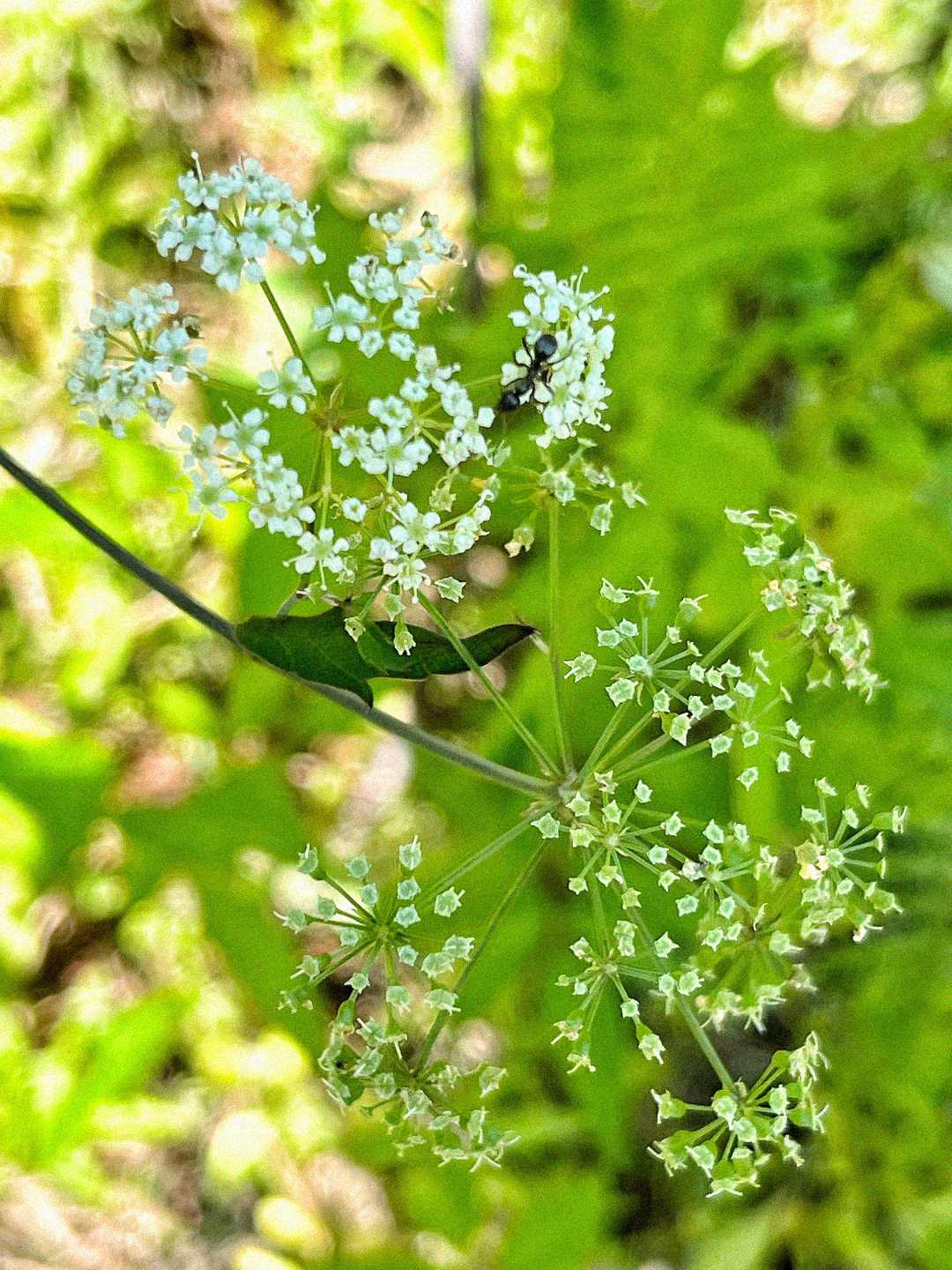
Water hemlock grows in wetlands, riverbanks, and marshes. The roots contain cicutoxin, which attacks the central nervous system. Symptoms can appear rapidly and include violent seizures. Experts frequently rank water hemlock among the most toxic plants in North America.
7. Poison Hemlock (Conium maculatum)
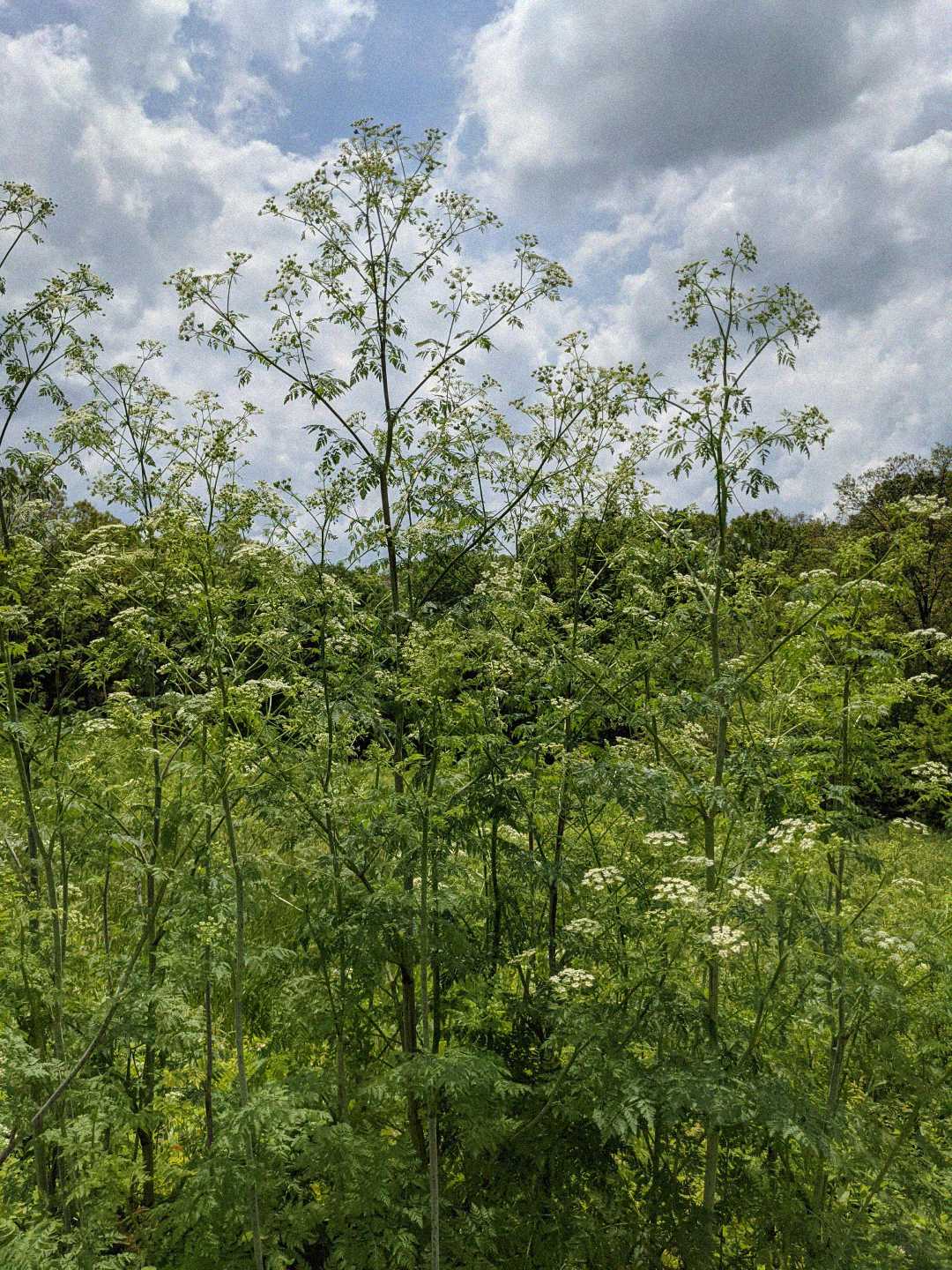
Originally native to Europe and North Africa, poison hemlock has spread to many parts of the world. It contains toxic alkaloids that gradually paralyze muscles, including those responsible for breathing. The plant is famously associated with the execution of the philosopher Socrates, who was reportedly forced to consume a hemlock preparation.
8. Angel’s Trumpet (Brugmansia spp.)
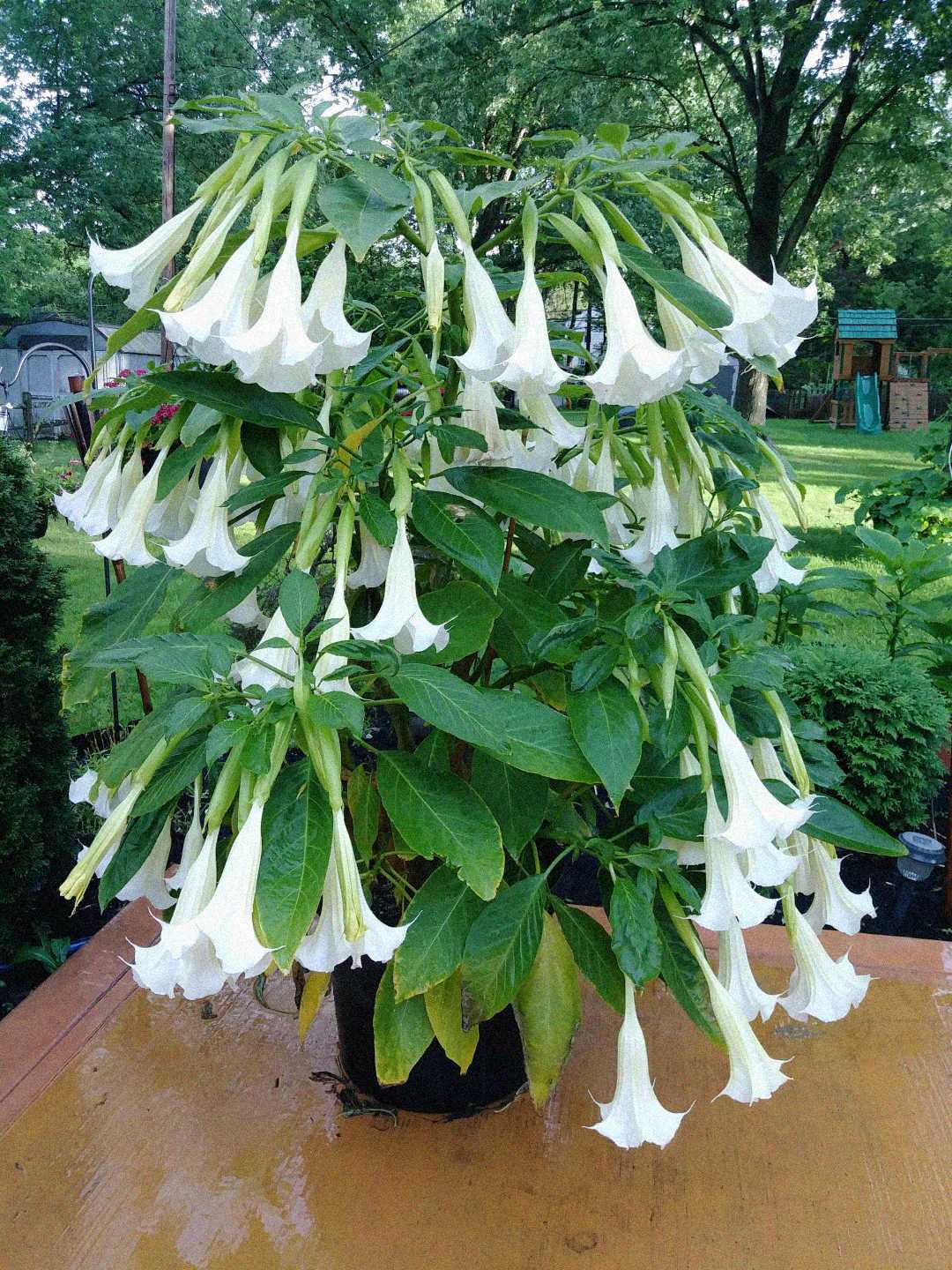
Angel’s trumpet is known for its large hanging flowers and sweet fragrance. The plant contains scopolamine and atropine, chemicals capable of causing severe hallucinations, confusion, and dangerous neurological effects. Despite its beauty, accidental poisonings have occurred when people underestimated its toxicity.
Sign up for our newsletter
9. Gympie-Gympie (Dendrocnide moroides)
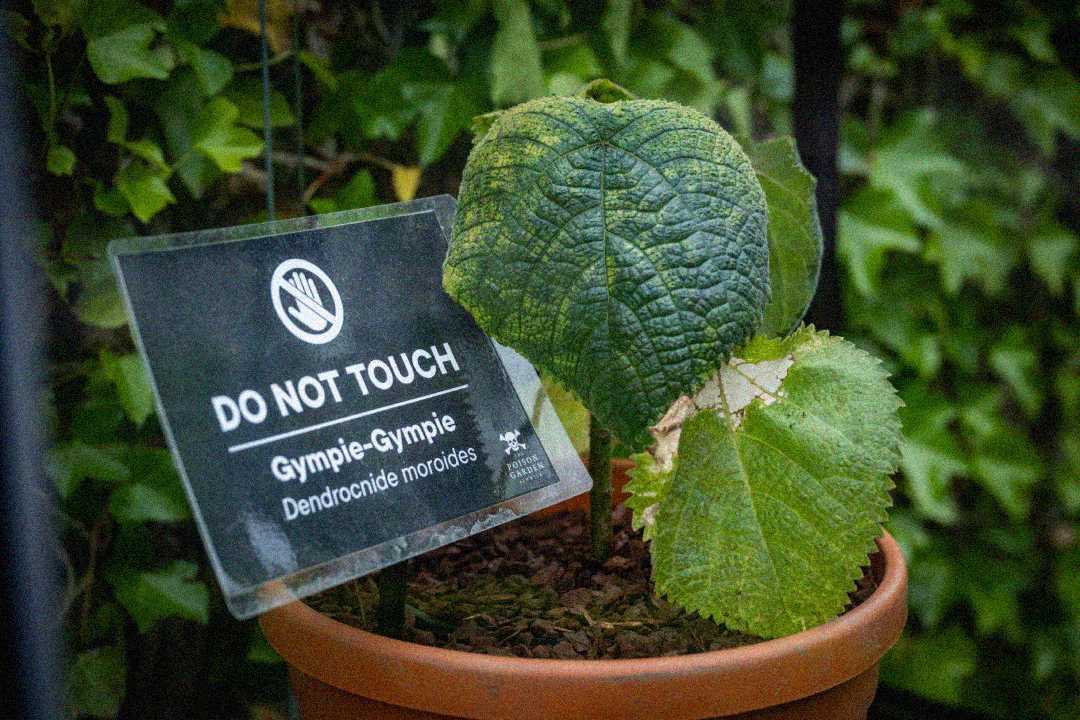
Native to the rainforests of northeastern Australia, this plant is covered with tiny silica hairs that inject toxins when touched. Victims describe the pain as excruciating and long-lasting. Some reports suggest discomfort can persist for weeks or even months.
10. White Snakeroot (Ageratina altissima)
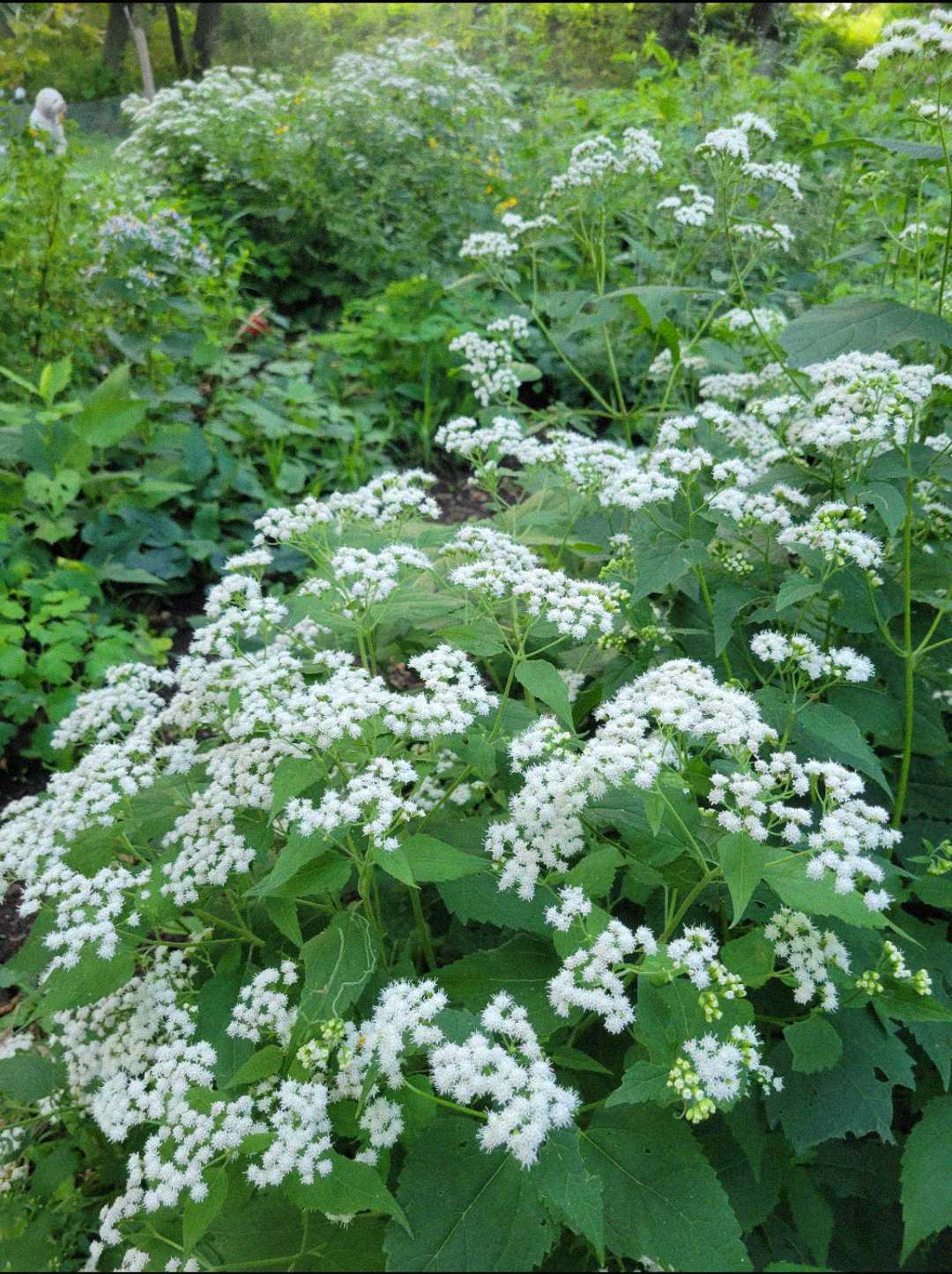
White snakeroot contains tremetol, a toxin that can pass through the milk and meat of livestock. In the 19th century, consumption of contaminated dairy products caused “milk sickness,” a disease responsible for thousands of deaths. One of its most notable victims was the mother of Abraham Lincoln.
11. Manchineel (Hippomane mancinella)
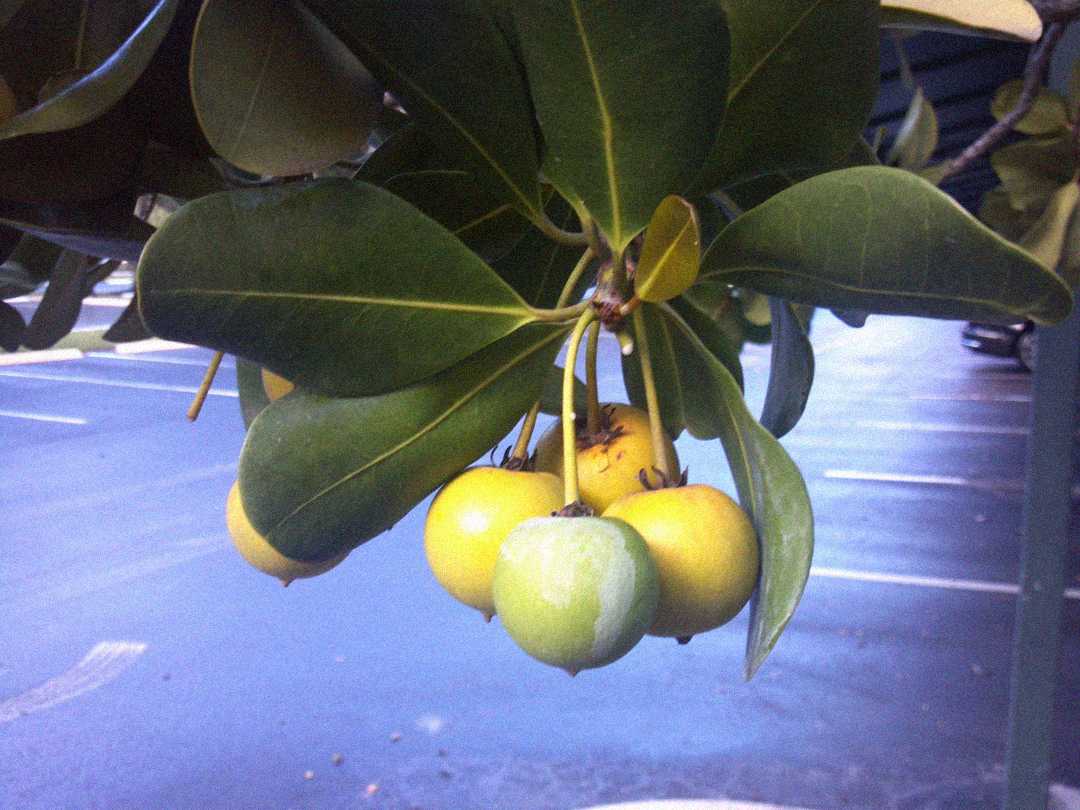
Manchineel is often called the “tree of death.” Its sap can cause severe skin burns, while its fruit resembles a small apple despite being highly toxic. Even standing beneath the tree during rain can expose people to irritating droplets carrying the sap.
12. Foxglove (Digitalis purpurea)
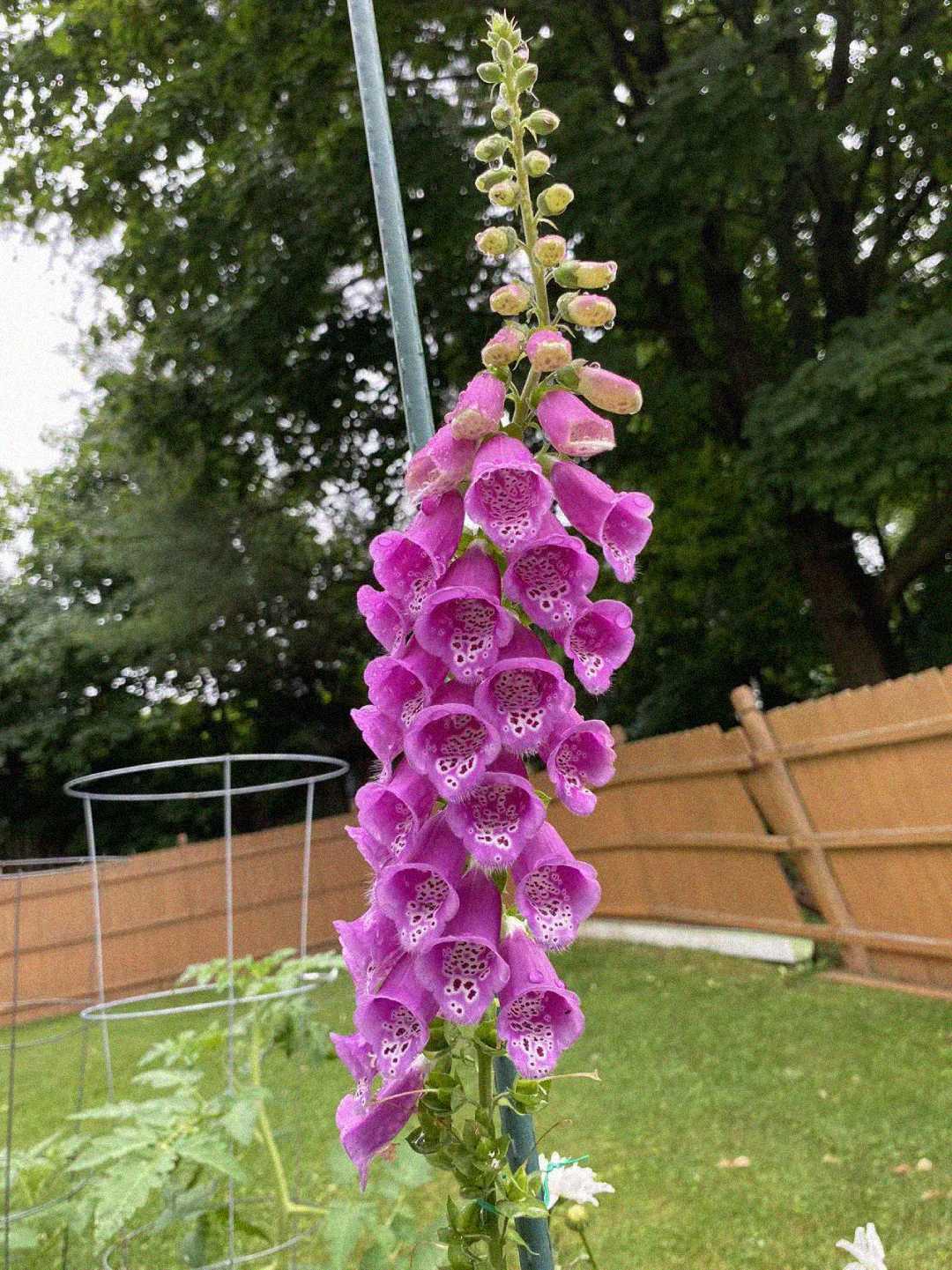
Foxglove produces tall spikes covered in bell-shaped purple flowers. The plant contains compounds that affect heart function. Interestingly, scientists used these chemicals to develop important cardiac medications. This makes foxglove an example of how dangerous plants can also contribute to medical advances.
13. Jimsonweed (Datura stramonium)
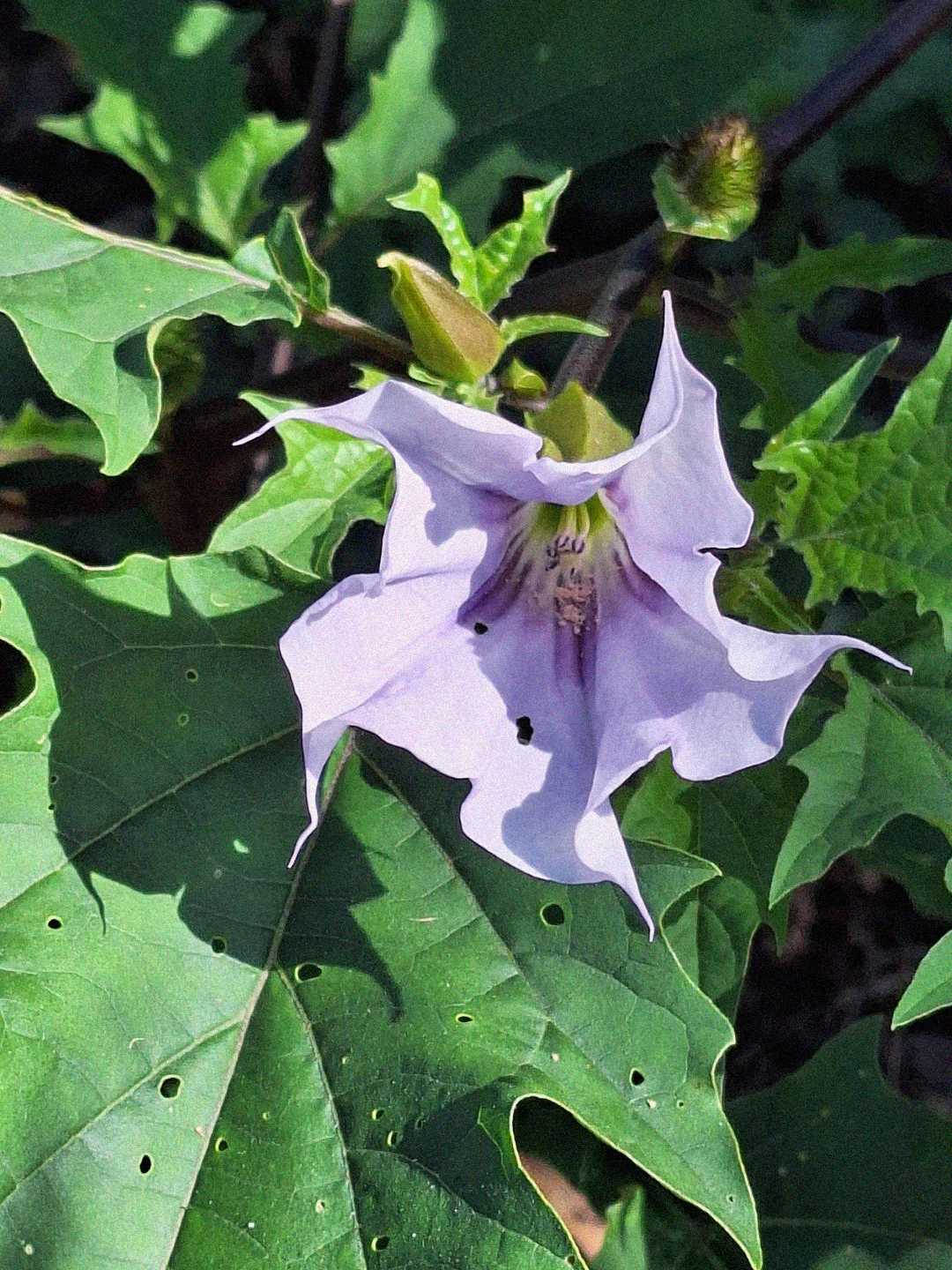
Believed to be native to Central America but now widespread globally, jimsonweed contains powerful alkaloids that affect the brain and nervous system. Accidental ingestion can result in delirium, hallucinations, rapid heartbeat, and dangerous behavioral changes. The plant has been associated with poisoning incidents for centuries.
14. Giant Hogweed (Heracleum mantegazzianum)
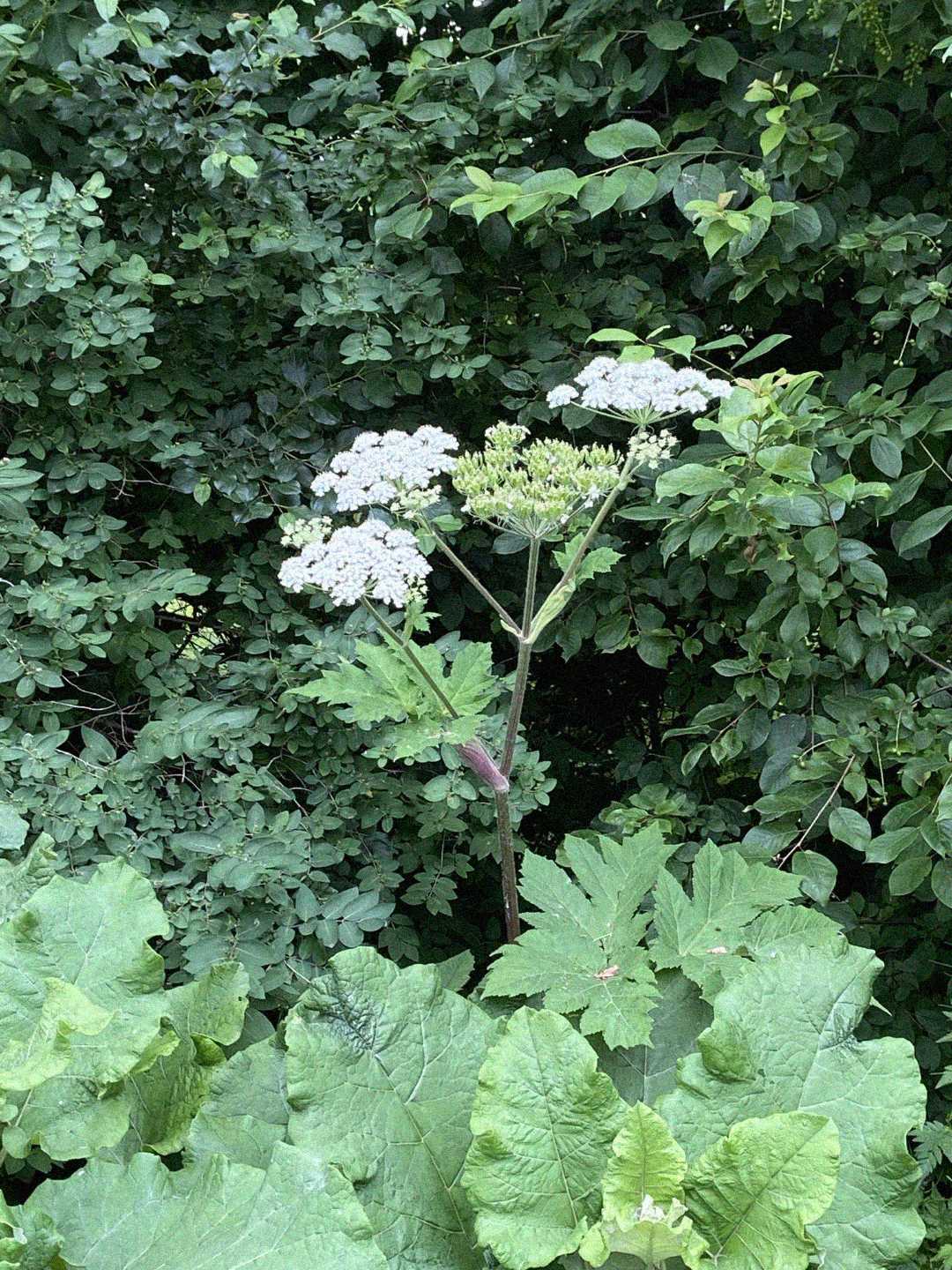
Native to the Caucasus region between Europe and Asia, giant hogweed can grow over 14 feet (4.3 meters) tall. Its sap contains chemicals that make skin extremely sensitive to sunlight. Contact followed by sun exposure can cause severe burns, blistering, and long-term scarring. This invasive species is closely monitored in several countries due to public safety concerns.
Plants can shock us with everything hidden behind their leaves, flowers, and roots. Keep exploring to discover more incredible plants and the remarkable secrets they hold.
The world of plants is far more complex than it first appears. These 14 species demonstrate how evolution has produced powerful chemical defenses that can protect plants from predators while posing risks to humans. Learning about plants helps us better understand ecosystems, medicine, biodiversity, and the delicate balance that shapes life on our planet. Nature has countless stories to tell, and plants remain some of its most fascinating characters.
Did you enjoy this content? We have many more fascinating articles exploring the wonders, mysteries, and surprises of nature. Start with our recommendations of the day and continue discovering the incredible world around us: 20 Unrecognizable Plants That Could Be From Another Universe, 15 Natural Wonders That Are Secretly Deadly, and 15 Animals That Were Extinct and Then Weren’t.